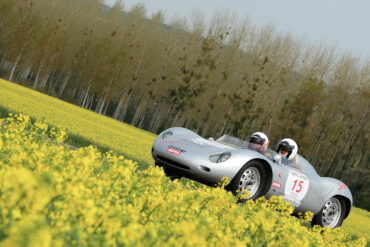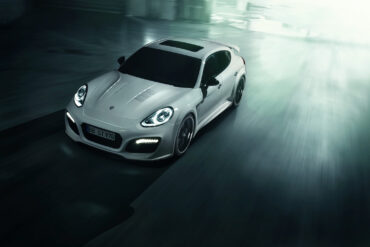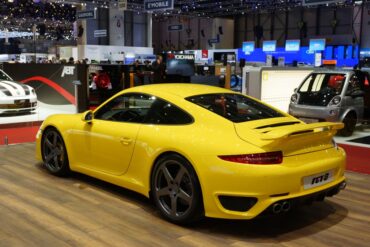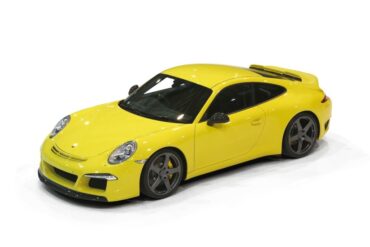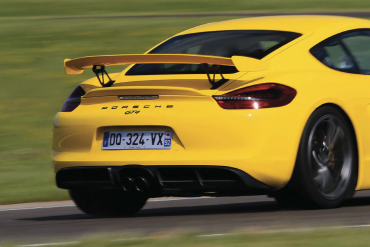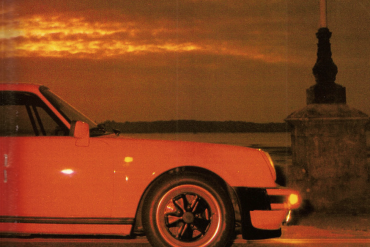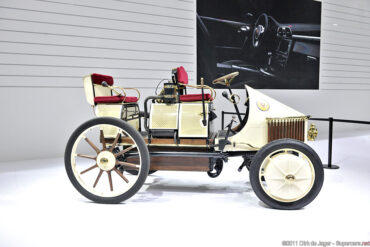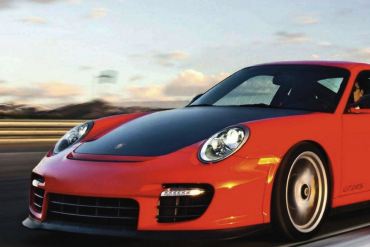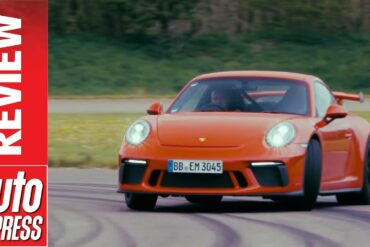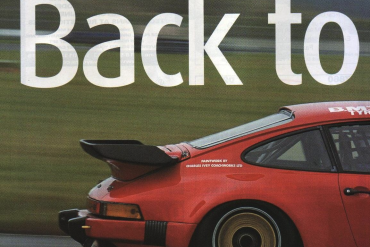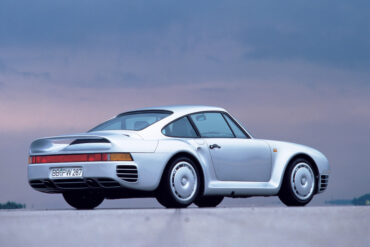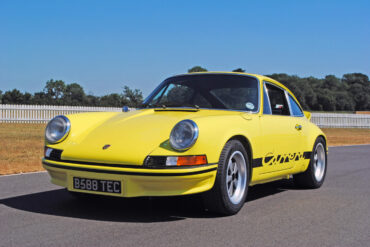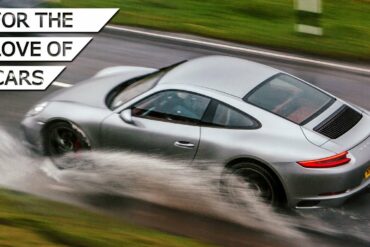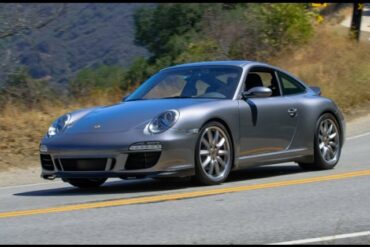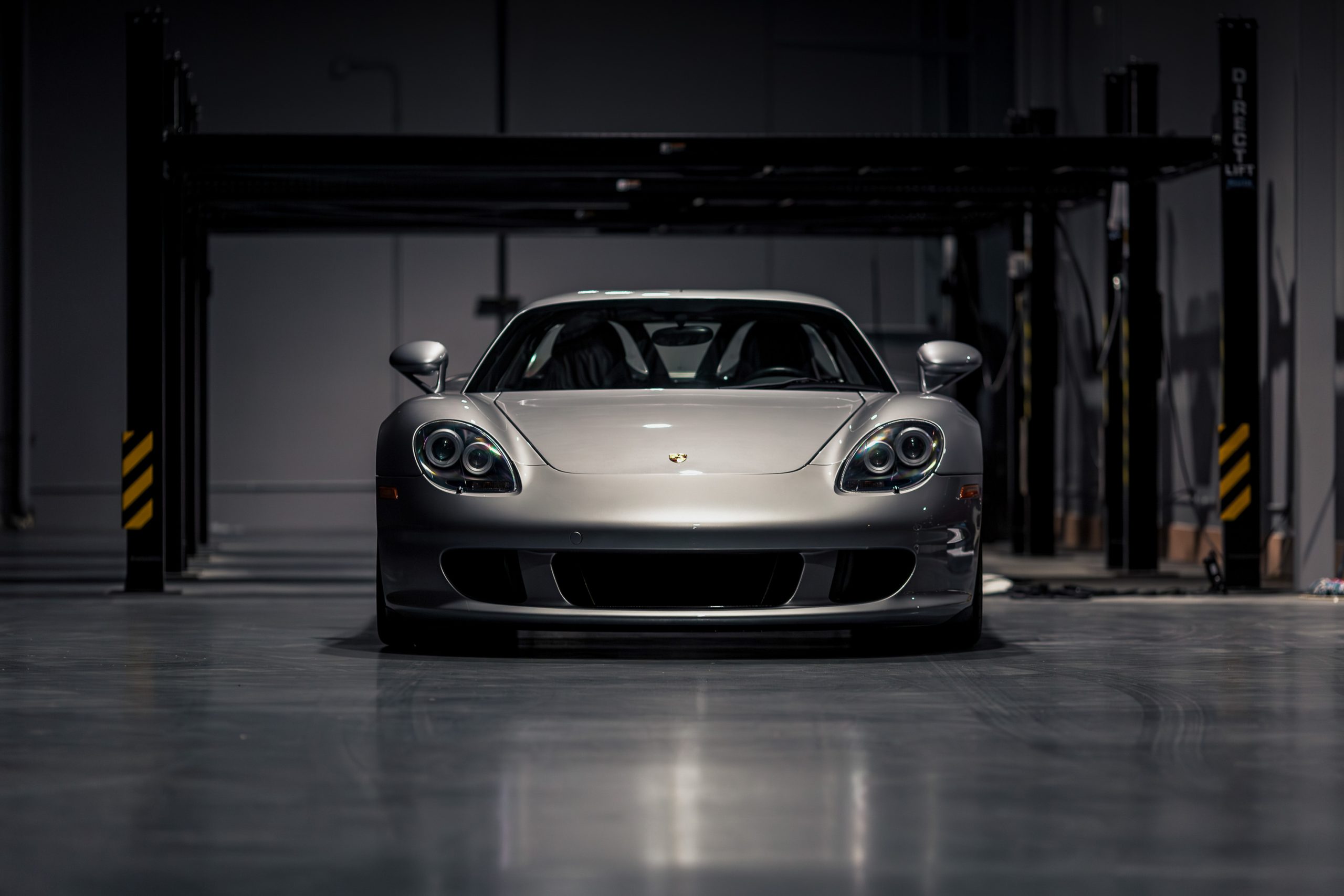

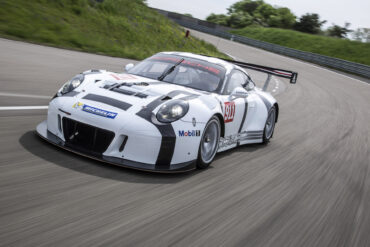
Based on the 911 GT3 RS production sports car, Porsche has designed a customer sport race car for GT3 series around the world: The 911 GT3 R. In developing the more than 368 kW (500 hp) racing nine-eleven, special attention was paid to lightweight design, better aerodynamic efficiency, reducing consumption, improved handling and optimised safety. The 911 GT3 R features the distinctive double-bubble roof, and the wheelbase which had been lengthened compared to the prior generation.
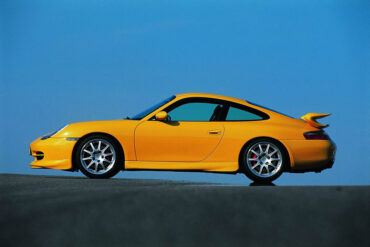
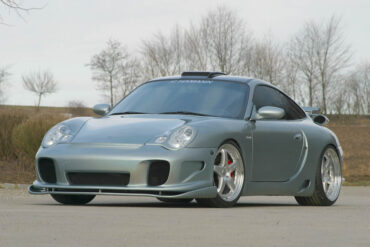
The GT3 was based on the standard 996 Carrera, but was stripped of a great deal of equipment for weight savings, featuring stiffer, adjustable suspension and upgraded brakes. The GT3 used the bodyshell of the four-wheel-drive Carrera 4, which incorporated additional front-end stiffening. It featured a naturally aspirated 3.6-litre flat-six engine generating a maximum power output of 360 bhp @ 7200 rpm and torque of 273 ft lbs @ 5000 rpm. This engine was shared with the 996 Turbo and was a derivative of the engine developed for the 911 GT1 race car.
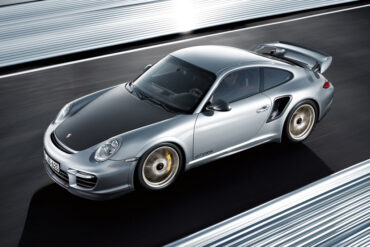
Porsche’s 911 GT2 RS is a brute, a lightweight, twin-turbocharged, 620-hp bout of madness that stemmed from Stuttgart’s quest to see how high up the sports-car ladder the 911 could punch. It is the most serious roadgoing Porsche ever. The engine is a port-injected, 3.6-liter flat-six from the Le Mans–winning GT1 race car of the late ’90s, with a pair of variable-geometry turbochargers huffing a maximum of 23.2 psi of boost into the combustion chambers. The result is 620 hp at 6500 rpm and 516 lb-ft of torque at 2250. It gets a six-speed manual gearbox and rear-drive only. Yikes.
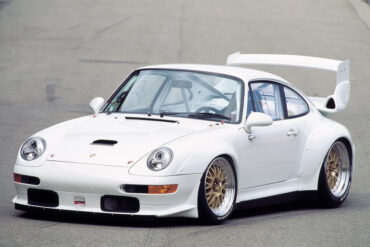
The Porsche 911 GT2 Evo represented the top specification ever produced for any air-cooled Porsche. Designed to compete in FIA GT1, it incorporated a twin turbocharged 3.6L flat-6 engine rated at a full 600 HP and 491 lb-ft of torque. As compared to the standard 993 GT2, Porsche widened the rear fender extensions to cover wider modular wheels and added a new front spoiler with inlets for oil and brake cooling. A second deck appeared on the already outlandish rear spoiler, which could be mounted higher in the air stream for added downforce. Approximately 11 samples were produced.
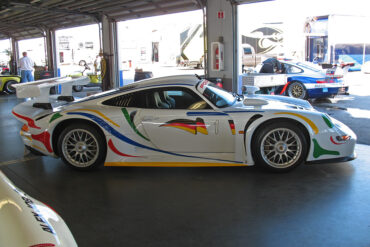
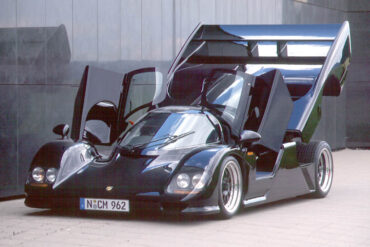
To comply with homologation requirements, Porsche built two street versions of their 1996 Le Mans contender. These pre-production cars are essentially the same as the race version without all the safety equipment, a higher ride height and more interior amenities. The two street versions were actually built in 1995 as 1996 model year cars. The engines were slightly detuned from 600 bhp to 544 and the gear ratios were changed.
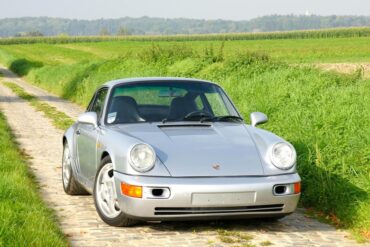
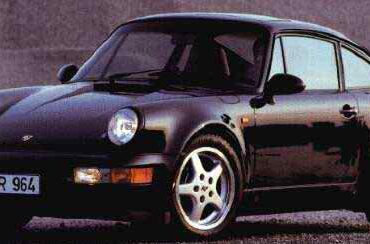
The 964 Carrera RS (Standard) was introduced by Porsche for model year 1992 specifically for the European market as a lightweight, high performance version of the 964 Carrera 2. It featured a revised version of the standard 3.6 liter engine, titled M64/03 internally, with an increased power output of 260 bhp (194 kW; 264 PS). The RS does not look much different from the other 911 models of the period but its weight is reduced and power increased. True to its racing spirit, the Carrera RS featured bucket seats and thinner materials, but lacked power windows, air conditioning, air bags, and other creature comforts.
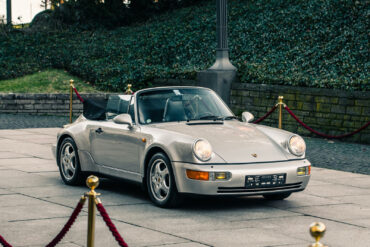
Porsche 911 Type 964 Carrera 2 'Works Turbo Look' Cabriolet was a special model in the 964 lineup. It gave buyers of the Carrera 2 Cab the great wide look of the Turbo cars and the Carrera 2 engine. The model was available as a 1992 and 1993 model year car (while some argue it was also available for a while in 1994). You get body shape of the 964 Turbo 3.3 without the huge rear spoiler. But this was more than just a design exercise, because the the Turbo-Look models also got the chassis and braking system from the Turbo 3.3 too. 
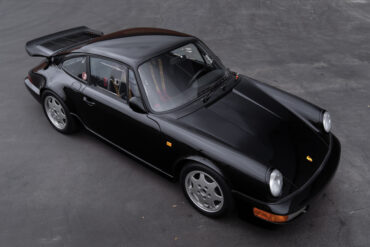
The rarest 964 RS variant was the awesome 964 C4 Lightweight. Known as the 964 Leichtbau it made use of surplus parts from 953 Paris-Dakar project. A handful of specially prepared lightweight 911s were fabricated by the Porsche factory and called the Carrera 4 RS Lightweight. Carrera RS Body with 959-like AWD wizardry and more power. Lightweight masterpiece. Used parts from 953 Paris-Dakar project. The 964 C4 Lightweight was powered by the same 3.6 liter flat six as the normal 964 RS, but was fettled to produce 300 hp.
Porsche 911 Carrera 4 Cabriolet (964)
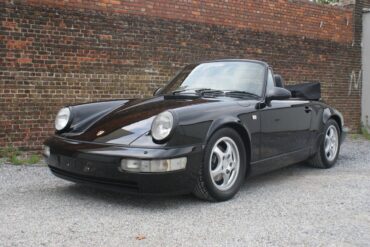
The Carrera 4 model also launched with a Cabriolet version in 1989 (for 1990 model year). The new 911 generation is introduced in Autumn 1988, but the convertible was not launched until the model year 1990. Alterations to the body include the bumpers and sill tread plates, and the 911 continues to be equipped with an automatically retractable rear spoiler and a cowled underbody. The braking system is fitted with ABS. The 911 (Type 964) also features power-assisted steering for the first time. Like the Coupe, the Cabriolet got the new all-wheel drive system.
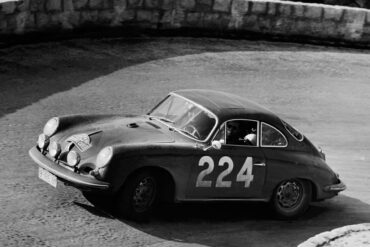
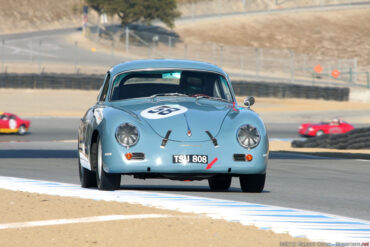
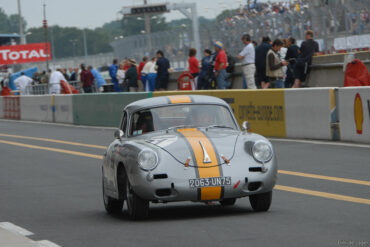
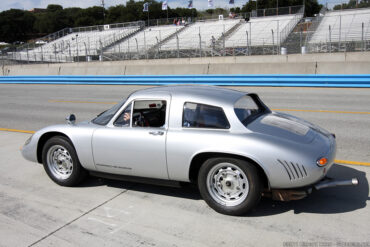
Amongst Porsche 356 enthusiasts, perhaps no model is more coveted than a C-Series Carrera 2. The Carrera 2 represents the culmination of Porsche’s racing technology fitted into a road car package and the ultimate performance-first sports car in the 356 model lineup. The 1,966-cubic centimeter, mechanically complex four-cam Type 587/1 engine was the most powerful unit that Porsche had ever created for a production car, developing 130 brake horsepower at 6,200 rpm.
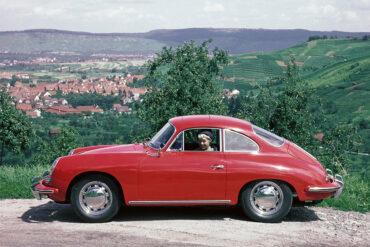
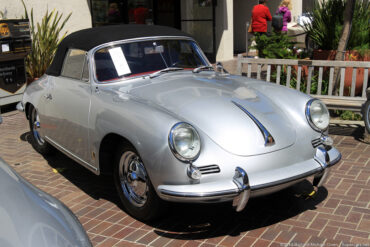
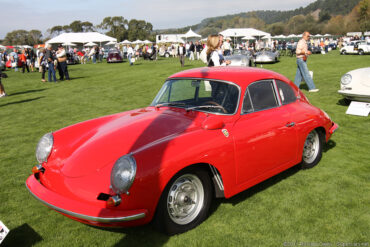
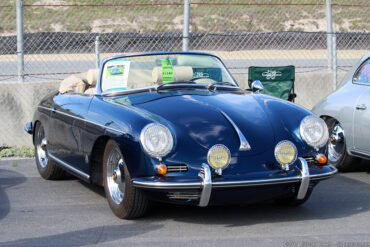
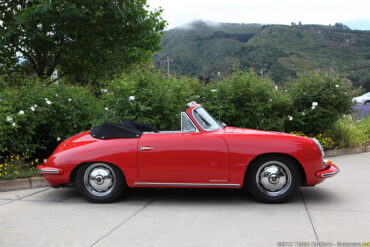
Introduced in 1963 for the 1964 model year, the base model Porsche 356 1600C Coupe was presented as the entry-level version of the last generation of the Porsche 356 Coupes. After offering standard/base model versions for the 356 A and 356 B with 60 HP engines, Porsche dropped the standard version as its base model and introduced the successor of the former mid-level 1600 Super engine variant with 75 HP, as the entry-level engine option for the 356 C generation. As with previous generations, it was also offered with the 356 C Cabriolet cars.
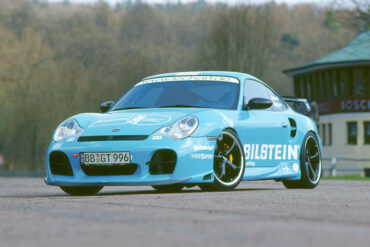
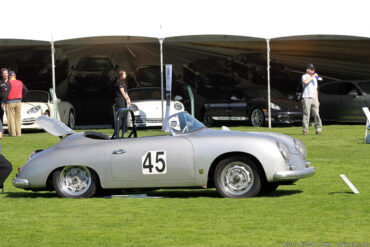
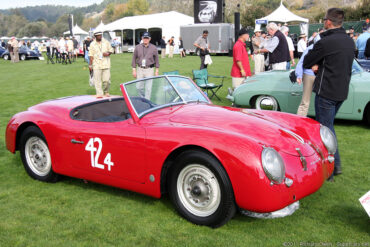
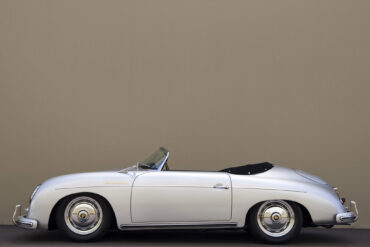
The original Porsche Carrera Zagato Speedster, the first Zagato bodied Porsche of the brand’s history, was built in 1958 for French gentleman driver and expert Porsche pilot Claude Storez, one of the best French pilots of that time. He started his career in early 50s and became soon a skilled pilot. In late ’57 he was looking for the “ultimate” 356 for the 1958 races season. He put an order to Porsche AG for a 356 A Speedster (the lightest version available) with a Carrera engine and GS specs (the most powerful at that time).
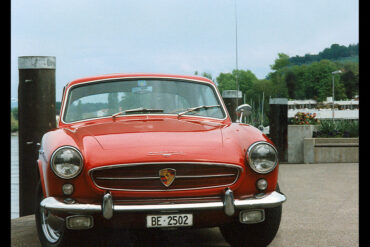
Ferry Porsche had in fact requested Swiss technicians to make a less sporty and more elegant version of the 365 B and thus the 1600 Beutler Coupè was born. This project is a 2+2 based on a Porsche 1600. Like the Porsche, the car is built on a VW platform, but includes Porsche elements such as the brakes and the engine. It was built in 5 copies before production was stopped in 1957 due to a change in commercial strategies by the German company.
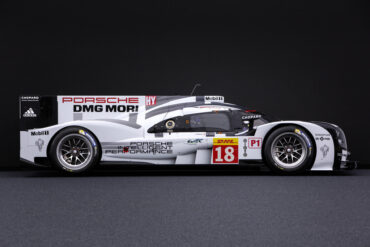
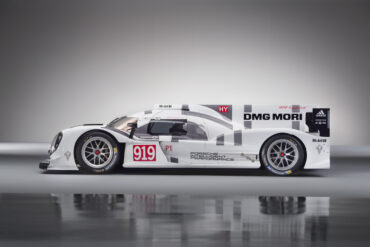
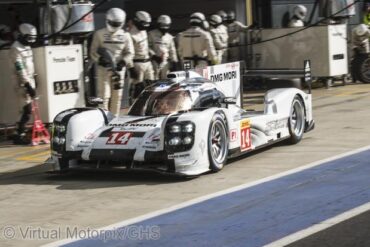
The 2015 season Porsche released a new version of their 919 LMP1 prototype which was reshaped and significantly upgraded to the Premiere class which uses an 8 megajoule hybrid electric system. It follows the 2014 car which had competitive but lackluster year against Audi and Toyota. Combined with a 2 litre, twin turbo V4 gasoline engine is the 8 megajoule lithium-ion battery which powers the front electric engine for a total power output nearing 900 to 1000 bhp.
The Porsche LMP1-H (Le Mans Prototype Class 1, Hybrid) race car featured a hybrid system that consisted of a turbocharged 2.0V4 petrol engine at the rear axle and an electric motor at the front axle. The electric motor/generator unit (MGU) collected the energy from the front axle under braking and the AER exhaust energy recovery system operated on the exhaust gas - a separate turbocharger ran an alternator.
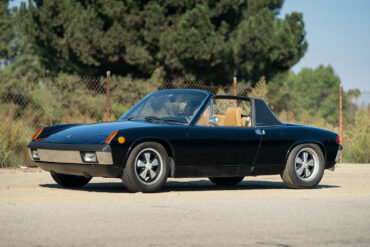
Porsche 914:6
The standard 914 was powered by Volkswagen’s horizontal four-cylinder engine, producing a power output of 80 hp. Even with the lightweight Porsche body, acceleration suffered. The solution to this was to offer a second version: the 914/6, powered by a six-cylinder engine, total power output exceeded 100 hp. Unfortunately, this came with an extra cost– the 914/6 was nearly as expensive as a standard 911.
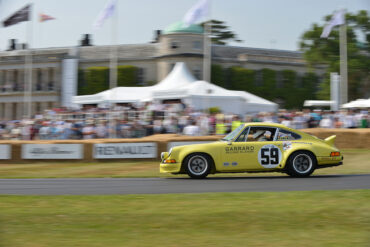
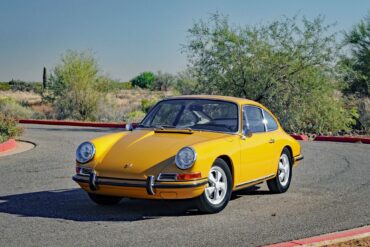
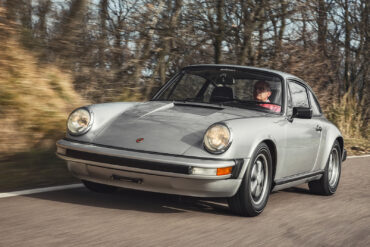
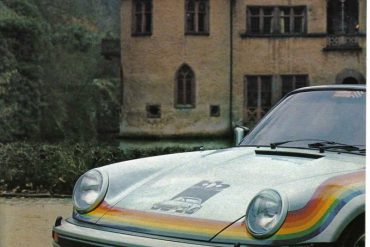
In 1974 Porsche offered a high performance fuel injected Carrera specifically for the European market. These were close to 2.7 RS specification and are often referred to as the 2.7 or Euro Carrera. In many regards, this car is similar to the 1973 2.7 RS in touring trim, with its 210bhp 911/83 engine, but the 2.7 Carrera is based on the updated G-series body and interior. Later Carreras that reach American shores used had reduced power and throttle response compared to Euro counterparts.
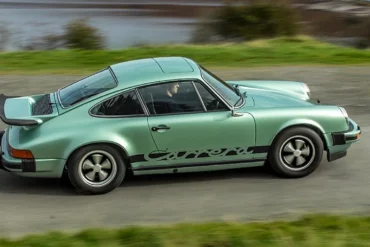
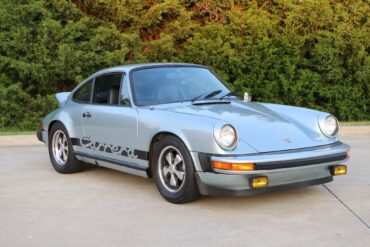
In 1974, Porsche's performance version of the 911 was simply known as the 911 Carrera. It had new bumpers that complied to American regulations and the 2.7-liter engine from the Carrera RS 2.7. Other new features for 1974 included new seats, a full-width rear taillight. The Carrera deleted all the chrome off the car in favor of black window frames, wipers, doorhandles, but chrome could be ordered as an option. In 1976 Porsche replaced the Carrera with a new 3.0 liter variant.
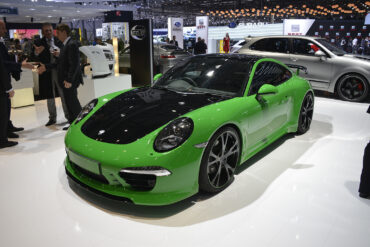
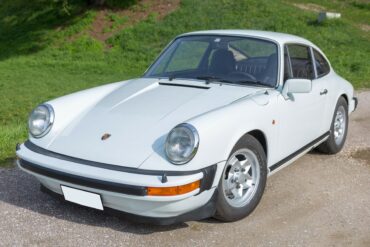
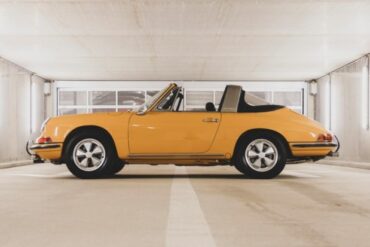
Production of the second generation 911 started in August 1973. The 1974 model year G-series derivative replaced the outgoing 1973 model year F-series. Visually, the new 911 was given a major facelift and all three production variants now came with fuel-injected 2.7-litre engines. The entry level 911 had 150bhp, the mid-range 911 S offered 175bhp and the flagship 911 Carrera came with 210bhp. Once again, customers were given the choice of either Coupe or Targa body styles.
The base model Porsche 911, along with the 2.7 Liter 911S and Carrera 2.7, was introduced for the 1974 model year with many significant changes to meet legislative requirements around the world for both impact safety and emissions. It was available in Coupe and Targa variants, sporting engine Type 911/92 with K-Jetronic fuel injection, rated at 150 hp. For the 1975, the base model was discontinued in North America. ROW got Coupe and Targa variants, featuring engine Type 911/41 rated at 150 hp.
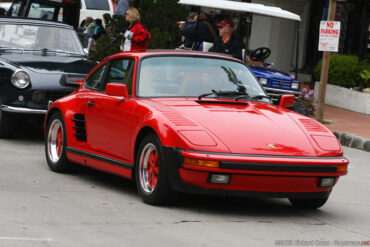
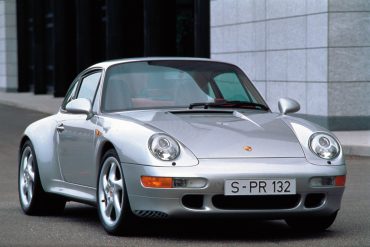
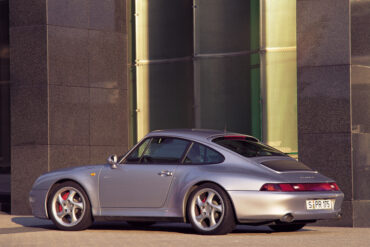
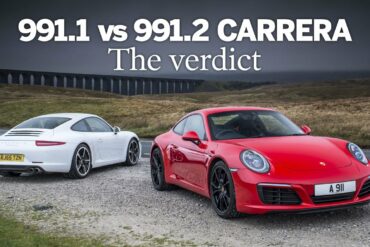
The Carrera S was the ultimate, naturally aspirated version of the Carrera 2. Porsche decided to offer something more to its customers when it launched the Carrera S version. It featured a stiffer and lowered suspension. Its wider tires made it better in the corners and faster around a race-track than its Carrera 2 sibling. The Carrera S took its bodywork from the Porsche Turbo. But it didn't get the turbocharger or the all-wheel-drive system. Its wider rear fenders and lowered stance than the Carrera lineup made it a desirable car for the Porsche fans. The engine was the same 3.6-liter naturally aspirated, but it was offered in the higher power output of 285 hp. The only transmission available was a 6-speed manual.
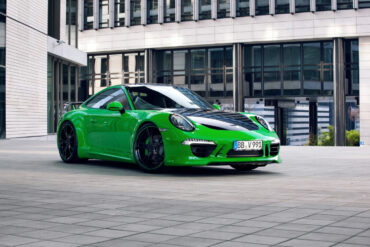
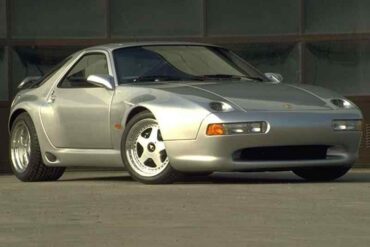
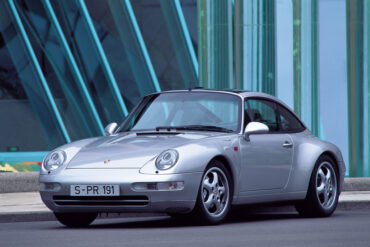
The Targa was the half-convertible bodywork offered by Porsche for the 911. By removing only a part of the roof and leave the closed-coupe rigid structure. It was offered a better sensation than a sunroof and it wasn't as heavy as a convertible. Unlike the previous Targa generation, the 993 featured a glass panel over the front passengers instead of a fabric one. The rest of the bodywork looked similar to the Carrera. The engine was a completely reworked flat-six, with a 3.6-liter displacement with the VarioCam system, which offered 285 hp. It was mated either with a 6-speed manual or a 4-speed automatic.
After introducing the Porsche Carrera S with the body carried-over from the Turbo version, customers asked about an all-wheel-drive version for it. The 993 Carrera 4S was sold between 1995 to 1998. Much like the 993 Carrera S, the 993 Carrera 4S takes the 993 Carrera 4 powertrain and fits it into the widebody 993 Turbo shell, sporting 18" alloy wheels. The engine was the same 3.6-liter naturally aspirated, but it was offered in the higher power output of 285 hp. As with the Carrera 4, it was only available with a 6-speed manual transmission. The 4S did not have a cabriolet version.
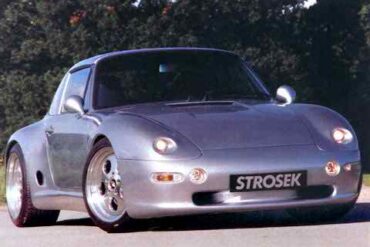
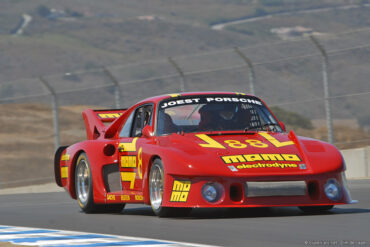
Inspired by the Kremer brothers, Joest built their own version of the 935 for the 1979 season. Like the factory cars it featured intakes in the C-pillars and also had a slightly different front profile. One car was campaigned by Liqui Moly Joest Racing and won the 1980 Daytona 24 Hours outright as driven by Reinhold Jöst, Rolf Stommelen and Volkert Merl. A second car was built up for Electrodyne and raced with Momo livery in the USA.
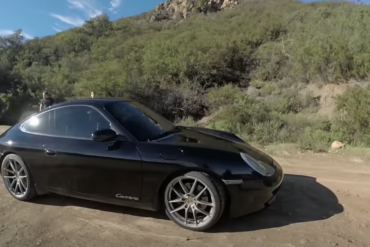
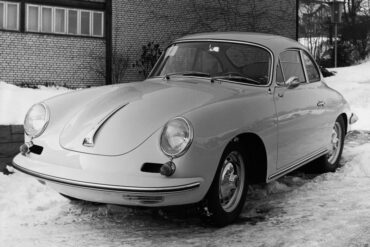
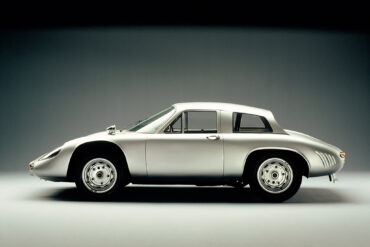
After a considerable absence of a Carrera model in the 356 model lineup, Porsche finally made another version with the introduction of a 2.0-liter engine. As with the earlier versions, the Carrera was offered both in a Carrera GT Deluxe version for the road and the Carrera GT for racetrack duties. Unlike these earlier models, the new car benefited from the 2.0 liter engine introduced as the Carrera 2 in September 1962.