Porsche Macan 95B.1 – The Story
The real volume selling Porsche arrives


Gen 1 Updates / The Story / Model Guides / Research & Data / Pictures / FAQs / News & Updates
Type: 95B
Updates: 95B.1, 95B.2, 95B.3
Generation: First Generation
Manufacturer: Porsche AG
Production Years: 2014 - Present
Model Years: 2015 - Present
Designer: Michael Mauer
Body Style: 5-Door SUV
Layout: Front-engine,AWD
Platform: VW Group MLB
Engines: 2.0-litre EA888 Gen 3 (CNCD) I4 Turbo TSI (Macan), 3.0-litre V6 Turbo-diesel TDI (S Diesel), 3.0-litre V6 TT TFSI (S & GTS), 3.0-litre V6 Turbo TFSI (S, Facelift), 3.6-litre V6 TT (Turbo), 2.9-litre V6 TT TFSI (GTS & Turbo, Facelift) /
Transmission: 7-speed PDK
Official Photos: Nov 19, 2013
Premiere: Nov 19, 2013, LA Auto Show
Market launch: April 5, 2014
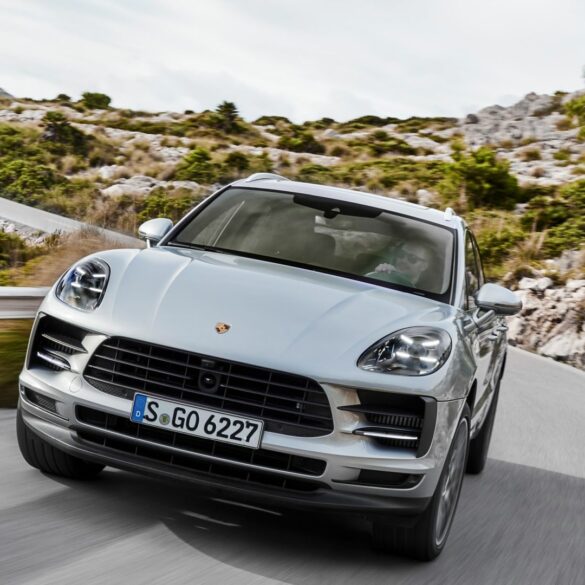
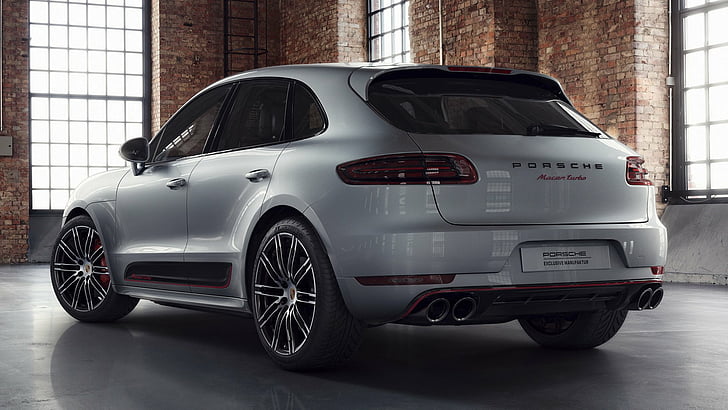
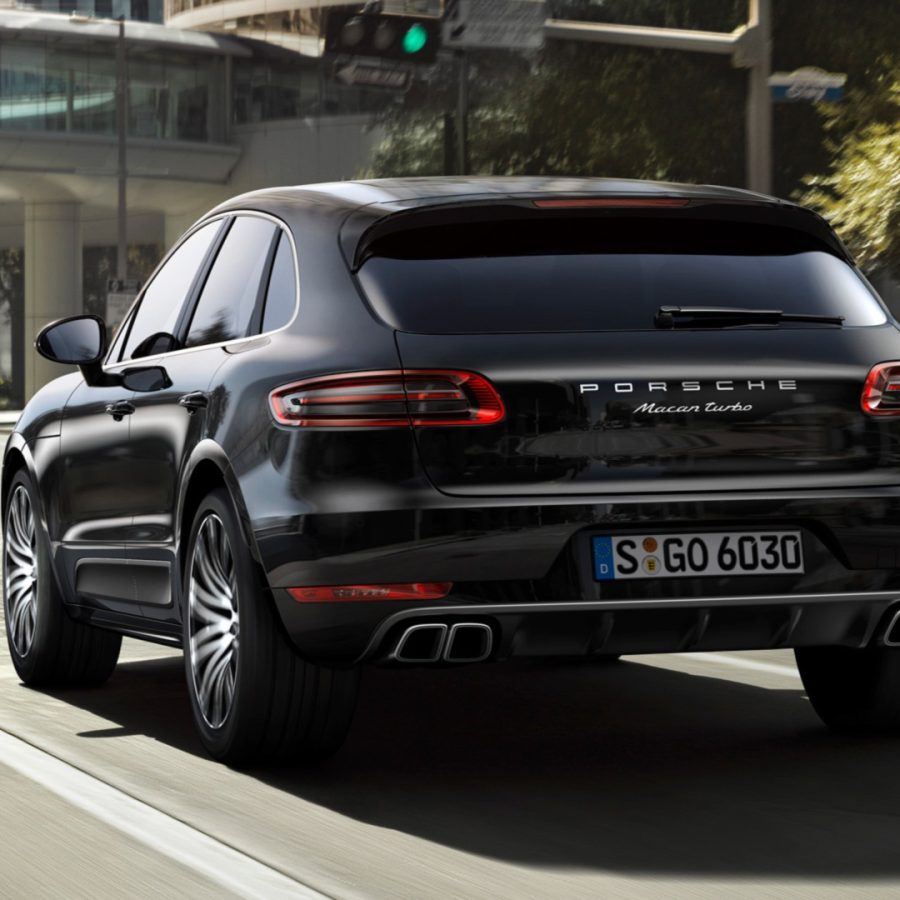
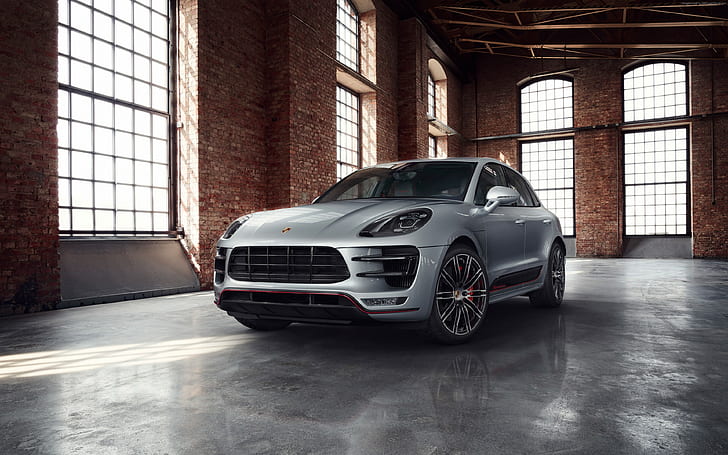
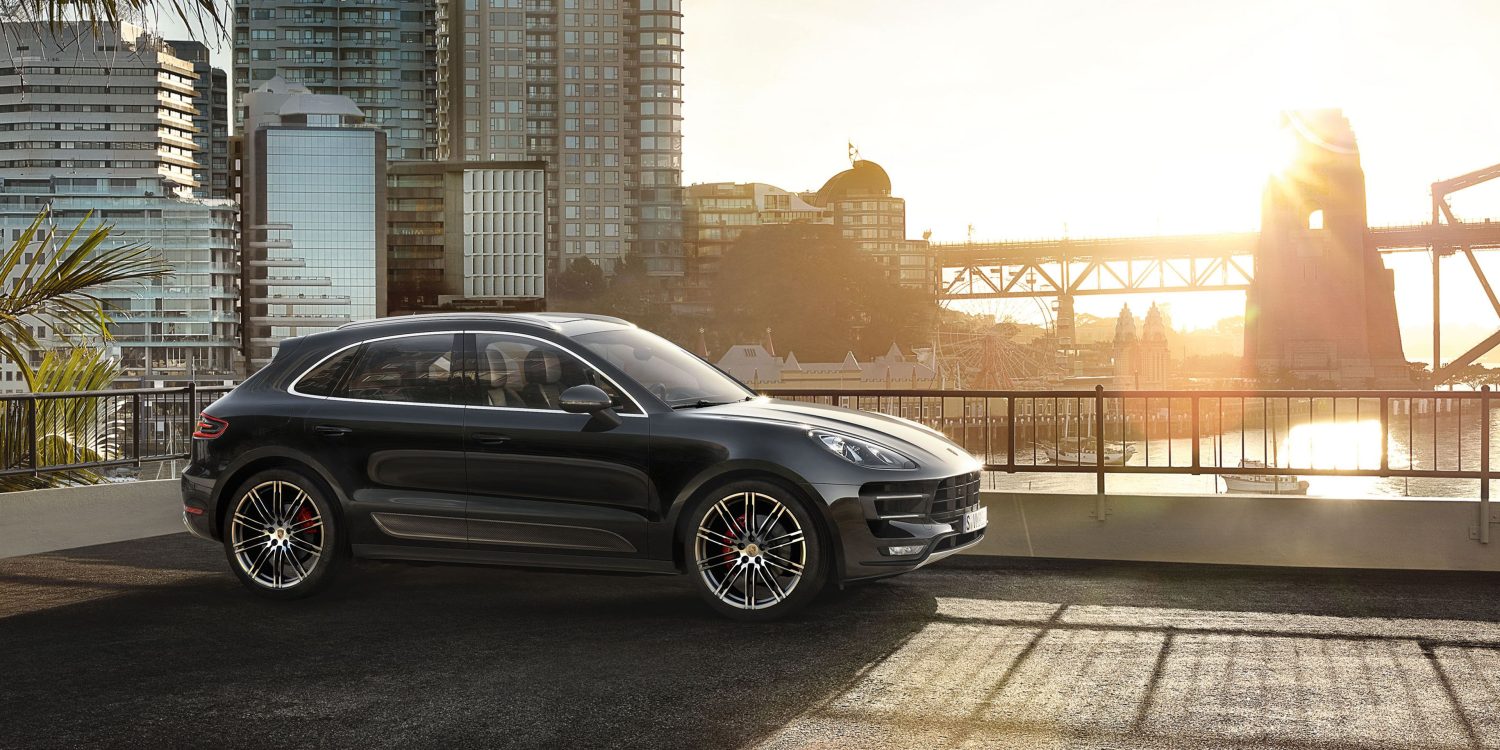
The Porsche Macan was first seen in November 2013 and went on sale in the United States in 2014 as 2015 model year car. It was going to be called the Cajun originally, but changed the name to Macan before launch. The meaning? Macan means Tiger in Indonesian, which pretty much sums up Porsche's small and sporty SUV. Porsche says the Macan is for people who like the idea of a sports car, but need a little more room in their life. When it was launched in 2014, a few miles on some country roads was all real drivers needed to understand that Porsche’s DNA had been successfully transplanted into the company’s new, mid-size SUV. The Porsche Macan was the real deal. The Macan was Porsche’s fifth model in the lineup and represented Porsche’s first foray into the luxury compact CUV segment. The Macan sits on Volkswagen’s MLB platform (shared with the Audi Q5).
Originally, Porsche launched the Macan S and the Macan Turbo. The second model year, 2016, didn’t bring many changes to the Macan, aside from three-zone climate control becoming standard. But 2017 gave us a new trim, the Porsche Macan GTS, designed to fit between the two launch models with its 3.0 twin-turbo V6 and slightly more boost pressure than the S. It also had standard PASM adaptive suspension paired with air springs. Porsche added a 2.0L in-line 4-cylinder turbo model as the Macan entry point. All models got Porsche's superb seven-speed PDK and electro-mechanical power steering, a double wishbone front suspension and what Porsche calls a “self tracking trapezoidal link” suspension in the rear. All Macans get six-piston front brake calipers and single-piston floating rear clampers. Those calipers are putting the squeeze on 13.8-inch front rotors on the Macan S and 14.2-inchers on the Macan GTS and Turbo. Rear rotors are 13 inches on the S and GTS, while the Turbo gets the bigger 14-inch rear pizzas.
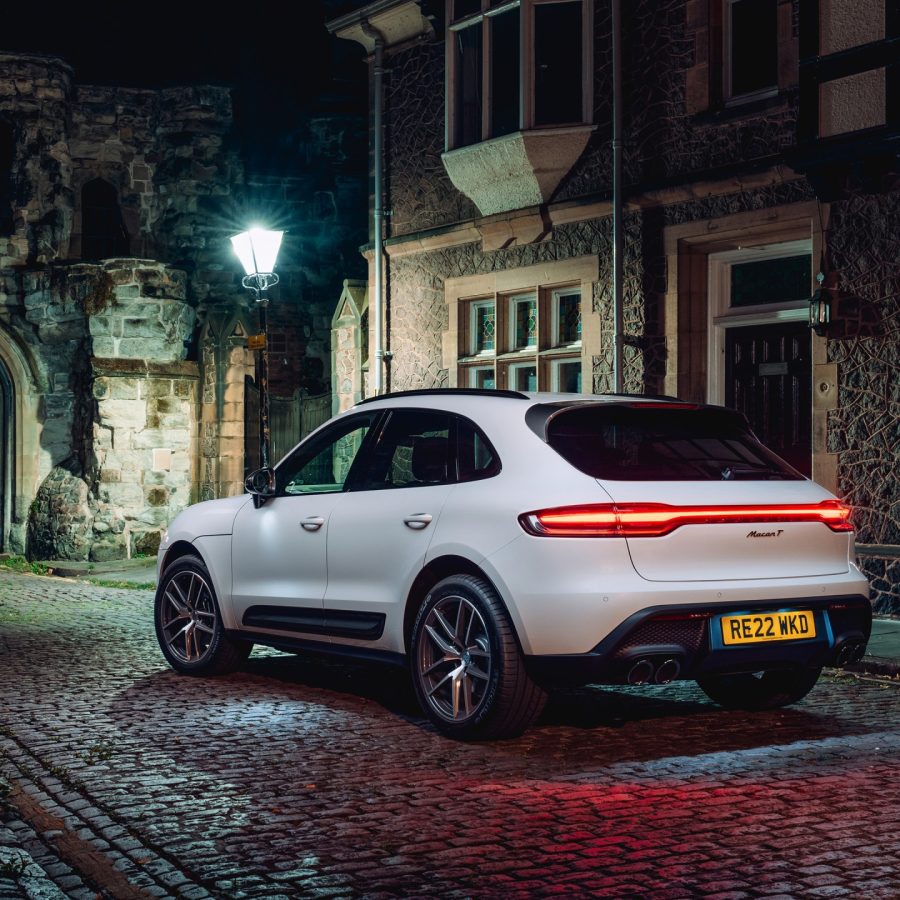
In July 2018, Porsche unveiled a new facelift for the Macan range in Shanghai. The production started the following month and the Europeans saw it at the Paris Motor Show in September. The 2019 Porsche Macan update includes refreshed exterior styling that includes updated front and rear bumpers, new taillamps that span the width of the liftgate, and new wheel designs. Porsche also gave us another update to for the 2022 model year. While this isn’t a full redesign, the Macan got some notable tweaks to its exterior, interior and mechanicals. Across the 2022 Macan lineup, Porsche gave buyers more powerful engine options compared to 2021 models.
The Macan is the top selling Porsche and looks likely to be the car that defines the company going forward. It outsells all the other models by some margin. There were just 3880 new 718 (Boxster/Cayman) owners in 2019. Compare that to the 22,667 new owners of the Macan in 2019 and the case for the Macan looks pretty solid! Since its market launch in 2014, over 137,000 units of the compact SUV have been delivered in America.
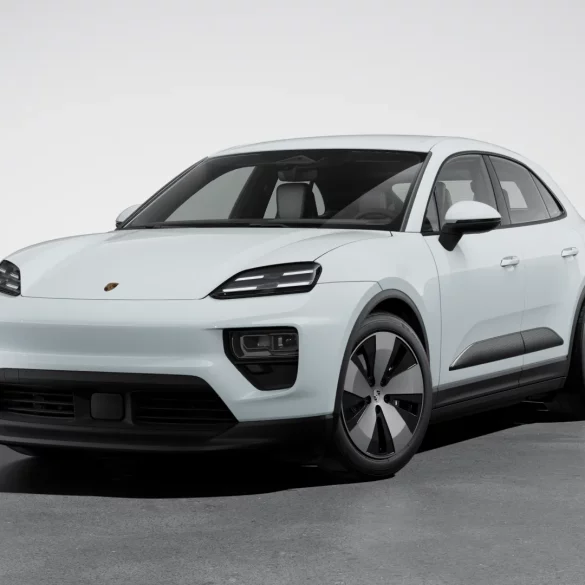
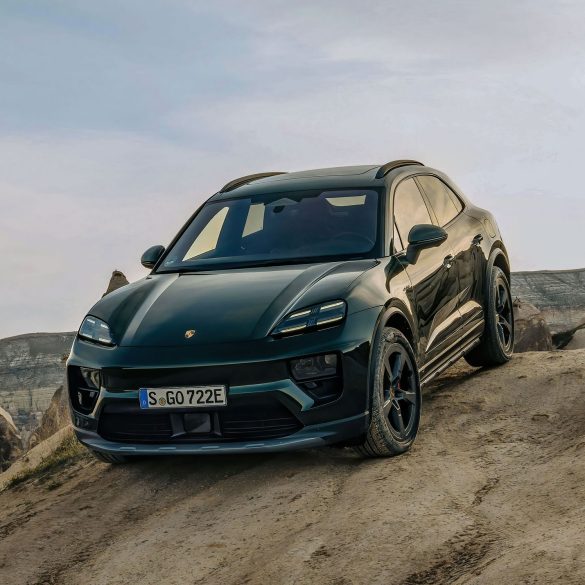
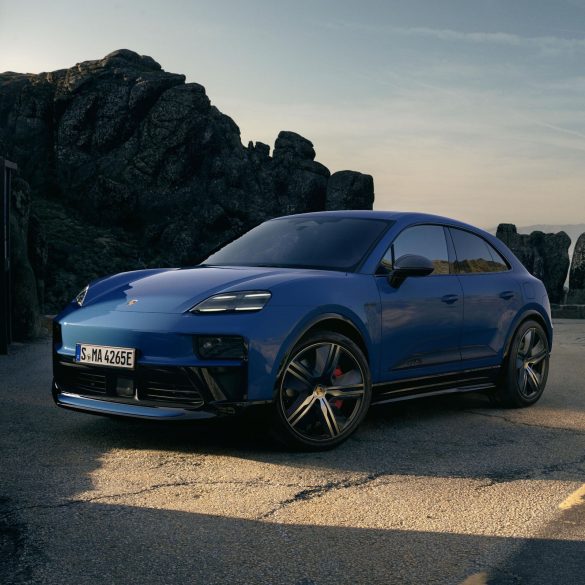
When the Porsche Macan Electric arrived, we expected that the current internal combustion Macan would be discontinued, at least that's what Porsche had been telling us for years. Then a funny thing happened. The Macan Electric launched, and well.... the ICE Macan is still here.
As we write this update in May 2025, Porsche is considering adding combustion engines to future model lines that were originally envisioned as EV-only, including the Macan. Lutz Meschke, Porsche’s Chief Financial Officer, confirmed this pivot in strategy, stating, “We are exploring the possibility of equipping some of the originally planned electric models with hybrid drives or internal combustion engines in the future. Conceptual decisions are being made, but what is clear is that we are committed to the combustion engine for much longer.”
Despite the warm reception of the Macan EV, the automaker is cautious. The EV market’s unpredictability has them hedging their bets. The ICE Macan has long been one of Porsche’s best sellers. With over 500,000 units sold globally since launch, it remains a cornerstone of the brand’s success alongside the larger Cayenne. Regulations forced the automaker to axe the Macan from its European lineup in 2024. While the the ICE-powered Macan will remain on sale for the “foreseeable future” in other markets including North America, an updated version would certainly help boost sales.
Although all models from 2015 to 2025 fall under the first-generation Porsche Macan (95B) umbrella, the lineup underwent several important updates over its lifecycle that kept it competitive and fresh well into its final production years. Porsche’s strategy was to refine—not reinvent—the Macan, and the result is a used market full of options that look similar on the surface but differ significantly in tech, performance, and driving feel.
The earliest Macans (known as 95B.1, 2015–2018) established the model’s reputation for delivering sports car-like dynamics in an SUV body, though they lack the modern tech and infotainment of later versions. The 2019–2021 refresh (95B.2) introduced a sharper exterior, a vastly improved touchscreen, and updated engines—bringing more refinement and performance across the board. The final version, 95B.3 (2022–2024), marked the most advanced and polished iteration, with updated interiors, haptic-touch controls, and a reshuffled trim hierarchy where the GTS became the performance flagship.
Porsche Macan Timelines
14 models across model years 2015 to 2026: 14 production models. Select a car to see its numbers and open its guide.
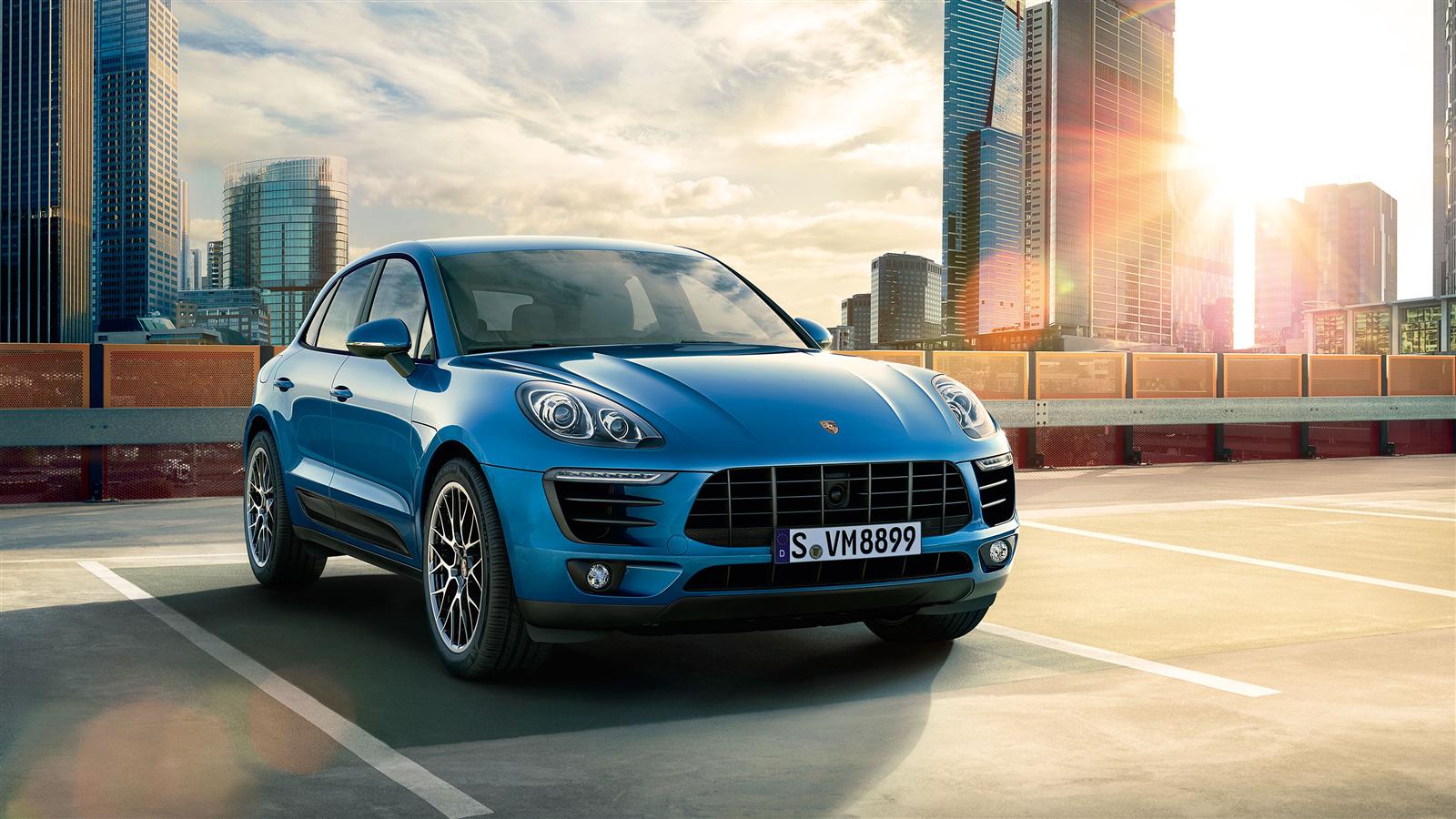
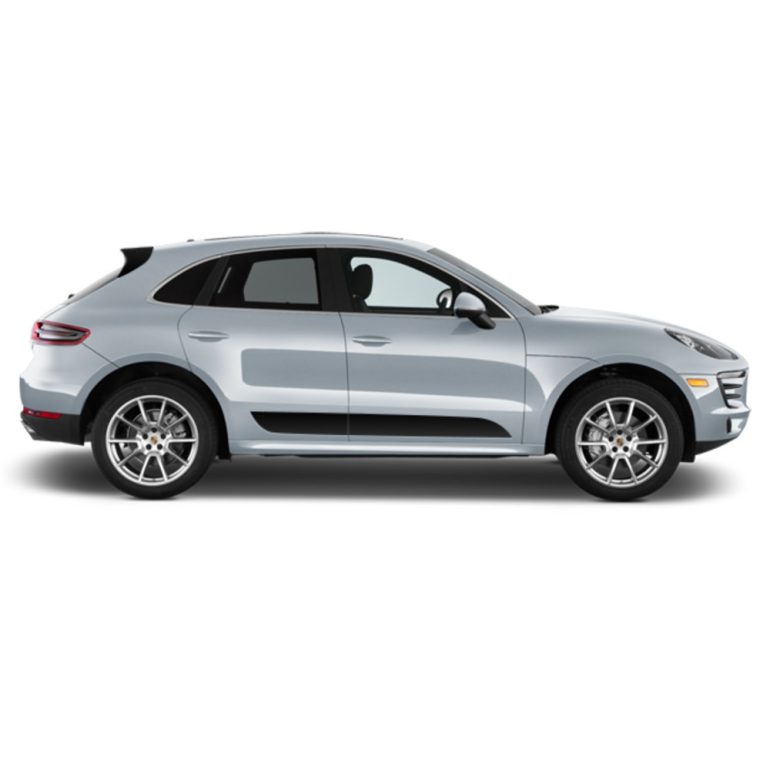
The 95B.1 Macan was the debut generation of Porsche’s compact SUV, and from the outset, it redefined what buyers could expect from a small luxury crossover. Available initially as the Macan S (3.0L twin-turbo V6, 340 hp) and the Macan Turbo (3.6L twin-turbo V6, 400 hp), the 95B.1 quickly earned a reputation for being the most dynamic SUV in its class. The standard AWD system, Porsche’s razor-sharp steering, and a 7-speed PDK dual-clutch transmission delivered a level of engagement rarely seen in vehicles of this type. In 2017, the lineup expanded to include a base Macan (2.0L turbo inline-four) and the enthusiast-favorite Macan GTS, which slotted between the S and Turbo with 360 hp, a sportier suspension setup, and a louder exhaust note.
While the driving experience remained a highlight, the 95B.1 Macans did show their age in areas like infotainment and interior tech. The older PCM 3.1 infotainment system had a small 7-inch screen and lacked modern conveniences like Apple CarPlay (except on very late models). Transfer case issues were also more common in this generation, especially in higher-mileage vehicles, though Porsche later extended warranty coverage for this component. Still, these early Macans now represent strong value on the used market, offering authentic Porsche performance in a practical package—especially if you find one with PASM, air suspension, and Sport Chrono.
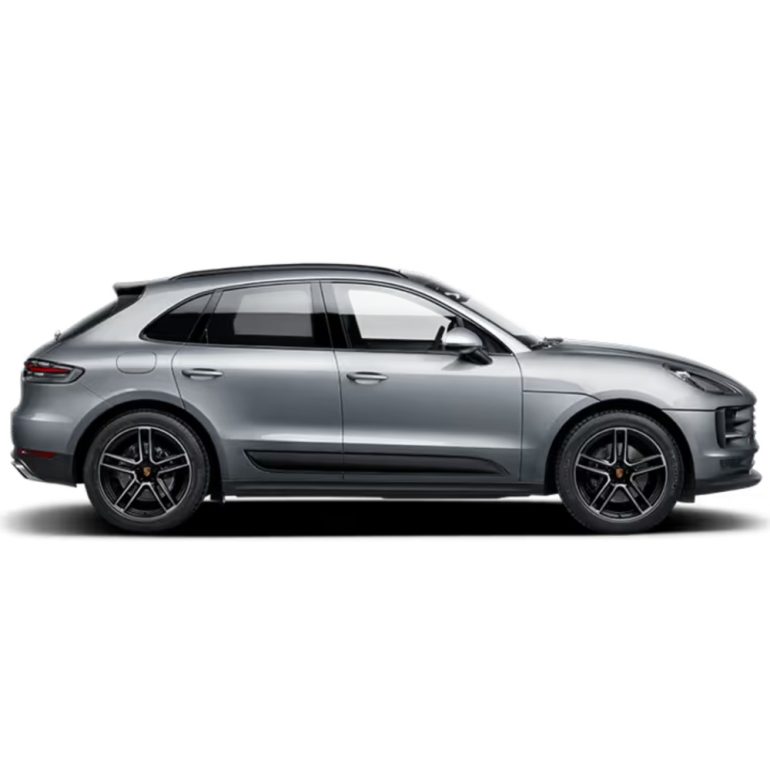
The 95B.2 update was more than a cosmetic refresh—it addressed several key weaknesses of the original Macan and gave the platform a new lease on life. Most notably, Porsche introduced a much-improved 10.9-inch touchscreen infotainment system with faster response, better visuals, and Apple CarPlay integration. Externally, the 95B.2 received new front and rear bumpers, full LED lighting, and the signature full-width LED rear light bar, bringing its styling in line with other newer Porsche models. Under the hood, the Macan S received a new 3.0L single-turbo V6, replacing the old twin-turbo unit but offering similar performance with improved torque delivery and efficiency.
This generation also marked the reintroduction of the Macan GTS, now using the 2.9L twin-turbo V6 from the Panamera and Cayenne, tuned to produce 375 hp. The GTS became the real driver’s choice, offering near-Turbo levels of performance in a sharper, more engaging chassis. The Turbo itself was upgraded to use the same 2.9L engine with 434 hp, matching the later GTS of the 95B.3 era. The 95B.2 Macan is often considered the “sweet spot” in the lineup—it combines much of the older car’s analog character with newer tech, better engines, and stronger reliability, especially when properly optioned.
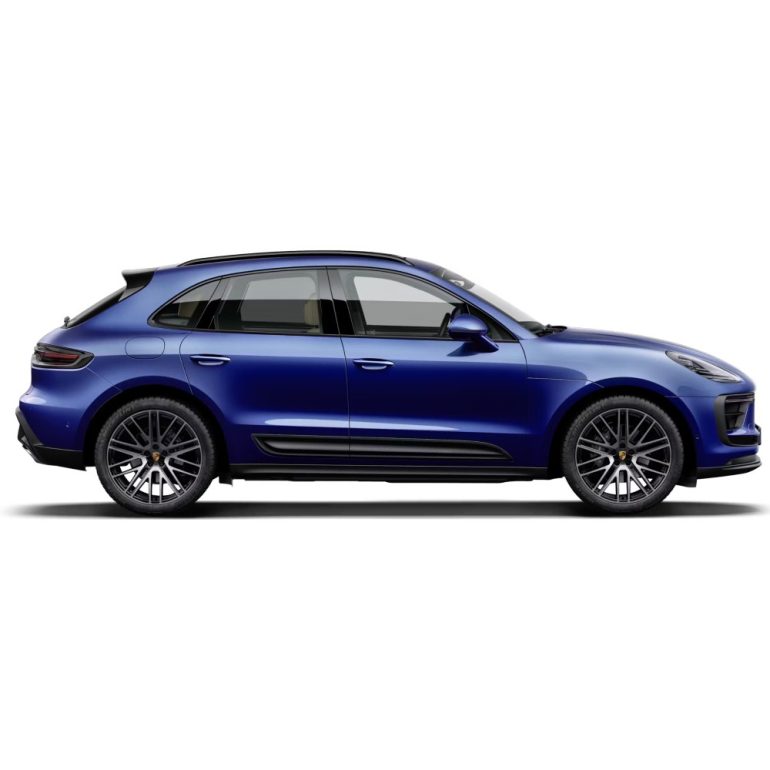
The 95B.3 Macan marks the final evolution of the first-generation platform before Porsche transitions to a fully electric Macan. Though still based on the same bones, this update introduced sharper styling with redesigned bumpers, blacked-out side blades, and revised lighting elements. Inside, the center console was completely reworked, replacing most physical buttons with haptic-touch controls for a sleeker, more modern feel. Powertrains were updated again: the Macan S received the 2.9L twin-turbo V6 (previously reserved for GTS/Turbo models) with 375 hp, while the Macan GTS was now the performance flagship, taking over from the retired Turbo with 434 hp and a stiffer suspension tune.
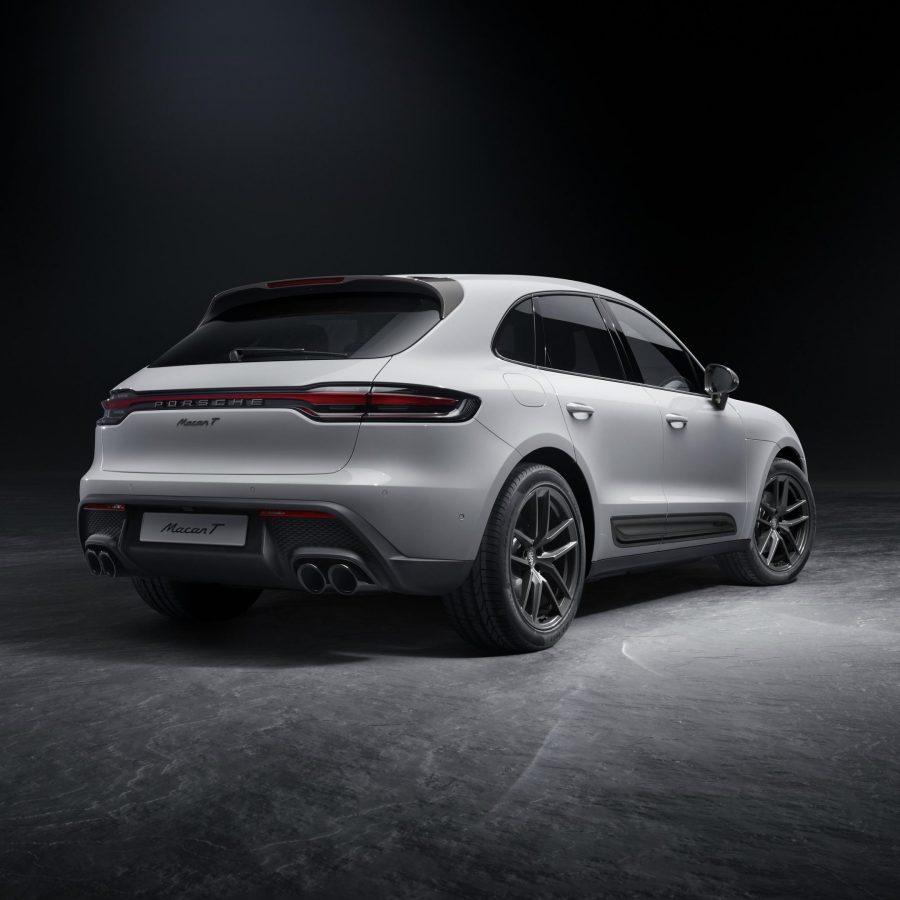
The Macan T also debuted during this period, offering a more focused, lightweight version of the base 2.0L turbo model with PASM, stiffer sway bars, and other chassis tweaks. While the 95B.3 does not bring a new platform, it refines the existing package to its absolute peak—retaining the Porsche handling feel while offering a much more tech-savvy, premium cabin experience. These models are still relatively new, so prices remain high on the used market, but they offer exceptional build quality, performance, and technology, making them ideal for buyers who want the feel of a new Macan without waiting for the EV version.
The Porsche Macan (Type 95B) was Porsche's first attempt at the into the world of the luxury compact CUV segment. Starting with the Volkswagen’s MLB platform, Porsche added their own touches to create a world beater. The Macan range includes many variants, including the Macan, Macan S, Macan S Diesel, Macan GTS and the Macan Turbo.
The production version of the Macan was unveiled at the 2013 Los Angeles Auto Show and 2013 Tokyo Motor Show. European models went on sales in spring 2014 and the initial line-up of models included the Macan S and Macan Turbo. US models arrived at U.S. dealerships in late spring 2014 as 2015 model year vehicle. Early models included Macan S, Macan Turbo. Porsche subsequently released a base Macan for select Asian markets and the United Kingdom. This engine became offered globally for the Macan's 2017 model year following an announcement in March 2016. Changes to the Macan for 2016 include Porsche Communication Management system, optional full-LED headlights, redesigned steering controller, extended exterior and interior packages for Macan Turbo.
The 2019 model year Macan was first unveiled in July 2018 in Shanghai as petrol four-cylinder base model and received its European debut at the 2018 Paris Motor Show. It went into production in August 2018. Changes to the previous model include an overhauled chassis, a gasoline particulate filter fitted as standard, a new front and rear fascia with LED head- and tail-lights as standard, new exterior colors and wheel designs, and a redesigned interior with Porsche Communication Management with 10.9-inch touchscreen display and Connect Plus with Porsche Offroad Precision App as standard. Optionally available systems include active suspension management, air suspension, torque vectoring, Sport Chrono package including Launch Control as well as park and traffic assistance systems. Overall, this mid-generation Macan update heralded sleeker looks, lower ride profile, enhanced performance and new interior. Porsche never rests.
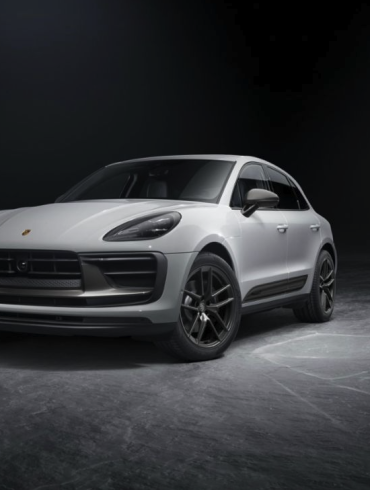
While this isn’t a full redesign, the Macan got some notable tweaks to its exterior, interior and mechanicals for the 2022 model year. Across the 2022 Macan lineup, Porsche is giving buyers more powerful engine options compared to 2021 models. Base models still get a turbocharged 2.0-liter four-cylinder, but it’s been updated to produce 261 horsepower and 295 pounds-feet of torque — increases of 13 and 22, respectively, over the 2021 version. The 2022 Macan S gets the engine from the 2021 Macan GTS, a twin-turbocharged 2.9-liter V-6 making 375 hp and 383 pounds-feet. The current range-topping Macan, the GTS, gets the twin-turbo 2.9-liter V-6 from the 2021 Macan Turbo, giving it 434 hp and 406 pounds-feet. If you’re sensing the start of a pattern, so are we, but Porsche hasn’t announced anything with higher performance than the GTS, at least not yet. The GTS also gets standard Porsche Surface Coated Brakes and an adaptive suspension Porsche says can be up to 15% stiffer than in previous models. The revised models get freshened front styling with new air intakes and body-color bumper trim, along with a new, taller rear diffuser. Along the sides, the side blade design now includes a textured element and Sport Design side mirrors are now standard. A bevy of new wheel choices are available with sizes now ranging from 19 to 21 inches. Refinements rather than major changes are the name of the game inside the 2022 Macan, too. There’s a new center console design with touch-sensitive controls around a revised and shorter gear selector lever. The standard 10.9-inch touchscreen includes built-in navigation and Apple CarPlay, but not Android Auto compatibility; though Porsche recently announced an update to its multimedia system to include Android Auto, the 2022 Macan doesn’t get the new system.
Dive into The Porsche Macan Treasure Trove, a comprehensive archive packed with detailed specifications, production data, factory documents, engineering drawings, sales brochures, research materials, and much more, offering an in-depth look at this iconic Porsche.
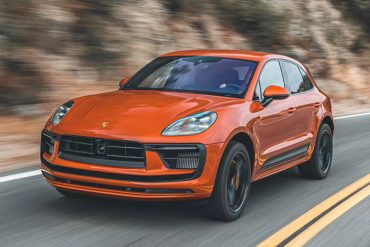
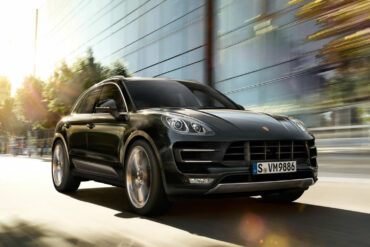
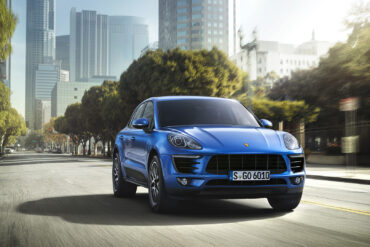
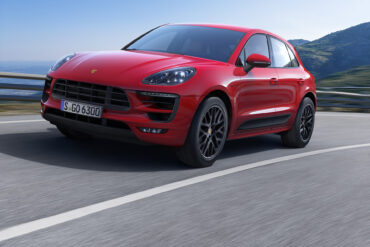
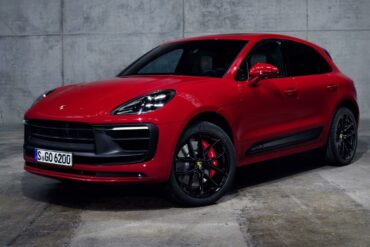
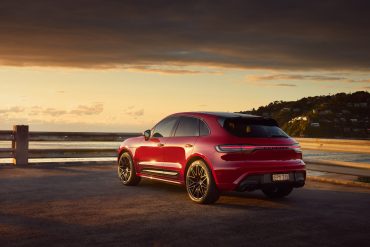
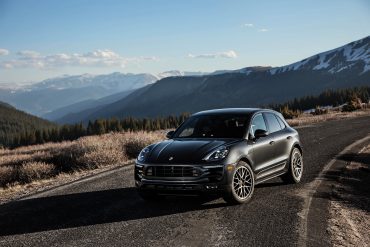
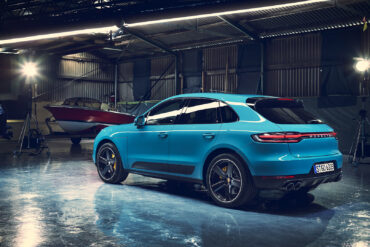
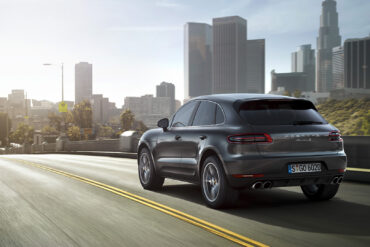
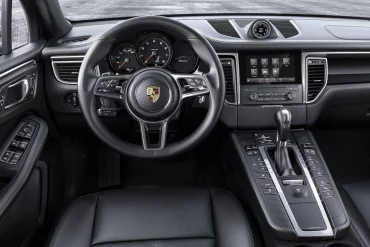
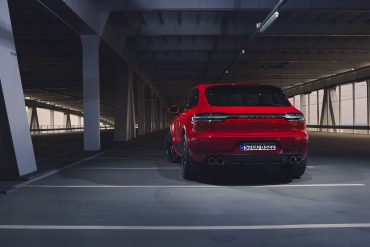
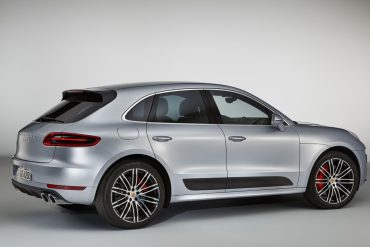
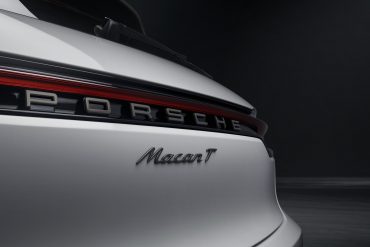
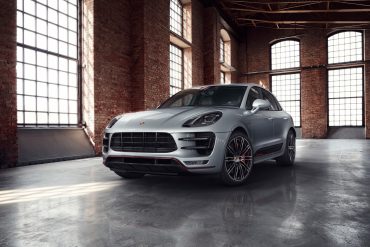
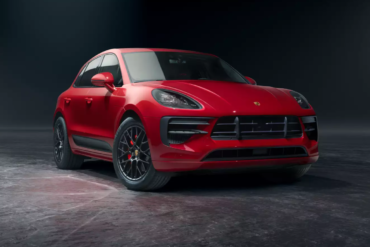
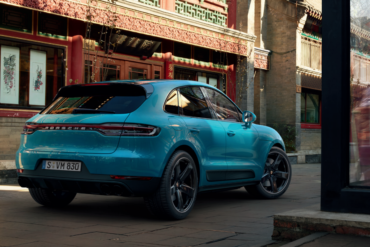
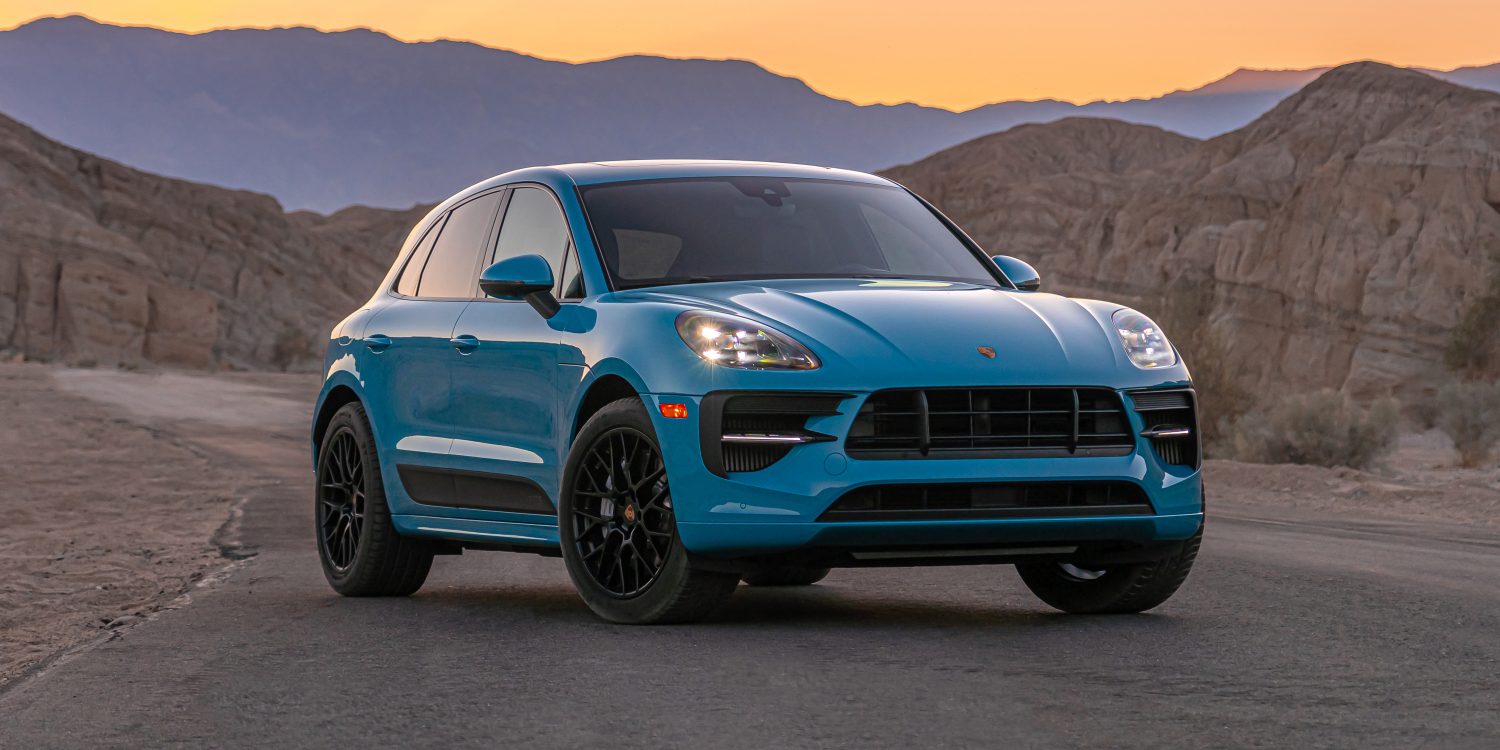
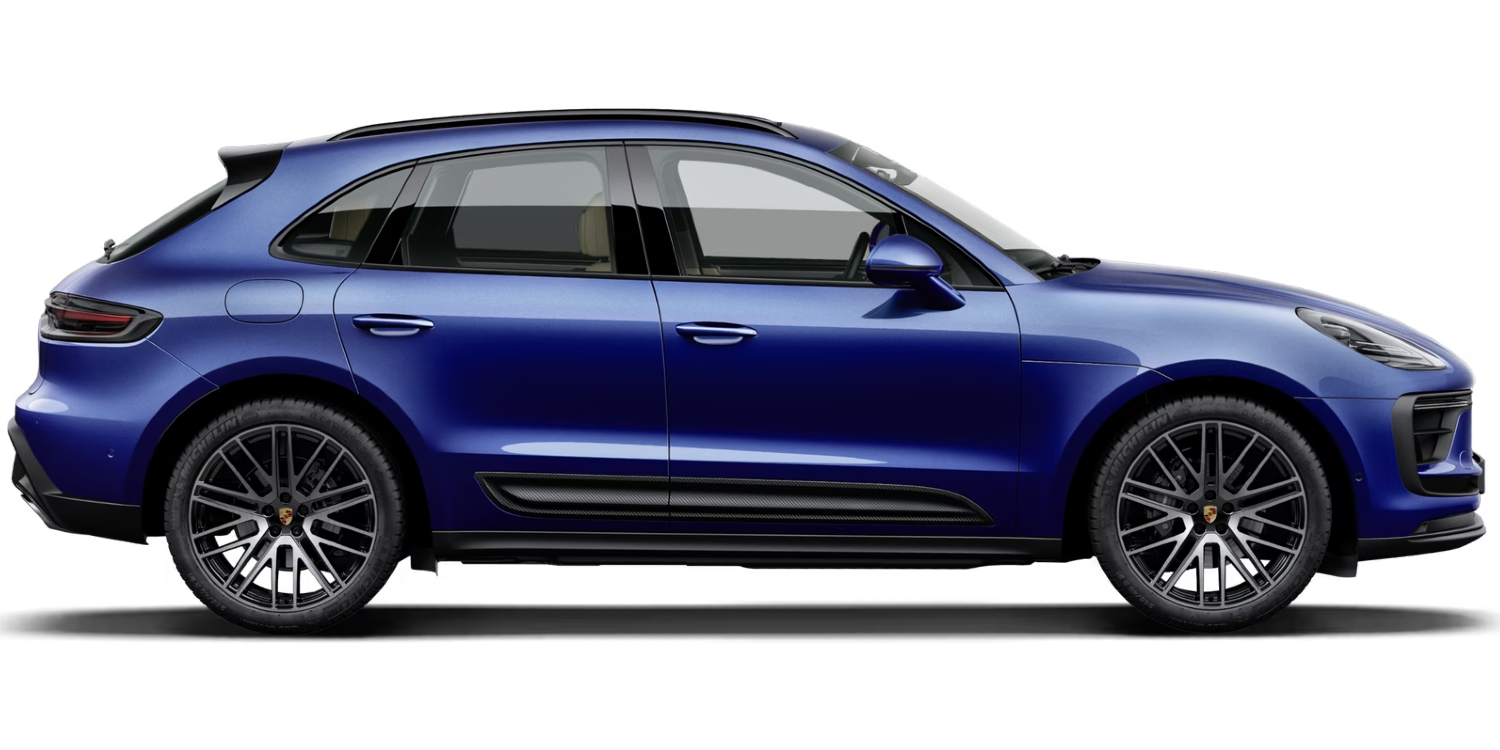
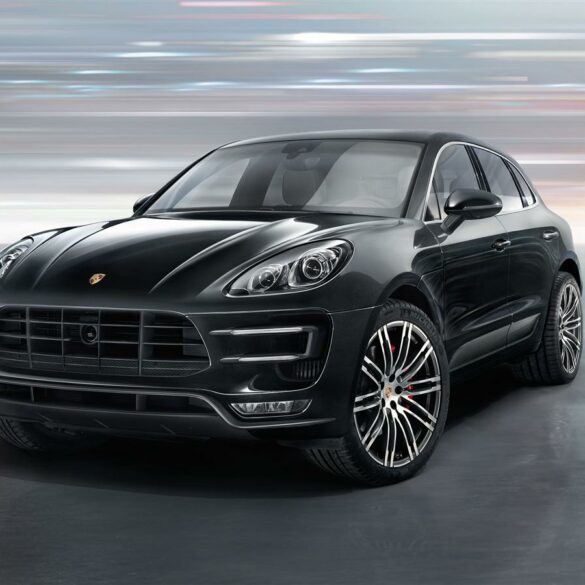
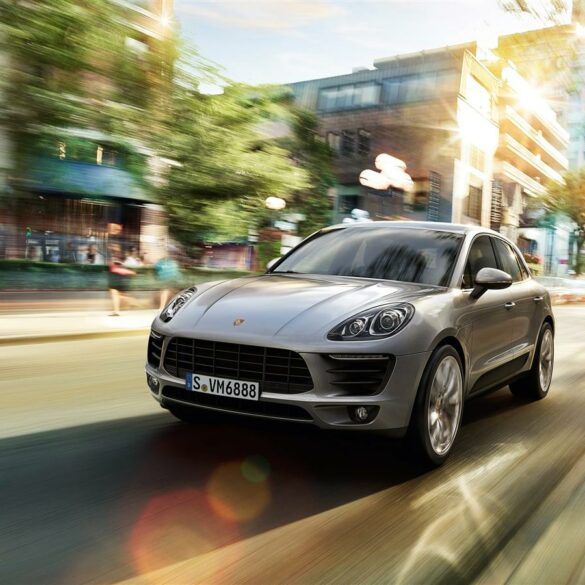
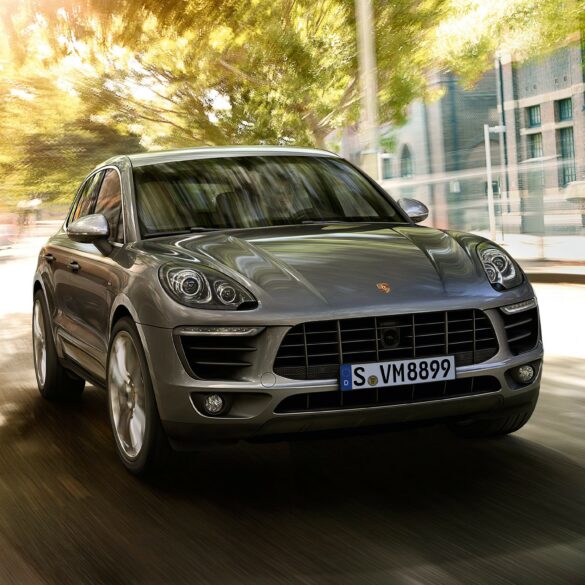
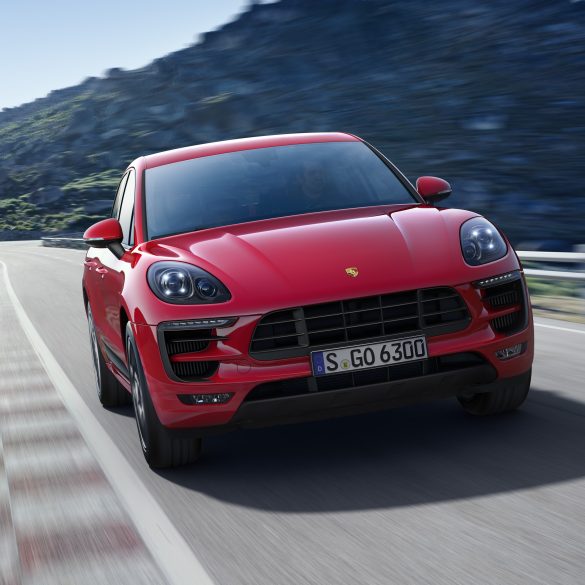
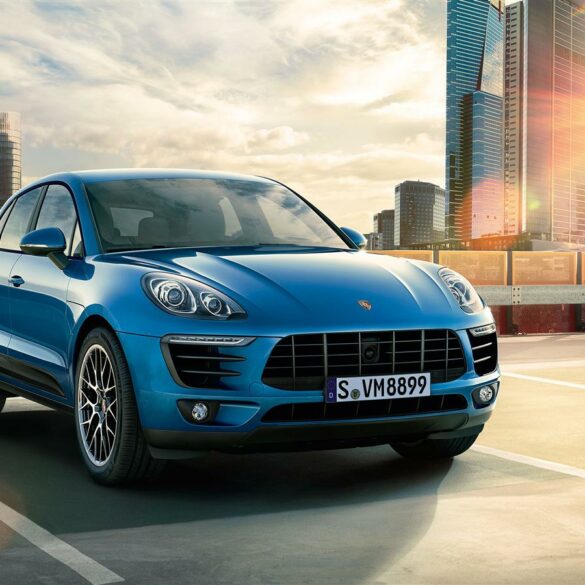
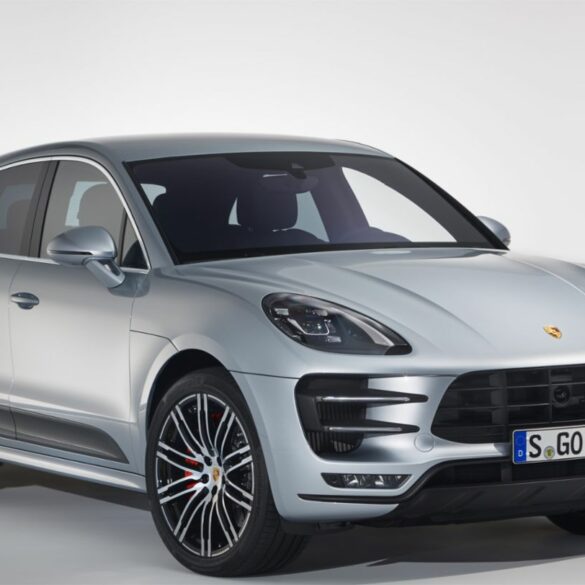
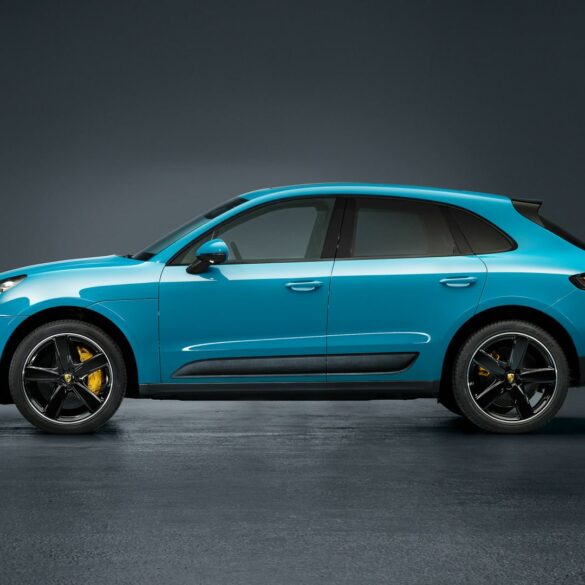
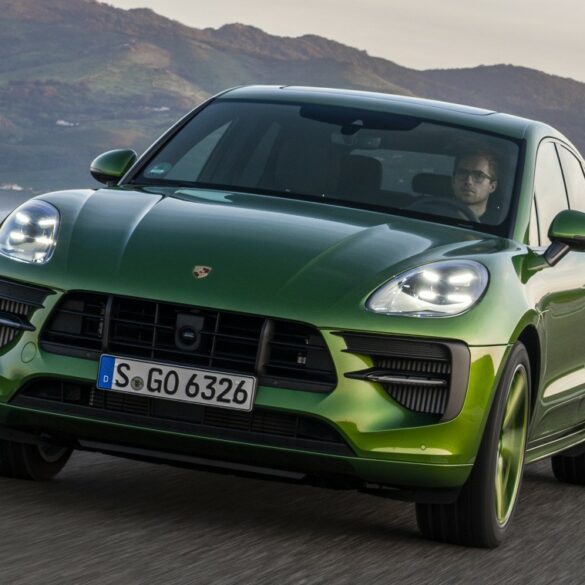
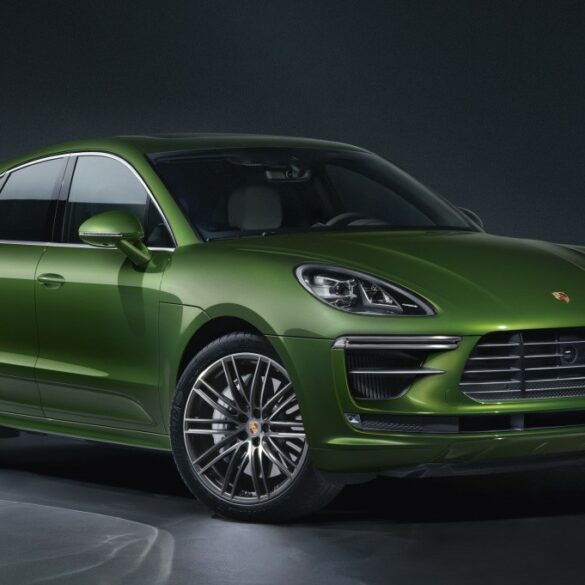
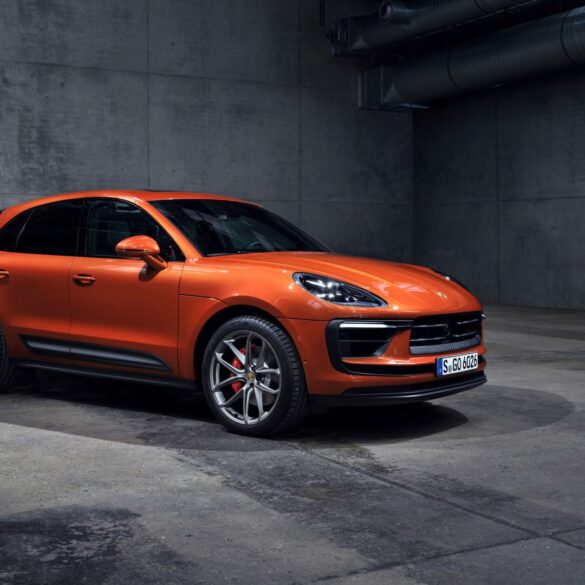
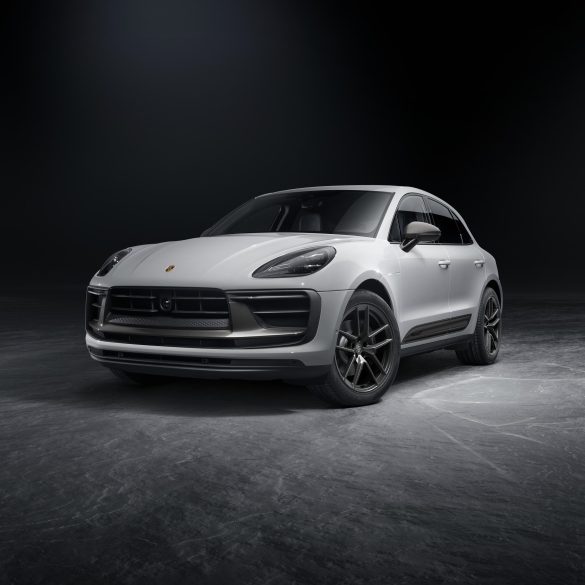
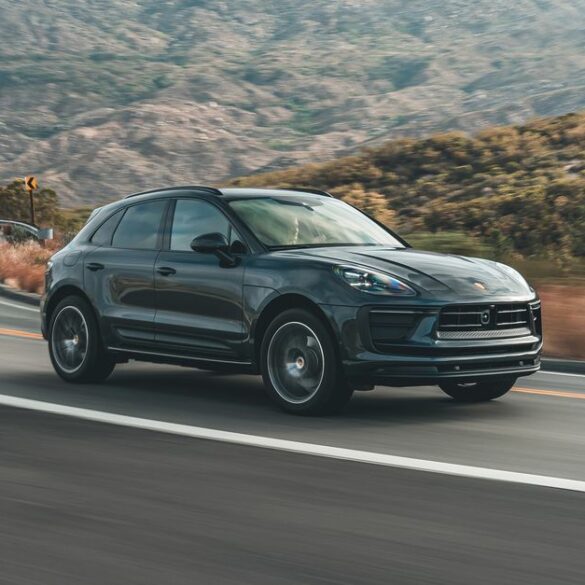
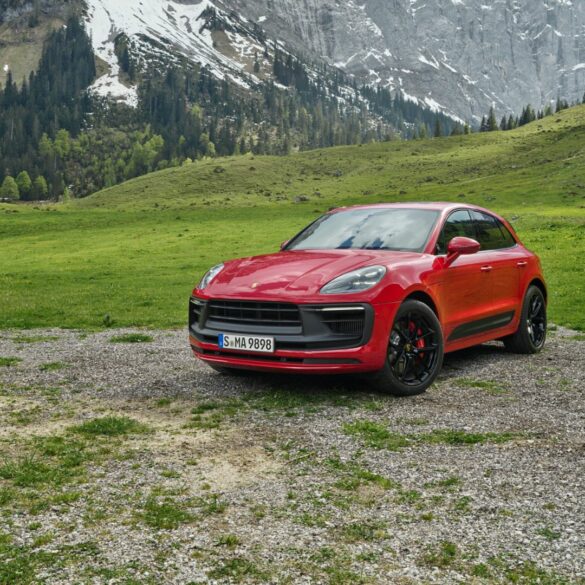
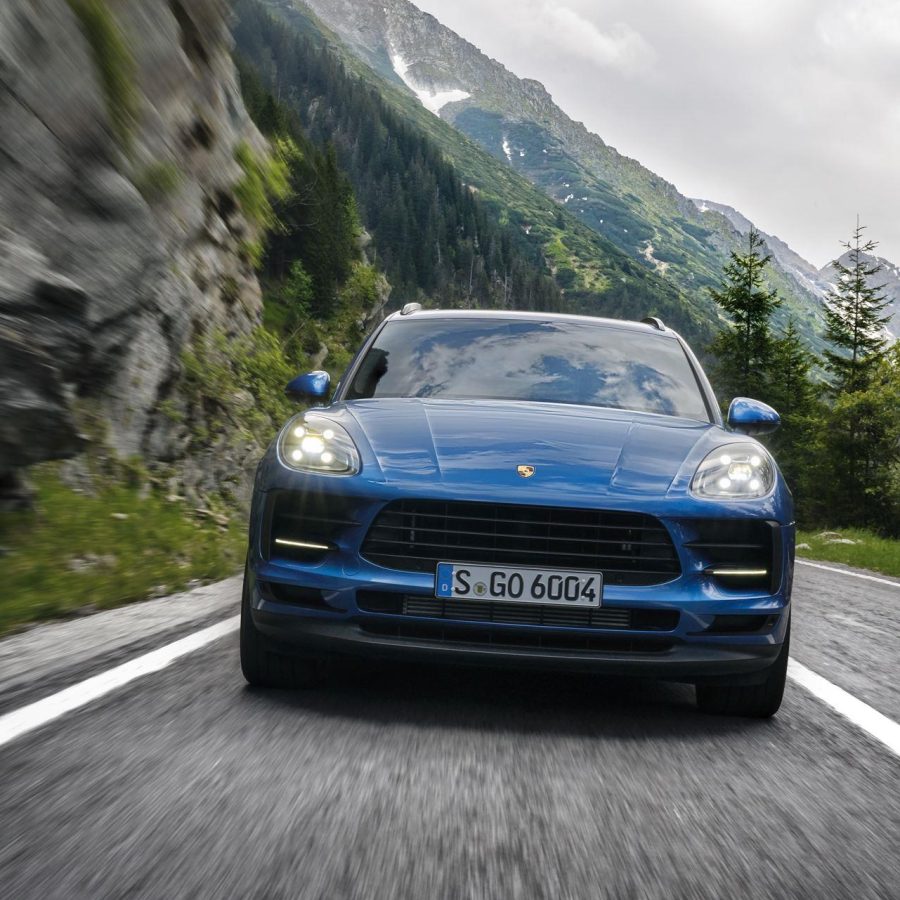
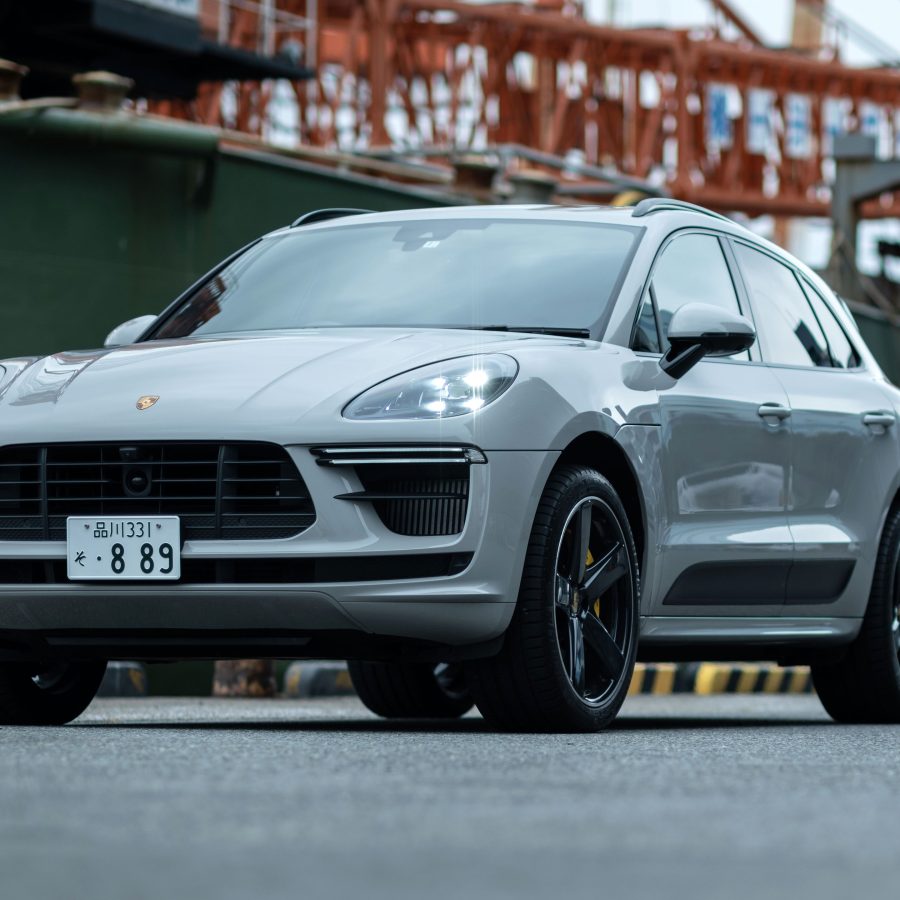
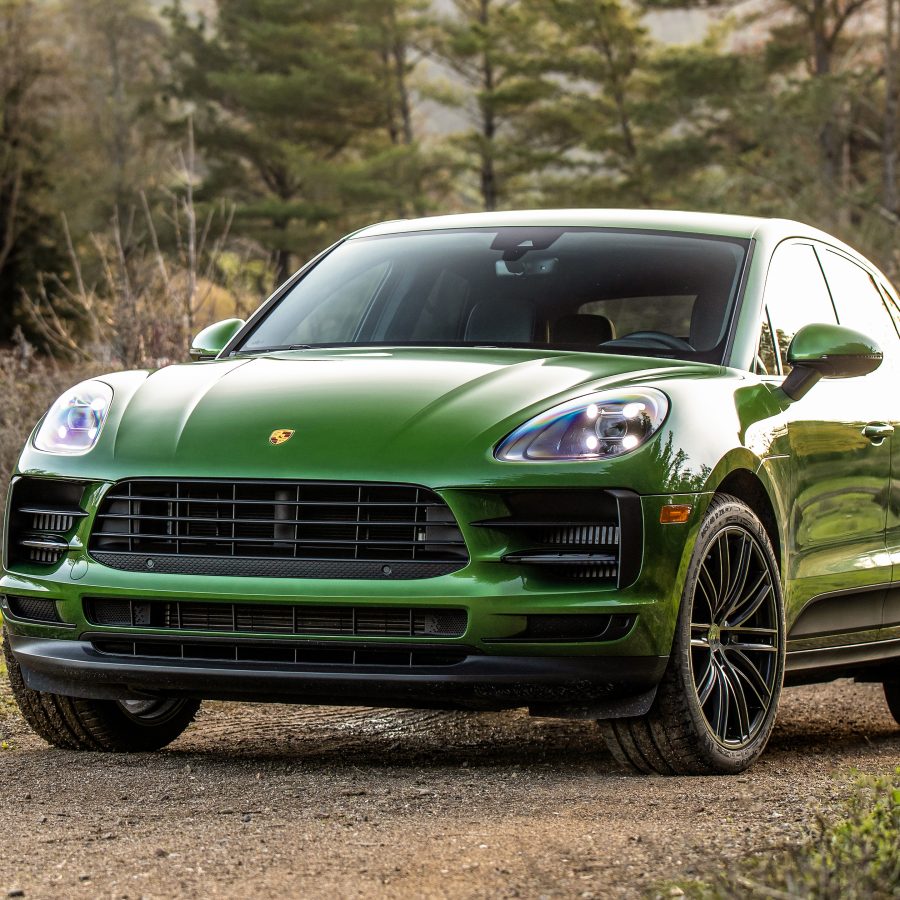
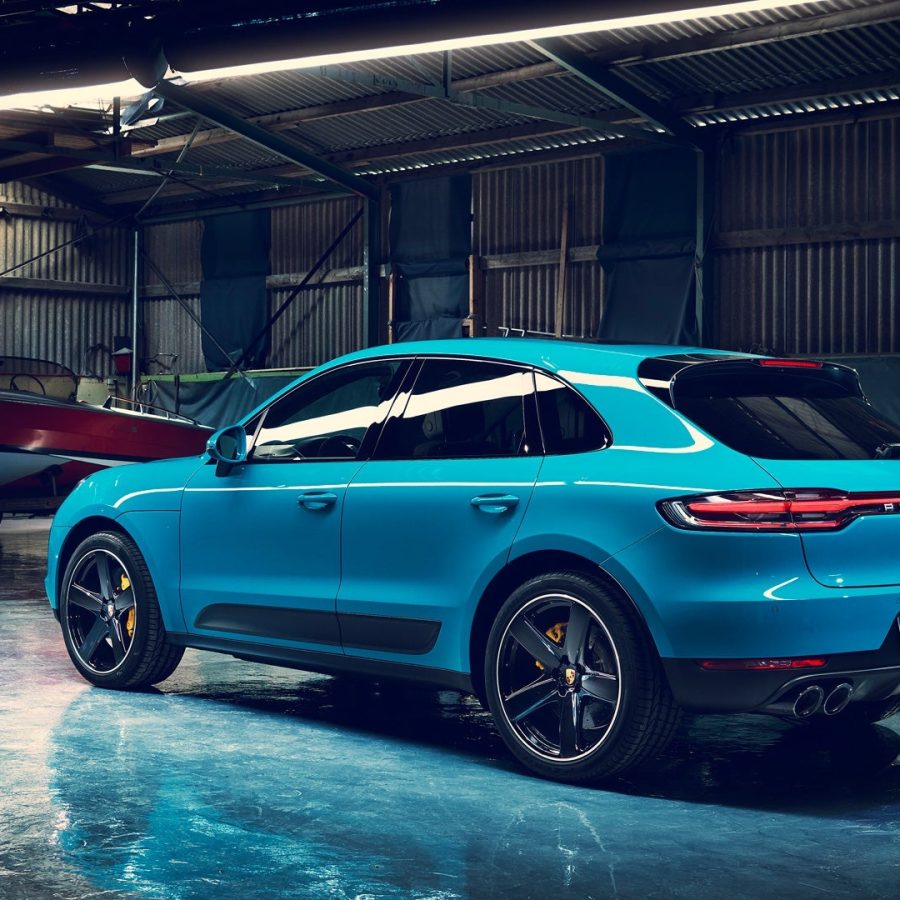
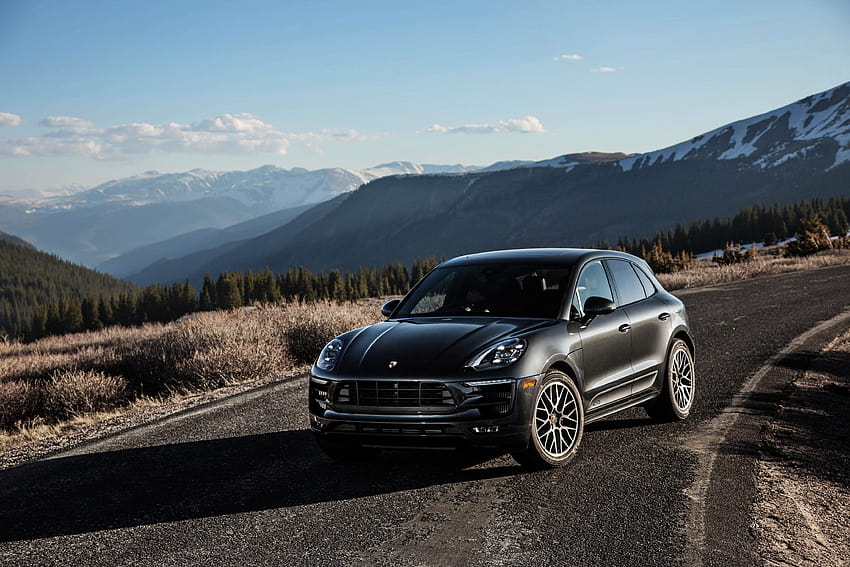
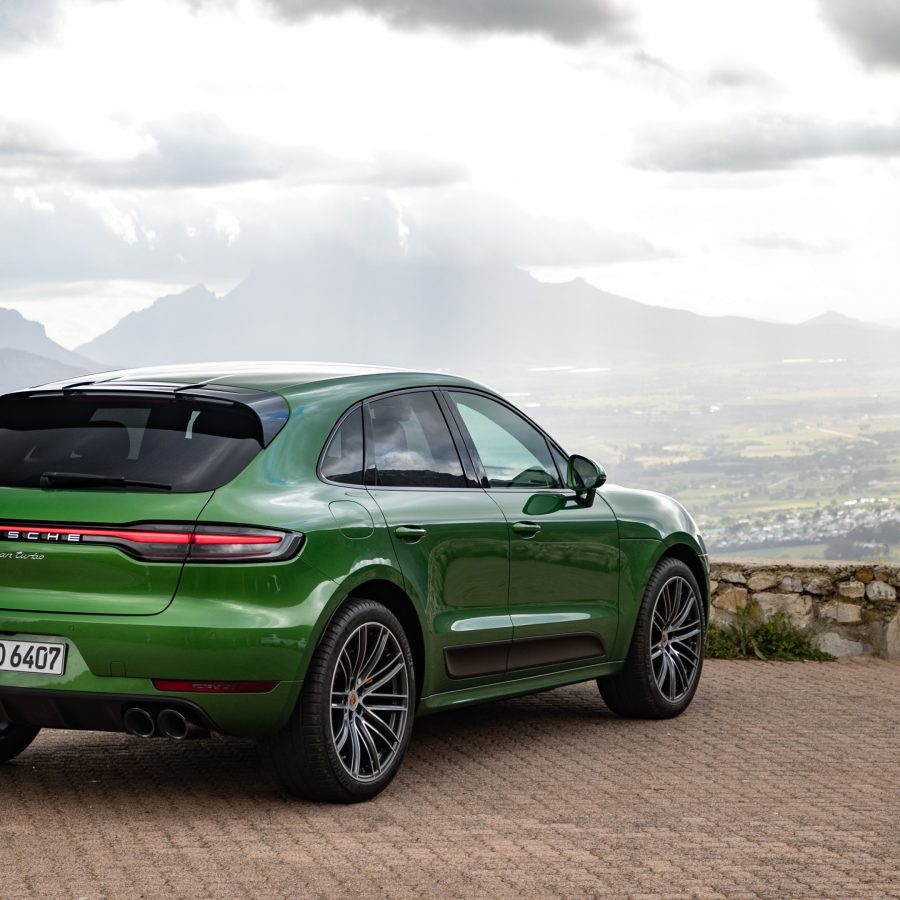
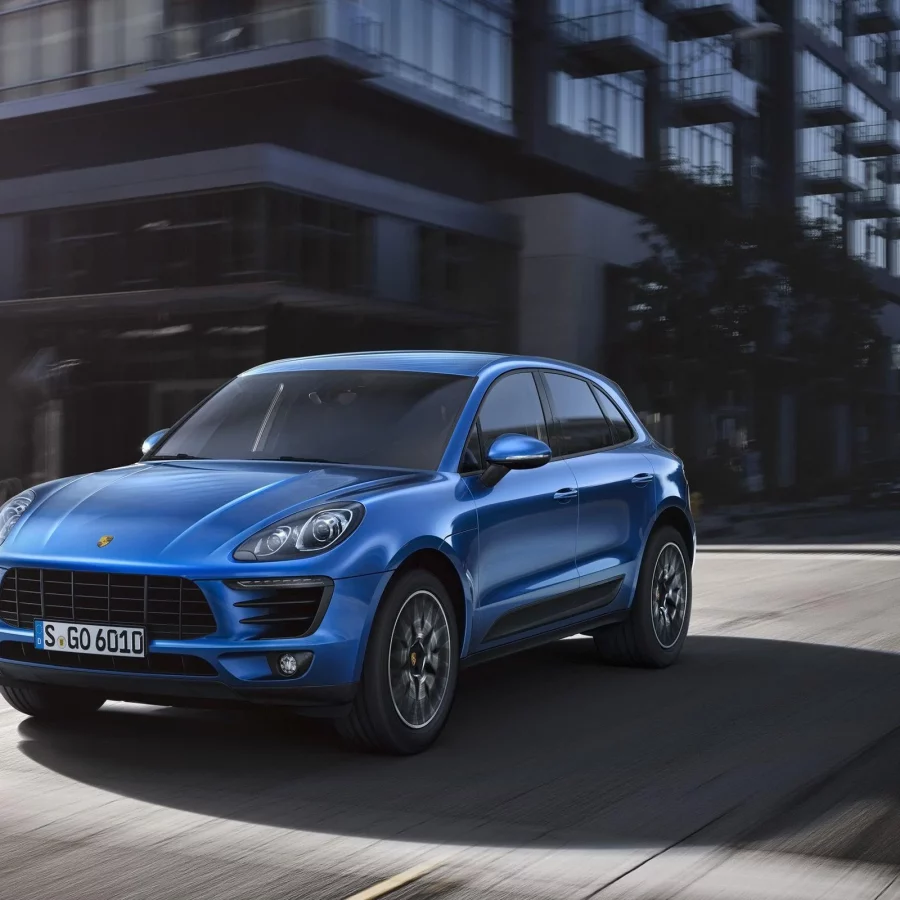
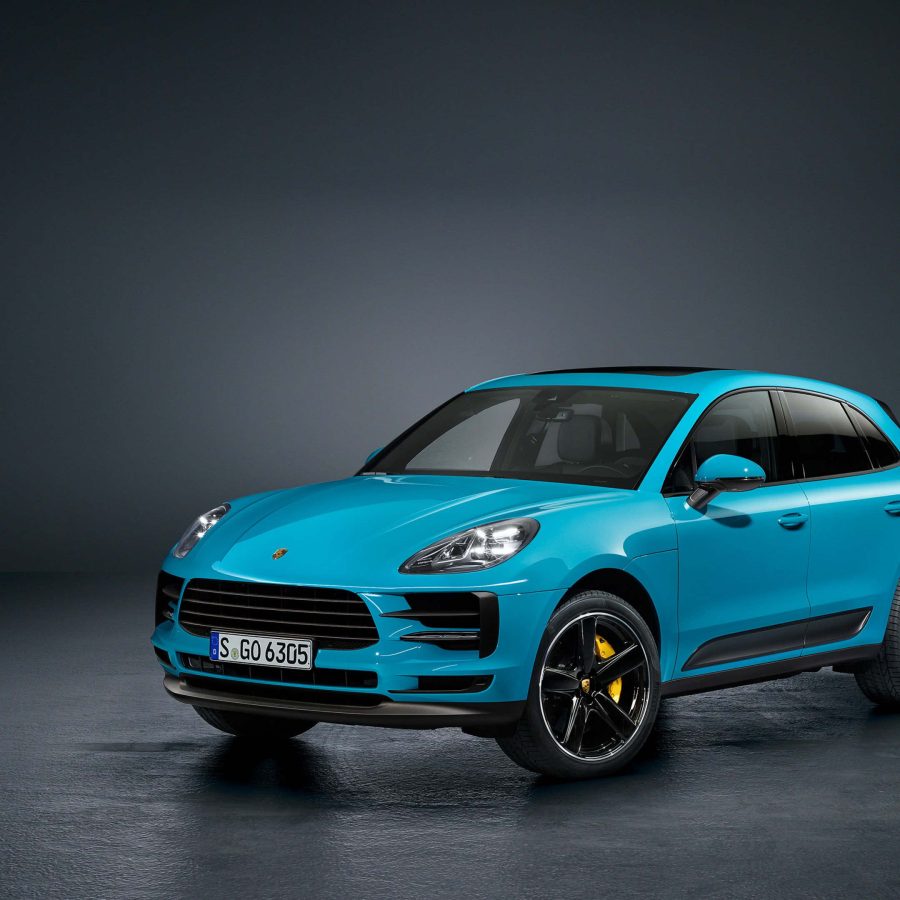
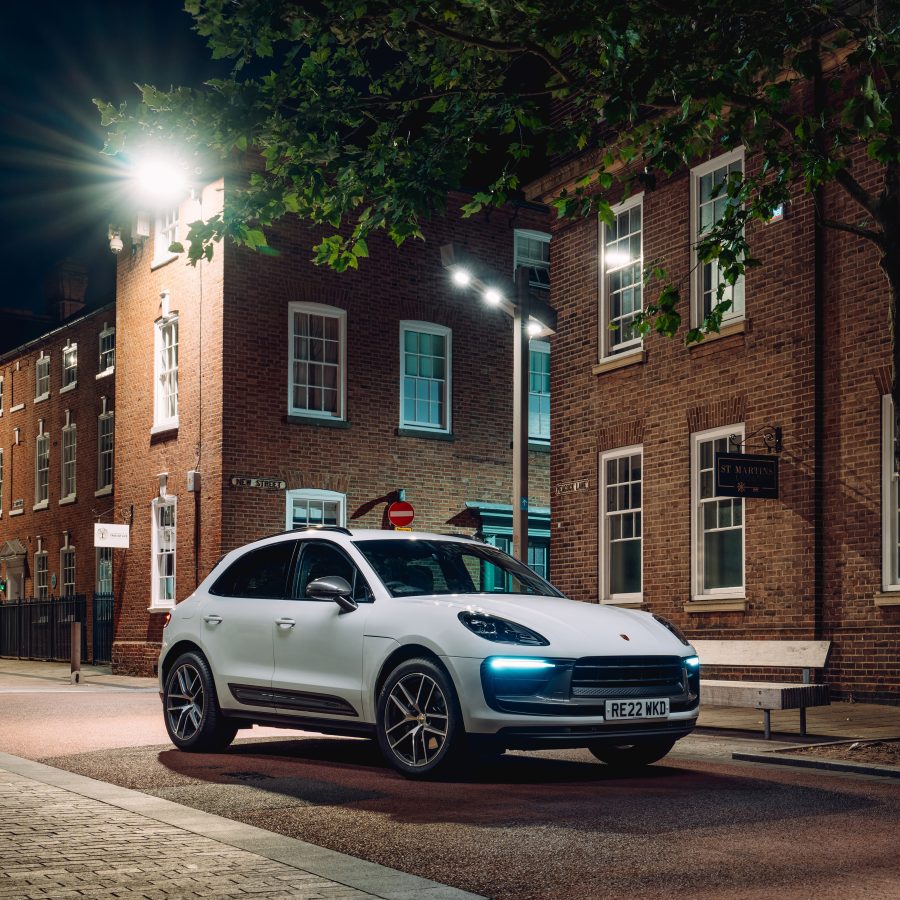
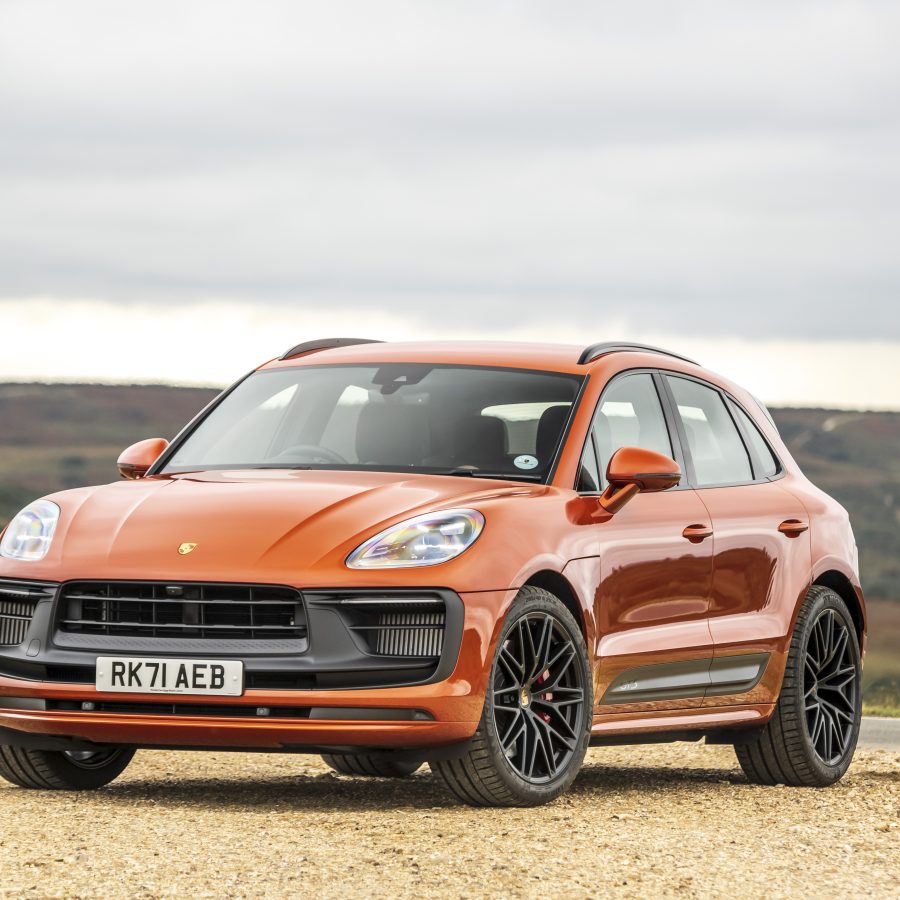
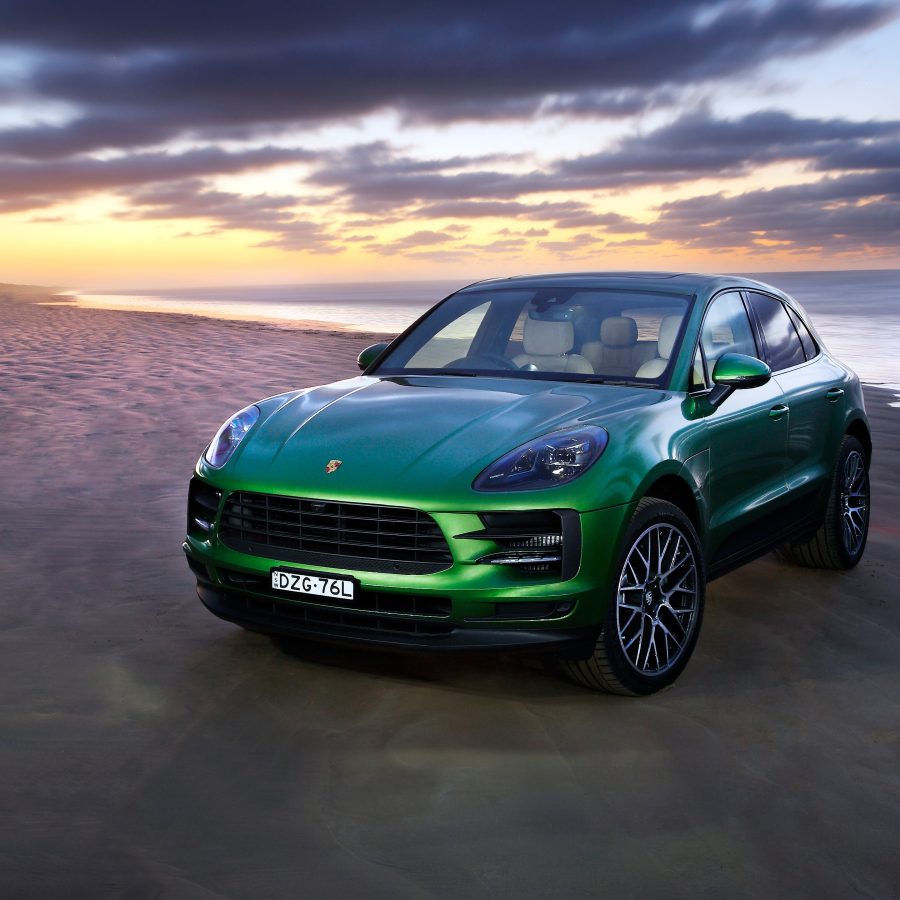
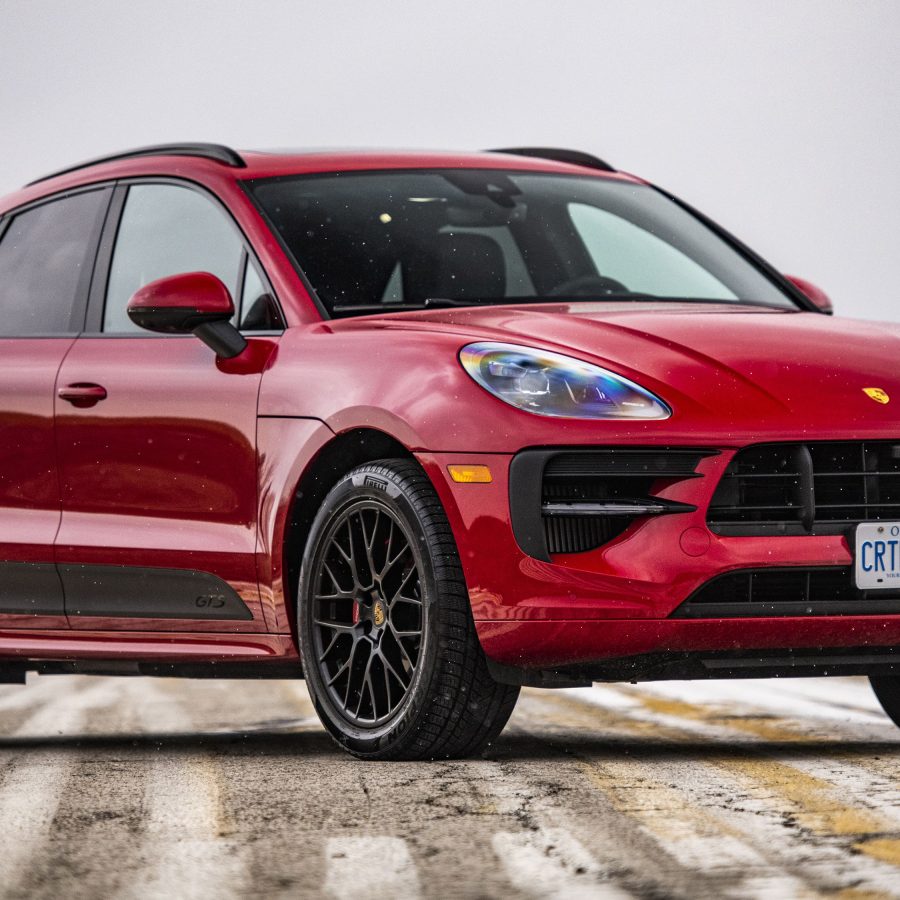
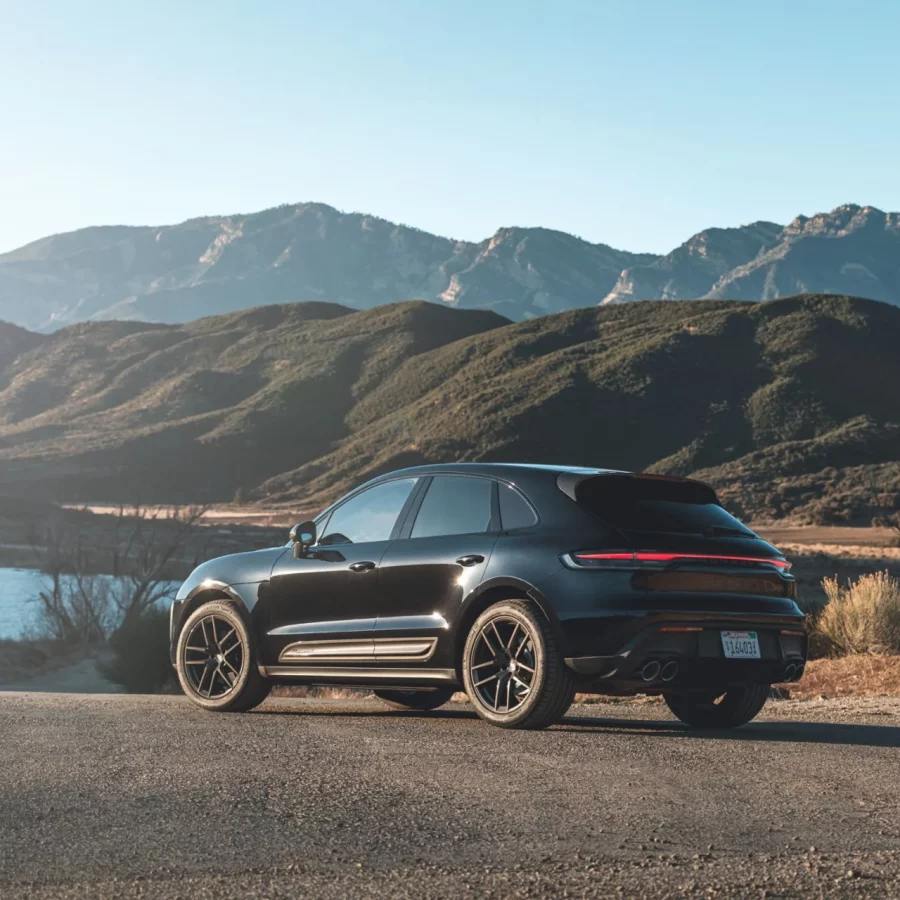
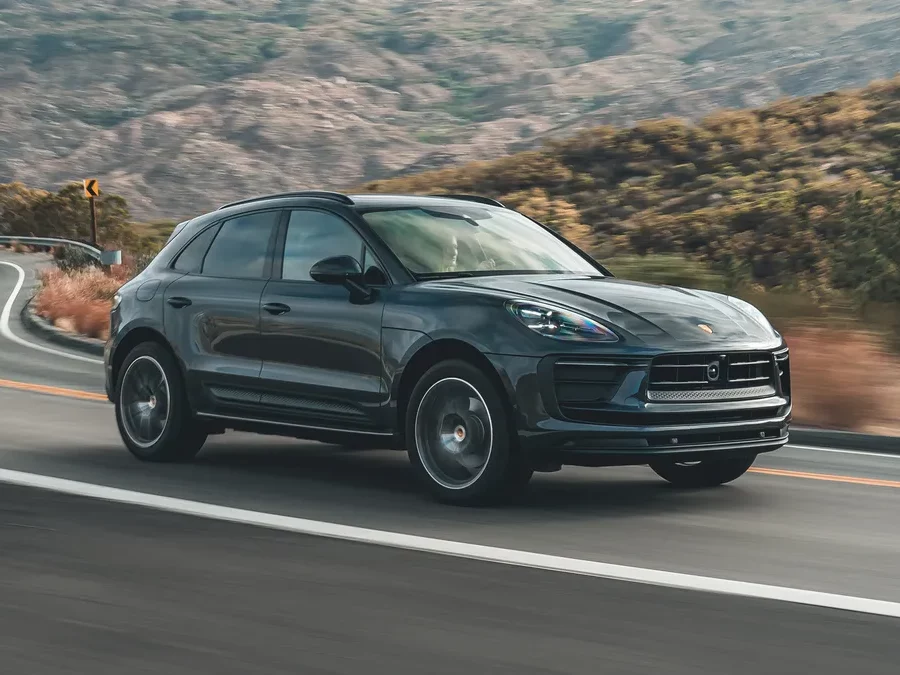
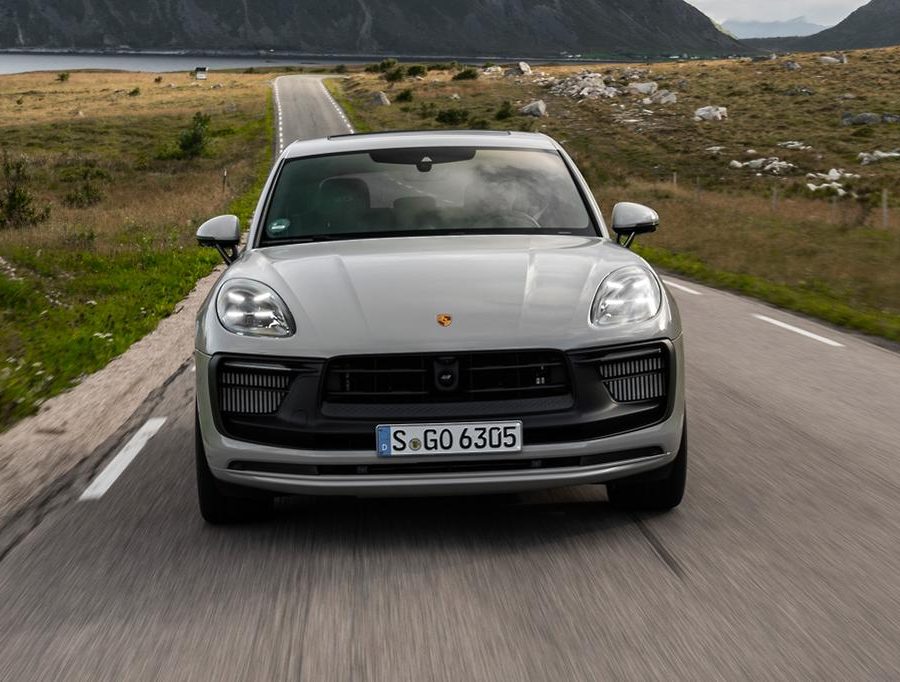
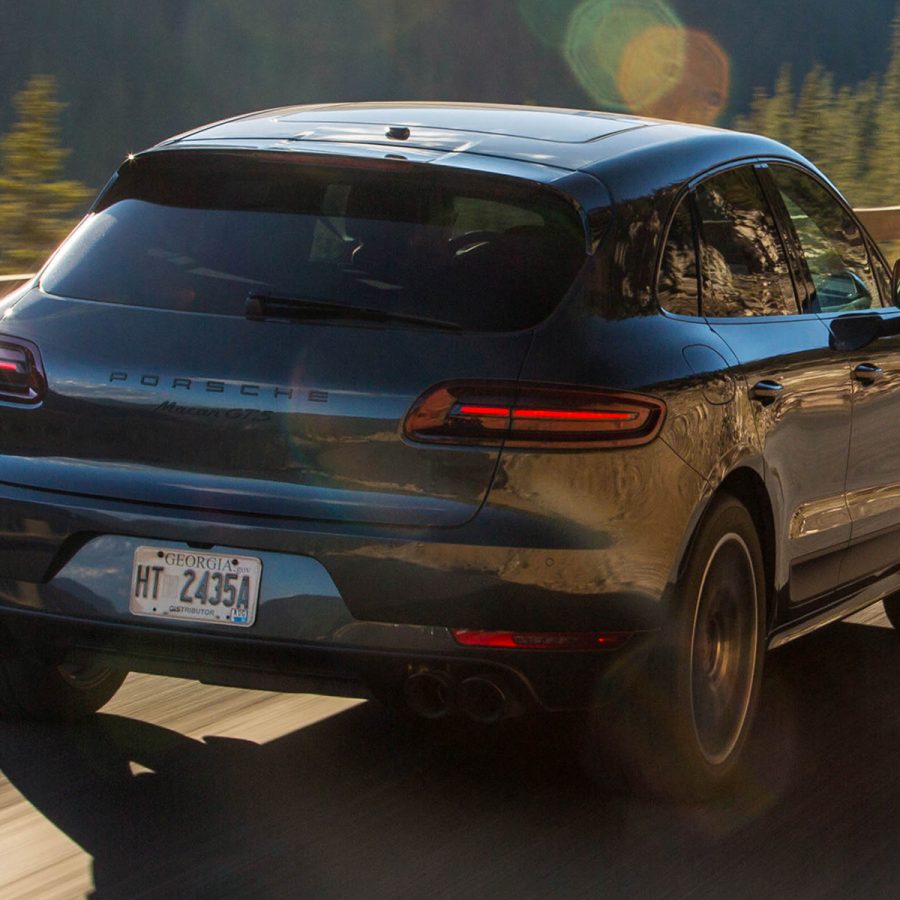
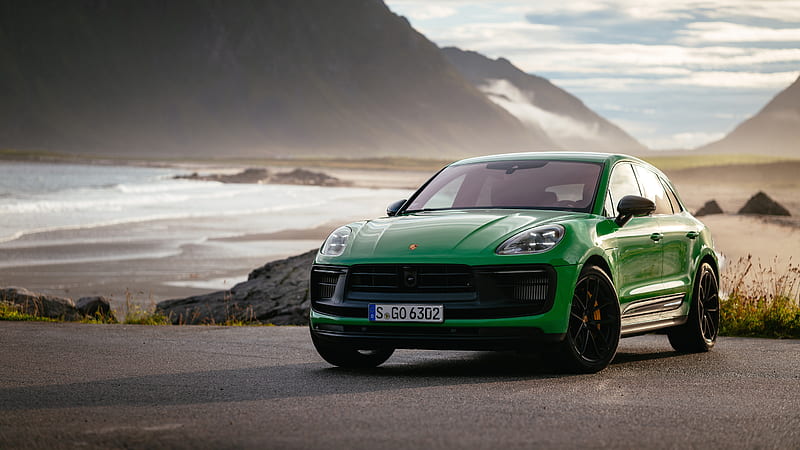
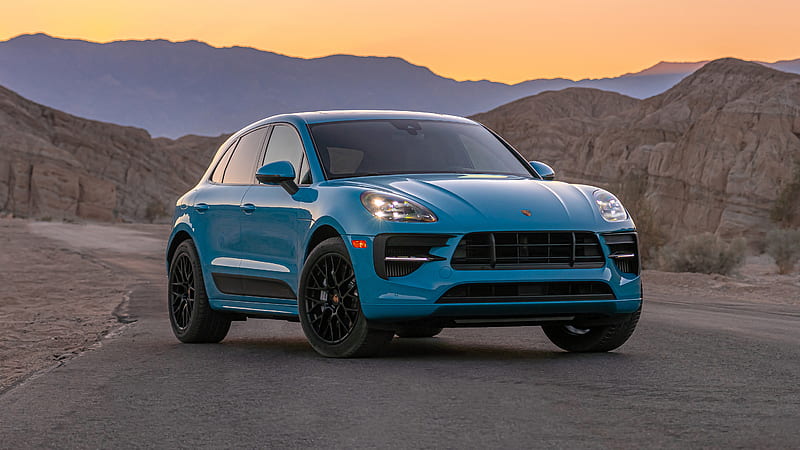
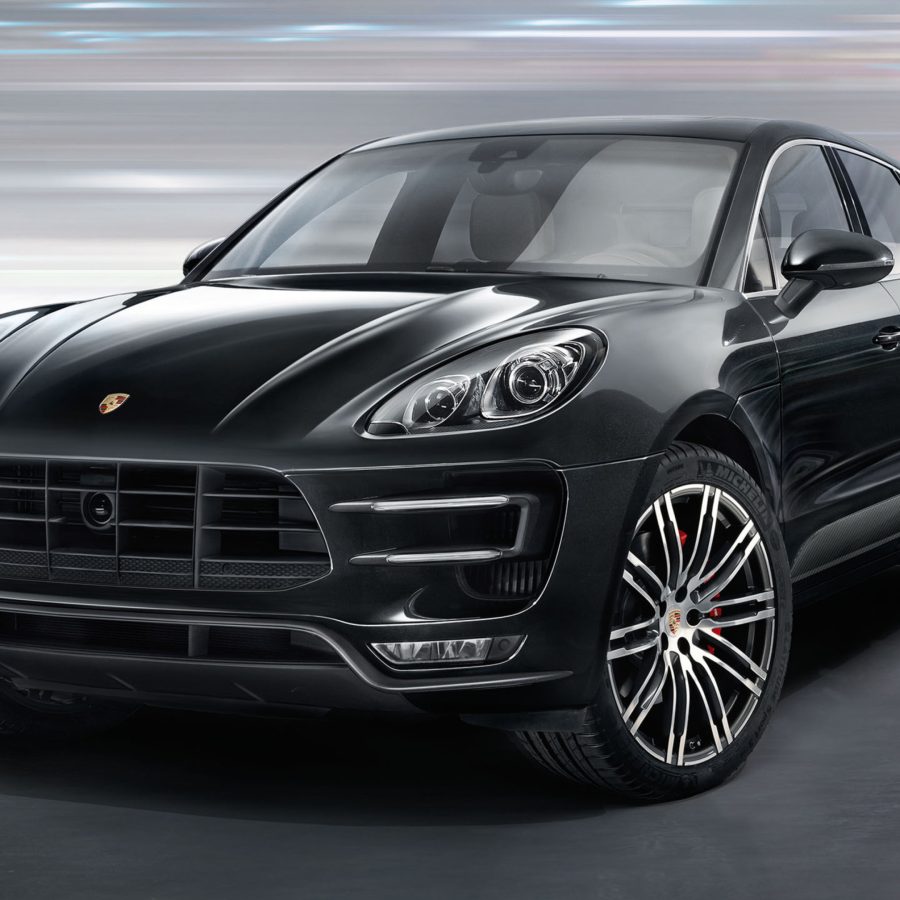
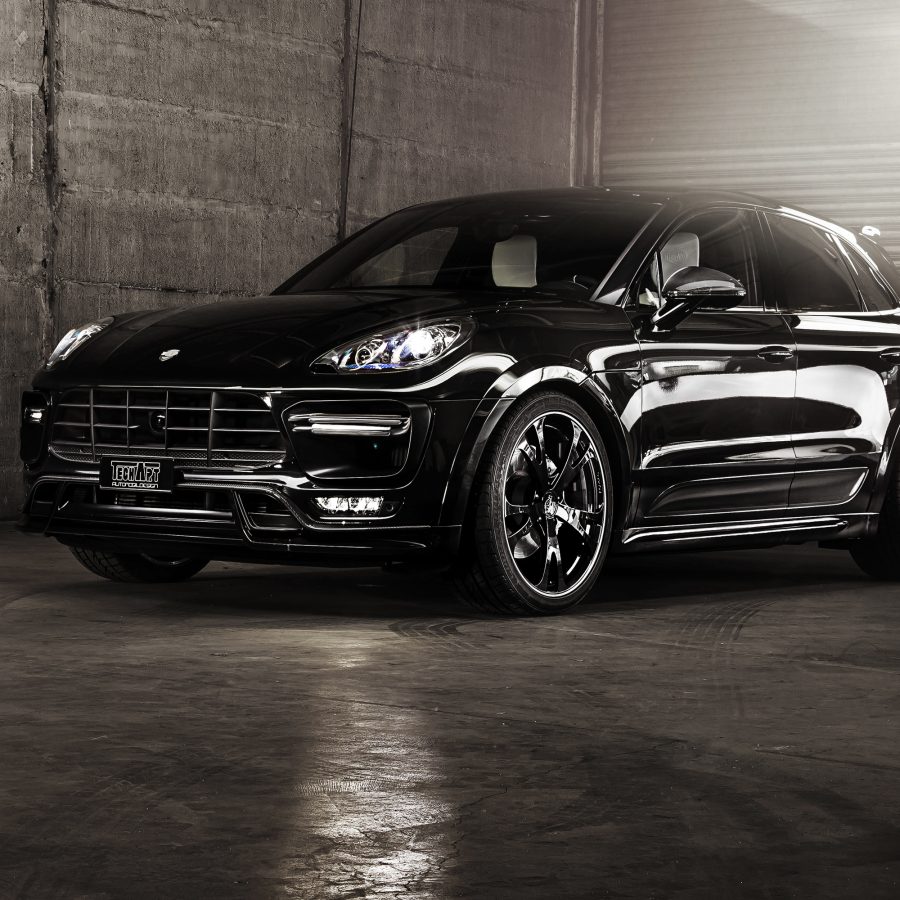
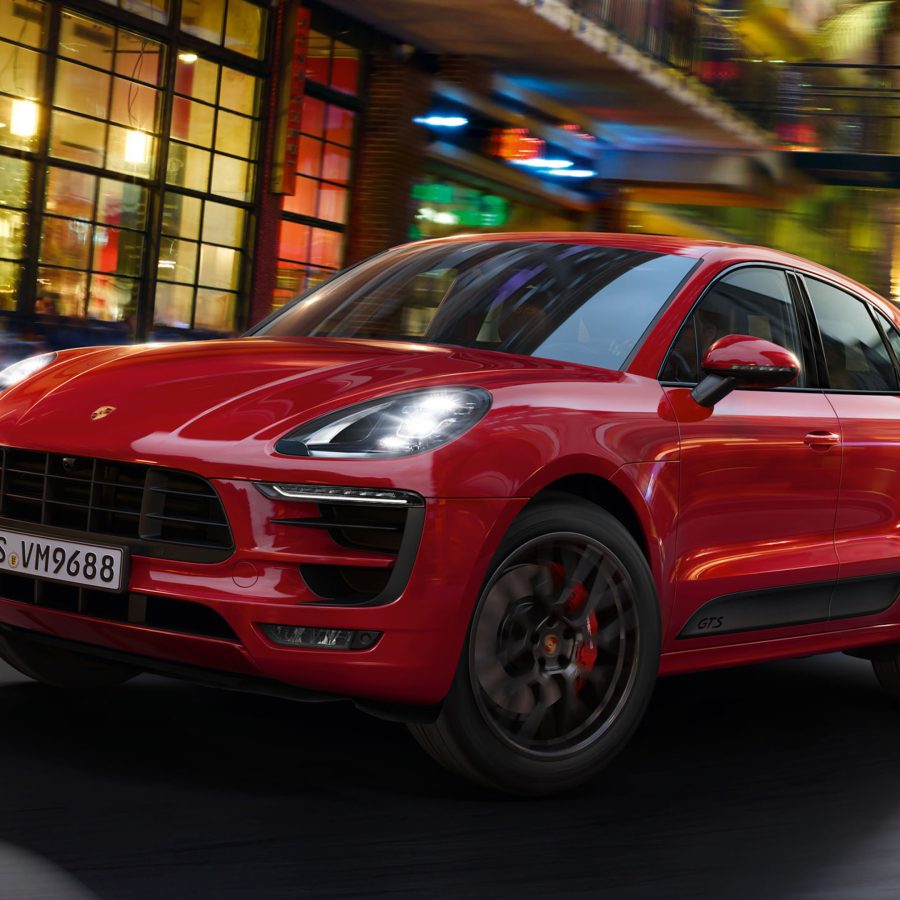
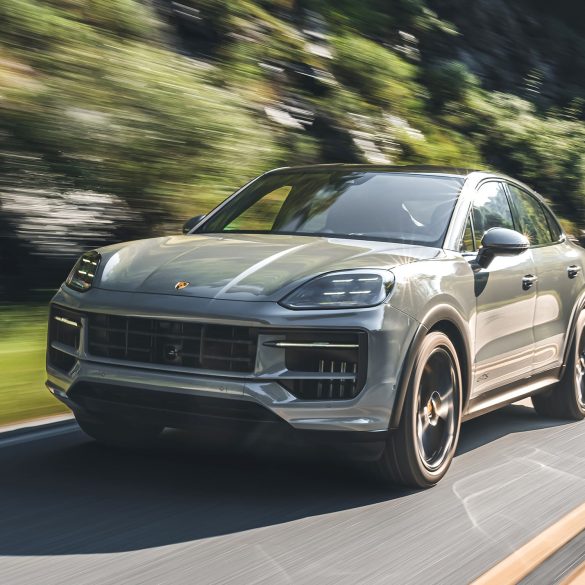
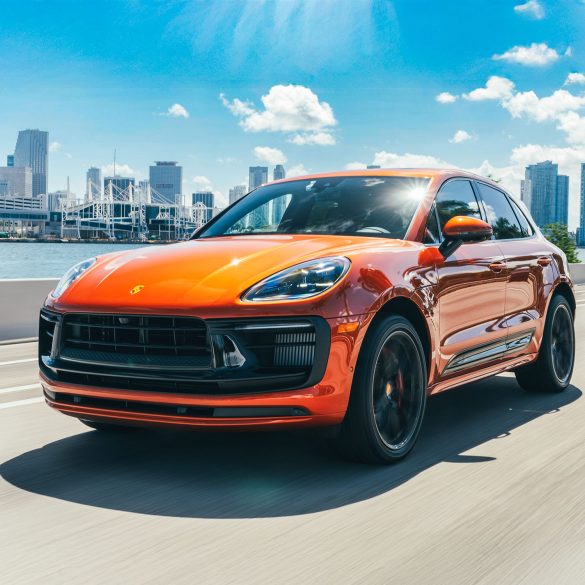
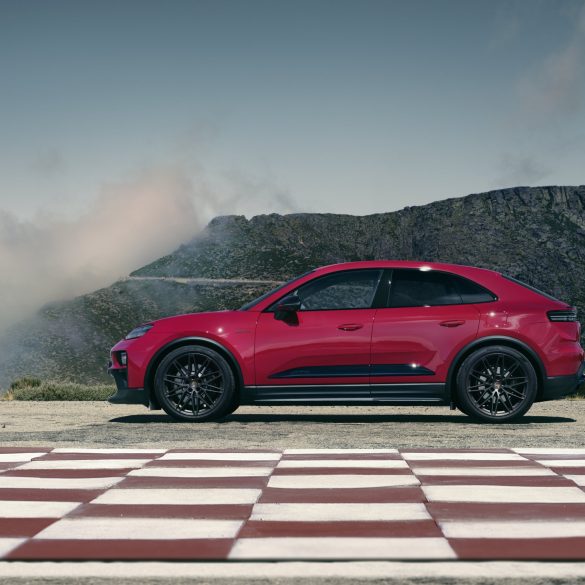
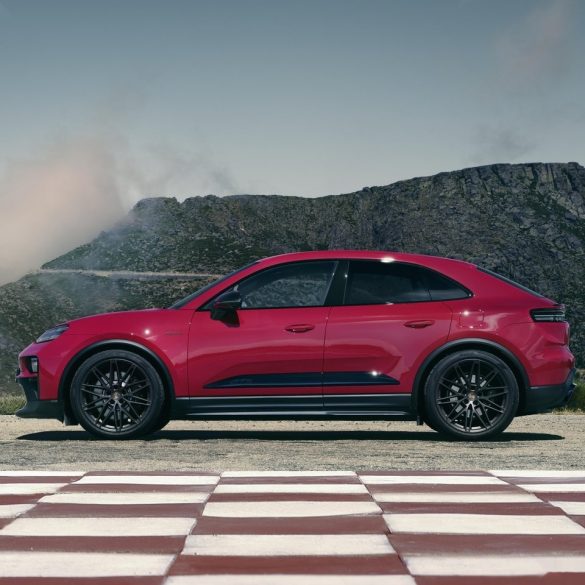
A sexy, small and perfectly proportioned SUV, the Macan was a looker from day one. Subsequent updates kept the shape and made design tweaks that modernized the entire range. We are big fans and always have been.
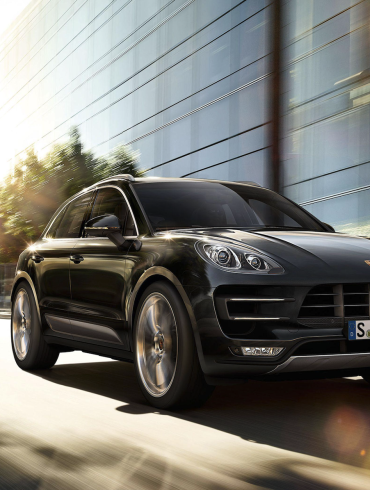
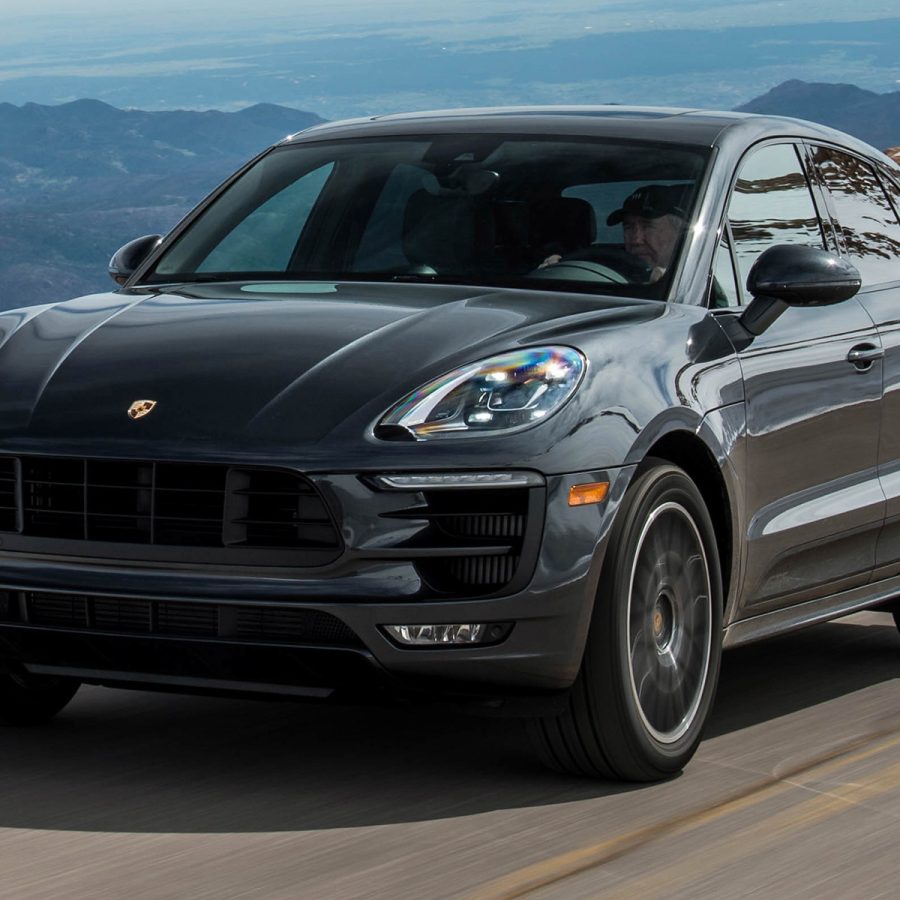
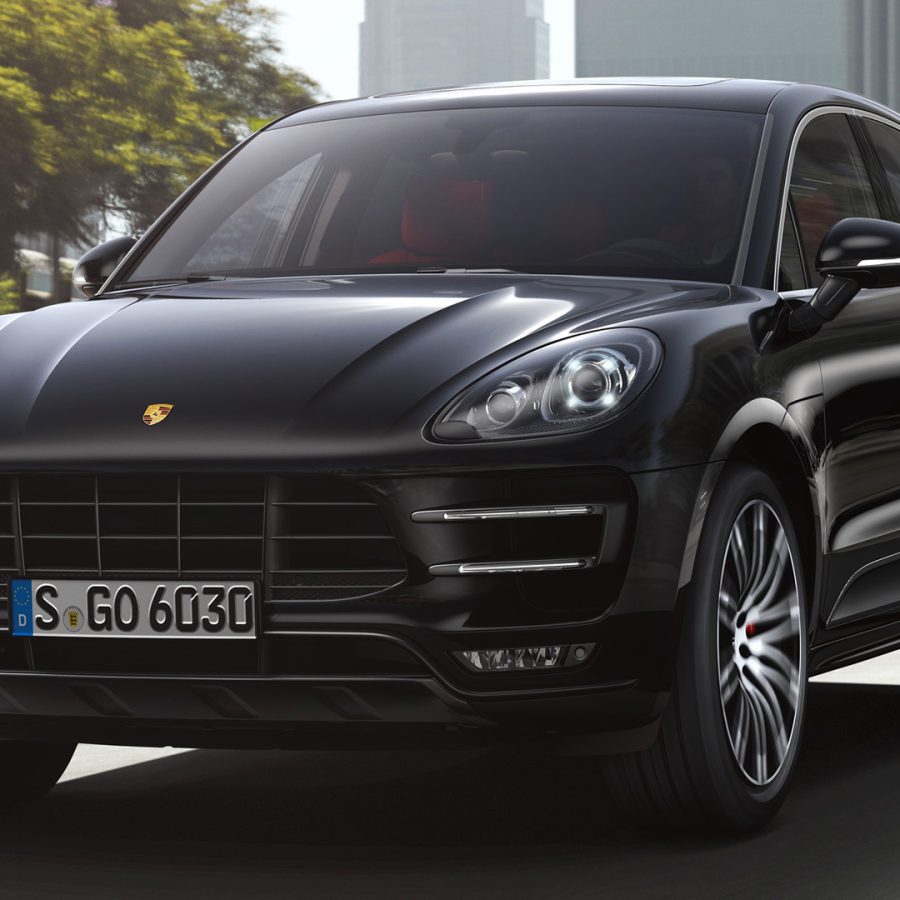
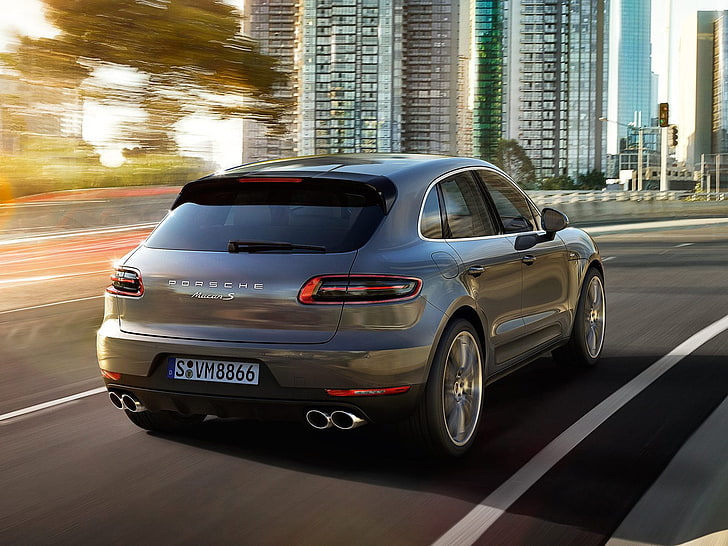
The 95B.1 Macan (2015–2018) represents the original version of Porsche’s compact SUV, and while it set the benchmark for driving dynamics in its class, it also reflects the era in which it was launched. These models featured a more analog cabin, a smaller 7-inch infotainment screen, and early V6 engines: a 3.0L twin-turbo in the Macan S and a 3.6L twin-turbo in the Turbo. The base 2.0L four-cylinder and enthusiast-focused GTS were introduced partway through this period. While these early Macans are engaging and offer strong performance, they’re also known for a few common issues—particularly transfer case failures—and lack the modern tech found in later versions.
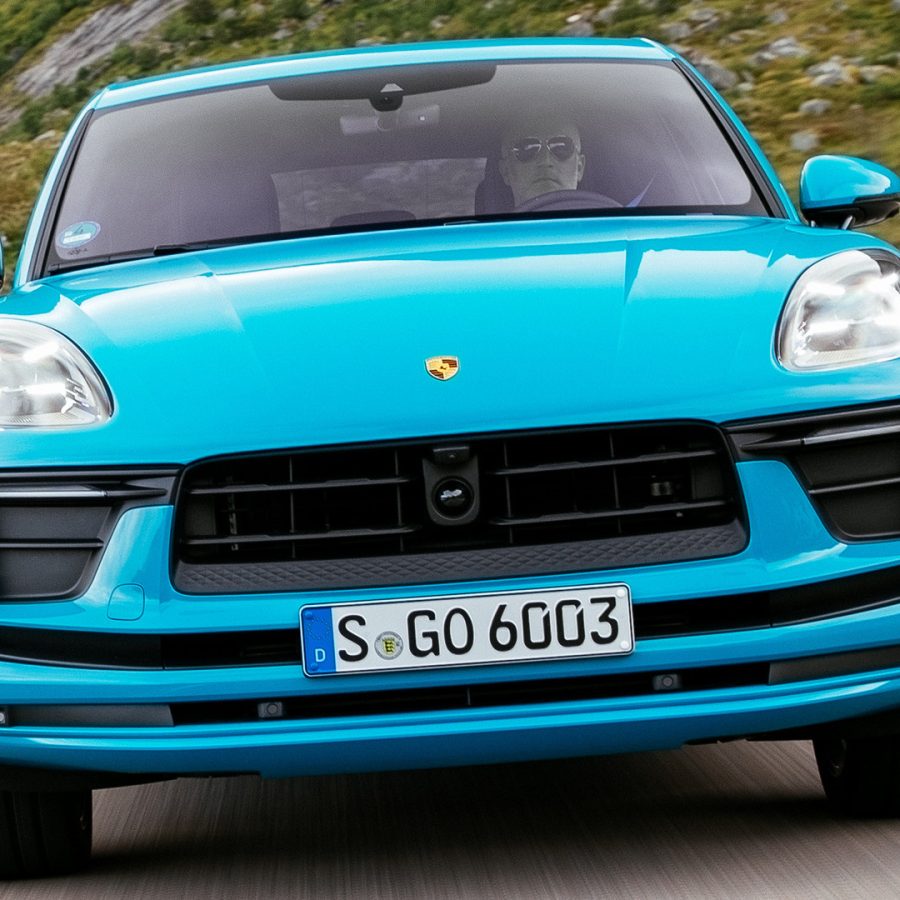
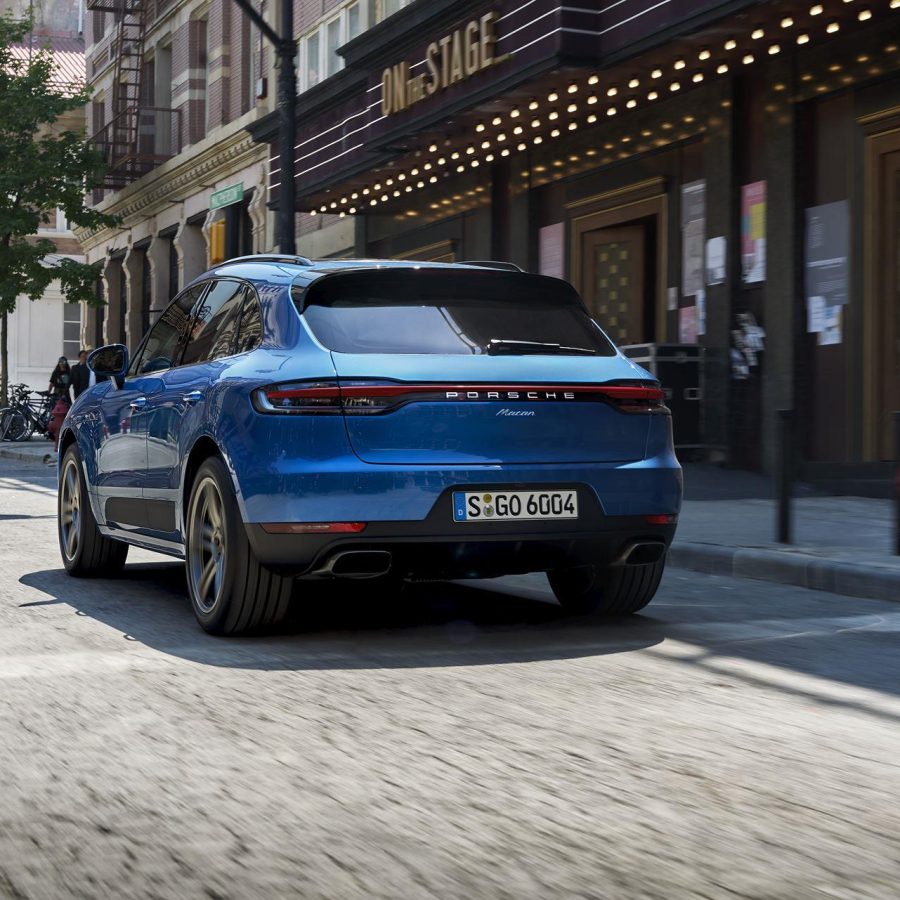
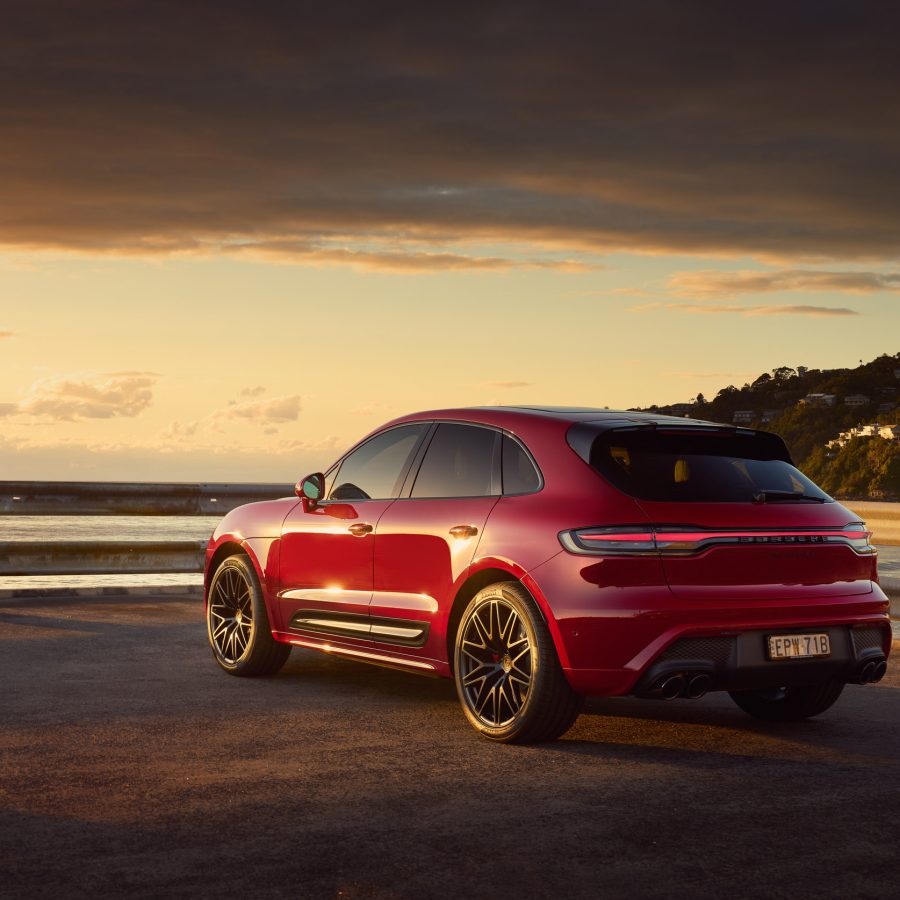
The 95B.2 update (2019–2021) brought a major refresh to the lineup. Porsche introduced a new full-width LED rear light bar, updated the bumpers, and—most importantly—completely overhauled the infotainment system with a 10.9-inch touchscreen featuring Apple CarPlay (though still no Android Auto at this stage). Engine updates were significant as well: the Macan S received a single-turbo 3.0L V6 with improved torque and efficiency, while the GTS and Turbo received the 2.9L twin-turbo V6 tuned to 375 hp and 434 hp, respectively. These models are widely considered the "sweet spot" for buyers, offering the right mix of modern tech, performance, and refinement without the pricing premium of the newest cars.
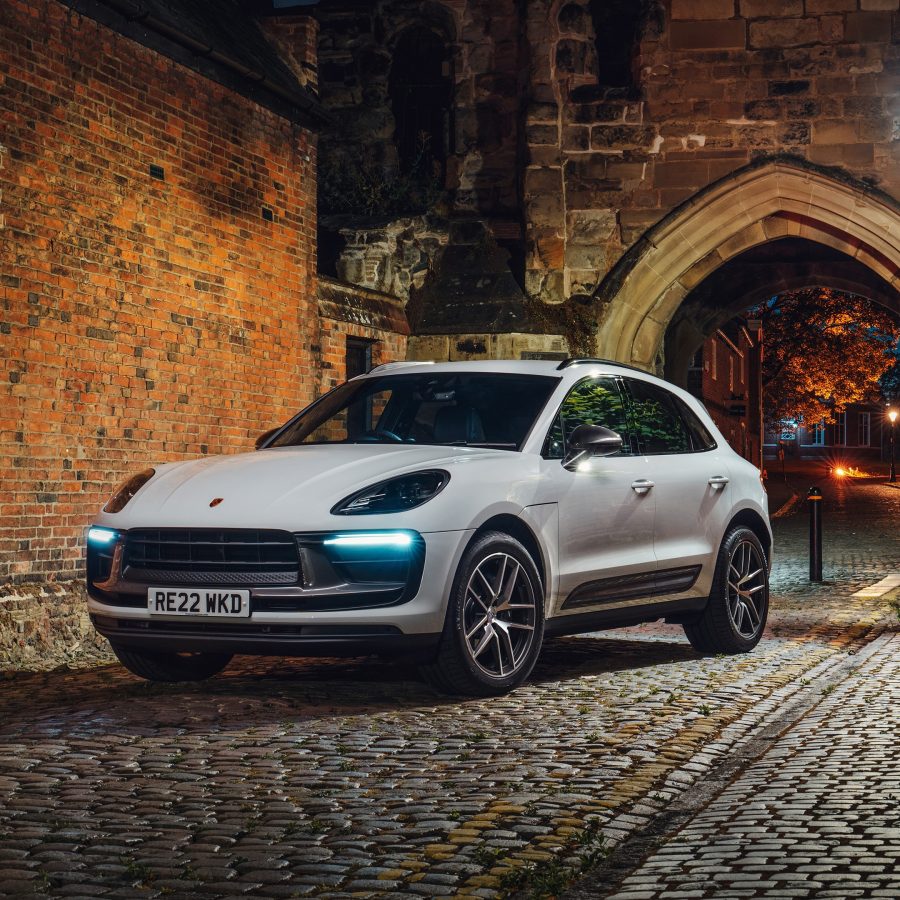
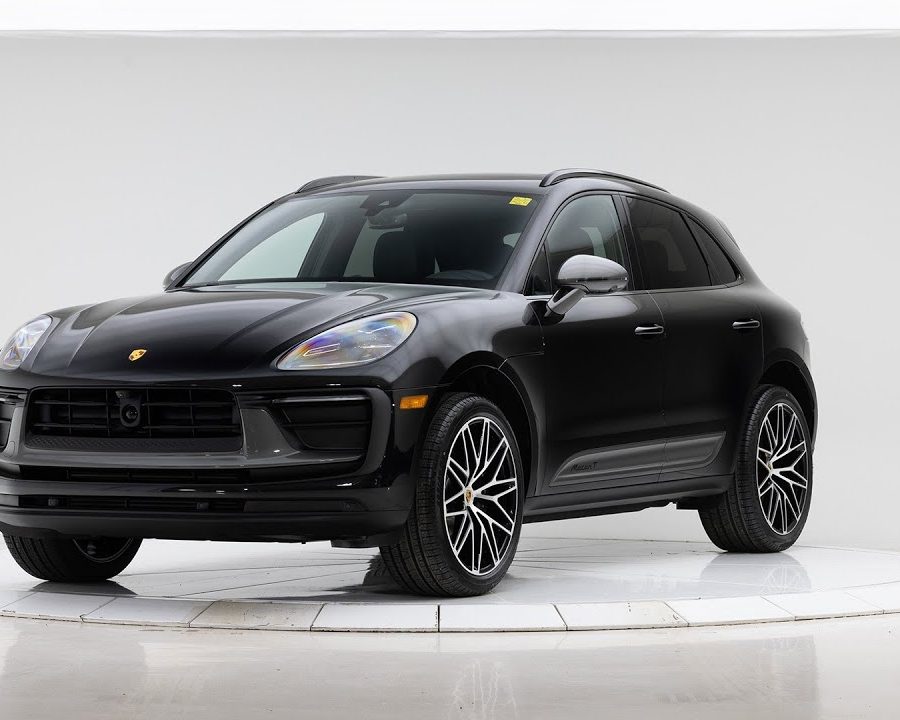
The 95B.3 Macan (2022–2024) marks the final iteration of the first-generation platform and brings the most advanced and polished version of the Macan yet. Visually, it features sharper exterior styling, while the interior receives a major overhaul with a cleaner, more modern layout and a touch-sensitive center console that replaces most physical buttons. The Macan Turbo was discontinued during this phase, and the GTS—now with 434 hp—became the flagship performance model. The Macan S moved upmarket as well, now powered by a detuned version of the same 2.9L twin-turbo engine. Porsche also introduced the Macan T during this period, which paired the base 2.0L engine with chassis upgrades like PASM and stiffer suspension tuning for a more dynamic, enthusiast-oriented feel. These final models offer the most contemporary tech and design while retaining the sporty personality that defined the Macan from the beginning.
The first-generation Porsche Macan (2015–2024) offered a range of engines over its lifecycle, all designed to balance performance, refinement, and Porsche driving character. From efficient turbo-fours to high-output twin-turbo V6s, the lineup evolved across three major updates—95B.1, 95B.2, and 95B.3—with each generation introducing refinements to powertrains. Here's a breakdown of the key engines offered in the Macan during its first-gen run:
Power: ~248–265 hp (varies by year and market) / Models: Base Macan (2017–2024), Macan T (2022–2024)
Notes: Shared with Audi, this four-cylinder engine offers surprising punch and strong fuel economy. While not as thrilling as the V6s, it's responsive and well-paired with the 7-speed PDK transmission. The Macan T adds PASM and chassis tweaks for a more engaging feel.
Power: 340 hp (Macan S), 360 hp (Macan GTS) / Models: Macan S (2015–2018), Macan GTS (2017–2018)
Notes: This early twin-turbo V6 offers a great blend of performance and refinement. It’s known for a wide torque band and smooth power delivery, and it was Porsche-tuned for sharper throttle response than its Audi relatives.
Power: 400 hp (Macan Turbo), 440 hp (Macan Turbo with Performance Package) / Models: Macan Turbo (2015–2018)
Notes: This was the top-spec engine of the original Macan generation. It delivered serious performance, with 0–60 mph times in the low 4-second range. The Performance Package added power, larger brakes, and a lowered suspension setup.
Power: 348 hp / Models: Macan S (2019–2021)
Notes: Replacing the earlier twin-turbo 3.0L, this single-turbo setup offered better torque response and improved efficiency. It's more linear and smoother in everyday driving, and it paired well with the updated chassis and suspension tuning.
Power: 375 hp (GTS), 434 hp (GTS and Turbo, depending on MYr) / Models: Macan GTS (2020–2024), Macan Turbo (2020–2021)
Notes: This engine became the heart of the high-performance Macans after 2020. It’s shared with the Cayenne and Panamera and delivers immediate, forceful acceleration with a broad torque curve. By 2022, the GTS took over as the range-topping model, tuned to 434 hp and effectively replacing the Turbo.
Across its lifecycle, the Macan evolved from powerful but more traditional V6s to modern, more efficient twin-turbo units, while the four-cylinder gave entry-level buyers a more accessible route into Porsche ownership. For the best all-around performance and character, many enthusiasts gravitate toward the 2.9L twin-turbo V6 in the GTS or Turbo. However, the base engine with the right options (like in the Macan T) delivers more fun than its spec sheet suggests—and offers a lower cost of ownership too. Let me know if you want a chart comparing specs or real-world 0–60 data for each engine setup!
Yes, the Porsche Macan is generally considered reliable, especially by the standards of high-performance luxury SUVs—but with a few caveats depending on the model year, engine, and maintenance history.
The Macan is often praised as one of the more dependable Porsche models, and it consistently scores well in long-term owner satisfaction surveys. It’s built on a solid foundation using proven Volkswagen Group components (shared with Audi and VW), but Porsche applies its own tuning, performance parts, and quality standards. As a result, most Macans feel robust, solidly built, and free of major design flaws, particularly in later years.
Early models (2015–2018) had some teething issues—most notably transfer case failures, which led Porsche to extend the warranty on that component to 7 years/unlimited miles for affected vehicles. Infotainment in these years also feels dated and can be glitchy, but it's rarely a mechanical failure.
Post-2019 models (95B.2 and 95B.3) have shown stronger reliability, with fewer reports of drivetrain or suspension problems. The updated infotainment system is significantly more stable, and engine updates brought both better performance and durability.
The Macan's engines (especially the 2.0L turbo-four and newer 2.9L twin-turbo V6) have proven sturdy when maintained properly. The PDK transmission is one of the most robust dual-clutch units in the industry. Common wear items like brakes and tires will be more expensive than mainstream SUVs—but that’s expected for a performance model. Major issues tend to come only with deferred maintenance, high mileage with poor records, or performance abuse.
If you're buying a well-maintained Macan with full service history, especially a CPO model or one from 2019 or newer, you can expect a very reliable ownership experience. Just remember—it’s a Porsche, so while major failures are rare, maintenance and parts aren’t cheap, and skimping on service can lead to problems over time. Want a breakdown of reliability by engine or a checklist of common problem areas to watch for? I can help with that too.
If you're looking for the best first-generation Porsche Macan for the money, the sweet spot is generally found in a 2019–2021 Macan S or GTS—specifically the 95B.2 generation. These models offer the most compelling mix of performance, modern tech, improved reliability, and value without commanding the premium of the newest (95B.3) models or being too aged like early 2015–2016 examples.
The Macan S in this era received a major powertrain update, replacing the older 3.0L twin-turbo V6 with a new 3.0L single-turbo V6 producing 348 hp. This engine is smoother, more efficient, and more responsive in everyday driving. It also benefits from improved suspension tuning, better electronics, and the introduction of the 10.9-inch touchscreen infotainment system with Apple CarPlay, which drastically improves the cabin experience.
On the used market, these S models have dropped to the low-to-mid $40K range depending on mileage and options, making them significantly more affordable than a new Macan, while still feeling modern and quick. Well-optioned examples with PASM, Sport Chrono, and Premium Package Plus are especially desirable and offer most of the performance and comfort you’d expect from pricier trims.
If budget allows, a 2020 or 2021 Macan GTS might be the best all-around pick for enthusiasts. It features the 2.9L twin-turbo V6 with 375 hp—the same engine used in the Turbo—and includes a sportier suspension setup, standard PASM, a louder exhaust, and blacked-out trim. The GTS drives like a true Porsche and sits in that rare “do-it-all” zone: quick, comfortable, practical, and engaging. Prices are higher—usually in the mid-$50K to $60K range—but the GTS tends to hold its value better, and many consider it the enthusiast’s choice.
The Macan S offers strong performance with a V6 engine and is considered the core model. The GTS is the driver’s choice, with sharper handling, a louder exhaust, and a sportier suspension. The Macan T, introduced later, uses the base 2.0L turbo engine but adds PASM and handling upgrades for a more engaging drive. The now-discontinued Macan Turbo was the fastest of the bunch, with up to 434 hp and a more luxurious performance focus. Each trim has its own personality, but all deliver a Porsche-quality driving experience.
Yes and no. Compared to mainstream SUVs, it’s more expensive—expect to spend $1,200 to $2,000 per year on maintenance and wear items like brakes and tires. However, it’s less costly to own than many rival luxury performance SUVs and is more reliable than earlier Cayennes or Panameras. Choosing a Certified Pre-Owned (CPO) Macan or one still under warranty can help manage costs, especially for unexpected repairs.
Absolutely. The Macan is widely considered the best-handling SUV in its class, and many reviewers and owners describe it as a “911 on stilts.” With quick steering, sharp chassis tuning, and a rear-biased AWD system, it feels connected and composed in a way few crossovers can match. Even the base model is fun to drive, and the GTS is genuinely thrilling on a twisty road.
Recent news, awesome reviews, new model announcements and all the other latest news and posts regarding the Porsche Macan.