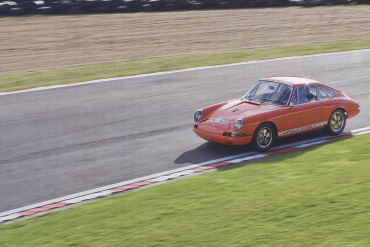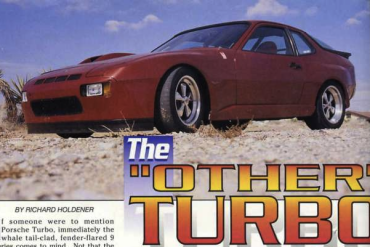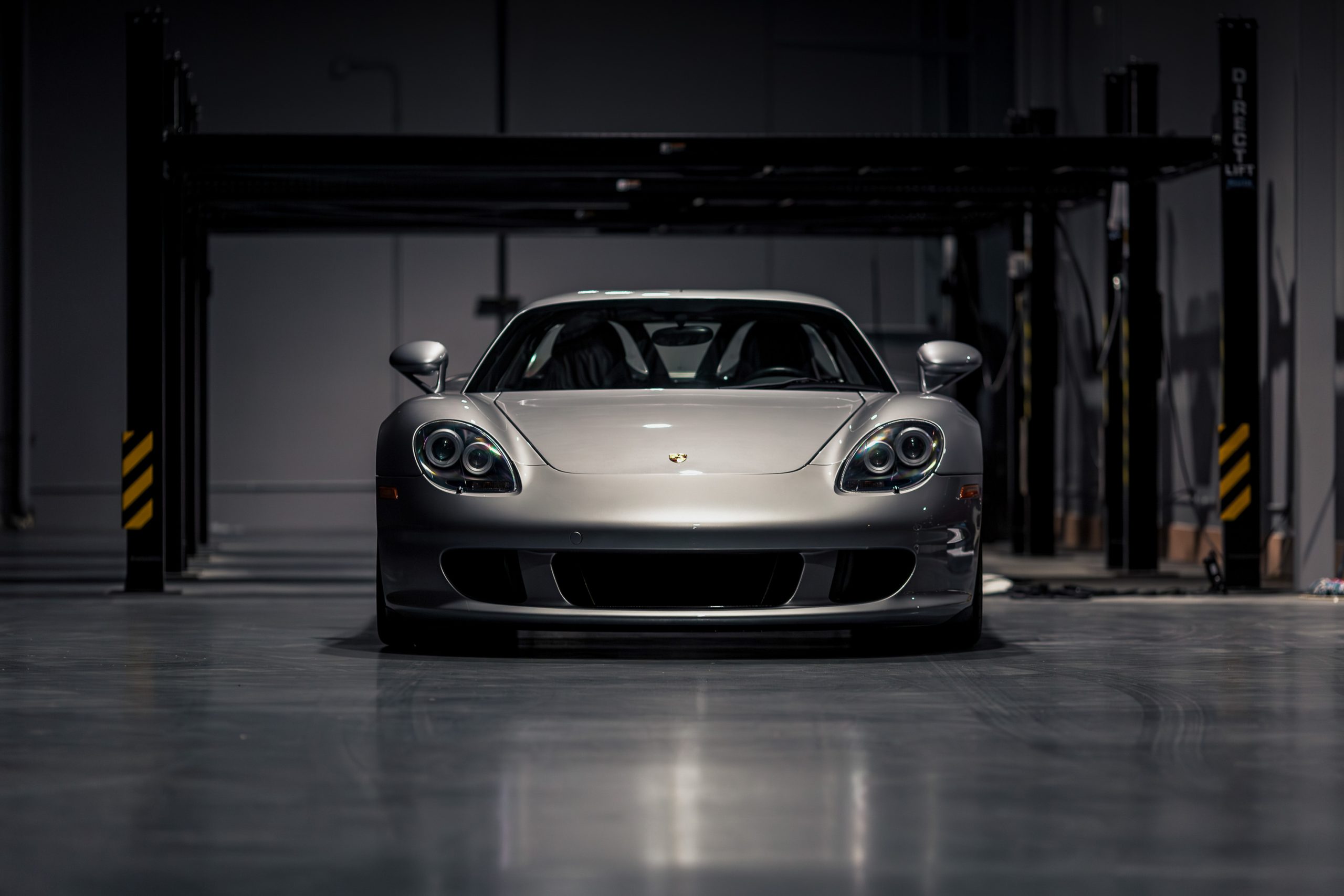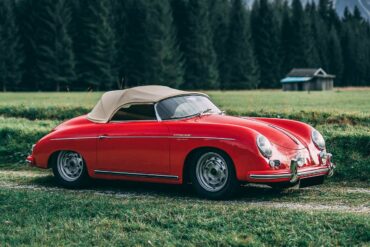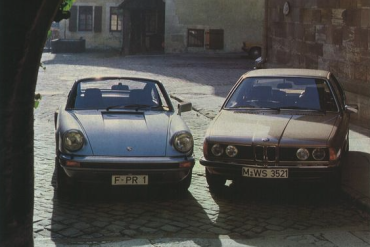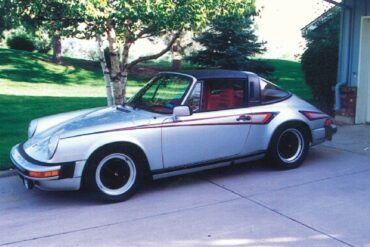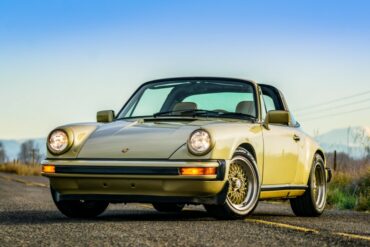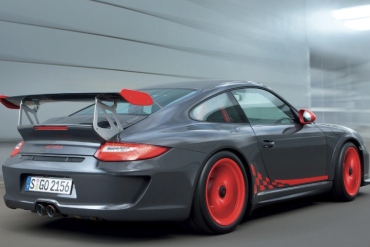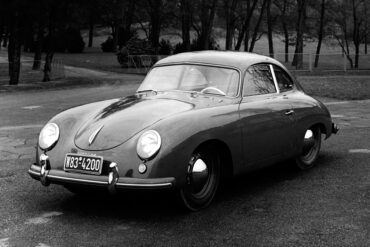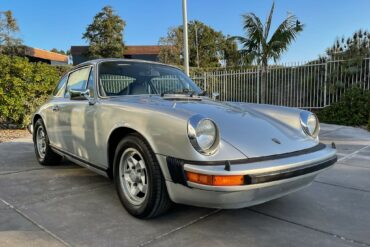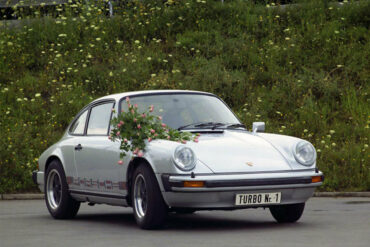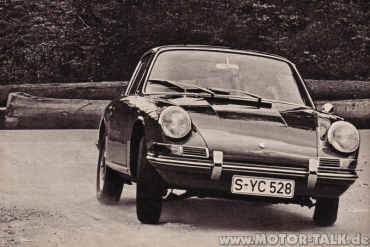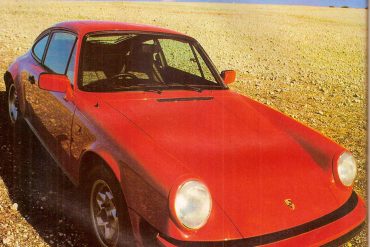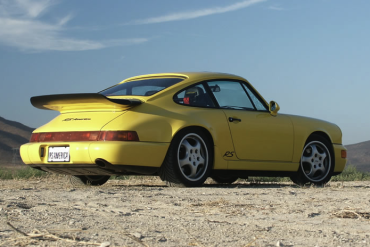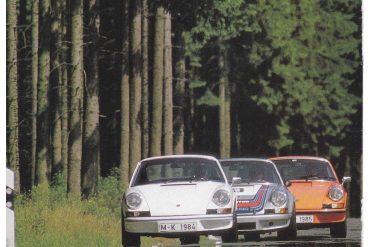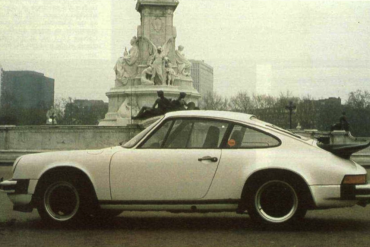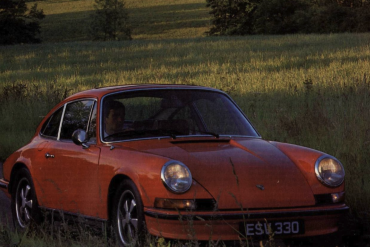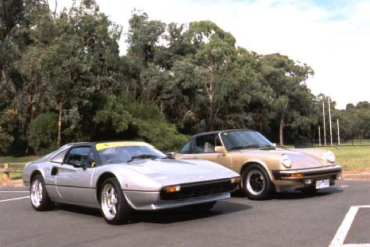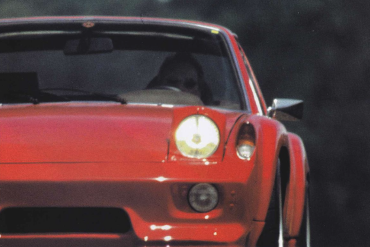

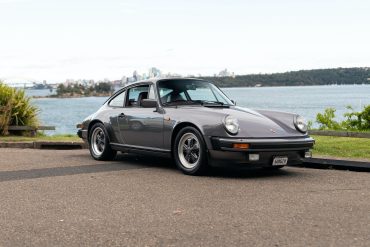
Finally, in 1982 the model 911 SP 'Ferry Porsche' was introduced as a special edition to celebrate 50 years of Porsche. This special edition was finished in Meteor metallic paint with burgundy leather interior and a 'Ferry Porsche' signature on the headrests. Only 200 of these now-classic special cars were built (130 Coupes and 70 Targas). The 911 SC “Jubilee” or “Ferry Porsche” is the first “limited series” sold in Europe.
Porsche Models
All
- Porsche 911
- Porsche 914
- Porsche 917K
- Porsche 918
- Porsche 924
- Porsche 928
- Porsche 944
- Porsche 959
- Porsche 962
- Porsche Boxster Concept
- Porsche Carrera GT
- Porsche Cayenne
- Porsche Cayenne 955/957 (1st Gen)
- Porsche Cayman 987 (2nd Gen)
- Porsche RS Spyder (9R6)
- Porsche Boxster 986 (1st Gen)
- Porsche Cayman 981 (3rd Gen)
- Porsche 356 Pre-A
- Porsche Boxster 987 (2nd Gen)
- Porsche Cayenne 958 (2nd Gen)
- Porsche 718 Cayman 982 (4th Gen)
- Porsche 356 A
- Porsche Boxster 981 (3rd Gen)
- Porsche 356 B
- Porsche 718 Boxster 982 (4th Gen)
- Porsche 356 C
- Porsche 968
- Porsche Panamera
- Porsche Panamera 970 (1st Gen)
- Porsche Panamera 971 (2nd Gen)
- Porsche Boxster
- Porsche Cayman
- Porsche Macan
- Porsche Taycan
- Porsche 912
- Porsche 919
- Porsche 956
- Porsche 2708 Indy
- Porsche Type 64
- Porsche 918 RSR Concept
- Porsche 918 Spyder
- Porsche 918 Concept
- Porsche 918 Spyder Prototype
- Porsche 917
- Porsche Race Cars
- 911 Carrera RS 2.7
- Porsche 550
- Porsche 718
- Porsche 901 (911)
- Porsche Concept Cars
- Porsche 904
- Porsche 906
- Porsche 907
- Porsche 908
- Porsche 910
- Porsche 911 (F-Series)
- Porsche 911 (991)
- Porsche 911 (G-Series)
- Porsche 911 (964)
- Porsche 911 (993)
- Porsche 911 GT1 Race
- Porsche 911 GT1 Street
- Porsche 911 (996)
- Porsche 911 (997)
- Porsche 916
- Porsche 919 Hybrid
- Porsche 934
- Porsche 934/5
- Porsche 935
- Porsche 936
- Porsche Mission E
- Porsche 928 S
- Porsche 928 S2
- Porsche 928 S4
- Porsche 928 GT
- 911 Speedster Concept
- Porsche 928 GTS
- Porsche 928 Specials
- Porsche 928 H50
- Porsche 928 CS/SE
- Porsche 935 Tribute
- Porsche 597
- Porsche 551
- Porsche Mission E Cross Turismo
- Porsche 911 (992)
- Porsche Concept 917
- Porsche Sport Tourer Electric
- Porsche Le Mans Living Legend
- Porsche 960 Turismo Concept
- Porsche 919 Street
- Porsche 904 Living Legend
- Porsche 906 Living Legend
- Porsche 911 Vision Safari Concept
- Porsche Bergspyder Concept
- Porsche 917 Living Legend
- Porsche Macan Vision Safari
- Porsche Vision 916
- Porsche Vision 918 RS
- Porsche Vision 920
- Porsche Vision E
- Porsche 917 16-Cylinder Prototype
- Porsche 959 Gruppe B
- Porsche Carrera GT Concept
- Porsche Tapiro Concept
- Porsche 718 Cayman GT4 Rallye
- Porsche Taycan 4S
- Porsche Taycan Turbo
- Porsche Taycan Turbo S
- Porsche Type 360
- Porsche 645 Spyder
- Porsche 550 Coupé (Prototype)
- Porsche 550 Spyder (Prototype)
- Porsche 550 Spyder
- Porsche 550 RS Spyder
- Porsche 550A RS Spyder
- Porsche 787 F1
- Porsche 804 F1
- Porsche 904 Carrera GTS
- Porsche 904/6 Carrera GTS
- Porsche 904/8 Carrera GTS
- Porsche 904 Bergspyder
- Porsche 906 Spyder
- Porsche 906 LH Coupé
- Porsche 965 (911)
- Porsche 906 E Carrera 6
- Porsche 942
- Porsche 906/8 Coupé
- Porsche 959 Prototype
- Porsche 906 Carrera 6
- Porsche 969
- Porsche 910 Bergspyder
- Porsche 989
- Porsche 910 Targa
- Porsche 909
- Porsche C88
- Porsche 718 RSK Spyder
- Porsche Panamericana
- Porsche 718 RS 60 Spyder
- Porsche 718 RS 61 Spyder
- Porsche 718 W-RS Spyder
- Porsche 718 GTR Coupe
- Porsche 718/2 F2
- Porsche 718 RS 61 LM Coupé
- Porsche 718 RSK Mittellenker
- Porsche 907 K
- Porsche 907 LH
- Porsche 908/01 LH Coupé
- Porsche 908/01 K Coupé
- Porsche 908/02 K Spyder
- Porsche 908 K Flunder Spyder
- Porsche 908 LH Flunder Spyder
- Porsche 908/03 Spyder
- Porsche 908/03 Spyder Turbo
- Porsche 919 Hybrid Evo
- Porsche 984
- Porsche LMP2000
- Porsche LMP1-98
- Porsche 917 LH-69
- Porsche 961
- Porsche WSC-95
- Porsche 917 K-69
- Porsche 917 ‘Interserie Spyder’
- Porsche 917 K-70
- Porsche 917 K-71
- Porsche 917 LH-70
- Porsche 917 LH-71
- Porsche 917/20
- Porsche 917/10-71
- Porsche 917/10-72
- Porsche 917/10 Turbo
- Porsche 917/20 Turbo
- Porsche 917/30
- Porsche 914/4 (1.7 L)
- Porsche 914/4 (2.0 L)
- Porsche 914/6 (2.0 L)
- Porsche 914 LE
- Porsche 914/4 (1.8 L)
- Porsche 914/8
- Porsche 914-6 GT
- Porsche 924 (Base)
- Porsche 924 Turbo
- Porsche 924 Carrera GT
- Porsche 924 Carrera GTR
- Porsche 924 Carrera GTS
- Porsche 924S
- Porsche 924 Rallye Turbo
- Porsche 924 Carrera GTP
- Porsche 924 SCCA
- Porsche 944 Coupe
- Porsche 944 S Coupe
- Porsche 944 S2 Coupe
- Porsche 944 S2 Cabriolet
- Porsche 944 Turbo Coupe
- Porsche 944 Turbo S Coupe
- Porsche 944 Turbo Cup
- Porsche 944 Turbo Cabriolet
- Porsche 944 GTP
- Porsche 944 Swiss Special
- Porsche 944 French Special
- Porsche 944 Celebration
- Porsche 944 S2SE
- Porsche 968 Coupe
- Porsche 968 Cabriolet
- Porsche 968 CS Coupe
- Porsche 968 Turbo S
- Porsche 968 Turbo RS
- Porsche 968 Sport
- Porsche 959 Rally
- Porsche 959 Komfort
- Porsche Cayenne 9YA/9YB/9YC (3rd Gen)
- Porsche 959 Sport
- Porsche Boxster (Base)
- Porsche Boxster S
- Porsche Boxster S Special Edition
- Porsche Boxster Spyder
- Porsche Boxster RS 60 Spyder
- Porsche Boxster GTS
- Porsche Boxster T
- Porsche Cayman (Base)
- Porsche Cayman S
- Porsche Cayman GTS
- Porsche Cayman GT4
- Porsche Cayman R
- Porsche Macan 95B (1st Gen)
- Porsche Cayman S Black Edition
- Porsche Macan (Base)
- Porsche Cayman S Sport
- Porsche Macan S
- Porsche Cayman S Design Edition 1
- Porsche Macan GTS
- Porsche Cayman T
- Porsche Macan Turbo
- Porsche Cayman GT4 Clubsport
- Porsche Taycan (Base)
- Porsche 718 Boxster 25
- Porsche Taycan 4
- 964 Carrera
- Porsche Formula E
- 964 Carrera 4
- ’30 Jahre’ Anniversary
- 964 Speedster
- 964 Turbo
- 964 Carrera RS
- 964 Carrera Cup
- 964 RSR
- 993 Carrera
- Porsche Cayman GT4 RS
- 992 Edition 50
- 993 Carrera 4
- 993 Carrera 4S
- 911 2.0 Bertone Roadster
- Porsche Macan T
- 993 Carrera S
- Porsche Mission R Electric
- 992 Sport Classic
- 993 Targa
- Porsche Vision Gran Turismo
- 993 Turbo
- 993 Carrera RS
- 996 Carrera
- 992 America Edition 911
- 993 GT2
- 996 Carrera 4
- 993 Carrera Cup
- 996 Targa
- 996 Carrera 4S
- 996 Turbo
- Porsche 963
- 996 Turbo S
- Porsche 718 Cayman GT4 ePerformance
- 996 GT3
- 996 GT3 RS
- 996 GT2
- 996 GT3 Cup
- 996 GT3 R
- 996 GT3 RSR
- 996 GT3 RS Race
- 997 Carrera
- 997 Carrera S
- 997 Carrera 4
- 997 Carrera 4S
- 997 Targa
- 997 Targa 4S
- 911 Carrera 3.0 Coupe (G-Series)
- 997 Turbo
- 997 Turbo S
- 992 Carrera T
- 997 GT2
- 997 GT2 RS
- 997 Speedster
- 992 Dakar
- 997 Carrera GTS
- 997 Carrera 4 GTS
- 997 GT3 Cup
- 997 GT3 R
- 997 GT3 RSR
- 997 GT3
- 997 GT3 RS
- 991 Carrera
- 997 GT3 R Hybrid
- 991 Carrera 4
- 991 Carrera S
- 991 Carrera 4S
- Porsche 981
- 991 Targa 4
- Porsche Vision 357
- 991 Targa 4S
- 991 Turbo
- 991 Turbo S
- 991 Carrera GTS
- 991 Carrera 4 GTS
- 991 Targa 4 GTS
- 991 911 R
- 991 GT3
- 991 GT3 RS
- 991 GT2 RS
- 991 Speedster
- 991 GT3 R
- 991 GT3 Cup
- 991 RSR
- 991 Carrera T
- 992 Carrera
- 992 Carrera 4
- Porsche Type 540 America Roadster
- 992 Carrera S
- Porsche 718 Spyder RS
- 992 Carrera 4S
- 992 RSR
- 992 Targa 4
- 992 Targa 4S
- Porsche Mission X
- 992 Carrera GTS
- 992 Carrera 4 GTS
- 992 Targa 4 GTS
- 992 Turbo
- Porsche RS60 Spyder
- 992 GT3 R
- 992 Turbo S
- 992 GT3
- 992 911 S/T
- 992 GT3 Touring
- 992 GT3 RS
- 911 (G-Series)
- 992 GT2 RS
- 992 GT3 Cup
- 911 Carrera 3.0 (G-Series)
- Porsche Taycan GTS
- Porsche 356 SC
- 911 S (G-Series)
- 992 GT3 R Rennsport
- 911 Carrera RSR 2.8
- 911 SC (G-Series)
- 911 S/T
- 911 (Base Model)
- 911 Carrera 3.2 (G-Series)
- 911 L
- 911 SC Safari
- 911 Turbo (930)
- 911 T
- 911 Carrera RSR Turbo 2.1
- 911 E
- 911 Carrera RSR 3.0
- 911 S
- 911 SC San Remo
- Porsche 356
- Pre-A Speedster
- 911 R
- 911 Carrera 3.2 Clubsport
- Porsche 953
- 911 T/R
- 911 Carrera 25th Anniversary
- 911 Carrera RS 3.0
- 911 SC RS
- 911 Turbo LE
- Beutler Coupe
- 911 3.2 Speedster
- 911 Carrera 2.7 (G-Series)
- 911 Carrera Commemorative
- 911 Turbo 2.7
- Porsche 911 GT1
- Porsche 99X Electric
- 964 Turbo S
- Porsche Taycan Turbo GT
- Porsche Panamera 976 (3rd gen)
- Porsche Macan Electric (2nd Gen)
- Porsche 954
- Porsche Taycan Y1A/Y1B (1st Gen)
- Porsche Cayenne (4th Gen)
- Porsche Macan Turbo Electric
- Porsche Macan 4S Electric
- Porsche Macan 4 Electric
- Lohner-Porsche
- Porsche Macan Electric (Base)
- Porsche Taycan 9J1 (1st Gen)
- 992 “Turbo 50”
- Porsche Macan GTS Electric
- Porsche Type 940
- 992 Transfăgărășan Tribute
- Porsche 963 RSP
- 992 Carrera T Club Coupe
- 997 Sport Classic
- 992 GT3 90 F. A. Porsche
- Porsche Type 542
- Porsche Type 166
- Vision Renndienst Concept
- 991 50th Anniversary
- 997 Black Edition
- Porsche Cayenne Electric
- 992 GT3 SC
- 992 GT4 R
- 993 Turbo S
- 992 Spirit 70
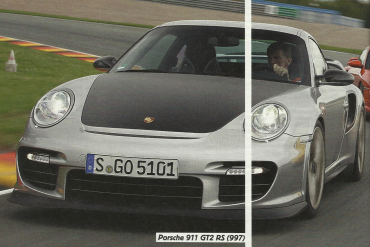
Thrashing Porsche’s Most Epic Car It’s #ThrowbackThursday! Jason is trying out the Porsche 911 GT2 RS to see if it...
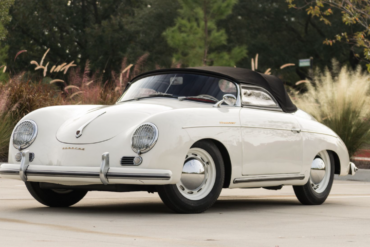
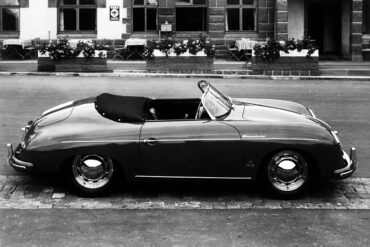
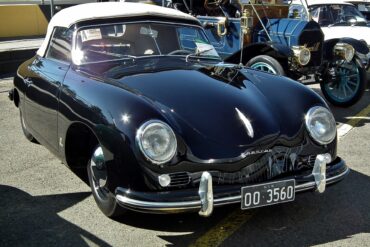
Beginning in 1954, a new version of the Pre A 356 was introduced that is now known as the Porsche 356 Pre-A Carrera, with a powerful engine that was available in coupe, cabriolet, and Speedster variants. Highly desirable today, the Carrera name denotes the race inspired 1500 cc four cam motor that produced an astounding 110 hp. Approximately 97 of these motors were produced sometime between 1954 and early 1955. The Carrera versions would continue in the next generation 356 as the Porsche 356 A Carrera.
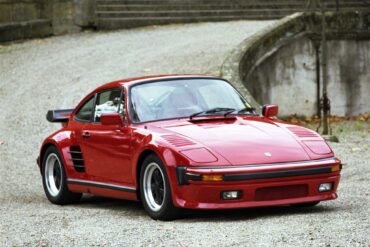
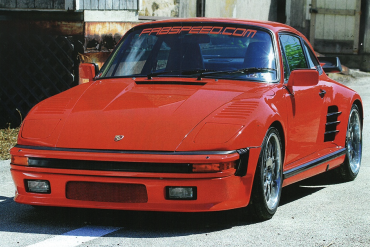
Slantnosed and based on that of the 935 racecars, with pop-up headlamps. The front spoiler was made deeper in order to accommodate the extra oil cooler, while intakes in the rear wings fed air to the brakes. The larger turbocharger and four-outlet exhaust gave 30bhp of extra power. Porsche began their “special order program” offering a Flachbau option (Slantnose) for the 930 in very limited production. All of this at a cost of nearly 2 times the standard 930S.
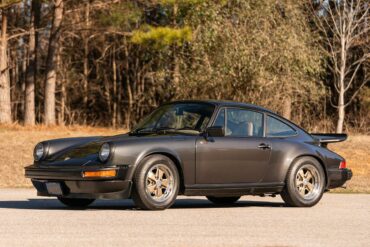
In 1980, a true limited edition model 911SC was produced for the American market. The 'Weissach' edition was a standard SC with special paint. It was built in 1980 to honor the Porsche Motorsport team working in Weissach Germany. 468 units were made and half were painted Metallic Black, the other half in Platinum Metallic. The interiors were wrapped in Doric Grey leather with burgundy piping. Additional body and mechanical specs included whale tail spoiler, Bilstein dampers and Fuchs wheels.
Generally speaking the early models or so called ‘Pre A 356′ models are more desirable than the later models. At the top of the pyramid and the most exclusive is the Carrera version which carries the legendary 4 cam ‘Fuhrman’ engine. But just below that comes the ‘Super’ speedster. The ‘super’ version had more horsepower (75 vs the standard 60) and the powerful ‘type 528 engine’ for the 1500 Super version.
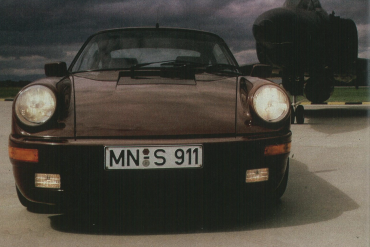
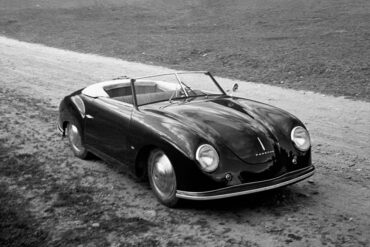
An export hit, built in response to customer demand: the American importer Max Hoffman requested a Porsche costing less than 3,000 dollars for his market. The 356 Speedster was the answer, naturally with a spartan equipment specification. But the lightweight car was a big hit in the USA. It was used mainly for motor racing and soon became a regular feature of the motor sport scene.
The 'Martini' edition of 1978, was identifiable by a set of side stripes similar to those that appeared on the 1976 British Motor Show 911 Turbo which was clad with the stripes to celebrate victories in the World Manufacturers Championship and the World Sports Car Championship, as well as the fourth consecutive racing season with sponsors Martini & Rossi. The stripes were so popular that Porsche quickly made them an option available to any owner as a factory or retro fit.
In 1953, the 1300 S or "Super" was introduced, and the 1,100 cc engine was dropped. The 360 1300 Super boasts a power improvement to 60 BHP with Porsche's "Super" engine in the Porsche 356 model range. Minor visual differences were implemented such as front indicators integrated with the horn grilles and bumpers protrude from the body with over-riders. In June 1954, the plain-bearing 1300cc engine switched over to the same block as the 4cc larger roller-bearing variant.
Commemorating 25 years of Porsche sports car production, the 911S Silver Anniversary Edition is distinguished by unique Diamond Silver Metallic paint and a special black leatherette and tweed interior. The first of Porsche’s commemorative ‘celebration’ cars, this Silver Anniversary was produced in a limited run of 1,063 examples, of which approximately 500 are reported to have made their way to the United States.
Towards the end of 1951 Porsche introduced a larger version of the flat four engine. It was offered alongside the original 1.1 litre engine. It took a lot more effort to develop the third variation on the four cylinder theme; the '1500.' Introduced in the 356 1500 during 1952, the engine produced 55 bhp. Porsche's competition department reworked the 1500 engine with hotter cams and bigger Carburetors, boosting power to 70 bhp. In 1952 this engine found its way into a new road car; the 356 Super.
The 1500 was Porsche’s newest engine which was quickly fitted with 40 PIBC Solex carburetors to produce 60 bhp @ 5000 rpm in 1952. These retained the Hirth roller-bearing crankshafts which gave Porsche enough clearance to enlarge their engine to 1500cc. Most cars from 1952 until the 356A of 1956 were powered by the 1500 engine but some left the factory with the smaller 1.1 and 1.3-liter engines. At the request of American importer Max Hoffman, 356s for the 1955 model year were badged as Continentals before reaching the U.S
Commemorating 25 years of Porsche sports car production, the 911S Silver Anniversary Edition is distinguished by unique Diamond Silver Metallic paint and a special black leatherette and tweed interior. The first of Porsche’s commemorative ‘celebration’ cars, this Silver Anniversary was produced in a limited run of 1,063 examples, of which approximately 500 are reported to have made their way to the United States.
The first road-going 911 Turbo was not the familiar 930 that entered production in February 1975. Nor was it the engine-less prototype that had appeared at the Paris Motor Show in October 1973. Instead, it was a one-off narrow-bodied mule that was subsequently gifted to Ferry Porsche’s sister, Louise, on her 70th birthday in August 1974. Built on chassis 9115600042, this 2.7 Carrera Turbo also pre-dated the prototype 930 that was shown in almost production-ready at Frankfurt show in 1974.
The Porsche 356 Pre A Coupe and Cabriolet were introduced in 1950 and was available through mid-1955. Beginning in 1950 it was offered with a 1100 cc flat four that produced 40 hp. In 1951, a bigger 1.3-litre Type 506 engine was announced. It marked the first significant move away from the original Volkswagen unit. Bored from 73.5mm to 80mm (stroke was unchanged at 64mm), displacement rose from 1086cc to 1286cc. Further enhancements included lightweight alloy cylinder barrels and nosed pistons. Output rose from 40 bhp to 44 bhp and torque increased from 51 lb-ft to 60 lb-ft.
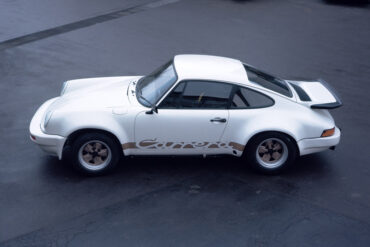
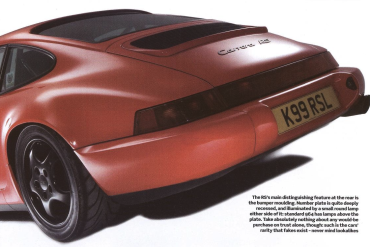
Following the famous 1973 F-model 911 Carrera RS 2.7, Porsche built its successor based on the G-model and it was called the 911 Carrera RS 3.0. With its 172 kW engine, it was the most powerful series production street-legal Porsche made so far. With its new 3.0-liter engine, featuring mechanical fuel injection, it was capable of 230 hp. While 1,580 Carrera RS 2.7s were built for 1973, only 56 Carrera RS 3.0s were built for 1974.
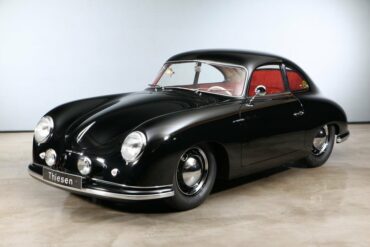
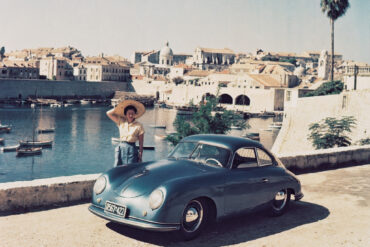
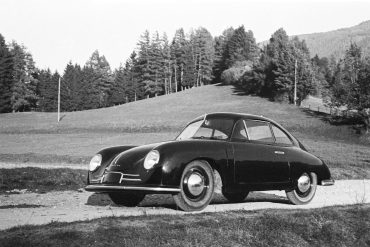
The series production didn't allow the use of handmade aluminium body panels, so, the cars were made of stamped steel panels. The first Stuttgart-built 356 have later been called as 356 Pre-A. These cars have either two separate windscreen glasses like the 356 built in Austria, or a sharply bent windscreen glass! Introduced in 1948, the Porsche 356 Pre-A Coupe was the first variant available for the Porsche 356. The engine started as a 1100 cc flat four that produced 40 hp. It was available as a coupe and cabriolet body style.
Of the 52 cars made in Gmünd, only eight were built up as cabriolets. Each was outsourced for its body and interior construction. Six cars were sent to Beutler who constructed them with a slightly different shape than the factory coupes. Included was a kicked-up rear fender line which was used on several of the Buetler cabriolets.
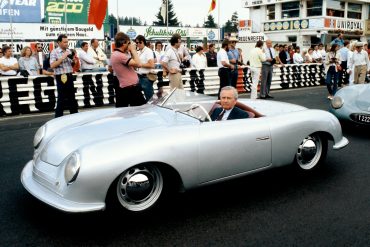
With lessons learned from 356 No. 1, Porsche developed the 356/2 as a production-ready version. The biggest concession to useability was repositioning the engine back behind the rear wheels as the original VW design. Like 356 No. 1, 356/2 was built as two-seat roadster using VW parts.
The Porsche 356/1 was the first real car created by Ferdinand "Ferry" Porsche. This prototype car was a two-seater open roadster with a mid-mounted, air-cooled flat-4 engine of 1,131 cc displacement. While the body was an original design, most of the mechanicals were from the Volkswagen Beetle. Only one 356/1 was made.
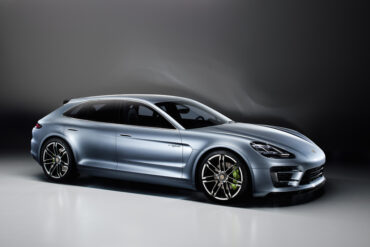
Porsche is presenting the Panamera Sport Turismo concept car to show how amazingly intelligent and efficient drive technology might look in the design language of tomorrow. The Sport Turismo unites the next generation hybrid drive with new ideas for an evolutionary, sporty body concept; it combines Porsche performance with comprehensive everyday practicality.
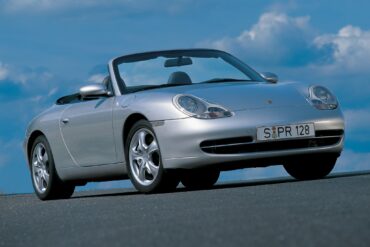
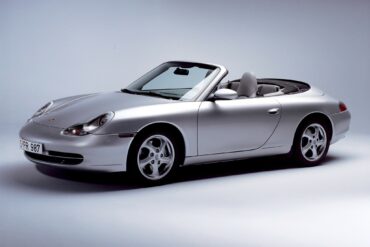
The 996 Cabriolet was introduced in March 1998 at the Geneva Motor Show. The 996 Cabriolet was long ready (remember, it was tested already in 1995), but for marketing and production-related reasons it was launched in 1998 as a 1999 model. While the evolution with the 911 coupe was questionable from 993 to 996, the real evolution came with the cabriolet. In USA - the biggest market - 911 Cabriolets outsold the Coupés. The all-wheel-drive system provides between 5-40% of torque to the front wheels depending on the situation.
Since 1989, the rear-wheel-drive Carrera has always been accompanied by an all-wheel-drive Carrera 4, and the 996 was no different. Overlapping with the last year Carrera 993'S, the 996 Carrera 4 represented two major changes for the venerable 911 lineage: a water-cooled flat-6 engine replaced the air-cooled engine used in the previous 911 model, and the body shell received its first major re-design. Engine was 3.4 L and power was 296 hp featuring a change to an "integrated dry sump" design and variable valve timing.
The flat six in the Carrera 996 was a newly-developed flat-six engine that offered 300 hp. It was mated as standard with a six-speed manual. A 5-speed automatic (Tiptronic) with manual override to shift gears was on the options list. As always, the Carrera 2 was rear-wheel-drive. Designed as a grand tourer, the Porsche Carrera Cabriolet was the base version for the open-top 911 range in 1998. The retractable roof was able to be stowed away in 20 seconds at speeds of up to 50 kph (31 mph), like the rest of the 911 convertible range. With the roof up, the car was tested in the wind tunnel at speeds of up to 338 kph (210 mph).
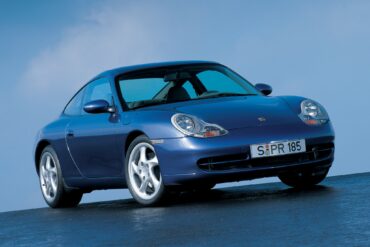
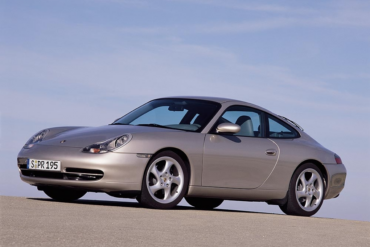
The 996 series was a monumental update to the 911 story. The Type 996 introduced water-cooled engines and it also ushered in a new body design. The roof line with a windscreen which is around five degrees flatter gives the side view a more fluid look. Gone was the "classic" 911 design, the entire main body now much sleeker. The flat six in the Carrera 996 was a newly-developed flat-six engine that offered 300 hp. It was mated as standard with a six-speed manual. A 5-speed automatic (Tiptronic) with manual override to shift gears was on the options list. As always, the Carrera 2 was rear-wheel-drive.
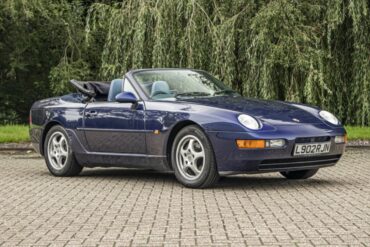
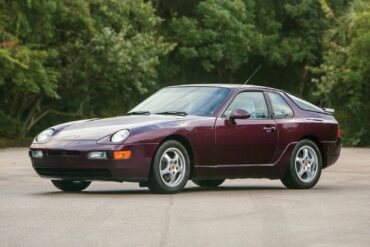
Launched in August 1991 for the 1992 model year, the 968 was available in two body styles: a Coupe and a Cabriolet. Cabriolets came with reinforced bodyshells to compensate for the lack of a roof. Porsche quoted a weight of 1370kg for the Coupe and 1440kg for the Cabriolet. Cabriolet top speeds were slightly slower owing to their messier aerodynamics, but it was dynamically pretty impressive despite the non-coupe body.
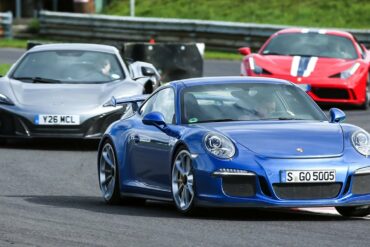
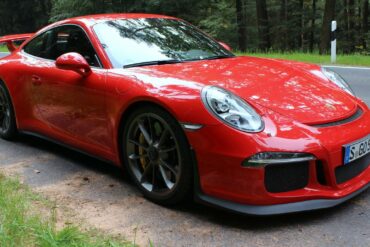
Twin-Test Review CAR magazine pitches the latest 2014 Ferrari 458 Speciale against the Porsche 911 GT3 (991). Watch our twin...
PORSCHE for one Porsche cars have never been considered multi-seaters. Even in nominally four-seater models, only the driver and the...
Ultimate Driver’s Car Showdown Ferrari’s brilliant 458 Speciale takes on McLaren’s potent 650S and the well-proven 991 Porsche 911 GT3....
The Porsche 968 was a new-and-improved version of the Porsche 944. The 968 also came with an upgraded engine, an improvement on the 2.7L M44/12 16-valve inline-four cylinder engine found in the last base Porsche 944 model from 1989. The new engine now has a 3.0L capacity and makes 237 horsepower, a 64HP upgrade from the 2.7L model. In addition to the engine, the 968 also came with a new transmission. The 944 has a 3-speed automatic or a 5-speed manual transmission.
TheGetawayer Reviews the 991.1 GT3 I finally review the new 2014 Porsche 911 GT3 (991). Can it match the driving...
The 997 Carrera S Top Gear Review Jeremy takes the Porsche 911 Carrera S out for a spin to see...
Jeremy takes the Porsche 911 Carrera S out for a spin Jeremy takes the Porsche 911 Carrera S out for...