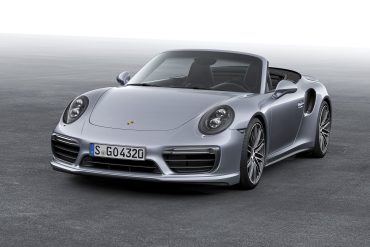
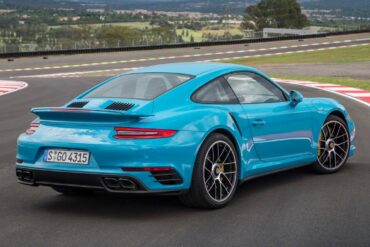
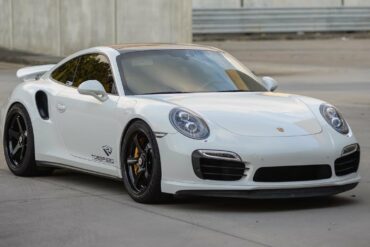
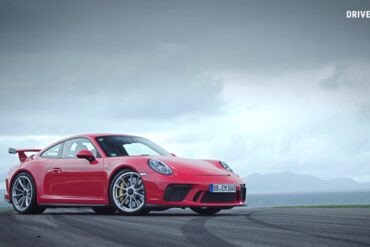
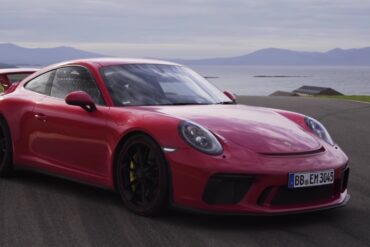
The Cabriolet version of the 991.2 Turbo got the same updates as its coupe sibling. The engine in the 991.2 911 Turbo Cabriolet is a twin-turbocharged flat-six with 540 horsepower and 523 pound-feet of torque, up a decent 20 more horses versus the 991.1 Turbo Cab. Improvements that come from increases in boost and fuel-injection pressures. Rounding the skidpad, the Turbo posts 1.02 g’s relatively easily. The wide P Zeros in back and the standard four-wheel steering conspire to hide the fact that 62 percent of the Turbo’s 3656 pounds sits over the rear wheels. 0 - 60 mph is over in just 3 seconds.
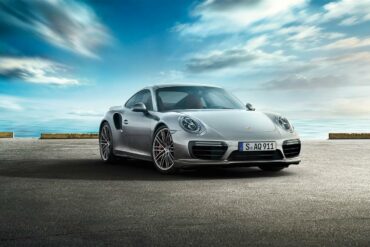
At the heart of the 991.2 911 Turbo is a twin-turbocharged flat-six with 540 horsepower and 523 pound-feet of torque. That’s a meaningful 20 more horses than the 991.1 Turbo. Improvements that come from increases in boost and fuel-injection pressures. Rounding the skidpad, the Turbo posts 1.02 g’s relatively easily. The wide P Zeros in back and the standard four-wheel steering conspire to hide the fact that 62 percent of the Turbo’s 3656 pounds sits over the rear wheels. With sport-plus selected, the 991.2 Turbo hits a 1.0-second run to 30 mph and a 2.6-second zero-to-60 time.
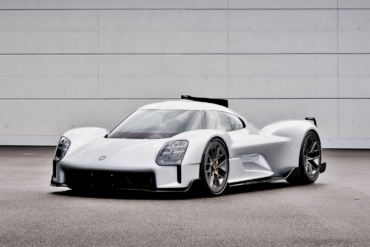
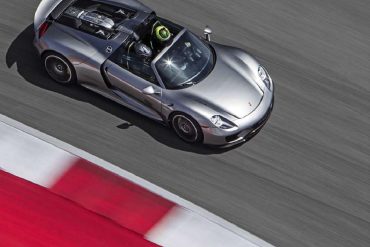
Porsche 919 Street Concept
The Porsche 919 Street is a supercar concept, designed and built by Porsche in 2017, based on the highly successful Porsche 919 Hybrid LMP1 race car. The dimensions and basic design elements of the 919 Street are the same as that of the race car. However the 919 Street instead has a less-pronounced wing and more street-car comforts. This is the one we wish they made. Alas, the 900 HP LMP1-Based road-ready rocket that never was.
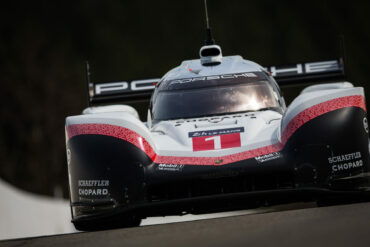
With the car retiring after the 2017 LMP WEC season, the Porsche team decided to throw it a truly memorable send-off. Freed from any restrictions brought upon by strict regulations in the class it competed in, Porsche threw out the rulebook and established a new benchmark. Amongst the notable parting gifts was a significant horsepower bump, increasing the turbo V4 to 720 horsepower from 500 horsepower. Additionally, the electric motor received a 10% boost, now generating 440 horsepower. In total this gave the 919 a remarkable 1160 horsepower.
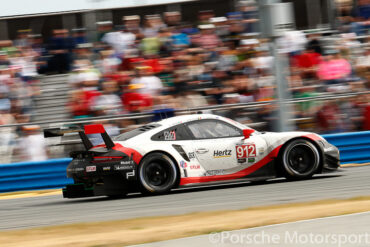
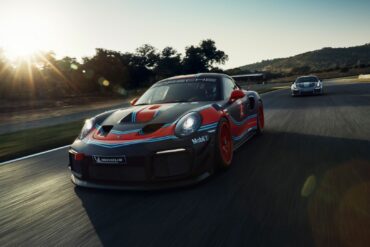
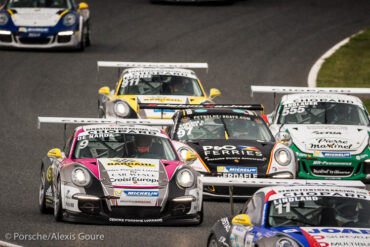
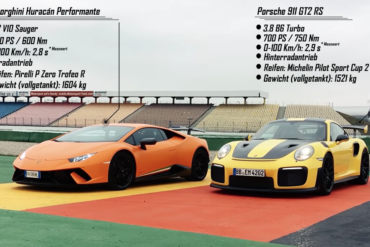
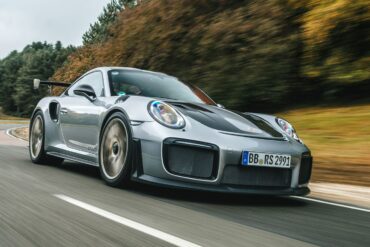
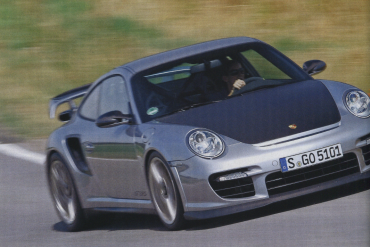
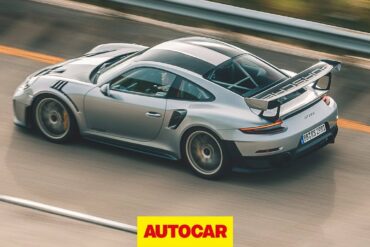
This car was officially called as the 911 GT2 RS Clubsport, but the name is rather misleading. The car was not built for the GT2 racing class which is long extinct and club sport has stood for Porsche club track days while this non-streel-legal car is a real racing car. Finally, the car was based on the 991 GT2 RS, which already had the Clubsport version. So, in order to understand what is what, we call it "991 GT2 RS Clubsport racing version". The 991 GT2 RS engine with 515 kW was powerful enough, so it was not tuned.
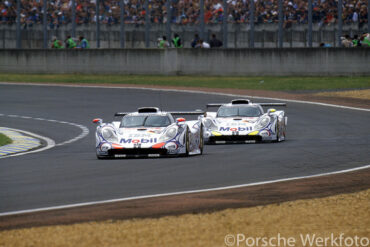
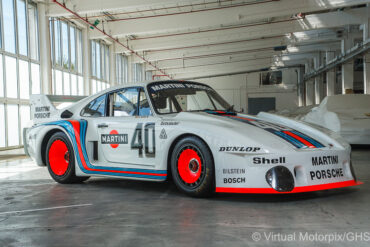
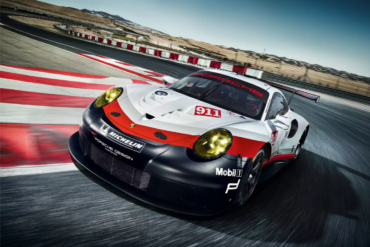
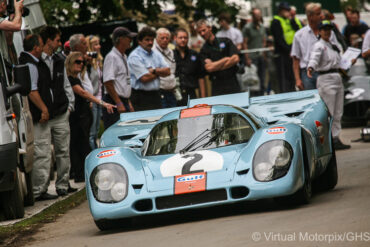
Two decades after the different 911 GT1 cars the mid-engined 911 is back! In order to install a proper diffuser under the rear end of the 991, the engine had to make room for it and the engine/transmission unit was rotated 180 degrees. The extended rear diffuser, a top-suspended rear wing and the new side mirrors help to increase downforce with reduced drag. The FIA rules meant no turbo was needed due to power limits, so the normally aspirated 4-litre flat-6 was taken from the 991 GT3 R.
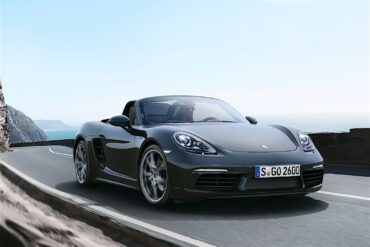
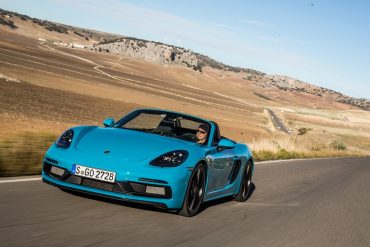
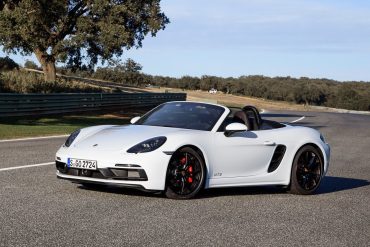
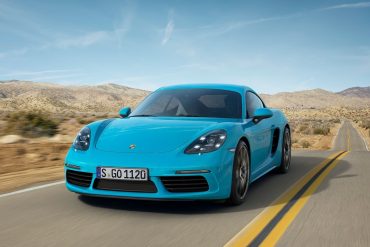
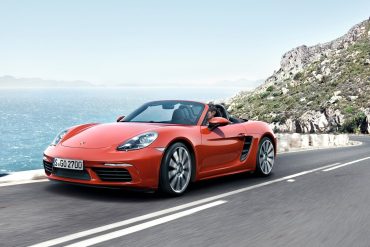
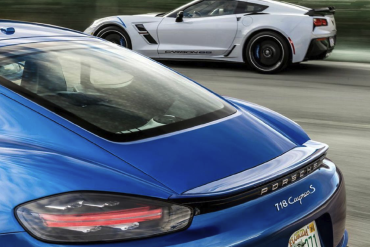
In true Porsche GTS spirit, the output of the 2.5-litre, four-cylinder flat ‘boxer’ engine has been increased to 360 bhp courtesy of a new intake system and an optimized turbocharger. These improvements generate 15bhp more power compared with the 718 S model, and up to 35 bhp more power than the prior GTS models. A manual six-speed gearbox is standard, with the Porsche PDK available as an option. Standard equipment includes the Sport Chrono Package, Porsche Torque Vectoring (PTV) with a mechanical rear axle limited slip differential and Porsche Active Suspension Management (PASM).
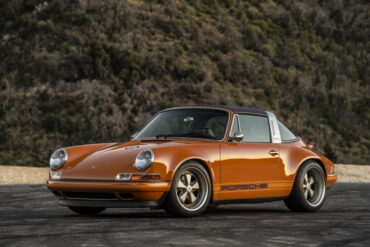
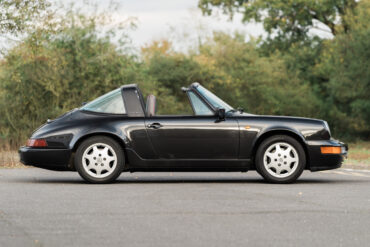
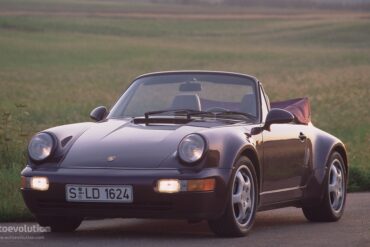
Porsche 911 Carrera 2 Targa (964) (1990 - 1993)
Like the Carrera 4, the Carrera 2 was available as a coupé, Targa or Cabriolet. This was the last generation Targa with traditional removable Targa roof (till 991). It sold ok, with 3,534 units sold over its lifetime. The engine was the 3.6 liter unit which produced 250 horsepower and a maximum speed of 162 mph while the 0 to 60 mph acceleration was made in about 5.6 seconds. Performance was on par with the coupe and it is the looker in the 964 range.
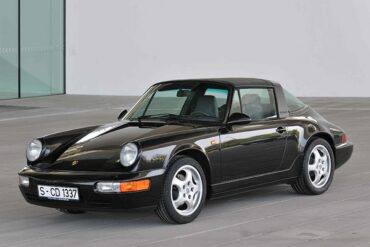
Porsche 911 Carrera 4 Targa (964) (1990 - 1993)
This was the last generation Targa with traditional removable Targa roof (till 991). The Carrera 4 Targa outsold the Carrera 2 Targa by 2x, making the 4 Targa much rarer and more collectible. In all, only 1,329 units were made. Overall, the Carrera 4 packed almost the same technical specifications as the Carrera 2 model. The Targa top was quite a project to take off (compared to the simple and fast cabriolet process) so be prepared to garage it all the time or spend 20 minutes every time you want to enjoy open top fun.
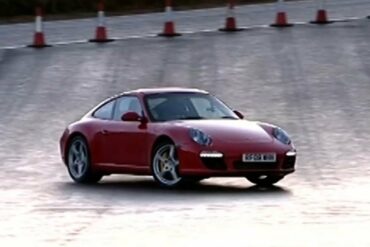
Porsche added the rear wheel drive Carrera 2 variant to the range in 1990. It was developed alongside the 964 Carrera 4, Porsche waited a year to release the Carrera 2 as a 1990 model year car. Like the Carrera 4, the Carrera 2 was available as a coupé, Targa or Cabriolet. Think of the cabriolet as a C2 coupe but with a fabric roof and more fun and you are right on the money. It was popular amongst buyers, particularly in the United States, with a total of 11,013 units sold, making it the third most popular 964 model. 
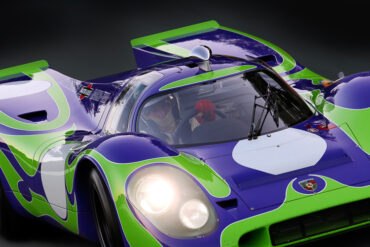
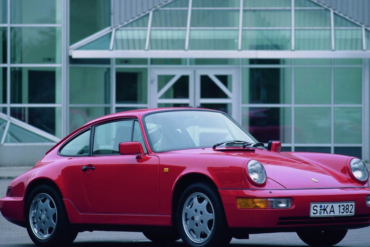
Porsche 911 Carrera 2 Coupe (964) (1990 - 1994)
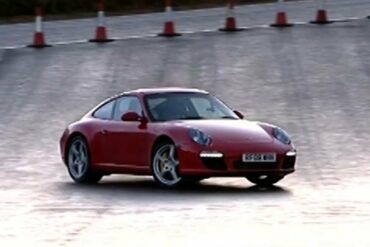
Porsche added the rear wheel drive Carrera 2 variant to the range in 1990. It was developed alongside the 964 Carrera 4, Porsche waited a year to release the Carrera 2 as a 1990 model year car. Like the Carrera 4, the Carrera 2 was available as a coupé, Targa or Cabriolet. Overall, the Carrera 2 packed almost the same technical specifications as the Carrera 4 model. The engine was the same 3.6 liter unit which produced 250 horsepower and a maximum speed of 162 mph. Looked like C4 but was 200 lb lighter and more fun to drive.
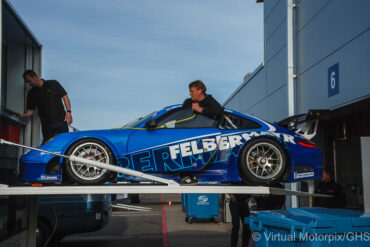
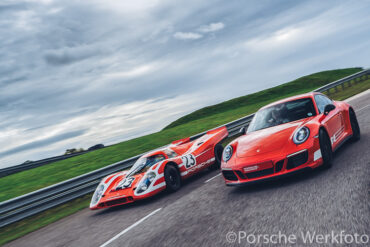
Porsche is the most successful marque in the 24 Hours of Le Mans and British drivers have played an important role in delivering these historical achievements, and in celebration of this success a special limited edition model – the 911 Carrera 4 GTS British Legends Edition was created. Designed by the drivers who took wins in the 24 Hours of Le Mans for the factory team – Richard Attwood (winner 1970), Derek Bell MBE (winner 1981, 1982, 1986, 1987) and Nick Tandy (winner 2015) – this model was developed by Porsche Cars GB and Porsche Exclusive Manufaktur.
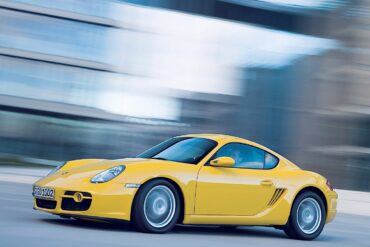
A year after the Cayman S and the second generation of the Boxster were unveiled, Porsche released the non-S version of its mid-engine sport-coupe vehicle. The “regular” Cayman was still a sports car that could top a 0 to 100 kph (0-62 mph) in 6.1 seconds so it couldn't be called a “slow” car. It was slower than its brother S, but it was still a daily-driver sports-car. The Cayman was built to be not only a fast and nimble car but a practical vehicle as well.
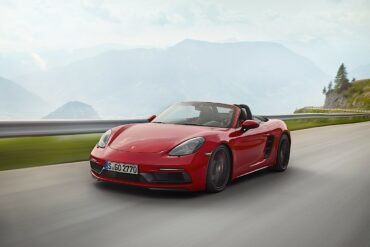
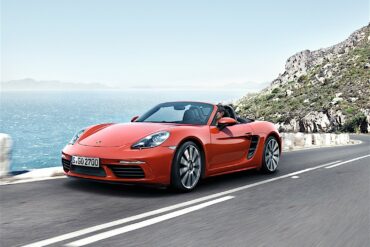
While the first generation Boxster S was received with mixed feelings, the second generation was praised. With the introduction of the 718 Boxster, the car-maker showed a special commitment to the smallest member of the Porsche family and it arguably become the best sports car in the world. The Boxster S featured a 2.5-liter flat-four engine. It was turbocharged and with direct fuel injection and was good for 345 hp. Performance was up a lot, especially in the midrange, now that torque was 310 ft lbs. It helped rocket the Boxster S from zero to 60 mph in just 4.0 seconds and onto a top speed of 177mph.
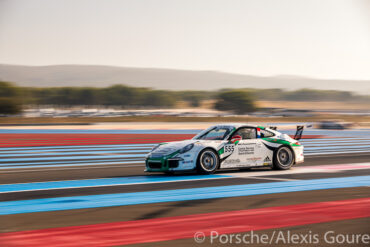
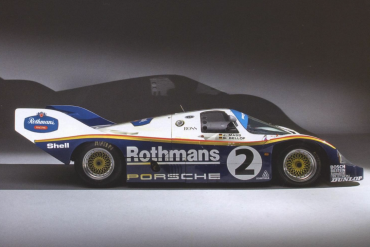
Welcome to the four generation Boxster. The base Boxster was powered by a twin-turbo 2.0-liter direct-injection gasoline unit. It offered a total output of 300 hp and it was paired as standard with a 6-speed manual, while a 7-speed automatic (PDK – dual-clutch) was on the options list. In terms of design, it gets a more modern look and feel and the interior is upgraded. More tech, more power and more speed. The only downside is the loss of the aural pleasure of a flat 6 engine that is naturally aspirated and loves to rev to the sky.