
Porsche Models
All
Latest
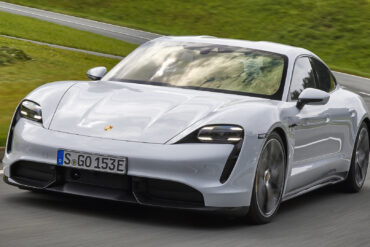

2020 Porsche Taycan Turbo S Wallpaper Collection ...
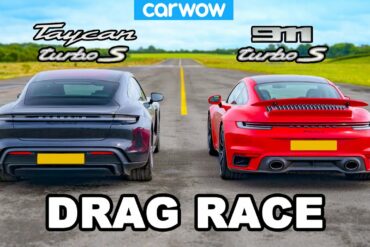
New Tech vs Old Tech Showdown It’s time for the Porsche showdown you’ve all been waiting for… Porsche 911 Turbo...
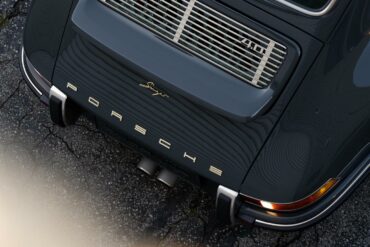
Singer Vehicle Design – Stockholm Commission Today, we take a closer look at the Singer Vehicle Designs Stockholm Commission. It...
To think, ten years ago, 3D printing was a technology in its infancy and only available to massive organizations like...
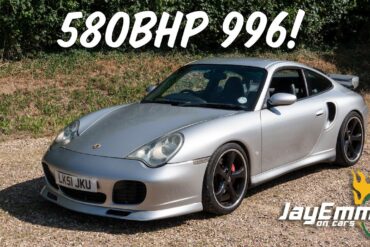
Better, Or Worse Than Standard? I love the looks of the 996 generation 911 turbo, but the drive of them...
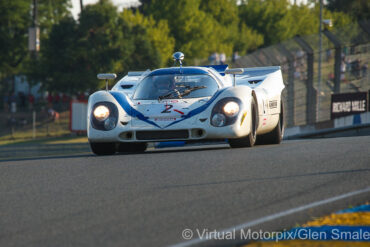

Last weekend, we would have been at the Le Mans Classic had the coronavirus pandemic not intervened. Now, thanks to...
AutoTopNL, despite being a channel from the Netherlands, does spend a lot of their time in Germany. This is, of...
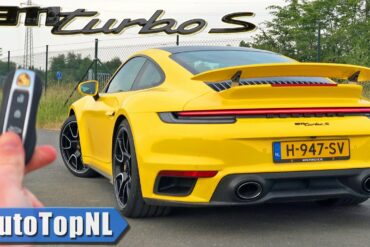
Autobahn Run and Review of the 992 Turbo S We love the AutoTopNL POV videos and this one of the...
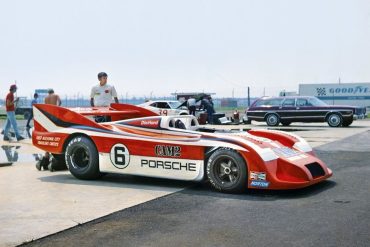
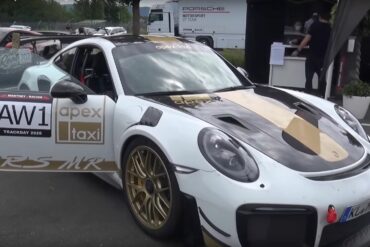
As Europe begins to reopen, many tracks are also opening with limited capacity for those that have been itching to...
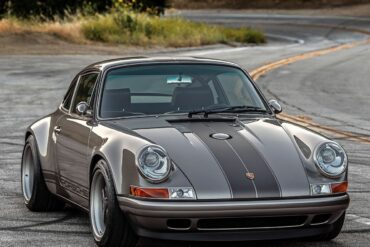
Singer Vehicle Design – Fredericksburg Commission Today, we take a closer look at the Singer Vehicle Designs Fredericksburg Commission. The...
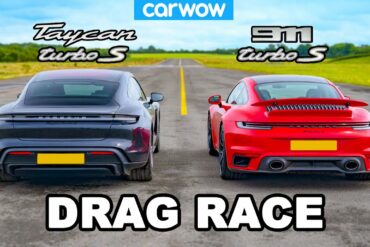
The Ultimate Battle – Porsche 911 Turbo S vs Taycan Turbo S It’s time for the Porsche showdown you’ve all...
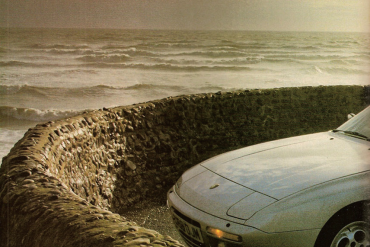

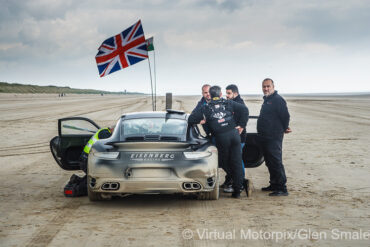
Few people outside of the UK would have noticed that last year, a new land speed record was set on...
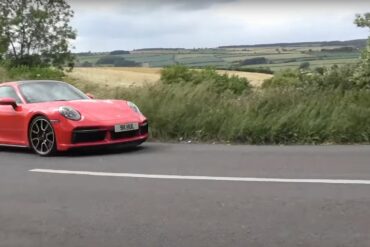
Porsche mania seems to be taking over at the moment, mostly because the 2020 Type 992 911 Turbo S has...


Studio Torino was responsible for the interior design and bodywork, using carbon fiber and aluminum for the body panels. Prototype...
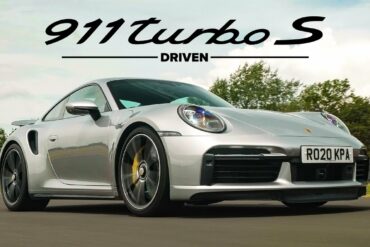

Porsche 911 Turbo S – The Supermarket Supercar Henry Catchpole of Carfection calls the Porsche 911 Turbo S (992) the...
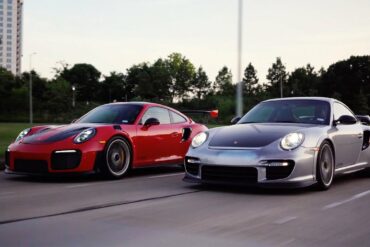
Porsche 997 GT2 RS versus 991 GT2 RS Porsche’s 991 GT2 RS remains the most powerful and fastest 911 ever...
I have watched a lot of supercar videos on Youtube in my time and this one may be my favorite....
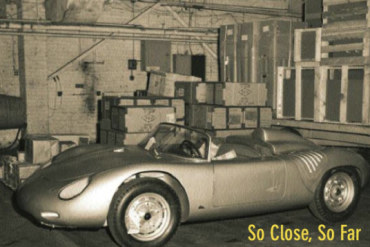

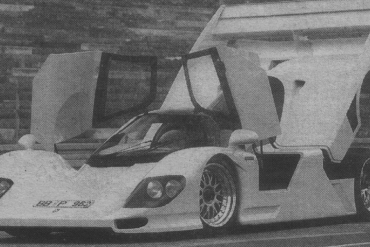
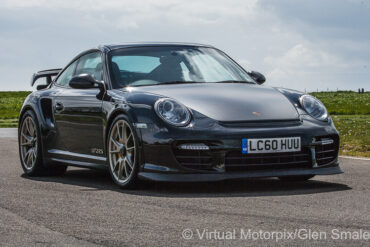
The GT2 has been Porsche’s top performing roadgoing turbo model since ‘95, but the addition of the ‘RS’ lifts this...

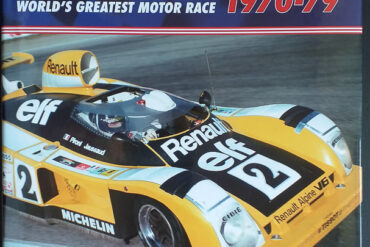
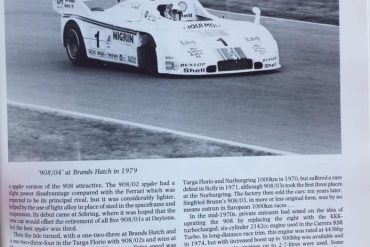
This edition of Quentin Spurring’s fabulous series covers the 1970s in his well-known and valuable decade-by-decade history of the Le...
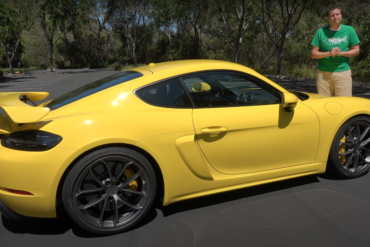
His Favorite New Porsche Are you a Porsche fan? Who isn’t, right? Well, that means you’ll love this video of...
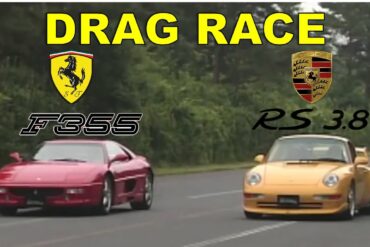
Ferrari F355 vs Porsche 911 Carrera 993 RS 3.8 Drag Race From a Japanese car show in the 1990s, an...
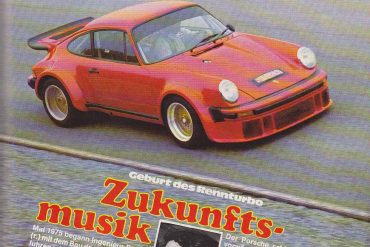
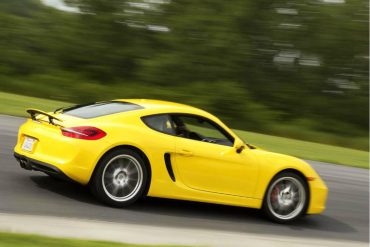
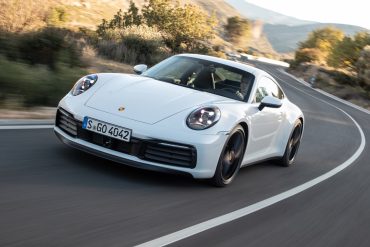
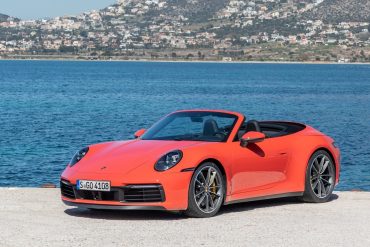
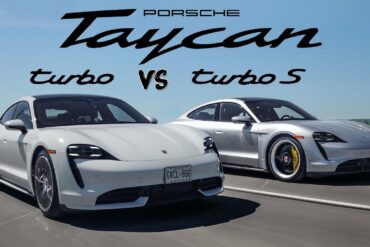
Taycan Turbo vs Turbo S Comparison 2020 Porsche Taycan Turbo Review and 2020 Porsche Taycan Turbo S Review by The...
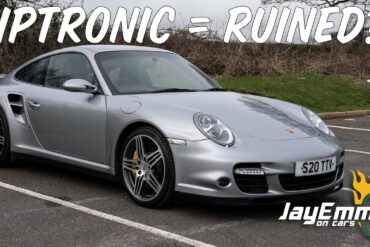
Porsche 911 997 Turbo PDK Review Today I’m driving Scott’s 911 997 Turbo. This car is equipped with the tiptonic...
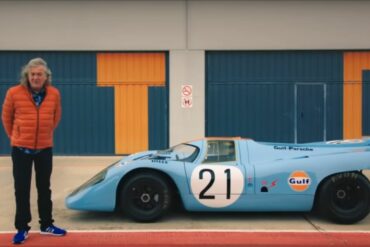
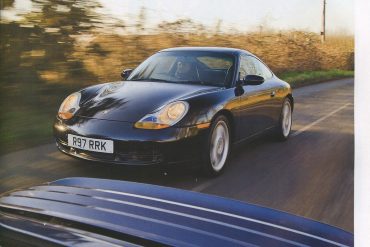
In our series of looking back at the racing icons of history this month, in preparation of global motorsports returning...
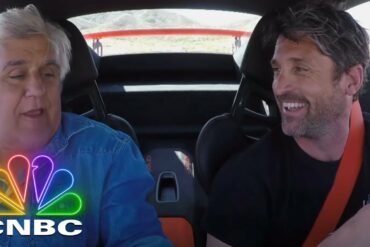
Driving A Legend Patrick Dempsey and Jay Leno take a joy ride in a 1973 Porsche Carrera RS 2.7. With...

February 1, 1954, the city of New York. The Porsche-550, chassis 04 returned from the Gulf of Mexico after participating...
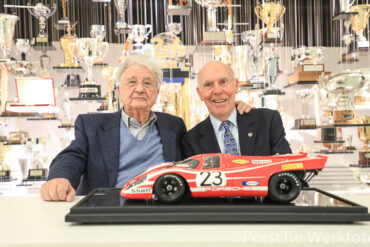
Today, Porsche can boast a total of 19 overall victories together with countless class successes in the 24 Hours of...
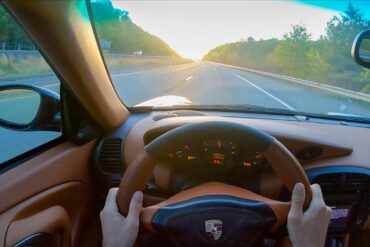
POV Test Drive of Crazy Tuned 996 Turbo Wear headphones! The audio in this video was recorded with in-ear binaural...
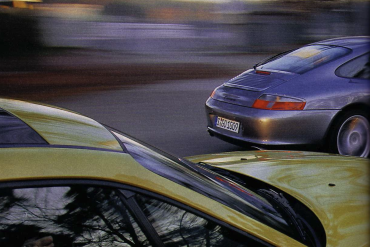
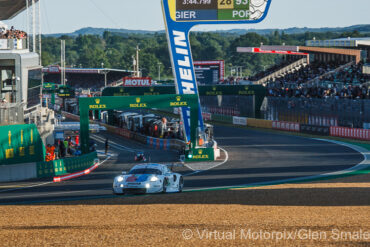
As the weekend of the original 2020 Le Mans 24 Hours approaches, 13-14 June, we take a look back at...
Making The Case For Sticking With Manual We’ve covered three different versions of Porsche’s 992 so far: The Carrera S,...
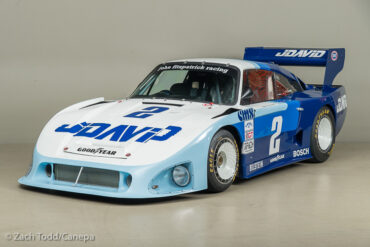
In the mid-1970s, Porsche developed the 911 for racing, and in the process, it created the all-conquering 935. In 1978,...
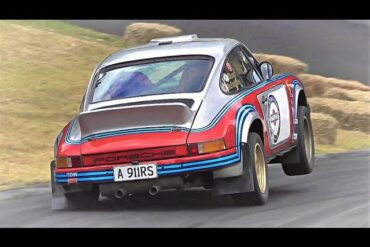
Now That’s What I Call Driving This is Stuart McFarlane´s beautiful Porsche 911 SC Safari, a 1974 machine built to...
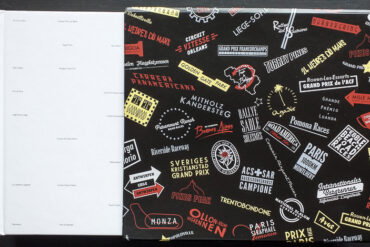
Simply titled, SportErfolge (English: Success in Sport), this book came my way quite by surprise. It is not a book...

Singer Vehicle Design – Westlake Commission Today, we take a closer look at the Singer Vehicle Designs Westlake Commission. The...
Since the Nurburgring Nordschleife reopened to tourist drives (touristenfahrten) earlier in the month, more and more people are now going...
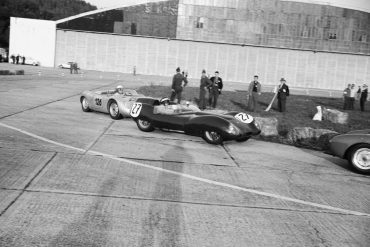
Internationales Flugplatzrennen Klagenfurt, 1960 (Austria). Second stage Cup der Österreischen Flugplatzrennen der ÖASC. Joseph (Sepp) Greger (on the photo —...
911 Owner Stories: Dan and his 993 Carrera 4S At a young age, Dan Brunn moved from Tel Aviv to...
On the world stage, GT racing has enjoyed as many ups as it has had downs over the years, but...
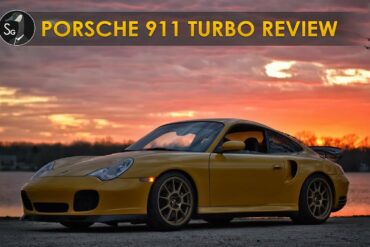
Porsche 911 Turbo 996 Review We review the 2002 Porsche 911 Turbo 996 and discuss the good and bad of...
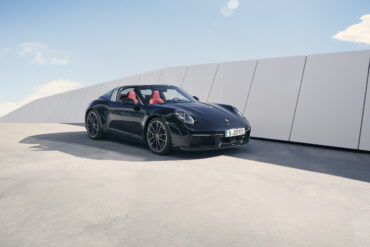
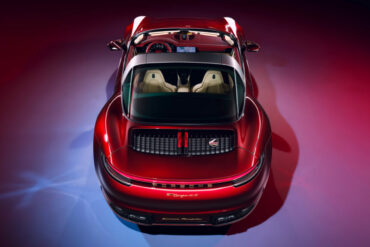
Like the standard 4S, the Targa 4S produces 443 bhp @ 6500 rpm from a six-cylinder, 3.0-litre boxer engine with twin turbochargers, and puts it to the road via an eight-speed PDK and Stuttgart's refined all-wheel-drive system. 390 ft lbs from as low as 2300 rpm also means you have tons of mid-range power on tap for any situation. Compared to the previous generation Targa 4S, the new model is up 23 hp and 22 ft lbs of torque.
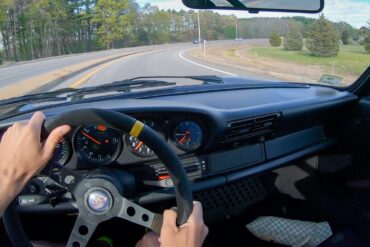
911 3.2 Carrera POV Run Onramps and Highway driving in my Aircooled 1988 Porsche 911 3.2 Carrera. Be sure to...
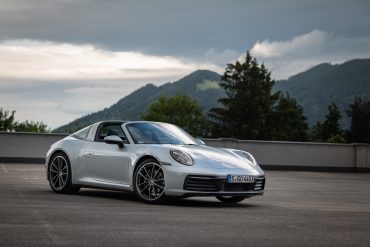
While the base Targa isn't the most dynamic 911, it will suit a certain buyer well. If you want the sexiest looking 911 that is a great all-rounder and you don't plan on spanking it all the time, then this is a great 911 to buy. Even in lower-powered form, the 3.0-liter is a peach of an engine. Torquey across its rev range, it responds quickly to prods of the throttle. The real problem with the Targa is the added weight and the structure, which hurts it dynamically.
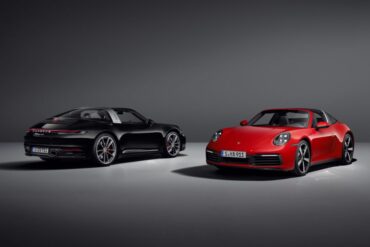
This morning, as was teased last week, on Porsche’s own 9:11 Magazine online “TV” channel, the new Type 992 911...
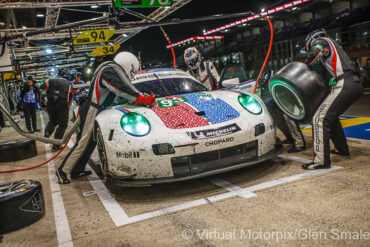
This weekend is just one month short of what would have been the original 2020 Le Mans 24 Hours race...

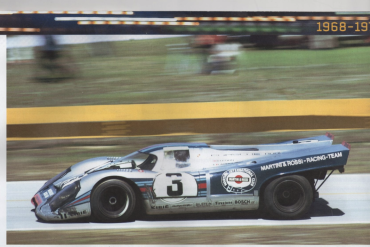
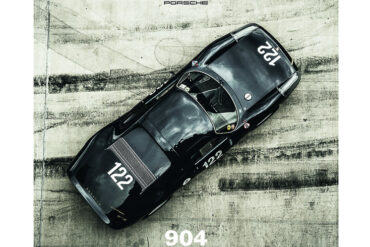
The introduction of the Porsche 904 Carrera GTS, to give it its full name, marked the beginning of an unprecedented...
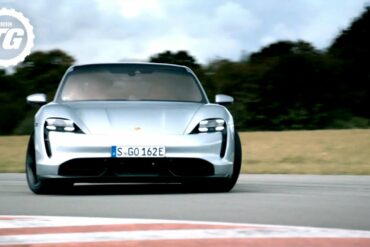
The Taycan Turbo S Top Gear Review Amidst Tesla’s domination of the performance EV world, here’s Porsche’s answer – the...
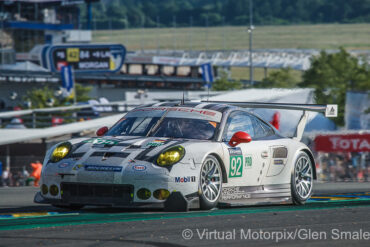
This feature, the third in our four-part mini-series, picks up where we left off last time (Part 2: 2010-2012) and...
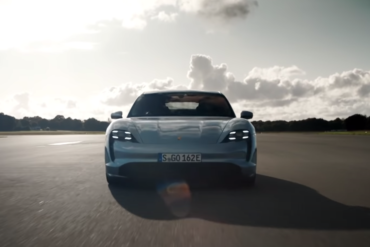
Video Review Porsche Taycan Turbo S The most exciting Porsche model right now is easily the Taycan Turbo S. Sure...
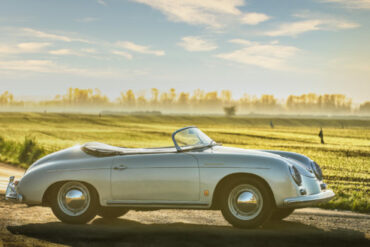
A True Porsche Specimen The Porsche 356A Speedster is a beautiful car and an important part of Porsche’s long motoring...
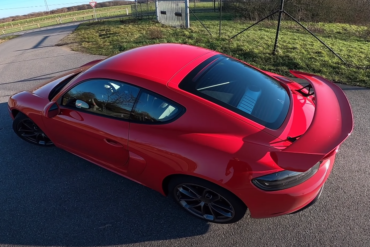
I absolutely love the videos that come out from the guys at AutoTopNL. They have this cool in-car view that does...
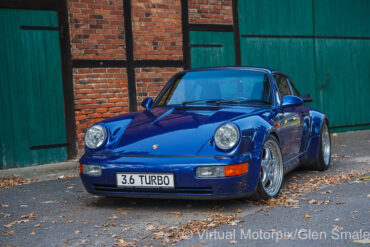
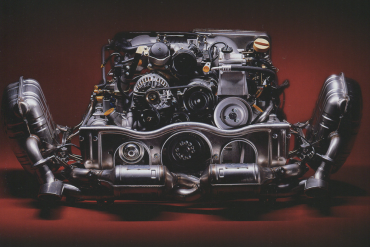
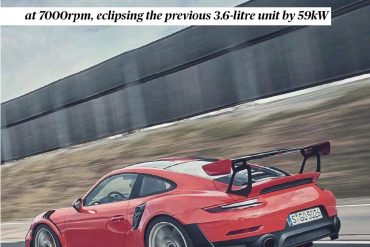
Engine based on modified 3.6 litre 964 unit. Speedline wheels with big red brake calipers. Lessons learned in the Carrera Cup series proved the reliability of the new 3.6-litre engine. An additional three millimetres on the bore and two millimetres on the stroke, resulted in an increase in capacity of 300 cc. Combined with the turbo optimised cylinders, pistons and crank train, and an increase in the compression ratio from 7.0 to 7.5:1, this helped to boost power to 360 bhp. Torque was increased significantly to 520 Nm at 4200 rpm, up from 450 Nm at 4500 rpm in the earlier car.
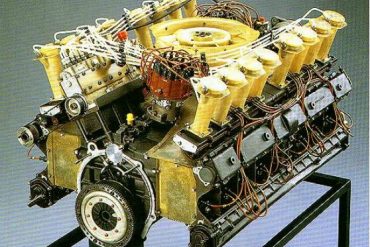
6.6-liter version of the 16-cylinder engine type 912...
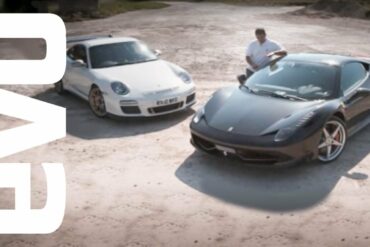
Chris Harris Drives The Ferrari 458 Italia & Porsche 911 GT3 RS Ferrari’s latest 562bhp V8 coupe has changed the...
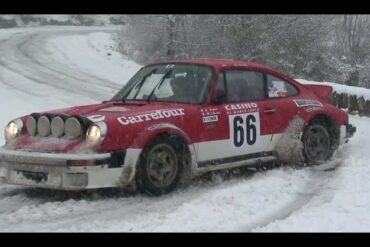
Best of Porsche Rally Cars...
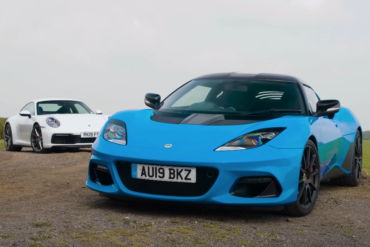
Which Do You Pick? The 992 Carrera S or the Lotus Evora GT410 Sport? This is almost a year old,...
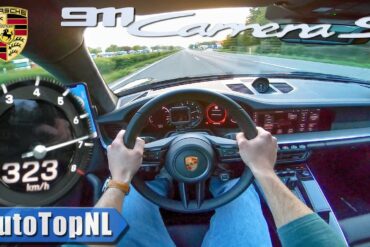
During the coronavirus lockdown around the world, roads have been emptying of cars. In Europe, Germany locked down pretty quickly,...
A week ago, spy shots of the new Porsche Type 992 911 GT3 testing on the Nordschleife in Germany were...
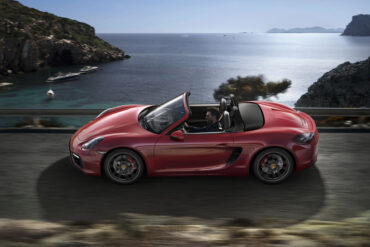
The two most powerful and fastest mid-engine sports models from Porsche are ready and raring to go: with uprated engines and excellent PASM chassis the Boxster GTS and Cayman GTS set new benchmarks for sportiness in their segment. 3.4 L naturally aspirated flat 6 is good for 330 hp. Sport Chrono package is standard. This means that in conjunction with the optional Doppelkupplungsgetriebe (PDK) and the active Sport Plus button, the Boxster GTS sprints from 0-100 km/h in 4.7 seconds.
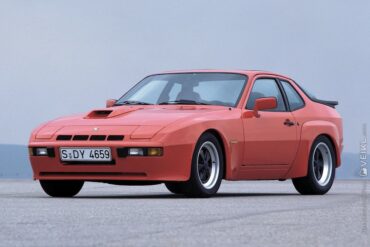
In 1979, Porsche unveiled a concept version of the 924 at the Frankfurt Auto show wearing Carrera badges. One year later, in 1980, Porsche released the 924 Carrera GT, making clear their intention to enter the 924 in competition. By adding an intercooler and increasing compression to 8.5:1, as well as various other little changes, Porsche was able to develop the 924 Turbo into the race car they had wanted, dubbing it the "924 Carrera GT". 406 examples (including prototypes) of the Carrera GT were built to qualify it for Group 4 racing requirements.
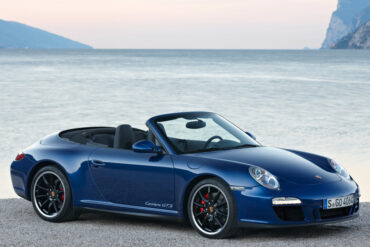
The GTS was powered by the same engine that was installed under the limited-edition Porsche 911 Sport Classic, but it was offered with more options. It wasn't just a driver's car, it was built for the passenger as well, with more options for comfort. From the outside, the Carrera GTS Cabriolet featured the same wide body as the Carrera 4 Cabriolet. At the front, the sport design apron featured a black lip-spoiler underneath. The Carrera GTS logo was painted on the doors. In the back, the car was fitted with LED taillights and four-round exhaust pipes. The 19” light-alloy wheels with central log-nut were fitted as standard.
Drifting is generally reserved for cars with massive power, rear wheel drive, and all the electronic goodies turned off. So...
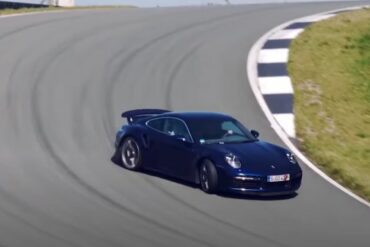
The Germans are a very interesting bunch. They are friendly, helpful, have good beer and great food. But they are also...
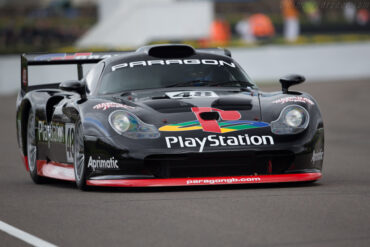
There’s no doubt about it: the 911 GT1 EVO is still one of the best looking Porsches ever made and...
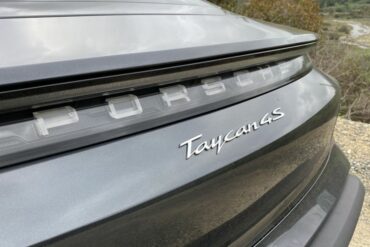
When Porsche initially introduced the 2020 Taycan model range, they were claiming that it, with “normal” driving, could reach about...
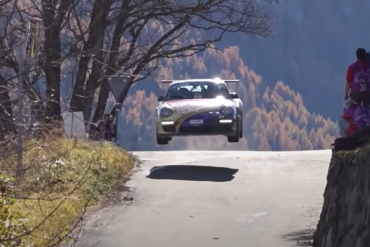
Some awesome youtuber went ahead and compiled an awesome set of Porsche GT3 rally videos and we are in heaven....
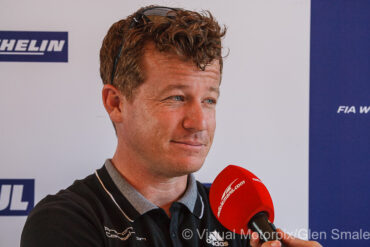
California may seem like the ideal place on earth to live, with its legendary beaches, surf and laid back lifestyle,...
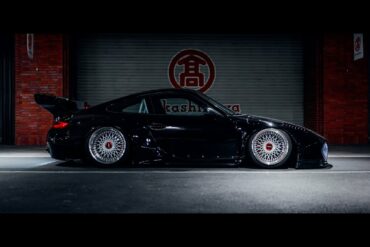
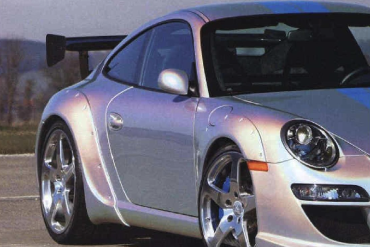
A Special Widebody 997 Had the pleasure of shooting Mun’s crazy Old & New widebody and bagged 997. Special thanks...