
Porsche Models
All
Latest

Coffee, Magnus, and a 700HP Porsche GT2 Matt Farah tests the SharkWerks Porsche GT2, a 700HP beast of a car....
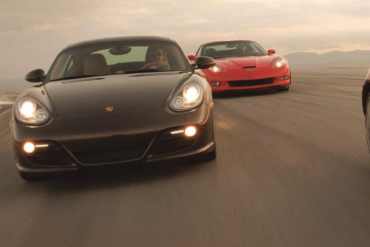
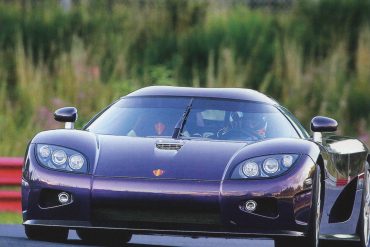
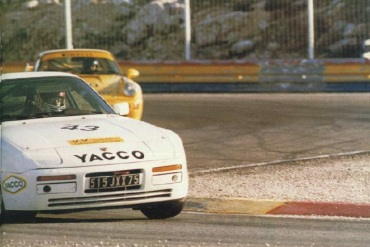

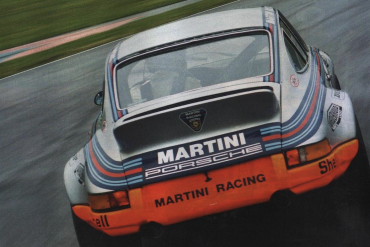
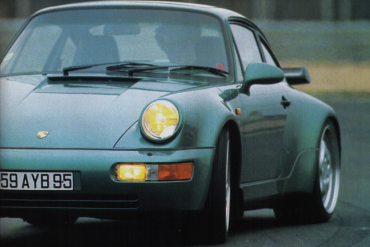
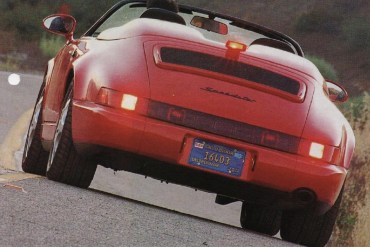
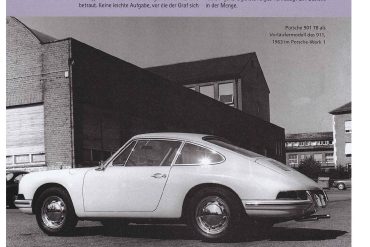
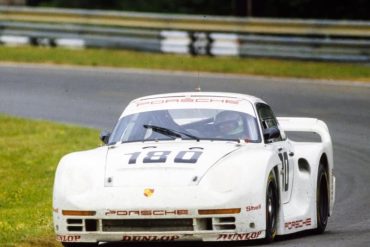

The Porsche 959 project began in 1981, immediately after Peter Schutz, the new general manager, took over at Porsche. Helmut...
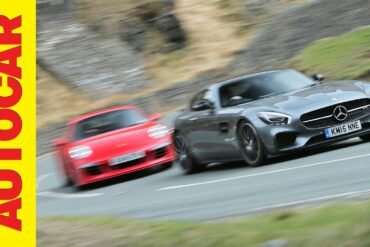
Mercedes AMG GT S vs 991 Porsche 911 GTS The Mercedes-AMG GT is a loud, dramatic coupe tied to an...
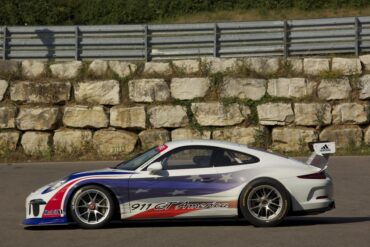
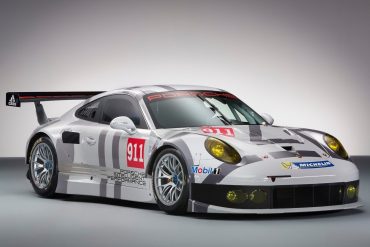
The 911 GT America was based on the 991 GT3 Cup. It was built exclusively for the United Sports Car Racing (USRC) series and its GT Daytona class for 2014. While the GT3 Cup had a 3.8-litre engine at the time, the GT America was fitted with a 4.0-litre unit developing 351 kW. The main visual difference is the rear spoiler made to fit the USRC rules. Like the GT3 Cup, the GT America has 380 mm steel brake rotors at the front axle with 6-piston fixed calipers.
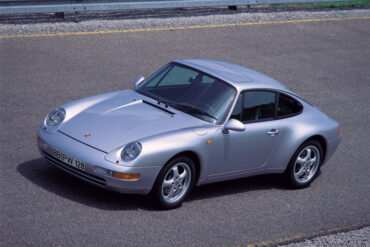
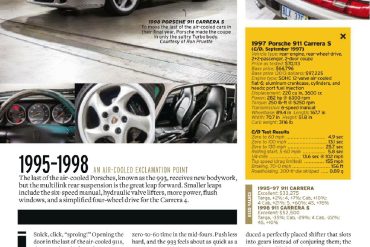
Introduced in late 1994 the standard 911 Carrera of the 993 generation was fitted with a development of the M64 3.6-liter flat six that had been found in the prior 964 generation. With a redesigned exhaust system and new hydraulic lifters, the engine produced 272 horsepower. For the 1996 model year, a Targa variant was introduced, and a variable intake runner system (called VarioRam) was added to the entire Carrera lineup, bumping horsepower to 285. Approximately 23,000 coupes were built, 15,500 cabriolets, and 4,500 Targa's, in both manual and automatic (Tiptronic) transmission. Overlapping with the last year of production, it was replaced by the 911 Carrera of the 996 generation for model year 1998.
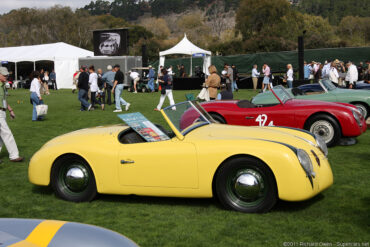
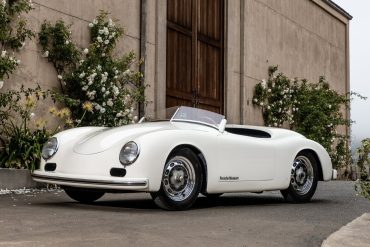
This isn't technically a Speedster, but the Type 540 (Typ 540 K/9-1 to be very precise) - known more commonly as the America Roadster - started the idea. The American Roadster was the direct predecessor of the Speedster. U.S. importer Max Hoffman convinced Porsche it needed a lightweight convertible to compete. It only had an emergency folding roof and could keep up with larger sports cars of the era. But the production methods used to create the America Roadster’s aluminum body proved to be too expensive, and in 1952 Porsche built only 21 units before its discontinuation in 1953.






Matt Farah Reviews the 991.1 GT3 The latest generation of GT3, the 991. Matt reviews a 2015 Porsche 991 GT3...
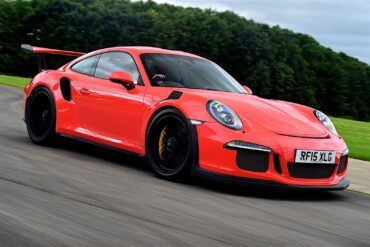
For those who want more extreme performance, handling and track-day bragging rights, the RS is it. It's far from practical and may be too extreme for some, especially on the street, but on track it is exceptional. Only marginally quicker than the 991 GT3 that it is based on, but it delivers that performance with a different character. Massive grip, massive downforce and more extreme than the GT3. It delivers 80 per cent of the downforce of the full-on GT3 R race car, and with a carbon fibre bonnet and wings, a magnesium roof and polycarbonate rear windows and screen, it’s also light, weighing in at just 1,420kg.
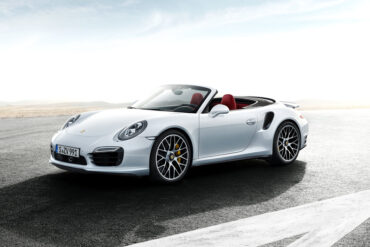
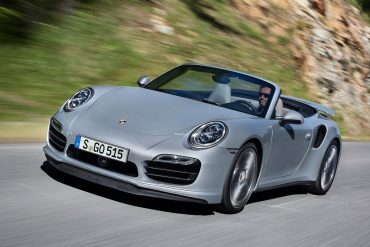
Everything you need to know about the 991.1 Turbo S Cab comes from Car and Driver test results. "Launch control puts the computer in charge and sends the 3741-pound Turbo S Cab to the far side of 60 mph in just 2.8 seconds. A quarter-mile that nearly breaks into the 10s—11.1 seconds at 124 mph—attests to how serious this car gets when provoked. We saw 1.0 g on the skidpad and a stopping distance of 151 feet, both strong numbers abetted by the hilariously staggered Pirelli P Zeros (245/35 in front, 305/30 in back)". This is in a comfortable, all-wheel drive, grand touring convertible.
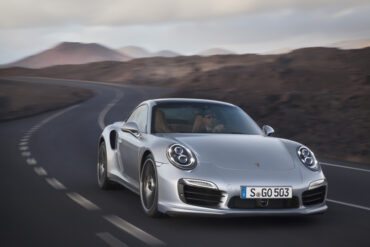
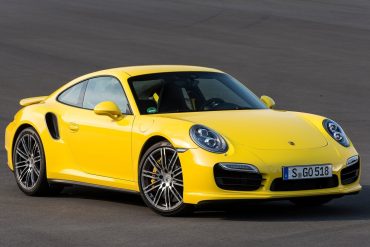
Porsche offered the 991 Turbo S from the start of the production of the 991 Turbo. The unique features of the Turbo S were the GT3 mirrors, slightly different front spoiler grilles and interior features. As before, the Turbo S was a heavily equipped version of the Turbo. The powerkit added 29 KW of power and the following equipment came as standard: PDCC hydraulic rollbar system, Sport Chrono (Launch control and 0.15 bar overboost functions), dynamic engine mounts, PCCB Porsche Ceramic Composite Brakes, central lock wheels, full LED dynamic headlights, 18-way Sport Plus seats with memory.
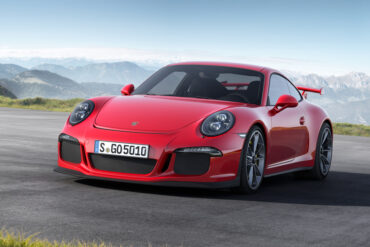
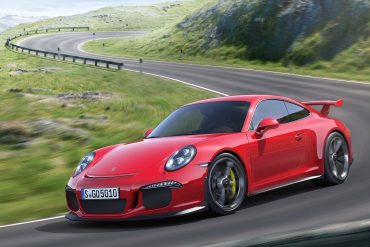
Porsche introduced the 991 GT3 for the 2014 model year, as follow up to the multiple 997 GT3 variants. The 991 GT3 featured a new 3.8 litre direct fuel injection (DFI) flat-six engine developing 475 hp (354 kW; 482 PS) at 8,250 rpm, Porsche's Doppelkupplung (PDK) double-clutch gearbox, and rear-wheel steering. The 911 GT3 is claimed to be able to accelerate from 0-60 mph (97 km/h) in 3.1 seconds or less, and the quarter mile in 11.2 seconds at 126 mph (203 km/h). It evolved into the 991.2 GT3 for model year 2018.
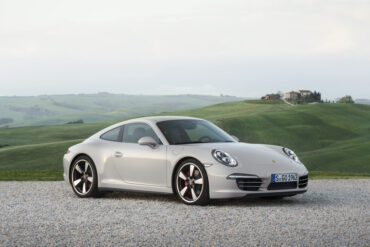
The 2014 50th Anniversary Edition 911 was built by Porsche to commemorate the 911’s birthday, 50 years after its production launch in 1964. In homage to 1963, the year the 911 debuted at the 1963 Frankfurt Motor Show, production was limited to 1,963 units. The 50th Anniversary uses the wider body from a Carrera 4S (but remains only rear-wheel-drive) and is lower than a standard Carrera by 10mm. The 20 inch-alloys are a modern take on the original Fuchs wheels, and the seats are finished in “Pepita” cloth. Includes Porsche Active Suspension Management (PASM), sports exhaust and powerkit tickled 430 hp flat six.
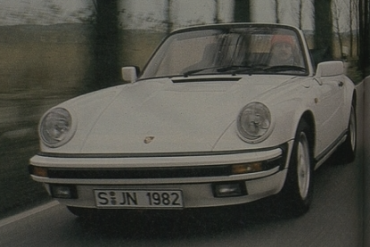
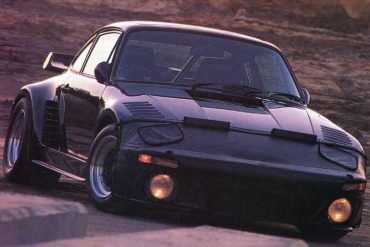
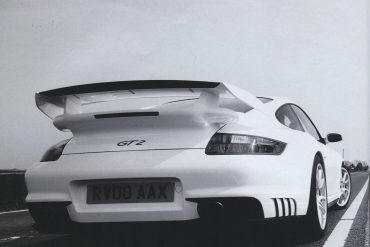
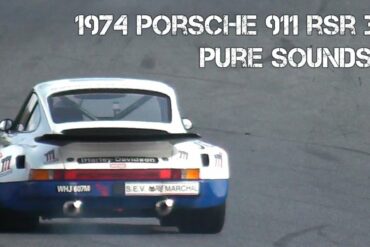
Carrera RSR 3.0 Sounds Spectacular Porsche 911 Carrera RSR 3.0 in action! Natural Sound. 1974 Porsche 911 RSR 3.0 a...

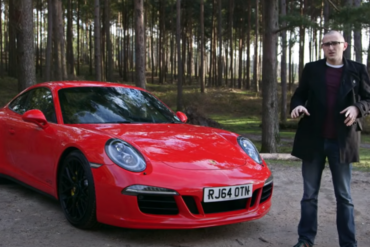
991 911 Carrera GTS Review The Porsche 911 Carrera GTS (991) stretches what the original GTS stood for but in real...

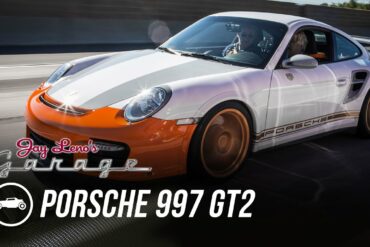
Jay Leno’s Garage Review of a tuned Porsche 997 GT2 When Magnus met Alex Ross of SharkWerks at Jay’s garage,...
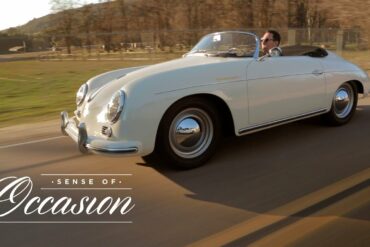
A Drive In A 1956 Porsche 356A T1 Speedster Starting any classic car is special. There is the sensation that...

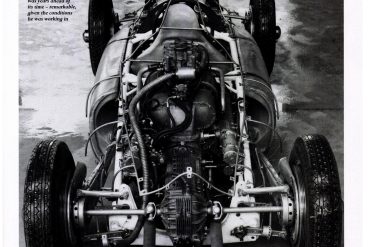

Porsche 930 Turbo – One Take Matt tests a modified Porsche 930 Turbo making 150 hp more than stock! The...




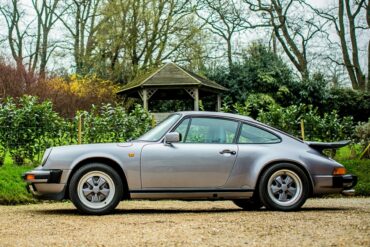
In 1988, Porsche produced 875 examples of the CE or Commemorative Edition 911 Carrera in coupe, targa and cabriolet variants to mark the production of the 250,000th 911. Distinguishing features include special diamond blue metallic paint with color-matched Fuchs wheels, front and rear spoilers, and interior carpets and leather. These cars also featured Dr. Ferdinand Porsche's signature embroidered on the seats in the headrest area.
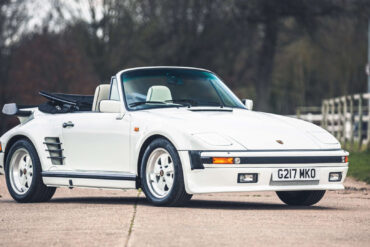
Just 50 ‘C16’ cars were manufactured for the UK-market, initially equipped with an uprated engine of 330bhp (from 300) mated to a 4-speed transmission. However, at the end of 1988, the uprated 5-Speed G50 gearbox was introduced, dramatically easing the peaks in power delivery by reducing the effects of ‘turbo-lag’. The factory SE also benefited from a dual-exit exhaust system, limited-slip differential, heated front seats and a sunroof.
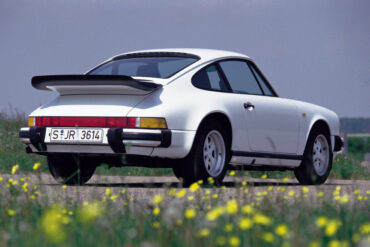
The 911 Carrera Club Sport was Porsche refocusing on what they do best – high performance, lightweight motoring. This is probably the most underrated Porsche ever made. Manufactured between August 1987 and September 1989 only 340 cars. It had a blueprinted, high revving engine mated to a modified short-shift, close-ratio G50 gearbox. It had track-bias suspension modifications too.
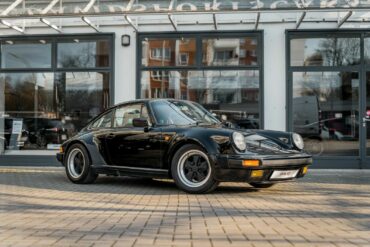
Porsche introduced a new wide-body package option. Known as the M491 option it was commonly known as the "Turbo-Look". It gave the naturally aspirated cars the look and style of the 930 Turbo with wide wheel arches and the distinctive "tea tray" tail. It wasn't just about looks however, because M491 also got you the stiffer suspension shared with the Turbo and the superior Turbo braking system as well as the wider Turbo wheels. It was available on the Coupe, Cab and Targa.