
Porsche Models
All
Latest

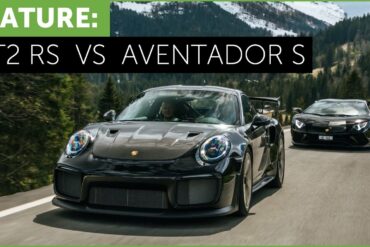

We Pick A Winner We get to take the new Porsche 911 GT2 RS and Lamborghini Aventador S for a...
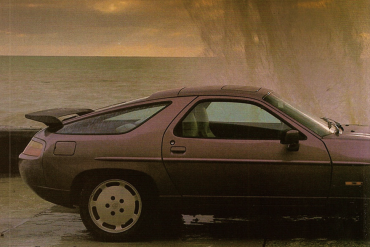
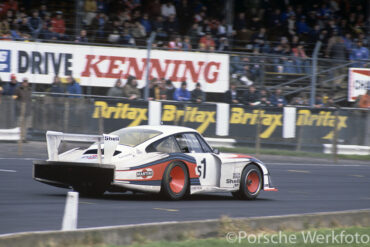

Group 5 rules offered manufacturers a great deal of freedom to modify their cars in the Silhouette class. At Porsche,...
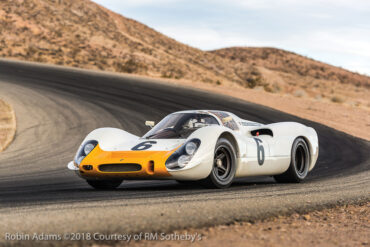
Introduced in 1968, the Porsche 908 was one of the longest running prototypes in the company’s history, as it was...
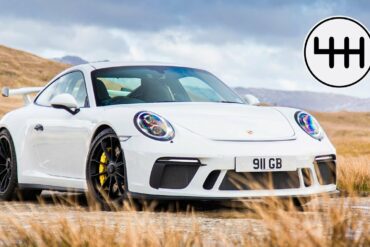
Carfection Makes The Case for the Manual Henry Catchpole demonstrates why the manual is something to be treasured in a...


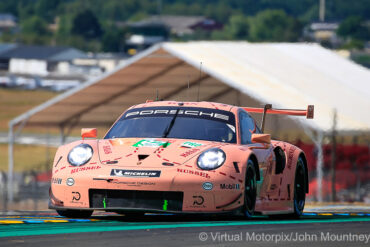
Well it’s official, pigs can fly! The #92 Porsche 911 RSR of Michael Christensen/Kevin Estre/Laurens Vanthoor/Dirk Werner may not have...
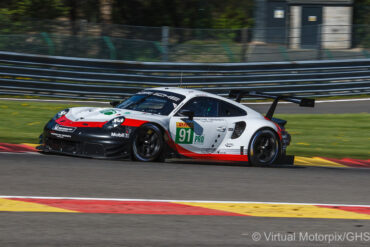
This weekend sees the official Le Mans Test day on Sunday 3 June for those teams participating in the 86th...
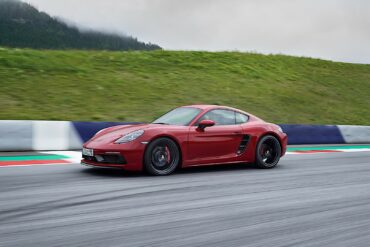
Porsche expanded its mid-engine range with the new two-seater Porsche 718 Boxster GTS and Porsche 718 Cayman GTS. The vehicles' power has now been increased to 269 kw (365 hp) thanks to a newly developed intake duct and an optimised turbocharger for the 2.5-litre, four-cylinder boxer engine. With these improvements, the engine delivers 11 kW (15 hp) more power than the 718 S model and up to 26 kW (35 hp) more power than its GTS predecessor models with naturally aspirated engines. The new mid-engine sports cars are available with manual six-speed transmission or optional PDK
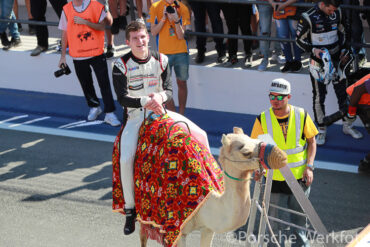

Our contributor in France, Lucian Sonea, recently conducted an interview with Mathieu Jaminet, one of Porsche’s Young Professional Drivers. You...
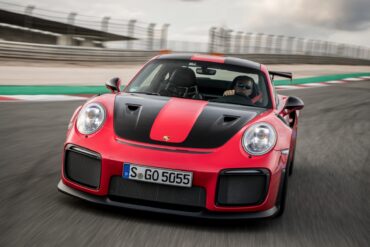
The GT2 RS's reputation as the most powerful street-legal car is as monstrous as this comprehensive guide. Suffice to say, this supercar has been built with the best Porsche has to offer. It's not bragging, it's just facts. There is no doubt that the new GT2 RS is the pinnacle of the 911 in terms of performance. It is simply the fastest 911 in history, and that’s a fact. It is the quickest production car to lap the Nürburgring Nordschleife. It is the most powerful 911 ever made.
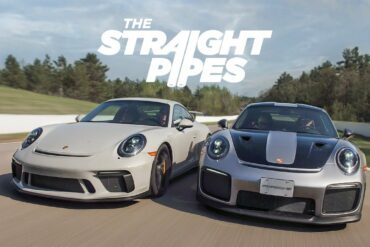
On Track With Porsche’s Best 2018 Porsche GT2 RS, Porsche GT3, Porsche 911T, 718 Cayman GTS, and 718 Boxster GTS....

The evening before the opening round of the WEC season at Spa, Porsche Road & Race had the opportunity of...

THE GENESIS OF PORSCHE MOTORSPORT…watch the restoration by Rod Emory of the #46 Porsche 356 SL that won its class...
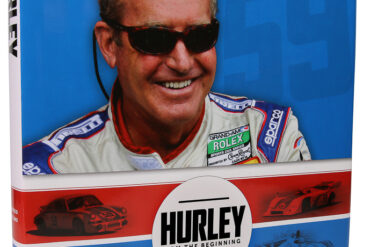
There are just a handful of racing drivers that can list the number and quality of achievements that Hurley Haywood...

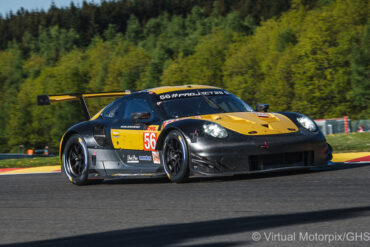
Perhaps the opening race of the 2018 WEC season at Spa did not end quite the way the Project 1...
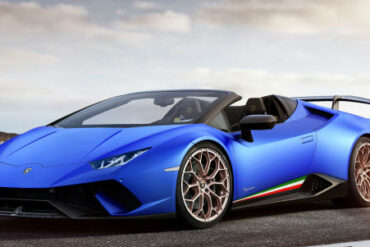
https://www.youtube.com/watch?v=65jW-FVAd2o This week, a road legal 911 GT3 RS set a lap time of 6:56.4 minutes with the 520-hp race-bread...
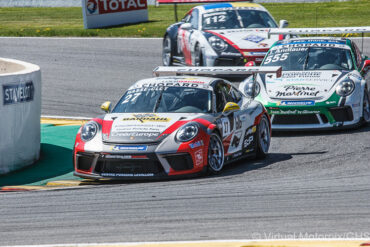
The opening race of the 2018 Porsche Carrera Cup France season took place at Spa Francorchamps over the weekend of...
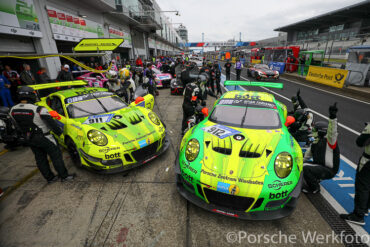
Porsche will be represented by a large fleet of vehicles at the 24-hour race on the Nürburgring: 43 Porsche 911...
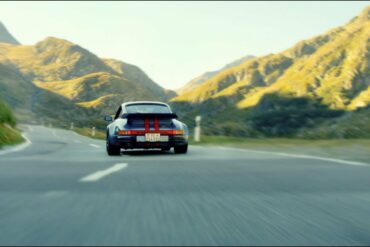
Porsche 930 Turbo on the Great St. Bernard Mountain Pass The 930 Turbo on the Great St. Bernard Mountain Pass...
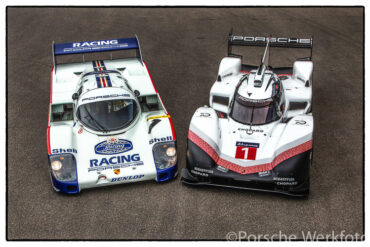
Just before the Nürburgring 24-hour race will be green flagged on May 12, Porsche will present a dream team at...
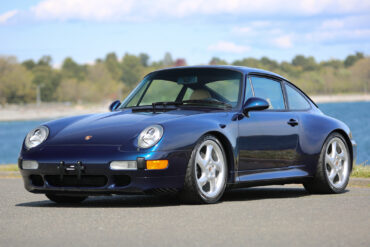
Porsche has made a lot of cracking 911s over 50+ years. We Pick the Best Production, Limited Edition & Race...
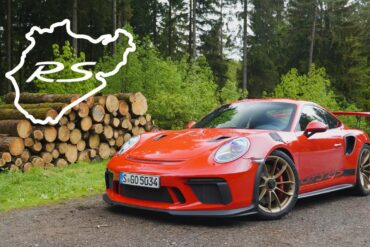
Henry Catchpole drives the 991.2 Porsche 911 GT3 RS in search of the forgotten Sudschleife circuit....
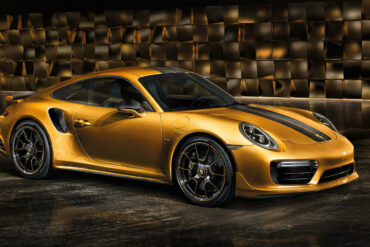
The 500 hundred numbered 911 Turbo S Exclusive Series cars cross the 600 hp mark with their 446 kW engines. The power increase does not make much difference performance wise, but it is good to know you have more than 600 hp. Similar in acceleration and top speed to the ‘regular’ Turbo S, the car reaches 200 km/h (124 mph) in 9.6 seconds (0.3 seconds faster than the regular Turbo S). The car comes standard with the Turbo Aerokit and roof panel made of carbon-fibre reinforced plastic.
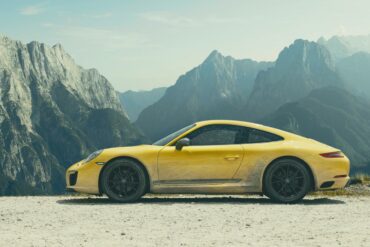
To the untrained eye, the Carrera T may appear to be a bare-bones and sparingly equipped 911 at first glance. The purpose of the T is to create a driver-focused 911, equipped with only the necessities required to appeal to those of a purist’s ilk. The Carrera T employs the same power plant used in the current base Carrera - a twin-turbocharged 3.0L flat-six with 370 horsepower and 331 lb-ft of torque. A 7-speed manual transmission comes standard with the T, along with a shorter final-drive ratio and the limited-slip differential. Porsche Sport Exhaust (PSE) is also standard. PASM sport suspension comes standard in the T, which lowers the chassis by 0.4 inches relative to the base Carrera and allows for two modes of dampening.
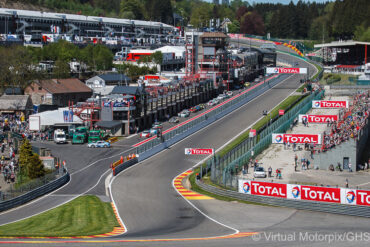
The first race of the 2018 WEC season certainly didn’t disappoint. From the starter’s green lights, right up until the...
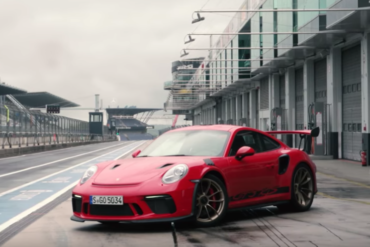
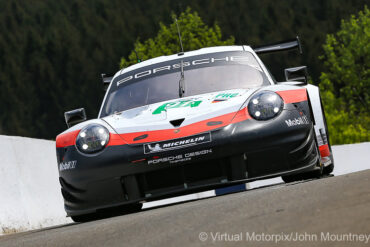
The first race of the season, the 2018 6 Hours of Spa, is almost upon us. Thursday saw Free Practice 1...
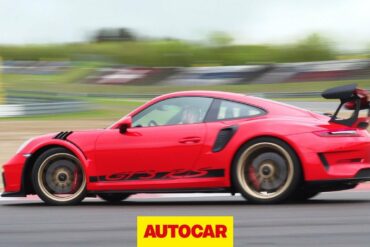
A Thorough Review of the 991.2 GT3 RS The 991.2 GT3 Rs comes with a power upgrade to the 911...
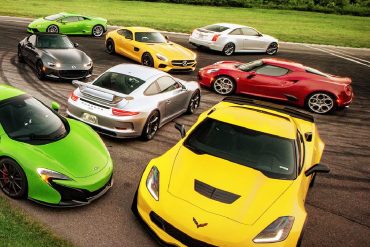
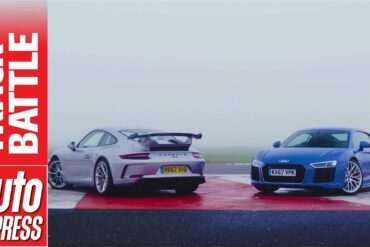
The Audi R8 RWS and Porsche 911 GT3 should be the ultimate rivals for one another, each using rear-wheel-drive...
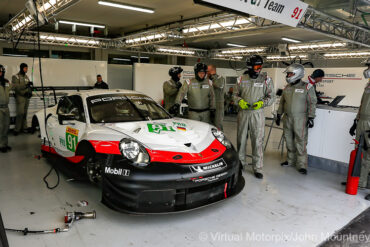
Porsche starts the new world championship season at Spa in the six-hour race at the famous circuit in the Ardennes...
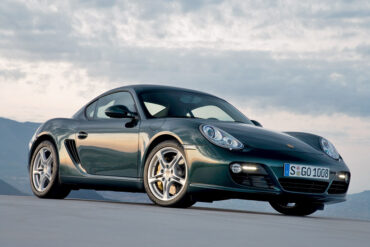
Four years after the introduction of the Cayman S, the sportier version of the mid-engine sports coupe Porsche was refreshed. It was even faster and could carry more cornering speed. The facelifted version of the Cayman S offered a completely enhanced package. From the exterior to the interior, from the engine to the gearbox and suspension, it was reworked. The engine was kept at 3.4-liter displacement, but due to its new direct-fuel injection system, the power was increased by 25 hp over its non-facelifted version.
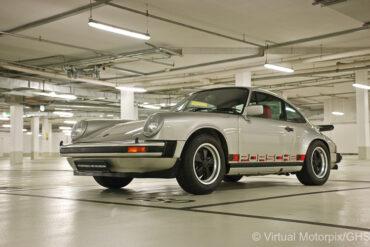
In 1973, the Porsche 911, by now a decade old, was ready for a make-over. The 3-litre engine had reached...
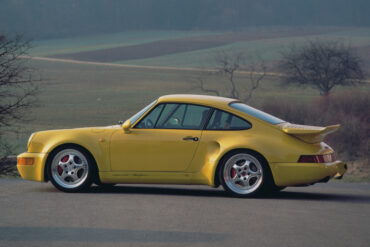
Porsche made a lightweight version of the Turbo simply known as the Tuubo S. This used the spartan appointments of the Carrera RS with an upgraded version of the Turbo engine. Some cars received graphics on the side celebrating IMSA Supercar Championship. Similar to the Carrera RS, the Turbo S had no power steering, air conditioning, airbags, central locking, alarm system, rear window wiper, smaller window washer reservoir, smaller horn, and had thin-gauge glass. The engine used a second oil cooler and slightly higher boost to improve overall performance.
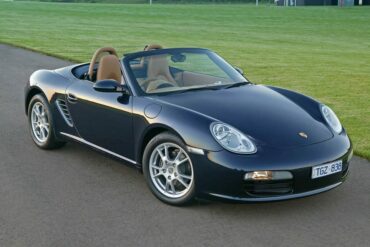
The 2007 model year Boxster got a change that most people don't think is significant, but is. Model year 2007 is when the base Cayman joined the 987 lineup. The interior and exterior remained mostly the same, but the Boxster S received the Cayman S 3.4-liter flat six while the 2.7 in both the Boxster and new Cayman received VarioCam Plus, which bumped horsepower up to 245. Think of this model year as Porsche taking the changes to get the base Boxster 2.7 to the same level as the recently introduced base Cayman.
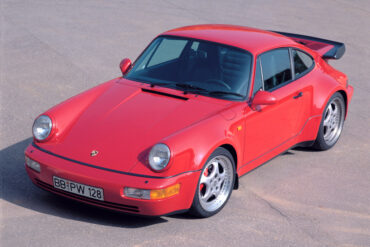
The 1989/90 change of model year saw the launch of the Porsche 911, 964 series onto the market. This 911 model was initially available as a Coupe, Targa and Convertible. From model year 1991 onwards Porsche also introduced its top-of-the-line model - the Turbo - into this series. In spite of bearing a major similarity in terms of look to the naturally-aspirated model, the extended wings remained. This meant that the new Porsche could retain its turbo look. The 964 Turbo model was the successor to the Porsche 930. The 964 Turbo was the end of an era, the last of the single turbo rear-wheel drive 911 Turbos.
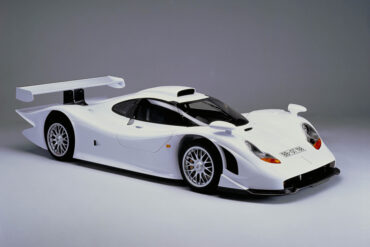
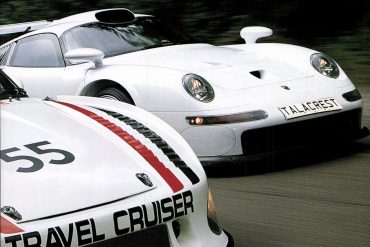
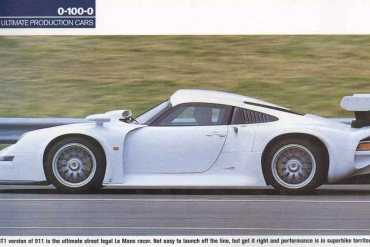
A single car - the 911 GT1-98 Straßenversion - was built in 1998 to homologate the all-new racing version under the new FIA regulations. The engine had to be slightly de-tuned to meet European emissions laws, although its 400 kW (544 PS; 536 hp) at 7,200 rpm and 600 N⋅m (443 lb⋅ft) of torque at 4,250 rpm proved to be more than adequate; the car could accelerate to 100 km/h (62 mph) from a standstill in 3.6 seconds on its way to a top speed of 193 mph.
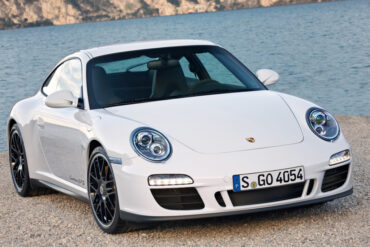
It's not often Porsche creates an all-new model in their 911 lineup. But the 997 Carrera GTS is just that. It's faster, more powerful and better looking than any other model in the Carrera family. However it's still a little less hardcore than the 911 GT3, and a lot cheaper than the 911 Turbo. The Porsche 911 Carrera GTS features a 3.8 litre flat-six engine which is tuned to develop 408 horsepower, that's 23 hp more than the Carrera S manages. Think of it as the perfectly optioned Carrera S for less money.
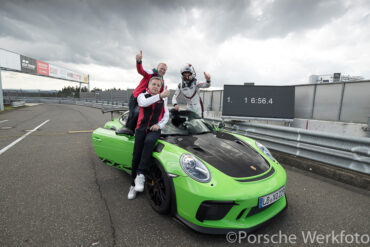
On 16 April, the Porsche 911 GT3 RS set another benchmark for road-approved sports cars at the Nürburgring-Nordschleife circuit in...
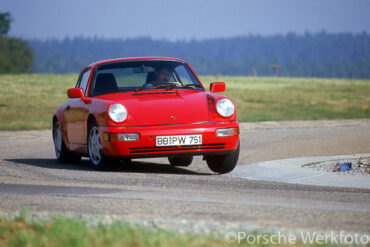
From a technical perspective, the 911 Carrera Type 964 represented one of the most significant steps forward for Porsche, for...

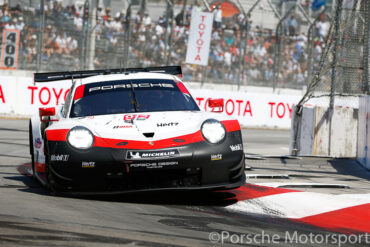
The efforts of the factory Porsches over the weekend came to naught, as the two 911 RSRs finished well down...
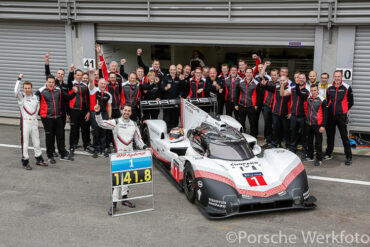
In the year following a third consecutive WEC title, Porsche is taking its World Championship winning race car around the...
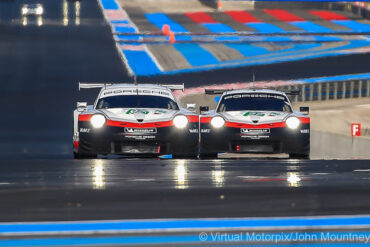
Activities have concluded for Porsche at the 2018 WEC Prologue, and by all accounts, it went very smoothly. Run over...
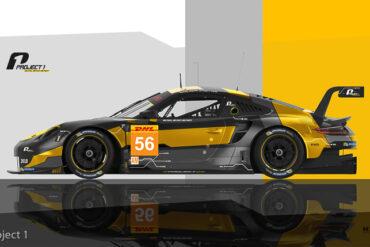
Project 1 may be a new team on the block in WEC, but this year, the team celebrates its 25th...
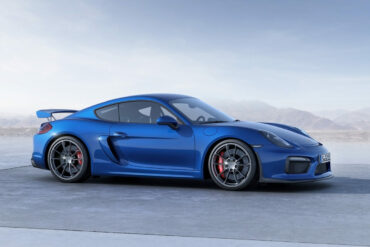
In 2015, Porsche announced the car we all thought Porsche would never build. It has been a few years since it has been released and the excitement It was the first time Porsche introduced lets the motorsports guys in Weissach sprinkle their magic on a Cayman. With components sourced from the 911 GT3, an engine carried over from a Carrera S and a tweaked and tuned chassis, brakes and aerodynamics, Porsche’s engineers did their best to produce the perfect mid-engine sports car for road and track use. Compared with the standard Cayman, the GT4’s chassis was lowered by 30mm and bigger brakes were added, with many aspects of its suspension carried over from the 911 GT3. Some serious motorsport kit. One of the best ever.
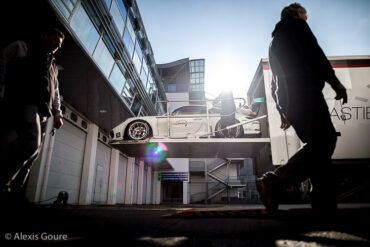
As the main racing championships are about to begin the 2018 season, the Porsche Carrera Cup France has seen its first...
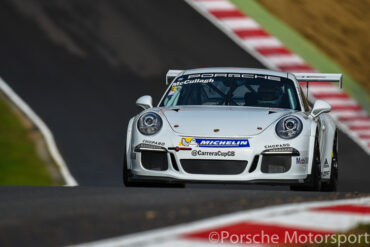

John McCullagh signed off on the 2017 Porsche Carrera Cup GB season with a fourth-placed finish and a stunning fourth-straight...
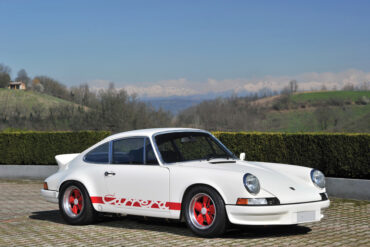
Of all the 1580 Carrera RS 2.7s, only 200 were made were ordered with this lightweight ‘Sports’ trim which made the car more responsive and purposeful. In many ways these few cars were the ultimate road-going Porsche of the 1970s. Known as the Sports, Lightweight or even the M471 option code, these cars had improved the power-to-weight ratio. Reports of 75kg were stripped from the standard model by fitting lightweight body panels and lightweight glass.
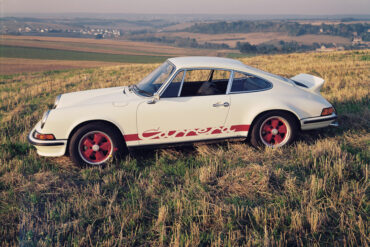
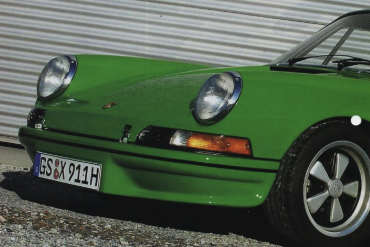
Revealed at the 1972 Paris Auto Show, the Carrera 2.7 RS was a special model used to homologate the 911 in Group 4 racing. Developed from the 911S, the 2.7 was more potent in almost every area. Compared to the standard Carrera, the 2.7 RS featured a larger engine, wider flares to accommodate the Fuchs alloy wheels, stiffened suspension, larger brakes and a ducktail rear spoiler. The Touring outsold the Lightweight, with a total of 1380 units built (the Lightweight had only 200 units).
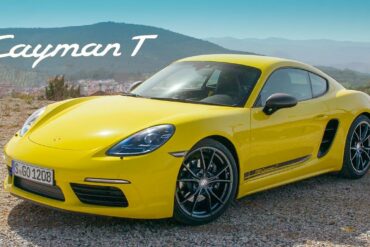
NEW Porsche 718 Cayman T Review Alex Goy reviews the new Porsche 718 Cayman T on the road to see...
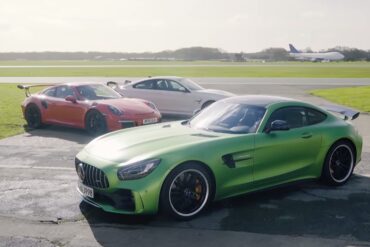

The Porsche 911 GT3 RS has been the king of the fast road track weapon category but a German civil...
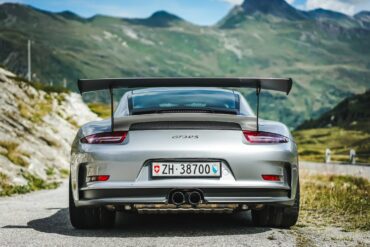
Porsche 991 GT3 RS Morning Drive Put your headphones on and enjoy this awesome footage of a Porsche 991...
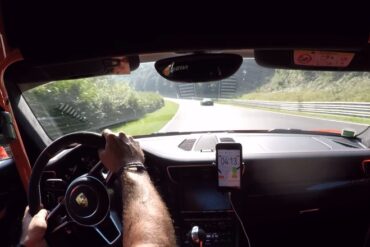
Quick race on a half Nurburgring lap, the Mercedes-AMG GTR was on the rear from the beginning and Porsche 991...
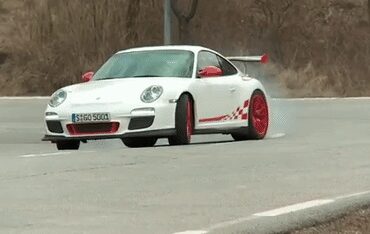
One of the best sports car to drive on a race track, the 2016 Porsche 911 GT3 RS is stripped...
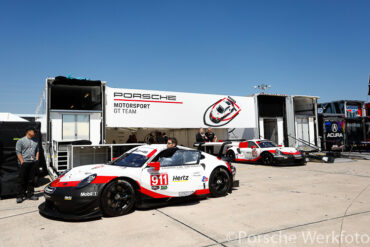
Porsche scored just a single win in the 2017 WeatherTech SportsCar Championship about three-quarters into the season, but now the...
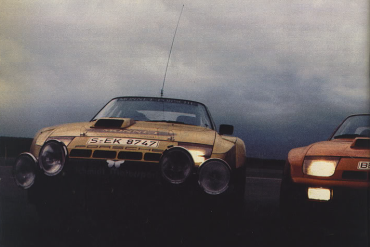
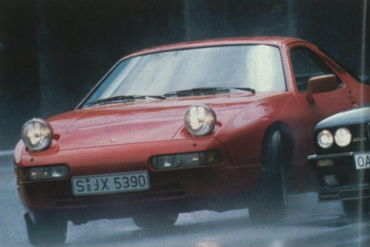
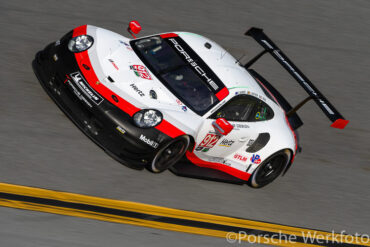
The 12 Hours of Sebring, the toughest and oldest sports car race in the USA, will be held for the...
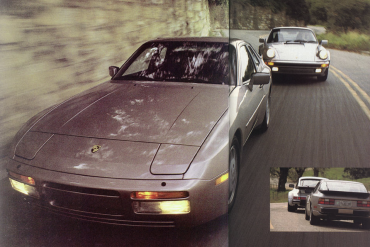
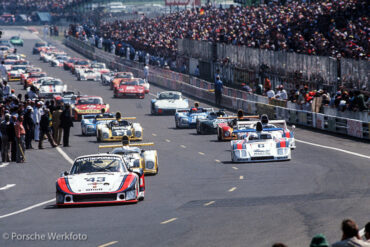

Dick Barbour went to Le Mans as an entrant for the first time in 1978. He entered two Porsche 935s...
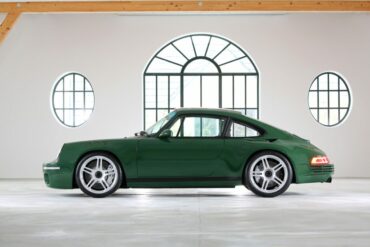
An Homage to the Original RUF SCR It’s been 40 years since RUF revealed a modified Porsche 911 called the...
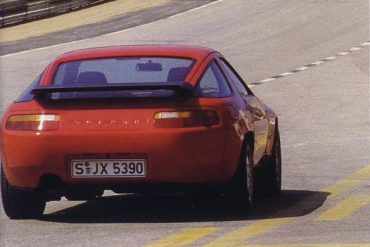
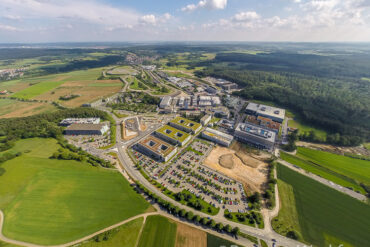

By the late 1950s, the German Wirtschaftswunder was well underway and as the economy grew, so traffic density increased. This...

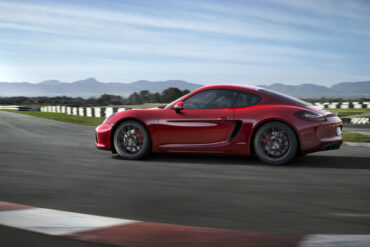
The Cayman GTS arrived a s 2014 model year car and boy was it special. It featured a marginally more powerful engine, a new body kit, new 20-inch Carrera S wheels, new Bi-Xenon headlights, and a new sports exhaust system. The Cayman GTS is longer than the Cayman and the Cayman S by 30.5 mm (1.2 in) due to its bumpers. The new, optional passive sport suspension allows the Cayman GTS to have a 20 mm lower ride height compared to the Cayman equipped with standard passive suspension or 10 mm lower compared to one with the standard-equipped PASM. Power was 330 bhp @ 6700 rpm and 0 - 60 mph was a brisk 4.1 seconds.
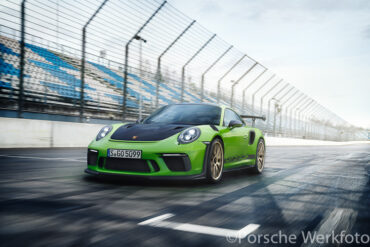
With a clear focus on motorsport, the Porsche Motorsport department will present its latest project at the Geneva Motor Show,...
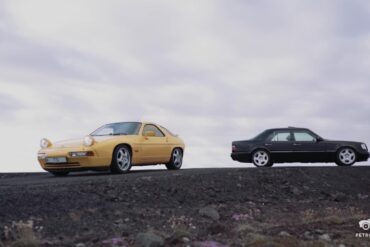
“I was a bit skeptical about the color in the beginning, but I kind of like it now. It stands...
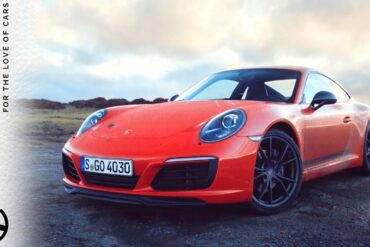
Porsche 911 Carrera T Video Review In the Porsche 911 Carrera T Henry Catchpole revels in the delights of no...

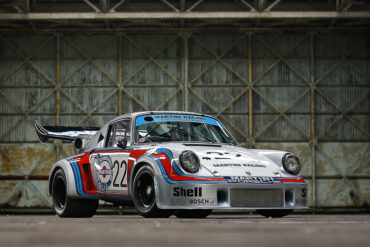
Three historic turbocharged competition Porsches are to be presented at Gooding’s Amelia Island auction on 9 March 2018. The three...
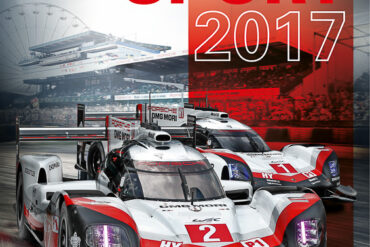
If you follow Porsche motorsport around the world, then Porsche Sport 2017 is not a book you want to be...

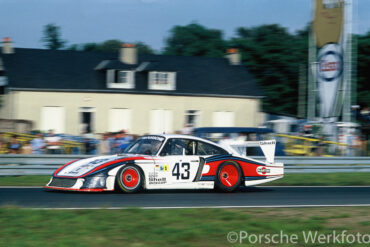
The 1972 season broke, ushering in with it a new era of racing. The Porsche 917 had reigned supreme for...
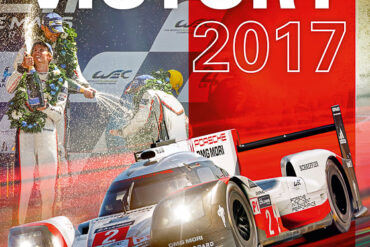
The latest edition of the Porsche Victory in Le Mans series is out and it is as good, if not...
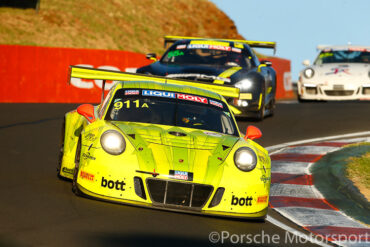
The Bathurst 12 Hour race serves as the opening round of the Intercontinental GT Challenge. First held in 1991, the...