
Porsche Models
All
Latest



The long wait is over because finally, Porsche has introduced the newest Porsche 911 GTS models! With the 911 GTS models,...
Porsche is back at it again with a new 911 GTS! With more power, keener suspension and changes to the...

New Porsche 911 GT3 2017 Thorough review of the 991.2 Porsche 991 GT3. As well as being the fastest and...
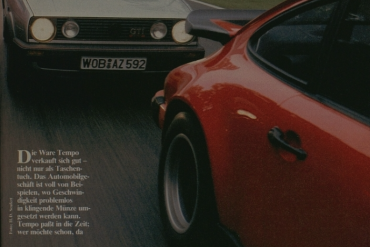
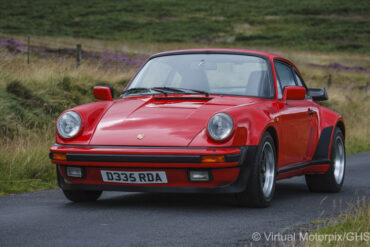

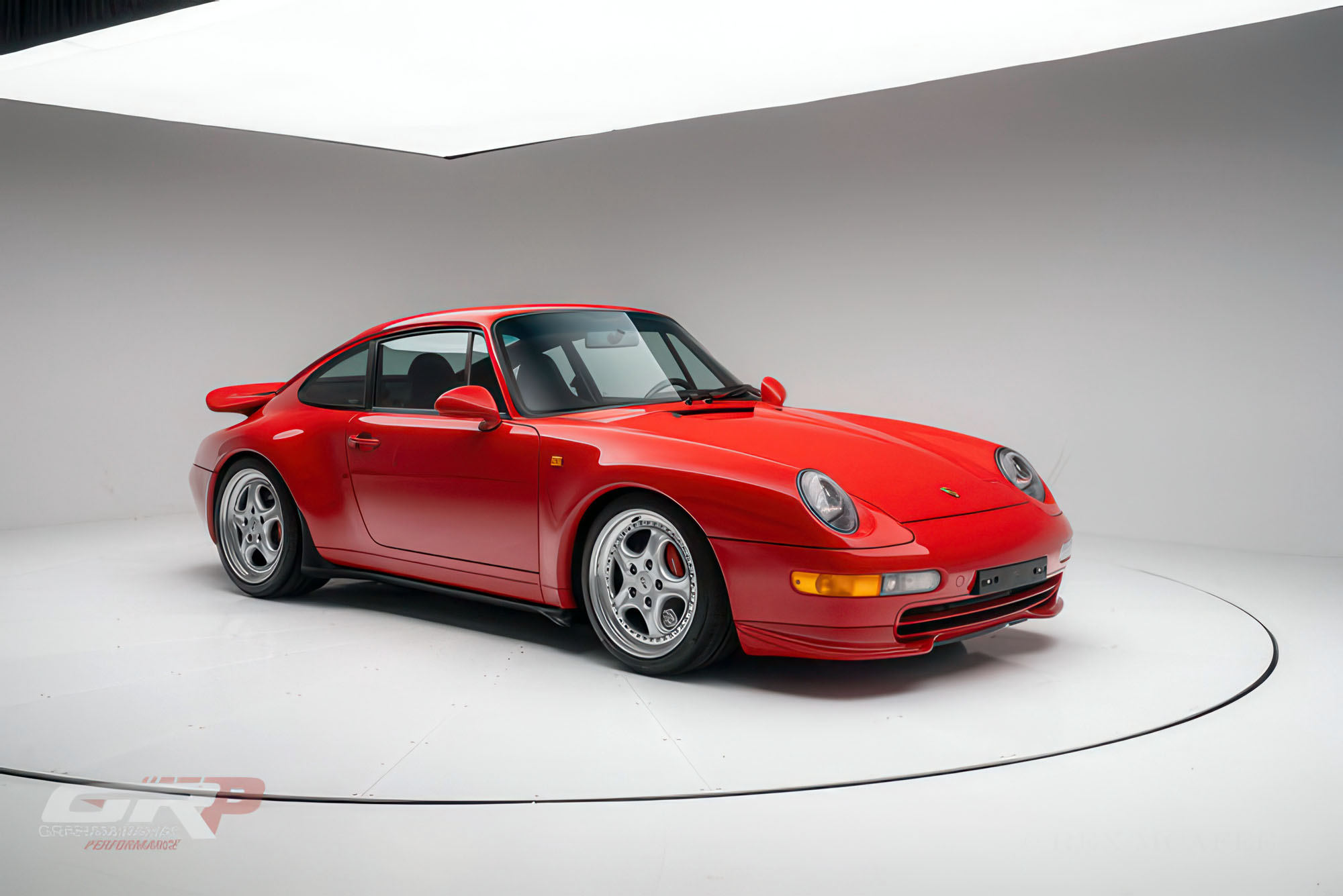
The origin of the model name, Porsche Carrera, is not only interesting but also somewhat hazy. It all started in...
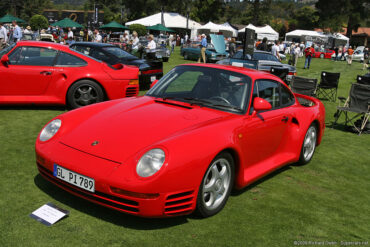
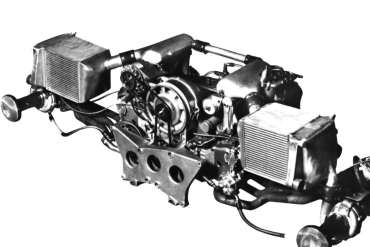
For some context, the iconic 959 remained Porsche’s fastest production car for a cool 26 years (in its very rare S guise) before the company topped it with the 918 Spyder in 2013. Details on the 959 S are scarce; Porsche made just 29 examples of it, with the 2.8-liter flat-six engine featuring larger turbochargers and the company claiming an “official” output of 508hp and 413lb-ft of torque, over the standard 959’s 444hp. Top speed was 210mph.
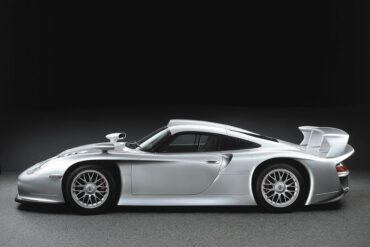
Homologated roadgoing version of the ’97 911 GT1 Evolution racer costing $890,805 upon release. Twin-turbochargers were fitted to the M96/80 engine, which had water-cooled cylinder heads. Apparent from the front and rear lights, the GT1 shares many components with its series production counterparts, but puts them together in a more competitive way. Gone is the rear engine layout which isn't suitable for prototype GT racing, the GT1's turbocharged flat-six engine sits in front of the rear axle and is supported by chassis tubes instead of the typical 911 rear sub frame.
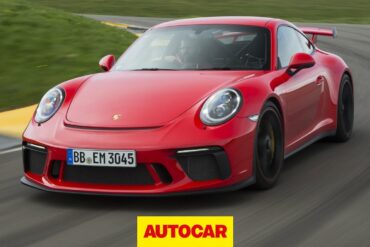
Hardcore new GT3 Tested by Autocar The Porsche 911 GT3 is back. The revised 991.2 GT3 is a stripped-out, track-ready,...
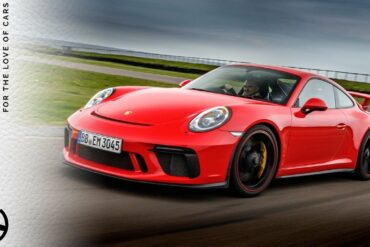
2018 Porsche 911 GT3 Track Review Porsche have listened to their customers and added all the lessons they’ve learned recently...
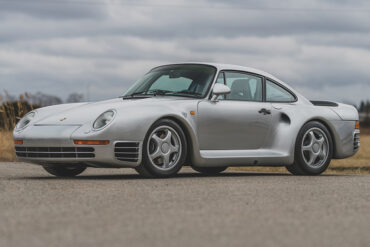
The most advanced Porsche of the 1980s and part of a new breed of supercars. It had an all-wheel-drive system with driver-selectable torque split, adjustable ride height, hollow-spoke magnesium wheels, tire-pressure monitoring, and a six-speed gearbox. Even though the engine was air-cooled, it used water-cooled cylinder heads and twin turbos operating in sequence. This level of technical achievement on the 959 was huge for Porsche.
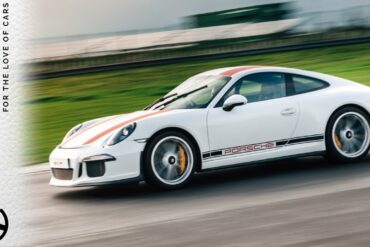
991 Porsche 911 R Review The Porsche 911 R is more than its figures, much, much more than that. Carfection...
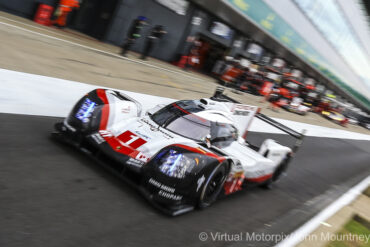
Porsche made a solid start to their 2017 WEC campaign, when the #2 LMP1 919 Hybrid (Bernhard/Bamber/Hartley) finished second in...
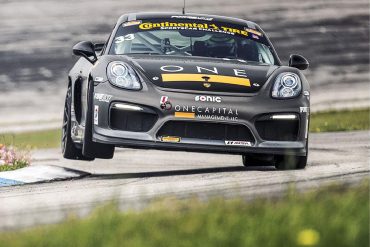
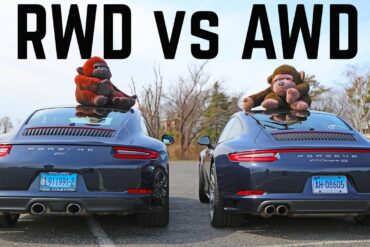
991 Carrera 4S v Carrera 2S Track Battle C2S vs C4S or C2 vs C4 is the question. I take...
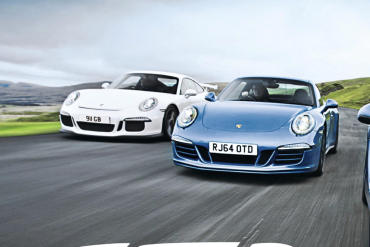
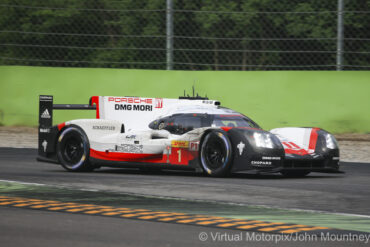
Now in its fourth year of competition, the Porsche 919 hybrid continues to be developed into a more efficient racer....
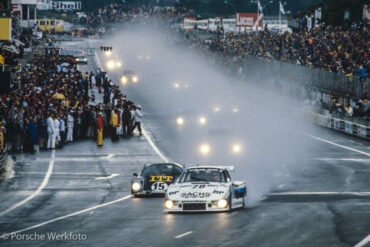

Le Mans in 1980 was in kind of a transition. The Porsche 935 K3 had won the prior year. Kremer...
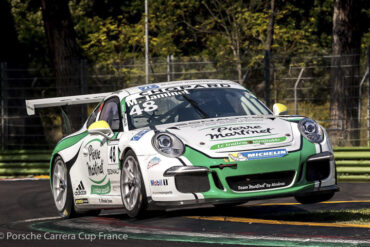

Philippe Alméras is the owner of Team Martinet by Alméras, one of the main Porsche team contenders in the 2017...


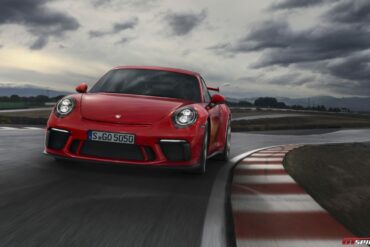
A 911 for the road and track – the new Porsche 911 GT3 Stuttgart. The Porsche 911 GT3 delivers motorsport-like performance,...
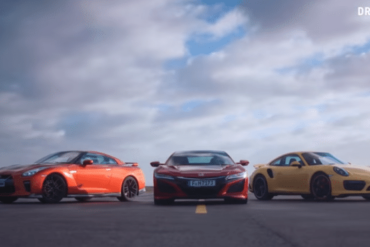
With a twin-turbocharged 3.5-liter V6 engine, an all-wheel drive system and three electric motors, the Honda NSX has power that...
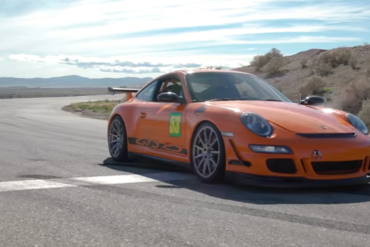
You just can’t help but be amazed everytime you see a Porsche 911 GT3 RS. If you ask about the...
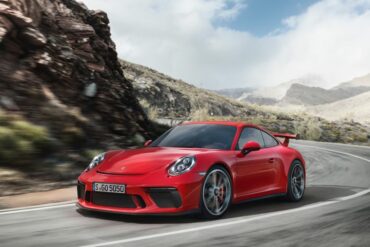
Porsche has some good news for those who are looking for a 911 GT3 with manual gearbox! Introducing the new...
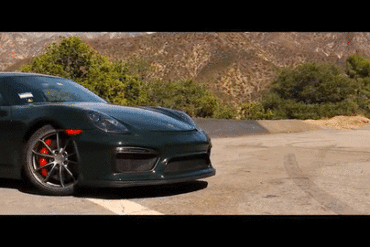
The 2016 Porsche Cayman GT4 is definitely one of the best sports cars of 2016 and we have Porsche to...
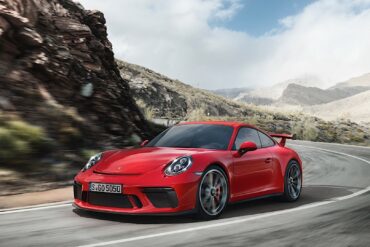
The new Porsche 911 GT3 carries the same four-litre flat engine from the GT3 RS with its power increased by 25hp for a new total of 500hp. The chassis is also redesigned and now features a rear-axle steering and a lighter construction. The Porsche 911 GT3 type 991.2 comes in at 1,430 kg when its tank is full. Although it is a bit heavier than the previous model, it still manages to reach 0-100km/h in just 3.4 seconds and reach top speeds of 318km/h. What’s more interesting here is that Porsche finally decided to switch back to a 6-speed manual gearbox (7-speed PDK is standard).
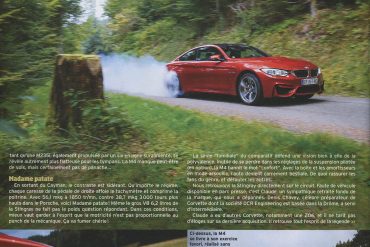
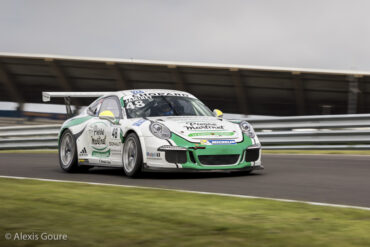
2016 represented the year of the 30th consecutive season of the French Porsche Carrera Cup, one of the most competitive...
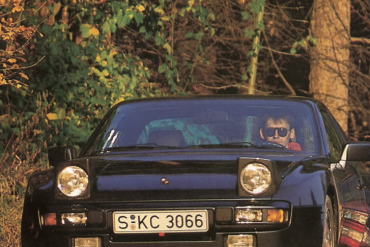
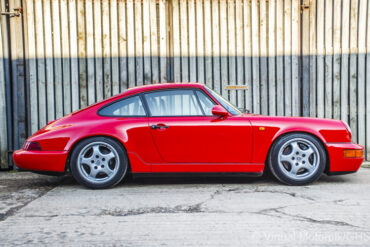
Porsche’s popular 911 model range has evolved hugely over the years, but a few iconic models stand out head and...

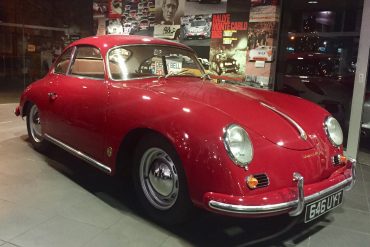
Back in 2012 I found a car in Tuscon Arizona, it was a 1958 Porsche 356A T2 coupe. It was...
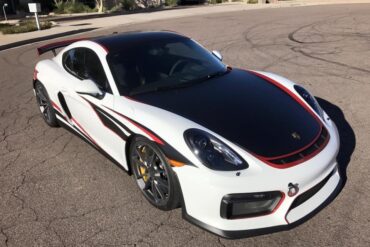
The Porsche Cayman GT4 with Tricolor Race Livery is definitely worthy of a spot on your wall or on your...
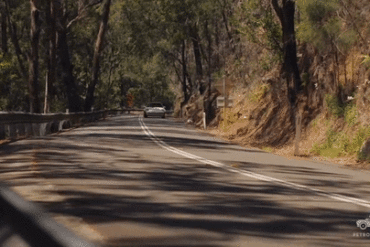
“We’ve had Porsches in our family for decades…my father had a billion of them, I think,” says Deryck Shakespeare. “But...

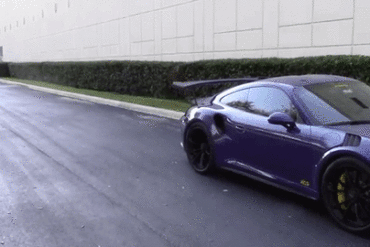
In case you’re wondering how the GT3 RS came to be known as the “ultimate Porsche 911”, then you should...
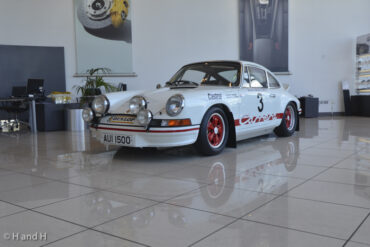
The Porsche 911 Carrera RS 2.7 broke cover in October 1972, being revealed to the public for the first time...
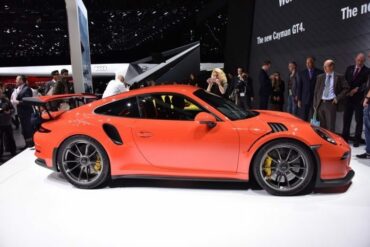
In this head-to-head video, we take two cars, both similar in terms of power, performance, and potential and bring them...
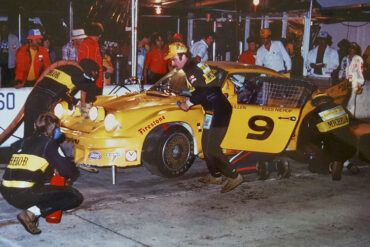
The 1983 Sebring 12 Hour was an epic event. Back then the race was run on the ‘old circuit’ which...
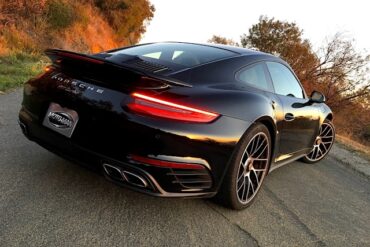
MotoManTV Review of the 991.2 Turbo After fitting all base 991s with turbos, Porsche has gone through and updated the...
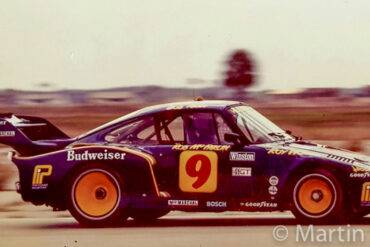
The IMSA season in the 1970s always started with the two toughest races on the calendar, the Daytona 24 Hours...
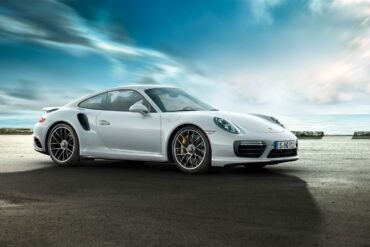
With the Turbo S, the PDCC Porsche Dynamic Chassis Control hydraulic roll bars came as standard. The PCCB Porsche Ceramic Composite Brakes had been standard on the Turbo S already since the 996 generation. New options included the radar-based lane change assist and a lift system for the front axle (increased ground clearance by 1.6″/40 mm). The PCM now had a multi-touch screen like in the facelifted 991 Carrera. Routes and places could be visualized with 360-degree images and satellite images. Engine gets more horsepower too, now with 572 bhp and 553 ft lbs of torque.
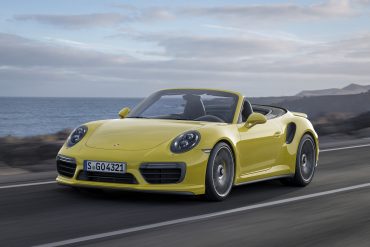
This is the fastest convertible GT you can buy. The Turbo S cab gets 572 bhp (39 hp more than the base turbo cab) and 553 ft lbs (9 ft lbs more than the regular cab) of torque. With the Turbo S, the PDCC Porsche Dynamic Chassis Control hydraulic roll bars came as standard. The PCCB Porsche Ceramic Composite Brakes had been standard on the Turbo S already since the 996 generation. New options included the radar-based lane change assist and a lift system for the front axle (increased ground clearance by 1.6″/40 mm). The PCM now had a multi-touch screen like in the facelifted 991 Carrera.
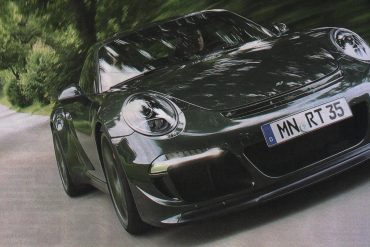
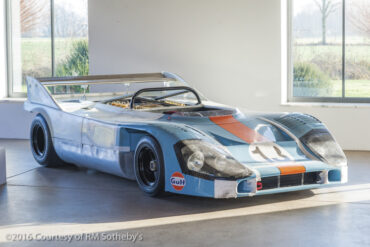
Mention the name Porsche and motor racing, and minds immediately focus in on one of the famous race cars to...
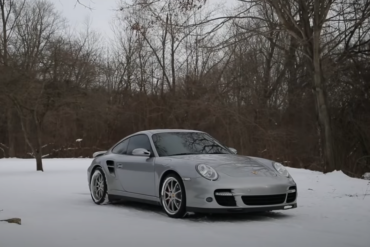
The 997 Porsche Turbo Is A Used Car Bargain We test the 997 generation Porsche Turbo with an APR tune....

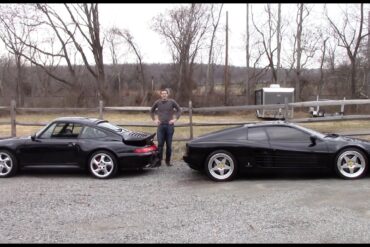
Head to Head – Doug DeMuro Picks His Favorite Doug DeMuro compares two 1990s icons — the Ferrari 512TR and...
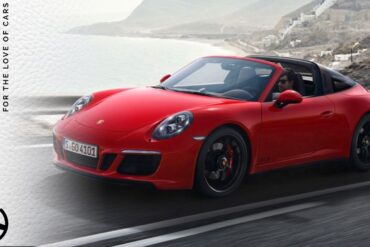
991.2 Porsche 911 Targa 4 GTS Review The 991.2 generation of Porsche 911 has been given the GTS treatment and...
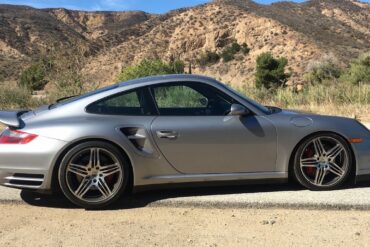
Koncept Motorwurks Monster 997 Turbo Goes for a Canyon Run This is a prime example of how easy it is...
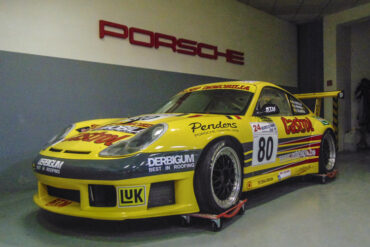
This Porsche 996 GT3 R is being offered for sale by Coys of London. When it was launched in 1998,...
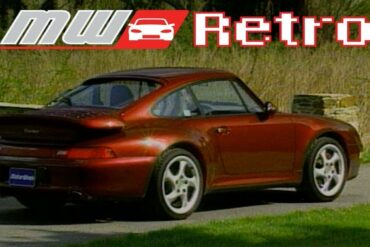
Motorweek’s Original Porsche 911 Turbo (993) Review The 993 Turbo is widely referred to as the “True Purist’s Holy Grail.”...
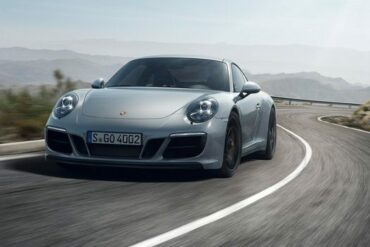
Porsche recently introduced five updated 911 GTS models online. The new lineup consists of a coupe, a convertible, a 911 Targa...
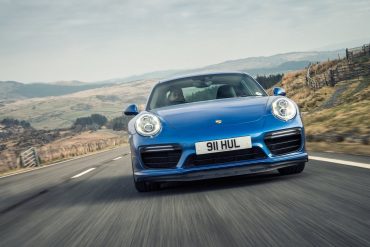
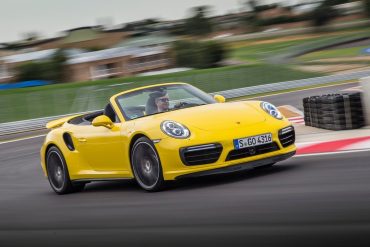
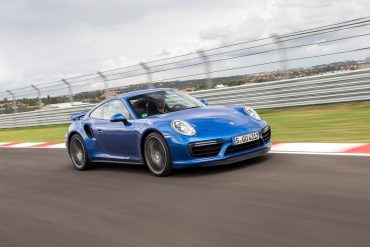


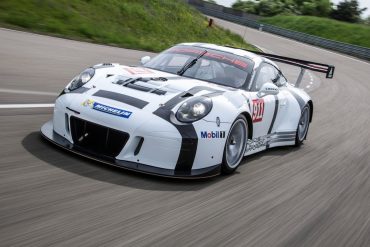


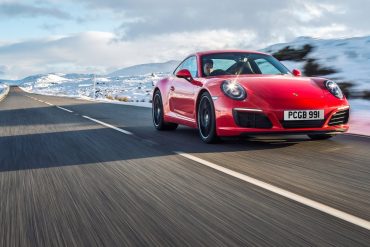


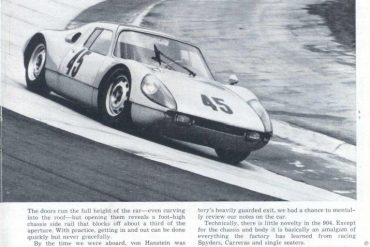


The 911 Targa 4 GTS isn't the fastest or best performing 911. It is heavier, softer and not as fast as every other GTS model. But we still love it. The Targa 4 GTS has amazing performance coupled with the sexiest body in the business. In GTS trim the Targa body looks even better. This is the car you get when you can only choose one 911 and you need it for fun weekends, daily driving and taking the wife out to a fancy restaurant. With 450 hp and 405 lb-ft from 2150 to 5000 rpm, it also has more than enough street performance than you could ever need. Buy one.

The GTS 4 Cabriolet reminds us how awesome Porsche cars are. This is a 911 that can be used as a regular car, an all weather convertible 911 that does everything really well. And when you want to push hard, the car transforms into a true sports car, a car that no enthusiast will ever complain about. Drop-top 911s have always played a supporting role to the fixed roof versions, but in GTS specification the Cabriolet is now better than ever.

The 2016 Porsche Carrera Cup GB season began at Silverstone, on a cold, bright day in March. For the first...
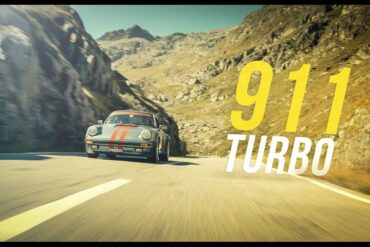
Porsche 911 Turbo (930) The 930 Turbo on one of the greatest roads in the world. A short video, but...


Ultimately, the Carrera 4 GTS is the ideal all-round 911. Its bag of tricks gives you accessible, astonishing performance on the right road – but its price tag and comfort levels make it a little more acceptable for everyday use than a GT2, GT3 or Turbo. The GTS scores particularly well on the practicality to performance ratio. Its rear seats can accommodate people and its all-wheel drive system means you can really use this car all-year round. The GTS-spec 3.0-litre flat-six develops 30bhp more than a Carrera S (at 444bhp) and 37lb ft more torque (at 406lb ft).

Porsche really has hit its brief with the turbocharged Carrera GTS Cabriolet. It is hugely capable on the road, easy to live with on a daily basis, and come the weekend, it’s massively fast on track. For the money, and for drivers who really want just a little more 911, but without the mind-bending speed of a Turbo or uncompromising nature of a GT3, then this is the car for you. It also looks unique and has enough of its own style that it it feels special both on the outside and inside.

According to Porsche, it retained the monocoque from 2016, but 60 to 70% of the 2017 car was new, with the largest alterations being to its aerodynamic demands. This included a major redesign of the front of the 919 Hybrid with wider arches for the front wheels to make it less aerodynamically sensitive from small bits of discarded rubber from the track surface. Porsche remained in the 8 MJ (2.2 kWh) MGU category for the 2017 season. The engine was modified to be lighter and more compact, and Porsche stated that it was its most-efficient ever.

The GTS coupe starts with the wider Carrera 4 body, with the rear fenders pushed out 1.7 inches, and the rear track widened 1.6in. Up front is the new SportDesign front fascia with its lower front spoiler and larger cooling air intakes. Standard wheels are 20-inch center lock items and 0.5 inch wider than standard Carrera S rims, finished in satin black. There are splashes of black elsewhere, too. The changes run more than skin deep. Bigger turbos pump up to 18psi of boost pressure which helps deliver not only 30 extra horses at 6,500 rpm, but 405 lb-ft of torque between 2,150 rpm and 5,000 rpm, up from 368 lb-ft. This is the sweet spot.
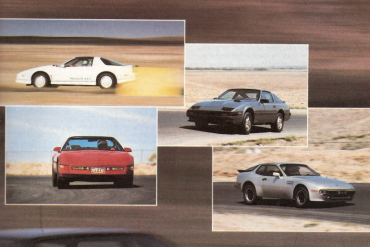

When Brian Long’s latest 911 tome arrived, I could see the postman physically relieved to be handing over the package....