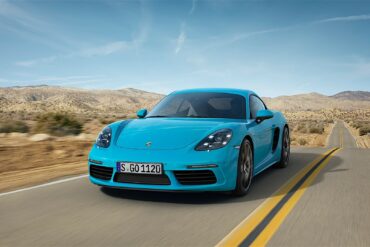
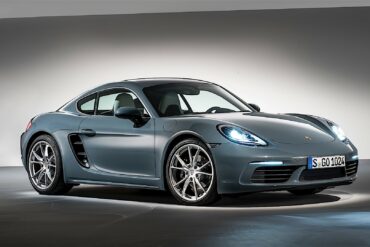
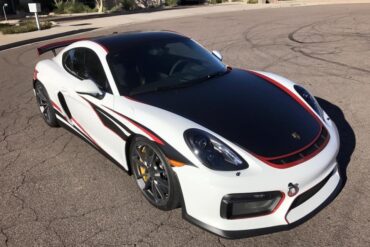
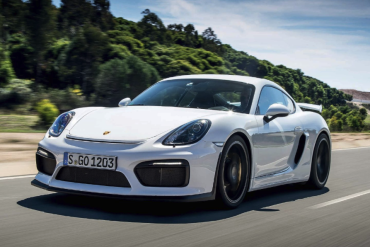
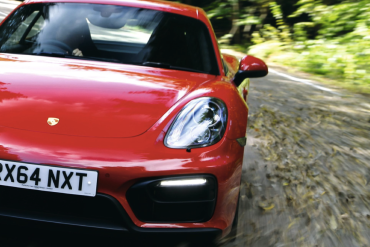
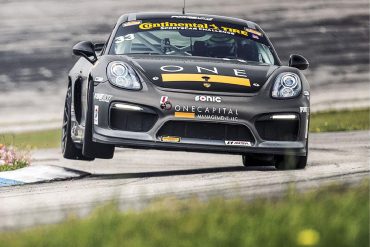
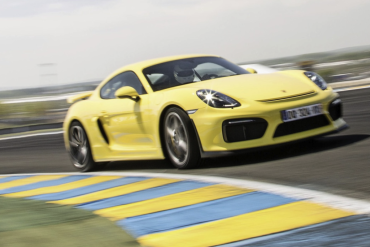
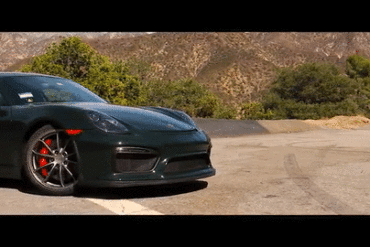
Searching for more muscle? The 718 Cayman S got a new 2.5L turbocharged boxer 4-cylinder. Power comes in at 345 bhp @ 6500 rpm and torque is a really strong 310 ft lbs @ 1900 rpm. For reference, the outgoing 981 Cayman S had 311 bhp and 265 ft lbs of torque. While we hate the drone of the turbo four cylinder, there is absolutely no doubt that is much more powerful and that performance numbers are much stronger. 0 – 60 mph is over in just 4.0 seconds and the quarter mile is finished in 11.9 seconds flat. Much faster than the outgoing model. But is it as engaging? No.
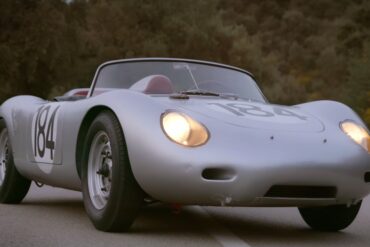
With the 982-generation Boxster/Cayman platform, Porsche went back in time to pull out the 718 name, a reminder that the sports car maker has been doing the small sports car thing for a long time. The 718 of course, is diminutive race car that won the Targa Florio race in 1959 and 1960. The marketing stunt was meant to evoke these past Porsche racing successes with light cars like the 718 that outmaneuvered competitors with larger and more powerful engines. The reason? Porsche got rid of the naturally aspirated flat-6 engines and instead would now have flat-4 turbocharged engines.
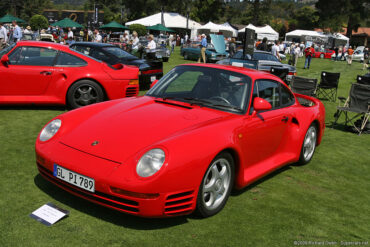
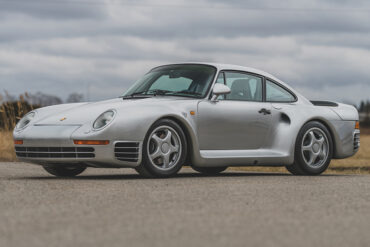
For some context, the iconic 959 remained Porsche’s fastest production car for a cool 26 years (in its very rare S guise) before the company topped it with the 918 Spyder in 2013. Details on the 959 S are scarce; Porsche made just 29 examples of it, with the 2.8-liter flat-six engine featuring larger turbochargers and the company claiming an “official” output of 508hp and 413lb-ft of torque, over the standard 959’s 444hp. Top speed was 210mph.
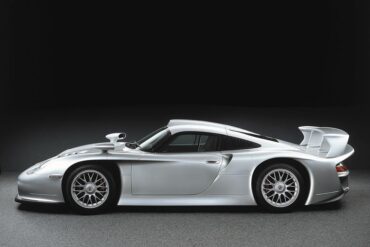
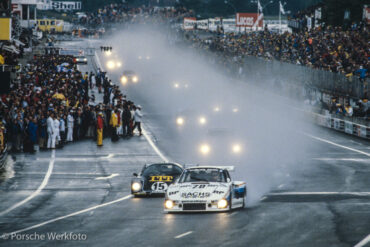
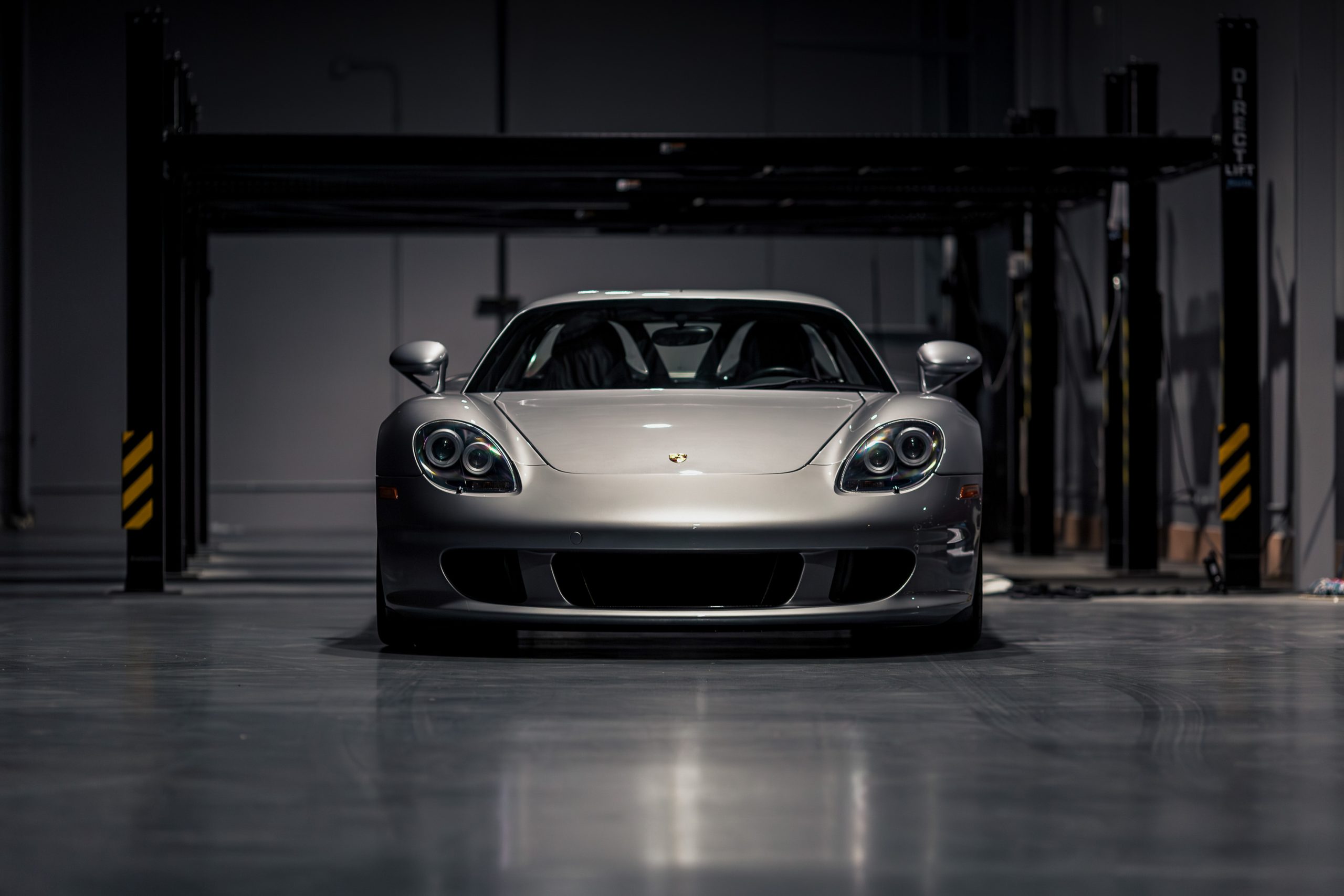
Homologated roadgoing version of the ’97 911 GT1 Evolution racer costing $890,805 upon release. Twin-turbochargers were fitted to the M96/80 engine, which had water-cooled cylinder heads. Apparent from the front and rear lights, the GT1 shares many components with its series production counterparts, but puts them together in a more competitive way. Gone is the rear engine layout which isn't suitable for prototype GT racing, the GT1's turbocharged flat-six engine sits in front of the rear axle and is supported by chassis tubes instead of the typical 911 rear sub frame. 
Porsche 959 Komfort
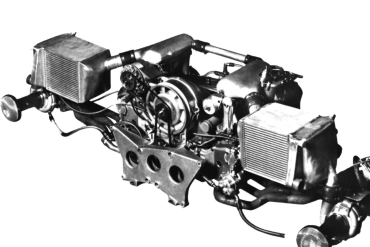
The most advanced Porsche of the 1980s and part of a new breed of supercars. It had an all-wheel-drive system with driver-selectable torque split, adjustable ride height, hollow-spoke magnesium wheels, tire-pressure monitoring, and a six-speed gearbox. Even though the engine was air-cooled, it used water-cooled cylinder heads and twin turbos operating in sequence. This level of technical achievement on the 959 was huge for Porsche.
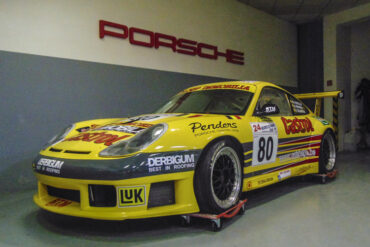
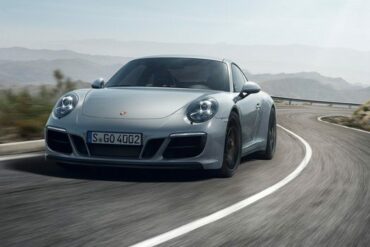
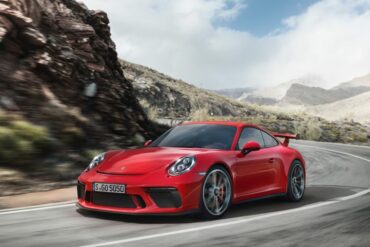
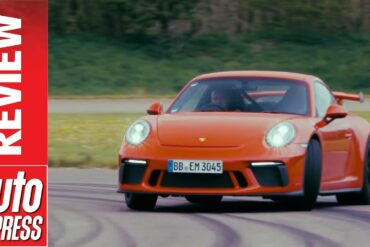
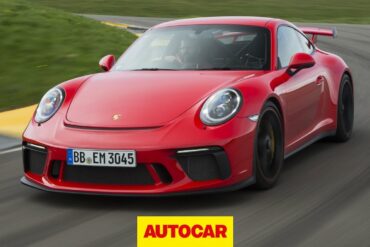
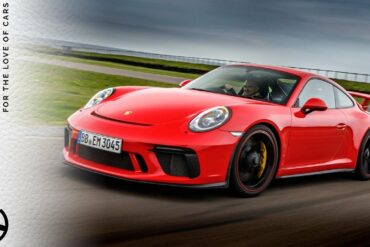
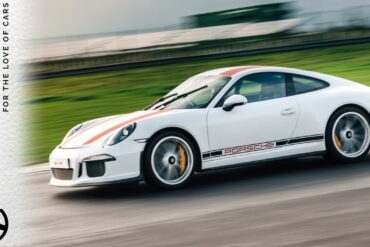
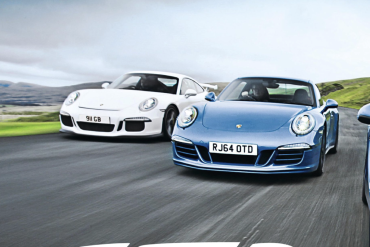
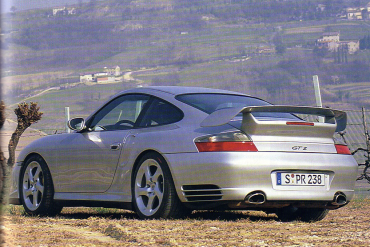
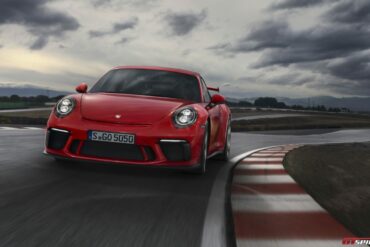
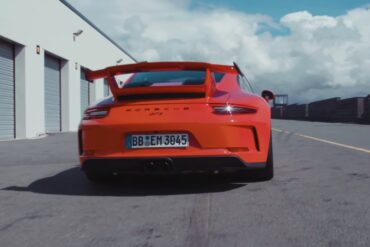
The new Porsche 911 GT3 carries the same four-litre flat engine from the GT3 RS with its power increased by 25hp for a new total of 500hp. The chassis is also redesigned and now features a rear-axle steering and a lighter construction. The Porsche 911 GT3 type 991.2 comes in at 1,430 kg when its tank is full. Although it is a bit heavier than the previous model, it still manages to reach 0-100km/h in just 3.4 seconds and reach top speeds of 318km/h. What’s more interesting here is that Porsche finally decided to switch back to a 6-speed manual gearbox (7-speed PDK is standard).
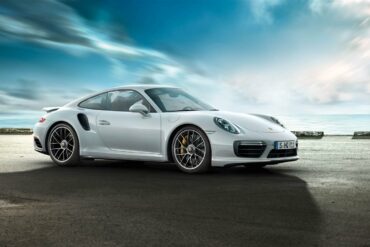
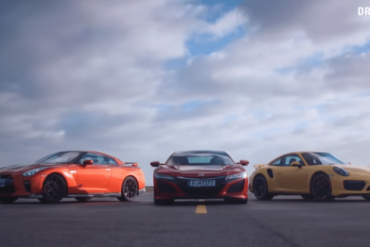
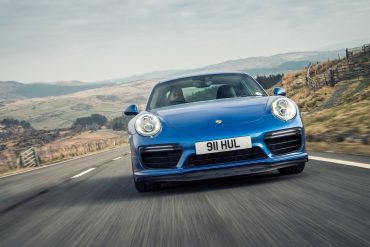
With the Turbo S, the PDCC Porsche Dynamic Chassis Control hydraulic roll bars came as standard. The PCCB Porsche Ceramic Composite Brakes had been standard on the Turbo S already since the 996 generation. New options included the radar-based lane change assist and a lift system for the front axle (increased ground clearance by 1.6″/40 mm). The PCM now had a multi-touch screen like in the facelifted 991 Carrera. Routes and places could be visualized with 360-degree images and satellite images. Engine gets more horsepower too, now with 572 bhp and 553 ft lbs of torque.
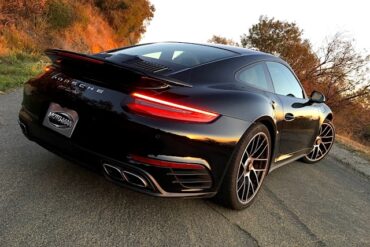
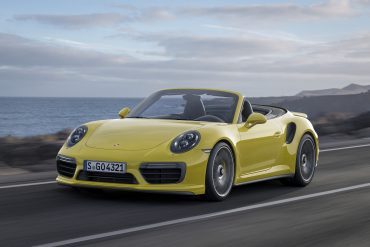
This is the fastest convertible GT you can buy. The Turbo S cab gets 572 bhp (39 hp more than the base turbo cab) and 553 ft lbs (9 ft lbs more than the regular cab) of torque. With the Turbo S, the PDCC Porsche Dynamic Chassis Control hydraulic roll bars came as standard. The PCCB Porsche Ceramic Composite Brakes had been standard on the Turbo S already since the 996 generation. New options included the radar-based lane change assist and a lift system for the front axle (increased ground clearance by 1.6″/40 mm). The PCM now had a multi-touch screen like in the facelifted 991 Carrera.