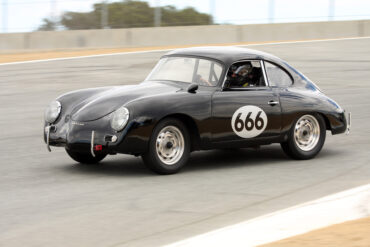
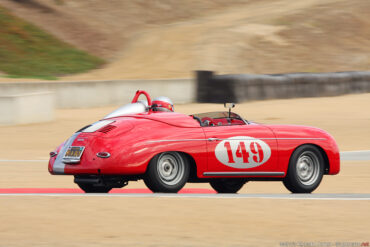
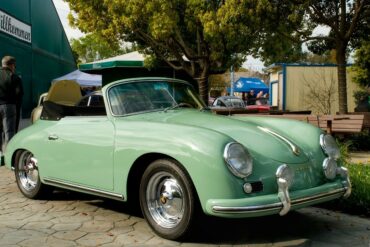
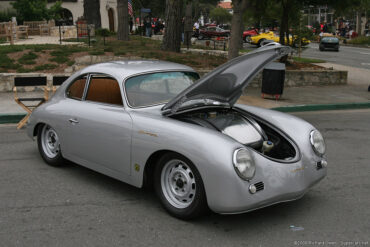
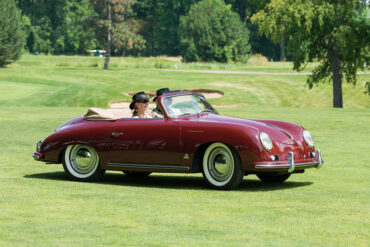
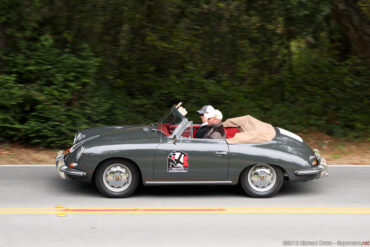
1964 – 1965 Porsche 356 C 1600C Cabriolet Pictures & Gallery...
Porsche Models
All
- Porsche 911
- Porsche 914
- Porsche 917K
- Porsche 918
- Porsche 924
- Porsche 928
- Porsche 944
- Porsche 959
- Porsche 962
- Porsche Boxster Concept
- Porsche Carrera GT
- Porsche Cayenne
- Porsche Cayenne 955/957 (1st Gen)
- Porsche Cayman 987 (2nd Gen)
- Porsche RS Spyder (9R6)
- Porsche Boxster 986 (1st Gen)
- Porsche Cayman 981 (3rd Gen)
- Porsche 356 Pre-A
- Porsche Boxster 987 (2nd Gen)
- Porsche Cayenne 958 (2nd Gen)
- Porsche 718 Cayman 982 (4th Gen)
- Porsche 356 A
- Porsche Boxster 981 (3rd Gen)
- Porsche 356 B
- Porsche 718 Boxster 982 (4th Gen)
- Porsche 356 C
- Porsche 968
- Porsche Panamera
- Porsche Panamera 970 (1st Gen)
- Porsche Panamera 971 (2nd Gen)
- Porsche Boxster
- Porsche Cayman
- Porsche Macan
- Porsche Taycan
- Porsche 912
- Porsche 919
- Porsche 956
- Porsche 2708 Indy
- Porsche Type 64
- Porsche 918 RSR Concept
- Porsche 918 Spyder
- Porsche 918 Concept
- Porsche 918 Spyder Prototype
- Porsche 917
- Porsche Race Cars
- 911 Carrera RS 2.7
- Porsche 550
- Porsche 718
- Porsche 901 (911)
- Porsche Concept Cars
- Porsche 904
- Porsche 906
- Porsche 907
- Porsche 908
- Porsche 910
- Porsche 911 (F-Series)
- Porsche 911 (991)
- Porsche 911 (G-Series)
- Porsche 911 (964)
- Porsche 911 (993)
- Porsche 911 GT1 Race
- Porsche 911 GT1 Street
- Porsche 911 (996)
- Porsche 911 (997)
- Porsche 916
- Porsche 919 Hybrid
- Porsche 934
- Porsche 934/5
- Porsche 935
- Porsche 936
- Porsche Mission E
- Porsche 928 S
- Porsche 928 S2
- Porsche 928 S4
- Porsche 928 GT
- 911 Speedster Concept
- Porsche 928 GTS
- Porsche 928 Specials
- Porsche 928 H50
- Porsche 928 CS/SE
- Porsche 935 Tribute
- Porsche 597
- Porsche 551
- Porsche Mission E Cross Turismo
- Porsche 911 (992)
- Porsche Concept 917
- Porsche Sport Tourer Electric
- Porsche Le Mans Living Legend
- Porsche 960 Turismo Concept
- Porsche 919 Street
- Porsche 904 Living Legend
- Porsche 906 Living Legend
- Porsche 911 Vision Safari Concept
- Porsche Bergspyder Concept
- Porsche 917 Living Legend
- Porsche Macan Vision Safari
- Porsche Vision 916
- Porsche Vision 918 RS
- Porsche Vision 920
- Porsche Vision E
- Porsche 917 16-Cylinder Prototype
- Porsche 959 Gruppe B
- Porsche Carrera GT Concept
- Porsche Tapiro Concept
- Porsche 718 Cayman GT4 Rallye
- Porsche Taycan 4S
- Porsche Taycan Turbo
- Porsche Taycan Turbo S
- Porsche Type 360
- Porsche 645 Spyder
- Porsche 550 Coupé (Prototype)
- Porsche 550 Spyder (Prototype)
- Porsche 550 Spyder
- Porsche 550 RS Spyder
- Porsche 550A RS Spyder
- Porsche 787 F1
- Porsche 804 F1
- Porsche 904 Carrera GTS
- Porsche 904/6 Carrera GTS
- Porsche 904/8 Carrera GTS
- Porsche 904 Bergspyder
- Porsche 906 Spyder
- Porsche 906 LH Coupé
- Porsche 965 (911)
- Porsche 906 E Carrera 6
- Porsche 942
- Porsche 906/8 Coupé
- Porsche 959 Prototype
- Porsche 906 Carrera 6
- Porsche 969
- Porsche 910 Bergspyder
- Porsche 989
- Porsche 910 Targa
- Porsche 909
- Porsche C88
- Porsche 718 RSK Spyder
- Porsche Panamericana
- Porsche 718 RS 60 Spyder
- Porsche 718 RS 61 Spyder
- Porsche 718 W-RS Spyder
- Porsche 718 GTR Coupe
- Porsche 718/2 F2
- Porsche 718 RS 61 LM Coupé
- Porsche 718 RSK Mittellenker
- Porsche 907 K
- Porsche 907 LH
- Porsche 908/01 LH Coupé
- Porsche 908/01 K Coupé
- Porsche 908/02 K Spyder
- Porsche 908 K Flunder Spyder
- Porsche 908 LH Flunder Spyder
- Porsche 908/03 Spyder
- Porsche 908/03 Spyder Turbo
- Porsche 919 Hybrid Evo
- Porsche 984
- Porsche LMP2000
- Porsche LMP1-98
- Porsche 917 LH-69
- Porsche 961
- Porsche WSC-95
- Porsche 917 K-69
- Porsche 917 ‘Interserie Spyder’
- Porsche 917 K-70
- Porsche 917 K-71
- Porsche 917 LH-70
- Porsche 917 LH-71
- Porsche 917/20
- Porsche 917/10-71
- Porsche 917/10-72
- Porsche 917/10 Turbo
- Porsche 917/20 Turbo
- Porsche 917/30
- Porsche 914/4 (1.7 L)
- Porsche 914/4 (2.0 L)
- Porsche 914/6 (2.0 L)
- Porsche 914 LE
- Porsche 914/4 (1.8 L)
- Porsche 914/8
- Porsche 914-6 GT
- Porsche 924 (Base)
- Porsche 924 Turbo
- Porsche 924 Carrera GT
- Porsche 924 Carrera GTR
- Porsche 924 Carrera GTS
- Porsche 924S
- Porsche 924 Rallye Turbo
- Porsche 924 Carrera GTP
- Porsche 924 SCCA
- Porsche 944 Coupe
- Porsche 944 S Coupe
- Porsche 944 S2 Coupe
- Porsche 944 S2 Cabriolet
- Porsche 944 Turbo Coupe
- Porsche 944 Turbo S Coupe
- Porsche 944 Turbo Cup
- Porsche 944 Turbo Cabriolet
- Porsche 944 GTP
- Porsche 944 Swiss Special
- Porsche 944 French Special
- Porsche 944 Celebration
- Porsche 944 S2SE
- Porsche 968 Coupe
- Porsche 968 Cabriolet
- Porsche 968 CS Coupe
- Porsche 968 Turbo S
- Porsche 968 Turbo RS
- Porsche 968 Sport
- Porsche 959 Rally
- Porsche 959 Komfort
- Porsche Cayenne 9YA/9YB/9YC (3rd Gen)
- Porsche 959 Sport
- Porsche Boxster (Base)
- Porsche Boxster S
- Porsche Boxster S Special Edition
- Porsche Boxster Spyder
- Porsche Boxster RS 60 Spyder
- Porsche Boxster GTS
- Porsche Boxster T
- Porsche Cayman (Base)
- Porsche Cayman S
- Porsche Cayman GTS
- Porsche Cayman GT4
- Porsche Cayman R
- Porsche Macan 95B (1st Gen)
- Porsche Cayman S Black Edition
- Porsche Macan (Base)
- Porsche Cayman S Sport
- Porsche Macan S
- Porsche Cayman S Design Edition 1
- Porsche Macan GTS
- Porsche Cayman T
- Porsche Macan Turbo
- Porsche Cayman GT4 Clubsport
- Porsche Taycan (Base)
- Porsche 718 Boxster 25
- Porsche Taycan 4
- 964 Carrera
- Porsche Formula E
- 964 Carrera 4
- ’30 Jahre’ Anniversary
- 964 Speedster
- 964 Turbo
- 964 Carrera RS
- 964 Carrera Cup
- 964 RSR
- 993 Carrera
- Porsche Cayman GT4 RS
- 992 Edition 50
- 993 Carrera 4
- 993 Carrera 4S
- 911 2.0 Bertone Roadster
- Porsche Macan T
- 993 Carrera S
- Porsche Mission R Electric
- 992 Sport Classic
- 993 Targa
- Porsche Vision Gran Turismo
- 993 Turbo
- 993 Carrera RS
- 996 Carrera
- 992 America Edition 911
- 993 GT2
- 996 Carrera 4
- 993 Carrera Cup
- 996 Targa
- 996 Carrera 4S
- 996 Turbo
- Porsche 963
- 996 Turbo S
- Porsche 718 Cayman GT4 ePerformance
- 996 GT3
- 996 GT3 RS
- 996 GT2
- 996 GT3 Cup
- 996 GT3 R
- 996 GT3 RSR
- 996 GT3 RS Race
- 997 Carrera
- 997 Carrera S
- 997 Carrera 4
- 997 Carrera 4S
- 997 Targa
- 997 Targa 4S
- 911 Carrera 3.0 Coupe (G-Series)
- 997 Turbo
- 997 Turbo S
- 992 Carrera T
- 997 GT2
- 997 GT2 RS
- 997 Speedster
- 992 Dakar
- 997 Carrera GTS
- 997 Carrera 4 GTS
- 997 GT3 Cup
- 997 GT3 R
- 997 GT3 RSR
- 997 GT3
- 997 GT3 RS
- 991 Carrera
- 997 GT3 R Hybrid
- 991 Carrera 4
- 991 Carrera S
- 991 Carrera 4S
- Porsche 981
- 991 Targa 4
- Porsche Vision 357
- 991 Targa 4S
- 991 Turbo
- 991 Turbo S
- 991 Carrera GTS
- 991 Carrera 4 GTS
- 991 Targa 4 GTS
- 991 911 R
- 991 GT3
- 991 GT3 RS
- 991 GT2 RS
- 991 Speedster
- 991 GT3 R
- 991 GT3 Cup
- 991 RSR
- 991 Carrera T
- 992 Carrera
- 992 Carrera 4
- Porsche Type 540 America Roadster
- 992 Carrera S
- Porsche 718 Spyder RS
- 992 Carrera 4S
- 992 RSR
- 992 Targa 4
- 992 Targa 4S
- Porsche Mission X
- 992 Carrera GTS
- 992 Carrera 4 GTS
- 992 Targa 4 GTS
- 992 Turbo
- Porsche RS60 Spyder
- 992 GT3 R
- 992 Turbo S
- 992 GT3
- 992 911 S/T
- 992 GT3 Touring
- 992 GT3 RS
- 911 (G-Series)
- 992 GT2 RS
- 992 GT3 Cup
- 911 Carrera 3.0 (G-Series)
- Porsche Taycan GTS
- Porsche 356 SC
- 911 S (G-Series)
- 992 GT3 R Rennsport
- 911 Carrera RSR 2.8
- 911 SC (G-Series)
- 911 S/T
- 911 (Base Model)
- 911 Carrera 3.2 (G-Series)
- 911 L
- 911 SC Safari
- 911 Turbo (930)
- 911 T
- 911 Carrera RSR Turbo 2.1
- 911 E
- 911 Carrera RSR 3.0
- 911 S
- 911 SC San Remo
- Porsche 356
- Pre-A Speedster
- 911 R
- 911 Carrera 3.2 Clubsport
- Porsche 953
- 911 T/R
- 911 Carrera 25th Anniversary
- 911 Carrera RS 3.0
- 911 SC RS
- 911 Turbo LE
- Beutler Coupe
- 911 3.2 Speedster
- 911 Carrera 2.7 (G-Series)
- 911 Carrera Commemorative
- 911 Turbo 2.7
- Porsche 911 GT1
- Porsche 99X Electric
- 964 Turbo S
- Porsche Taycan Turbo GT
- Porsche Panamera 976 (3rd gen)
- Porsche Macan Electric (2nd Gen)
- Porsche 954
- Porsche Taycan Y1A/Y1B (1st Gen)
- Porsche Cayenne (4th Gen)
- Porsche Macan Turbo Electric
- Porsche Macan 4S Electric
- Porsche Macan 4 Electric
- Lohner-Porsche
- Porsche Macan Electric (Base)
- Porsche Taycan 9J1 (1st Gen)
- 992 “Turbo 50”
- Porsche Macan GTS Electric
- Porsche Type 940
- 992 Transfăgărășan Tribute
- Porsche 963 RSP
- 992 Carrera T Club Coupe
- 997 Sport Classic
- 992 GT3 90 F. A. Porsche
- Porsche Type 542
- Porsche Type 166
- Vision Renndienst Concept
- 991 50th Anniversary
- 997 Black Edition
- Porsche Cayenne Electric
- 992 GT3 SC
- 992 GT4 R
- 993 Turbo S
- 992 Spirit 70
1962 – 1963 Porsche 356B/2000GS Carrera GT Pictures & Gallery ...
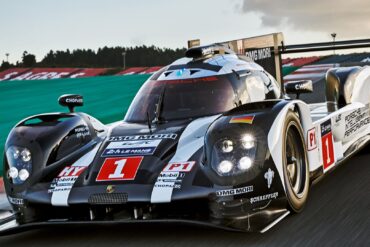
The third-generation 919 Hybrid (2016 MY) is powered by a turbocharged four-cylinder, two-litre petrol engine delivering almost 500 hp that drives the rear axle. The V4 engine, which is fully load-bearing, is turbocharged and features 4-valves per cylinder, DOHC, a Garrett turbocharger, direct fuel injection and an aluminium cylinder crankcase. In addition, the electric motor delivering more than 400 hp to the front axle. The latter is fed by two energy recovery systems.
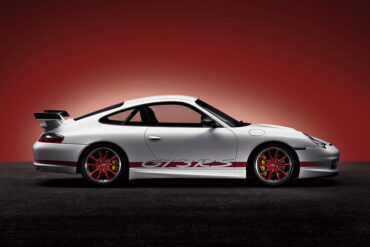
The 996 GT3 RS was a sharpened version of the Mk.2 GT3, built for track use and it was the homologation model for the GT3 race-car. It was the forbidden fruit for the U.S. and Canadian customers. It was available in a limited number and it was a true track-oriented vehicle. It was based on the GT3 version, but with fewer comfort features and even stiffer suspension. It was the kind of car which could have been taken from the shop and dive into the first race-track. The GT3 was available in white color only, with red or blue inscriptions on its sides. The adjustable rear wing and the “duck-tail” were mounted in the back, to provide better traction on higher speeds. It was fitted with the same engine as the GT3.
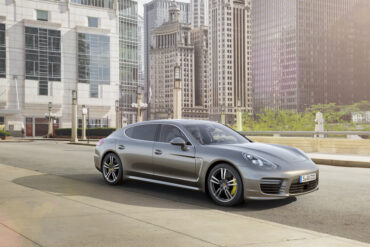
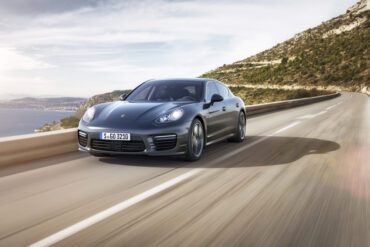
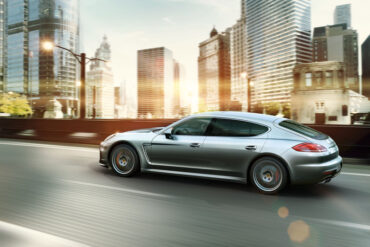
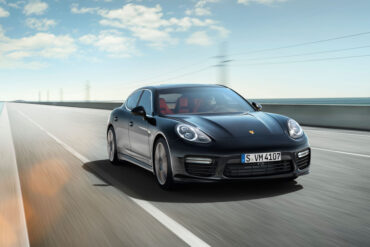
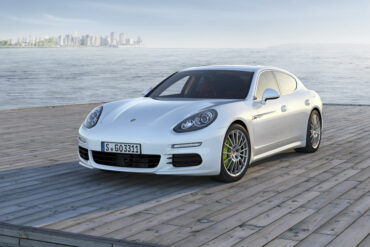
For the first time ever, an Executive version of the Panamera Turbo S is also available with a wheelbase that has been extended by 15 centimetres. As a result, the Panamera Turbo S Executive offers significantly more space and even more comfort, particularly at the rear. Thermal and noise-insulated windows, which include privacy glazing, the interior lighting package designed especially for the rear and a large centre console at the rear are just some of the extensive equipment options that belong to this series.
The sporty, luxurious character of the new Panamera Turbo S is evident not only in its driving performance but also in the key distinguishing features of its appearance. The Palladium, metallic exterior colour, which is available solely for the new Panamera Turbo S. Porsche added 50 additional horsepower than the Panamera Turbo. The 4.8-liter V8 turbocharged engine was mated to a standard PDK 7-speed automatic gearbox and gets PCCB (Porsche Carbon Ceramic Brakes) fitted as standard.
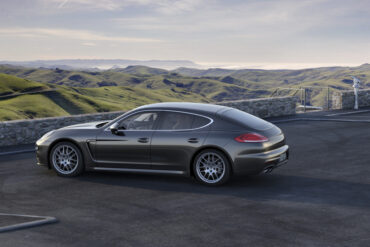
The big news for 2014 was the introduction of an all-new Panamera Turbo executive model. It featured a 15 cm (5.9”) longer wheelbase than the Turbo. It was built to offer more legroom in the back. Strangely though, it was built especially for the Chinese market, where the long-wheelbase version of a car, any car, was considered an executive car by default. Basically, the Executive Panamera is an excuse for Porsche to elongate a Panamera Turbo by nearly six inches for an extra $19,800. All of the legroom goes to passengers in the back.
The Porsche Panamera Turbo got an update at the same time as the rest of the Panamera lineup for the 2014 model year. The 2014 Panamera Turbo got the same twin-turbo 4.8-liter V8 unit but now with more power. Power was 520 hp instead of 500 hp and it was coupled to the same 7-speed (PDK – double-clutch) automatic gearbox as before, but with a different final drive ratio. The Turbo was fitted with the PTM (Porsche Traction Management) all-wheel-drive system. With the Porsche Chrono Package, the car received an extra boost when needed.
As a top of the range version, the Panamera Turbo featured the same 4.8-liter V8 engine from the S-version, but with a pair of turbochargers that increased the power from 400 hp to 500 hp. It was available exclusively with a 7-speed automatic (PDK double-clutch) gearbox and all-wheel-drive. Inside, the Panamera Turbo designers took their inspiration from the Vertu luxury mobile phones, with high end appointments throughout. This is one quick and sporty sedan.
Porsche is introduced the world’s first plug-in hybrid to the luxury class. The Panamera S E-Hybrid far exceeds the driving performance of the previous model. The Panamera S E-Hybrid is a systematically advanced development of the parallel full hybrids with a more powerful electric motor, a higher-performance battery that supplies more energy and the ability to charge it externally from the electrical grid. The acceleration time from a standstill to 100 km/h was shortened by half a second to 5.5 seconds.
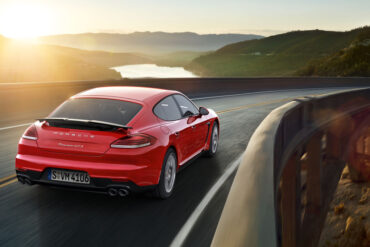
More power and upgraded brakes, a body lowered by ten millimetres and the especially sportily tuned chassis with air suspension and PASM are the major technical modifications that make it the Panamera model capable of cutting it on the racing circuit – without sacrificing practicality. The power unit in the new Panamera GTS is a modified 4.8-litre naturally aspirated V8 engine, delivering 434 hp (316 kW) at 6,700 rpm, while maximum torque also increased from 500 Nm to 520 Nm.
The biggest change for the 2013 Panamera S was under the hood, where a twin-turbo 3.0-liter V6 engine was installed. It replaced the older 4.8-liter naturally aspirated unit. It was a win-win combination since it offered 20 hp more and it was more fuel-efficient. Unlike its predecessor, it was available exclusively with a 7-speed automatic (PDK – dual-clutch). The all-wheel-drive system was carried over, but the final drive was different to allow better fuel-efficiency.
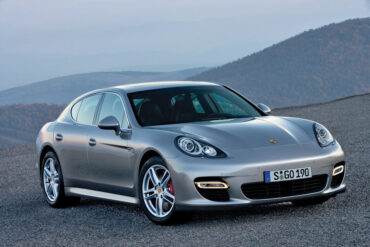
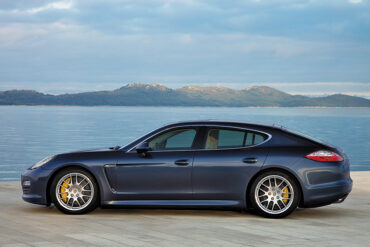
For the drivetrain, Porsche chose Cayenne as an inspiration model installing the 4.8-liter V8 engine under the hood. For the Panamera 4S, it fitted the car with an all-wheel-drive system and a 7-speed automatic (PDK – double-clutch) gearbox. The 400 hp Porsche 4-door hatchback was good for a 5-second run from 0 to 100 kph (0-62 mph).
For 2013, Porsche gave us the new 981 generation Cayman. The Cayman S engine displacement is unchanged at 3.4 liters. Power is increased by 5 horsepower to 325, shooting the S from 0-60 mph in just 4.4 seconds while delivering as much as 30 miles per gallon (PDK & Sport Chrono+). There are two transmissions choices available in the 2013 Caymans, both carrying over from 2012. The Cayman S come standard with the 6 speed manual gearbox and 7 speed PDK was available as an option. The 981 Cayman S is arguably the best all around sports car that Porsche offers, the right balance between being fun and usable daily.
After the initial announcement that Porsche was going to release a small mid-engine coupe, we were all excited. In 2005 we finally got the Cayman S. A fast, mid-engine coupe in the Porsche lineup, starting with the S version as a 2006 model year car (the base model came a year later). The 2006 Porsche Cayman S was based on the Boxster series, the two-seat coupe incorporated dramatic new styling, a powerful 295 hp (SAE) engine, and features and options made popular by Porsche's current range of sports cars.
The 2013 model year saw the introduction of an all new platform, the new 981 Cayman. The differences between the 981 and 987 were significant, but not unexpected as many of the new technologies were already introduced in the new 991 and 981 Boxster. This is a big year with lots of changes in many areas. The base engine for the Cayman was a 2.7-liter flat-six unit that boosted out 236 hp and it was mated to a standard 5-speed gearbox. A 5-speed Tiptronic sequential gearbox was available as an option.
The first-generation Cayenne Turbo 955 has 450 PS (331 kW), and can accelerate from 0–100 km/h (62 mph) in 5.3 seconds. Under the hood, the Cayenne Turbo was fitted with a turbocharged 4.5-liter V8 unit mated to a standard 6-speed automatic. Thanks to the standard air-suspension, the Turbo version could get up to 28 cm (11”) of ground clearance. The German brand needed a car to sell in volumes and save them from a foreseeable financial collapse. The Cayenne Turbo did just that.
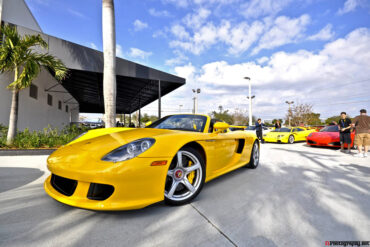
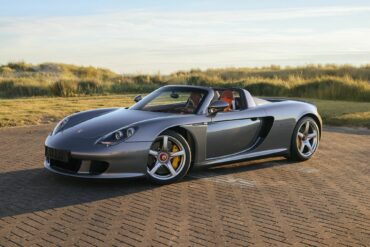
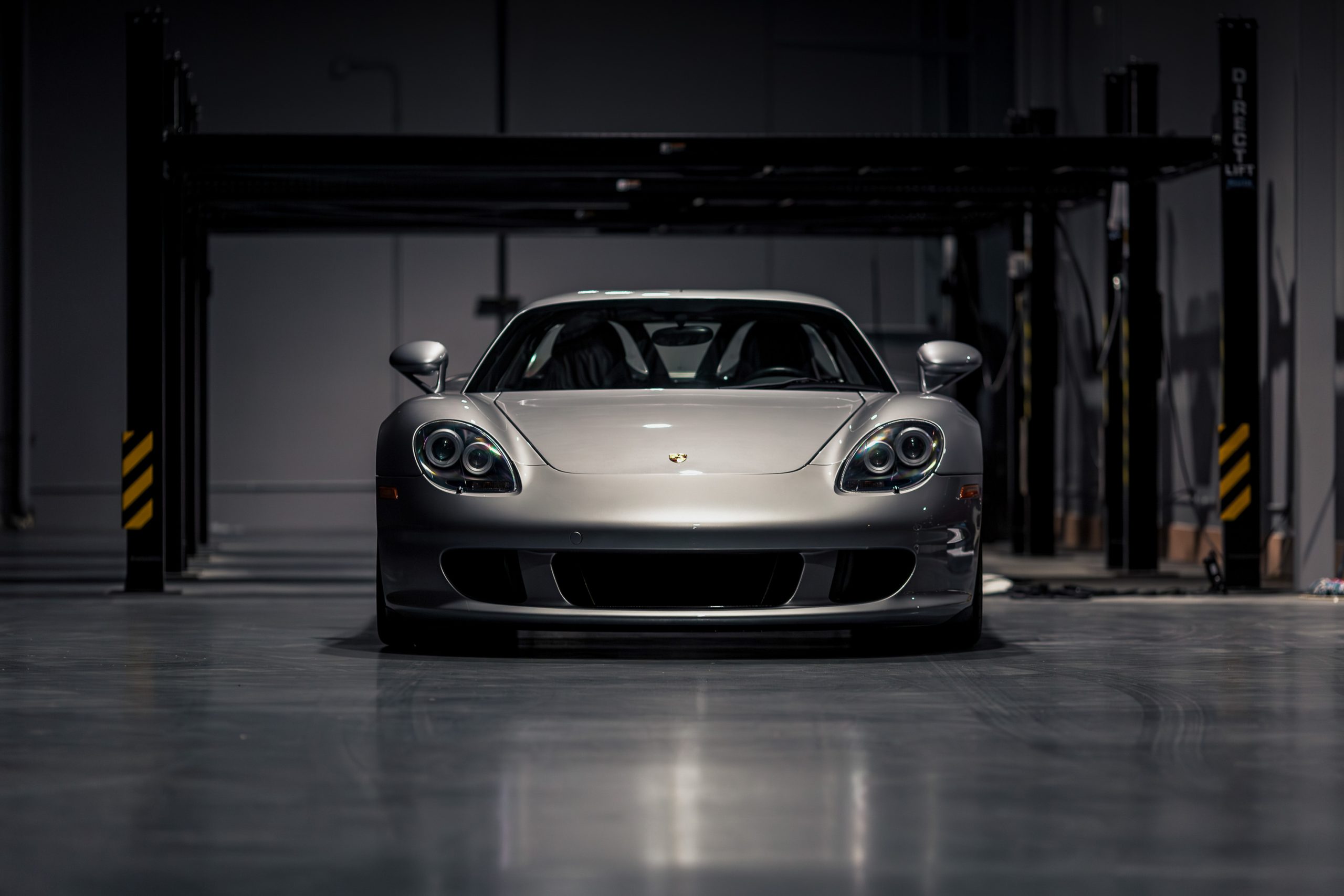
Porsche's open-top, 603-hp, manually shifted Carrera GT makes other supercars seem quaint. It is arguably the best supercar ever made. Under the skin, the car used many modern hallmarks of motor sport engineering: a carbon fiber chassis, dry sump lubrication, inboard suspension and a mid-mounted engine that was engineered to sit as low as possible to ground. Performance on paper and in person was spectacular. Peak supercar.
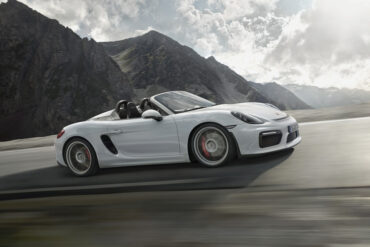
Following in the footsteps of the nineteen fifties and sixties 356 Speedsters, 550 Spyders, different 718 Spyders and the two thousand ten Boxster 987 Spyder, the Boxster 981 Spyder is by far the most powerful of them. The power-to-weight ratio of the original 718 Spyder 1.7- and 2.0-litre 4-cylinder models was better though already 55 years earlier. Visually the Porsche Speedsters and Spyders are characterized by their unique side view silhouette - the result of the low windscreen and low roofline when the temporary canvas top is fitted.
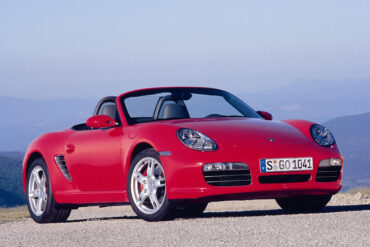
Unlike its Boxster brother, the S version of the mid-engined Porsche roadster offered a 3.4-liter unit from its predecessor, but with some improvements and a lower vehicle mass. It offered 311 hp and enough torque to push the car to 100 kph (62 mph) in 4.8 seconds if the car was fitted with PDK (automatic dual-clutch). The two-seat roadster featured a clean design interior, with influences from the Carrera GT super sports-car. The Boxster S was the sweeter of the two models.
The second generation of Porsche Boxster came out in 2004 at the Paris Motor Show and shared almost the same design with its predecessor. The Boxster S came with the 3.2-liter flat-six engine mated to a standard 6-speed manual transmission, while a 5-speed Tiptronic S (automatic) with manual override to select gears was on the options list. The Porsche Stability Management was fitted as standard. It got a bump on power over the prior generation Boxster S as well as a newly modernized exterior design. The interior was also upgraded and was much nicer.
In November 2007, Porsche announced a commemorative RS60 Spyder edition of the Boxster to celebrate Porsche's 1960 win in the 12 Hours of Sebring in Florida. Only 1,960 units were produced worldwide with each model bearing a numbered production badge on the dash. The RS60 Spyder came only in GT Silver Metallic exterior colour while the standard interior is Carrera Red leather, with dark gray leather as an option. The RS60 came standard with 19 inch SportDesign alloy wheels, Porsche's Active Suspension Management System, and a sports exhaust that increased the engine output to 303 PS (299 hp; 223 kW).
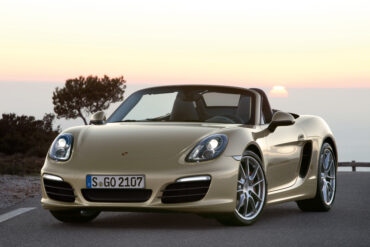
The third generation Boxster was a bigger car than the 987 it replaced, but it was also lighter and more powerful. The 2013 model year Boxster went through a downsize program and received a 2.7-liter boxer engine, which was 0.2-liter smaller than its predecessor. With 261 bhp @ 6700 rpm and 206 ft lbs @ 4500 rpm the base Boxster still felt underpowered to many. The base 981 Boxster got a 6-speed manual gearbox or you could opt for an optional 7-speed reworked PDK. The base car is plenty fast but if it were our money, we would opt for the more powerful Boxster S.
It was Porsche's first road vehicle to be originally designed as a roadster since the 914. The first-generation Boxster (the 986) was introduced in late 1996 as a 1997 model year car. The V-Series Boxster 2.5 rolled out in August 1996 from Porsche’s factory in Zuffenhausen, Germany. The design was heavily influenced by the 1993 Boxster Concept (which was a good thing). It was an instant success, becoming Porsche's biggest seller from its introduction in 1996 until the introduction of the Cayenne sport utility vehicle in 2003.
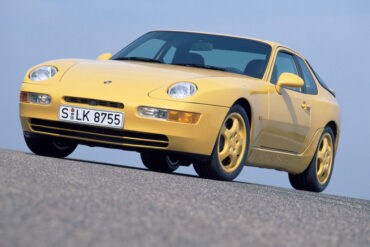
In 1993, Porsche Motorsports at Weissach briefly produced a turbocharged 968 Turbo S. The 968 Turbo S shared the same body and interior as the Club Sport and visually can be identified by the NACA bonnet hood scoops, adjustable rear wing, three-piece speedline wheels and deeper front spoiler. The 968 Turbo S was powered by a 3.0 L engine with a 8-valve SOHC cylinder head (from the 944 Turbo S) and 944S2 style engine block. 0 - 60 mph in 4.5 seconds and a top speed of 175 mph.
From late 1992 through 1995, Porsche offered a lighter-weight "Club Sport" version of the 968 designed for enthusiasts seeking increased track performance. Much of the 968's luxury-oriented equipment was removed or taken off the options list; less sound deadening material was used and power windows were replaced with crank-driven units. Upgraded stereo systems, A/C and sunroof were still optional as on the standard Coupe and Convertible models.
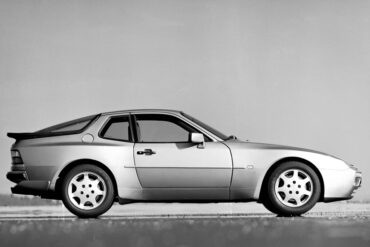
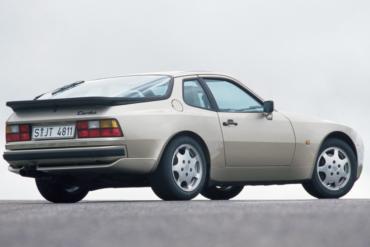
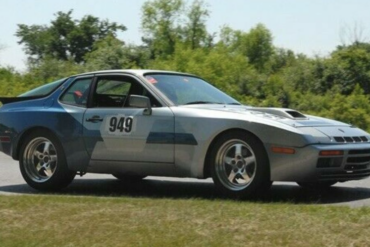
In 1988, Porsche introduced the 944 Turbo S with a more powerful engine (designation number M44/52) rated at a maximum power output of 250 PS (184 kW) at 6,000 rpm and 350 N⋅m (258 lb⋅ft) of torque at 4,000 rpm (the engine in the standard 944 Turbo generated 223 PS (164 kW) and 243 lb⋅ft (329 N⋅m)). This higher output was achieved by using a larger KKK K26-8 turbocharger housing and revised engine mapping to maximize boost for longer.
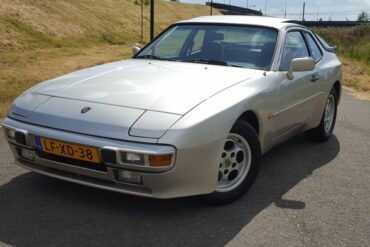
It didn’t take Porsche’s engineers long to significantly improve on the base 944’s performance by doing the obvious and adding a turbocharger to the engine. The 944 Turbo entered production in 1985 for the 1986 production year and it made a significant difference to the stock 944’s performance. Power of the new turbocharged engine was 220hp and torque was 243lb/ft, a significant increase over the naturally aspirated standard 944.
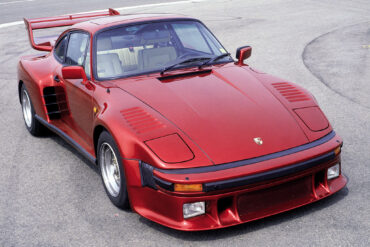
In 1983 Porsche produced a stunning one-of road car for TAG owner Mansour Ojjeh. Based on a 934 chassis, it was designed to mimic the potent 935 racecars and subsequently became the one of the first slantnoses. Both the front and rear sections were made similar to the potent 935 race car which dominated the Group 5 Championship. This silhouette series allowed radical modifications which contributed to the repositioned nose, ultra-wdie flares and extended rear bodywork.
The Clubsport was up to 100 kg (220 lb) lighter and became available in 1988. This model was the toned-down version of the 1987 factory prototype which had a lightened body. In 1987, the factory made five white lightweight S4 models with a manual transmission for racecar drivers. The Special Equipment (SE) was a more complete version of the CS, in which some accessories lost in the CS are added back again.
The 928 S4 variant debuted in the second half of 1986 as a 1987 model, an updated version of the 5.0 L V8 for all markets producing 235 kW; 316 hp (320 PS), sporting a new single-disc clutch in manual transmission cars, larger torque converter in cars equipped with automatic transmission cars and fairly significant styling updates which gave the car a cleaner, sleeker look. S4 was much closer to being a truly world car than previous models with only small differences across markets
1956 – 1959 Porsche 356A/1600 Coupe Pictures & Gallery...
1959 Porsche 356A/1600 Convertible D Pictures & Gallery...
1956 – 1959 Porsche 356A/1600 Cabriolet Pictures & Gallery...
1957 – 1958 Porsche 356A/1500GS Carrera GT Coupé Pictures & Gallery...
1956 – 1959 Porsche 356A/1500GS Carrera Cabriolet Pictures & Gallery...
1956 – 1959 Porsche 356A/1500GS Carrera Coupe Pictures & Gallery...
1954 – 1955 Porsche 356/1500 Speedster Pictures & Gallery...
1955 Porsche 356/1500 Continental Coupe Pictures & Gallery...
1955 Porsche 356/1500 Continental Cabriolet Pictures & Gallery...
To replace the base 928, a refreshed 928 S was released in Europe in the 1980 model year (1983 for North America). The S wore new front and rear spoilers and sported wider wheels and tires, but the main change was a revised 4.7 L engine. In 1985, North America got a new 5.0 L 288 hp 32-valve engine with Bosch LH-Jetronic injection. Mid-year 1986 models incorporated the upgraded suspension and Brembo brakes.
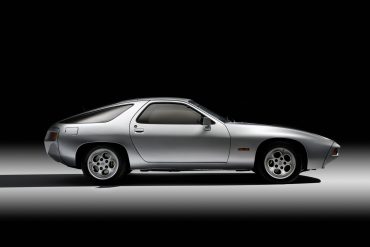
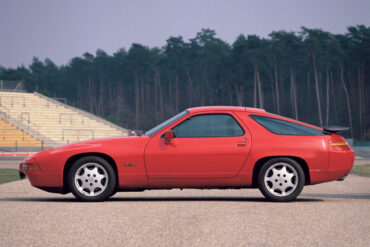
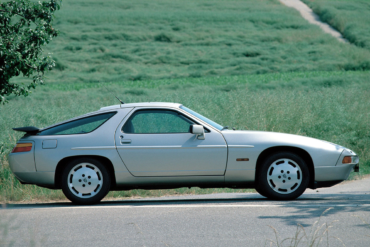
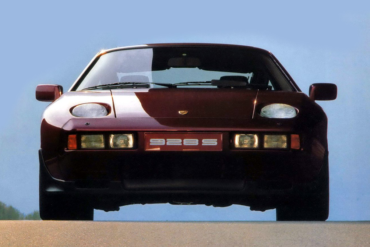
The Porsche 928 was the company’s first production car with a V-8 engine and the only coupe powered by a front-mounted V-8 as of today. Developed in the 1970s as a replacement of the 911, the 928 was eventually sold alongside the rear-engine sports car. Production lasted from 1977 until 1995. What people saw was a sleek if rather heavy-looking 2 + 2 hatchback coupe unlike anything else on the road -- a sort of German Corvette.
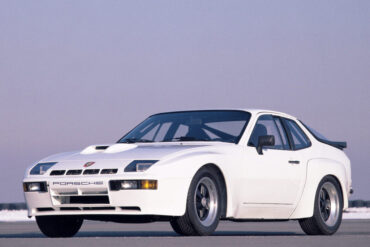
After the end of production of the 400 Porsche 924 Carrera GT road sports cars at the beginning of December 1980, a small evolution series of pure competitive cars was launched: the Porsche 924 Carrera GTS. The two-liter engine of the Porsche 924 Carrera GTS turbo-charged with a maximum of 1.0 bar and classified in Group 4 according to the FIA Regulations developed 245 hp (180 kW) at a speed of 6,250 revs./min. and accelerated from 0 to 100 km/h in 6.2 seconds.
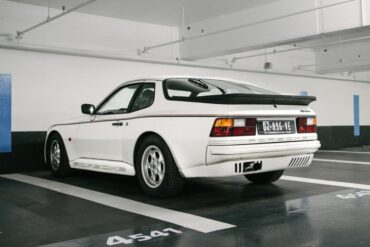
In spring of 1984 Rothmans cosmetic edition 944 was made, a batch of 100 numbered cars ordered by the French importer Sonauto (the subsidiary of Porsche AG) to celebrate the victorious Rothmans-sponsored Porsche 956 that had won Le Mans 24 hour race in France in 1982 and in 1983. At the time when the Rothmans 944 was sold, Rothmans-Porsche factory team decided to boycott the 1984 Le Mans race. Only 100 were produced.
The Swiss Special 944 was a very limited edition 944 Special produced in 1984. Only 200 944 Swiss Specials were produced and it was largely a design exercise, with several upgrades to the normal 944. The changes included, Red-colored stickers on the back of "Porsche” “944", Special size teledial rims, Seats , rear bench and door panels in 924 Carrera GT fabric and dashboard plastic parts in black instead of the standard silver.
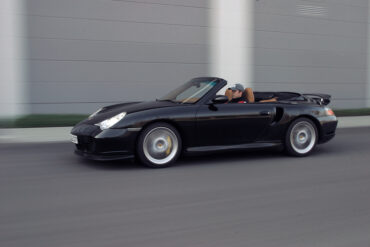
The 2005 Porsche 996 Turbo S was available as both a coupe and cabriolet – it was basically a standard Turbo model with the X50 Powerkit and carbon-ceramic brakes fitted, alongside a few luxury features for the interior. Approximately 1558 Turbo S models (split between coupe and cabrio) were sold in 2005. Also included are small aluminum appointments to the interior and Turbo S badging. A great all-rounder with the extra power to surprise most. The Turbo S with manual transmission (coupé) sprints from zero to 200 km/h in 13.6 seconds. This is another 0.8 seconds faster than the 911 Turbo. Quite rare, with only a total of 600 units made.
In 1983, American tuning company Callaway Cars began offering a turbocharged package for the US-Spec 944 in collaboration with Porsche. The standard 2.5 L inline-four engine was not suitable for forced induction because of the higher compression ratio of 9.5:1 which made the engine prone to failure when subject to forced induction along with the complex Bosch Motronic engine management system.
This came in 1973, when the fuel-injected variant of Volkswagen’s air-cooled Type 4 engine was dropped in behind the two seats, staying there through 1976, when series production ended. (The engine continued on in the 912E, which succeeded the 914 as Porsche’s entry-level car.) The short-stroke, overhead-valve powerplant displaced 2.0 liters (1971 cc) and made its 100 hp at 5000 rpm, whereas the six had made 110 hp at 5800 rpm. Yet the four matched the six’s torque output of 118 lb-ft, achieving this figure at 3500 rpm instead of 4200 rpm. And it was lighter in weight.
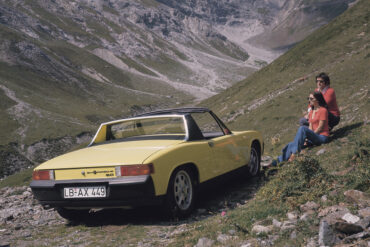
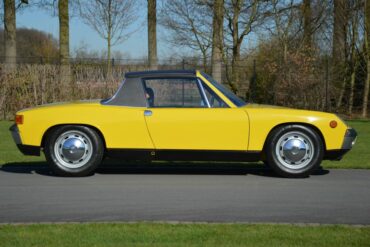
The Porsche 914 was first shown at the 1969 Frankfurt Auto Show was, as intended, a true conglomeration. The front suspension was largely derived from the 911 with some VW components, and the interior was a blend of both companies' parts bins. The initial engine offering was Volkswagen's 80-hp fuel-injected 1.7 liter flat four, while the 914/6 had a twin-carburetor 2.0-liter Porsche flat six tuned for 125 hp.
The optional X50 Performance Package gave the base Turbo larger K24 turbochargers and intercoolers, a revised ECU and a quad-pipe exhaust, raising the engine’s output from 415 to 450 bhp and maximum torque from 415 to 457 ft lbs. With power at 450 bhp @ 6000 rpm and torque of 457 ft lbs @ 4400 rpm, the X50 option is a monsters. Porsche engineers achieved the increase in power and performance through modifications to the Turbo charger, the change air cooler, the control units and exhaust system in particular. The base constructions of the manual and automatic transmissions were also improved.
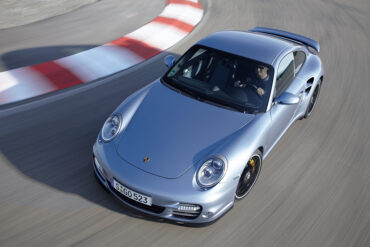
The heart of this most exclusive high-performance athlete is of course a six-cylinder boxer boosted by two exhaust gas turbochargers with variable turbine geometry, with an increase in power over the 911 Turbo by 30 to 530 bhp (390 kW). Maximum torque is a most impressive 700 Newton-metres (516 lb-ft). At the same time this new top model comes as standard with all high-tech components available only as options on the “regular” 911 Turbo. The 911 Turbo S comes exclusively with seven-speed Porsche-Doppelkupplungsgetriebe (PDK) conveying drive power to PTM all-wheel drive.
Towards the end of the 996 production run, Porsche introduced the Turbo S, boasting even more power than the standard 996 Turbo — 450 PS (331 kW) and 620 N·m (457 lb·ftf)— courtesy of the X50 package being standard. The Turbo S was limited to approximately 1,500 units worldwide, of which 598 were coupé (hardtop) and 960 were cabriolet (convertible). It was available with a 6-speed manual or an automatic (Tiptronic S) transmission, driving power to all four wheels. The basic price is EUR 122,500 for the Turbo S Coupé or EUR 131,100 for the Turbo S Convertible. Sprints from zero to 200 km/h in 13.6 seconds.
The 993 Turbo S, available between 1997 and 1998, bumped the power from the standard 993 Turbo up to 450hp (430 for the United States market) with larger turbochargers and a modified engine management system. The Turbo S was fitted with more luxury trim bits on the interior – with more leather and carbon fiber than on the standard Turbo. A larger rear wing was installed as well. Only 345 were built. Its direct successor was the 996 Turbo S for model year 2005.
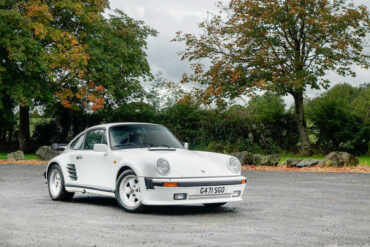
Only 50 units made. The 911 Turbo Limited Edition comes equipped with the 330 bhp power unit normally only available in the 911 Turbo with Sport Equipment. In addition, the fitment of a limited slip differential as standard ensures the the increased engine performance can be used to it’s fullest extent. This Limited Edition also adopts the rear wheel air intakes of the Sport Equipment version. Essentially an SE without a slantnose front.
1968 Porsche 911 L Coupe 2.0 (SWB) Pictures & Gallery...
1967 Porsche 911 R Pictures & Gallery...
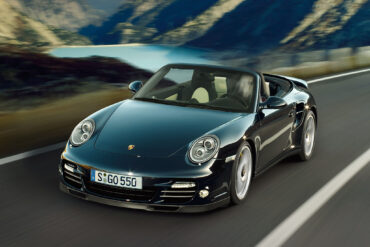
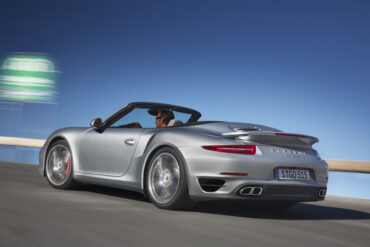
2013 Porsche 911 Turbo Cabriolet Stuttgart. The dynamic range of the new 911 Turbo models1) multiplied by the driving pleasure...
1972 – 1973 Porsche 911 S 2.4 Coupe (LWB) Pictures & Gallery...
1989 Porsche 911 Speedster Pictures & Gallery...
1971 Porsche 911 S/T Pictures & Gallery...
1970 – 1971 Porsche 911 T 2.2 Coupe (LWB) Pictures & Gallery...
1972 – 1973 Porsche 911 T 2.4 Targa (LWB) Pictures & Gallery...
1968 – 1969 Porsche 911 T Coupe 2.0 (SWB & LWB) Pictures & Gallery...
1968 – 1969 Porsche 911 T Targa 2.0 (SWB & LWB) Pictures & Gallery...
(1975 – 1977) Porsche 911 Turbo 3.0 Pictures & Gallery...
1987 – 1989 Porsche 911 Turbo 3.3 Cabriolet (930) Pictures & Gallery...
1978 – 1989 Porsche 911 Turbo 3.3 Coupe (930) Pictures & Gallery ...
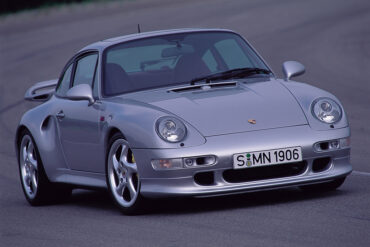
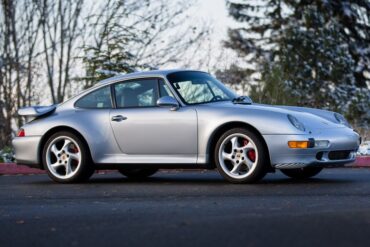
The 993 Turbo was available between late 1995 to 1998. Powered by a twin-turbocharged 3.6 liter flat six, it was rated at 402-horsepower. It’s distinguished easily from the rear, as the whale-tail spoiler is quite deep to house the intercoolers meant to cool the intake charge. This extra power might have been a handful for street drivers, so all-wheel drive from the 993 Carrera 4 added traction at all four corners. Approximately 6,000 coupes were made. Although powered by a different engine, a limited production 993 Turbo Cabriolet was available in the early days of the 993 generation. A more powerful 993 Turbo S was also introduced in 1997.
1965 – 1969 Porsche 912 Pictures & Gallery...
Porsche 914/6 Pictures...
1971 – 1972 Porsche 917/10 Pictures...
1973 – 1974 Porsche 917/30 Spyder Pictures...
1970 Porsche 917 ‘Interserie Spyder’ Pictures...
1970 Porsche 917 K Pictures...
1970 Porsche 917 Langheck Pictures...
2014 Porsche 919 Hybrid Pictures...
2015 Porsche 919 Hybrid Pictures...
Porsche 934/5 Pictures...
Porsche 935/77 Pictures...
Porsche 935/2.0 ‘Baby’ Pictures...
Porsche 935/76 Pictures...
Porsche 935/77 Pictures...
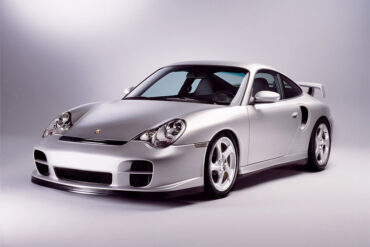
From model year 2001, the model range was extended to include the 911 GT2. The body of the extreme sports car was based on the body of the 911 Turbo. The GT2 engine was also based on the 911 Turbo but had ten percent more power. The bi-turbo engine delivered 462 horsepower. The GT2 was offered with a Clubsport Package for use in motorsport. In late 2003 the Porsche 911 GT2 received a power upgrade from 462hp to 483hp, maximum torque also increased from 457 lb ft to 472 ft lbs, thanks to a revised engine management program. Top speed increased by 2mph to 198mph while 0-60 is claimed to take 3.8 sec.
Porsche 935/78 ‘Moby Dick’ Pictures...
Porsche Carrera GT Pictures...
In 1999, Porsche celebrated the turn of the century with a special edition – the 996 "Millennium Edition". The 911 Millennium edition was based on the Carrera 4 coupé and was pretty rare, with only 911 cars made. Based on the Carrera 4, the "Millennium Edition" was limited to 911 examples and was based exclusively on the wide bodied Carrera 4. This special edition was finished in Violet Chromaflair paint, which, depending on the light changes from dark violet to light green and is quite spectacular to look at. It also got a caramel-colored leather interior and polished "turbo-twist" wheels.
Porsche RS Spyder Pictures...
Porsche RS Spyder Evo Pictures...
1970 – 1971 Porsche 911 S 2.2 Targa (LWB) Pictures & Gallery...
1960 – 1961 Porsche Abarth 356B Carrera GTL Pictures & Gallery...
1970 – 1971 Porsche 911 S 2.2 Coupe (LWB) Pictures & Gallery...
1952 Porsche-Glöckler 356 Roadster Pictures & Gallery...
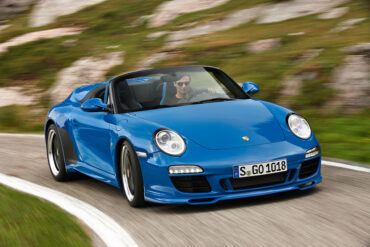
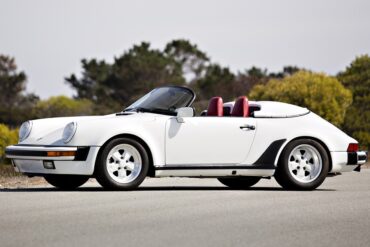
Paying homage to the first Porsche model that bore the name Speedster – the 356 Speedster – the production run for the new model is limited to 356 cars. The two-seater is significantly different from the other members of the 911 family. In the best tradition, the 60 millimetre lower, more raked windscreen, the flat contour of the sporty-look manual hood, and the characteristic double-bubble hardcover for the soft top define the striking profile of the new 911 Speedster. This makes the body of this rear-wheel drive with its 44 millimetre wider rear stand out even more.
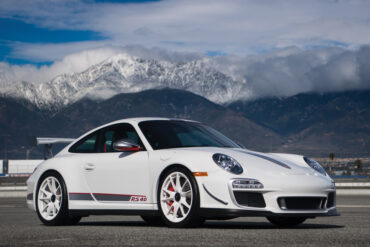
This is the best 911 Porsche has ever made. The headline power figure and the ability to rev to 8,500 snare your attention, but the most staggering aspect of this engine is actually its tractability. Mid-range lunge is marvelous, even if the peak number of 339 pound-feet doesn't sound huge in the context of short gear ratios, lightweight, and a compact frontal area. In third gear, the way this thing flies between 4,500 and 8,500 rpm is scintillating. Plus, the utter progression of the delivery makes it vastly easier to take advantage of compared to the GT2's ridiculous turbo surge. This is one special car.
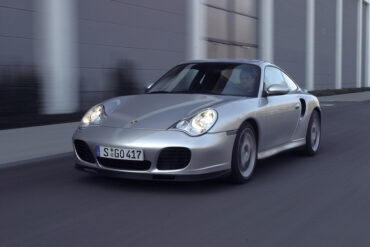
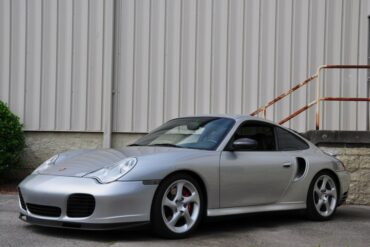
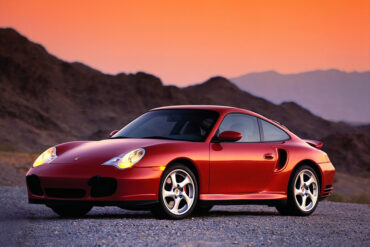
Porsche introduced the turbocharged version of the Type 996 for the 2001 model year (late 2000 in Europe). Like the 996 GT3, the Turbo's engine was derived from the engine used in the 911 GT1. Like its predecessor, the 993 Turbo, it featured twin-turbos but now had a power output of 420 PS (309 kW; 414 hp). As of 2002, the X50 package would increase engine output to 444 hp. The 996 Turbo was available with a 6-speed manual transmission or an automatic (Tiptronic), driving power to all four wheels. This is a great great car.