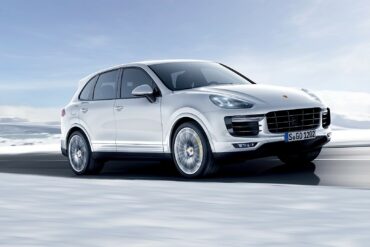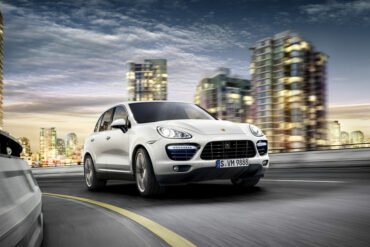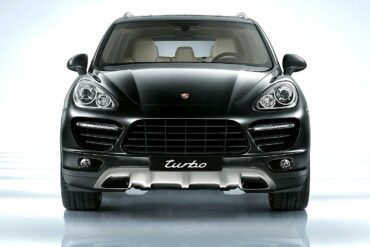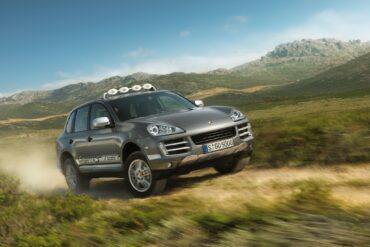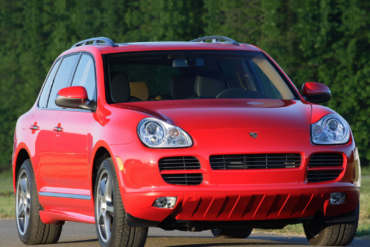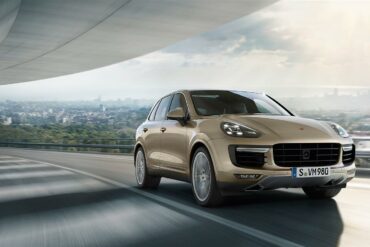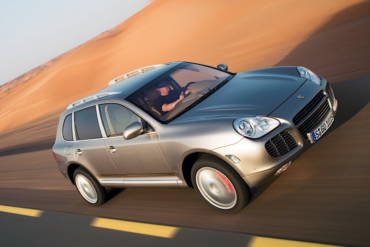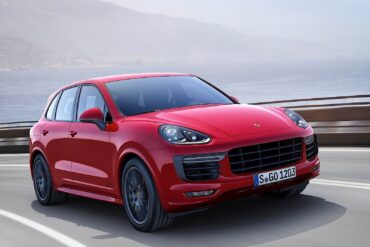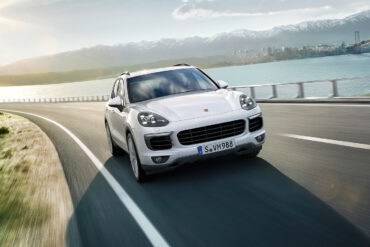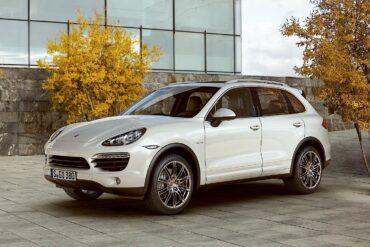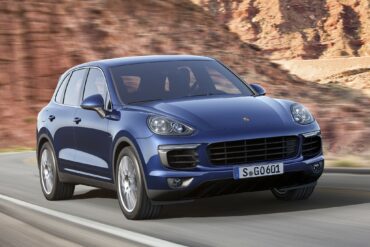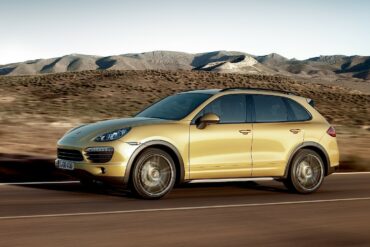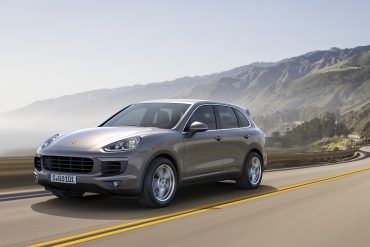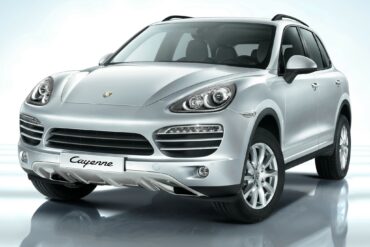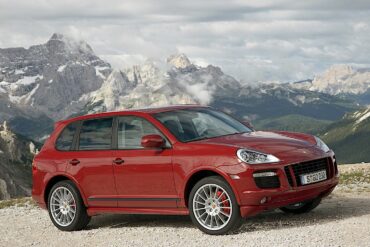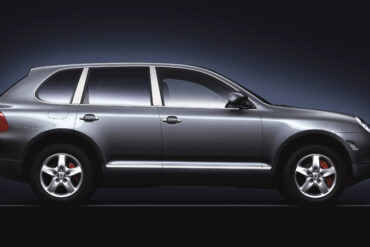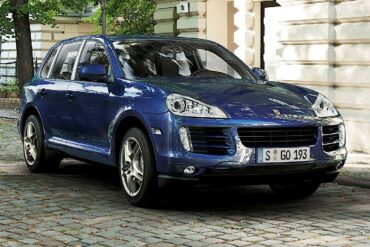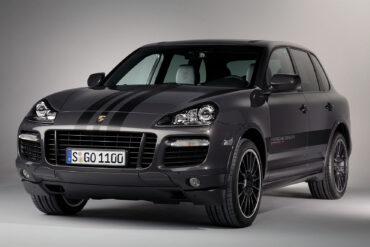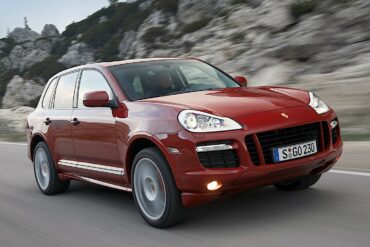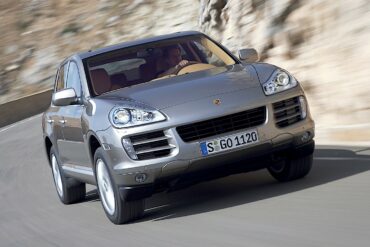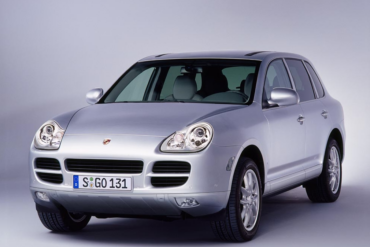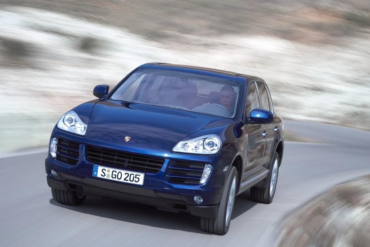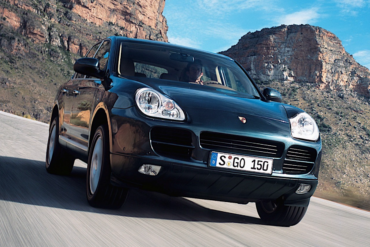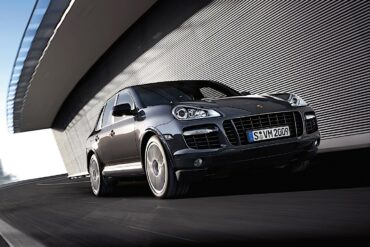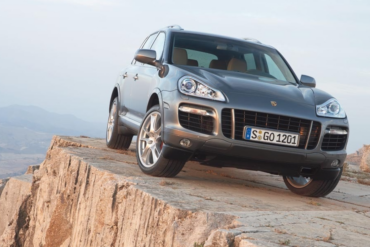

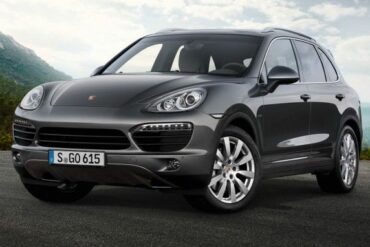
The Cayenne S diesel earns the “S” by way of a twin-turbocharged 4.2-liter diesel V-8 engine that pumps out a prodigious 382 hp and 627 lb-ft of torque. By comparison, the non-S Cayenne diesel’s 3.0-liter V-6 spits out a relatively puny 240 hp and 406 lb-ft of twist. Interestingly, the S diesel gets Porsche’s engine stop-start system standard; here in the U.S., the fuel-saving feature isn’t available on the pedestrian Cayenne diesel.
Porsche Models
All
- Porsche 911
- Porsche 914
- Porsche 917K
- Porsche 918
- Porsche 924
- Porsche 928
- Porsche 944
- Porsche 959
- Porsche 962
- Porsche Boxster Concept
- Porsche Carrera GT
- Porsche Cayenne
- Porsche Cayenne 955/957 (1st Gen)
- Porsche Cayman 987 (2nd Gen)
- Porsche RS Spyder (9R6)
- Porsche Boxster 986 (1st Gen)
- Porsche Cayman 981 (3rd Gen)
- Porsche 356 Pre-A
- Porsche Boxster 987 (2nd Gen)
- Porsche Cayenne 958 (2nd Gen)
- Porsche 718 Cayman 982 (4th Gen)
- Porsche 356 A
- Porsche Boxster 981 (3rd Gen)
- Porsche 356 B
- Porsche 718 Boxster 982 (4th Gen)
- Porsche 356 C
- Porsche 968
- Porsche Panamera
- Porsche Panamera 970 (1st Gen)
- Porsche Panamera 971 (2nd Gen)
- Porsche Boxster
- Porsche Cayman
- Porsche Macan
- Porsche Taycan
- Porsche 912
- Porsche 919
- Porsche 956
- Porsche 2708 Indy
- Porsche Type 64
- Porsche 918 RSR Concept
- Porsche 918 Spyder
- Porsche 918 Concept
- Porsche 918 Spyder Prototype
- Porsche 917
- Porsche Race Cars
- 911 Carrera RS 2.7
- Porsche 550
- Porsche 718
- Porsche 901 (911)
- Porsche Concept Cars
- Porsche 904
- Porsche 906
- Porsche 907
- Porsche 908
- Porsche 910
- Porsche 911 (F-Series)
- Porsche 911 (991)
- Porsche 911 (G-Series)
- Porsche 911 (964)
- Porsche 911 (993)
- Porsche 911 GT1 Race
- Porsche 911 GT1 Street
- Porsche 911 (996)
- Porsche 911 (997)
- Porsche 916
- Porsche 919 Hybrid
- Porsche 934
- Porsche 934/5
- Porsche 935
- Porsche 936
- Porsche Mission E
- Porsche 928 S
- Porsche 928 S2
- Porsche 928 S4
- Porsche 928 GT
- 911 Speedster Concept
- Porsche 928 GTS
- Porsche 928 Specials
- Porsche 928 H50
- Porsche 928 CS/SE
- Porsche 935 Tribute
- Porsche 597
- Porsche 551
- Porsche Mission E Cross Turismo
- Porsche 911 (992)
- Porsche Concept 917
- Porsche Sport Tourer Electric
- Porsche Le Mans Living Legend
- Porsche 960 Turismo Concept
- Porsche 919 Street
- Porsche 904 Living Legend
- Porsche 906 Living Legend
- Porsche 911 Vision Safari Concept
- Porsche Bergspyder Concept
- Porsche 917 Living Legend
- Porsche Macan Vision Safari
- Porsche Vision 916
- Porsche Vision 918 RS
- Porsche Vision 920
- Porsche Vision E
- Porsche 917 16-Cylinder Prototype
- Porsche 959 Gruppe B
- Porsche Carrera GT Concept
- Porsche Tapiro Concept
- Porsche 718 Cayman GT4 Rallye
- Porsche Taycan 4S
- Porsche Taycan Turbo
- Porsche Taycan Turbo S
- Porsche Type 360
- Porsche 645 Spyder
- Porsche 550 Coupé (Prototype)
- Porsche 550 Spyder (Prototype)
- Porsche 550 Spyder
- Porsche 550 RS Spyder
- Porsche 550A RS Spyder
- Porsche 787 F1
- Porsche 804 F1
- Porsche 904 Carrera GTS
- Porsche 904/6 Carrera GTS
- Porsche 904/8 Carrera GTS
- Porsche 904 Bergspyder
- Porsche 906 Spyder
- Porsche 906 LH Coupé
- Porsche 965 (911)
- Porsche 906 E Carrera 6
- Porsche 942
- Porsche 906/8 Coupé
- Porsche 959 Prototype
- Porsche 906 Carrera 6
- Porsche 969
- Porsche 910 Bergspyder
- Porsche 989
- Porsche 910 Targa
- Porsche 909
- Porsche C88
- Porsche 718 RSK Spyder
- Porsche Panamericana
- Porsche 718 RS 60 Spyder
- Porsche 718 RS 61 Spyder
- Porsche 718 W-RS Spyder
- Porsche 718 GTR Coupe
- Porsche 718/2 F2
- Porsche 718 RS 61 LM Coupé
- Porsche 718 RSK Mittellenker
- Porsche 907 K
- Porsche 907 LH
- Porsche 908/01 LH Coupé
- Porsche 908/01 K Coupé
- Porsche 908/02 K Spyder
- Porsche 908 K Flunder Spyder
- Porsche 908 LH Flunder Spyder
- Porsche 908/03 Spyder
- Porsche 908/03 Spyder Turbo
- Porsche 919 Hybrid Evo
- Porsche 984
- Porsche LMP2000
- Porsche LMP1-98
- Porsche 917 LH-69
- Porsche 961
- Porsche WSC-95
- Porsche 917 K-69
- Porsche 917 ‘Interserie Spyder’
- Porsche 917 K-70
- Porsche 917 K-71
- Porsche 917 LH-70
- Porsche 917 LH-71
- Porsche 917/20
- Porsche 917/10-71
- Porsche 917/10-72
- Porsche 917/10 Turbo
- Porsche 917/20 Turbo
- Porsche 917/30
- Porsche 914/4 (1.7 L)
- Porsche 914/4 (2.0 L)
- Porsche 914/6 (2.0 L)
- Porsche 914 LE
- Porsche 914/4 (1.8 L)
- Porsche 914/8
- Porsche 914-6 GT
- Porsche 924 (Base)
- Porsche 924 Turbo
- Porsche 924 Carrera GT
- Porsche 924 Carrera GTR
- Porsche 924 Carrera GTS
- Porsche 924S
- Porsche 924 Rallye Turbo
- Porsche 924 Carrera GTP
- Porsche 924 SCCA
- Porsche 944 Coupe
- Porsche 944 S Coupe
- Porsche 944 S2 Coupe
- Porsche 944 S2 Cabriolet
- Porsche 944 Turbo Coupe
- Porsche 944 Turbo S Coupe
- Porsche 944 Turbo Cup
- Porsche 944 Turbo Cabriolet
- Porsche 944 GTP
- Porsche 944 Swiss Special
- Porsche 944 French Special
- Porsche 944 Celebration
- Porsche 944 S2SE
- Porsche 968 Coupe
- Porsche 968 Cabriolet
- Porsche 968 CS Coupe
- Porsche 968 Turbo S
- Porsche 968 Turbo RS
- Porsche 968 Sport
- Porsche 959 Rally
- Porsche 959 Komfort
- Porsche Cayenne 9YA/9YB/9YC (3rd Gen)
- Porsche 959 Sport
- Porsche Boxster (Base)
- Porsche Boxster S
- Porsche Boxster S Special Edition
- Porsche Boxster Spyder
- Porsche Boxster RS 60 Spyder
- Porsche Boxster GTS
- Porsche Boxster T
- Porsche Cayman (Base)
- Porsche Cayman S
- Porsche Cayman GTS
- Porsche Cayman GT4
- Porsche Cayman R
- Porsche Macan 95B (1st Gen)
- Porsche Cayman S Black Edition
- Porsche Macan (Base)
- Porsche Cayman S Sport
- Porsche Macan S
- Porsche Cayman S Design Edition 1
- Porsche Macan GTS
- Porsche Cayman T
- Porsche Macan Turbo
- Porsche Cayman GT4 Clubsport
- Porsche Taycan (Base)
- Porsche 718 Boxster 25
- Porsche Taycan 4
- 964 Carrera
- Porsche Formula E
- 964 Carrera 4
- ’30 Jahre’ Anniversary
- 964 Speedster
- 964 Turbo
- 964 Carrera RS
- 964 Carrera Cup
- 964 RSR
- 993 Carrera
- Porsche Cayman GT4 RS
- 992 Edition 50
- 993 Carrera 4
- 993 Carrera 4S
- 911 2.0 Bertone Roadster
- Porsche Macan T
- 993 Carrera S
- Porsche Mission R Electric
- 992 Sport Classic
- 993 Targa
- Porsche Vision Gran Turismo
- 993 Turbo
- 993 Carrera RS
- 996 Carrera
- 992 America Edition 911
- 993 GT2
- 996 Carrera 4
- 993 Carrera Cup
- 996 Targa
- 996 Carrera 4S
- 996 Turbo
- Porsche 963
- 996 Turbo S
- Porsche 718 Cayman GT4 ePerformance
- 996 GT3
- 996 GT3 RS
- 996 GT2
- 996 GT3 Cup
- 996 GT3 R
- 996 GT3 RSR
- 996 GT3 RS Race
- 997 Carrera
- 997 Carrera S
- 997 Carrera 4
- 997 Carrera 4S
- 997 Targa
- 997 Targa 4S
- 911 Carrera 3.0 Coupe (G-Series)
- 997 Turbo
- 997 Turbo S
- 992 Carrera T
- 997 GT2
- 997 GT2 RS
- 997 Speedster
- 992 Dakar
- 997 Carrera GTS
- 997 Carrera 4 GTS
- 997 GT3 Cup
- 997 GT3 R
- 997 GT3 RSR
- 997 GT3
- 997 GT3 RS
- 991 Carrera
- 997 GT3 R Hybrid
- 991 Carrera 4
- 991 Carrera S
- 991 Carrera 4S
- Porsche 981
- 991 Targa 4
- Porsche Vision 357
- 991 Targa 4S
- 991 Turbo
- 991 Turbo S
- 991 Carrera GTS
- 991 Carrera 4 GTS
- 991 Targa 4 GTS
- 991 911 R
- 991 GT3
- 991 GT3 RS
- 991 GT2 RS
- 991 Speedster
- 991 GT3 R
- 991 GT3 Cup
- 991 RSR
- 991 Carrera T
- 992 Carrera
- 992 Carrera 4
- Porsche Type 540 America Roadster
- 992 Carrera S
- Porsche 718 Spyder RS
- 992 Carrera 4S
- 992 RSR
- 992 Targa 4
- 992 Targa 4S
- Porsche Mission X
- 992 Carrera GTS
- 992 Carrera 4 GTS
- 992 Targa 4 GTS
- 992 Turbo
- Porsche RS60 Spyder
- 992 GT3 R
- 992 Turbo S
- 992 GT3
- 992 911 S/T
- 992 GT3 Touring
- 992 GT3 RS
- 911 (G-Series)
- 992 GT2 RS
- 992 GT3 Cup
- 911 Carrera 3.0 (G-Series)
- Porsche Taycan GTS
- Porsche 356 SC
- 911 S (G-Series)
- 992 GT3 R Rennsport
- 911 Carrera RSR 2.8
- 911 SC (G-Series)
- 911 S/T
- 911 (Base Model)
- 911 Carrera 3.2 (G-Series)
- 911 L
- 911 SC Safari
- 911 Turbo (930)
- 911 T
- 911 Carrera RSR Turbo 2.1
- 911 E
- 911 Carrera RSR 3.0
- 911 S
- 911 SC San Remo
- Porsche 356
- Pre-A Speedster
- 911 R
- 911 Carrera 3.2 Clubsport
- Porsche 953
- 911 T/R
- 911 Carrera 25th Anniversary
- 911 Carrera RS 3.0
- 911 SC RS
- 911 Turbo LE
- Beutler Coupe
- 911 3.2 Speedster
- 911 Carrera 2.7 (G-Series)
- 911 Carrera Commemorative
- 911 Turbo 2.7
- Porsche 911 GT1
- Porsche 99X Electric
- 964 Turbo S
- Porsche Taycan Turbo GT
- Porsche Panamera 976 (3rd gen)
- Porsche Macan Electric (2nd Gen)
- Porsche 954
- Porsche Taycan Y1A/Y1B (1st Gen)
- Porsche Cayenne (4th Gen)
- Porsche Macan Turbo Electric
- Porsche Macan 4S Electric
- Porsche Macan 4 Electric
- Lohner-Porsche
- Porsche Macan Electric (Base)
- Porsche Taycan 9J1 (1st Gen)
- 992 “Turbo 50”
- Porsche Macan GTS Electric
- Porsche Type 940
- 992 Transfăgărășan Tribute
- Porsche 963 RSP
- 992 Carrera T Club Coupe
- 997 Sport Classic
- 992 GT3 90 F. A. Porsche
- Porsche Type 542
- Porsche Type 166
- Vision Renndienst Concept
- 991 50th Anniversary
- 997 Black Edition
- Porsche Cayenne Electric
- 992 GT3 SC
- 992 GT4 R
- Porsche Mission S
- 993 Turbo S
- 992 Spirit 70
The Cayenne S diesel earns the “S” by way of a twin-turbocharged 4.2-liter diesel V-8 engine that pumps out a prodigious 382 hp and 627 lb-ft of torque. By comparison, the non-S Cayenne diesel’s 3.0-liter V-6 spits out a relatively puny 240 hp and 406 lb-ft of twist. Interestingly, the S diesel gets Porsche’s engine stop-start system standard; here in the U.S., the fuel-saving feature isn’t available on the pedestrian Cayenne diesel.
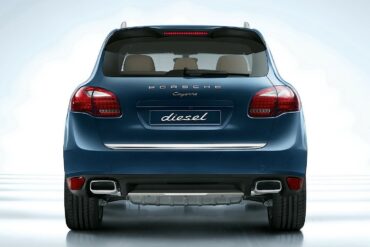
The facelifted version of the Porsche Cayenne was introduced in 2014 and it received a restyled design, new features, and, most important, upgraded engines, such as the V6 diesel version. The V6 diesel version played an important role in this and Porsche decided to keep it in the stable. Along with the facelifted version of the second generation Cayenne, a new V6 diesel was installed. Under the hood, the 2014 Cayenne Diesel offered an enhanced version of the 3.0-liter V6 diesel unit.
The V6 diesel engine was the same unit found in the other Volkswagen group models. The 3.0-liter unit offered 240 hp. It was mated as standard with an 8-speed automatic gearbox. Cayenne Diesel Turbo 3.0 176 kW for 2011 model year. In 2012, power increased to 180 kW. 2013 saw the launch of the Cayenne Diesel S Turbo 4.1 281 kW version. The Cayenne Diesel with its 240 bhp is hardly a top performer.
The Turbo S version was the sportiest version for the second generation of the Porsche Cayenne and, along with the rest of the stable, it received a facelift for the 2015 model year. The revised engine offered 20 hp more than its predecessor. It was the same twin-turbo 4.8-liter V8 unit and it was paired to an 8-speed auto and like the Turbo, it was offered with a standard air-suspension but adds Ceramic Brakes system.
As the flagship of the Cayenne army, the Turbo S was well received by those who were looking for a faster SUV. And it wasn't only the speed, but also the cornering speed that the Turbo S was capable of. The engine was based on the 4.8-liter V8 unit installed in the Cayenne S and Cayenne Turbo, but with a higher compression ratio that led to 50 more hp. The standard transmission was an 8-speed Tiptronic S.
The second generation of the Porsche Cayenne was launched at the 2010 Geneva Motor Show. It was a big improvement over its predecessor and featured an evolved design. For the engine, the Cayenne Turbo featured a 4.8-liter V8 unit which offered 500 hp. For the transmission, the 2010 Cayenne lost the low-range transfer case. The standard transmission was an 8-speed Tiptronic gearbox. All-wheel drive was installed standard as well. Other new improvements led to a decrease in the overall weight by 180 kg (400 lbs).
Named after the 7200km intercontinental rally which the Cayenne won in 2007, the Porsche Cayenne S Transsyberia Special Edition offers a number of enhancements. It takes the 4.8-liter V8 unit that develops 405bhp and 500Nm of torque from the range topping GTS allowing the model to drop its base 0-60 mph time down by 0.5 seconds to 6.1 seconds. It is mated to a six-speed manual gearbox (automticac optional), with a 4.1:1 drive ratio and air suspension coupled with PASM.
The Cayenne S Titanium Edition was designed specifically for the U.S. and Canadian markets. Introduced only for 2006 (as a pre-GTS concept), it was a 1 year exclusive, limited production SUV featuring a lightweight steel body, aluminium hood, titanium-painted accented body parts, side lower rocker body panels, Sport-Quad Tip Exhaust chrome tailpipes, 19" titanium painted alloy wheels, bi-xenon headlights, two-tone interior upholstery, Porsche PCM 2.0 w/ trip computer navigation, MP3 audio and Bose cabin surround sound.
The Cayenne Turbo facelift was introduced in 2014 as a 2015 MY. Think of it as an enhanced version of the non-facelifted version. It offered the same torque as the non-facelifted Cayenne Turbo S, but less power. Under the hood, the revised engine offered 20 hp more than its predecessor. The exterior of the 2015 Cayenne was enhanced with a sharper design and clear lines. The front fenders, the grille, and the headlights were entirely new, with LEDs.
Porsche made things more interesting with the launch of a Turbo S version in 2006 to compete with the Mercedes-Benz ML 63 AMG. The Turbo S is powered by a twin-turbocharged 4.5 L V8 that produces 521 PS (383 kW; 514 hp) and 720 N⋅m (530 lb⋅ft) of torque; Acceleration from 0–60 mph (97 km/h) takes 5.0 seconds and the top speed is 171 mph (275 km/h); It features a six-speed automatic Tiptronic transmission.
For the 2015 facelift, the Cayenne GTS was improved in every way, offering better performances and lower fuel consumption. But unlike the rest of the range, it offered a sportier look. That side was reserved for the GTS, which took its badge from the 1963 Porsche 904 GTS. It was the first Porsche to revive that acronym.
The exterior of the 2014 Cayenne Hybrid was slightly different than the rest of the range. From the 4-LED daytime running lights and the green brake calipers to the special light-alloy wheels. The rear roof-spoiler was standard as well. Unusual though, even if the German SUV was a plug-in hybrid, it featured four round exhausts. The engine was a 3.0-liter supercharged V6 which offered 333 hp. It was helped by a 95 hp electric motor.
The absolute highlight of this new generation is the world debut of the Cayenne S Hybrid with its technically highly sophisticated parallel full hybrid drive and fuel consumption in the New European Driving Cycle of just 8.2 litres/100 kilometres (equal to 34.4 mpg imp), which means CO2 emissions of just 193 g/km. The Cayenne S Hybrid therefore combines the performance of an eight-cylinder with the economy of a six-cylinder running on much less fuel.
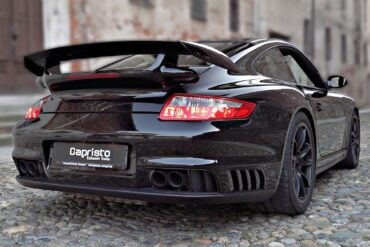
The Cayenne S gains V-6 power during its midcycle update. Porsche advertises more power und more efficiency—the new motor is up 20 horsepower to 420. Torque is a healthy 406 lb-ft, but the turbo-six lacks the personality of the V-8. Which, as V-8s go, was quite nice if rather generically Teutonic. Like, perhaps the iron-fisted Swabian middle manager of V-8s. It keeps the 8-speed automatic. Porsche claims that it has made interior revisions, but the innards look pretty much the same to us, save for the new steering wheel.
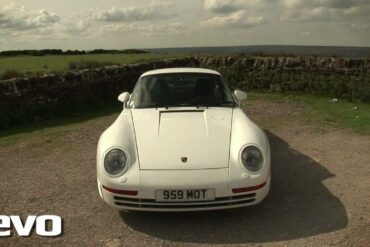
Car and Driver said:' "More horsepower and less weight add up to a winning combo in the Cayenne S". We agree. Alongside the weight loss and the striking new exterior and interior design, Porsche got an extra 15 hp from the Cayenne S’s naturally aspirated 4.8-liter V-8. A new transmission with two more forward ratios (now an 8-speed) transforms the drive. Cayenne S hits 60 mph in 5.5 seconds and clear the quarter-mile in 14.1 at 101 mph.
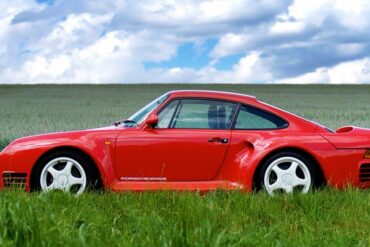
In July 2014, Porsche launched a facelifted Cayenne range for the 2015 model year. Minor exterior alterations and new power-train options. For the base Cayenne, there was a a mildly revised exterior and interior inspired by the 918 Spyder. Two new interior colors, Carrara White and Palladium Metallic, are new while the two-tone black/beige upholstery is now a no cost option. Dark walnut is also a new addition to the available interior accents. The suspension on all Cayennes has also been revised.
The second-generation Cayenne moved the game on for SUVs. It has a nicer design, more powerful engines and much nicer interiors. The base V6 Cayenne was good for 299 hp @ 6,300 rpm and 295 ft lbs of torque. Acceleration was decently brisk with 0 - 60 mph over in 7.5 seconds and top speed of 143 mph. The car was slightly longer, wider, and higher than its predecessor. All new models shared the new headlight graphics with additional lights at the inside so unmistakably Porsche.
1st Generation Porsche Cayenne (957) Story & History Cayenne (2007 – 2010) Unveil of official photos: 2006 December 4 /...
1st Generation Porsche Cayenne (955) Story & History Cayenne (2002 – 2006) Unveil of official photos: 2002 March 4 /...
The Gunther Werks 993 The Drive returns to the Gunther Werks headquarters to get an insider’s look at the new...
The European market asked for a diesel engine and the car-maker had to deliver it to keep the sale up in a struggled market affected by the world financial crisis. The engine was a carry-over from the Audi line-up, with a variable turbocharger system and a 3.0-liter displacement. It offered 240 hp and it was tuned to offer more performance. For instance, at hard accelerations, the system disengaged the AC compressor until the engine reached 2500 rpm.
An exclusive limited edition Cayenne GTS “Porsche Design Edition 3”. Limited to just 1,000 units worldwide, the limited edition Cayenne adds equipment and Porsche Design styling touches to stand out from the crowd. Distinguishing the special edition model is a Lava Grey paint scheme, extended roof spoiler, racing stripes, and 21in alloy wheels in a matching anthracite finish. This special edition looks the goods, but sadly there were no mechanical changes to differentiate it from the core GTS.
The Cayenne Cayenne GTS was fitted with a 4.8-liter V8 unit, which developed 405 hp. Unlike the Turbo, it was offered with a 6-speed manual as well, while the Tiptronic S (automatic) 6-speed transmission was on the options list. This was the true enthusiasts SUV and the sweet spot in the Cayenne lineup. It also looked great with the black accents and more agressive touches throughout the exterior.
The 2008 model year marks the launch of updated Porsche Cayenne. With a striking new face that features a dramatic new headlight design and with a wide and muscular new body accented by broad wheel arches, the 2008 Porsche Cayenne's newly sculpted sheetmetal provides vivid visual testimony to the vehicle's enhanced technical features. Inside, the interior has received an important update with new infotainment unit, new gauges and more.
The first-generation Cayenne was what saved Porsche. The based Porsche Cayenne 955 entered the market to a mixed reception, although it was the performance vehicle among SUVs and had comparably good handling as well as powerful engines.[3] The lineup initially consisted of the V8-powered Cayenne S and Cayenne Turbo. Later in the model cycle, VR6 and diesel-powered versions joined the lineup. The base model is powered by a VW 3.2-L VR6 engine producing 250 PS (184 kW; 247 hp). The engine is largely the same as the VW engine.
The entire Cayenne range got a 2008 facelift. The big changes were cosmetic, with Porsche getting rid of the Porsche 996-inspired headlights and sharpening up the Cayenne S lines. A new, vertical, daytime running light appeared on the outer side of the side-scoops and the center grille was smaller. The Cayenne S started to better develop its own unique personality with the 17” light-alloy wheels fitted as standard. The Cayenne S also got cool exhausts.
The first-generation Cayenne saw the introduction of the Cayenne S in 2002. While the base Cayenne had a 3.2-L VR6 engine, the Cayenne S got a 4.5 L V8 with more power and torque. The extremely short and compact normal-aspirated V8 produced 340 hp and 310 lb⋅ft of torque. Acceleration for the Cayenne S is strong for an SUV, with 0–60 mph taking 6.9 seconds and the top speed being 150 mph. The Cayenne S also have some visual changes to better identify it, but was otherwise standard Cayenne fair.
The facelift for the flagship Cayenne came in 2008. The Porsche Cayenne Turbo S is the most powerful Cayenne ever built. Sharing the same essential 4.8-liter V8 engine as the Cayenne S, GTS and Turbo, the Turbo S got 550 horsepower and 553 lb.-ft. of torque. That's a ten percent increase in power and a seven percent boost in torque over the Cayenne Turbo. 0 to 60 mph is over in 4.7 seconds on its way to a track-proven top speed of 174 mph. Like the Cayenne S and Cayenne Turbo, the Turbo S comes standard with a six-speed Tiptronic S driver-shiftable automatic transmission.
The facelift for the first generation of the Cayenne was introduced in 2007. More powerful in every respect - that is how the new generation of the Porsche Cayenne entered the market. New striking face upfront on a wide and muscular body, with headlights in brand-new design, and with broader, even more powerful-looking wheel arches. The Turbo model 957, featuring a larger 4.8-L engine with 49 hp more power, 0–60 mph time of just 4.9 seconds.
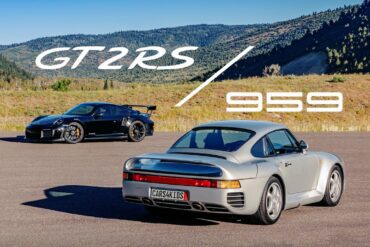
Porsche GT2RS vs 959 Video The GT2RS and 959 represent the top of Porsche’s line-up, 30 years apart. We had...
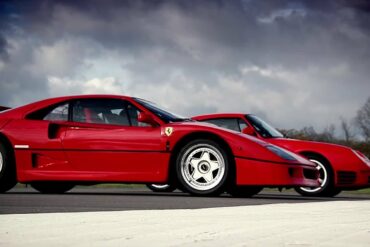
Top Gear 1980s Supercar Powertest Top Gear gives use the drag race that every ’80s Porsche and Ferrari fan dreamed...
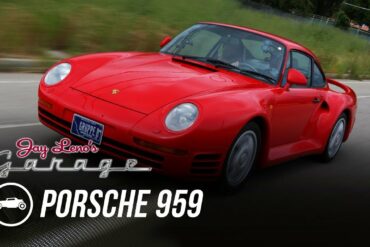
1988 Porsche 959 – Jay Leno’s Garage Could the Porsche 959 be the best car of the 1980’s? Jay and...
Porsche 959 Reviewed by Petrolicious This week we head a few hours north of our Los Angeles HQ to catch...
Porsche 959 Reviewed by Doug DeMuro The Porsche 959 is one of the most famous Porsche models of all time...
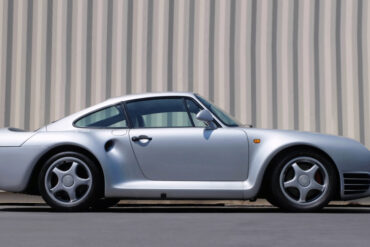
Porsche 959 History & Story 1985-1988, 1992-1993 Premiere of concept car: 1983 September 15, IAA Frankfurt motor show Premiere of rallye...
Old School Twin Turbo Flat-Six Noises! In today’s video I’ll take you onboard a gorgeous 2009 Porsche 911 997 GT2...
Porsche 959 Vs Ferrari 288 GTO The Porsche 959 is one of the rarest, greatest supercars ever made and was...
Porsche 959 In Depth Video The Porsche 959 is one of the rarest, greatest supercars ever made and was one...
1986 – 1988 Porsche 959 Sport Technical Specifications price $ $225 000 USD engine Twin-Turbo Flat 6 valvetrain DOHC 4...
AutoTrader Pits the Audi RS E-Tron GT vs the Porsche Taycan Turbo Rory pits the Audi RS E-Tron GT against its...
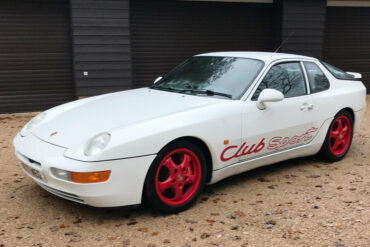
Porsche 968 Club Sport (1994) – track weapon or old duffer? Is the Porsche 968 Club Sport really as good...
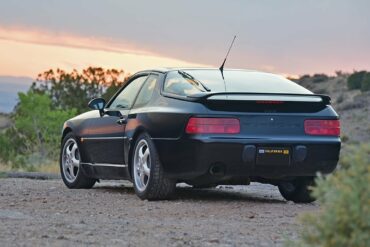
1994 Porsche 968 Coupe: Driving the last 4-cylinder Transaxle Porsche The 968 was the ultimate evolution of Porsche’s 4-cylinder transaxle...
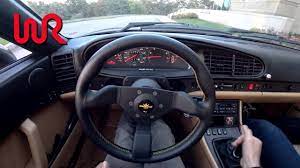
POV Driving in a Porsche 968 Tedward takes us in the forgotten Porsche. The 1995 968 6 speed Manual....
Porsche 968 Clubsport Video The Porsche 968 Clubsport is a rare and unusual car — and it’s unknown to most...
Porsche 968 Paint Color Options & Samples This post outlines all the color options for the Porsche 968 over its...
Porsche 968 Production & Sales Units The Porsche 968 sold poorly, with only 12,780 units produced (compared to 170k+ 944s)...
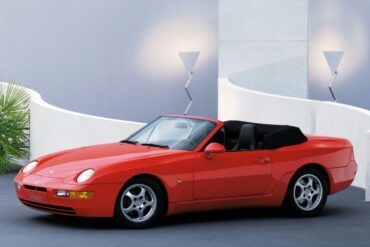
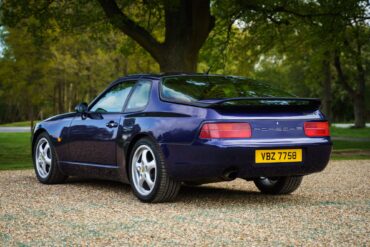
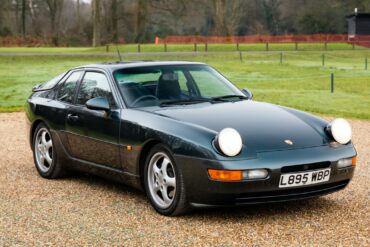
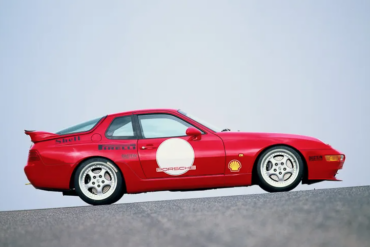
A UK-only version called "968 Sport", was offered in 1994 and 1995, and was essentially a Club Sport model (and was produced on the same production line with similar chassis numbers) with power windows, electric release boot, central locking, cloth comfort seats (different from both the standard and the Club Sport). The Sport variant also got back the two rear seats, again in the cloth material specific to the Sport.
Porsche 968 History & Story The Porsche 944 S3 The successor to the Porsche 944 S2 was called 944 S3....
1988 Porsche 944 Turbo S – One Take This 1988 Porsche 944 Turbo S (also referred to as 951) is...
Regular Car Reviews – The Porsche 944 We review the over-hyped under-powered middle-child of the Porsche 944, the 944s. This...
The best Porsche? How About the 944 The guys climb into a tuned 944 Turbo to kick off our new...
Porsche 944 Turbo – Fast Blast Review The guys climb into a tuned 944 Turbo to kick off our new...
One of the BEST Sportscars Money Can Buy We go for a drive in the 2018 Porsche 911 GT3. Our...
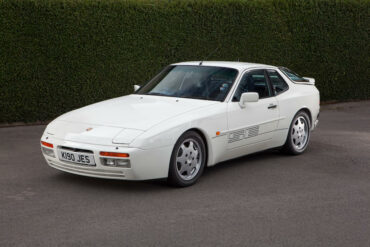
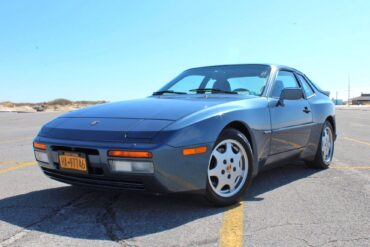
The 944 range officially ended production in July 1991. A dated range and slow sales wrote the obituary for the model, but in the UK, brand-new cars still languished at dealers well into 1993. A UK-only special edition was made in 1992 and it was called the Porsche 944 S2 SE. It was basically an S2 brought up to full specification, for less than the standard car. Very limited, only 15 were eventually made. Benefits listed include improved acceleration in higher rev range; flatter cornering due to stiffer springs and increased roll resistance...
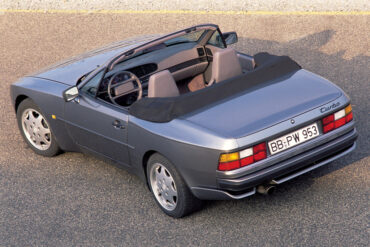
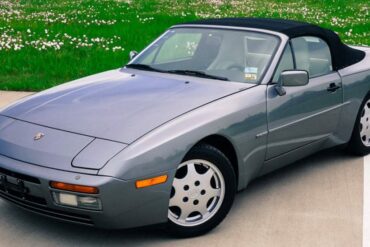
The last iteration of the 944 Turbo was the 944 Turbo Cabriolet which was the 944 Turbo Cabriolet. This was a 944 Turbo S with a special cabriolet body made by the American Sunroof Company (ASC) of Weinsberg, Germany, who also made the bodies for the 944 S2 Cabriolet. 625 of the 944 Turbo Cabriolet were made with 100 being built with right hand drive and the remaining 525 being left hand drive.
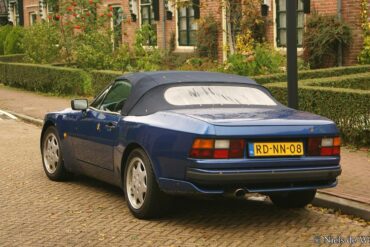
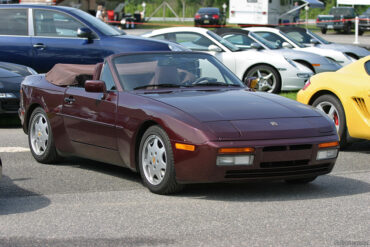
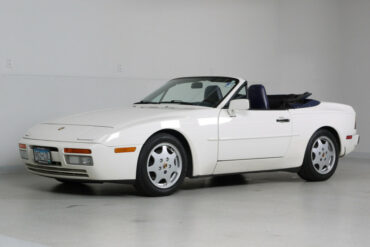
The S2 was also available as a cabriolet, a first for the 944 line. The Cabriolet, engineered by American Sunroof Company, was rumored to be two years late in arriving on the market due to unprecedented chassis flex problems. The finished article, despite being 70 KG heavier than the coupe, displayed no obvious signs of such problems, and its clean lines found a place in many hearts.
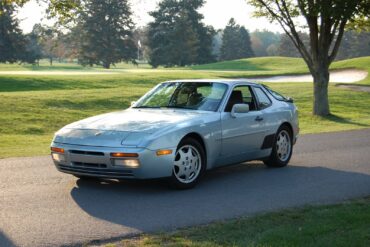
The covers were lifted off the 944's next-generation model in early 1989, the stunningly contemporary 944 S2. Porsche, as a company, were heading into tough times and were relying on the 944 S2 and the new 911, the 964, to make enough money just to stay afloat. Porsche upped the performance of the 944 S2 thanks to an upgraded engine, a 3.0 liter version of the DOHC double valve four cylinder that was good for solid 208 hp. The 16-valve engine was bored out from 2.5 litres to 3.0 litres.
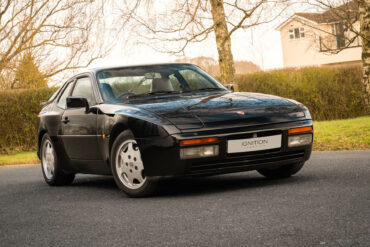
In 1987 Porsche debuted the 944 S, the “S” standing for “Super”. This “Super” Porsche 944 was fitted with a more high performance version of the naturally aspirated four cylinder engine. This engine version had dual overhead camshafts to operate the four valves per cylinder and a revised Motronic 2 engine management system with dual knock sensors to best handle the 10.9:1 compression ratio. Power was a comfortably adequate 187hp.
Which Porsche 911 Would You Choose? Which of the two most potent Porsche 911s on sale is quickest around a...
Porsche 944 VIN and Engine Numbers Our reader already know we have an in-depth VIN decoder for Porsche models, so...
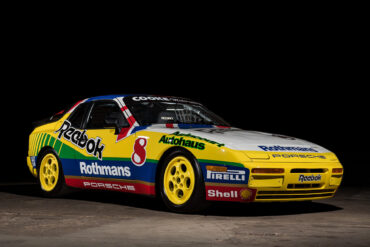
The Porsche 944 Turbo Cup For 1986, Porsche 944 Turbo Cup series was created in Germany and 944 Challenge in...
1988 Porsche 944 Turbo S Coupe Technical Specifications Engine Type Inline 4 Induction Turbocharged Cooling Water-cooled Valvetrain Single overhead camshafts Injection...
1989 Porsche 944 Turbo Coupe Technical Specifications Engine Type Inline 4 Induction Turbocharged Cooling Water-cooled Valvetrain Single overhead camshafts Injection Port...
1988 Porsche 944 Turbo Coupe Technical Specifications Engine Type Inline 4 Induction Turbocharged Cooling Water-cooled Valvetrain Single overhead camshafts Injection Port...
1987 Porsche 944 Turbo Coupe Technical Specifications Engine Type Inline 4 Induction Turbocharged Cooling Water-cooled Valvetrain Single overhead camshafts Injection Port...
1986 Porsche 944 Turbo Coupe Technical Specifications Engine Type Inline 4 Induction Turbocharged Cooling Water-cooled Valvetrain Single overhead camshafts Injection Port...
1991 Porsche 944 S2 Cabriolet Technical Specifications Engine Type Inline 4 Induction Normally-aspirated Cooling Water-cooled Valvetrain Double overhead camshafts Injection Port...
1990 Porsche 944 S2 Cabriolet Technical Specifications Engine Type Inline 4 Induction Normally-aspirated Cooling Water-cooled Valvetrain Double overhead camshafts Injection Port...
1991 Porsche 944 S2 Coupe Technical Specifications Engine Type Inline 4 Induction Normally-aspirated Cooling Water-cooled Valvetrain Double overhead camshafts Injection...
1990 Porsche 944 S2 Coupe Technical Specifications Engine Type Inline 4 Induction Normally-aspirated Cooling Water-cooled Valvetrain Double overhead camshafts Injection...
1989 Porsche 944 S2 Coupe Technical Specifications Engine Type Inline 4 Induction Normally-aspirated Cooling Water-cooled Valvetrain Double overhead camshafts Injection...
1988 Porsche 944 S Coupe Technical Specifications Engine Type Inline 4 Induction Normally-aspirated Cooling Water-cooled Valvetrain Double overhead camshafts Injection...
1987 Porsche 944 S Coupe Technical Specifications Engine Type Inline 4 Induction Normally-aspirated Cooling Water-cooled Valvetrain Double overhead camshafts Injection...
1989 Porsche 944 Coupe Technical Specifications Engine Type Inline 4 Induction Normally-aspirated Cooling Water-cooled Valvetrain Single overhead camshaft Injection Port...
1988 Porsche 944 Coupe Technical Specifications Engine Type Inline 4 Induction Normally-aspirated Cooling Water-cooled Valvetrain Single overhead camshaft Injection Port...
1987 Porsche 944 Coupe Technical Specifications Engine Type Inline 4 Induction Normally-aspirated Cooling Water-cooled Valvetrain Single overhead camshaft Injection Port...
1986 Porsche 944 Coupe Technical Specifications Engine Type Inline 4 Induction Normally-aspirated Cooling Water-cooled Valvetrain Single overhead camshaft Injection Port...
1985.5 Porsche 944 Coupe Technical Specifications Engine Type Inline 4 Induction Normally-aspirated Cooling Water-cooled Valvetrain Single overhead camshaft Injection Port...
1985 Porsche 944 Coupe Technical Specifications Engine Type Inline 4 Induction Normally-aspirated Cooling Water-cooled Valvetrain Single overhead camshaft Injection Port...
1984 Porsche 944 Coupe Technical Specifications Engine Type Inline 4 Induction Normally-aspirated Cooling Water-cooled Valvetrain Single overhead camshaft Injection Port...
1983 Porsche 944 Coupe Technical Specifications Engine Type Inline 4 Induction Normally-aspirated Cooling Water-cooled Valvetrain Single overhead camshaft Injection Port...