
Become a premium member for just $35/year and get ad-free access!
JoinedMay 4, 2021
Articles3,705
Comments2
The Porsche 356 SC, was the top-of-the-line variant in terms of performance for the 356 C Generation, sporting the highest specific output pushrod 4-cylinder engine ever available from Porsche with 107 HP. The SC engine produced 107 bhp at 5200 rpm and featured a stouter counter-weighted crankshaft, short skirt pistons, a more radical camshaft configuration, and large Solex carburetors. The SC was the natural successor of the previous generation Super 90 and represented the top-of-the-line variant for the final evolution of the Porsche 356.
1965 911 SWB by Sports Purpose. Is this £350,000 Porsche the purest driving 911 of them all? This ’65 Porsche 911 has been subtly modified by Sports Purpose to appear to be a regular 2.0 litre, SWB 911 but to be nothing of the sort. Powered by a high-revving, Tuthill...
Porsche 911 (F-Series) Transmission Codes The transmission number code is found on the transmission data plate. Transmission Codes 911 2.0 and 912 Model MY1965 MY1966 MY1967 MY1968 MY1969 912 4-speed 902.0 4-speed 902.0 4-speed 902.01, 5-speed 902.02 4-speed 902.04, 5-speed 902.05, 902.06 911 T 4-speed 901.10, 4-speed Sportomatic 905.01 4-speed...
Porsche 911 (1963 – 1973) Story & History F-Body – The 1st Generation Porsche 911 Premiere: 1963 September 12 at the IAA Frankfurt motor show As the Porsche 356 had been for sale for quite some time and considering it takes years for a completely new car to evolve from...
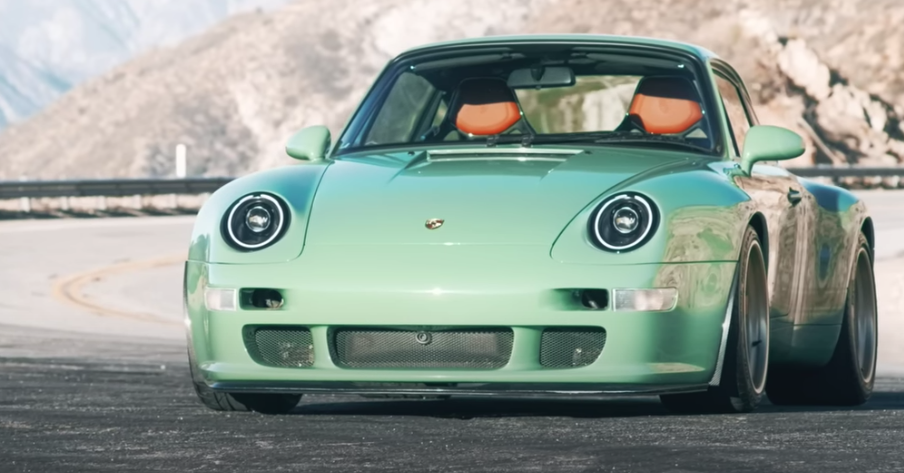
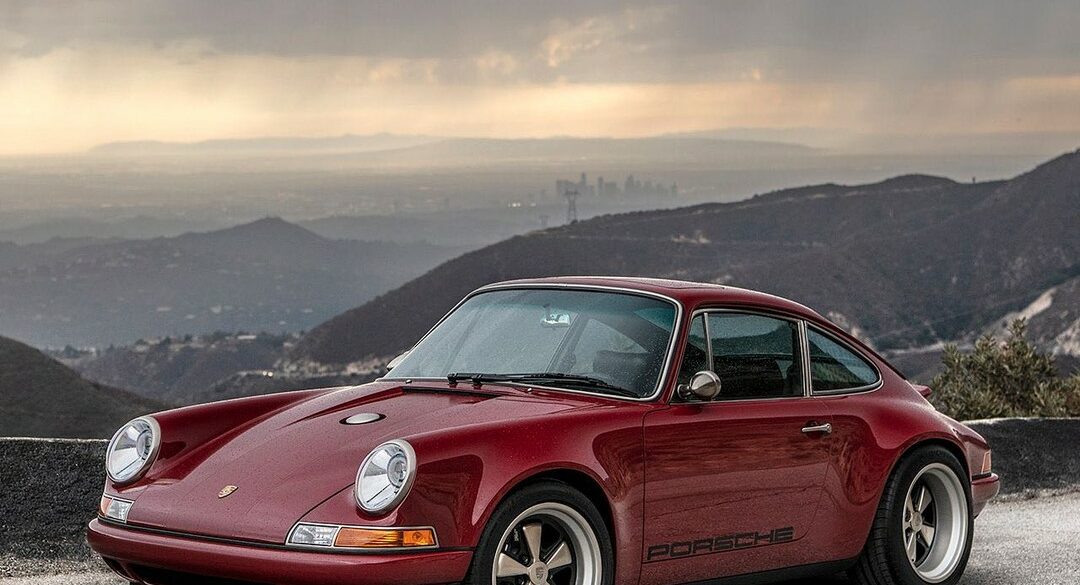
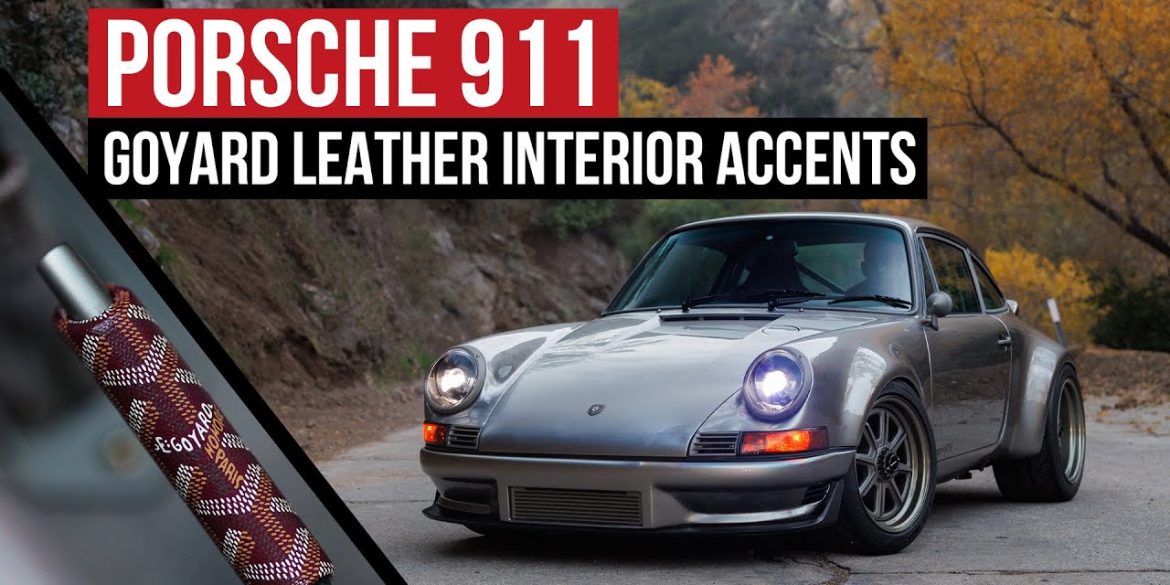
Singer Vehicle Design – Long Island Commission Today, we take a closer look at the Singer Vehicle Designs Long Island Commission. Like other Classic Study cars, the Long Island is built in Singer’s California location. This car was shared with the public in December 2021. The Long Island commission is...
Also produced for the 1976 "model year", for the U.S. market, was the 912E, a 4-cylinder version of the 911 like the 912 that had last been produced in 1969. It used the I-series chassis and the 2.0 Volkswagen engine from the Porsche 914. In all, 2092 units were produced. In 1976, the Porsche 924 took this car's place for the 1977 "model year" and beyond. The power was supplied by a 4-cylinder high-performance fuel injection motor also used in the Volkswagen 411.
Porsche 911 GT1 ’98 (1998) – Specifications & Performance
1998 Porsche 911 GT1 ’98 Technical Specifications GT1/98 race car specifications – chassis #003 Engine 6-cylinder boxer, water-cooled, aluminium engine block and cylinder heads, 2 intake and 2 discharge valves per cylinder, 2 exhaust gas turbo chargers with air restrictors, 2 charce air intercoolers, dry sump lubrication, electronic engine management...
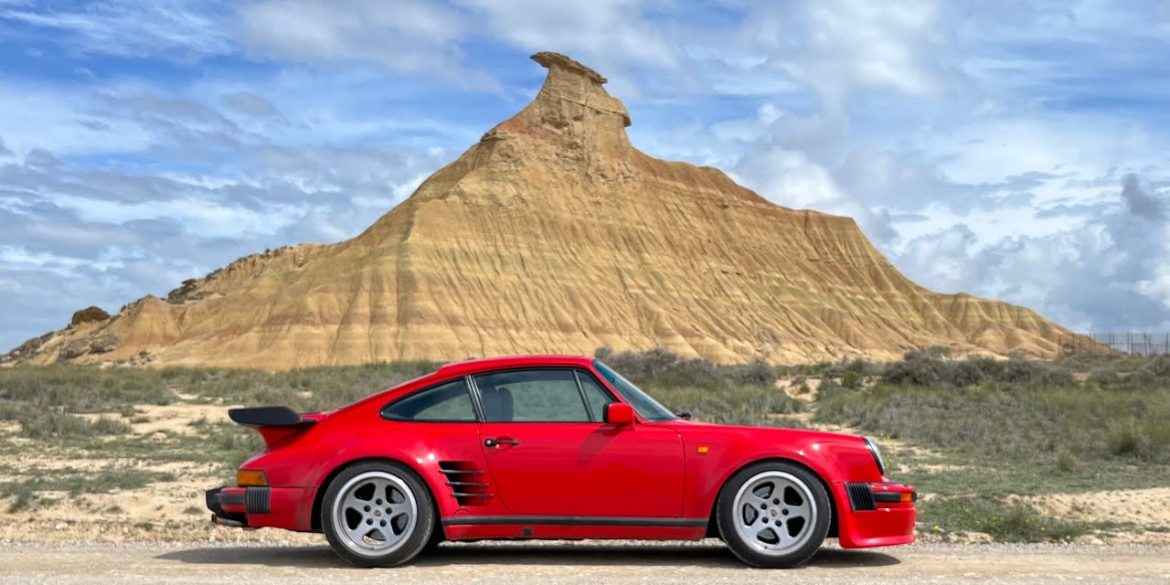
Porsche made its first and most significant changes to the 930 for 1978 model year, enlarging the engine bore by 2 mm (0.08 in) to a total displacement of 3,299 cc (3.3 L; 201.3 cu in) and adding an air-to-air intercooler. The suspension benefitted from new anti-roll bars, firmer shocks and larger diameter rear torsion bars. While the increase in displacement increased power output and torque, it also increased the weight of the vehicle, which contributed to a substantial change in the handling and character of the car compared to the Earlier 3.0-Litre Models.
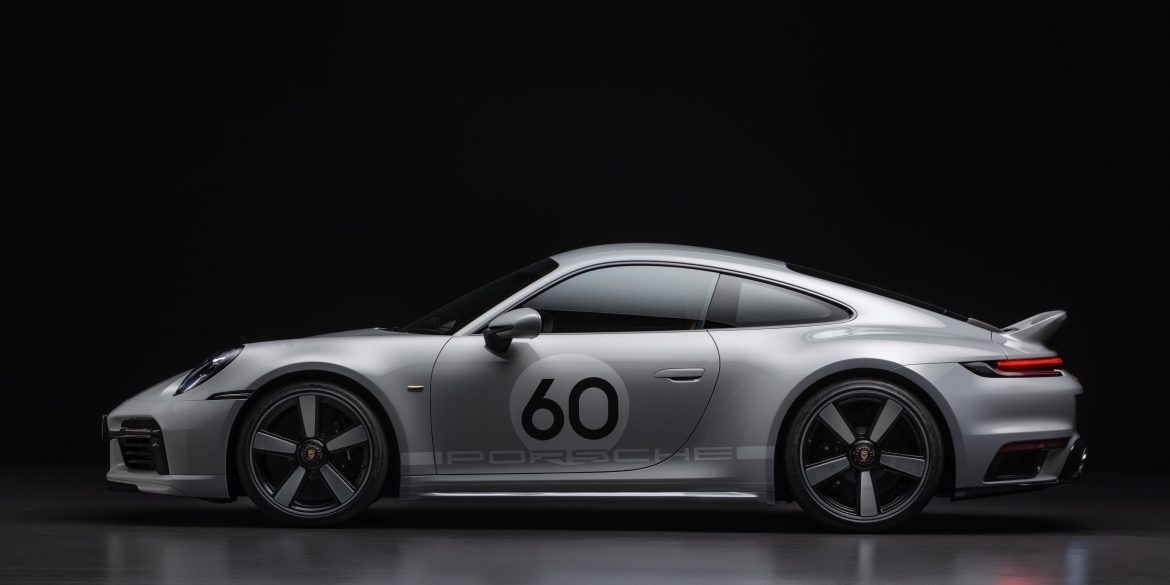
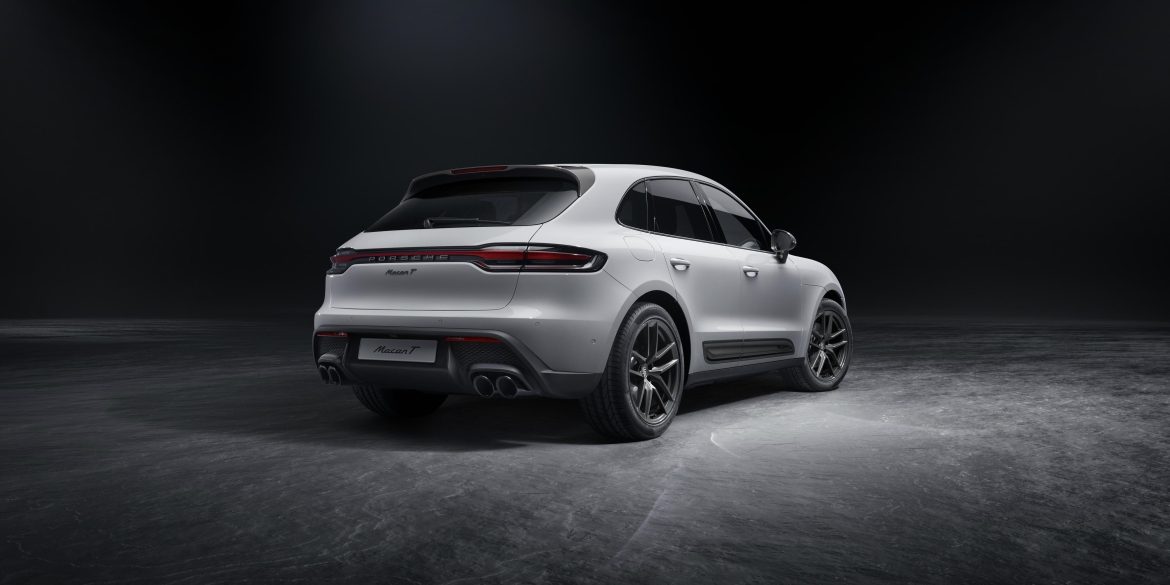
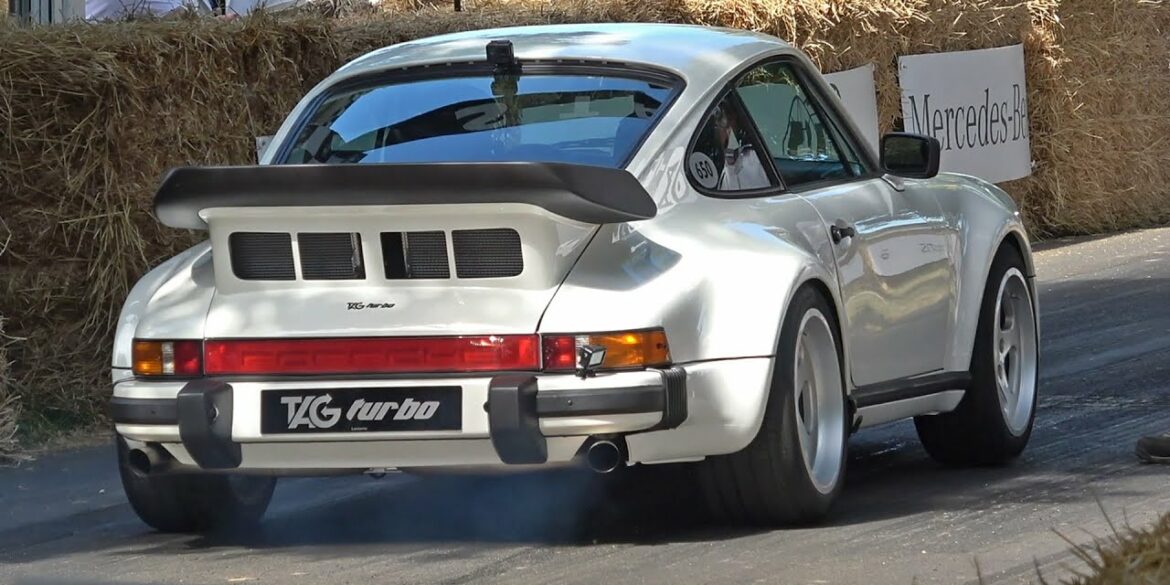
The 911 Turbo was put into production in 1975. While the original purpose of the 911 Turbo was to gain homologation for the 1976 racing season, it quickly became popular among car enthusiasts. Ernst Fuhrmann adapted the turbo-technology originally developed for the 917/30 CAN-AM car and applied it to the 3.0 litre flat-six used in the Carrera RS 3.0, thus creating what Porsche internally dubbed as the 930. Total power output from the engine was 260 bhp and 254 ft lbs of torque.