
Become a premium member for just $35/year and get ad-free access!
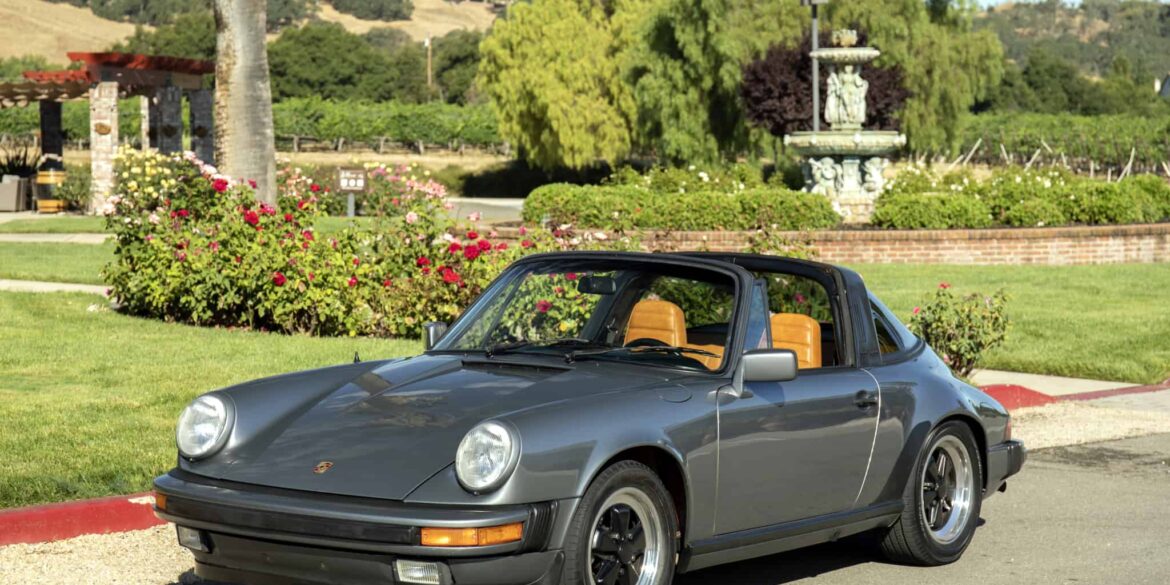
British automotive engineering specialist, Lanzante, will once again deliver a stellar line-up for the Goodwood Festival of Speed. No less than seven cars will make a first public appearance, in some form, as the team showcases its expertise dynamically, on the famous Hillclimb, but also from the striking Lanzante Pavilion,...
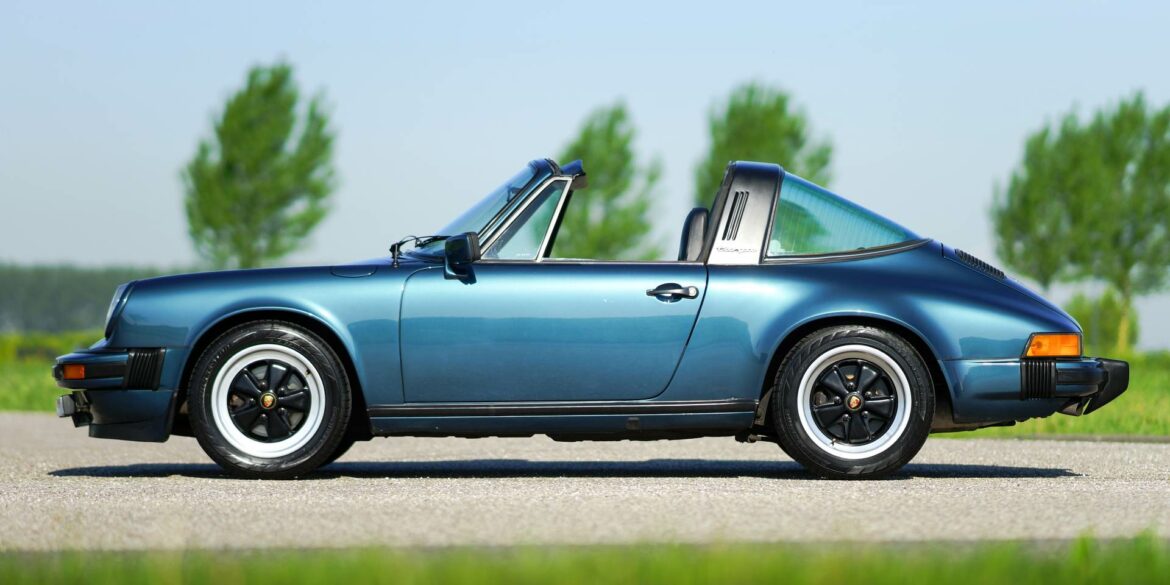
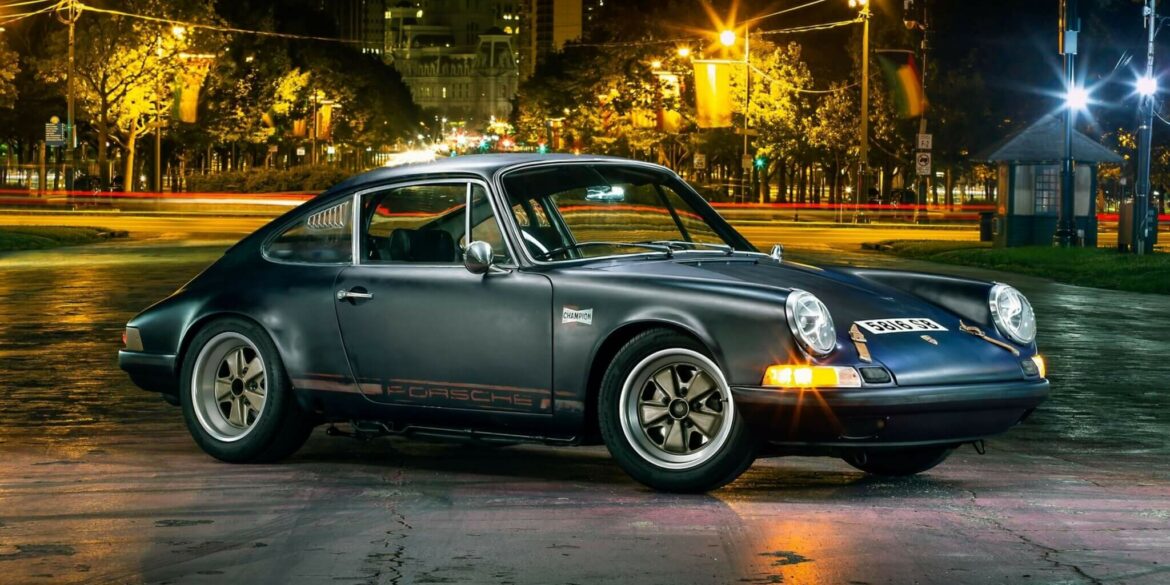
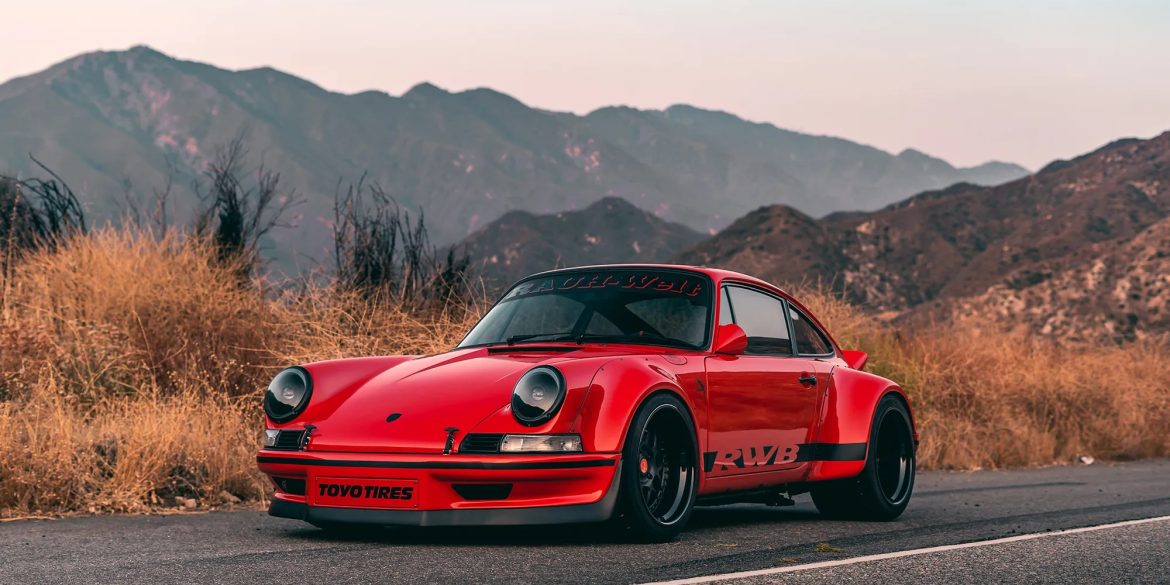
The 7-figure 911 will solve all of life’s problems Many of us, including myself, continue to watch in disbelief as the market for custom-built 911 continues to grow. Years ago I submitted a letter to Road & Track which was published (unfortunately). In detail, I shot down the Singer when...
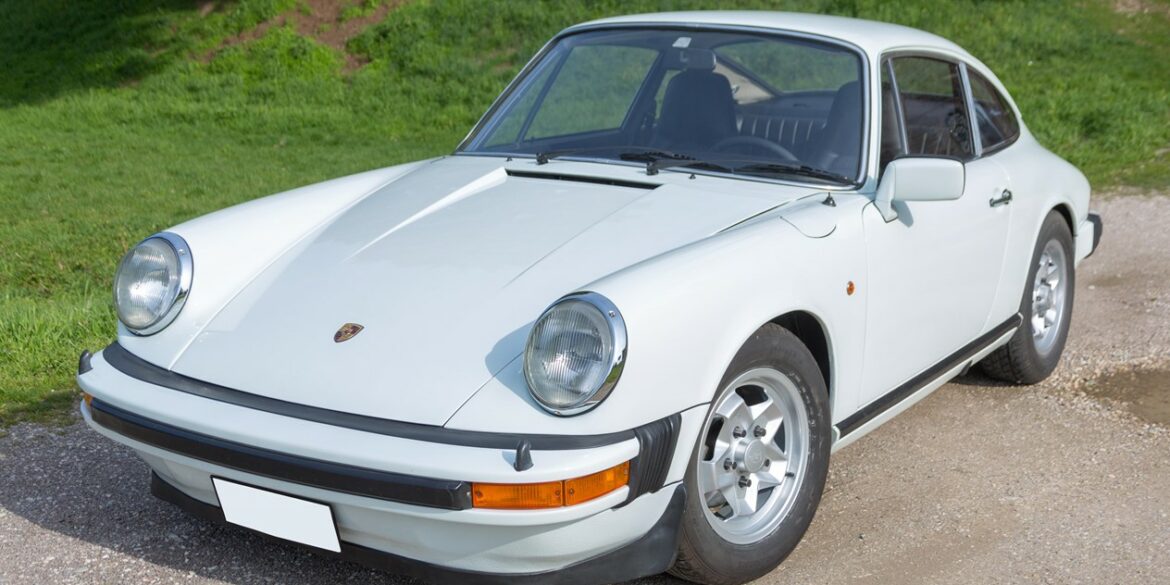
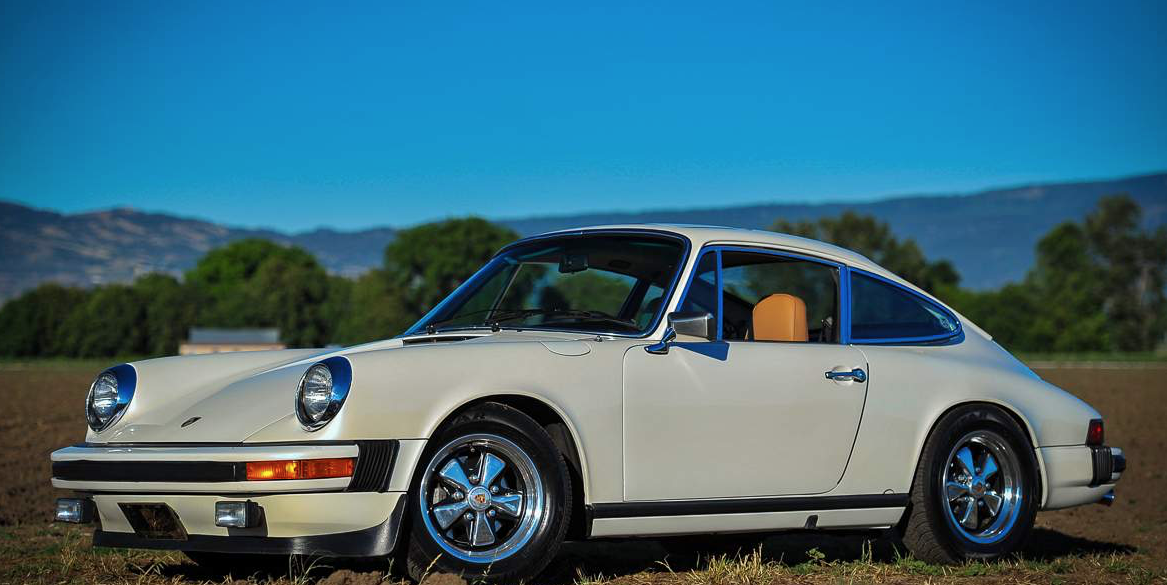
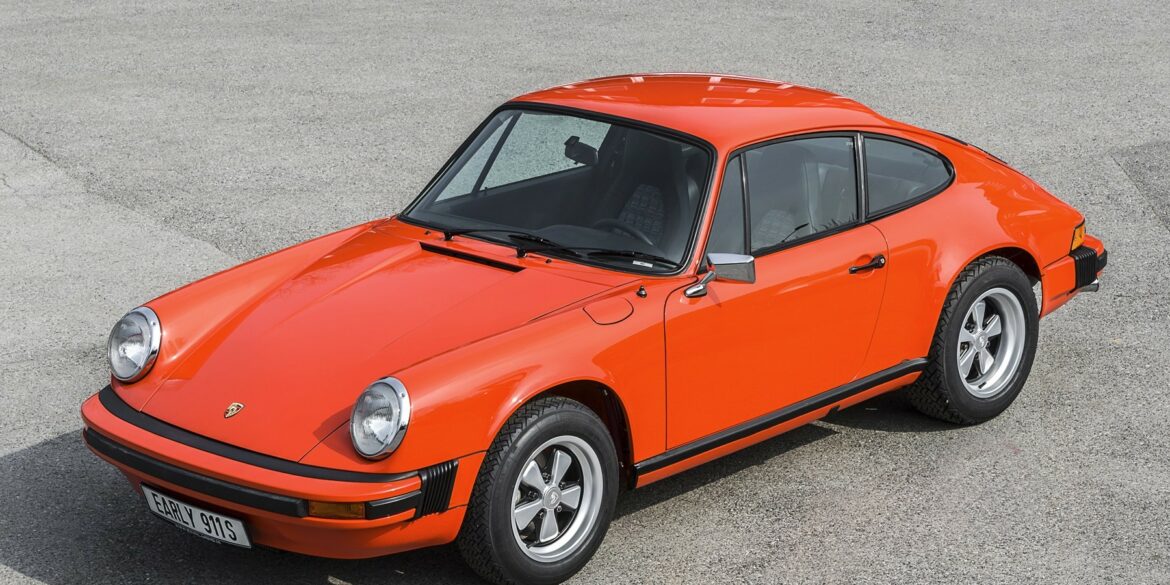
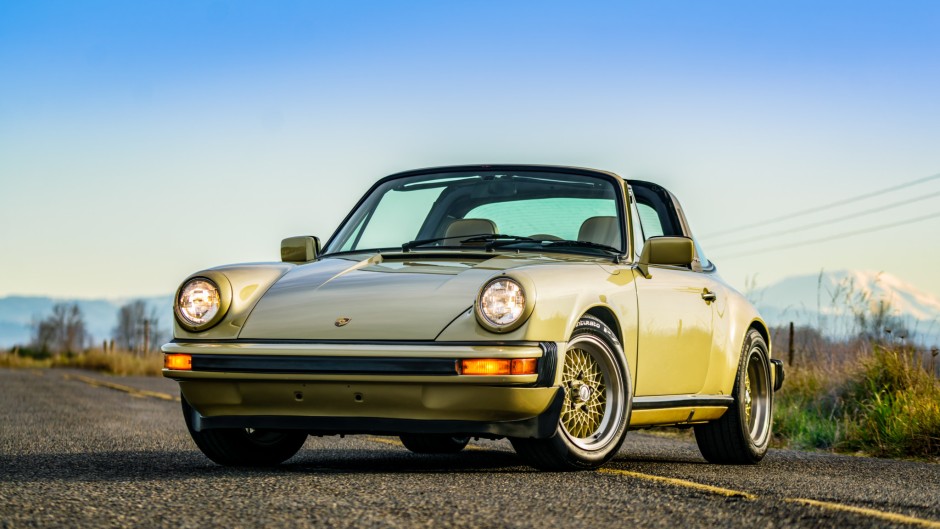
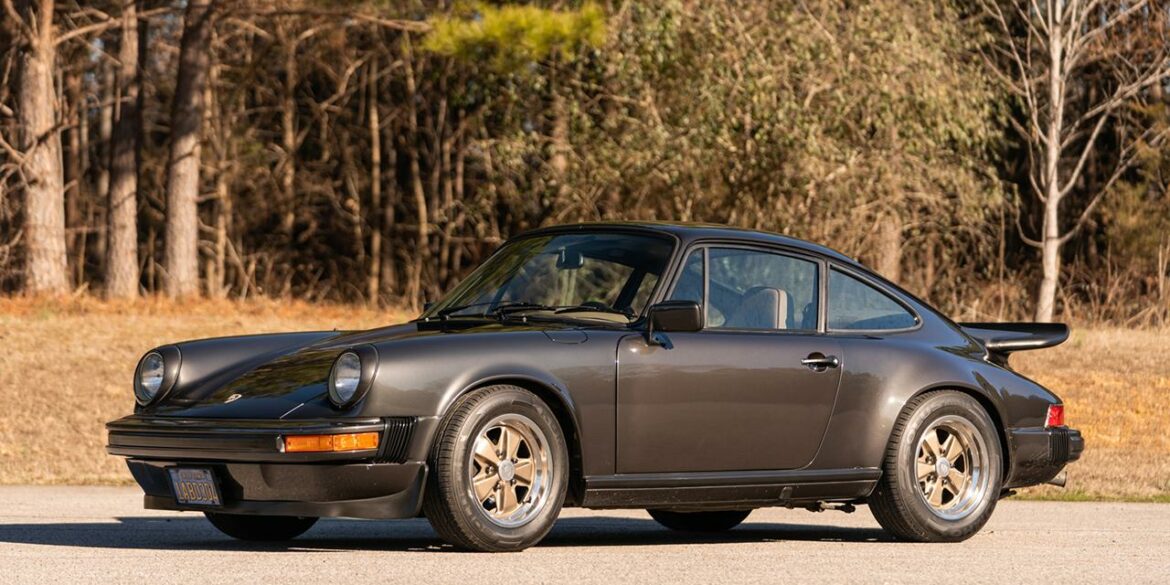
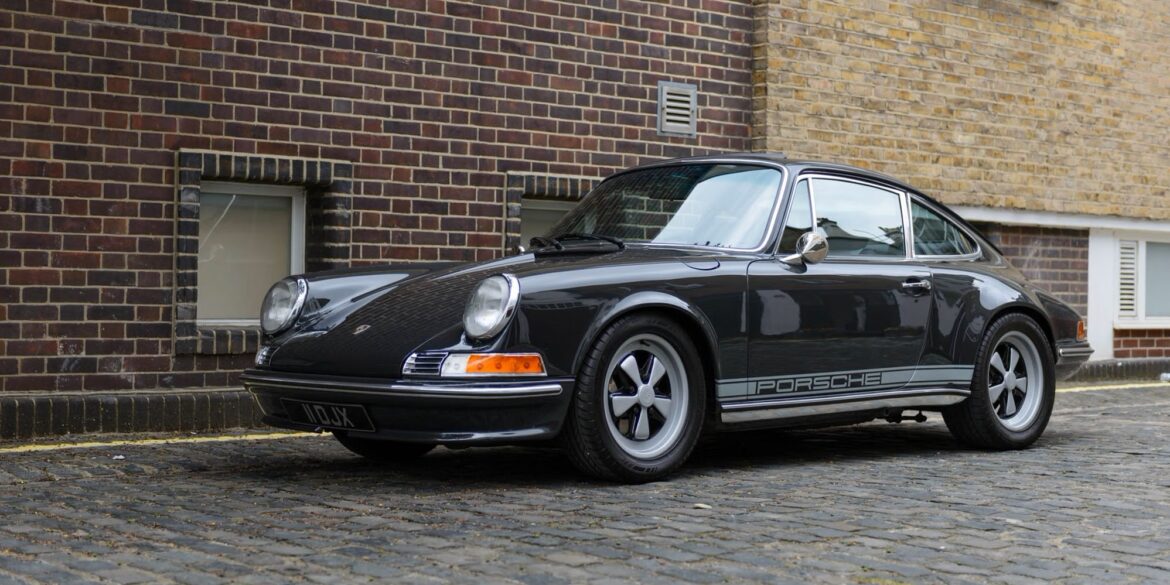
The first impact bumper Porsche is almost always overlooked by air cooled 911 enthusiasts drawn to later, more powerful models or the ‘long bonnet’ cars of the 1960s and early 70s. Consequently, the underrated mid-decade 2.7 can be something of a bargain. History  In contrast to the American norm where...
1974 911 Coupe (911)
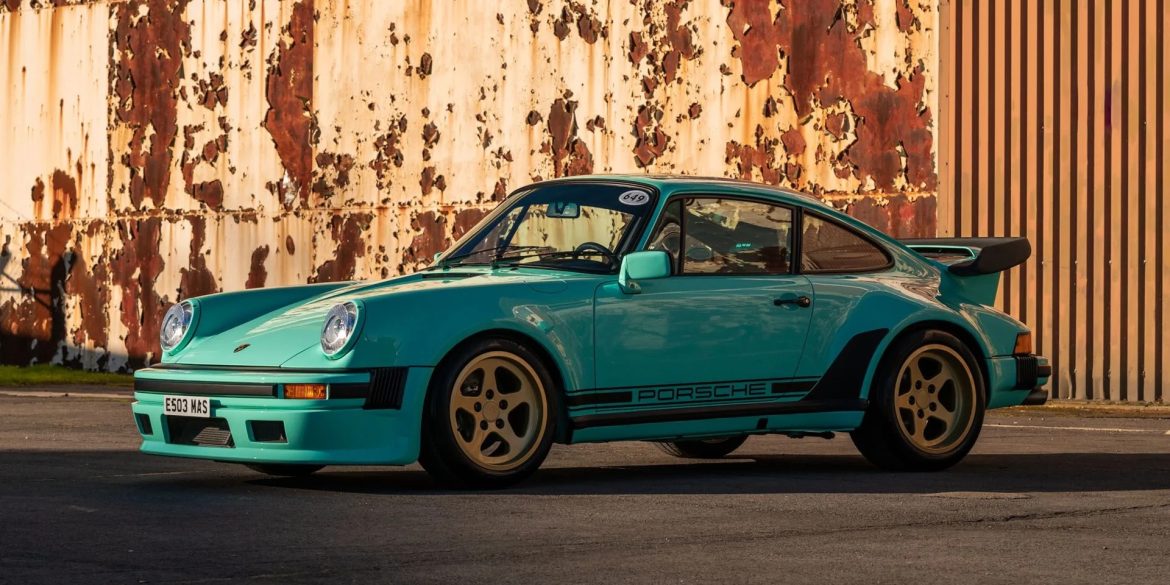
1965 – 1989 Porsche VIN Numbers Porsche used a variety of chassis and VIN numbering systems until 1981, when a major change was made to a 17 digit international code which remained current until the end of 911 production. All numbers for cars made between 1965 – 1990 are listed...
Porsche 911 (G-Series) - The Story
Porsche 911 (G-Series) (1973 – 1989) Story & History G-Model – The 2nd Generation Porsche 911 Premiere: September 12, 1973 IAA Frankfurt Starting with the model year 1968, Porsche internally assigned a letter to each model year – MY1968 was “A”, MY1969 was “B” and so on. Model year 1974...
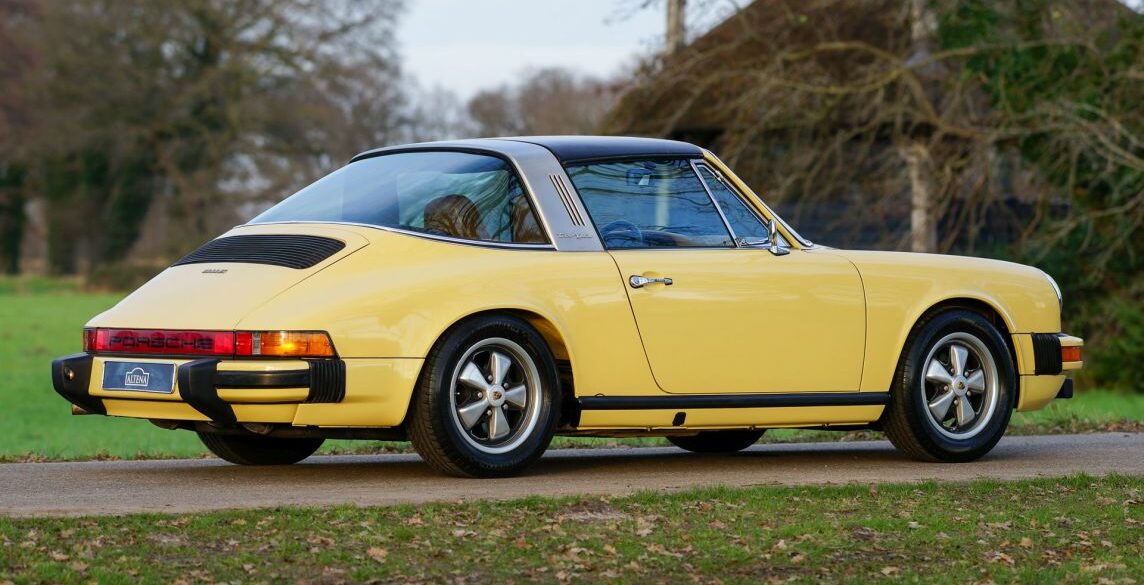
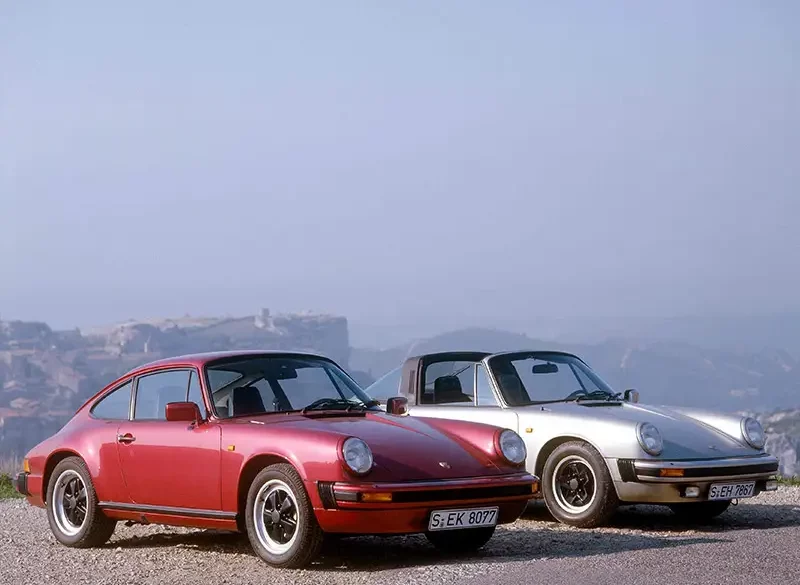
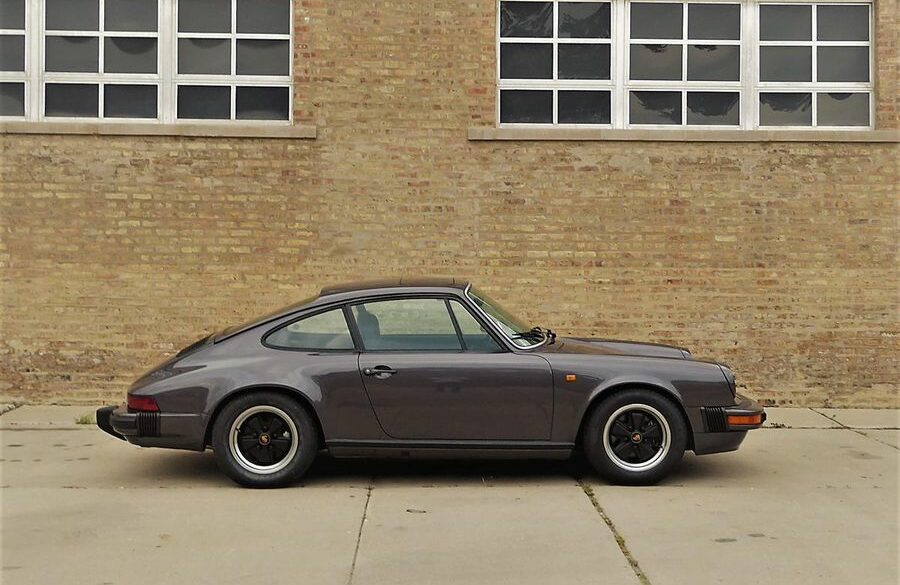
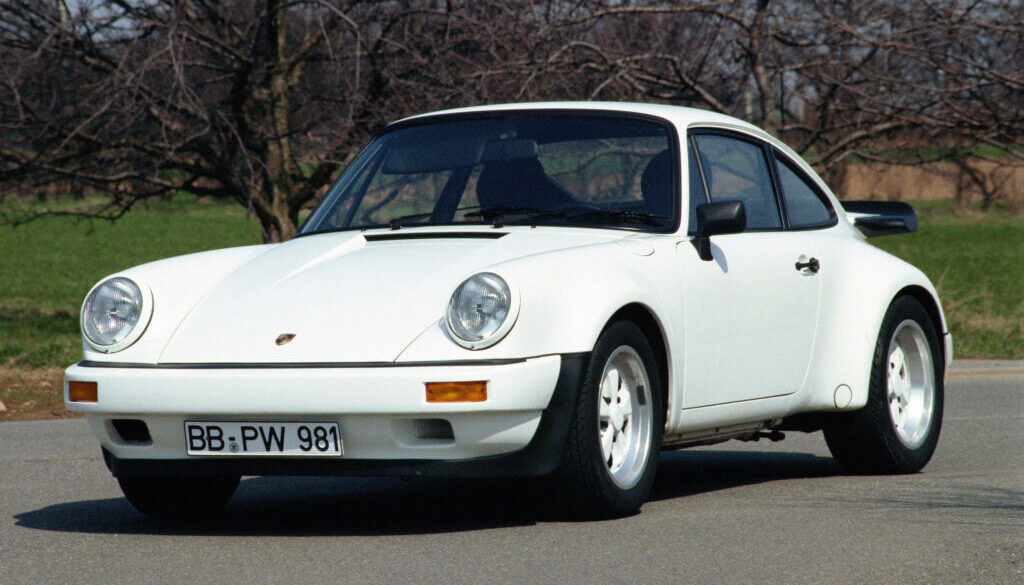
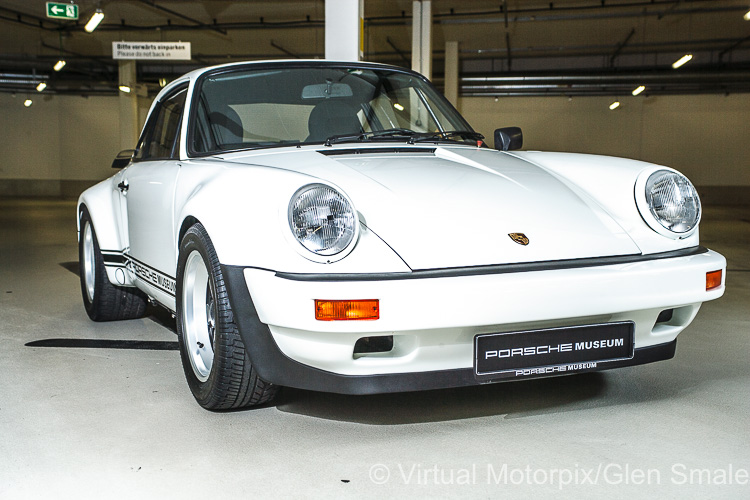
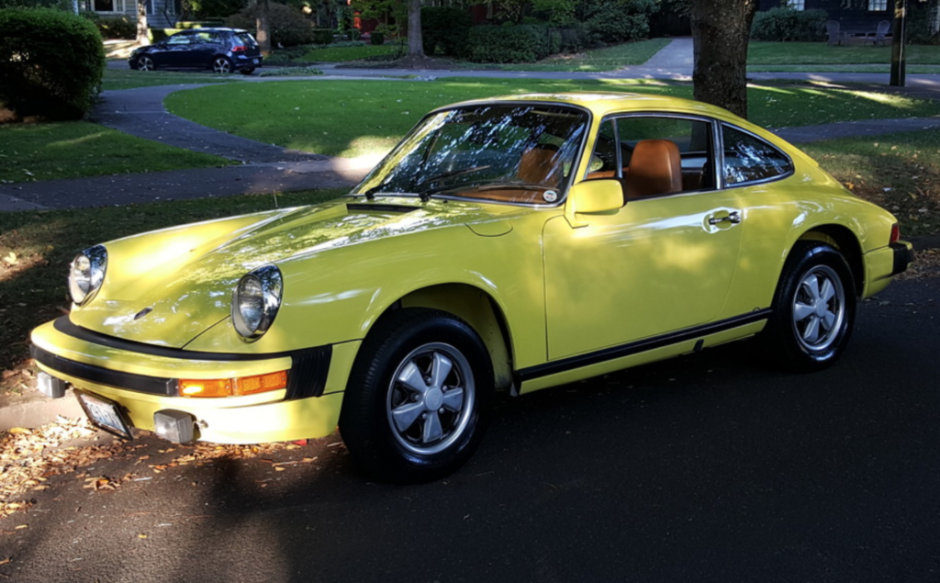
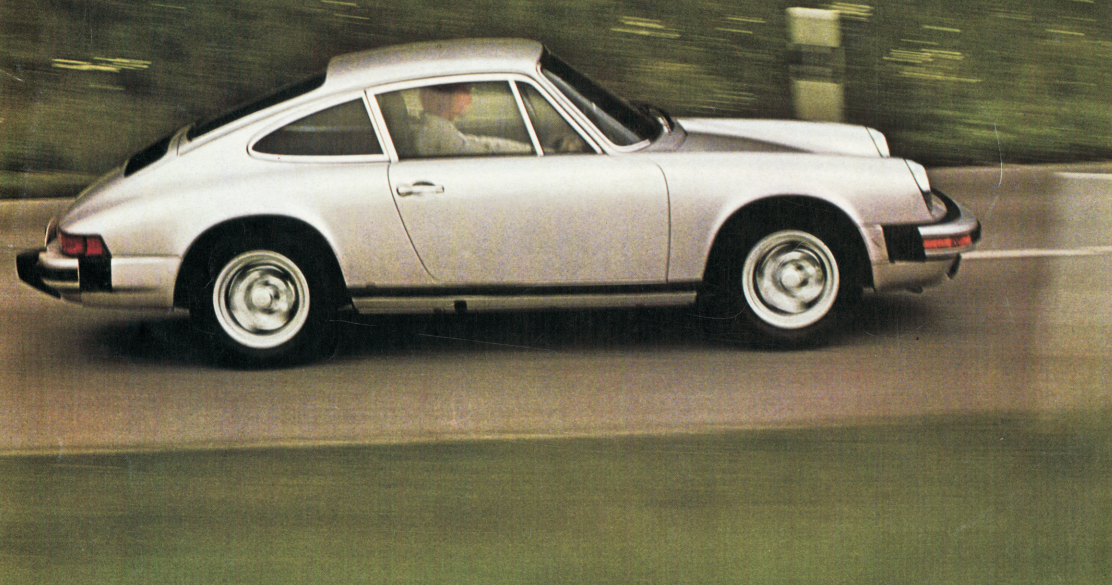
The base model Porsche 911, along with the 2.7 Liter 911S and Carrera 2.7, was introduced for the 1974 model year with many significant changes to meet legislative requirements around the world for both impact safety and emissions. It was available in Coupe and Targa variants, sporting engine Type 911/92 with K-Jetronic fuel injection, rated at 150 hp. For the 1975, the base model was discontinued in North America. ROW got Coupe and Targa variants, featuring engine Type 911/41 rated at 150 hp.
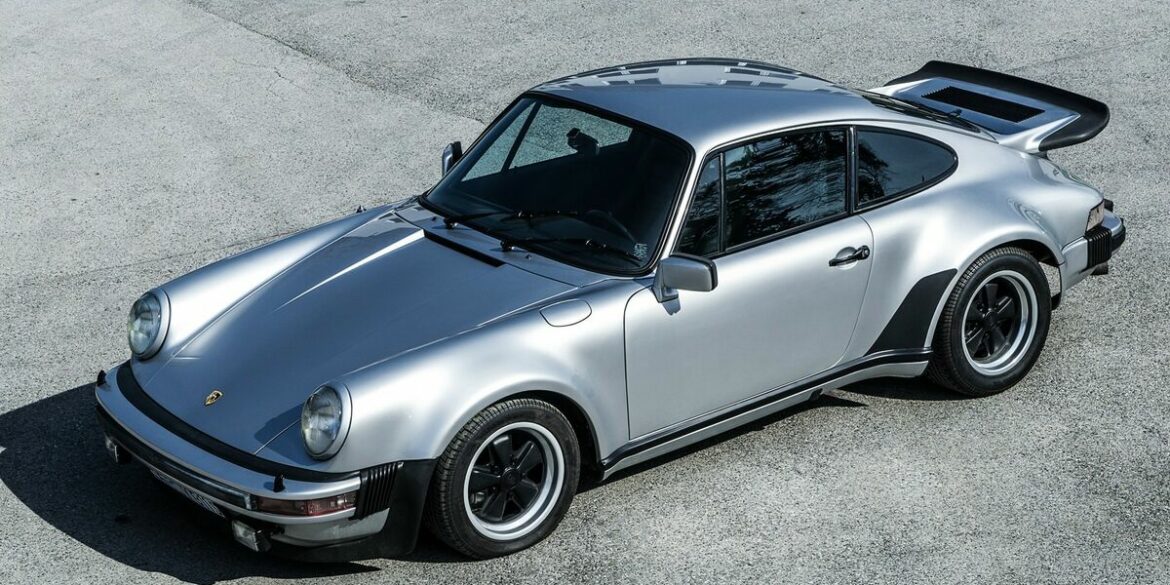
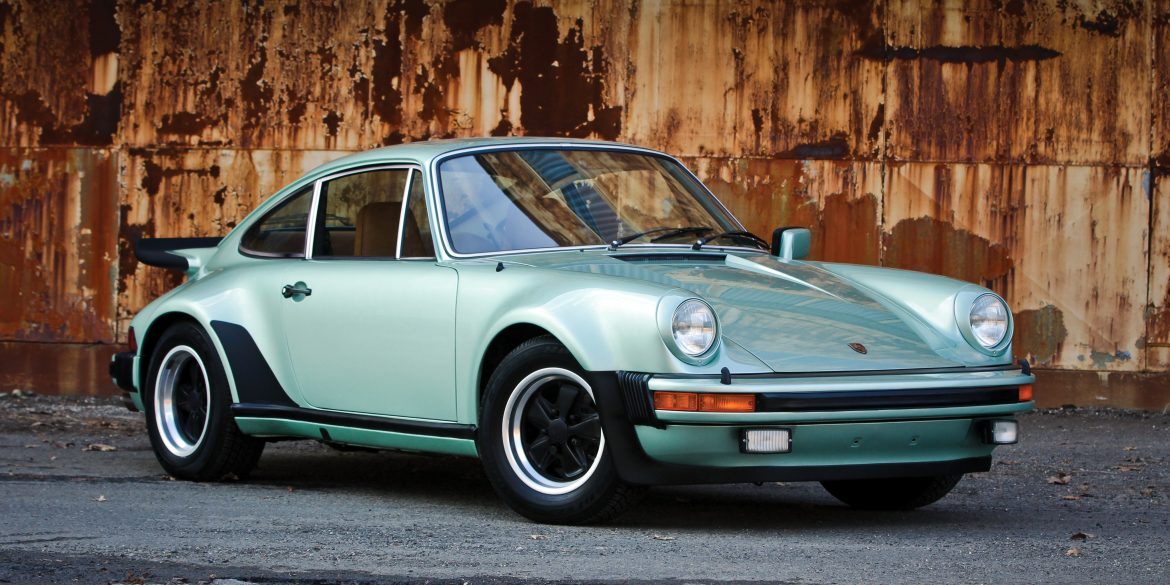
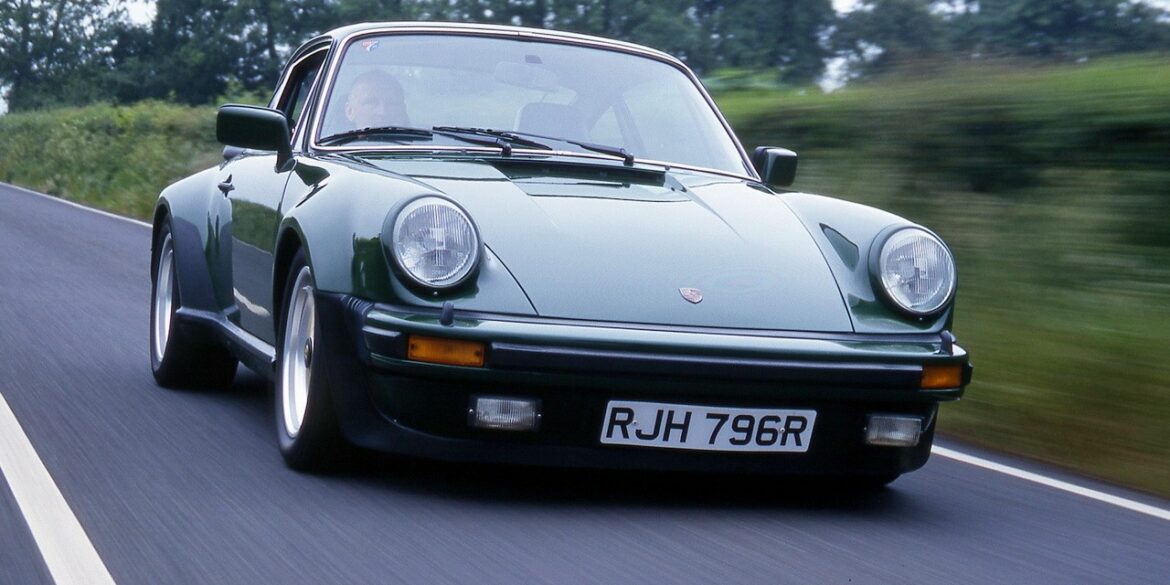
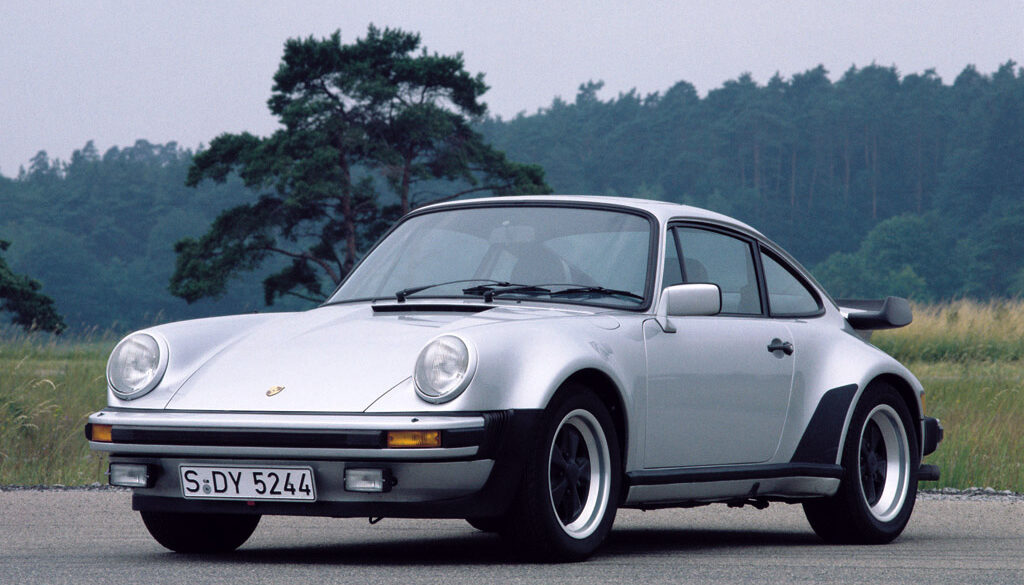
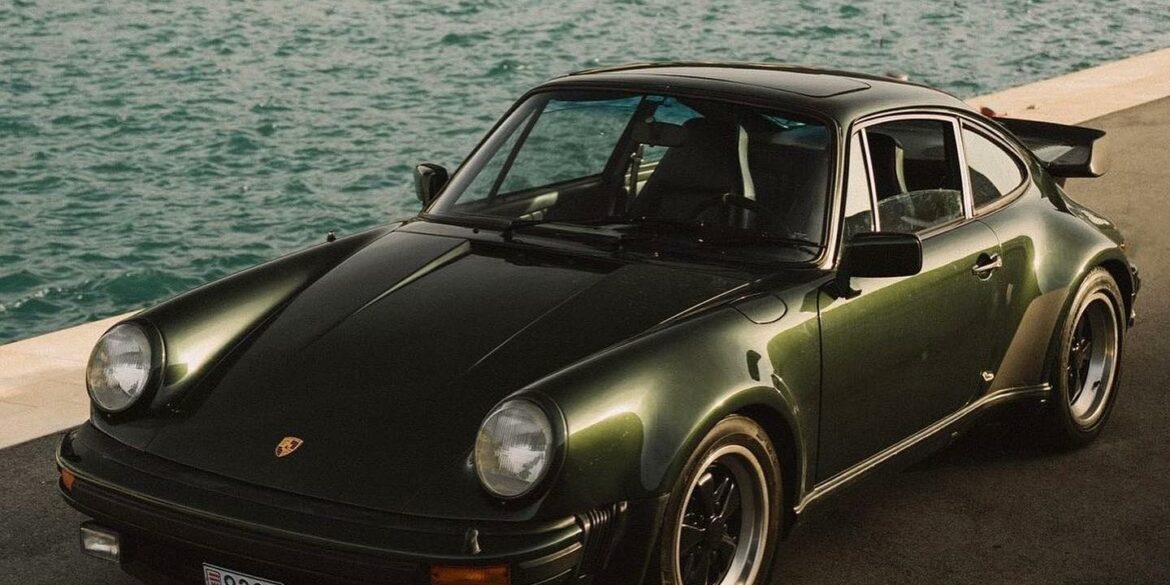
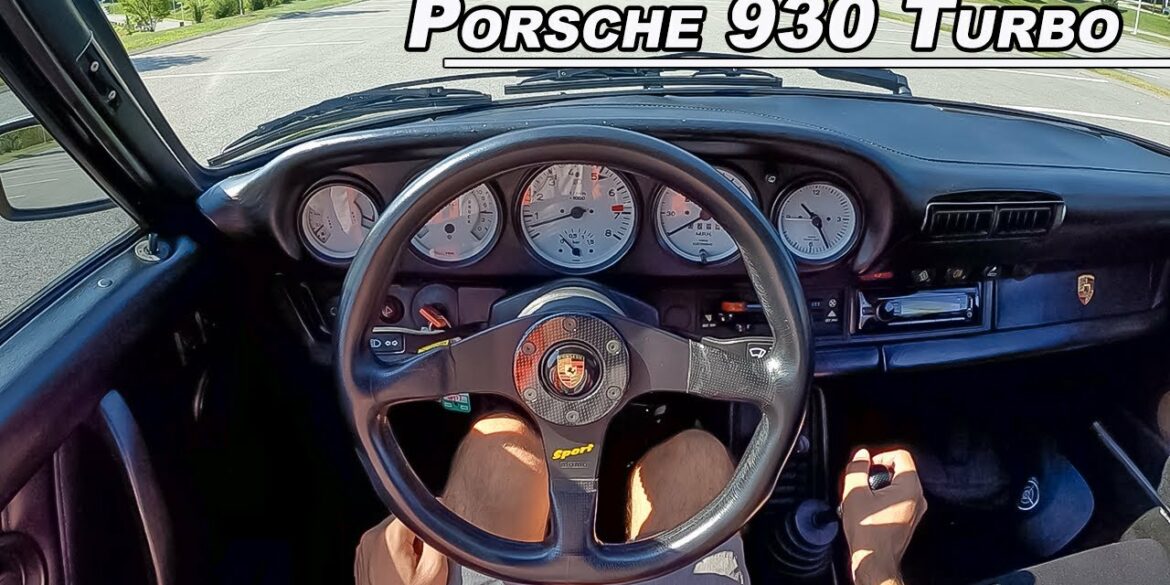
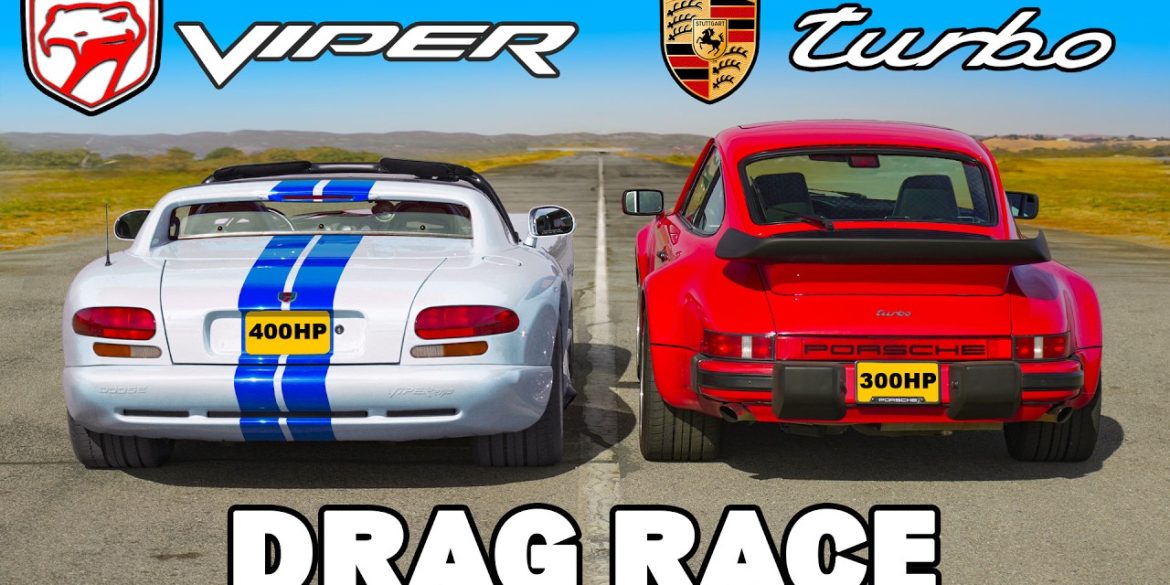
The first road-going 911 Turbo was not the familiar 930 that entered production in February 1975. Nor was it the engine-less prototype that had appeared at the Paris Motor Show in October 1973. Instead, it was a one-off narrow-bodied mule that was subsequently gifted to Ferry Porsche’s sister, Louise, on her 70th birthday in August 1974. Built on chassis 9115600042, this 2.7 Carrera Turbo also pre-dated the prototype 930 that was shown in almost production-ready at Frankfurt show in 1974.
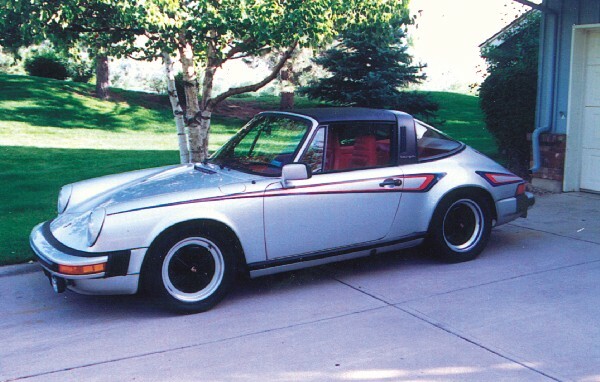
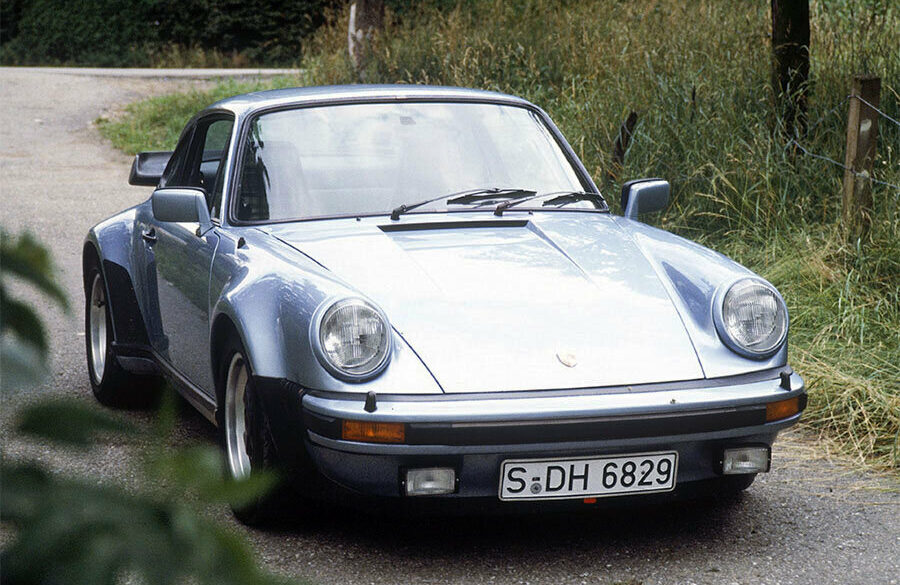
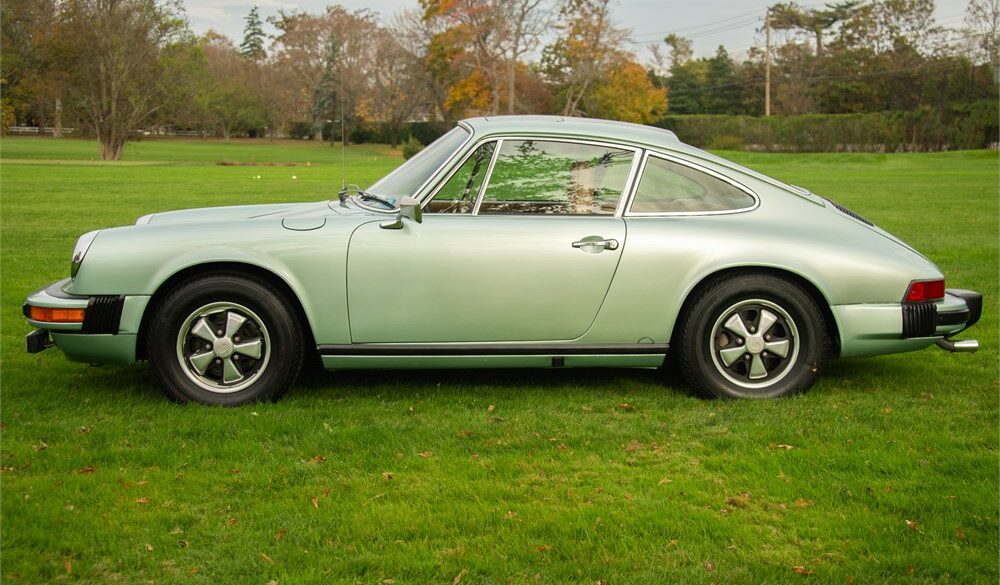
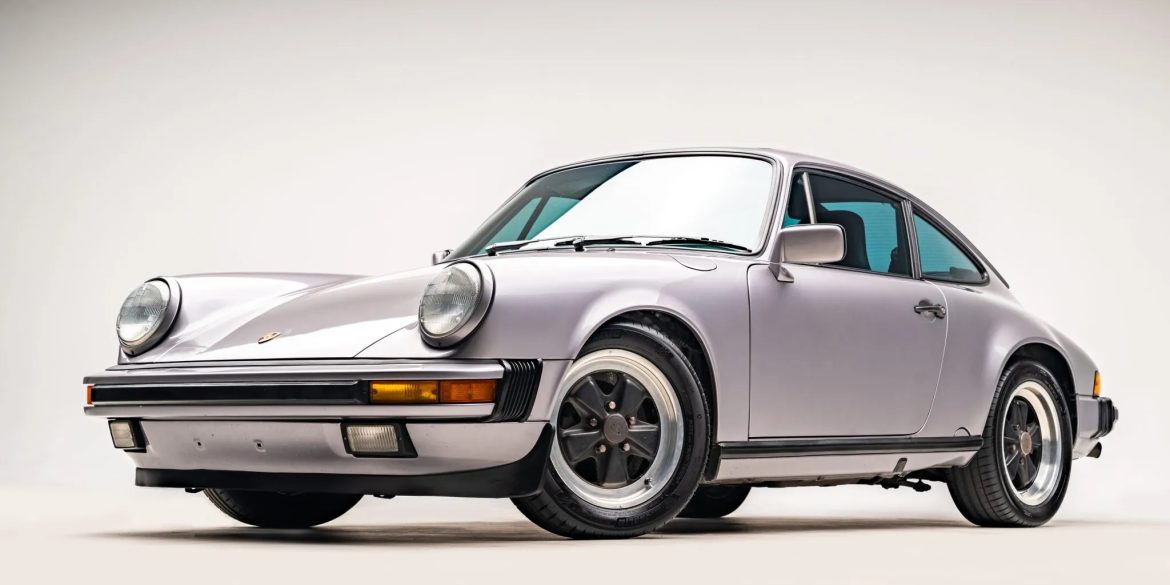
1975 PORSCHE 911S SILVER ANNIVERSARY EDITION
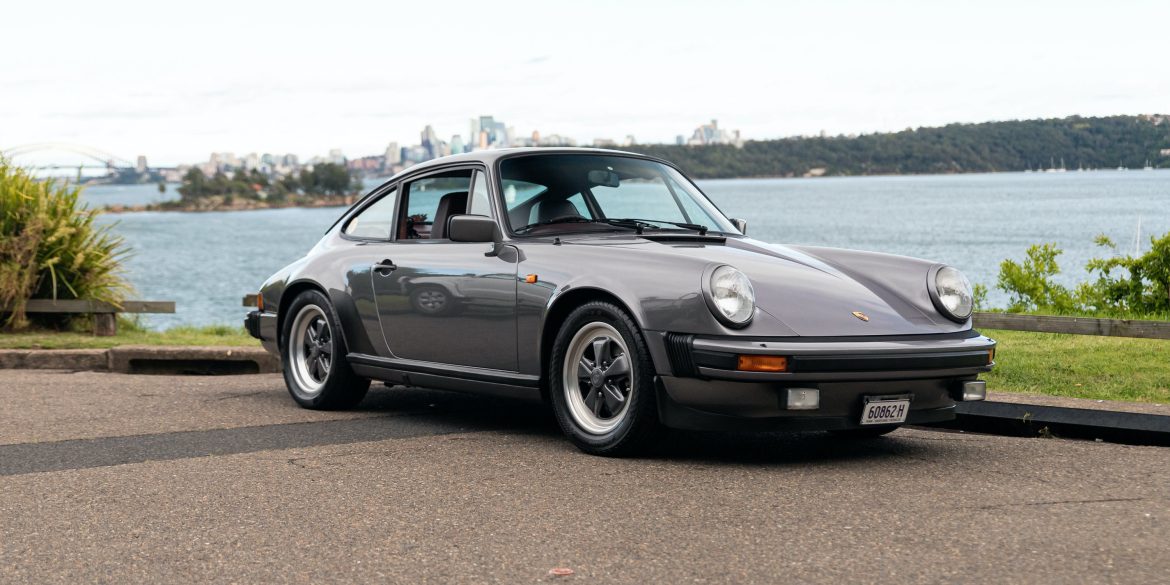
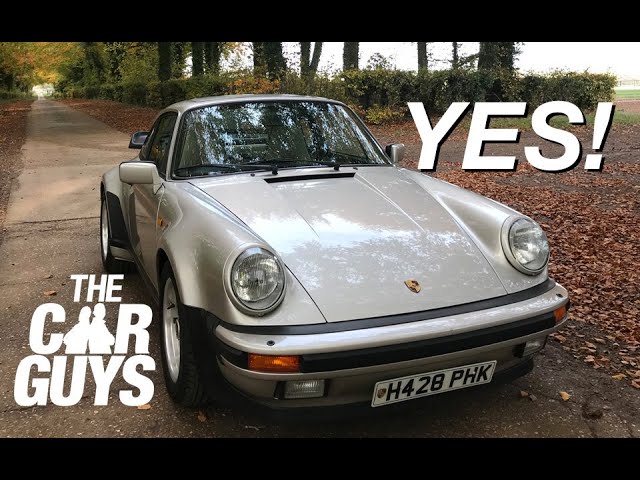
Commemorating 25 years of Porsche sports car production, the 911S Silver Anniversary Edition is distinguished by unique Diamond Silver Metallic paint and a special black leatherette and tweed interior. The first of Porsche’s commemorative ‘celebration’ cars, this Silver Anniversary was produced in a limited run of 1,063 examples, of which approximately 500 are reported to have made their way to the United States.
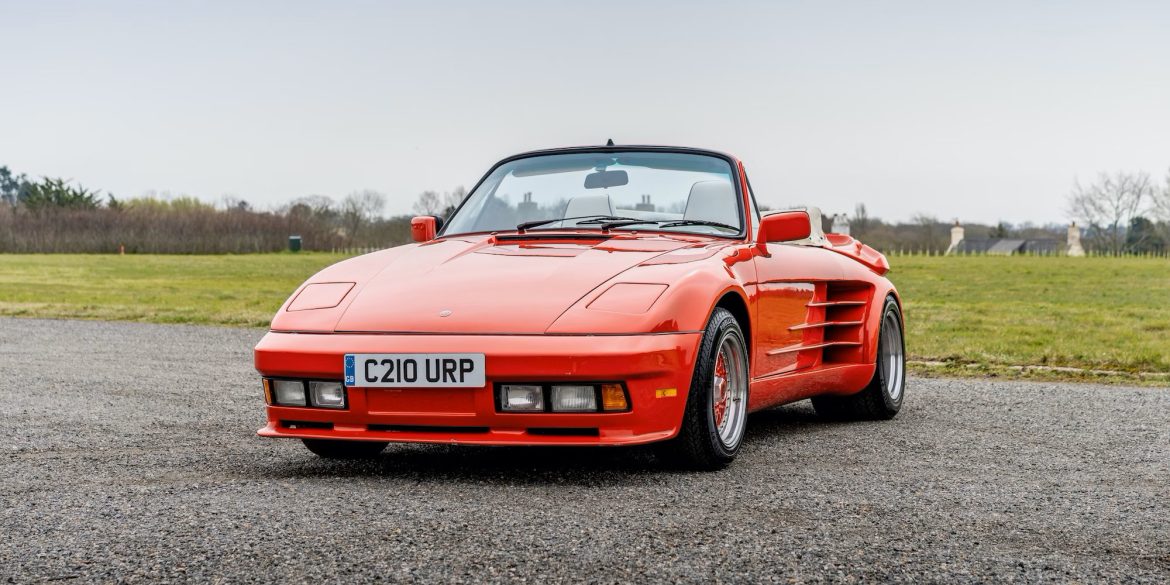
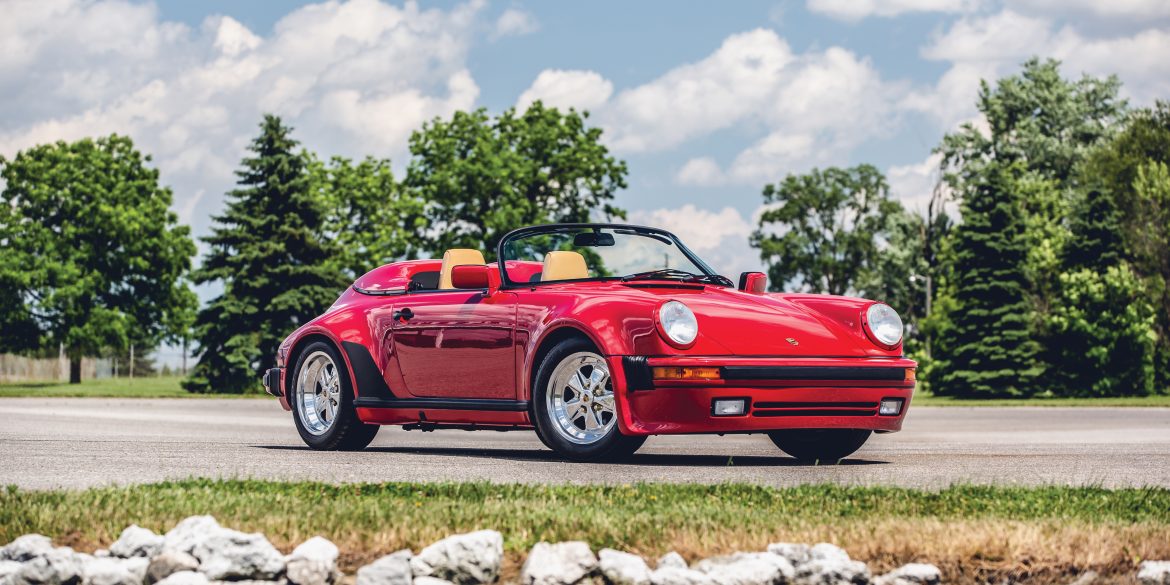
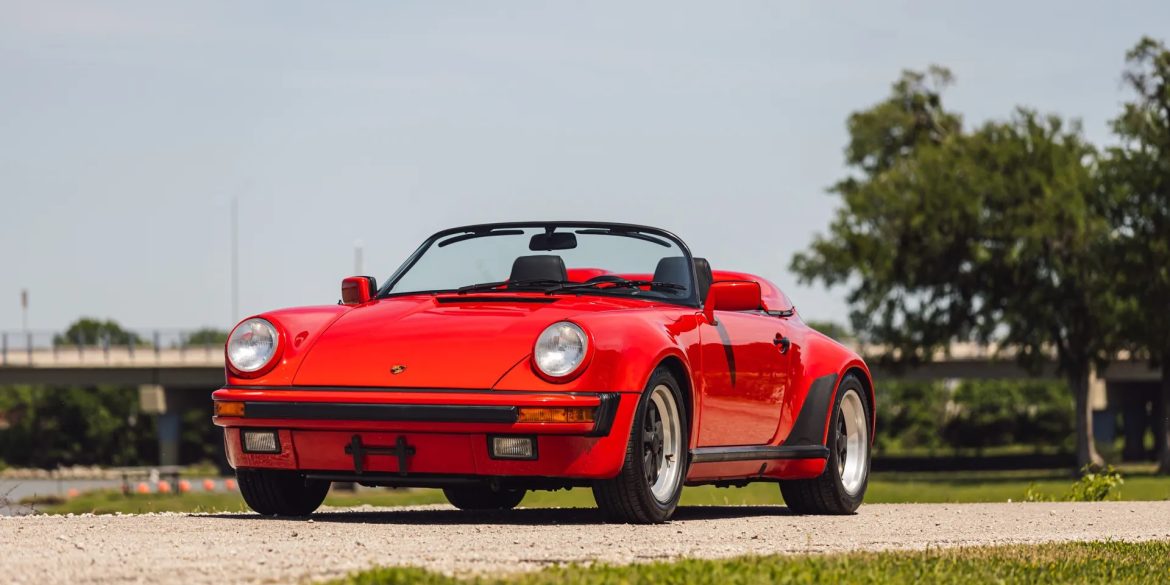
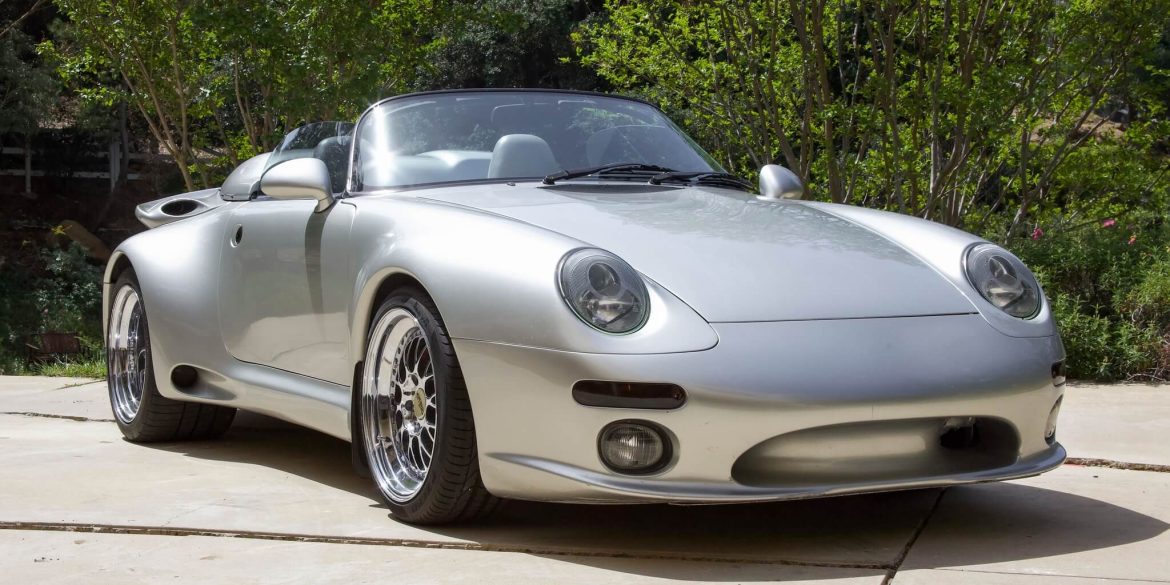
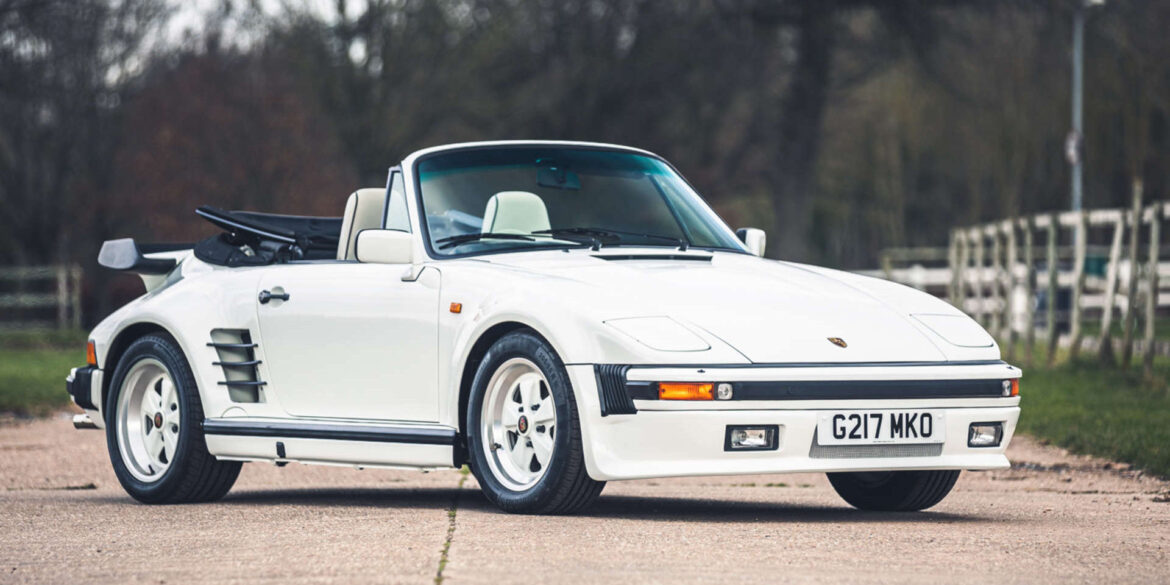
Essentially a Carrera 3.2 with a chopped, more steeply raked windscreen and hood, plus a stripped-out interior. Most had wide Turbo bodies. Porsche insisted that the simple hood was not designed to be 100 per cent watertight. The first Porsche 911 Speedster was built in 1989 and it was the last vehicle with the old 911 body. Three decades passed before the Speedster made a comeback. Had a 3.2 L Aircooled Flat 6 and 2274 were produced for the 1989 model year.
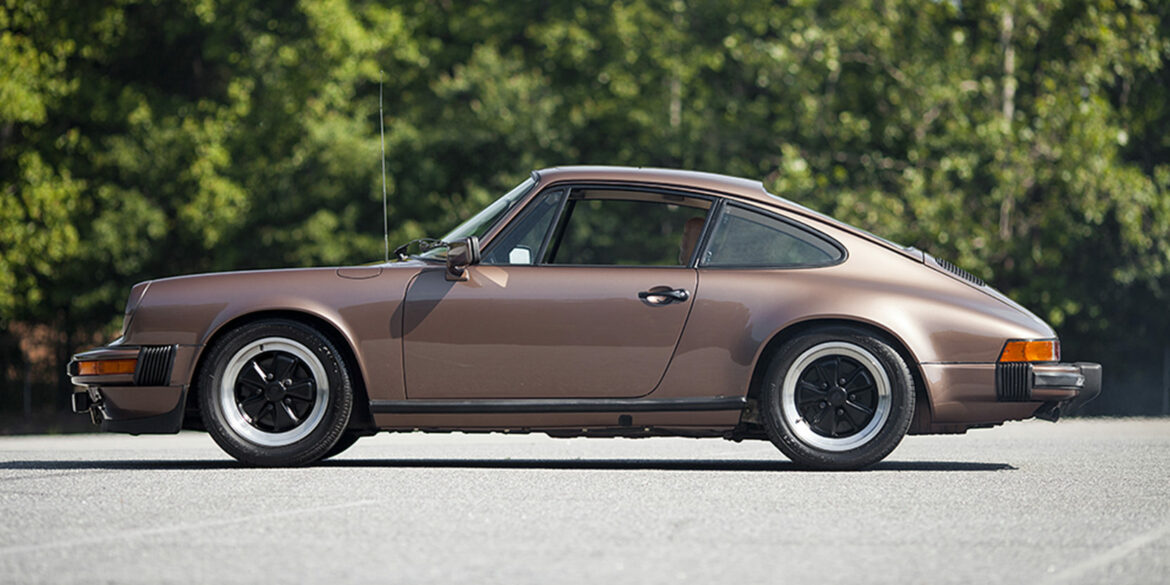
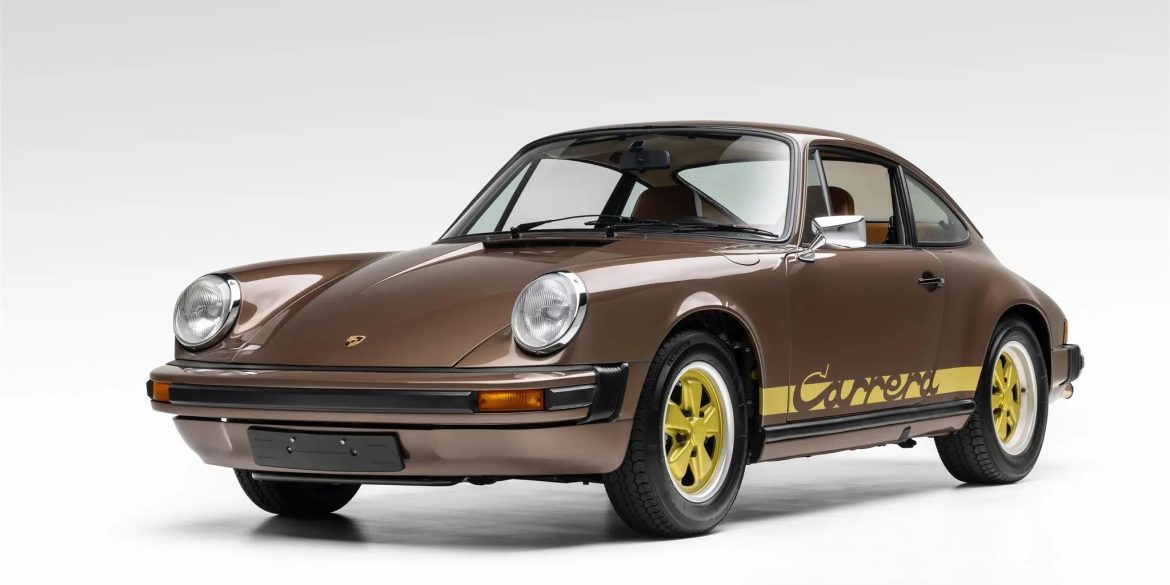
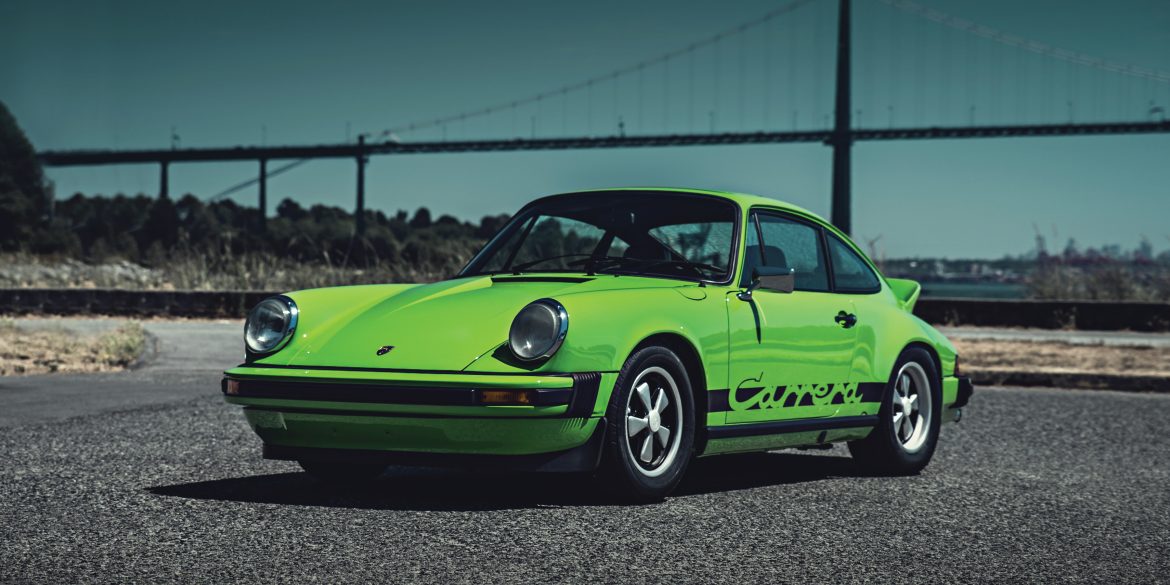
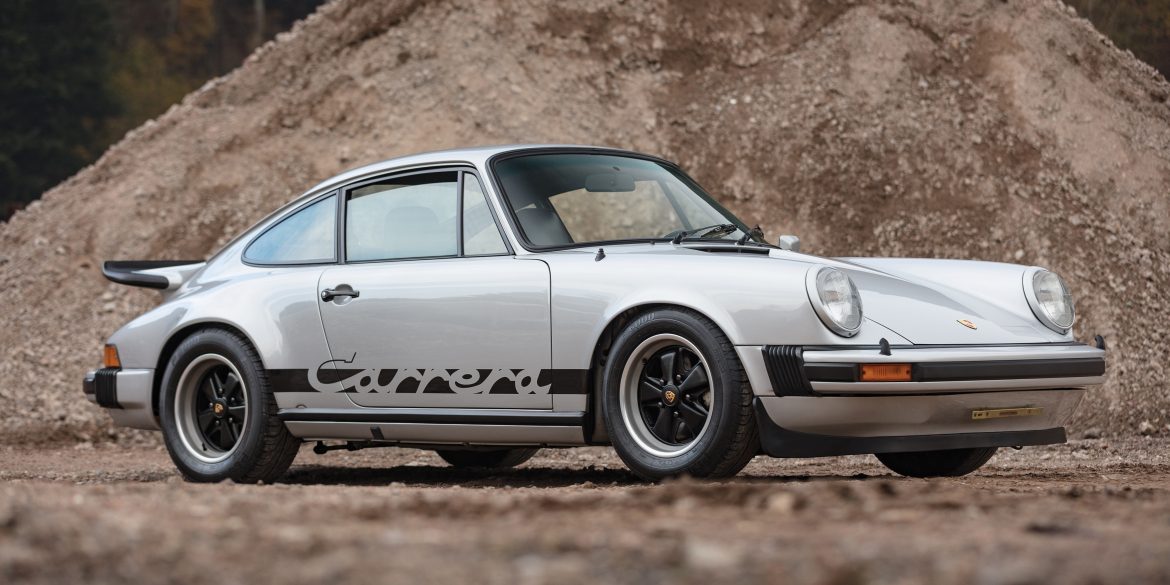
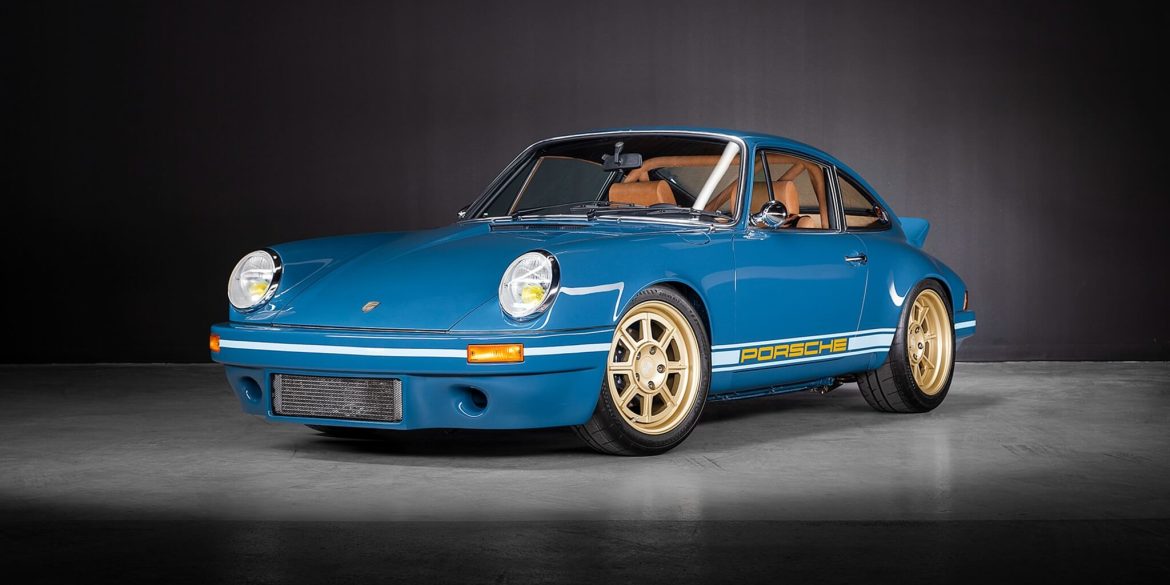
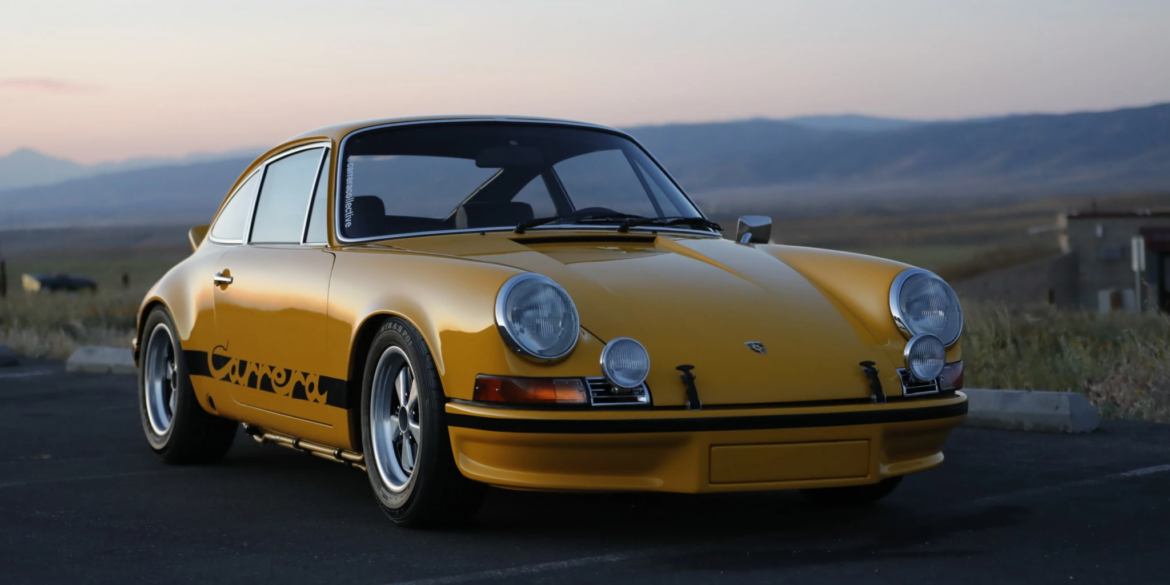
In 1974, Porsche's performance version of the 911 was simply known as the 911 Carrera. It had new bumpers that complied to American regulations and the 2.7-liter engine from the Carrera RS 2.7. Other new features for 1974 included new seats, a full-width rear taillight. The Carrera deleted all the chrome off the car in favor of black window frames, wipers, doorhandles, but chrome could be ordered as an option. In 1976 Porsche replaced the Carrera with a new 3.0 liter variant.
In 1974 Porsche offered a high performance fuel injected Carrera specifically for the European market. These were close to 2.7 RS specification and are often referred to as the 2.7 or Euro Carrera. In many regards, this car is similar to the 1973 2.7 RS in touring trim, with its 210bhp 911/83 engine, but the 2.7 Carrera is based on the updated G-series body and interior. Later Carreras that reach American shores used had reduced power and throttle response compared to Euro counterparts.
For 1989, Porsche produced the 25th Anniversary Special Edition model to mark the 25th year of 911 production. The 1989 Porsche brochure lists production of 500 U.S. market cars, of which 300 were coupés (240 in silver metallic paint and 60 in satin black metallic), and 200 cabriolet models (160 in silver and 40 in black). All had "silk grey" leather with black accent piping and silk grey velour carpeting. Includes small bronze "25th Anniversary Special Edition" badges.
As a successor to the Carrera 2.7 MFI, the Carrera 3.0 was fitted with a variation of the 930's engine without a Turbo. During its production period only 3,687 cars were made. The Carrera 3.0 was replaced by the Porsche 911 SC for model year 1978. Between 1976 and 1977, Porsche introduced the Carrera 3.0 with wide rear flares, optional whale-tail, and other luxury options. Built before the ‘911 SC’ it has everything the SC has, and more. It’s a different drive with more power @200bhp; more torque @188 ft/lb @4200rpm and it was 10% lighter too.
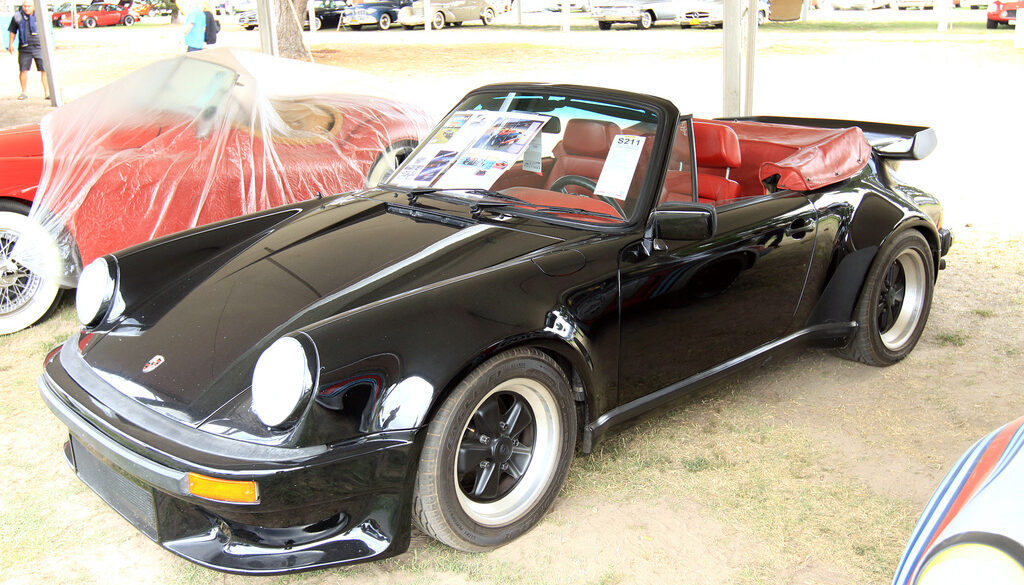
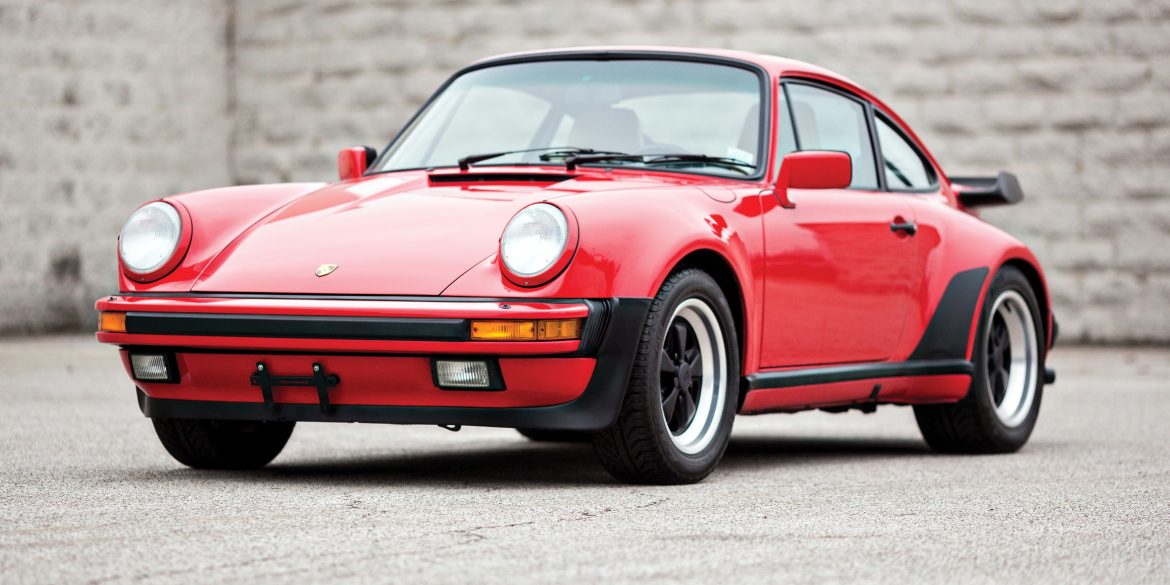
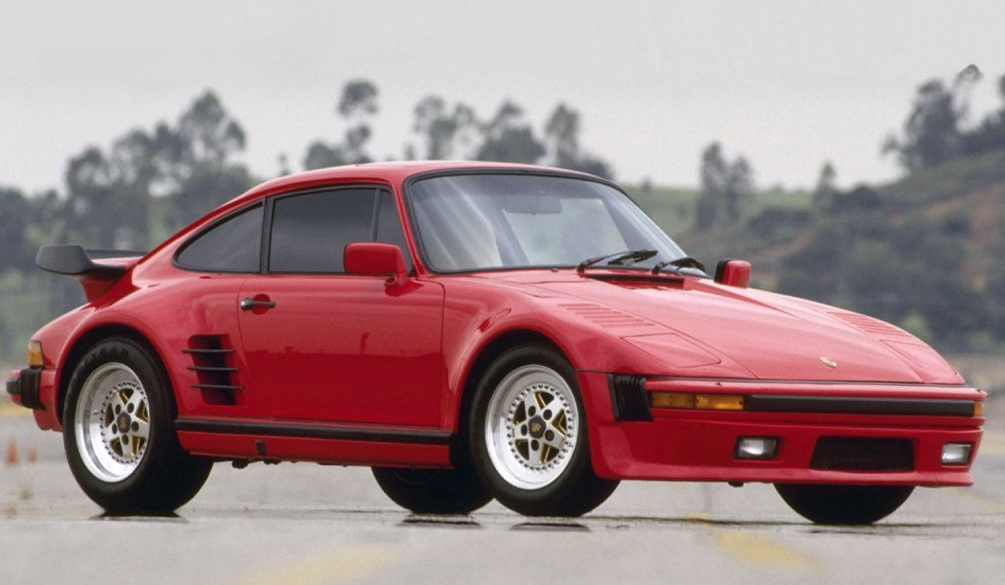
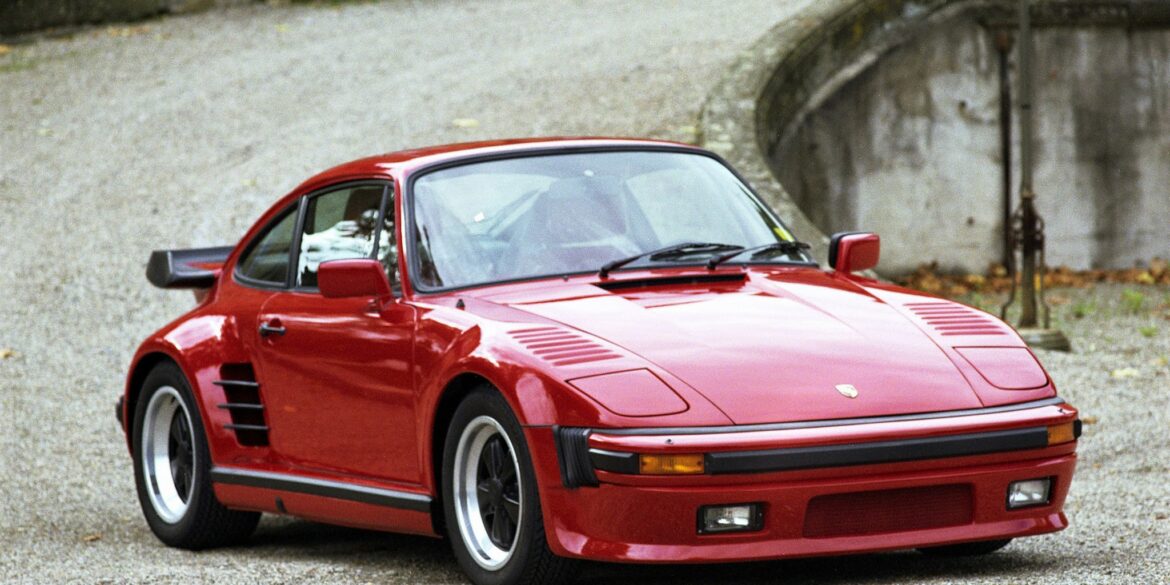
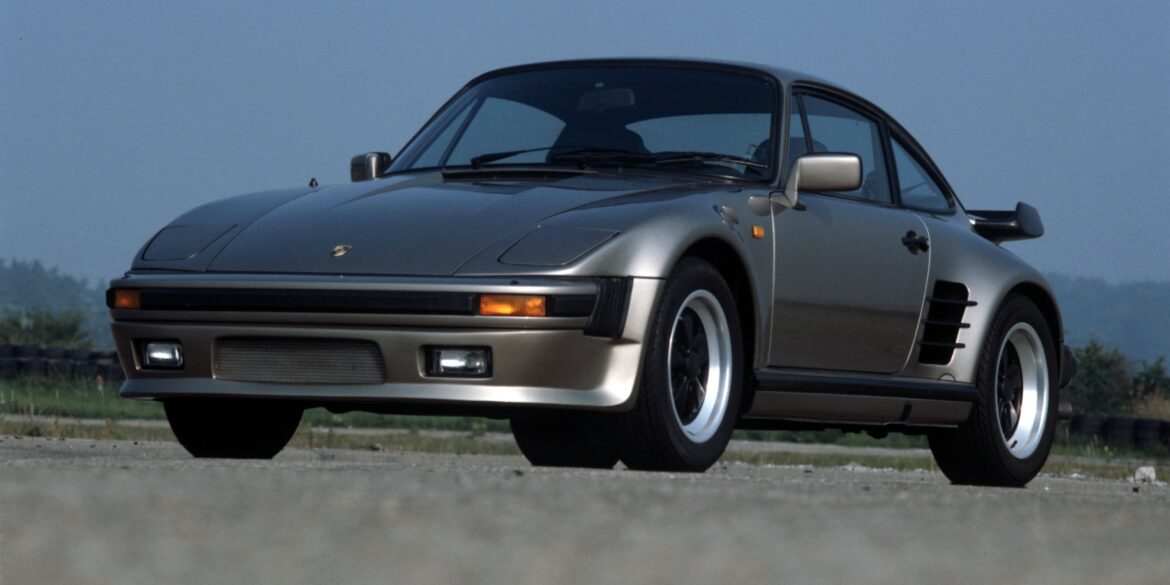
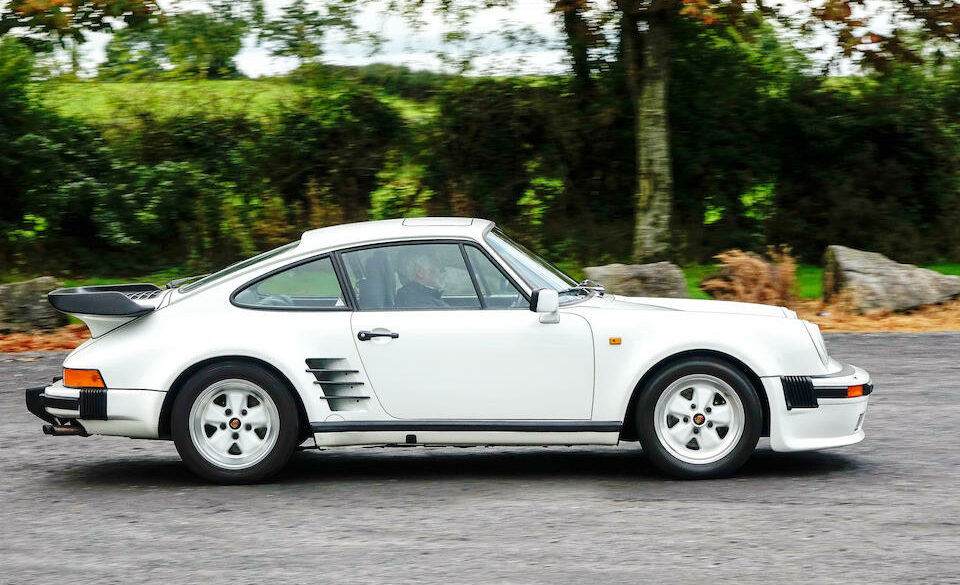
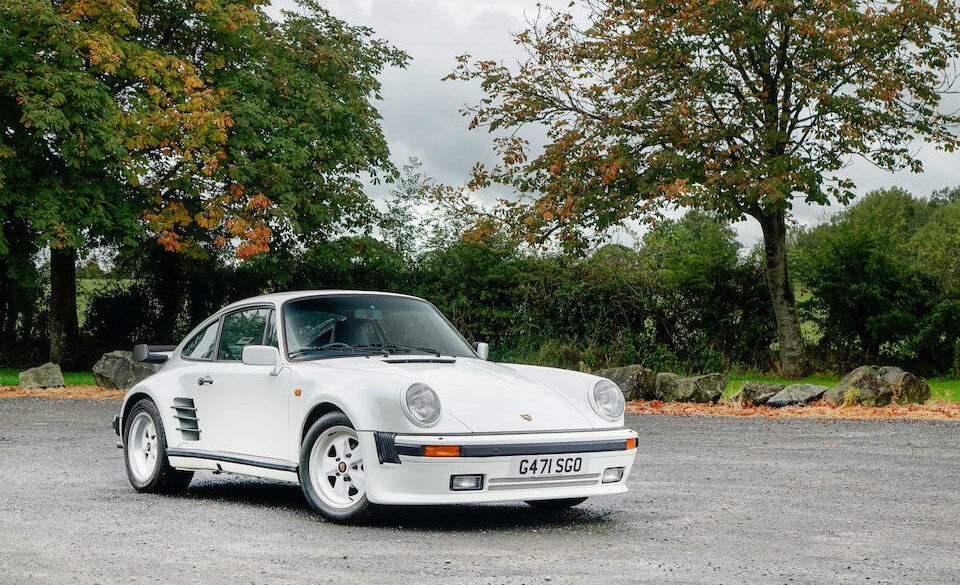
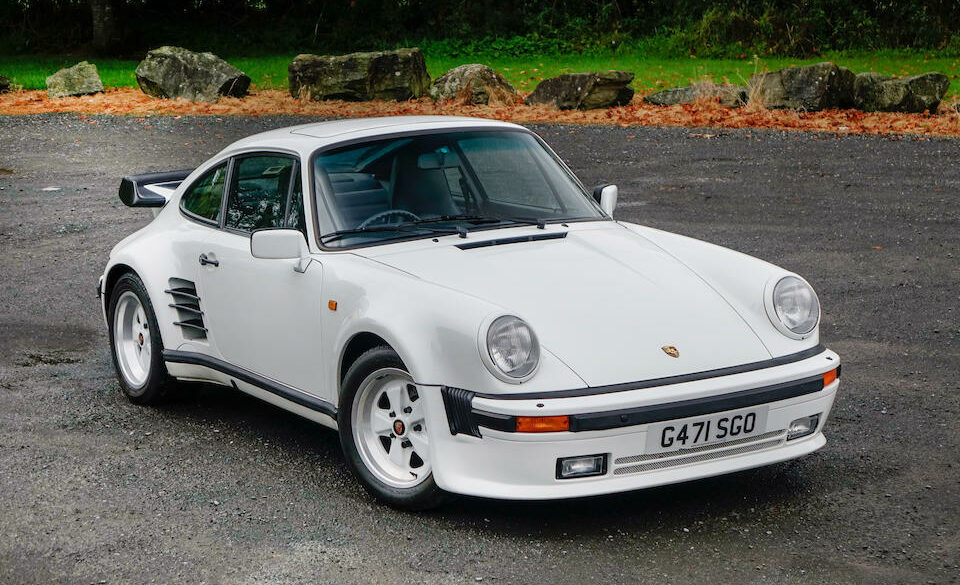
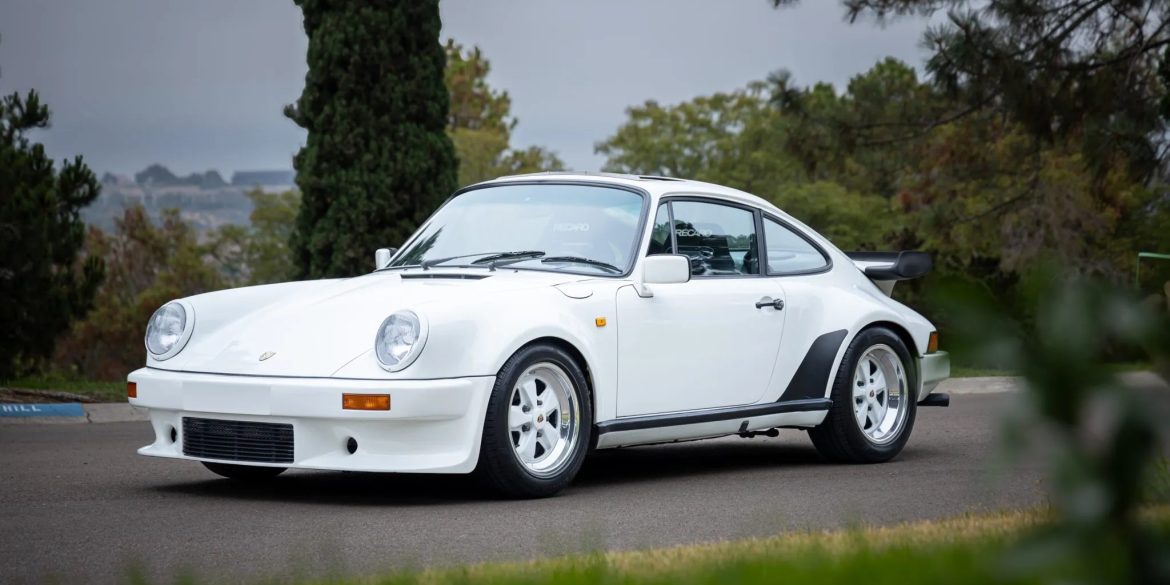
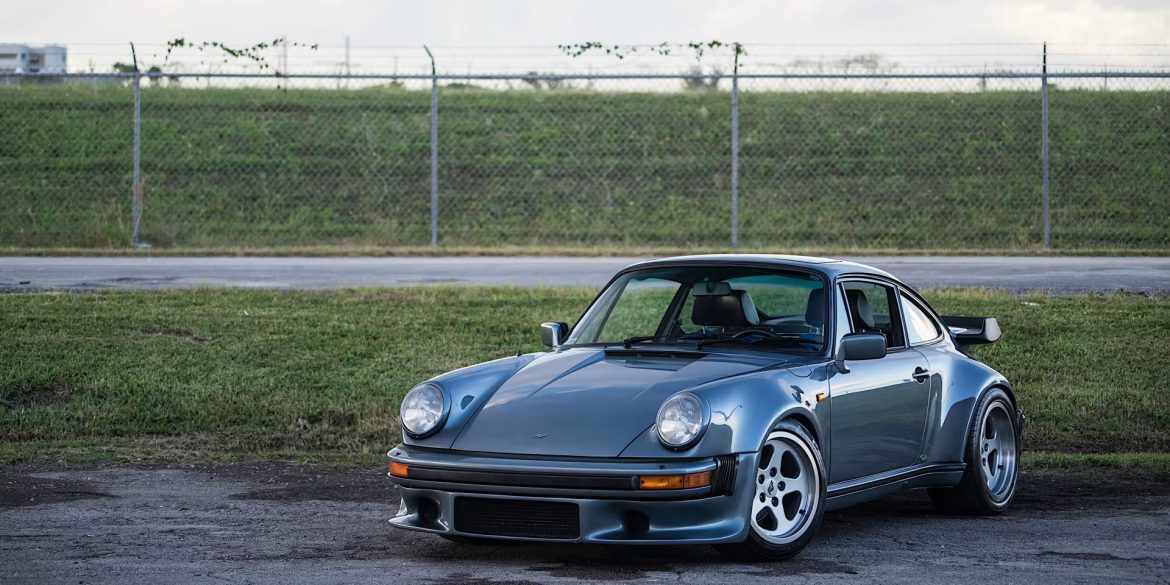
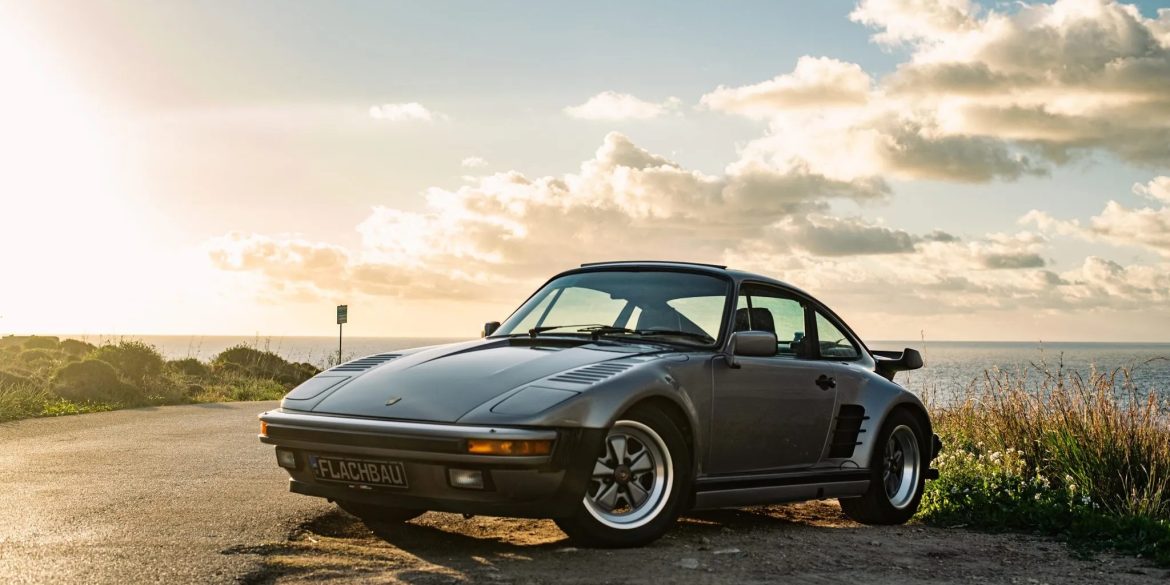
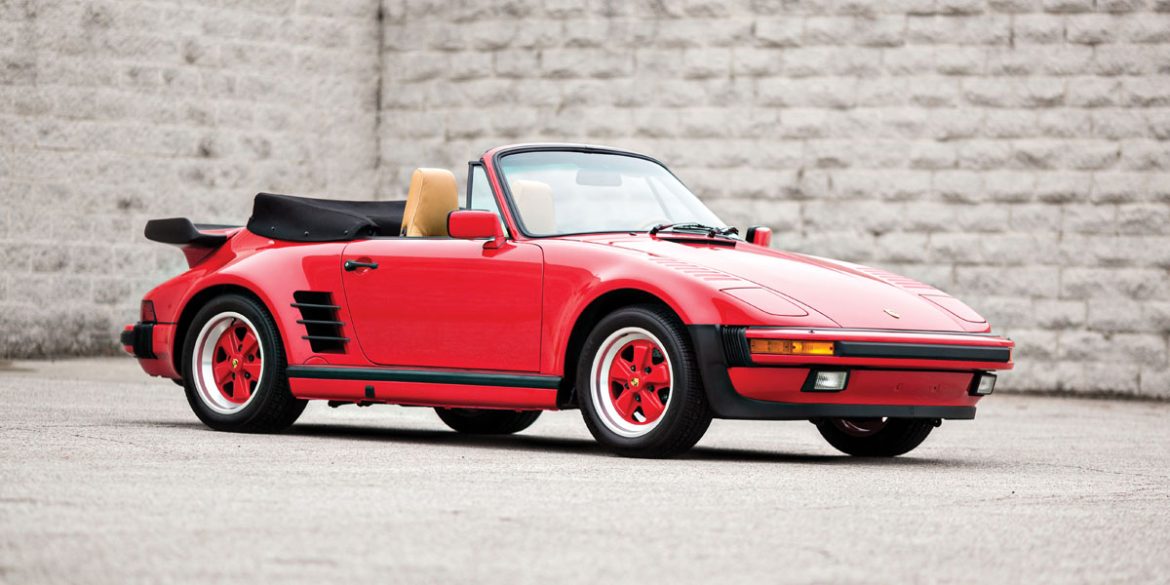
Porsche introduced a new wide-body package option. Known as the M491 option it was commonly known as the "Turbo-Look". It gave the naturally aspirated cars the look and style of the 930 Turbo with wide wheel arches and the distinctive "tea tray" tail. It wasn't just about looks however, because M491 also got you the stiffer suspension shared with the Turbo and the superior Turbo braking system as well as the wider Turbo wheels. It was available on the Coupe, Cab and Targa.
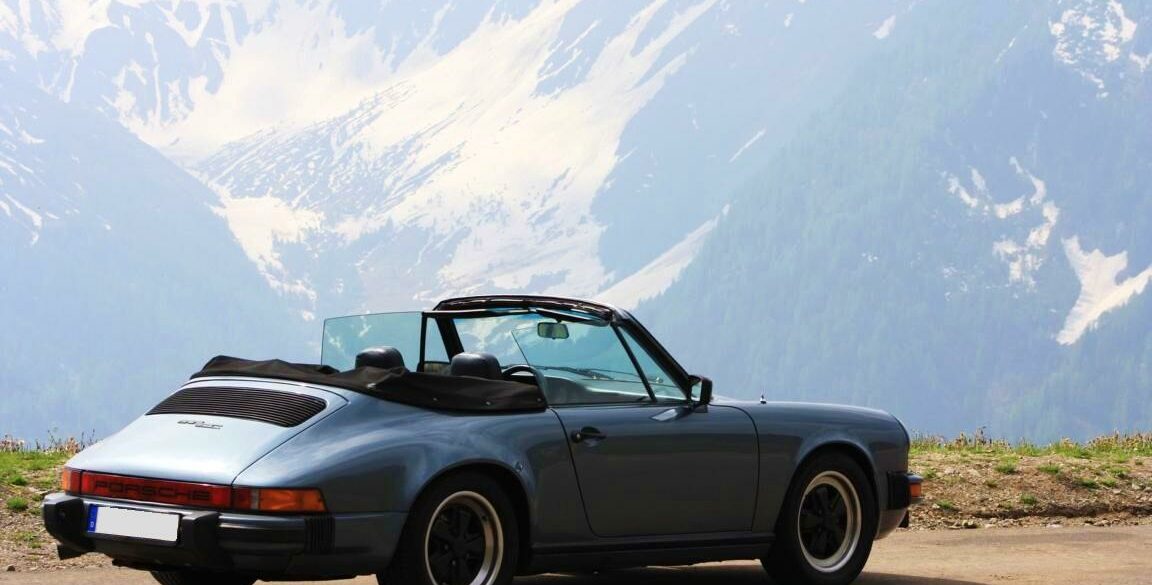
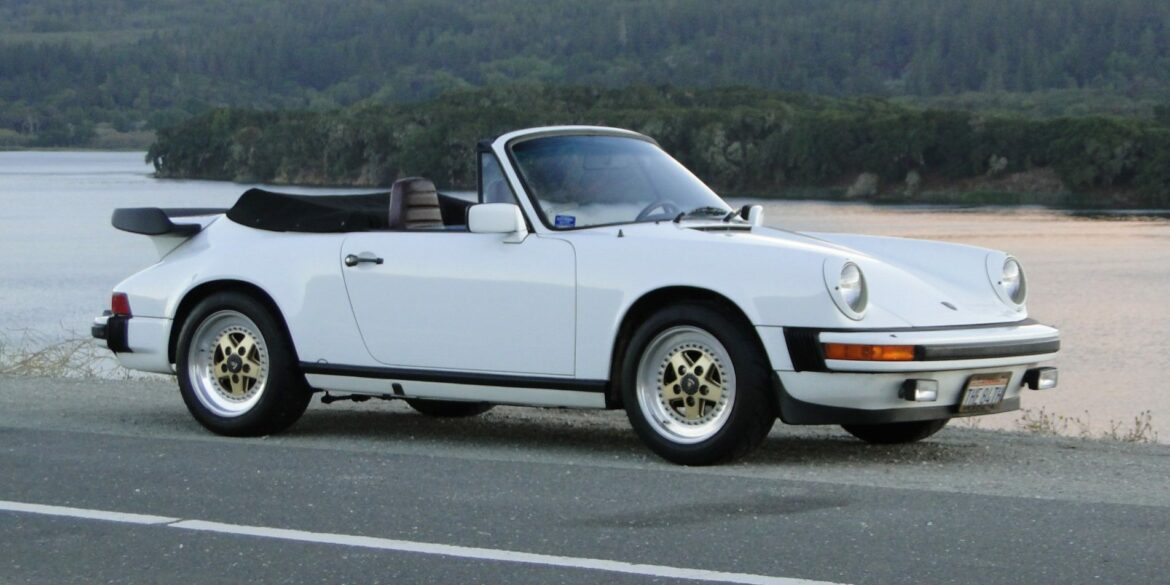
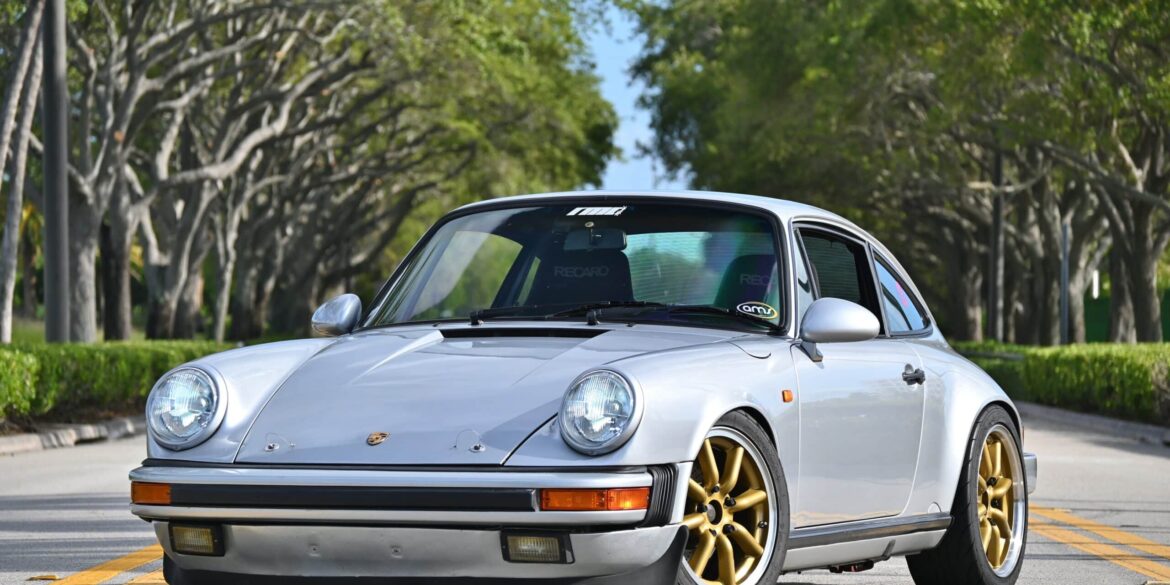
The replacement for the SC series came in 1984 as the 911 3.2 Carrera, reviving the Carrera name for the first time since 1977. This was the last iteration in the original 911 series, with all subsequent models featuring new body styling and new brake, electronic, and suspension technologies. Almost the same galvanised body as the SC. Engine was claimed to be 80 per cent new, and the first production 911 to feature an ECU to control the ignition and fuel systems.
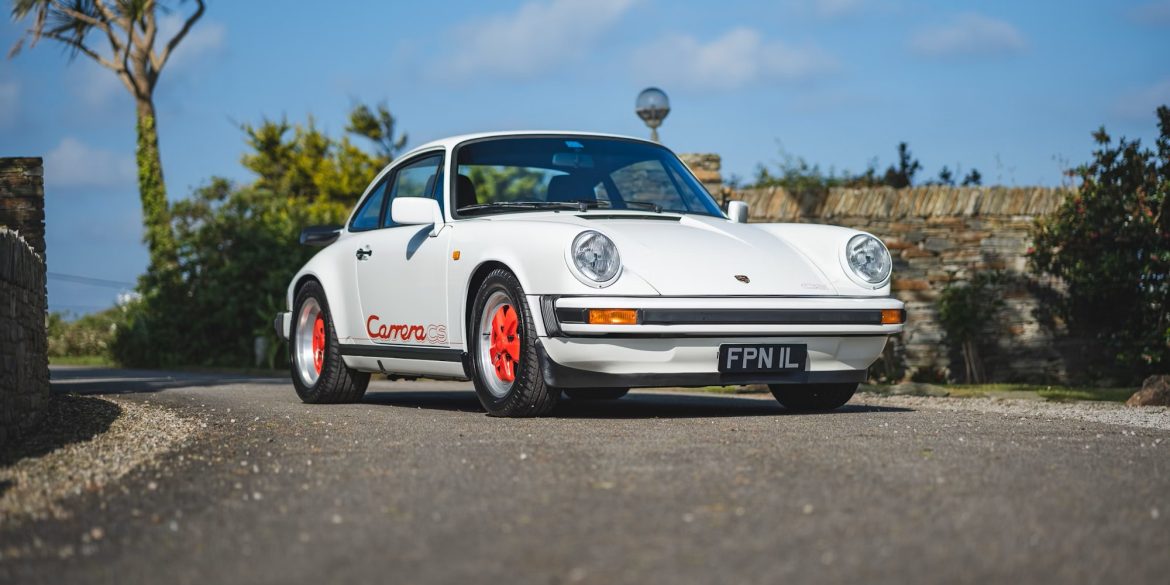
The 911 Carrera Club Sport was Porsche refocusing on what they do best – high performance, lightweight motoring. This is probably the most underrated Porsche ever made. Manufactured between August 1987 and September 1989 only 340 cars. It had a blueprinted, high revving engine mated to a modified short-shift, close-ratio G50 gearbox. It had track-bias suspension modifications too.
In 1988, Porsche produced 875 examples of the CE or Commemorative Edition 911 Carrera in coupe, targa and cabriolet variants to mark the production of the 250,000th 911. Distinguishing features include special diamond blue metallic paint with color-matched Fuchs wheels, front and rear spoilers, and interior carpets and leather. These cars also featured Dr. Ferdinand Porsche's signature embroidered on the seats in the headrest area.
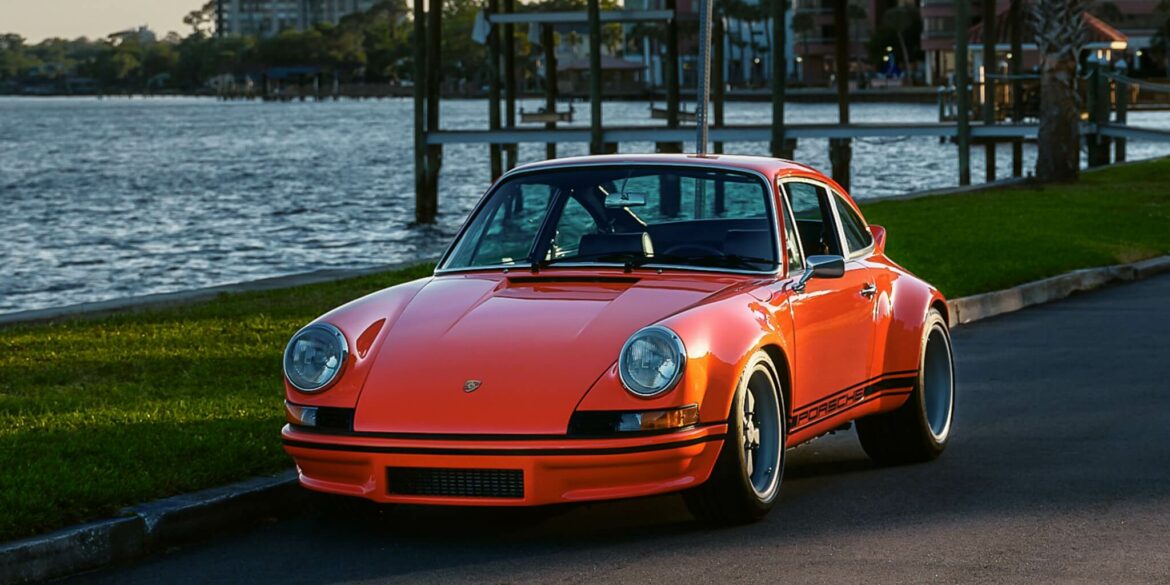
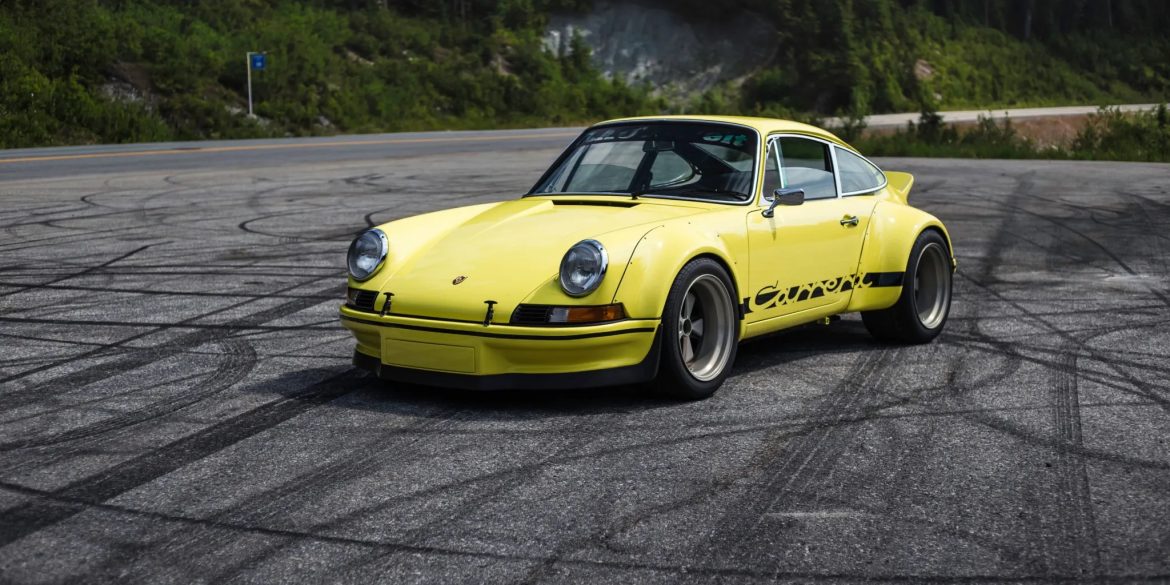
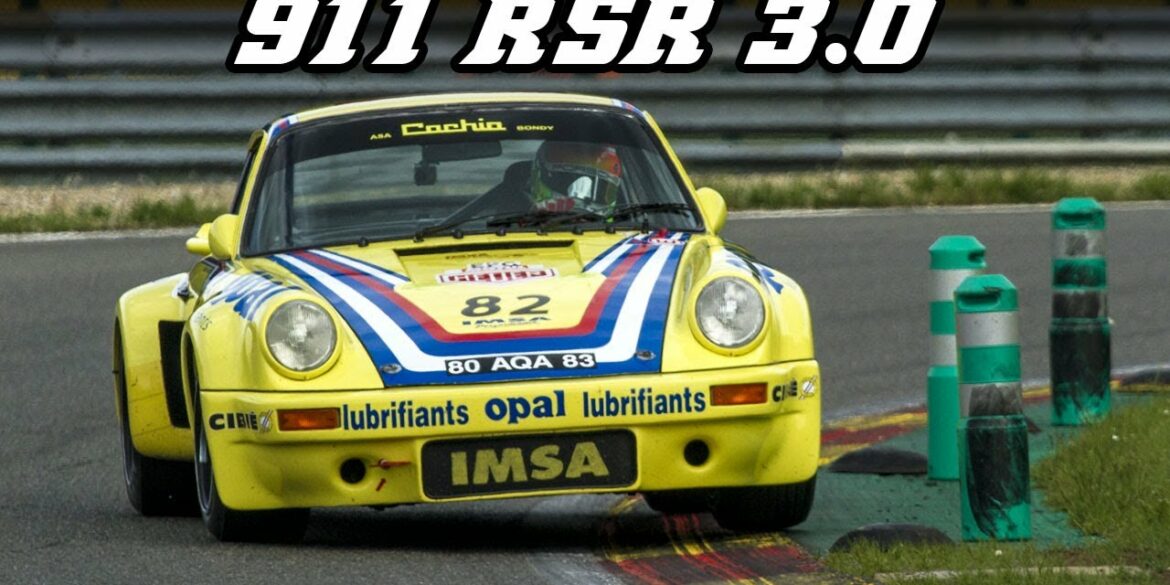
Following the famous 1973 F-model 911 Carrera RS 2.7, Porsche built its successor based on the G-model and it was called the 911 Carrera RS 3.0. With its 172 kW engine, it was the most powerful series production street-legal Porsche made so far. With its new 3.0-liter engine, featuring mechanical fuel injection, it was capable of 230 hp. While 1,580 Carrera RS 2.7s were built for 1973, only 56 Carrera RS 3.0s were built for 1974.
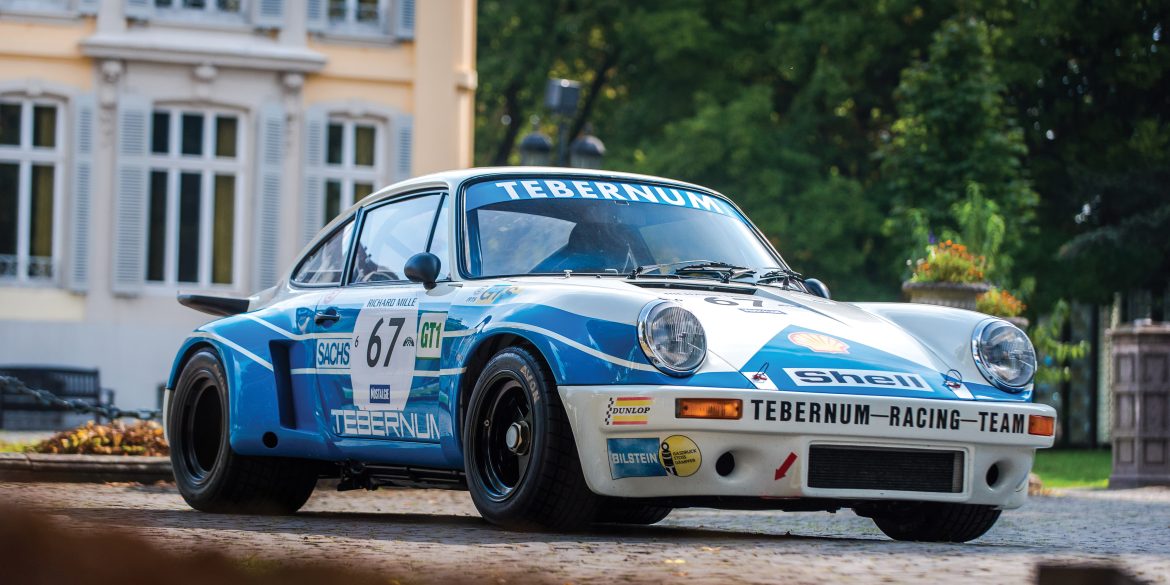
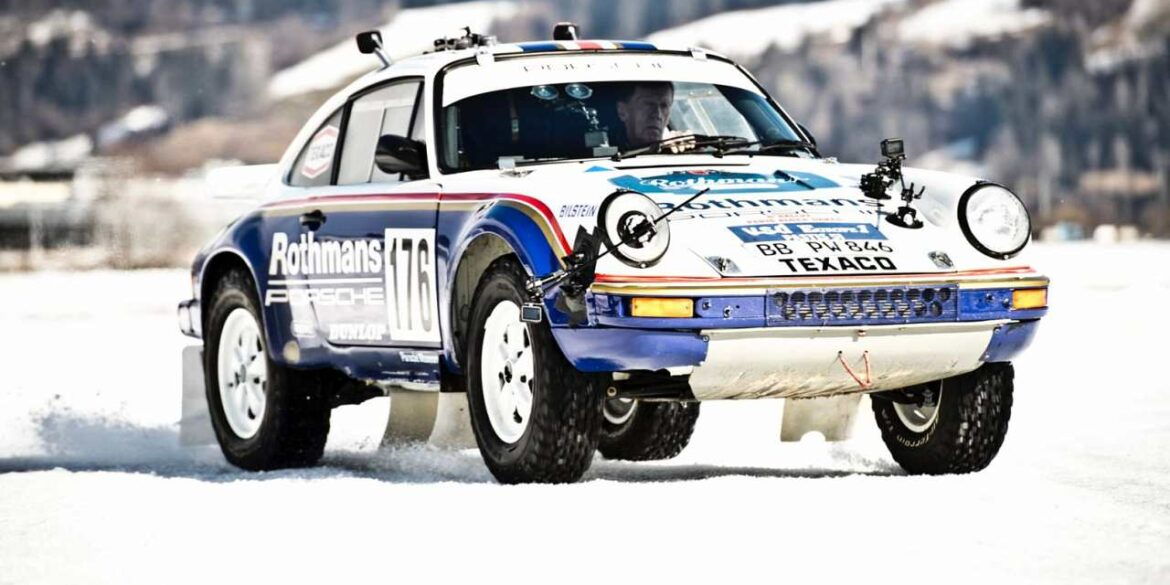
Porsche 911 Carrera RSR 2.8
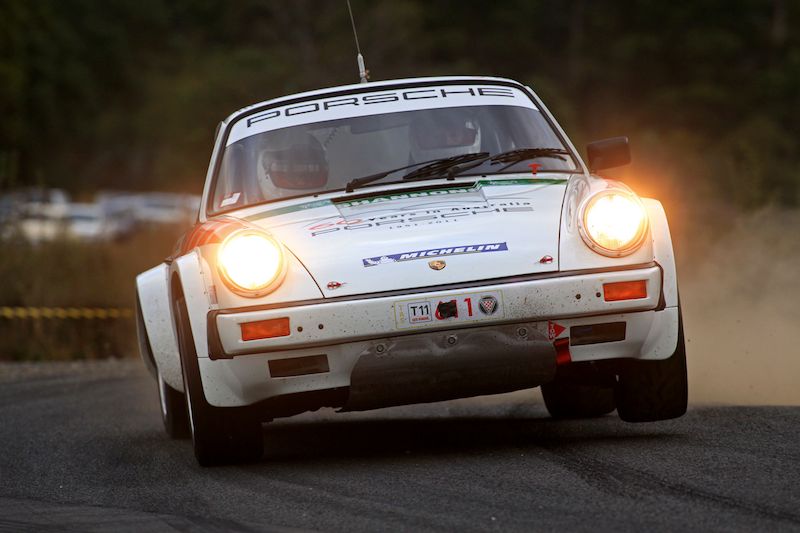
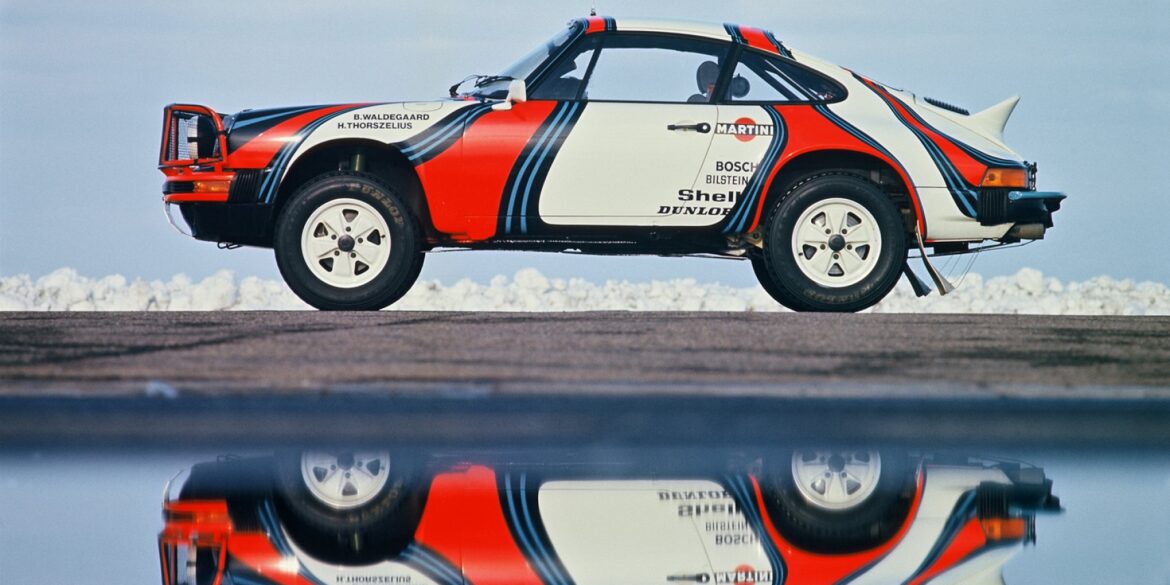
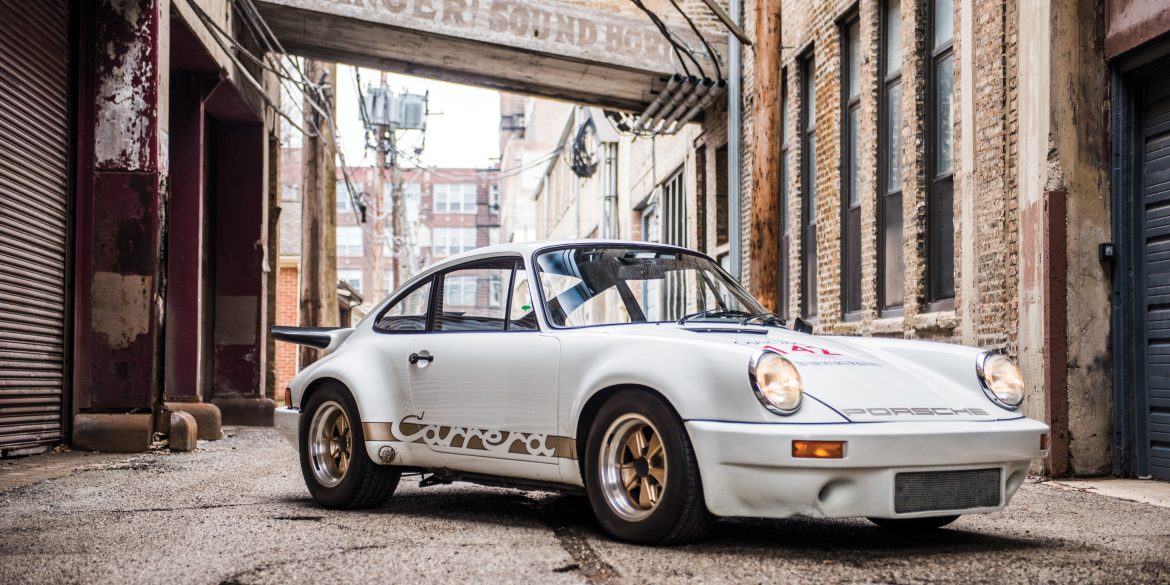
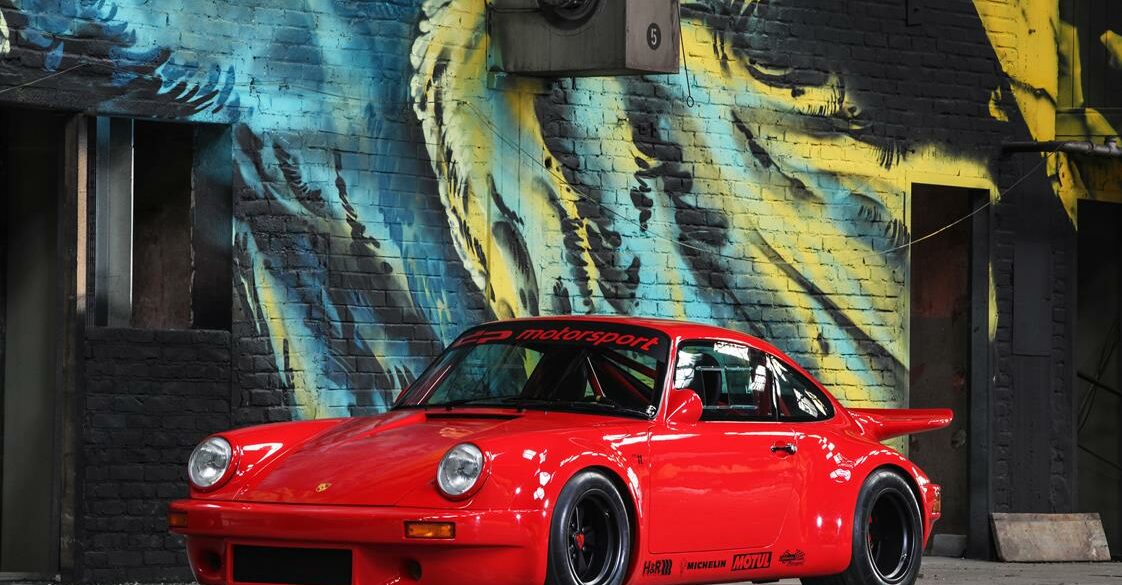
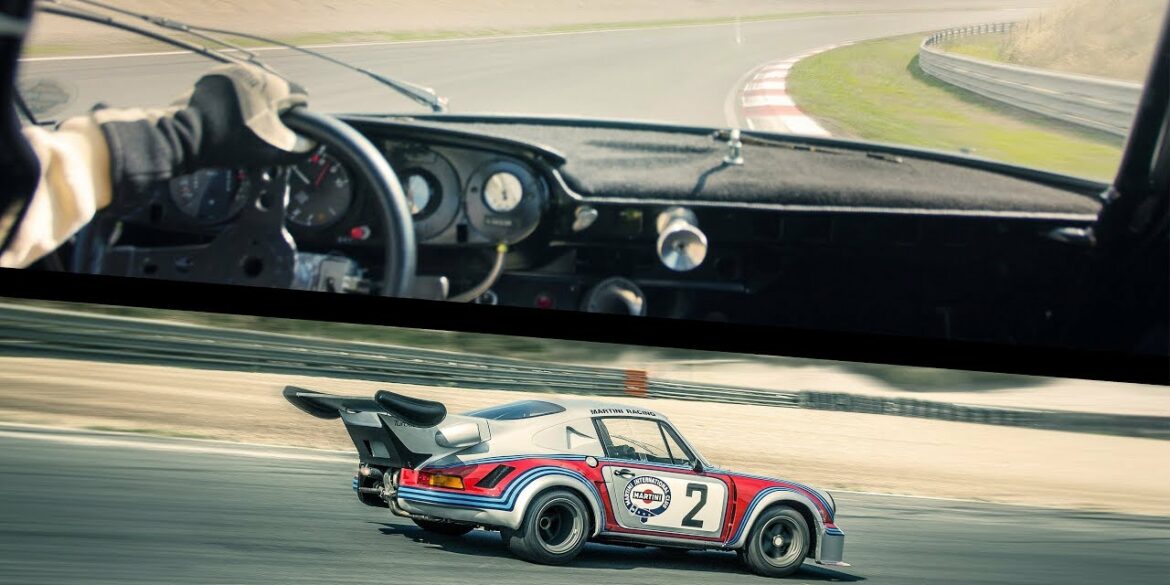
Introduced in 1973, the RSR was a factory-built racing car based on the 911 chassis. The Porsche 911 Carrera RSR 2.8 was the first 911 to ever wear the RSR badge. Homologated for racing by the iconic 1973 Porsche 911 Carrera RS, the RSR’s racing career got off to the perfect start thanks to Brumos Racing’s overall triumph in the 1973 24 Hours of Daytona, while a factory car won the latest ever Targa Florio road race. For the privateer in the mid-1970s who wanted to go sports car racing this was the chosen weapon.