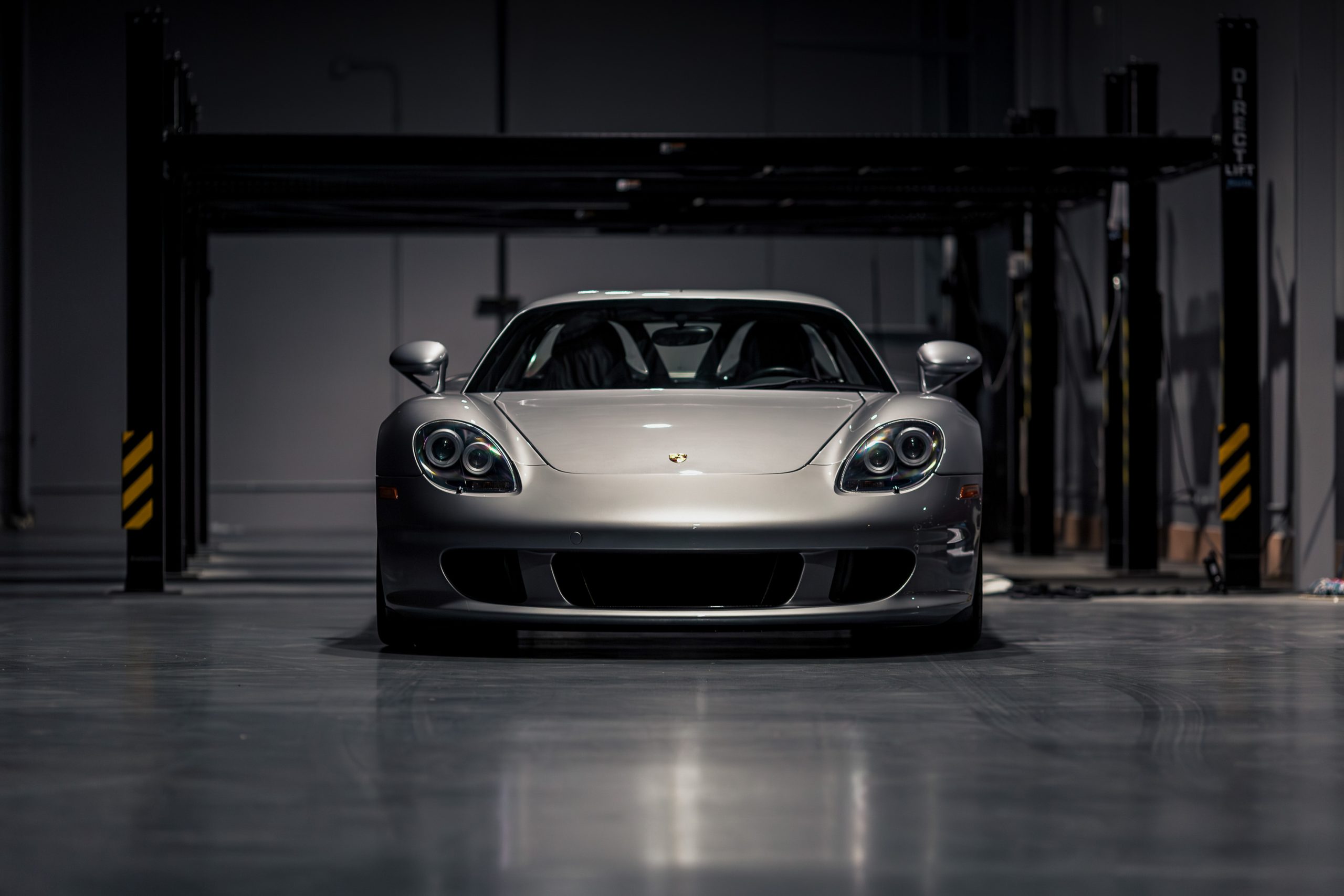

Porsche 911 Turbo
The Ultimate Guide To A 50+ year Journey of Taming Explosive Power.
Featured / Brief History / 911 Turbo Generations / 930 / 964 / 993 / 996 / 997 / 991 / 992
If the GT3 is Porsche’s high-strung, track-ready scalpel, the 911 Turbo is its sledgehammer wrapped in velvet. For over 50 years, the "Turbo" script on a 911’s rear decklid has signified more than just a forced-induction engine; it is a declaration of Porsche’s technical supremacy. Since its official debut at the 1974 Paris Motor Show, the Turbo has served as the brand’s true "halo" car, blending world-altering acceleration with the kind of leather-lined luxury and all-weather usability that makes it the definitive daily-driver supercar.
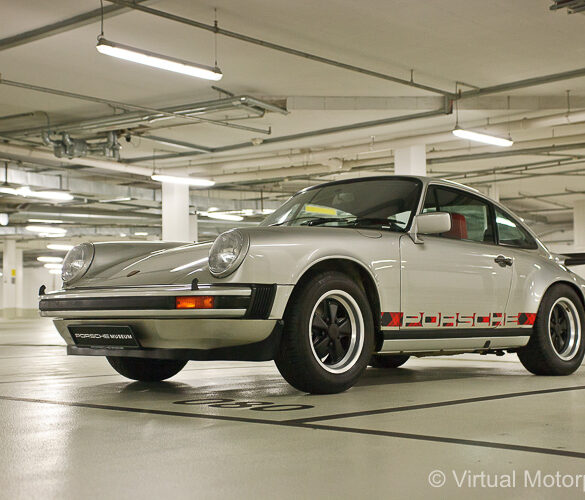
The legend began with the 930 generation, a car that earned the terrifying nickname "The Widowmaker." With its massive rear tires, flared arches, and the iconic "whale tail" spoiler, the original Turbo was a raw, rear-wheel-drive beast that demanded total respect (and a very heavy right foot). It was born from Porsche’s dominance in Can-Am and Le Mans racing, successfully miniaturizing the explosive power of the 917 race car into a package you could technically take to the grocery store—provided you didn't mind the massive turbo lag.
As the decades progressed, the Turbo evolved from a dangerous outlier into a precision instrument. The 993 generation (1995–1998) was a pivotal turning point, introducing twin-turbocharging and making all-wheel drive standard—a move that fundamentally redefined the Turbo as a secure, high-speed grand tourer. By the time we reached the 997 and 991 eras, technologies like Variable Turbine Geometry (VTG) and rear-axle steering allowed the car to achieve performance figures that rivaled million-dollar hypercars, all while remaining as docile as a standard Carrera in heavy traffic.
Today, in its 992 iteration, the Turbo S has reached a point where its performance borders on the physics-defying, with 0–60 mph times consistently dropping into the 2.5-second range. It remains the anchor of the 911 lineup—the car that does everything at the highest possible level. Whether it’s the timeless silhouette of a classic 930 or the active-aero wizardry of a modern Turbo S, this badge remains the benchmark by which every other "all-rounder" supercar is measured. In the last year we've even seen the Turbo 911 incorporate hybrid power, a nod to an ever-evolving future.
The 911 Turbo Legend - Stories, Buyer's Guides & Featured Editorial
The Porsche 911 Turbo is more than a flagship - it’s the most disruptive idea Porsche ever applied to the 911. From the moment the original 930 arrived in the mid-1970s, the Turbo rewrote the rules of what a 911 could be: brutally fast, technically daring, occasionally terrifying, and always ahead of its time. This is the story of how Porsche took racing technology, forced it onto the road, and spent five decades refining one of the most influential performance cars ever built. For members, the story goes even deeper. Our members-only content unlocks detailed generational breakdowns, Turbo vs Turbo S philosophy, driving impressions across eras, market and collectibility insights, ownership realities, and behind-the-scenes context you won’t find in standard reviews. This is how the Turbo quietly became Porsche’s most complete everyday supercar, this is where it is treated not just as a model - but as a legacy.
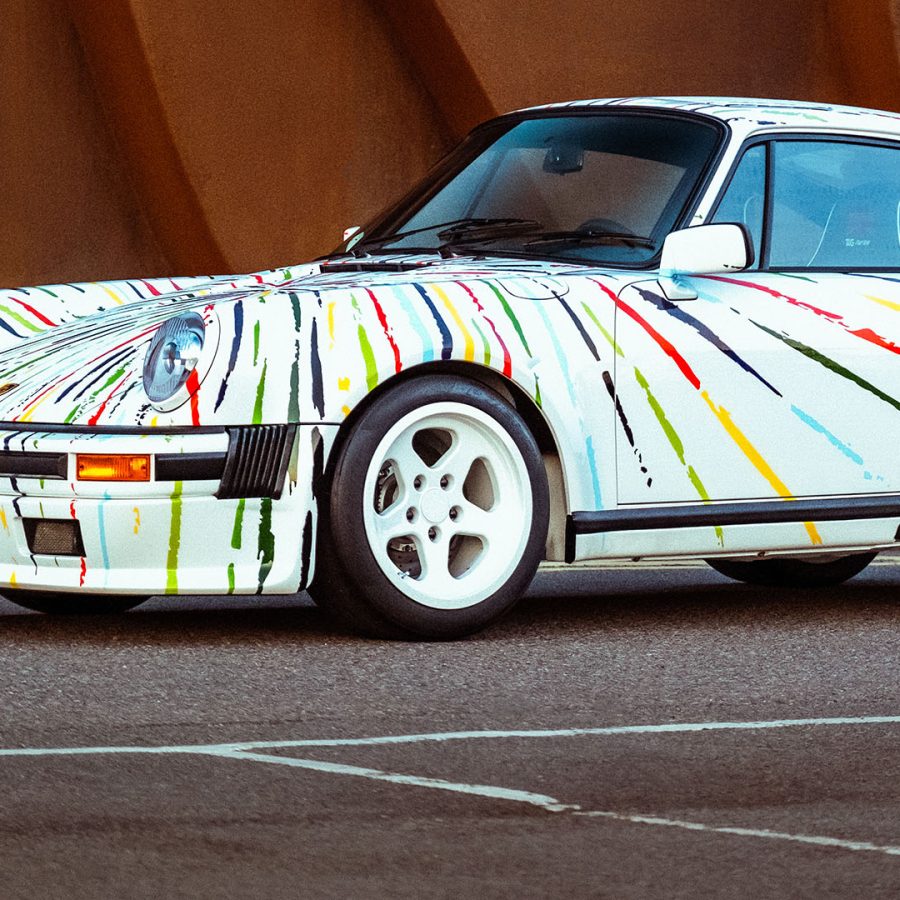
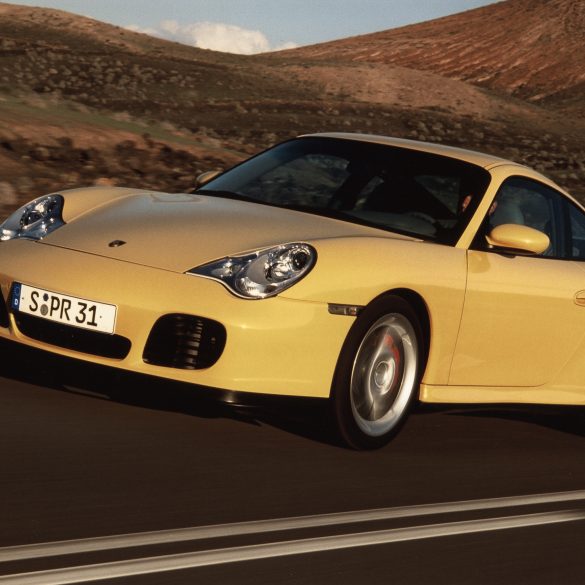
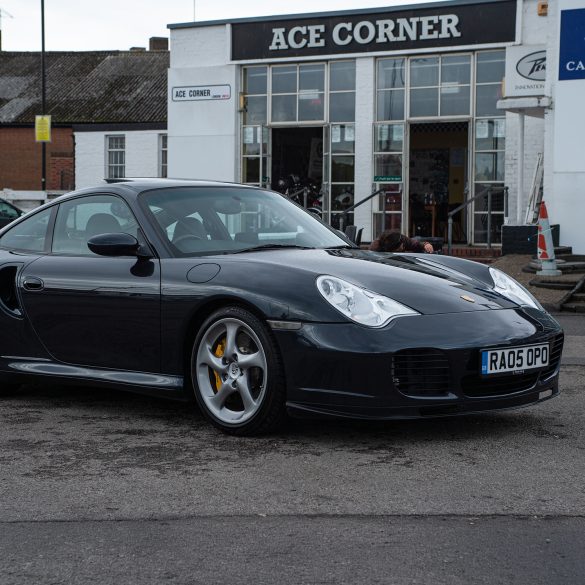
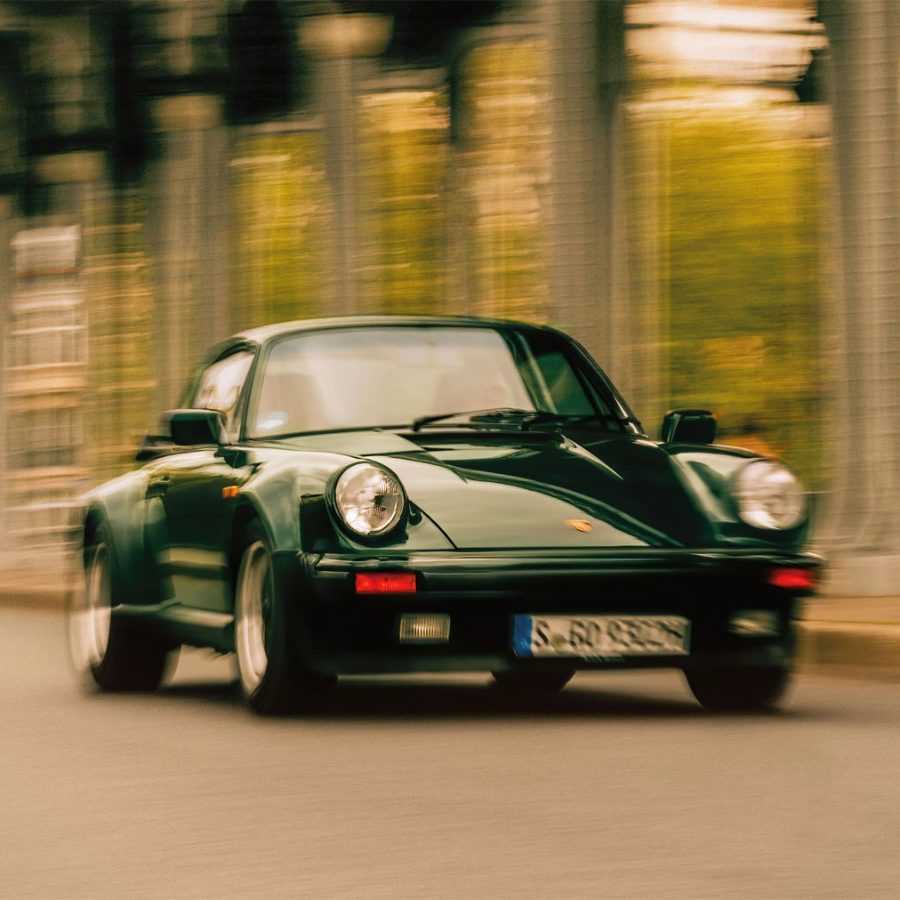
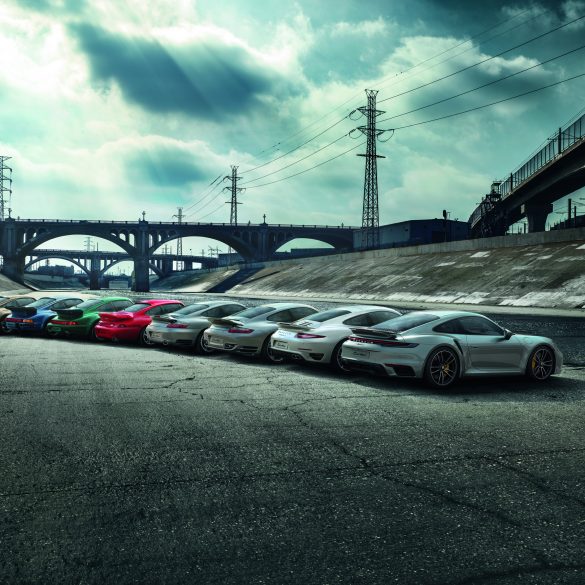
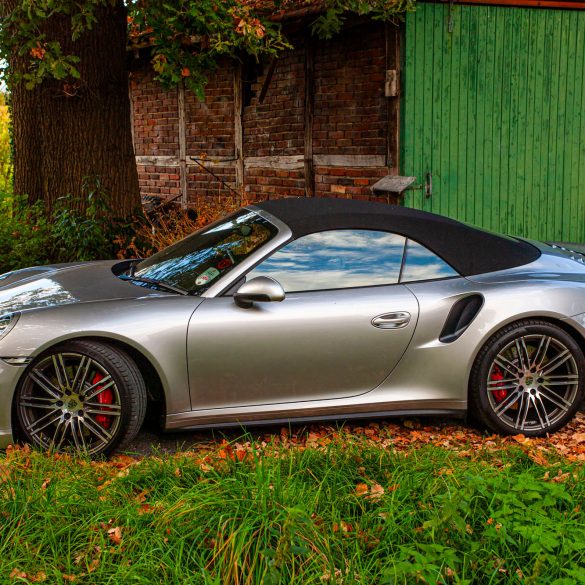
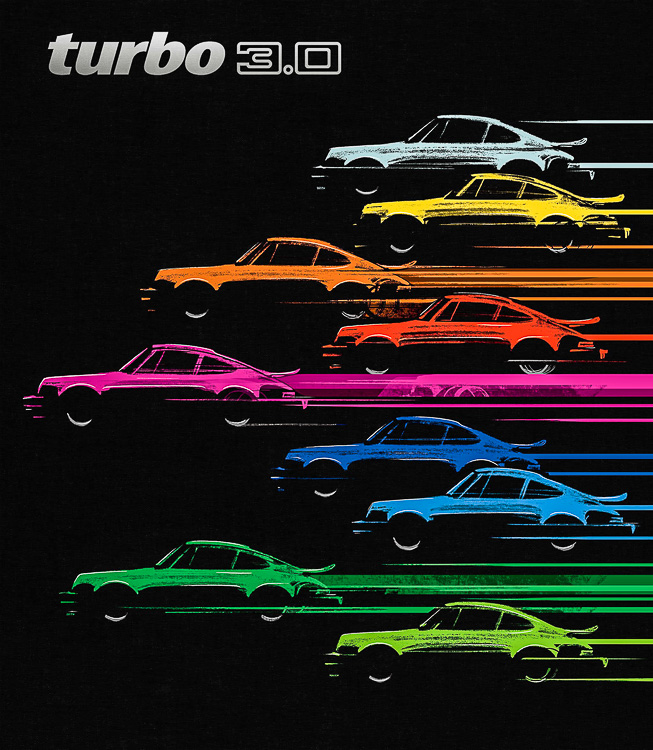
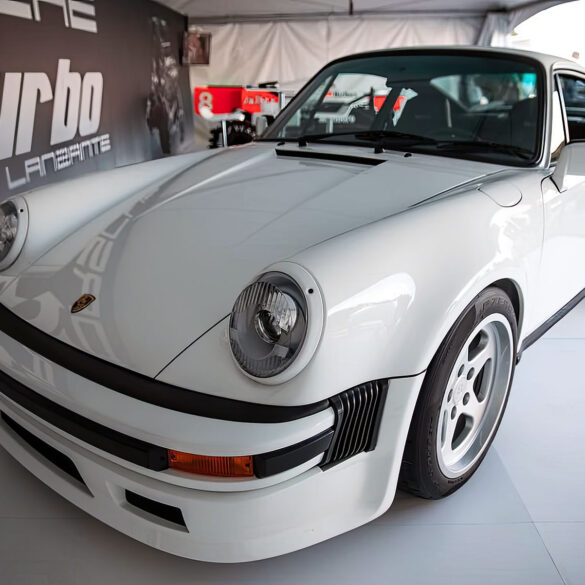
Porsche 911 Turbo - A History
911 Turbo & Turbo S Generations & Timeline
The 911 Turbo timeline is a 50-year journey of taming "explosive" power. While the GT3 is about the pursuit of the redline, the Turbo is about the pursuit of the horizon—moving from a rear-wheel-drive "widowmaker" to an all-wheel-drive precision missile that can out-accelerate almost anything on the road.
The Air-Cooled Era: 930, 964, and 993
The story began in 1975 with the 930, a car so raw and prone to sudden "boost kicks" that it earned a legendary reputation for being dangerous in the wrong hands. It introduced the iconic "whale tail" and flared arches that became the Turbo’s visual signature. The 964 (1990–1994) followed, bringing power steering and ABS to the platform to make that power more manageable. However, the true turning point was the 993 (1995–1998)—the final air-cooled Turbo. It introduced twin-turbocharging and all-wheel drive as standard, a move that forever changed the Turbo from a difficult-to-drive beast into a secure, all-weather supercar.
The Water-Cooled Evolution: 996 and 997
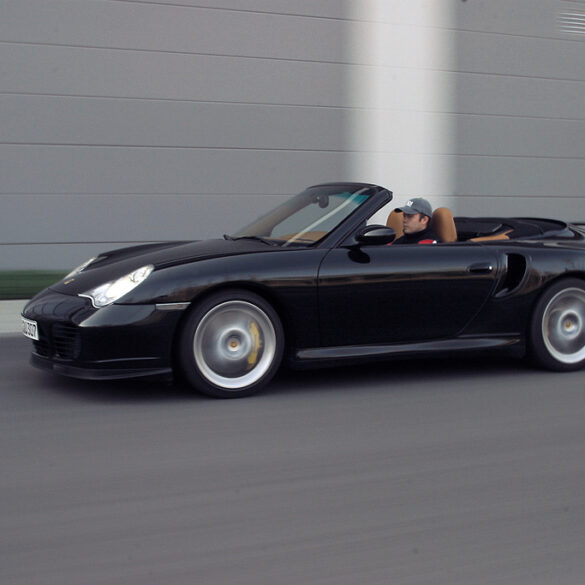
The 996 (2001–2005) marked the jump to water-cooling and used a legendary engine based on the Le Mans-winning GT1 race car. It was also the first time the Turbo was widely available as a Cabriolet. The 997 (2006–2012) refined the formula further, reintroducing the classic round headlights and debuting Variable Turbine Geometry (VTG)—technology that virtually eliminated turbo lag. This era also saw the PDK dual-clutch transmission replace the traditional Tiptronic automatic, making the car’s world-class acceleration even more accessible.
The Modern Hyper-GTs: 991 and 992
The 991 (2013–2019) took the Turbo into the realm of the ultra-competent "Hyper-GT," utilizing active aerodynamics and rear-axle steering to make a large, comfortable car feel like a small, nimble one. The current 992 generation (2020–Present) has pushed this to the limit; the Turbo S now produces an astonishing 640 hp, achieving 0–60 mph in a physics-defying 2.6 seconds. Today, the Turbo stands as the pinnacle of the Porsche lineup—a car that offers the comfort of a luxury cruiser with performance that can embarrass dedicated mid-engined exotics. And as of very recently, the Turbo has ushered in an all-new hybrid age.
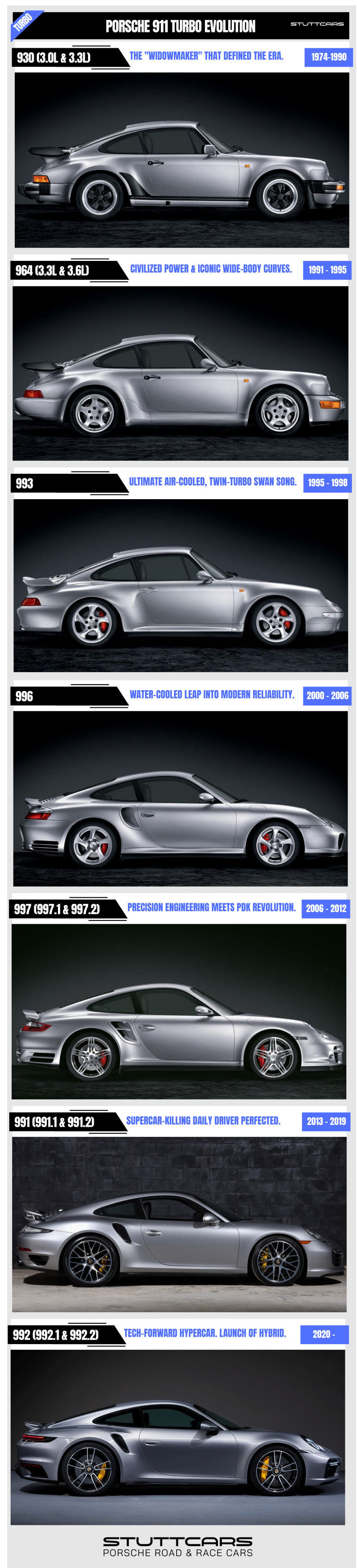
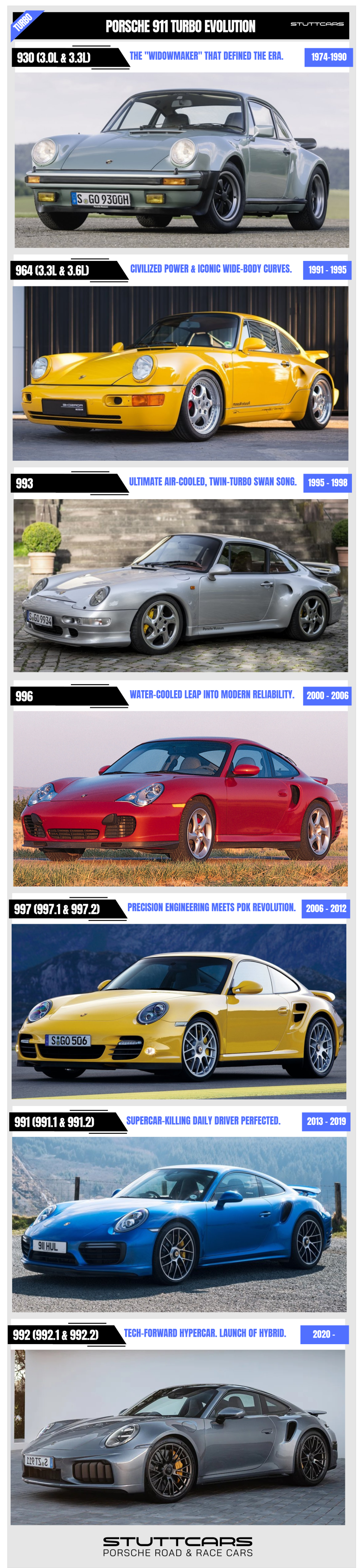
The 911 Turbo Evolution
Fun & Free to Download
Porsche 930 Turbo (1975 - 1989)
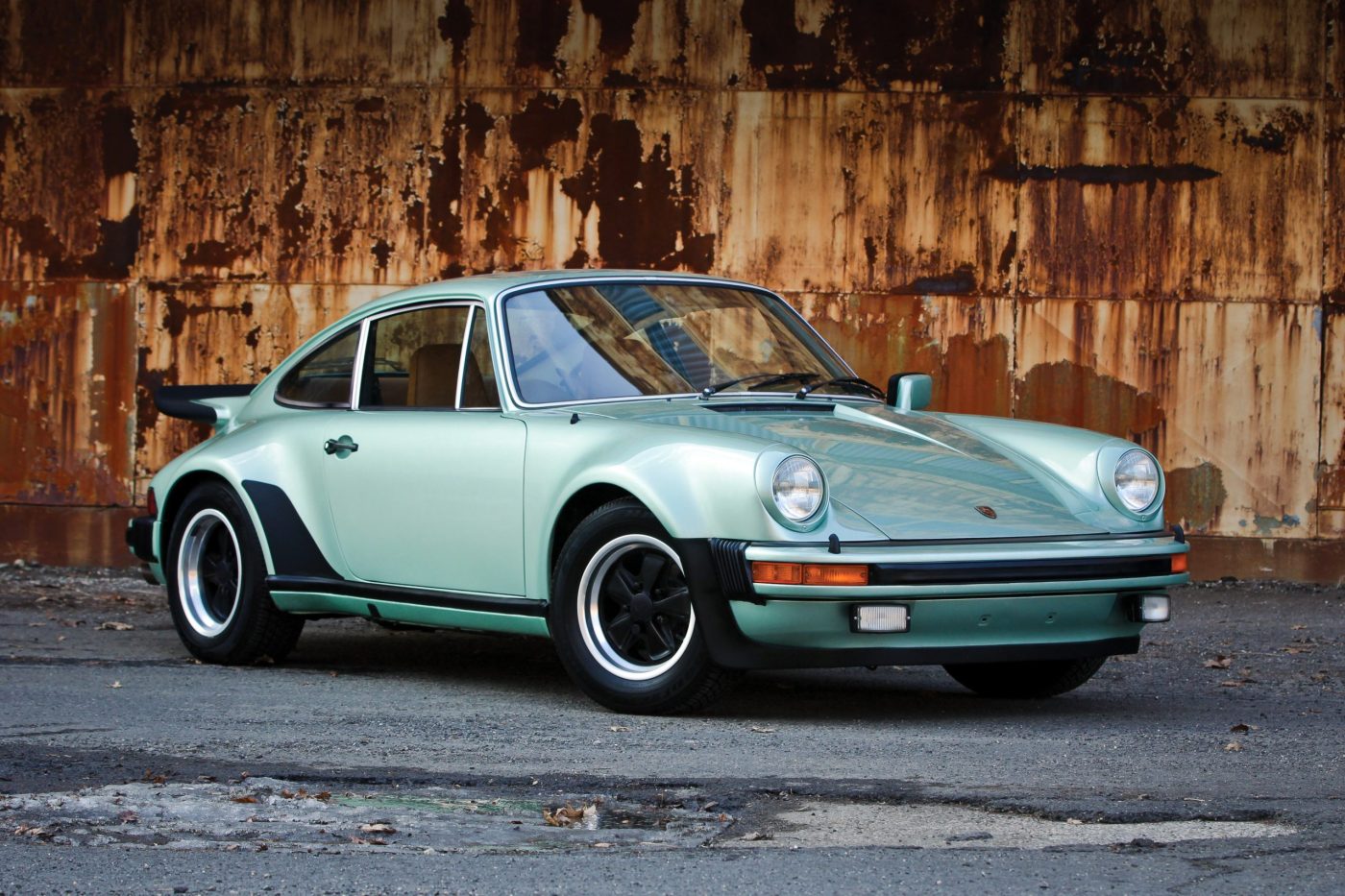
The Raw Pioneer and the "Widowmaker"
The 930 was Porsche’s first foray into turbocharging for the street, born from the need to homologate their turbocharged race cars. In its early 3.0-liter form, it was a visceral, demanding machine. The single, massive KKK turbocharger was famous for its "on-off" power delivery—nothing happened until about 3,500 RPM, at which point the boost hit with the force of a physical blow. Without electronic stability control or modern tire tech, a driver who lifted off the throttle mid-corner risked a snap-oversteer event that earned the car its "Widowmaker" reputation.
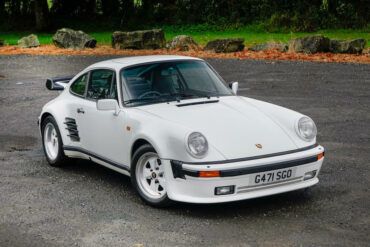
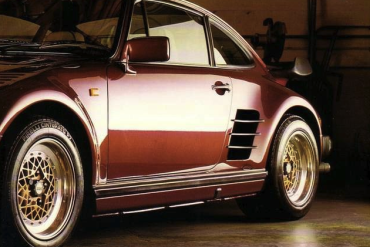
In 1978, Porsche upgraded the engine to 3.3 liters and added an intercooler housed under a revised "tea tray" spoiler. This move was pivotal; it allowed for higher boost pressures and more consistent power, solidifying the Turbo as a car that could actually be used for long-distance high-speed travel. The era also gave us the "Flachbau" or Slantnose, a special-order option inspired by the 935 race car that featured pop-up headlights and improved aerodynamics, proving that the Turbo was as much a fashion statement as it was a performance benchmark.
The 930’s legacy is one of pure, unadulterated character. It was the fastest production car in Germany upon its release and remained the range-topping icon for 14 years. It moved the game on by proving that turbocharging wasn’t just for the track—it was a way to create a new "super" class of 911 that sat high above the standard Carrera in both price and prestige.
Porsche 911 Turbo (964) (1991 - 1994)
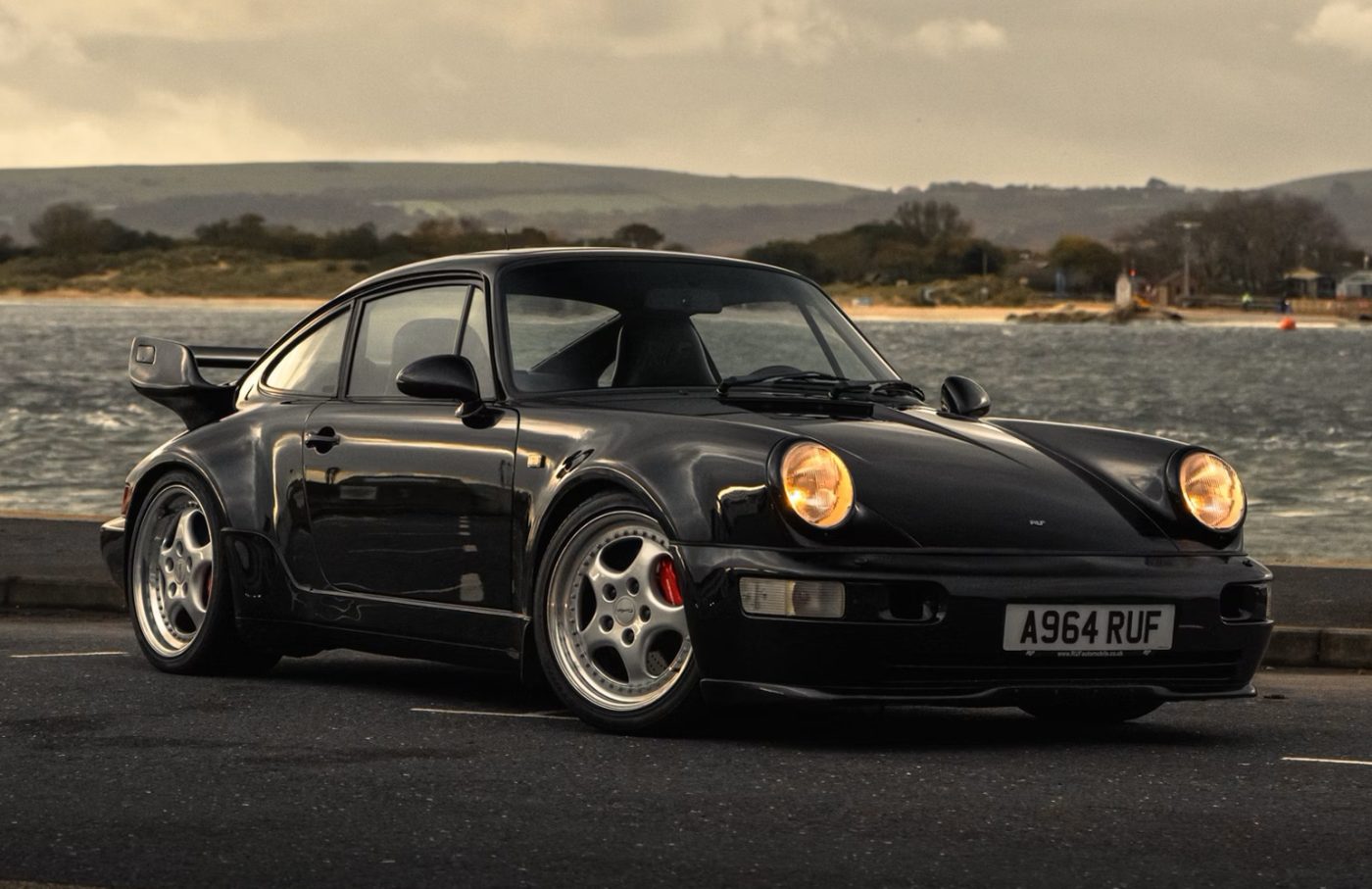
Refinement Meets Modernity
When the 964 Turbo arrived, it looked like a evolution of the 930, but under the skin, it was roughly 85% new. Porsche realized that as power climbed, the car needed to be more manageable. The 964 introduced coil-spring suspension (replacing the old torsion bars), ABS, and power steering. These changes were revolutionary for the Turbo; they took a car that was once feared and turned it into a machine that was merely "intimidating." It was still rear-wheel drive, meaning it retained that classic Turbo "push" from the rear, but it was far more predictable at the limit.
The 964 era is defined by its two distinct engines. It launched with a refined 3.3-liter unit, but the 1993 arrival of the Turbo 3.6 is what truly moved the game on. Based on the newer M64 engine architecture, it delivered 360 horsepower with significantly less lag than the 3.3. This version is now one of the most coveted 911s in history, famously appearing in the movie Bad Boys and cementing the Turbo’s image as the "hero car" for a new generation of enthusiasts.
Legacy-wise, the 964 was the bridge between the old-school rawness of the 70s and the high-tech precision of the 90s. It proved that Porsche could update the 911’s iconic silhouette with modern safety and comfort features without diluting the explosive power that fans expected.
Porsche 911 Turbo (993) (1995 - 1998)
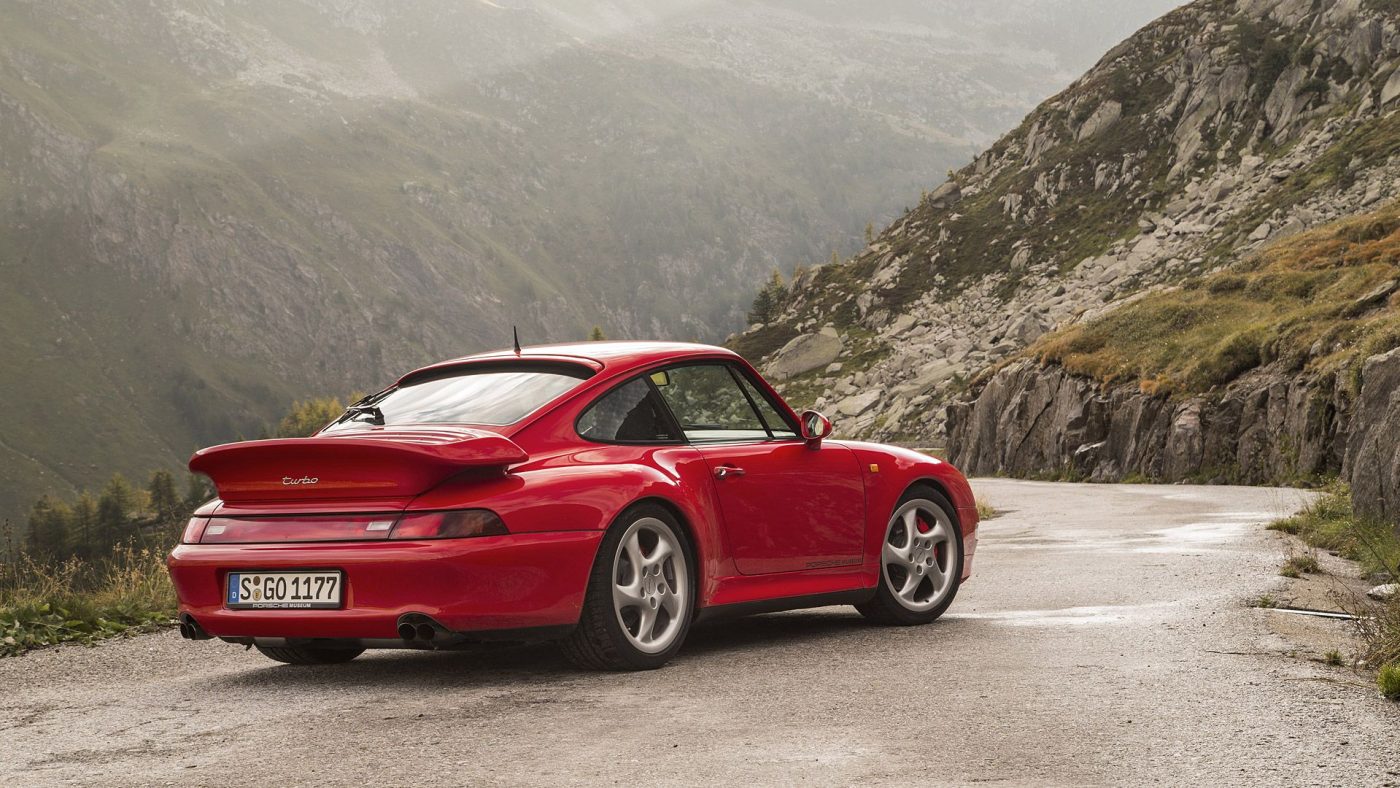
The Pinnacle of Air-Cooled Engineering
The 993 Turbo was a watershed moment that fundamentally changed the Turbo’s DNA. To solve the issues of lag and stability once and for all, Porsche introduced two massive changes: twin-turbocharging and all-wheel drive. By using two smaller turbos instead of one giant one, they achieved much faster throttle response. By sending power to all four wheels (utilizing a system derived from the 959 supercar), they gave the car "unshakable" grip. It was no longer a car you had to wrestle; it was a car that worked with you to achieve incredible speeds.
This generation also introduced the "LSA" (Lightweight-Stable-Agile) multi-link rear suspension, which virtually eliminated the terrifying snap-oversteer of the past. The 993 was the first Turbo that a driver could truly "flat-foot" out of a corner in the rain with confidence. It moved the game on by establishing the "all-weather supercar" category—a machine that could embarrass a Ferrari on a dry track but still be driven safely through a mountain pass in the snow.
As the final air-cooled Turbo, its legacy is untouchable. It represents the ultimate refinement of the original 1964 911 concept. With its curvaceous wide-body, integrated wing, and 6-speed manual gearbox, it is widely considered the most beautiful and mechanically pure Turbo ever produced.
Porsche 911 Turbo (996) (2001 - 2005)
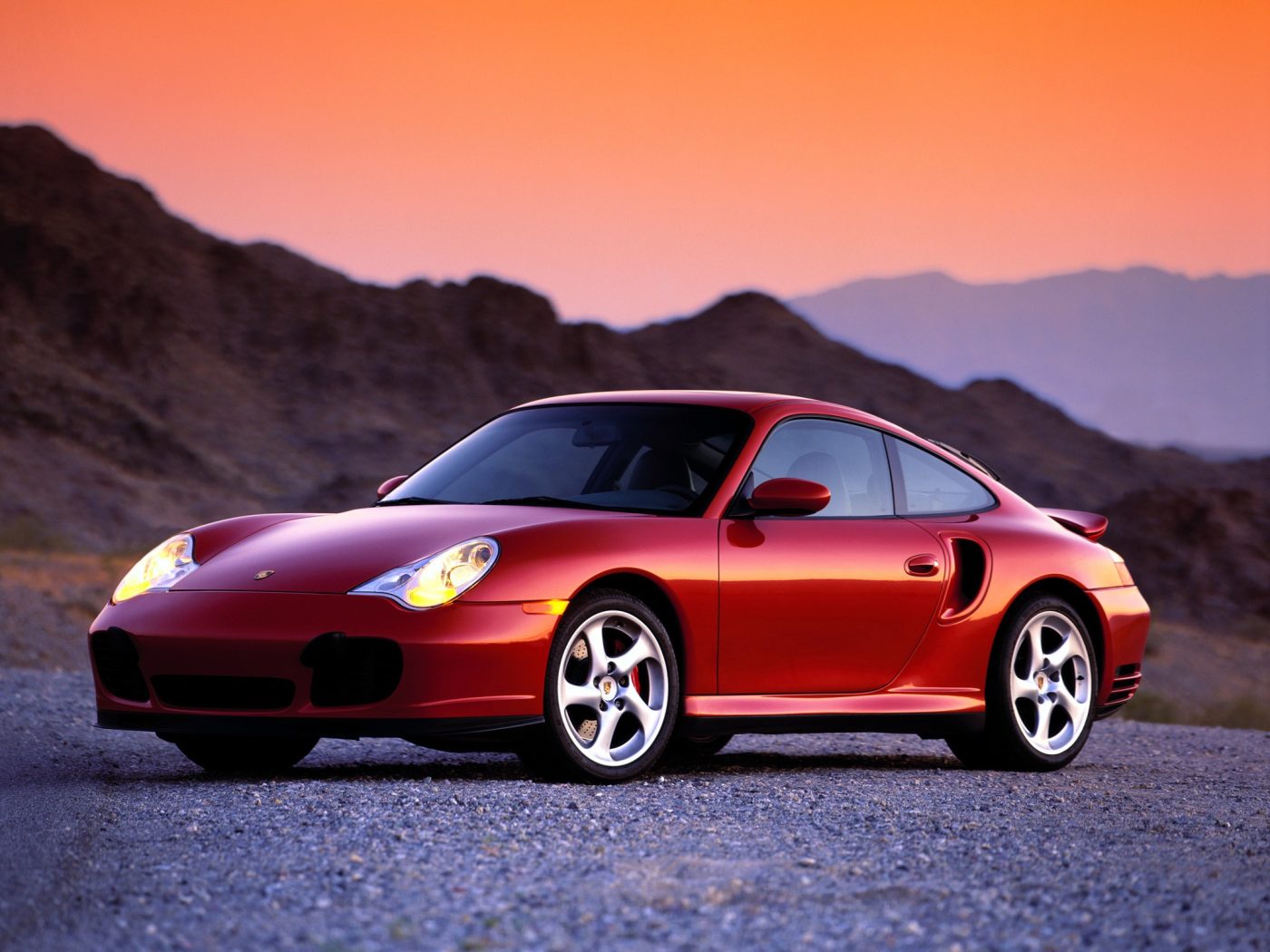
The Mezger-Powered Revolution
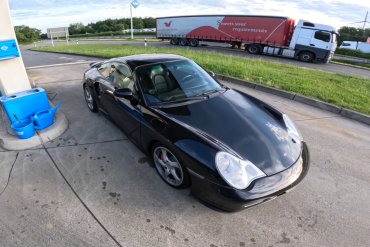
The 996 Turbo marked the most controversial yet technologically significant shift in the car’s history: the move to water-cooling. Purists were shocked by the new engine and the "fried egg" headlights, but the performance data was undeniable. At its heart was the Mezger engine, a legendary powerplant with a true racing pedigree from the Le Mans-winning GT1. Unlike the standard 996 engines, the Mezger was "bulletproof," built with a true dry-sump system and a crankcase that could handle immense amounts of boost.
This era moved the game on by democratizing supercar performance. It was the first Turbo to offer the PCCB (Porsche Ceramic Composite Brakes) as an option, providing fade-free stopping power that was unheard of in a road car at the time. The 996 Turbo also saw the introduction of a more sophisticated Tiptronic S automatic transmission, broadening the car's appeal to those who wanted a high-performance daily driver without a clutch pedal.
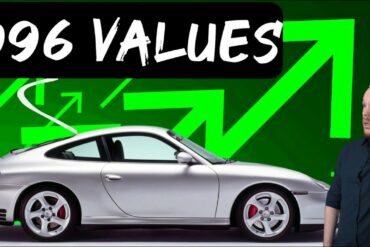
The 996’s legacy has aged remarkably well. While it was once the "unloved" generation, enthusiasts have rediscovered it as a massive performance bargain. It proved that water-cooling was the only way to push the 911 past the 400-hp barrier reliably, and it set the stage for the hyper-competent digital Porsches that would follow.
Porsche 911 Turbo (997) (2007 - 2013)
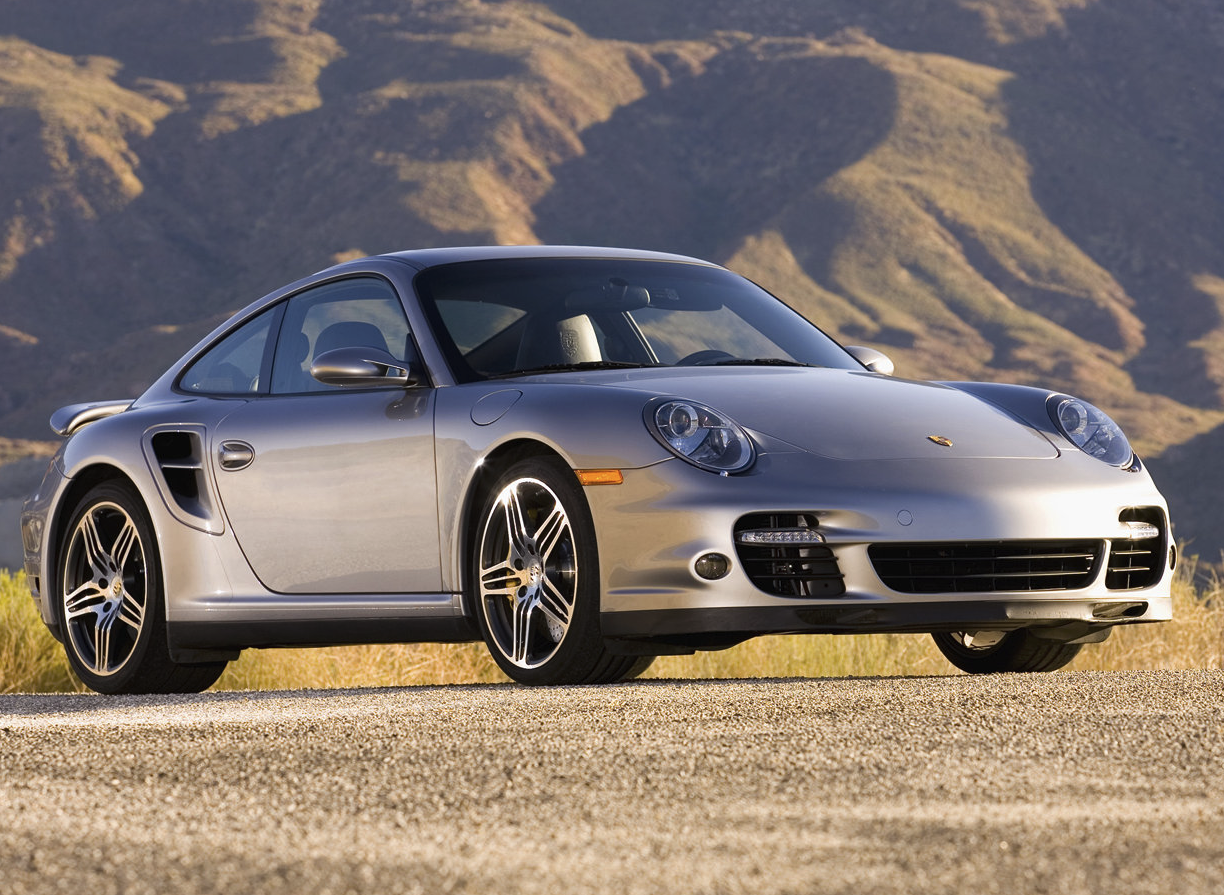
The Return of the Round Headlight and the Death of Lag
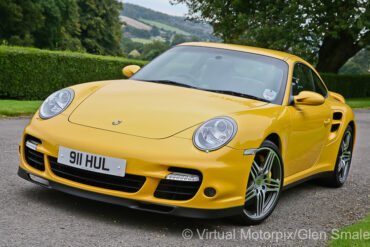
The 997 Turbo is often cited as the "Goldilocks" generation. Visually, it brought back the classic round headlights and the compact, athletic proportions of the 993, but technically, it was a tour de force. The headline feature was Variable Turbine Geometry (VTG). By using adjustable vanes inside the turbochargers, Porsche finally "killed" turbo lag, providing the instantaneous torque of a small turbo with the high-end screaming power of a large one. It was a world-first for a gasoline production engine and remains a cornerstone of the Turbo today.
In 2010, the "997.2" update moved the game on even further with the introduction of the PDK dual-clutch transmission. This replaced the old torque-converter automatic with a gearbox that could shift in milliseconds, turning the Turbo into a consistent, "point-and-shoot" acceleration king. This era also saw the return of the Turbo S as a permanent, high-output flagship model, standardizing features like ceramic brakes and center-lock wheels.
The legacy of the 997 is its balance. It was the last Turbo to feature hydraulic steering, providing a level of "road feel" that many believe the newer electric systems lack. It is remembered as the generation that perfected the mechanical recipe before the 911 truly embraced the "digital" age.
Porsche 911 Turbo (991) (2014 - 2019)
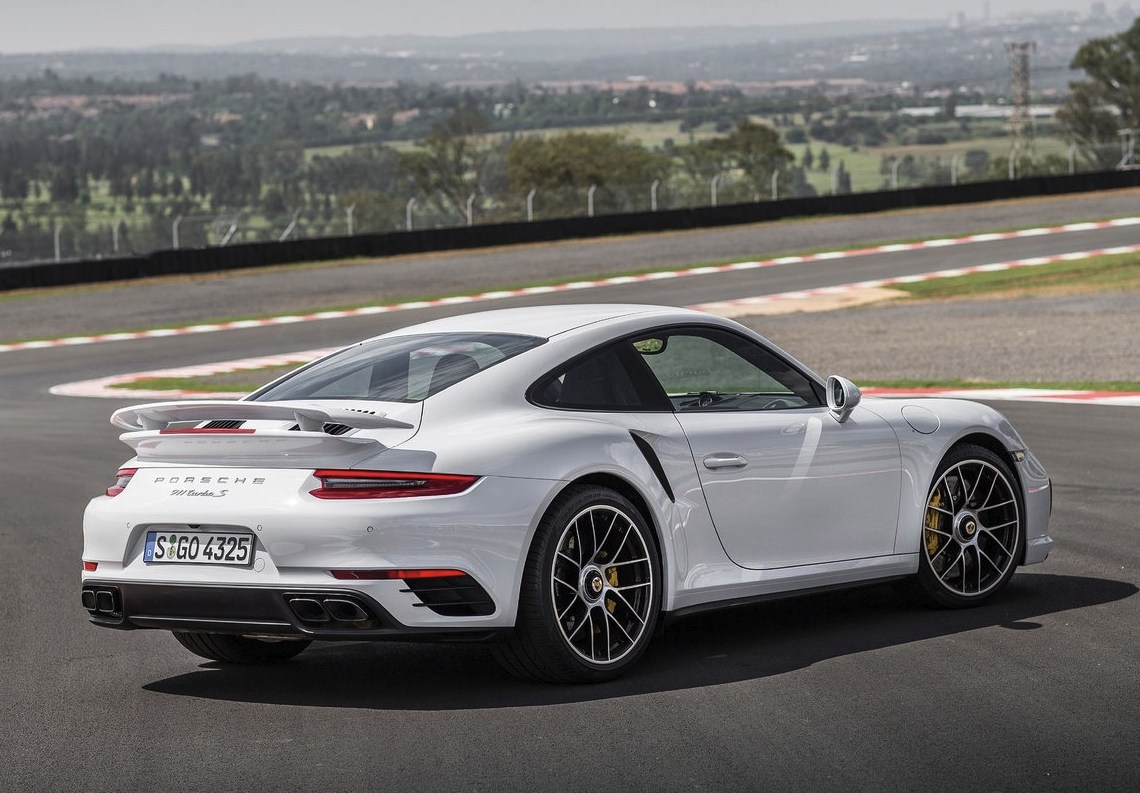
The Birth of the "Hyper-GT"
With the 991, the Turbo grew into a true "Hyper-GT." It was longer and wider, but it felt smaller than the 997 thanks to the introduction of rear-axle steering. This allowed the rear wheels to turn in the opposite direction of the fronts at low speeds (for agility) and in the same direction at high speeds (for stability). It also debuted active aerodynamics, featuring a three-stage retractable front spoiler and a massive rear wing that adjusted its angle based on speed and drive mode.
This generation moved the game on by making 500+ horsepower feel completely effortless. The 991.2 update introduced the "Sport Response" button, which primed the engine and transmission for 20 seconds of maximum boost at the push of a button—a literal "overtake" mode. It transformed the Turbo into a car that could comfortably cruise at 150 mph on the Autobahn with the quietness of a luxury sedan, yet could still tackle a technical racetrack with the aggression of a mid-engined exotic.
The 991’s legacy is its incredible breadth of ability. It proved that a 911 Turbo could be the ultimate "one-car garage"—a machine that could win a drag race against a Lamborghini on Saturday and be driven to a corporate office on Monday without compromise.
Porsche 911 Turbo (992) (2021 - Present)
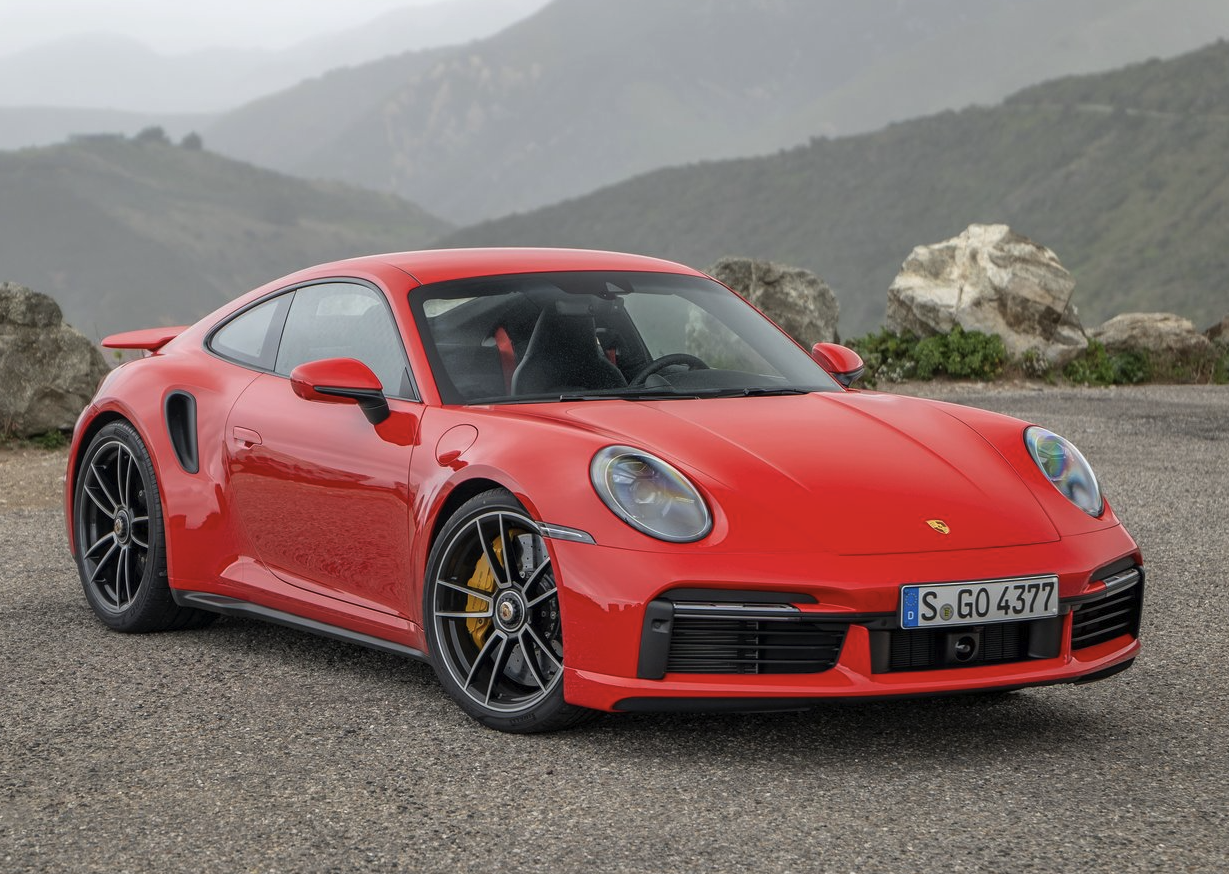
The Physics-Defying Flagship
The current 992 Turbo, specifically the Turbo S, has moved the performance bar into a territory previously reserved for multi-million-dollar hypercars. With 640 horsepower and a wider track than ever before, its 0–60 mph time of 2.6 seconds is limited only by the grip of its tires. It features an 8-speed PDK and a cabin that is almost entirely digital, yet it remains unmistakably a 911 Turbo thanks to its massive rear "hips" and the distinctive side air intakes.
The most recent 992.2 updates have "moved the game on" in the most radical way since the 993: hybridization. By using an electric motor to "pre-spool" the turbochargers and another motor integrated into the transmission, Porsche has achieved 100% lag-free acceleration. This "T-Hybrid" system isn't for fuel economy; it's for performance, providing a level of throttle response that was previously thought impossible for a turbocharged engine.
The 992's legacy will likely be as the "peak" of the internal combustion era. It is the most powerful and technically advanced 911 ever built, standing as a 50-year celebration of the Turbo badge. It is the final word in the argument that a daily driver can also be one of the fastest cars on Earth.
Every 911 Turbo Generation - In Detail
This section takes you through every Porsche 911 Turbo generation in detail, breaking down key details, performance statistics, and the defining characteristics that make each era unique.
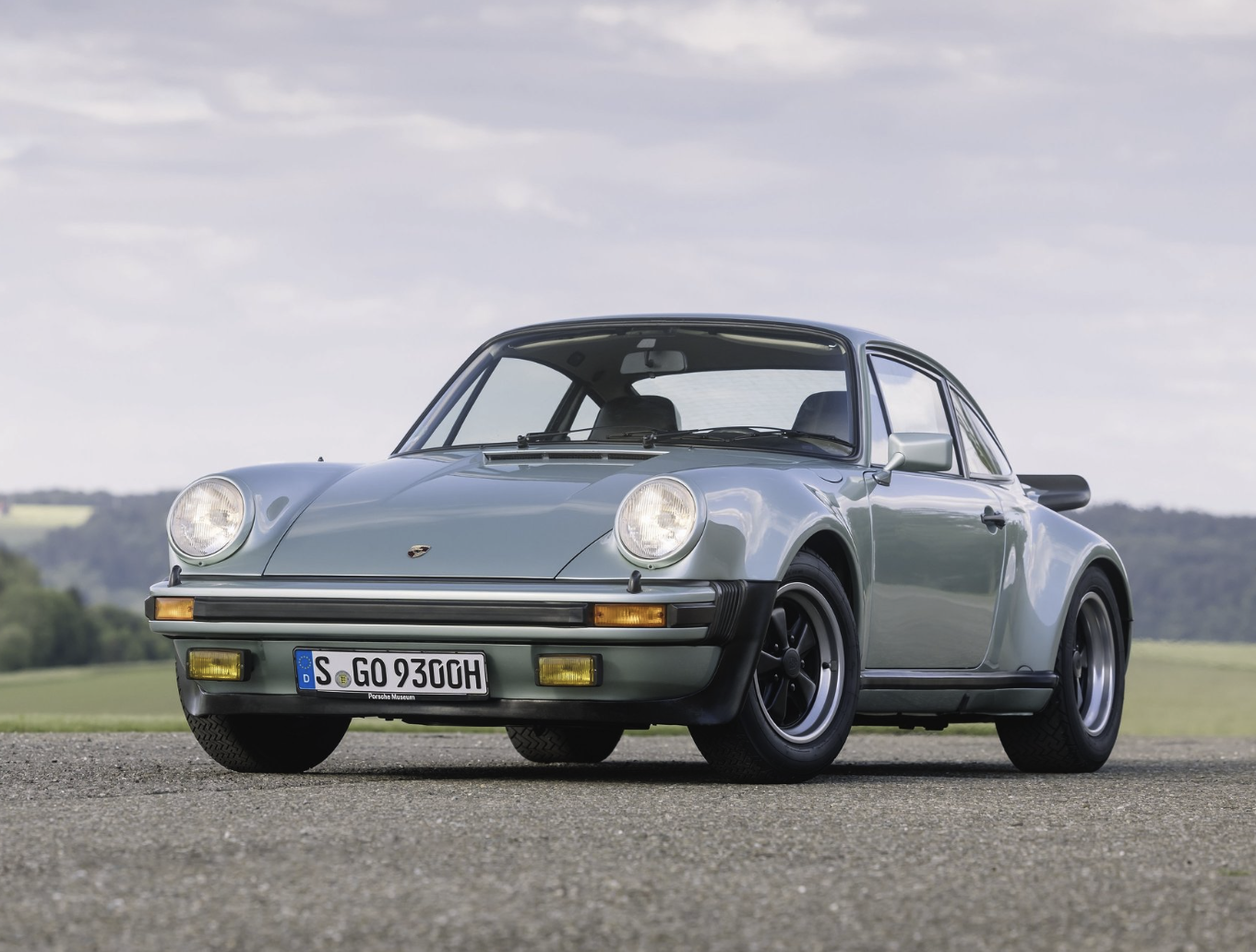
1975–1989
930 Turbo. Raw. Intimidating. Addictive.
The first turbocharged production supercar and one of the most influential performance cars ever built. It introduced forced induction to the 911, created the Turbo design language, and established a lineage that continues to define Porsche’s performance flagship to this day. Earned its reputation the hard way.
Porsche 911 Turbo (930) Basics
Generation: 911 (930) (G-Series)
Body Style: 2-door coupe
Production: 3.0-liter Turbo: 1975–1977, 3.3-liter Turbo: 1978–1989
Manufacturing Years: 1974–1989
Assembly: Stuttgart, Germany
Designer: Exterior design leadership: Anatole Lapine (Porsche design chief at the time), Engineering & turbo development: Porsche Motorsport / Weissach
Design Significance: Introduced the iconic widebody Turbo look. First appearance of the legendary “whale tail” rear spoiler. Styling driven directly by cooling and downforce needs
Layout: Rear-engine, RWD
Drivetrain Philosophy: Turbocharged power with no electronic aids. Rear-wheel drive only (AWD would not arrive until the 964 Turbo era). Demanding, skill-dependent driving characteristics
Engines: 3.0-Liter Turbo (1975–1977). 3.0-liter air-cooled flat-six. Single turbocharger. Mechanical fuel injection (Bosch K-Jetronic)
Output (3.0L): ~260 hp (Europe), ~245 hp (U.S.)
Engines: 3.3-Liter Turbo (1978–1989). 3.3-liter air-cooled flat-six. Larger turbocharger. Added air-to-air intercooler (necessitating the whale tail)
Output (3.3L): ~300 hp (Europe), ~282 hp (U.S.)
Gearbox: 4-speed manual only
Notes: Long gearing designed to handle massive torque. No 5-speed offered due to durability concerns. Part of the car’s notorious driving character
Chassis & Mechanical Highlights: Wider rear track and flared arches. Upgraded brakes derived from the 917 race car. Stiffer suspension than standard 911s. Minimal electronic intervention (none by modern standards). Turbo lag followed by explosive power delivery
Total Porsche 930 Turbo production: ~21,500 units. Breakdown (approximate): 3.0-liter Turbo: ~3,600 units, 3.3-liter Turbo: ~17,900 units
More Porsche 911 Turbo (930) Research
Porsche 911 Turbo (930) (1975 - 1989)
The Widowmaker, the Rule-Breaker, the Car That Changed Porsche Forever
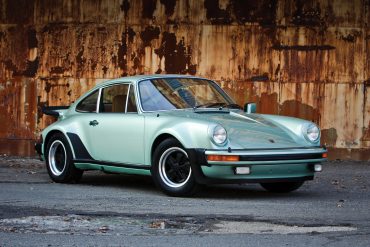
The Porsche 930 is more than just a car; it is a permanent fixture in the pantheon of automotive legends. When it arrived in the mid-1970s, it didn’t politely extend the 911 lineage; it detonated it. Wide hips, a massive rear wing, explosive turbo power, and handling that demanded respect. This was the moment Porsche stopped being just a sports-car company and became a manufacturer of supercars.
What makes the 930 special isn’t only that it was fast. It’s that it rewrote what “fast” felt like, both physically and emotionally. Raw. Intimidating. Addictive. For better and worse, the 930 defined the idea that a road car could be genuinely scary - and Porsche leaned into it.
Produced between 1975 and 1989, it was the vehicle that transformed Porsche from a respected manufacturer of nimble sports cars into a global titan of exotic performance. To the general public, it was simply the "Turbo." To those who tried to drive it at the limit, it earned a far more sinister moniker: The Widowmaker.
Inception: From Le Mans to the Living Room
The 930 was born from a mix of racing necessity and engineering audacity.
In the early 1970s, Porsche was dominating the Can-Am and Le Mans circuits with the turbocharged 917/30—a car so powerful it was essentially banned from competition. Turbocharging was no longer theoretical; it was a weapon. Porsche engineers saw an opportunity to translate that brutal performance advantage into a road-going 911. Porsche Chairman Ernst Fuhrmann saw an opportunity to bring this "boost" technology to the road, primarily to homologate the 911 for FIA Group 4 racing.
What was originally intended to be a limited-run "street-legal race car" (similar to the 1973 Carrera RS 2.7) turned into a sensation. When the production version debuted at the 1974 Paris Motor Show, it was the fastest production car in Germany. It didn't just meet the competition; it fundamentally redefined the speed of the era.
This wasn’t a subtle evolution of the 911 formula. Porsche widened the rear track, flared the fenders aggressively, bolted on a huge rear spoiler (originally for engine cooling stability), and shoved a turbocharger onto the flat-six. The message was clear: this was not for everyone—and that was the point.
Production was expected to be limited. Instead, demand exploded.
The Technical Soul: 3.0L vs. 3.3L
The 930 generation is split into two distinct mechanical eras:
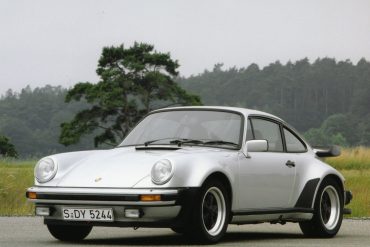
The 3.0-Liter (1975–1977): The original. It produced 260 hp (roughly 245 hp in US trim) and lacked an intercooler. It featured the early "Whale Tail" spoiler and a 4-speed manual gearbox. These early cars are the rarest and most "unfiltered" versions of the Turbo experience.
The 3.3-Liter (1978–1989): To stay ahead of rising competition from Italy, Porsche increased displacement and added an air-to-air intercooler. This was a world-first for a production car. To fit the intercooler, the rear wing was redesigned into the flatter, more substantial "Tea Tray" spoiler. Power jumped to 300 hp, and the brakes were upgraded to massive units derived from the 917 race car.
While the numbers in the early 930s with their 3.0-liter sound modest today, context matters. The 930 weighed far less than modern cars, had no electronic safety nets, and delivered power in a violent surge once boost arrived. Then there was that infamous four-speed manual gearbox. Porsche didn’t choose four gears because it was sporty—it did so because the transmission couldn’t reliably handle the torque with more ratios. The long gearing exaggerated turbo lag, creating the legendary “nothing… nothing… EVERYTHING” power delivery.
In 1978 when Porsche upped the ante with the 3.3-liter engine and raised output we got the most iconic version of the “tea tray” spoiler. Performance jumped, but so did the reputation. The 930 was fast in a straight line, yes—but it demanded absolute respect mid-corner. Lift off the throttle at the wrong moment and the rear-engine weight bias combined with boost could punish even experienced drivers. It was not forgiving. It was not neutral. It was thrilling because it was flawed.
The Driving Experience & That "Widowmaker" Reputation
Why the grim nickname? The 930 was a perfect storm of challenging physics. It combined a rear-engine layout (which created a pendulum effect in corners) with massive turbo lag.
In an era before electronic stability control, a driver might enter a corner, stomp the gas, and feel nothing for two seconds. Just as they reached the apex, the turbo would suddenly "spool," delivering a violent kick of torque that would swing the heavy rear end around like a hammer. If the driver panicked and lifted off the throttle, weight transferred forward, and the car would snap-oversteer into the nearest tree. It was a car that didn't just require skill; it required a specific, counter-intuitive bravery.
Driving a 930 today still feels shocking. The steering is heavy and unfiltered. The clutch is stout. The brakes—impressive for the era—require real input. And then there’s the turbo. Below boost, the car feels almost tame. But once the turbo spools, the rear squats, the horizon compresses, and the car lunges forward with urgency that feels mechanical rather than digital. There is no smoothing, no torque management, no stability control stepping in to save you.
This is why the 930 earned its most infamous nickname: “The Widowmaker.” Not because it was poorly engineered—but because it was brutally honest. It didn’t protect drivers from their own ambition. It simply magnified it.
Variants and The "Special Wishes" Era
Over its 14-year run, the 930 evolved meaningfully while retaining its core personality. As the 930 moved into the 1980s, it became the ultimate status symbol, leading to some of the most iconic variants in history:
930 3.0 (1975–1977): The purest, lightest, and arguably rawest Turbo. Less power, but sharper responses and enormous collector appeal.
930 3.3 (1978–1989): The definitive Turbo. Intercooled, faster, more stable at speed, and visually iconic with the larger rear wing.
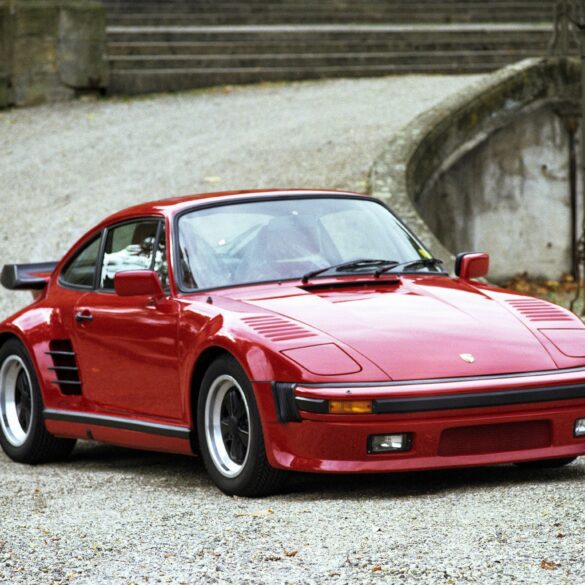
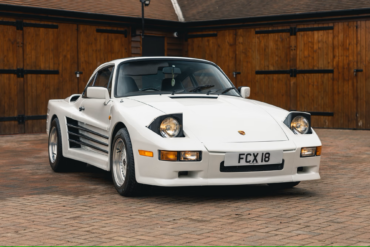
The Slantnose (Flachbau): Inspired by the 935 race cars, customers could use Porsche’s Sonderwunsch (Special Wishes) program to delete the traditional round headlights in favor of a flat, aerodynamic nose with pop-up lights. It was incredibly expensive and remains one of the most recognizable "poster car" looks of the decade.
The SE and LE: Specifically in the UK and European markets, "Special Equipment" and "Limited Edition" models offered higher output engines (up to 330 hp) and additional luxury trimmings.
Targa and Cabriolet: While the Turbo began as a Coupe-only affair, Porsche eventually introduced open-top versions in 1987, allowing drivers to hear the whistling turbocharger even more clearly.
What the World Said (and Still Says)
When new, the press was both awestruck and cautious. Contemporary road tests praised the performance but warned readers—explicitly—that this was not a beginner’s car. Journalists spoke about fear, respect, and adrenaline in ways rarely associated with road cars at the time.
Over time, those warnings became mythology. The 930 wasn’t just fast—it was dangerous, for experts only, a beast. In an era before traction control and airbags, that reputation stuck.
Today, modern reviewers describe the 930 with reverence. Words like analog, mechanical, and alive dominate. Where modern Turbos are brutally effective, the 930 is brutally emotional.
Cultural Impact: The Original Super-911
The 930’s cultural footprint is massive. It became the poster car of the late 1970s and 1980s—an object of excess, speed, and rebellion. Widebody 911s became synonymous with success, risk, and unapologetic performance. More importantly, the 930 created the Turbo sub-brand. Every Turbo that followed—964, 993, 996, 997, 991, and 992—exists because the 930 proved there was a market for extreme 911s that sat above Carrera models. It also shaped Porsche’s philosophy: race-derived technology, even when challenging, belongs on the street.
Ownership Today: What You Should Know
Today, the 930 sits firmly in blue-chip collector territory. Values reflect its importance, rarity, and driving experience. Early 3.0-liter cars and low-mile 3.3-liter examples command serious money, while Slantnose cars occupy a category of their own. Ownership requires respect. These cars demand proper warm-up, diligent maintenance, and an understanding of their mechanical nature. But for enthusiasts, that’s part of the appeal. You don’t use a 930—you engage with it.
Final Take: Why the 930 Still Matters
The Porsche 911 Turbo (930) is one of the most important performance cars ever made—not because it was perfect, but because it was bold. It proved turbocharging belonged on the road. It showed that drivers would accept risk in exchange for excitement. And it cemented Porsche’s reputation as a company willing to let its customers rise to the challenge. Modern 911 Turbos are faster, safer, and objectively better in every measurable way. But none feel quite like the 930. It remains the moment Porsche crossed the line from sports car to supercar—and never looked back.
Porsche 911 Turbo (930) Variants
This section explores every 930 Turbo variant in depth, from the original 3.0-liter cars to the later 3.3-liter intercooled models that cemented the Turbo’s reputation. Each variant is treated as its own chapter, focusing on how Porsche refined the concept, why certain changes were made, and how these early Turbos shaped the character—and fearsome mystique—of the entire Turbo lineage. Genesis of forced induction in the 911.
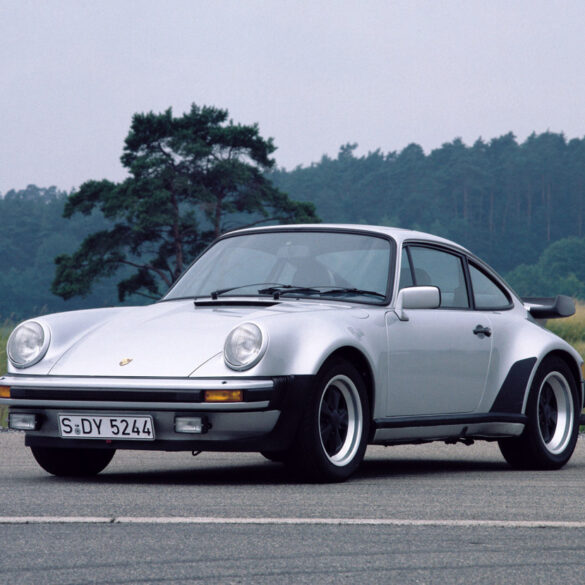

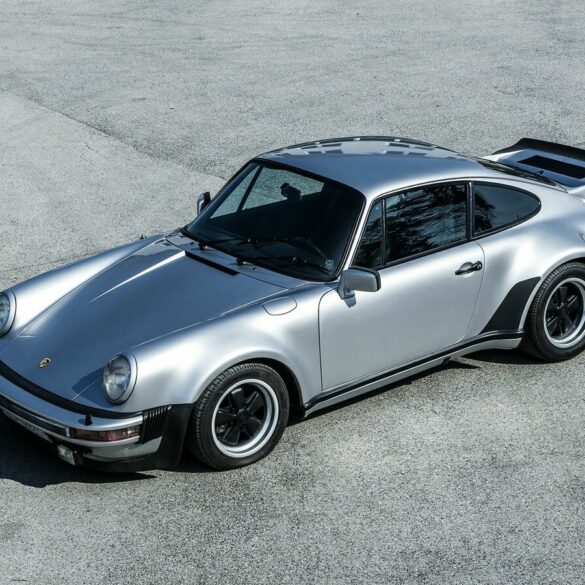
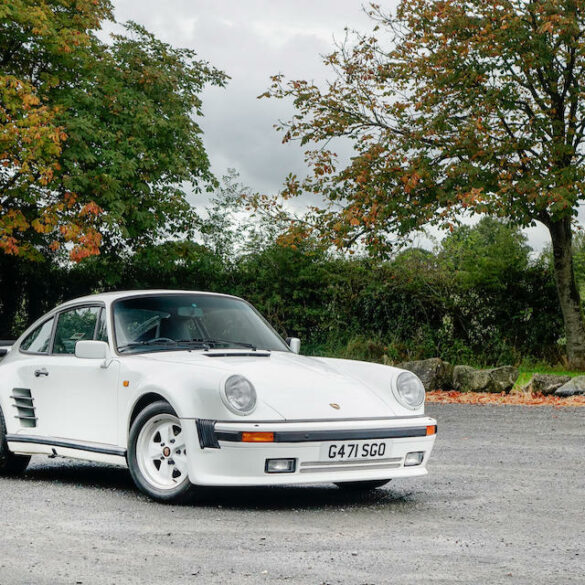
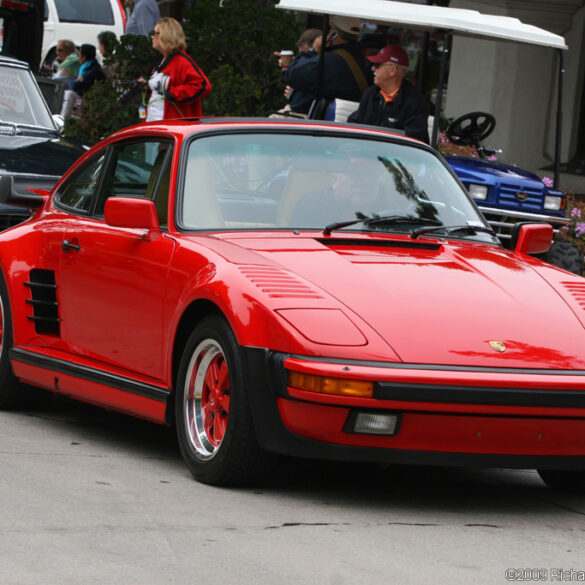
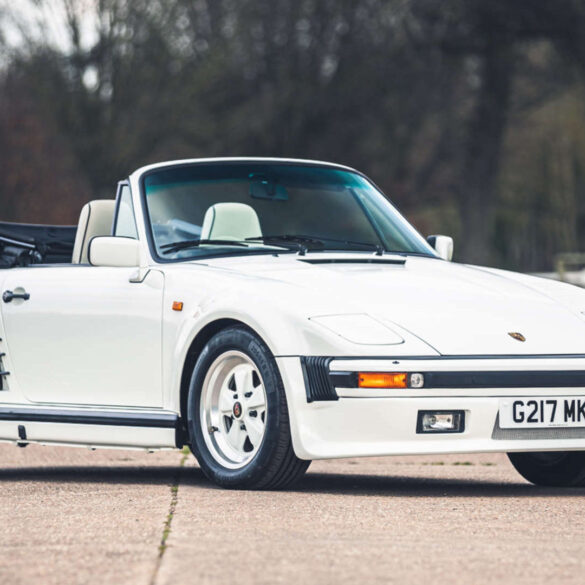
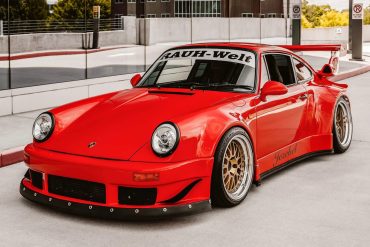
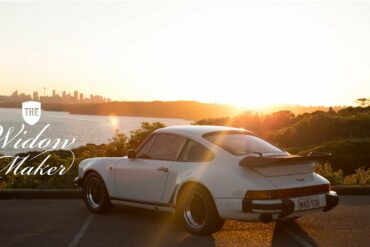
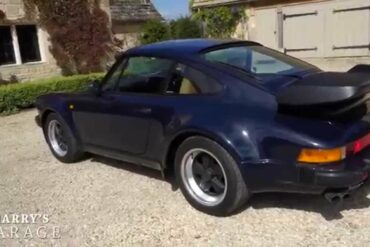
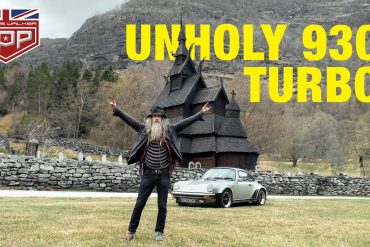
930 Turbo Videos & Image Galleries
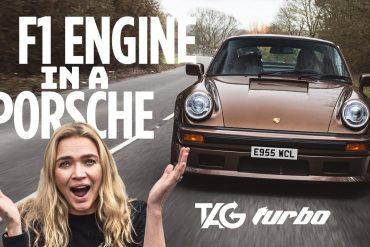
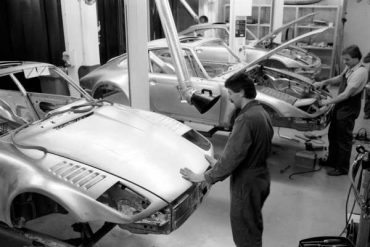
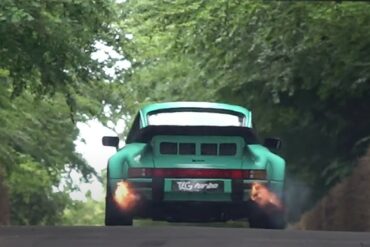
This is a visual archive of the Turbo legend’s explosive beginning. From period road tests and vintage promotional footage to detailed photography of widebody flares, whale tails, and early turbo hardware, these galleries capture the 930 Turbo exactly as it was experienced in its era. Loud, dramatic, and unmistakable, this is the Turbo in its rawest and most iconic form.
Latest 930 Turbo Posts & And Deep Into the Archives
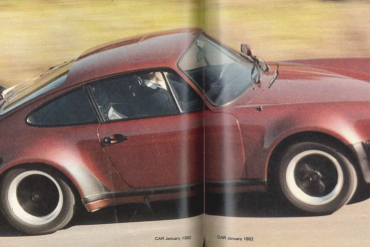
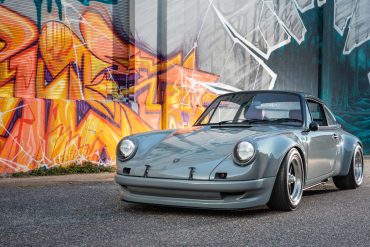
This section brings together new editorials and modern reassessments of the 930 Turbo alongside deep-archive pieces that reflect how the car was viewed when it was new. From “widowmaker” myths to modern collector appreciation, this is where the evolving reputation of the original 911 Turbo is documented and debated.
1991 - 1994
964 Turbo. Old-school Ferocity & Modern Refinement
The 964 Turbo is the missing link in the Turbo story. It softened the raw edges of the 930 just enough to make the Turbo usable in the modern world - without stripping away its intensity. It introduced meaningful advancements in braking, steering, suspension, and gearing, while still delivering rear-wheel-drive, single-turbo drama. Especially in 3.6-liter form, the 964 Turbo is now recognized as one of the most desirable air-cooled Turbos ever.
Porsche 911 Turbo (964) Basics
Generation: 911 (964)
Body Style: 2-door coupe
Model Years: 964 Turbo 3.3: 1991–1992, 964 Turbo 3.6: 1993–1994
Manufacturing Years: 1990–1994
Assembly: Stuttgart, Germany
Designer: Exterior design leadership: Benjamin Dimson (under Porsche design chief Harm Lagaay). Turbo eng: Porsche Motorsport / Weissach
Design Significance: Retained the iconic wide-body Turbo silhouette. Integrated bumpers and cleaner aero vs the 930. Marked the transition from classic to modern 911 design language
Layout: Rear-engine, RWD
Important Note: Despite sharing the 964 platform with the AWD Carrera 4, the 964 Turbo remained RWD only. All-wheel drive would not arrive on the Turbo until the 993 generation
Engine 964 Turbo 3.3 (1991–1992): 3.3-liter air-cooled flat-six. Single turbocharger. Intercooled. Updated version of the 930 engine
Output (3.3L): ~320 hp, ~450 Nm torque
Engine 964 Turbo 3.6 (1993–1994): 3.6-liter air-cooled flat-six. Single turbocharger. Derived from the 964 Carrera RS engine architecture
Output (3.6L): ~360 hp, ~520 Nm torque
Gearbox: 5-speed manual (G50). First Turbo to receive a 5-speed manual. Significantly improved flexibility and usability compared to the 930’s 4-speed
Chassis & Mechanical Highlights: ABS braking system (a major step forward). Power steering introduced to the Turbo line Coil-spring suspension (replacing torsion bars). Wider rear track and improved stability. Still minimal electronic driver aids by modern standards
Production Volumes (Approximate): Total 964 Turbo production: ~3,600 units. Breakdown (approximate): 964 Turbo 3.3: ~3,000 units. 964 Turbo 3.6: ~1,400 units
Porsche 911 Turbo (964) (1991 - 1994)
The Transitional Titan: Old-School Turbo Violence Meets Modern Porsche Thinking
If the 930 was Porsche’s turbocharged act of rebellion, the 964 Turbo was its moment of reckoning. This was the car that had to carry the fearsome Turbo legacy into a new era - one defined by tightening regulations, rising customer expectations, and a rapidly modernizing sports car market. The result wasn’t a clean-sheet reinvention, but something far more fascinating: a bridge between eras.
The 964 Turbo (produced from 1991 to 1994) was the same 930 character after a few years of finishing school and a membership at a high-end gym. It arrived at a precarious time for Porsche not just due to a changing market - the company was facing a global recession and internal financial struggles - but the 964 proved that the Turbo formula could be modernized without losing the "mule-kick" soul that made it famous.
The Porsche 911 Turbo (964) is often misunderstood. Overshadowed by the legend of the 930 before it and the technological leap of the 993 after it, the 964 Turbo occupies a strange, compelling middle ground. It is the last truly raw Turbo and the first to hint at what the Turbo name would eventually become.
The Inception: Reinventing the 911 Without Losing Its Edge
When the 964-generation 911 launched in 1989, Porsche was under pressure. The company was modernizing rapidly—introducing power steering, ABS, coil springs instead of torsion bars, and far more sophisticated aerodynamics. Yet the Turbo model couldn’t abandon its reputation for brute force.
The 964 was a massive leap forward, boasting 85% new parts. However, developing a turbocharged version of the new 3.6-liter M64 engine took longer than expected. Rather than leave a hole in the lineup, Porsche launched the 964 Turbo 3.3 in 1991. Rather than rushing a completely new Turbo powertrain, Porsche made that deliberate—and controversial—choice: the first 964 Turbo would carry over the 3.3-liter engine from the 930. It was updated, refined, and made cleaner, but at its core, it was still the old-school single-turbo, air-cooled flat-six.
It was essentially a "greatest hits" compilation: it reused the proven 3.3-liter block from the outgoing 930 but wrapped it in the 964’s vastly superior chassis. By the time the "real" Turbo 3.6 arrived in 1993, the 964 had already cemented itself as a more usable, more competent, and arguably more beautiful evolution of the Turbo legend.
The Technology: Old Engine, New Chassis
Here’s where the 964 Turbo becomes truly interesting. While the engine traced its lineage directly back to the 930, nearly everything else was new.The 964 Turbo moved the game on by addressing the 930's biggest flaws: handling and unpredictability. For the first time, a 911 Turbo featured:
Coil-Spring Suspension: Replacing the ancient torsion bars, this gave the car much more consistent mechanical grip and a more compliant ride.
ABS and Power Steering: These "creature comforts" were revolutionary, allowing drivers to actually explore the car's limits without the constant fear of a lock-up or a wrestling match with the steering wheel.
Active Aerodynamics: The iconic "Whale Tail" remained, but it was now more integrated, and the car featured a much slipperier drag coefficient ($0.35$).
While the 964 Carrera 4 introduced all-wheel drive, the 964 Turbo remained strictly Rear-Wheel Drive. This makes it the final RWD 911 Turbo (excluding the later GT2 models), a fact that modern purists obsess over. It was the last of the "traditional" Turbo layout before the 993 made AWD a permanent fixture.
The Engine: 3.3 vs. 3.6
The 3.3L (1991–1992): Producing 320 hp, it was smoother than the 930 but still suffered from traditional turbo lag. Collectors often call this the "Turbo 2." It’s a classic "waiting... waiting... GO" experience.
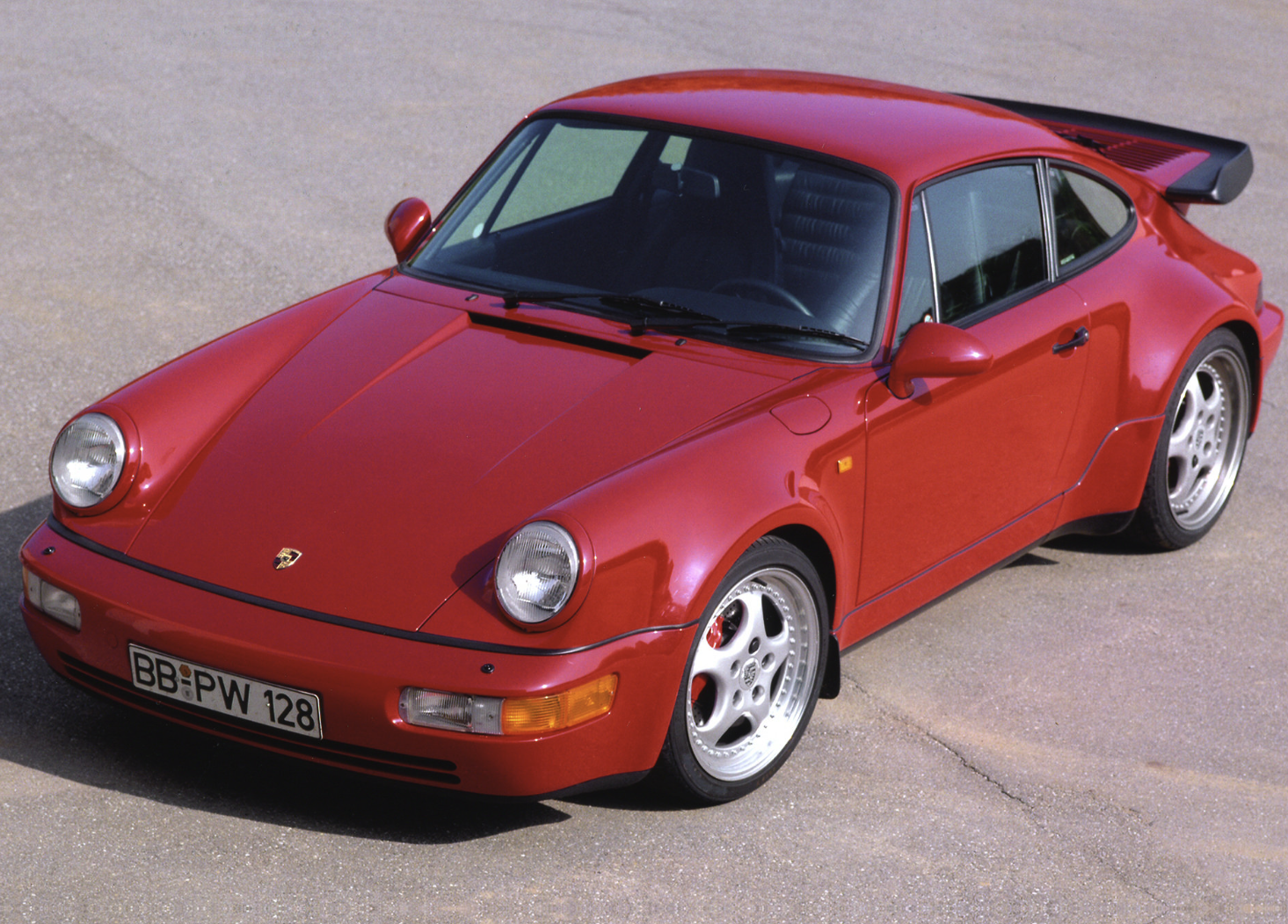
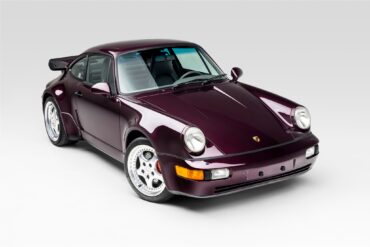
The 3.6L (1993–1994): This is the holy grail. With 360 hp and significantly more torque across the entire rev range, the 3.6 transformed the car into a true supercar killer. It featured 18-inch three-piece Speedline wheels and "Turbo 3.6" badging, making it visually distinct and much more aggressive.
The 3.3-liter had a healthy bump over the outgoing 930. But the personality remained familiar: noticeable turbo lag, followed by a hard shove once boost arrived. This created a fascinating duality. The chassis was more planted, more forgiving, and more confidence-inspiring—yet the engine still demanded respect. The car felt simultaneously modern and prehistoric, which is exactly why it still resonates today.
The Driving Experience: A Wolf Learning New Manners
Behind the wheel, the 964 Turbo feels like a 930 that’s gone to finishing school—but hasn’t forgotten how to fight. Steering is lighter and more precise thanks to power assistance, but feedback remains excellent. The suspension is vastly more composed over bumps. The brakes are stronger and more consistent. You feel supported by the car in ways the 930 never offered.
And then the turbo hits.
Boost still arrives with drama, but now the chassis can actually cope with it. The car squats, grips, and launches forward rather than immediately threatening to rotate. It’s still fast, still intimidating—but no longer outright hostile. For many enthusiasts, this balance makes the 964 Turbo the sweet spot: all the theater of a classic Turbo, with just enough refinement to let you enjoy it more often.
The Variants: From Evolution to Pinnacle
The 964 Turbo’s story is short but significant, defined by two main variants, basically reflections of the engines they had:
964 Turbo 3.3 (1991–1992): This was the bridge car. A 930-derived engine in a thoroughly modernized 911 shell. It delivered presence, performance, and unmistakable Turbo drama, but it was always intended as a stepping stone.
964 Turbo 3.6 (1993–1994): This is the one everyone talks about. With a newly developed 3.6-liter turbocharged flat-six, power jumped to 360 horsepower, torque surged, and throttle response improved dramatically. Production was limited—roughly 1,500 units worldwide—and the car instantly became a legend. The Turbo 3.6 isn’t just the best 964 Turbo; many consider it one of the greatest Turbos ever made. It represents the final expression of rear-wheel-drive, air-cooled Turbo excess before Porsche softened the edges for a broader audience.
Rare Variants: The "Exclusive" Gems
Because Porsche was struggling financially, they leaned heavily into their "Exclusive" department to create low-volume, high-margin specials:
Turbo S Leichtbau (Lightweight): Only 86 were built. It was a stripped-out, 381-hp monster that removed 180kg of weight. No AC, no power windows, no rear seats—just raw, turbocharged adrenaline.
Turbo S Flachbau (Slantnose): A final hurrah for the 964. Porsche had 93 chassis left and turned 76 of them into "Flatnose" versions with 968-style pop-up headlights. They are among the most expensive 911s in existence today.
The "Package" Cars: For the 17 buyers who wanted the "S" power (380 hp) but hated the Flatnose look, Porsche built the "Package" cars with traditional 964 headlights. These are arguably the rarest "regular" looking 911s ever.
What People Said: Fear Turned to Respect
When new, the press recognized what Porsche had achieved. Reviews praised the improved chassis and braking, noting that the 964 Turbo was no longer a car that punished minor mistakes instantly. Yet journalists were quick to point out that it still wasn’t a beginner’s car.
The Turbo 3.6, in particular, was hailed as transformational. Faster, more muscular, and more cohesive, it finally felt like the Turbo the 964 chassis deserved. Period road tests spoke of immense stability at speed and devastating straight-line performance.
In hindsight, the narrative has only improved. Today, the 964 Turbo is often described as the last analog Turbo—a car that still requires skill, patience, and mechanical sympathy.
Cultural Position: The Forgotten Hero Becomes a Collector Icon
For years, the 964 Turbo lived in the shadow of its siblings. The 930 was more infamous. The 993 Turbo was more advanced, with all-wheel drive and twin turbos. The 964 sat awkwardly in between.
That perception has flipped.
As collectors and enthusiasts have come to value purity and feel over outright speed, the 964 Turbo’s appeal has surged. It represents a moment when Porsche still allowed the Turbo to be a little dangerous, a little excessive, and deeply mechanical.
Culturally, it marks the end of an era. After the 964, the Turbo would evolve into a precision weapon—astonishingly fast, but increasingly approachable. The 964 Turbo is the last chapter before that transformation was complete.
Pop Culture: The Bad Boys Effect
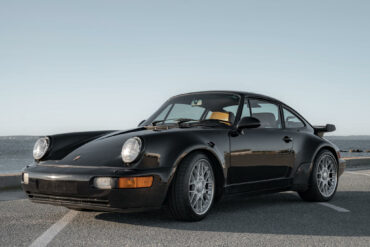
If you ask anyone why they want a black 964 Turbo 3.6, they will likely point to the 1995 film Bad Boys. Director Michael Bay used his personal car for the film's climax, and that black-on-black 911 outrunning an AC Cobra in the Miami heat became a defining image for the "MTV generation."
In the Porsche community, the 964 sits in a unique spot. It was the last hand-built 911 Turbo before the company switched to more modernized, automated assembly for the 993. It represents the perfect intersection of classic air-cooled aesthetics and "modern enough" technology. It’s a car that you can genuinely drive to dinner, but one that still requires you to be "switched on" the moment the turbo spools up.
Ownership Today: What to Know
Today, the 964 Turbo—especially the 3.6—is firmly established as a blue-chip collectible. Prices reflect rarity, significance, and the driving experience. Well-maintained examples are prized, and originality matters greatly. Ownership rewards those who understand the car. Proper maintenance, careful warm-up routines, and respect for boost delivery are essential. But for those willing to engage, few 911s deliver such a potent mix of drama and usability.
Final Verdict: Why the 964 Turbo Matters
The Porsche 911 Turbo (964) doesn’t shout its importance—it earns it. It is the moment Porsche learned how to civilize the Turbo without neutering it. It proved that brutal performance and modern engineering could coexist. If the 930 invented the Turbo myth, the 964 refined it—and the Turbo 3.6 perfected it. This generation stands as one of the most compelling, character-rich Turbos ever built.
It is not the fastest Turbo. It is not the safest Turbo. But it may be the most honest one. And that’s exactly why it matters.
Porsche 911 Turbo (964) Variants
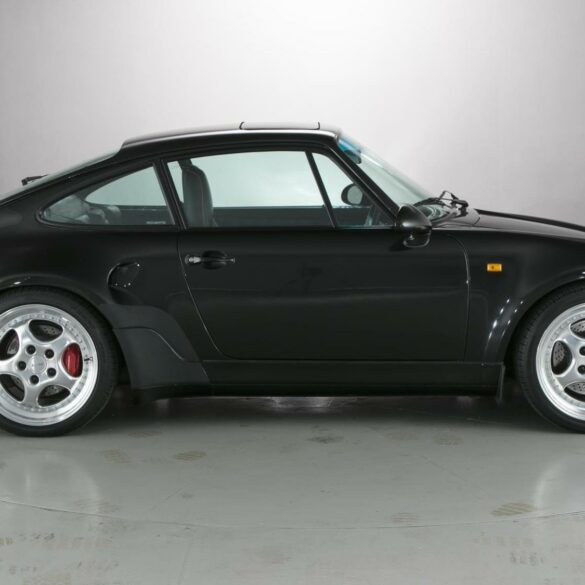
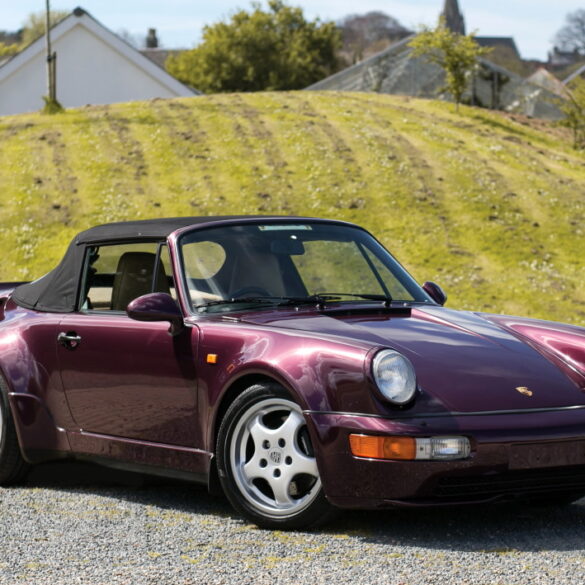
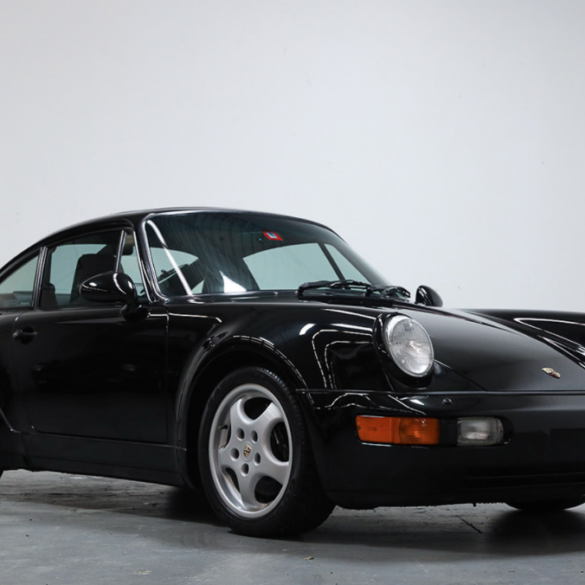
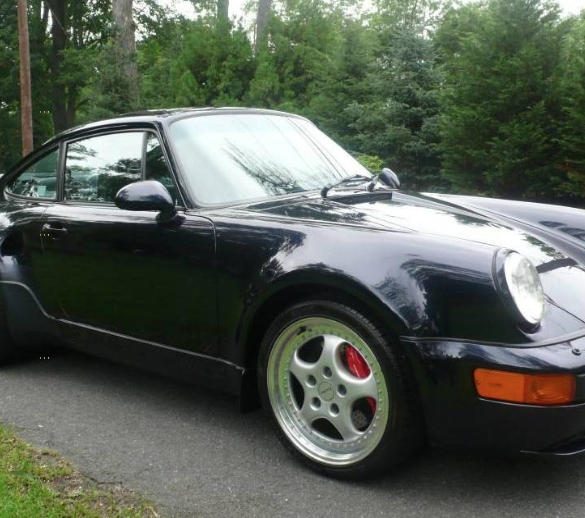
The 964 Turbo lineup represents Porsche’s first serious attempt to civilize the Turbo without neutering it. This section dives into each variant—from the 3.3-liter carryover cars to the rare and highly sought-after 3.6-liter Turbo—exploring how Porsche improved usability, braking, and drivability while preserving rear-wheel-drive Turbo drama. Each variant reveals a different stage in the Turbo’s maturation.
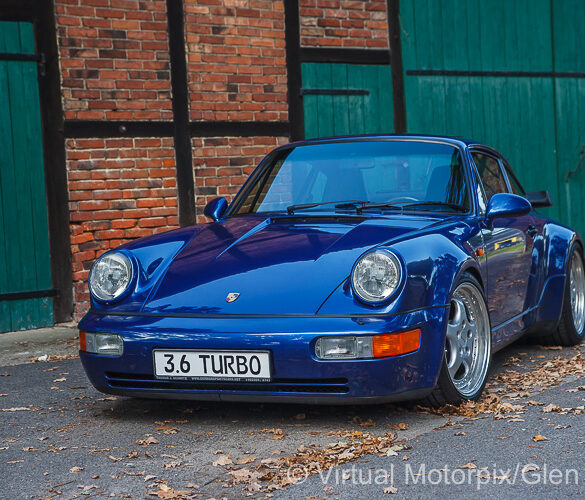

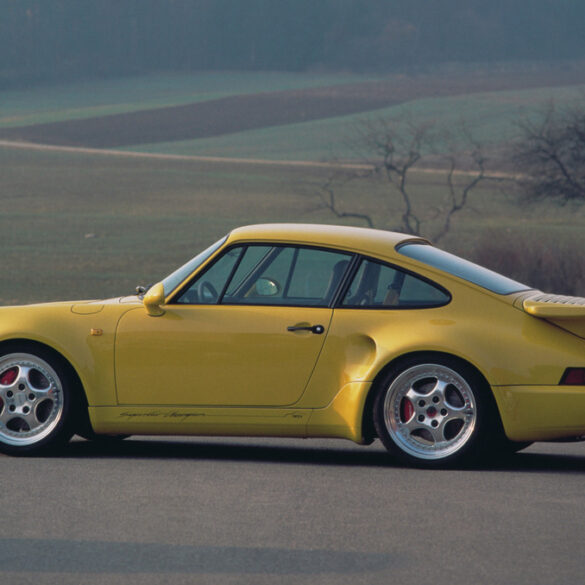
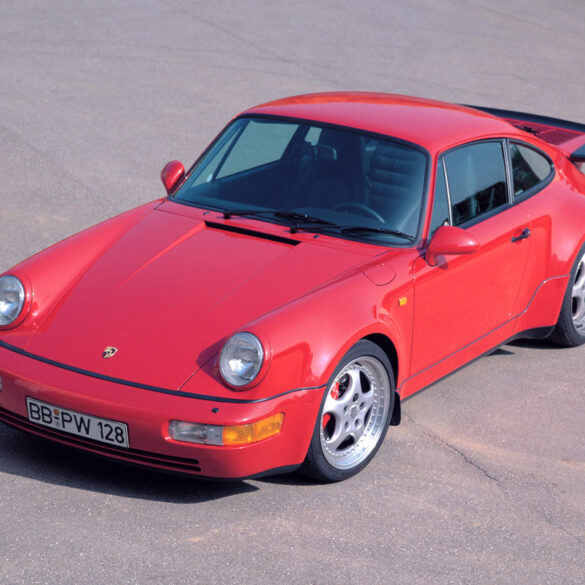
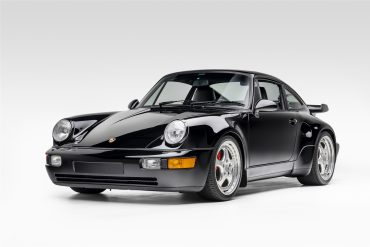
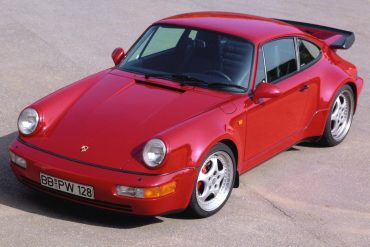
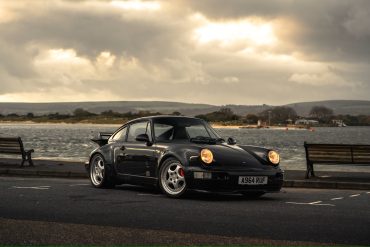
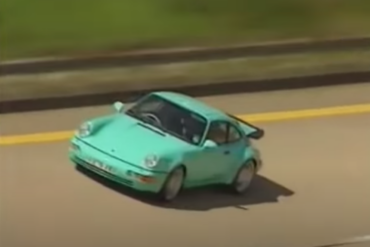
964 Turbo Videos & Image Galleries
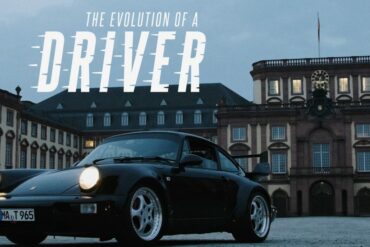
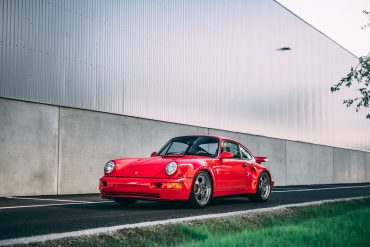
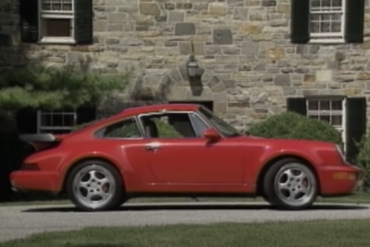
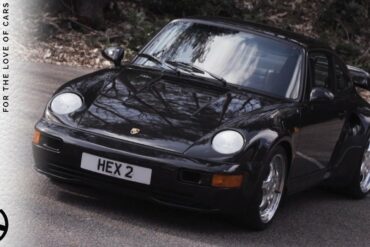
These galleries capture the Turbo at a crossroads: visually cleaner, mechanically smarter, yet still intimidating. Expect detailed imagery of the integrated bumpers, widebody stance, and early modern Turbo hardware, alongside driving footage that shows just how demanding—and rewarding—the 964 Turbo could be when pushed.
Latest 964 Turbo Posts & And Deep Into the Archives
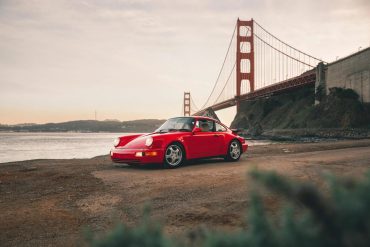
Here you’ll find fresh analysis and long-form editorials paired with archival coverage that explains why the 964 Turbo was overlooked for years—and why it’s now considered one of the most compelling air-cooled Turbos. This is where its reputation is re-examined in full context.
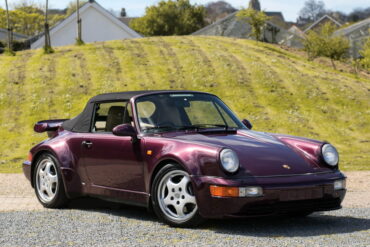
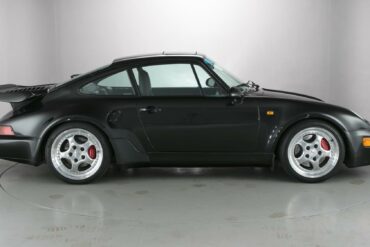
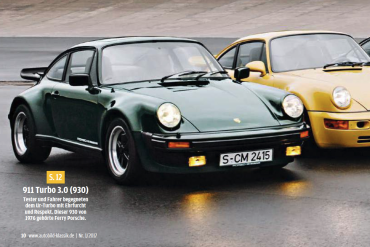
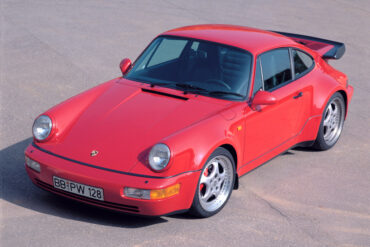
1995 - 1998
993 Turbo. Beautiful, Brutally Fast & Peak Air-Cooled Era
The 993 Turbo is the car that completed the Turbo transformation. It delivered supercar performance without the intimidation factor of earlier generations, pairing immense power with stability, refinement, and everyday usability. In doing so, it laid the blueprint for every modern Turbo that followed. As the final air-cooled Turbo, its significance is magnified even further. Today, the 993 Turbo—and especially the Turbo S—is regarded as a true unicorn.
Porsche 911 Turbo (993) Basics
Generation: 911 (993)
Body Style: 2-door coupe
Model Years: 993 Turbo: 1996–1998, 993 Turbo S: 1997–1998
Manufacturing Years: 1995–1998
Assembly: Stuttgart, Germany
Designer: Exterior design leadership: Tony Hatter (under Porsche design chief Harm Lagaay). Turbo engineering: Porsche Motorsport / Weissach
Design Significance: First Turbo with smooth, integrated widebody shared with Carrera 4S. Cleaner aero and lower drag than earlier Turbos. Often regarded as one of the most beautiful 911s ever made
Layout: Rear-engine, AWD. First 911 Turbo to feature AWD, transforming stability and usability. Marked the end of the “widowmaker” Turbo era. Torque split optimized for rear-biased performance feel
Engines 993 Turbo: 3.6-liter air-cooled flat-six. Twin turbochargers (K16). Intercooled. Bosch Motronic engine management
Output (Turbo): ~408 hp, ~540 Nm torque
Engines 993 Turbo S: 3.6-liter air-cooled flat-six. Larger turbochargers. Revised engine mapping
Output (Turbo S): ~450 hp, ~585 Nm torque
Gearbox: 6-speed manual (G64). First Turbo to receive a 6-speed manual. Strong, durable gearbox designed for sustained high-torque output. No automatic option offered
Chassis & Mechanical Highlights: Multi-link rear suspension (993-specific, major handling upgrade). ABS and power steering standard. Massive Brembo brakes (shared DNA with the 917 lineage). Lower turbo lag thanks to twin-turbo setup. Much higher cornering confidence vs 930 and 964 Turbos
Production Volumes (Approximate): Total 993 Turbo production: ~6,000 units. Breakdown (approximate): 993 Turbo: ~5,000 units. 993 Turbo S: ~345 units (factory Turbo S, excluding Sonderwunsch conversions)
Porsche 911 Turbo (993) (1995 - 1998)
The Apex Predator: When the Turbo Grew Up—and Air-Cooling Said Goodbye
If the Porsche timeline were a symphony, the 993 Turbo (produced from 1995 to 1998) would be the final, earth-shaking crescendo. It is widely regarded as the ultimate expression of the air-cooled 911—the point where Porsche finally perfected the mechanical soul of the original 1964 concept before the world moved on to water-cooling and digital complexity.
This is the moment the Turbo stopped being terrifying and started being unstoppable. It marks one of the most important inflection points in Porsche history: the final air-cooled 911, the first truly modern Turbo, and the car that transformed the Turbo name from a fearsome reputation into a benchmark.
Where the 930 scared you and the 964 warned you, the 993 Turbo simply delivered. Relentlessly. Effortlessly. With devastating speed and confidence that redefined what a 911 Turbo could be.
The Inception: Reinventing the Turbo for a New World
By the mid-1990s, Porsche faced a crossroads. Regulations were tightening, competition was fierce, and customer expectations had shifted. Supercars were no longer allowed to be crude. The Turbo needed to evolve—or risk becoming irrelevant.
The automotive world was changing rapidly. Competitors like the Ferrari F355 and the Honda NSX were proving that supercars could be both daily-drivable and terrifyingly fast.
Porsche's answer arrived in 1995 with the 993 Turbo, and it was revolutionary. This wasn’t a refined continuation of the old Turbo formula—it was a clean break. Porsche engineers set out to build a Turbo that could deliver extreme performance without demanding bravery from its driver.
Designed under the direction of Tony Hatter, the 993 was a visual masterstroke. It shared only about 20% of its parts with the outgoing 964, featuring a smoother, more aerodynamic "Coke-bottle" silhouette that tucked the headlights back and flared the rear arches into an aggressive, wide-hipped stance. It was the last 911 to be largely hand-assembled in Zuffenhausen, and that sense of "built-from-a-billet" quality is felt in every stitch of the interior.
Most importantly, this would be the last chance to do it with an air-cooled engine. The stakes couldn’t have been higher.
The Technology: A Quantum Leap Forward
The 993 Turbo introduced technologies that fundamentally changed the character of the 911 Turbo forever.
At its heart was a 3.6-liter air-cooled flat-six, but unlike its predecessors, it used twin turbochargers. Instead of one large, laggy turbocharger, these two smaller KKK units (one for each cylinder bank) virtually eliminated the "waiting room" experience of previous Turbos, providing a linear, relentless surge of torque from as low as 2,500 RPM. Output jumped to 408 horsepower, delivered smoothly and relentlessly.
Equally important was the adoption of all-wheel drive. For the first time, AWD became standard on the Turbo. Utilizing a system derived from the legendary 959 supercar, it could send up to 40% of the power to the front wheels. This transformed the car from a "Widowmaker" into a precision instrument that could deploy its 408 hp in any weather condition. Grip levels were extraordinary for the era.
The new multi-link "Light, Stable, Agile" aluminum rear suspension was the unsung hero. It effectively tamed the 911’s historical tendency for "lift-off oversteer," making the 993 the first Turbo you could truly push to the limit without a racing license.
Other major advancements included a brand new six-speed manual gearbox, replacing the old four-speed legacy and larger, more powerful brakes capable of repeated high-speed stops.
This wasn’t just evolution—it was reinvention.
The Driving Experience: Effortless Domination
Behind the wheel, the 993 Turbo feels astonishingly modern—even today. The steering is precise and reassuring. The chassis feels planted and predictable. The turbos build boost progressively rather than explosively. This was the first Turbo that allowed drivers to confidently use full throttle mid-corner—something unthinkable in a 930 and still risky in a 964. Power delivery is immense but controlled, and the all-wheel-drive system works invisibly in the background.
It didn’t just make the Turbo faster. It made it usable. For some purists, this marked the loss of the Turbo’s edge. For everyone else, it marked Porsche’s arrival at the top of the supercar hierarchy.
Key Variants & Special Editions
The 993 Turbo lineup is compact but legendary:
The 993 Turbo (1995–1998): The core model and one of the most complete performance cars of its era. Balanced, brutally fast, and impeccably engineered, it set new standards for real-world performance.
Because the 993 was the end of an era, Porsche released several "holy grail" variants:
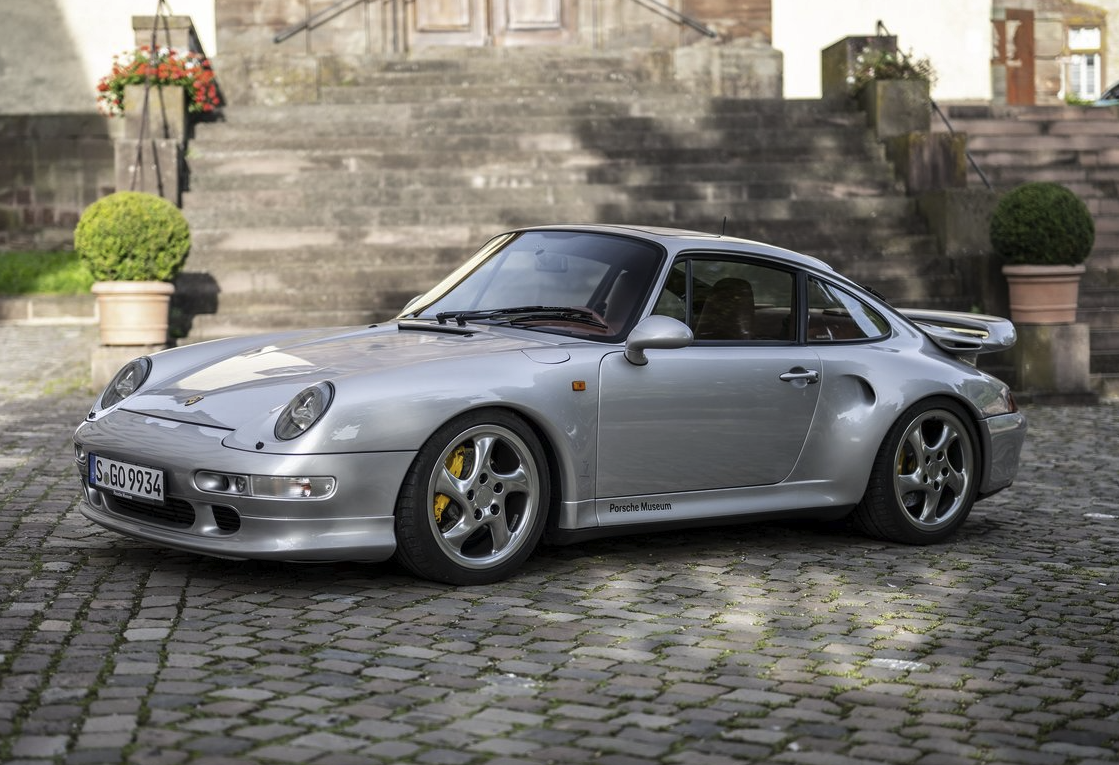
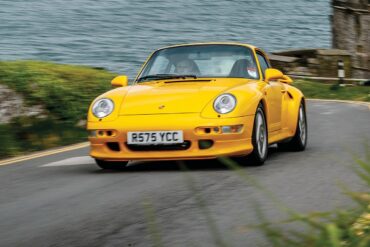
The Turbo S (1997): A high-output flagship limited to just 345 units. It featured larger turbos (reaching 424/450 hp), yellow brake calipers, a unique quad-exhaust tip, and extra cooling ducts in the rear fenders. It is today a million-dollar collector's item. Weight was reduced, it had unique aero details, and bespoke interior. Instant legend. Today, it sits among the most desirable road-going Porsches ever built.
The GT2 (The "911 GT"): To meet homologation rules for GT2 racing (which banned AWD), Porsche built a stripped-out, Rear-Wheel Drive version of the Turbo. With bolted-on plastic flares and a massive "bananas" rear wing, it was essentially a race car for the road. It was lighter, louder, and significantly more dangerous than the standard Turbo.
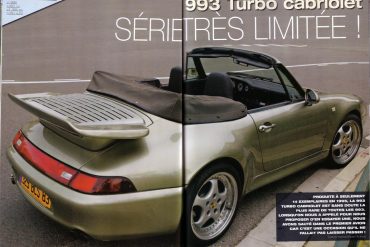
The Turbo Cabriolet: An incredibly rare Porsche Exclusive creation. Only 14 units were built, using the single-turbo engine from the 964 but the body of the 993, making it one of the rarest production Porsches in existence.
What the World Said: A New Benchmark Is Born
When the 993 Turbo launched, the press reaction was immediate and decisive. Reviewers called it devastatingly fast, effortless, and astonishingly refined. Many declared it the best all-around performance car in the world. Crucially, journalists noted that Porsche had solved the Turbo problem. No more fear. No more waiting. Just speed—massive, relentless speed—delivered with confidence. In hindsight, many reviewers now describe the 993 Turbo as the moment the Turbo became a complete car, not just a thrilling one.
Cultural Impact: The Last of the Air-Cooled Gods
The 993 Turbo is the darling of the "purist" community. Because its successor, the 996, was larger, water-cooled, and more mass-produced, many enthusiasts view the 993 as the "Last Real 911." When it was released, Car Magazine famously stated that while you might get used to the straight-line speed, the way it cornered would never cease to amaze. It was the first car that truly bridged the gap between the raw, analog past and the high-security supercar future. Today, it sits at the pinnacle of the collector market—not just because it’s fast, but because it represents the very last time a Porsche sounded, smelled, and felt like a traditional air-cooled machine.
Culturally, the 993 Turbo occupies truly sacred ground. It represents the end of air-cooled Porsche engineering, wrapped in one of the most beautiful 911 designs ever created. It also marked a philosophical shift. From this point forward, the Turbo would no longer be a car that tested courage—it would be a car that tested physics.
Ownership Today: Blue-Chip Porsche Royalty
Today, the 993 Turbo sits firmly in the upper echelon of collectible Porsches. Values reflect its historical importance, usability, and rarity—especially for Turbo S models and low-mile examples. Ownership is surprisingly approachable by classic-supercar standards. The cars are robust, well-engineered, and comfortable enough to drive regularly. But originality, service history, and proper care are critical. This is a car people actually drive, not just display—and that says everything.
Final Verdict: Why the 993 Turbo Is So Important
The Porsche 911 Turbo (993) is the moment Porsche perfected the Turbo formula. It didn’t just end the air-cooled era—it closed it with authority. It is fast without fear. Advanced without losing soul. And historically irreplaceable. If the 930 created the myth, and the 964 refined it, the 993 fulfilled it. This isn’t just one of the greatest Turbos ever made. It’s one of the greatest Porsches—period.
Porsche 911 Turbo (993) Variants
The 993 Turbo variants tell the story of the Turbo’s transformation into a true supercar. This section breaks down the standard Turbo and the rare Turbo S, focusing on the leap to twin turbos, all-wheel drive, and a level of refinement that permanently changed what the Turbo badge meant. Each variant represents the end of the air-cooled era at its absolute peak.
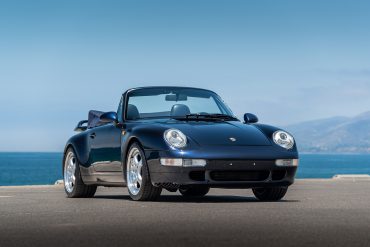
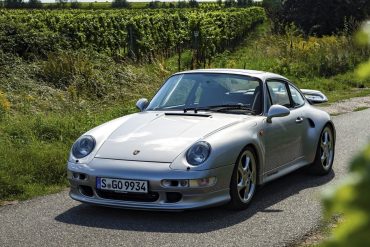
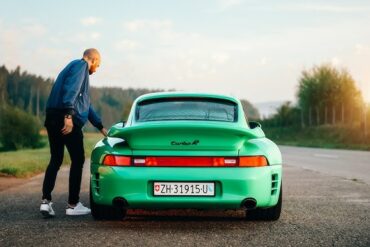
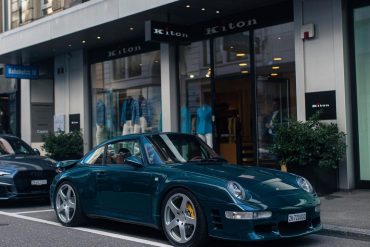
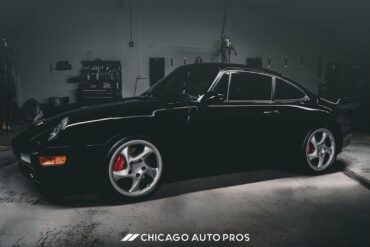
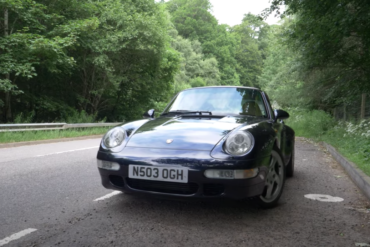
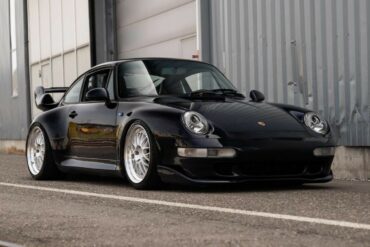
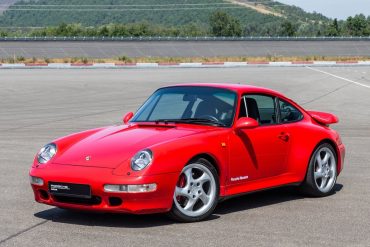
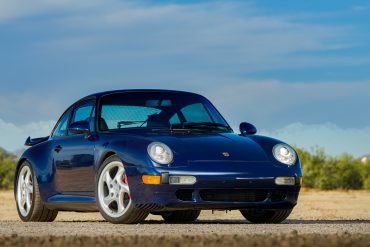
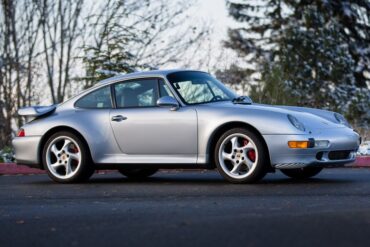
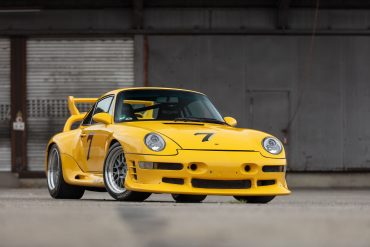
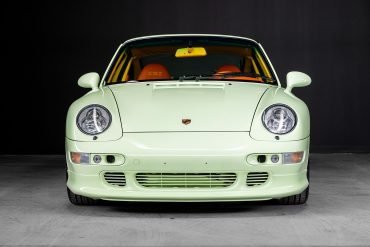
993 Turbo Videos & Image Galleries
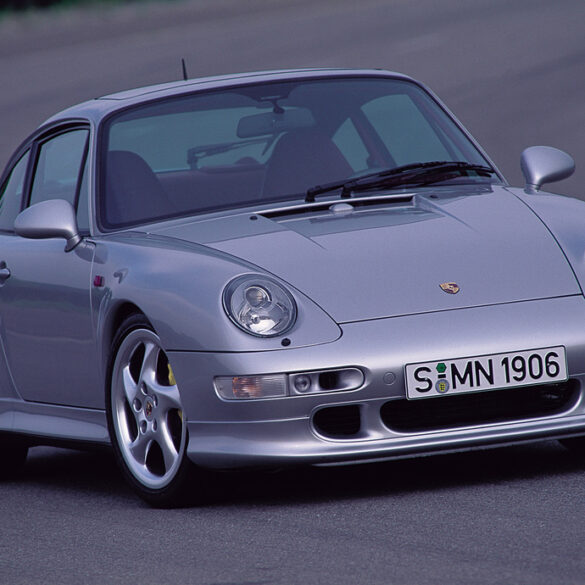
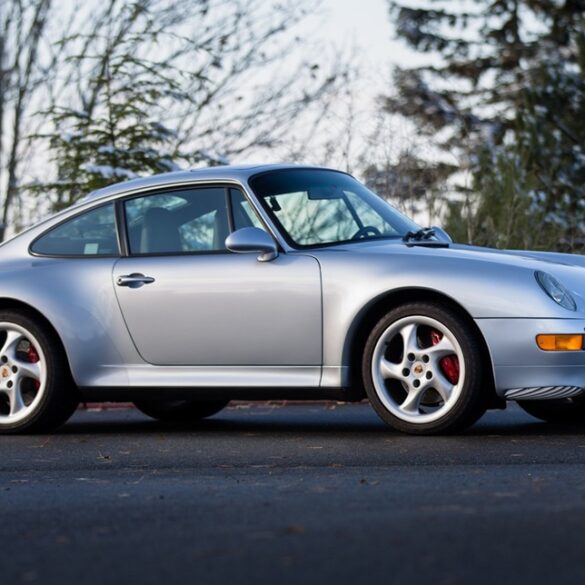
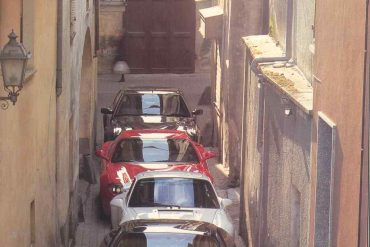
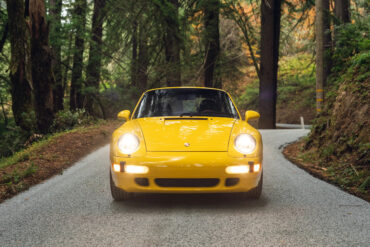
From sweeping widebody profiles to detailed shots of the twin-turbo engine bay, this gallery showcases what many consider the most beautiful Turbo ever built. Track footage, road tests, and period photography highlight how far the Turbo had evolved by the end of the air-cooled era.
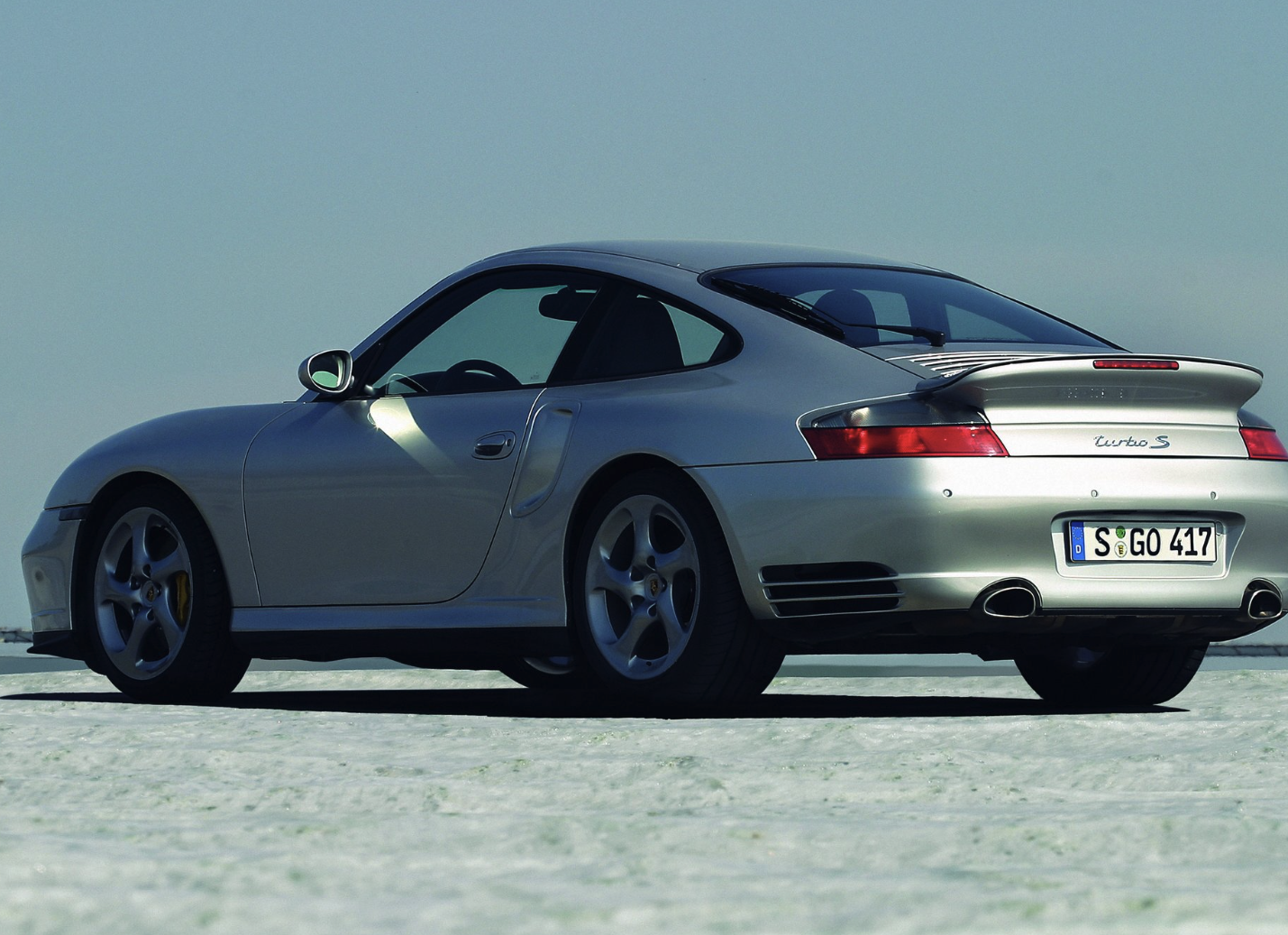
2001 - 2005
996 Turbo. Insane Performance Whenever Asked.
The 996 Turbo is the most important “transition” Turbo Porsche ever built. It introduced water cooling, modern electronics, optional automatic transmission, and everyday usability - without sacrificing the Mezger engine or Turbo credibility. Unlike earlier Turbos that demanded respect, the 996 Turbo simply delivered performance whenever asked. Widely recognized as one of the best performance bargains in Porsche history.
Porsche 911 Turbo (996) Basics
Generation: 911 (996)
Body Style: 2-door coupe (996 Turbo Cabriolet was never officially produced)
Model Years: 2001–2005
Manufacturing Years: 2000–2005
Assembly: Stuttgart, Germany
Designer: Exterior design leadership: Harm Lagaay. Turbo engineering: Porsche Motorsport / Weissach
Design Significance: First Turbo with fully integrated, modern aero. Shared widebody silhouette with the GT2. Fixed rear wing (distinct from Carrera models). Visually marked the shift from classic to contemporary 911 design
Layout: Rear-engine, AWD
Drivetrain Philosophy: Rear-biased AWD system derived from the 993 Turbo. Massive traction advantage over earlier generations. Tuned for high-speed stability and real-world usability
Engines 996 Turbo: 3.6-liter water-cooled flat-six. Twin turbochargers. Mezger-based engine architecture. Dry-sump lubrication. Separate from standard Carrera M96 engines
Output 996 Turbo: ~415 hp, ~560 Nm torque
Engine 996 Turbo X50 Performance Package (Optional): Larger turbochargers. Revised intercoolers and ECU tuning
Output (X50): ~450 hp, ~620 Nm torque
Engine 996 Turbo S (2005): X50 package standard. Additional standard equipment and trim
Output (996 Turbo S): ~450 hp, ~620 Nm torque
Gearboxes: 6-speed manual. 5-speed Tiptronic automatic (optional). First Turbo offered with an automatic transmission. Manual remains the enthusiast favorite. Tiptronic emphasized everyday usability and GT character
Chassis & Mechanical Highlights: Porsche Stability Management (PSM) standard.
ABS and traction control fully integrated. Multi-link rear suspension. Massive Turbo-specific brakes. Significantly reduced turbo lag vs air-cooled predecessors. Comfortable at speed, stable under load, and deceptively fast
Production Volumes (Approximate): Total 996 Turbo production: ~20,000 units. Breakdown (approximate): Standard 996 Turbo: ~16,000 units. X50-equipped cars: subset (exact numbers unknown). 996 Turbo S: ~1,500 units (2005 only)
Porsche 911 Turbo (996) (2001 - 2005)
The Quantum Leap: When the Turbo Entered the Modern Age
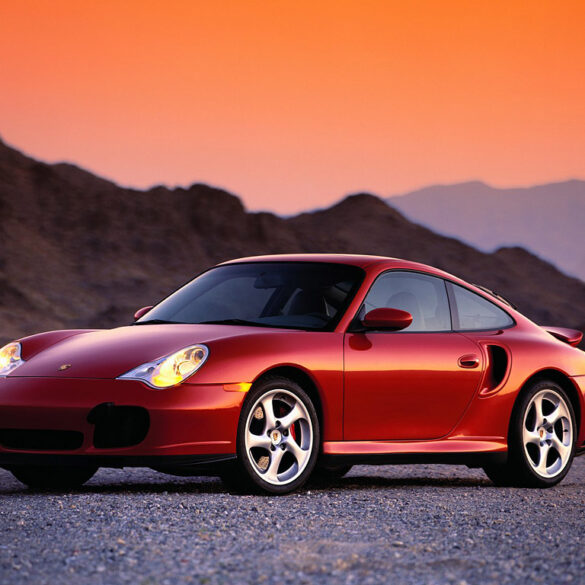
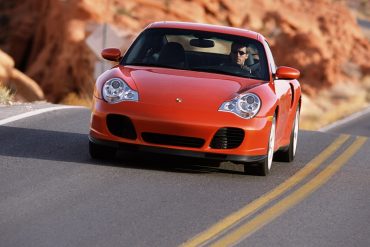
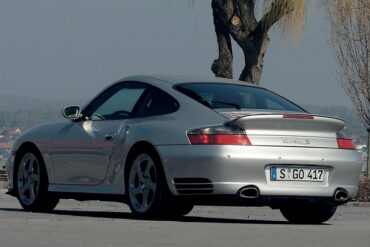
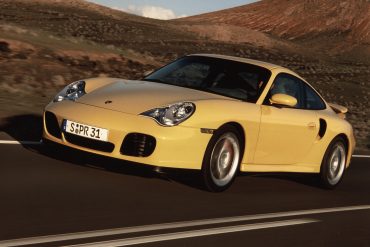
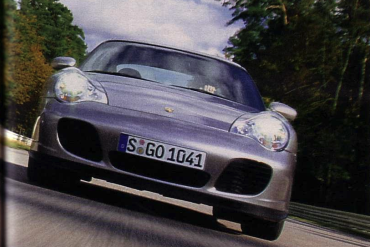
The Porsche 996 Turbo (Model Years: 2001–2005) is perhaps the most important flagship in the history of the 911. Arriving at a time when Porsche was fundamentally reinventing itself to survive, the 996 Turbo had a monumental task: it had to prove that a water-cooled, mass-produced 911 could still be a world-beating supercar. While the standard 996 Carrera faced criticism for its "fried-egg" headlights and engine reliability concerns, the Turbo arrived as a "bulletproof" titan that silenced the skeptics and saved the brand’s reputation.
The 996 Turbo is also one of the most misunderstood 911s ever built. It wasn’t just a new Turbo. It was a hard reset. New engine architecture. New cooling philosophy. New design language. And a new role for the Turbo name itself.
Where the 993 Turbo perfected the air-cooled era, the 996 Turbo redefined what a Turbo was supposed to be: brutally fast, deeply reliable, usable every day, and devastatingly effective in any conditions. It lost some romance along the way—but gained something arguably more important: total dominance.
The Inception: A Necessary Break from the Past
By the late 1990s, Porsche had no choice. Air-cooling had reached its limits. Emissions regulations, noise standards, and customer expectations demanded a new approach. The 996 generation ushered in water-cooling across the 911 lineup—a move that split enthusiasts and changed Porsche forever.
The Turbo, however, was uniquely positioned to benefit.
Launched as a 2001 model (after debuting at the 1999 Frankfurt Auto Show), the Turbo was wider, longer, and stiffer than any 911 before it. To save development costs during a financial crisis, Porsche shared the front-end architecture and interior with the entry-level Boxster—a move that was controversial at the time but allowed Porsche to invest heavily where it mattered most: the drivetrain.
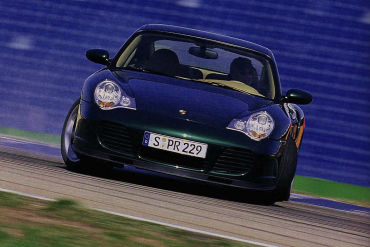
The design, led by Pinky Lai under Harm Lagaaij, featured a drag coefficient of just 0.31. While it shared the "fried-egg" headlight shape of the Boxster, the Turbo received a unique, more aggressive version with Bi-Xenon lamps. To cool its massive power, it featured three large front air intakes and the signature intercooler "slats" in the rear fenders, which have since become a permanent design cue for every Turbo that followed.
By waiting to introduce the Turbo for the 2001 model year, Porsche had already stabilized the new platform. Unlike the naturally aspirated Carreras, the Turbo didn’t use the controversial IMS-bearing engine architecture. Instead, it received something far more special: a development of the Mezger engine, derived directly from Porsche’s Le Mans–winning GT1 race program.
That decision alone would define the 996 Turbo’s legacy.
The Technology: Race-Bred and Overengineered
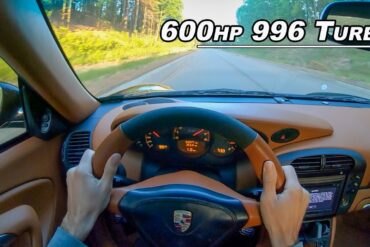
At the heart of the 996 Turbo was a 3.6-liter twin-turbocharged flat-six, producing 415 horsepower (later 444 hp in the Turbo S). This engine was water-cooled but still retained the legendary Mezger architecture—separate crankcase, dry-sump lubrication, and immense durability.
Key technological highlights included:
The Racing Pedigree: Because it was a true dry-sump engine designed for endurance racing, it featured no IMS bearing issues and was essentially "overbuilt." It could handle massive amounts of boost, making it a favorite for the tuning community.
Performance: In standard trim, it produced 415 hp (420 PS) and 415 lb-ft of torque. With twin turbochargers and the new VarioCam Plus system (variable valve timing and lift), it delivered a flat, relentless torque curve.
The Drive: All-wheel drive was standard, utilizing a viscous clutch system that could send up to 40% of torque to the front wheels. Combined with the Porsche Stability Management (PSM)—famously nicknamed "Please Save Me" by early drivers—it was the first 911 Turbo that anyone could drive fast with total confidence.
Performance was staggering for the time: 0–60 mph in the low 4-second range, with relentless acceleration far beyond that. More importantly, it could do this all day, every day, without drama.
This was the Turbo as a precision instrument.
The Driving Experience: Ruthlessly Effective
Driving a 996 Turbo feels fundamentally different from any Turbo before it. The fear is gone. In its place is confidence—immense, unshakeable confidence. The steering is lighter but accurate. The chassis is planted and predictable. Power delivery is smooth and immediate, with none of the old “wait… then panic” turbo behavior. You can deploy full throttle far earlier and far more often than in earlier Turbos.
What shocked reviewers most wasn’t how exciting the 996 Turbo was—it was how easy it was to go very, very fast. For purists, this marked the end of the Turbo as a challenge. For everyone else, it marked the beginning of the Turbo as the ultimate real-world supercar.
Variants & Special Models
The 996 Turbo lineup quietly offered some of the most compelling variants in Turbo history:
996 Turbo (2001–2005): The standard car was already sensational—fast, reliable, and deeply usable. It redefined expectations for what a 911 Turbo could deliver.
X50 Performance Package: An optional factory upgrade. For those who found 415 hp insufficient, the X50 option added larger K24 turbochargers, beefier intercoolers, and a revised ECU, bumping power to 450 hp. This kit also revised the transmission to handle the extra stress. Essentially a preview of the Turbo S.
996 Turbo S (2005): The ultimate factory version. To celebrate the end of the 996 generation, Porsche released the Turbo S. Limited to roughly 1,500 units, it came standard with the X50 Power Kit and PCCB (Porsche Ceramic Composite Brakes)—distinguished by their massive yellow calipers. Offered in both coupe and cabriolet form, and produced in limited numbers.
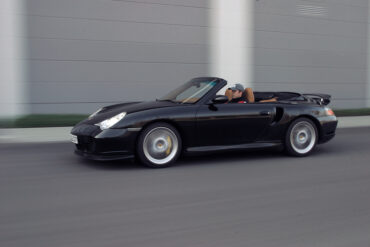
The Turbo Cabriolet (2004–2005): For the first time since the 1989 930, Porsche offered the Turbo as a series-production convertible, proving that the chassis was stiff enough to handle supercar power without a roof.
What People Said: Shock, Then Respect
When new, reactions were complicated. Some enthusiasts fixated on the headlights, the water-cooling, and the perceived loss of character. But the press couldn’t ignore the numbers—or the experience. Reviews consistently praised the 996 Turbo as devastatingly fast, flawlessly engineered, and astonishingly usable.
Over time, the narrative changed. As modern collectors learned just how robust the Mezger engine was—and how immune the Turbo was to the issues that plagued other 996s—the car’s reputation soared. Today, the 996 Turbo is often described as one of the best value performance cars Porsche has ever built.
Cultural Position: From Underrated to Essential
Culturally, the 996 Turbo represents a turning point. It’s the car that proved Porsche could modernize without losing its engineering soul—even if the aesthetics took time to be appreciated.
It also redefined the Turbo’s role:
Less “widowmaker”
More all-weather supercar
Faster than exotics, yet subtle and usable
In hindsight, the 996 Turbo laid the foundation for every Turbo that followed. The idea that a Turbo could be your only car—daily driver, road-trip machine, and supercar killer—starts here.
Ownership Today: The Smart Turbo Buy
Few classic-performance cars offer a stronger ownership proposition. The 996 Turbo delivers:
Proven Mezger reliability
Enormous performance headroom
Reasonable maintenance by supercar standards
Growing collector recognition
Manual cars, X50-equipped examples, and Turbo S models command premiums, but all versions are increasingly appreciated.
This is a car you can drive hard, often, and without fear—a rarity in the collector world.
Final Verdict: Why the 996 Turbo Matters
The Porsche 911 Turbo (996) doesn’t trade in nostalgia. It trades in results. It is the Turbo that grew up, went water-cooled, and became unstoppable. It may not have the romance of air-cooling or the menace of early Turbos, but it introduced something far more enduring: trust. If the 930 created fear, the 964 refined it, the 993 perfected it, then the 996 industrialized it—and made the Turbo a modern icon.
For a long time, the 996 Turbo was the "underdog" of the Porsche world. Purists hated the water-cooling and the interior plastics, which meant prices stayed low while air-cooled 993 prices skyrocketed. However, the culture has shifted dramatically in recent years.
Enthusiasts have rediscovered the 996 Turbo as the ultimate "everyday supercar." It offers 0–60 mph times in the low 4-second range and a top speed of 190 mph, all while being one of the most mechanically reliable Porsches ever made. It’s also featured in pop culture as the inspiration for "Sally Carrera" in Pixar's Cars, further cementing its place in the public consciousness. Today, the 996 Turbo is no longer seen as the "cheap 911"—it is respected as the car that brought the Turbo badge into the 21st century with a racing-derived heart and world-class capability.
Porsche 911 Turbo (996) Variants
The 996 Turbo variants mark a clean break with the past. This section dives into the standard Turbo, X50-equipped cars, and the Turbo S, exploring how water cooling, modern electronics, and the Mezger engine created a Turbo that was devastatingly fast yet shockingly usable. Each variant reflects Porsche learning how to make extreme performance effortless.
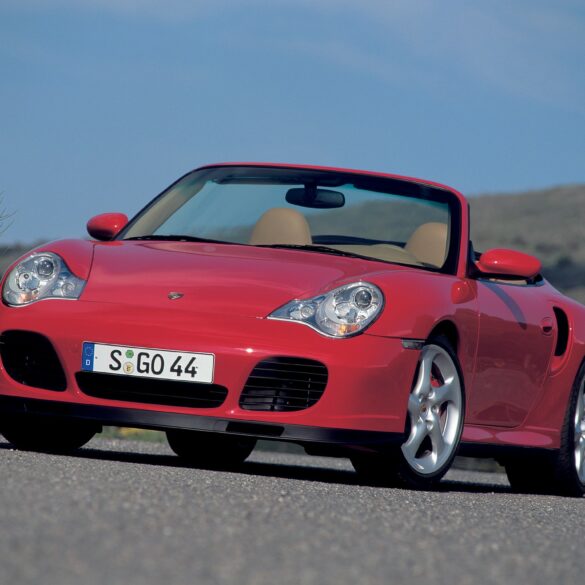
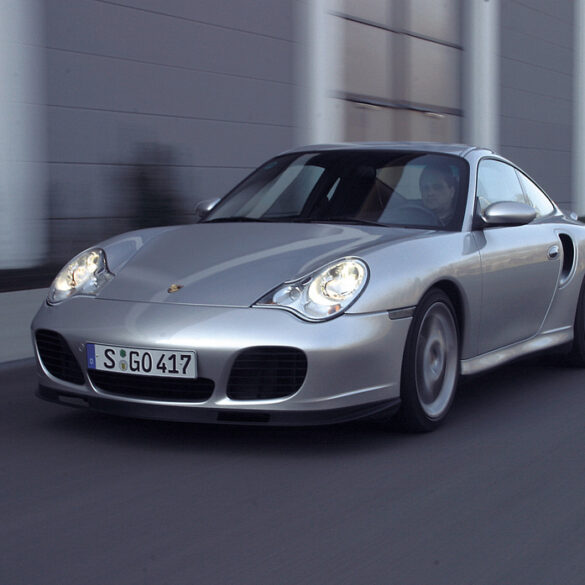
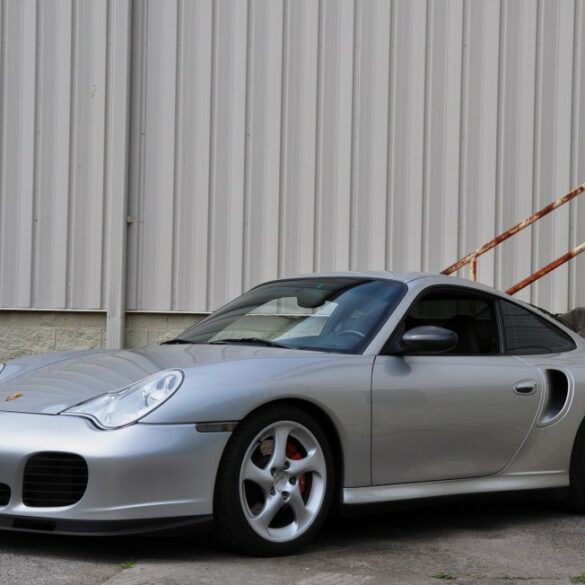
2007 – 2013
997 Turbo. Not Intimidating. Still Extraordinary.
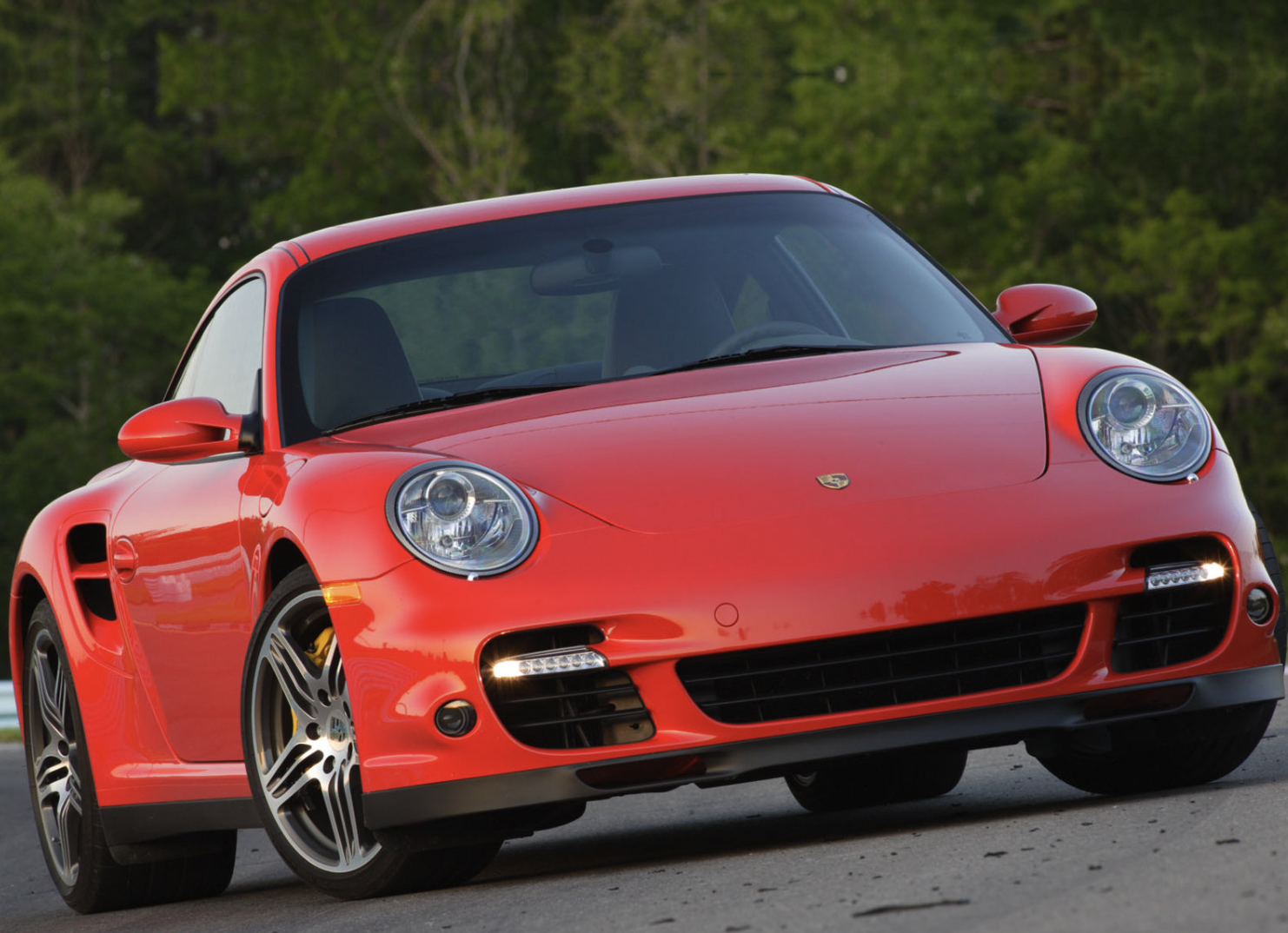
The 997 Turbo is where the Turbo line fully came of age. It retained the Mezger engine’s legendary strength while introducing technologies—like variable-geometry turbos and PDK—that redefined how accessible extreme performance could be. It was brutally fast, astonishingly capable, and yet docile enough to use every day. The sweet spot of the modern Turbo era: old-school engineering integrity paired with new-school speed and usability.
Porsche 911 Turbo (997) Basics
Generation: 911 (997)
Body Styles: 2-door coupe, 2-door cabriolet
Model Years: 997.1 Turbo: 2007–2009, 997.2 Turbo / Turbo S: 2010–2013
Manufacturing Years: 2006–2013
Assembly: Stuttgart, Germany
Designer: Exterior design leadership: Michael Mauer. Turbo engineering: Porsche Motorsport / Weissach
Design Significance: Cleaner, more muscular evolution of the 996 Turbo shape. Distinctive widebody with active rear spoiler (997.2). Subtle but purposeful design focused on aero efficiency rather than drama
Layout: Rear-engine, AWD
Drivetrain Philosophy: Rear-biased AWD system for traction and stability. Designed to deliver effortless real-world speed in all conditions. Turbo firmly positioned as Porsche’s everyday supercar
Engine 997.1 Turbo: 3.6-liter water-cooled flat-six. Twin turbochargers. Mezger-based engine architecture. First production petrol engine with variable-geometry turbos (VGT)
Output (997.1 Turbo): ~480 hp, ~620 Nm torque
Engine 997.2 Turbo: 3.8-liter water-cooled flat-six. Twin turbochargers (updated VGT system). Revised engine management and efficiency improvements
Output (997.2 Turbo): ~500 hp, ~650 Nm torque
Engine 997.2 Turbo S: 3.8-liter twin-turbo flat-six. Higher boost and revised mapping
Output (997.2 Turbo S): ~530 hp, ~700 Nm torque
Gearboxes: 6-speed manual (997.1 & early 997.2), 7-speed PDK dual-clutch (introduced with 997.2). 997.2 marked the Turbo’s transition from manual dominance to PDK supremacy. PDK dramatically improved acceleration and daily drivability. Manual cars are rarer and increasingly sought after by purists
Chassis & Mechanical Highlights: Porsche Traction Management (PTM) AWD system. Porsche Stability Management (PSM). Adaptive PASM suspension standard. Ceramic brakes (PCCB) widely optioned. Active aerodynamics on later models. Remarkably low turbo lag and immense mid-range torque
Production Volumes (Approximate): Total 997 Turbo production: ~20,000–22,000 units. Breakdown (approximate): 997.1 Turbo: ~11,000 units. 997.2 Turbo & Turbo S: ~9,000–11,000 units
Porsche 911 Turbo (997) (2007 - 2013)
The Moment the Turbo Became Effortless—and Utterly Inevitable
The Porsche 997 Turbo (Model Years: 2007–2013) is frequently cited by enthusiasts as the high-water mark for the 911 Turbo lineage. It arrived as a direct response to the "fried-egg" controversy of the 996, bringing back the classic silhouette everyone loved while introducing a "technology offensive" that pushed the car into a new dimension of performance. It is the bridge between two worlds: it was the last Turbo to offer a traditional hydraulic steering rack and a Mezger-derived engine, yet the first to embrace the world-altering speed of variable geometry turbos and dual-clutch transmissions.
The 997 Turbo represents a quiet turning point in the Turbo story. Not a revolution, not a shock to the system, but something more difficult to achieve: total maturity. This was the generation where Porsche stopped trying to prove what the Turbo could be and simply showed what it was. Fast, refined, devastatingly capable, and almost absurdly usable.
If earlier Turbos were defined by drama, intimidation, or technological breakthroughs, the 997 Turbo is defined by completeness. It is the Turbo that no longer needed excuses, caveats, or warnings. It just worked—everywhere, all the time.
Inception: Refinement as a Philosophy
By the time the 997 generation arrived in the mid-2000s, Porsche had clarity. The company was financially secure, the 911 platform was fully modernized, and the Turbo customer had evolved. Buyers no longer wanted a car that felt like a barely tamed race machine; they wanted something that could dominate supercars on a mountain road, cross continents in comfort, and do both without breaking a sweat.
Debuting at the 2006 Geneva Motor Show, the 997 Turbo was a visual homecoming. Designer Grant Larson oversaw a return to the "bug-eye" round headlights and a more muscular, Coke-bottle shape. The Turbo sat on the widest body shell Porsche offered - 44mm wider than the standard Carrera - giving it a planted, aggressive stance that was further emphasized by its massive side air intakes and a redesigned retractable rear wing.
But the 997 wasn't just a styling exercise. Porsche’s engineers utilized aluminum for the doors and hood to shave roughly 90 lbs off the weight of the previous generation, despite adding more technology and luxury features. It was a car designed to be a "Super-GT"—as comfortable crossing the Alps as it was hunting Ferraris on the Autobahn. Mechanically, it built directly on the strengths of its predecessor while layering in new technology that fundamentally changed how turbocharging felt.
This was Porsche leaning fully into the idea of the Turbo as a flagship—not a handful, not a novelty, but the most complete 911 you could buy.
Technology: When Turbo Lag Became a Memory
At the heart of the early 997 Turbo was the legendary 3.6-liter Mezger-based flat-six, now producing 480 horsepower. But the headline wasn’t the power figure—it was how that power arrived. For the first time in a gasoline production car, Porsche introduced Variable Turbine Geometry (VTG) turbochargers.
VTG fundamentally changed the Turbo experience. By adjusting exhaust flow at different engine speeds, the system delivered near-instant throttle response without sacrificing top-end performance. The traditional pause, surge, and drama associated with turbocharged 911s was effectively erased. What remained was smooth, relentless acceleration that felt almost naturally aspirated in its immediacy.
All-wheel drive was further refined, suspension systems became smarter and more adaptive, and braking technology reached a level that allowed repeated high-speed abuse without complaint. The Turbo had become less of a mechanical event and more of a precision system—deeply engineered, deeply confidence-inspiring.
997.1 vs 997.2 Turbo
The generation is split into two distinct mechanical halves:
The 997.1 (2007–2009): This used the final evolution of the 3.6-liter "Mezger" engine (M97/70). Producing 480 hp, it is prized by collectors for its racing heritage and legendary durability. It was available with a 6-speed manual or the 5-speed Tiptronic S automatic.
The 997.2 (2010–2013): This introduced a completely new 3.8-liter Direct Fuel Injection (DFI) engine. Power jumped to 500 hp (and 530 hp in the Turbo S), and the old Tiptronic was replaced by the lightning-fast 7-speed PDK dual-clutch transmission. This version was the first to offer Porsche Torque Vectoring (PTV), which used the brakes to help pivot the car into corners with surgical precision
The earlier 997.1 Turbo is the purist’s choice, retaining the Mezger engine and pairing it with VTG turbocharging. It is widely regarded as one of the most robust and reliable high-performance engines Porsche ever built, capable of handling enormous power while remaining remarkably durable.
The later 997.2 Turbo marked a philosophical shift. Porsche moved to a new 3.8-liter direct-injection engine, increasing output to 500 horsepower and pairing it with updated electronics and transmissions. Performance improved again, particularly in acceleration, while refinement took another step forward. The Turbo S variants pushed things further still, offering brutal straight-line pace wrapped in luxury and stability that bordered on effortless.
By this point, the Turbo had fully embraced its role as a high-speed grand tourer as much as a performance benchmark.
Variants: The Arrival of the S
While the Turbo Cabriolet remained a staple for those who wanted to hear the twin-turbo whistle in the open air, the 997 era marked the return of the Turbo S as a permanent flagship model in 2010.
997.2 Turbo S: Standardized the PDK transmission, center-lock wheels, and PCCB (Ceramic Brakes). With 530 hp, it could launch from 0–60 mph in a staggering 2.9 to 3.1 seconds, a figure that humbled the Carrera GT supercar of the same decade.
The "918 Edition": An ultra-rare Turbo S variant offered exclusively to customers who had ordered the 918 Spyder hypercar. It featured acid-green accents and unique badging, serving as a "waiting room" car for the world’s elite
The Driving Experience: Speed Without Stress
On the road, the 997 Turbo feels almost surreal in how easily it covers ground. The steering is accurate and reassuring, the chassis unflappable, and the power delivery so linear that it encourages full-throttle use rather than punishing it.
This is the generation where the Turbo stopped demanding bravery. You can drive it hard in the wet, on unfamiliar roads, or for hours at a time without fatigue. The car never feels like it’s waiting to bite—it feels like it’s waiting to be used.
For some enthusiasts, that ease marked the end of the Turbo’s wild edge. For others, it marked the moment Porsche finally unlocked the Turbo’s full potential. The 997 Turbo doesn’t intimidate you into submission; it quietly dares you to explore just how fast “normal” driving can be.
What People Said: The Turbo as the Gold Standard
When the 997 Turbo launched, the response from the press was immediate and decisive. Reviews focused less on fear and more on awe. Journalists described it as devastatingly fast, astonishingly composed, and almost unfair in how easily it dismantled exotic machinery costing far more.
The VTG system was widely praised as a genuine breakthrough, and many reviewers declared the 997 Turbo the fastest real-world car money could buy. Importantly, they also noted how approachable it was. This wasn’t a car that required heroics—it rewarded confidence and precision.
With time, the reputation has only strengthened. Today, many enthusiasts describe the 997 Turbo as the last Turbo that feels fully mechanical while still being undeniably modern.
Cultural Position: The Thinking Person’s Supercar
The 997 Turbo is remembered as the car that "won the spec sheet war." In a 2008 video special, Jeremy Clarkson achieved an indicated 200 mph in one, proving its high-speed stability. More recently, prominent reviewers like Doug DeMuro have rated it as one of the best "all-around" 911s ever made, praising its mix of analog feedback and modern reliability.
Its legacy is defined by its balance. It is modern enough to have a touchscreen and a usable interior, but old-school enough to have a hydraulic steering rack that "talks" to your fingertips. For many, it represents the final era of the 911 where the car still felt mechanical rather than digital. Today, it is one of the most sought-after modern classics, holding its value better than almost any of its contemporaries from Italy or Britain.
Culturally, the 997 Turbo occupies a subtle but powerful place. It lacks the raw mythology of early air-cooled Turbos and the digital theatrics of later generations. Instead, it became the supercar for people who didn’t want spectacle. Wide, restrained, and brutally fast, the 997 Turbo embarrassed Ferraris and Lamborghinis without noise or drama. It was the car for buyers who valued capability over attention—an insider’s choice that quietly redefined expectations. As tastes have shifted back toward authenticity and usability, the 997 Turbo has aged exceptionally well.
Ownership Today: Modern Classic Territory
Today, the 997 Turbo sits at the intersection of performance, reliability, and desirability. Mezger-powered cars are especially sought after, while later models offer astonishing performance with more modern systems and comfort. It remains one of the rare high-performance cars that can genuinely be driven often, hard, and without fear. That combination is becoming increasingly rare—and increasingly valued.
Final Verdict: Why the 997 Turbo Endures
The Porsche 911 Turbo (997) is not about mythology or menace. It’s about mastery. It represents the moment Porsche fully understood what the Turbo should be—and executed it with absolute confidence. Fast without fear. Refined without dilution. Modern without losing its connection to the past. If the Turbo story is a progression from chaos to control, the 997 is the chapter where everything finally clicks.
Quietly. Completely. Permanently.
Porsche 911 Turbo (997) Variants
The 997 Turbo variants represent the sweet spot of Mezger durability and modern technology. This section explores the evolution from early manual cars to later PDK-equipped Turbos and Turbo S models, explaining how variable-geometry turbos and advanced AWD systems elevated the Turbo into a new performance category.
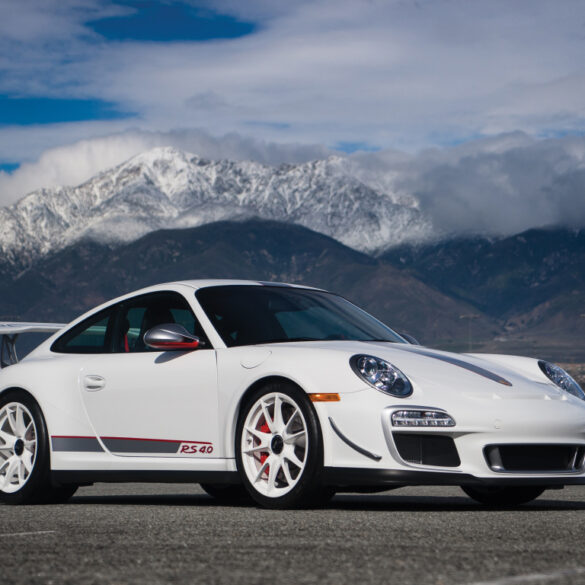
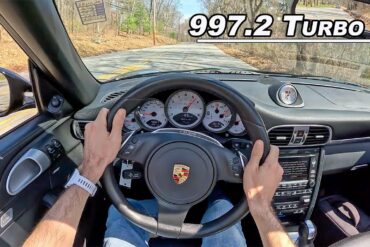
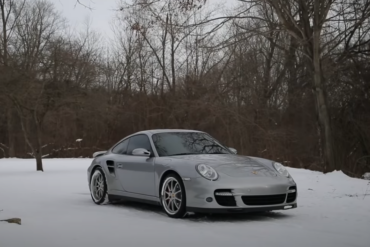
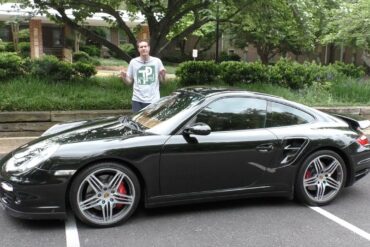
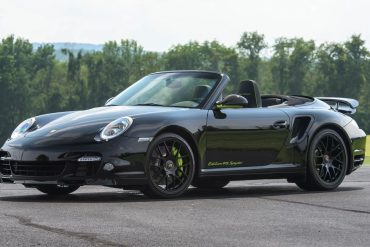
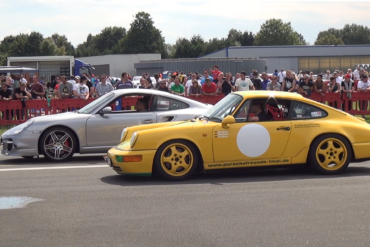
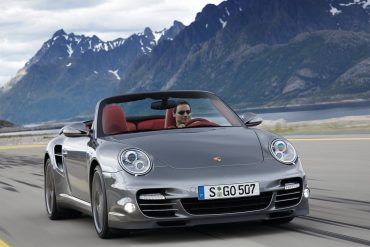
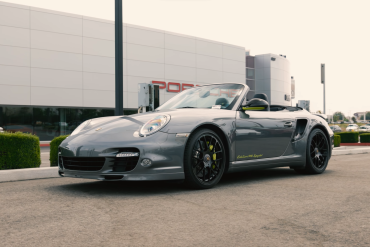
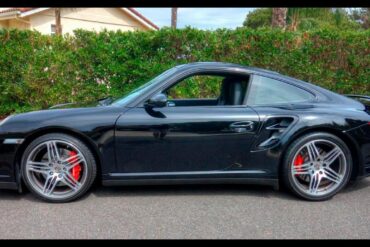
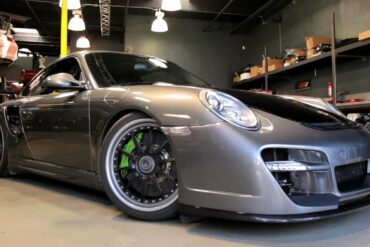
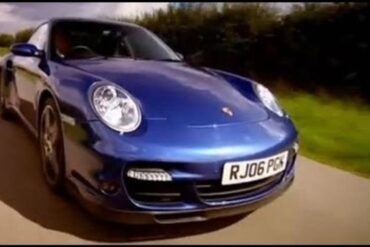
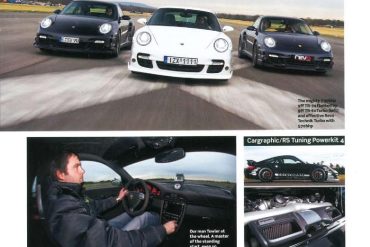
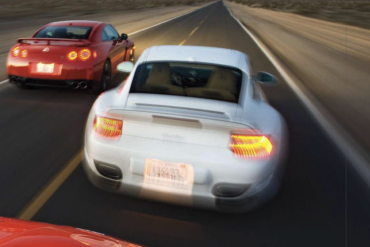
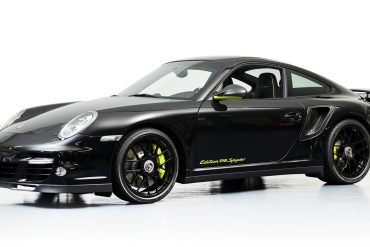
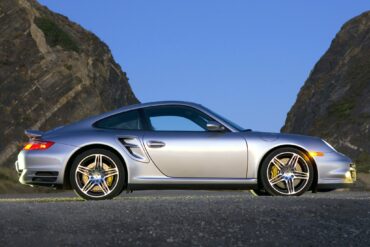
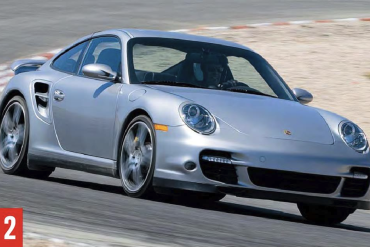
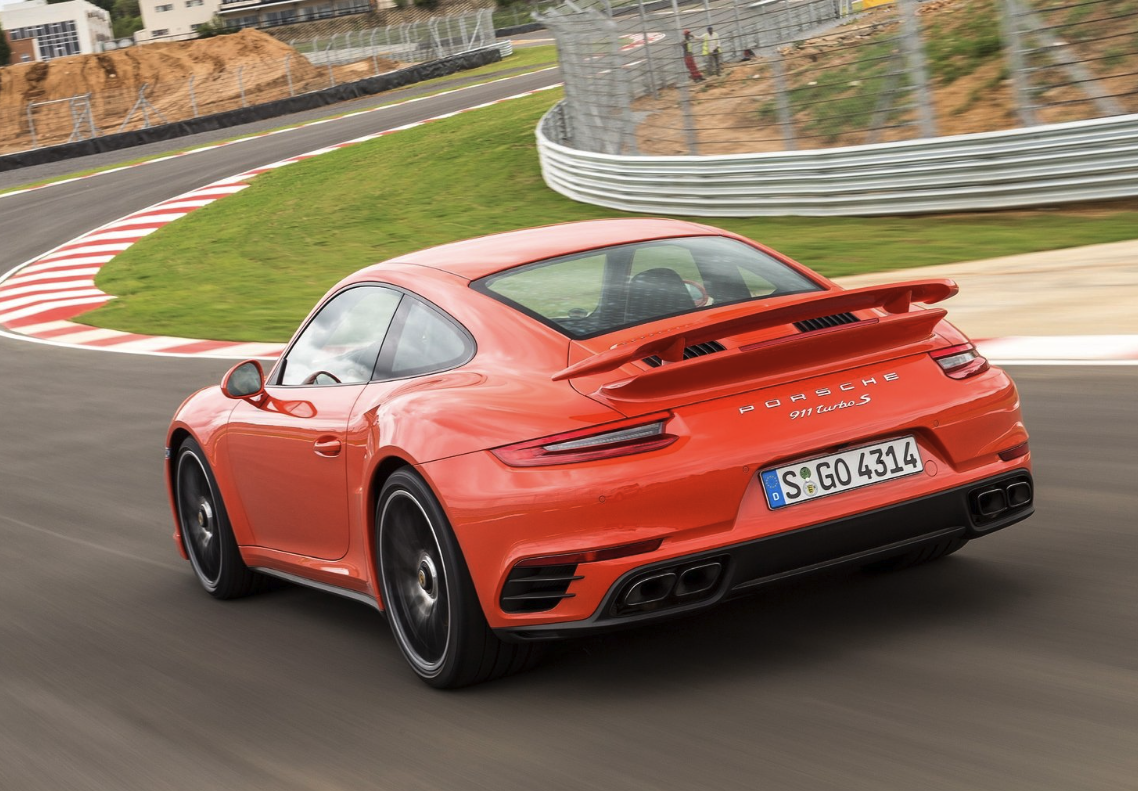
2014 - 2019
991 Turbo. Ultimate Real-World 911 & Ultimate Blueprint.
The 991 Turbo generation is where the Turbo fully transcended its original role. No longer just the fastest 911, it became Porsche’s most complete performance car—capable of humiliating supercars while remaining quiet, comfortable, and reliable enough to use every day. Delivers speed with almost supernatural ease. It represents Porsche uising tech not to dilute performance, but to make it more accessible, more consistent, and more devastating.
Porsche 911 Turbo (991) Basics
Generation: 911 (991)
Body Styles: 2-door coupe, 2-door cabriolet
Production Years (Model Years): 991.1 Turbo / Turbo S: 2014–2016, 991.2 Turbo / Turbo S: 2017–2019
Manufacturing Years: 2013–2019
Assembly: Stuttgart, Germany
Designer: Exterior design leadership: Michael Mauer . Turbo engineering: Porsche Motorsport / Weissach
Design Significance: Wider, more muscular body exclusive to the Turbo. Active front aero flaps and adaptive rear wing. Clear visual separation from Carrera and GT models. Design driven as much by cooling and aero as aesthetics
Layout: Rear-engine, AWD
Drivetrain Philosophy: Rear-biased AWD for maximum traction. Designed for effortless, repeatable speed in all conditions. Turbo positioned as Porsche’s ultimate everyday performance flagship
Engine 991 Turbo: 3.8-liter water-cooled flat-six. Twin turbochargers. Direct fuel injection. Advanced engine management and cooling
Output (991 Turbo): ~520 hp (991.1), ~540 hp (991.2)
Engine 991 Turbo S: 3.8-liter twin-turbo flat-six. Higher boost and revised mapping
Output (991 Turbo S): ~560 hp (991.1), ~580 hp (991.2). The Turbo S was no longer a niche special—it became a core, fully developed flagship.
Gearbox: 7-speed PDK dual-clutch only. No manual option offered. PDK calibrated for both brutal launch performance and smooth daily use. Turbo firmly transitioned into a PDK-only era
Chassis & Mechanical Highlights: Porsche Traction Management (PTM) AWD. Rear-axle steering standard on Turbo S (optional on Turbo). PASM adaptive suspension standard. Active aerodynamics front and rear. Massive Turbo-specific braking systems. Exceptional straight-line performance with minimal drama
Production Volumes (Approximate): Total 991 Turbo production: ~25,000–30,000 units. Breakdown (approximate): 991.1 Turbo / Turbo S: ~12,000–14,000 units. 991.2 Turbo / Turbo S: ~13,000–16,000 units
Porsche 911 Turbo (991) (2014 - 2019)
The Digital Apex: When the Turbo Became Limitless
The Porsche 991 Turbo (Model Years: 2014–2019) arrived as a statement of absolute engineering dominance. While previous generations had to choose between being raw performance machines or luxury grand tourers, the 991 aimed to be both—simultaneously. It was the generation that officially ushered the Turbo into the "2-second club" (0–60 mph), utilizing a suite of active technologies that allowed a large, comfortable car to defy the laws of physics. For many, the 991 is the ultimate realization of the "everyday supercar" philosophy.
The Porsche 911 Turbo (991) is the point at which the Turbo stopped feeling like a car defined by engineering constraints and started to feel like one defined by possibility. This generation didn’t just refine the Turbo formula—it expanded it. Wider, longer, more powerful, more intelligent, and more capable than any Turbo before it, the 991 marked the moment when technology truly took over the heavy lifting.
If the 997 Turbo was the ultimate expression of analog-meets-modern, the 991 Turbo is the moment the Turbo became inevitable. Effortless speed. Total confidence. Performance so accessible that the limiting factor was no longer the car, but the road—and the driver.
Inception: A New Platform, a Bigger Vision
When Porsche unveiled the 991-generation 911 in 2011, it represented the most comprehensive rethink of the model since the original car. The wheelbase grew significantly, overall dimensions increased, and the platform adopted far more aluminum to improve rigidity while controlling weight. This was no longer a compact sports car evolving incrementally—it was a true modern performance platform.
The Turbo arrived shortly thereafter, and it was immediately clear that Porsche saw it not merely as a fast 911, but as a technological flagship. The brief was ambitious: deliver supercar performance in all conditions, with zero intimidation and zero compromise. The Turbo was no longer meant to be the wild child of the lineup—it was meant to be the ultimate all-rounder.
Technology: Intelligence as Performance
Under the skin, the 991 Turbo is where the Turbo story becomes unapologetically high-tech. The 991 Turbo "moved the game on" by introducing Porsche Active Aerodynamics (PAA) and Rear-Axle Steering as standard equipment. These two features fundamentally changed how the car moved:
Rear-Axle Steering: At low speeds, the rear wheels turned in the opposite direction of the fronts, effectively "shortening" the wheelbase and making the car as nimble as a small hatchback in tight corners. At high speeds, they turned in the same direction, "lengthening" the wheelbase for rock-solid stability during lane changes. This allowed the car to feel smaller and more agile at low speeds while remaining incredibly stable at high speeds.
Active Aerodynamics: This was the first production car to feature an active front spoiler and a multi-stage rear wing. The front spoiler utilized a pneumatic bladder to extend or retract, balancing the car’s downforce in real-time. In "Performance" mode, the front and rear spoilers worked together to generate up to 290 lbs of downforce, pinning the car to the road.
PDK: For the first time, every 911 Turbo was equipped exclusively with Porsche’s PDK dual-clutch transmission. Manuals were gone. In their place was a gearbox capable of delivering seamless shifts, launch-control starts, and relentless acceleration with no interruption in power delivery. The result was not just faster acceleration—it was consistency.
AWD Enhancements: All-wheel drive was further refined, torque vectoring became smarter, and suspension systems adjusted in real time. The Turbo had become a rolling network of systems working together to make speed feel effortless.
The Engines: The 3.8-liter twin-turbo flat-six returned, but it was now more efficient and powerful. Power came from a 3.8-liter twin-turbocharged flat-six producing 520 horsepower in standard form, while the Turbo S pushed that to 560 horsepower initially—and more later. But raw output was only part of the equation. For the 991.2 generation update, the Turbo engine introduced larger turbochargers and a "Dynamic Boost" function that maintained boost pressure when the driver lifted off the throttle, resulting in virtually zero lag. Power rose to 540 hp (Turbo) and 580 hp (Turbo S).
Specific Variants: The Exclusive and the Golden
The 991 generation saw Porsche push the boundaries of customization through its Exclusive Manufaktur division:
Turbo S Exclusive Series (2018): This was the ultimate 991 Turbo. Limited to just 500 units worldwide, it was finished in an exclusive "Golden Yellow Metallic" paint with carbon fiber stripes woven into the body. It produced an incredible 607 hp and came with a matching Porsche Design chronograph watch.
The Turbo S Cabriolet: Continuing the tradition of the "high-speed tanning machine," the 991 Cabriolet utilized a magnesium-framed soft top that maintained the exact silhouette of the Coupe, ensuring the car’s aerodynamics weren't compromised when the roof was up.
The Driving Experience: Physics on Your Side
Driving a 991 Turbo is a lesson in how far performance engineering has come. Acceleration is savage—launch control delivers numbers once reserved for hypercars—but the experience is eerily calm. There’s no waiting for boost, no nervousness at the limit, no sense that the car is barely contained.
The steering is precise and confident, the chassis unshakeable, and the rear-axle steering makes the car feel improbably agile for its size. You can exploit enormous performance margins without ever feeling overwhelmed. Where early Turbos demanded respect, the 991 Turbo inspires trust. For enthusiasts raised on older 911s, this can feel almost alien. The drama is gone. In its place is total control.
Evolution and Variants: Power Without Pause
The 991 Turbo story unfolded in two clear phases. The early 991.1 Turbo and Turbo S set the benchmark, delivering performance that redefined expectations for usability and speed. The Turbo S, in particular, became a monster—capable of humiliating exotics from a stoplight or at autobahn speeds with equal ease.
The later 991.2 refresh brought even more power and sharper response. Output climbed again, throttle mapping improved, and chassis tuning became even more cohesive. At the very top sat the Turbo S Exclusive Series, a limited-production farewell that combined increased power with bespoke materials and craftsmanship. It was less about lap times and more about showcasing how far the Turbo had evolved—from blunt instrument to luxury-performance statement.
What People Said: Awe Replaces Argument
When the 991 Turbo hit the road, criticism largely disappeared. Reviewers didn’t debate whether it was good—they debated whether anything else made sense. The car was universally praised for its ability to deliver extreme performance with no downsides.
Journalists spoke of it as a “cheat code,” a car that seemed to bend the laws of physics. It wasn’t just fast—it was repeatably fast, in any weather, with any driver. Many called it the ultimate daily supercar, capable of replacing both a sports car and a grand tourer.
The only lingering criticism was philosophical: had the Turbo become too good?
Cultural Position: The Apex of the Modern Turbo
In the culture of high-performance cars, the 991 Turbo is often described as the "Swiss Army Knife" of supercars. While a Lamborghini or McLaren might turn more heads at a stoplight, the 991 Turbo earned respect by consistently winning every "real-world" comparison test. It became the car that YouTube reviewers used as a benchmark for acceleration; if a new exotic couldn't beat a 991 Turbo S to 60 mph, it wasn't considered truly fast.
Its legacy is one of unrelenting reliability and usability. It proved that a car with world-class performance didn't need to be temperamental or difficult to live with. You could drive it through a blizzard, take it to the track, and then valet it at a luxury hotel, and it would perform flawlessly in all three scenarios. Today, the 991.2 is particularly sought after because it features the updated PCM (infotainment) with Apple CarPlay, making it one of the most modern-feeling "used" supercars on the market.
The 991 Turbo represents a time when internal-combustion performance reached its technological peak before electrification began to reshape priorities. This is the Turbo as an apex predator—silent, devastating, and almost invisible until it’s gone. It lacks the mythology of air-cooled cars and the menace of early Turbos, but it replaces them with something else: absolute authority. For many buyers, it became the endgame car. The one you buy when you no longer want to choose between comfort and performance, drama and reliability.
Ownership Today: Modern Icon, Timeless Capability
The 991 Turbo remains deeply desirable on the used market, prized for its performance, build quality, and usability. These cars are complex, but they are engineered to be driven—often and hard. Turbo S models and limited editions command premiums, but even standard cars offer performance that still feels outrageous today. This is a Turbo that has aged not into nostalgia, but into relevance.
Final Verdict: Why the 991 Turbo Matters
The Porsche 911 Turbo (991) is the generation where the Turbo became limitless. It doesn’t scare you. It doesn’t test you. It simply delivers—every time, everywhere. If earlier Turbos were about overcoming fear or mastering power, the 991 is about removing obstacles entirely. It is the point where Porsche solved the Turbo equation so completely that the challenge disappeared. Not the loudest chapter in Turbo history. But arguably the most definitive.
Porsche 911 Turbo (991) Variants
The 991 Turbo lineup reflects Porsche’s full embrace of technology. This section breaks down Turbo and Turbo S variants across both phases, focusing on how rear-axle steering, active aerodynamics, and PDK turned the Turbo into an all-conditions supercar with no meaningful compromises.
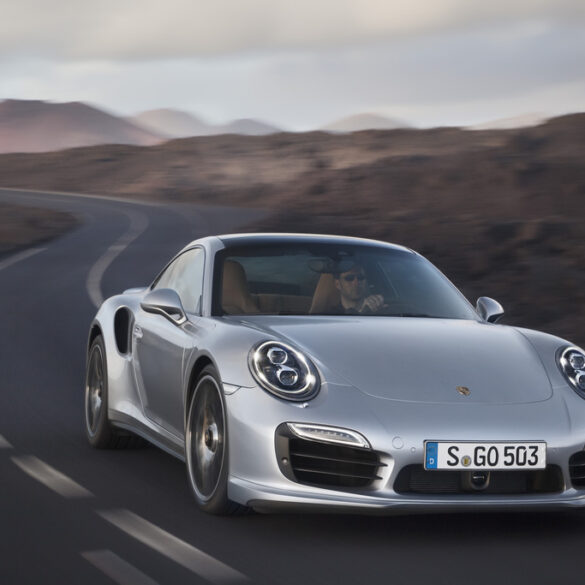
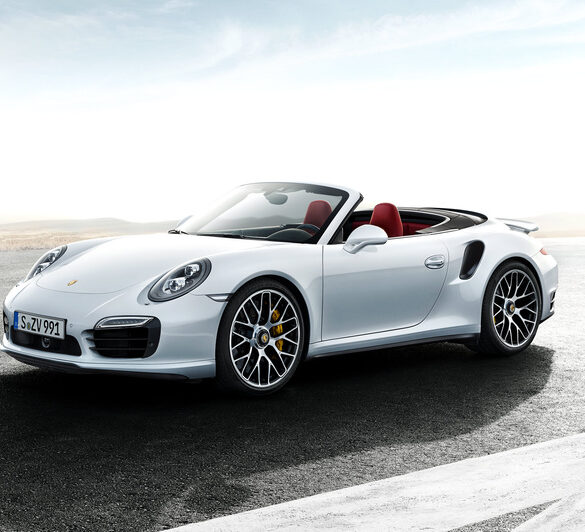
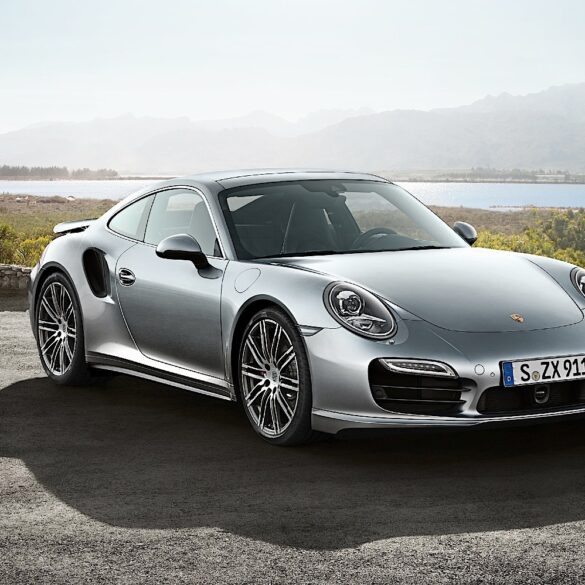
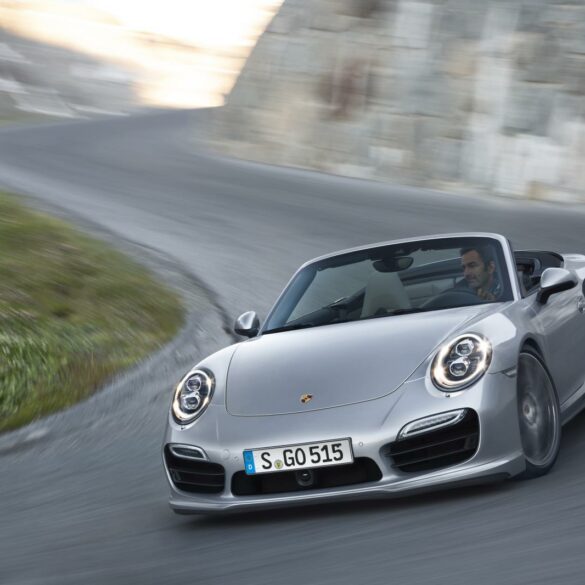
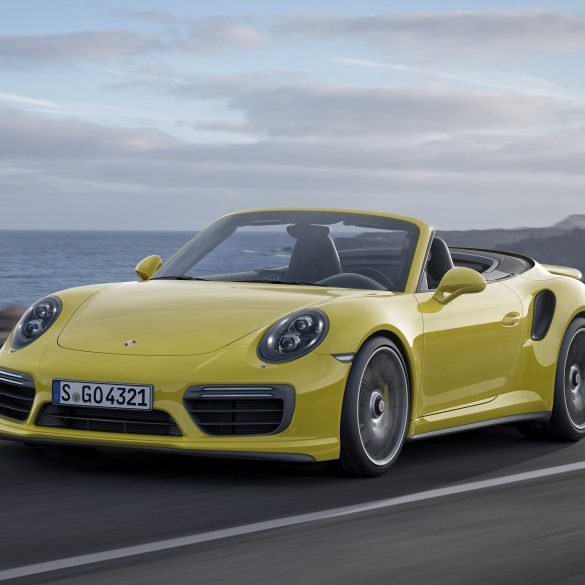
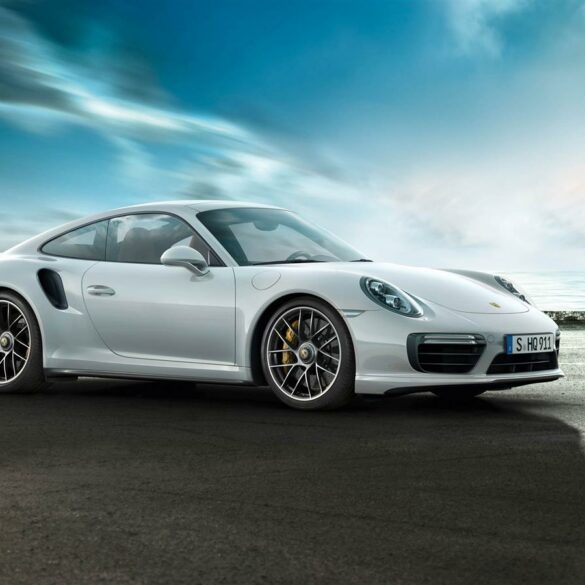
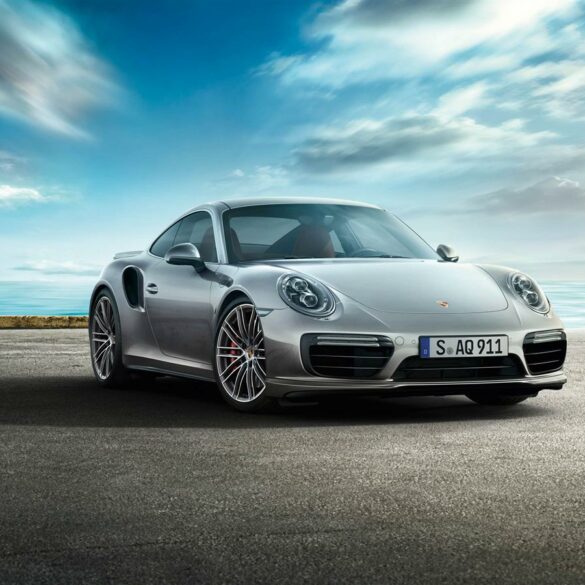
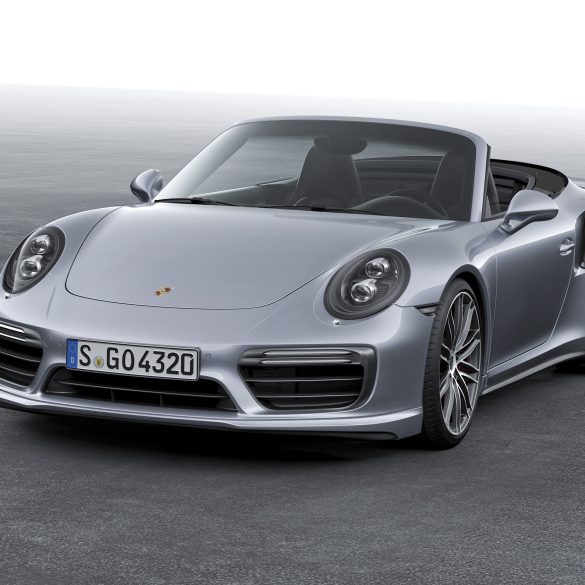
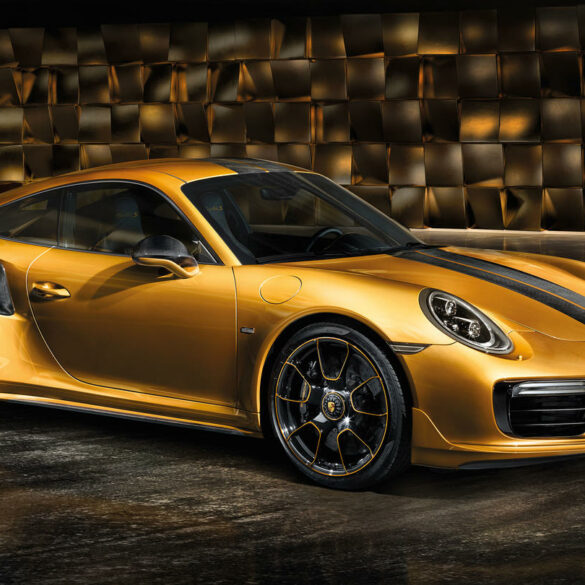
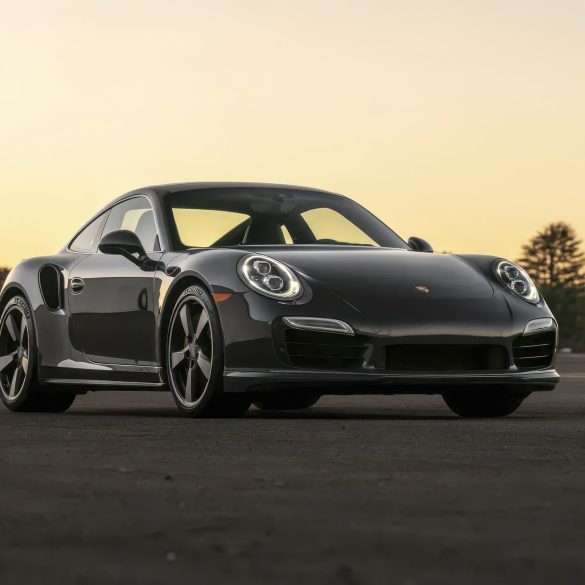

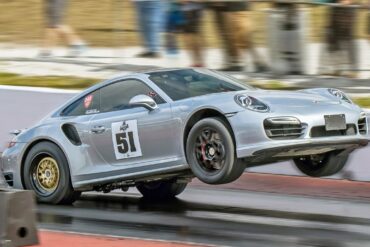
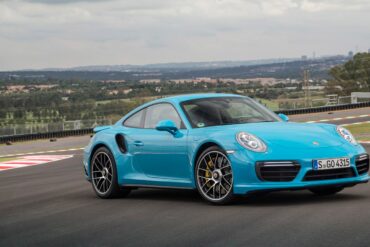
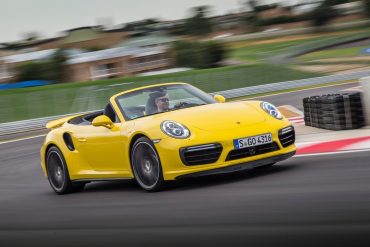
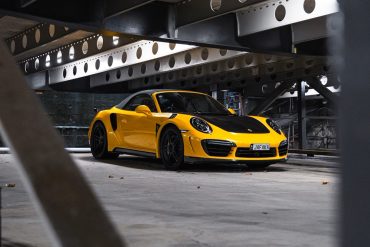
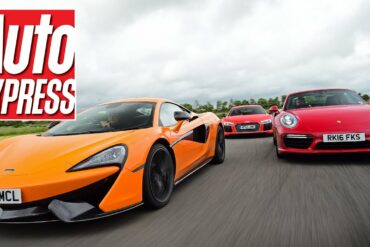
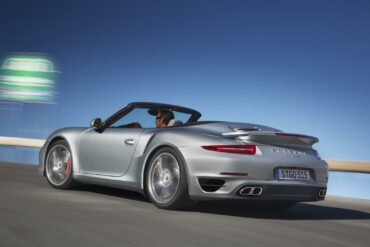
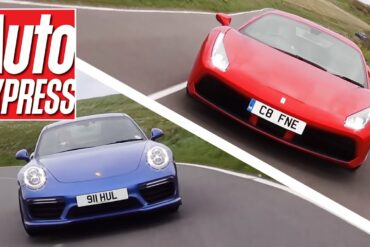
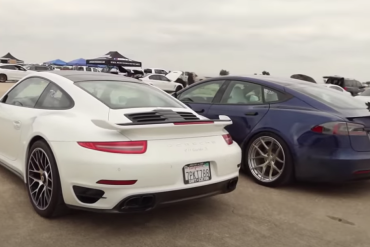
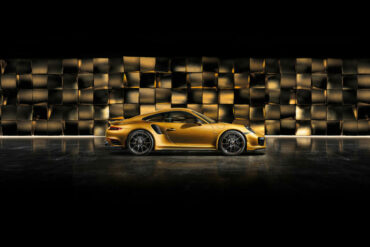
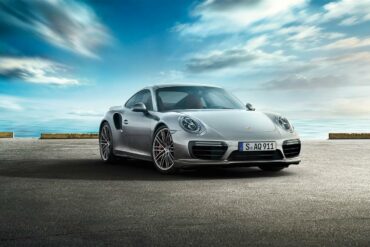
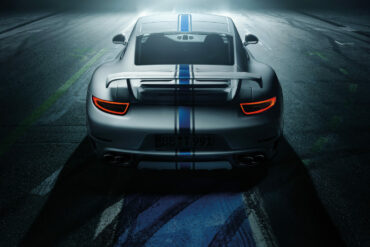
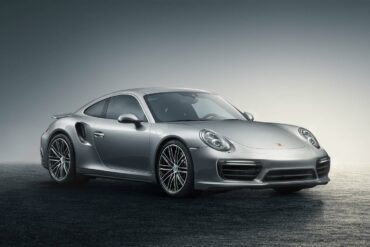
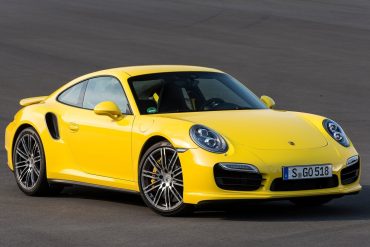
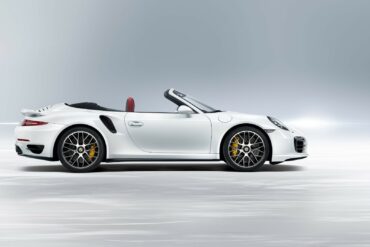
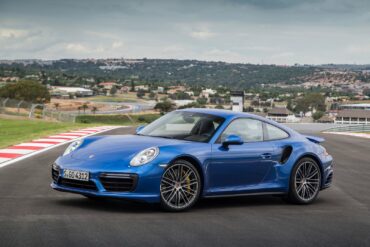
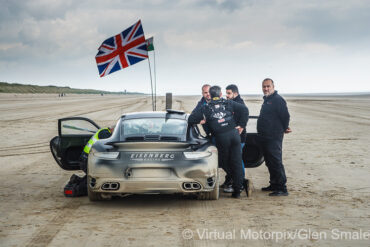
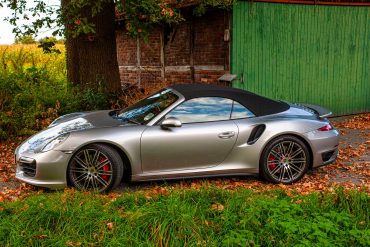
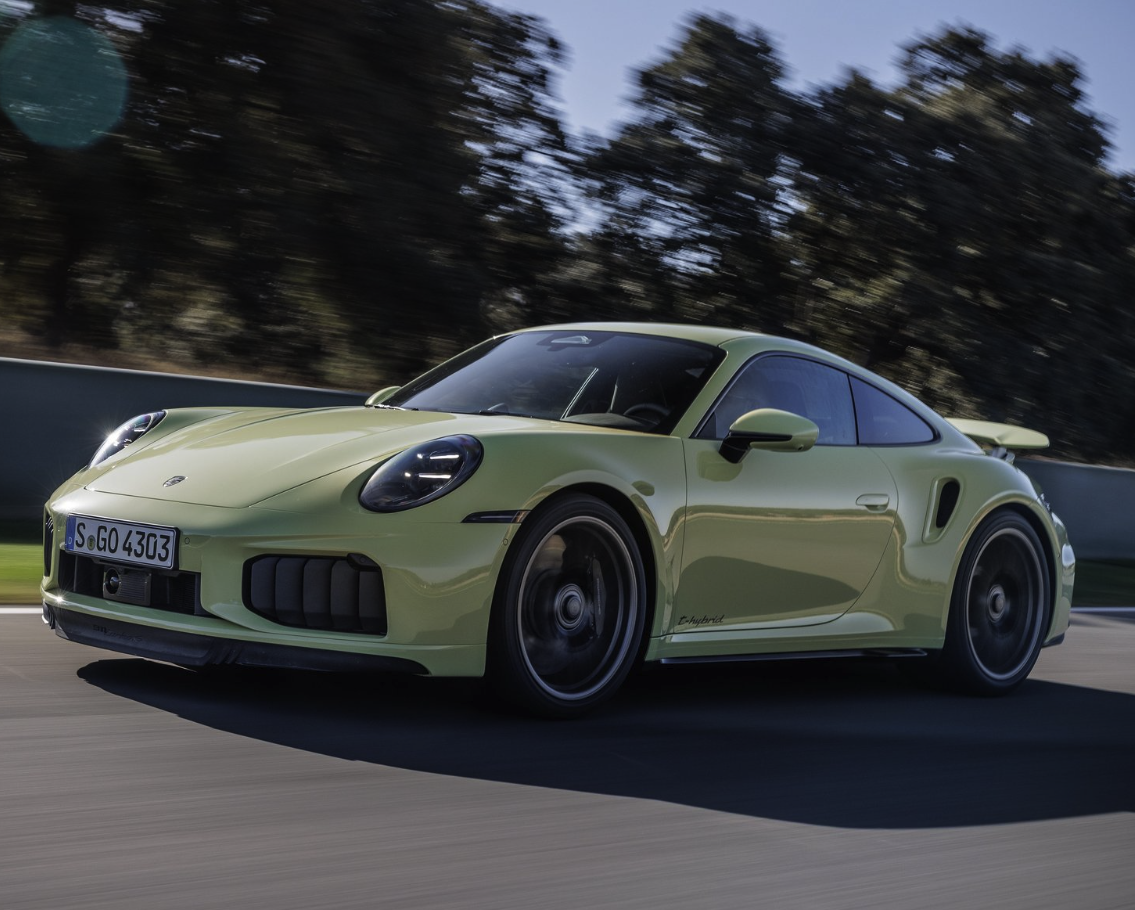
2021-Present
992 Turbo. It Simply Delivers, Everywhere, All The Time.
The 992 Turbo generation represents the absolute peak of the Turbo philosophy. It is no longer just the fastest 911—it is the most complete. Devastatingly quick, impossibly stable, and shockingly easy to live with, the 992 Turbo delivers supercar performance without supercar compromises. The 992.2 update reinforces that mission rather than redefining it. Porsche didn’t chase radical change; it refined integration, usability, and efficiency.
Porsche 911 Turbo (992) Basics
Generation: 911 (992)
Body Styles: 2-door coupe, 2-door cabriolet
Model Years: 992.1 Turbo / Turbo S: 2021–2024, 992.2 Turbo / Turbo S: 2025–Present
Manufacturing Years: 2020–Present
Assembly: Stuttgart, Germany
Designer: Exterior design leadership: Michael Mauer. Turbo engineering: Porsche Motorsport / Weissach
Design Significance: Widest non-GT 911 body ever produced. Active aerodynamic elements front and rear. Distinct Turbo-only widebody and rear track. 992.2 update brought revised lighting, bumpers, and cleaner aero surfacing
Layout: Rear-engine, AWD
Drivetrain Philosophy: Rear-biased AWD for maximum traction. Designed for repeatable, effortless performance in all conditions. Turbo positioned as Porsche’s fastest usable 911, not its most demanding
Engine 992.1 Turbo: 3.8-liter water-cooled flat-six. Twin turbo. Direct fuel injection. Advanced thermal management
Output 992.1 Turbo: ~572 hp, ~750 Nm torque (with overboost)
Engine 992.1 Turbo S: 3.8-liter twin-turbo flat-six. Higher boost and revised calibration
Output 992.1 Turbo: ~640 hp. ~800 Nm torque
Engine 992.2 Turbo & Turbo S (Facelift Update): Revised 3.8-liter twin-turbo flat-six with new hybrid set up too.
Output 992.2 Turbo & Turbo S: Turbo: ~580+ hp. Turbo S: ~650+ hp
Gearbox: 8-speed PDK dual-clutch only. No manual option. Extremely short shift times. Optimized for both brutal. Acceleration and refined cruising. Further calibration tweaks introduced with 992.2
Chassis & Mechanical Highlights: Porsche Traction Management (PTM) AWD. Rear-axle steering standard on Turbo S (optional on Turbo). PASM adaptive suspension standard. Active front aero flaps and adaptive rear wing. Massive Turbo-specific braking system. Launch control capable of supercar-level acceleration.
More Porsche 992 Turbo Research
Porsche 911 Turbo (992) (2021 - Present)
The Apex Predator Evolves: When the Turbo Became the Benchmark—and Then Went Hybrid
The Porsche 992 Turbo (Model Years: 2021–Present) represents the moment the 911 stopped competing with sports cars and started hunting hypercars. While the 911 has always been about evolution, the 992 generation pushed the Turbo badge into a realm of performance that borderlines on the surreal. It is a car that can comfortably seat two adults and a week’s worth of luggage while possessing the capability to embarrass million-dollar exotics on almost any surface, in any weather.
This is the moment the Turbo lineage reaches full self-awareness. This is not a car chasing relevance, nor one trying to prove anything to critics or competitors. It exists because Porsche knows exactly what the Turbo represents: the fastest, most complete, most usable 911 money can buy—and, increasingly, a statement about the future.
If the 991 Turbo was about technological dominance, the 992 Turbo is about sustained supremacy. It refines, sharpens, and future-proofs the Turbo idea at a time when the performance-car world is being reshaped by electrification, regulation, and shifting enthusiast expectations. And with the 2026 update introducing hybrid power to the Turbo S, the 992 becomes the bridge between the internal-combustion past and a very different future.
Inception: Perfecting a Known Formula
The 992 Turbo S had one of the most unusual launches in history. Originally slated to debut at the 2020 Geneva Motor Show, the event was canceled due to the COVID-19 pandemic. Instead, the world met the new flagship via a digital premiere hosted by Mark Webber. Despite the lack of a physical stage, the numbers spoke for themselves: 640 hp, 590 lb-ft of torque, and a 0–60 mph time of 2.6 seconds.
By the time we saw the 992 Turbo, there was no identity crisis to solve. The Turbo was already the ultimate all-rounder: devastatingly fast, supremely comfortable, and usable in any weather, by any driver, at any time. The challenge wasn’t reinvention - it was optimization.
Visually, the 992 Turbo took the 911’s "wide-body" aesthetic to its logical extreme. It was 45mm wider at the front and 20mm wider at the rear than the previous generation, giving it a footprint that screamed stability. For the first time, the Turbo utilized staggered wheels—20-inch in the front and 21-inch in the rear—to maximize mechanical grip. It was also stiffer, and more sophisticated. For the first time, all 992 Carreras adopted a wide rear track previously reserved for all-wheel-drive models, and the Turbo took this further still. The car became visibly broader and more muscular, with active aerodynamics that were no longer subtle additions but integral to the design.
When the 992 Turbo and Turbo S launched in 2020, they felt less like new models and more like inevitabilities—the natural endpoint of decades of Turbo evolution.
The Tech of the 992.1: Mastering Air and Grip
The "standard" 992.1 Turbo (2021–2025) moved the game on with a suite of technologies designed to manage its immense power:
The 3.8L Heart: It featured a completely redesigned 3.8-liter flat-six with larger, symmetrical Variable Turbine Geometry (VTG) turbochargers. The intake system was reversed, now pulling air through the signature rear-fender intakes and the rear decklid to improve cooling and efficiency.
8-Speed PDK: The transmission moved from seven to eight speeds, with a shorter first gear for violent launches and a longer eighth gear for relaxed, high-speed cruising.
Active Aerodynamics 2.0: The 992 introduced a "Wet Mode" for the first time on a Turbo. When the car detects water on the road, it can adjust the active front spoiler and rear wing to increase downforce and stability, ensuring that the Turbo remains the king of all-weather speed.
The 2026 Revolution: The 992.2 and T-Hybrid Power
The most pivotal moment in the 992’s lifespan arrived with the 2026 992.2 update. This heralded the most significant mechanical shift since the move to water-cooling: the introduction of the T-Hybrid system to the Turbo S.
The eTurbo Duo: Rather than traditional turbos, the 2026 Turbo S uses two electric exhaust gas turbochargers (eTurbos). A small electric motor sits between the compressor and turbine wheels, spinning them up to full boost in less than a second, even before there is enough exhaust gas to do it naturally. This effectively eliminates turbo lag forever.
701 Horsepower: The heart is now a 3.6-liter flat-six paired with an electric motor integrated into the 8-speed PDK transmission. Total system output has climbed to a staggering 701 hp.
The Performance: The 2026 Turbo S has dropped its 0–60 mph time to 2.4 seconds. On the Nürburgring, the 992.2 Turbo S posted a time of 7:03.92, a massive 14 seconds faster than its predecessor, bringing it within striking distance of the 918 Spyder hypercar.
The Driving Experience: Violence, Without the Drama
From behind the wheel, the 992 Turbo is astonishing precisely because it refuses to feel astonishing. Acceleration is ferocious—launch control delivers sub-three-second 0–60 mph runs—but the experience is eerily calm. There’s no sense of strain, no buildup of tension. You simply arrive at speed.
The car is massive by historical 911 standards, yet rear-axle steering and chassis tuning make it feel compact and precise. Grip levels are enormous, but approachable. The Turbo doesn’t ask you to manage risk—it removes it. This is the generation where the Turbo becomes effortless to a fault, and that’s where the philosophical debate begins.
Variants and Evolution: Refinement at the Extremes
The 992 Turbo lineup has been intentionally focused. The standard Turbo is already extraordinarily fast and well-equipped, offering performance that would have been unthinkable for a road car not long ago. The Turbo S sits above it as the definitive expression—more power, more standard equipment, more authority.
The Cabriolet versions reinforce how completely the Turbo has embraced its dual role as supercar and grand tourer. This is no longer a contradiction; it’s the core identity. Special trims and Exclusive Manufaktur options allow buyers to push the Turbo further into luxury or visual drama, but mechanically, Porsche has been clear: the Turbo doesn’t need gimmicks. It is the gimmick.
What People Said: Perfection, or the End of the Argument
When the 992 Turbo launched, reviews bordered on disbelief. Journalists struggled to find meaningful criticism. It was too fast to fault, too refined to intimidate, too usable to dismiss as excessive. Many called it the ultimate daily supercar—the car you could drive to work, across continents, or on track days without ever feeling out of place. The only consistent critique was emotional: had the Turbo become too good? The hybrid Turbo S announcement reignited that debate. Traditionalists worried about weight, complexity, and purity. Others recognized the inevitability—and praised Porsche for integrating hybrid tech without turning the Turbo into a science experiment.
Cultural Position: The Final Boss 911
In the culture of modern performance cars, the 992 Turbo occupies a singular role. It is the final boss 911—the car that sits above GT models in speed, above luxury models in capability, and above rivals in usability. It lacks the romance of air-cooled cars and the edge of early Turbos, but it replaces those qualities with something undeniably modern: total authority. This is the Turbo as an endgame, a car for people who no longer want trade-offs. With the move to hybrid power, the 992 Turbo also becomes a symbol of Porsche’s broader philosophy: progress without apology, evolution without nostalgia paralysis.
Ownership Today: Peak Performance, Peak Complexity
Owning a 992 Turbo means engaging with the most advanced 911 ever built. These cars are expensive, complex, and astonishingly capable. They reward use, not storage, but they also demand trust in Porsche’s systems engineering. Turbo S models—especially post-2026 hybrid examples—are likely to become historically significant, marking the first electrified chapter of the Turbo lineage.
Final Verdict: What the 992 Turbo Represents
The 992 generation is the definitive proof that Porsche’s "Turbo" badge is no longer just a model—it is a technology showcase. Whether in its pure-combustion 992.1 form or the high-voltage 992.2 hybrid, it remains the ultimate expression of the 911’s dual personality.
The Porsche 911 Turbo (992) is not about fear, myth, or bravado. It is about control. It is the Turbo at its most confident, its most capable, and its most forward-looking. With the introduction of hybrid power, it doesn’t close the book on the Turbo story—it turns the page.
If the Turbo lineage began as a challenge, evolved into dominance, and matured into mastery, the 992 represents the moment Porsche decided that mastery should be sustainable. Not the loudest Turbo. Not the rawest Turbo. But arguably the most complete performance car Porsche has ever built.
Porsche 911 Turbo (992) Variants
The 992 Turbo variants represent the ultimate expression of the Turbo philosophy. This section dives into Turbo and Turbo S models across both 992.1 and 992.2, examining how Porsche refined integration, response, and usability rather than chasing radical reinvention. Each variant shows how mastery replaced taming.
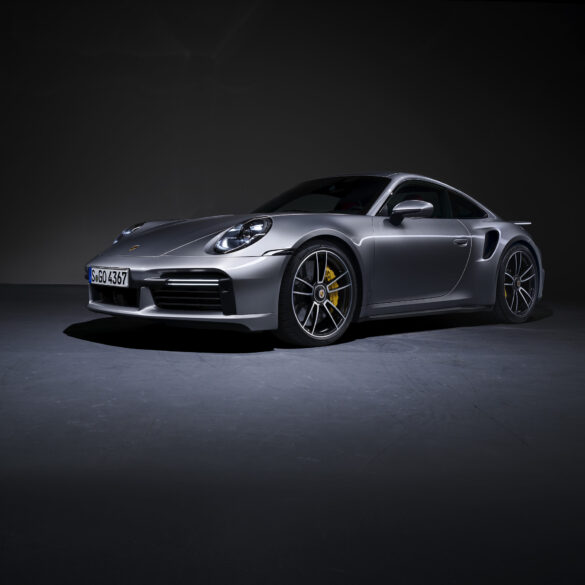
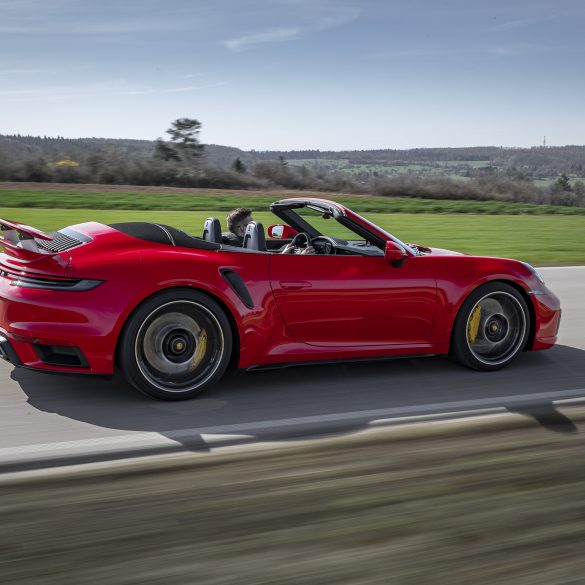
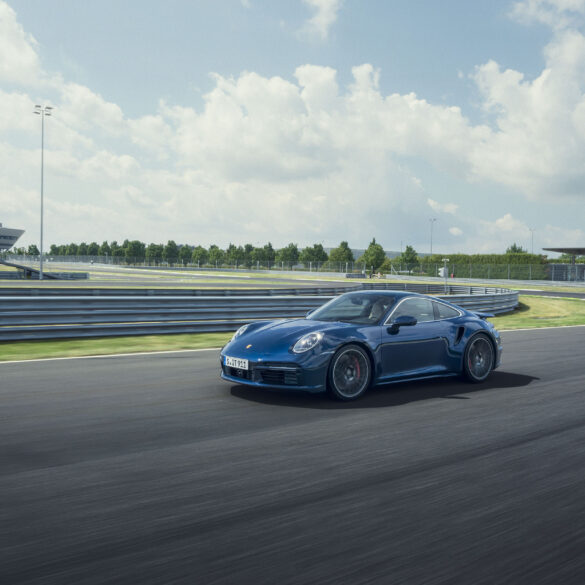
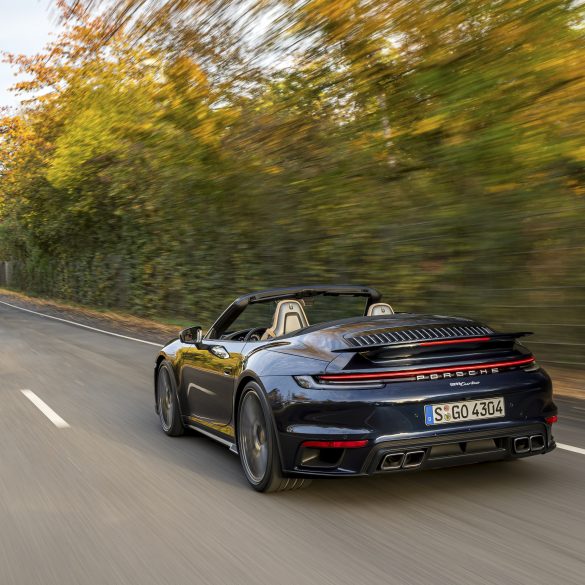
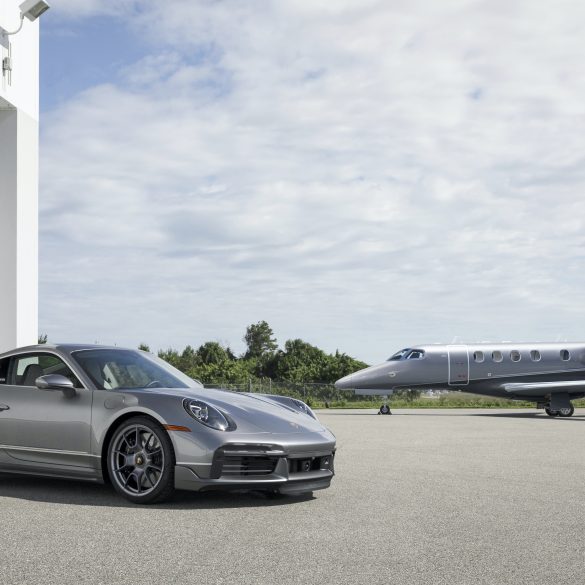

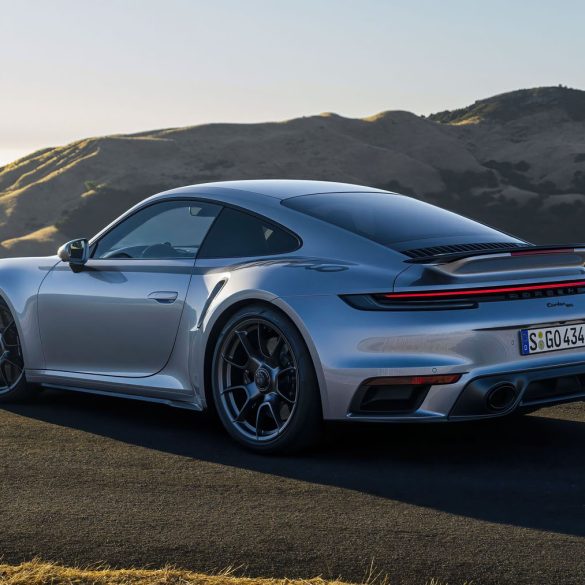
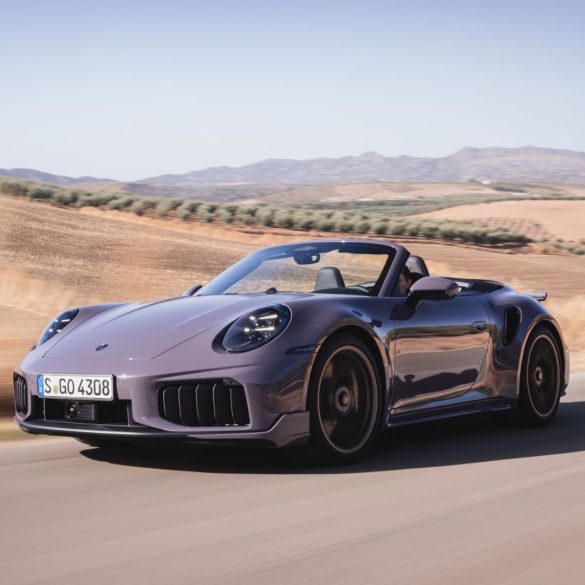
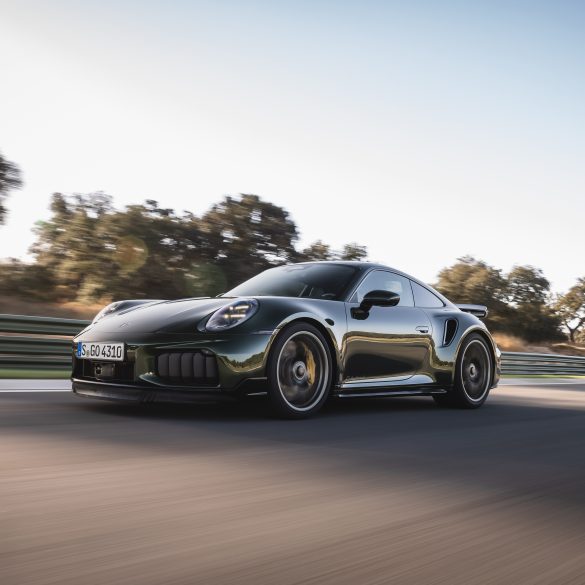
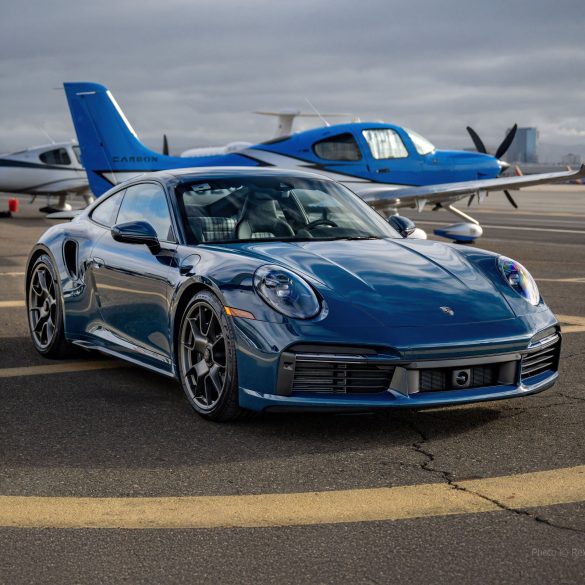
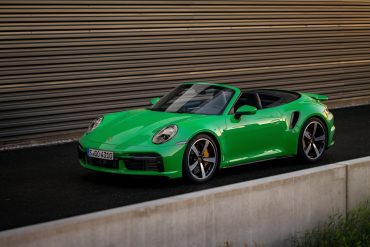
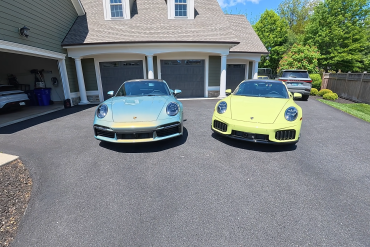
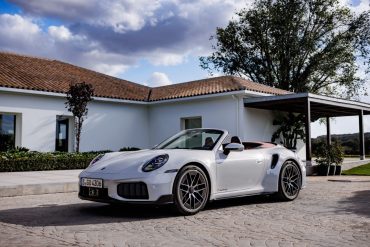
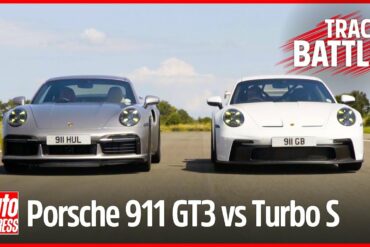
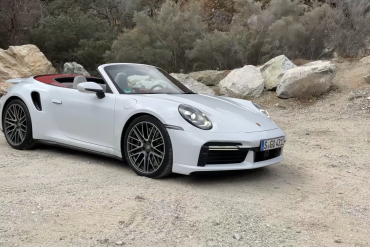
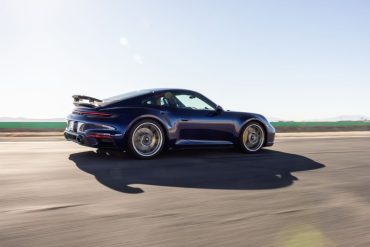

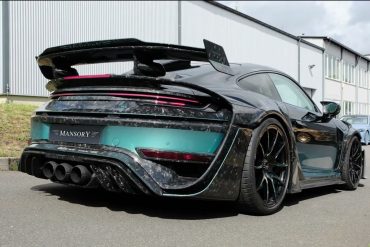
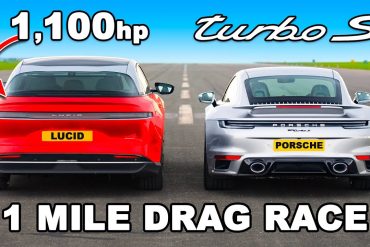
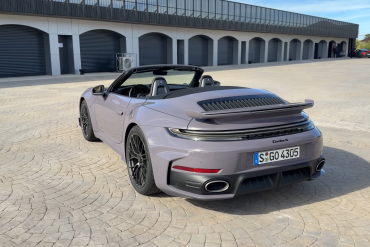
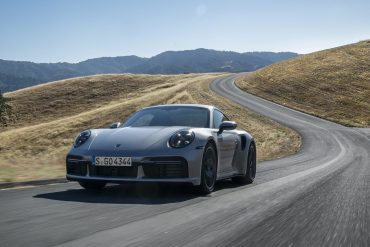
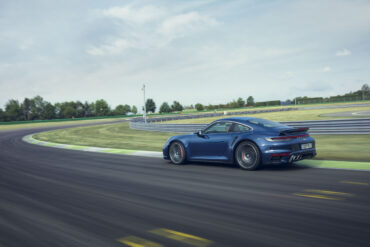
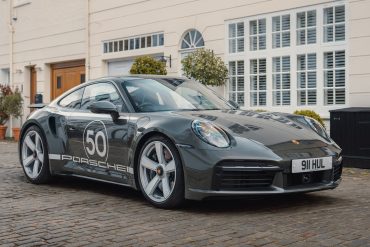
Join Our Porsche Community
Sign up for our weekly Porsche newsletter. The latest Porsche news, rumors, reviews and more delivered to your inbox. Cool Porsche stuff perfect for the flat-six obsessed.