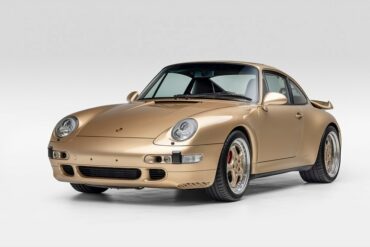
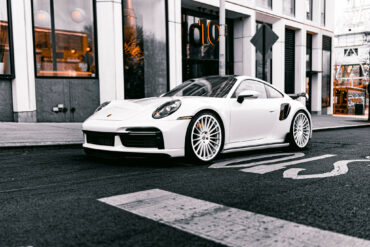
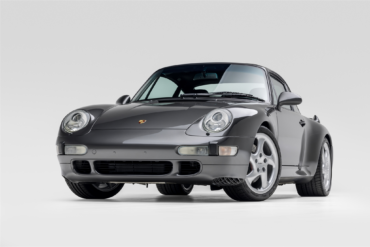
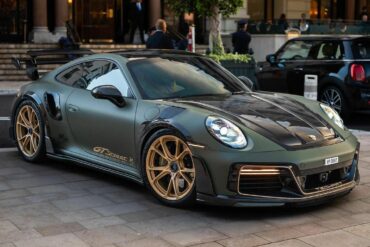
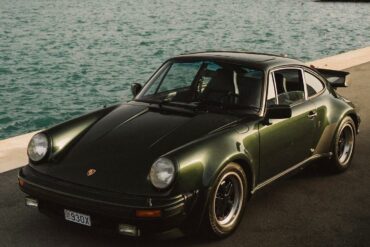
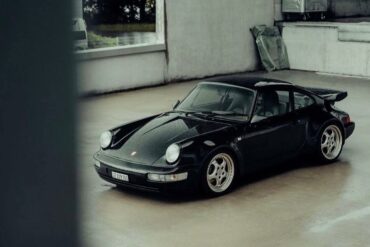
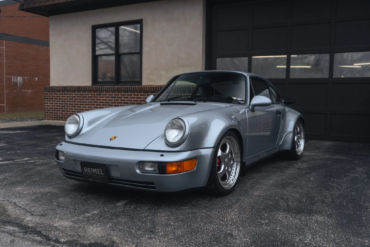
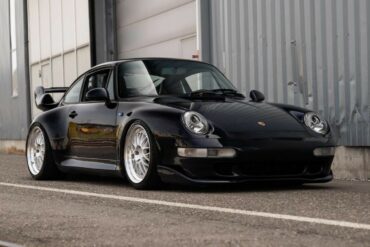
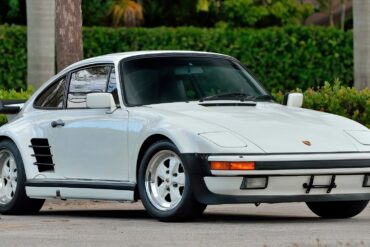
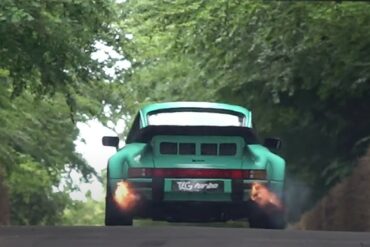
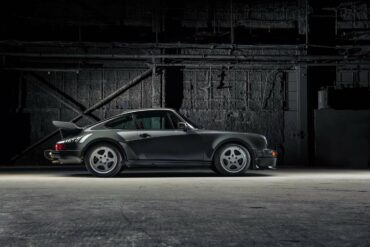
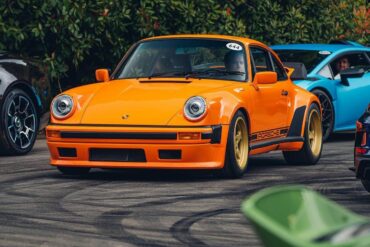
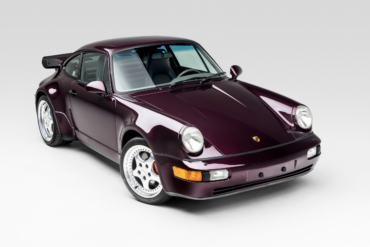
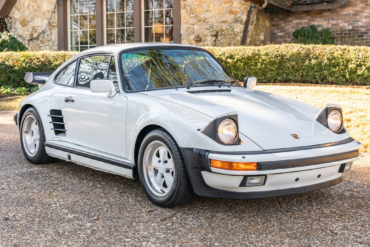
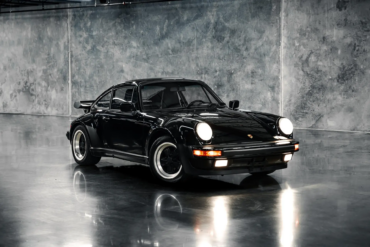
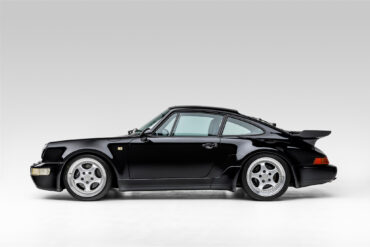
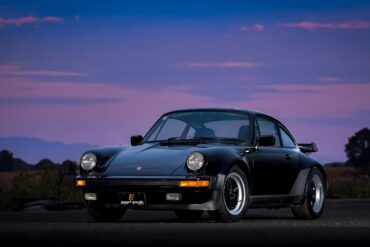
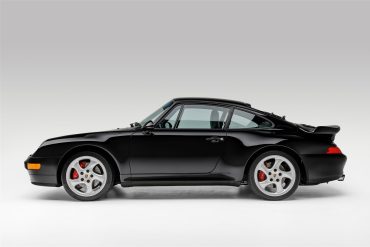
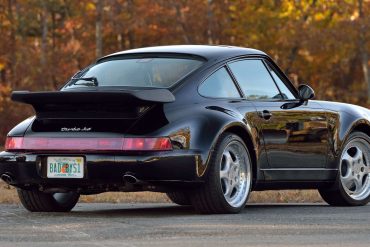
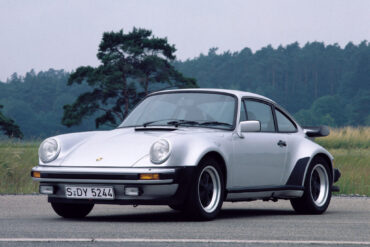
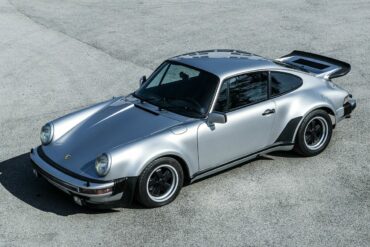
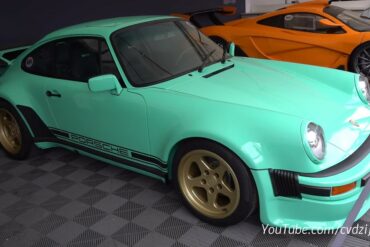
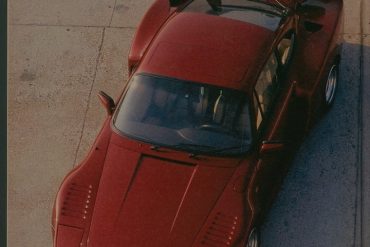
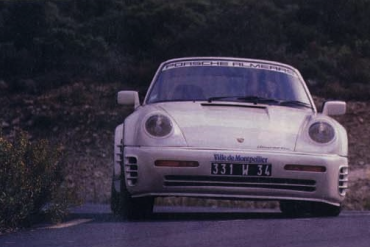
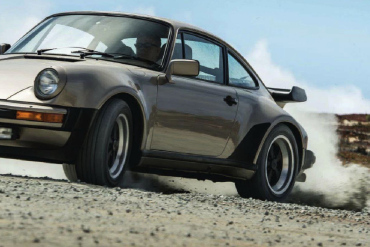
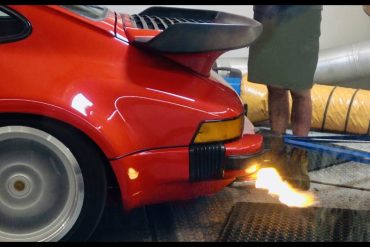
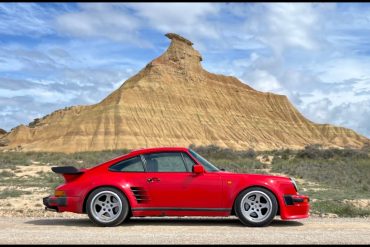
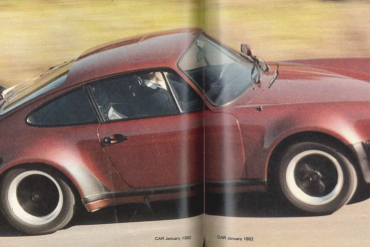
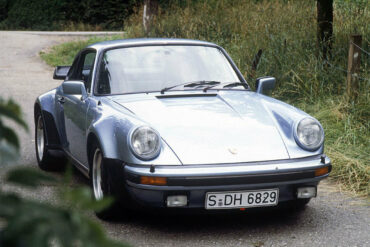
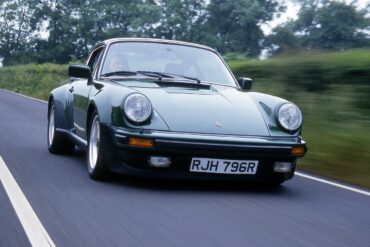
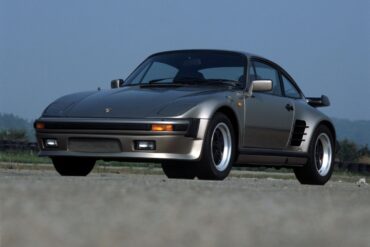
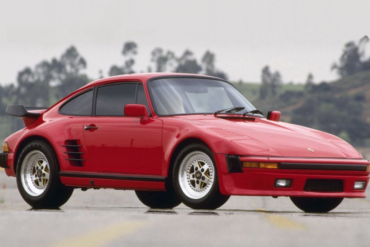
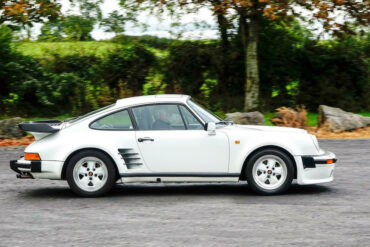
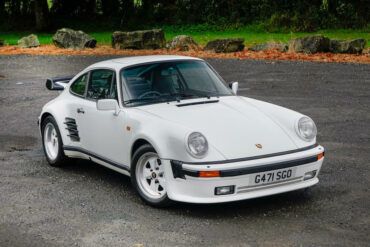
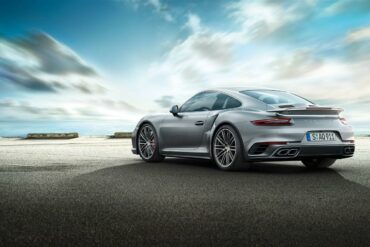
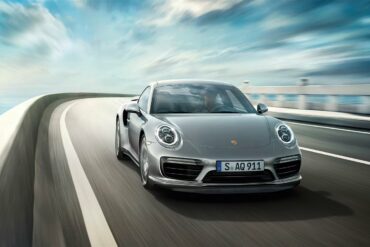
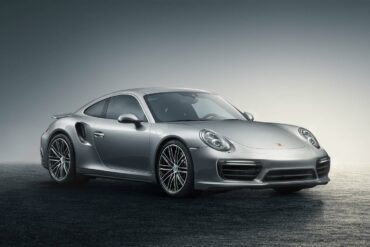
Porsche made its first and most significant changes to the 930 for 1978 model year, enlarging the engine bore by 2 mm (0.08 in) to a total displacement of 3,299 cc (3.3 L; 201.3 cu in) and adding an air-to-air intercooler. The suspension benefitted from new anti-roll bars, firmer shocks and larger diameter rear torsion bars. While the increase in displacement increased power output and torque, it also increased the weight of the vehicle, which contributed to a substantial change in the handling and character of the car compared to the Earlier 3.0-Litre Models.
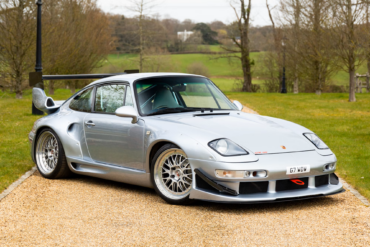
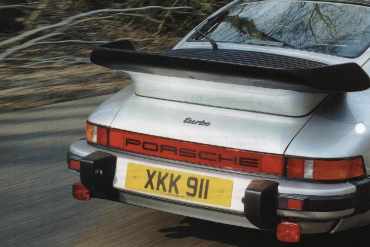
The 911 Turbo was put into production in 1975. While the original purpose of the 911 Turbo was to gain homologation for the 1976 racing season, it quickly became popular among car enthusiasts. Ernst Fuhrmann adapted the turbo-technology originally developed for the 917/30 CAN-AM car and applied it to the 3.0 litre flat-six used in the Carrera RS 3.0, thus creating what Porsche internally dubbed as the 930. Total power output from the engine was 260 bhp and 254 ft lbs of torque.
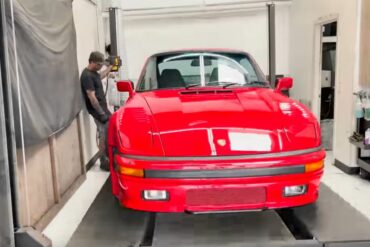
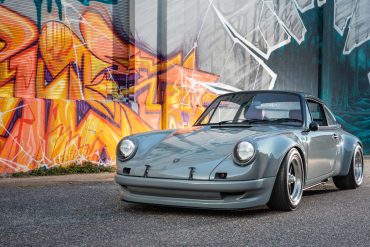
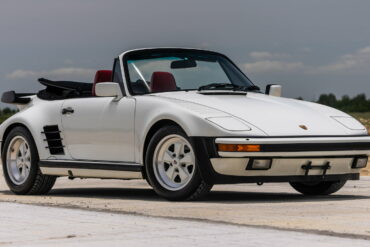
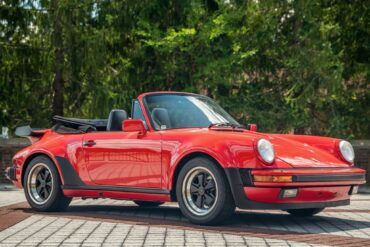
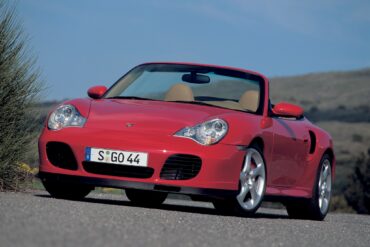
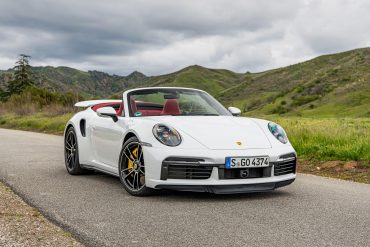
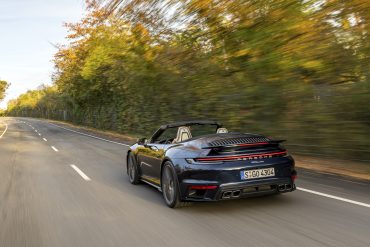
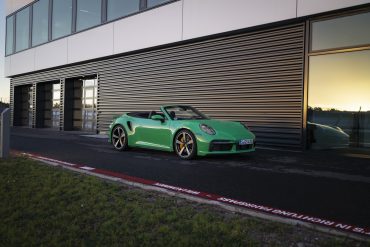
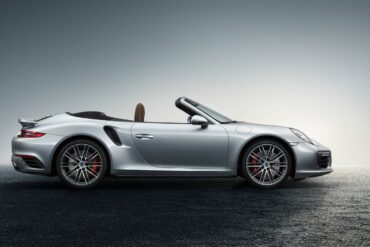
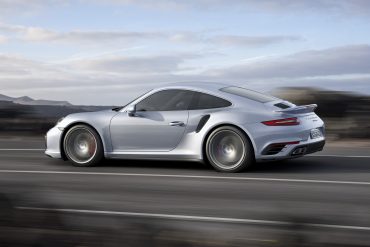
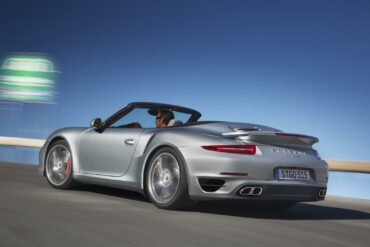
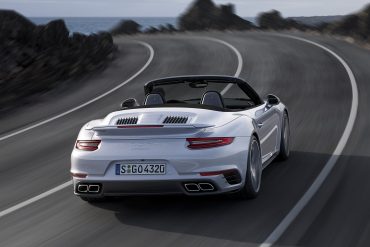
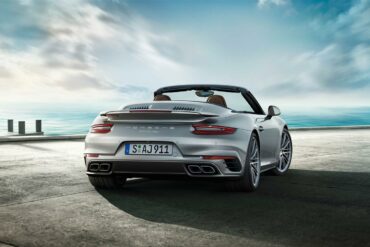
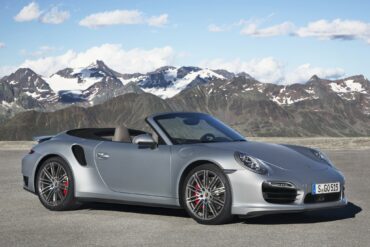
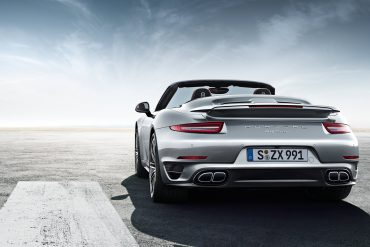
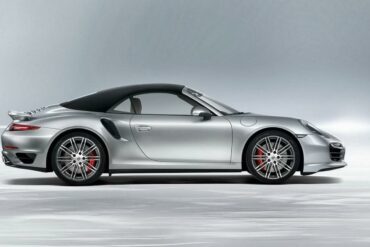
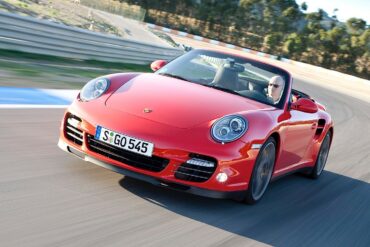
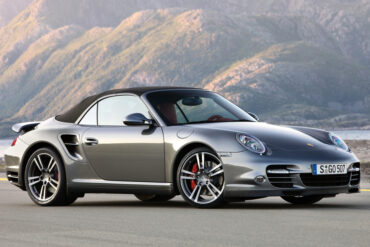
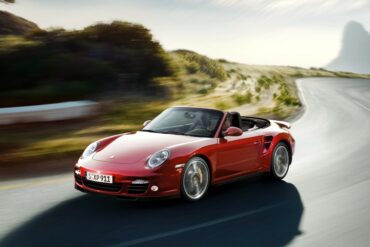
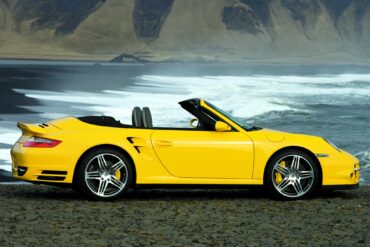
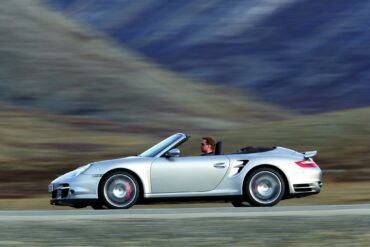
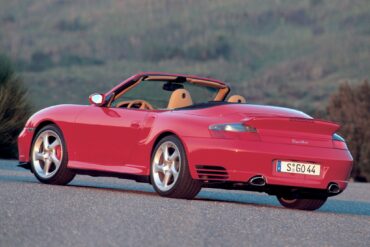
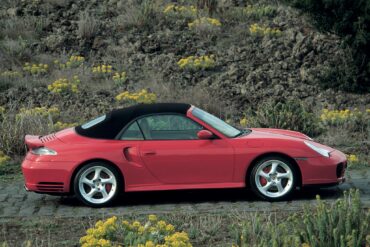
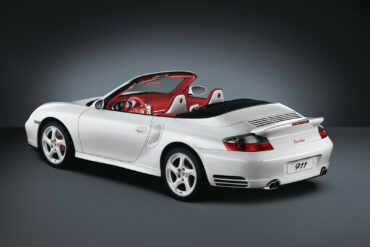
Introducing this new top-of-the-range model, Porsche is once again placing a 911 Turbo Cabriolet right at the top of the family after a break of 14 years: From 1987 - 1989 the Porsche 930, as the first Turbo was code-named within the Company, set the first milestone in the history of these outstanding open-air sports cars. With cylinders still featuring two valves each at the time, the 3.3-litre power unit driving the first Turbo Cabriolet offered maximum output quite unique at the time of 300 bhp or 221 kW. Acceleration from 0 to 100 km/h was in 5.2 seconds and the car had a top speed of 260 km/h or 161 mph.