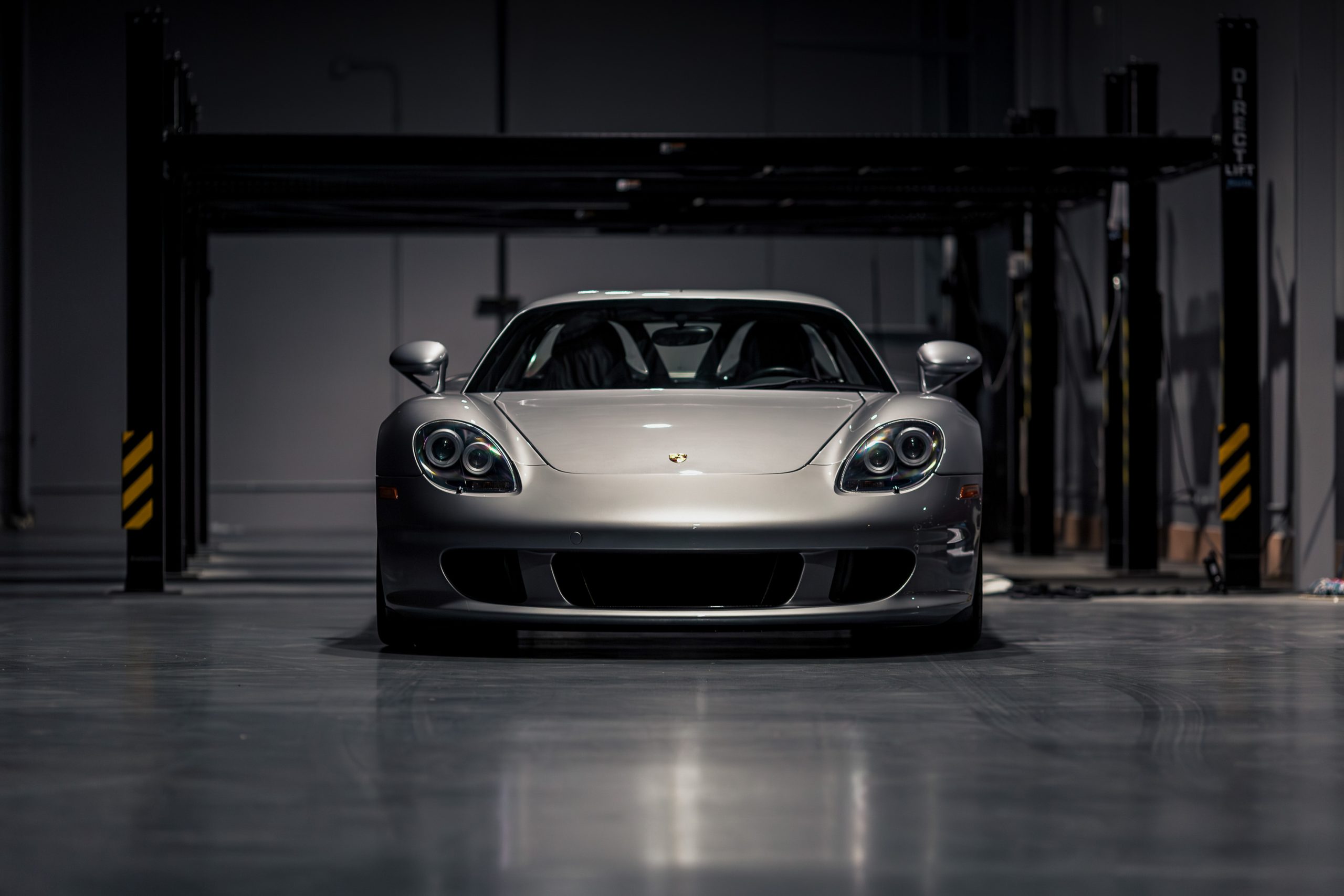

Porsche 911 Turbo
Latest

Porsche 993 Turbo Gets A 2020 Refresh With HRE Wheels + More Goodies An interesting update to a classic 911....
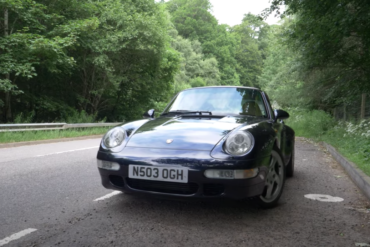
DRIVEN: Midnight Blue Porsche 993 911 Turbo In this video, courtesy of the Porsche Club of Great Britain (Region 2)...
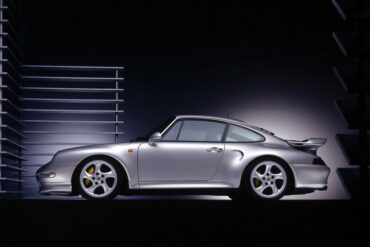
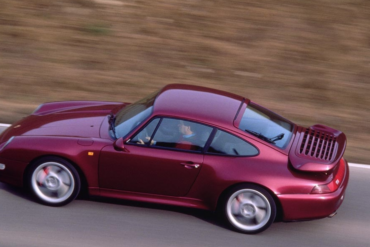
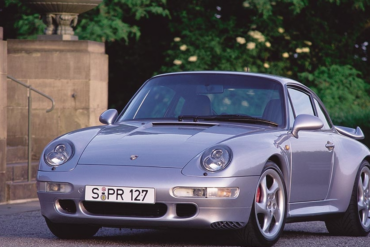
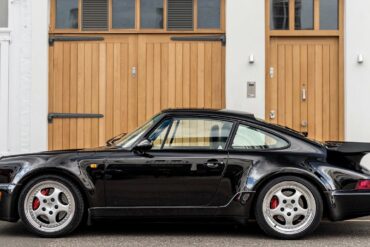
How to Identify Your Porsche 911 (964) Turbo 3.6 In addition to the Slantnose cars there was a 964 Turbo...
The Porsche 996 Turbo Is An Under-appreciated Sports Car & Shouldn’t Be I haven’t got to spend much time behind...
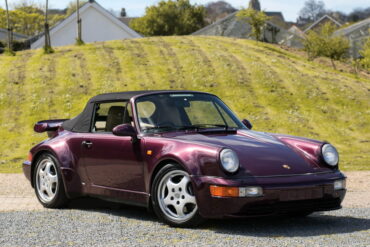
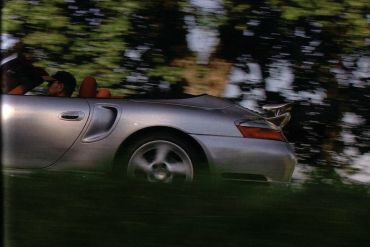
The Turbo-look Porsche 964 has always been a very desirable automobile, among them 1,532 Carrera 2 Cabriolets constructed worldwide. Within that group, there were some cars that were even more specialized. The Register says six Turbo-look cabriolets were pulled off the production line in Zuffenhausen and transported to the Porsche Exclusive shop in Weissach. Three of these six powerful and luxuriously equipped drop-tops were equipped with left-hand drive for buyers in Germany (Code C00), and the other three were fitted with right-hand drive
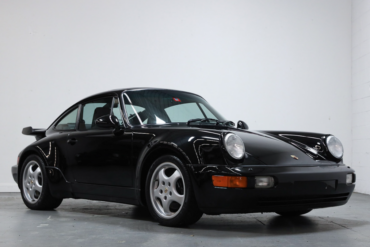
A forgotten part of the 964s history is the Turbo S2. It was built to adhere to homologation rules so Porsche could participate in IMSA's sports car racing series. IMSA's homologation rules meant that Porsche had to build at least 200 road-going versions of the participating car, 20 of which needed to share most of the primary components of the race car. The 911 Turbo S2 was built specifically for this purpose and exclusively for the United States and Canada. The 20 homologation specials left the factory as stock 964 Turbos, heading immediately to California-based tuner for "S2" engine upgrades.

M5 vs 911 Turbo Drag Race The 2022 BMW M5 CS ($170,800 CAD as specced, ~$143,000 USD) is an absolute...
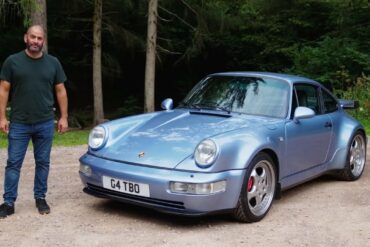
Jenson Button’s Porsche 964 Turbo 3.6 For Sale The Porsche 911 Turbo 3.6 is a rare modern classic supercar, and...
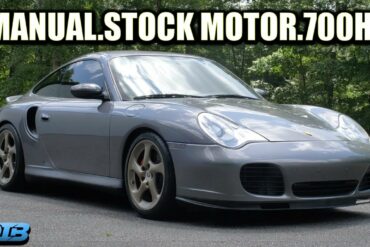
Test Driving a Porsche 996 Turbo with 700 hp The Porsche 996 Turbo is often dismissed by many – with...

Doug DeMuro Reviews the 996 Turbo The Porsche 911 Turbo (996) is an amazing bargain. Today I’m reviewing the 996...
Porsche 911 996 Turbo Values & Market Analysis Buying a Porsche 911 996 turbo? Then this is the video to...

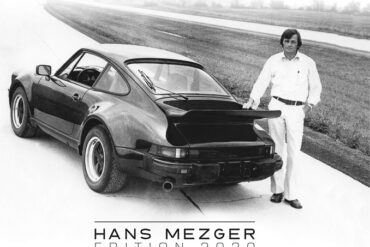

There was hardly a Porsche enthusiast who wasn’t deeply saddened to hear of the passing of one of Porsche’s favourite...
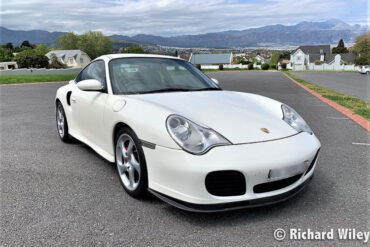

How our man, Richard Wiley, came to be the custodian of two Porsche 911s over a period of nearly nine...

The 997 Porsche Turbo – What You Need To Know Before Buying One Your ultimate buying guide for the Porsche...
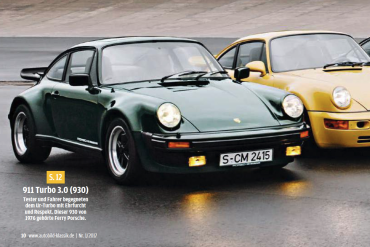
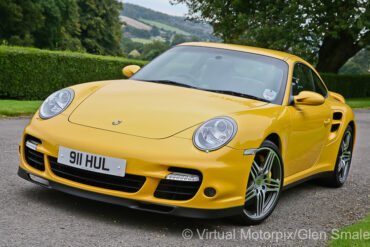
Inspiration for this feature came from the post published by Porsche in December 2020. It covers the seven generations of...
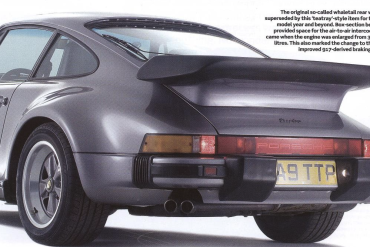

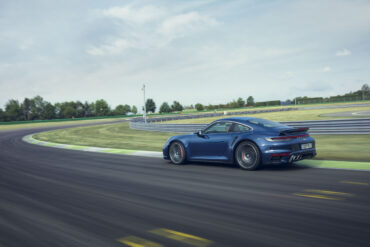
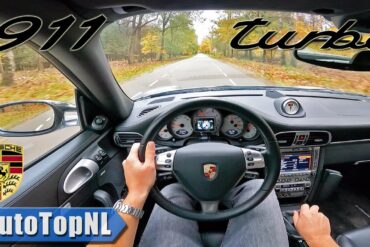
Porsche 911 Turbo 997 POV Drive Naturally Aspirated Heroes is back for series 2! This time, we’re kicking off with...
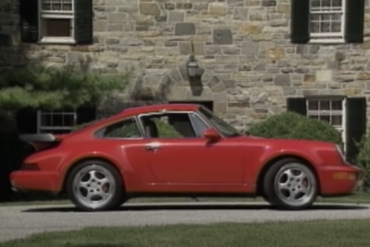
Retro Review of the 964 Turbo 3.6 Amazing performance numbers even for today. Equally amazing value retention....
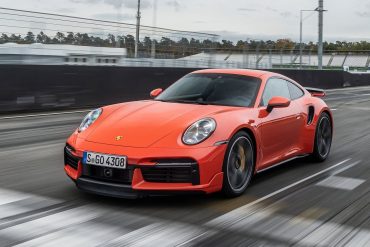
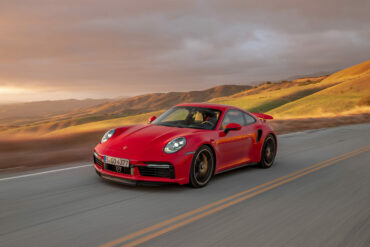
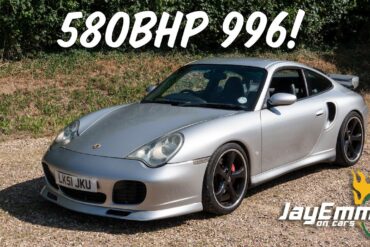
Better, Or Worse Than Standard? I love the looks of the 996 generation 911 turbo, but the drive of them...
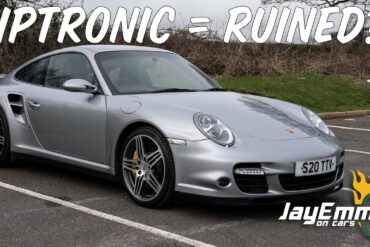
Porsche 911 997 Turbo PDK Review Today I’m driving Scott’s 911 997 Turbo. This car is equipped with the tiptonic...
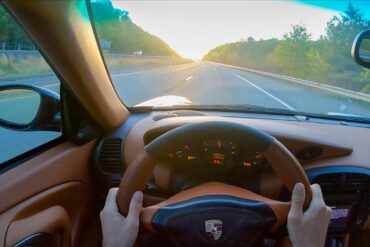
POV Test Drive of Crazy Tuned 996 Turbo Wear headphones! The audio in this video was recorded with in-ear binaural...
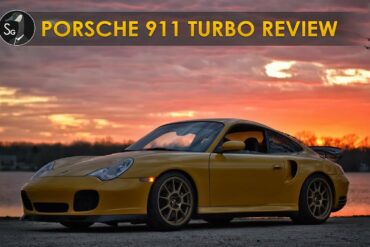
Porsche 911 Turbo 996 Review We review the 2002 Porsche 911 Turbo 996 and discuss the good and bad of...
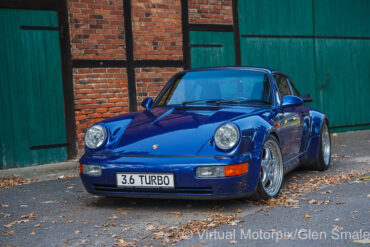
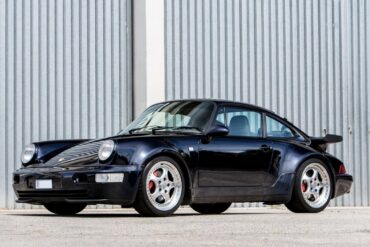
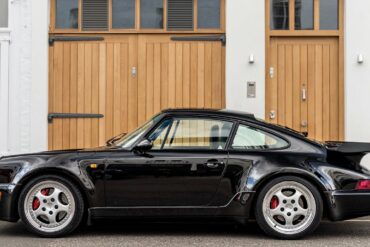
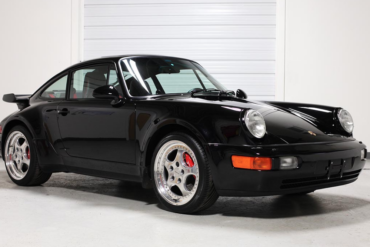
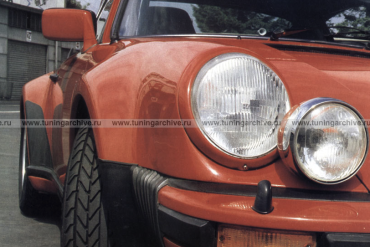
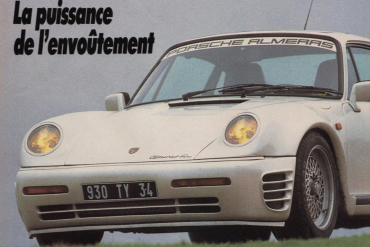
Engine based on modified 3.6 litre 964 unit. Speedline wheels with big red brake calipers. Lessons learned in the Carrera Cup series proved the reliability of the new 3.6-litre engine. An additional three millimetres on the bore and two millimetres on the stroke, resulted in an increase in capacity of 300 cc. Combined with the turbo optimised cylinders, pistons and crank train, and an increase in the compression ratio from 7.0 to 7.5:1, this helped to boost power to 360 bhp. Torque was increased significantly to 520 Nm at 4200 rpm, up from 450 Nm at 4500 rpm in the earlier car.
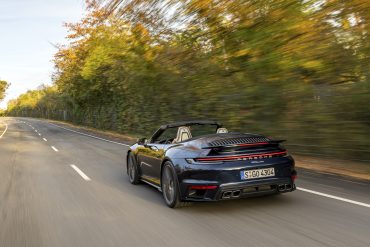
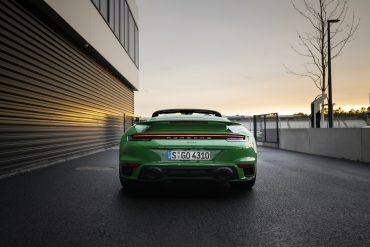
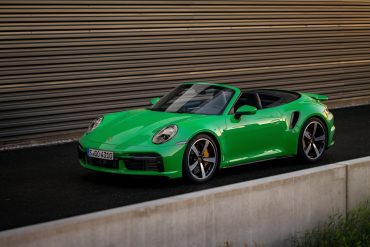
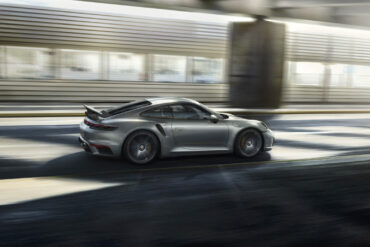
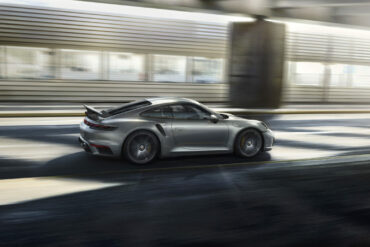
All Porsche 911s are turbocharged these days but the Turbo model is something special. It gets the twin-turbo 3.7-liter flat six with tons of power and a huge $33,000 savings over the Turbo S. Thanks to an output of 573 hp, marking an increase of 32 hp over the predecessor, the new 911 Turbo Cabriolet accelerates from 0 to 60 mph in 2.8 seconds (0.2 seconds faster than before). The Turbo Cabriolet basically handles like a coupe.
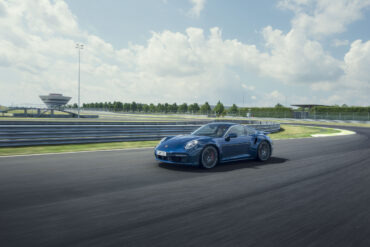
It would be a disservice to call this new Turbo a "lesser" car than the Turbo S, but it does have less in most departments. Less power at 573 HP. Less features compared to the jam-packed Turbo S. Most importantly, less money required to put one in your garage. This also is not to say that the new Turbo isn't anything short of a monster. It will still go 0 to 60 in 2.8 seconds, will corner like it was on rails with Porsche Torque Management (PTM) all-wheel-drive.
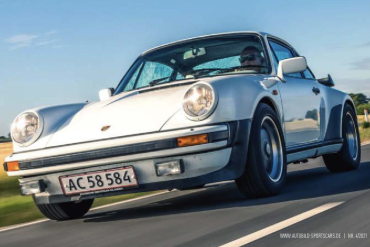
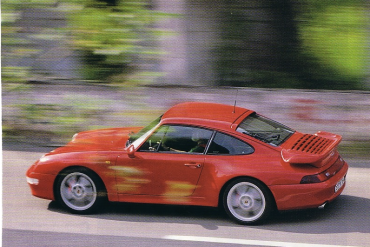
I’m a 911 fan, through and though – but my last experience of a turbo-powered Porsche was very disappointing. I...
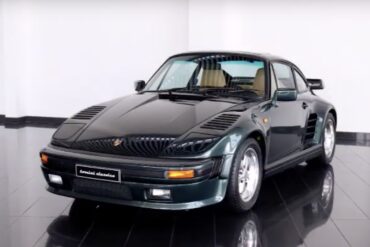

These Are The Videos you Should Watch to End Your Week We’ve decided to do a video roundup series of...
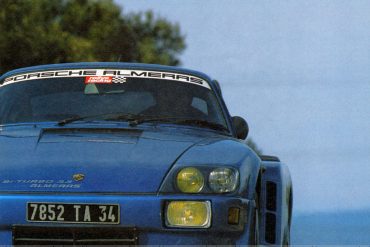
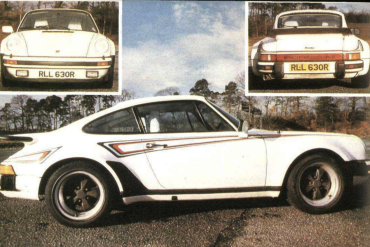
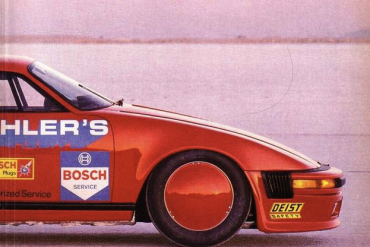
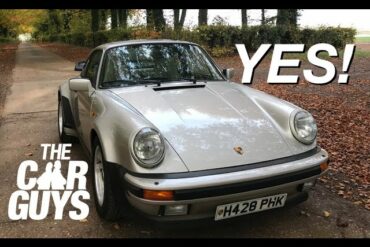
Porsche 930 Turbo – One of the Greats Remember that episode where Damian mistakenly bought a broken Porsche 911 from...
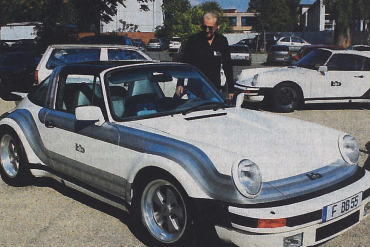
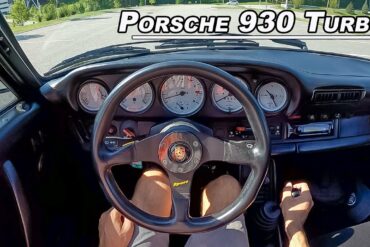
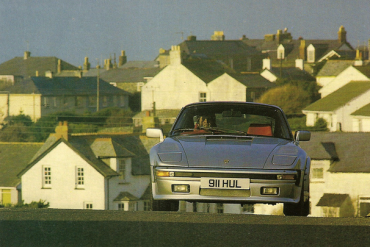
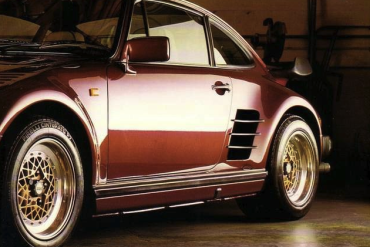
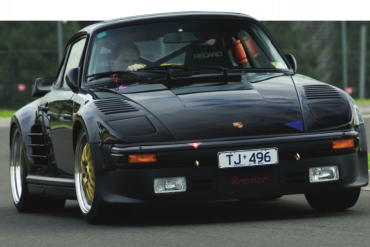
Modified Slant Nose Turbo (930) On Road The 930 Turbo being reviewed in the great POV video. Nice footage and a good...
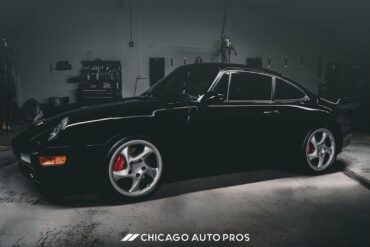
Chicago Auto Pros Gives This 993 Turbo The Ultimate Detail Treatment We spent 130 man hours with this 993 Porsche...
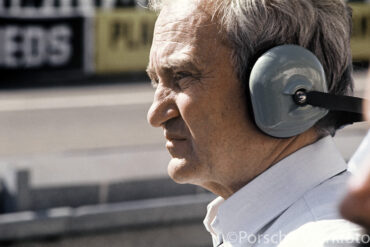

Porsche’s first CEO is frequently maligned as the man who tried to kill off the 911. There is far more...
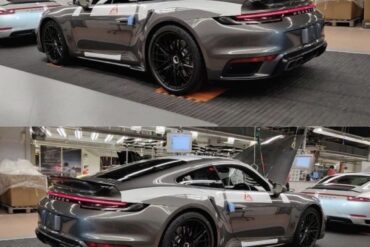
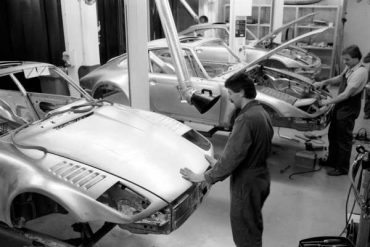
The Images Look Straight from the Assembly Line Here’s your first look at the 2020 Porsche 911 Turbo (992). The leak...
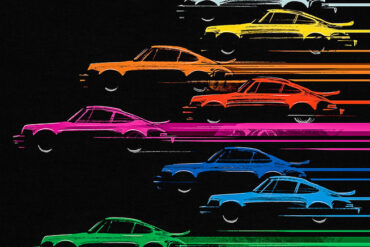
Amongst its numerous attributes, Porsche sports cars have always been about performance, engineering, innovation and being different. From the production...
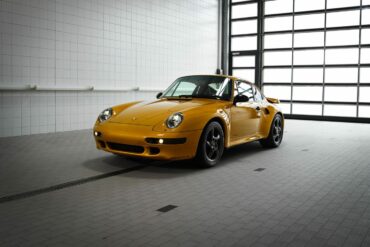
Porsche’s New Take On The Old 993 Porsche announced earlier this year that the marque’s 70th anniversary would in part,...
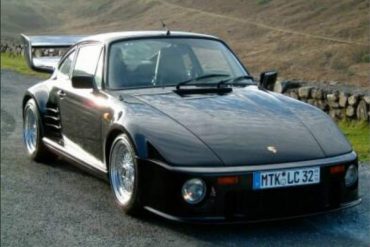
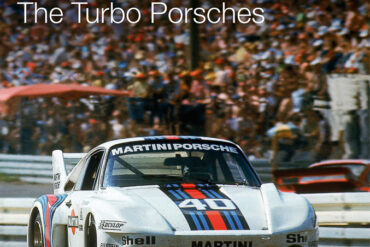
Much has been written about Porsche’s racing exploits over the years, but there is perhaps one model that has served,...
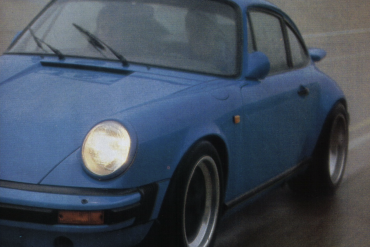
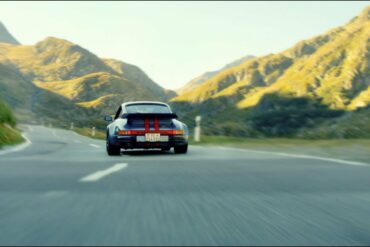
Porsche 930 Turbo on the Great St. Bernard Mountain Pass The 930 Turbo on the Great St. Bernard Mountain Pass...
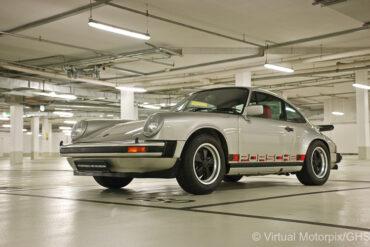
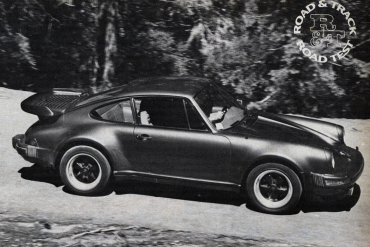
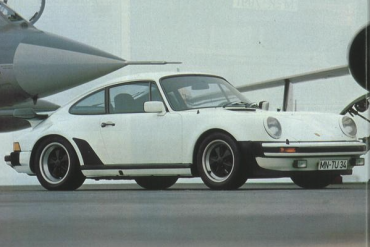
In 1973, the Porsche 911, by now a decade old, was ready for a make-over. The 3-litre engine had reached...
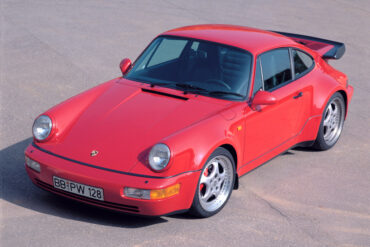
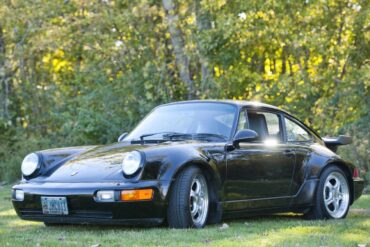
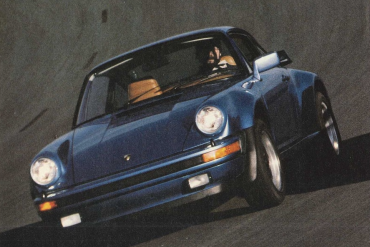
The 1989/90 change of model year saw the launch of the Porsche 911, 964 series onto the market. This 911 model was initially available as a Coupe, Targa and Convertible. From model year 1991 onwards Porsche also introduced its top-of-the-line model - the Turbo - into this series. In spite of bearing a major similarity in terms of look to the naturally-aspirated model, the extended wings remained. This meant that the new Porsche could retain its turbo look. The 964 Turbo model was the successor to the Porsche 930. The 964 Turbo was the end of an era, the last of the single turbo rear-wheel drive 911 Turbos.