
Technical Information
All
- Equipment and Option Codes
- Sales Brochures
- VIN Numbers
- Parts Codes and Catalogs
- Model In Depth
- Specs & Performance
- Production Numbers
- Colors
- Engines
- Manuals
- Transmission Codes
- Maintenance & Service Schedule
- Notable Chassis
- Technical Drawings
- Mechanical Info
- What They Said
- Common Problems
- Inspection Checklist
- Model Numbers & Codes
- Pricing When New
- Technical Ownership
- Homologation Protocol
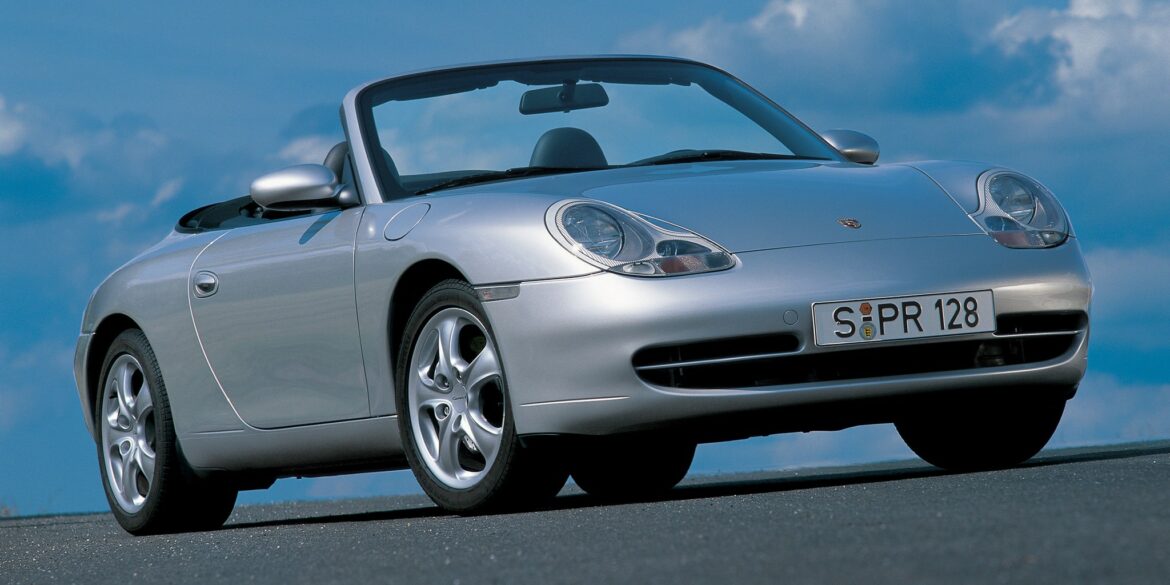
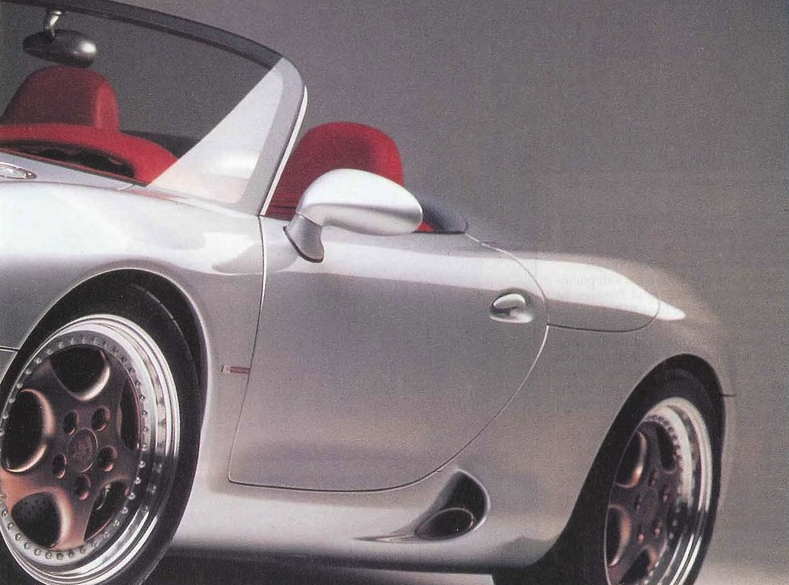
The 996 Cabriolet was introduced in March 1998 at the Geneva Motor Show. The 996 Cabriolet was long ready (remember, it was tested already in 1995), but for marketing and production-related reasons it was launched in 1998 as a 1999 model. While the evolution with the 911 coupe was questionable from 993 to 996, the real evolution came with the cabriolet. In USA - the biggest market - 911 Cabriolets outsold the Coupés. The all-wheel-drive system provides between 5-40% of torque to the front wheels depending on the situation.
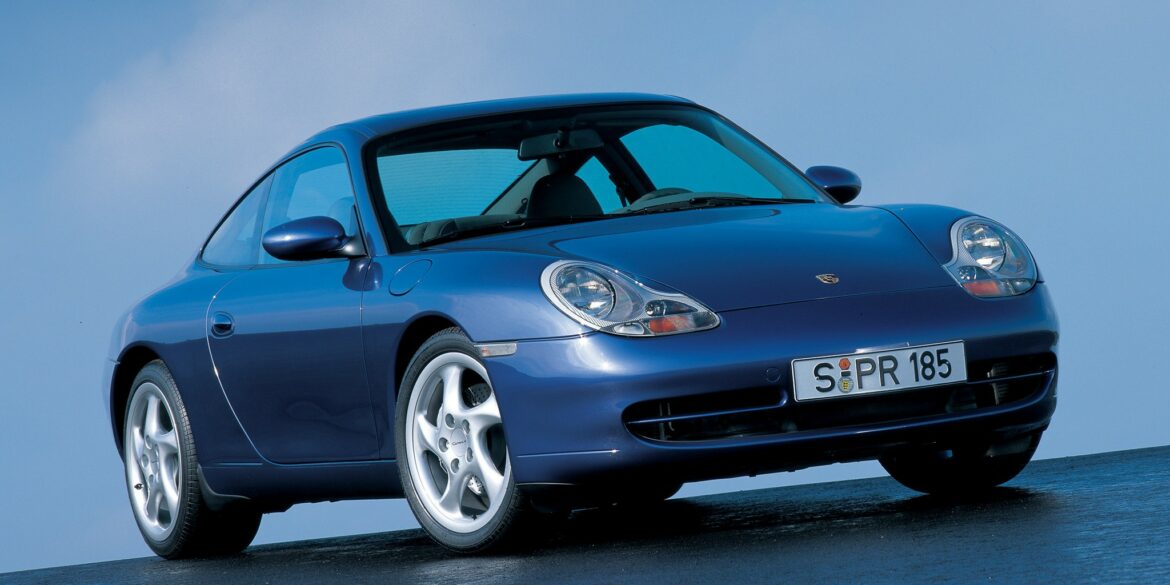
Since 1989, the rear-wheel-drive Carrera has always been accompanied by an all-wheel-drive Carrera 4, and the 996 was no different. Overlapping with the last year Carrera 993'S, the 996 Carrera 4 represented two major changes for the venerable 911 lineage: a water-cooled flat-6 engine replaced the air-cooled engine used in the previous 911 model, and the body shell received its first major re-design. Engine was 3.4 L and power was 296 hp featuring a change to an "integrated dry sump" design and variable valve timing.
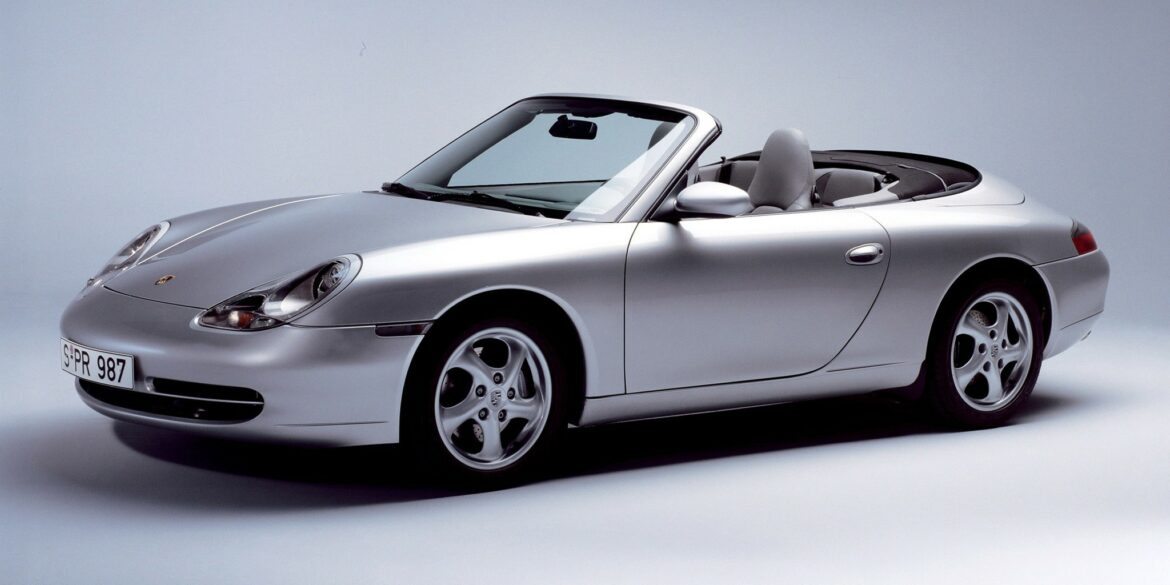
The flat six in the Carrera 996 was a newly-developed flat-six engine that offered 300 hp. It was mated as standard with a six-speed manual. A 5-speed automatic (Tiptronic) with manual override to shift gears was on the options list. As always, the Carrera 2 was rear-wheel-drive. Designed as a grand tourer, the Porsche Carrera Cabriolet was the base version for the open-top 911 range in 1998. The retractable roof was able to be stowed away in 20 seconds at speeds of up to 50 kph (31 mph), like the rest of the 911 convertible range. With the roof up, the car was tested in the wind tunnel at speeds of up to 338 kph (210 mph).
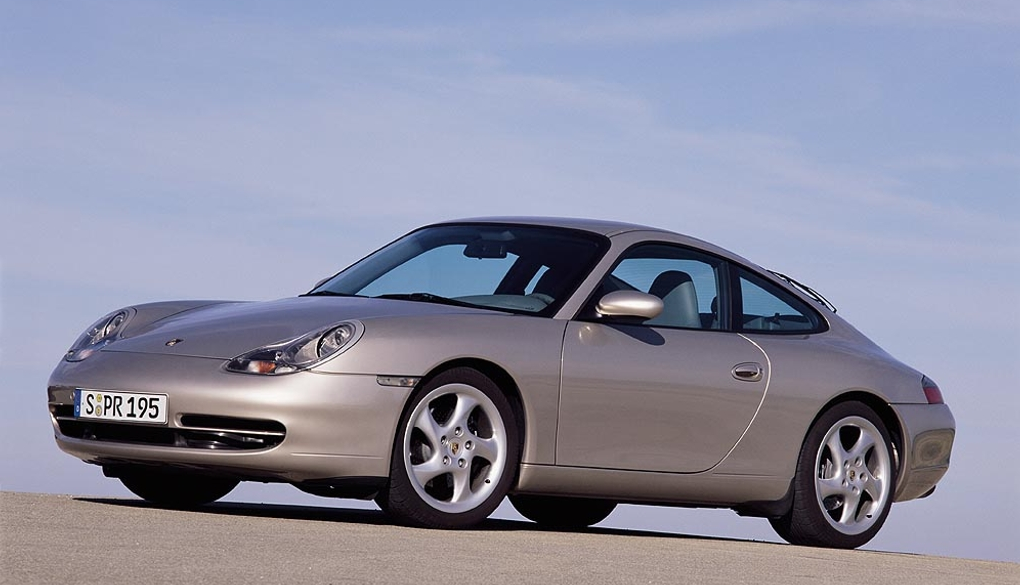
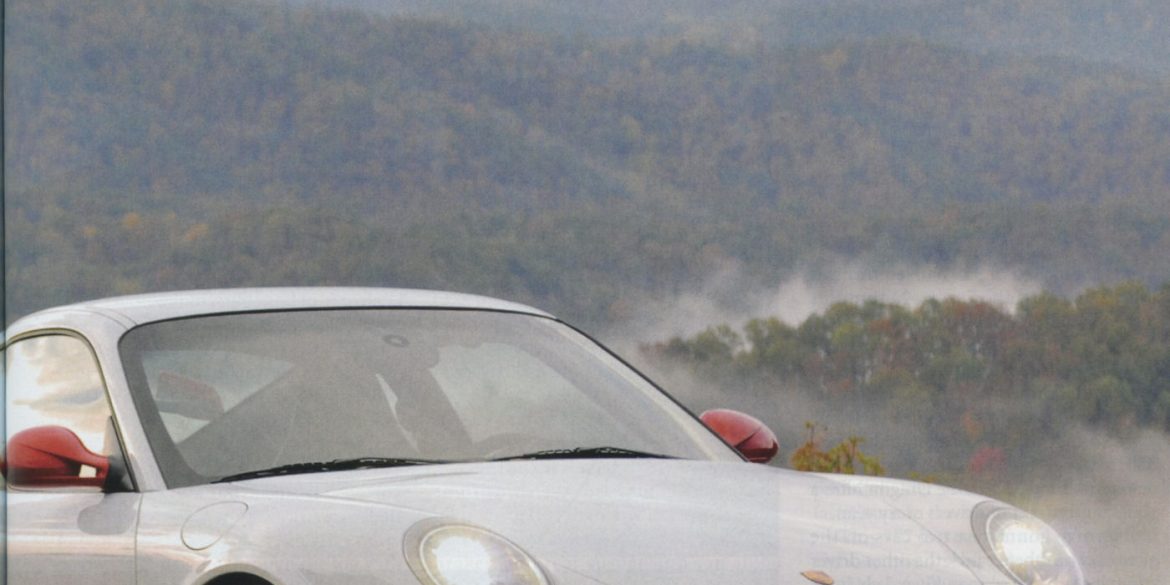
The 996 series was a monumental update to the 911 story. The Type 996 introduced water-cooled engines and it also ushered in a new body design. The roof line with a windscreen which is around five degrees flatter gives the side view a more fluid look. Gone was the "classic" 911 design, the entire main body now much sleeker. The flat six in the Carrera 996 was a newly-developed flat-six engine that offered 300 hp. It was mated as standard with a six-speed manual. A 5-speed automatic (Tiptronic) with manual override to shift gears was on the options list. As always, the Carrera 2 was rear-wheel-drive.
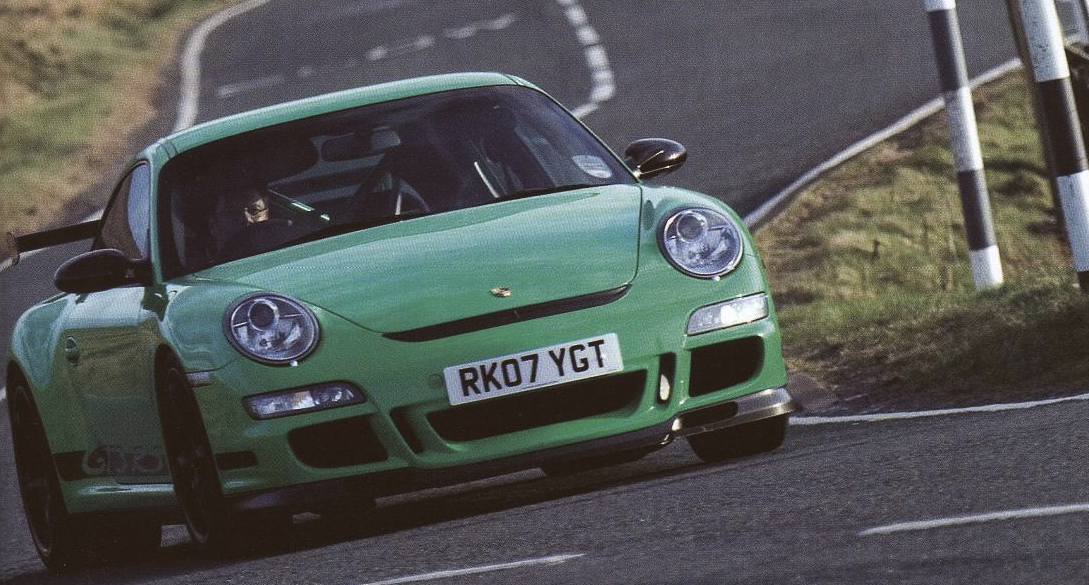
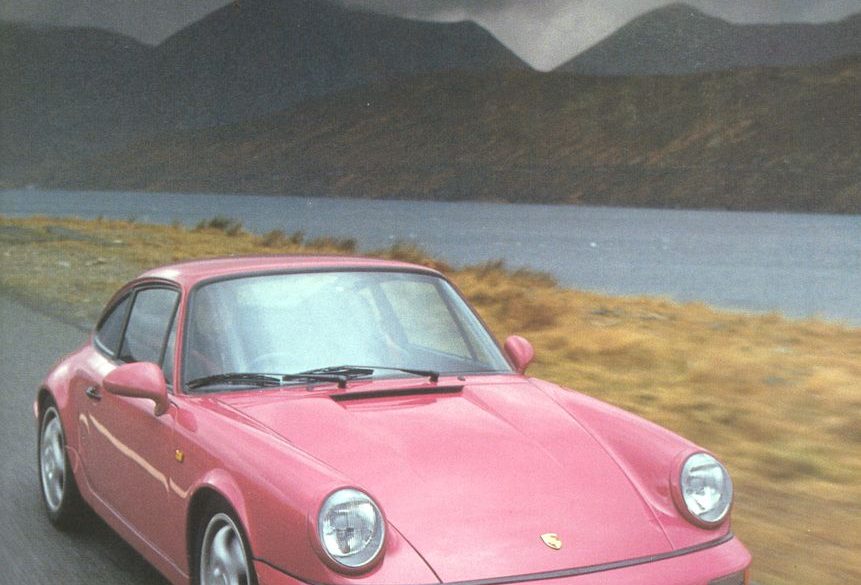
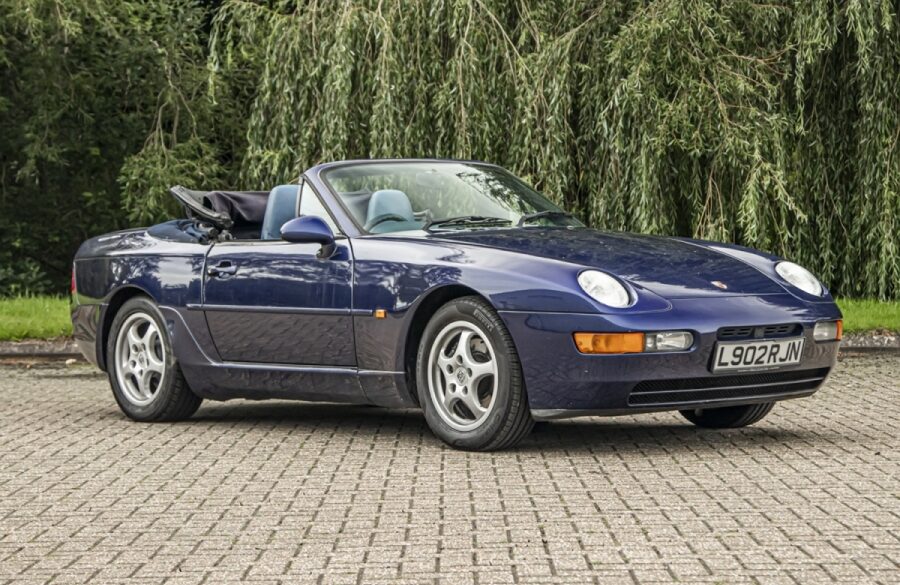
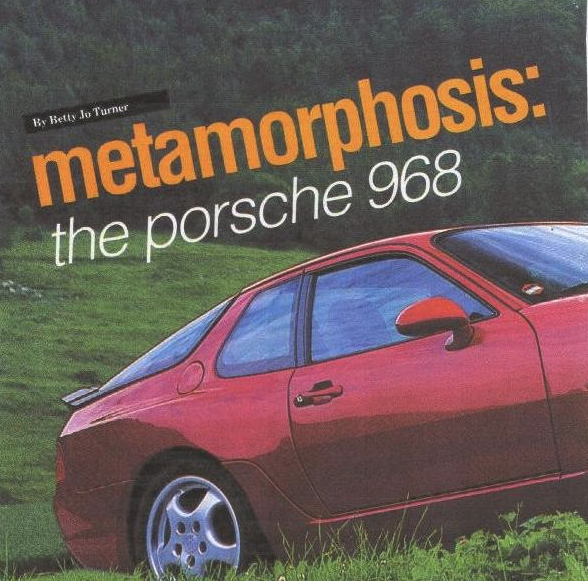
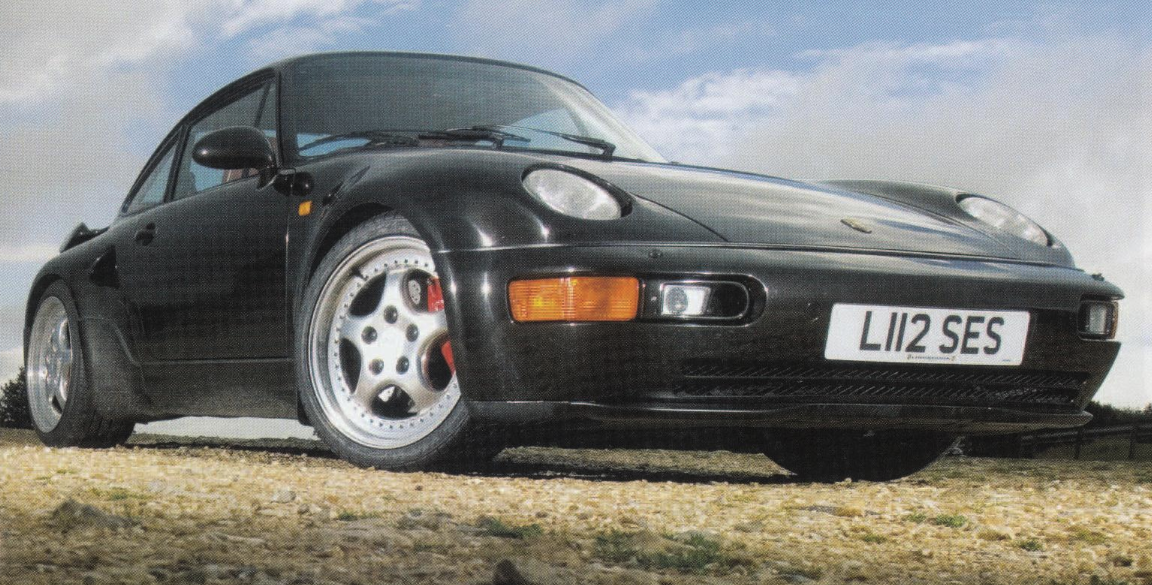
Launched in August 1991 for the 1992 model year, the 968 was available in two body styles: a Coupe and a Cabriolet. Cabriolets came with reinforced bodyshells to compensate for the lack of a roof. Porsche quoted a weight of 1370kg for the Coupe and 1440kg for the Cabriolet. Cabriolet top speeds were slightly slower owing to their messier aerodynamics, but it was dynamically pretty impressive despite the non-coupe body.
No Subscription? You’re missing out Get immediate ad-free access to all our premium content. Get Started Already a Member? Sign in to your account here....
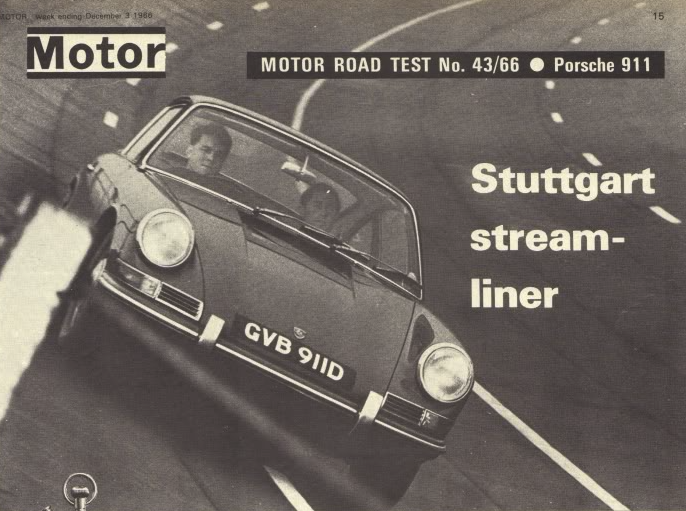
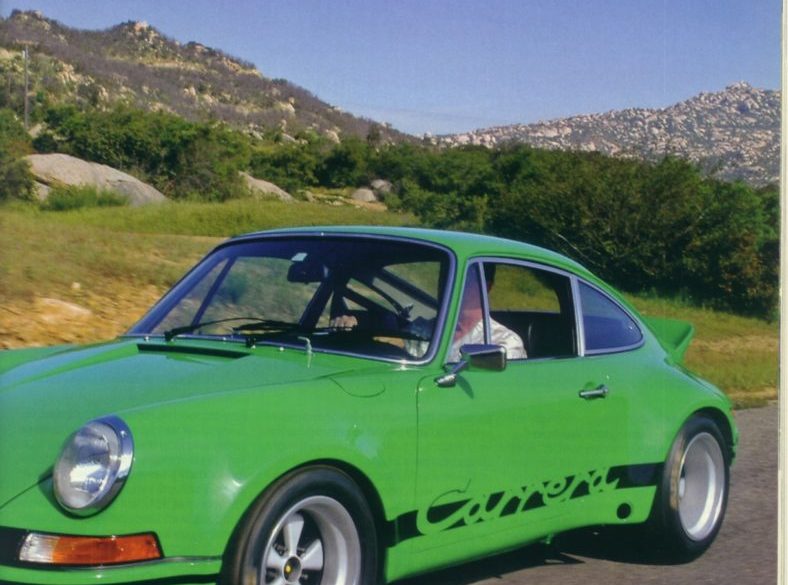
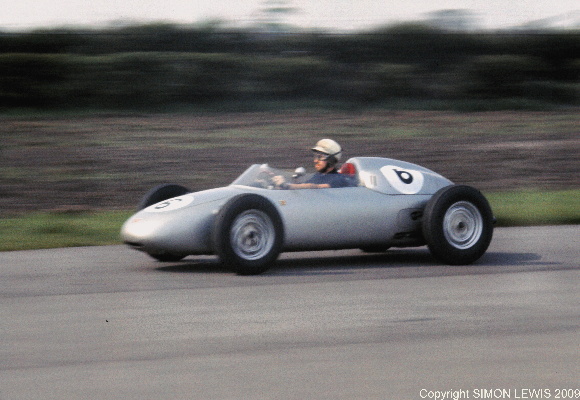
PORSCHE for one Porsche cars have never been considered multi-seaters. Even in nominally four-seater models, only the driver and the person sitting next to them could hope for any kind of comfortable seating—the back seat was only suitable for small children. It’s only in the last three or four years...
No Subscription? You’re missing out Get immediate ad-free access to all our premium content. Get Started Already a Member? Sign in to your account here....
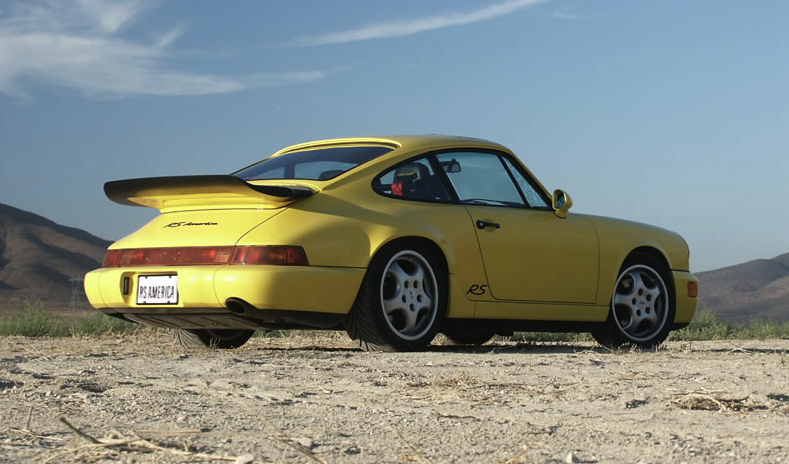
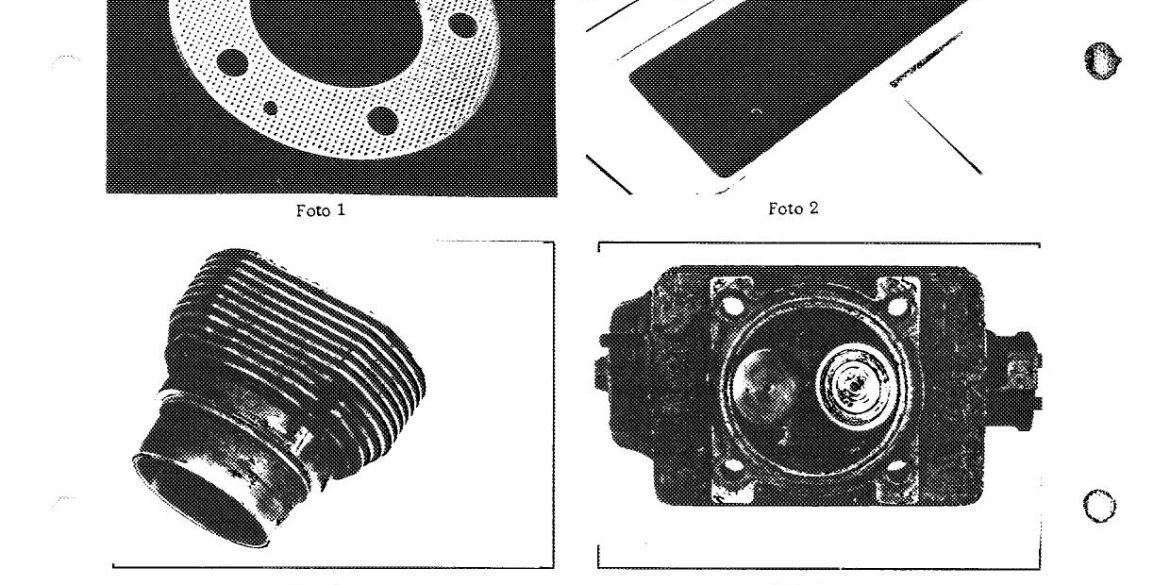
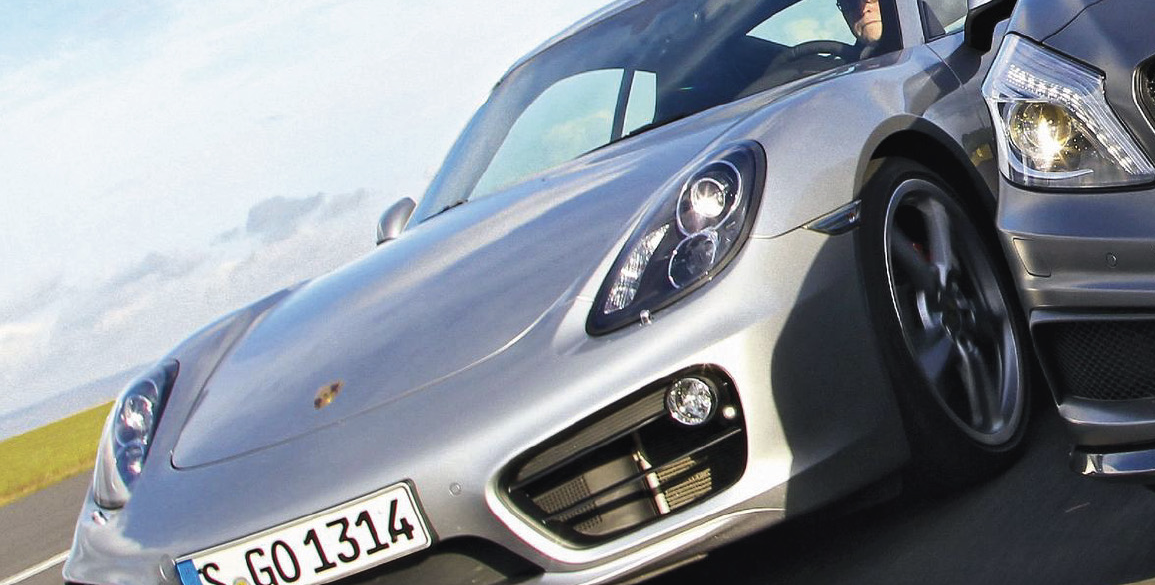
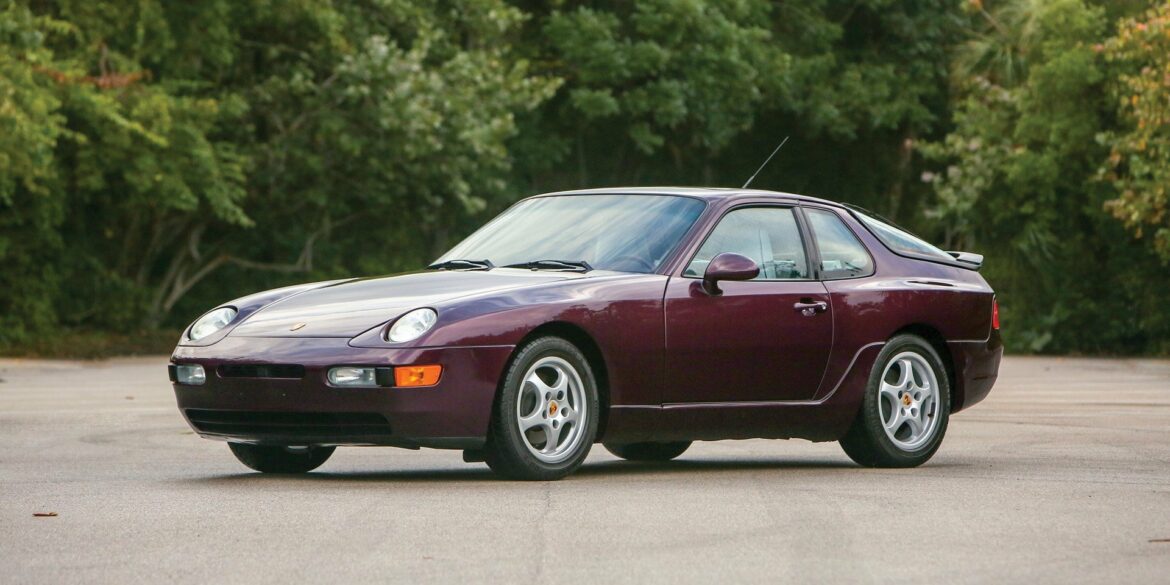
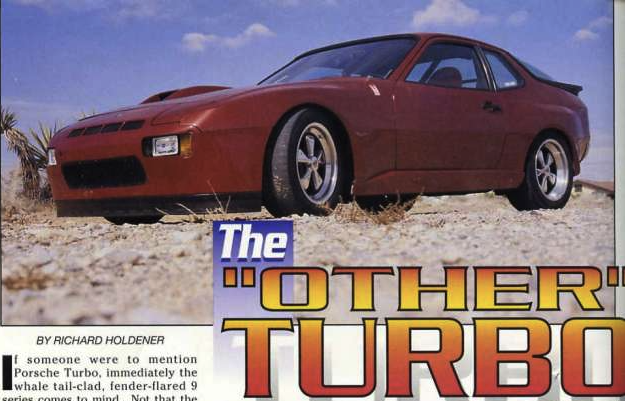
The Porsche 968 was a new-and-improved version of the Porsche 944. The 968 also came with an upgraded engine, an improvement on the 2.7L M44/12 16-valve inline-four cylinder engine found in the last base Porsche 944 model from 1989. The new engine now has a 3.0L capacity and makes 237 horsepower, a 64HP upgrade from the 2.7L model. In addition to the engine, the 968 also came with a new transmission. The 944 has a 3-speed automatic or a 5-speed manual transmission.
No Subscription? You’re missing out Get immediate ad-free access to all our premium content. Get Started Already a Member? Sign in to your account here....
No Subscription? You’re missing out Get immediate ad-free access to all our premium content. Get Started Already a Member? Sign in to your account here....
No Subscription? You’re missing out Get immediate ad-free access to all our premium content. Get Started Already a Member? Sign in to your account here....
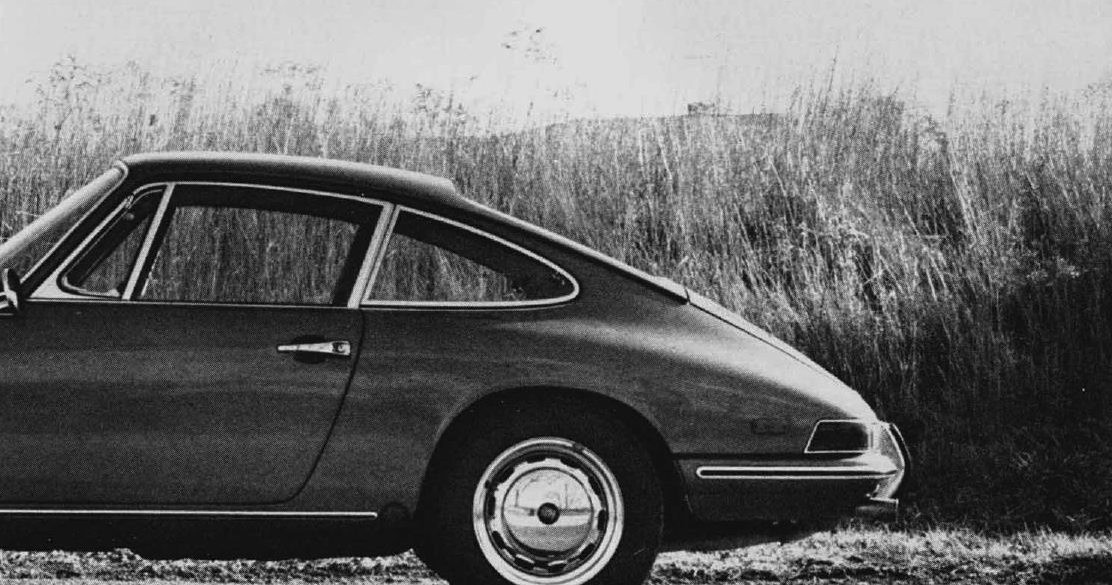
No Subscription? You’re missing out Get immediate ad-free access to all our premium content. Get Started Already a Member? Sign in to your account here....
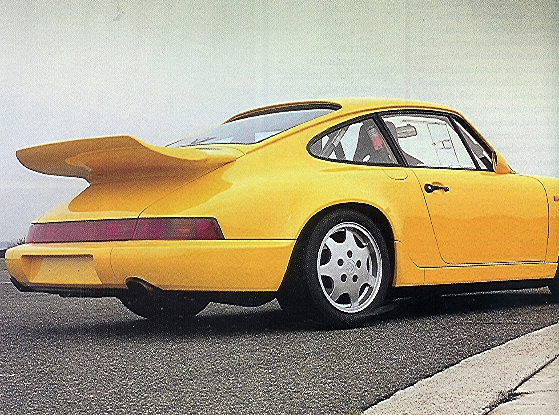
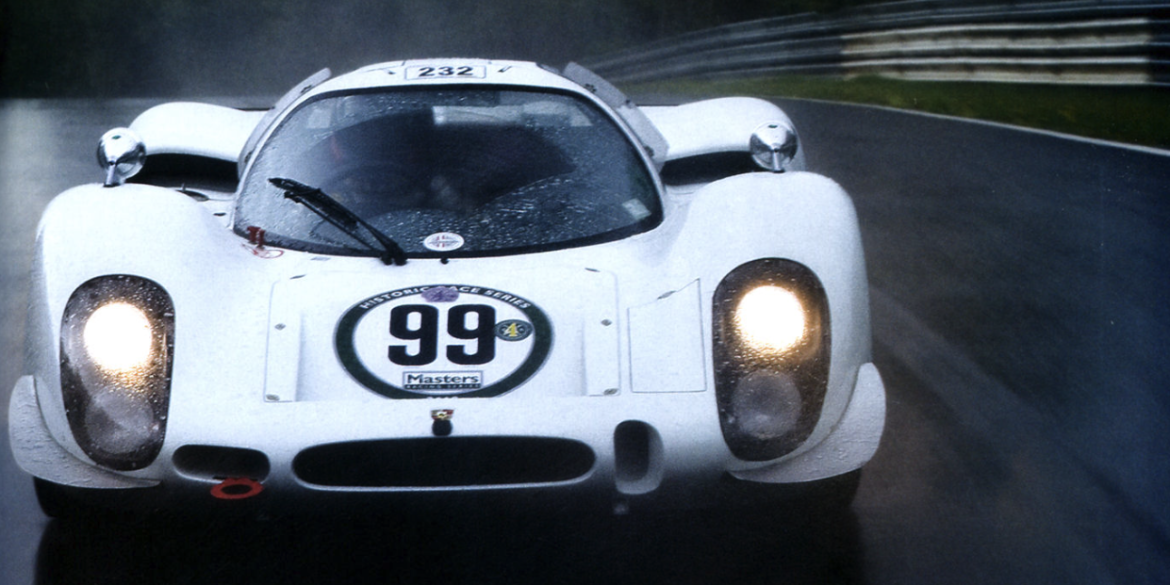
No Subscription? You’re missing out Get immediate ad-free access to all our premium content. Get Started Already a Member? Sign in to your account here....
No Subscription? You’re missing out Get immediate ad-free access to all our premium content. Get Started Already a Member? Sign in to your account here....
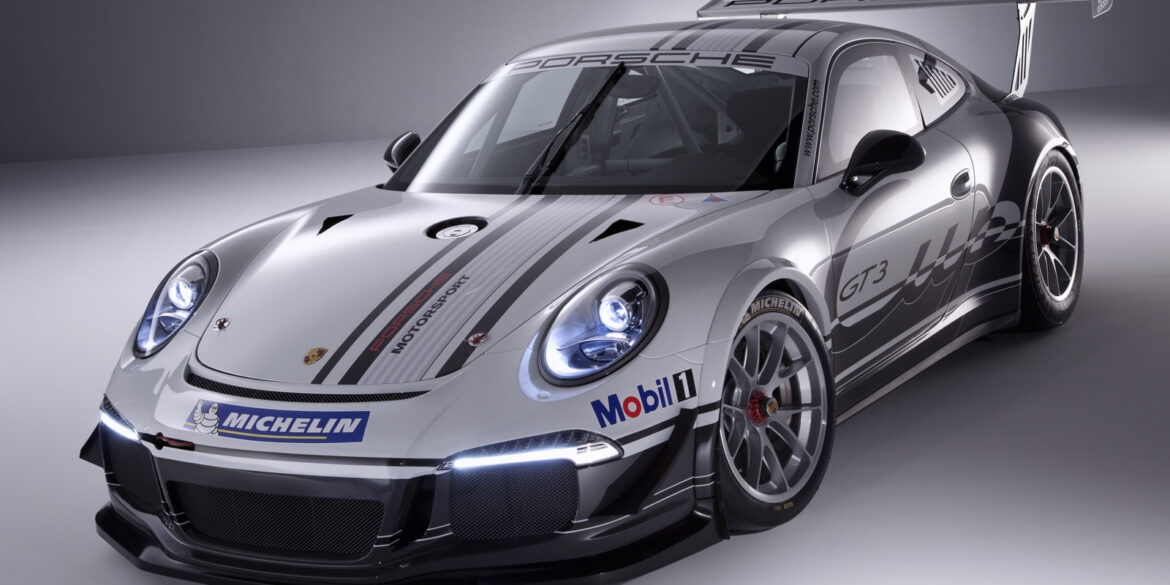
The new Porsche 911 GT3 Cup is powered by a 3.8-litre six-cylinder flat engine. It generates 460 hp (338 kW) at 7,500 revs, surpassing the predecessor by 10 hp. A six-speed dog-type gearbox developed by Porsche Motorsport which is operated via shift paddles at the steering wheel for the first time in a Porsche brand trophy race car transmits the power to the rear axle. The single piece race wheels with centre mount were also new.
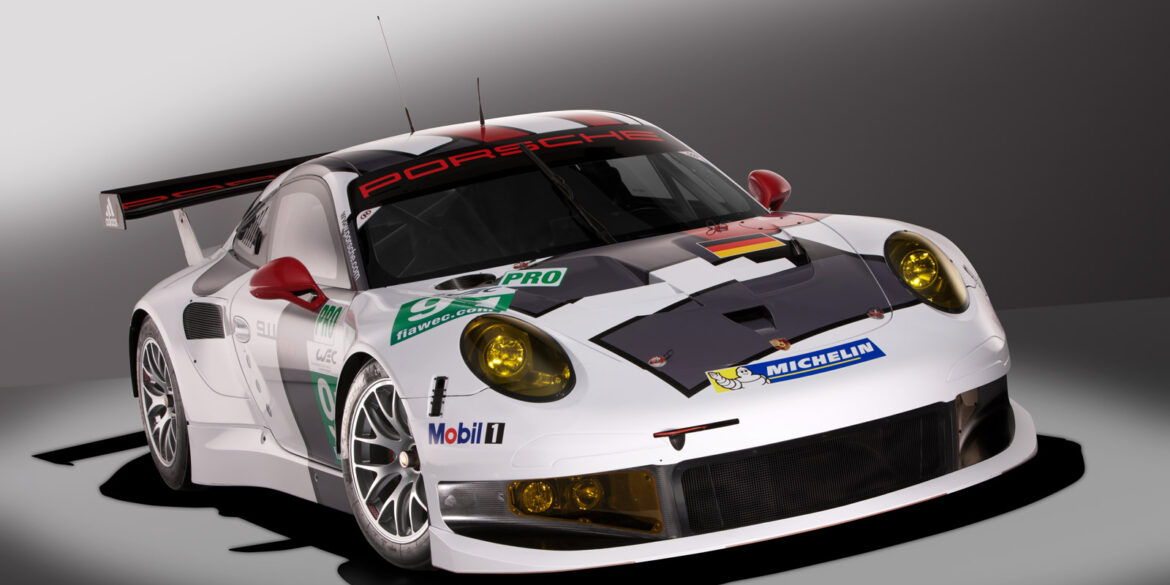
As the rules do not permit higher output engines, the engine for the 991 RSR was taken from the 997 GT3 RSR 4.0 and the development work focused on the chassis, body, aerodynamics and the gearbox. A wishbone front suspension replaced the McPherson struts used in 997. A new development was the lightweight gearbox. One of the priorities in the development was the more evenly balanced weight distribution. The centre of gravity was lower, too.

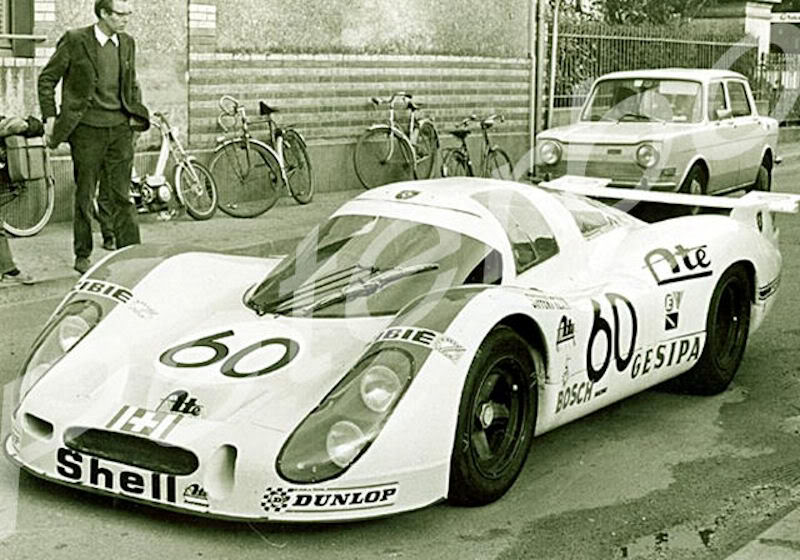
We would like to thank Vladimir Kovalenko, Vlad Shaikhnurov, and Oleg Sidorov for their assistance in collecting this material. Teloché is a small town, founded in 832, located 15 km south of Le Mans and 3 km south of Mulsanne. Its main landmark is the Church of Notre-Dame-de-l’Épine, which forms...
No Subscription? You’re missing out Get immediate ad-free access to all our premium content. Get Started Already a Member? Sign in to your account here....
No Subscription? You’re missing out Get immediate ad-free access to all our premium content. Get Started Already a Member? Sign in to your account here....