
Porsche 911 Turbo
Latest

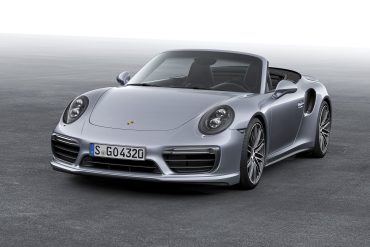

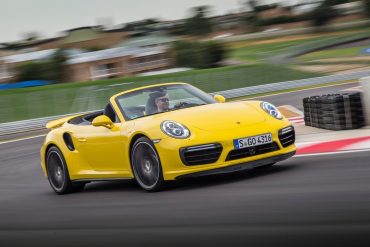
The Cabriolet version of the 991.2 Turbo got the same updates as its coupe sibling. The engine in the 991.2 911 Turbo Cabriolet is a twin-turbocharged flat-six with 540 horsepower and 523 pound-feet of torque, up a decent 20 more horses versus the 991.1 Turbo Cab. Improvements that come from increases in boost and fuel-injection pressures. Rounding the skidpad, the Turbo posts 1.02 g’s relatively easily. The wide P Zeros in back and the standard four-wheel steering conspire to hide the fact that 62 percent of the Turbo’s 3656 pounds sits over the rear wheels. 0 - 60 mph is over in just 3 seconds.
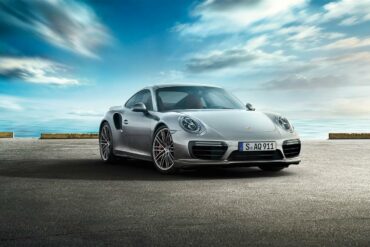
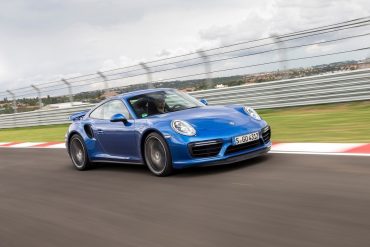
At the heart of the 991.2 911 Turbo is a twin-turbocharged flat-six with 540 horsepower and 523 pound-feet of torque. That’s a meaningful 20 more horses than the 991.1 Turbo. Improvements that come from increases in boost and fuel-injection pressures. Rounding the skidpad, the Turbo posts 1.02 g’s relatively easily. The wide P Zeros in back and the standard four-wheel steering conspire to hide the fact that 62 percent of the Turbo’s 3656 pounds sits over the rear wheels. With sport-plus selected, the 991.2 Turbo hits a 1.0-second run to 30 mph and a 2.6-second zero-to-60 time.
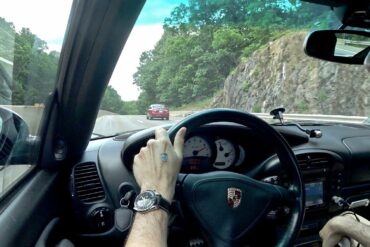
Porsche 996 Turbo X50 Review 2004 Porsche 911 996 Turbo X50. The X50 package was later replaced by the Turbo...
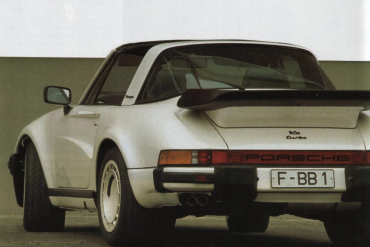
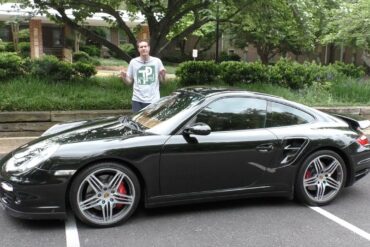
Porsche 911 997 Turbo Video Review I think the “997” Porsche 911 Turbo is an amazing bargain, with some models...
The new 911 991.2 Carrera 4S has pretty much the same spec as the 2003 911 996 Turbo, lets take...

This video tells the story of a Porsche 911 Turbo or better known as 930 and how its owner get...
With a twin-turbocharged 3.5-liter V6 engine, an all-wheel drive system and three electric motors, the Honda NSX has power that...
“We’ve had Porsches in our family for decades…my father had a billion of them, I think,” says Deryck Shakespeare. “But...
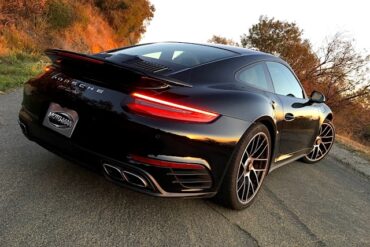
MotoManTV Review of the 991.2 Turbo After fitting all base 991s with turbos, Porsche has gone through and updated the...
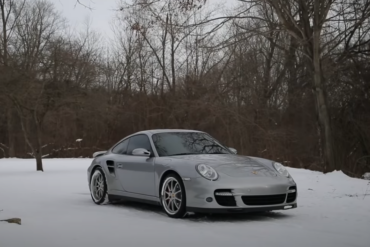
The 997 Porsche Turbo Is A Used Car Bargain We test the 997 generation Porsche Turbo with an APR tune....
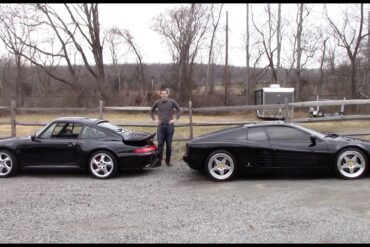
Head to Head – Doug DeMuro Picks His Favorite Doug DeMuro compares two 1990s icons — the Ferrari 512TR and...
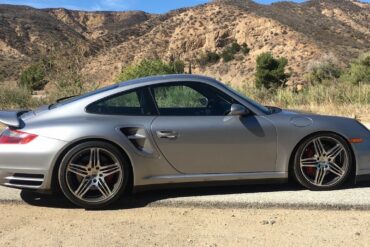
Koncept Motorwurks Monster 997 Turbo Goes for a Canyon Run This is a prime example of how easy it is...
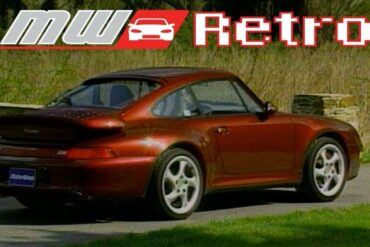
Motorweek’s Original Porsche 911 Turbo (993) Review The 993 Turbo is widely referred to as the “True Purist’s Holy Grail.”...
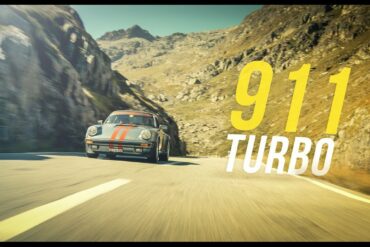
Porsche 911 Turbo (930) The 930 Turbo on one of the greatest roads in the world. A short video, but...
Ultra Rare, Ultra Cool Have you ever seen a 911 Flatnose before? Neither had we. Here’s the story of one...
“My passion has always been cars,” starts Hans-Michael Gerischer, saying, “Cars always influenced me and kept me moving, and it’s...
High Speed Run In a 997.1 Turbo The Porsche 997 Turbo can now be had for just under half it’s...
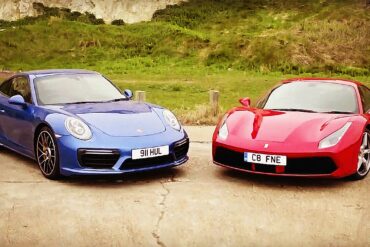
Ferrari 488 GTB vs Porsche 911 Turbo S: turbo supercars fight it out The Ferrari 488 GTB is the first...
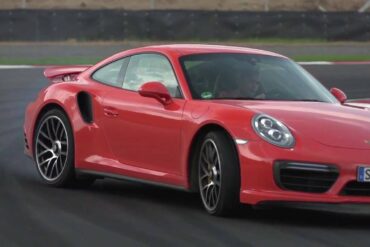
Chris Harris Drives the Porsche 911 Turbo S The Porsche 911 Turbo has always been a bit of an enigma,...
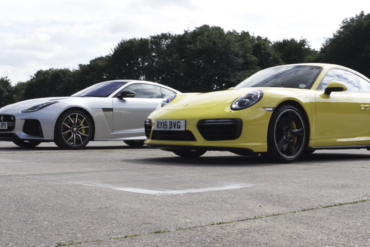
Drag Race: Jaguar F-Type SVR vs Porsche 911 Turbo Which everyday supercar wins Autocar’s drag race? Is it the mighty...
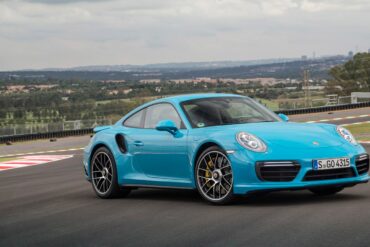
Porsche 911 Turbo S review – the ultimate everyday supercar? | evo REVIEWS The Porsche 911 Turbo S boasts 572bhp...
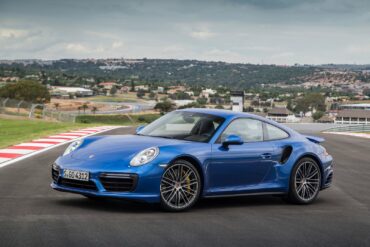
2017 Porsche 911 Turbo S: The New Benchmark For Speed – Carfection The latest Turbo S is the fastest accelerating...
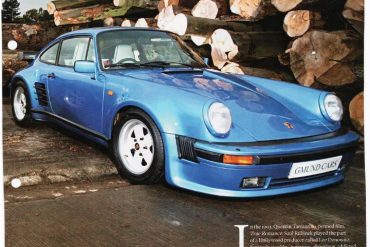
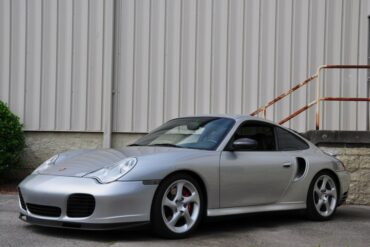
The optional X50 Performance Package gave the base Turbo larger K24 turbochargers and intercoolers, a revised ECU and a quad-pipe exhaust, raising the engine’s output from 415 to 450 bhp and maximum torque from 415 to 457 ft lbs. With power at 450 bhp @ 6000 rpm and torque of 457 ft lbs @ 4400 rpm, the X50 option is a monsters. Porsche engineers achieved the increase in power and performance through modifications to the Turbo charger, the change air cooler, the control units and exhaust system in particular. The base constructions of the manual and automatic transmissions were also improved.
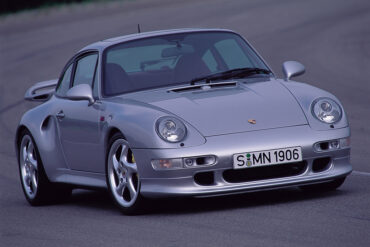
The 993 Turbo S, available between 1997 and 1998, bumped the power from the standard 993 Turbo up to 450hp (430 for the United States market) with larger turbochargers and a modified engine management system. The Turbo S was fitted with more luxury trim bits on the interior – with more leather and carbon fiber than on the standard Turbo. A larger rear wing was installed as well. Only 345 were built. Its direct successor was the 996 Turbo S for model year 2005.
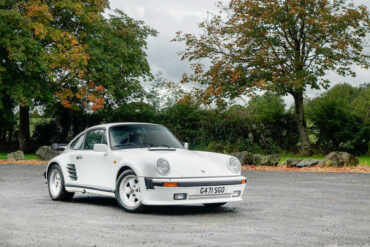
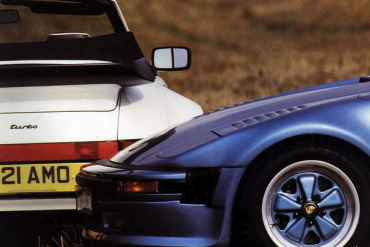
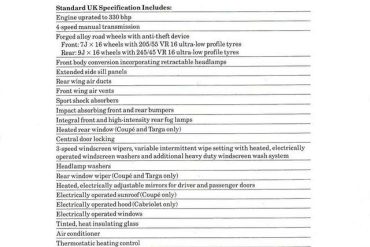
Only 50 units made. The 911 Turbo Limited Edition comes equipped with the 330 bhp power unit normally only available in the 911 Turbo with Sport Equipment. In addition, the fitment of a limited slip differential as standard ensures the the increased engine performance can be used to it’s fullest extent. This Limited Edition also adopts the rear wheel air intakes of the Sport Equipment version. Essentially an SE without a slantnose front.
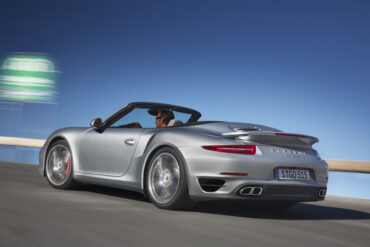
2013 Porsche 911 Turbo Cabriolet Stuttgart. The dynamic range of the new 911 Turbo models1) multiplied by the driving pleasure...
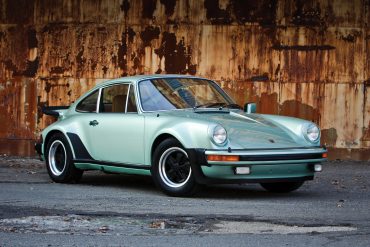
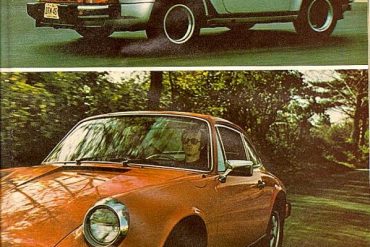
(1975 – 1977) Porsche 911 Turbo 3.0 Pictures & Gallery...
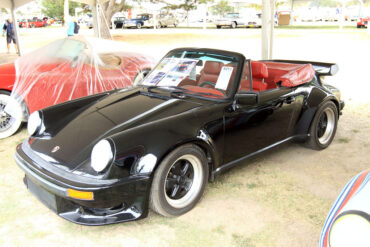
1987 – 1989 Porsche 911 Turbo 3.3 Cabriolet (930) Pictures & Gallery...
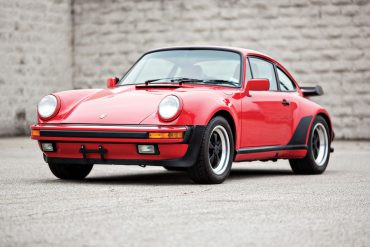
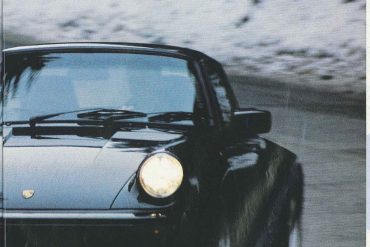
1978 – 1989 Porsche 911 Turbo 3.3 Coupe (930) Pictures & Gallery ...
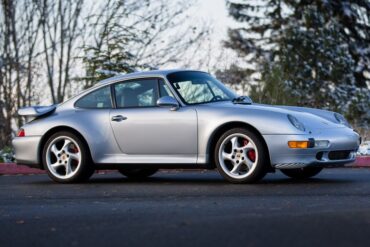
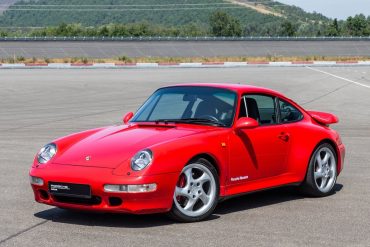
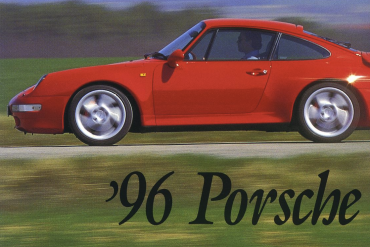
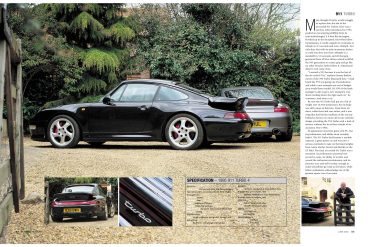
The 993 Turbo was available between late 1995 to 1998. Powered by a twin-turbocharged 3.6 liter flat six, it was rated at 402-horsepower. It’s distinguished easily from the rear, as the whale-tail spoiler is quite deep to house the intercoolers meant to cool the intake charge. This extra power might have been a handful for street drivers, so all-wheel drive from the 993 Carrera 4 added traction at all four corners. Approximately 6,000 coupes were made. Although powered by a different engine, a limited production 993 Turbo Cabriolet was available in the early days of the 993 generation. A more powerful 993 Turbo S was also introduced in 1997.
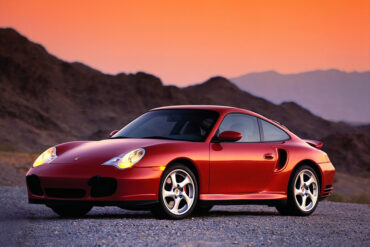
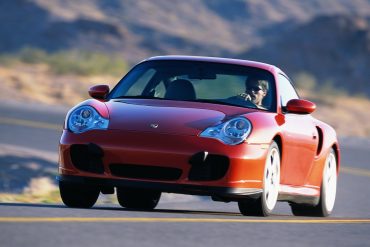
Porsche introduced the turbocharged version of the Type 996 for the 2001 model year (late 2000 in Europe). Like the 996 GT3, the Turbo's engine was derived from the engine used in the 911 GT1. Like its predecessor, the 993 Turbo, it featured twin-turbos but now had a power output of 420 PS (309 kW; 414 hp). As of 2002, the X50 package would increase engine output to 444 hp. The 996 Turbo was available with a 6-speed manual transmission or an automatic (Tiptronic), driving power to all four wheels. This is a great great car.
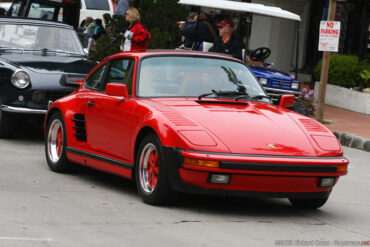
Porsche 911 Turbo ‘Flachbau’ (1987) In 1986 Porsche finally offered the slantnose, called Flachbau in German, straight from the factory....
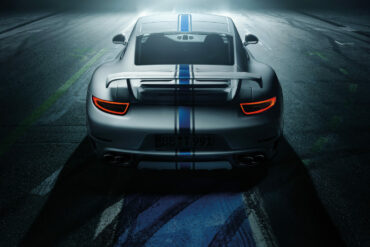
2014 TechArt 911 Turbo S TECHART Automobildesign provides more power for the new Porsche 911 Turbo S. The TECHART Power...
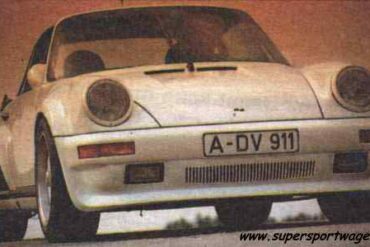
1990 RS 911 Turbo In Detail submitted by Richard Owen price $ $207 058 engine Turbocharged Flat-6 valvetrain SOHC displacement...
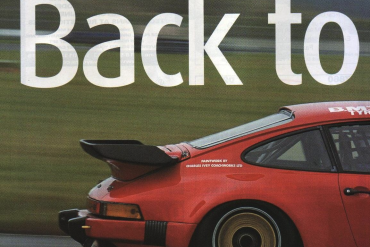
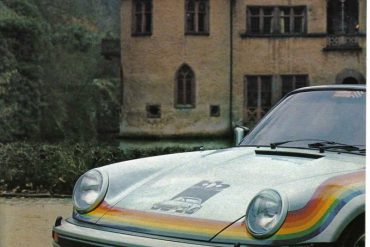
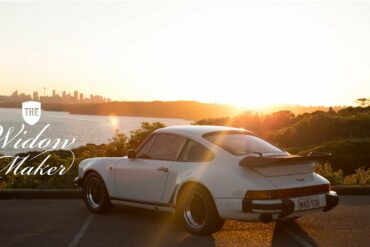
A Legendary Car “We’ve had Porsches in our family for decades…my father’s had a billion of them, I think,” says...
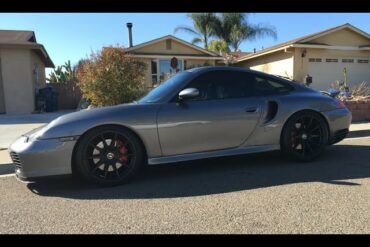
One Take in a Tuned Porsche 996 Turbo X50 The Porsche 996 has sustained a long reputation for reliable speed,...
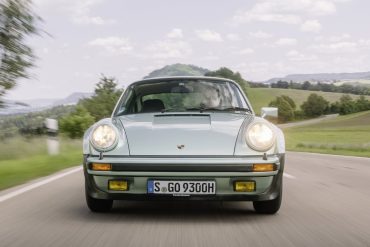
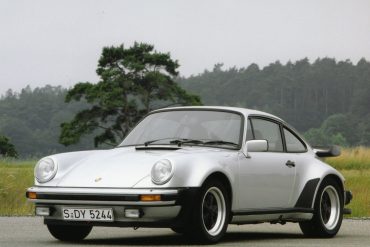
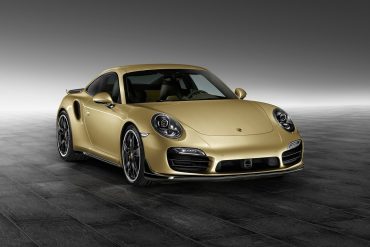
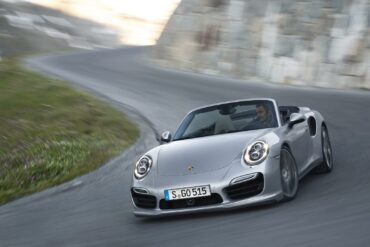
The 2014 Porsche 911 Turbo Cabriolet is a great companion to its coupe sibling. The Porsche 911 Turbo Cabriolet delivers the same blend of dynamism, performance and efficiency offered by the Coupe. The turbocharged 3.8-litre six-cylinder engine delivers 520 bhp and it helps drivers accelerate from zero to 60 mph in just 3.1 seconds (there goes your hair style). Compared to the 997.2 Turbo Cabriolet the new Turbo Cab delivers 30 bhp more power and are 0.2 seconds faster in terms of their standard acceleration. It is also up to 15% more efficient and more luxurious and comfortable to boot.
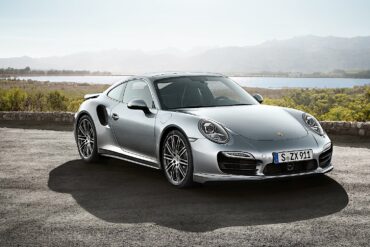
The 2014 Porsche 911 Turbo is a technological extravaganza. Adaptive aerodynamics, four-wheel steering, torque vectoring, active four-wheel drive, adaptive dampers, launch control, twin-clutch automatic gearbox – you get the picture. This is the first time we've had a chance to sample all of this on British roads. Two versions are available; both are powered by an uprated version of the previous 911 Turbo's 3.8-litre twin-turbo flat-six engine. The new 911 Turbo has even more power and more electronic systems. It is still a straight-line monster that will blow you away in terms of the sheer might of that engine and traction.
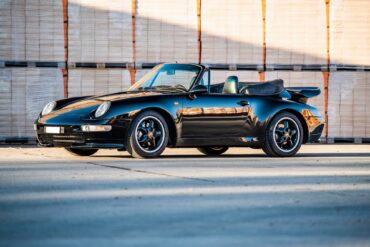
The Porsche 911 Turbo Cabriolet (993 generation) is an incredibly rare car – only 14 were built in 1995, in the early days of 993 production. Rather than the contemporary twin-turbo powerplant in the 993 Turbo Coupe, the 993 Turbo Cab was fitted with the single turbo of the 964 Turbo 3.6. Although the Turbo Coupé was introduced earlier, the actual production started after the Turbo Cabriolets were sold. Turbo Cabriolets were 1995 models by VIN and Turbo Coupés were immediately produced as 1996 models although the 1996 model year had not yet started.
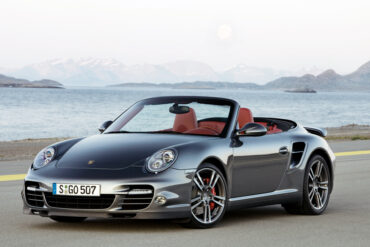
The 997.2 Turbo was introduced for the 2010 model year and received a new 3.8 litre engine capable of 493 horsepower, a significant evolution as compared to the 473hp in the 997.1 Turbo. The 997.2 Turbo was available in both manual and automatic transmissions, but the automatic evolved from the Tiptronic used in its predecessor, to a sportier dual-clutch PDK. Approximately 3,300 coupes were produced and 1,800 cabrios, far less than its predecessor. An epic all-around GT with more performance than you could ever need.
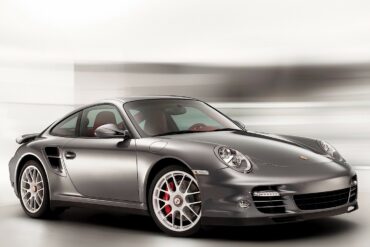
The 997.2 Turbo was introduced for the 2010 model year and received a new 3.8 litre engine capable of 493 horsepower, a significant evolution as compared to the 473hp in the 997.1 Turbo. The 997.2 Turbo was available in both manual and automatic transmissions, but the automatic evolved from the Tiptronic used in its predecessor, to a sportier dual-clutch PDK. Approximately 3,300 coupes were produced and 1,800 cabrios, far less than its predecessor. An epic all-around GT with more performance than you could ever need.
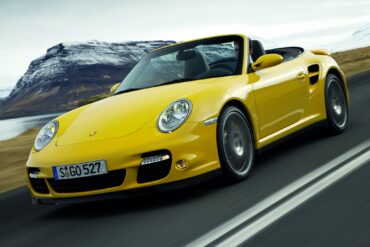
Like the 911 Turbo Coupe, the 997 Turbo Cabriolet is powered by a 3.6 liter six-cylinder boxer engine with biturbo turbocharging and Variable Turbine Geometry (VTG). The powerplant already generates 480 hp (473 bhp) and 460 ft lbs of torque at 1950 rpm. The manual transmission version can accelerate from 0 to 100 km/h in just four seconds while the Tiptronic S the time can be cut to 3.6 seconds. Top speed for the Cab is the same 193 mph as Coupe and only weighs 70 kilos.
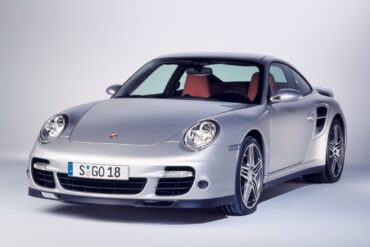
The sixth generation of the 911 series’ top-of-the-range model was unveiled at the 2006 Geneva Motor Show. The 997 911 Turbo has 473 bhp @ 6000 rpm, 60 bhp more than its predecessor. Rated torque is now 473 bhp @ 6000 rpm. The speed range in which this power is available has also been extended. While the previous model’s maximum torque was available between 2,700 and 4,600 revolutions per minute, the corresponding figures are now 1,950 to 5,000 revs. 0 to 60 mph is over in a blistering 3.6 seconds and top speed is 193 mph. The ultimate GT.
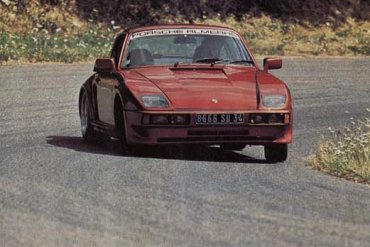
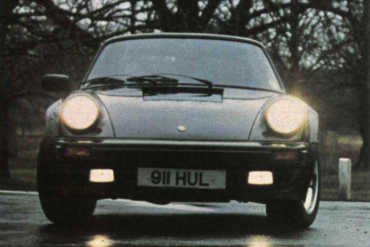
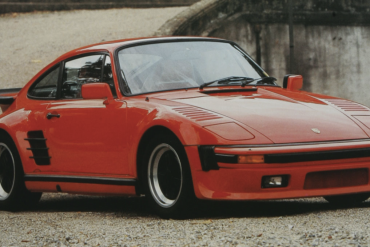
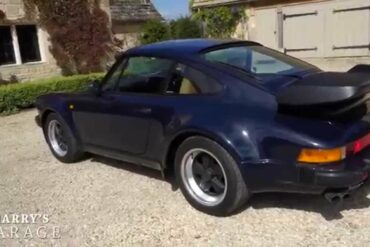
A Legend Reviews A Legendary Car...
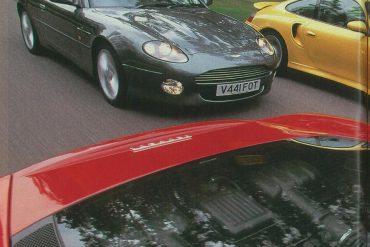

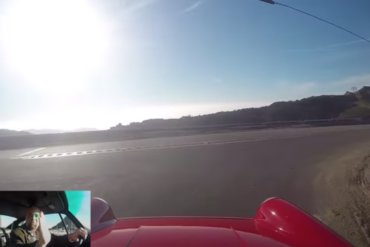
Porsche 930 Turbo – One Take Matt tests a modified Porsche 930 Turbo making 150 hp more than stock! The...
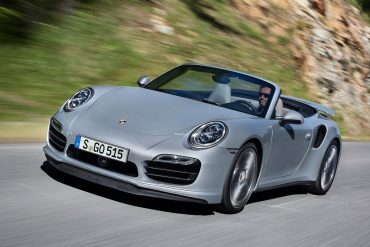
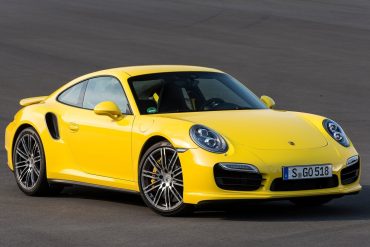
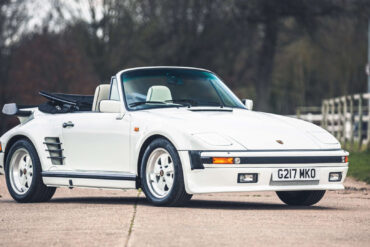
Just 50 ‘C16’ cars were manufactured for the UK-market, initially equipped with an uprated engine of 330bhp (from 300) mated to a 4-speed transmission. However, at the end of 1988, the uprated 5-Speed G50 gearbox was introduced, dramatically easing the peaks in power delivery by reducing the effects of ‘turbo-lag’. The factory SE also benefited from a dual-exit exhaust system, limited-slip differential, heated front seats and a sunroof.
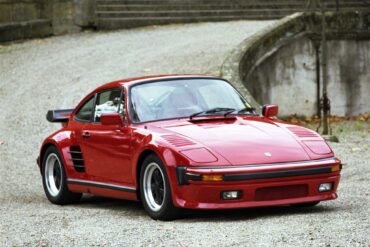
Slantnosed and based on that of the 935 racecars, with pop-up headlamps. The front spoiler was made deeper in order to accommodate the extra oil cooler, while intakes in the rear wings fed air to the brakes. The larger turbocharger and four-outlet exhaust gave 30bhp of extra power. Porsche began their “special order program” offering a Flachbau option (Slantnose) for the 930 in very limited production. All of this at a cost of nearly 2 times the standard 930S.
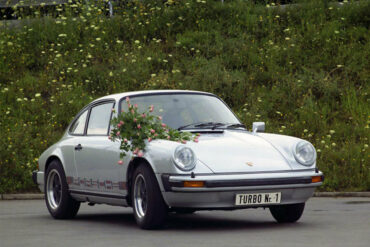
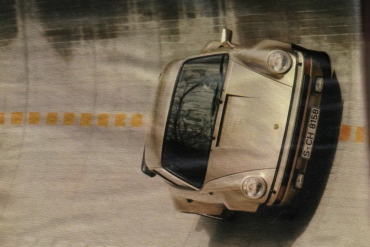
The first road-going 911 Turbo was not the familiar 930 that entered production in February 1975. Nor was it the engine-less prototype that had appeared at the Paris Motor Show in October 1973. Instead, it was a one-off narrow-bodied mule that was subsequently gifted to Ferry Porsche’s sister, Louise, on her 70th birthday in August 1974. Built on chassis 9115600042, this 2.7 Carrera Turbo also pre-dated the prototype 930 that was shown in almost production-ready at Frankfurt show in 1974.
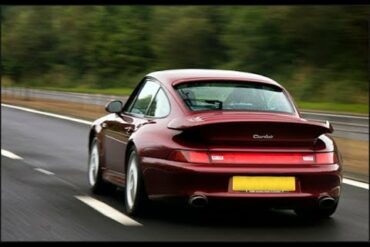
Top Gear’s Original Review of the 911 Porsche 993 Turbo Needell of Top Gear fame road tests the 911 Porsche...

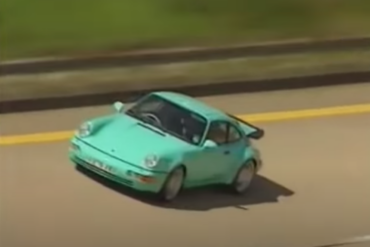
964 911 Turbo Review Tiff is my favorite presenter.. You looks like a silly unassuming British man, then he gets...
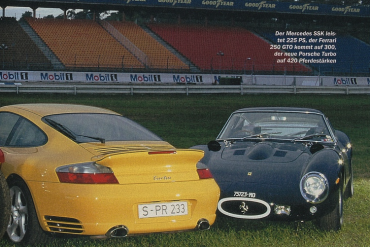
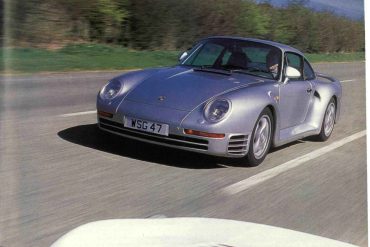
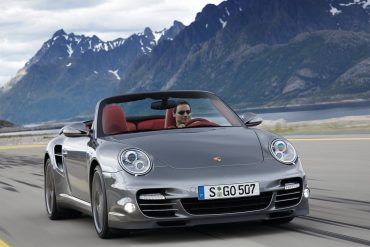
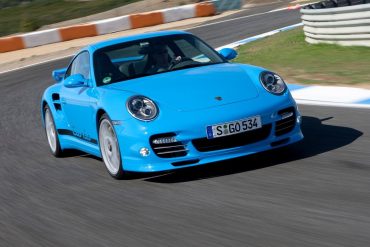
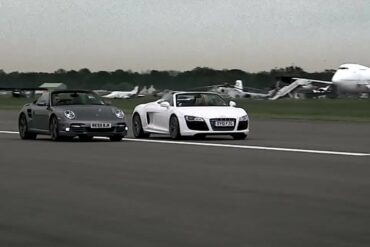
Top Gear Drag Race – Audi R8 vs Porsche 997 Jeremy heads out on to the test track and pits the...
Ferrari F355 vs Porsche 911 Turbo (993) Ferrari F355 F1 vs Porsche 911 Turbo (993) with Engine Kit 430 HP...
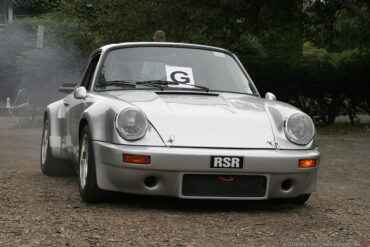
In the 1970s Porsche was serious about turbocharging and this prototype signaled the way for later cars like the 930 and the RSR 3.0. It was also the one of the very first show cars fitted with the wide body, large alloy wheels, whale tail and a turbocharged version of the flat-6. All these details eventually appeared on the 911 RSR 3.0-liter race car of 1974. The show car was built from a standard 911S fixed with a radical body kit.