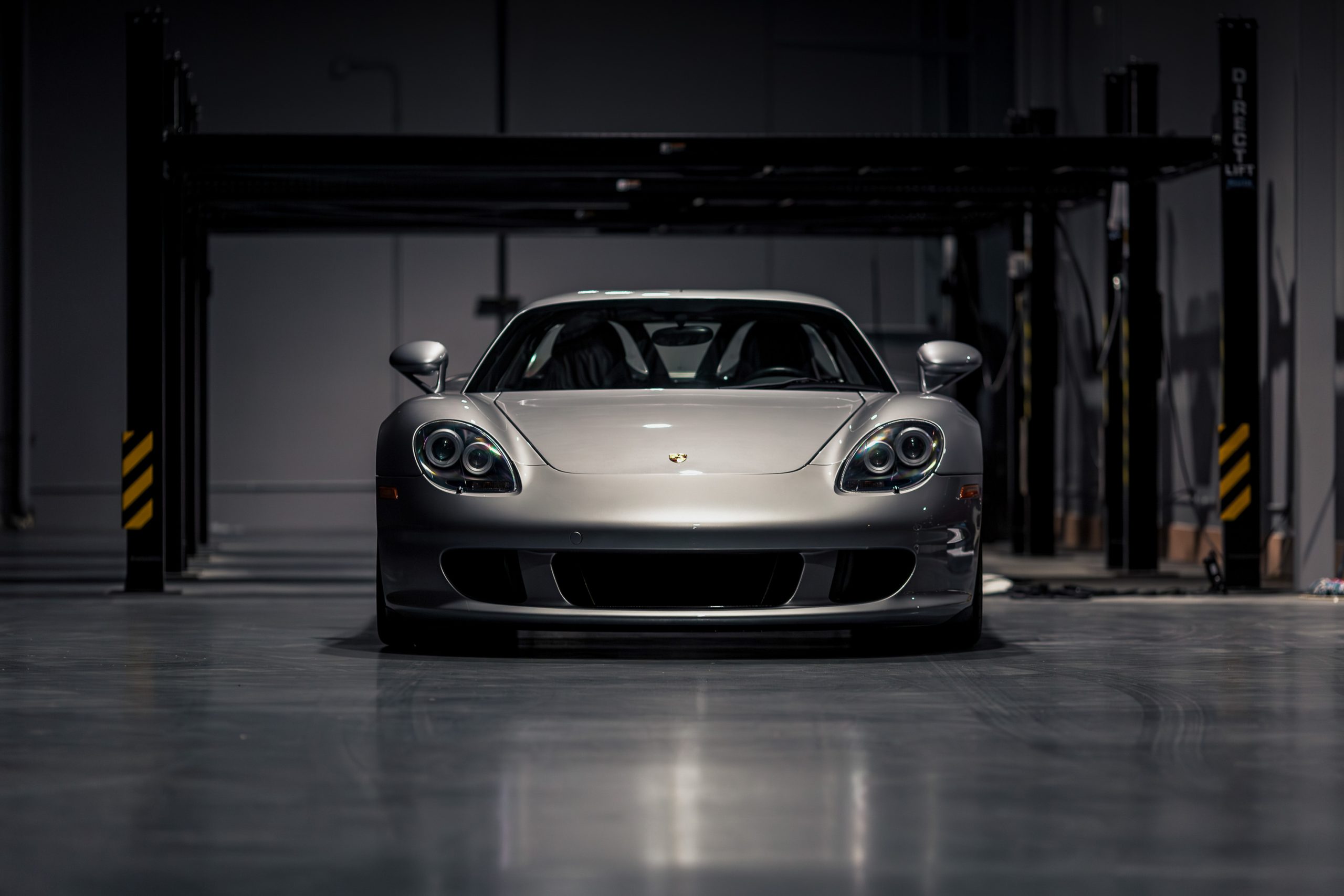

Porsche Panamera - The Ultimate Guide
A 911 In A Tuxedo That Proved Four Doors Didn't Mean Selling Your Soul. Every Generation. Every Model. Everything You Ever Wanted to Know
Generations Primer / 1st Gen / 2nd Gen / 3rd Gen / Research / FAQs / Current Lineup / Updates & News
When the Porsche Panamera made its world debut atop a skyscraper in Shanghai in 2009, it represented the final piece of a radical puzzle. Following the success of the Cayenne, Porsche sought to conquer the executive sedan market, but they refused to do it on anyone else’s terms. The result was a car that defied categorization: a low-slung, front-engine grand tourer with the silhouette of a 911 and the interior of a private jet. It was a bold statement that luxury and practicality could coexist without sacrificing the visceral driving experience that defines the Stuttgart crest.
While the Panamera’s initial "hunchback" styling divided opinions, its performance never did. Built on a bespoke platform, the first-generation Panamera proved that a four-door car could handle a racetrack with the poise of a dedicated sports coupe. Over the years, it has matured into a design icon, shedding its awkward early lines for the sleek, muscular proportions of the modern era. From the introduction of the lightning-fast PDK transmission to the pioneering "E-Performance" hybrid systems, the Panamera has consistently pushed the boundaries of what a luxury sedan can achieve.
In this comprehensive guide, we explore every chapter of the Panamera’s evolution. We trace its lineage from the early naturally aspirated V8 models to the record-breaking Turbo S E-Hybrids and the sleek Sport Turismo wagons. We break down each of the three generations, covering the technical innovations, design overhauls, and the specialized trims like the driver-focused GTS. Whether you’re interested in the raw mechanical grip of the early years or the sophisticated air-suspension tech of the latest models, you’ll find detailed specs, performance figures, and expert analysis here.
This guide is designed to be the definitive resource for enthusiasts and buyers alike. Beyond the history, we’ve included essential buyer’s guides, common maintenance insights, and ownership tips to help you navigate the pre-owned market with confidence. If you’ve ever wondered if it’s truly possible to have a "family car" that stirs the soul like a supercar, you’ve come to the right place.
Welcome to the ultimate deep dive—this is everything you ever wanted to know about the Porsche Panamera.
The Latest Panamera Developments
Since the launch of the 976 generation, the Panamera has entered a period of strategic "wait and see." While Porsche recently expanded the lineup with the record-breaking Turbo S E-Hybrid and the driver-centric GTS, the broader news cycle surrounding the model has turned quiet. This reflects a deliberate pause as the automotive world adjusts to shifting market demands. Porsche is currently monitoring how the 976 settles into its role as the high-tech, combustion-powered alternative to the all-electric Taycan, especially as global EV adoption rates have stabilized rather than surged. For now, the Panamera remains a master of its niche, receiving subtle refinements to its digital ecosystem and suspension tuning rather than radical changes.
In the larger context of Porsche’s portfolio, the Panamera serves as a vital hedge against the volatility of the electric segment. By maintaining a world-class sedan that offers V6, V8, and advanced plug-in hybrid powertrains, Porsche ensures it can pivot quickly if Taycan volumes fluctuate or if infrastructure gaps persist in key luxury markets. This "double-track" strategy allows the brand to satisfy the purist who still craves the rumble of an engine while providing a bridge to the future through its 25.9 kWh hybrid batteries. Until the market provides a clearer signal on the pace of full electrification, the Panamera stands as a highly sophisticated insurance policy, proving that Porsche’s mechanical soul is far from being phased out.
Porsche Panamera Generations
A Primer
The Panamera’s journey is defined by three distinct eras, each marked by a leap in design and digital integration. It began with the First Generation (G1/970, 2010–2016), which shocked the world with its muscular, if polarizing, "hunchback" silhouette and raw, naturally aspirated V8 power. The Second Generation (G2/971, 2016–2023) smoothed those controversial lines into a sleek, 911-inspired profile, introducing the 8-speed PDK transmission and the versatile Sport Turismo "shooting brake" body style. Today, the Third Generation (G3/976, 2024–Present) carries the torch, doubling down on "E-Performance" with ultra-powerful hybrid systems and the revolutionary Porsche Active Ride suspension, effectively bridging the gap between mechanical purity and the digital future.
1st Generation Panamera (970) (2010 - 2016)
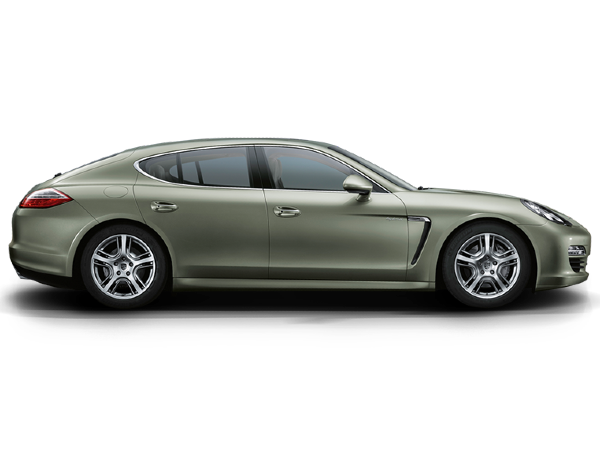
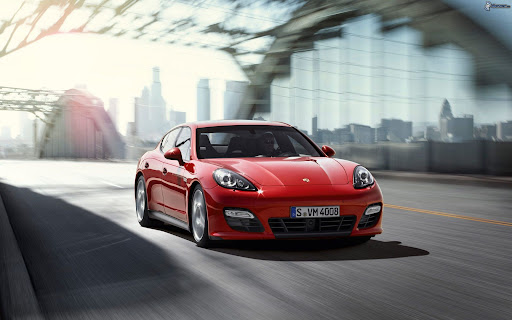
The debut of the Panamera 970 in 2009 was a seismic event for Porsche, marking its first foray into the four-door luxury sedan market. While its "hunchback" silhouette was initially polarizing to purists, the car's performance was beyond reproach. Built on a bespoke platform, the 970 offered a unique front-engine, rear-biased layout that managed to feel remarkably agile for its nearly two-ton curb weight. It featured a driver-centric "button-heavy" cockpit that mirrored the layout of a high-end private jet, emphasizing its role as a cross-continental grand tourer. This generation also saw the introduction of Porsche's first production hybrid, the S Hybrid, and later the S E-Hybrid, signaling the brand's early commitment to electrification.
Under the hood, the 970 was a celebration of mechanical variety. It launched with a 4.8-liter V8 in the S and Turbo models—engines that remain beloved for their visceral, naturally aspirated or twin-turbocharged soundtracks. A 3.6-liter V6 eventually followed for more entry-level access, and the lineup was further bolstered by the addition of long-wheelbase "Executive" models and the driver-focused GTS. Notably, the early 970 S models were even available with a six-speed manual transmission, making them a rare and highly sought-after curiosity for enthusiasts today. By the time the mid-cycle facelift arrived in 2014, the 970 had firmly established the Panamera as the benchmark for luxury sedans that actually drive like sports cars.
2nd Generation Panamera (971) (2016 - 2024)
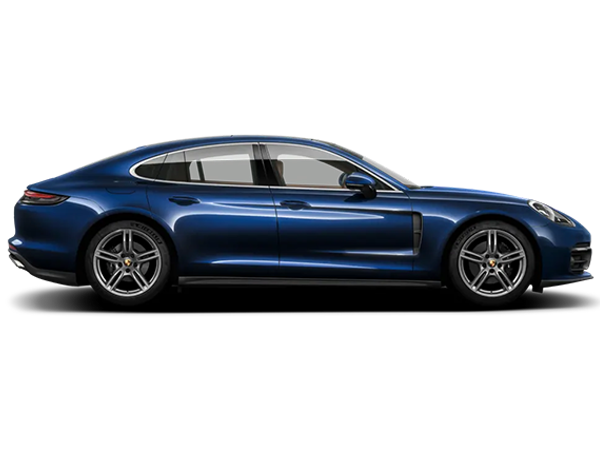
The arrival of the 971 generation in late 2016 addressed the primary criticism of its predecessor: the styling. Porsche designers smoothed out the roofline, creating a much sleeker, 911-inspired "flyline" that made the car look lower and wider. This generation also introduced the stunning Sport Turismo body style, a "shooting brake" or wagon variant that added a touch of extra utility and a unique aesthetic to the lineup. Inside, the sea of physical buttons was replaced by the "Porsche Advanced Cockpit," featuring touch-capacitive glass surfaces and a massive 12.3-inch high-resolution display, bringing the Panamera’s interior technology into the modern era.
Mechanically, the 971 was a tour de force of engineering, moving to the MSB platform shared with Bentley. The engine lineup shifted toward downsizing and turbocharging, featuring a punchy 2.9-liter V6 and a relentless 4.0-liter twin-turbo V8. This era truly championed "E-Performance," with hybrid models like the 4S E-Hybrid and the flagship Turbo S E-Hybrid proving that electrification could be used to enhance performance as much as efficiency. With the introduction of the 8-speed PDK transmission and advanced chassis systems like rear-axle steering and three-chamber air suspension, the 971 became a master of dual personalities—equally comfortable as a serene executive cruiser or a Nürburgring-conquering weapon.
3rd Generation Panamera (976) (976 - Present)
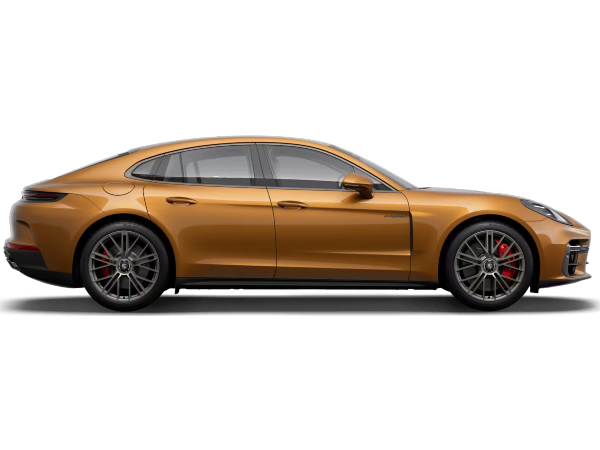
The latest chapter in the Panamera story, the 976, is an evolution that leans heavily into the digital and electric future. While the exterior styling is a refinement of the 971, it features a more aggressive front fascia with additional air intakes and a distinctive new headlight signature. The interior has undergone a Taycan-inspired transformation, moving the gear selector to the dashboard and offering an optional passenger-side display. This generation represents Porsche’s "peak ICE" philosophy, refining internal combustion engines to their highest potential while simultaneously offering four distinct, highly advanced E-Hybrid powertrains with significantly larger 25.9 kWh batteries for increased electric-only range.
The headline feature of the 976 is undoubtedly the revolutionary Porsche Active Ride suspension system. Available on the E-Hybrid models, this active chassis can raise the car instantly for easier entry or tilt the body into corners like a motorcyclist to counteract G-forces, providing an almost eerie level of stability and comfort. By decoupling the traditional trade-off between a stiff sport suspension and a soft luxury ride, the 976 manages to be more comfortable than a luxury barge while remaining sharper than many dedicated sports coupes. It is the most technologically sophisticated sedan Porsche has ever produced, serving as the ultimate bridge between the brand’s storied mechanical heritage and its high-tech future.
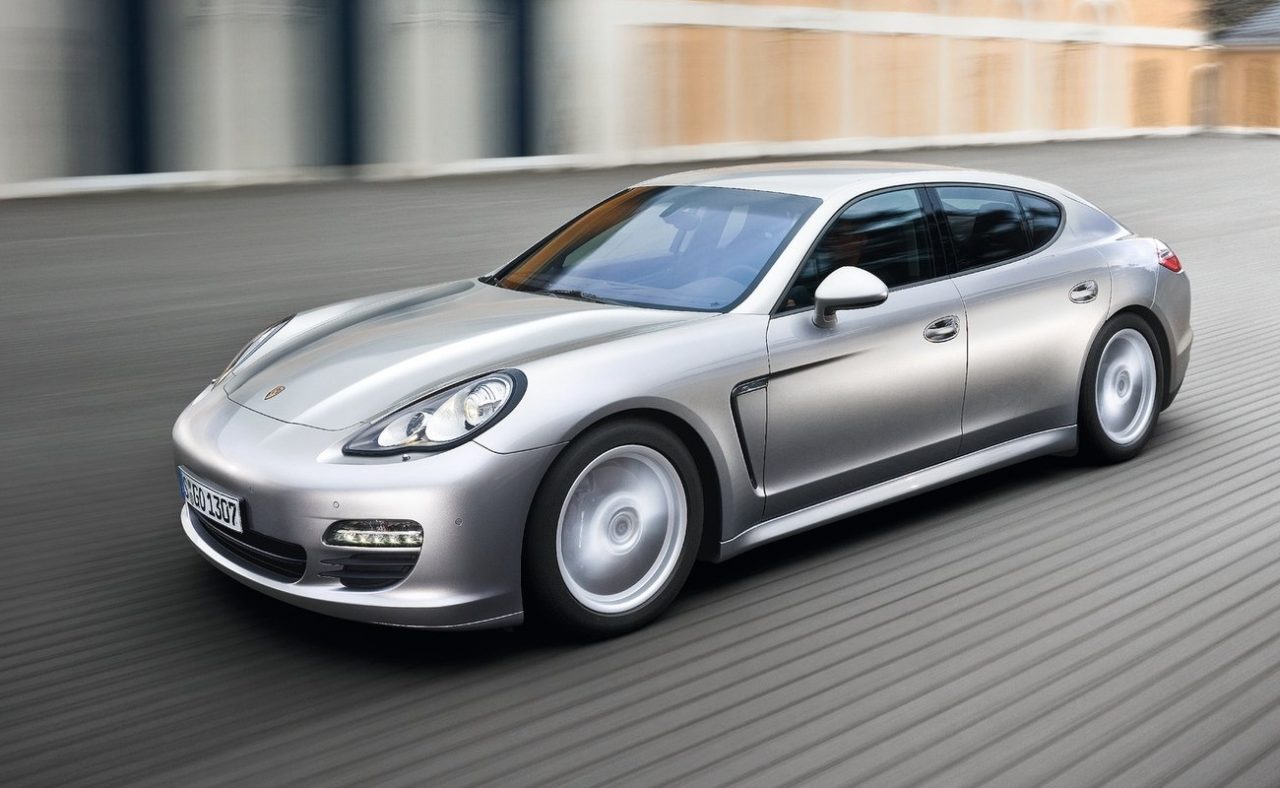
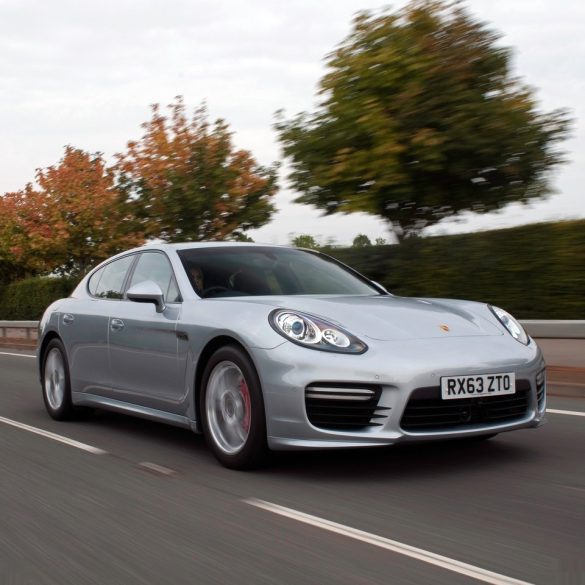
1st Generation Panamera
Hunchback silhouette was initially polarizing to purists, the car's performance was beyond reproach.
Porsche Panamera (1st Generation) Basics
Type: 970 (970.1 & 970.2)
Generation: First Generation (970), Chassis G1
Manufacturer: Porsche AG
Designer: Michael Mauer
Production Years: April 2009 - 2016
Model Years: 2010 - 2016
Body Style: 5-Door Liftback
Layout: Front-engine, RWD & AWD
Engines: 3.0 L V6 turbodiesel, 3.6 L V6, 3.0 L supercharged V6 (Hybrid), 4.8 L V8, 4.8 L twin-turbocharged V8
Transmission: 6-speed manual, 7-speed ZF 7DT PDK, 8-speed Aisin Tiptronic S Automatic
Official photos: November 24, 2008
Premiere: April 19 2009 at Auto Shanghai
Market launch: September 2009
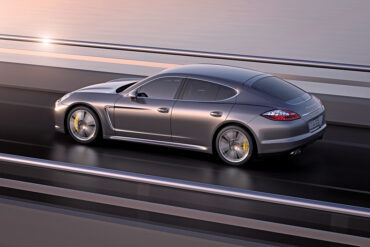
Porsche had been talking about a four-door sedan for decades before we finally saw the initial Porsche Panamera photos on November 24 2008. The first-generation Panamera was a genuine game-changer from a performance perspective. Design and looks were not met with praise, but no other executive four-door had ever been as capable on the twisty turns as the Panamera when it arrived as a 2010 model year lineup.
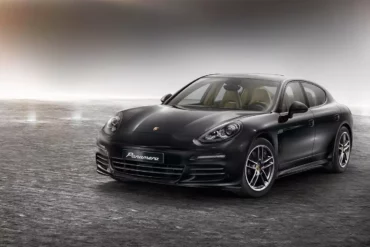
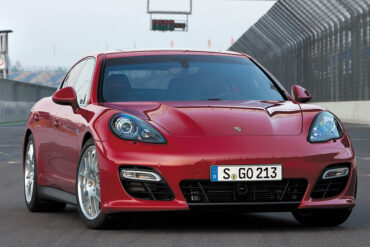
First out of the gate were the Panamera S, 4S, and Turbo variants. All three had a 4.8-liter V8, a 400-horsepower naturally aspirated unit for the S and 4S, and a turbocharged version of the same engine with 500 hp for the Turbo. Performance was impressive, with the Sport Chrono Packaged rear-wheel-drive Panamera S able to go from 0 to 62 miles per hour in as little as 5.2 seconds. The similarly optioned 4S did it in 4.8 second while the Turbo did it in a blistering 4.0 seconds flat. For the 2011 model year Porsche introduced the base level models, the Panamera and Panamera 4, both getting the same 300-hp 3.6-liter V6. The next model was the Panamera S Hybrid with a 3.0-liter supercharged Audi V6 mated to a hybrid drive system. As if the Panamera needed more than 500 hp in Turbo guise, Porsche released the Turbo S with 550 hp for 2012. The power was increased with a modified ECU and upgraded turbochargers. In 2013 the GTS was introduced with most of the equipment standard on the Panamera Turbo, but without the turbochargers. Instead, it made do with the S V8, modified to make 430 hp. To allow the driver and passengers to hear the burly exhaust note better, Porsche implemented its new Sound Symposium system, which used special chambers connected to the engine air intake to pipe sound into the cabin. Of course, with more power and an emphasis on handling, some of the notable equipment borrowed from the Turbo included better brakes, air suspension with active shocks, all-wheel-drive, and more. In addition to the GTS, Porsche launched the Panamera Edition for 2013, giving base cars design cues and standard equipment from the Turbo.
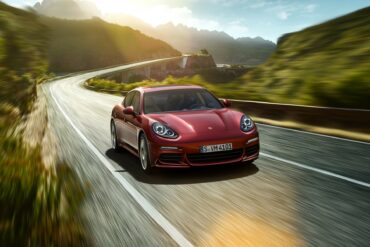
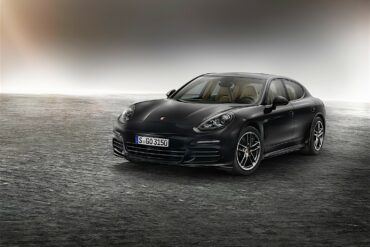
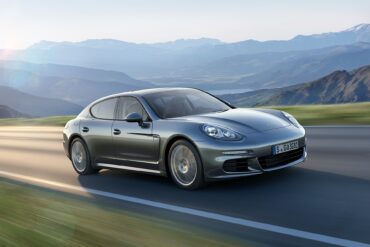
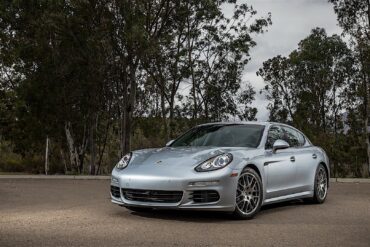
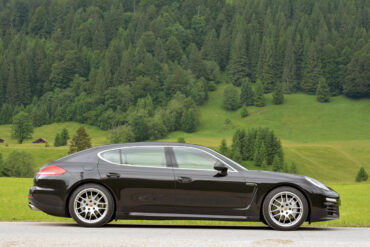
The Panamera received a fairly substantial mid-cycle update for 2014. The S lost its V8, which was replaced by a new, more efficient twin-turbo V6 that produced 420 hp. Porsche added long-wheelbase Executive trims to the Turbo and Turbo S, a move that was spurred in large part by the growing Chinese market. The base car’s engine got a boost from 300 to 310 hp, while the Turbo and Turbo S now made 520 hp and 570 hp, respectively. The hybrid Panamera became the S E-Hybrid and gained plug-in capability, a new lithium-ion battery, and better performance from a 95-hp electric motor. The more powerful motor allowed drivers to stay in electric-only mode up to 84 miles per hour — much faster than the S Hybrid. The Audi-sourced supercharged V6 remained unchanged with 333 hp. Combined output was 416 hp. And finally, a much appreciated — though arguably insignificant — styling update quelled some of the criticism aimed at the sedan’s design. Aside from the extremely rare (and expensive) Panamera Exclusive series and the Edition series, the sedan continued on mostly unchanged through model year 2016. The second generation Panamera was launched for 2017.
The 1st Gen Panamera Research Hub & Ultimate Guide
The Panamera came about because Porsche's foray into the SUV market with the Cayenne was a huge success and it thought a sedan would fit in with its existing model lineup. The sales results suggest Porsche was right. Porsche announced its updated Panamera on 3 April 2013 (as a 2014 model year). The update include a refreshed look with new front and rear bumpers.
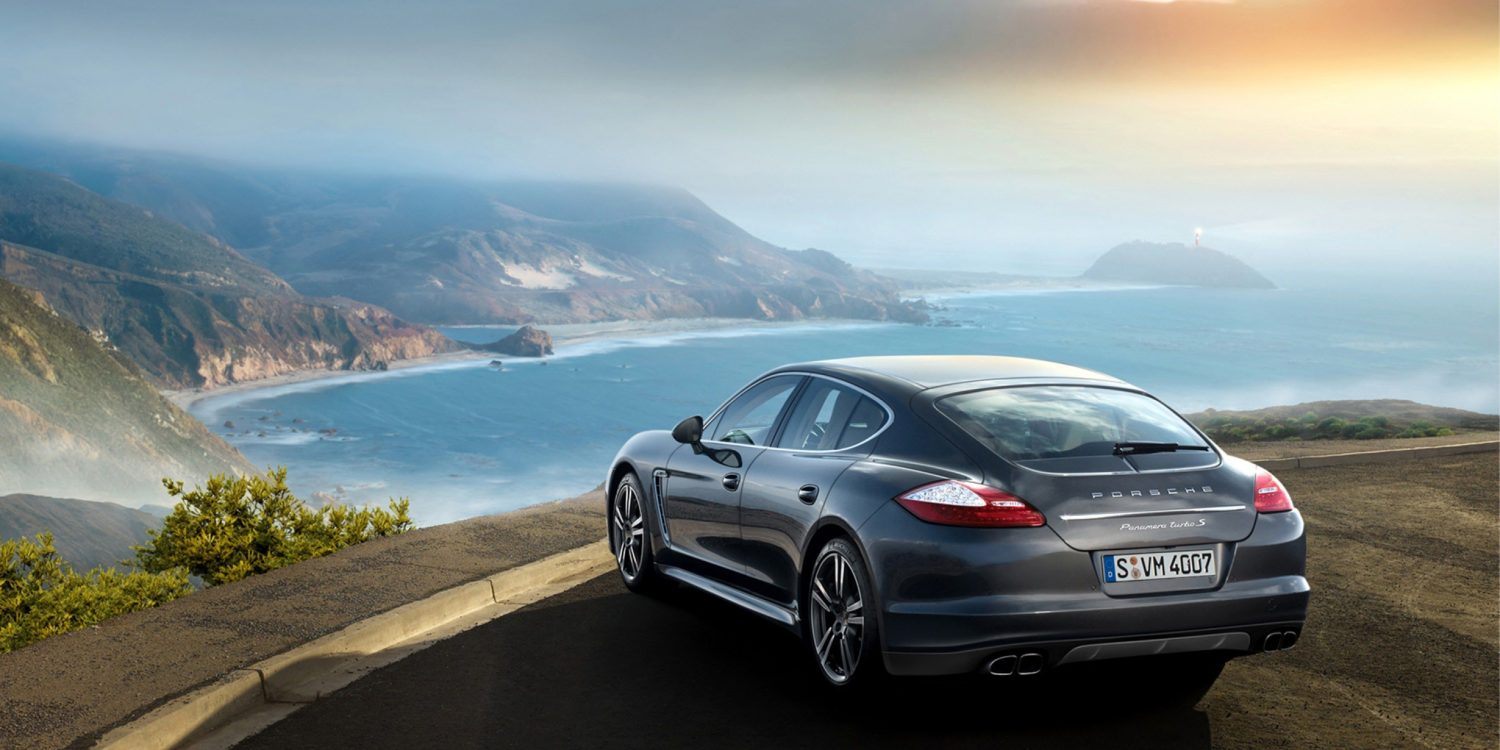
Porsche Panamera G1/970 (1st Generation) Model Guides
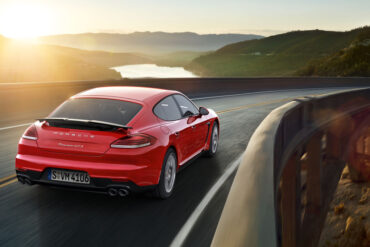
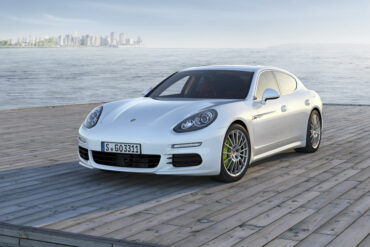
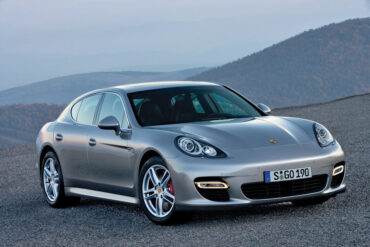
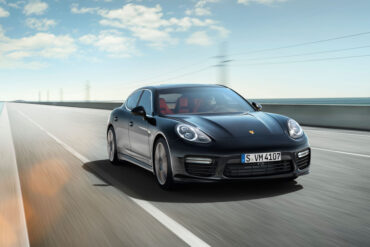
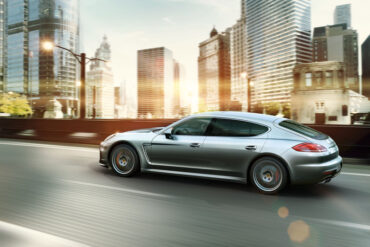
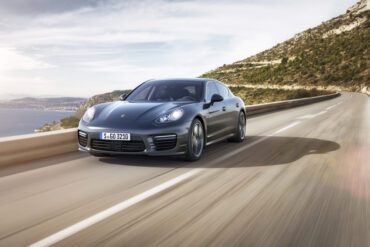
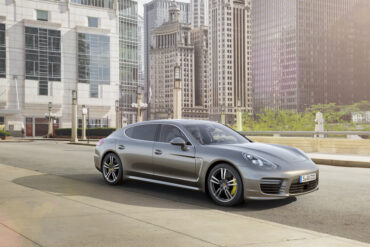
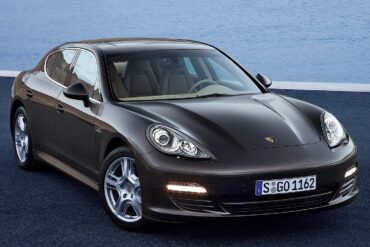
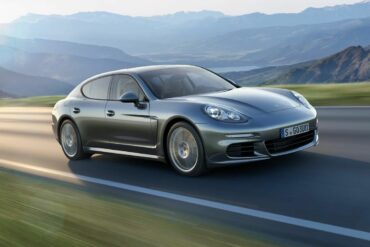
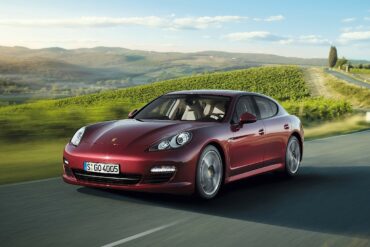
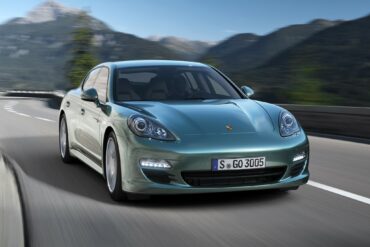
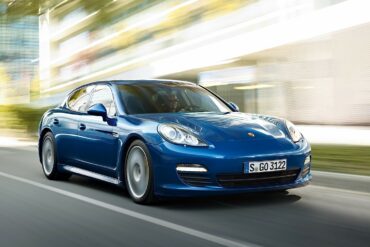
The first Panamera variants out of the gate were the 2010 model year Panamera S, 4S, and Turbo models. The S and 4S got a 4.8 L naturally aspirated V8 while the Turbo got a twin-turbo version of the same engine. Shortly afterwards we saw Porsche add the base-level Panamera and Panamera 4 variants to the lineup, both powered by a 3.6-liter naturally aspirated V-6. In 2011, Porsche introduced the Panamera S Hybrid, GTS, Turbo S, and diesel models. The first generation Porsche Panamera GTS was a sharper-driving 4S that hit the sweet spot with its fettled 4.8-liter, naturally aspirated V-8 good for 424 hp. The diesel got a turbodiesel V-6 spun with 247 hp and 406 lb-ft, while the S Hybrid got a supercharged V-6 plus electric motors, which combined 375 hp and 428 lb-ft. Model-wise it was more of the same for the 2014 Panamera update. Technical changes included the addition of a new 3.0L twin-turbocharged Panamera S and a new E-Hybrid model. A long wheelbase "Executive" edition which gave buyers an additional 150 mm was available for selected left-hand drive markets. The design was also refreshed across the board.
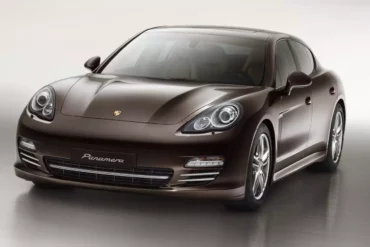
Our Guide to Buying a 1st Generation Panamera
If you're in the market for a first generation Panamera, check out our buyer guide before making a move. Once you've done your research, don't forget to check out our classifieds, with curated Porsche Panamera (970 generation) listings from across the web.
2nd Generation Panamera
A much sleeker, 911-inspired "flyline" that made the car look sexy plus an all-new Sport Turismo body style.
Porsche Panamera (2nd Generation) Basics
Type: 971 (971.1 & 971.2)
Generation: Second Generation (971), Chassis G2
Production: 2016–2024
Designer: Peter Varga
Body style: 5-door fastback/liftback sedan 5-door shooting brake
Platform: Volkswagen Group MSB
Petrol Engines: 3.0 L EA839T turbo V6 TFSI,
2.9 L EA839TT twin-turbo V6 TFSI,
4.0 L EA825TT twin-turbo V8 TFSI.
Diesel Engines: 4.0 L EA898TTD twin-turbo V8 TDI
Plug-in Hybrid Engines: 2.9 L EA839TT twin-turbo V6 TFSI + Electric motor, 4.0 L EA825TT twin-turbo V8 TFSI + Electric motor
Transmission: 8-speed PDK dual clutch
Wheelbase: 2,950 mm (116.1 in)
Wheelbase (LWB): 3,100 mm (122.0 in)
Length: 5,049 mm (198.8 in)
Length (LWB): 5,199 mm (204.7 in)
Width: 1,937 mm (76.3 in)
Height: 1,423 mm (56.0 in)
Height (LWB): 1,432 mm (56.4 in) (LWB)
Curb weight: 1,815–2,310 kg (4,001–5,093 lb)
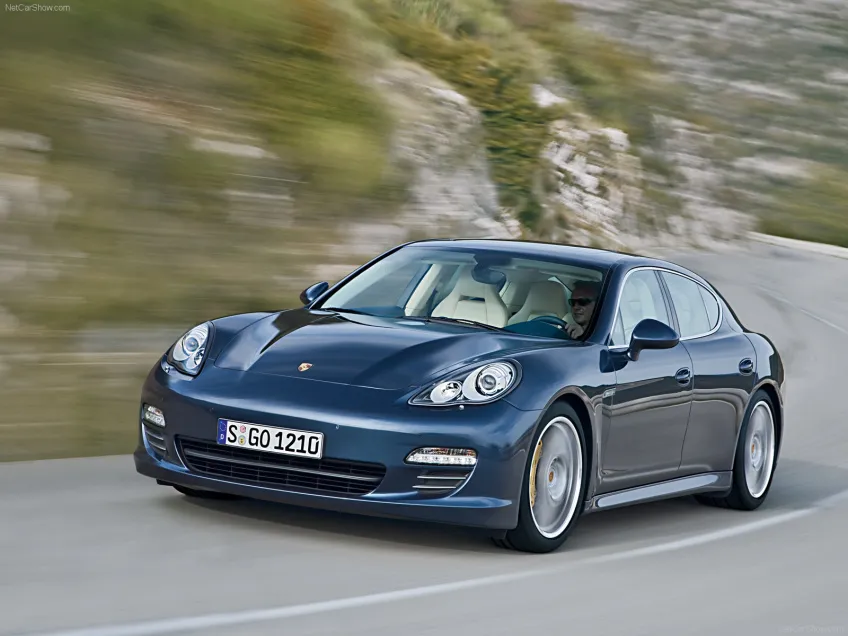
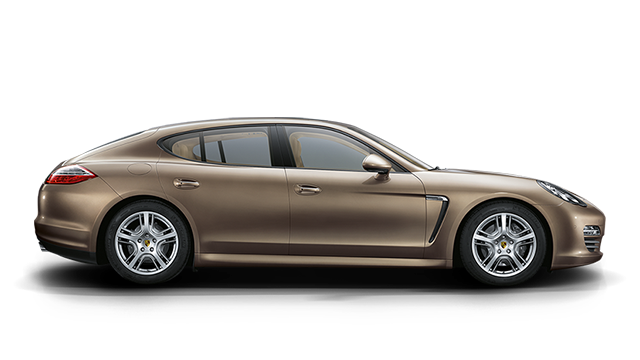
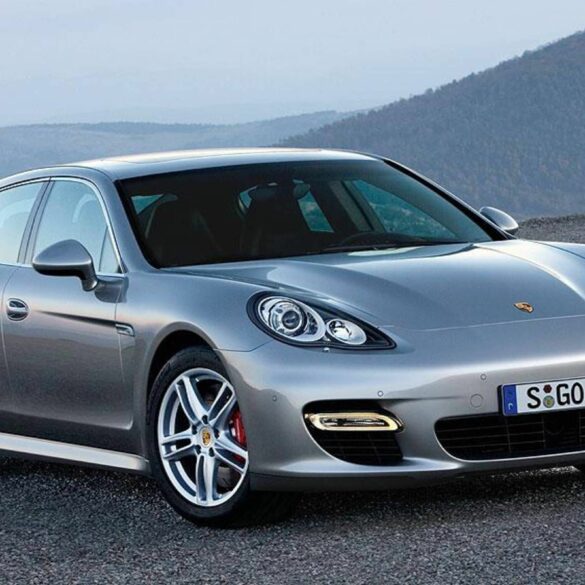
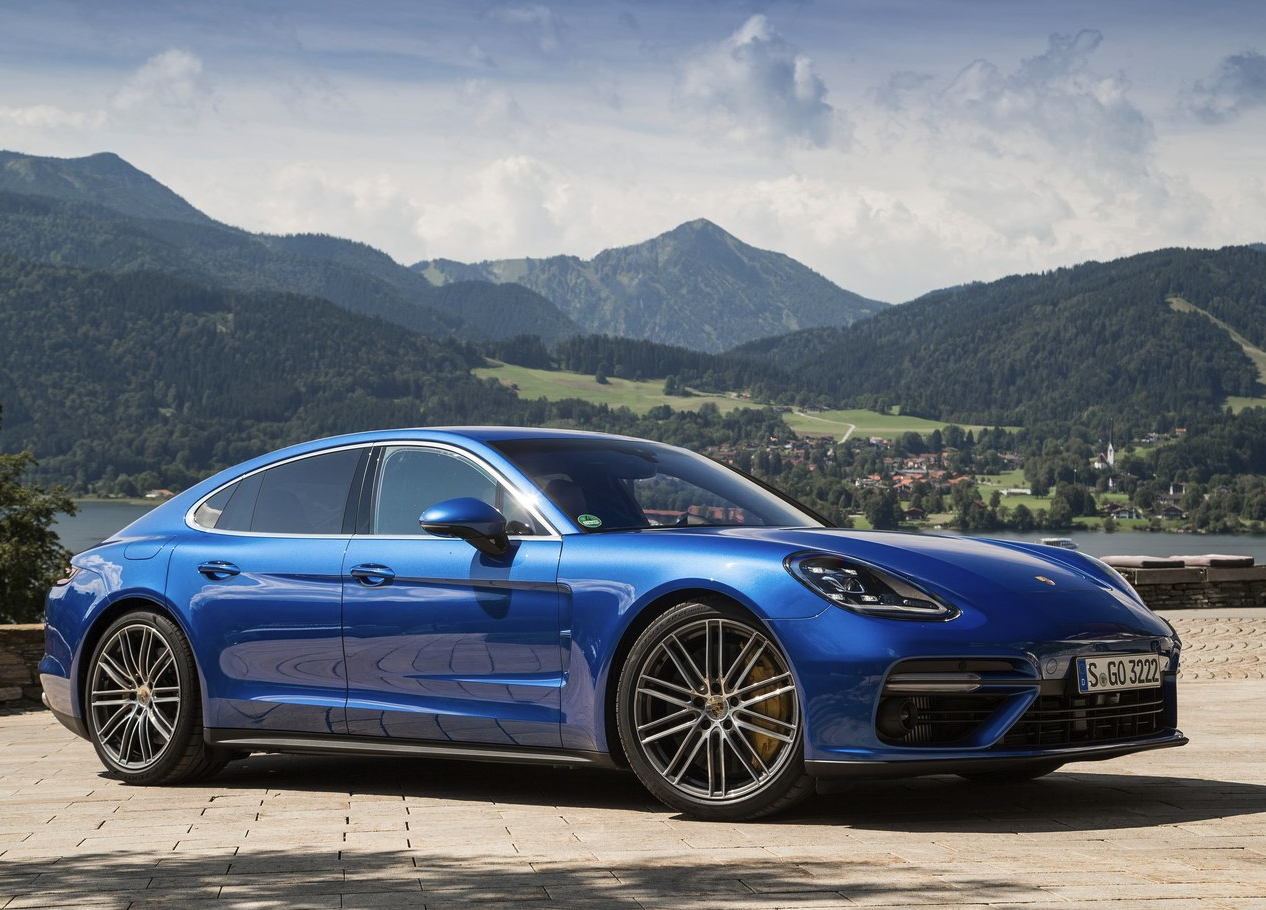
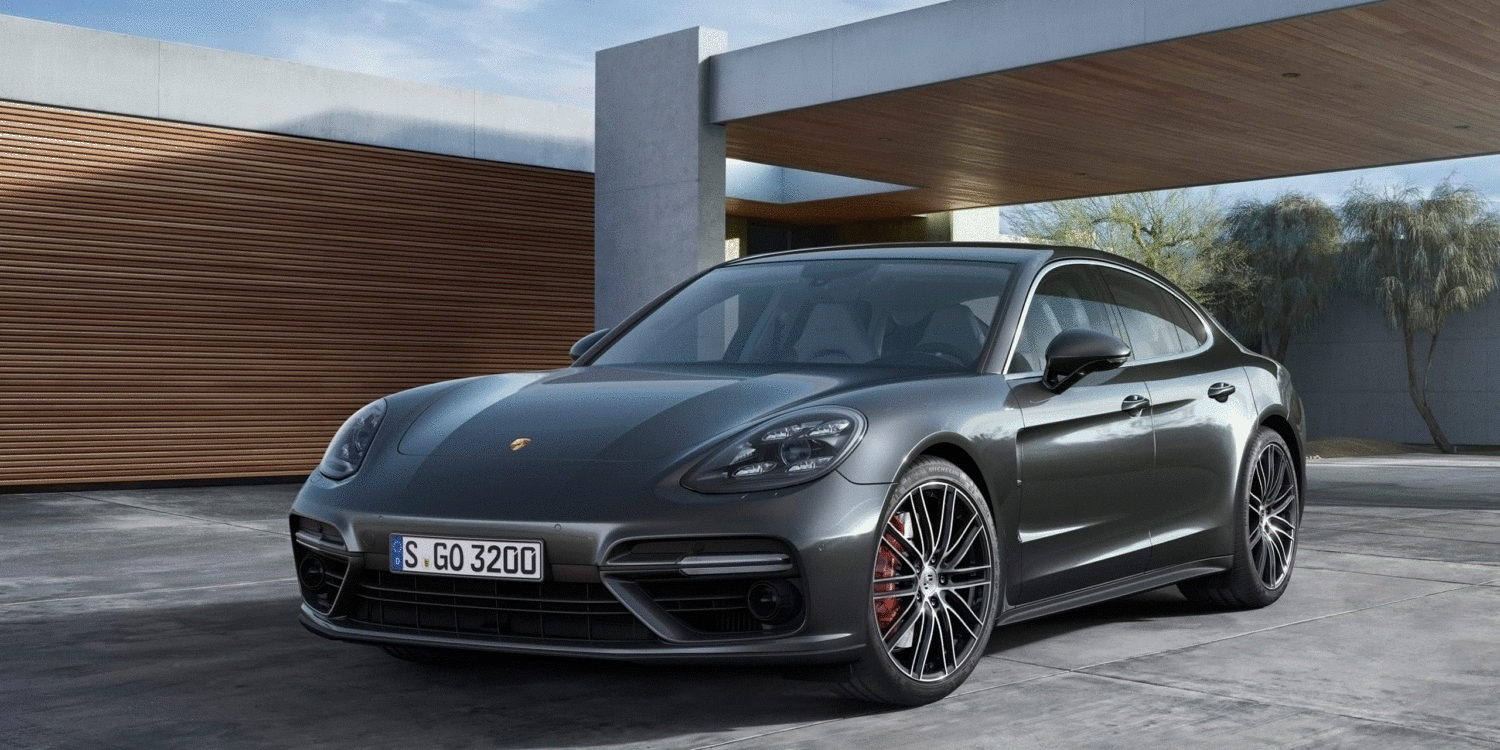
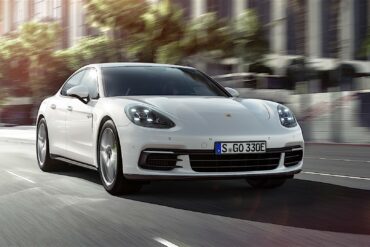
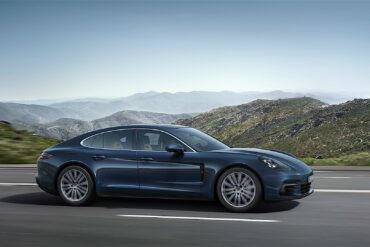
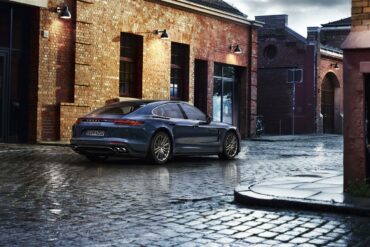
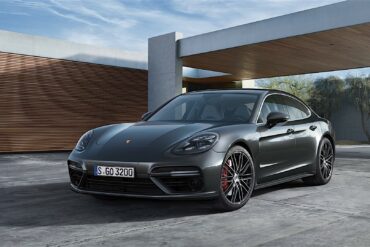
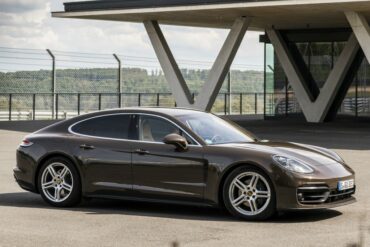
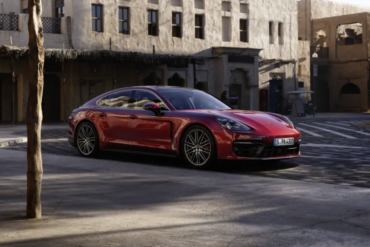
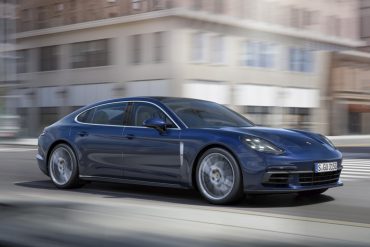
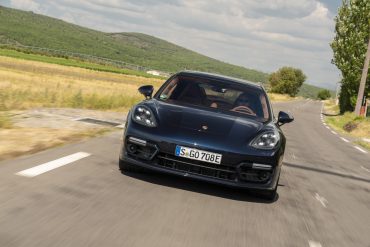
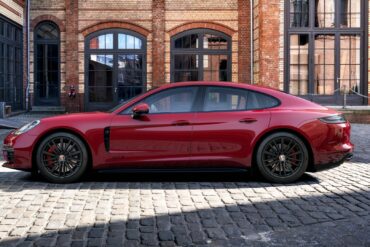
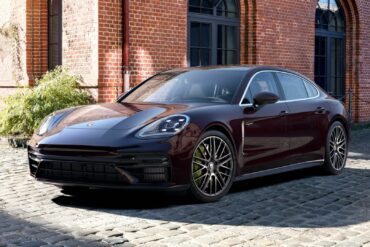
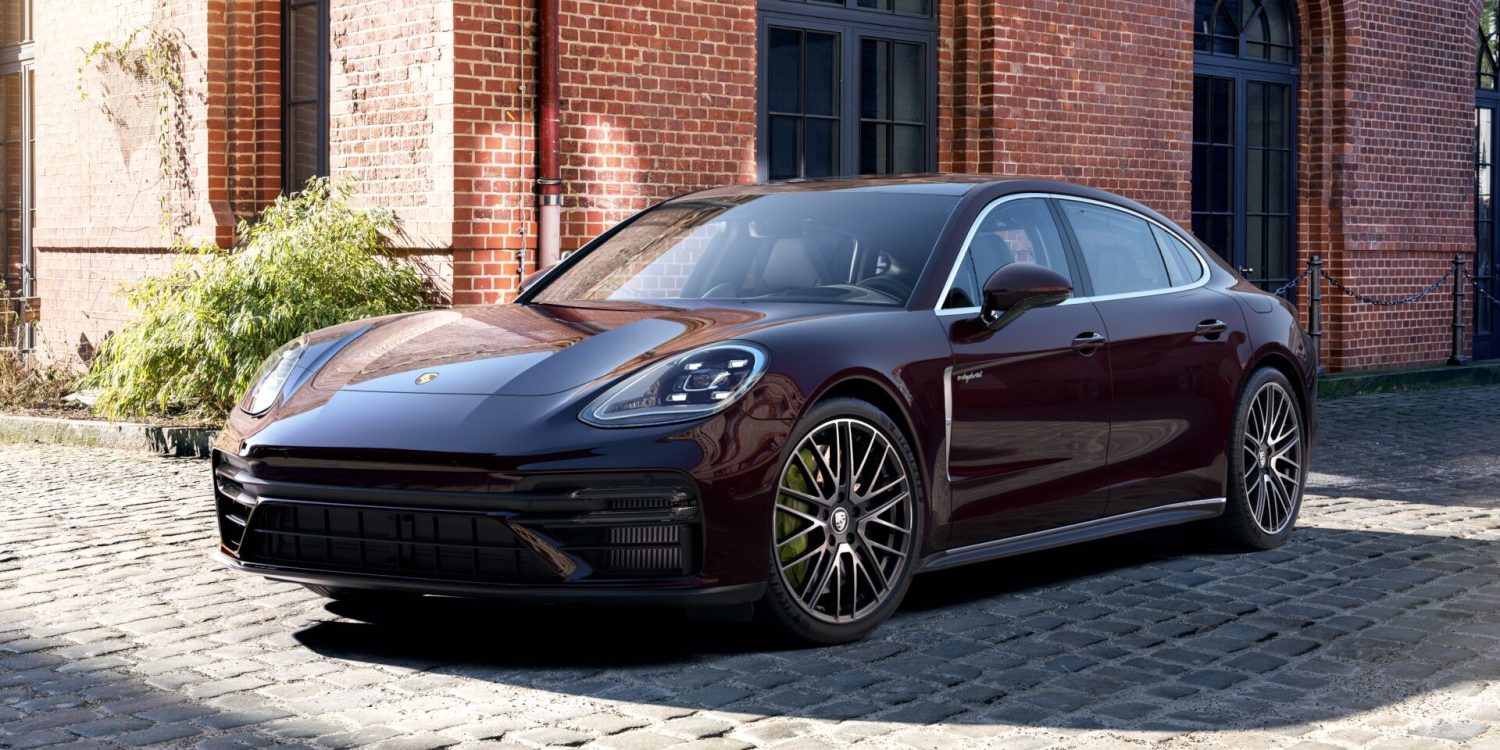
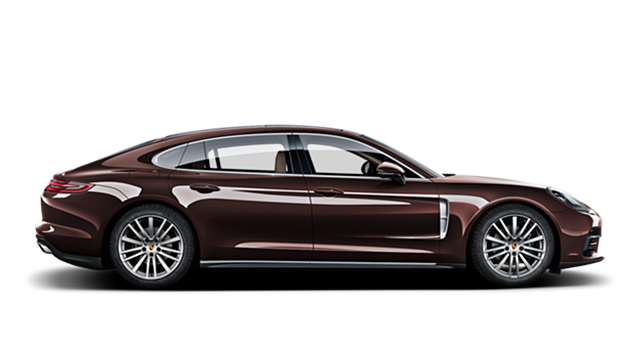
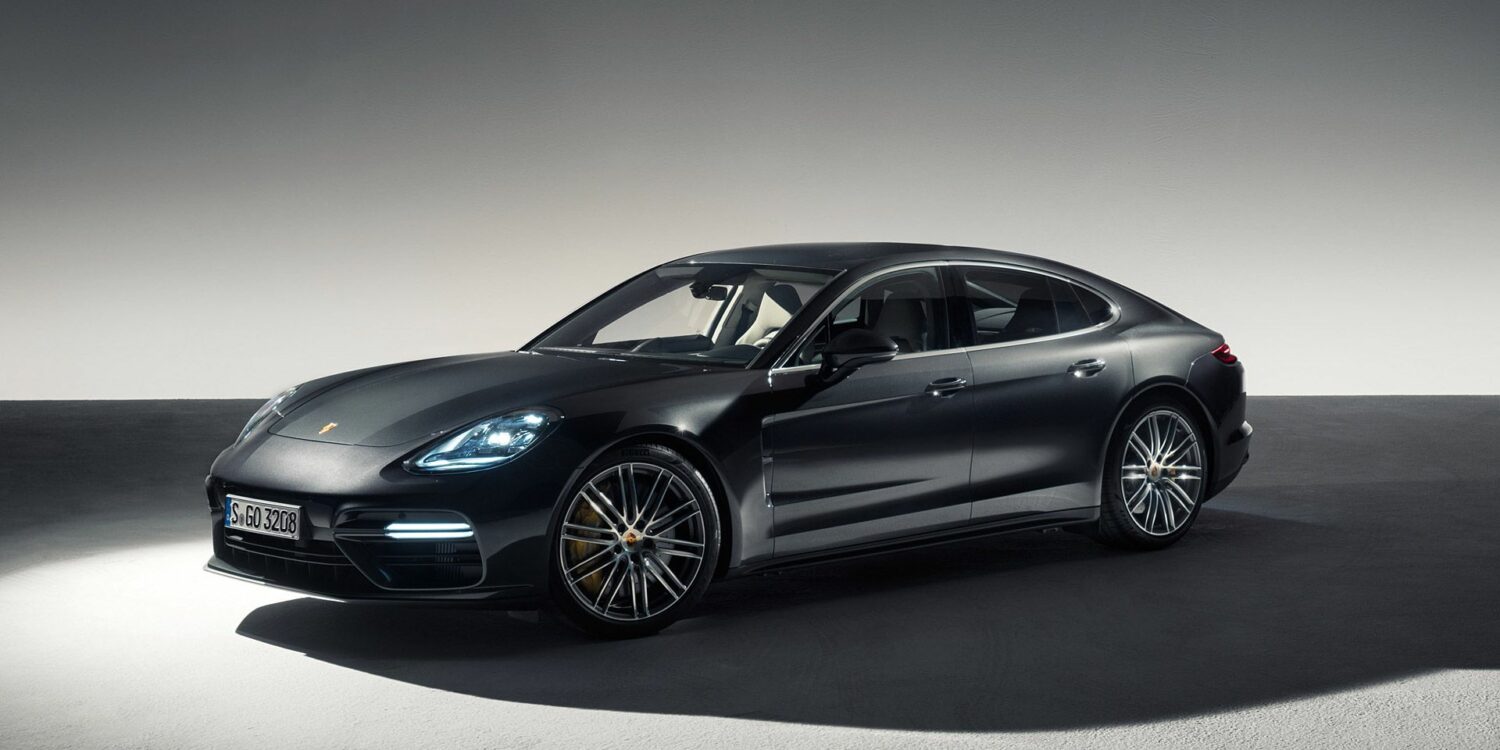
Porsche launched the second generation Panamera for the 2017 model year. Overall, it was a wider, lower and sleeker looking car with a lot of technical updates to boot.
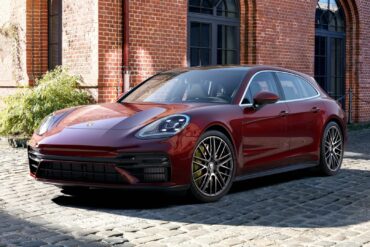
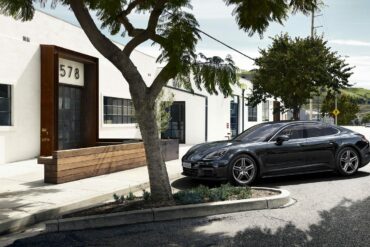
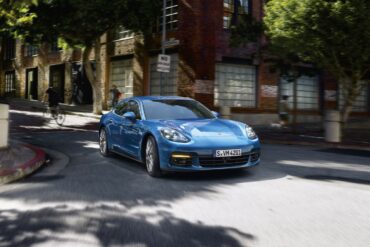
Gone was the awkward hunchbacked appearance and in was a sportier and more elegant looking body to complement the already strong underlying platform. Complementing the fresh exterior was a completely reimagined interior, replete with touch-capacitive surfaces and massive display screens.
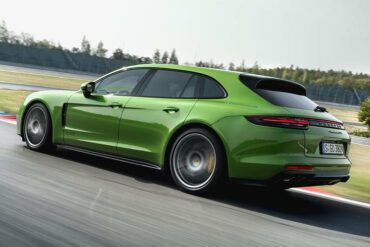
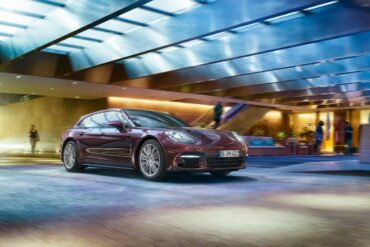
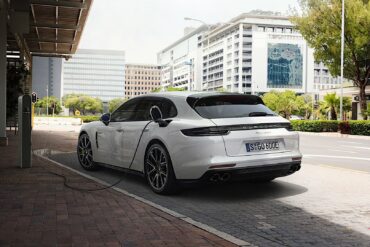
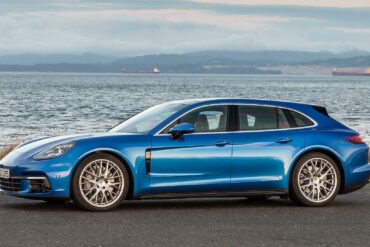
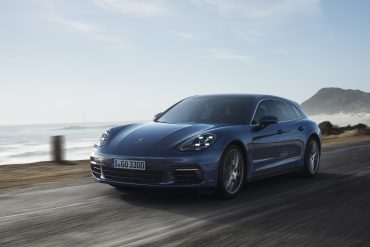
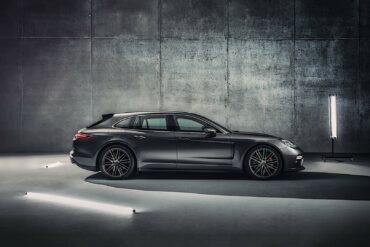
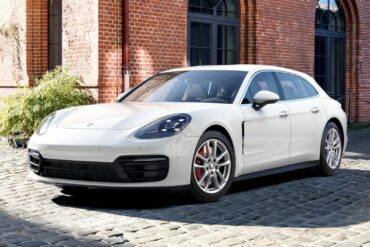
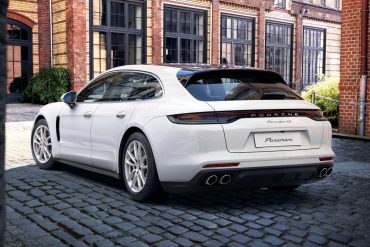
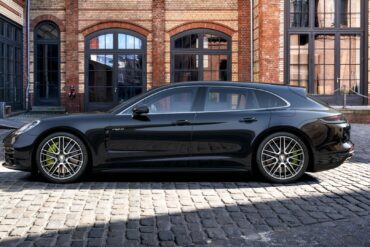
The development of the second Panamera generation (G2) involved multiple streams: in addition to the Gran Turismo with a standard and extended wheelbase, a third variant was developed on the same platform: the Sport Turismo.
Powertrains were all new for the second generation as well; the base Panamera and Panamera 4 getting a turbocharged 3.0-liter V-6 with 325 hp and 332 lb-ft, while the Panamera 4S and S got an all-new turbocharged 2.9-liter V-6 with 434 hp and 406 lb-ft. The 4S also came with an E-Hybrid variant, that added an electric motor and produced a strong 552 hp and 553 lb-ft.
The second generation GTS had a 4.0-liter, twin-turbo V-8 packed a 454-hp and 457-lb-ft, later updated to 473 hp with the 2021 refresh. The Panamera Turbo's 4.0-liter, twin-turbo V-8 had 542 hp and 568 lb-ft, while the batshit crazy Turbo S E-Hybrid was the new top model with 680 hp and 627 lb-ft.
As expected, performance numbers improved across the board and thanks to chassis systems like the three-chamber air suspension, rear-axle steering and the PDCC Sport electromechanical roll stabilization systems, the Panamera cemented its rightful place as the top performance four door sedan in the market.
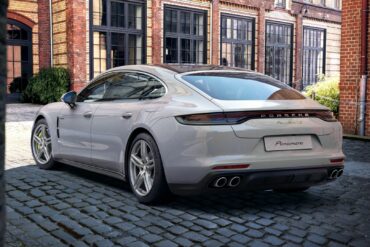
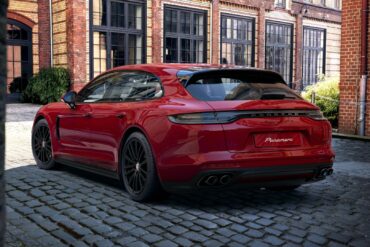
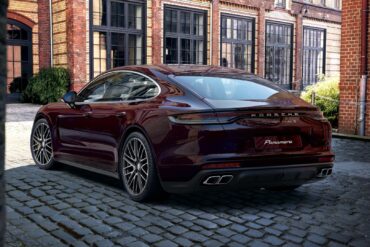
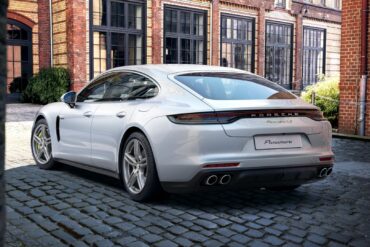
In 2021, the Panamera got another refresh (still considered second generation Panamera). The range got a redesigned front fascia, with a different bumper and lower apron. In the back, the revamped light strip ran seamlessly over the trunk lid, with an adapted contour and new LED taillights were installed.
Porsche introduced a non-hybrid Turbo S variant, with the Turbo's 4.0-liter, twin-turbo V-8 but now up to 621 hp and 605 lb-ft. As before, every single Panamera variant comes with a PDK dual-clutch transmission, now boosted from seven to eight speeds. With this update almost all models were now made available in the Grand Turismo, long-wheelbase Executive and Sport Turismo body styles.
The 2nd Gen Panamera Research Hub & Ultimate Guide
The second generation Panamera was revealed on 28 June 2016 at a special event in Berlin, Germany. It was codenamed 971 and was longer and wider and way better looking than the first generation Panamera. The interior was redesigned, the was way more technology across the board. A big update. Porsche didn't rest during the second generation and as expected the entire range got a mid-cycle update several years in.
Porsche Panamera G2/971 (2nd Gen) Models
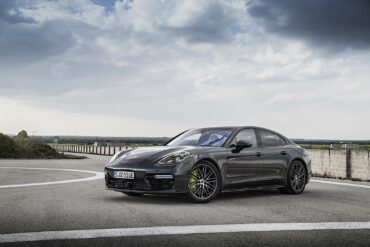
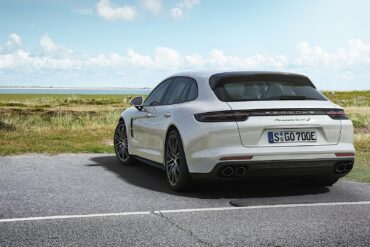
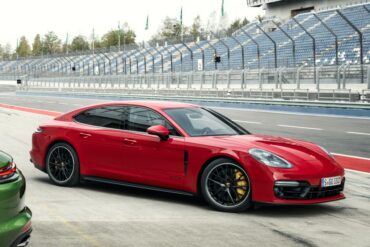
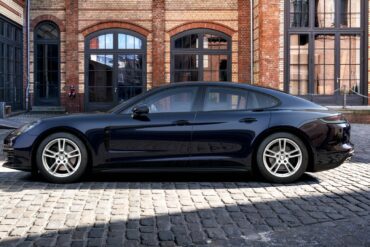
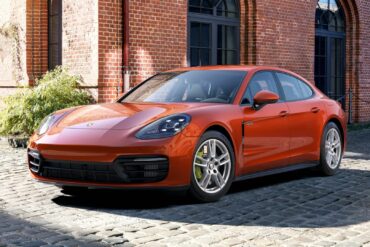
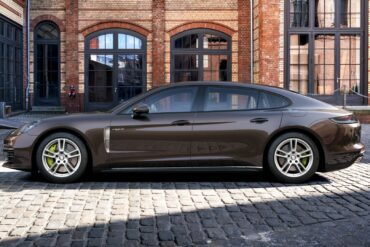
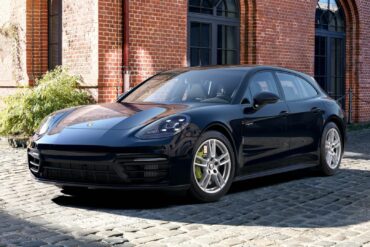
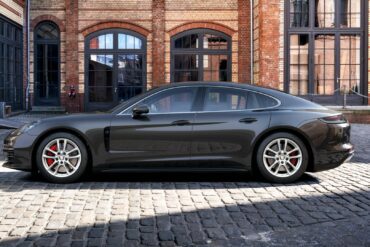
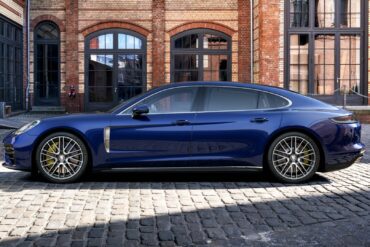
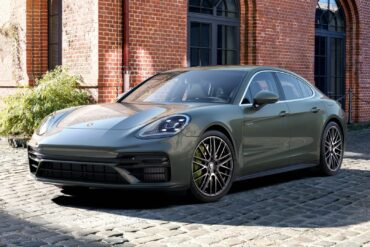
All the usual variants made an appearance for the second generation Panamera. The Panamera 4S, 4S Diesel and flagship Panamera Turbo were available from launch. In March 2017, Porsche unveiled the Panamera Turbo S E-Hybrid, a plug-in hybrid for the 2018 model year. It got the 4.0 L V8 engine from the Panamera Turbo, paired with an electric motor, combining for 671 bhp, becoming the official top dog in Panamera pecking order. The Panamera Sport Turismo debuted in March 2017 at the Geneva Motor Show and is instantly popular, being offered in a few models. The Panamera lineup also has several variants available in the longer wheelbase Executive body. For the 2021 model year, the Panamera featured a redesigned front fascia, with a different bumper and lower apron. The previously optional Sport Design front end was featured as standard on the facelifted version. In the back, the revamped light strip ran seamlessly over the trunk lid, with an adapted contour and new LED taillights were installed. The three-piece retractable wing was kept. Models stayed the same, but now all variants are available as regular, Executive or Sport Turismo body styles. If you are keeping count, that means you can currently choose from 21 unique Porsche Panamera models in a dealership.
Our Guide to Buying a 2nd Generation Panamera
Thinking about owning a 2nd Gen Panamera? This section is your go-to resource for everything you need to know before buying. From common issues and maintenance tips to model comparisons, reliability insights, and what to look out for—we’ve got you covered. Once you've decided that this is the generation to buy, don't forget to check out the latest listings in our classifieds.
3rd Generation Panamera
More refined and better looking. Still the performance benchmark.
Porsche Panamera (3rd Generation) Basics
Type: 976
Generation: Second Generation (971), Chassis G2
Production: 2024–present
Designer: James Burgess
Petrol Engine: 3.0 L EA839T turbo V6
Petrol plug-in hybrid: 2.9 L EA839TT twin-turbo V6 + Electric motor, 4.0 L EA825TT twin-turbo V8 + Electric motor
Electric motor: 140 kW (190 PS; 188 hp) integrated Electric motor (e-Hybrid Only)
Battery: 21.8 kWh (PHEV)
Wheelbase: 2,950 mm (116.1 in)
Wheelbase (LWB): 3,100 mm (122.0 in)
Length: 5,052 mm (198.9 in)
Length (LWB): 5,202 mm (204.8 in)
Width: 1,937 mm (76.3 in)
Height: 1,423 mm (56.0 in)
Height: (LWB): 1,425 mm (56.1 in)
Kerb Weight: 1,885–2,360 kg (4,156–5,203 lb) (DIN)
Kerb Weight (LWB): 2,400 kg (5,291 lb)
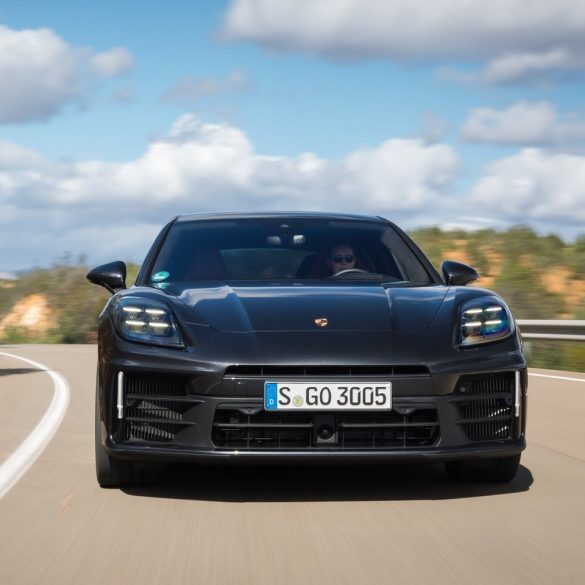
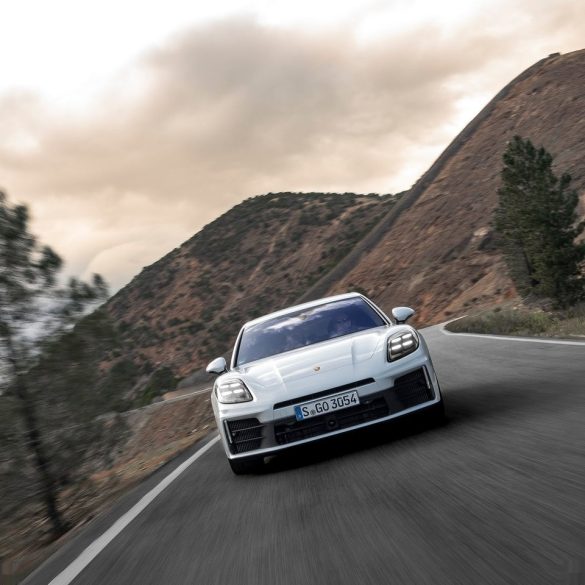
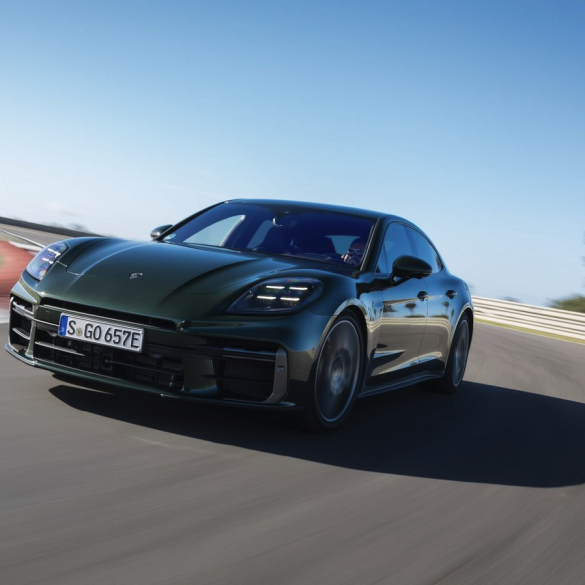
The third-generation Porsche Panamera, internally designated as the 976, has officially arrived, and it isn't just a minor facelift. While its silhouette remains classic Porsche, the 976 represents a massive technological leap forward, bridging the gap between the internal combustion heritage of the 911 and the futuristic, digital-first approach of the Taycan. It’s a car designed for those who refuse to choose between executive luxury and supercar-level agility.
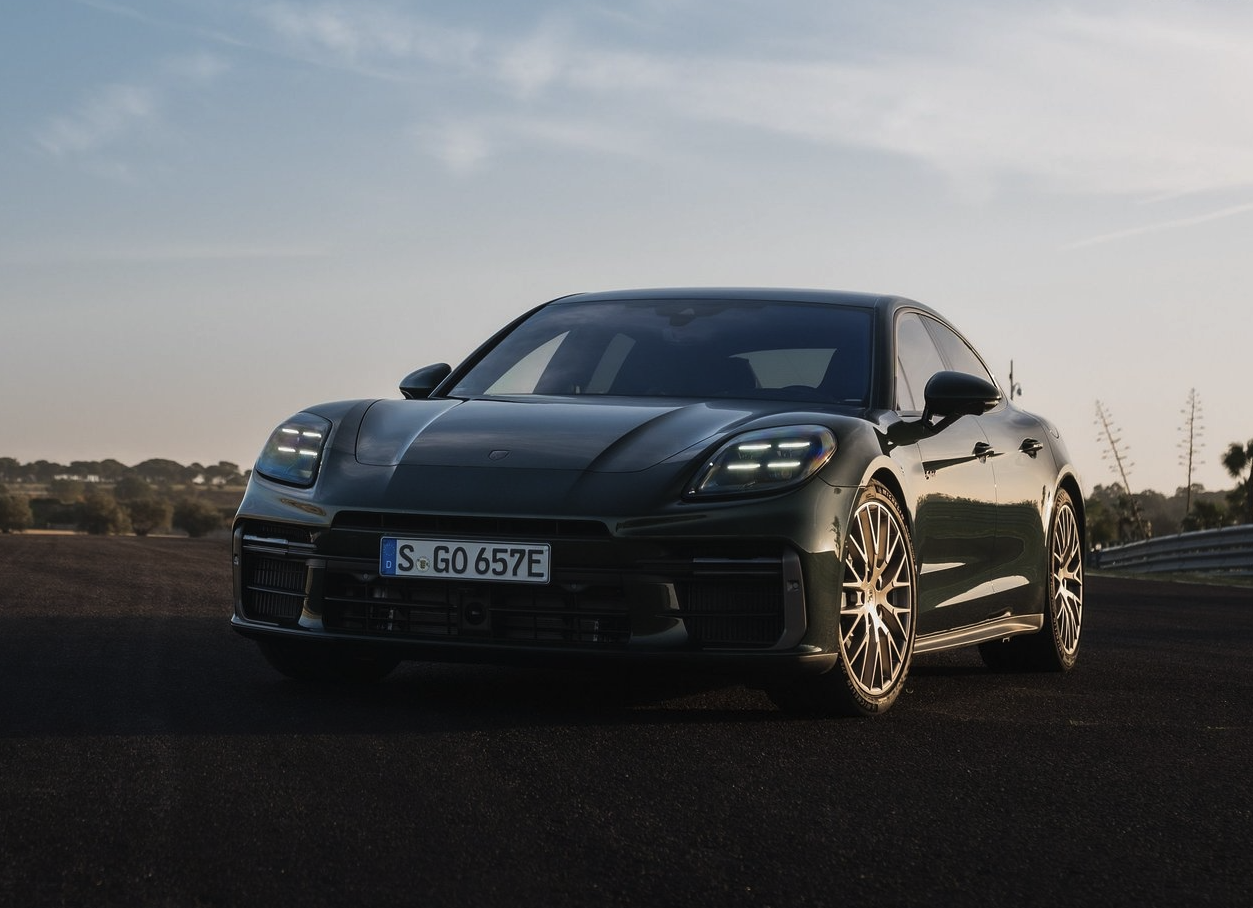
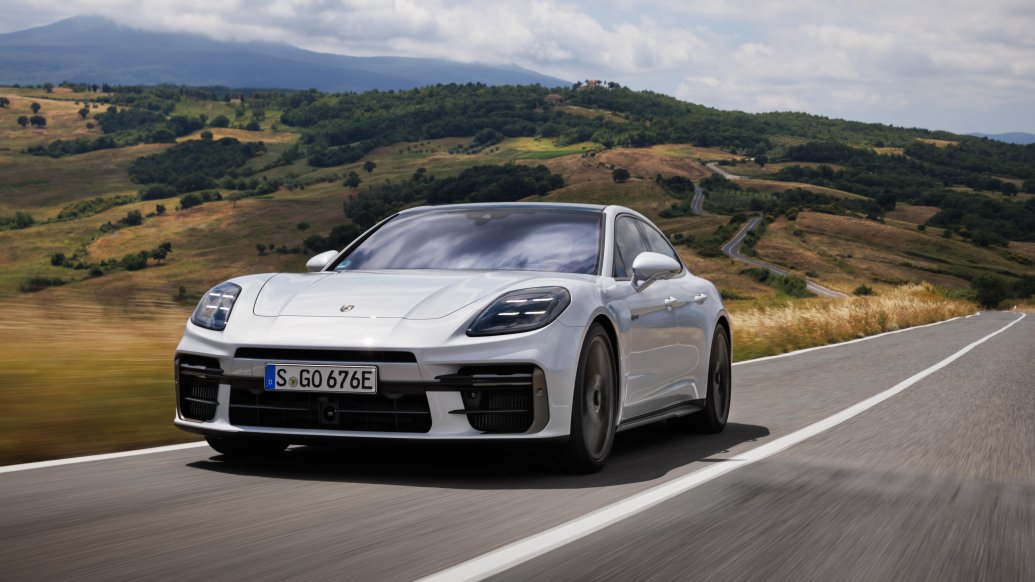
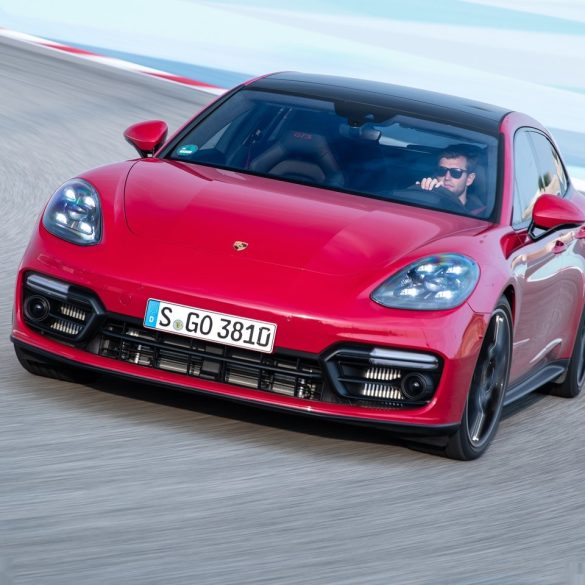
Visually, the 976 sharpens the Panamera’s "duckface" with a more technical, athletic aesthetic. The most striking change is the addition of a new air intake above the front license plate, a functional necessity to cool the revamped powertrains. You’ll also notice steeper headlights (featuring standard Matrix LED tech) and more pronounced front wings that give the car a wider, more grounded stance. For the first time, the "Turbo" models receive their own distinct identity with a dedicated "Turbonite" grey finish on the crest and trim, signaling their status at the top of the food chain.
The real headline of the 976 generation is the optional Porsche Active Ride suspension. This isn't just another air suspension system; it uses active shock absorbers connected to motor-driven hydraulic pumps that can adjust their settings up to 13 times per second. The result is almost surreal: the car can stay perfectly level during hard braking or cornering, and it even leans into bends like a motorcycle to reduce lateral forces on passengers. It can even "jump" up by 55mm the moment you open the door to make getting in and out effortless.
Inside, the "Porsche Driver Experience" takes center stage. The cabin has been fully digitized, borrowing the curved 12.6-inch digital instrument cluster from the Taycan. One of the coolest updates is the optional 10.9-inch passenger display, which allows the co-pilot to stream video or manage navigation without distracting the driver (a special film makes the screen invisible from the driver’s seat). The gear selector has also moved from the center console to the dashboard, freeing up space for a sleek, minimalist storage area and a cooled wireless charging pad.
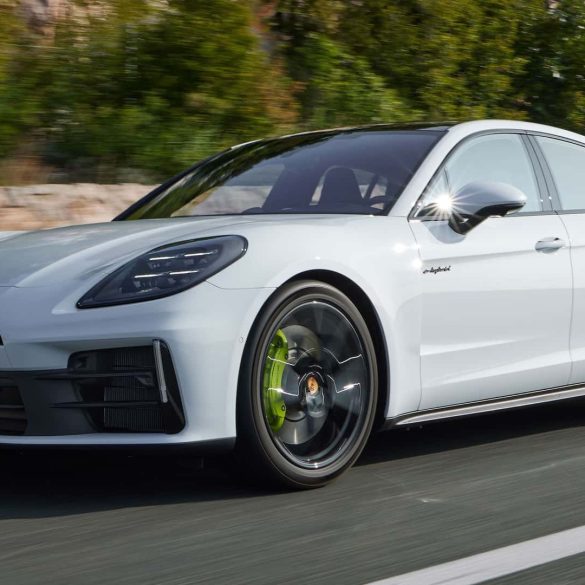
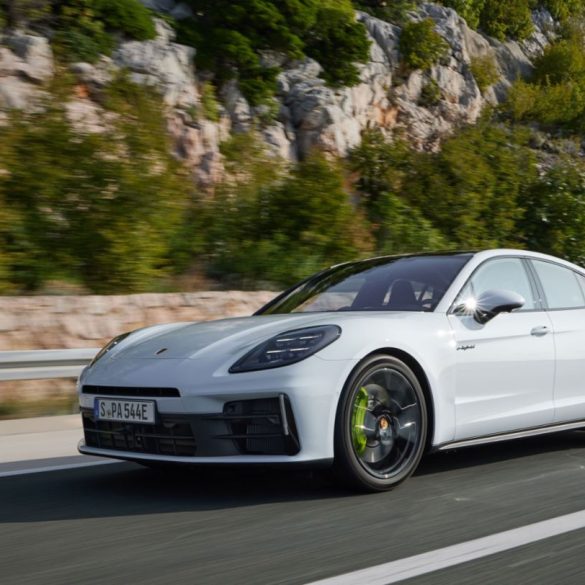
Under the hood, Porsche has doubled down on electrification. While the base 2.9L V6 now pumps out a healthy 348 hp, the E-Hybrid models are the true stars. The flagship Turbo S E-Hybrid is a monster, delivering a combined 771 hp and a 0–60 mph time of just 2.8 seconds. With a larger 25.9 kWh battery, the new generation offers significantly more electric-only range than its predecessor, proving that you can have world-class efficiency without sacrificing the visceral "burble" of a Porsche V8.
The 3rd Gen Panamera Research Hub & Ultimate Guide
As of 2026, the 3rd-generation Panamera (976) lineup has fully matured, offering a distinct hierarchy that ranges from refined daily cruisers to a world-record-breaking hybrid flagship. Notably, Porsche has officially retired the "Sport Turismo" (wagon) body style for this generation, focusing entirely on the sleek Sport Saloon and the long-wheelbase Executive variants.
Porsche Panamera G3/976 (3rd Gen) Models
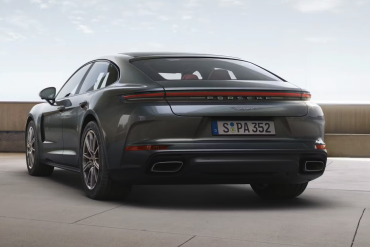
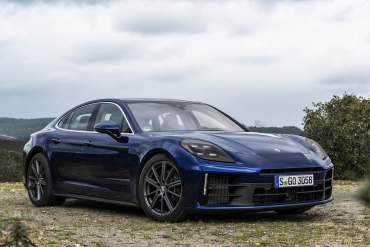
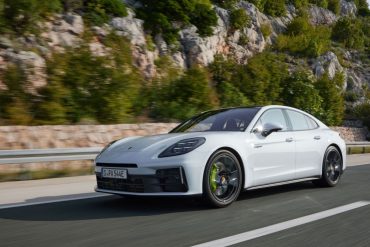
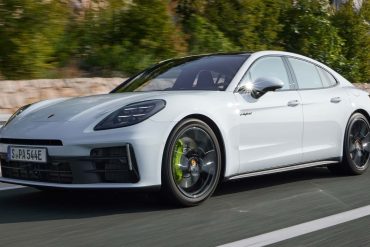
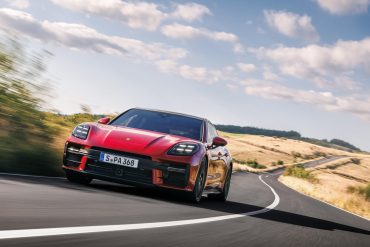
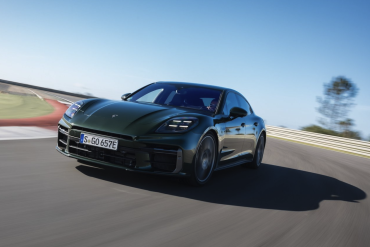
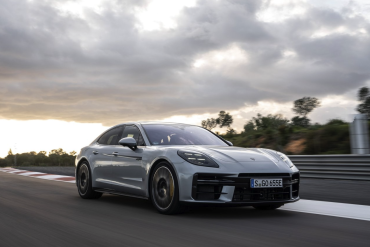
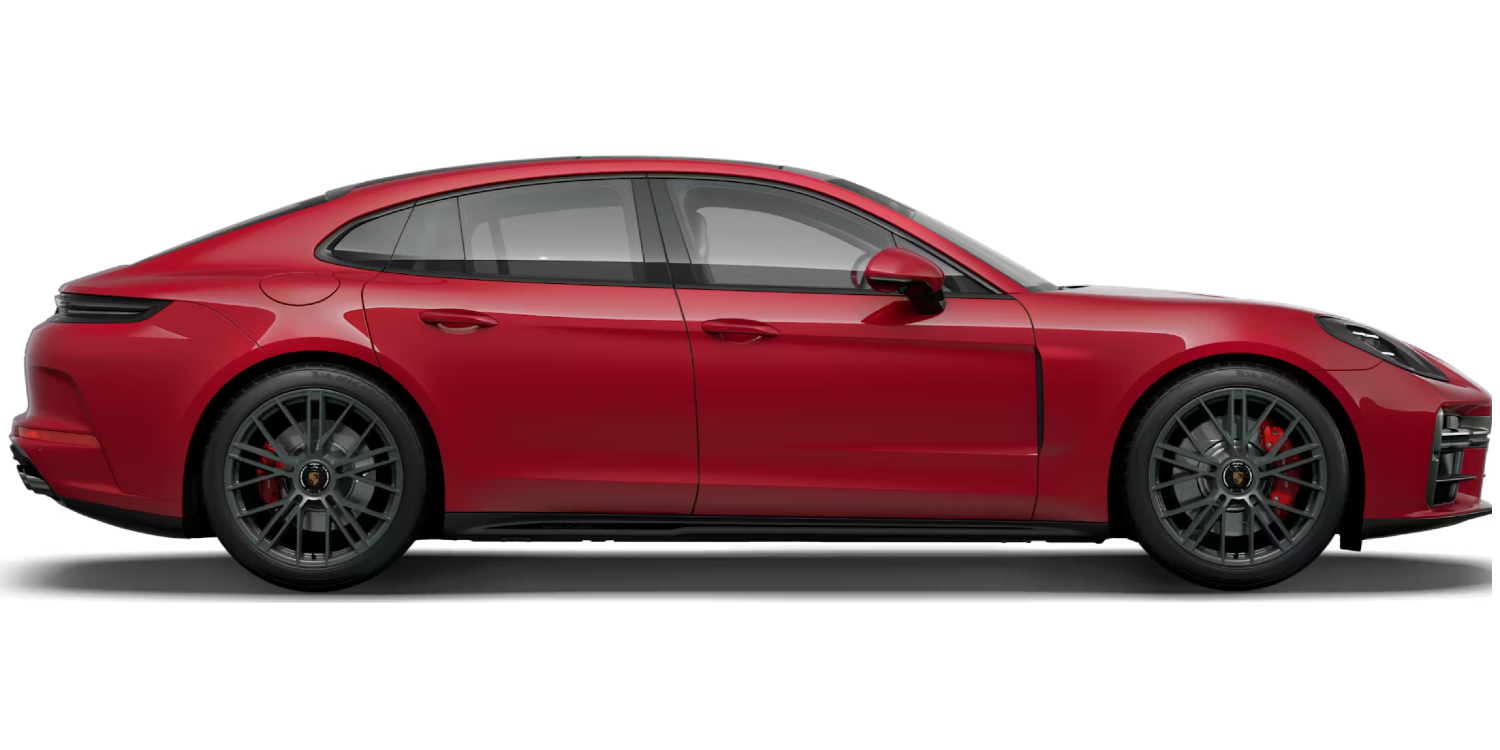
The 3rd-generation Porsche Panamera (976) is currently in its "dawn" phase, having officially launched in late 2023 with the first models hitting the road throughout 2024. Below are the models so far and our in-depth guides.

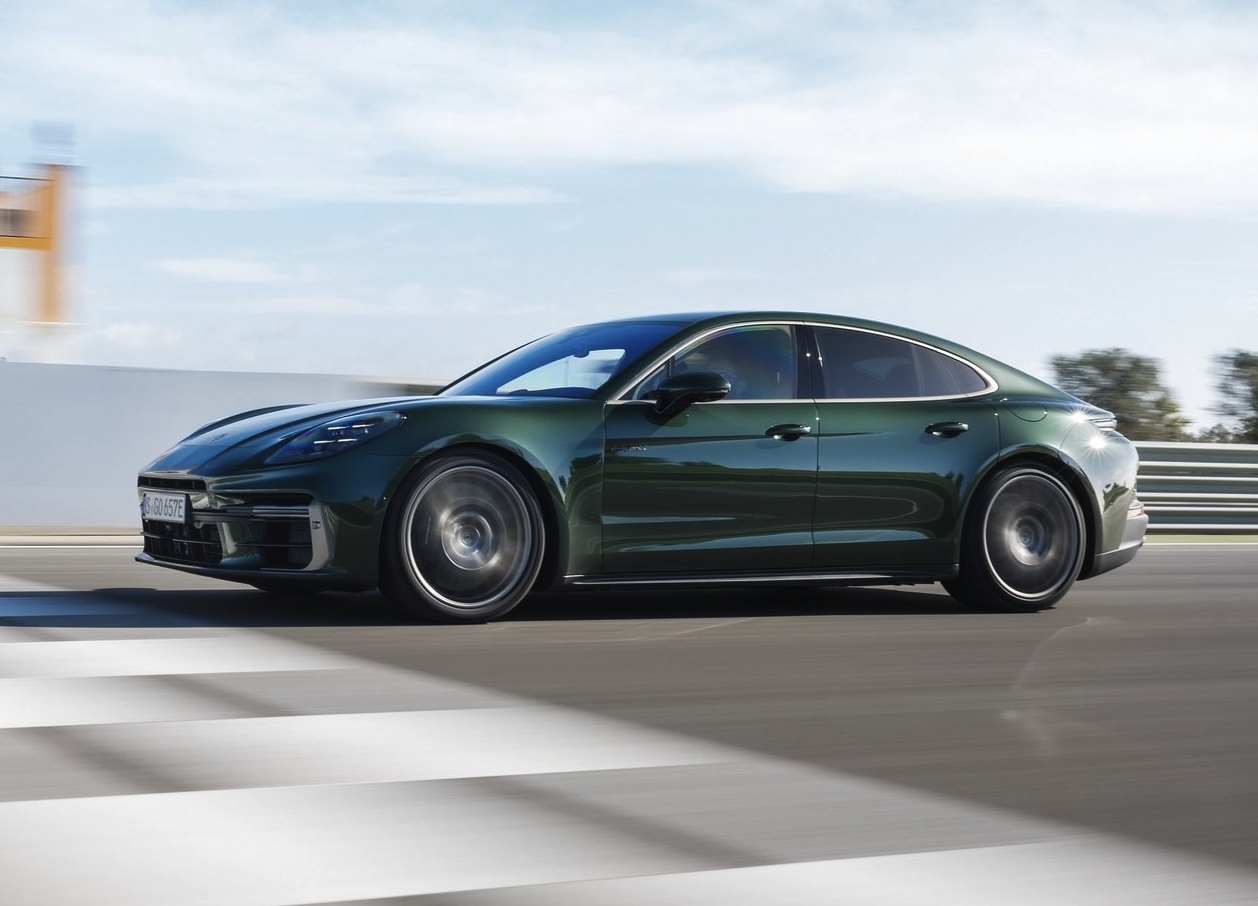
Panamera Research & Updates
Everything going on in the world of the Panamera.
Panamera Generation Hubs
All three Panamera generations in lots of depth. We cover the data, the stories, every model variant and even buyer guides to help you as you are thinking about a potential purchase. The ultimate guides to each Panamera generation.
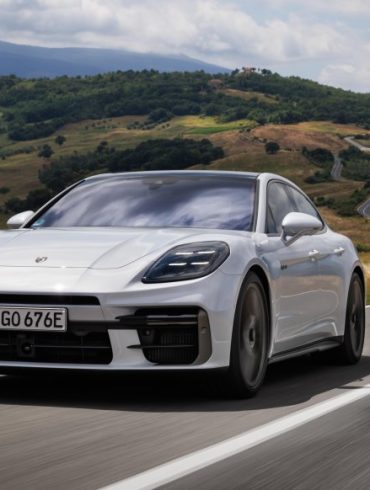
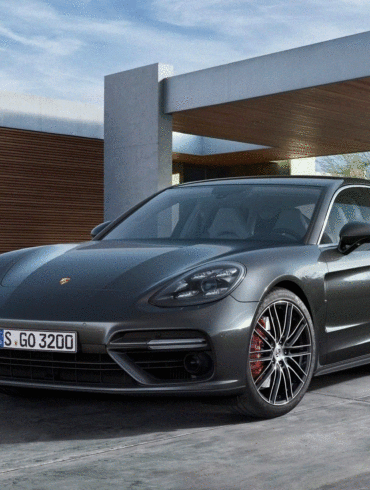
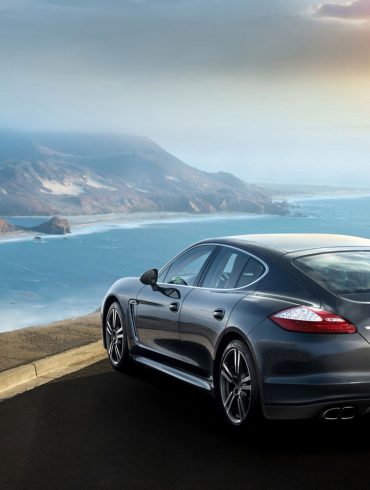
Panamera Buyer's Guides
Thinking about buying a Panamera? Our super in-depth buyers guides cover everything you need to consider. From the first generation and ensuring you find an example that has had its maintenance, to buying an almost-new third generation car, we have you covered.
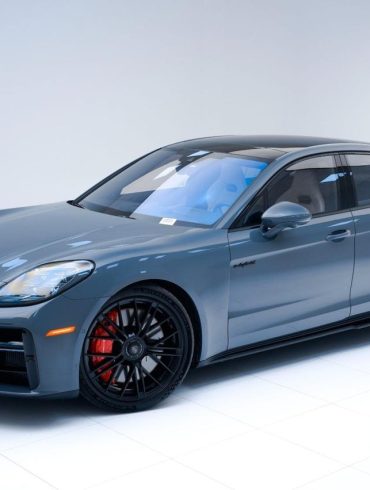
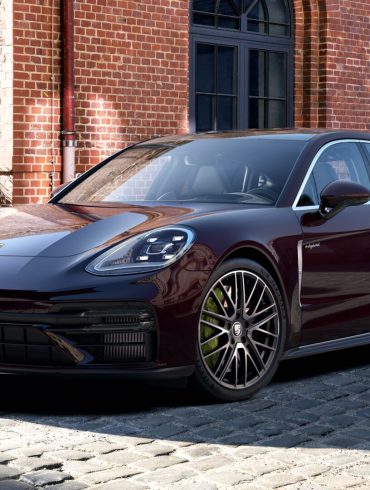
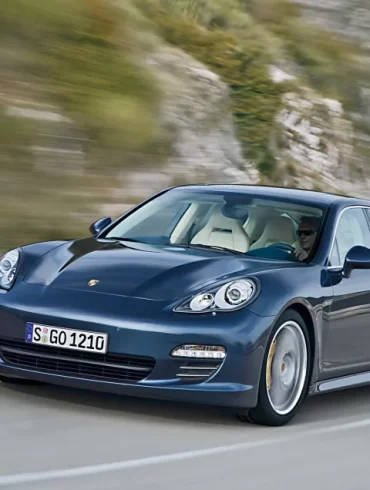
Panamera For Sale & Classifieds
Thinking about buying a Panamera? Decided on a generation and variant? Now it is time to shop. We have curated the
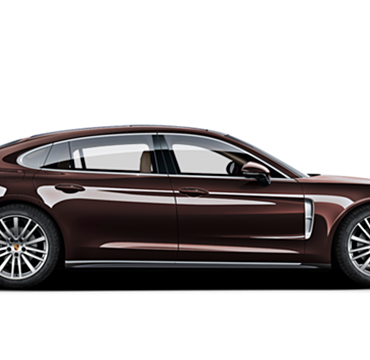
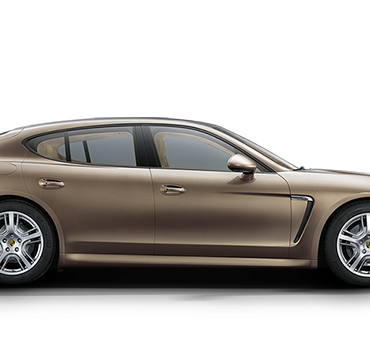
Panamera Pictures, Galleries & Videos
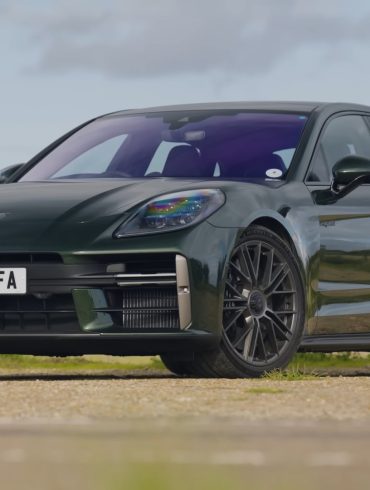
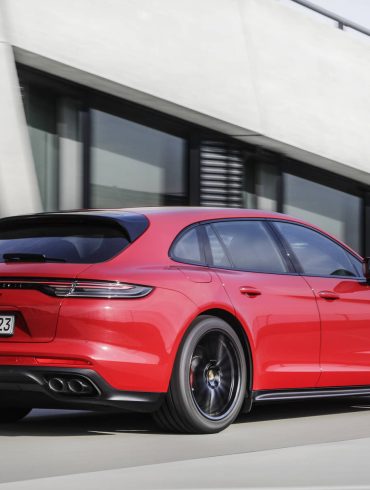
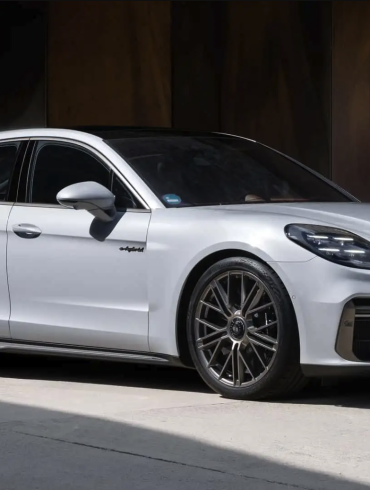
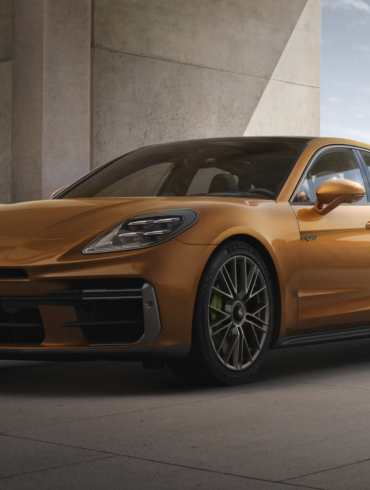
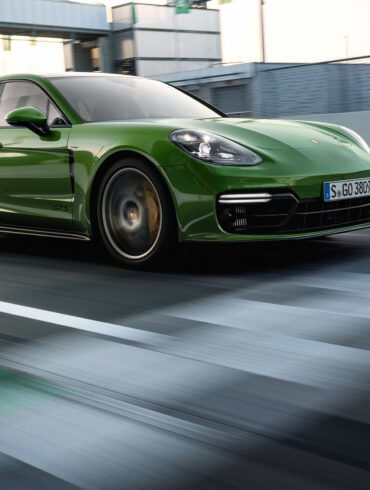
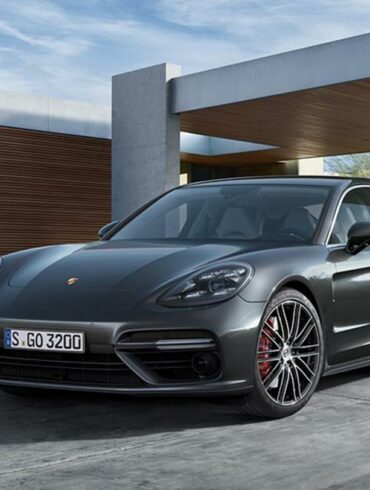
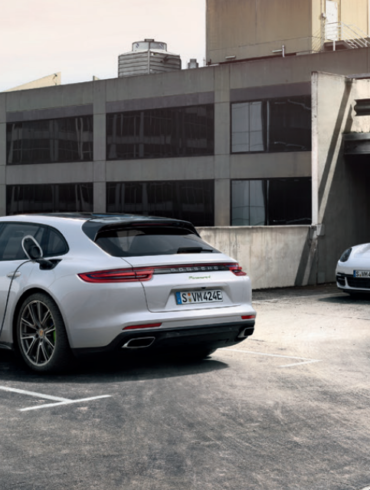
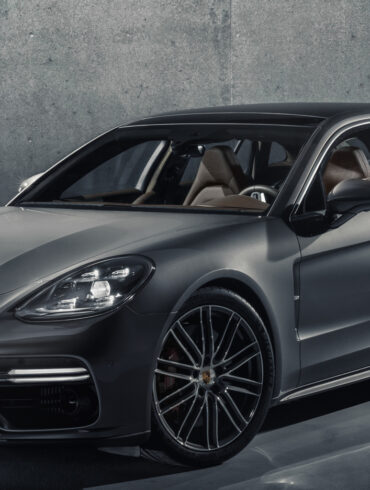
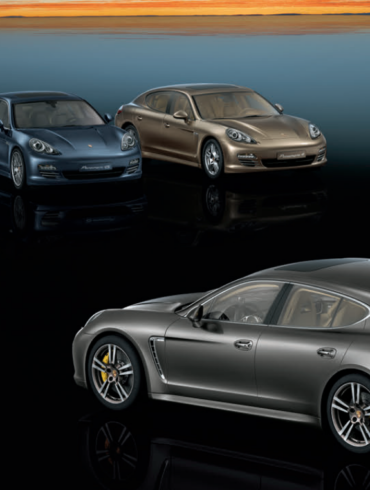
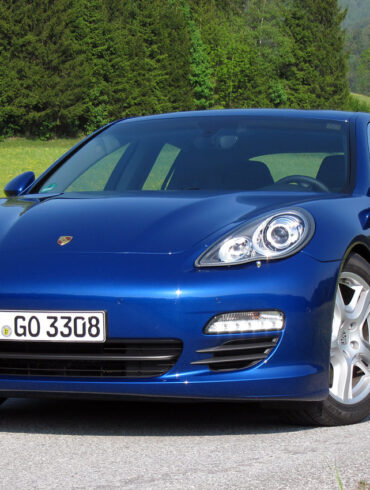
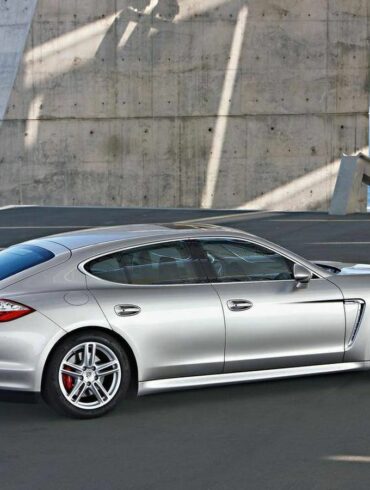
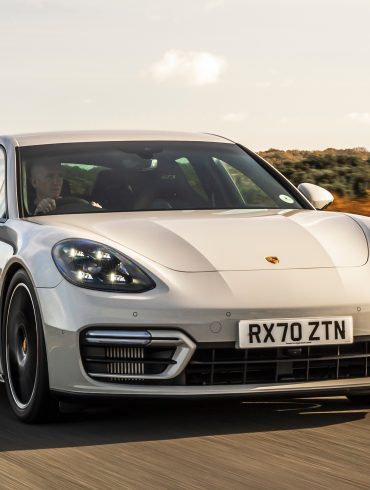
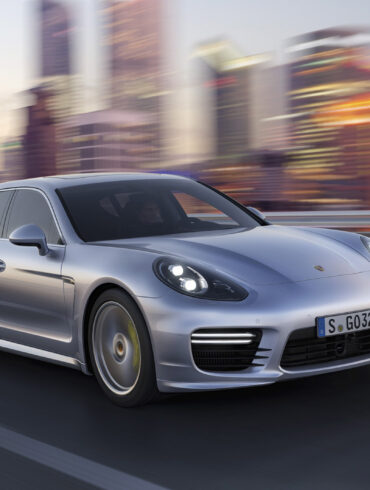
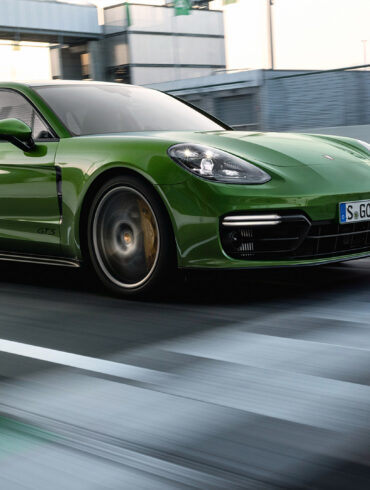
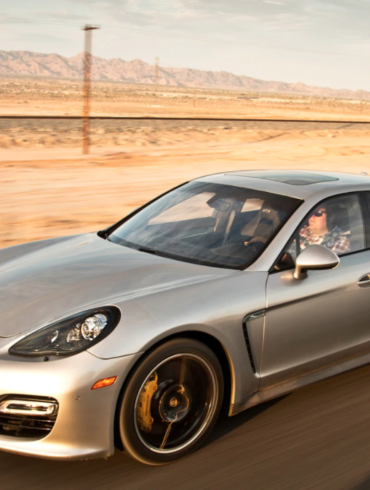
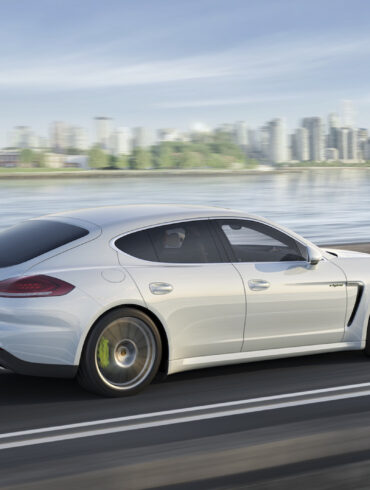
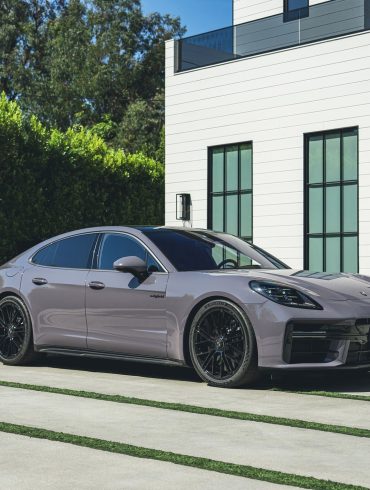
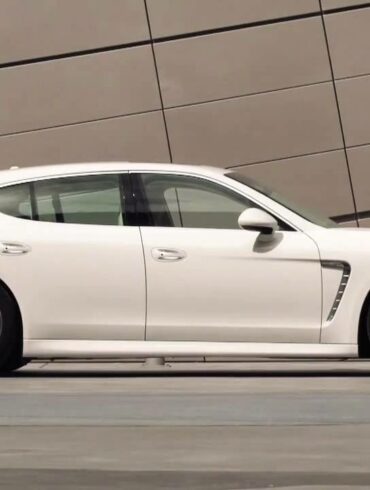
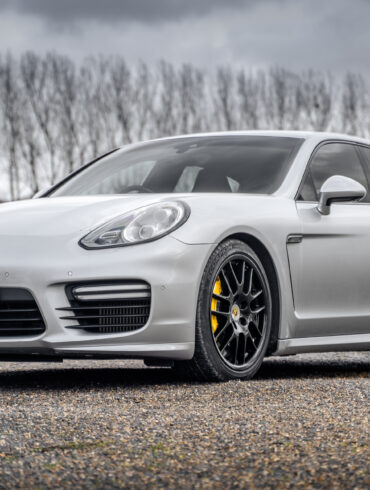
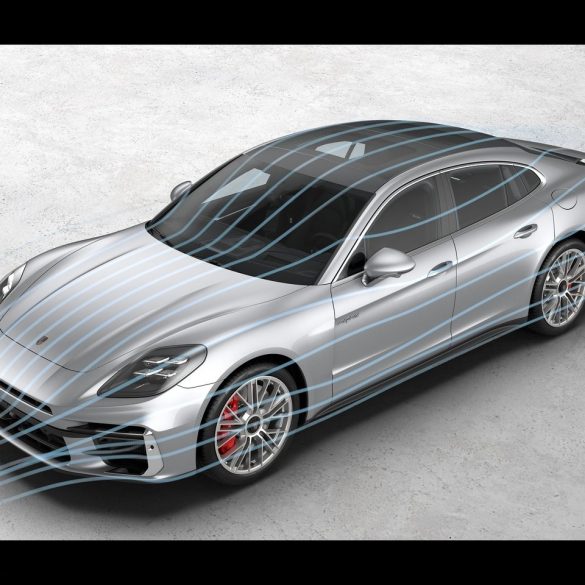
The Porsche Panamera has evolved from a polarizing, "hunchback" executive sedan into a sleek, 911-inspired grand tourer that seamlessly blends muscular sports car proportions with modern digital elegance. In terms of performance, it is always at the top of its game.
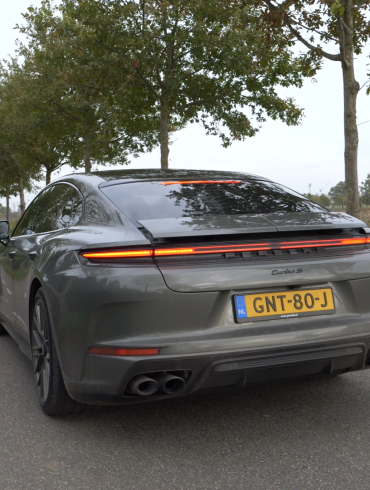
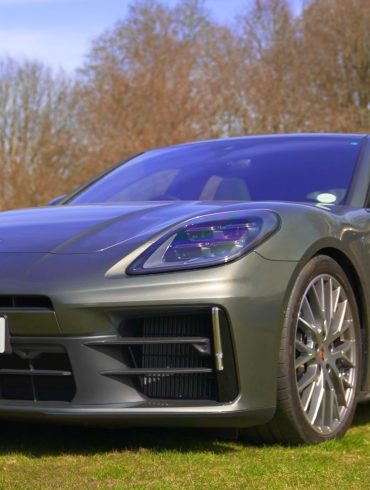
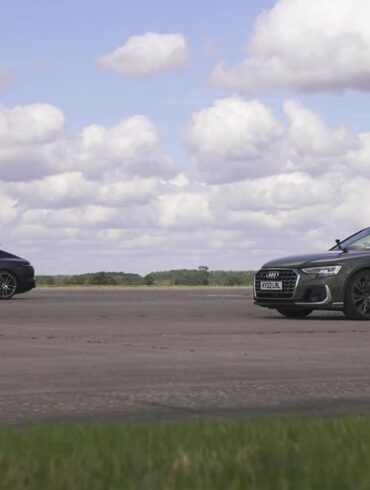


Panamera Research & Data Hub
Dive into the Porsche Panamera treasure trove, a comprehensive archive packed with detailed specifications, production data, factory documents, engineering drawings, sales brochures, research materials, and much more, offering an in-depth look at this iconic Porsche family sedan.
Porsche Panamera FAQs
When did Porsche first launch the Panamera?
The Porsche Panamera officially made its world debut on April 19, 2009, at the 13th Shanghai International Automobile Show. While it was unveiled in April, the international market launch followed shortly after in September 2009. The first models to hit the road were the V8-powered Panamera S, 4S, and Turbo. Interestingly, Porsche chose to reveal the car at the top of a skyscraper—the Park Hyatt Shanghai—literally lifting the car via a freight elevator to the 94th floor to make a statement about its entry into the high-end luxury market.
Why did Porsche decide to make a sedan? How it is impact its financial future?
Porsche's decision to build a sedan wasn't a sudden pivot; it was the culmination of a half-century-long obsession with the "Family Porsche" and a cold, hard calculation about the company's long-term survival.
The Quest for the Four-Seat Sports Car
While the Panamera debuted in 2009, Porsche had been trying to build a sedan since the 1950s. Early prototypes like the Type 530 (a stretched 356) and the V8-powered 989 Concept of the late 80s proved that the engineers were hungry for a four-seater. However, these projects were repeatedly killed by board members who feared a sedan would dilute the brand or by financial crises that left no room for "risky" experiments.
The green light finally came in the early 2000s under Chairman Wendelin Wiedeking. Seeing the success of the Cayenne SUV, Porsche realized they could no longer rely solely on the 911 to pay the bills. They needed to capture the "Executive" market—drivers who loved the 911 but required a car that could comfortably transport four adults and their luggage.
The "Wiedeking Factor": A famous piece of Panamera lore is that the car’s polarizing "hunchback" roofline on the first generation (970) was a direct result of Wiedeking’s height. He insisted that he—a tall man with a long torso—be able to sit comfortably in the back seat, forcing designers to raise the roofline at the expense of the car's silhouette.
The Financial Impact: A Global Powerhouse
The Panamera’s financial impact was transformative. Much like the Cayenne, the Panamera became a "profit machine" that provided the capital necessary to keep Porsche’s sports car development alive and well.
Market Diversification: It gave Porsche a presence in the high-margin luxury sedan segment, competing directly with the BMW 7 Series and Mercedes-Benz S-Class, but with a significantly higher "cool factor" and driver engagement.
A "Hedge" Against Uncertainty: In your earlier point about the Panamera being a hedge against the Taycan, this is historically consistent. The Panamera allowed Porsche to experiment with E-Performance (Hybrids) before going fully electric, providing a safety net for customers not yet ready to abandon internal combustion.
Funding the Icon: The massive profits from Panamera sales (over 250,000 units to date) directly funded the R&D for the 918 Spyder and the more extreme versions of the 911 (GT3, GT2 RS). Without the "volume" cars like the Panamera and Cayenne, the 911 likely would have become an unaffordable, low-volume niche product—or the company might have been absorbed entirely by a larger parent without its current autonomy.
As of 2026, the Panamera continues to act as Porsche’s "mechanical anchor," ensuring the brand remains profitable even as the global transition to EVs experiences its share of growing pains.
What are the different Porsche Panamera models at a high level?
The Porsche Panamera lineup is essentially a three-tiered ecosystem designed to cover everything from daily commuting to supercar-shaming track performance. In the current G3 (976) generation, the range has been streamlined, notably with the discontinuation of the Sport Turismo (wagon) body style, leaving the focus on the sleek Sport Saloon and the long-wheelbase Executive models.
1. The Core Models (V6 Power)1
These are the entry points to the Panamera experience. They offer a perfect balance of luxury and performance for those who want a Porsche "daily" without the extreme maintenance or price tag of the top-tier variants.
Panamera (Base): Rear-wheel drive, powered by a 2.9L twin-turbo V6 (348 hp).
Panamera 4: The same V6 but with all-wheel drive, ideal for all-weather confidence.
2. The Driver’s Choice (Non-Hybrid V8)
For the purists who want the visceral sound and feel of a V8 without the added weight of batteries, there is only one destination.
Panamera GTS: Positioned as the most "athletic" model, it features a 493hp 4.0L twin-turbo V8. It sits lower, has a louder sport exhaust, and uses a chassis tuned specifically for handling rather than pure top-end speed.
3. The "E-Performance" Hybrids (The Powerhouses)
Porsche has positioned the hybrids as the true performance leaders of the range. These models utilize a 25.9 kWh battery to provide both a silent electric range and a massive torque boost.
Panamera 4 E-Hybrid: The "entry" hybrid with 463 combined hp.
Panamera 4S E-Hybrid: A mid-step with 536 combined hp for those wanting more punch.
Panamera Turbo E-Hybrid: The heavy hitter, combining a V8 with electric assist for 670 hp
Panamera Turbo S E-Hybrid: The flagship. With an Earth-shattering 771 combined hp, it is the most powerful Panamera ever made, capable of 0–60 mph in just 2.8 seconds.
4. The Executive Variants
Available on specific models (like the 4 E-Hybrid and Turbo S E-Hybrid), the Executive trim adds nearly six inches to the wheelbase. This is the "chauffeur" spec, providing significant extra rear legroom and upgraded rear-seat climate and entertainment systems.
What’s the difference between the Panamera and Panamera Executive variants?
The primary difference between the standard Panamera and the Executive variant is length—specifically, the distance between the front and rear wheels.1 While the standard Panamera is a driver-focused grand tourer, the Executive is the "chauffeur" version, designed for those who want the performance of a Porsche with the legroom of a limousine.
Here is the breakdown of the key differences:
1. Stretched Dimensions
The Wheelbase: The Executive models feature a wheelbase that is exactly 5.9 inches (150 mm) longer than the standard model.
Rear-Seat Real Estate: All of that extra length is added behind the B-pillar, meaning it goes directly to rear-seat legroom. Passengers in the back can fully stretch their legs, a feat that is much more difficult in the snugger, sportier base model.
2. Enhanced Rear-Seat Luxury
Because the Executive is intended for passengers who may be working or relaxing, it comes with a significantly higher level of standard equipment in the back:
Comfort Seating: It typically includes multi-way power-adjustable rear seats with heating, ventilation, and "comfort headrests" as standard.
Rear Center Console: There is an available "Large Center Console" that can be equipped with folding tables (similar to an airplane tray), additional USB ports, and even a 230V power outlet.
Privacy & Light: Executive models come standard with a larger panoramic roof system and power sunblinds for the rear side windows and rear hatch.
3. Subtle Exterior Visuals
You can spot an Executive model by more than just its length. They often feature:
Silver Accents: High-gloss silver elements on the air outlets in the front fenders and silver-colored slats on the side skirts.8
The "Executive" Badge: Discreet "Executive" lettering on the D-pillars (depending on the generation).
4. Limited Trim Availability
The Executive treatment isn't available for every model. Porsche typically reserves it for the all-wheel-drive and hybrid powerplants:
Available on: Panamera 4, 4 E-Hybrid, 4S E-Hybrid, and the top-tier Turbo S E-Hybrid.
NOT available on: The GTS or the base rear-wheel-drive model. The GTS is a "driver's car" meant for corner-carving, and the added weight and length of the Executive frame would compromise its specific handling mission.
What Panamera models are available with a V8?
While the Porsche Panamera began its life as a V8-only model, the lineup has evolved to include V6 and Hybrid options. However, for those seeking the signature rumble and relentless power of eight cylinders, the V8 remains the heart of the high-performance variants. Here are the Panamera models available with a V8, categorized by their generation:
1. Current Generation (976) | 2024 – Present
In the latest generation, the V8 is reserved for the top-tier performance and "E-Performance" models. All current V8s use a 4.0-liter twin-turbo architecture.
Panamera GTS: The "purist" V8. It is the only current model to offer the V8 without electric assistance, tuned for a sharper, more "naturally aspirated" feel with 493 hp.
Panamera Turbo E-Hybrid: Combines the V8 with an integrated electric motor for a total of 670 hp.
Panamera Turbo S E-Hybrid: The flagship of the entire range. It uses the V8 and a powerful electric motor to produce a staggering 771 hp.
2. Second Generation (971) | 2017 – 2024
This generation transitioned the V8 from the older 4.8L unit to a more efficient and powerful 4.0-liter twin-turbo V8.
Panamera GTS: Known for its aggressive sound and sport-tuned chassis.
Panamera Turbo: The standard-bearer for high-speed executive travel (550 hp).
Panamera Turbo S: Introduced later in the cycle to replace the non-hybrid Turbo as the internal-combustion king (620 hp).
Panamera Turbo S E-Hybrid: The first "Mega-Hybrid" from Porsche, blending the V8 with electric power for nearly 700 hp.
3. First Generation (970) | 2010 – 2016
The original Panamera featured a 4.8-liter V8, which was available in both naturally aspirated and turbocharged forms.
Panamera S & 4S (2010–2013): These early models featured a naturally aspirated 4.8L V8. Note: In the 2014 facelift, these models were downsized to a twin-turbo V6.
Panamera GTS: Beloved by enthusiasts, the 970 GTS kept the naturally aspirated V8 through the entire production run, even after the S models switched to V6s.
Panamera Turbo: The original "land rocket" with a 500+ hp twin-turbo 4.8L V8.
Panamera Turbo S: The ultimate version of the first gen, pushing the 4.8L V8 to its absolute limit.
What do Porsche Panamera generation and chassis codes mean?
In the world of Porsche, numbers like 970, 971, and 976 aren't just random labels—they are the "secret language" of enthusiasts and engineers. These are known as Internal Type Numbers (or project codes), and they represent the chronological development history of the Porsche brand. Here is exactly what those codes mean for the Panamera and why Porsche uses them:
The Meaning Behind the Codes
Every single project that enters the Porsche engineering office—whether it’s a car, a race engine, a gearbox, or even a tractor—is assigned a consecutive number.
Historical Origin: Ferdinand Porsche started this in 1931. Project 60 famously became the Volkswagen Beetle.2 By the time Porsche built its first sports car in 1948, the project number had reached 356.
The 900-Series Tradition: In the 1960s, Porsche began using the 900-series to ensure compatibility with Volkswagen’s inventory systems. Since then, almost every Porsche road car has been assigned a 900-series internal code.
The Panamera "G" Codes
The Panamera belongs to the "G" series of internal chassis designations (G1, G2, G3).4 While the public knows the car as the "Panamera," enthusiasts use the three-digit codes to identify the specific engineering generation:
1st Gen
Internal Code: G1
Chassis Code: 970
Years: 2010 - 2016
Notable Shift: The original "hunchback" design with a heavy button-filled interior.
2nd Gen
Internal Code: G2
Chassis Code: 971
Years: 2017 - 2023
Notable Shift: Sleeker 911-style roofline; introduced the Sport Turismo and touch-glass console.
3rd Gen
Internal Code: G3
Chassis Code: 976
Years: 2024 - Present
Notable Shift: Digital-first cockpit; focus on E-Performance and Active Ride suspension.
What about the ".1" and ".2"?
You will often hear owners refer to a 971.1 or a 971.2. This is shorthand for:
Phase 1 (.1): The initial launch version of that generation.
Phase 2 (.2): The "facelift" or mid-cycle refresh. For example, the 971.2 (2021–2023) received updated taillights, more horsepower for the Turbo S, and improved infotainment over the original 971.1.
Why should you care?
If you are looking for parts, browsing forums, or buying a used model, these codes are essential. A "2016 Panamera" could be an end-of-run 970 or a very early 971 depending on the market, but the chassis code tells you exactly which platform and engine technology you are getting.
What are the major differences between the first, second, and third generations?
The First Generation (G1/970) was defined by its role as a disruptive pioneer, prioritizing mechanical substance and interior room over traditional beauty. Its most identifying feature was the controversial "hunchback" roofline, a design choice mandated to ensure ample rear-seat headroom for tall passengers. Inside, the cabin was a "button-fest," featuring a high center console inspired by high-end Vertu luxury phones, placing a physical switch for every major function at the driver’s fingertips. Mechanically, it was a beast of variety, offering everything from a rare six-speed manual transmission in early S models to the raw, naturally aspirated 4.8L V8 in the GTS, making it the choice for purists who value a visceral, analog connection to the machine.
The Second Generation (G2/971) marked the Panamera’s "coming of age," where Porsche successfully harmonized the car's proportions with the iconic 911 silhouette. By smoothing out the rear hatch and sharpening the "flyline," Porsche transformed the sedan from a polarizing experiment into a genuine design icon. This era signaled a massive shift toward digitalization and "E-Performance," replacing physical buttons with touch-capacitive glass panels and introducing the lightning-fast 8-speed PDK transmission. It also expanded the family with the stunning Sport Turismo wagon, providing a more versatile body style that proved a luxury sedan could be as practical as it was beautiful.
The Third Generation (G3/976) is an exercise in technical perfection and digital integration, serving as Porsche’s ultimate bridge to the electric future. While the exterior is a refined evolution of the G2, the interior has been completely reimagined with a Taycan-inspired "Driver Experience" that moves the gear selector to the dashboard and offers an optional passenger-side display. The most significant advancement lies beneath the skin: the revolutionary Porsche Active Ride suspension system, which uses active motor-pump units to defy physics, keeping the car perfectly level during hard cornering and braking. With a heavy focus on high-voltage hybrids and massive 25.9 kWh batteries, the 976 is less about raw mechanical grit and more about seamless, high-tech performance.
Is the Porsche Panamera reliable?
The Porsche Panamera is widely considered to be remarkably reliable for a high-performance luxury vehicle, though it carries the maintenance profile of a precision German machine. Unlike some of its rivals, the Panamera is built on a robust foundation; its engines and PDK transmissions are generally bulletproof, and the car often ranks high in long-term dependability studies. However, "reliable" in this segment does not mean "low maintenance." Because these cars are packed with cutting-edge technology—from active aerodynamics to complex hybrid systems—owners must adhere strictly to service intervals to prevent minor issues from snowballing into significant repairs.
When looking across the generations, the first-generation (970) models are the most mechanically analog but do have known "growing pains." Prospective owners should watch for cooling system issues, such as leaking thermostat housings, and ensure that the early V8 cam-bolt recalls were addressed. In contrast, the second-generation (971) benefited from years of refinement, shifting the focus of potential concerns from mechanical failures to minor electronic glitches or infotainment resets. While the third-generation (976) is still too new for a definitive long-term verdict, its reliance on the proven architecture of its predecessor suggests a strong outlook for future dependability.
The most common "wear items" that owners should budget for include the adaptive air suspension system and the PDK gearbox. Around the 60,000 to 80,000-mile mark, air struts can develop leaks, a common trait for heavy luxury sedans. Similarly, the PDK transmission requires specialized fluid changes every 40,000 miles to maintain its legendary lightning-fast shifts. Ultimately, the Panamera is a vehicle that rewards proactive care. A well-documented service history is the single best indicator of a reliable car, and for those buying pre-owned, a professional inspection is essential to ensure the car’s sophisticated systems are in peak condition.
What’s the best Panamera for the money?
Finding the "best" Panamera for the money depends on whether you are shopping the new, certified pre-owned (CPO), or used market. Because the Panamera suffers from the steep depreciation typical of luxury sedans, the "sweet spot" is almost always a car that is 3–5 years old.
Here is the breakdown of the best value-for-money Panamera models by category:
1. The Enthusiast’s Sweet Spot: Panamera GTS (971 Generation)
If you want the quintessential Porsche experience without paying the $200k+ price tag of a new Turbo S, a 2019–2021 Panamera GTS is widely considered the best overall value.
Why: It uses the same 4.0L twin-turbo V8 as the Turbo model but is tuned for a more aggressive, raw driving feel. It comes standard with many high-end performance options (Sport Chrono, Sport Exhaust, lowered suspension) that would cost tens of thousands to add to a base model.
The Value Play: By buying a 4-year-old GTS, you avoid the initial 40% depreciation hit while still getting a modern, 911-inspired interior and a world-class V8.
2. The Practical Performance King: Panamera 4S (971.2 Facelift)
For most buyers, the 2021–2023 Panamera 4S represents the best balance of daily usability, modern tech, and speed.
Why: The "4S" models provide significantly more punch than the base V6 ($440+\text{ hp}$ vs $325\text{ hp}$), making the car feel truly like a Porsche rather than just a luxury cruiser. The ".2" facelift (2021+) also brought a much faster infotainment system and the sleek "continuous" rear light bar.
The Value Play: It is substantially cheaper to insure and maintain than the V8 models but still delivers a 0–60 mph time of roughly 4 seconds.
3. The Absolute Bargain: Panamera 4S (970.2 Facelift)
If your budget is under $40,000, look for a 2014–2016 Panamera 4S (Generation 970.2).
Why: The 970.2 fixed many of the reliability "bugs" of the very early Panameras and replaced the thirsty V8 with a punchy 3.0L twin-turbo V6. You get the iconic "cockpit" interior and AWD for a fraction of the cost of a new SUV.
The Value Play: These cars have largely bottomed out in depreciation. If you find one with a documented service history, you are getting $100k worth of engineering for the price of a new Toyota Camry.
4. The "Splurge" for the Future: Panamera 4 E-Hybrid (Current 976)
If you are buying new, the 4 E-Hybrid is often the smartest financial move.
Why: In many regions, the tax incentives and fuel savings of the hybrid offset its higher MSRP compared to the base model. Furthermore, the 976 generation's new 25.9 kWh battery makes it much more capable of "EV-only" commuting than previous hybrids.
The Value Play: Because Porsche is leaning so heavily into "E-Performance," these hybrids are expected to hold their value better than pure ICE models as urban emissions regulations tighten.
Which model years should I avoid?
When shopping for a pre-owned Panamera, the general rule of thumb is to avoid the "teething years"—specifically the first two to three years of any new chassis generation. While Porsche eventually irons out mechanical bugs, the early adopters of the 2010 and 2017 model years often dealt with recalls and software glitches that were resolved in later production cycles.
The 2010–2012 "Caution Zone" (G1 Early Years)
The absolute most critical years to approach with caution are 2010 through 2012. These early G1 (970) models were plagued by a specific, catastrophic issue involving the aluminum camshaft adjuster bolts in the V8 engines. These bolts were prone to shearing off, which could lead to total engine failure. While Porsche issued a major recall for this, you must verify that the work was performed. Additionally, these years suffered from frequent cooling system failures; the adhesive used to secure coolant pipes was known to fail, leading to sudden, massive leaks. If you are looking at a 970, the 2014–2016 (970.2) facelifted models are significantly more robust and preferred by most enthusiasts.
The 2017–2018 "Recall Era" (G2 Early Years)
The 2017 and 2018 model years marked the debut of the sleek 971 generation, and while they are far better looking than the originals, they aren't without fault. These years hold the record for the highest number of recalls in the Panamera’s history. Issues ranged from faulty brake pad wear sensors and leaking fuel pumps to software glitches that caused the dashboard to go dark or the stop-start system to fail. While most of these are "nuisance" issues rather than engine-killing ones, they can lead to a frustrating ownership experience if the previous owner didn't stay on top of dealership updates.
The "Avoid at All Costs" Trims
Regardless of the year, there are certain configurations that carry higher risks. Early Hybrids (2011–2015) are generally best avoided; the battery technology was in its infancy, and replacing a degraded high-voltage battery can cost more than the car is worth. Similarly, any model with undocumented PDK service history is a gamble. The dual-clutch transmission is a masterpiece of engineering, but it requires specialized fluid changes every 40,000 miles. A Panamera that has skipped these services is a "ticking time bomb" that can result in a $15,000+ repair bill for a new mechatronic unit.
The Current Porsche Panamera Lineup
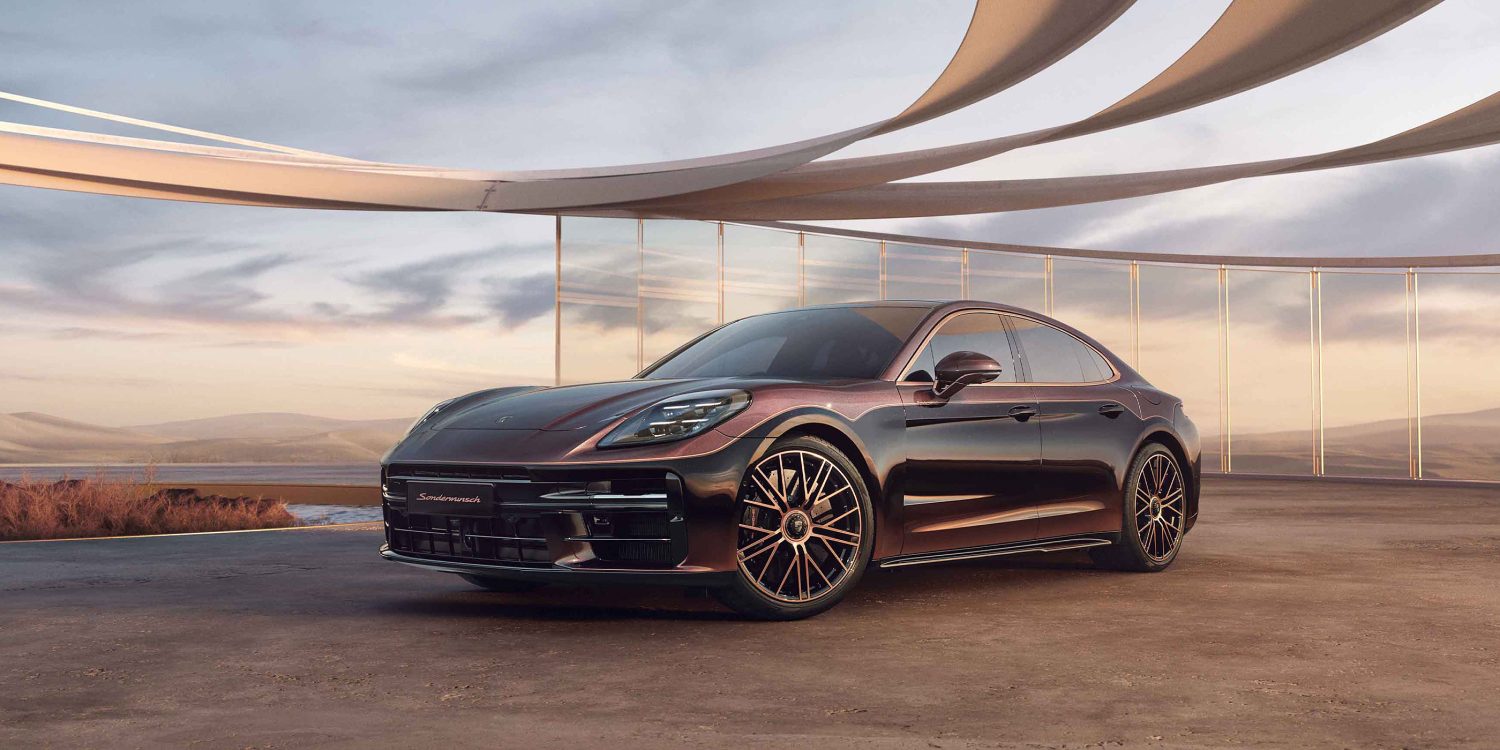
Get to know Porsche’s latest sports sedan offerings in this up-to-date guide to the current Panamera lineup. From the powerful base models to the high-performance Turbo hybrid variants, this section breaks down all available trims, body styles, and key features. Whether you're shopping or just curious, here's everything you need to know about the Panamera today.
Porsche Panamera News & Updates
Recent news, awesome reviews, new model announcements and all the other latest news and posts regarding the Porsche Panamera.



Join Our Porsche Community
Sign up for our weekly Porsche newsletter. The latest Porsche news, rumors, reviews and more delivered to your inbox. Cool Porsche stuff perfect for the flat-six obsessed.