
Technical Information
All
Latest



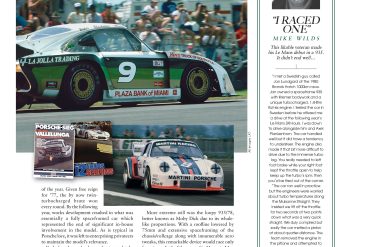
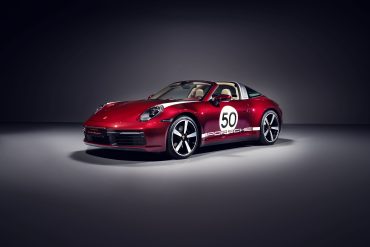

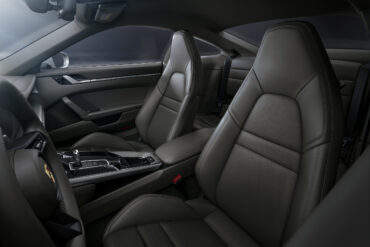
The Porsche 911 Targa 4S Heritage Design Edition showcases what is possible with Porsche's Exclusive Manufaktur program and what to expect from Porsche's Heritage Design Strategy. Inspired by the 356 and previous generations of the 911, Porsche's Heritage Design Strategy is bringing period-correct design cues into the current 992 generation 911. Cherry Metallic is the stunning color. Limited to just 992 units globally.
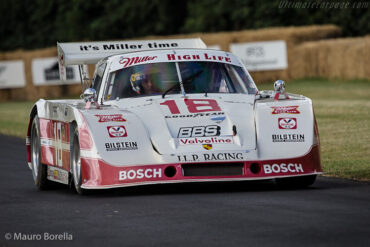

JLP-4 was the final race car in the line of Porsche 935 specials built for the John Paul father and...
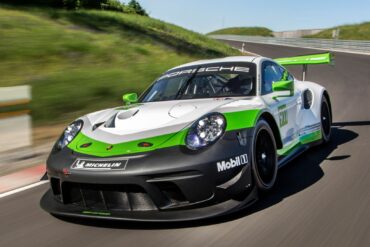
The GT3 R has always been placed between the GT3 Cup and the very expensive RSR. All the 991.2 racing cars have normally aspirated 4-litre engines. Compared to the 991.1 GT3 R, the 991.2 GT3 R engine offers a broader usable rev range and the engine response is more precise due to 6 throttle butterflies. The roof, front hood and fairing, wheel arches, doors, side and tail sections, rear lid and interior trim are made of carbon-fibre reinforced plastic. Gets new double wishbone suspension.
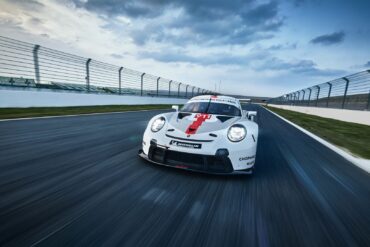
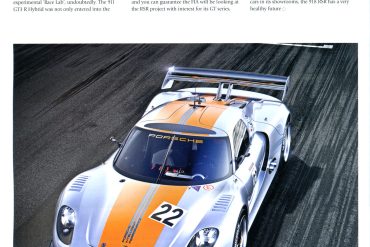
This was the fourth version of the 991 RSR - the first two came with the rear engine, then the first mid-engine version was launched (all 4.0-litre) and finally the mid-engined RSR 4.2 with the largest 911 engine ever made. The increase in the engine capacity is a question mark as on production models the capacities are decreased and turbochargers are used. The 991 RSR 4.2 didn't have anything in common with the production cars anymore. No change in terms of power-to-weight ratio.
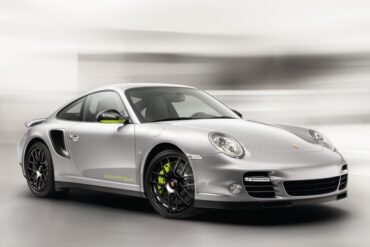
Based on the 530-bhp 911 Turbo S, the special-edition Porsche has carbon-fiber trim inside and out, plus upgraded leather, badging and the exterior colors of the 918, including the use of Acid Green on the brake calipers, illuminated sill plates, interior stitching and instrument cluster needles. Also limited to 918 units, the 911 Turbo S Edition 918 Spyder will be available in Coupe ($160,700) and Cabriolet ($172,100) forms, making this one very expensive dealer option.
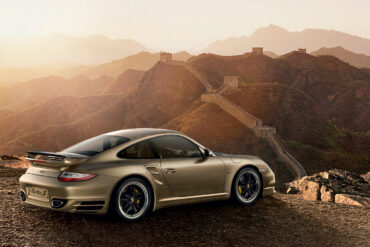
In 2011, Porsche China released a special limited edition model to celebrate an active decade in the Chinese market. The Porsche 10 Year Anniversary Edition is yet another 911 of only ten copies, each with a stylish plaque with the chassis number. The Porsche has a Gold Bronze Metallic paint, combined with matte black carbon components such as the hood, rear wing, tailgate and side mirrors. Underneath, you will spot a 911 Turbo S. The interior is a combination of black with gold stitching leather, alcantara and carbon.
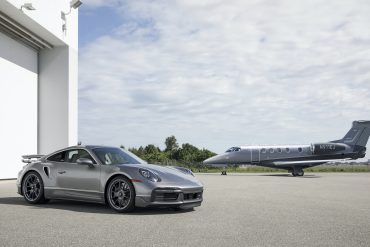

Porsche Exclusive Manufaktur’s Creation Porsche Exclusive Manufaktur has worked with Brazilian aircraft builder Embraer for a limited-run of private jet-inspired...
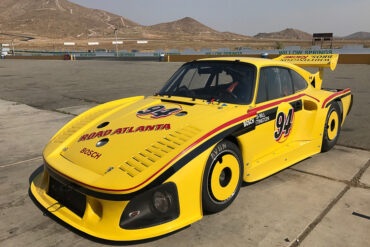
The phone rang, it was my old friend Carlos de Quesada. “I’ve just bought a 935 to restore,” he told...
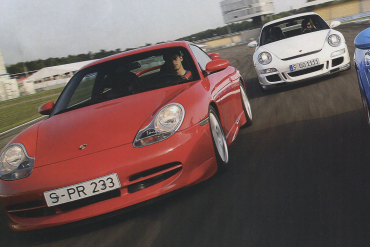
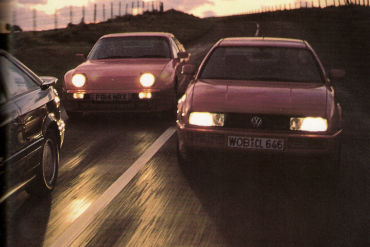
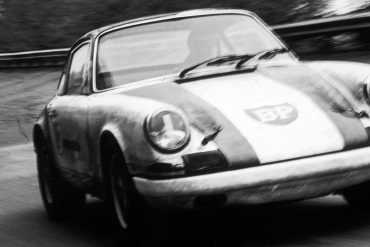


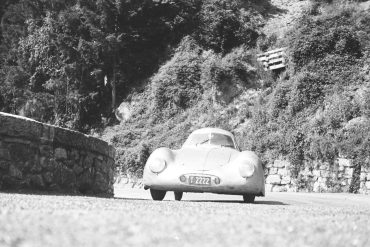
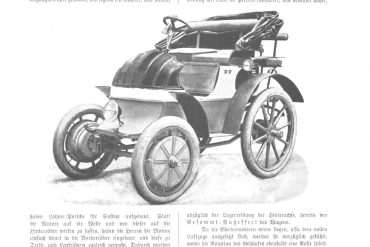

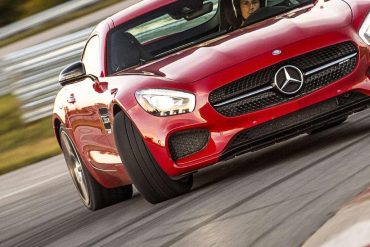
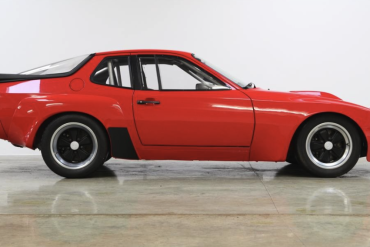
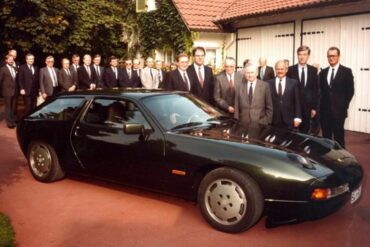
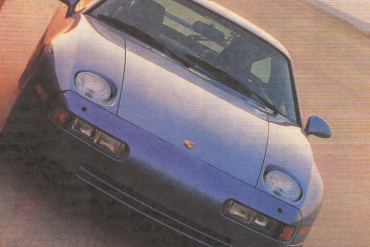
The Porsche 942 was a special edition of 928 submitted by the company as a gift to Ferry Porsche on his 75th birthday in 1984. Also known by name 928-4, 928S, it had an additional 254 mm wheelbase than the normal 928 production model, including an extended roof over the rear seats to better accommodate tall passengers, headlights very advanced technology, the motor 5 liter 32 valves before introduced to the U.S. market.

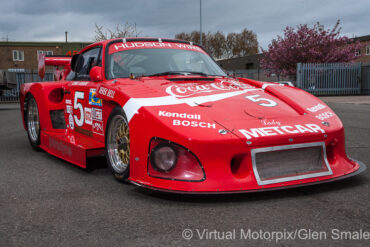
In the mid-70s, Porsche developed the 935 model, a race car homologated on the 930 road car and aimed at...





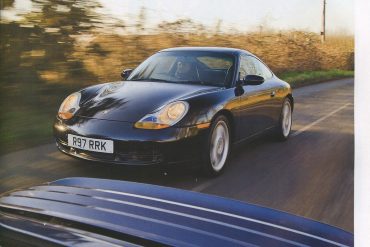
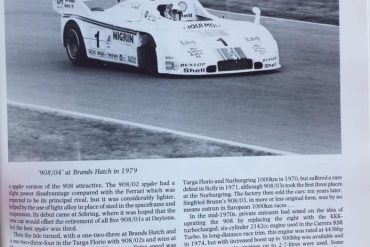


February 1, 1954, the city of New York. The Porsche-550, chassis 04 returned from the Gulf of Mexico after participating...
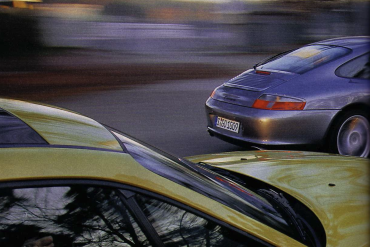

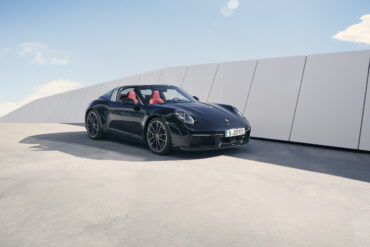
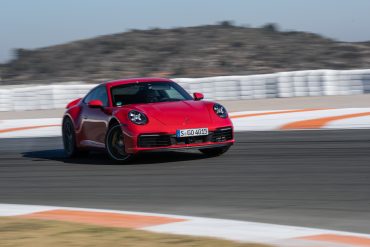
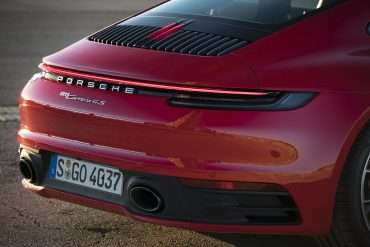
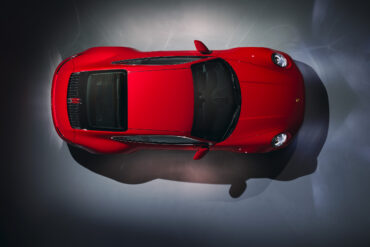
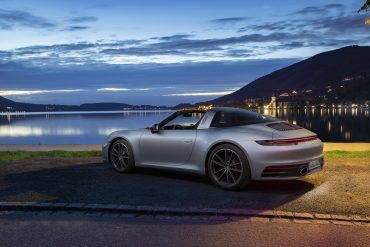
Like the standard 4S, the Targa 4S produces 443 bhp @ 6500 rpm from a six-cylinder, 3.0-litre boxer engine with twin turbochargers, and puts it to the road via an eight-speed PDK and Stuttgart's refined all-wheel-drive system. 390 ft lbs from as low as 2300 rpm also means you have tons of mid-range power on tap for any situation. Compared to the previous generation Targa 4S, the new model is up 23 hp and 22 ft lbs of torque.
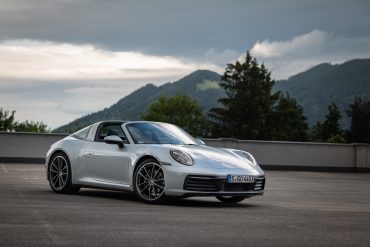
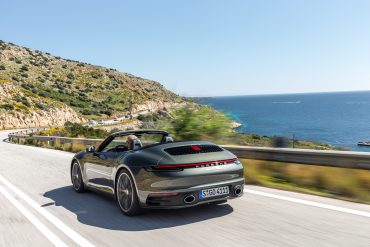
While the base Targa isn't the most dynamic 911, it will suit a certain buyer well. If you want the sexiest looking 911 that is a great all-rounder and you don't plan on spanking it all the time, then this is a great 911 to buy. Even in lower-powered form, the 3.0-liter is a peach of an engine. Torquey across its rev range, it responds quickly to prods of the throttle. The real problem with the Targa is the added weight and the structure, which hurts it dynamically.
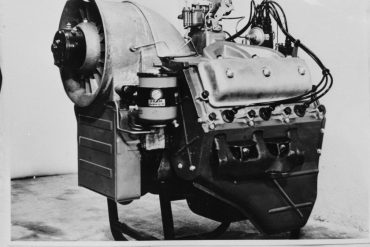
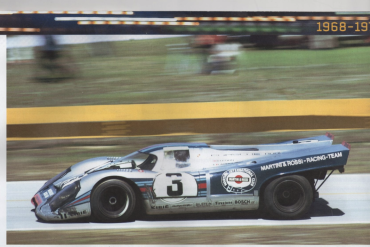
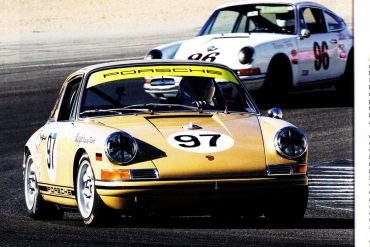
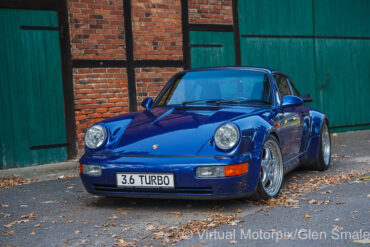
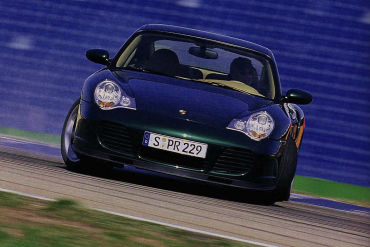
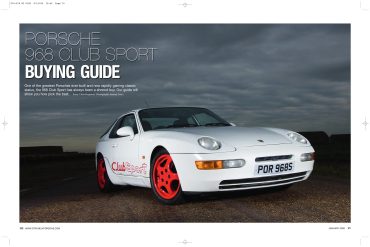
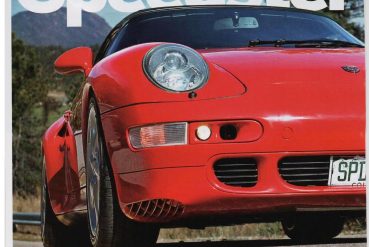
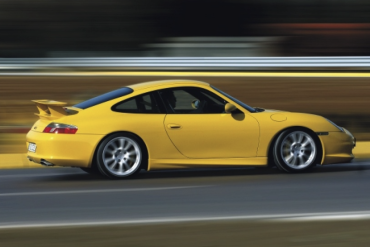
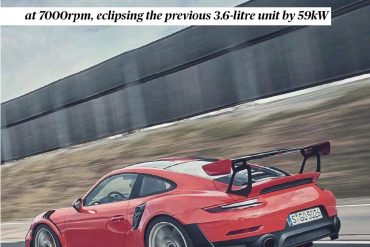
Engine based on modified 3.6 litre 964 unit. Speedline wheels with big red brake calipers. Lessons learned in the Carrera Cup series proved the reliability of the new 3.6-litre engine. An additional three millimetres on the bore and two millimetres on the stroke, resulted in an increase in capacity of 300 cc. Combined with the turbo optimised cylinders, pistons and crank train, and an increase in the compression ratio from 7.0 to 7.5:1, this helped to boost power to 360 bhp. Torque was increased significantly to 520 Nm at 4200 rpm, up from 450 Nm at 4500 rpm in the earlier car.
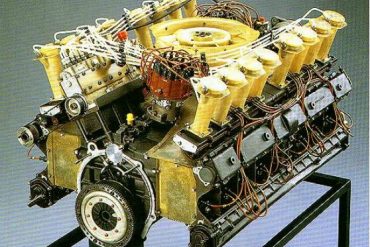
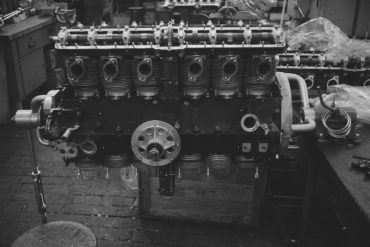
6.6-liter version of the 16-cylinder engine type 912...
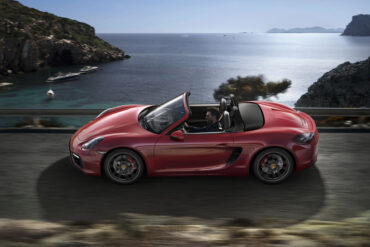
The two most powerful and fastest mid-engine sports models from Porsche are ready and raring to go: with uprated engines and excellent PASM chassis the Boxster GTS and Cayman GTS set new benchmarks for sportiness in their segment. 3.4 L naturally aspirated flat 6 is good for 330 hp. Sport Chrono package is standard. This means that in conjunction with the optional Doppelkupplungsgetriebe (PDK) and the active Sport Plus button, the Boxster GTS sprints from 0-100 km/h in 4.7 seconds.
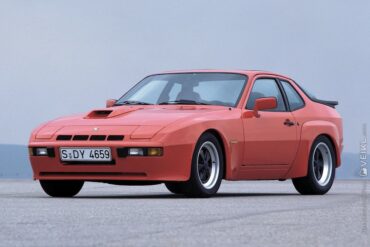
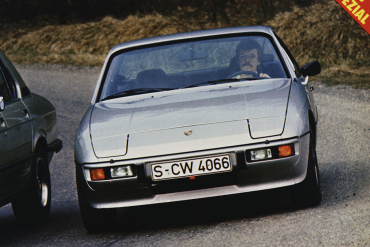
In 1979, Porsche unveiled a concept version of the 924 at the Frankfurt Auto show wearing Carrera badges. One year later, in 1980, Porsche released the 924 Carrera GT, making clear their intention to enter the 924 in competition. By adding an intercooler and increasing compression to 8.5:1, as well as various other little changes, Porsche was able to develop the 924 Turbo into the race car they had wanted, dubbing it the "924 Carrera GT". 406 examples (including prototypes) of the Carrera GT were built to qualify it for Group 4 racing requirements.
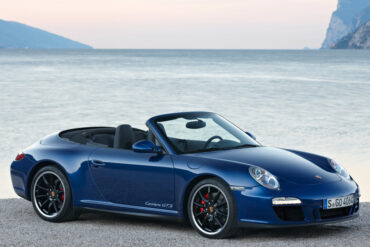
The GTS was powered by the same engine that was installed under the limited-edition Porsche 911 Sport Classic, but it was offered with more options. It wasn't just a driver's car, it was built for the passenger as well, with more options for comfort. From the outside, the Carrera GTS Cabriolet featured the same wide body as the Carrera 4 Cabriolet. At the front, the sport design apron featured a black lip-spoiler underneath. The Carrera GTS logo was painted on the doors. In the back, the car was fitted with LED taillights and four-round exhaust pipes. The 19” light-alloy wheels with central log-nut were fitted as standard.