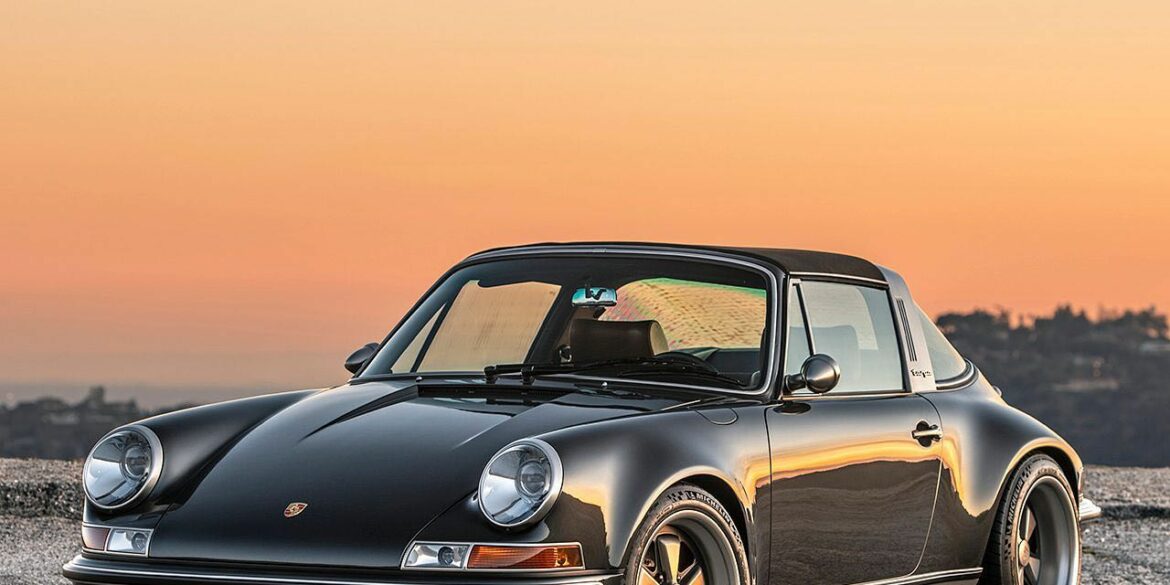
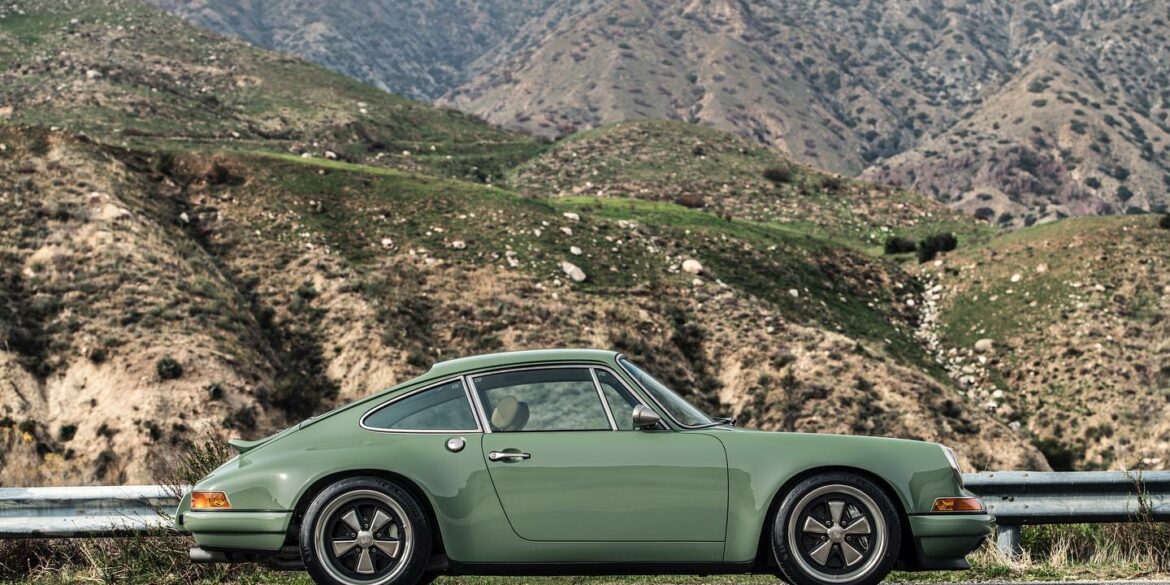
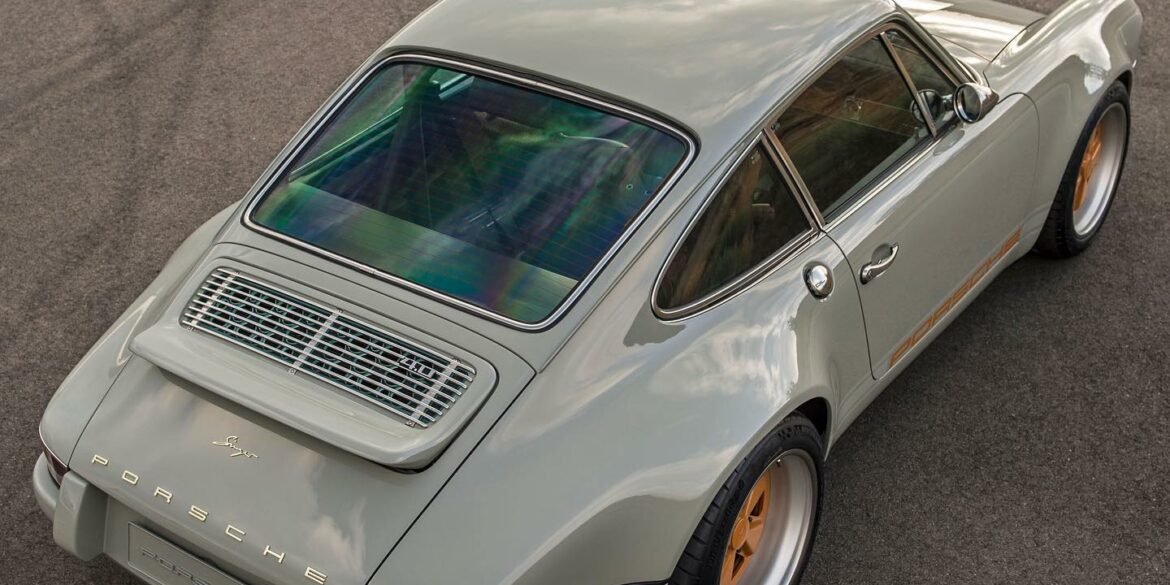
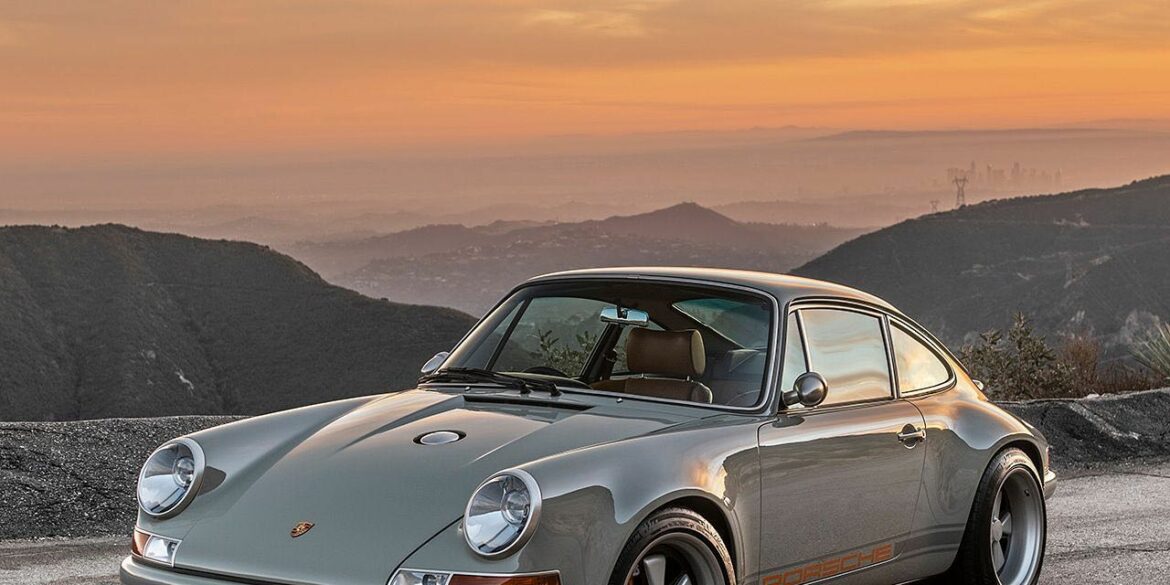
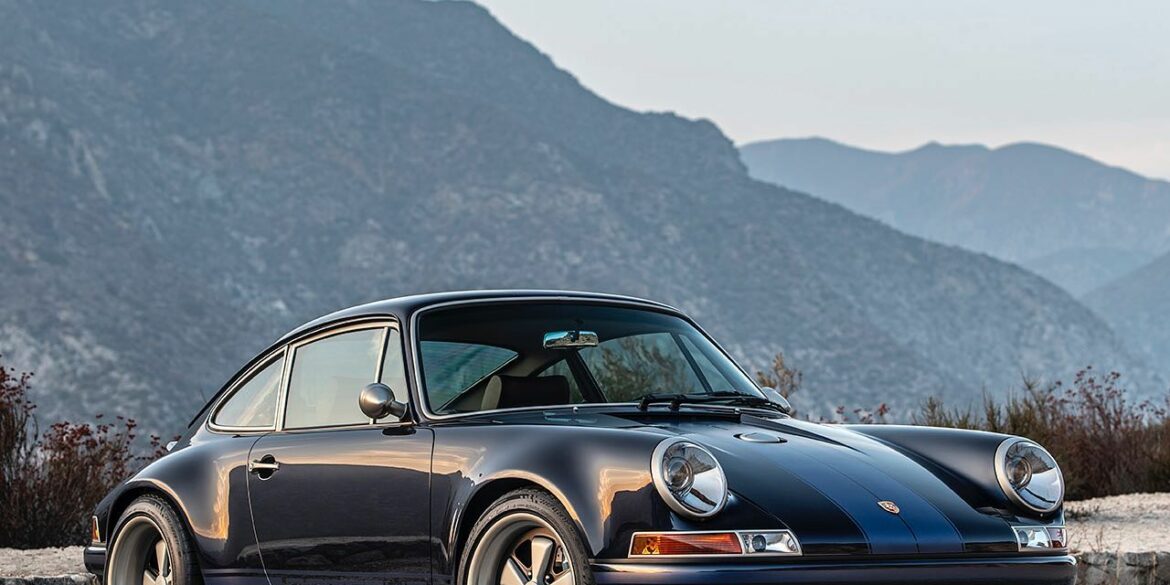
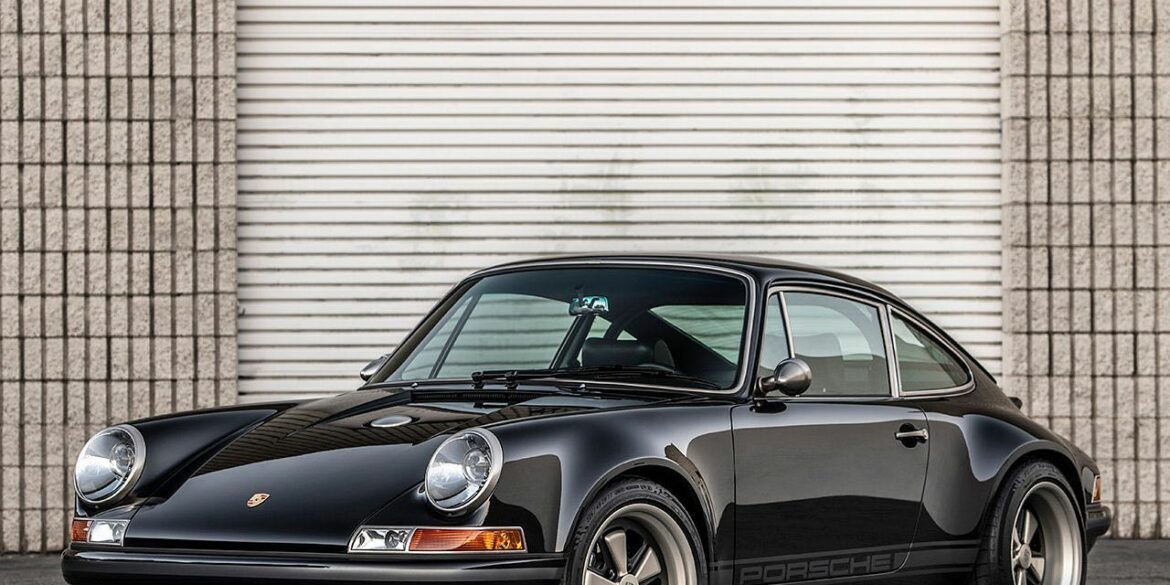
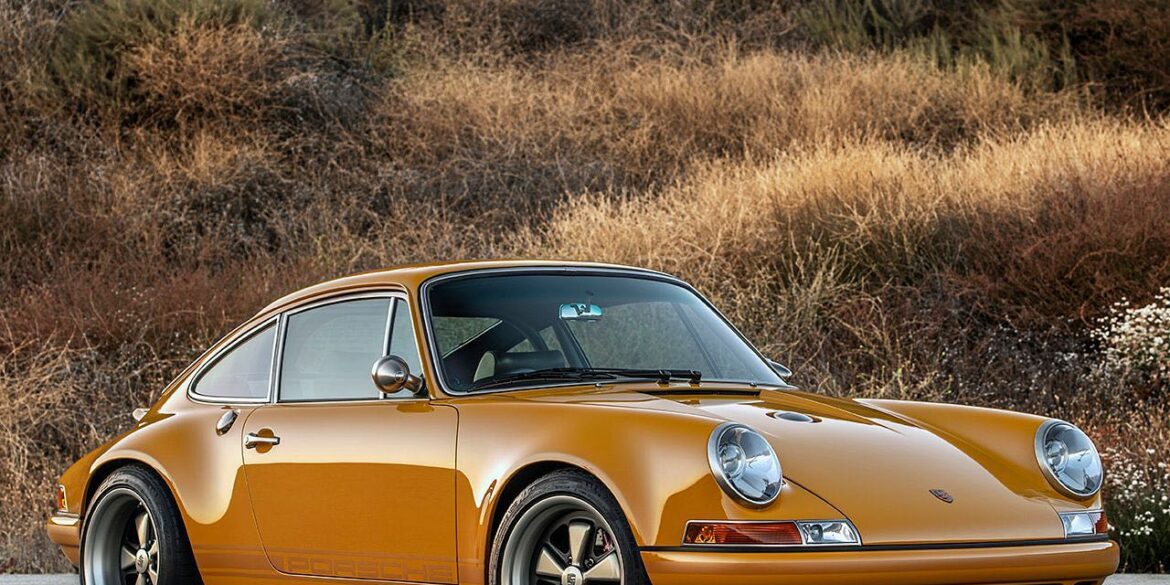
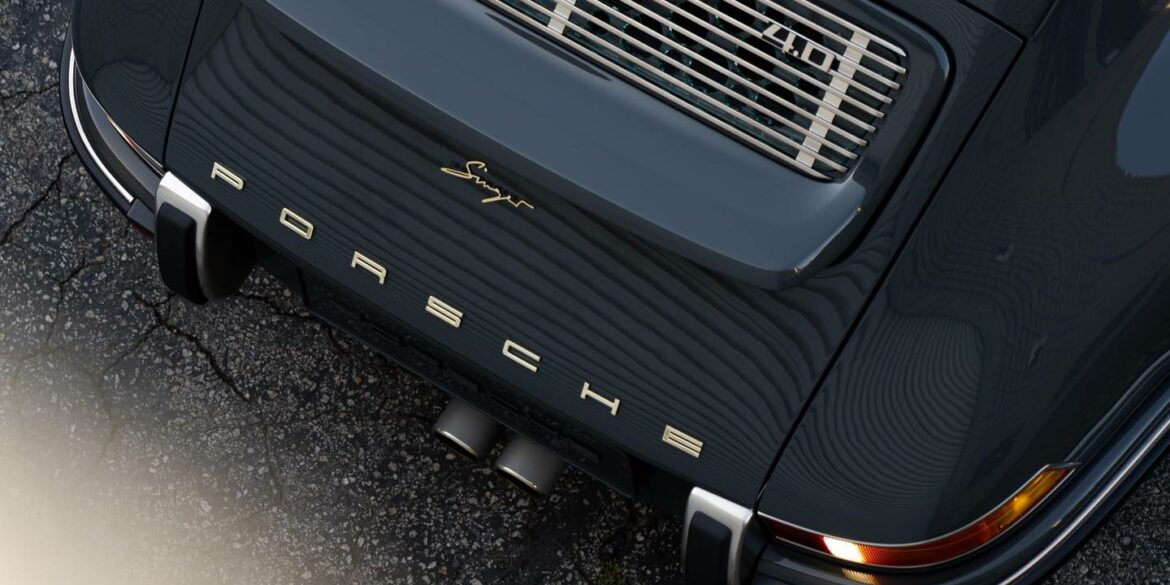
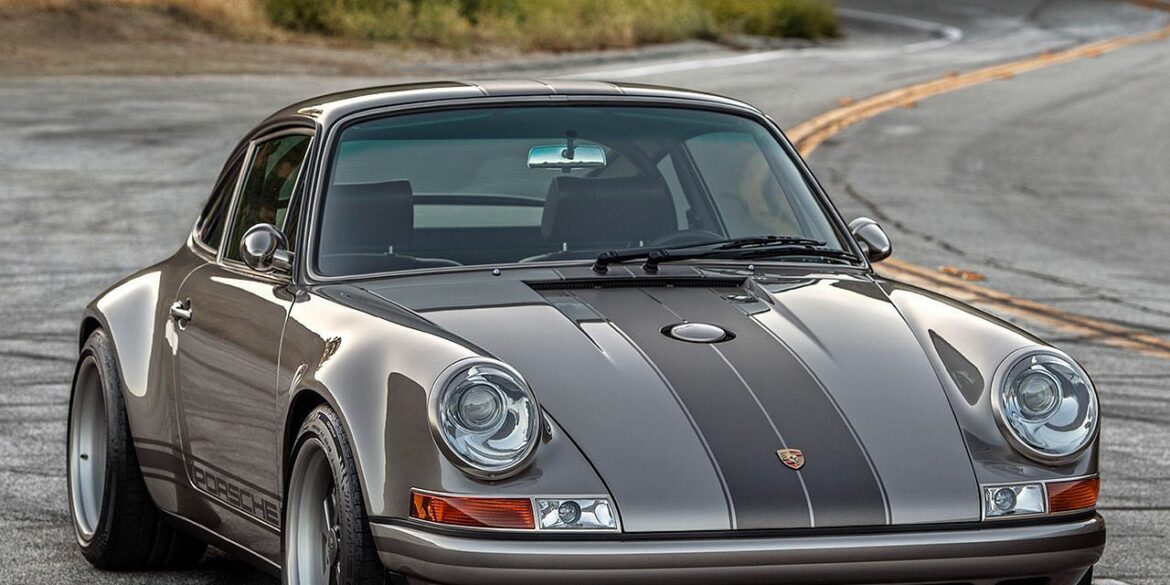
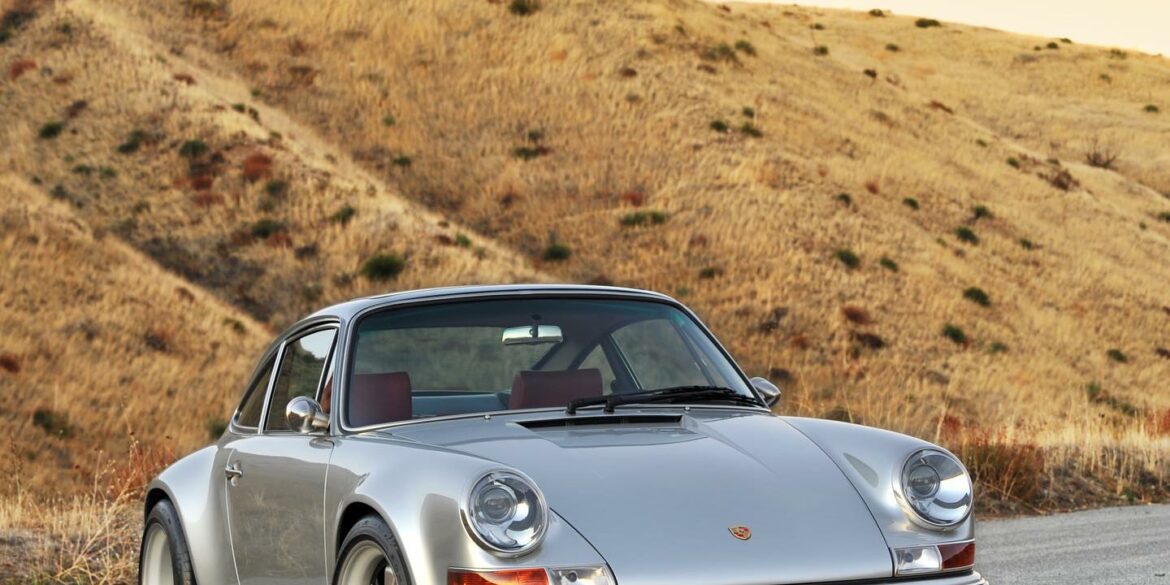
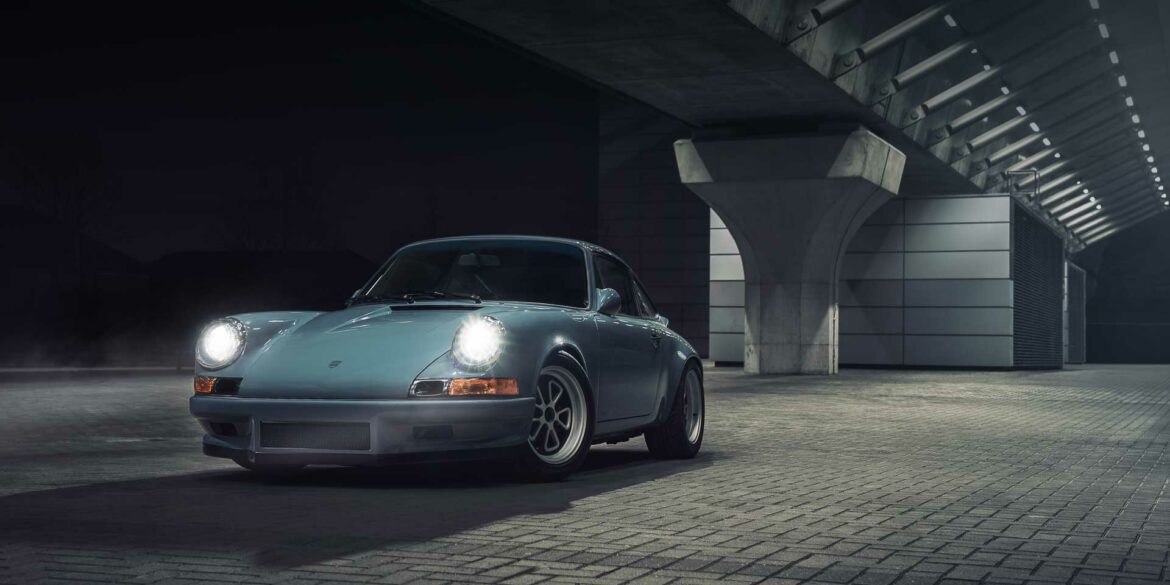
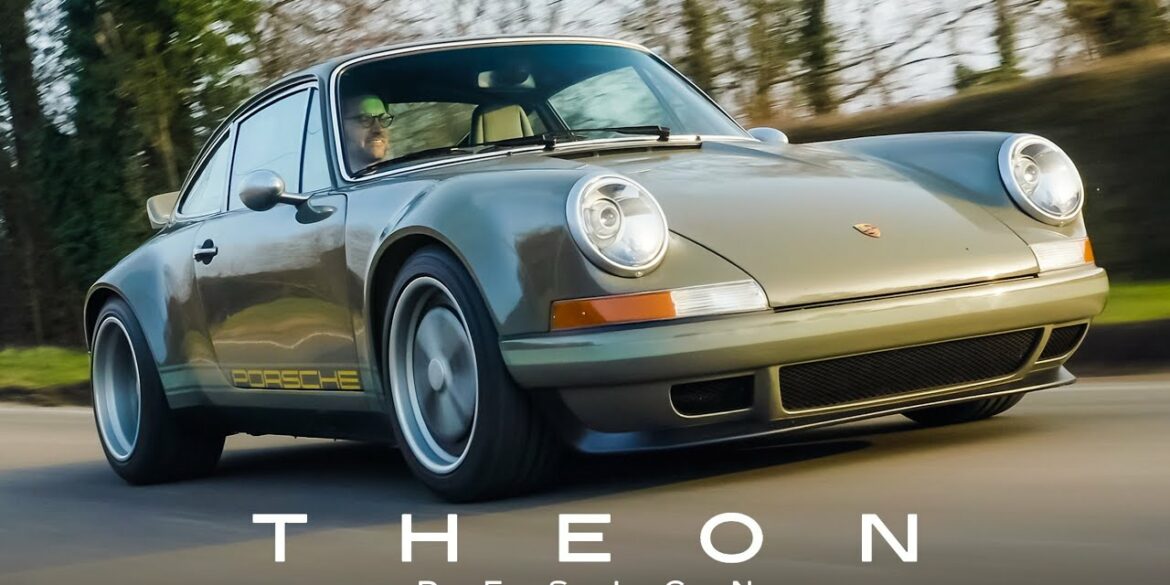
Singer Vehicle Design – Hidden Hills Commission Today, we take a closer look at the Singer Vehicle Designs Hidden Hills Commission. This LHD car is captured here in the canyons not far from Singer’s operations. The carbon-fiber bodywork is presented in Slate Grey Metallic with nickel touring trim and raised,...
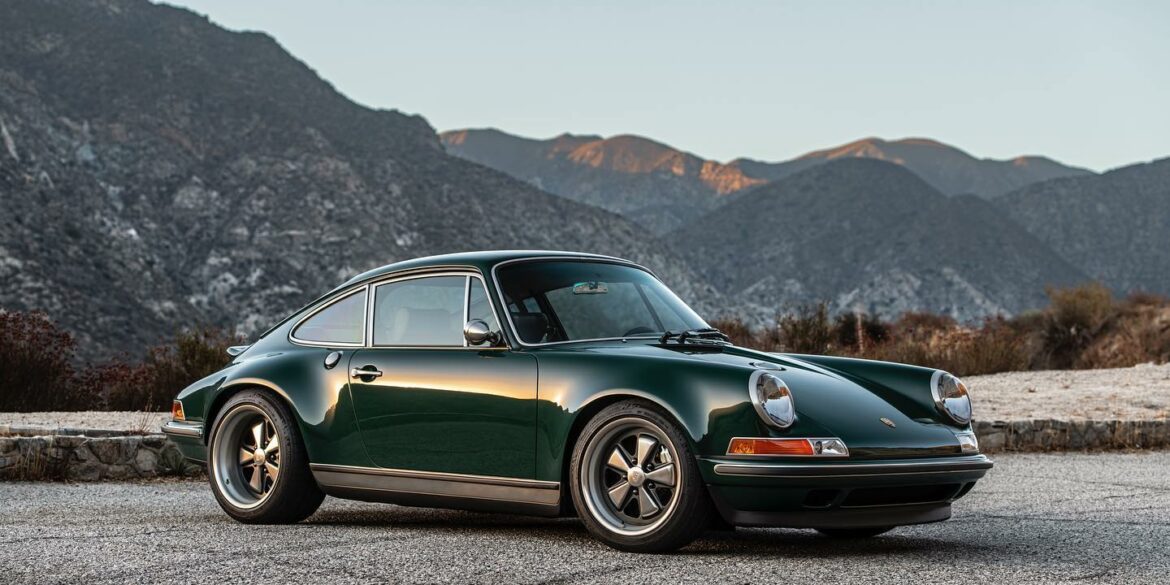
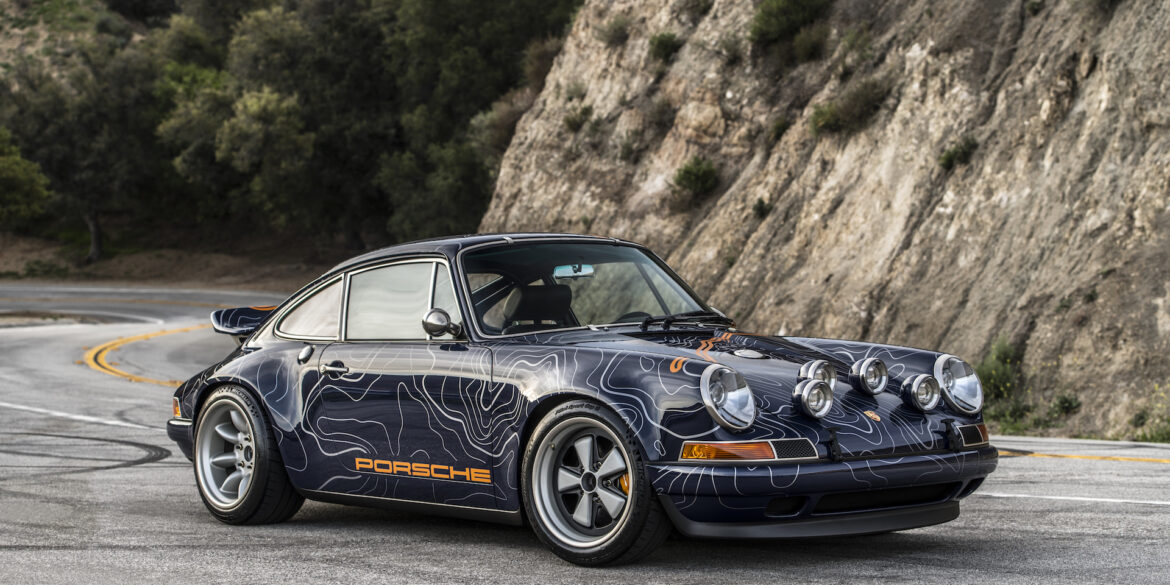
Singer Vehicle Design – Glencoe Commission Today, we take a closer look at the Singer Vehicle Designs Glencoe Commission. This LHD car is captured here in the canyons not far from Singer’s operations. Nato Green over Orange | 4.0L | AWD | 6-speed | Carbon ceramic brakes Photo Credits: Singer Vehicle...
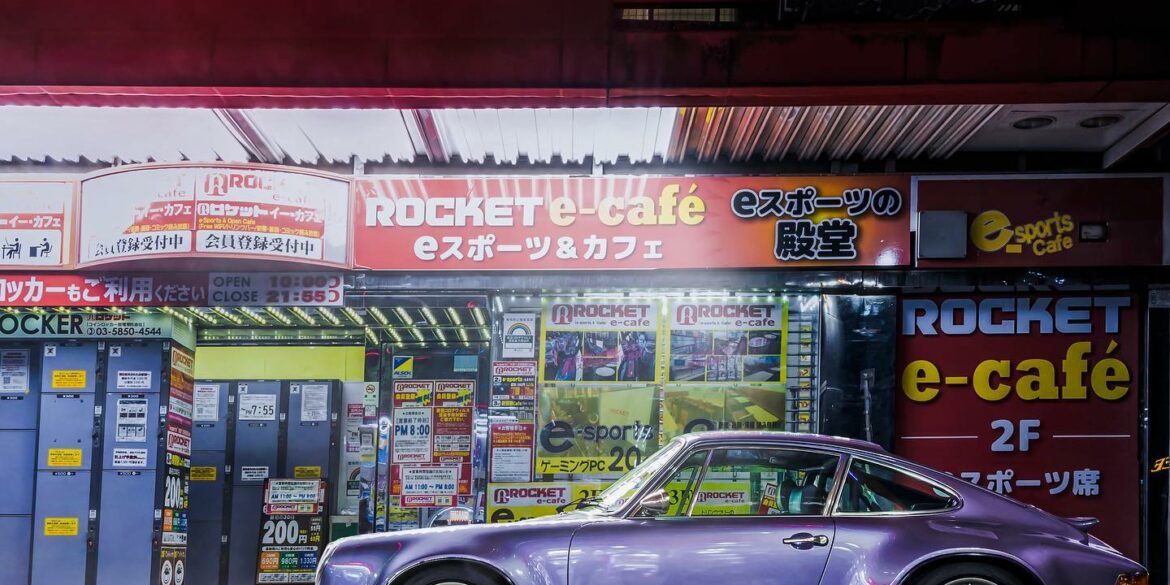
Singer Vehicle Design – Lavender Metallic Commission Today, we take a closer look at the Singer Vehicle Designs Lavender Metallic. At the time, Singer said: Today we’re delighted to welcome @eisanmotors to Singer’s global partner network, representing the brand in Japan. Our growing global partner network provides trusted local support...
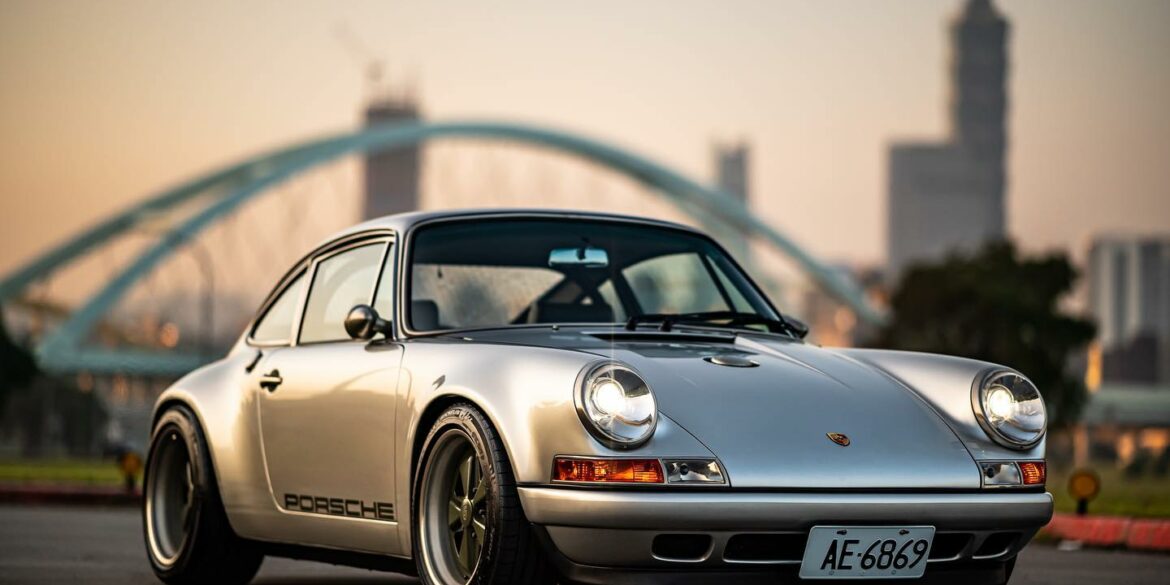
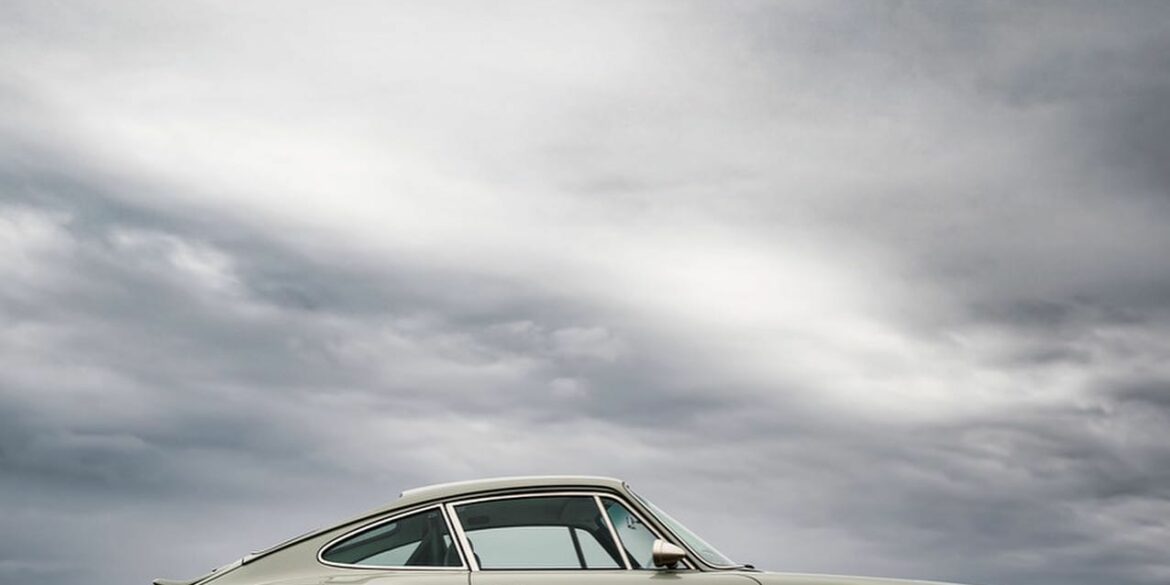
Singer Vehicle Design – Taiwan Commission Today, we take a closer look at the Singer Vehicle Designs Taiwan Commission. The Taiwan Commission on the streets of Taipei. This Porsche 911 Reimagined by Singer is a 3.8L coupe in Silver Metallic. The interior is presented in Olive Green. Lightweight carbon fiber track seats...
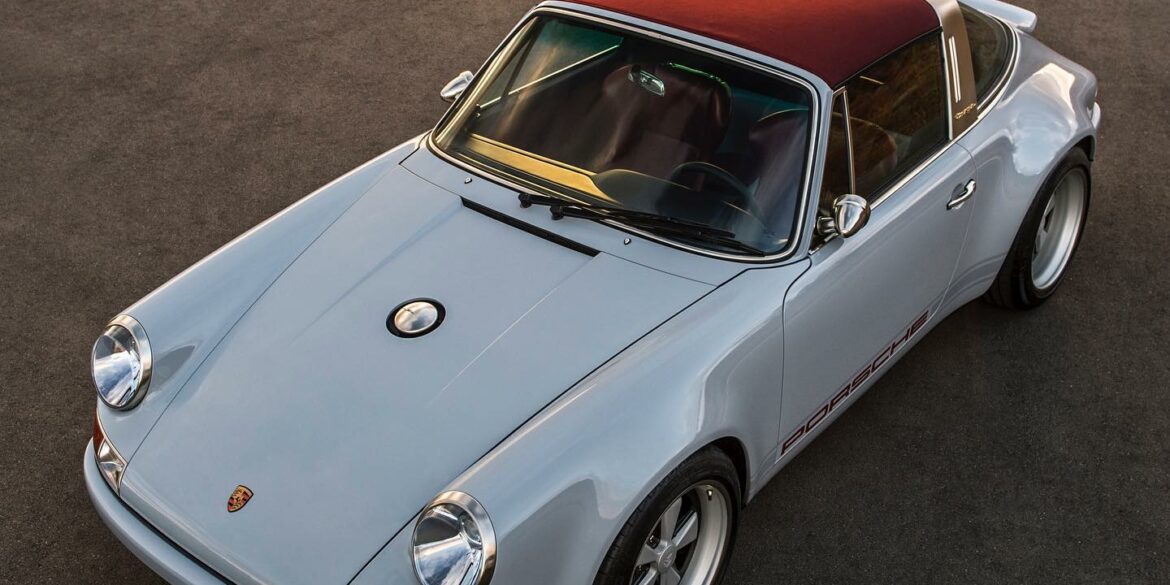
Singer Vehicle Design – Atlanta Commission Today, we take a closer look at the Singer Vehicle Designs Atlanta Commission. Stone Grey over Cognac. Champagne gold velocity stacks. Ebony wood shifter with Singer Racing Orange shift pattern. Alabaster stitching. Photo Credits: Singer Vehicle Design...
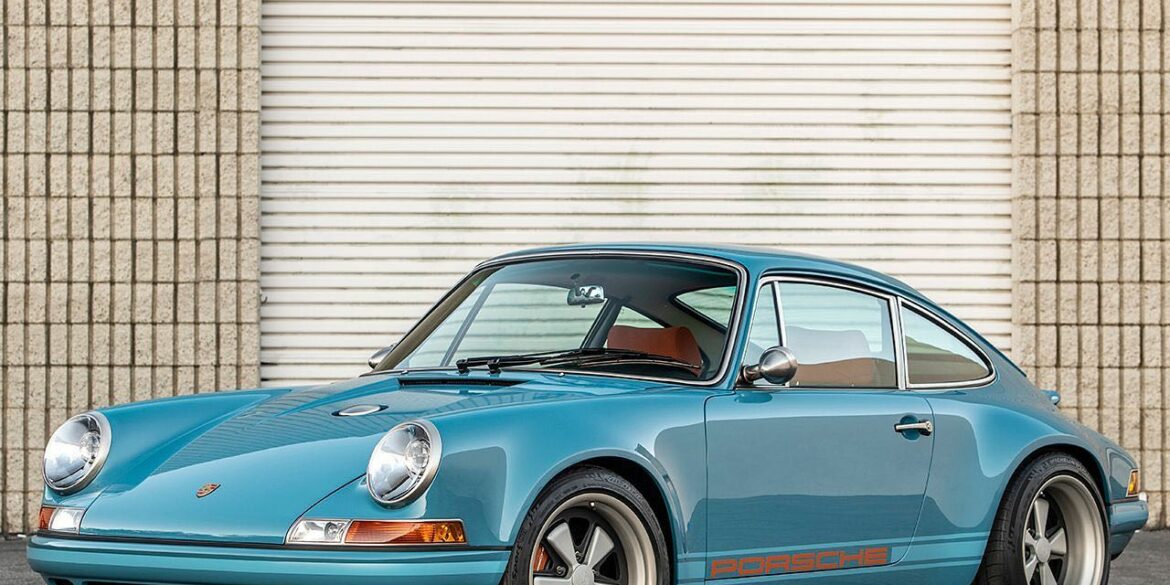
Singer Vehicle Design – Southampton Commission Today, we take a closer look at the Singer Vehicle Designs Southampton Commission. The Southampton Commission is a 4.0L LHD coupe, presented in Perfect Blue with light-ghosted stripes and Deep Orange lettering. The interior is Orange suede. Both the center-mounted external fuel filler and...
Le Mans Classic Clubsport Restomod Paul Stephens is considered THE Porsche guy in the UK. Restoration and restomodding is his forte and he has been doing longer than anybody else. His PS AutoArt range offers everything from restored cars with mild upgrades to custom Speedsters and very rapid lightweights. The...
Singer Vehicle Design – Queenstown Commission Today, we take a closer look at the Singer Vehicle Designs Queenstown Commission. The Queenstown Commission is powered by a 3.8L, naturally aspirated, air-cooled flat-six. A ceramic plenum finish is specified along with a 5-speed manual transmission, optimized by Singer for shift weight and feel. Fully adjustable...
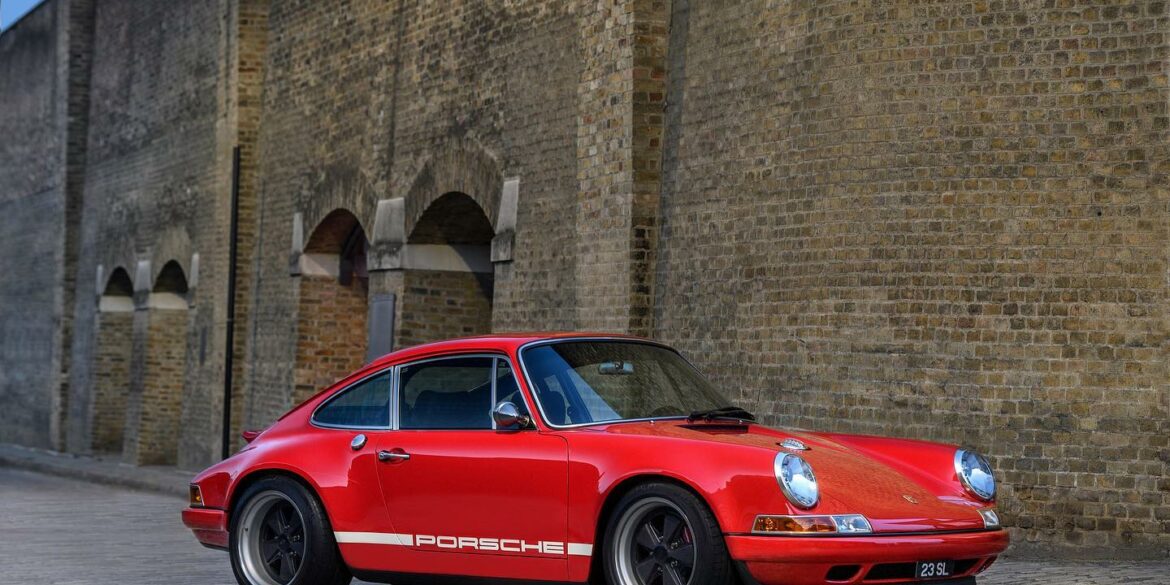
Singer Vehicle Design – Silverstone Commission Today, we take a closer look at the Singer Vehicle Designs Silverstone Commission. The Silverstone Commission is a 4.0L, RHD coupe with carbon-fiber bodywork. The color is Blue Blood with light ghosted stripes and Deep Orange lettering. The air-cooled, naturally-aspirated flat-six is paired with a...
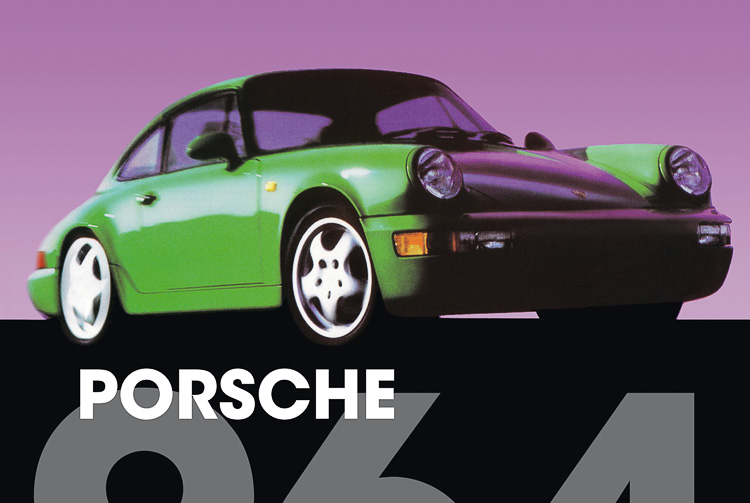
Porsche 964: The Modern Classic by Paul Koebrugge – © Paul Koebrugge The history of Porsche sportscars is peppered with iconic models that stand out as special, from the earliest models to the very latest. One of the most notable achievements by Porsche’s designers is how they have retained the...
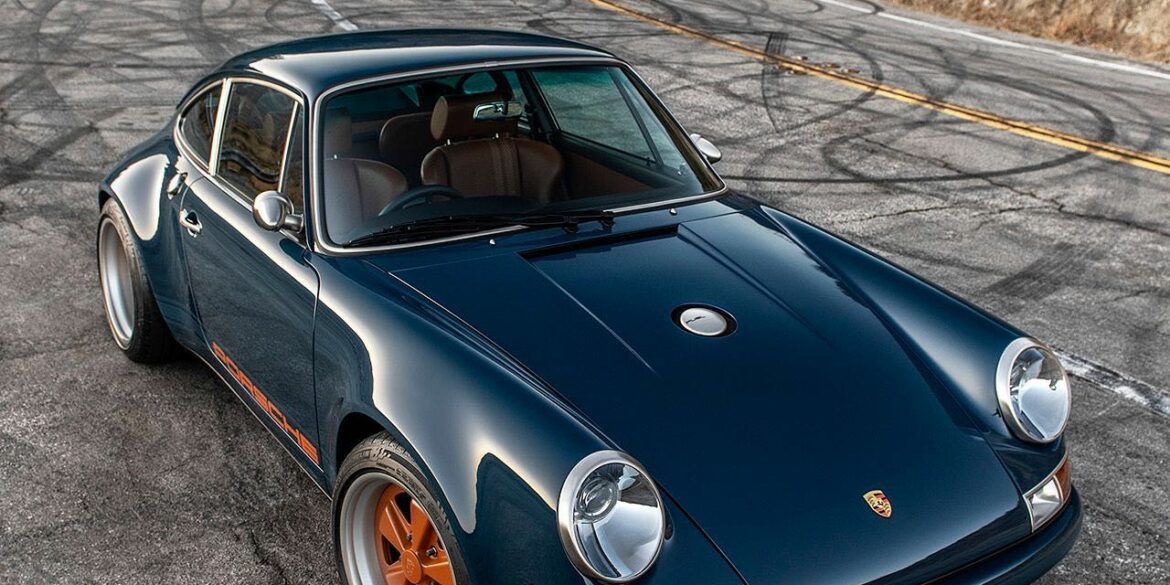
Singer Vehicle Design – Easthampton Commission Today, we take a closer look at the Singer Vehicle Designs Easthampton Commission. At the heart of the Easthampton Commission sits the 4.0L, naturally aspirated, air-cooled flat-six – linked to a 6-speed manual transmission and AWD. The carbon-fibre bodywork is presented in Black Metallic with...
Singer Vehicle Design – Japan Commission Today, we take a closer look at the Singer Vehicle Designs Japan Commission. The carbon-fiber bodywork is presented in Midnight Blue with light-ghosted side stripes, top stripes and lettering. Bumperettes and rear deck-lid badging are presented in nickel. The air-cooled, naturally aspirated flat-six is...
Singer Vehicle Design – Gsteig Commission Today, we take a closer look at the Singer Vehicle Designs Gsteig Commission. The carbon-fibre bodywork is presented in Black Blue (light pearl) with light, ghosted stripes and lettering, body-color bumperettes and brass deck-lid badging. The Gsteig Commission has a 4.0L air-cooled flat-six is...
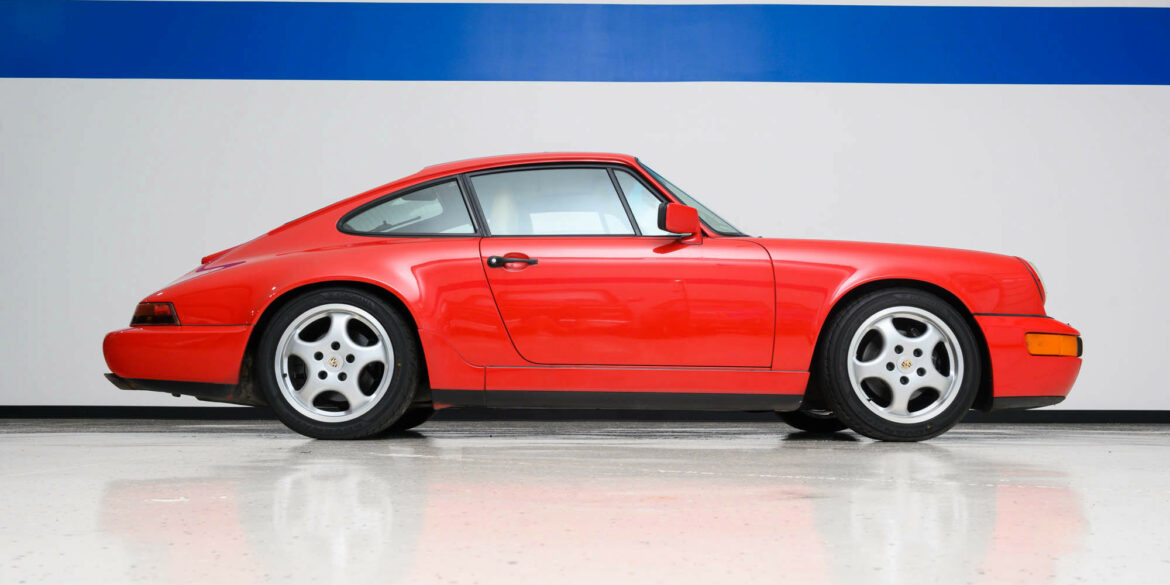
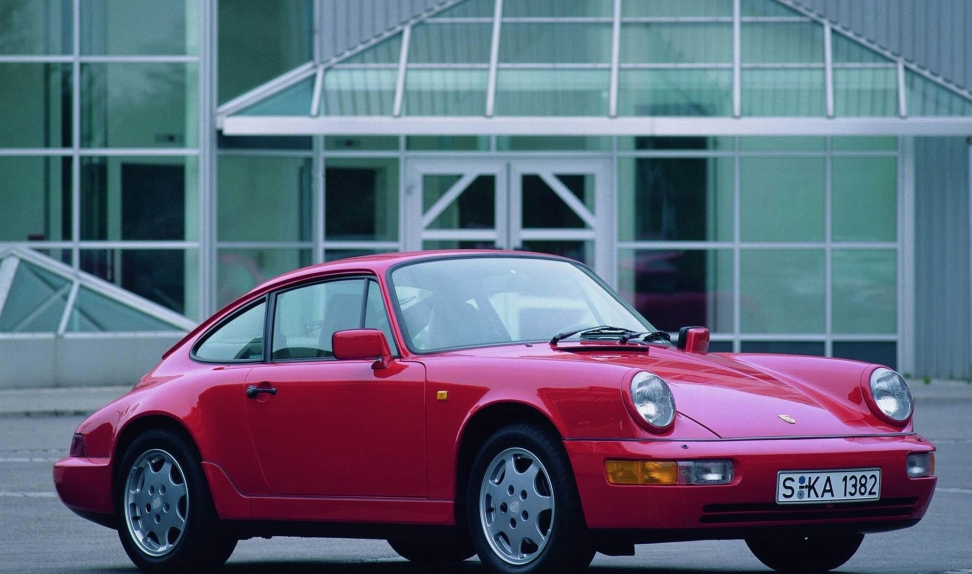
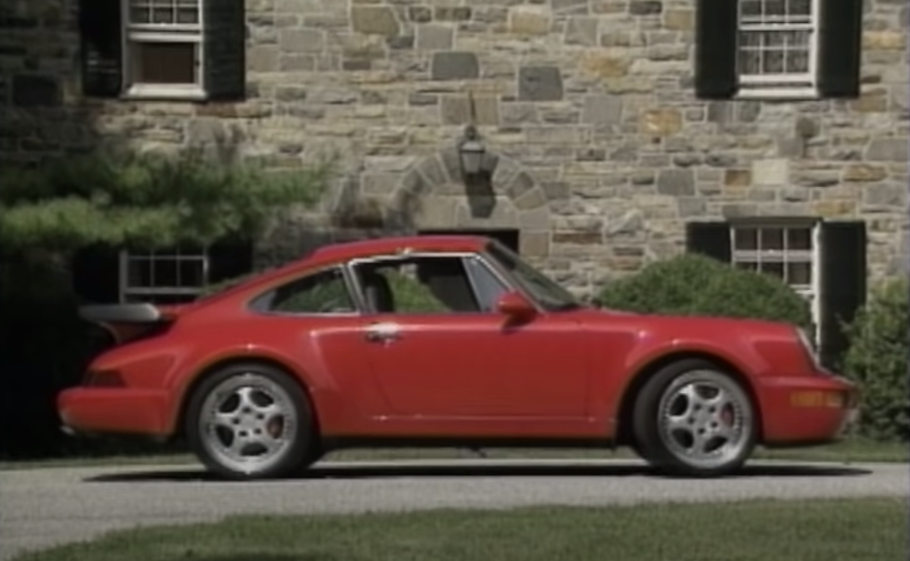
The Car You Need Say hello to your next Porsche. This 1991 Porsche 911 Carrera 2 is a gorgeous example. Painted red over a tan leather interior, the car is in fantastic condition and is currently for sale on Bring a Trailer.  Featuring a 3.6-liter flat six-cylinder engine with a...
Singer Vehicle Design – Raffles Commission Today, we take a closer look at the Singer Vehicle Designs Raffles Commission. The carbon-fiber bodywork is presented in Yolk Yellow with dark ghosted stripes and lettering. For this car the air-cooled, naturally aspirated flat-six is paired with a 6-speed manual transmission. Both the...
Singer Vehicle Design – Sun Valley Commission Today, we take a closer look at the Singer Vehicle Designs Sun Valley Commission. Carbon fiber body with light ghosted side stripes and black lettering. Wheels are specified with open lug-nuts and the brake calipers are finished in Pillar Green with white lettering. Inside...
Singer Vehicle Design – Mulholland Commission Today, we take a closer look at the Singer Vehicle Designs Mulholland Commission. It showcases the capabilities of Singer’s ‘Special Wishes’ program and in this case follows the client’s brief to have a 911 that provides an undiluted, visceral experience. As Singer explains, “It...
Singer Vehicle Design – Stockholm Commission Today, we take a closer look at the Singer Vehicle Designs Stockholm Commission. It has a 4.0L, air-cooled flat-six  and is specified with velocity stacks, presented in a champagne gold finish, and is paired with a six-speed, manual transmission. The gear shift knob is...
Singer Vehicle Design – Fredericksburg Commission Today, we take a closer look at the Singer Vehicle Designs Fredericksburg Commission. The 4.0L air-cooled flat-six is specified with a ceramic plenum finish and is paired with a six-speed, manual transmission. Wheels are specified with open lug-nuts, while the brake calipers are finished...
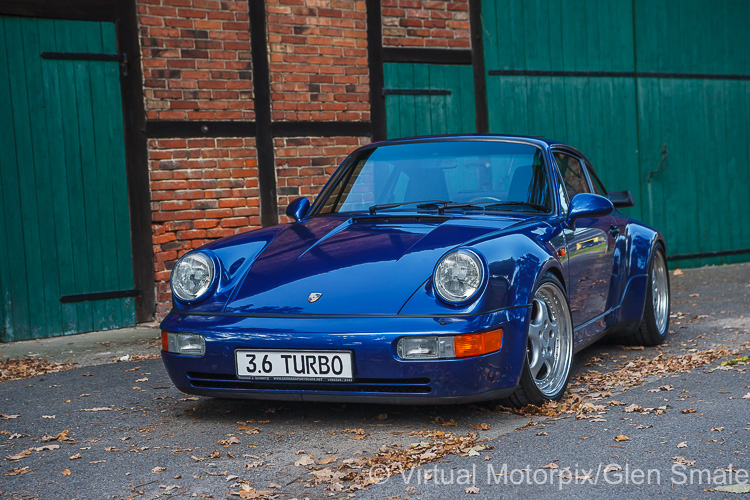
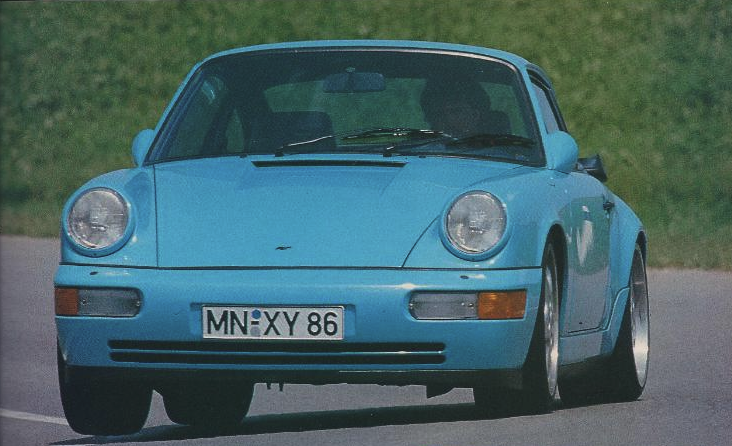
Engine based on modified 3.6 litre 964 unit. Speedline wheels with big red brake calipers. Lessons learned in the Carrera Cup series proved the reliability of the new 3.6-litre engine. An additional three millimetres on the bore and two millimetres on the stroke, resulted in an increase in capacity of 300 cc. Combined with the turbo optimised cylinders, pistons and crank train, and an increase in the compression ratio from 7.0 to 7.5:1, this helped to boost power to 360 bhp. Torque was increased significantly to 520 Nm at 4200 rpm, up from 450 Nm at 4500 rpm in the earlier car.
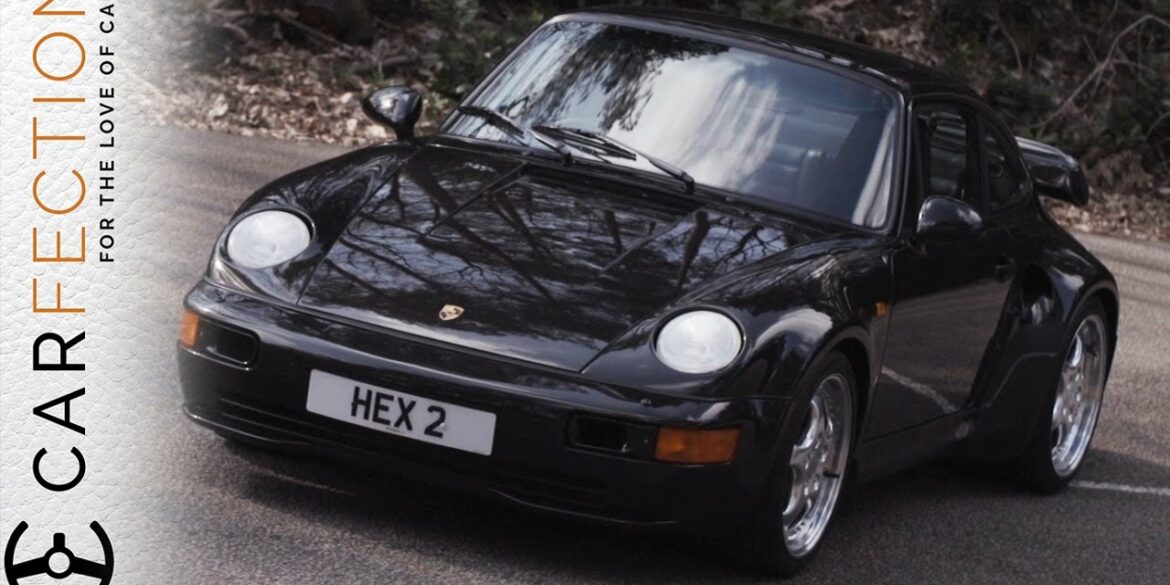
Carfection, they of great car reviews and sneak peeks at new and upcoming cars, posted late last night their latest review. Singer Designs is a specialist company, in that they take a 1989 to 1994 Type 964 Porsche 911, and over several thousand man-hours of labor, make it the perfect...
Singer Vehicle Design – Mexico Commission Today, we take a closer look at the Singer Vehicle Designs Mexico Commission. At the time, Singer said: Back in 2011 we completed the Mexico Commission – the first 964-based restoration. Since then, the owners group has expanded across more than 30 countries – as...
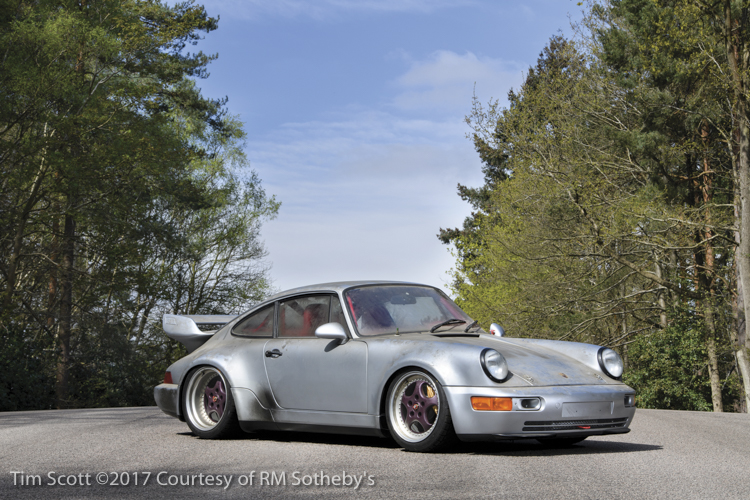
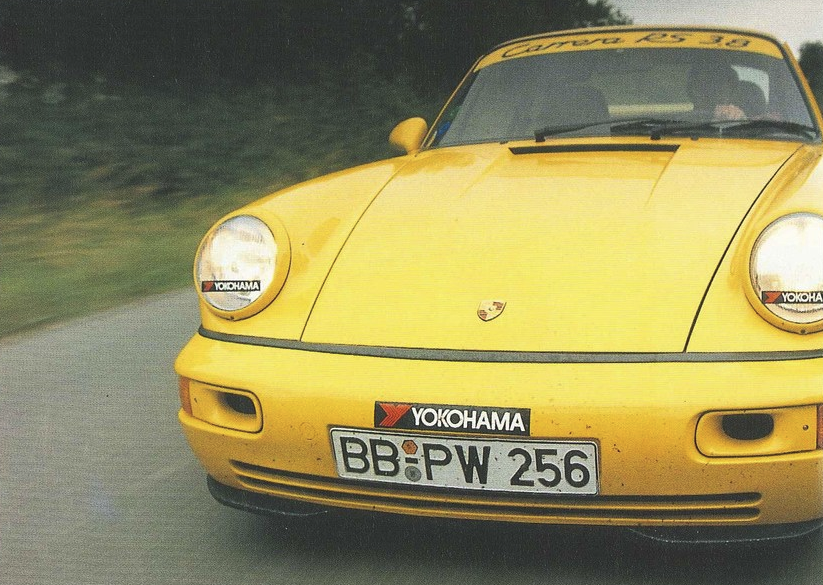
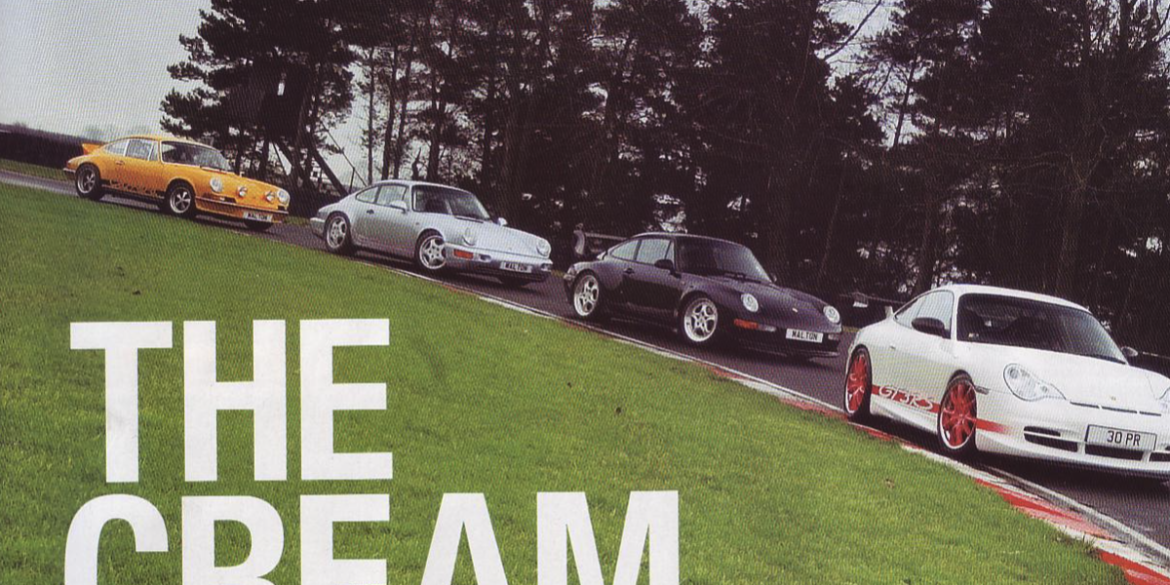
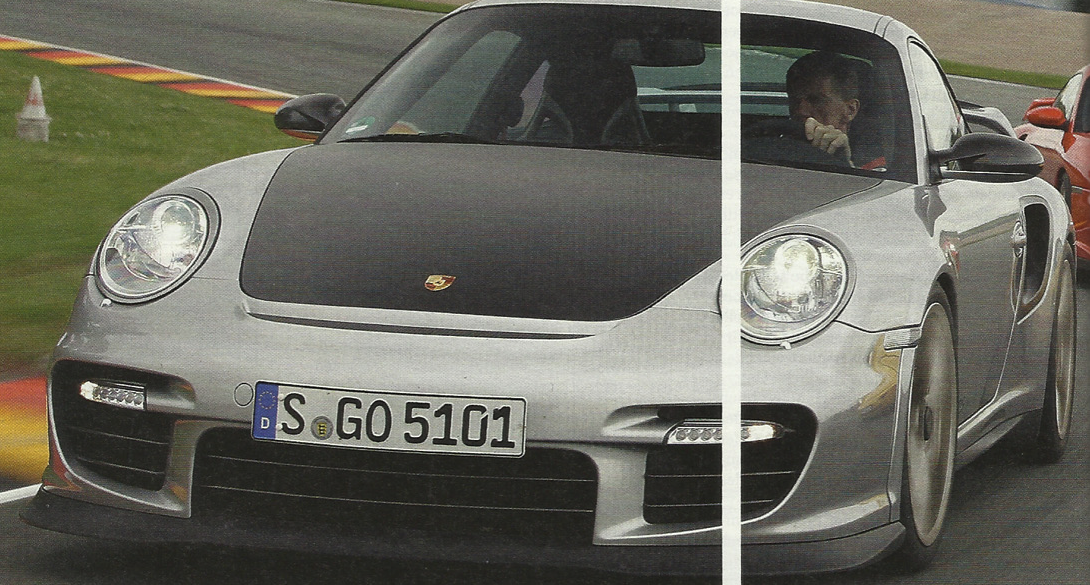
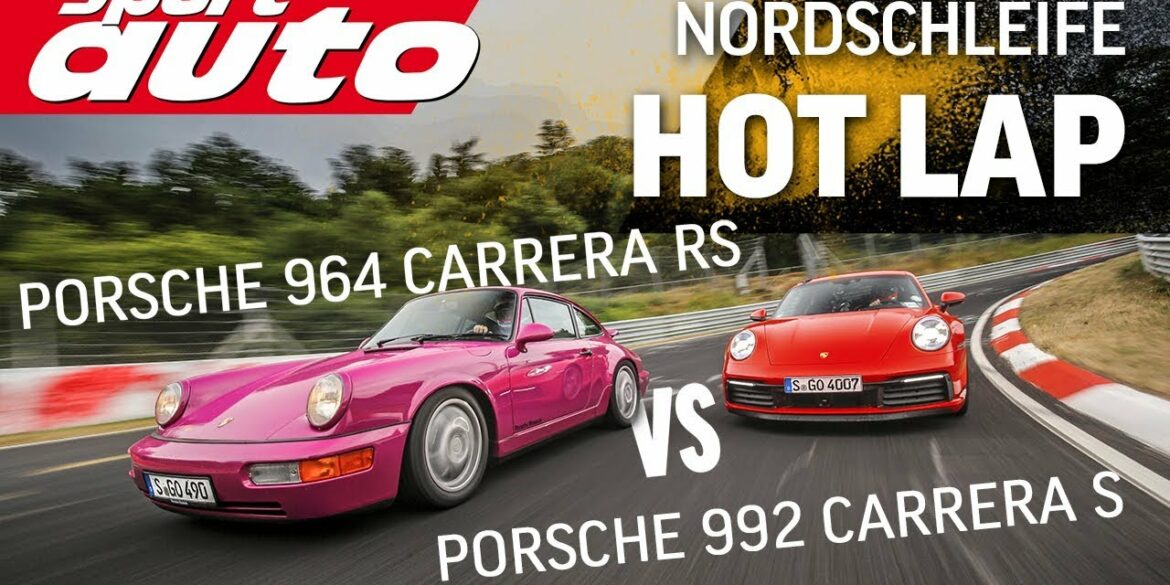
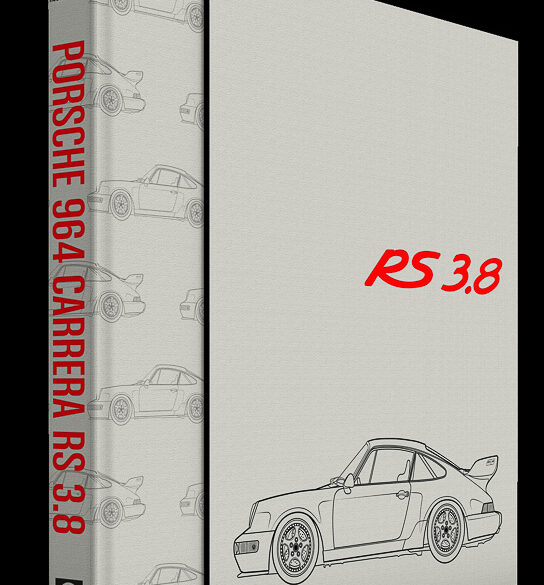
Porsche’s roadgoing model line-up has seldom, if ever, been very far removed from the company’s motorsport programme. This thread can be traced back even to the early 356 and 356 Carrera days. The Porsche 964 Carrera RS 3.8 is a very different beast from the cars of old, but the...
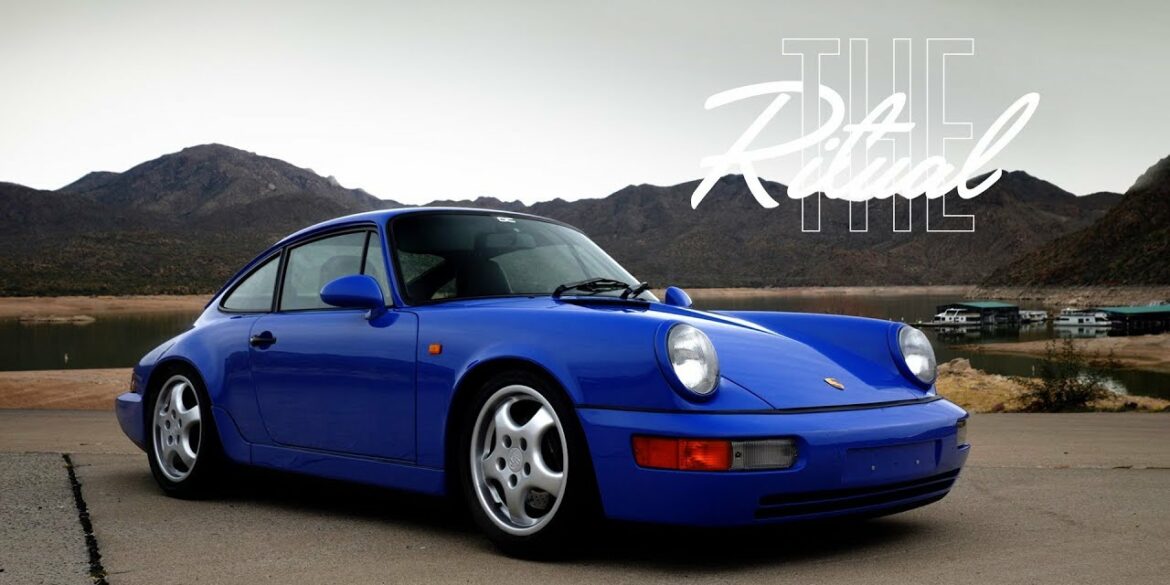
Rituals of Rennsport The power of Porsche is rarely measured on a dyno, but you can always tell when it’s taken hold of someone. Eli Kogan is certainly no stranger to the marque from Stuttgart, and today we’re joining him for a spirited run through the gears in the type...
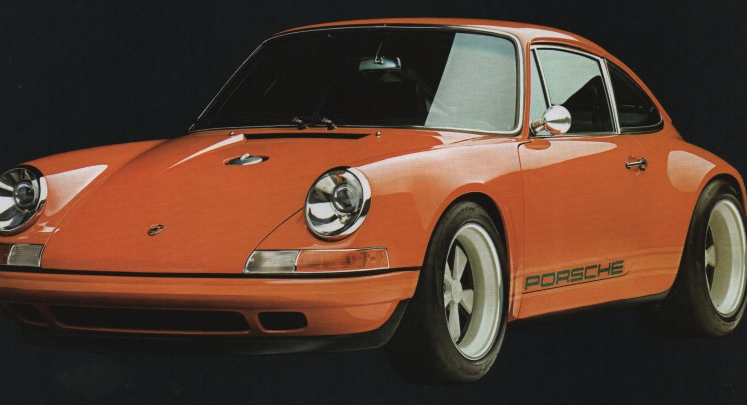
Singer Vehicle Design is at it again with another delicious rendition of the Porsche 911. The California restomod company has been focusing on 911’s and a lot of detail goes into one production car. The work they put goes beyond the engine: the selection of leathers, the design of the...
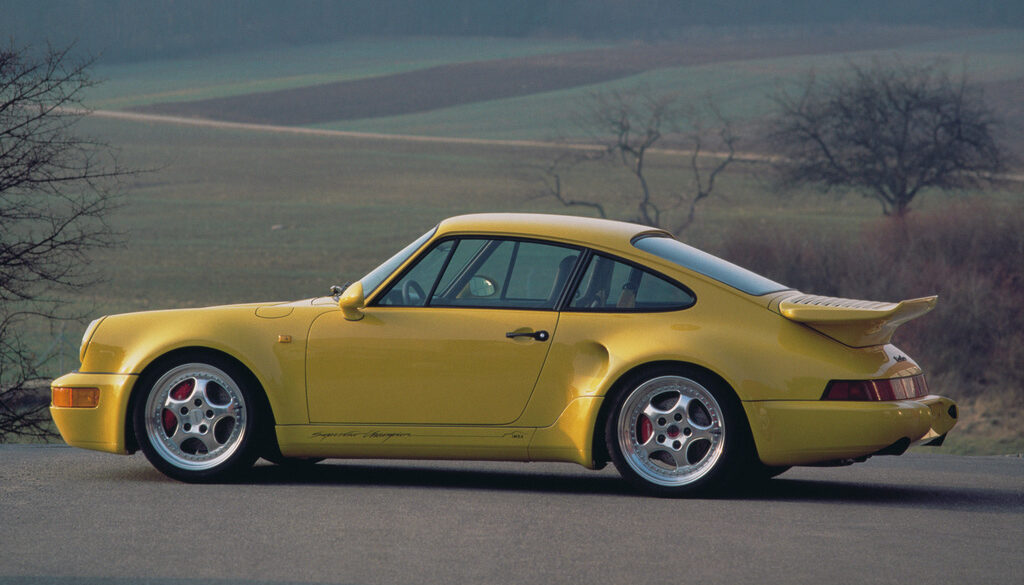
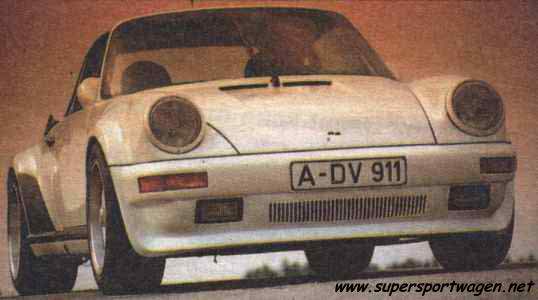
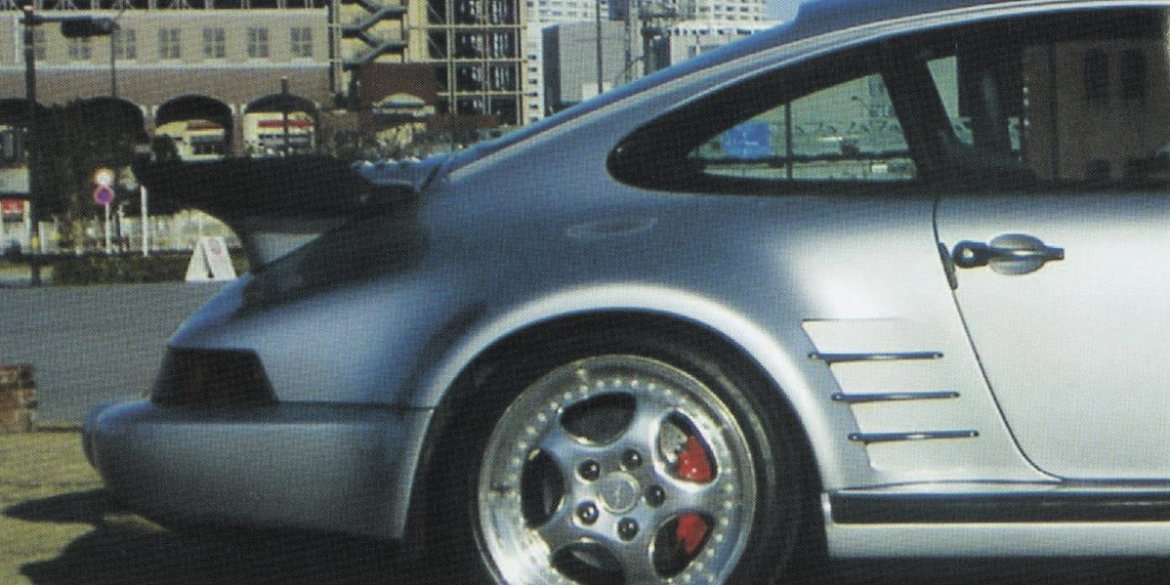
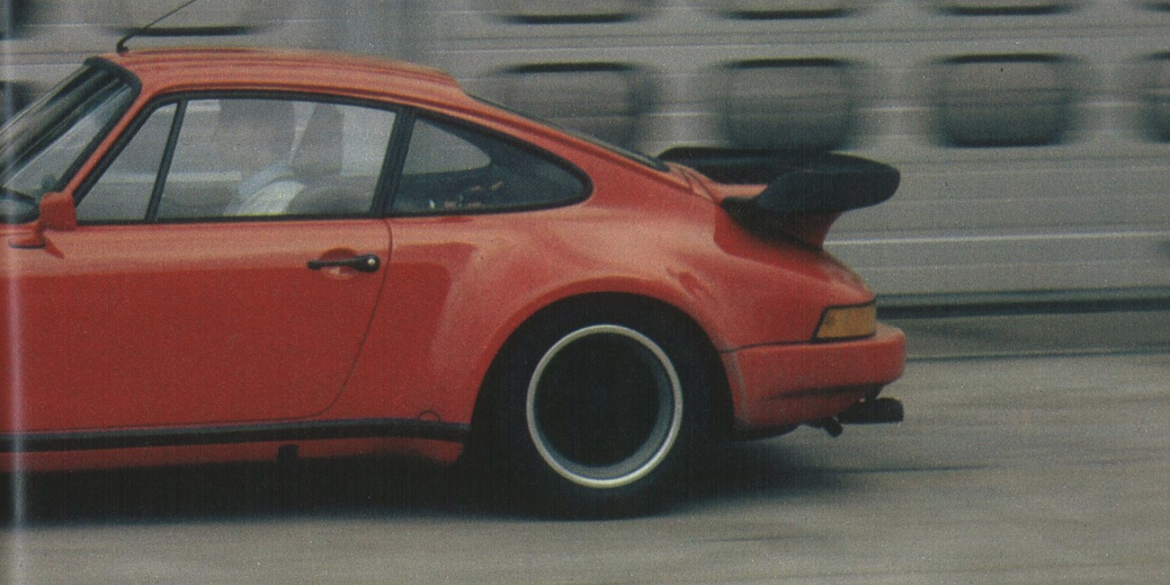
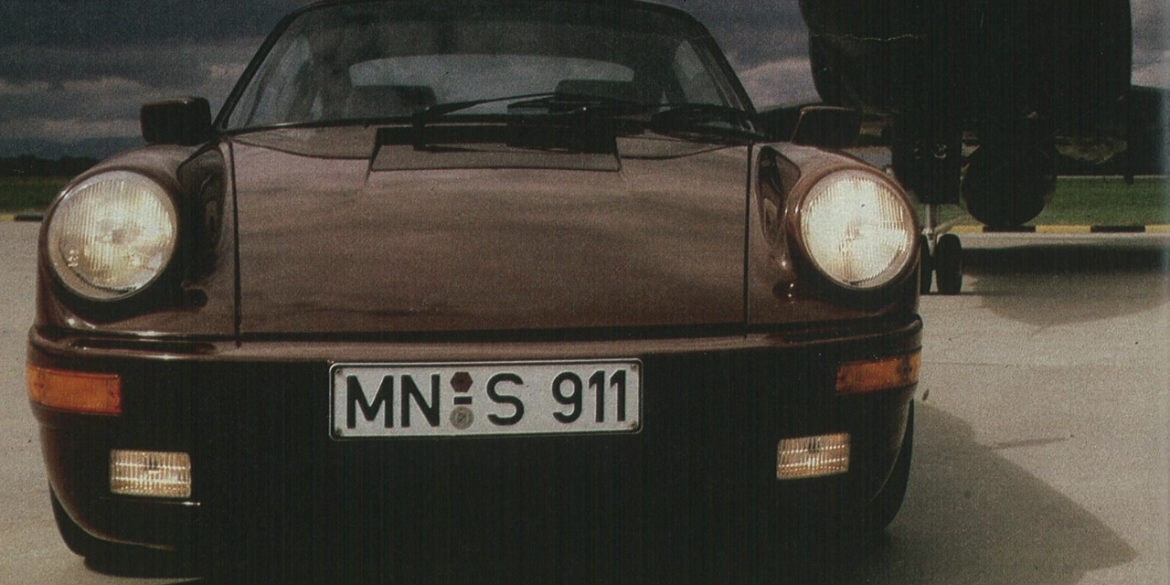
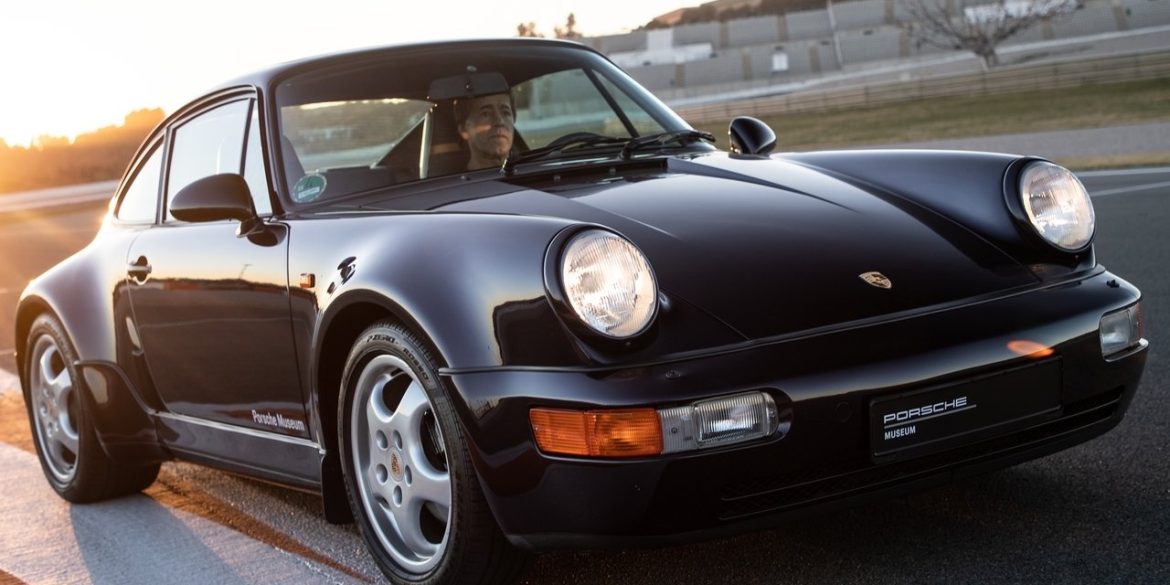
Porsche made a lightweight version of the Turbo simply known as the Tuubo S. This used the spartan appointments of the Carrera RS with an upgraded version of the Turbo engine. Some cars received graphics on the side celebrating IMSA Supercar Championship. Similar to the Carrera RS, the Turbo S had no power steering, air conditioning, airbags, central locking, alarm system, rear window wiper, smaller window washer reservoir, smaller horn, and had thin-gauge glass. The engine used a second oil cooler and slightly higher boost to improve overall performance.

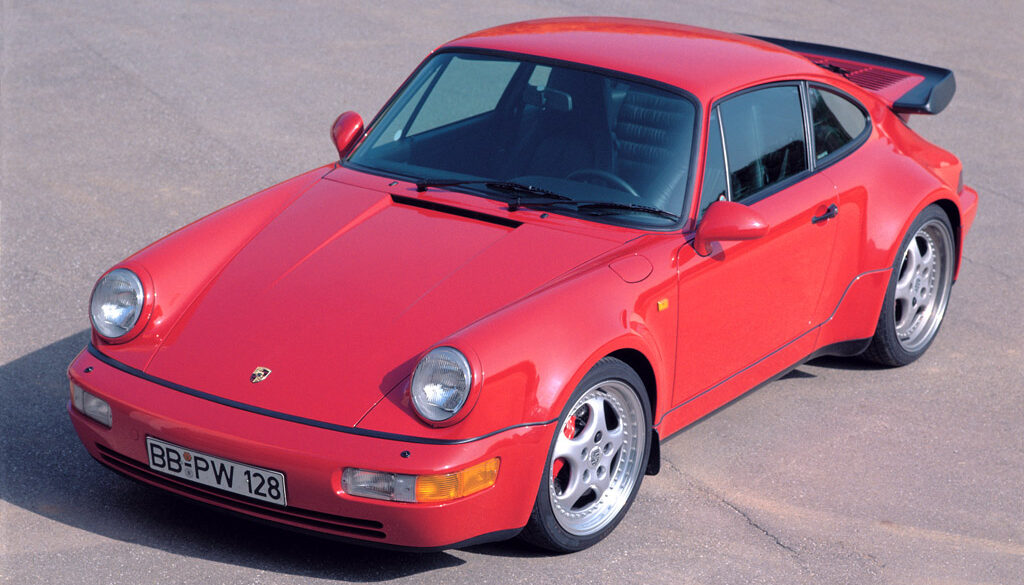
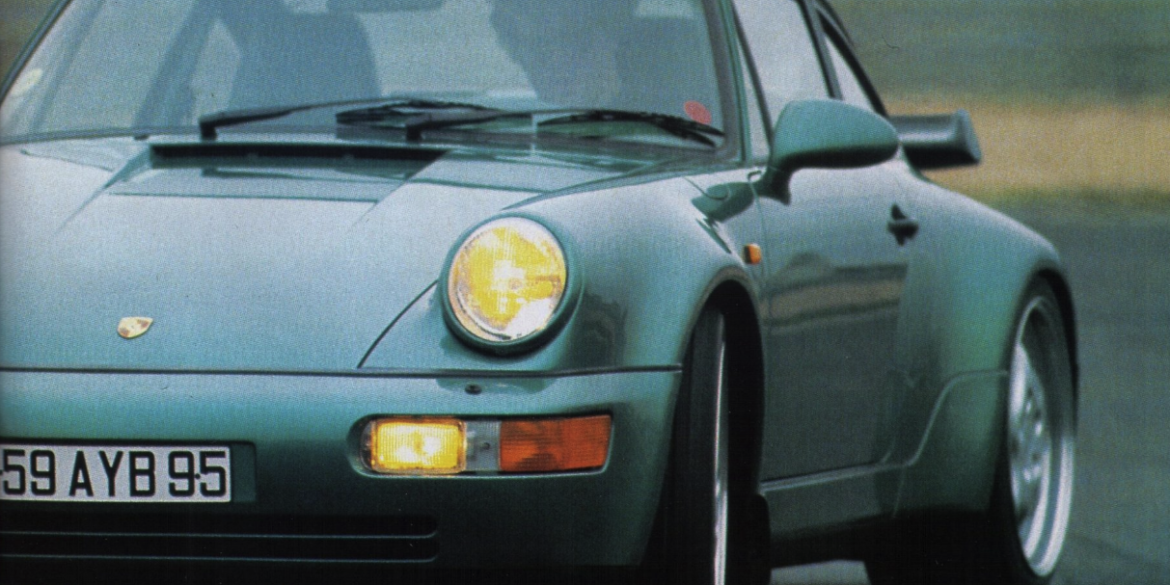
The 1989/90 change of model year saw the launch of the Porsche 911, 964 series onto the market. This 911 model was initially available as a Coupe, Targa and Convertible. From model year 1991 onwards Porsche also introduced its top-of-the-line model - the Turbo - into this series. In spite of bearing a major similarity in terms of look to the naturally-aspirated model, the extended wings remained. This meant that the new Porsche could retain its turbo look. The 964 Turbo model was the successor to the Porsche 930. The 964 Turbo was the end of an era, the last of the single turbo rear-wheel drive 911 Turbos.
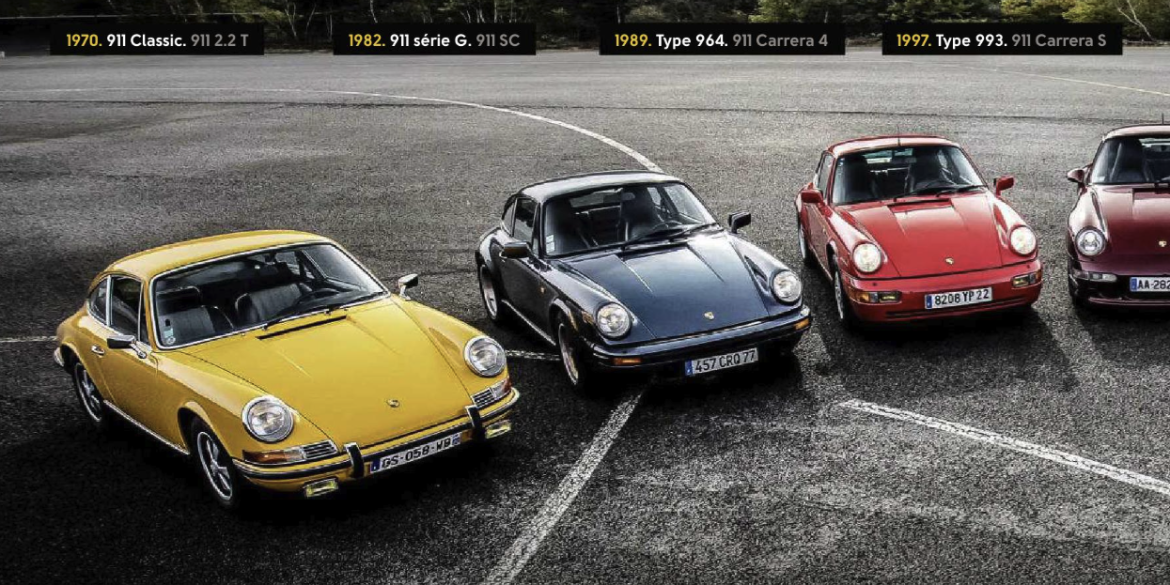
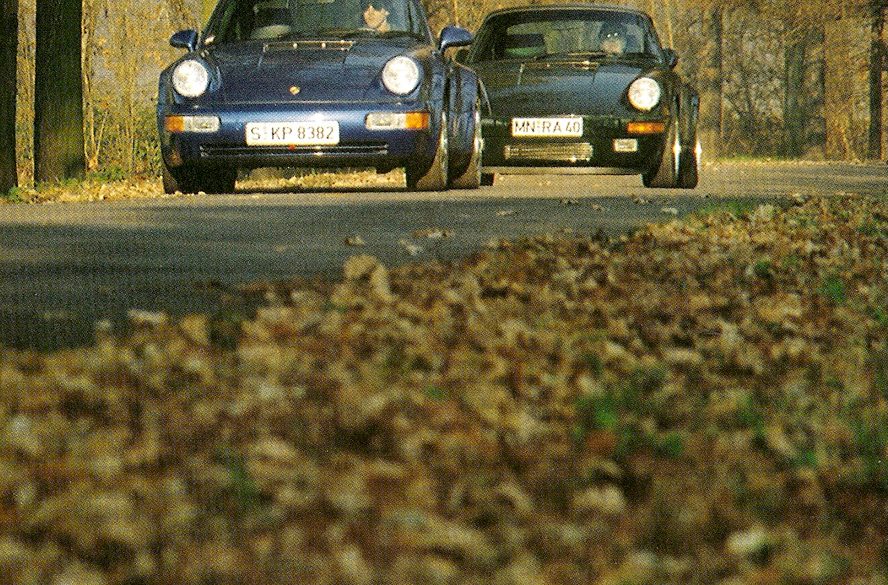
Type 964 family line-up in 1990 showing the Carrera 4 range: (from front to back) Cabriolet, Targa and Coupé From a technical perspective, the 911 Carrera Type 964 represented one of the most significant steps forward for Porsche, for many years. The new Type 964 looked like a 911 that...
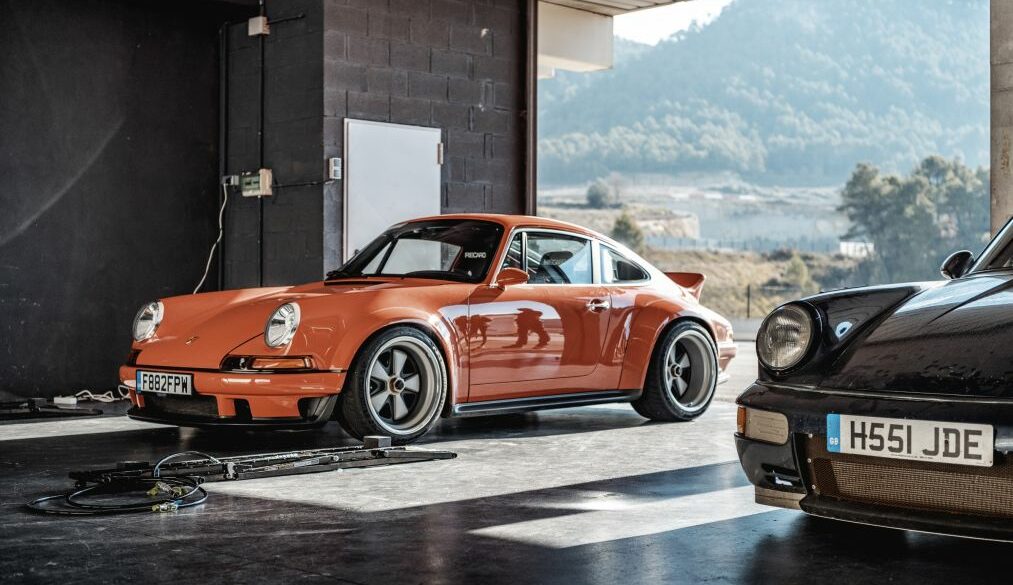
Clubsport Series II Restomod In 2007 Paul Stephens introduced a lightweight coupé called the Clubsport. Created from the ethos of ‘less is more’, the Clubsport was a very light formidable car capable of showing a clean pair of heels to more modern machinery on a twisty road or circuit. A decade...
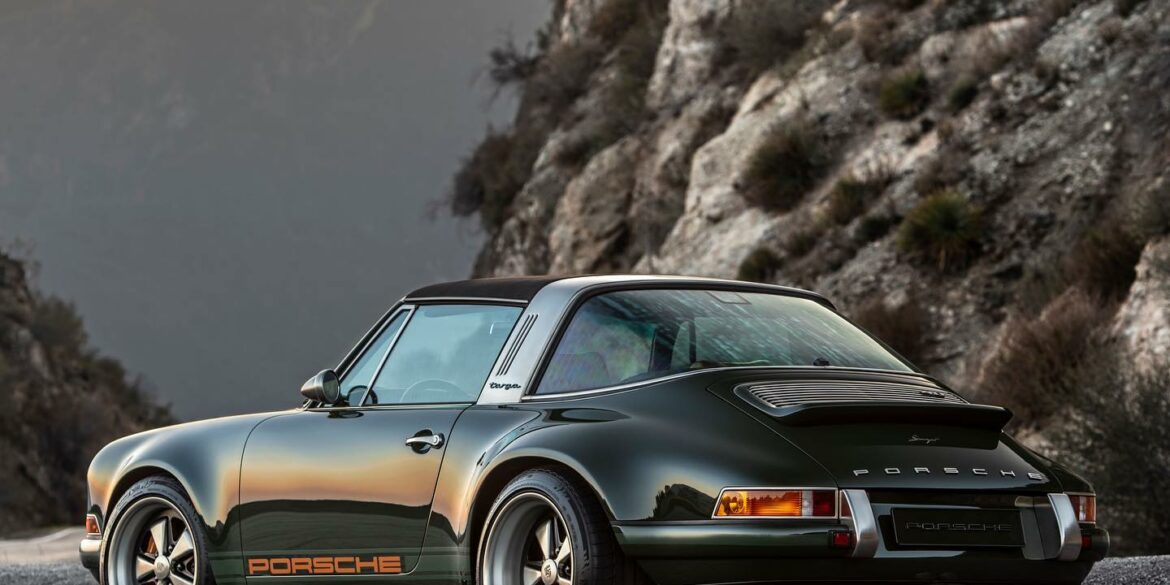
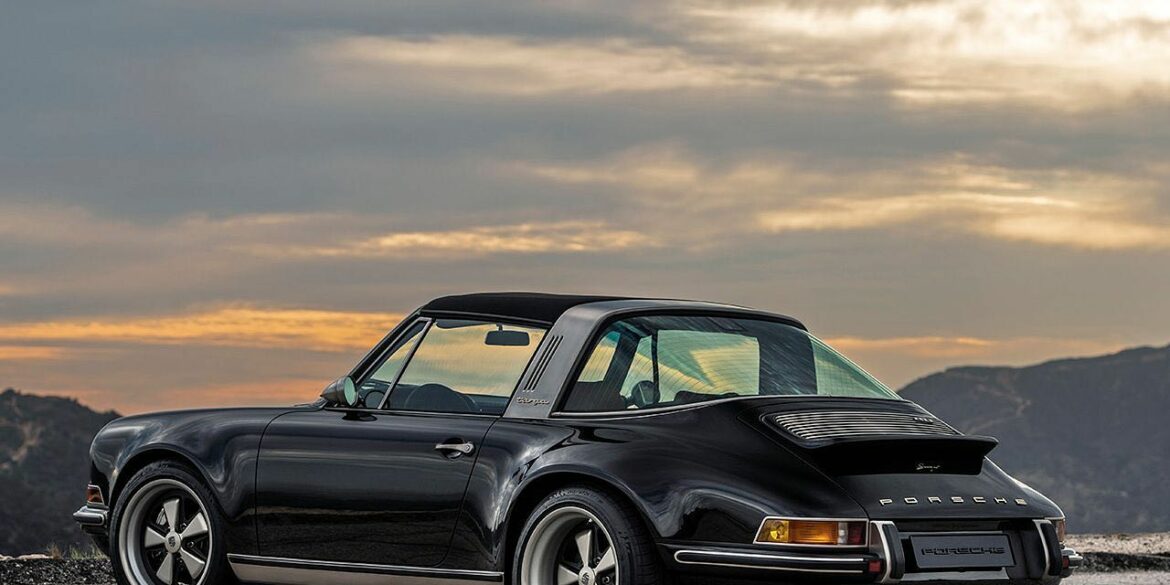
Singer Vehicle Design – Luxemburg Commission Today, we take a closer look at the Singer Vehicle Designs Luxemburg Commission. The car is based on a donor 1990 Porsche 911 Targa, with a 390bhp four-litre flat-six engine providing power. “The Minnesota coupe and the Luxemburg Targa are clear examples of the...
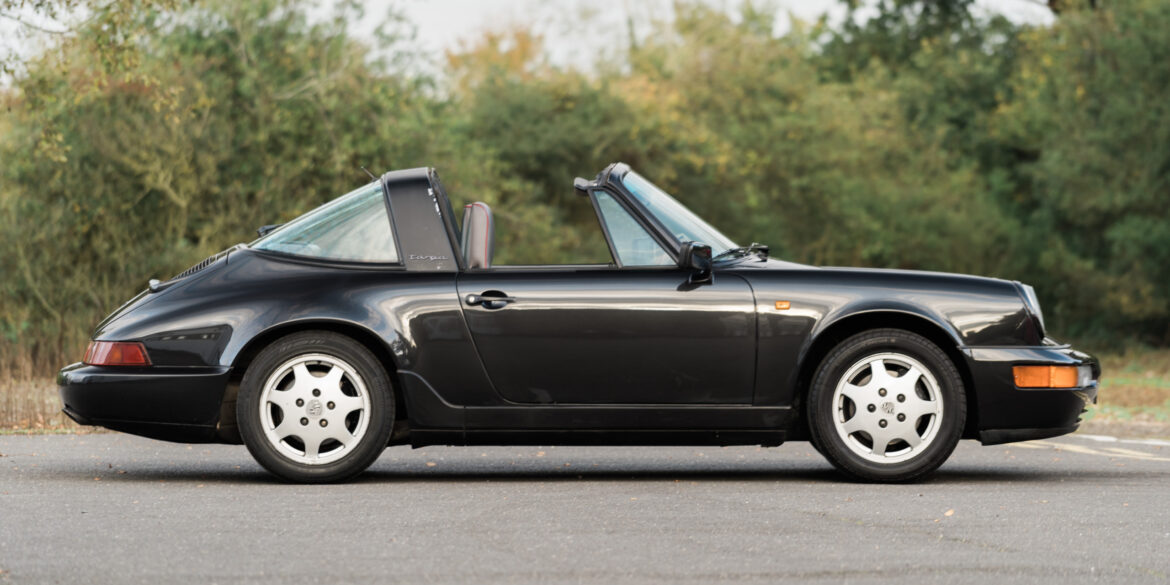
Porsche 911 Carrera 2 Targa (964) (1990 - 1993)
Like the Carrera 4, the Carrera 2 was available as a coupé, Targa or Cabriolet. This was the last generation Targa with traditional removable Targa roof (till 991). It sold ok, with 3,534 units sold over its lifetime. The engine was the 3.6 liter unit which produced 250 horsepower and a maximum speed of 162 mph while the 0 to 60 mph acceleration was made in about 5.6 seconds. Performance was on par with the coupe and it is the looker in the 964 range.
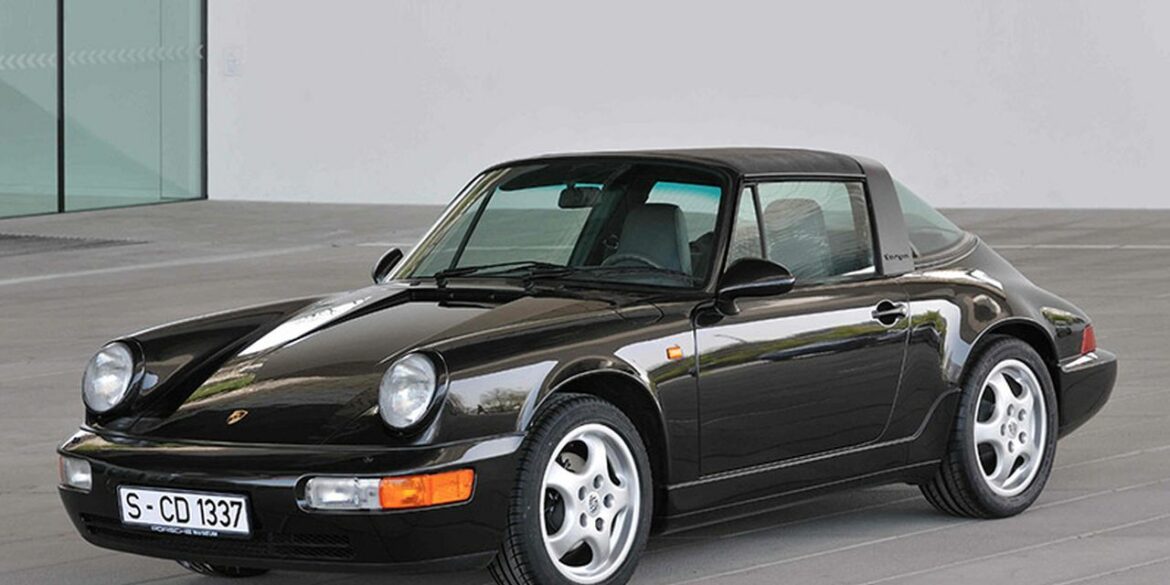
Porsche 911 Carrera 4 Targa (964) (1990 - 1993)
This was the last generation Targa with traditional removable Targa roof (till 991). The Carrera 4 Targa outsold the Carrera 2 Targa by 2x, making the 4 Targa much rarer and more collectible. In all, only 1,329 units were made. Overall, the Carrera 4 packed almost the same technical specifications as the Carrera 2 model. The Targa top was quite a project to take off (compared to the simple and fast cabriolet process) so be prepared to garage it all the time or spend 20 minutes every time you want to enjoy open top fun.
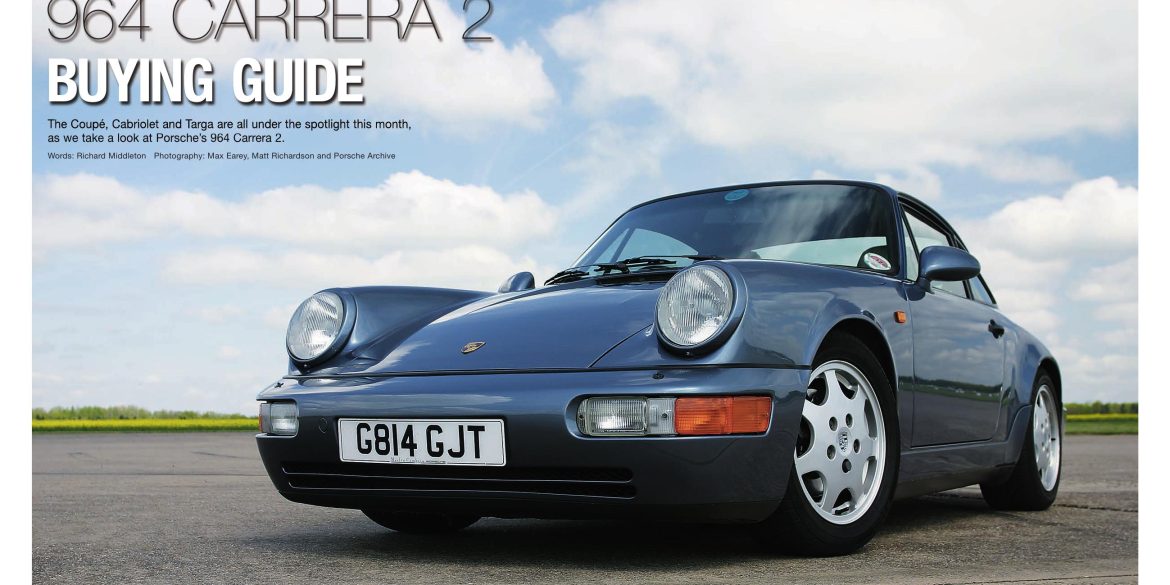
Porsche added the rear wheel drive Carrera 2 variant to the range in 1990. It was developed alongside the 964 Carrera 4, Porsche waited a year to release the Carrera 2 as a 1990 model year car. Like the Carrera 4, the Carrera 2 was available as a coupé, Targa or Cabriolet. Think of the cabriolet as a C2 coupe but with a fabric roof and more fun and you are right on the money. It was popular amongst buyers, particularly in the United States, with a total of 11,013 units sold, making it the third most popular 964 model. 
Porsche 911 Carrera 2 Coupe (964) (1990 - 1994)
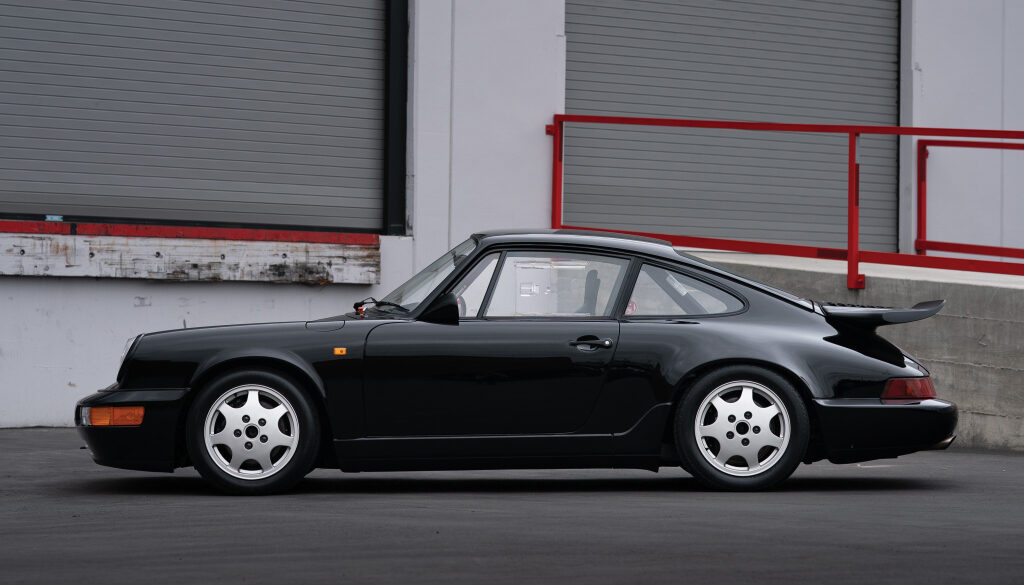
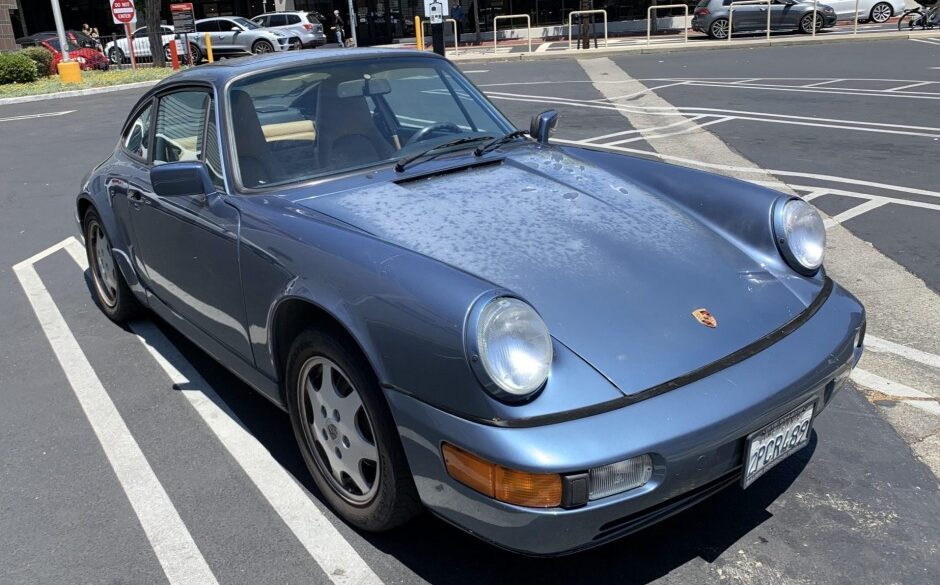
Porsche added the rear wheel drive Carrera 2 variant to the range in 1990. It was developed alongside the 964 Carrera 4, Porsche waited a year to release the Carrera 2 as a 1990 model year car. Like the Carrera 4, the Carrera 2 was available as a coupé, Targa or Cabriolet. Overall, the Carrera 2 packed almost the same technical specifications as the Carrera 4 model. The engine was the same 3.6 liter unit which produced 250 horsepower and a maximum speed of 162 mph. Looked like C4 but was 200 lb lighter and more fun to drive.
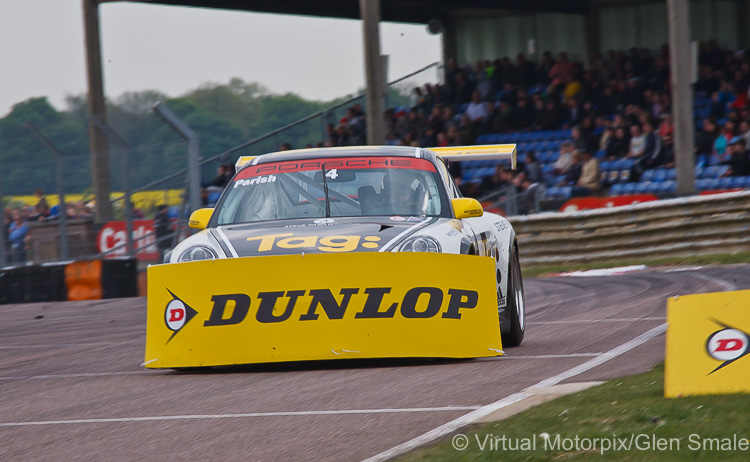
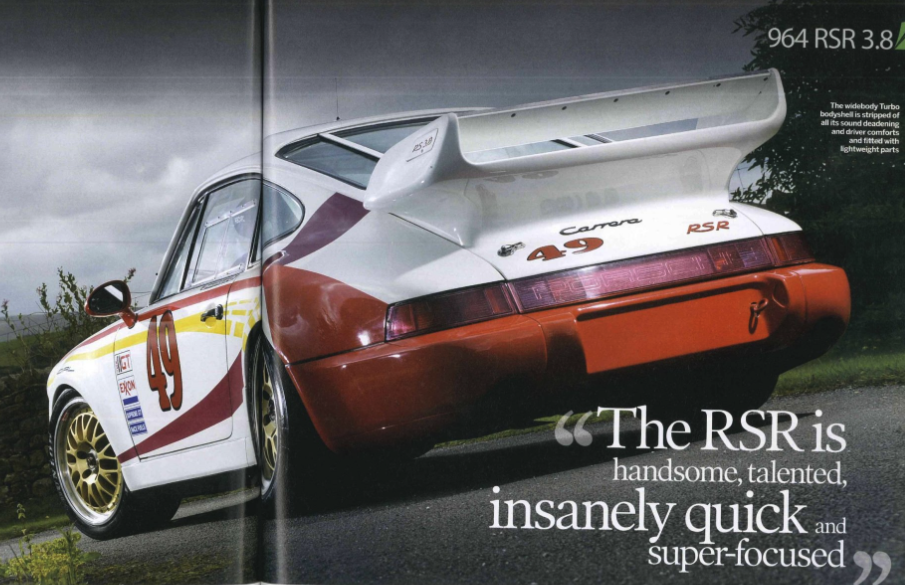
Porsche Carrera RSR 3.8 (1993) Every so often, Porsche creates a short production run of cars that celebrates the attributes of one of their special models. In 1993, the Stuttgart engineers decided to develop a race version of their 911 Type 964 Carrera RS, aptly named the Carrera RSR 3.8,...
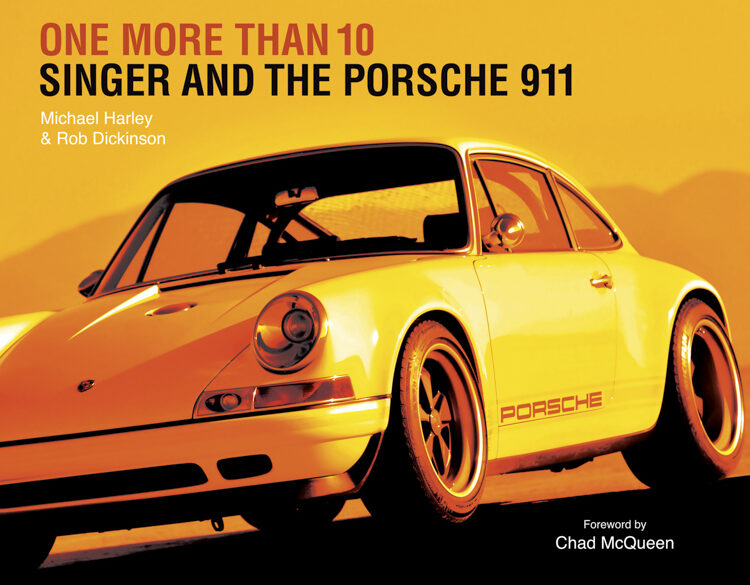
© One More Than 10: Singer and the Porsche 911 It has been said before that there have probably been more books written on the Porsche 911, than almost any car model. In this case though, it is no ordinary 911 that is being unpacked and revealed between the covers...
“My passion has always been cars,” starts Hans-Michael Gerischer, saying, “Cars always influenced me and kept me moving, and it’s really the only passion I could never let go of.” Heavy words, and even moreso when you consider Hans-Michael’s choice of car: a Porsche 911 (964) that he’s grown to...
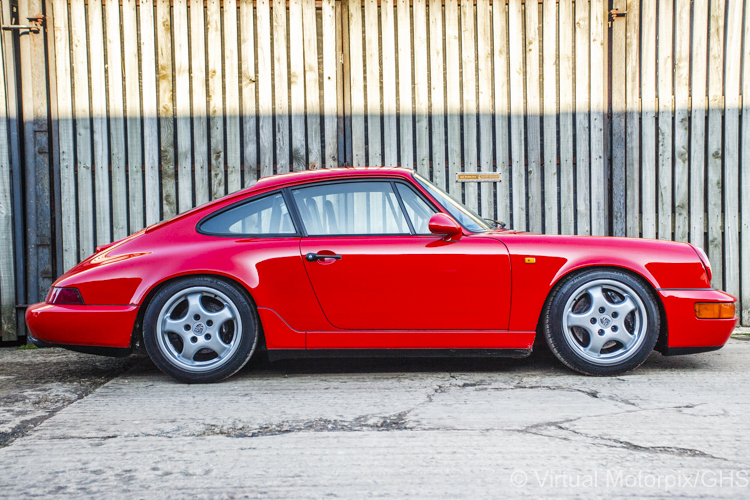
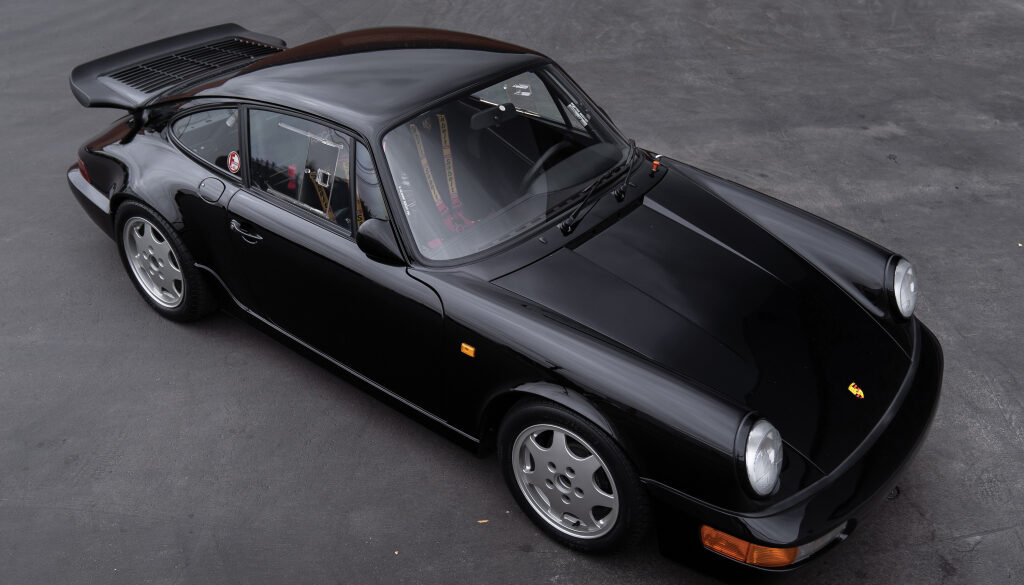
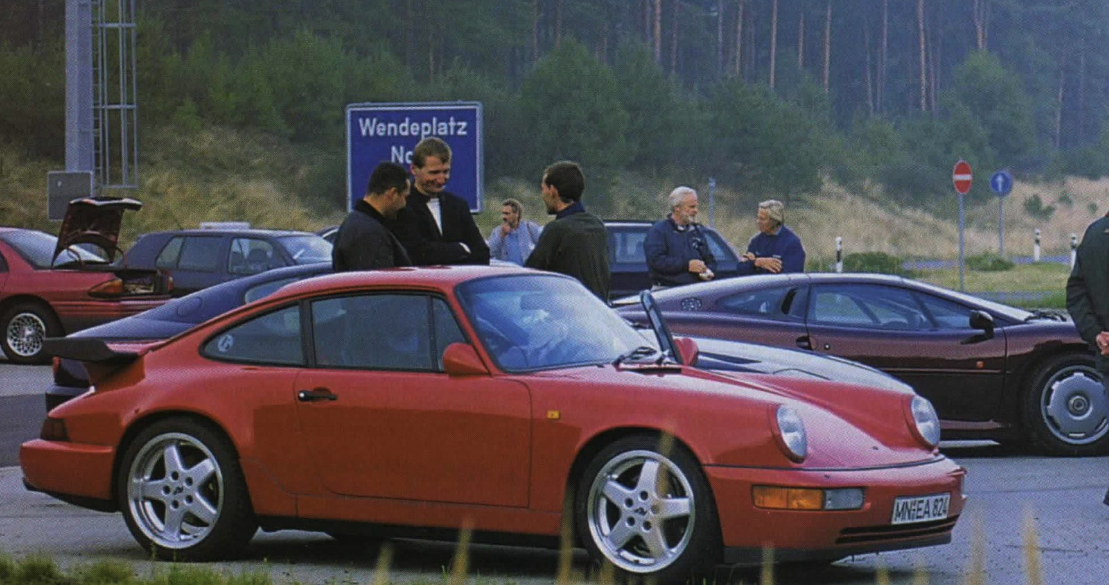
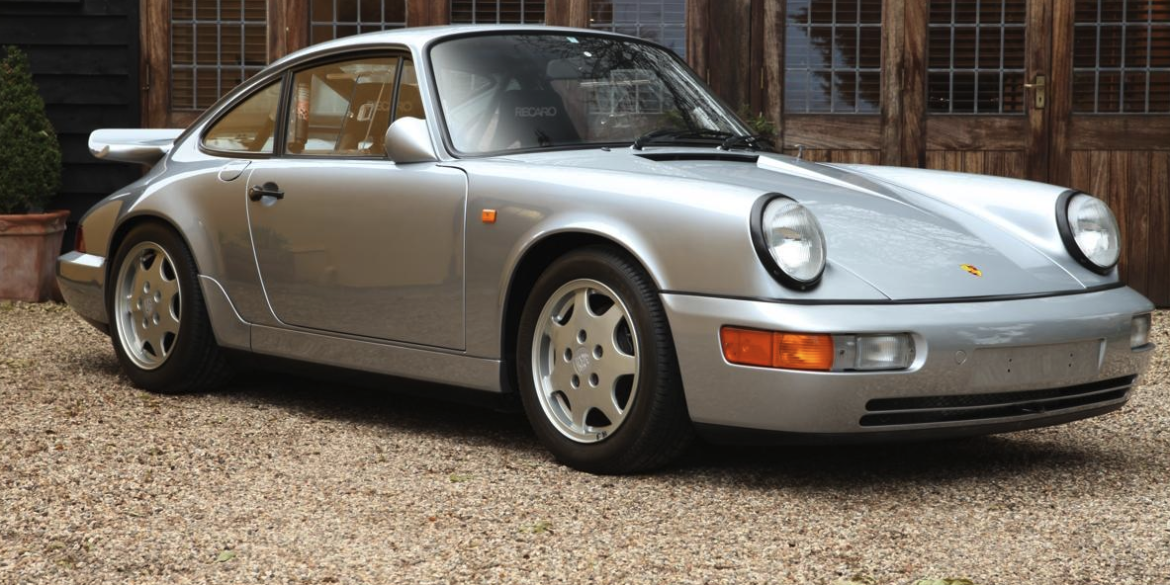
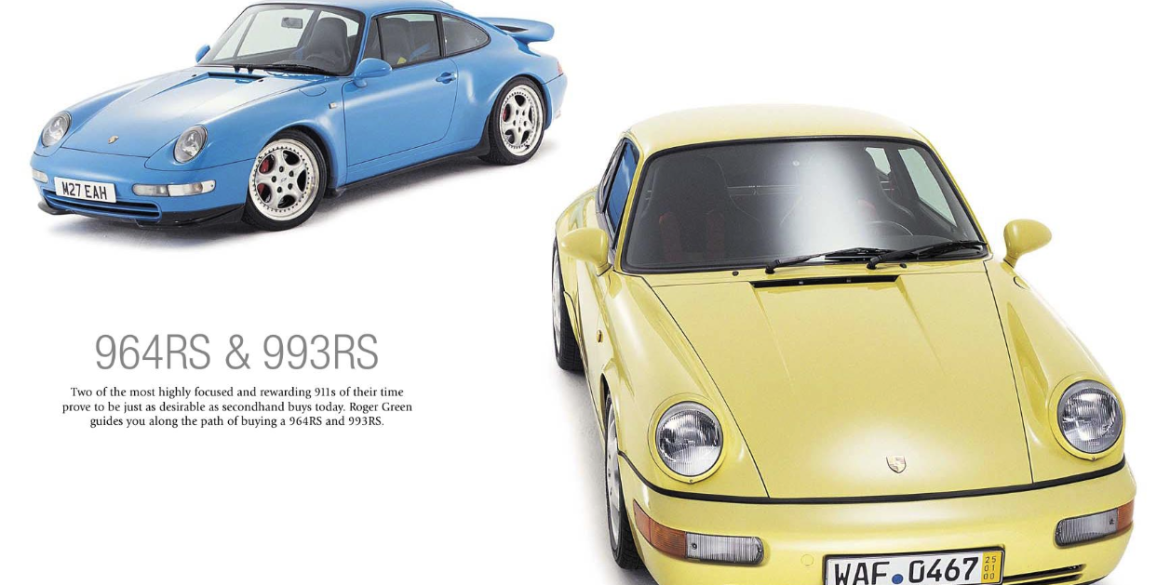
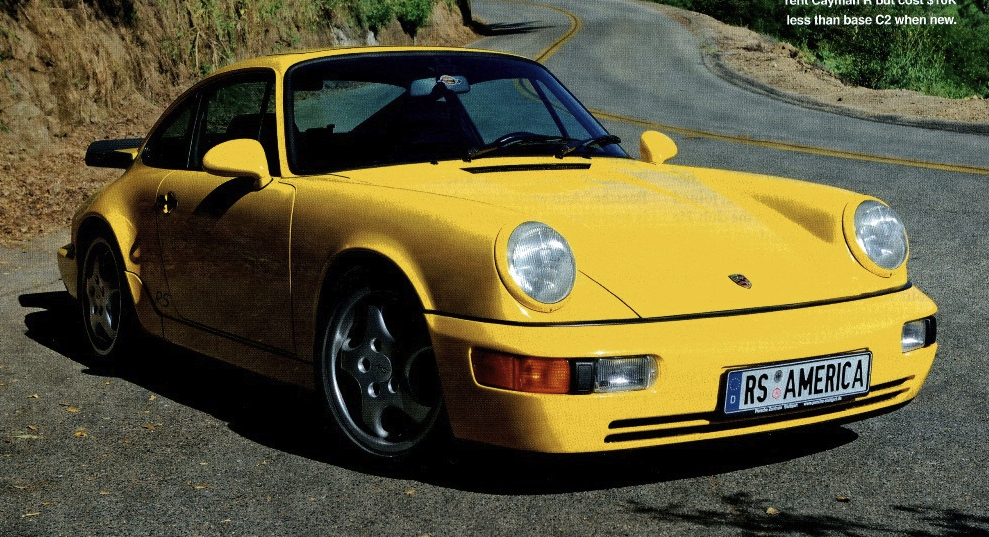
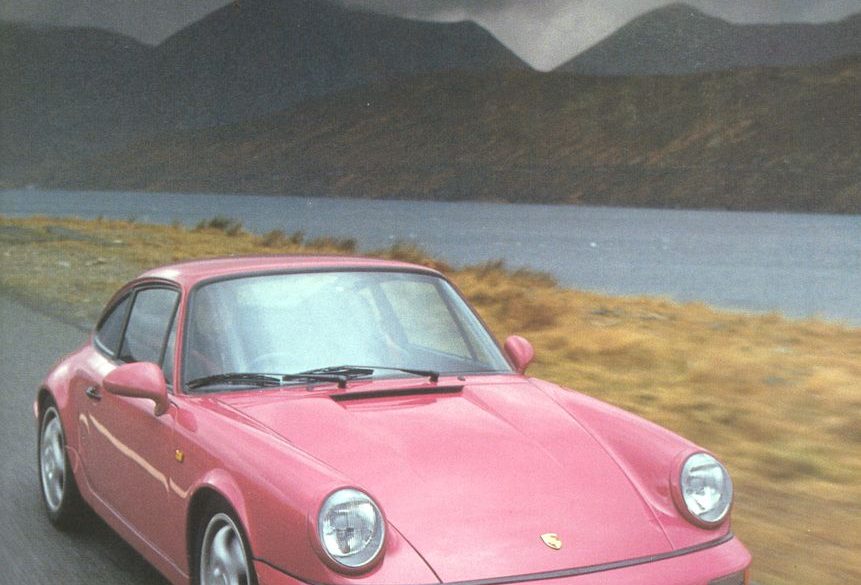
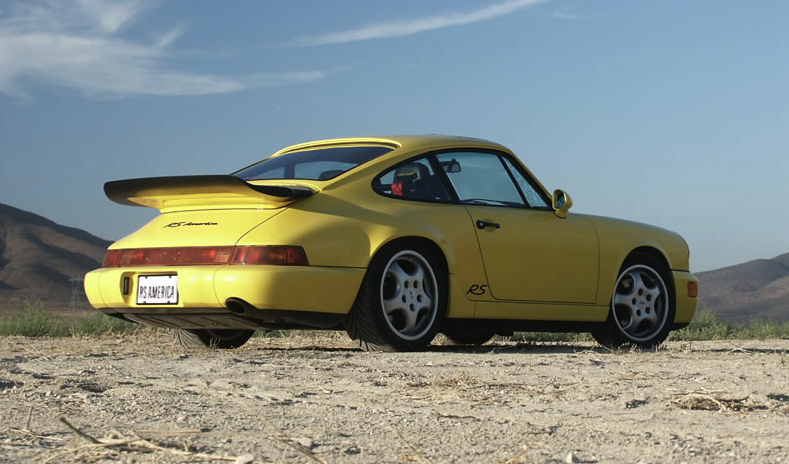
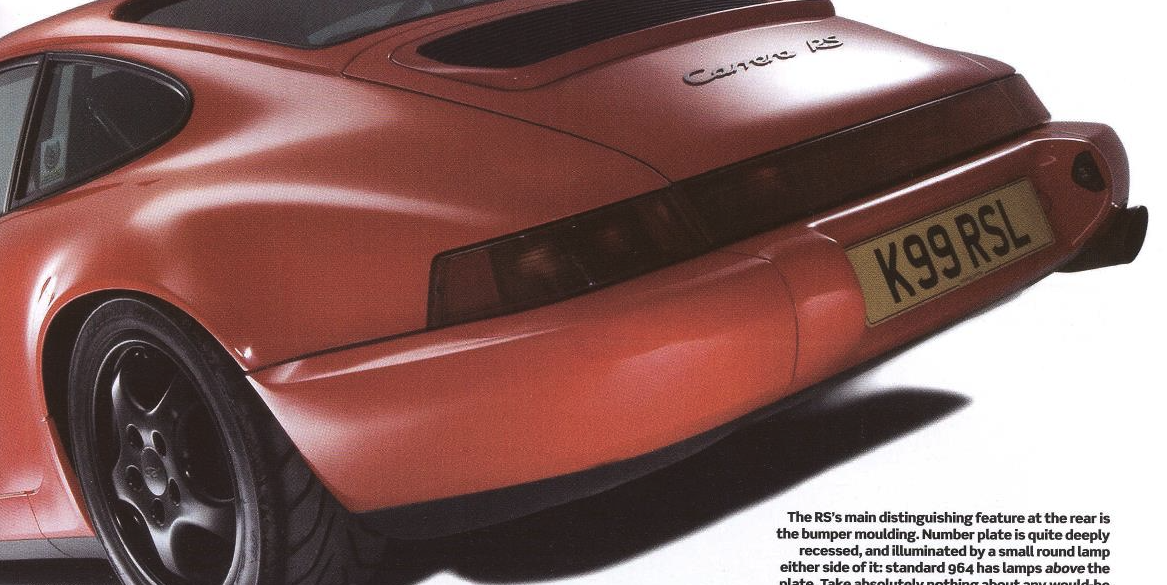
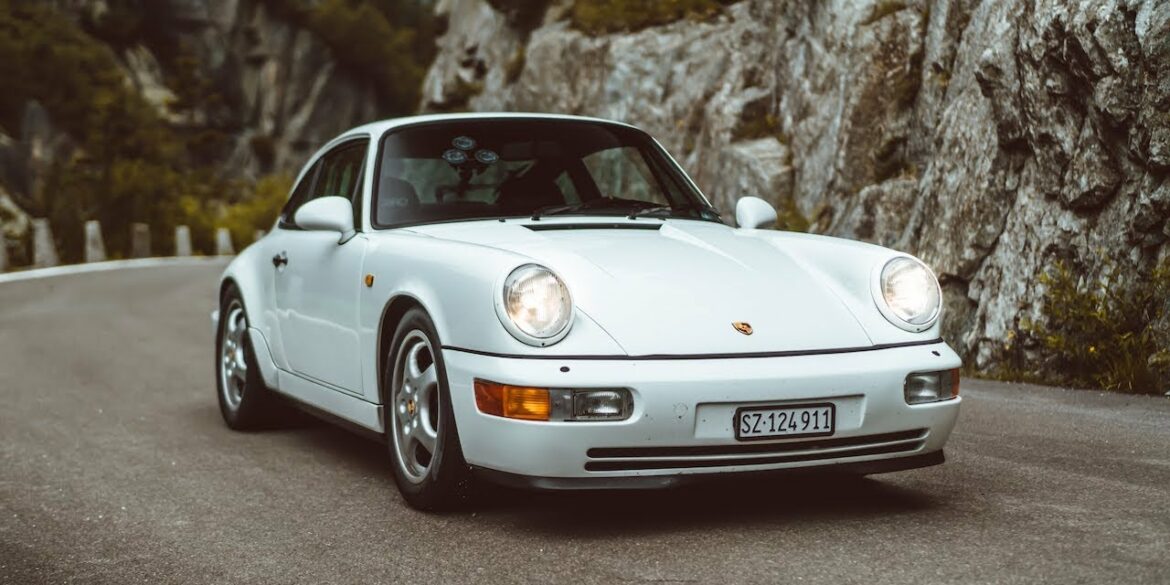
The 964 Carrera RS (Standard) was introduced by Porsche for model year 1992 specifically for the European market as a lightweight, high performance version of the 964 Carrera 2. It featured a revised version of the standard 3.6 liter engine, titled M64/03 internally, with an increased power output of 260 bhp (194 kW; 264 PS). The RS does not look much different from the other 911 models of the period but its weight is reduced and power increased. True to its racing spirit, the Carrera RS featured bucket seats and thinner materials, but lacked power windows, air conditioning, air bags, and other creature comforts.
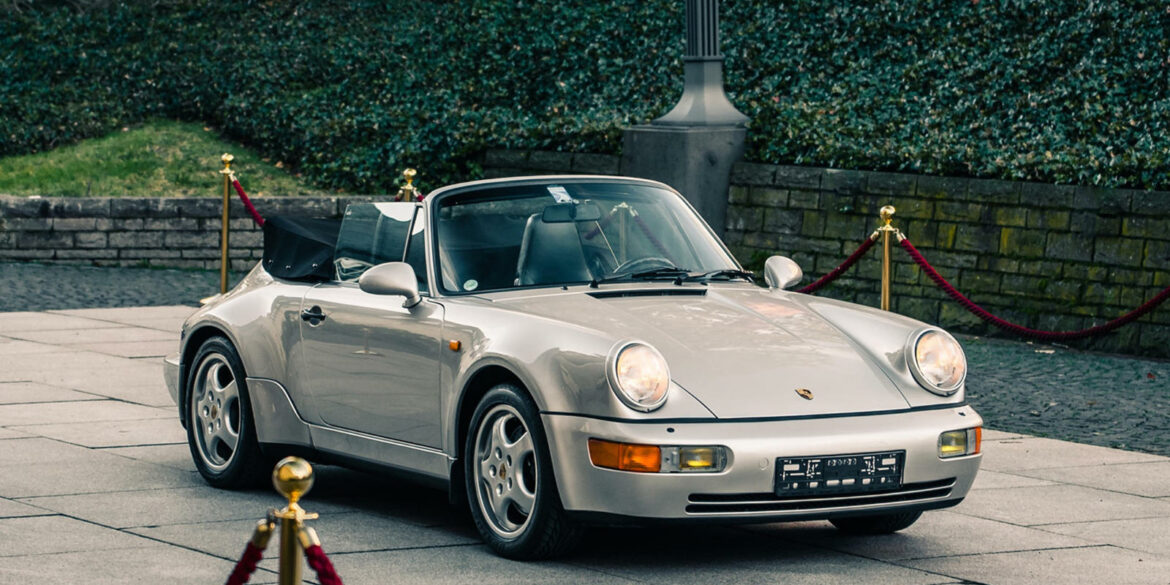
Porsche 911 Type 964 Carrera 2 'Works Turbo Look' Cabriolet was a special model in the 964 lineup. It gave buyers of the Carrera 2 Cab the great wide look of the Turbo cars and the Carrera 2 engine. The model was available as a 1992 and 1993 model year car (while some argue it was also available for a while in 1994). You get body shape of the 964 Turbo 3.3 without the huge rear spoiler. But this was more than just a design exercise, because the the Turbo-Look models also got the chassis and braking system from the Turbo 3.3 too. 
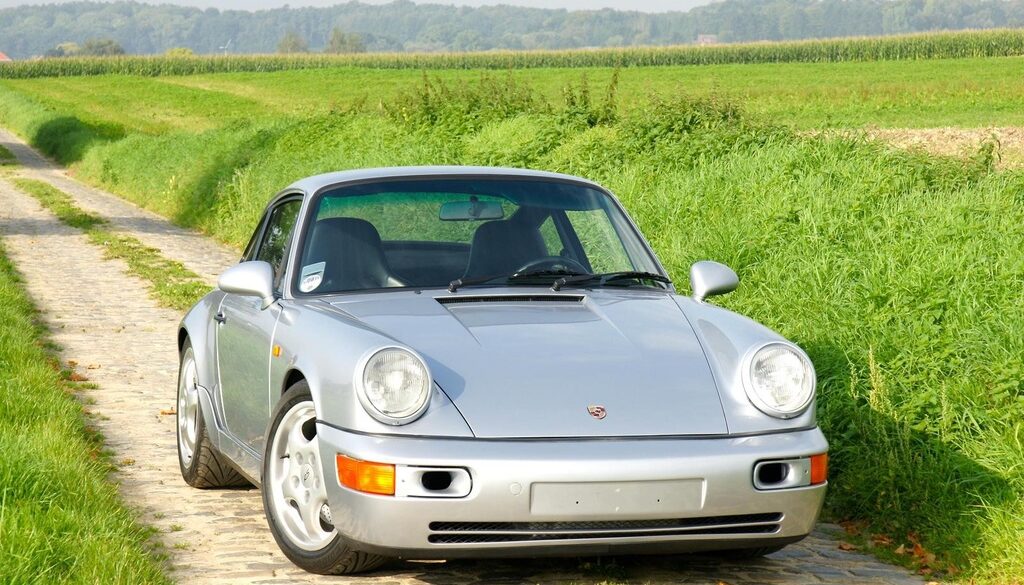
The rarest 964 RS variant was the awesome 964 C4 Lightweight. Known as the 964 Leichtbau it made use of surplus parts from 953 Paris-Dakar project. A handful of specially prepared lightweight 911s were fabricated by the Porsche factory and called the Carrera 4 RS Lightweight. Carrera RS Body with 959-like AWD wizardry and more power. Lightweight masterpiece. Used parts from 953 Paris-Dakar project. The 964 C4 Lightweight was powered by the same 3.6 liter flat six as the normal 964 RS, but was fettled to produce 300 hp.
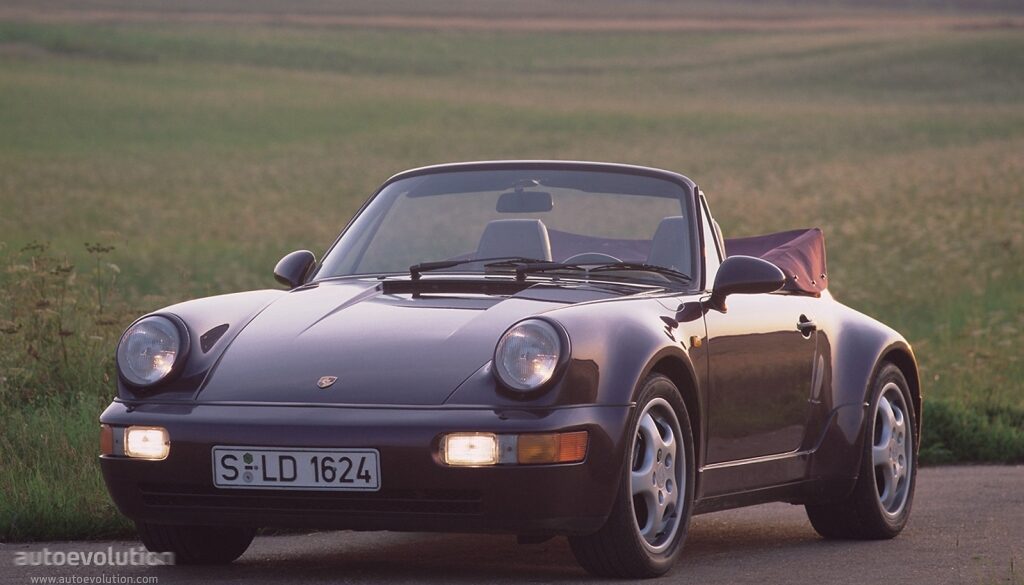
Porsche 911 Carrera 4 Cabriolet (964)
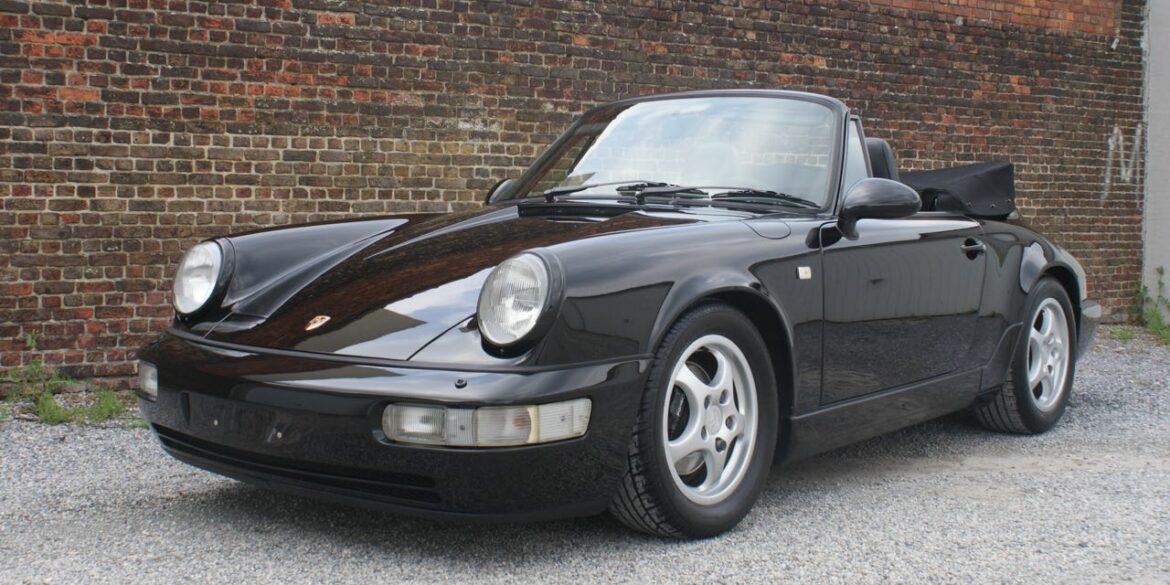
The Carrera 4 model also launched with a Cabriolet version in 1989 (for 1990 model year). The new 911 generation is introduced in Autumn 1988, but the convertible was not launched until the model year 1990. Alterations to the body include the bumpers and sill tread plates, and the 911 continues to be equipped with an automatically retractable rear spoiler and a cowled underbody. The braking system is fitted with ABS. The 911 (Type 964) also features power-assisted steering for the first time. Like the Coupe, the Cabriolet got the new all-wheel drive system.
1990 RS 911 Turbo In Detail submitted by Richard Owen price $ $207 058 engine Turbocharged Flat-6 valvetrain SOHC displacement 3368 cc / 205.5 in³ bore 98 mm / 3.86 in stroke 74.4 mm / 2.93 in power 432.5 kw / 580.0 bhp @ 6900 rpm specific output 172.21 bhp...
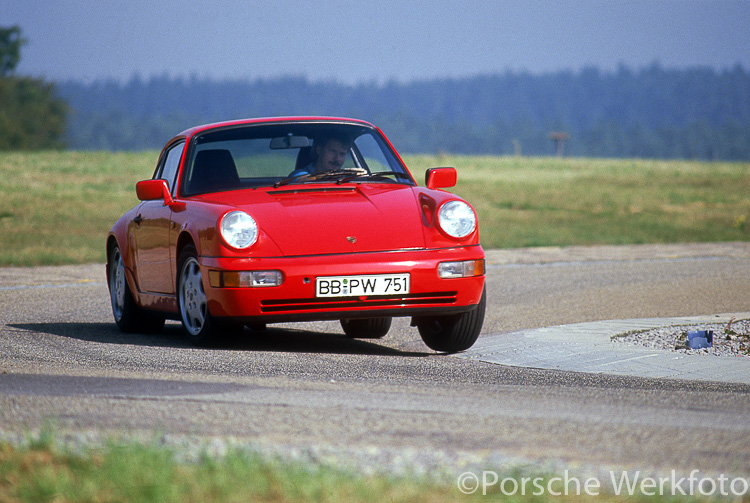
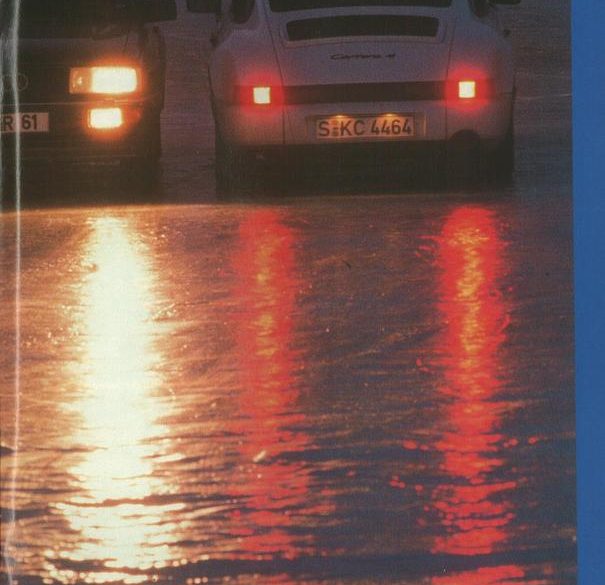
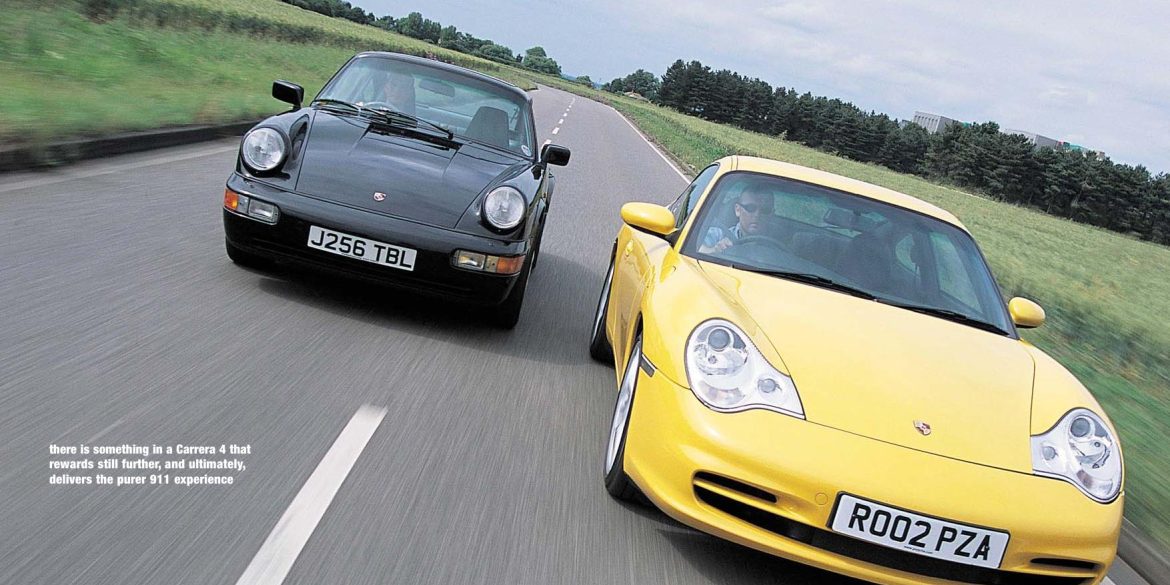
The Type 964 911 first launch with an all wheel drive model. It was a serious investment by Porsche in updating the chassis and tech platform. The 964 Carrera 4 was powered by the M64/01 3.6 liter flat six engine, developing 250 bhp and 229 ft/lbs of torque. The objective of the C4’s all-wheel-drive system was not only to provide improved traction but also better handling, especially in the wet and on slippery surfaces. The system sends power front/back in a 31:69 ratio because a 50:50 split would have made the 964 feel like a front-wheel-drive car.