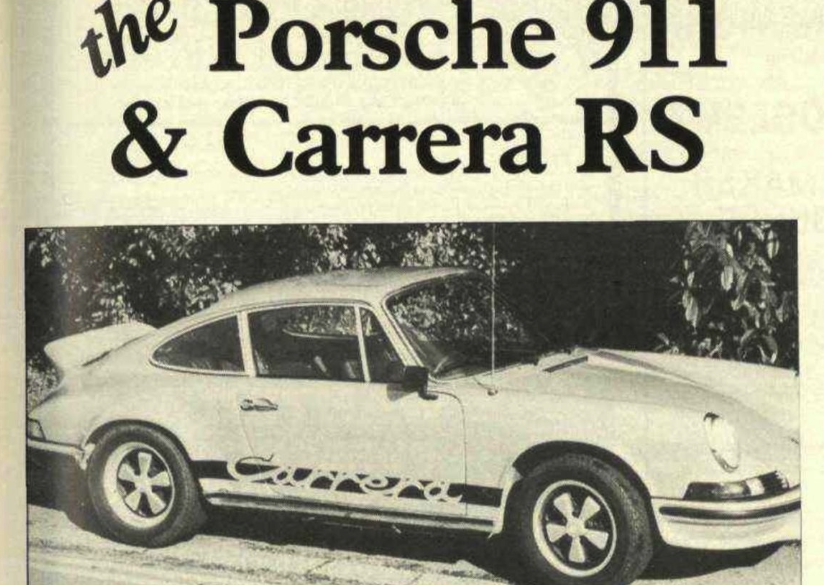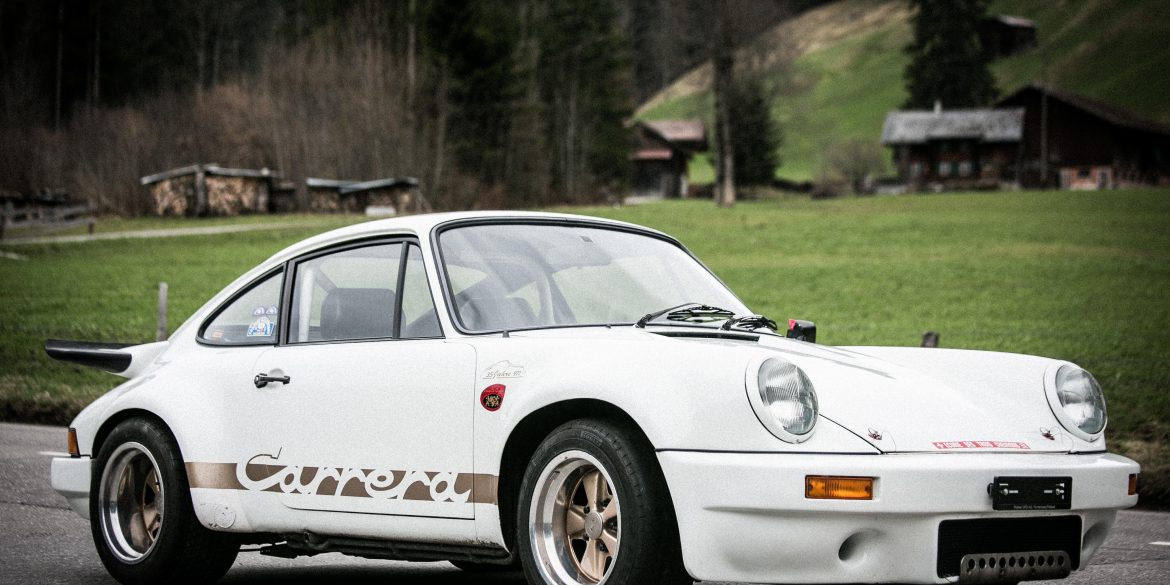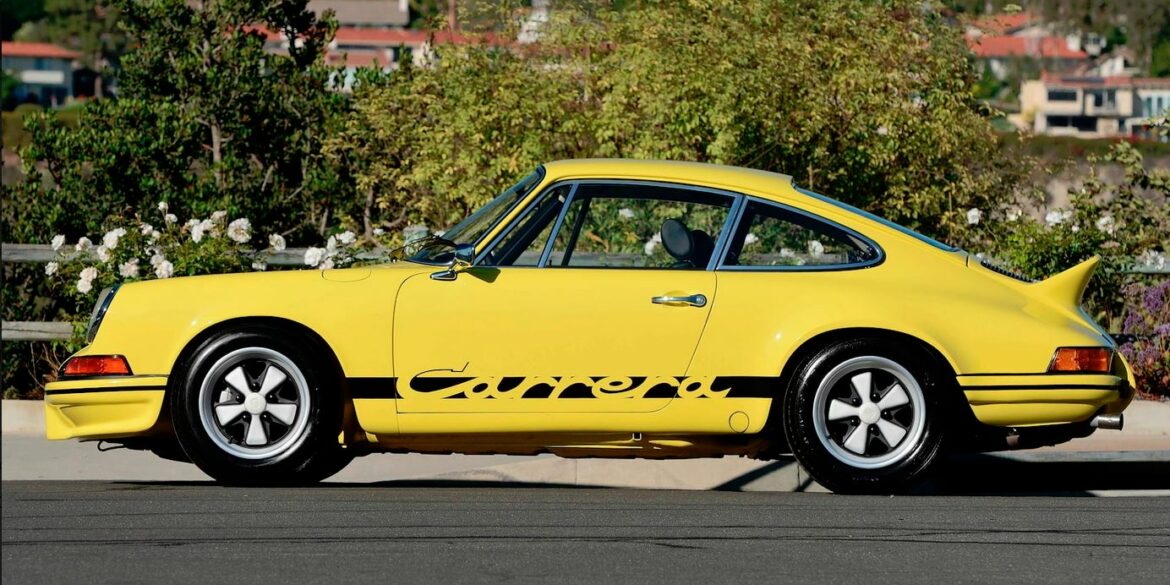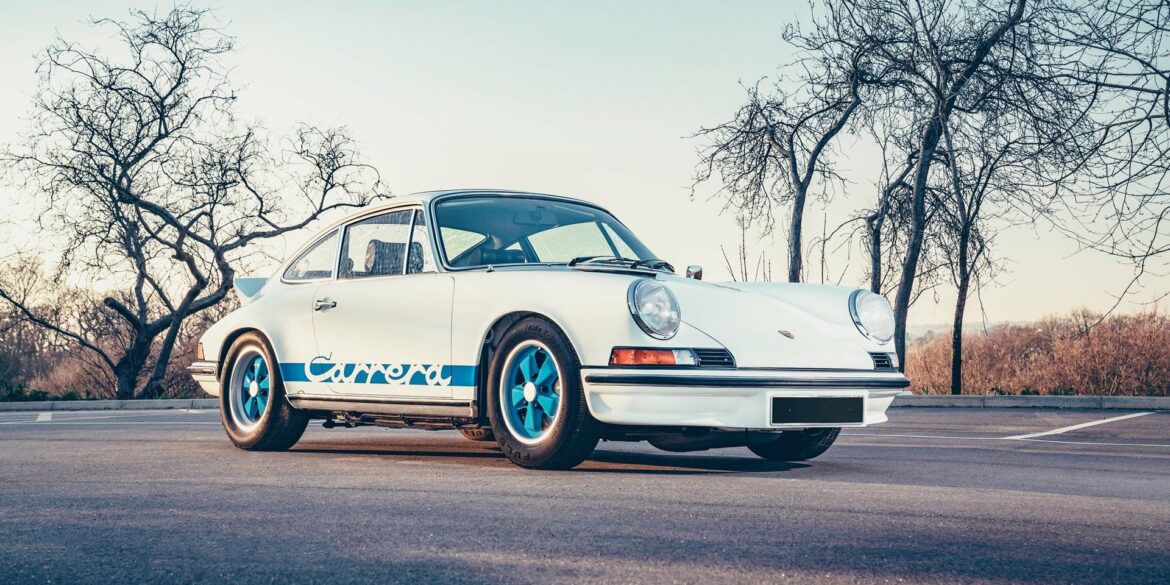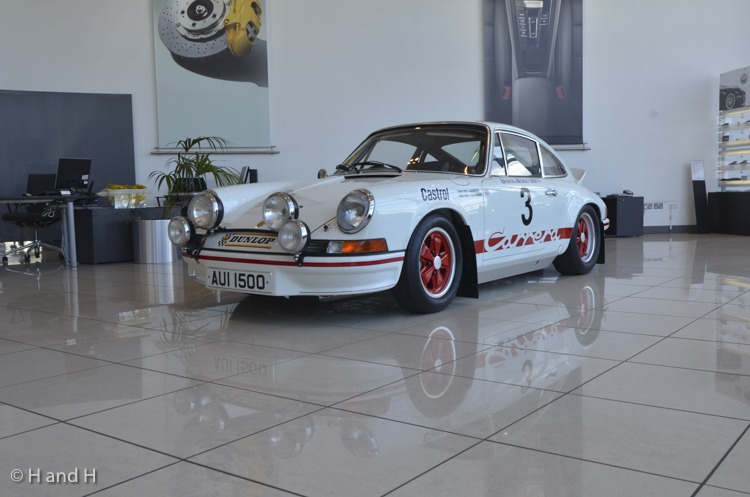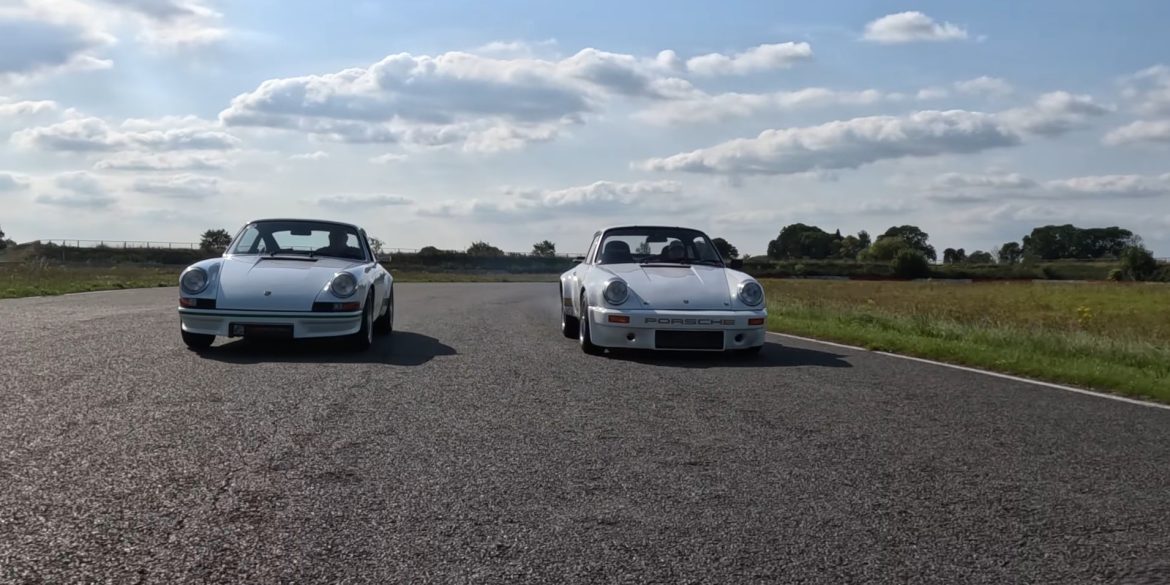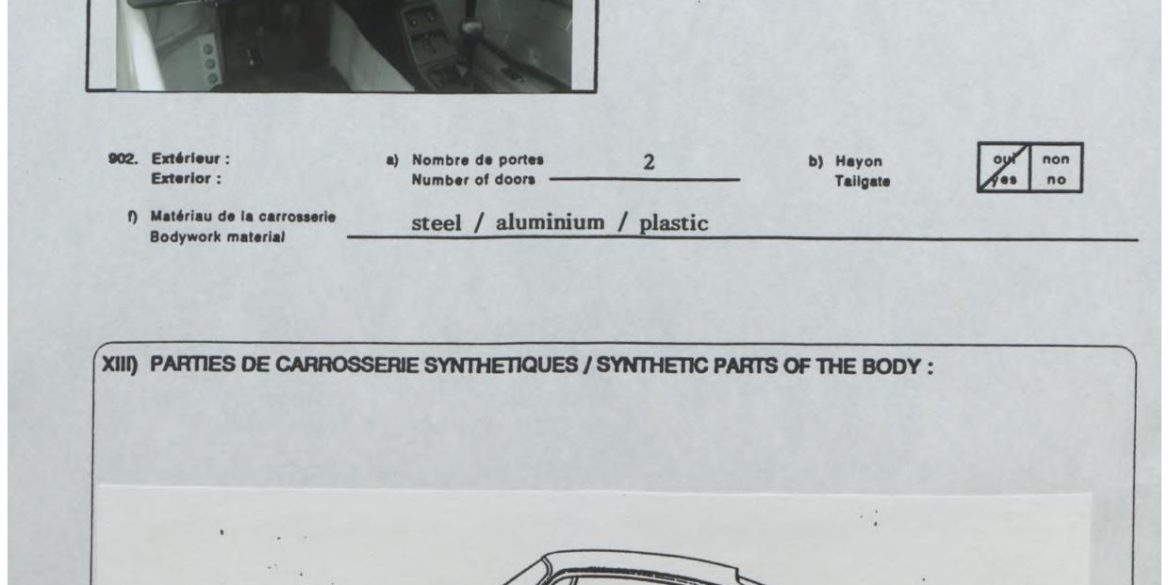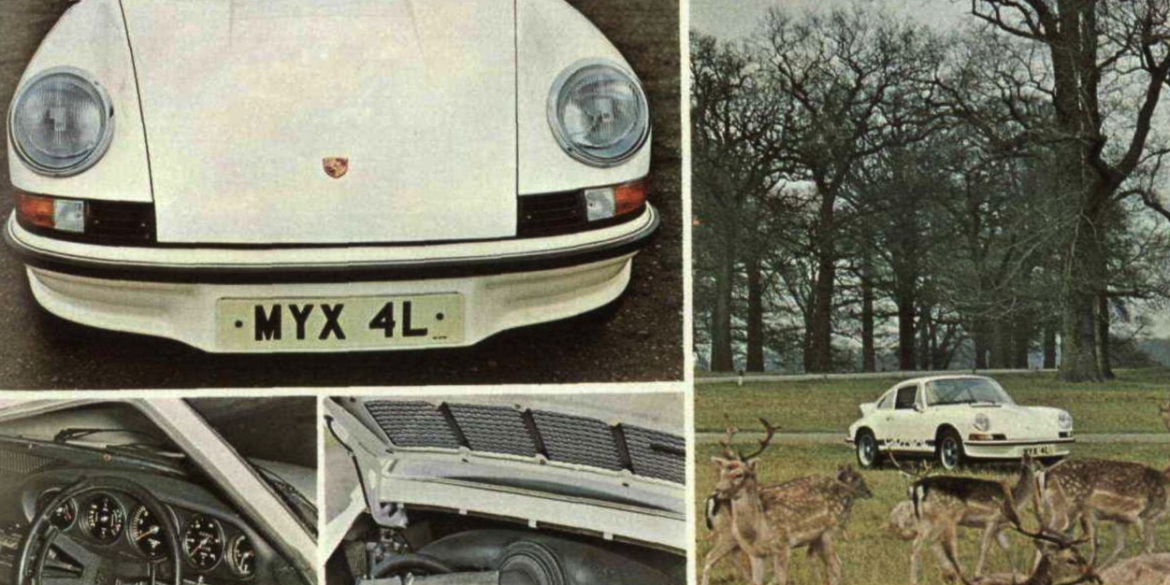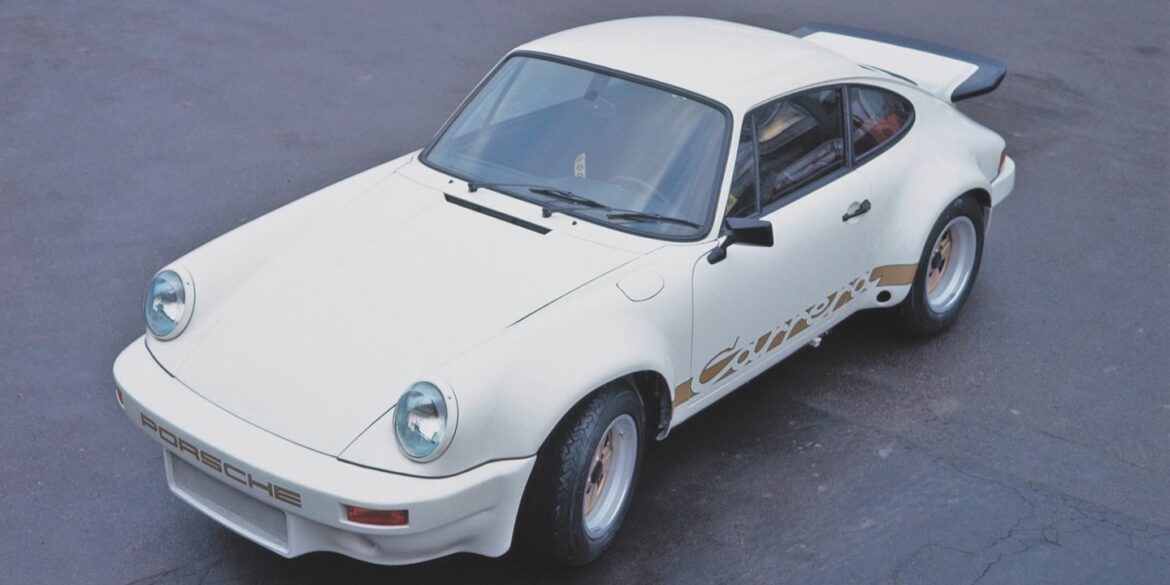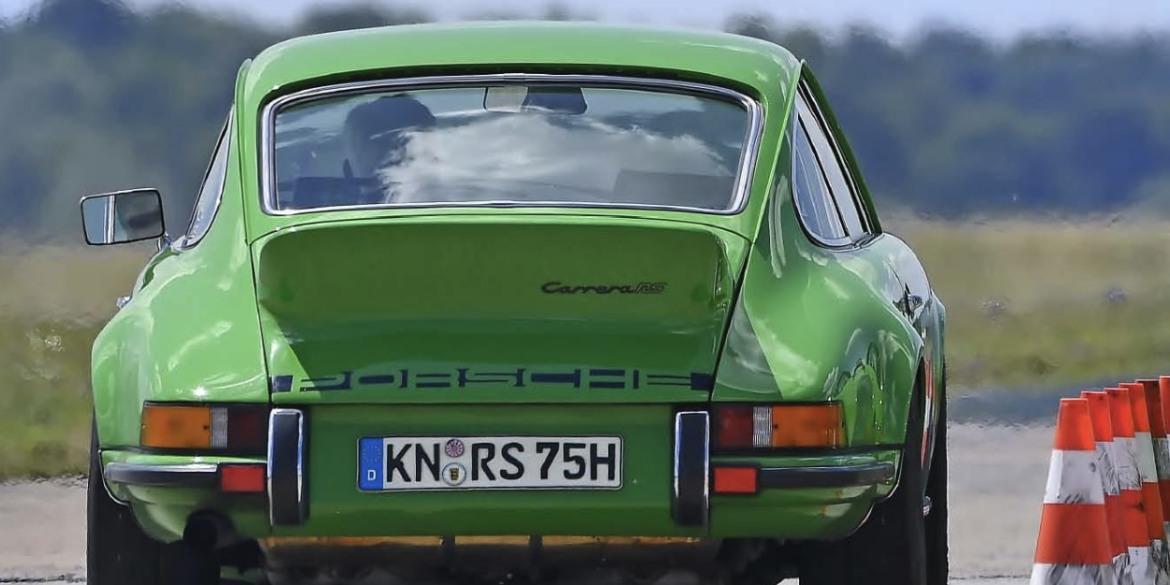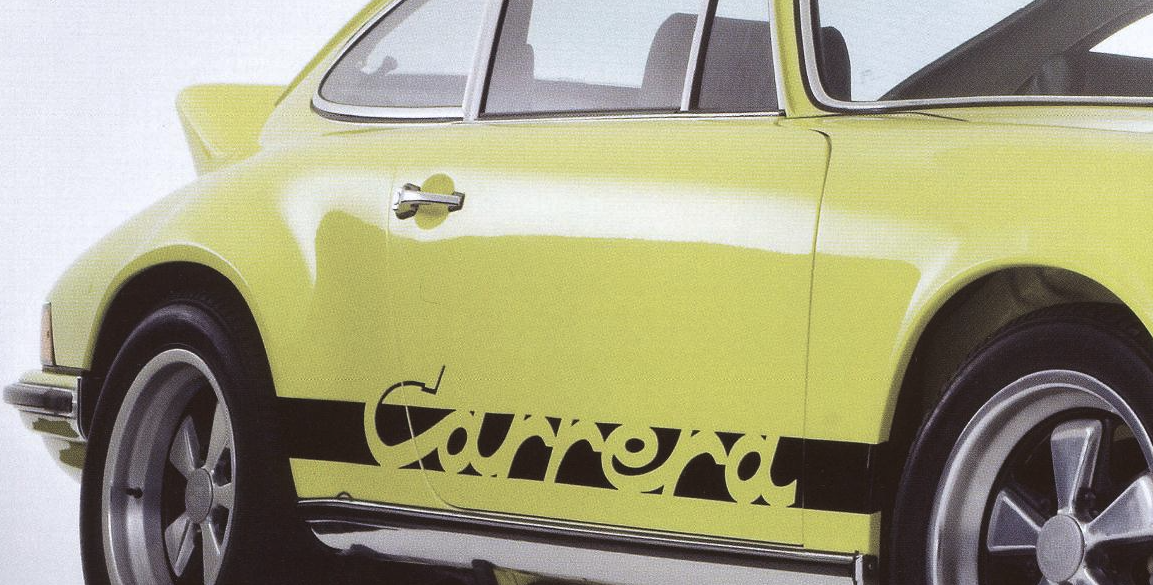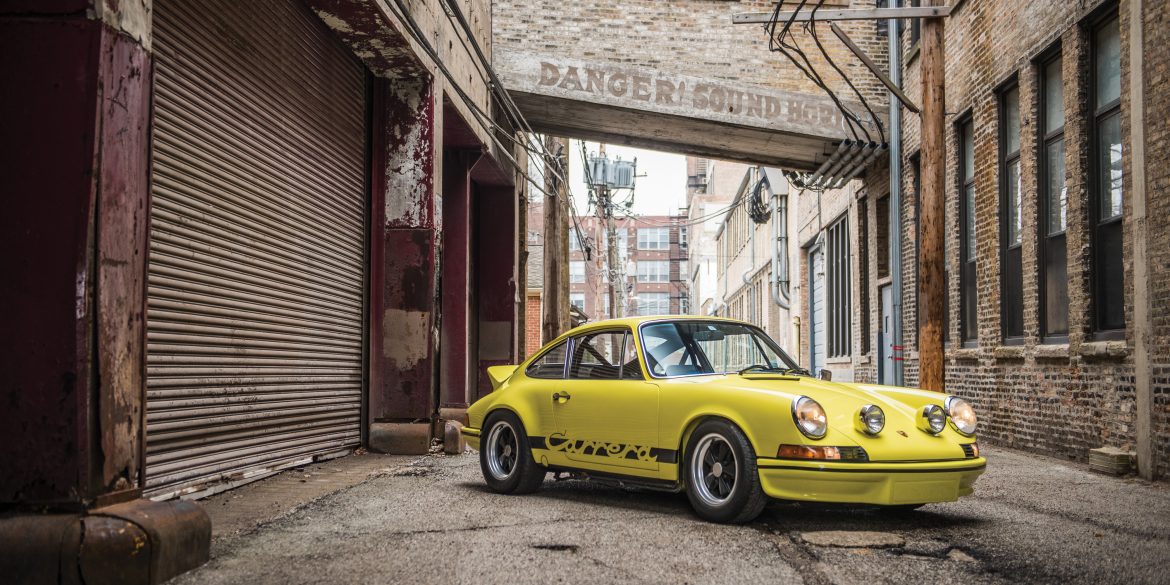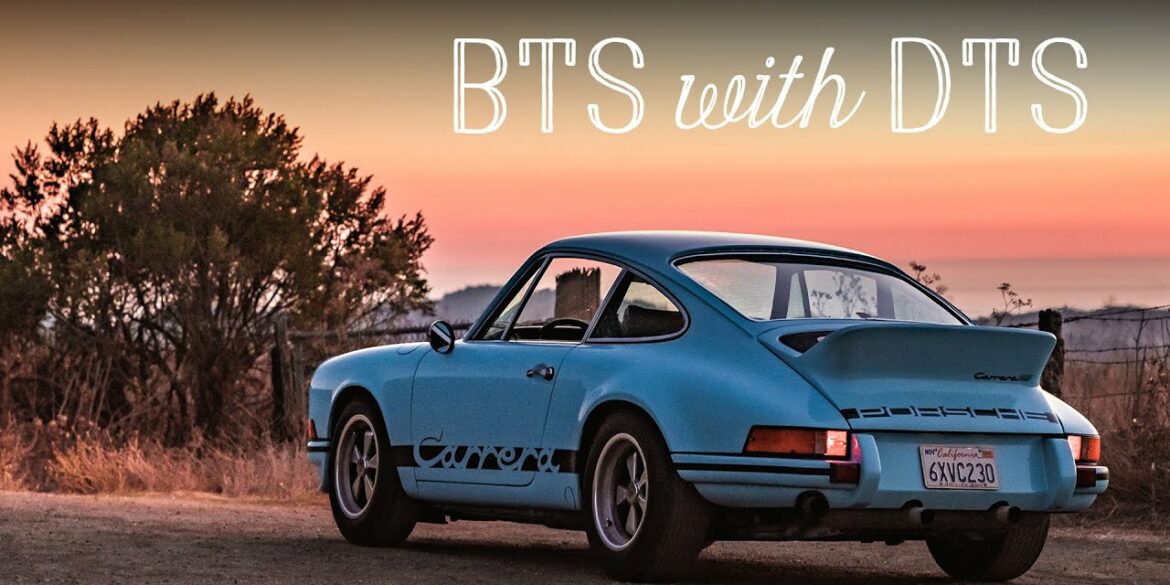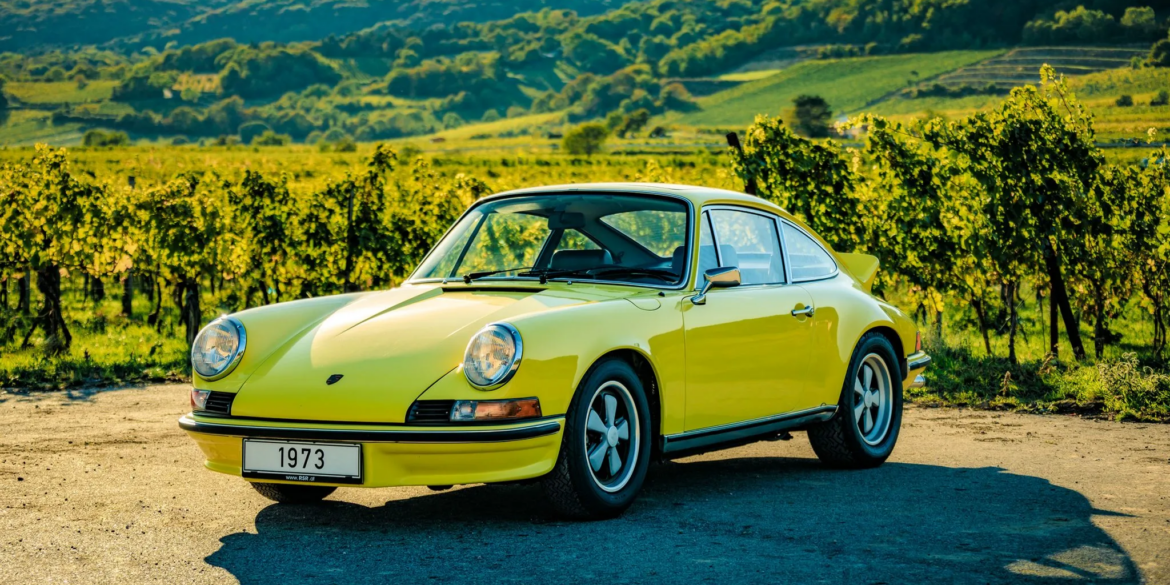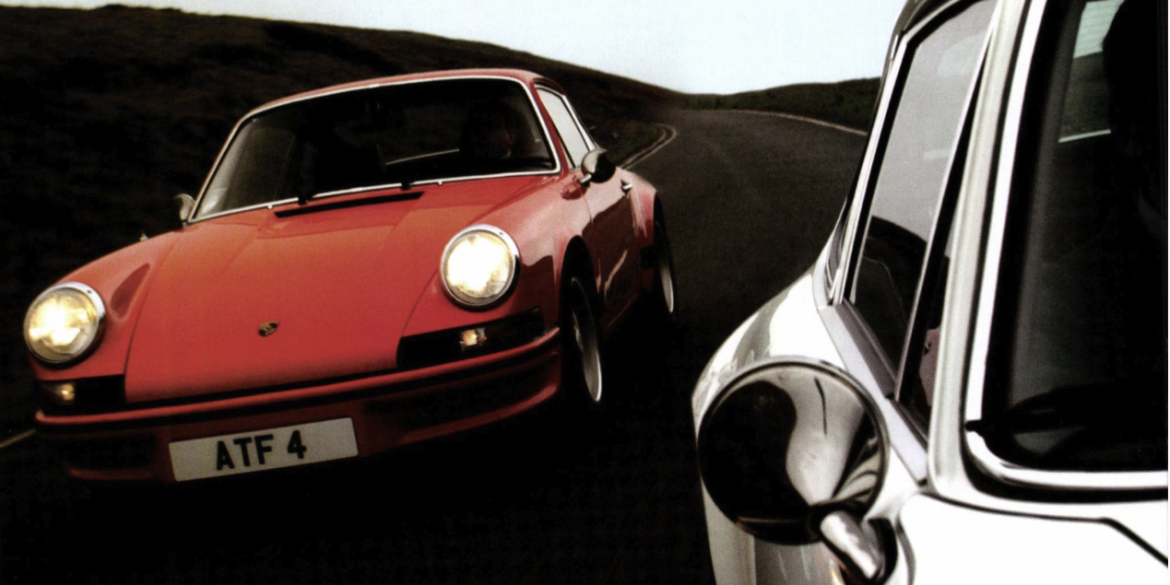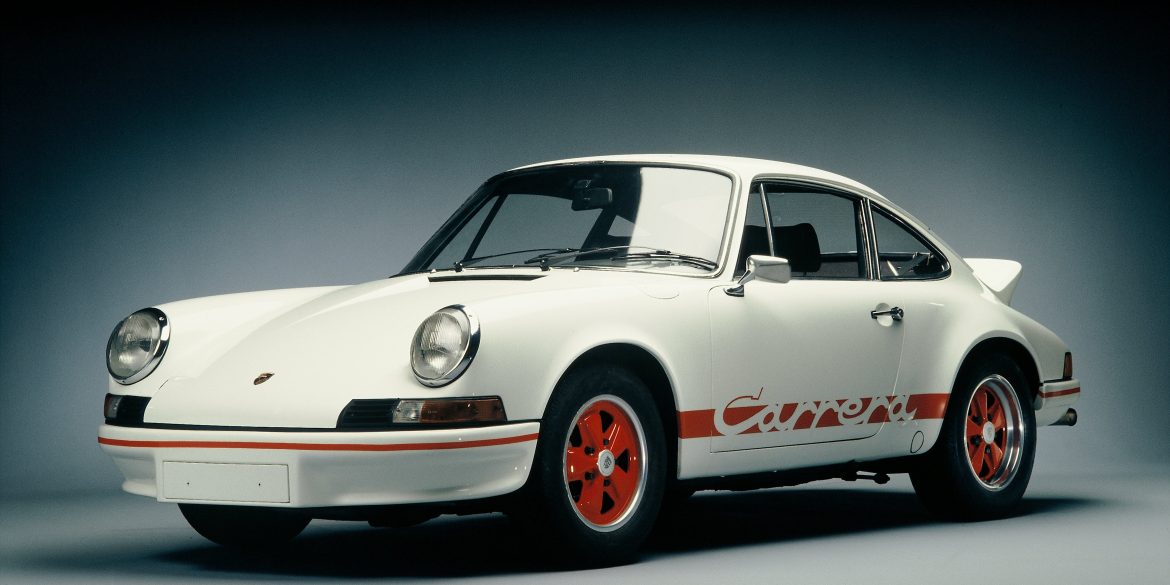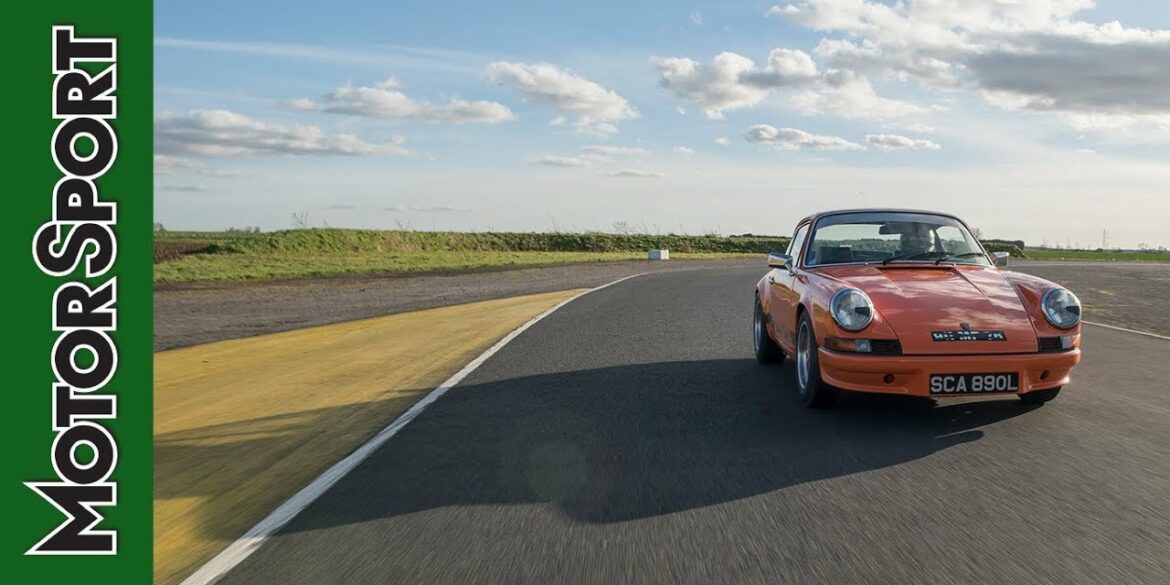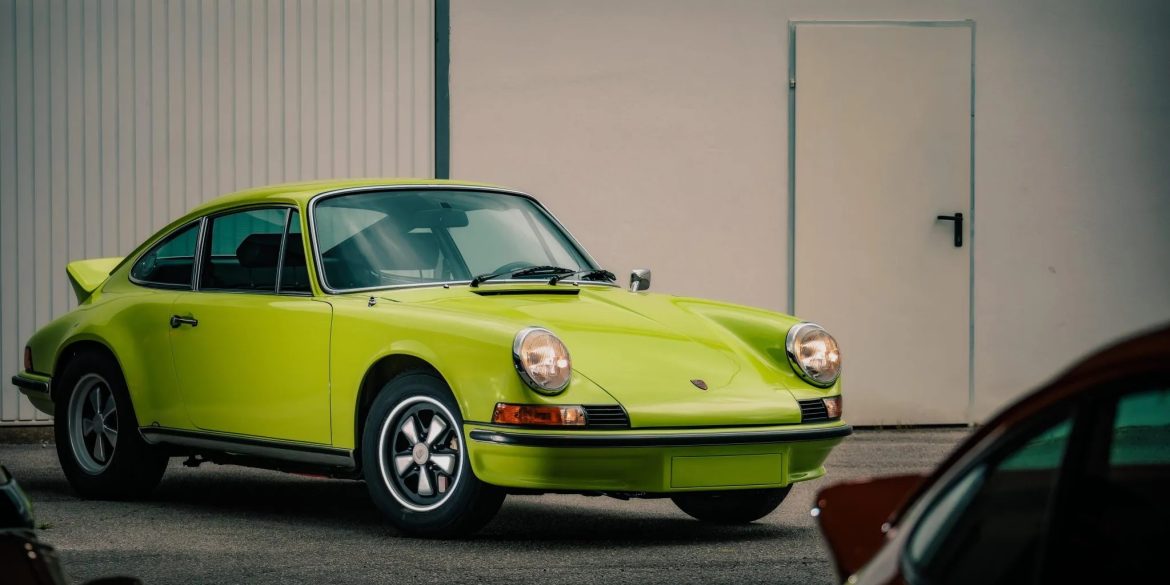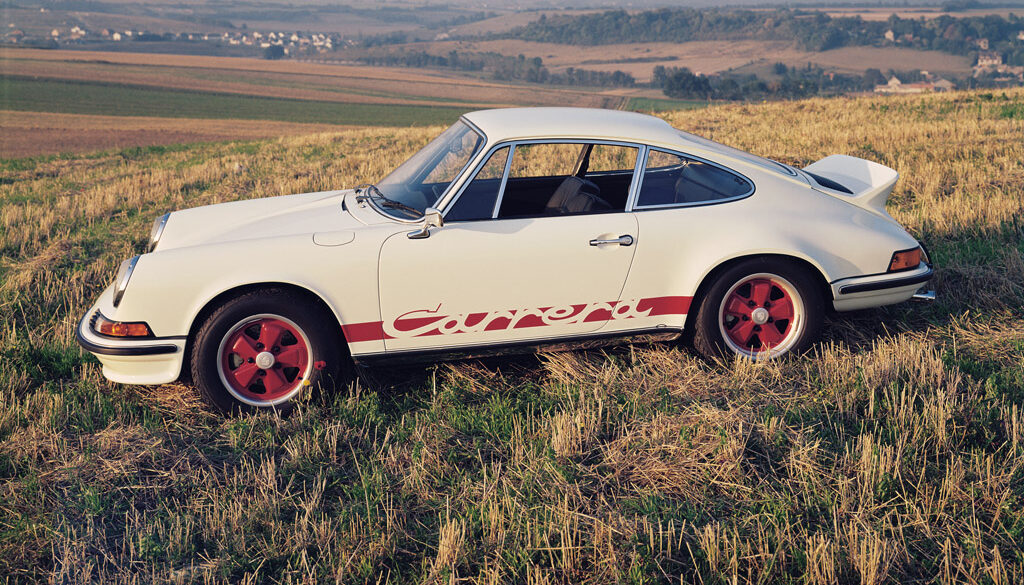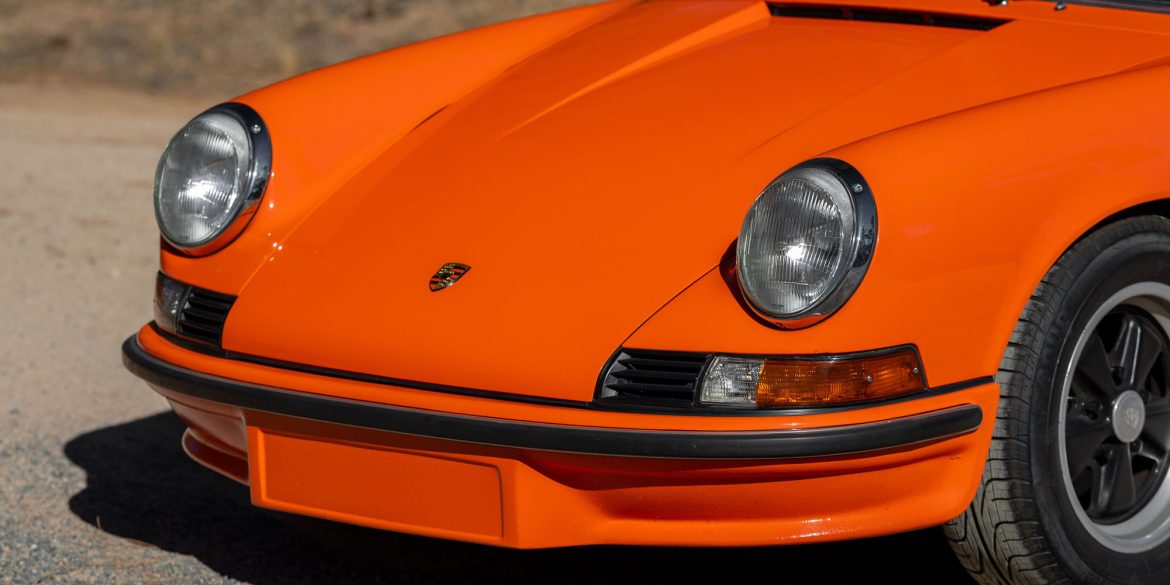

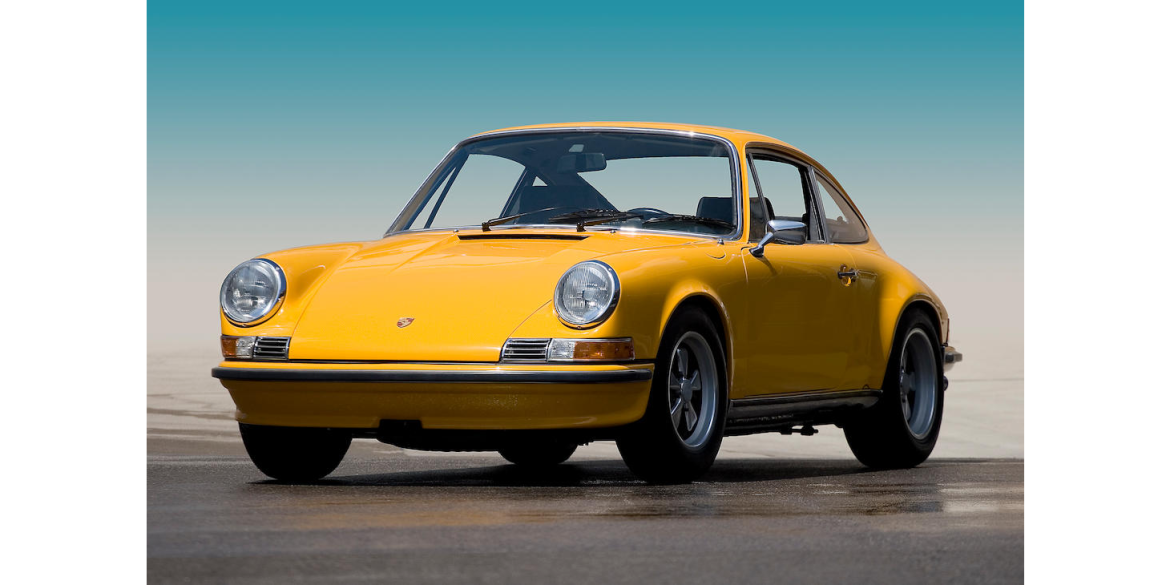
The 911 Carrera RS 2.7 stands as a testament to Porsche’s dual-use sports car concept. Born out of necessity for homologation, the RS series paved the way for Porsche’s dominance in Group 5 racing. With stringent FIA regulations demanding 500 street-legal units, Porsche created two variants: the racing-centric Lightweight and...
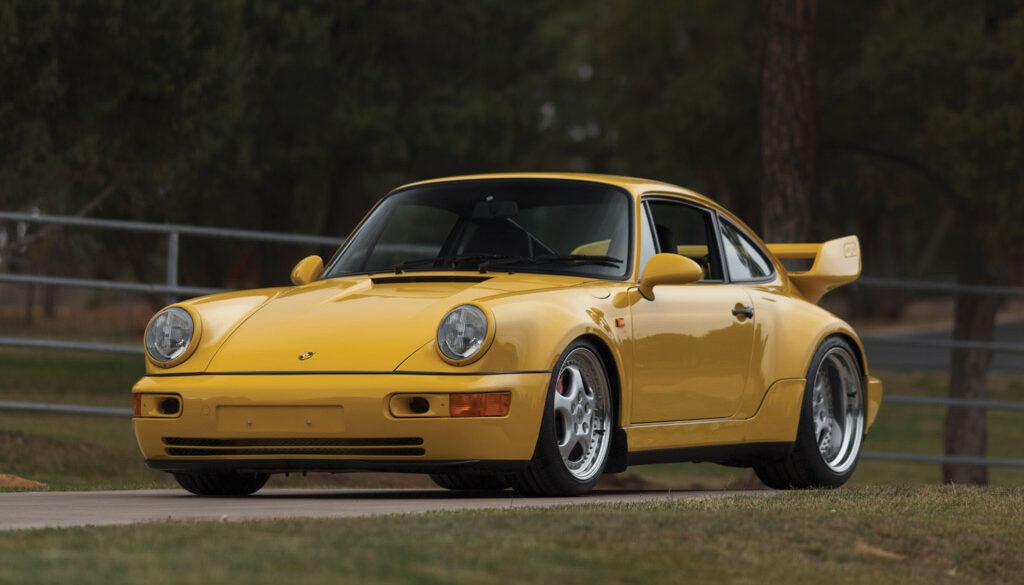
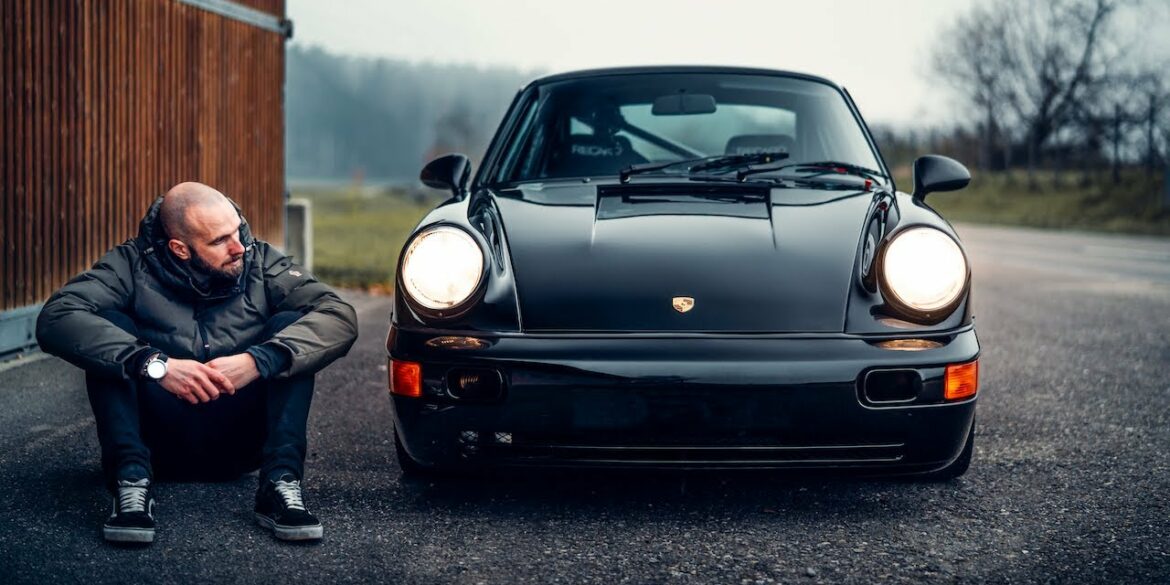
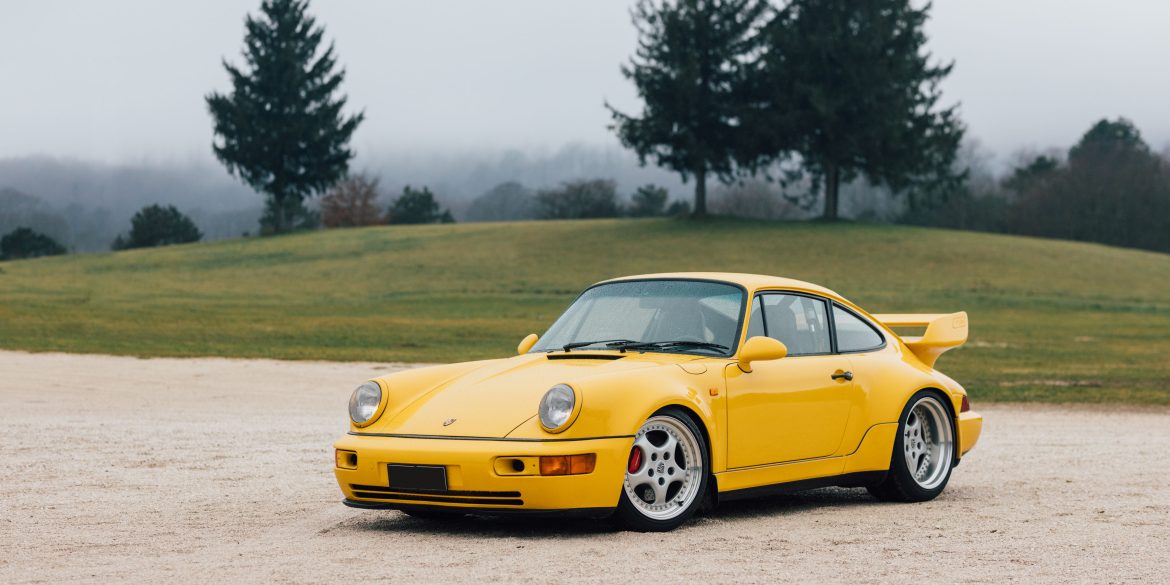
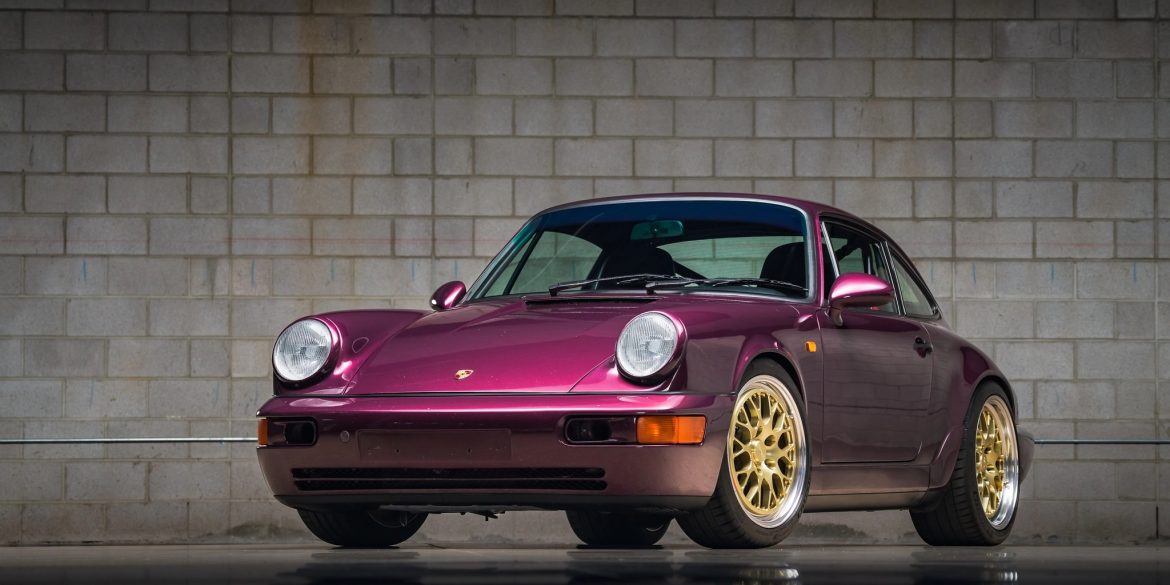
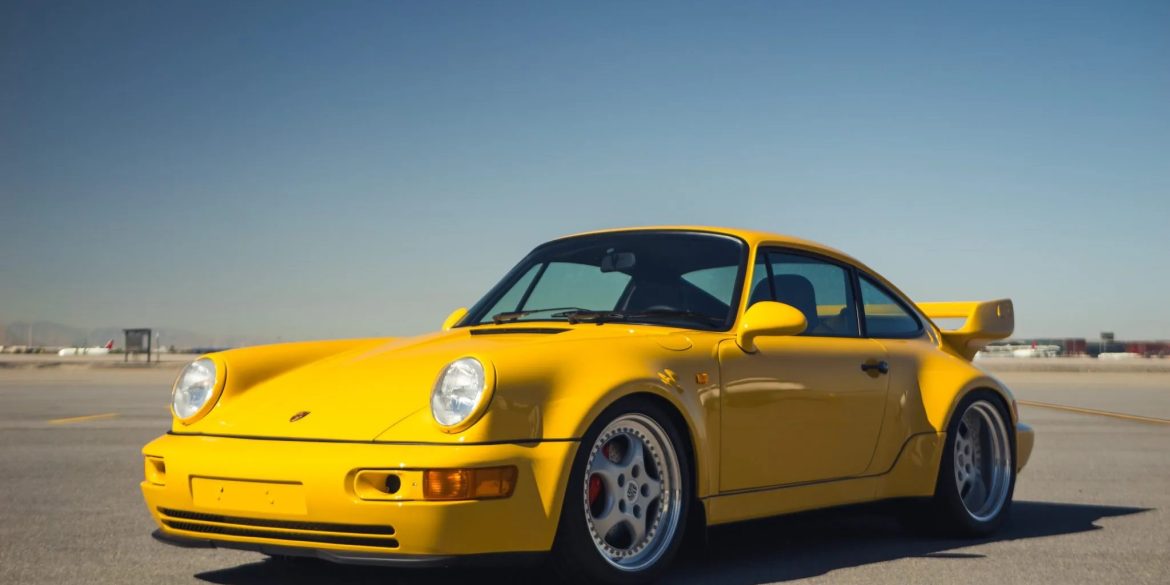
The 964 Carrera RS 3.8 was produced as a base for homologation for the venerable 3.8 RSR. It was unveiled in 1993 and produced in a very small series by Porsche’s Racing Department in Weissach-Flacht, and was an extreme evolution of the 964 Carrera RS that was released two years prior. It featured the wide-body look of the Type 964 Turbo, a massive rear spoiler, and three-piece “Speedline for Porsche” wheels with 235/40 and 285/35 tires, making it distinctively more aggressive in appearance than the fairly restrained styling of the Carrera RS of 1992 and capable of providing significantly more mechanical grip.
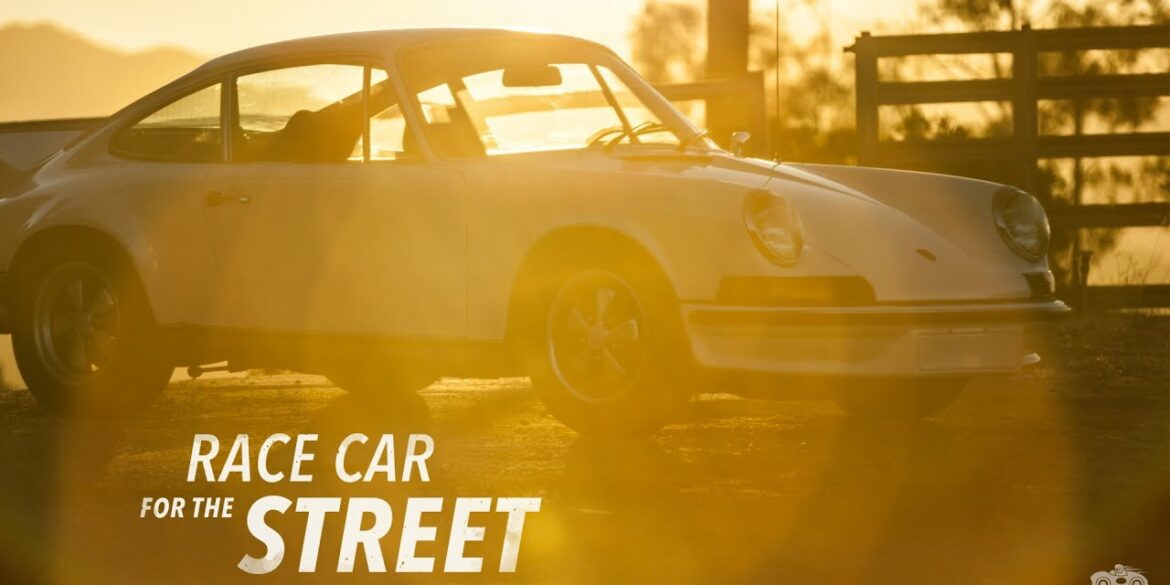
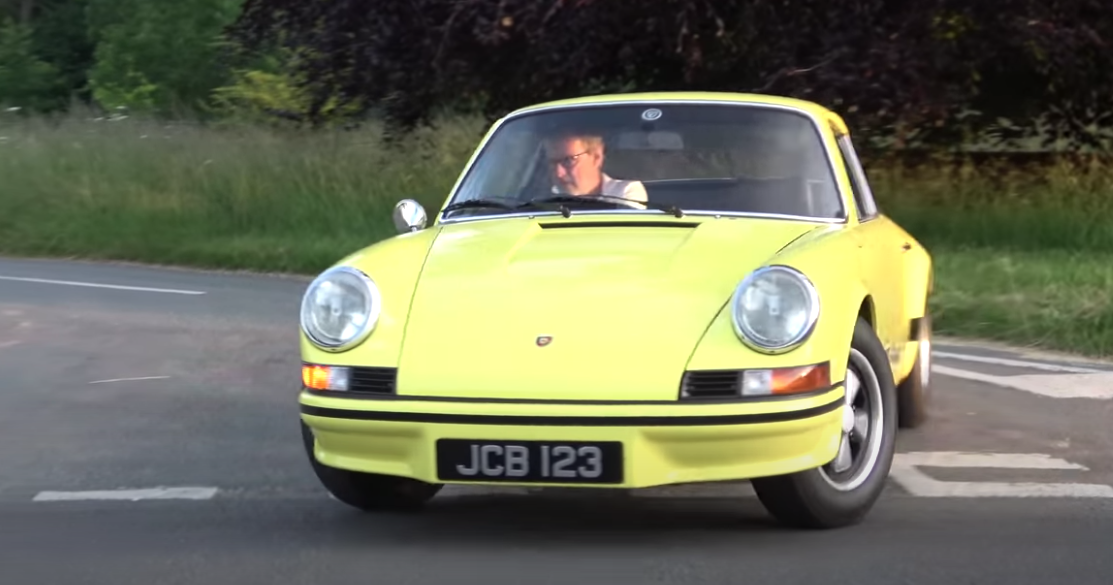
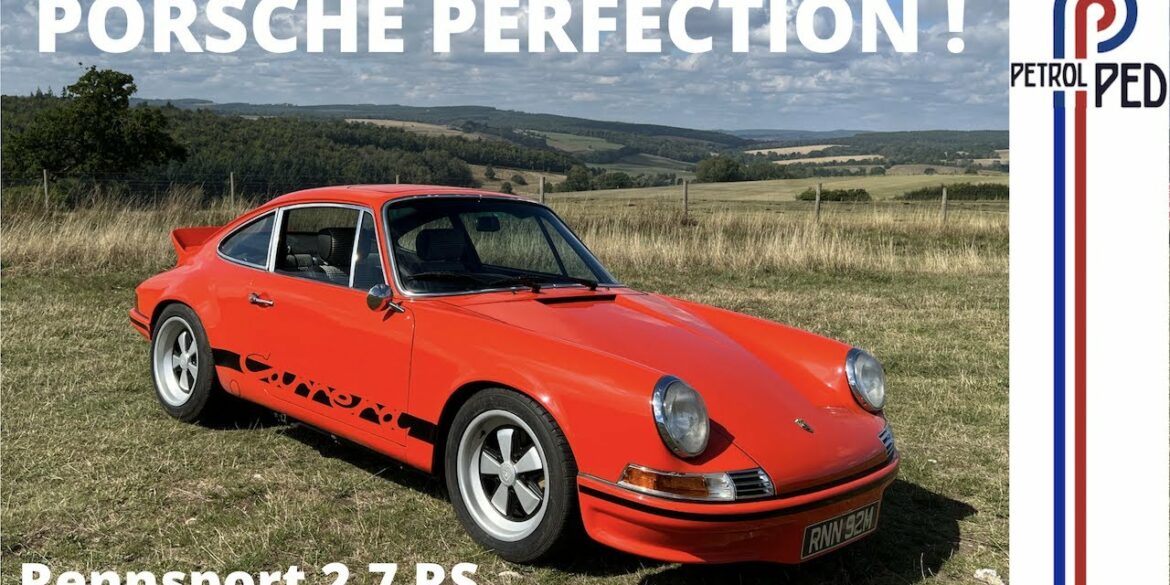
It was the first motorsport team-designed consumer grade car, first 911 with a staggered stance, and first factory-installed fixed wing. TheSmokingTire from YouTube discusses why the Porsche 2.7 RS is so successful and how it influenced future Porsche cars....
Following the famous 1973 F-model 911 Carrera RS 2.7, Porsche built its successor based on the G-model and it was called the 911 Carrera RS 3.0. With its 172 kW engine, it was the most powerful series production street-legal Porsche made so far. With its new 3.0-liter engine, featuring mechanical fuel injection, it was capable of 230 hp. While 1,580 Carrera RS 2.7s were built for 1973, only 56 Carrera RS 3.0s were built for 1974.
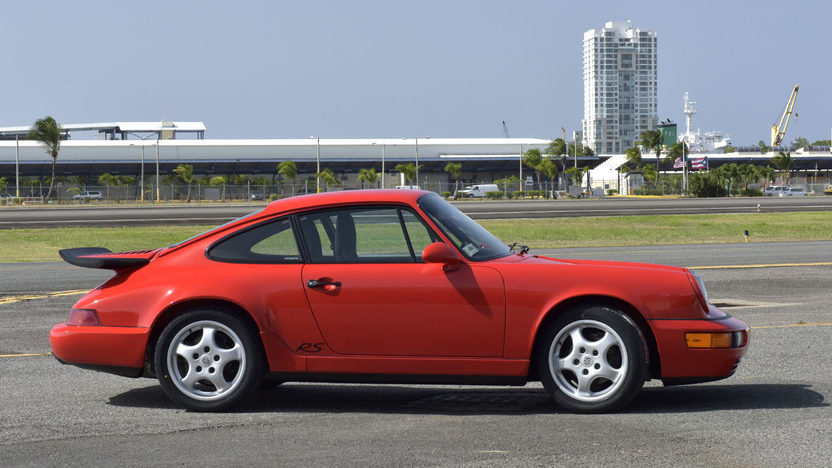
Sackey & Co. is proud to offer a stunning example of a 1993 Porsche 911 RS America finished in factory Guards Red over the RS America-specific black cloth interior. The original 1973 Carrera RS was available in Europe but not in the USA. Porsche decided to build the 1993 Carrera...
FIA regulation changes after the 1972 season ended the Porsche 917’s dominance in World Sportscar Championship racing, prompting Porsche to focus on the 2.4L 911S as the foundation for their racing efforts. It evolved into the Carrera 2.7 RS, where “RS” stood for Renn Sport, meaning motorsport. Engineers reduced weight...
In a recent episode of 9WERKS TV on YouTube, we are treated to comparison between two of the most coveted Porsche 911 Rennsport models ever made—the iconic 2.7 RS and its rarer sibling, the Carrera 3.0 RS. The 2.7 RS, introduced in 1973, was a homologation special designed to compete in...
Perfectly Describing the Magic of the 911 2.7 RS Respected architect Jonathan Segal poetically describes what the 1973 Porsche 911 2.7L RS meant both to Porsche and its drivers. Jonathan’s career as an architect has developed his pursuit for purity in the structures he creates. One look around Jonathan’s studio and...
Few Porsches command as much respect as the 964-generation Carrera RS 3.8, an ultra-rare variant that embodies Porsche’s motorsport DNA. Currently available through RM Sotheby’s, this example is one of only 55 ever built, making it one of the most exclusive air-cooled 911s. The 964 generation marked a pivotal evolution...
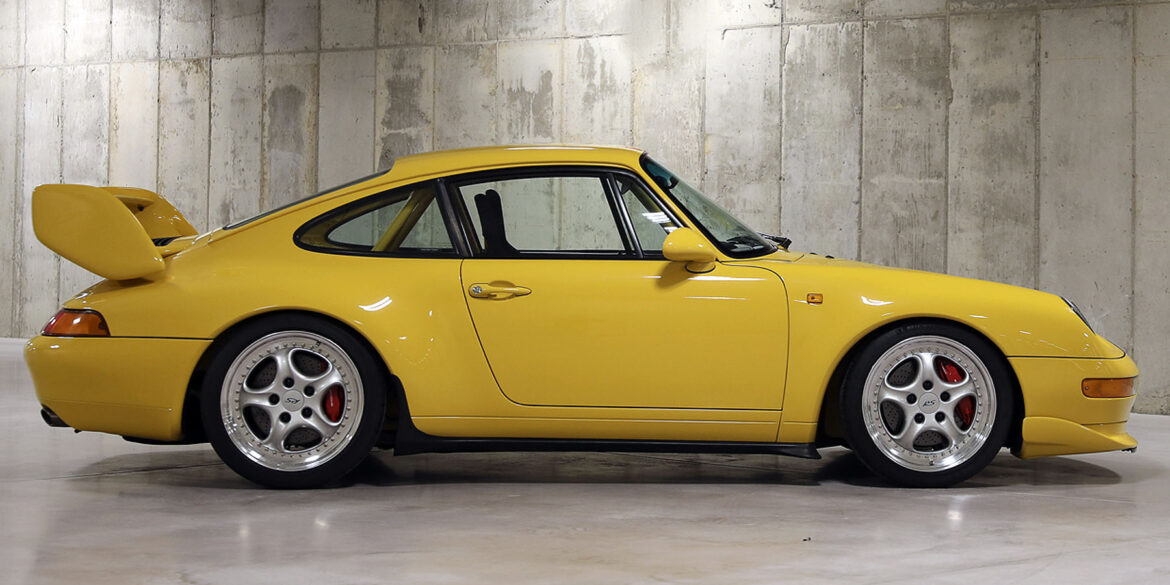
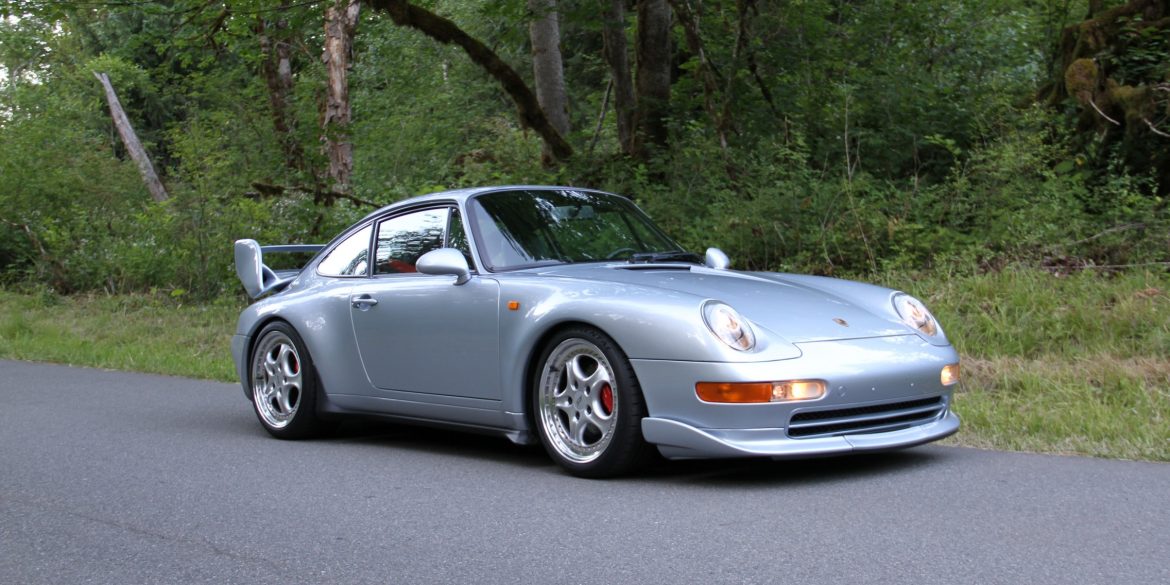
Gooding & Company to auction a 1995 Porsche 993 Carrera RS 3.8 Clubsport Introduced in 1995, the 993 Carrera RS was conceived as a homologation special to qualify the 993 RSR 3.8 for competition use, and Porsche applied similar tuning and weight-saving measures to render a more track-focused model. Shedding...
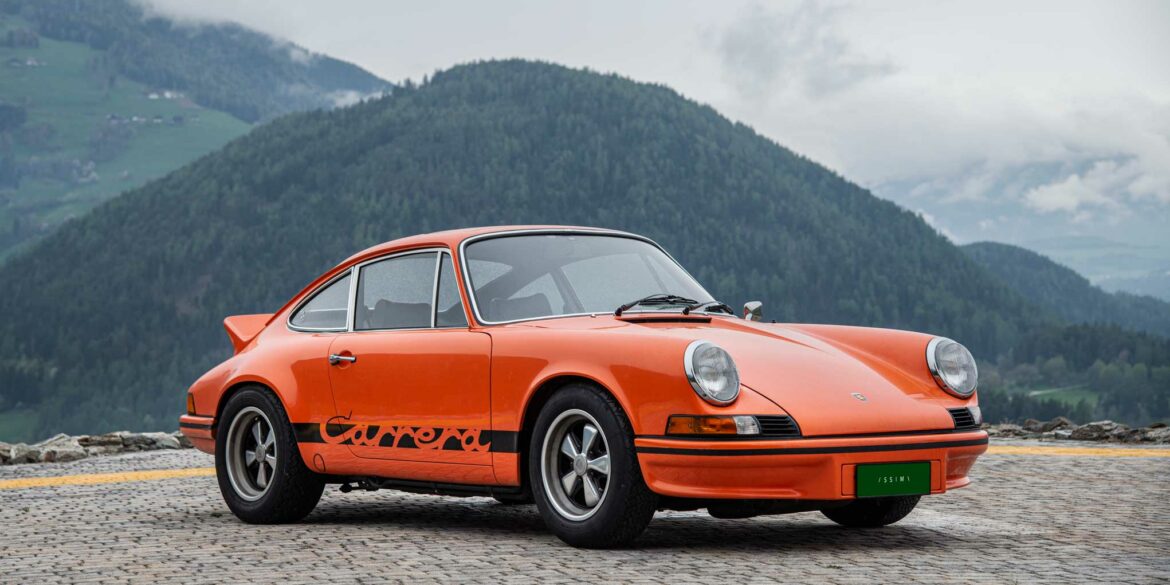
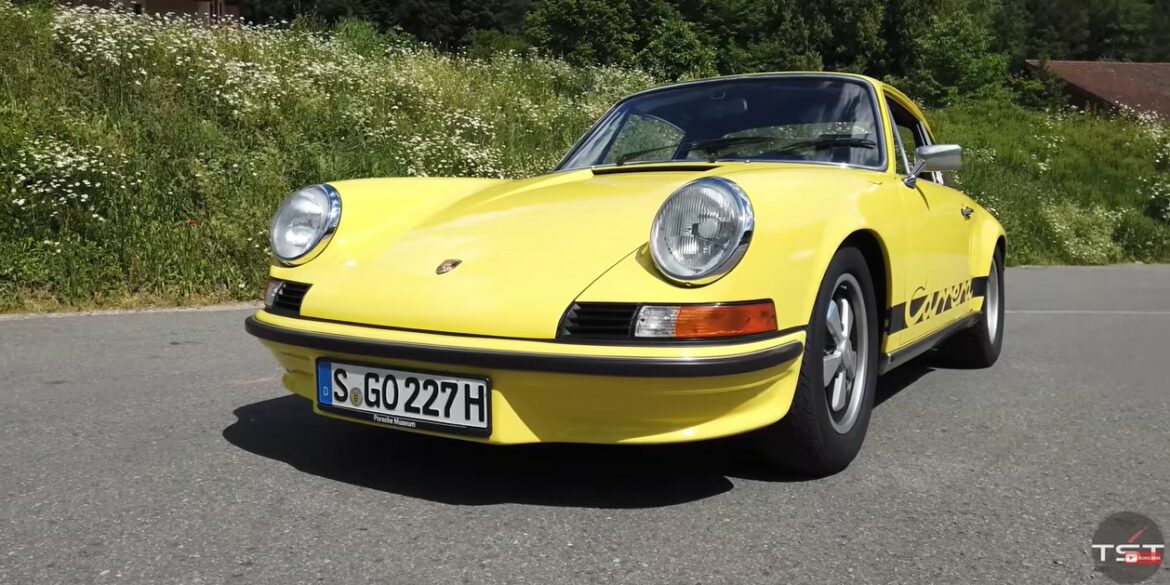
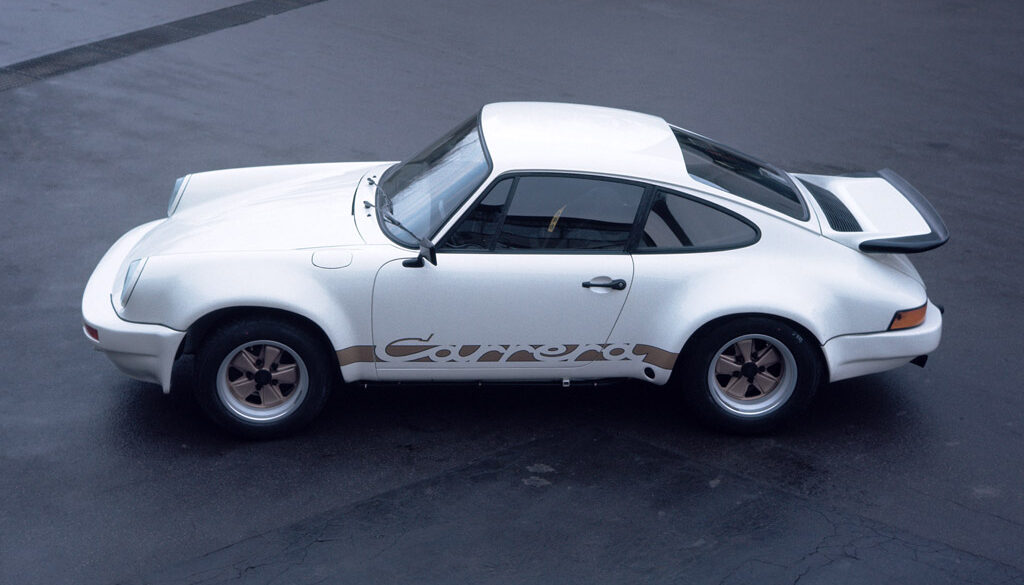
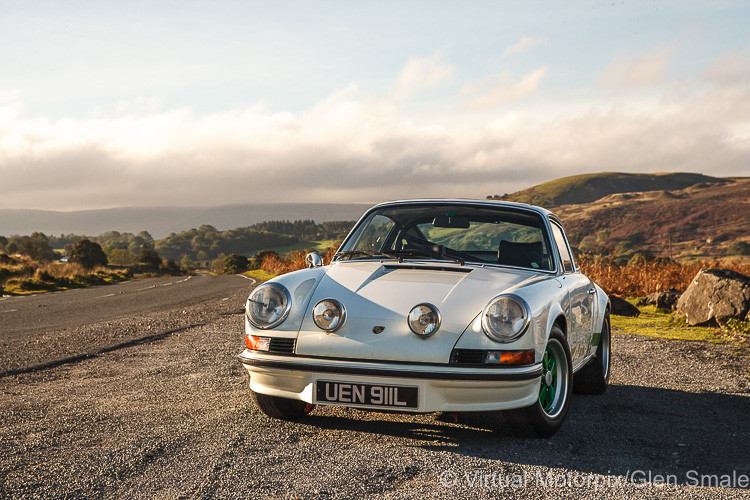
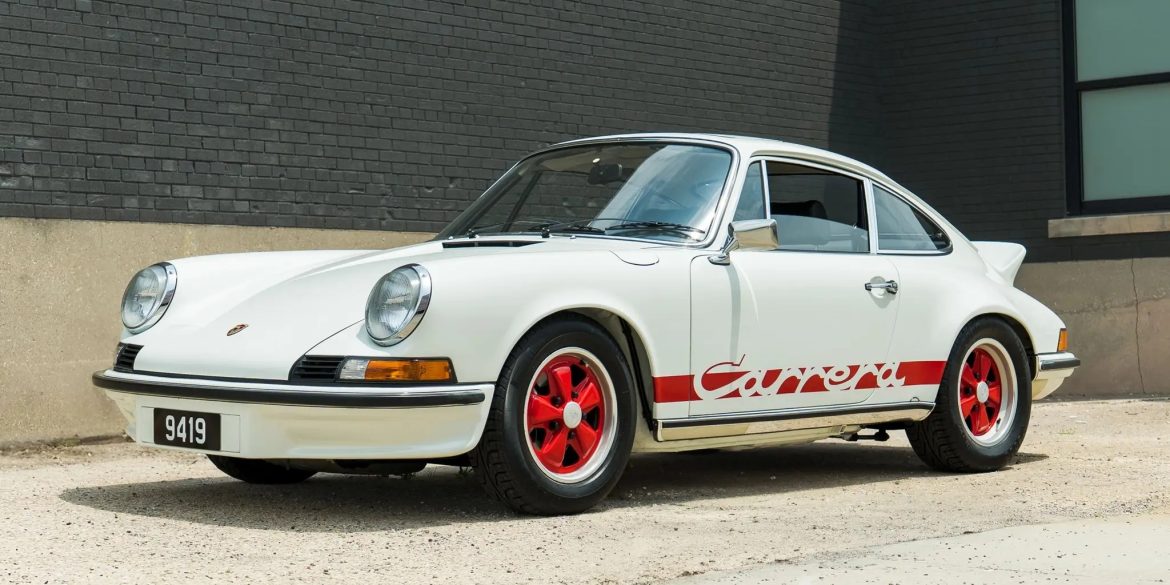
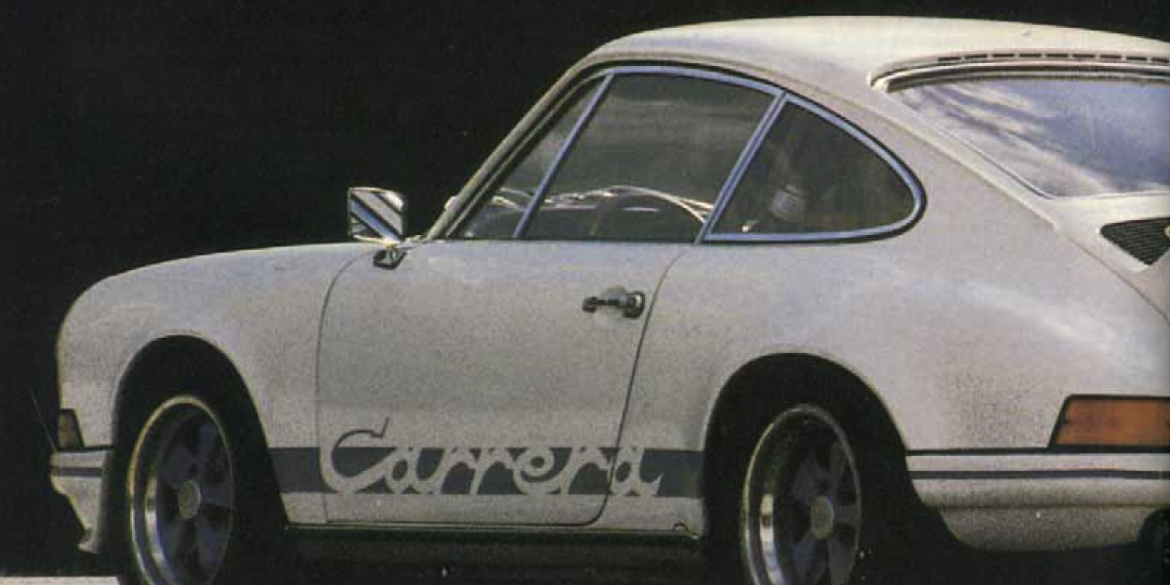
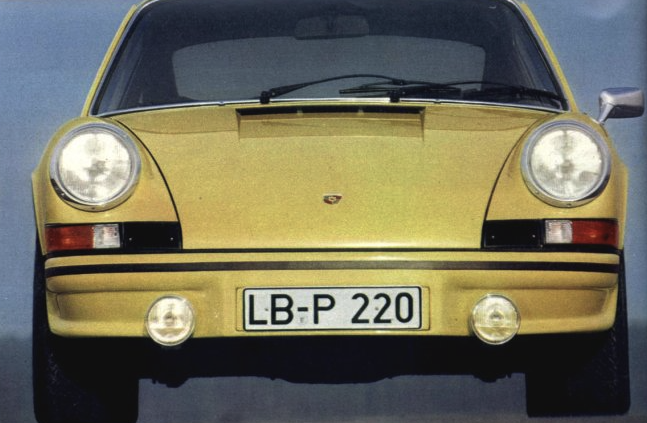
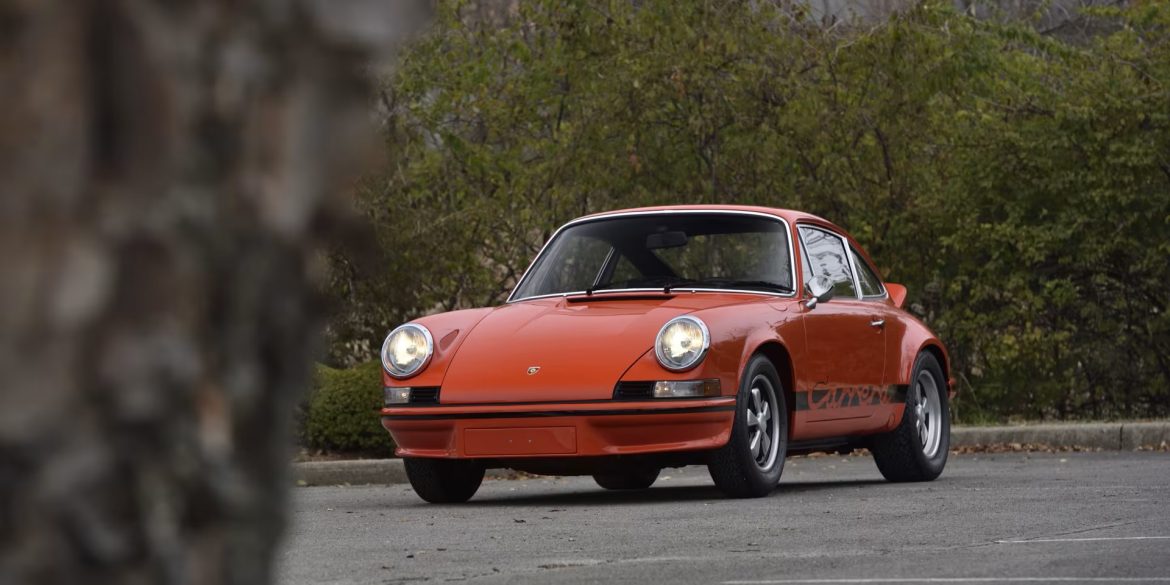
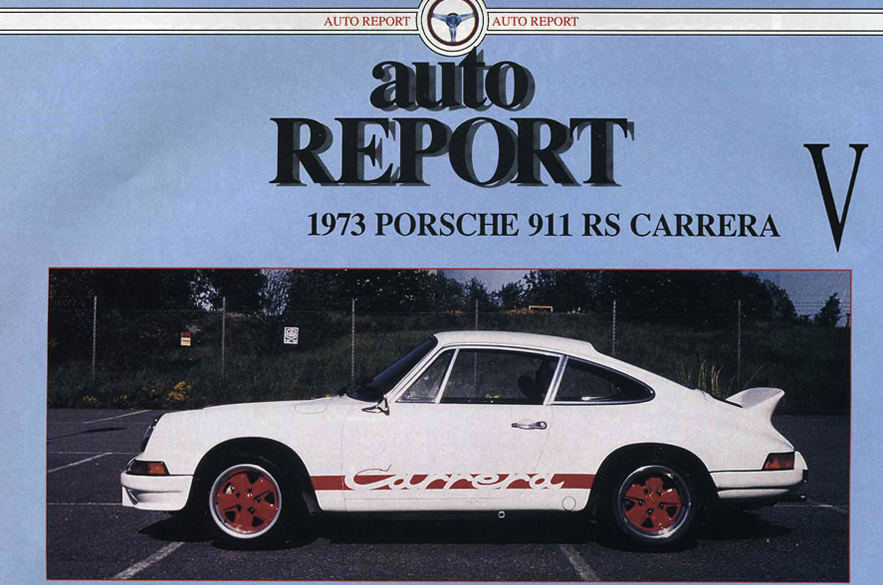
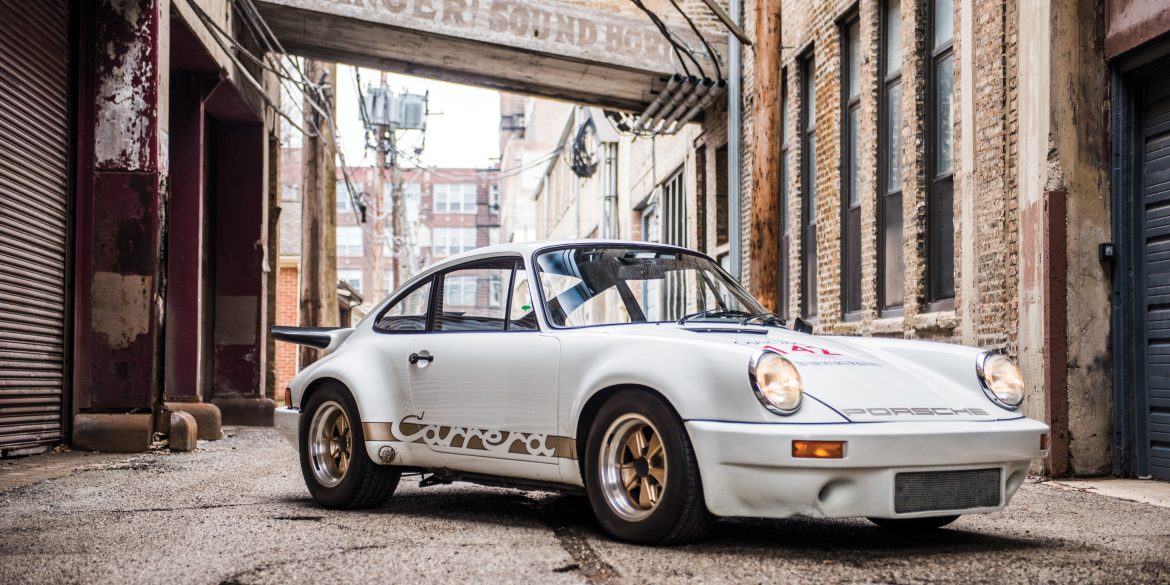
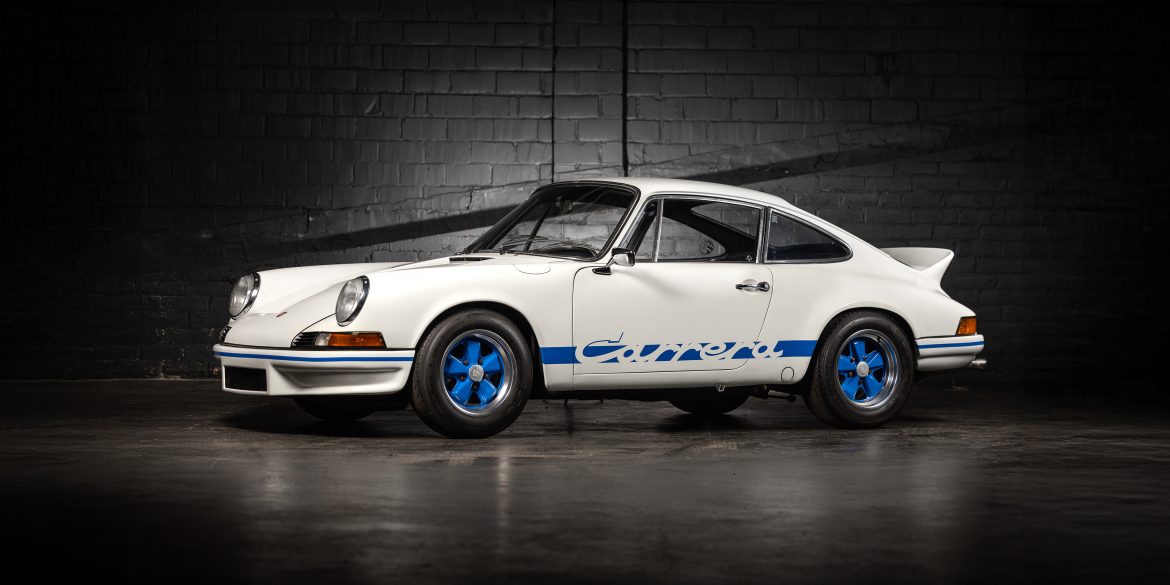
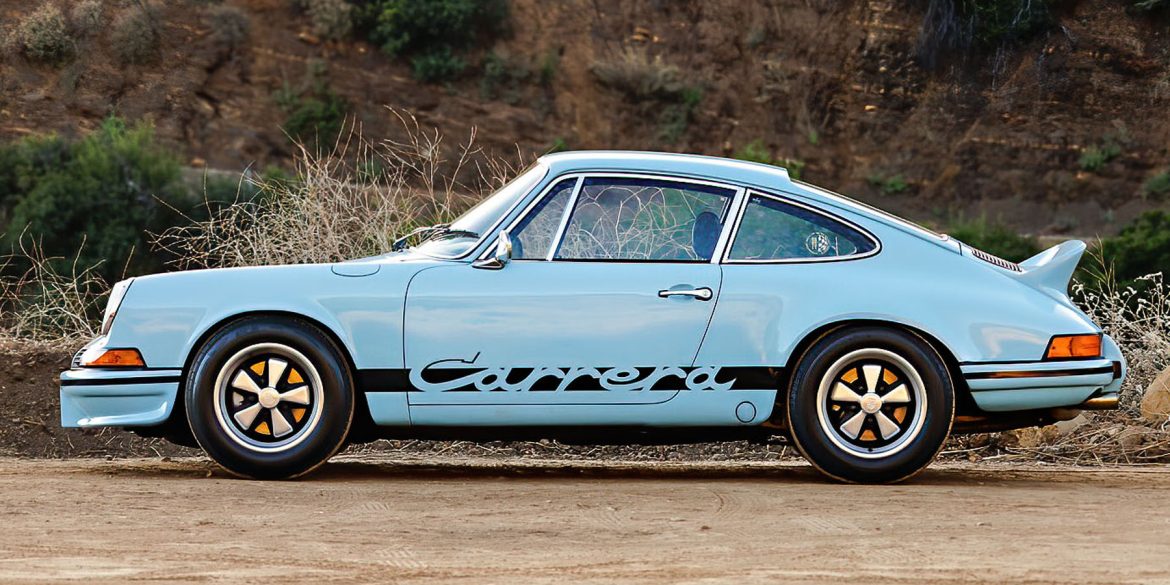
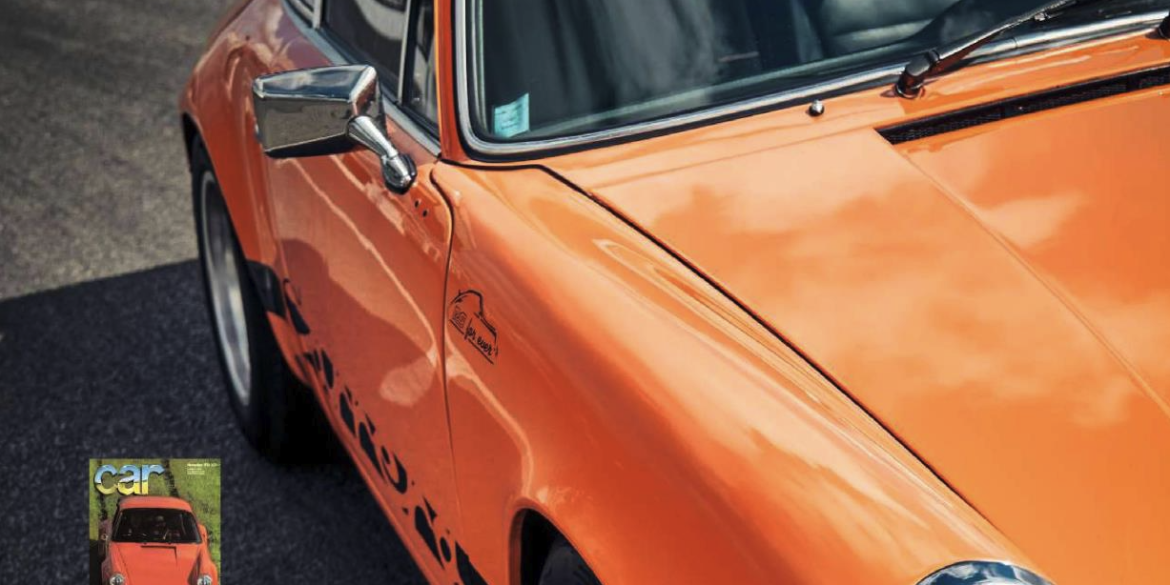
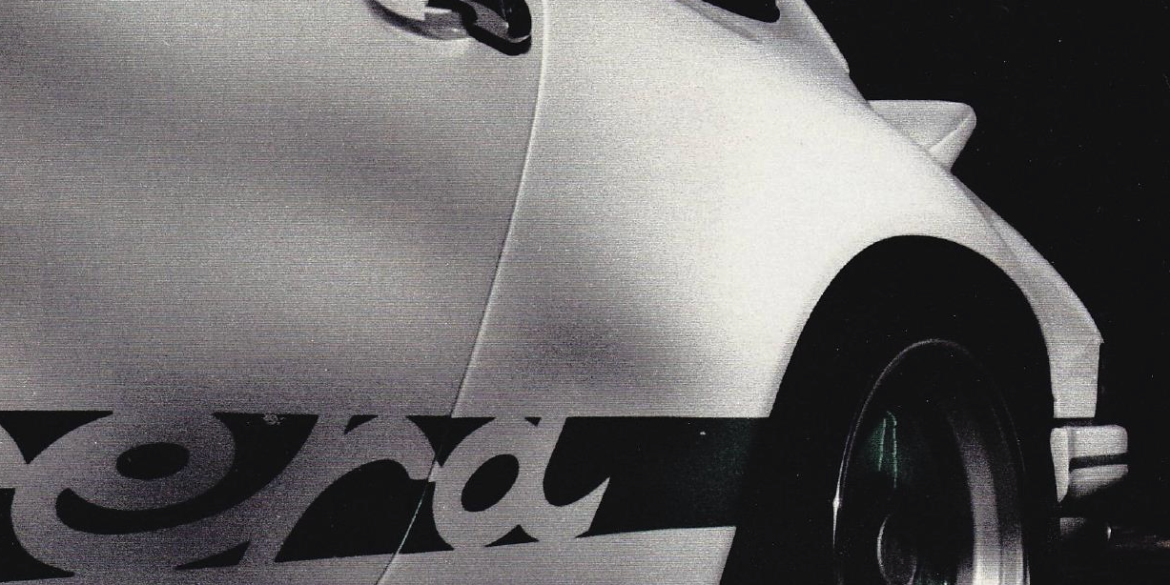
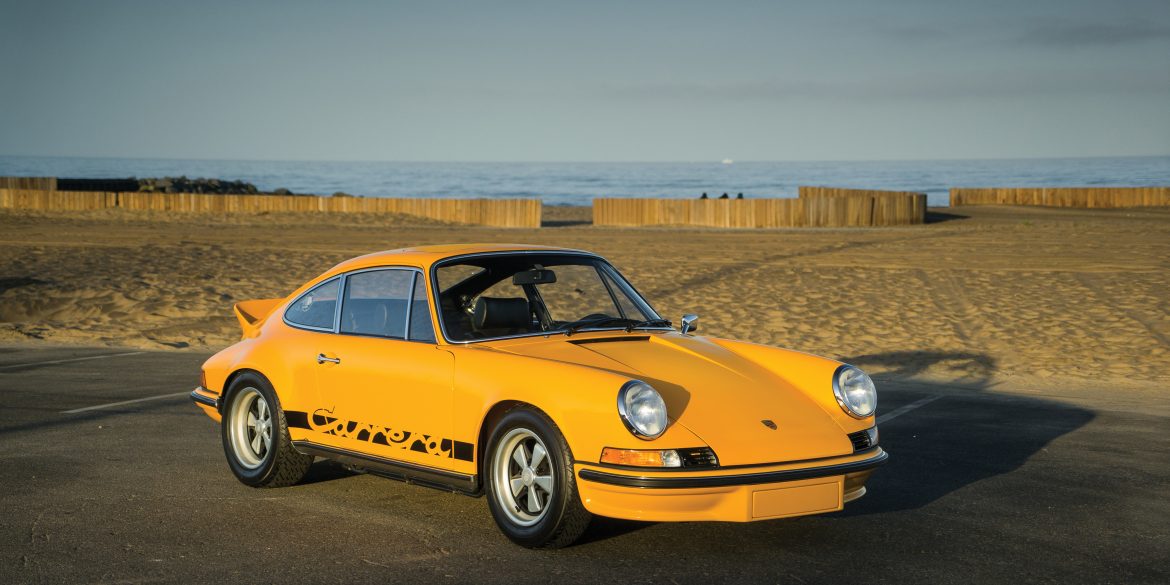
How the RS differs from lesser 911s The 1973 Porsche Carrera RS is instantly recognizable thanks to its distinctive “Carrera” scripts and ducktail. It’s also one of the most valuable 911 road cars that exists, even if it looks more than a bit like every other 911 of the era....
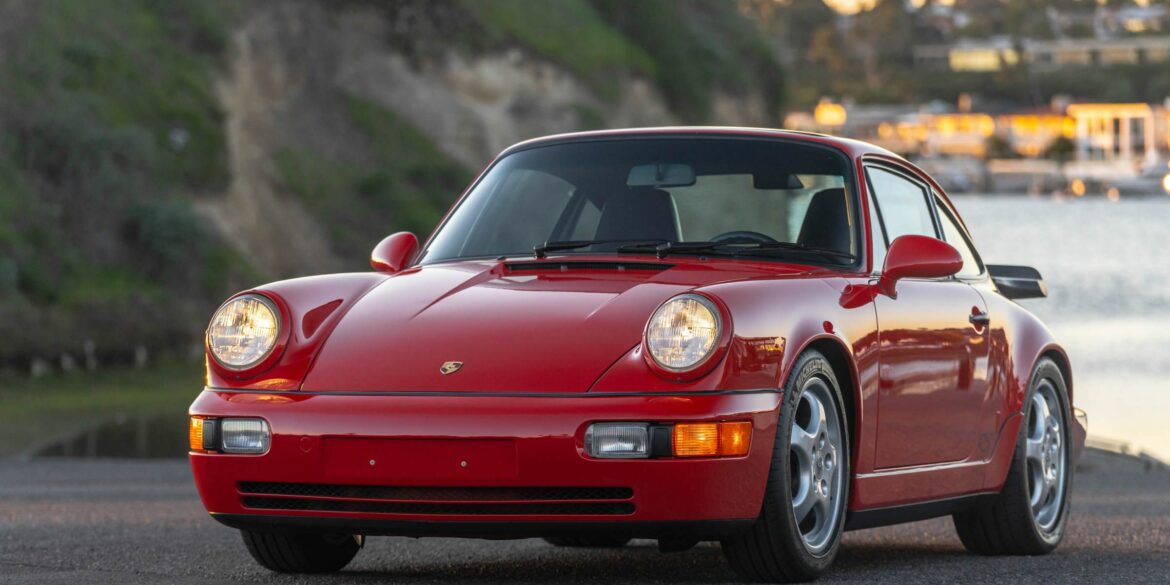
1993 Porsche 964 Carrera RS America
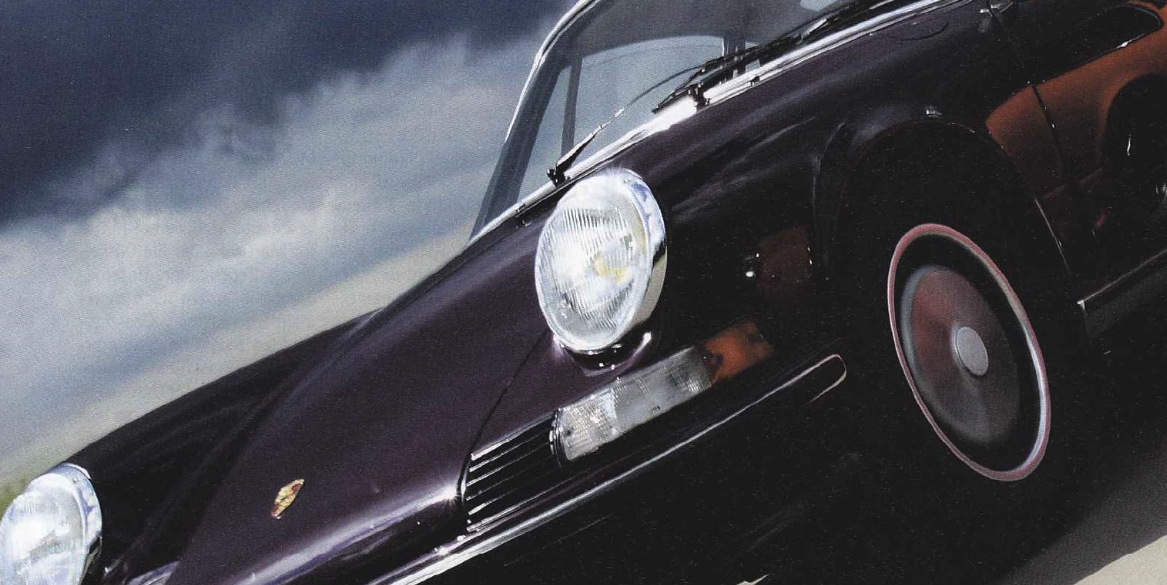
Background & Tech In the late 1960s, as California’s new anti-smog legislation became operative, it was apparent that highly tuned cars like the Porsche 911 would be affected. Breathing through carburettors and running on premium fuel, the 911 was soon in difficulty with traffic authorities. The S was even withdrawn...
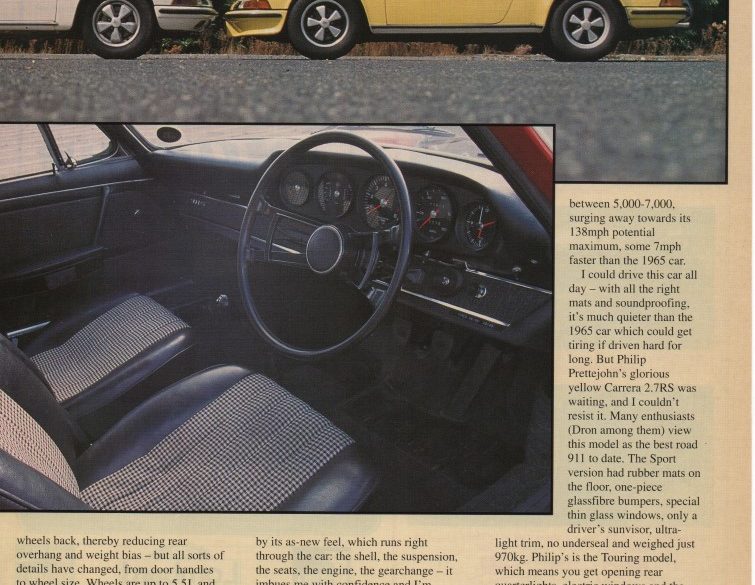
Real World Carrera RS Review The 2.7 Carrera RS debuted in October 1972 at the Paris Motor Show, and was the top first generation 911 and one of the best road cars of all time. It was the fastest production 911 and a solid race winner. Some feel it is...
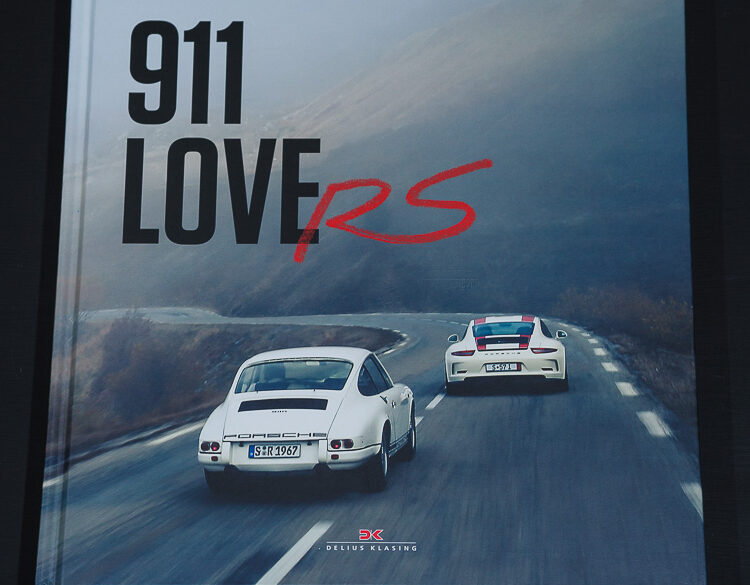
911 LoveRS: by Jürgen Lewandowski and Bart Lenaerts – © Virtual Motorpix/Glen Smale If the title, 911 LoveRS, leaves you with a slight question mark in your mind, turn the pages, and you will quickly get a feel for what the book is all about. 911 LoveRS by Jürgen Lewandowski...
1995 Porsche 911 Carrera RS Clubsport
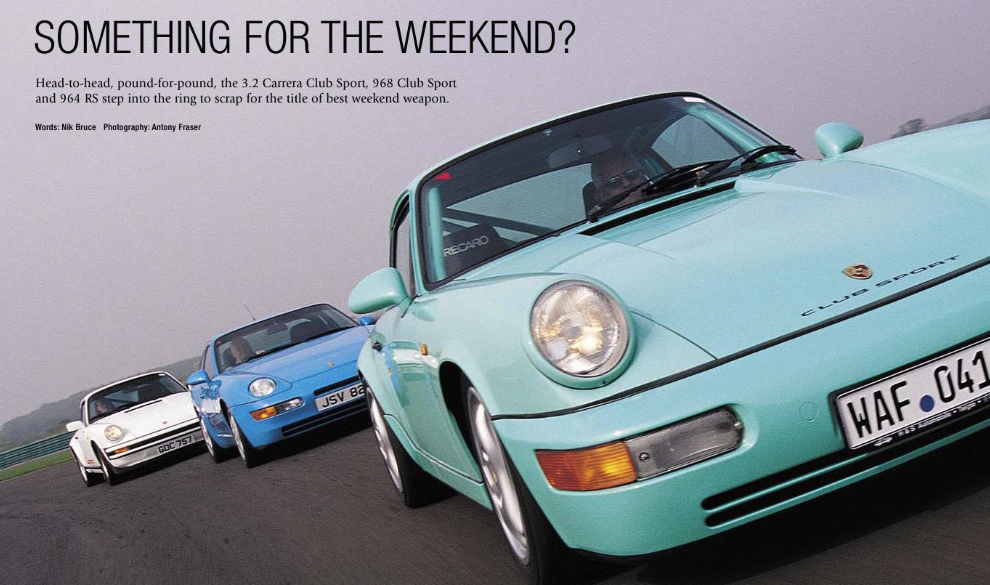
The Carrera RS Clubsport, a track-oriented variant of the Carrera RS, prioritized performance over road comfort. Featuring a fully welded roll cage and seam-welded shell, the Clubsport boasted a 40% increase in body stiffness compared to the standard Carrera RS. Its adjustable suspension strut brace, lower front suspension, and upgraded...
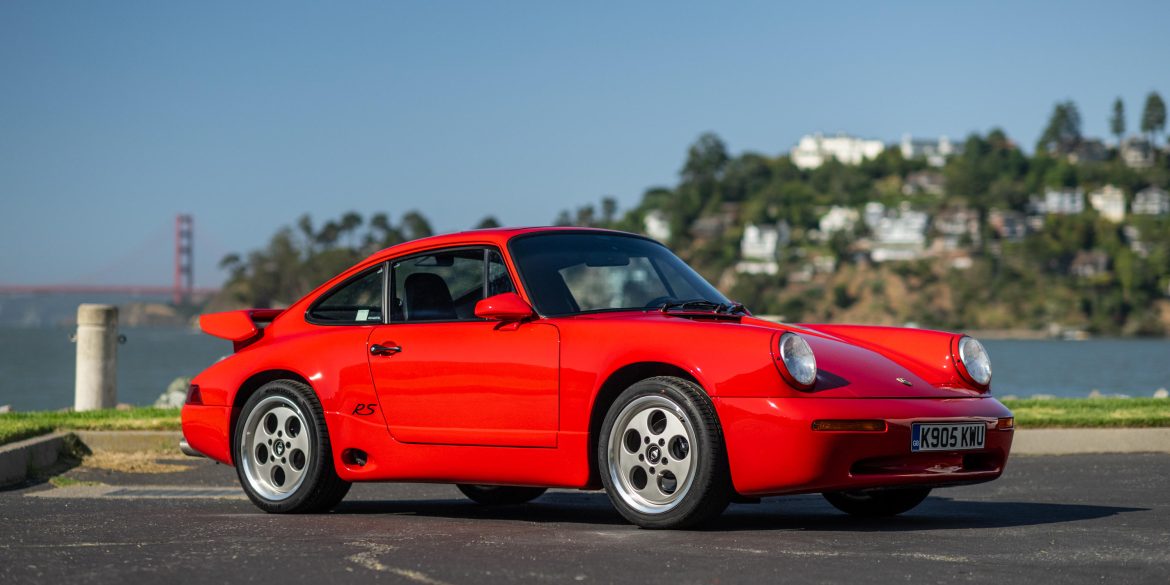
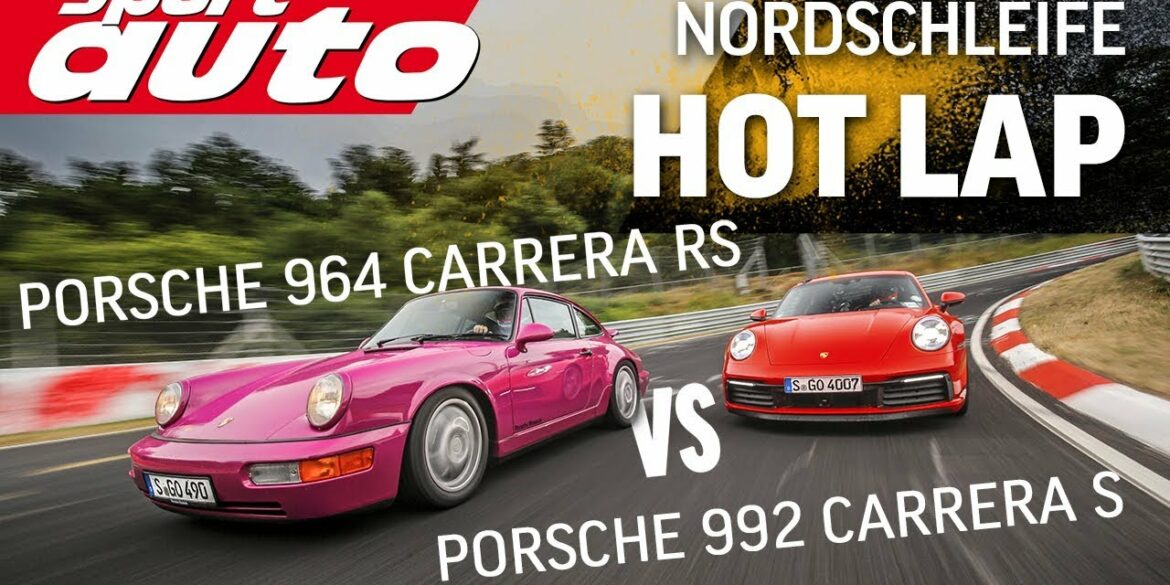
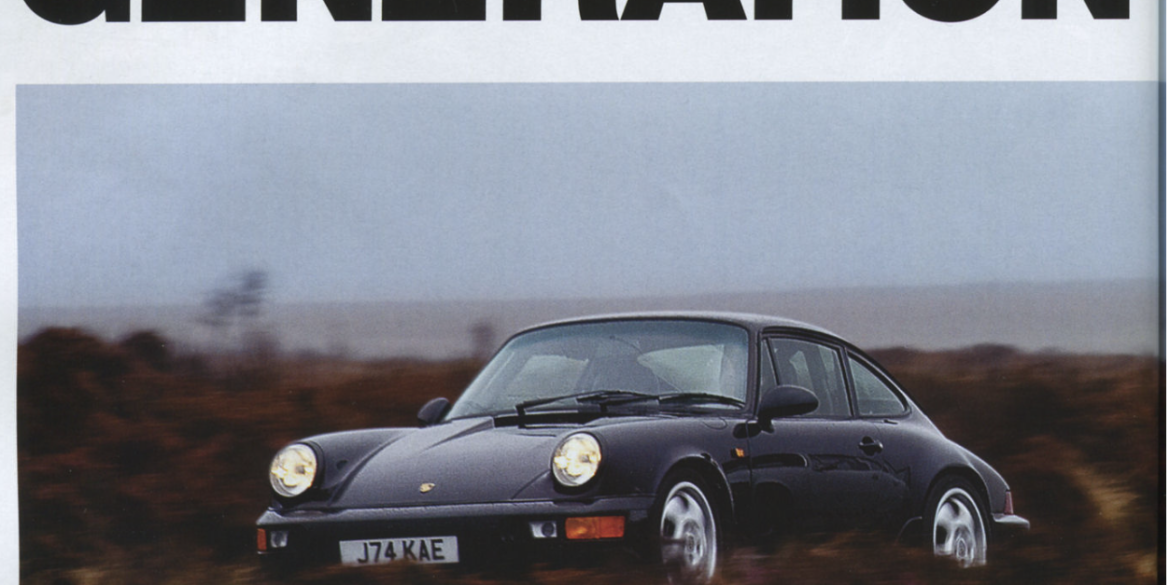
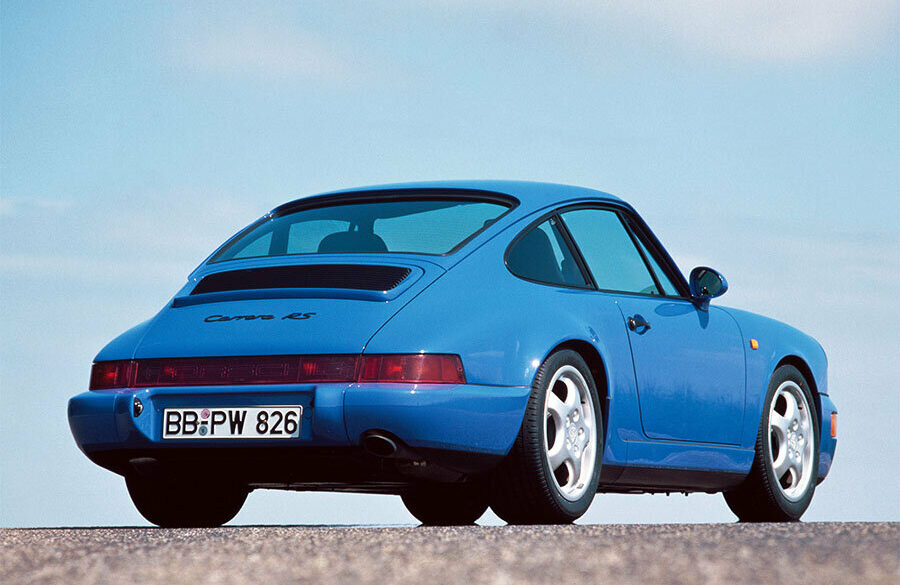
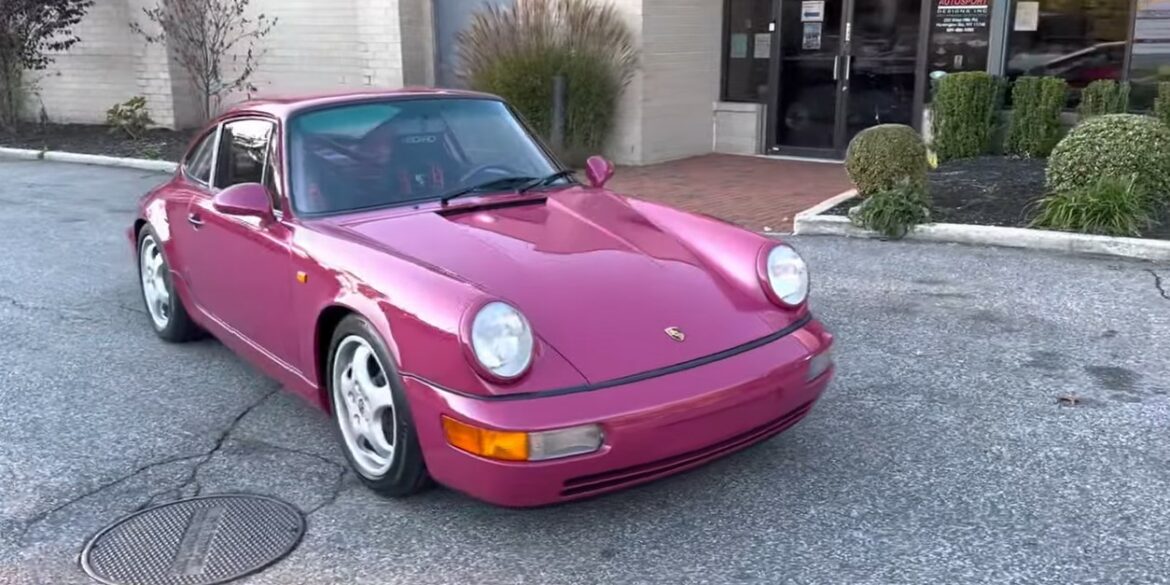
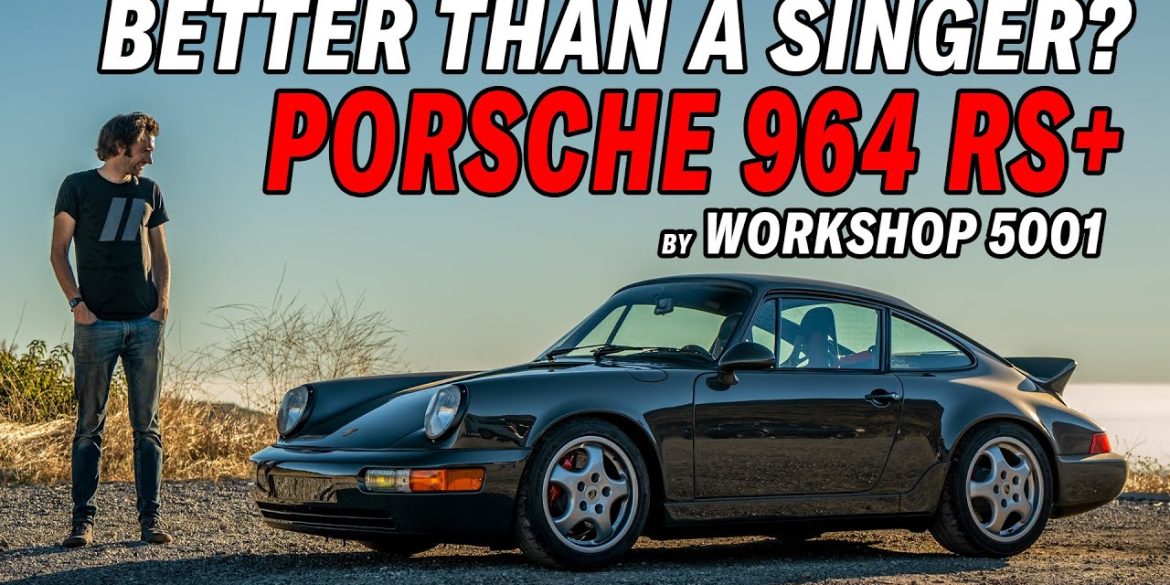
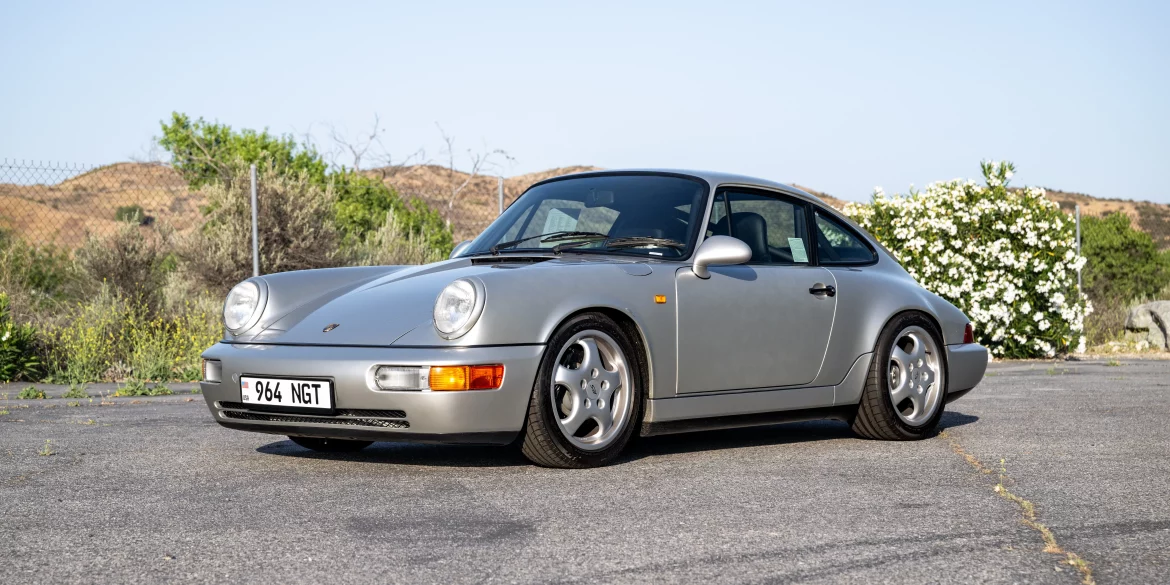
The 964 Carrera RS was introduced by Porsche for model year 1992 specifically for the European market as a lightweight, high performance version of the 964 Carrera 2. It featured a revised version of the standard 3.6 liter engine, titled M64/03 internally, with an increased power output of 260 bhp...
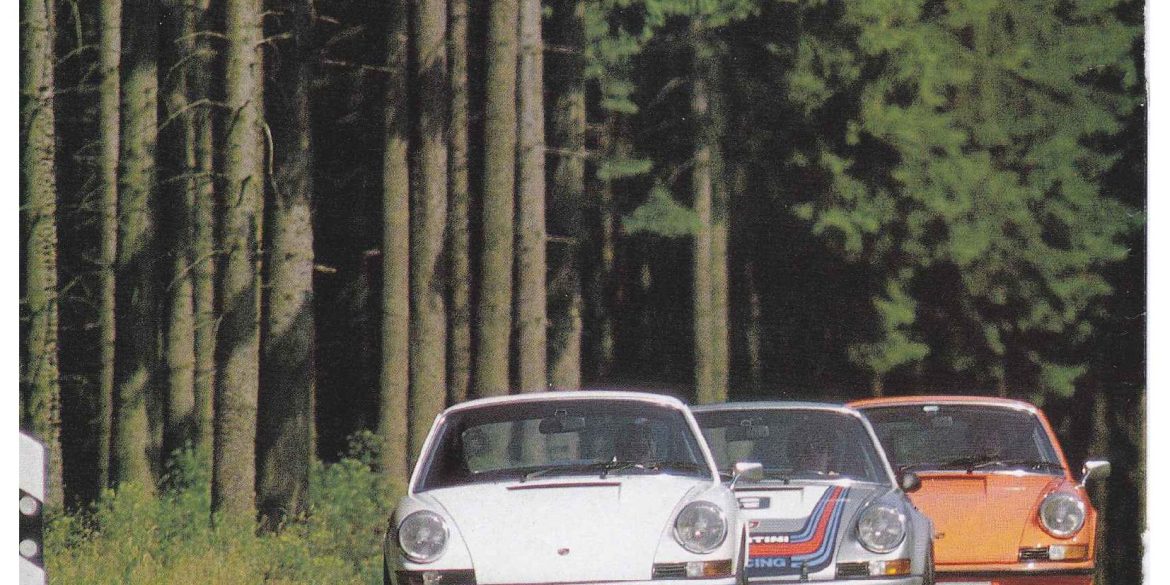
Words by Glen Smale. Images by Glen Smale & Corporate Archives Porsche AG With the introduction of the Porsche 911 in 1963, there was no high-performance model included in the line-up. It took almost a decade for that to happen, when the 911 Carrera RS was introduced at the Paris...
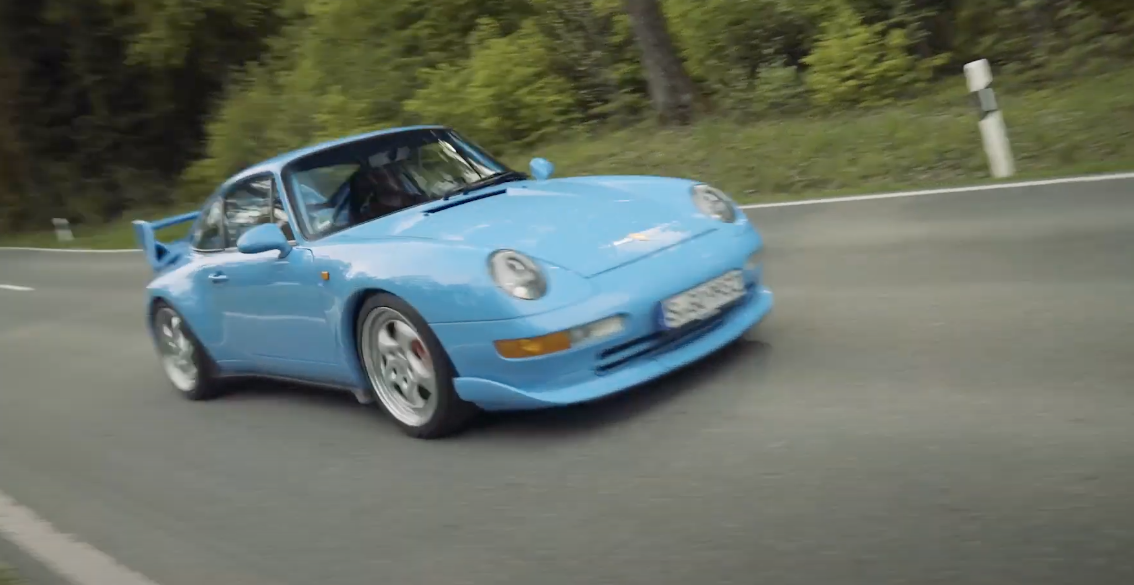
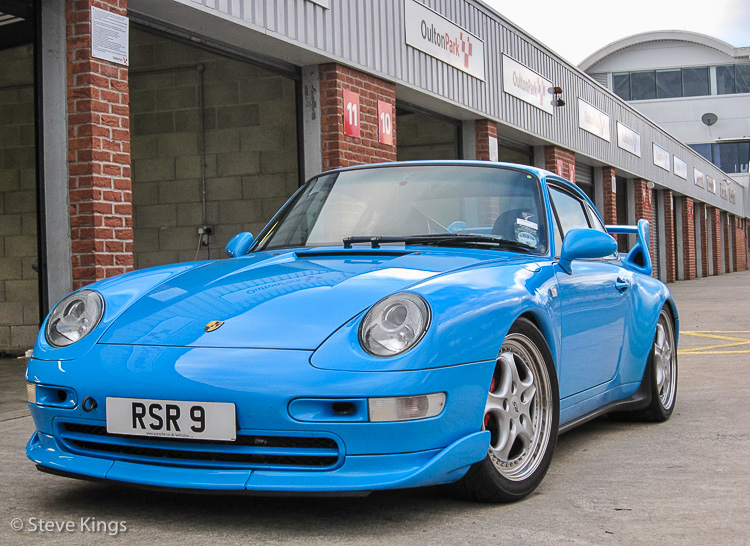
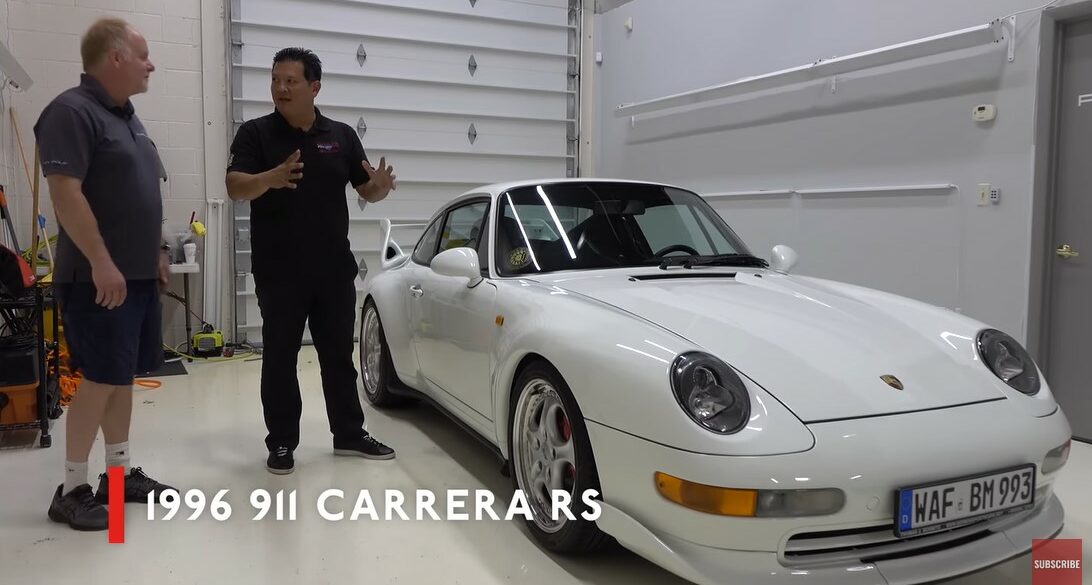
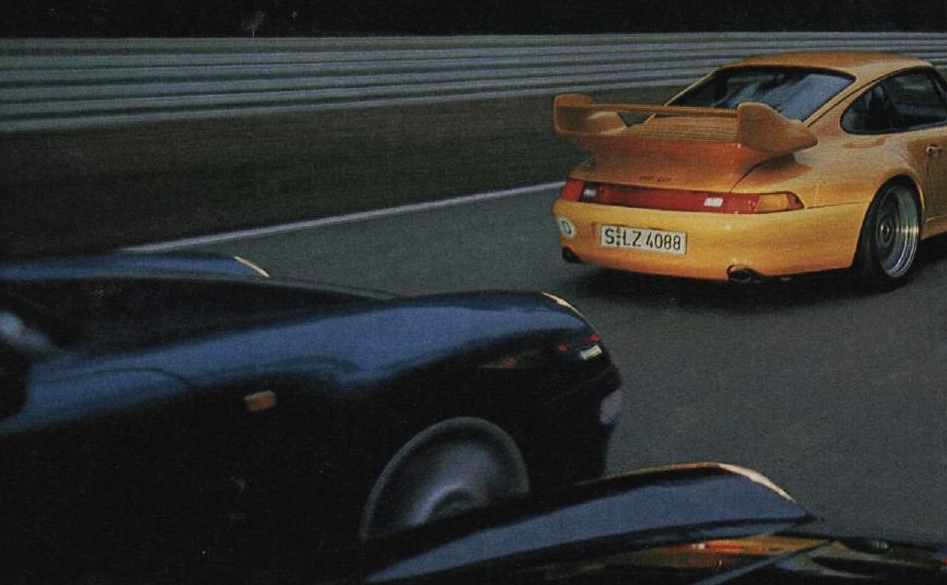
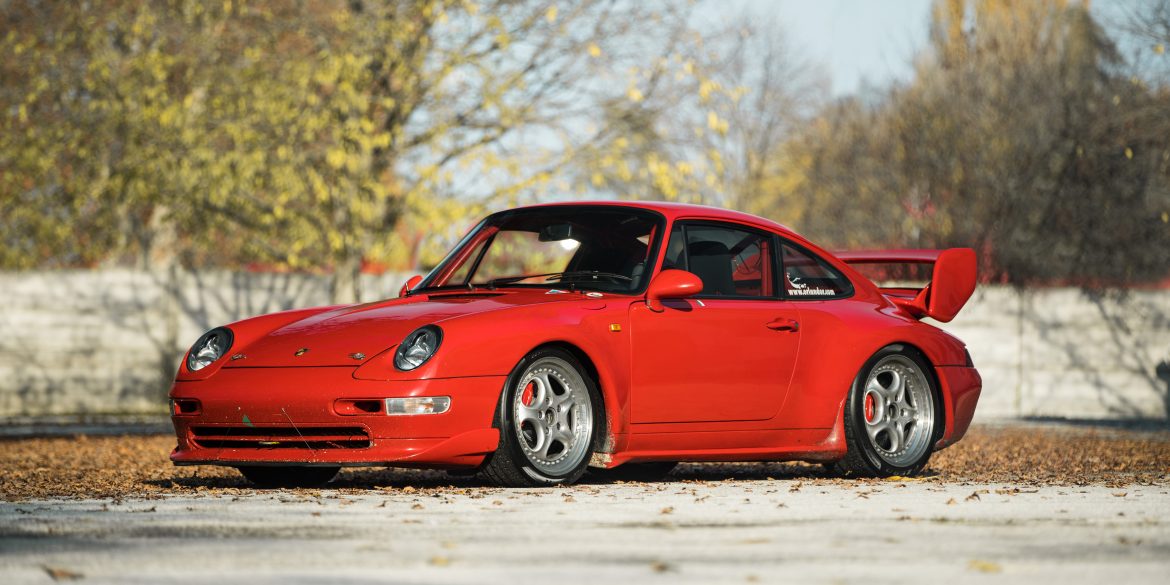
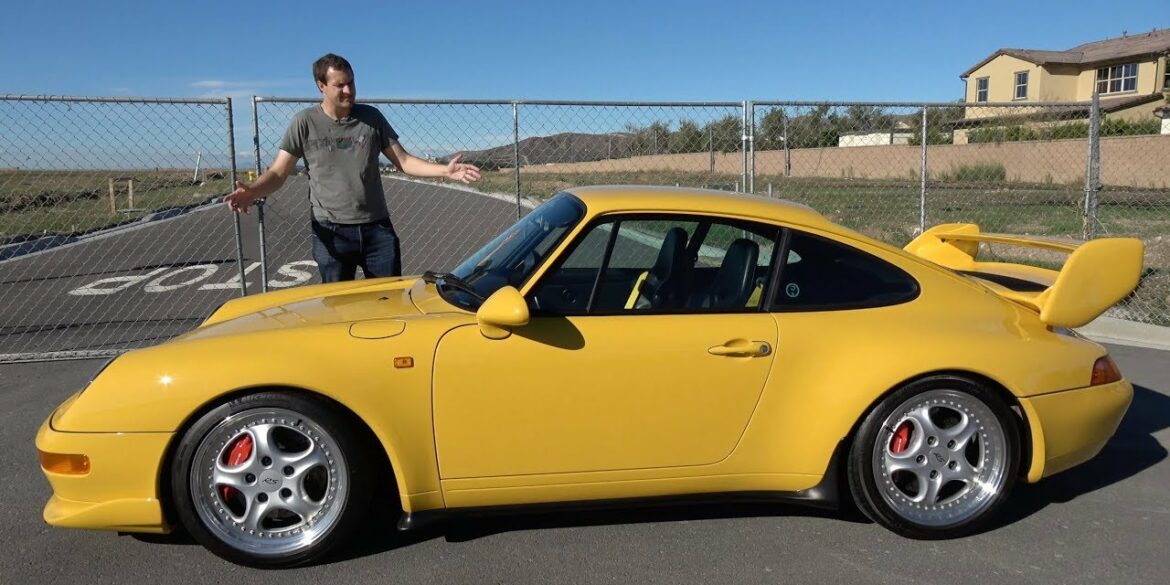
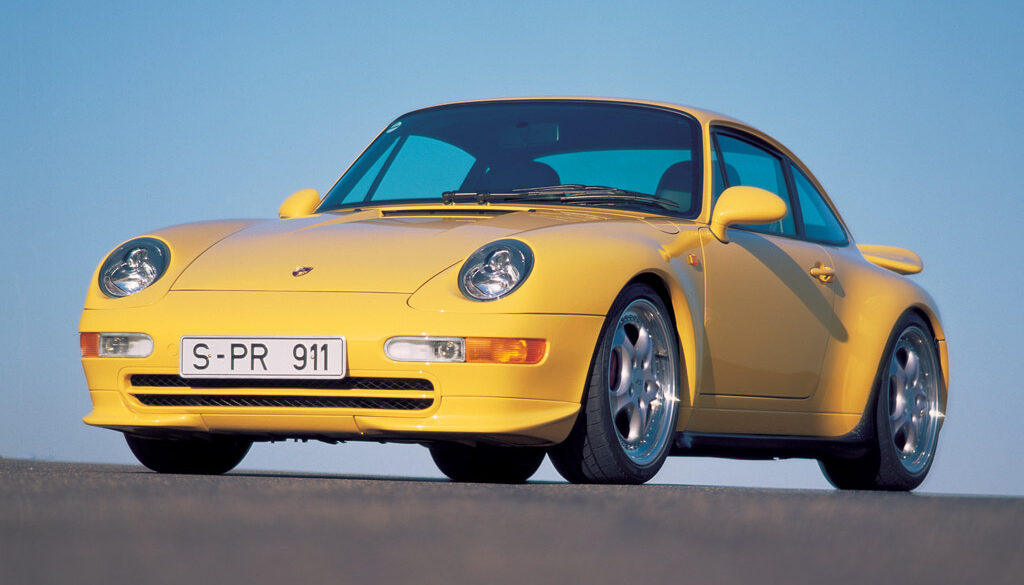
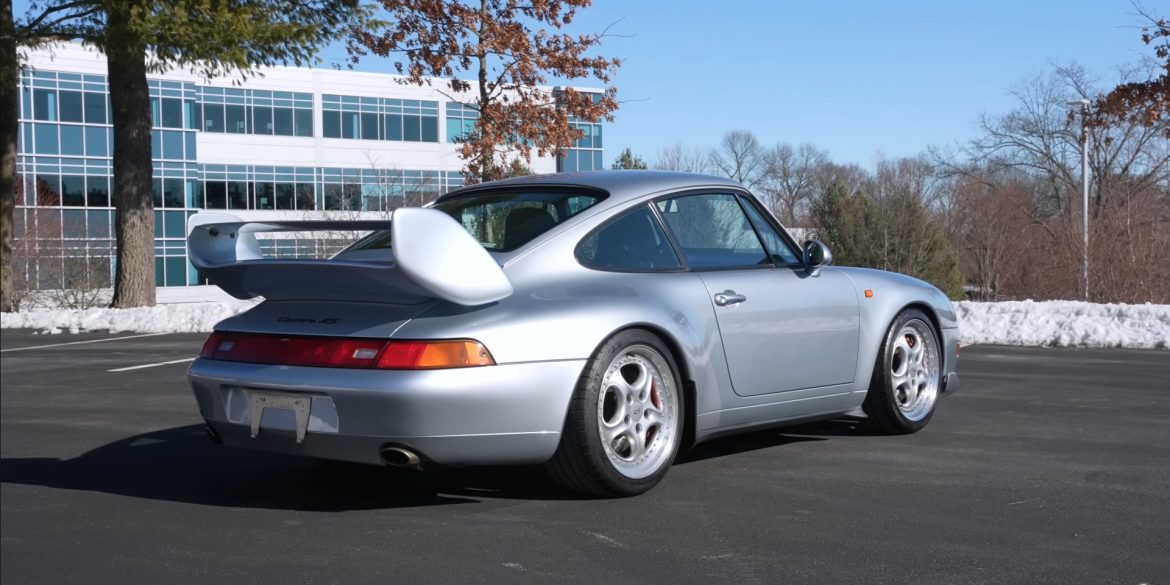
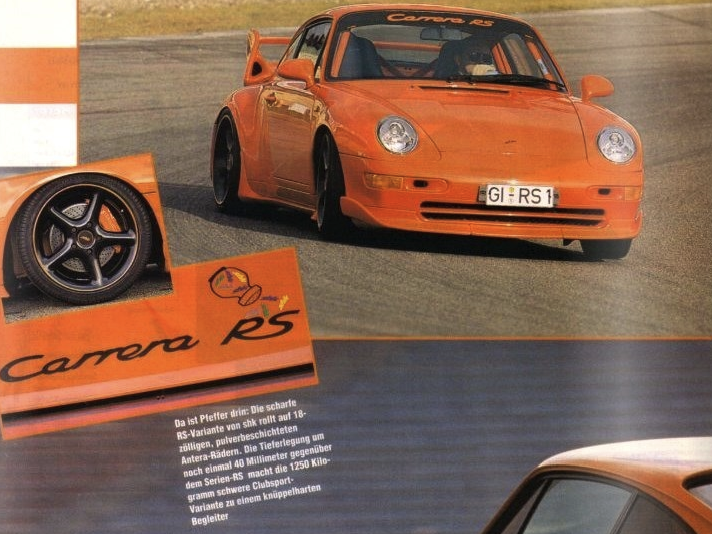
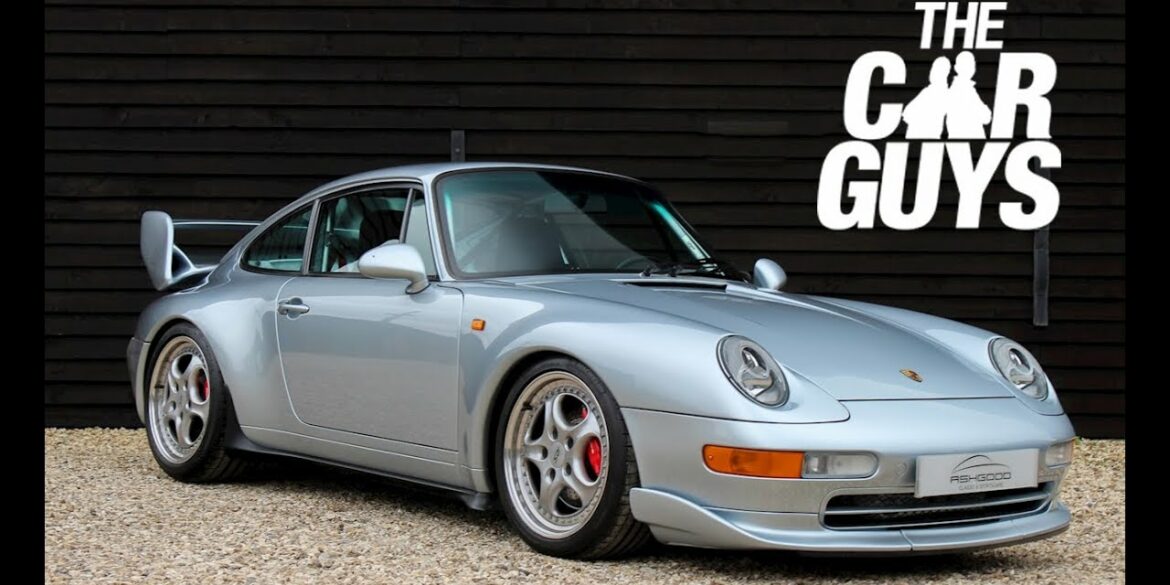
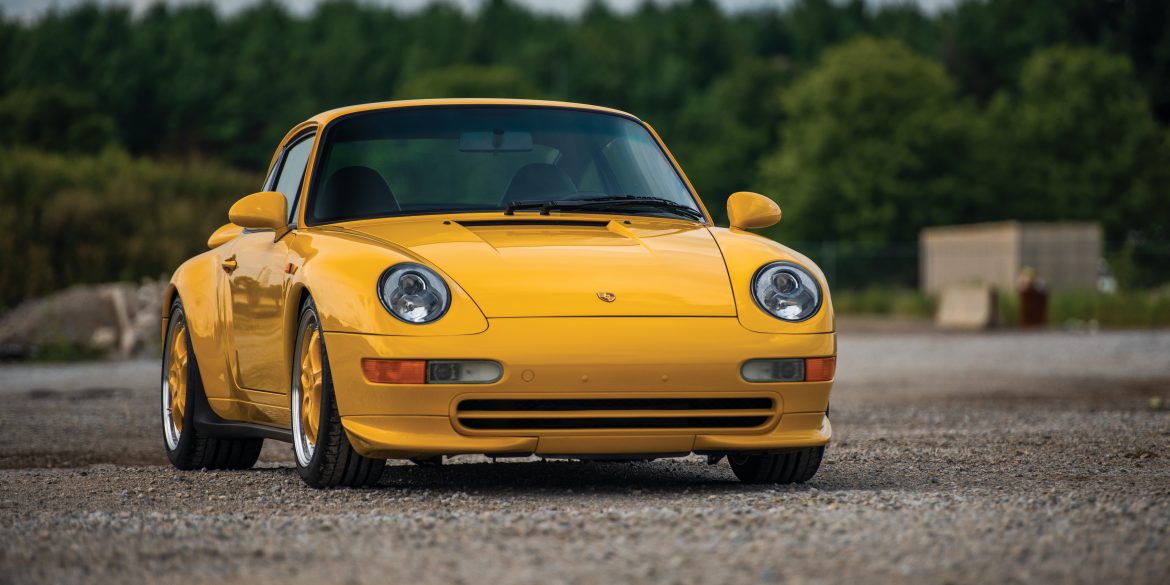
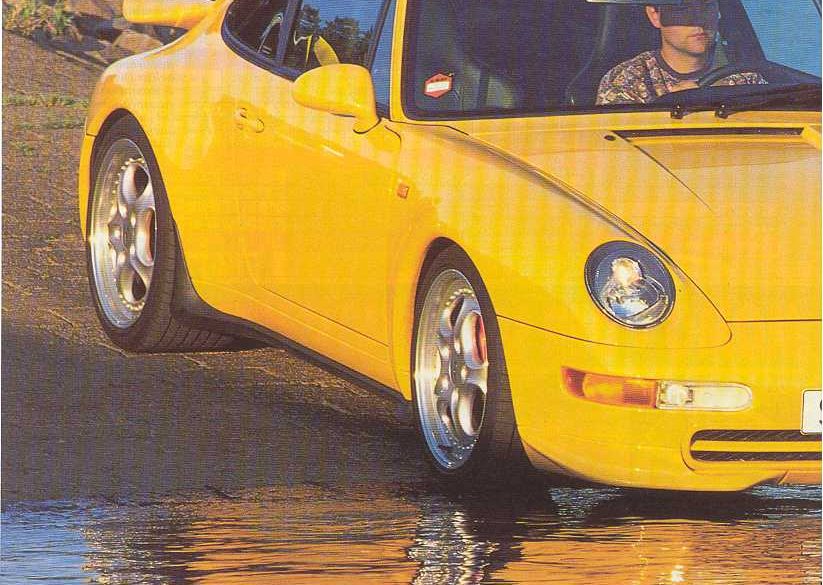
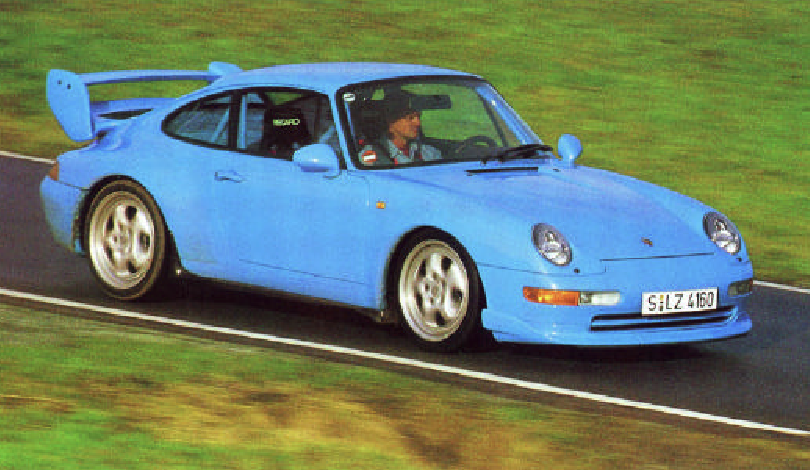
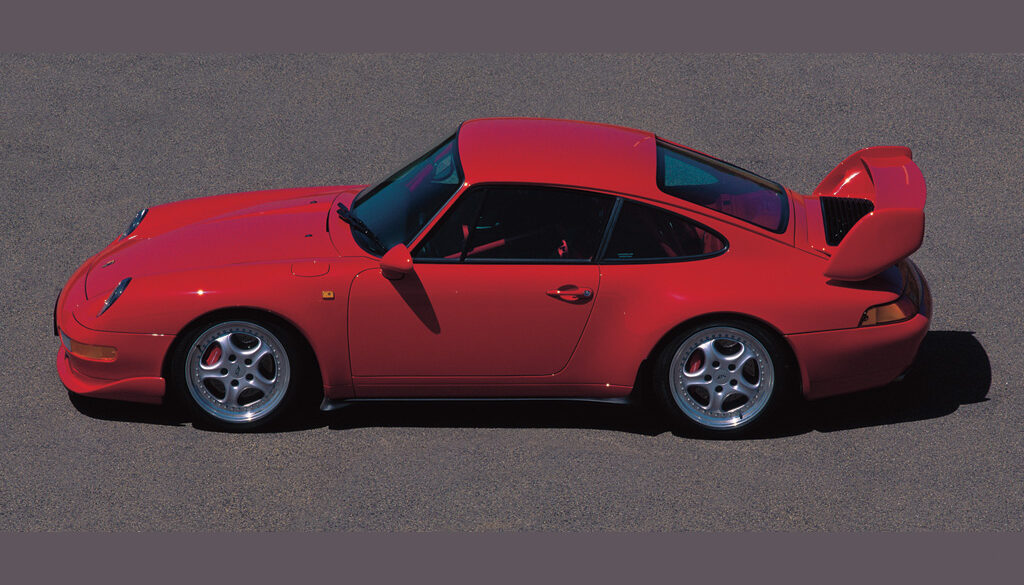
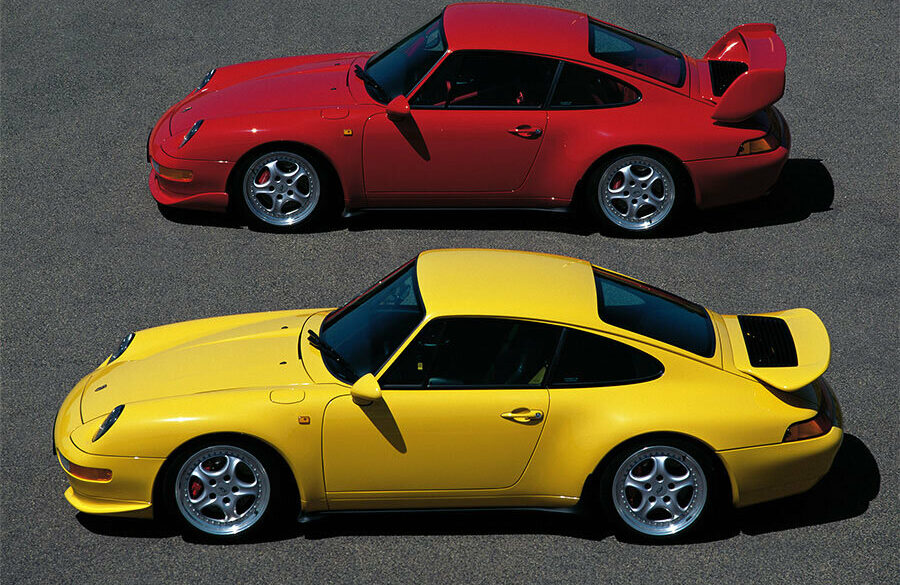
The 993 Carrera RS is a lightweight, stiffer version of the naturally-aspirated 993 Carrera meant for ultimate street performance. At its heart was the 3.8-liter normally aspirated Type M64/20 engine producing 300 bhp at 6,500 rpm along with 262 foot-pounds of torque at 5,400 rpm. Looking to save as much weight as possible, every non-essential item from the car was removed. The Carrera RS tipped the scales at a 1,280 kg. About 1,000 Carrera RS were built, making it one of the rarest and most collectable 993-generation 911's produced. In addition to the Base Trim it was also available as the race-ready, street legal, RS Clubsport (option M003).
This rare Porsche 911 Type 964 variant, the Carrera RS 3.8 which is currently offered for sale on Bring A Trailer, was produced in very limited numbers, with only 55 units built towards the end of the 964’s production. Based on the Carrera Cup race car, the RS 3.8 featured...
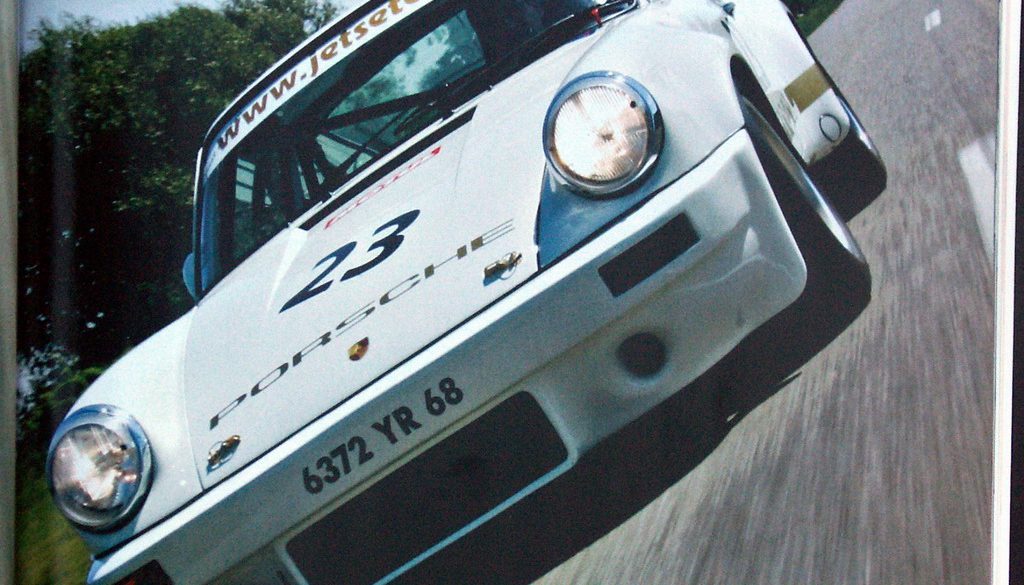
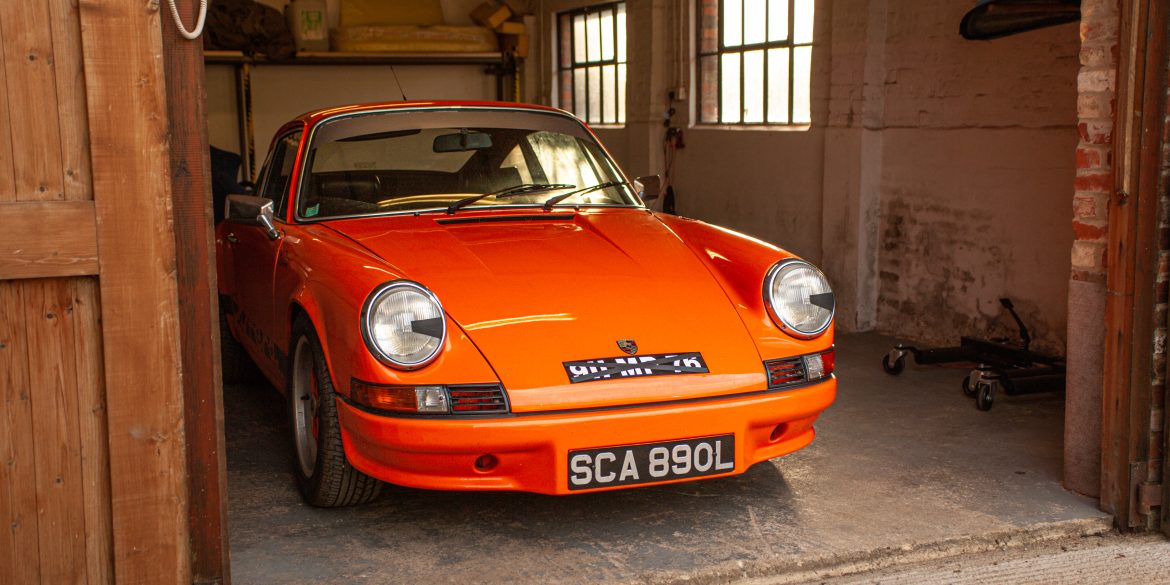
Porsche built just 1,580 units of the 1973 911 Carrera RS 2.7, most in the more road-friendly M472 Touring specification. Designed as a homologation model for racing, it was based on the 2.4L 911S and laid the groundwork for the 2.8 RSR, 3.0 RSR, and the turbocharged 934 and 935....
What makes this 50-year old icon so special? The Carrera RS 2.7 was conceived as a 911-derived race car and was the first production street/race 911 widely offered to the public. The company’s philosophy was that Porsche’s (except for pure competition models) should be used for daily transportation. Porsche built...
In 1993, Porsche introduced the Type 993, widely considered the most stunning 911 ever made. The lineup remained familiar, including two- and four-wheel drive variants, the iconic Turbo, and the Cabriolet convertible, all powered by an updated 3.6-liter flat-six engine. In early 1995, Porsche expanded the range with the Carrera...
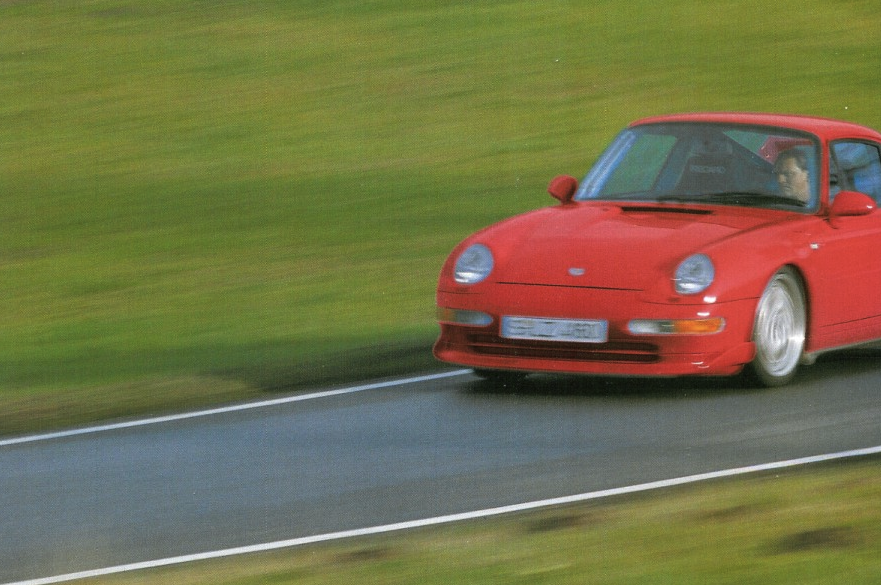
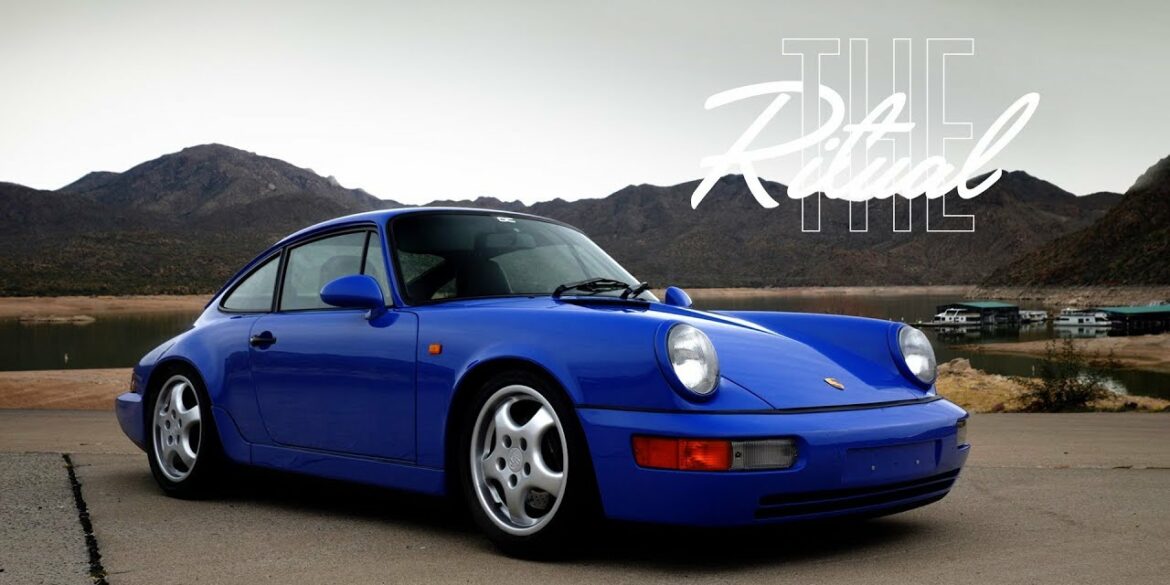
Rituals of Rennsport The power of Porsche is rarely measured on a dyno, but you can always tell when it’s taken hold of someone. Eli Kogan is certainly no stranger to the marque from Stuttgart, and today we’re joining him for a spirited run through the gears in the type...
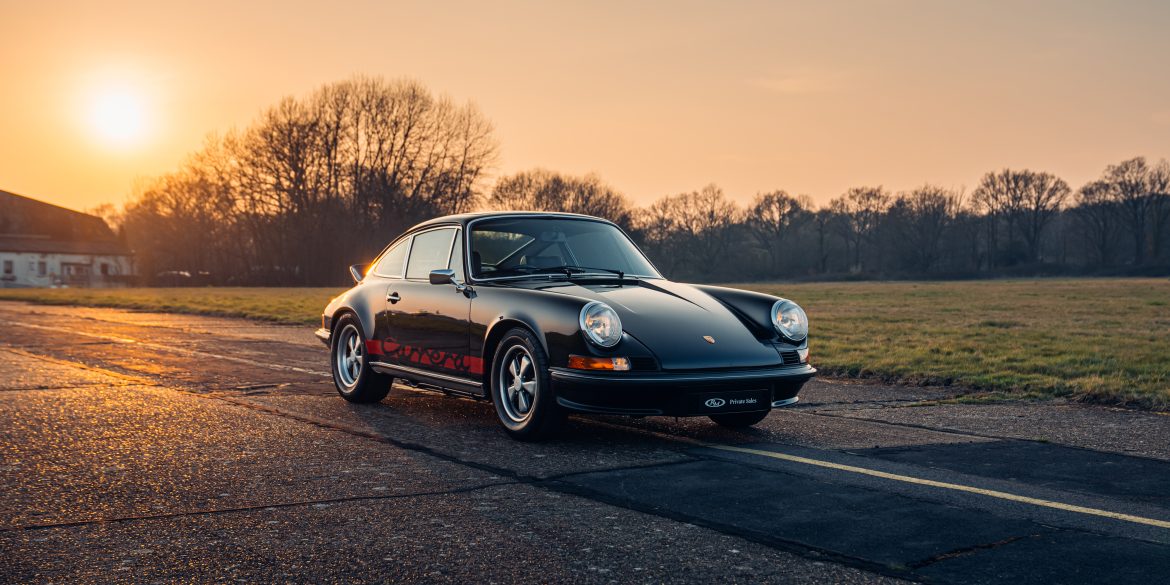
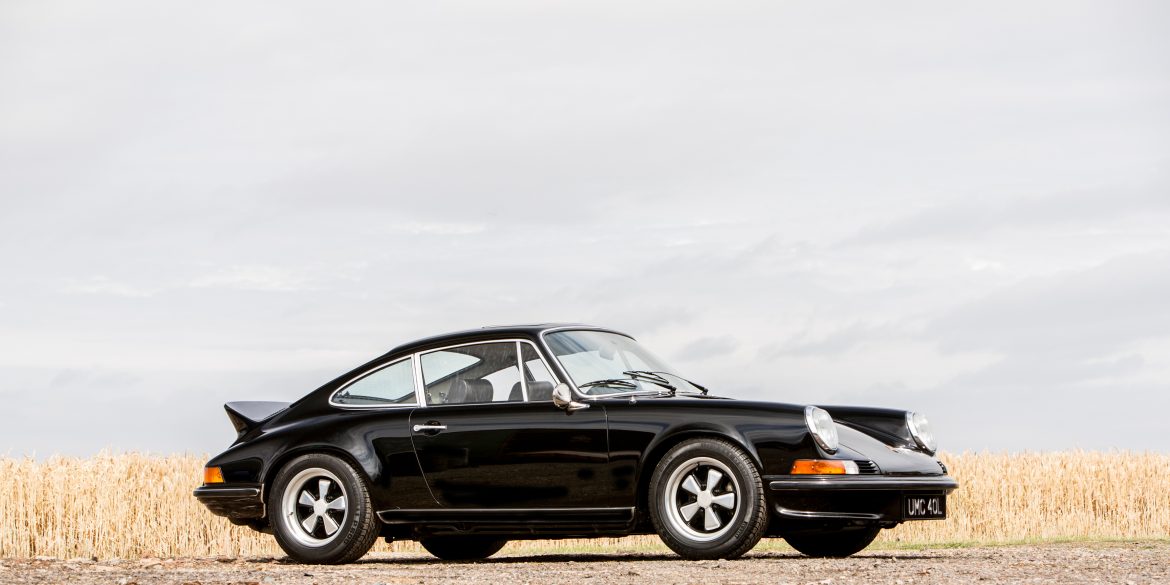
RM Sotheby’s is thrilled to offer this rare and stunning 1973 Porsche 911 Carrera RS 2.7 Touring. Finished in its original Black with a Leatherette and Corduroy interior, this highly sought-after car will be auctioned on November 2, with an estimated value of $650,000 to $800,000 The Carrera RS debuted...
The 911 Carrera RS wasn’t designed to be a perfect car or even a road car—it was created for homologating the 911 RSR for Group 5 racing. Porsche needed to build a street version of the race car, focusing on weight reduction and aerodynamic features essential for the track. Initially,...
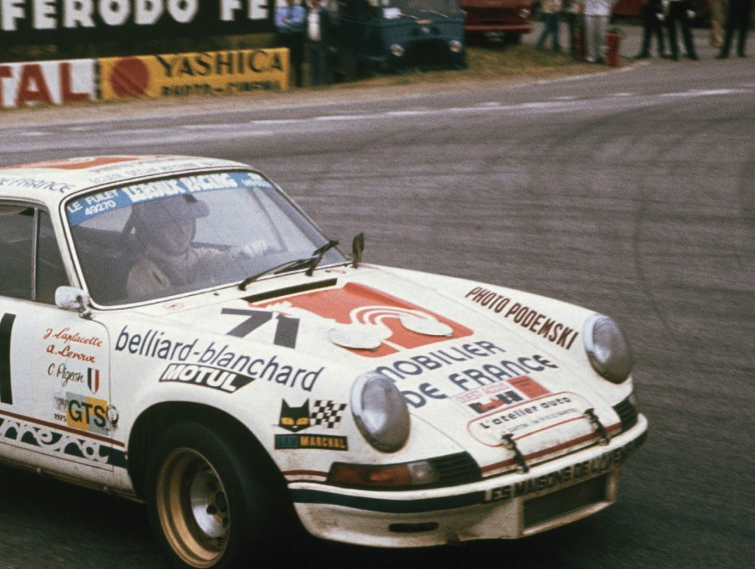
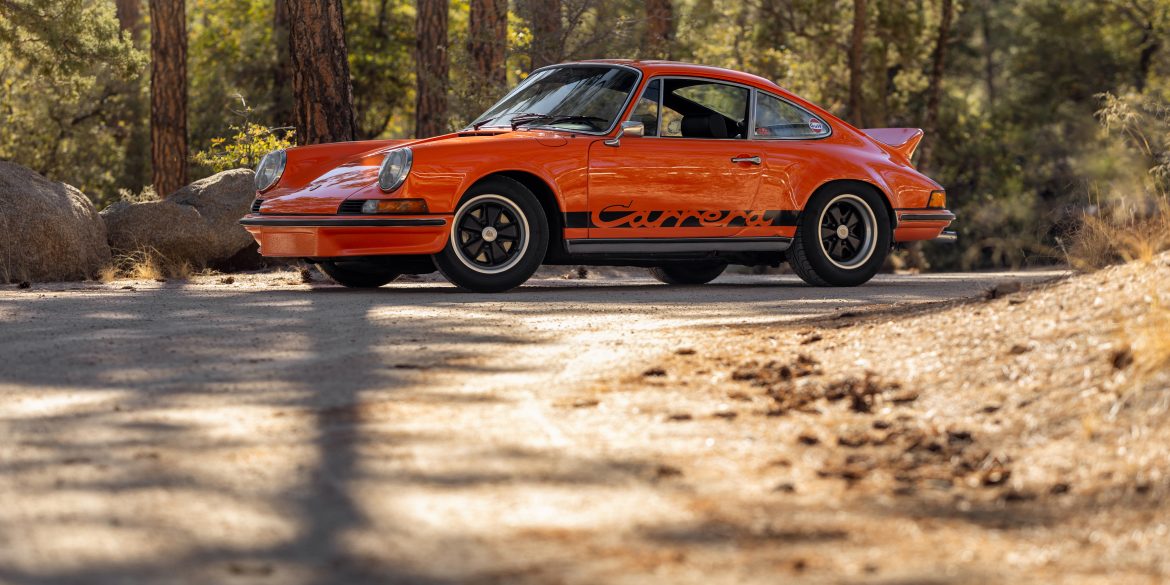
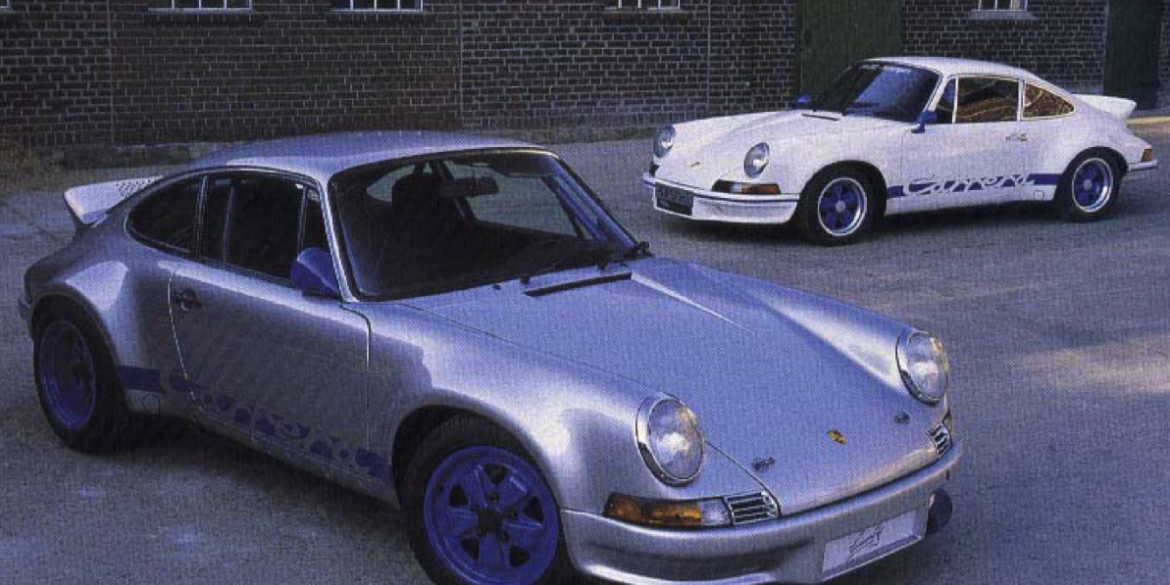
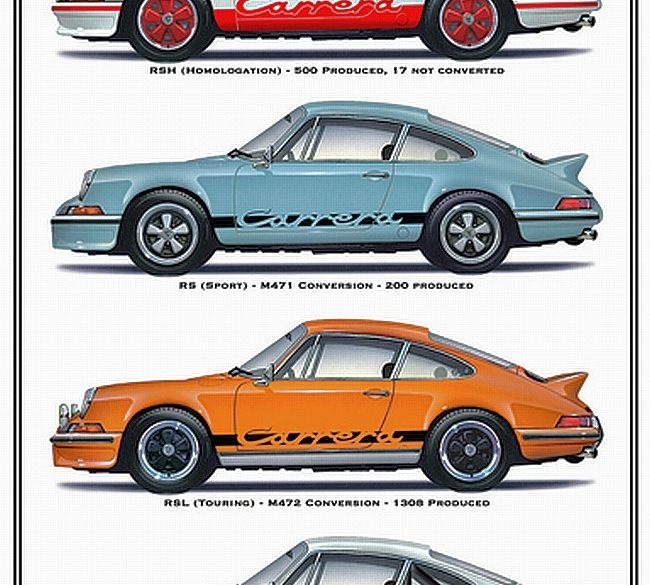
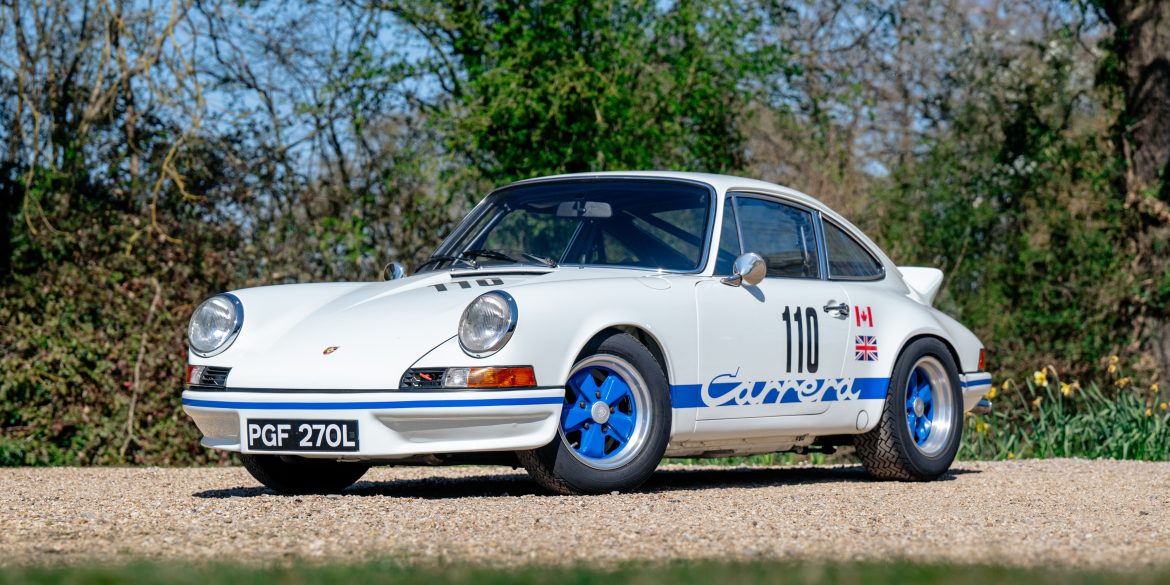
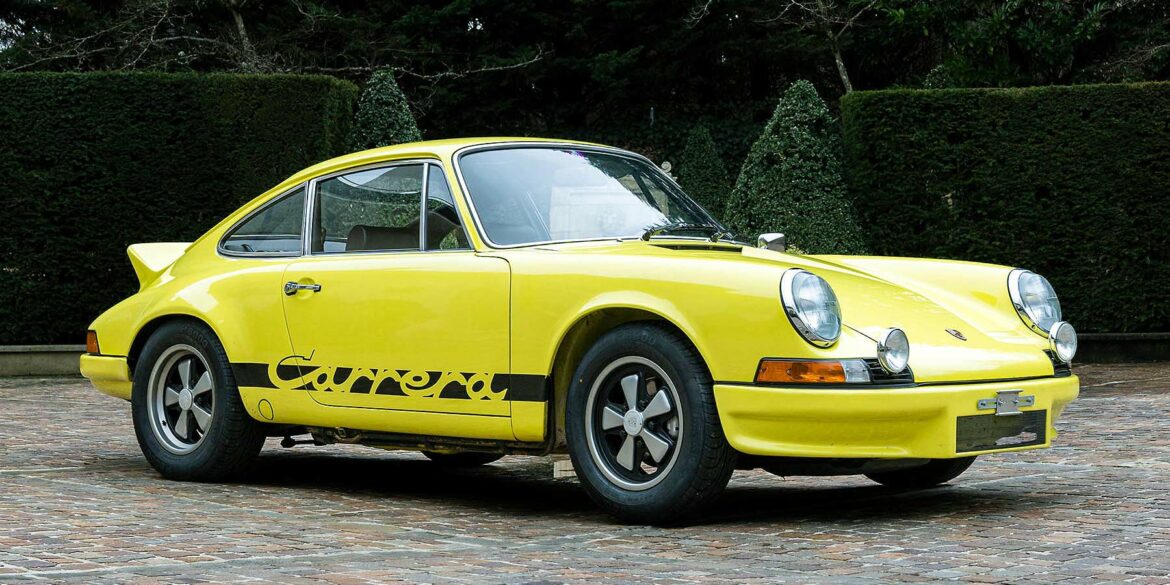
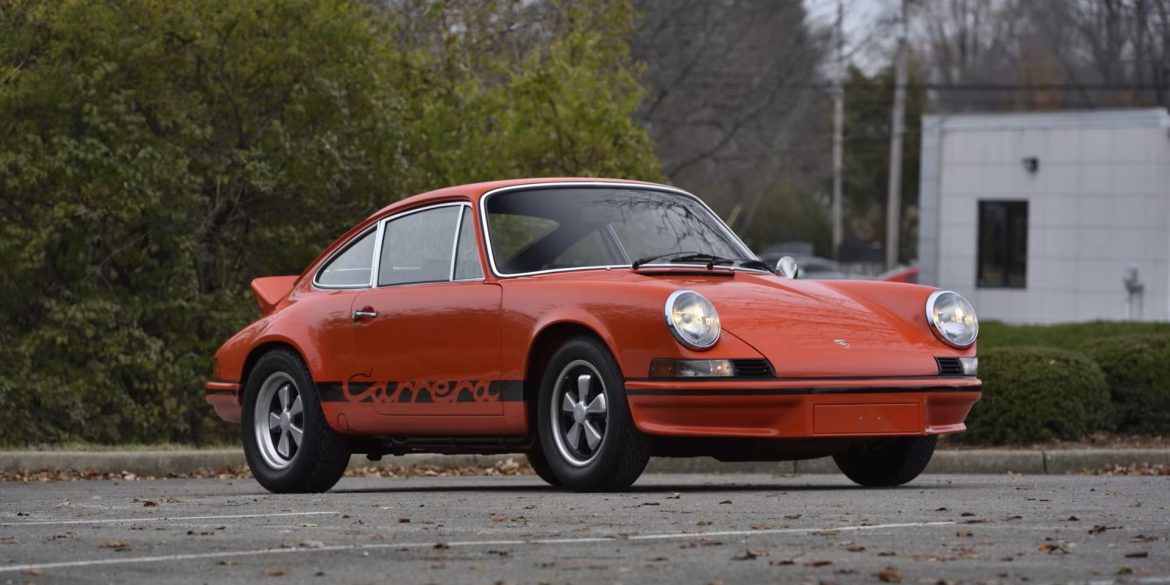
Revealed at the 1972 Paris Auto Show, the Carrera 2.7 RS was a special model used to homologate the 911 in Group 4 racing. Developed from the 911S, the 2.7 was more potent in almost every area. Compared to the standard Carrera, the 2.7 RS featured a larger engine, wider flares to accommodate the Fuchs alloy wheels, stiffened suspension, larger brakes and a ducktail rear spoiler. The Touring outsold the Lightweight, with a total of 1380 units built (the Lightweight had only 200 units).
In the world of classic and exotic cars, experience always shines brighter than chrome. Putnam Leasing CEO Steve Posner has been in the leasing business since 1977 and has not just survived a fiercely competitive industry but has risen to the top. Focusing primarily on collectibles and exotics, it was...
This 1973 Porsche 911 Carrera RS 2.7 Lightweight is a rare and highly sought-after model, with only 200 units produced in the M471 Lightweight configuration. This particular example, set to be auctioned by Mecum Auctions in Glendale, California, on March 22nd, has an odometer reading of just 15,930 kilometers (9,874...
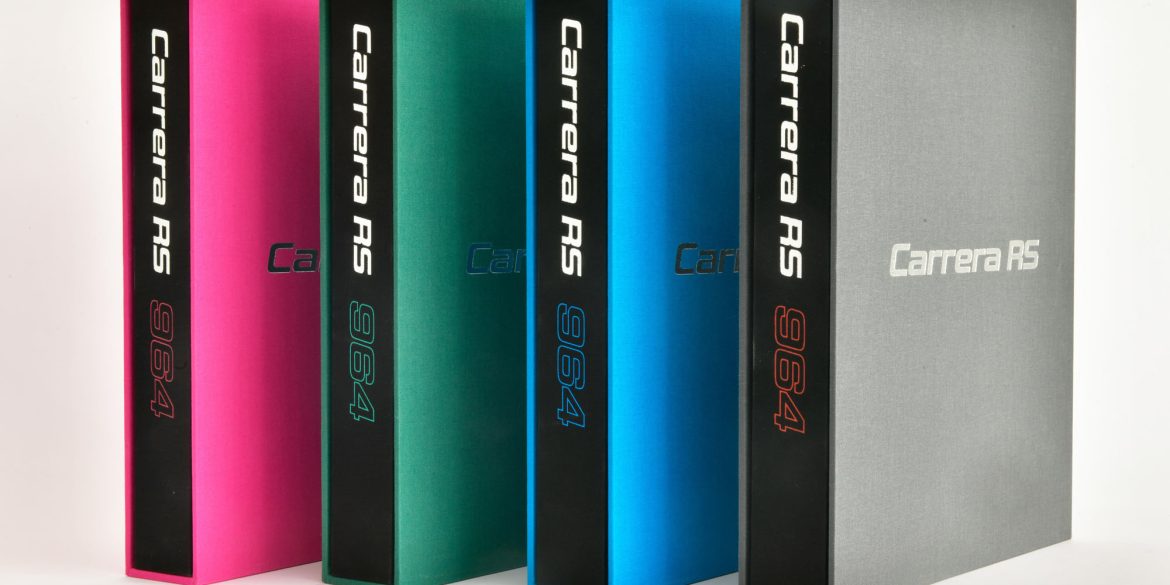
Launched just before Christmas, the latest Porsche offering from the publishing house, 964 Carrera RS by Mäder Morse Field Recordings GmbH, is now available. Author Christoph Mäder is no stranger to publications covering the Porsche marque and already has a string of highly impressive titles to his name. 964 Carrera...
The original 1973 Carrera RS was available in Europe but not in the USA. Porsche decided to build the 1993 Carrera RS both to European spec and a limited number in compliance with US regulations. These US spec cars were assigned the name “RS America”. The intent was to create a basic lightweight, no frills 911 with minimal luxury options. The standard US Carrera 2 brakes, engine and gearbox were used. The RS weighed 2,945 pounds so it was almost 80 pounds lighter than a standard Carrera 2. 
1974 Porsche 911 Carrera RS 3.0 Darin Schnabel ©2017 Courtesy of RM Sothebys
The 1974 Porsche 911 Carrera RS 3.0 stands as the ultimate evolution of the naturally aspirated Porsche 911 designed for competitive purposes. It integrates insights gleaned from its predecessors in the 911 lineage and incorporates features reminiscent of the dominant Porsche 917. In its street configuration, the 3.0-liter six was...
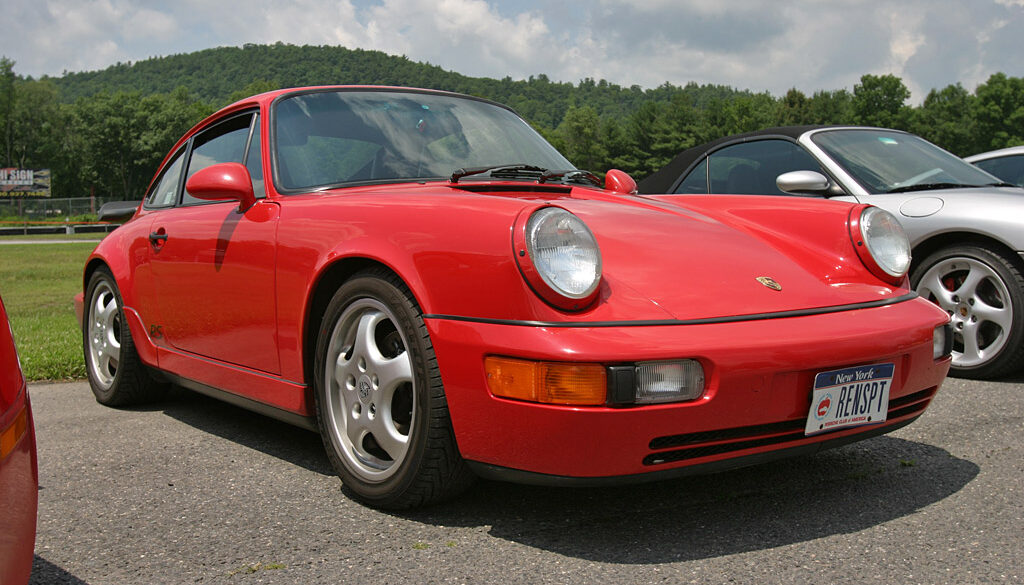
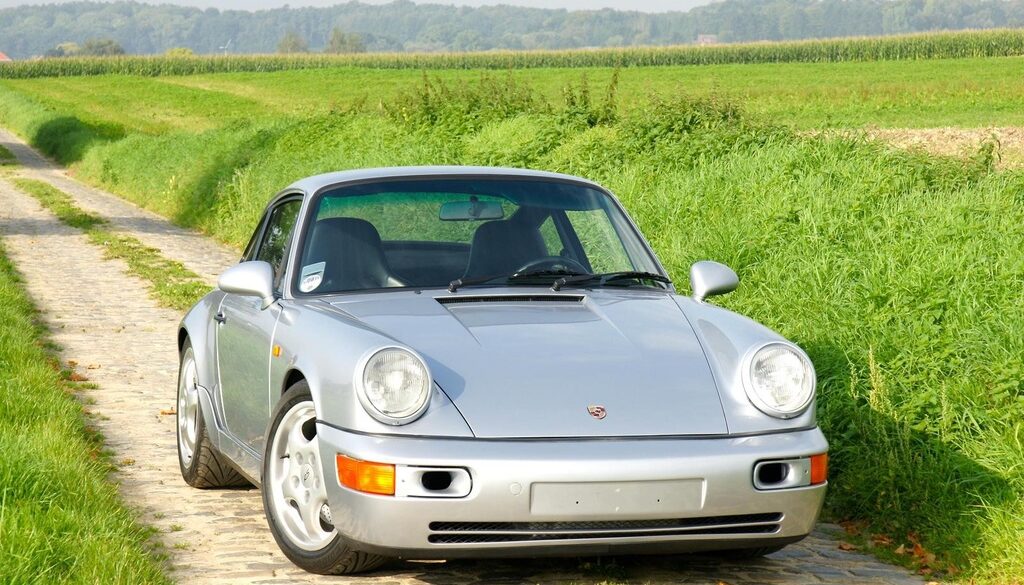
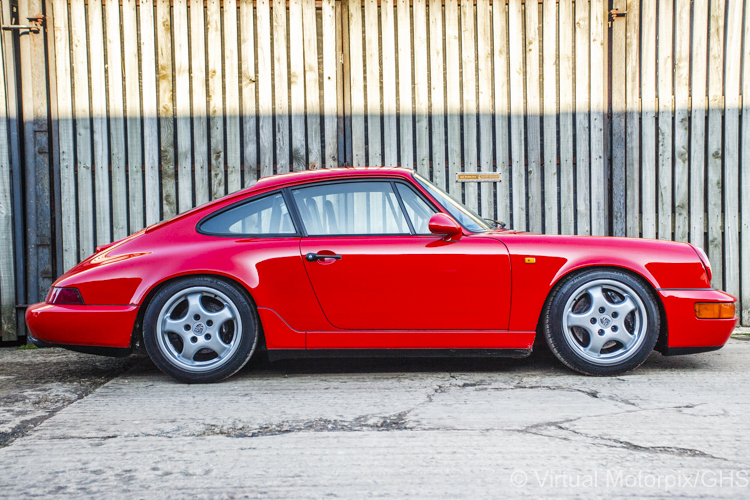
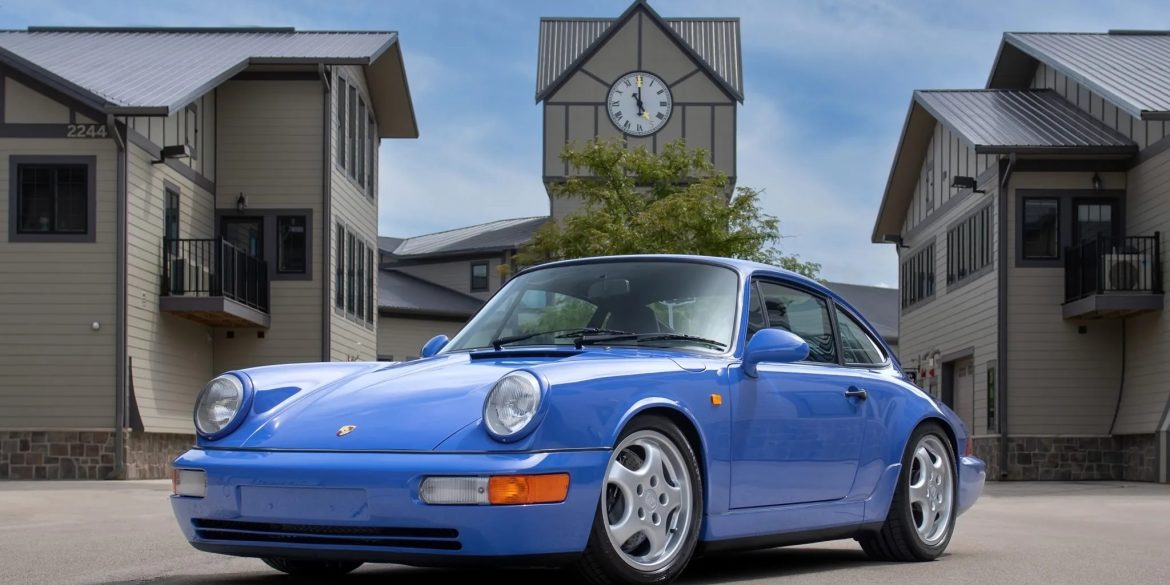
The 964 Carrera RS (Standard) was introduced by Porsche for model year 1992 specifically for the European market as a lightweight, high performance version of the 964 Carrera 2. It featured a revised version of the standard 3.6 liter engine, titled M64/03 internally, with an increased power output of 260 bhp (194 kW; 264 PS). The RS does not look much different from the other 911 models of the period but its weight is reduced and power increased. True to its racing spirit, the Carrera RS featured bucket seats and thinner materials, but lacked power windows, air conditioning, air bags, and other creature comforts.
911 2.7 RS Carrera highlights One of the most iconic sports cars of all time Delivered new in Germany Present ownership for more than 15 years An older restoration Recently checked by Porsche specialists Garage Moderne in Geneva Registered in Switzerland Background Porsche revived the Carrera name for its top-of-the-range...
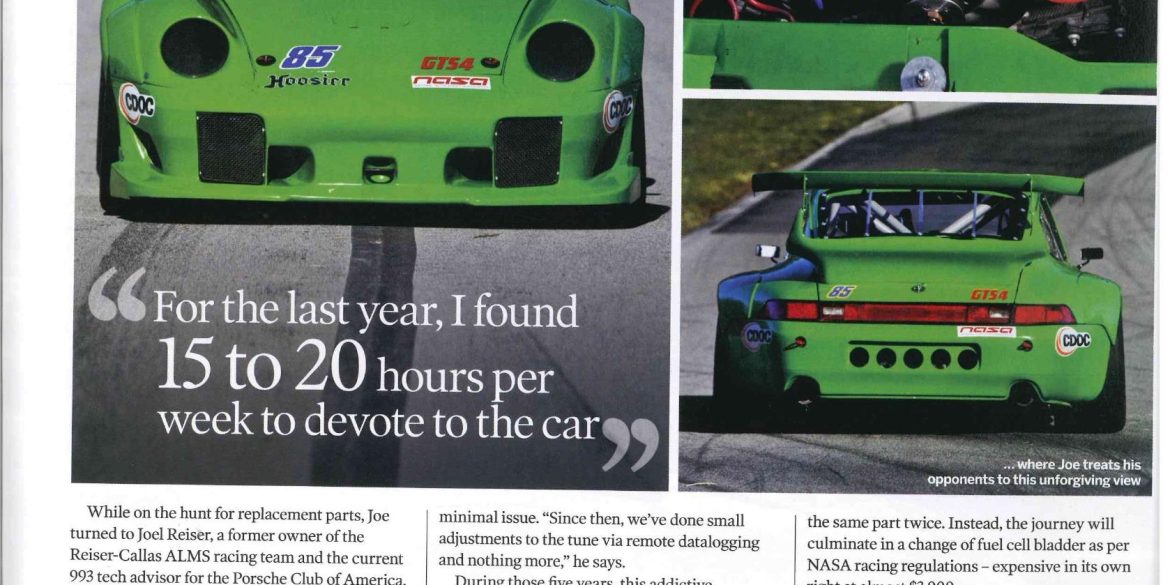
The 993 Carrera RS Clubsport, 213 of which were built to meet the FIA GT2 homologation requirements, is a race-ready, although street legal variant of the 993 Carrera RS, not to be confused with the track only 993 Carrera Cup RSR. Emphasizing its competition credentials, the 993 Carrera RS Clubsport came with a welded-in roll cage as standard, considerably increasing its rigidity, racing bucket seats, six-point safety harnesses, battery isolator switch, fire extinguisher, and a huge fixed rear wing, the latter also available on the 'base model' Carrera RS.
The 1973 Porsche 911 Carrera RS 2.7 Lightweight is a true legend in the world of sports cars, representing the pinnacle of automotive engineering from that era. This iconic vehicle, hailing from the renowned Stuttgart-based manufacturer, is celebrated for its exceptional blend of power, precision, and lightweight design, making it...
In the early 1990s, Porsche sought to showcase its 964 Carrera lineup on the international racing scene. To that end, it produced limited competition-ready versions of both rear- and all-wheel-drive models. Just 22 lightweight C4 coupes were made, while the Carrera 2 platform underpinned the successful Carrera Cup and the...