

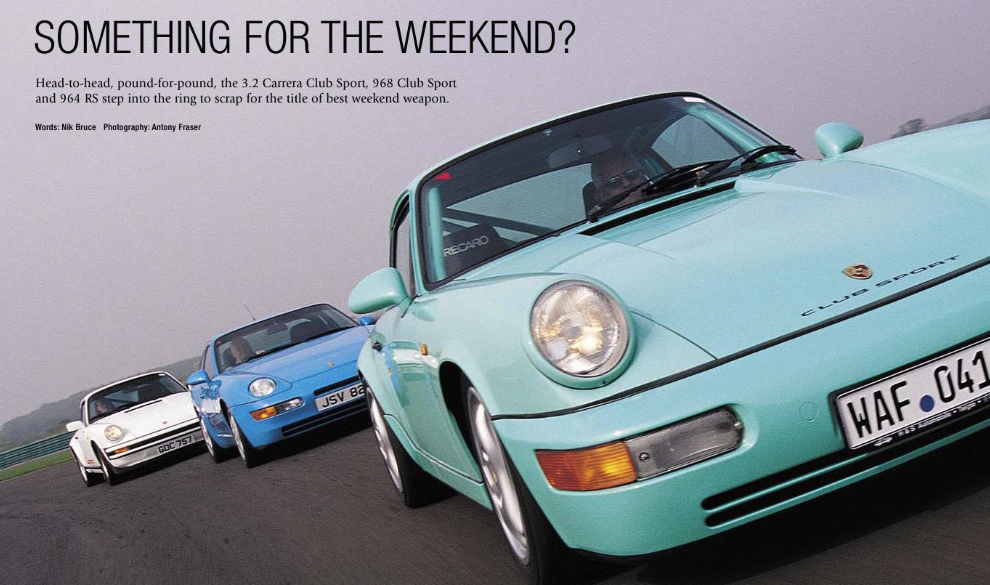
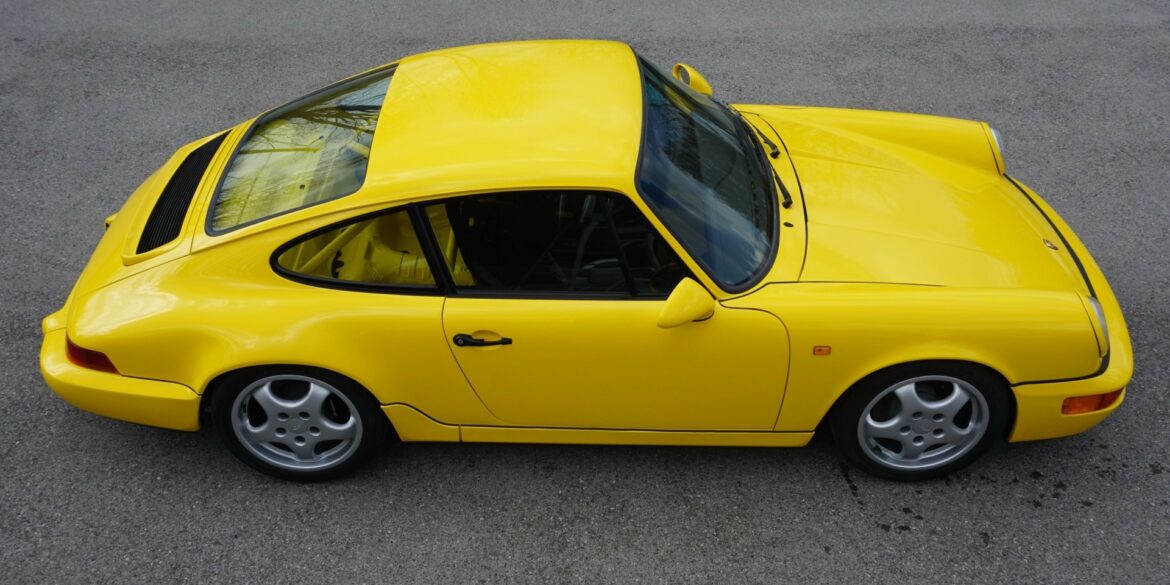
For race teams and track day customers Porsche prepared a small number of the 964 Cup cars according to the FIA NG-T regulations. Officially called the Competition model, these custom-ordered cars were an intermediary step between the Carrera Cup option (M001) and the standard tourer (M002). This M0003 option was available directly from Porsche as a road-going model. These cars had almost all the Carrera Cup modifications including the new suspension. This lowered the car by 40mm in the rear and 50mm in the front. It also included fitting of the larger 930 Turbo disc brakes and adjustable anti-roll bars.
No Subscription? You’re missing out Get immediate ad-free access to all our premium content. Get Started Already a Member? Sign in to your account here....
No Subscription? You’re missing out Get immediate ad-free access to all our premium content. Get Started Already a Member? Sign in to your account here....
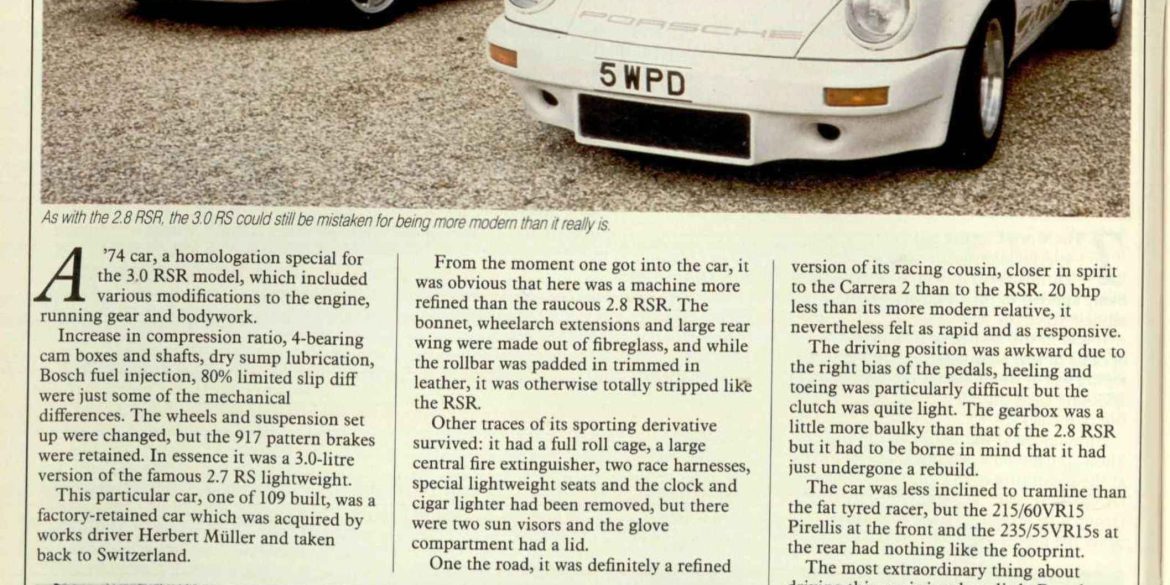
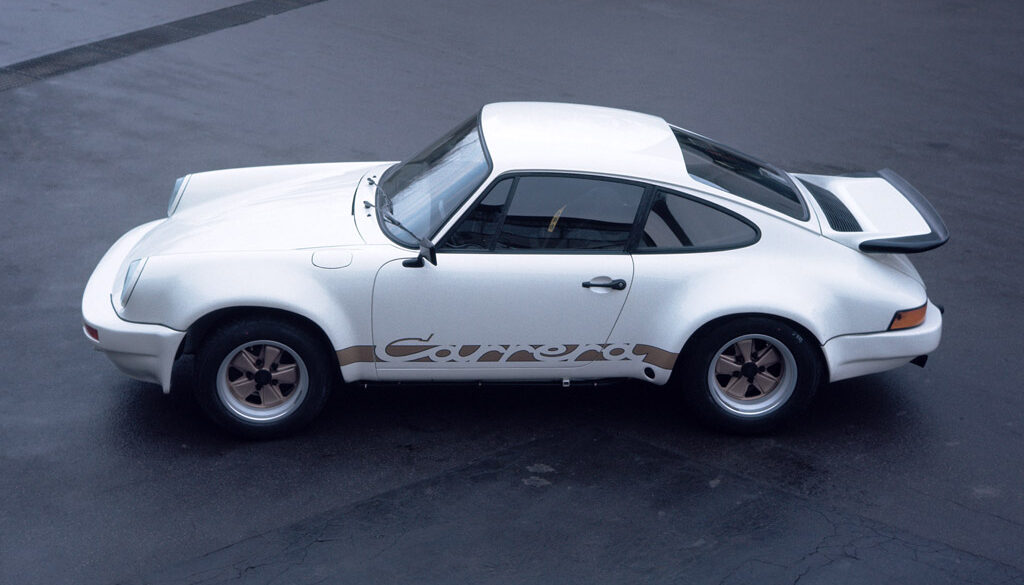
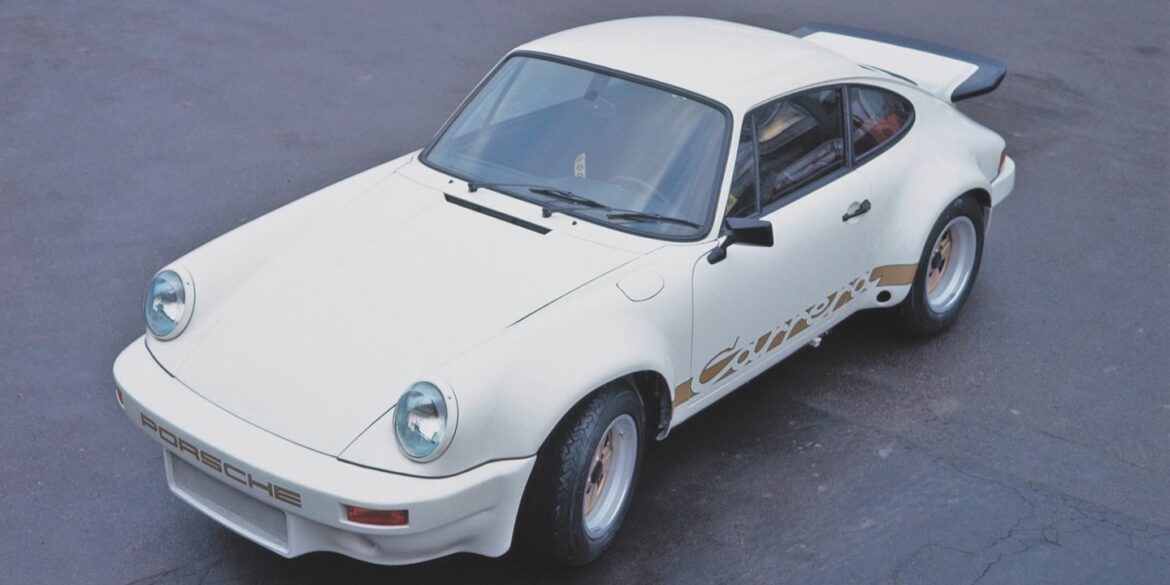
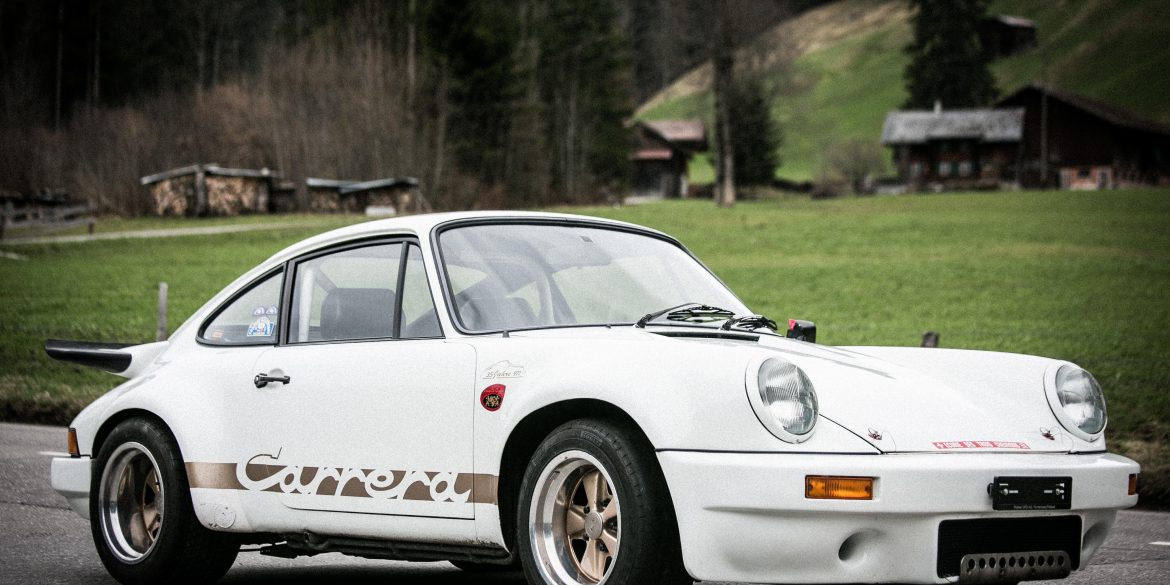
Following the famous 1973 F-model 911 Carrera RS 2.7, Porsche built its successor based on the G-model and it was called the 911 Carrera RS 3.0. With its 172 kW engine, it was the most powerful series production street-legal Porsche made so far. With its new 3.0-liter engine, featuring mechanical fuel injection, it was capable of 230 hp. While 1,580 Carrera RS 2.7s were built for 1973, only 56 Carrera RS 3.0s were built for 1974.
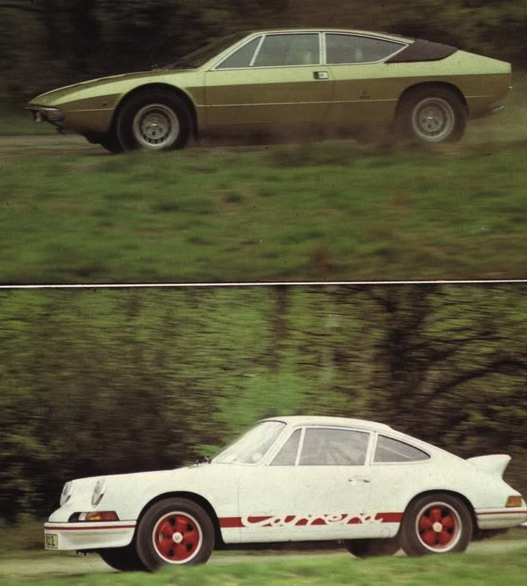
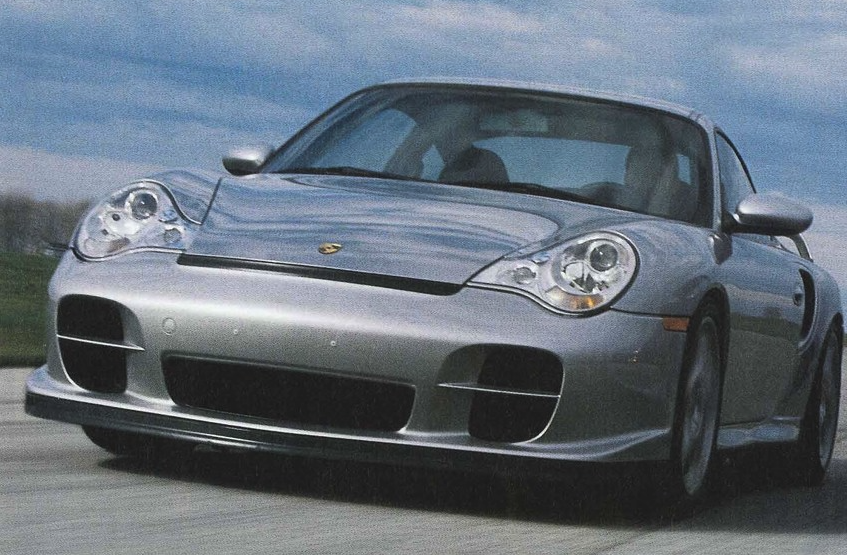
No Subscription? You’re missing out Get immediate ad-free access to all our premium content. Get Started Already a Member? Sign in to your account here....
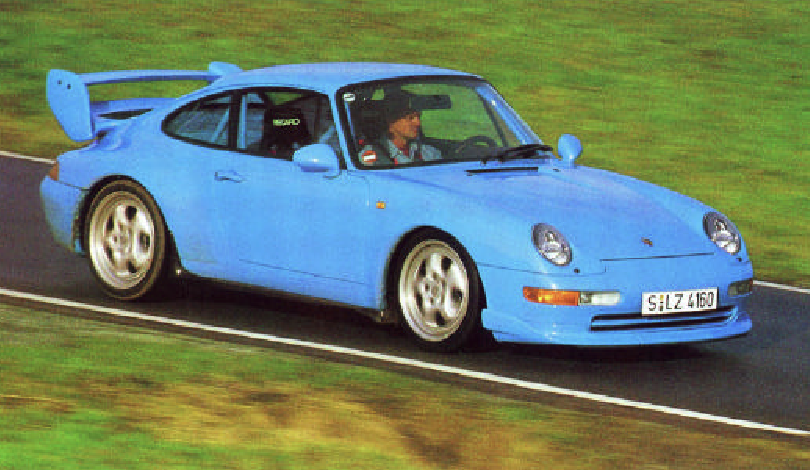
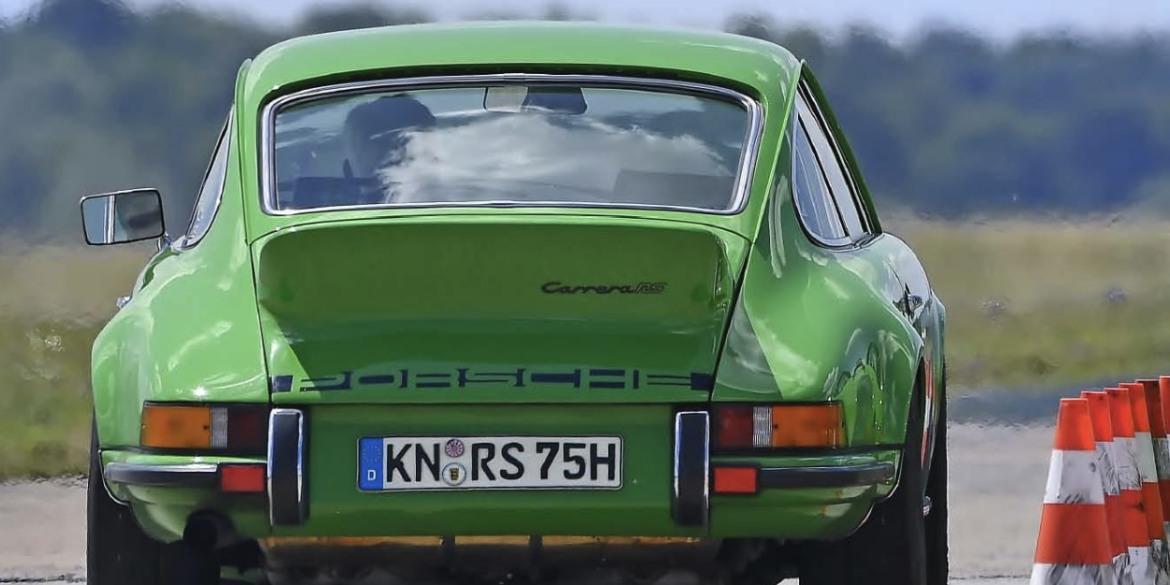
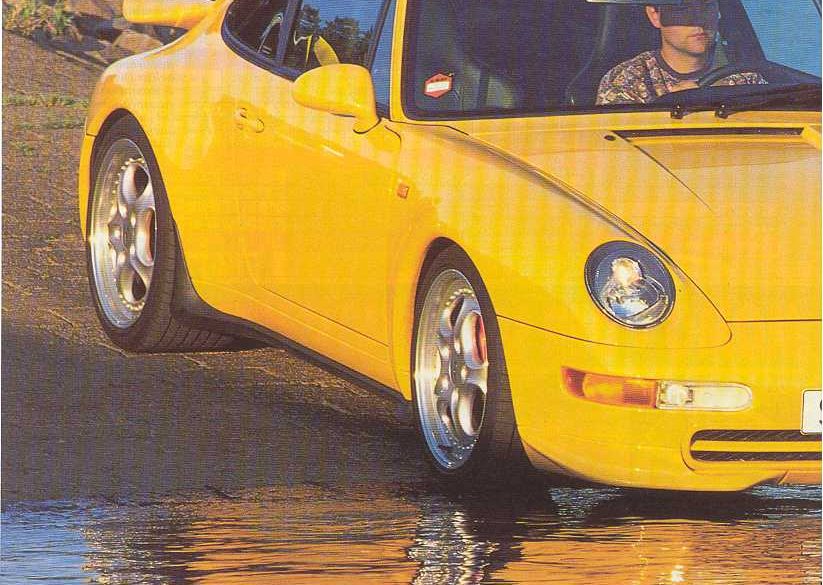
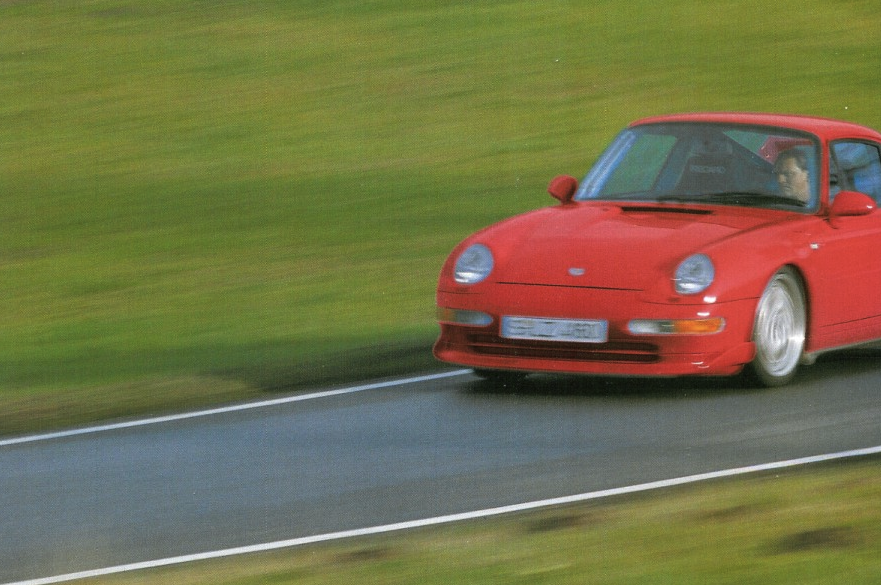
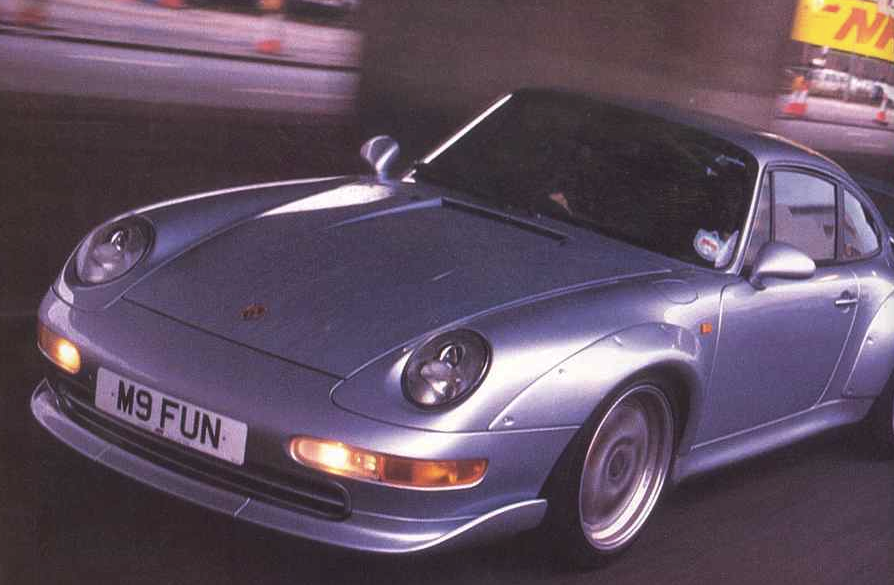
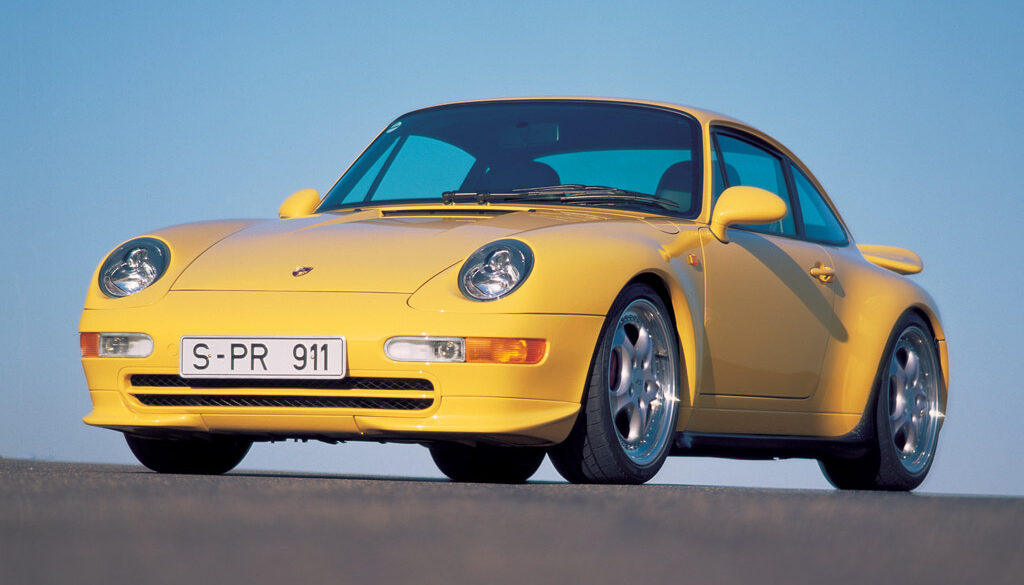
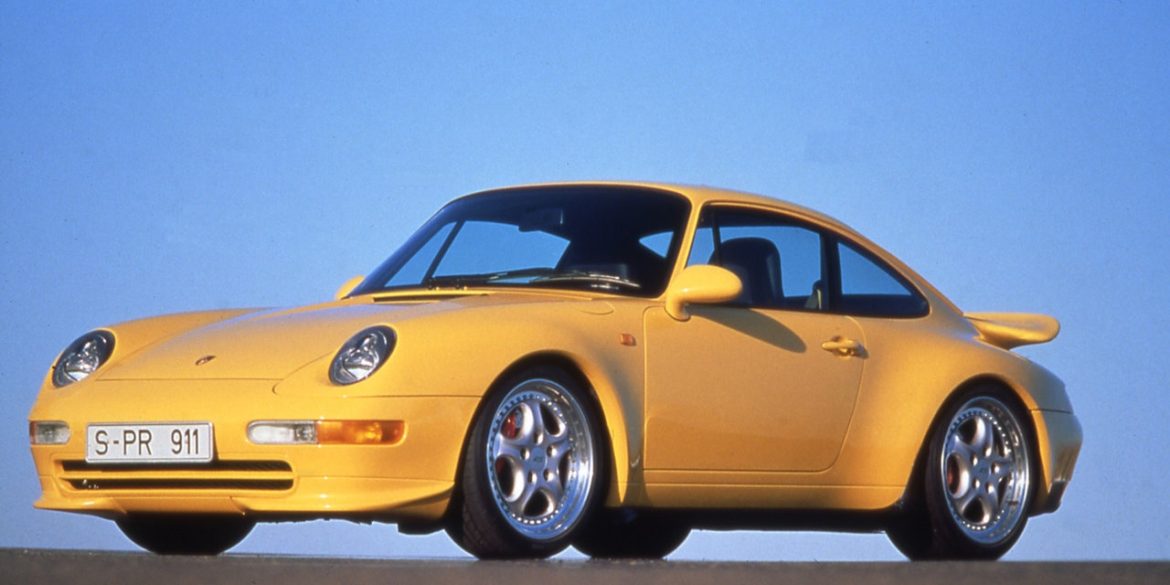
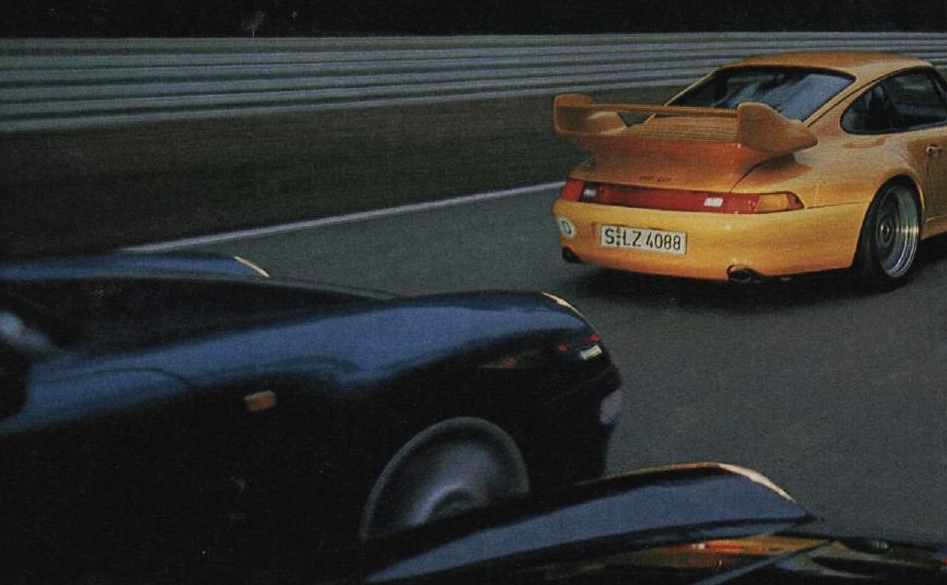
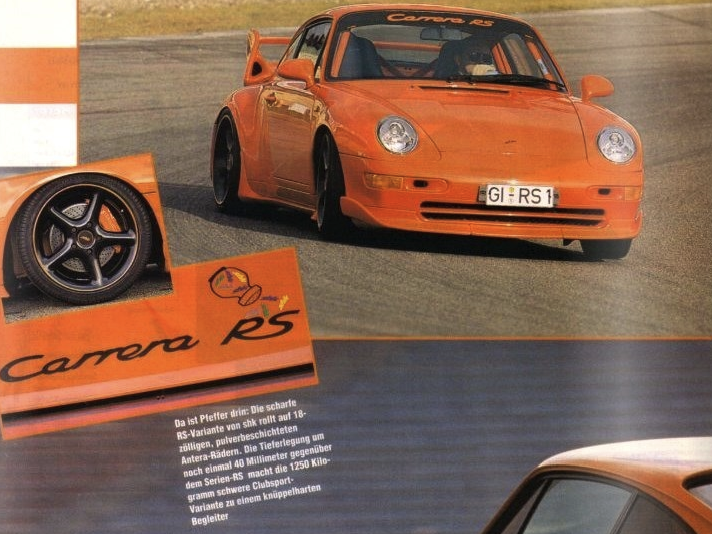
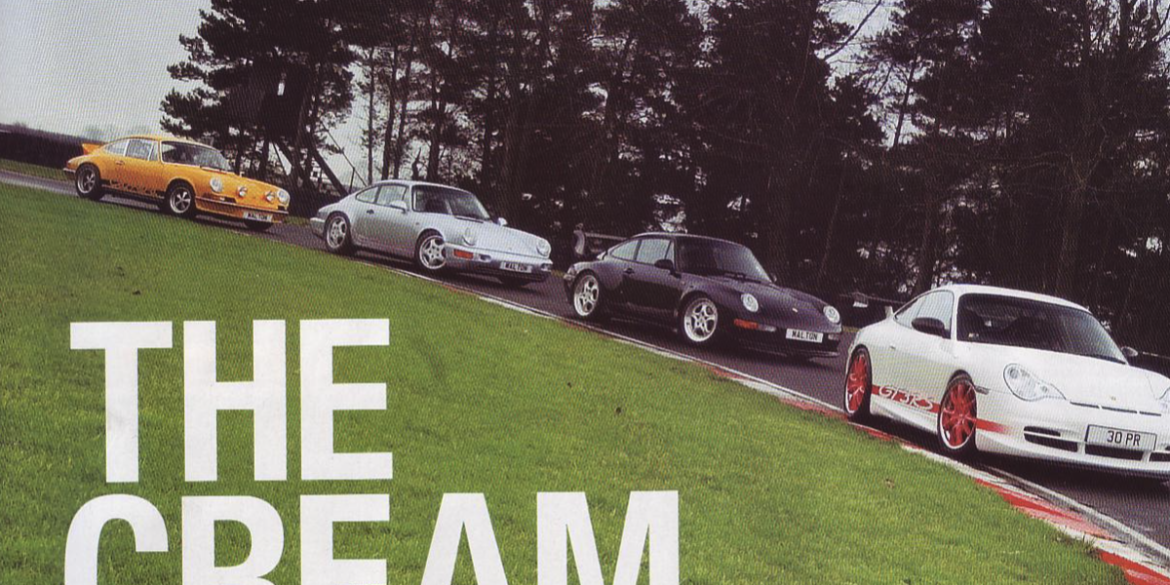
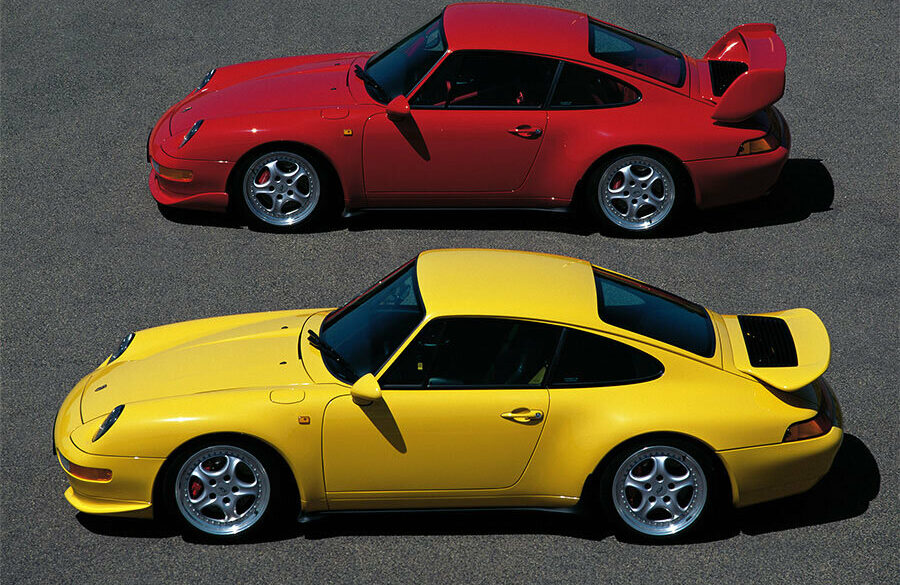
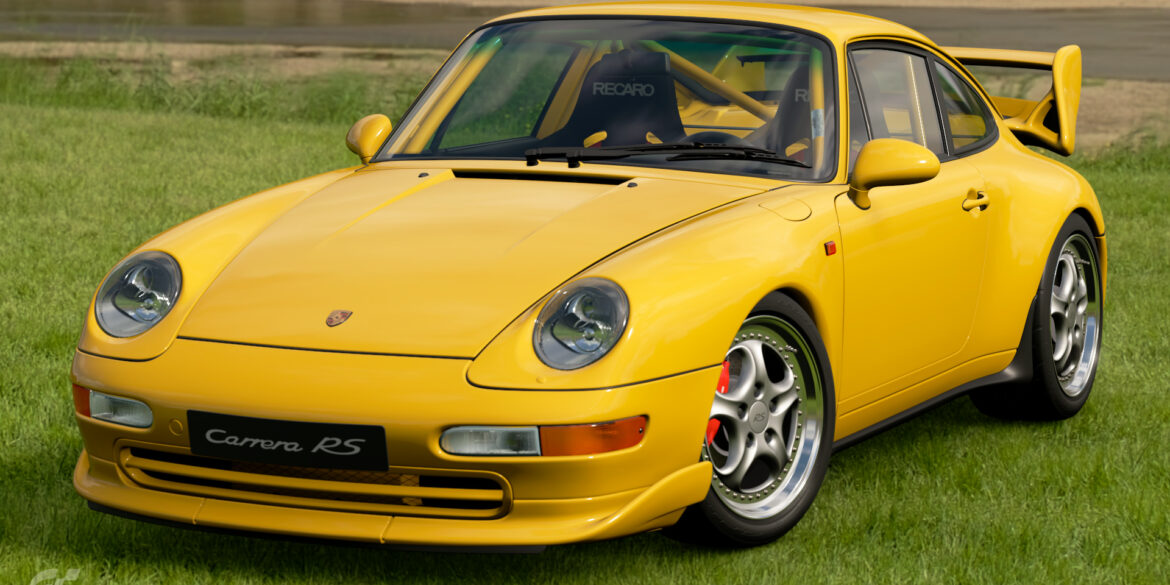
The 993 Carrera RS is a lightweight, stiffer version of the naturally-aspirated 993 Carrera meant for ultimate street performance. At its heart was the 3.8-liter normally aspirated Type M64/20 engine producing 300 bhp at 6,500 rpm along with 262 foot-pounds of torque at 5,400 rpm. Looking to save as much weight as possible, every non-essential item from the car was removed. The Carrera RS tipped the scales at a 1,280 kg. About 1,000 Carrera RS were built, making it one of the rarest and most collectable 993-generation 911's produced. In addition to the Base Trim it was also available as the race-ready, street legal, RS Clubsport (option M003).
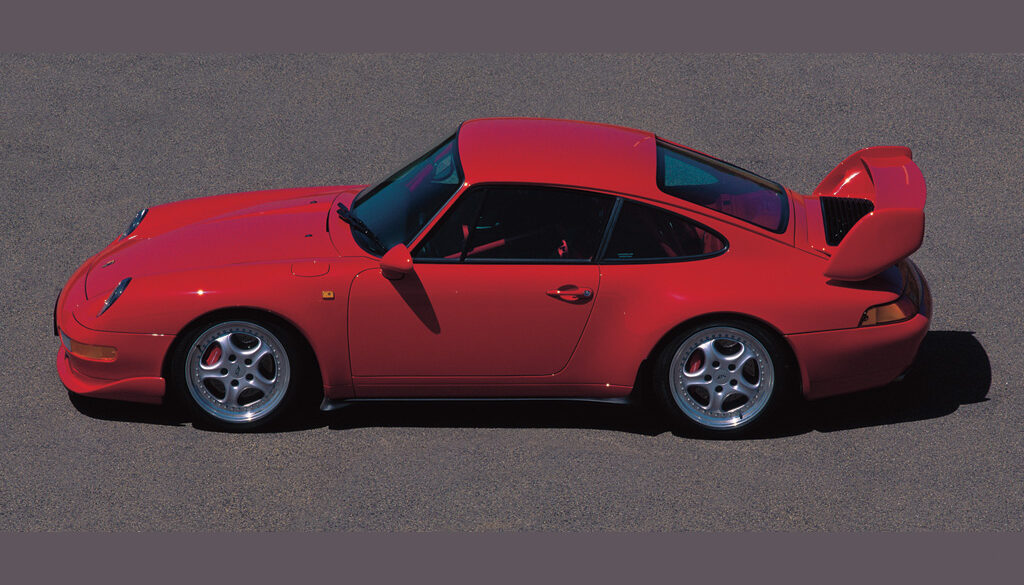
The 993 Carrera RS Clubsport, 213 of which were built to meet the FIA GT2 homologation requirements, is a race-ready, although street legal variant of the 993 Carrera RS, not to be confused with the track only 993 Carrera Cup RSR. Emphasizing its competition credentials, the 993 Carrera RS Clubsport came with a welded-in roll cage as standard, considerably increasing its rigidity, racing bucket seats, six-point safety harnesses, battery isolator switch, fire extinguisher, and a huge fixed rear wing, the latter also available on the 'base model' Carrera RS.
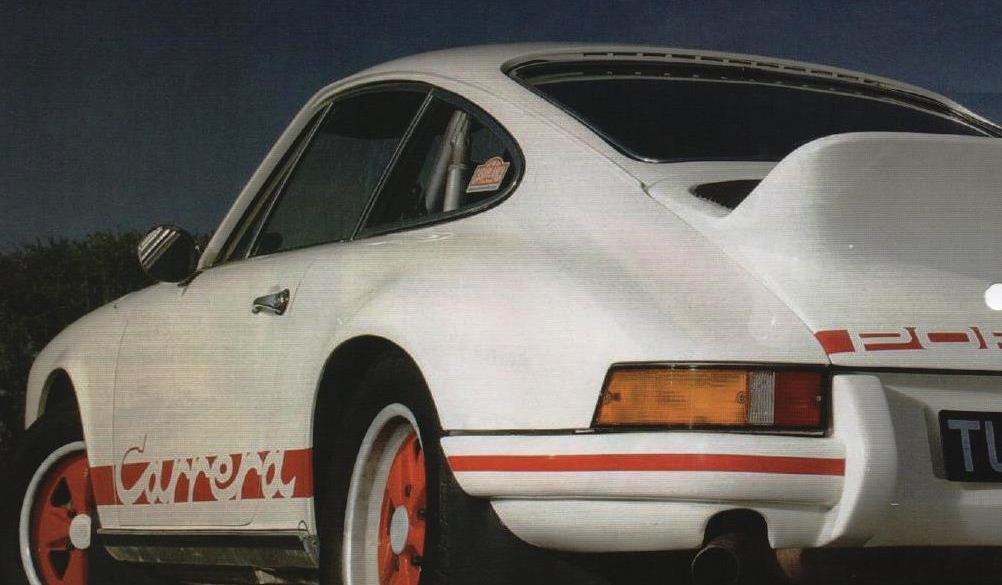
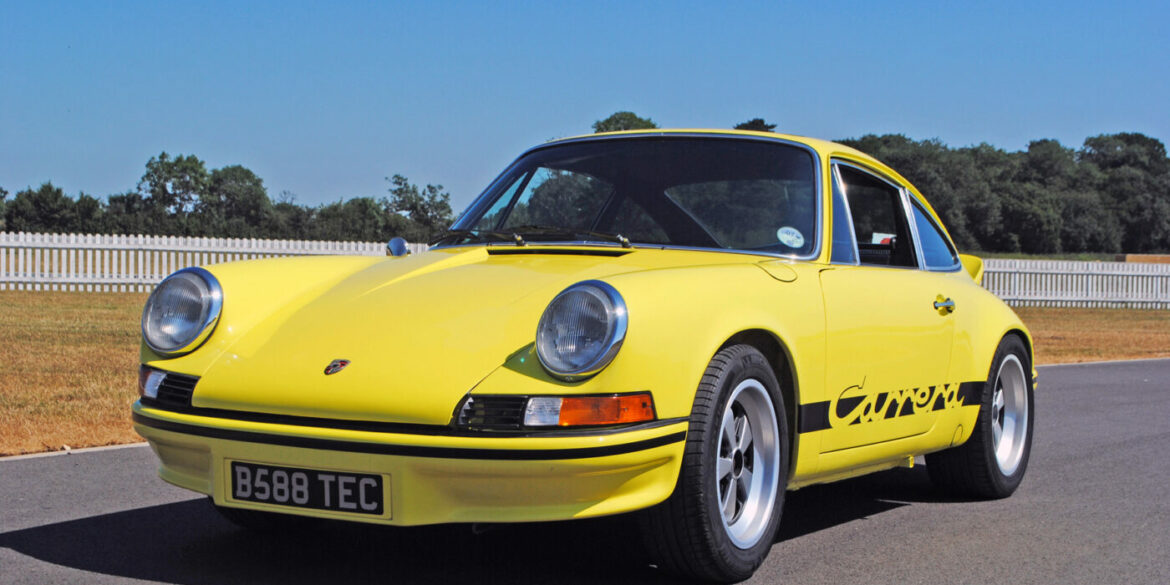
1973 Porsche 911 Carrera RS 2.7 Touring Pictures & Gallery ...
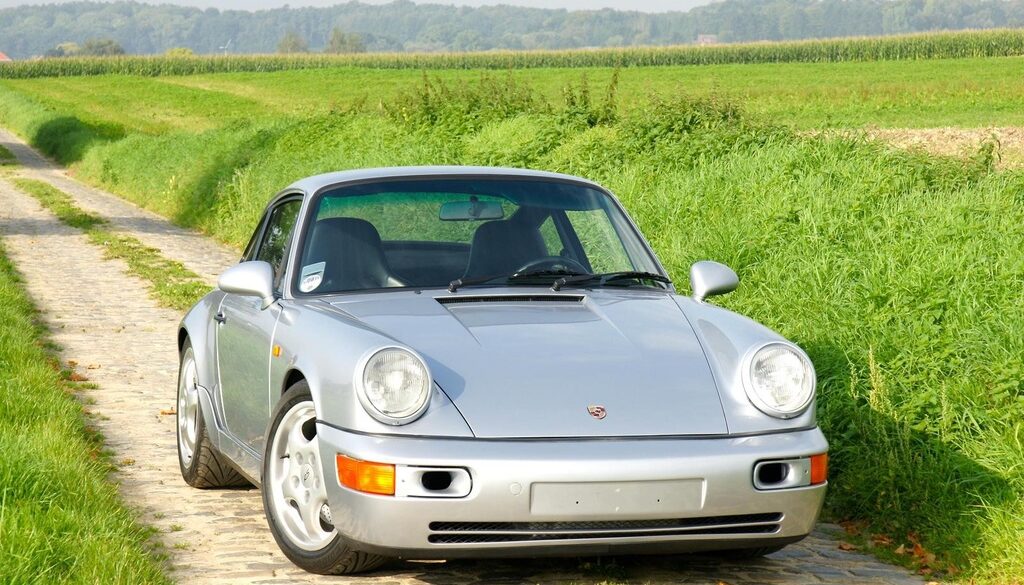
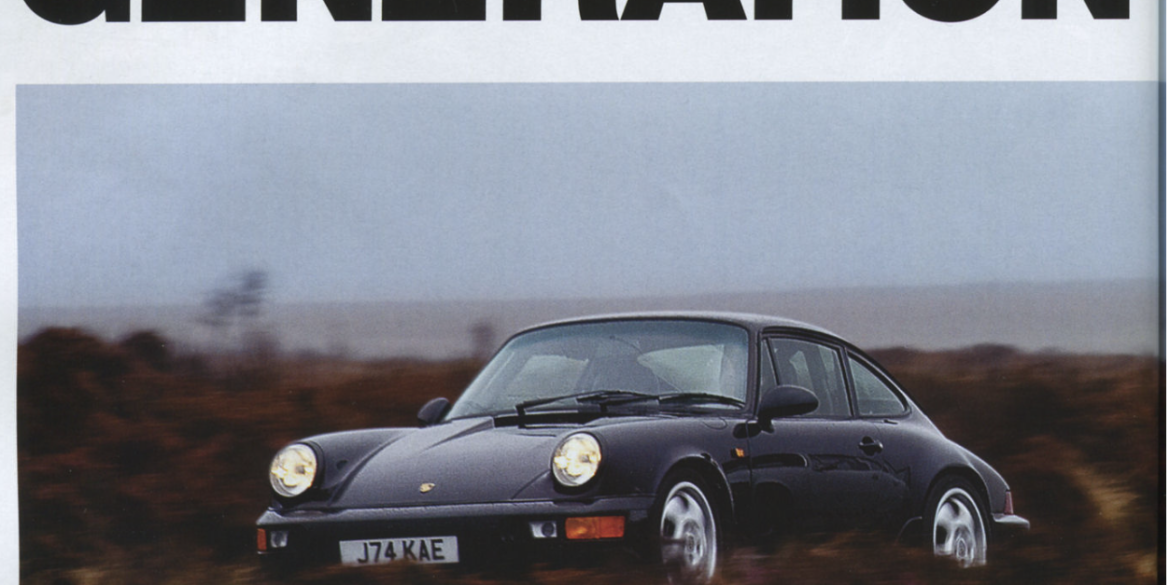
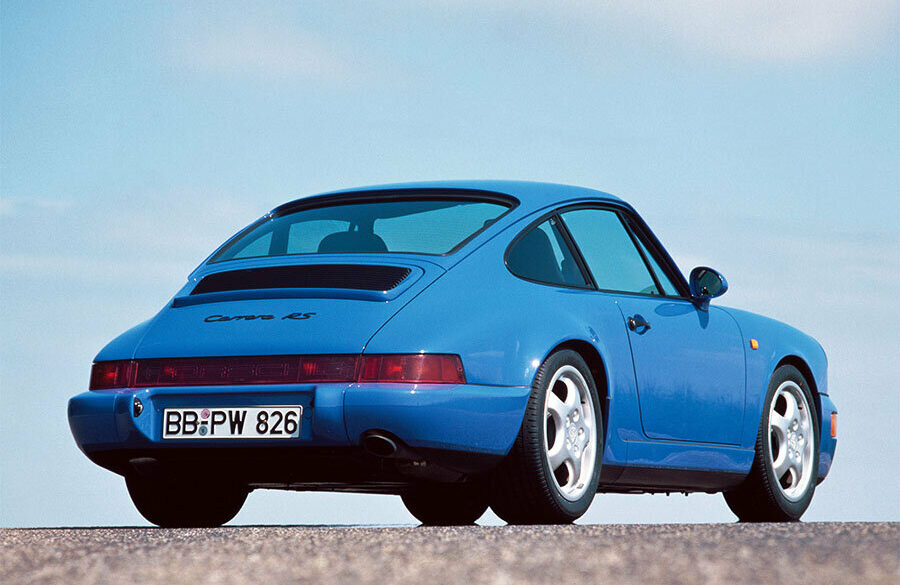
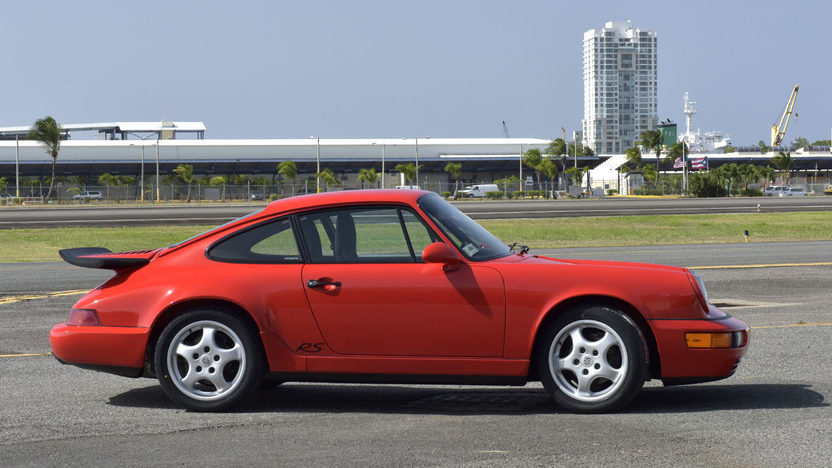
The 964 Carrera RS (Standard) was introduced by Porsche for model year 1992 specifically for the European market as a lightweight, high performance version of the 964 Carrera 2. It featured a revised version of the standard 3.6 liter engine, titled M64/03 internally, with an increased power output of 260 bhp (194 kW; 264 PS). The RS does not look much different from the other 911 models of the period but its weight is reduced and power increased. True to its racing spirit, the Carrera RS featured bucket seats and thinner materials, but lacked power windows, air conditioning, air bags, and other creature comforts.

1973 Porsche 911 Carrera RS 2.7 Lightweight Pictures & Gallery...
The Ultimate 911 In the early 1970s, Porsche found itself in need of a street car that would allow the fellows in Stuttgart to meet homologation rules for the Group 4 Special GT series. What resulted was the 1973 2.7 Carrera RS, a brawny brother to the 911. With its...
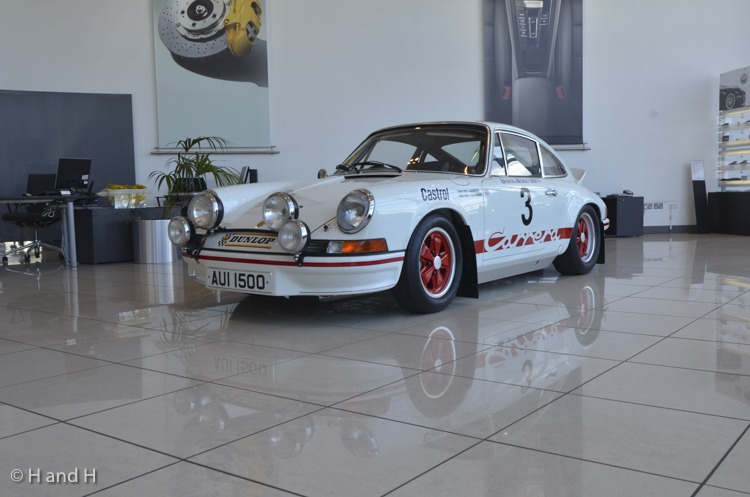
Porsche 911 Carrera RS Sport Lightweight ‘AUI 1500’ as it is today The Porsche 911 Carrera RS 2.7 broke cover in October 1972, being revealed to the public for the first time at the Paris Motor Show. Porsche’s marketing department considered it a big risk for such a small company...
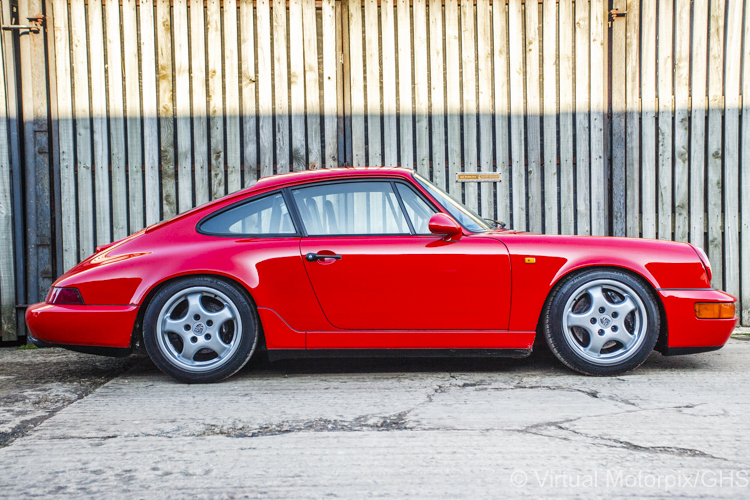
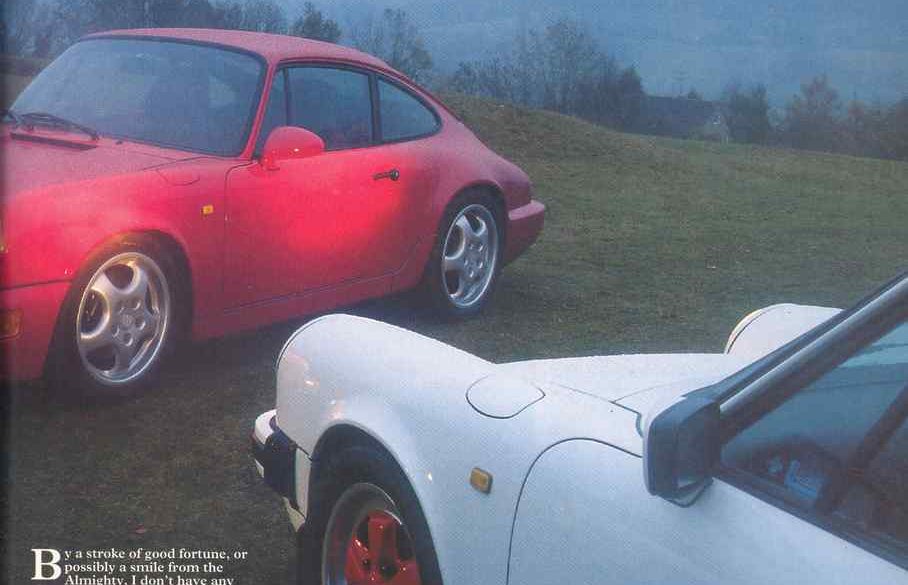
Porsche 964 Carrera RS 3.6-litre (1992), January 2017 Porsche’s popular 911 model range has evolved hugely over the years, but a few iconic models stand out head and shoulders above the rest. In 1973, the Carrera RS 2.7 lifted the bar in the sports car market, but a decade and...
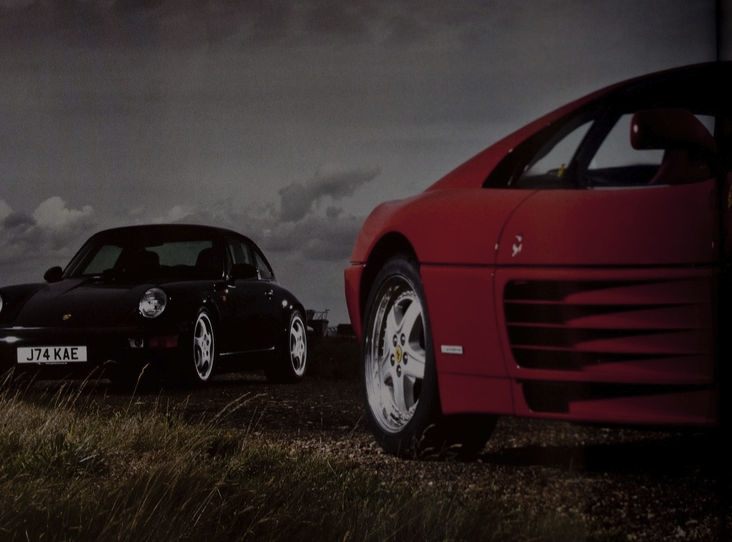
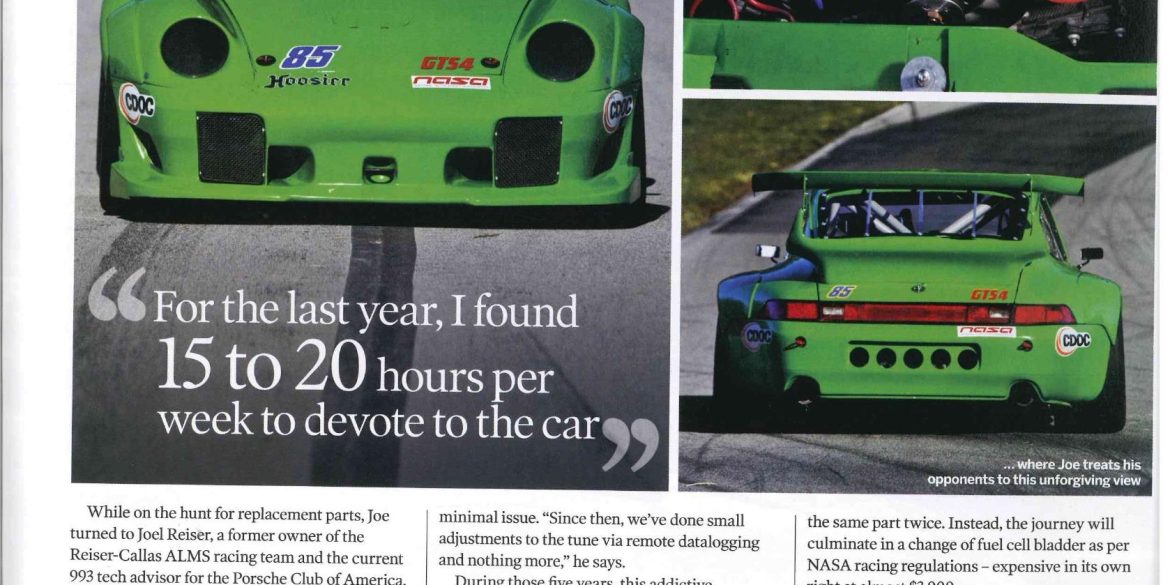
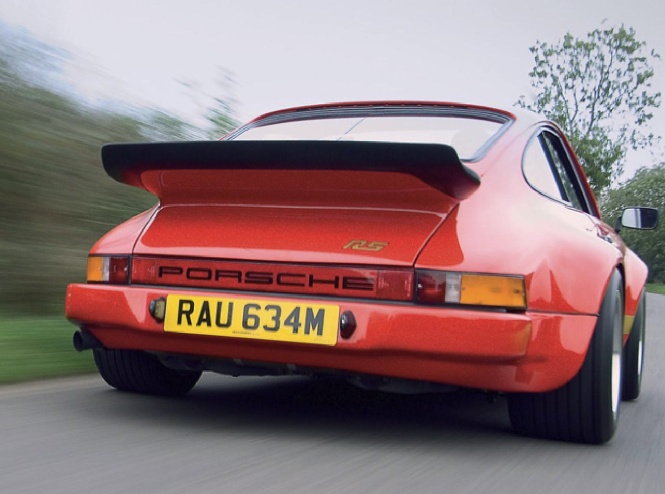
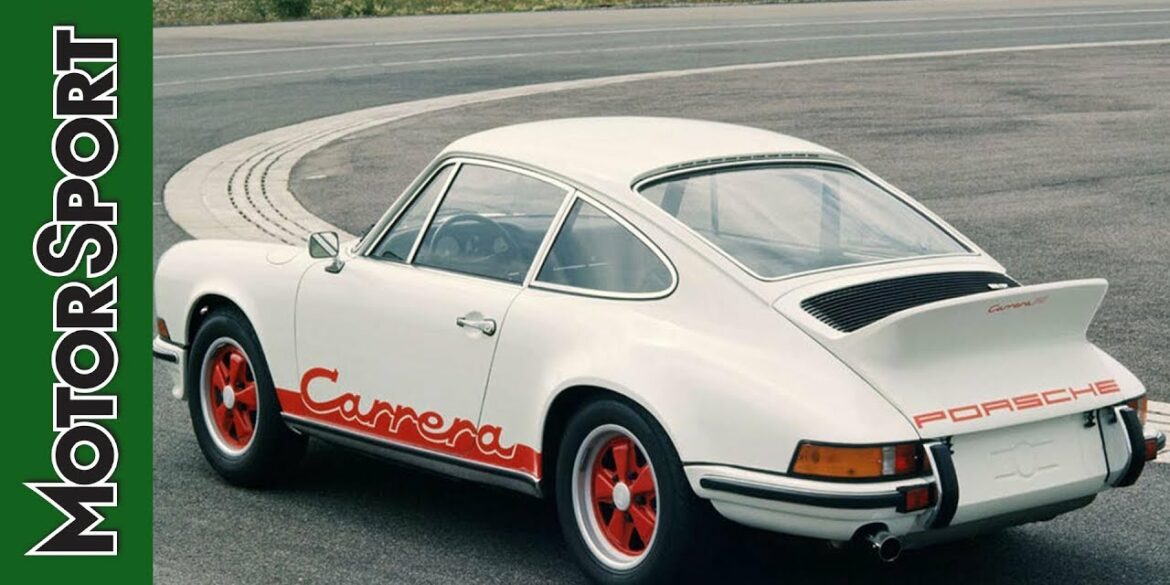
The Story Behind the 2.7 RS The 2.7 RS was the first 911 to carry the Carrera badge, this is its history....
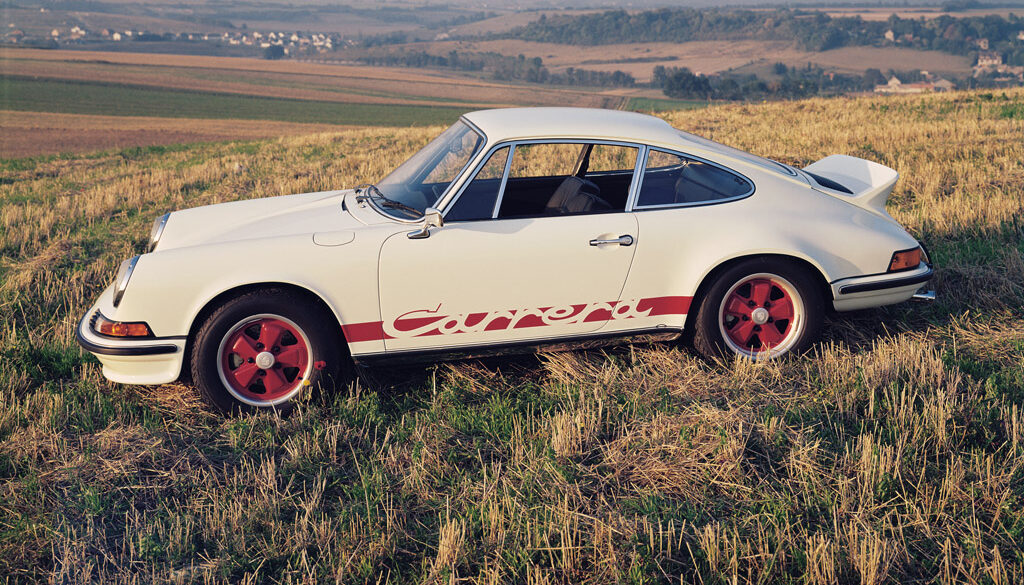
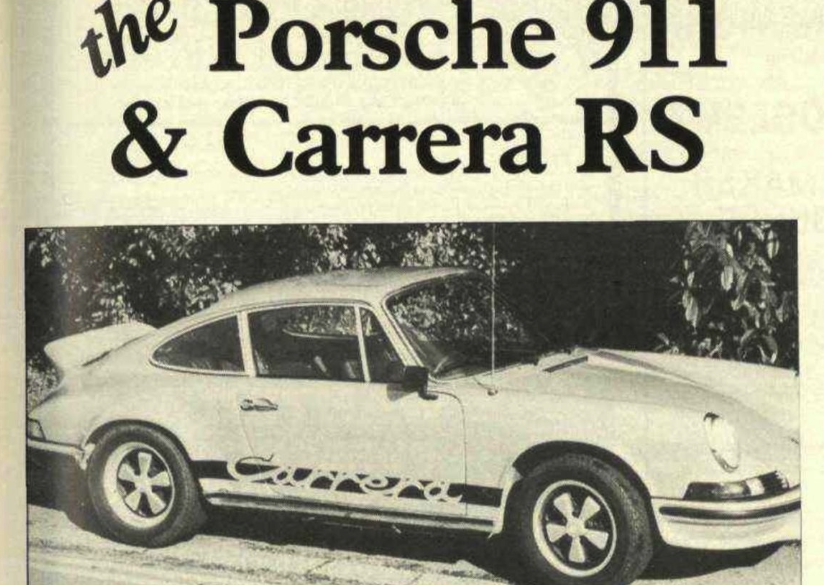
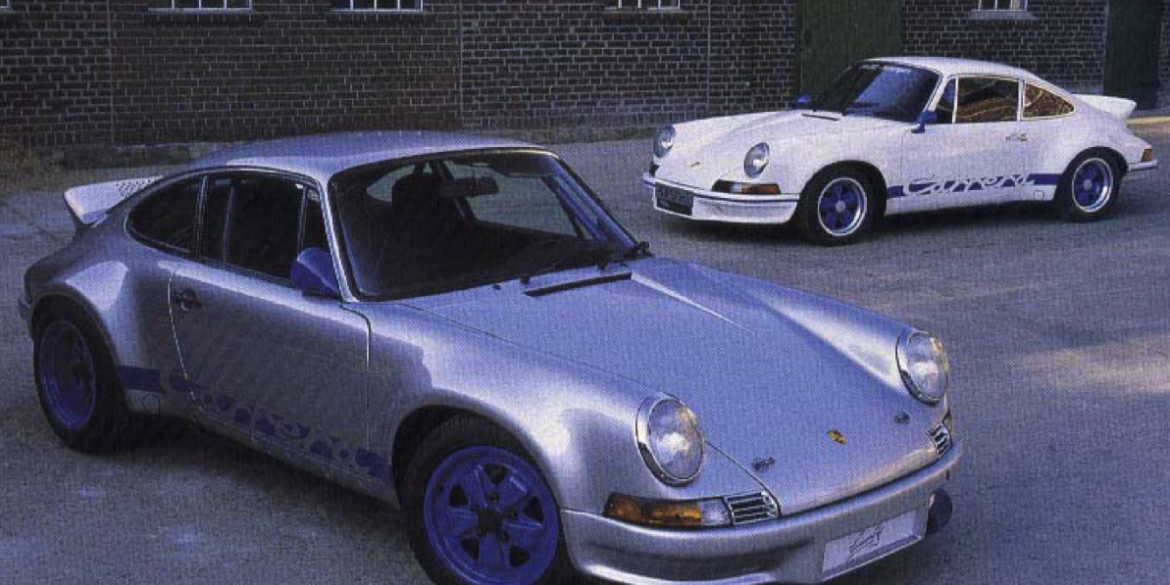
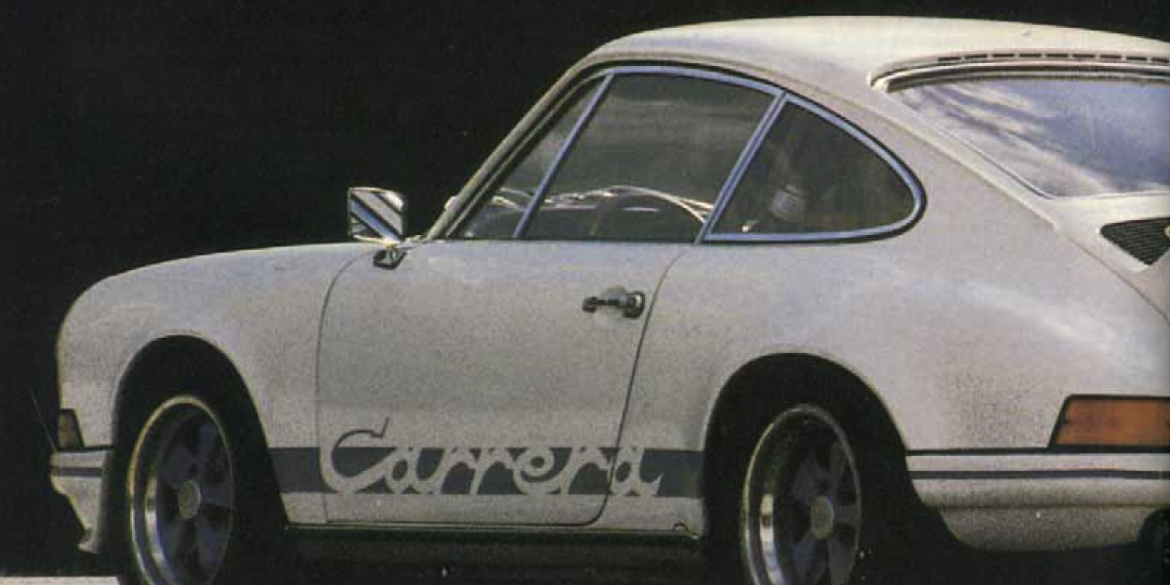
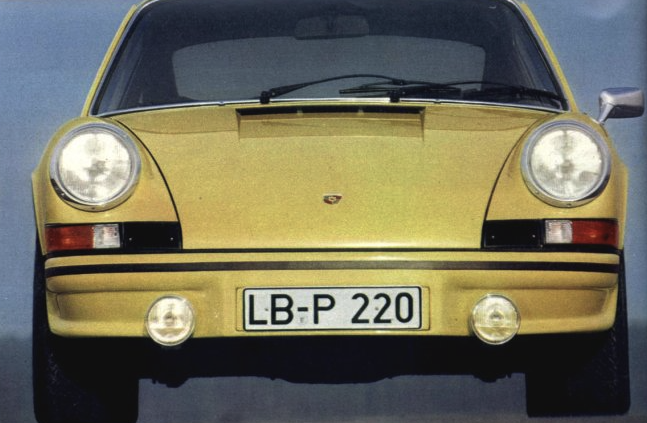
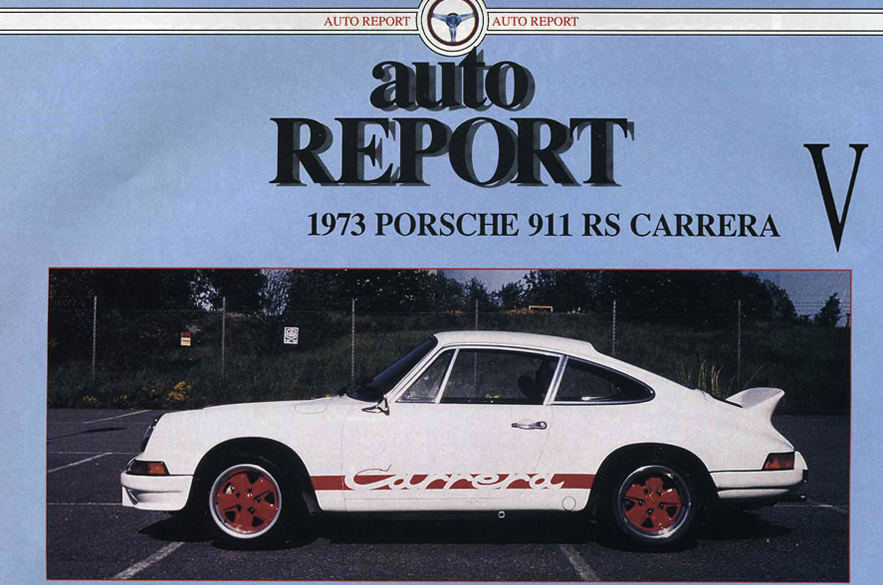
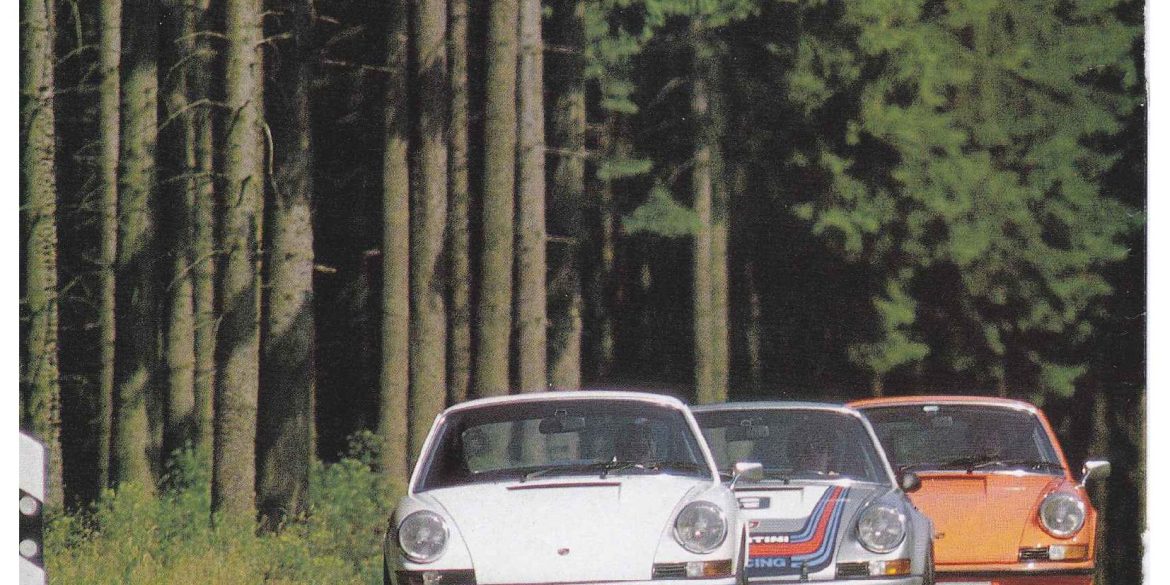
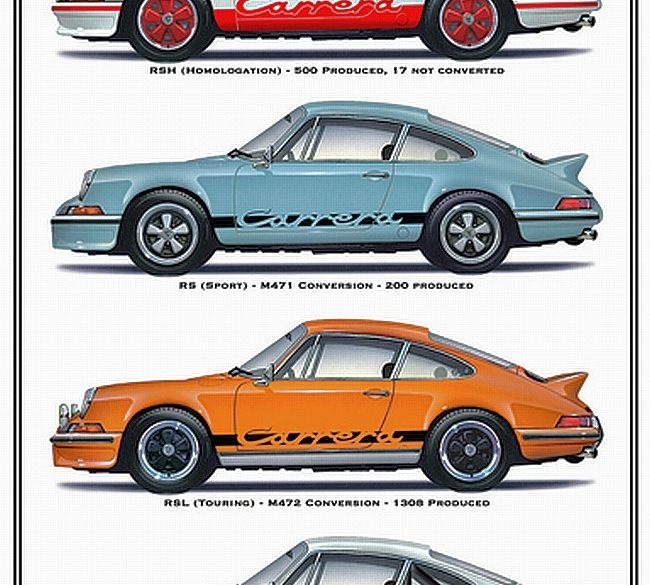
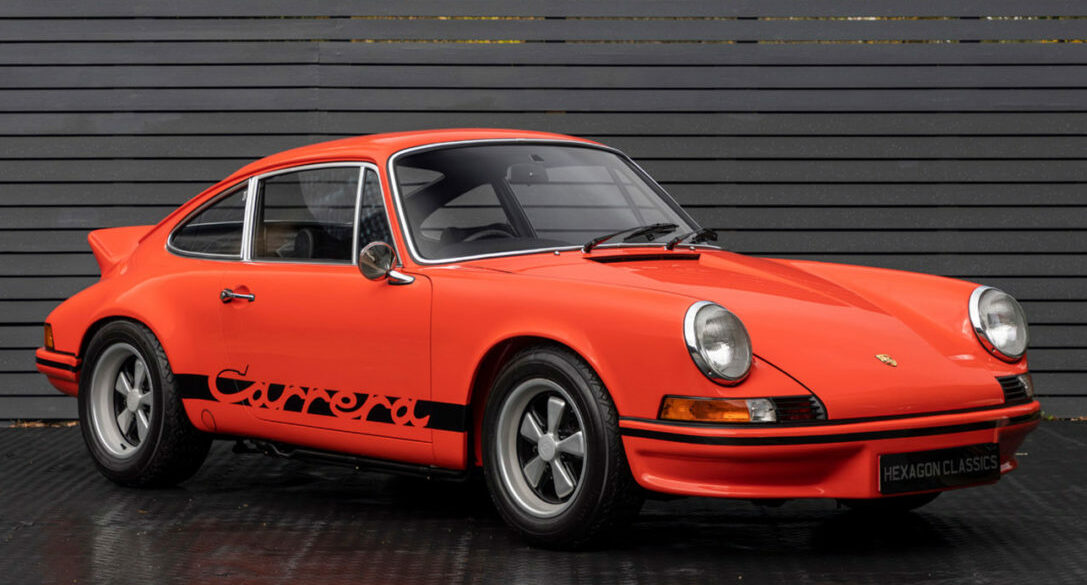
Revealed at the 1972 Paris Auto Show, the Carrera 2.7 RS was a special model used to homologate the 911 in Group 4 racing. Developed from the 911S, the 2.7 was more potent in almost every area. Compared to the standard Carrera, the 2.7 RS featured a larger engine, wider flares to accommodate the Fuchs alloy wheels, stiffened suspension, larger brakes and a ducktail rear spoiler. The Touring outsold the Lightweight, with a total of 1380 units built (the Lightweight had only 200 units).
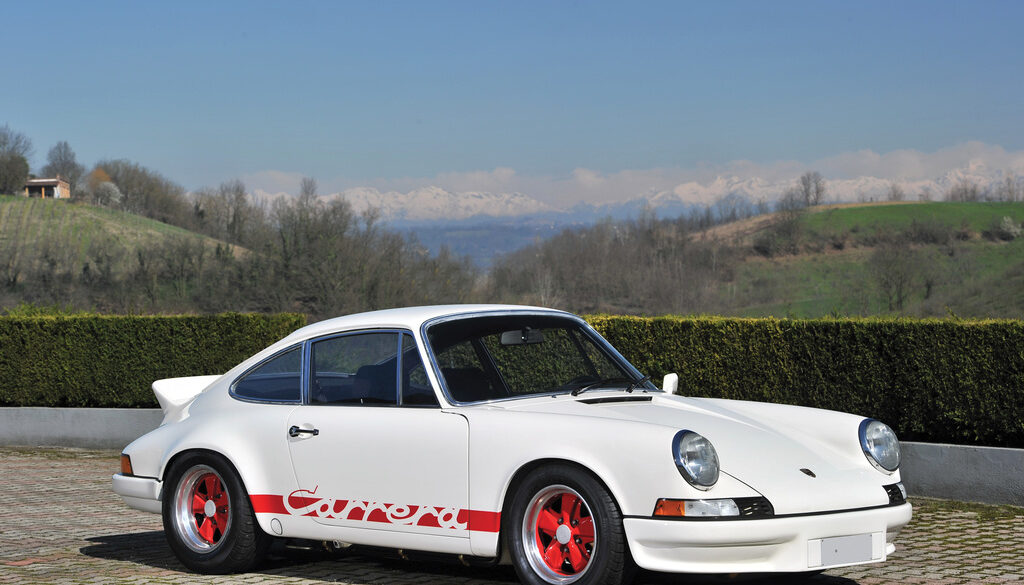
Of all the 1580 Carrera RS 2.7s, only 200 were made were ordered with this lightweight ‘Sports’ trim which made the car more responsive and purposeful. In many ways these few cars were the ultimate road-going Porsche of the 1970s. Known as the Sports, Lightweight or even the M471 option code, these cars had improved the power-to-weight ratio. Reports of 75kg were stripped from the standard model by fitting lightweight body panels and lightweight glass.
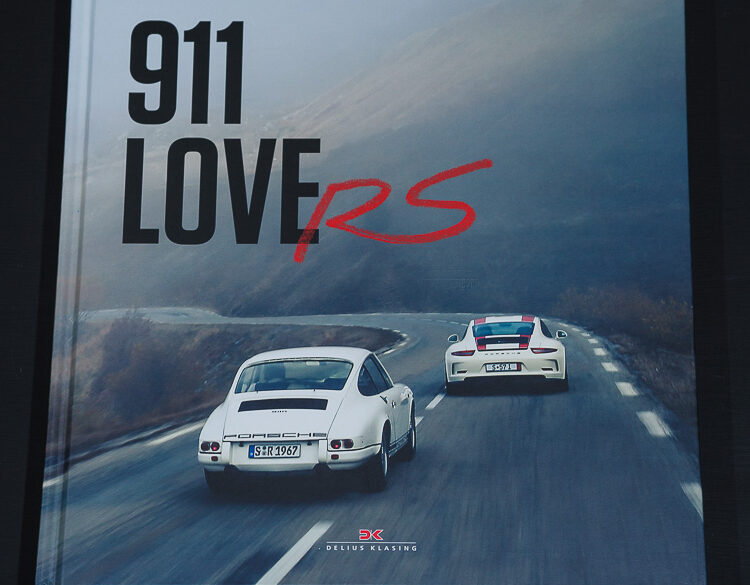
911 LoveRS: by Jürgen Lewandowski and Bart Lenaerts – © Virtual Motorpix/Glen Smale If the title, 911 LoveRS, leaves you with a slight question mark in your mind, turn the pages, and you will quickly get a feel for what the book is all about. 911 LoveRS by Jürgen Lewandowski...
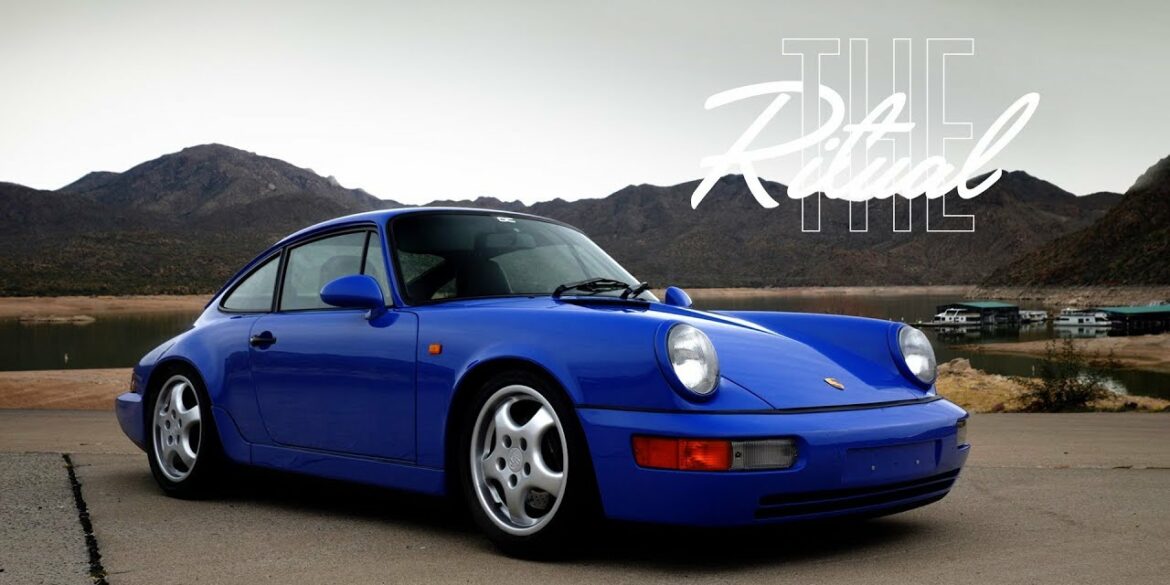
Rituals of Rennsport The power of Porsche is rarely measured on a dyno, but you can always tell when it’s taken hold of someone. Eli Kogan is certainly no stranger to the marque from Stuttgart, and today we’re joining him for a spirited run through the gears in the type...
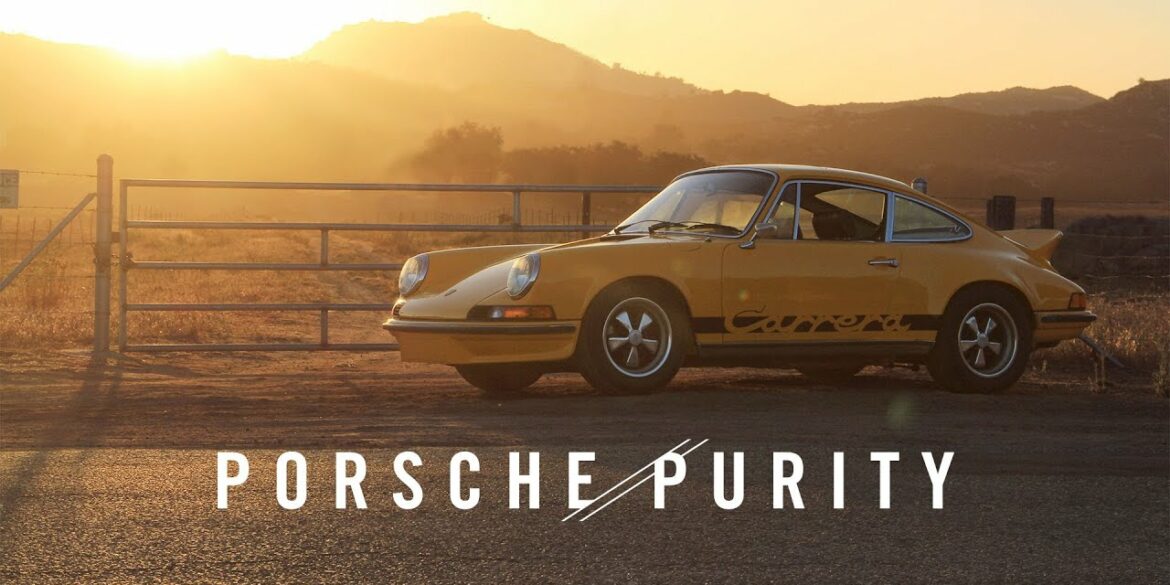
Perfectly Describing the Magic of the 911 2.7 RS Respected architect Jonathan Segal poetically describes what the 1973 Porsche 911 2.7L RS meant both to Porsche and its drivers. Jonathan’s career as an architect has developed his pursuit for purity in the structures he creates. One look around Jonathan’s studio and...
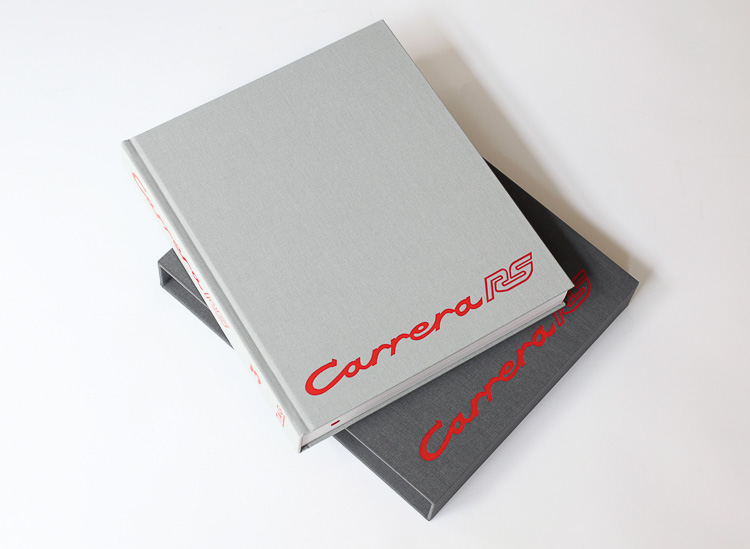
Carrera RS – The Rennsport Reunion VI Edition: Dr. Thomas Gruber/Dr. Georg Konradsheim © T.A.G. Motor Books GmbH The Porsche Rennsport Reunion VI in September 2018, was always going to be a special event, as the Porsche company celebrated its 70th anniversary around the world. The event did not disappoint,...
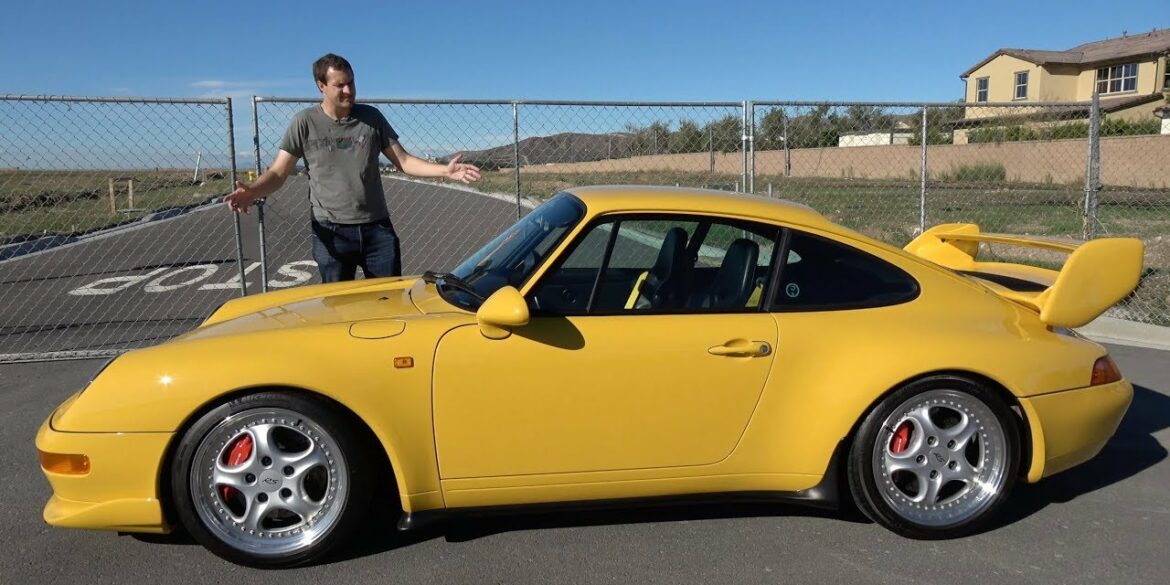
Porsche 911 Carrera RS Is the Forbidden 993 The Porsche 911 Carrera RS is the forbidden 993. It’s the lightweight, race-focused 993 that was never sold in North America — and yet, today I’m reviewing the 993 Carrera RS here in the United States, and I’m going to show you...
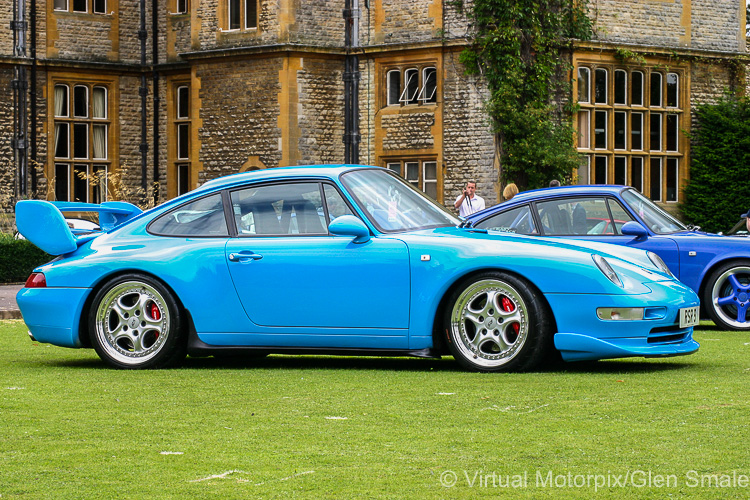
It is forty years since the introduction of Porsche’s first RS, the mighty Carrera RS 2.7, back in 1973. For Porsche, the letters RS, which stand for Rennsport, inspire images of sporting achievement and excellence earned the hard way through countless racing victories. At the Frankfurt Motor Show in 1993,...
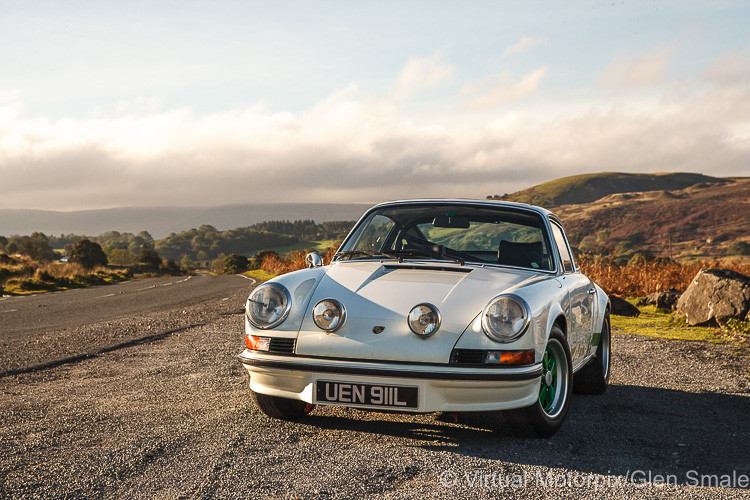
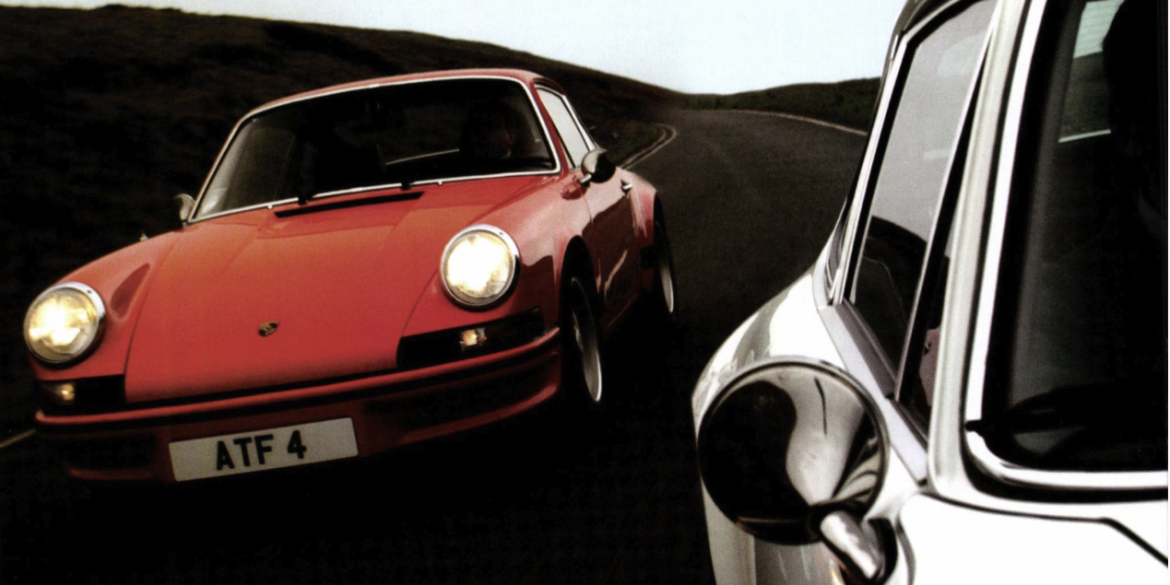
Porsche Carrera RS 2.7 in the beautiful Brecon Beacons, Wales, UK The Porsche 911 Carrera RS 2.7 was introduced to the public at the Paris Motor Show in October 1972. With the decade of the 1970s came a fresh, loud and colourful outlook on life and even sports cars were...
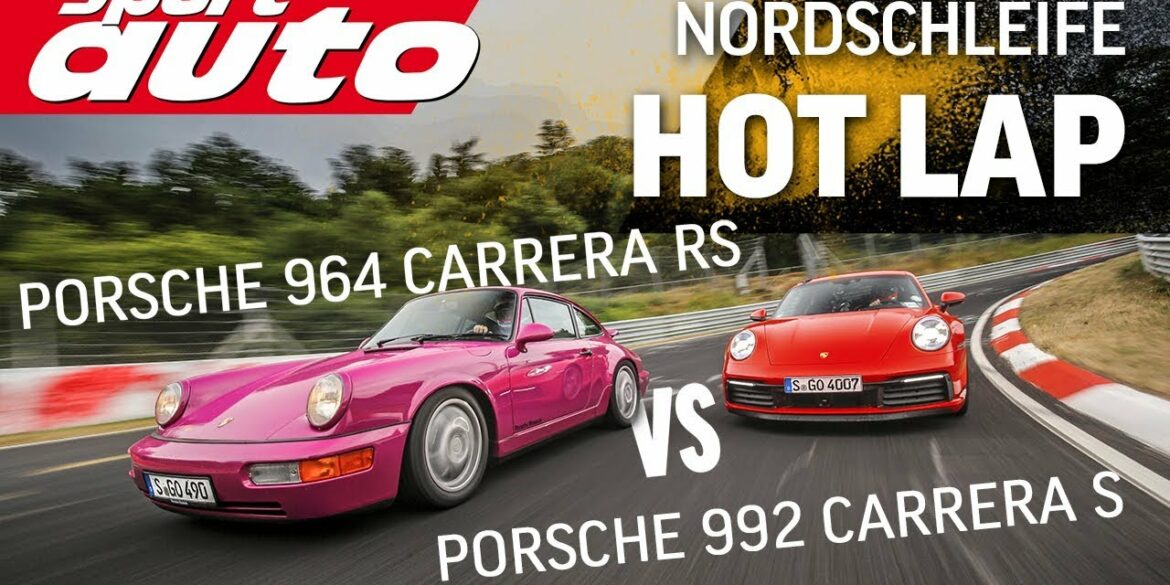
Nordschleife Hot Lap In A Porsche 964 RS vs. 992 Carrera S Porsche 911 Carrera RS (964), Porsche 911 Carrera S (992); Driver: sport auto’s Test Driver Christian Gebhardt; Track: Nordschleife; Lap times: 7.30, 41 min (992), 8.23,12 min (964); Tyres: Pirelli P Zero NA1 (992), Pirelli P Zero Trofeo...
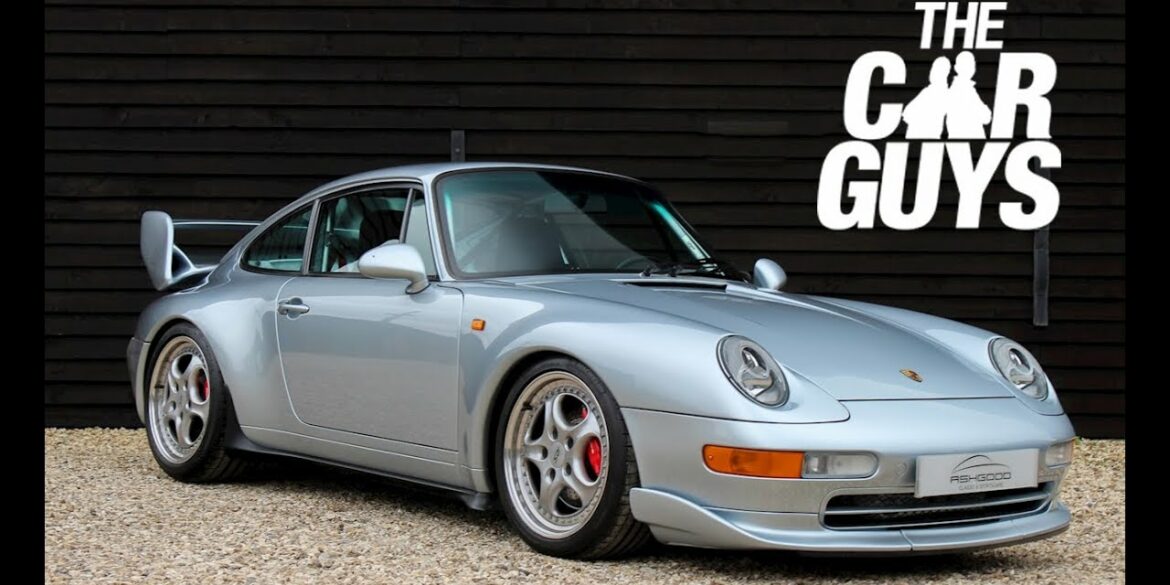
This week Jason takes a trip down to Ashgood Classic and Sports Cars to test drive an iconic Porsche, the 993 RS Clubsport. This lightweight road racer is just the type of car we love....
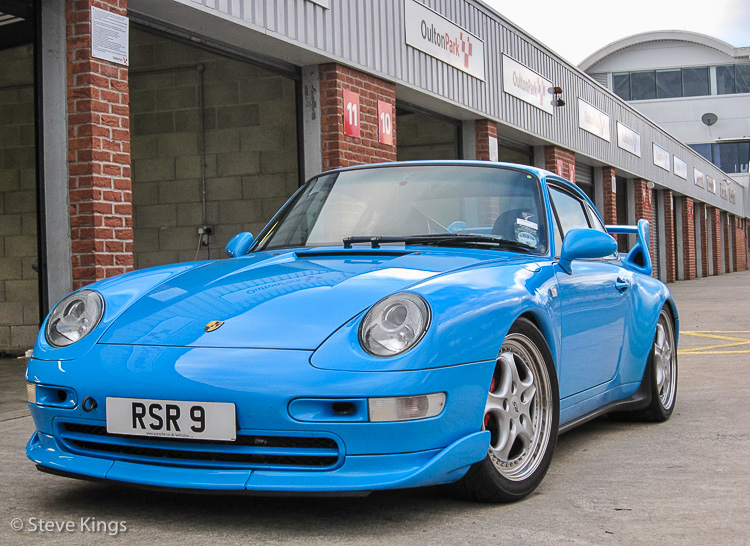
Porsche 993 Carrera RS ‘RSR 9’ parked in the pit lane at the 10th RS Track Day Oulton Park, March 2010 If any two letters have encapsulated Porsche’s sporting prowess over the years, it is these – RS. It is now forty-seven years since the introduction of Porsche’s first RS,...
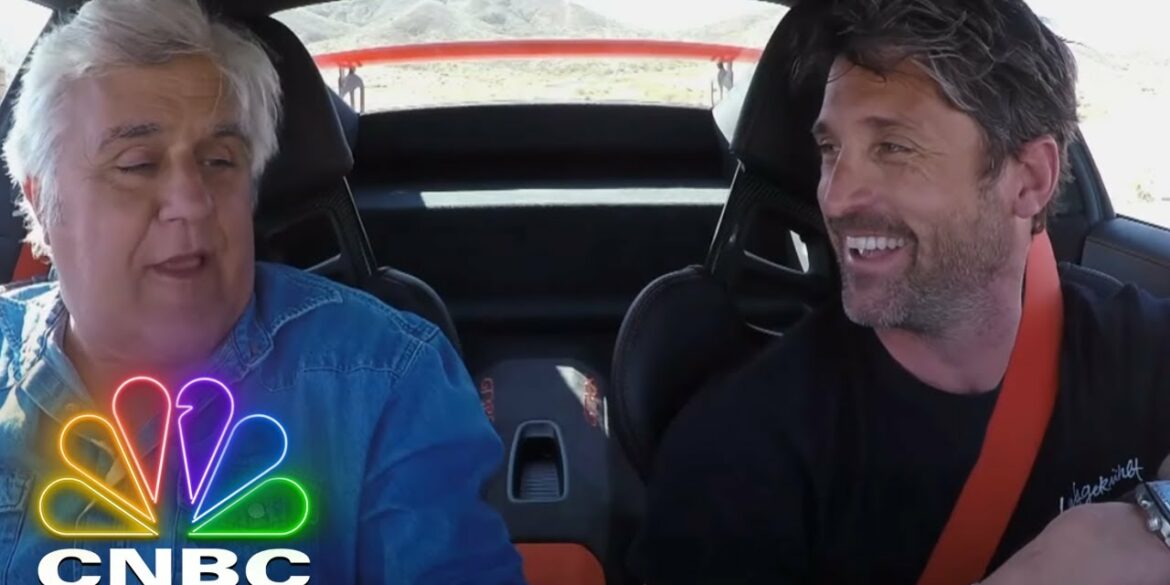
Driving A Legend Patrick Dempsey and Jay Leno take a joy ride in a 1973 Porsche Carrera RS 2.7. With only 1500 of these produced in 1973, this car is a rare gem!...
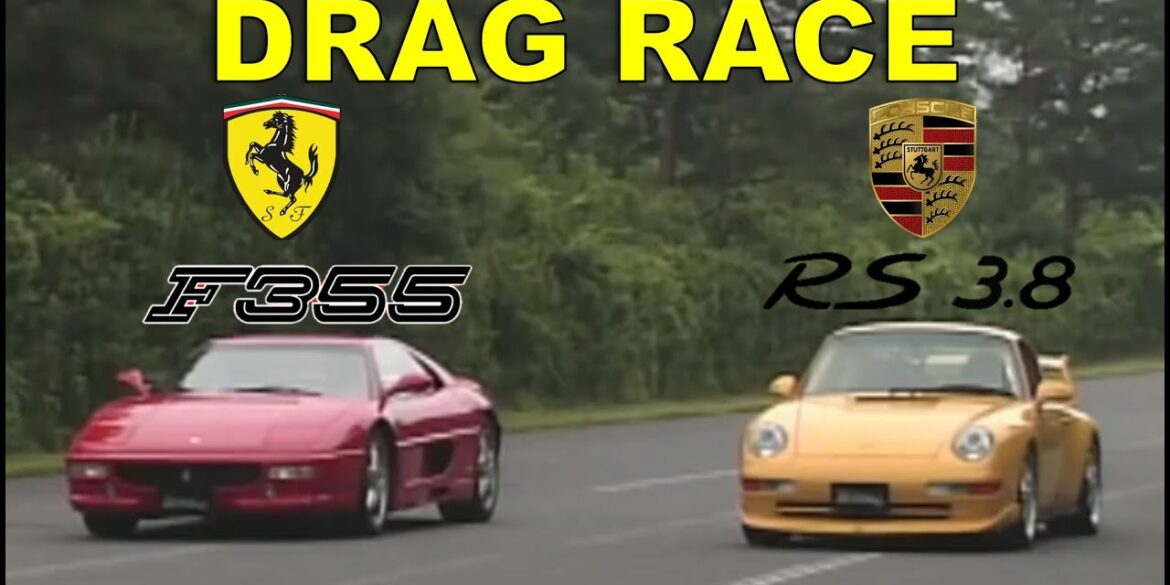
Ferrari F355 vs Porsche 911 Carrera 993 RS 3.8 Drag Race From a Japanese car show in the 1990s, an epic drag race....
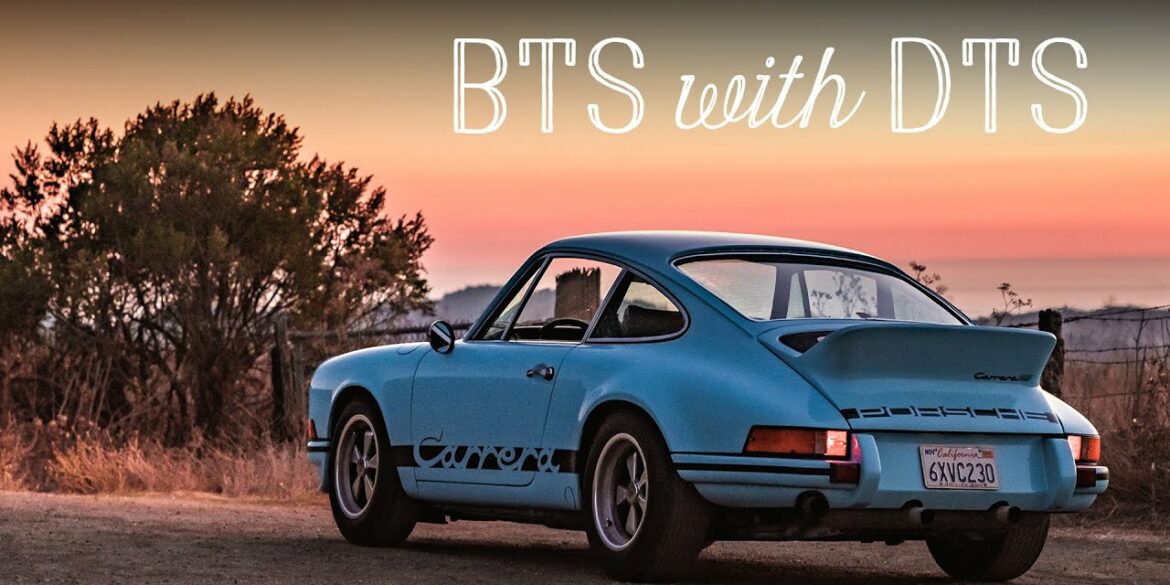
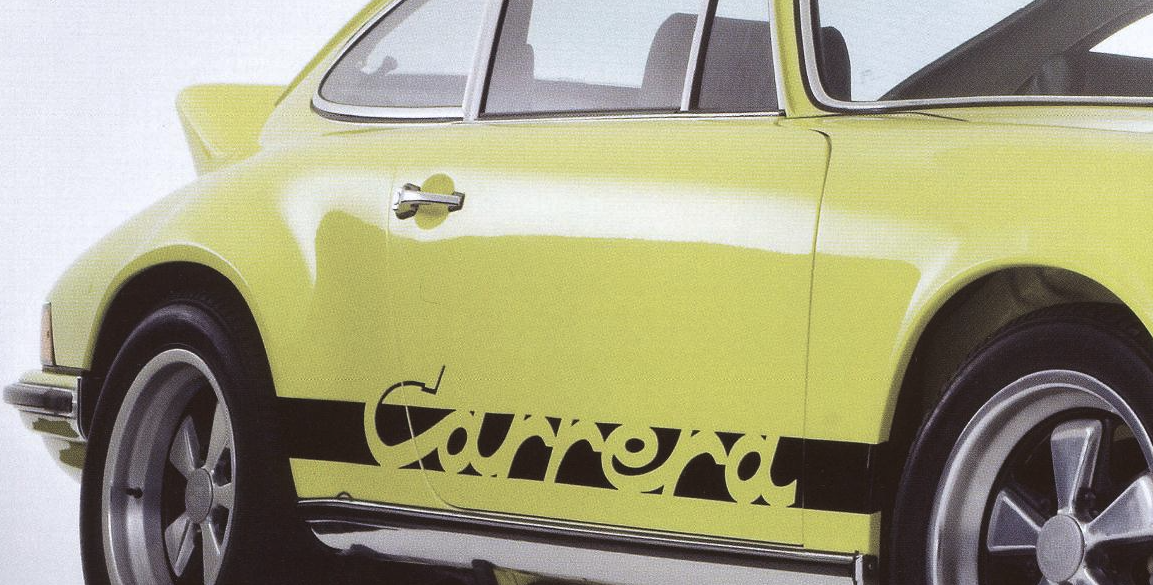
How the RS differs from lesser 911s The 1973 Porsche Carrera RS is instantly recognizable thanks to its distinctive “Carrera” scripts and ducktail. It’s also one of the most valuable 911 road cars that exists, even if it looks more than a bit like every other 911 of the era....
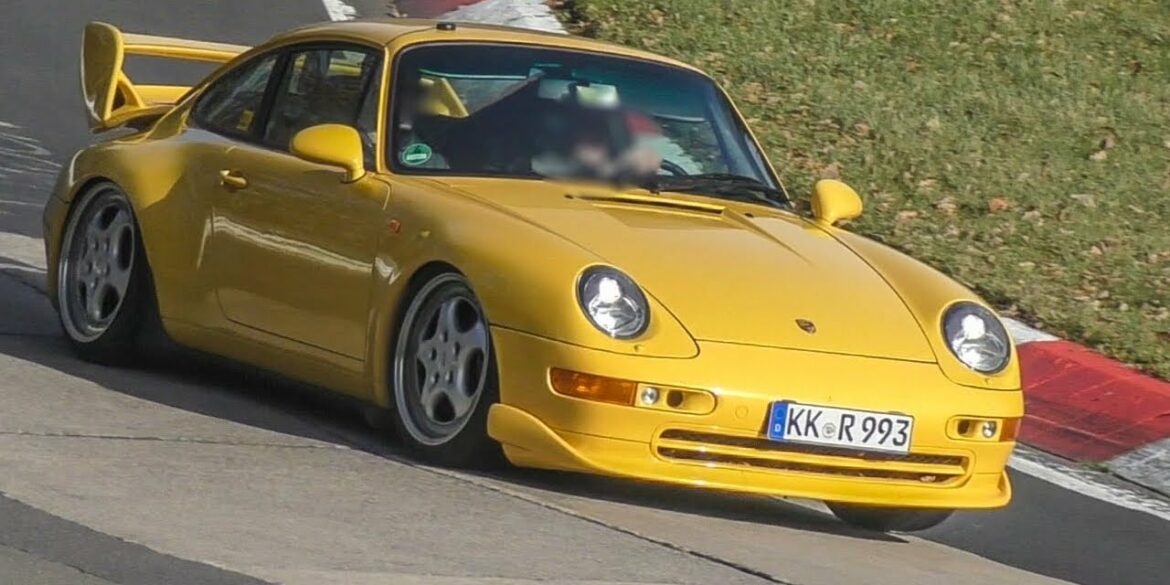
Porsche 993 RS ‘Clubsport’ Driving HARD on the Nurburgring Nordschleife! In this video you will see a truely stunning Porsche 911 993 RS Clubsport driven hard on the Nurburgring Nordschleife. This 993 is far from stock, it has quite a few modifications including Moton suspension, Wiechers strut braces, Lithiumax battery,...
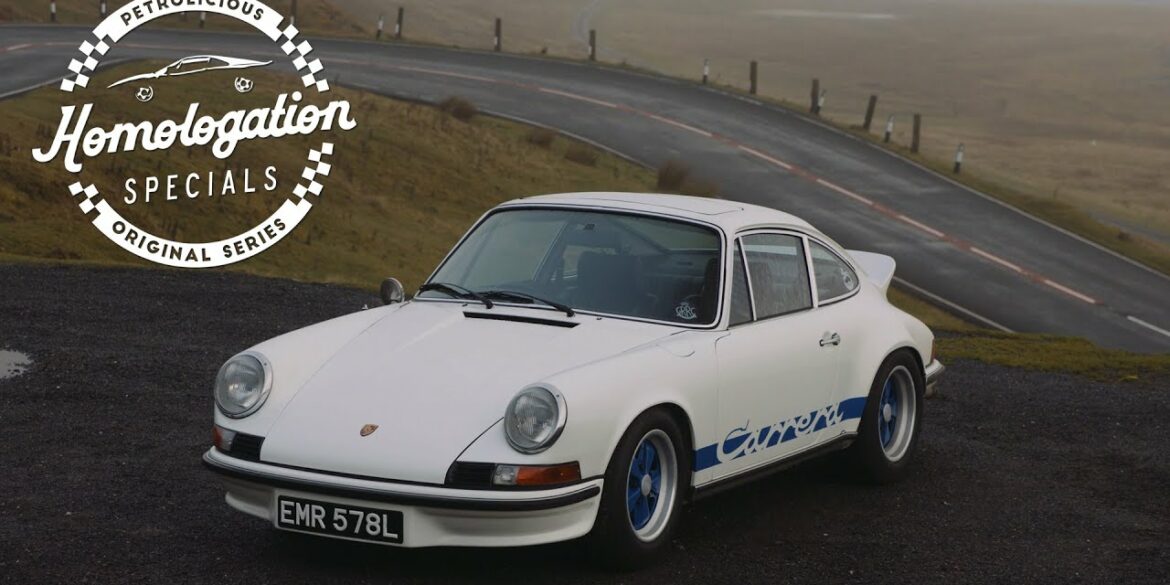
On The Road In an automotive world in which long legacies of high-performance are continually trotted out and watered down for commercial appeal over time, it can be hard to find examples of restraint. That word might not be the most apt descriptor of Porsche 911 models that wear the...
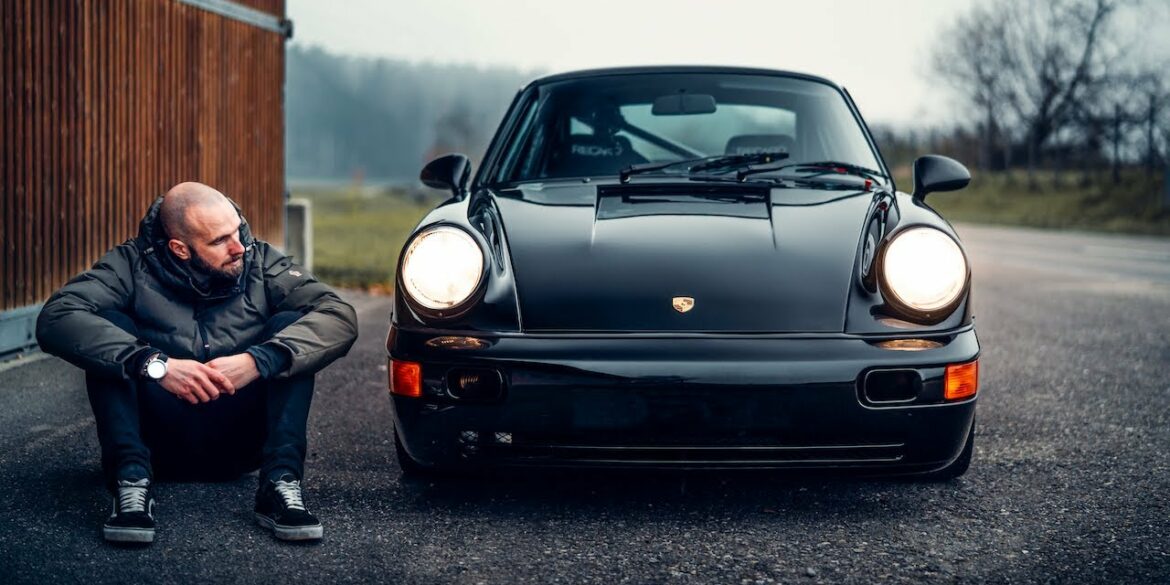
Coffee run in a very special 964 RS that just so happens to be chassis number 1 ...
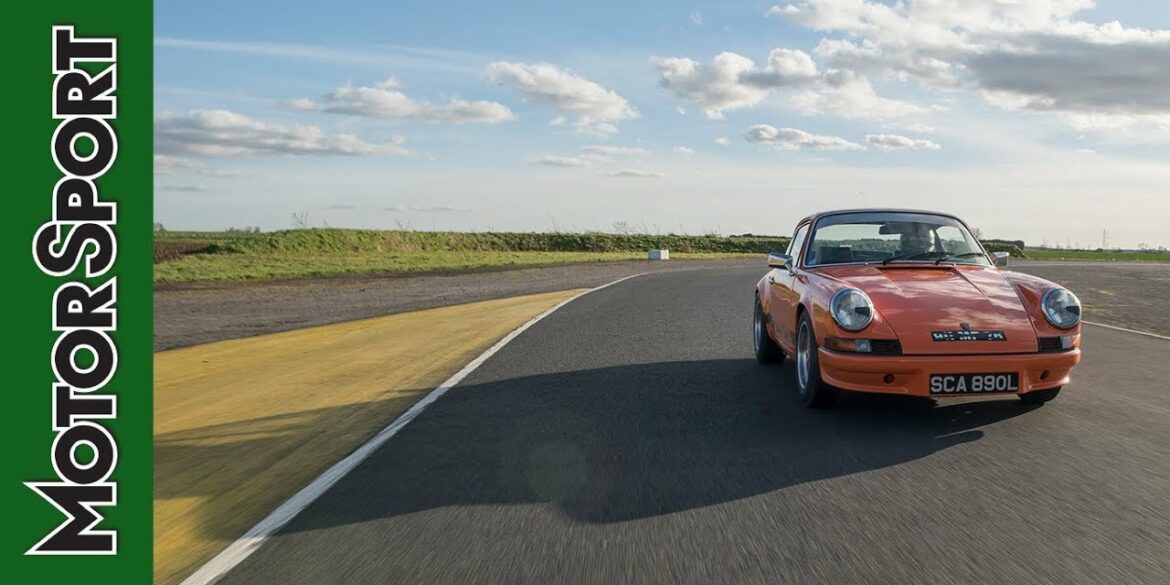
On Board Dickie Meaden takes you behind the wheel of a Porsche 911 2.7 RS Touring in part one of the new ‘How to Drive’ series from Motor Sport. Learn the tricks that bring the most out of one of Porsche’s most stunning cars....
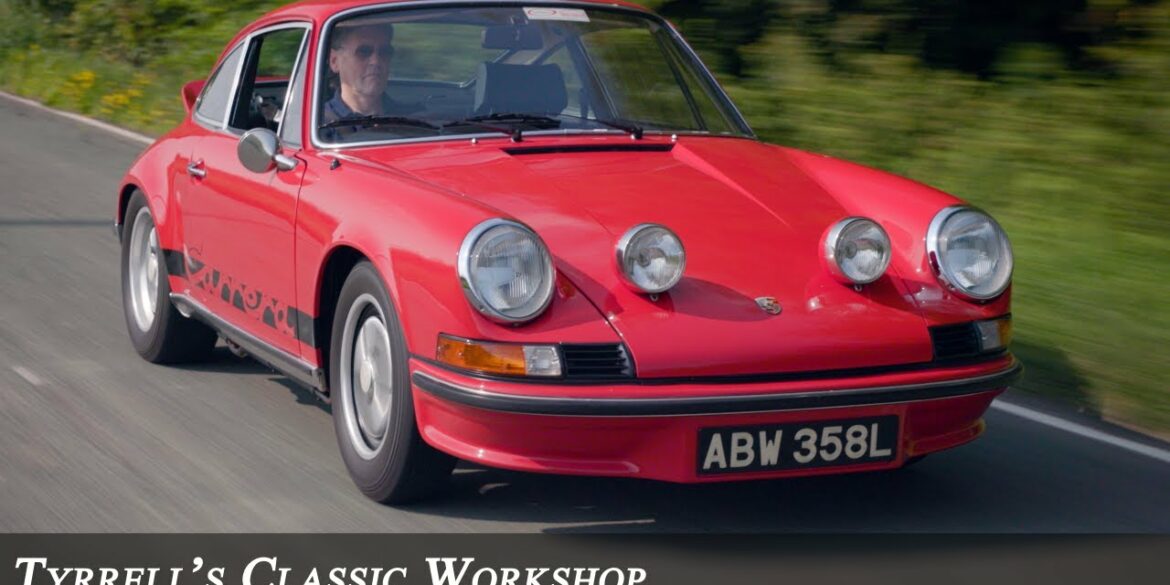
The 911 Porsche feared no-one would buy! In this episode we bring you a rather special car, one of the original 500 Porsche 911 Carrera 2.7 RS! Iain looks back at the history of the 911 and how the Carrera RS came to be, an unexpected path that surprised even...
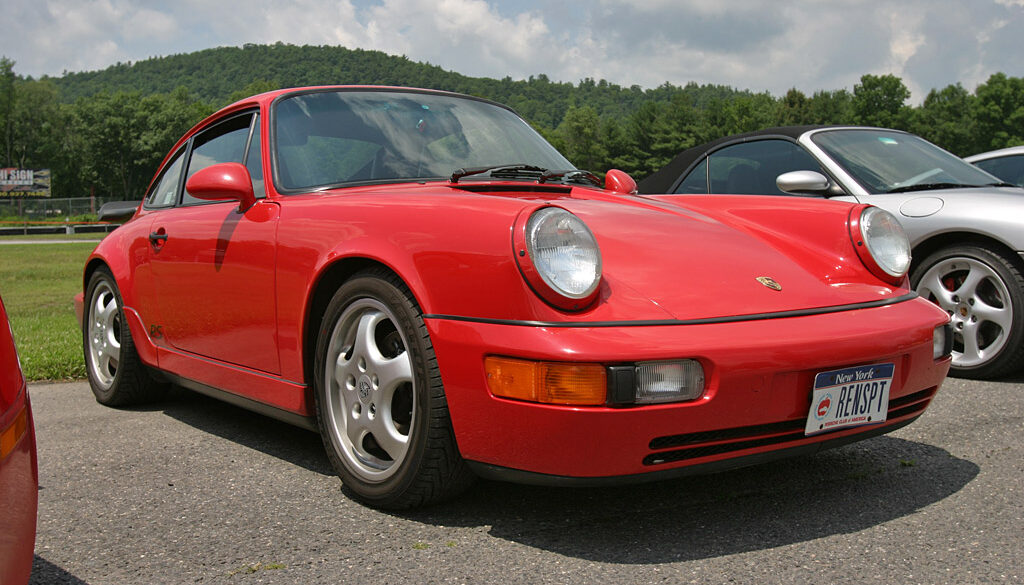
The original 1973 Carrera RS was available in Europe but not in the USA. Porsche decided to build the 1993 Carrera RS both to European spec and a limited number in compliance with US regulations. These US spec cars were assigned the name “RS America”. The intent was to create a basic lightweight, no frills 911 with minimal luxury options. The standard US Carrera 2 brakes, engine and gearbox were used. The RS weighed 2,945 pounds so it was almost 80 pounds lighter than a standard Carrera 2.
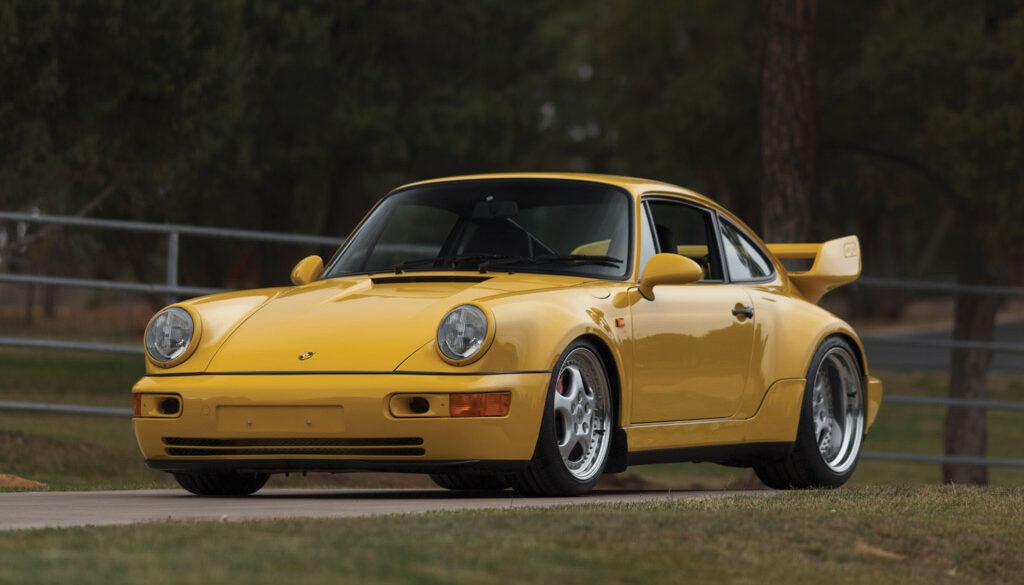
The 964 Carrera RS 3.8 was produced as a base for homologation for the venerable 3.8 RSR. It was unveiled in 1993 and produced in a very small series by Porsche’s Racing Department in Weissach-Flacht, and was an extreme evolution of the 964 Carrera RS that was released two years prior. It featured the wide-body look of the Type 964 Turbo, a massive rear spoiler, and three-piece “Speedline for Porsche” wheels with 235/40 and 285/35 tires, making it distinctively more aggressive in appearance than the fairly restrained styling of the Carrera RS of 1992 and capable of providing significantly more mechanical grip.
No Subscription? You’re missing out Get immediate ad-free access to all our premium content. Get Started Already a Member? Sign in to your account here....
No Subscription? You’re missing out Get immediate ad-free access to all our premium content. Get Started Already a Member? Sign in to your account here....
No Subscription? You’re missing out Get immediate ad-free access to all our premium content. Get Started Already a Member? Sign in to your account here....
No Subscription? You’re missing out Get immediate ad-free access to all our premium content. Get Started Already a Member? Sign in to your account here....
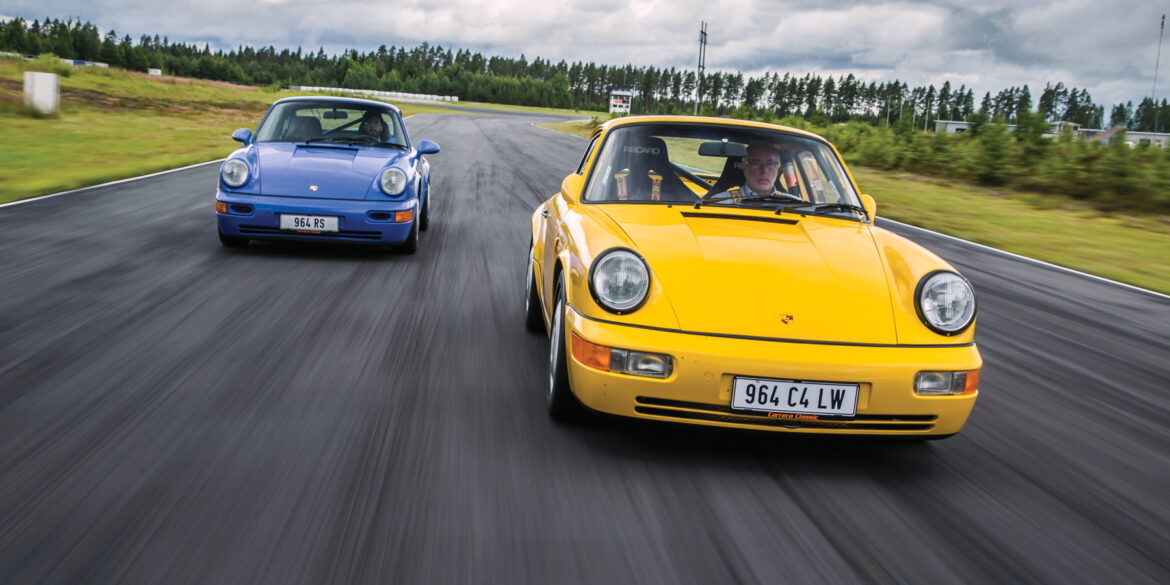
Rare & Special Race Versions of the 964 For issue 131 of Total 911, you may remember that we made a trip to Finland to drive two very special Porsche 964s: the legendary 964 Carrera RS and the ultra rare 964 Carrera 4 Lightweight. Both Porsche 911s are owned by the...
No Subscription? You’re missing out Get immediate ad-free access to all our premium content. Get Started Already a Member? Sign in to your account here....
No Subscription? You’re missing out Get immediate ad-free access to all our premium content. Get Started Already a Member? Sign in to your account here....
No Subscription? You’re missing out Get immediate ad-free access to all our premium content. Get Started Already a Member? Sign in to your account here....
1974 Porsche 911 Carrera RS 3.0 Pictures & Gallery...
No Subscription? You’re missing out Get immediate ad-free access to all our premium content. Get Started Already a Member? Sign in to your account here....
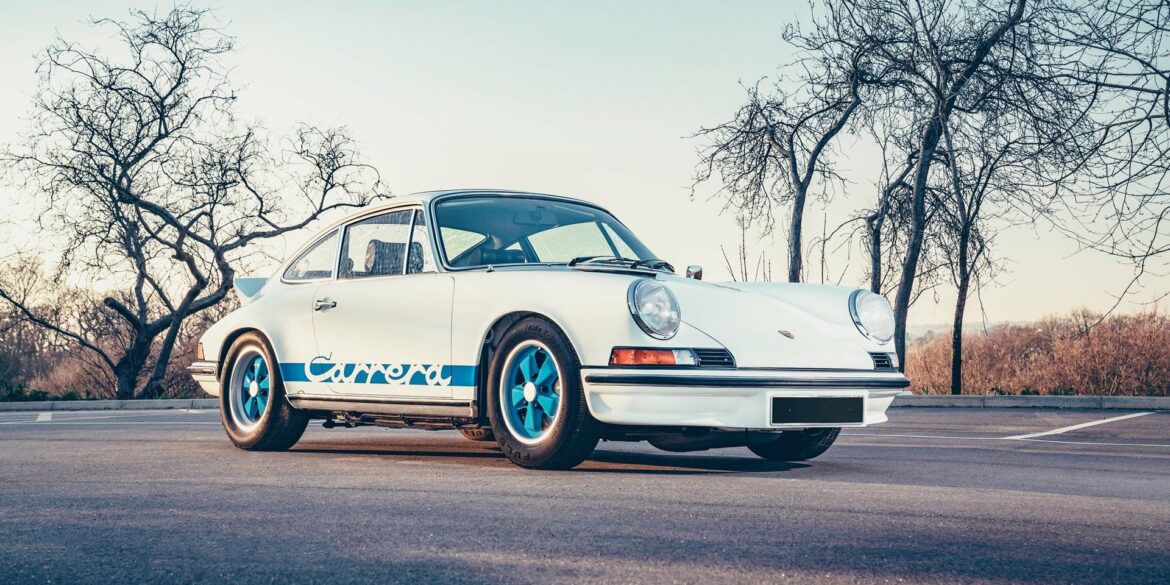
1973 Porsche 911 Carrera RS 2.7 Touring Technical Specifications Built At Stuttgart, Germany Price $ $25,000 Engine 911/83 Flat-6 Position Rear, Longitudinal Aspiration Natural Block Material Aluminum Alloy Valvetrain SOHC Fuel Feed Bosch Mechanical Fuel Injection. Displacement 2687 cc / 164.0 in³ Bore 90 mm / 3.54 in Stroke 70.4...
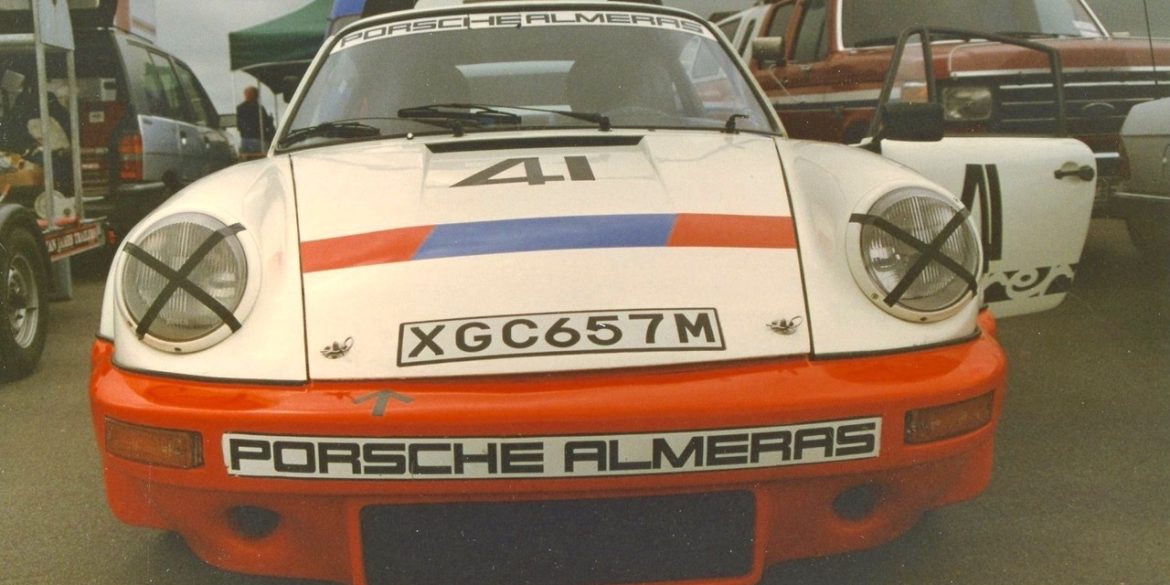
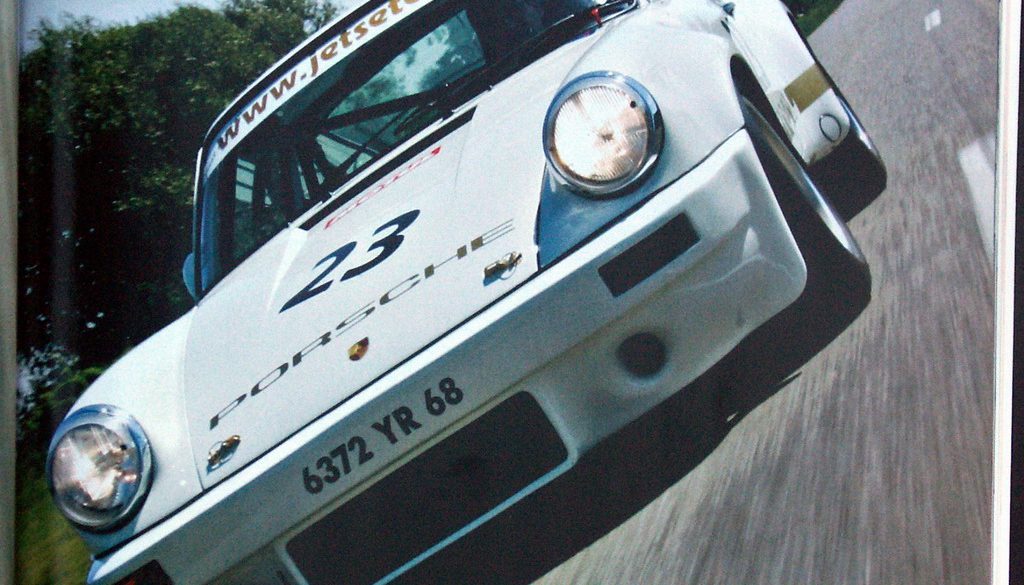
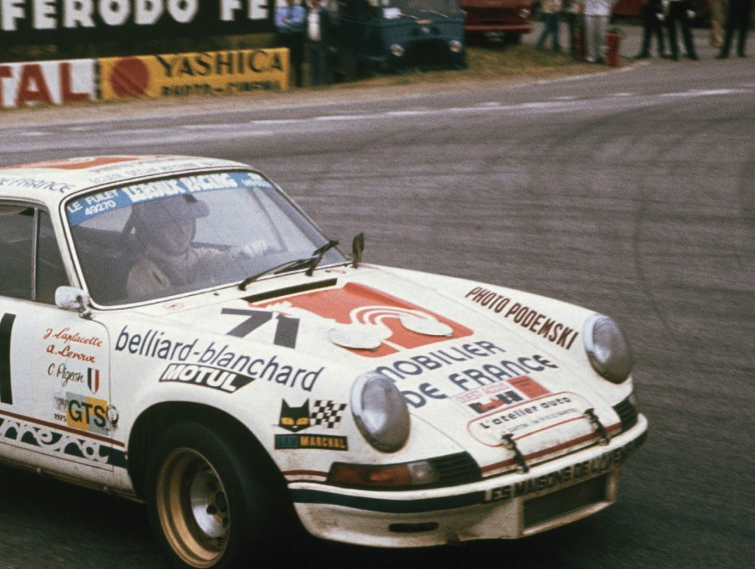
When I first started writing my book, “R to RSR: The Racing Porsche 911s” in 1987, whilst living in England, I had little or no idea which RS/RSR cars had been raced in France. This was despite the fact that France was only 21 miles away across the Channel. The...
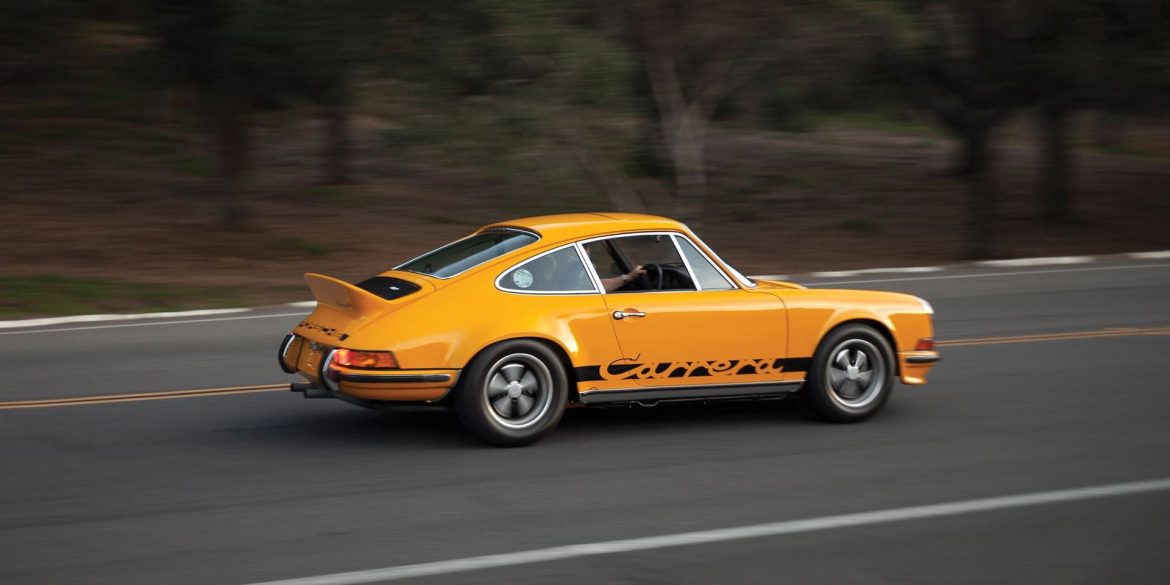
Imagine, if you will, that you are in Paris, France, in October 1972. There is an automobile show, a fairly large one, currently happening at the Paris Expo Porte de Versailles convention center, and all the big names you know of are there. Renault, Peugeot, Ferrari, Aston Martin, the whole...
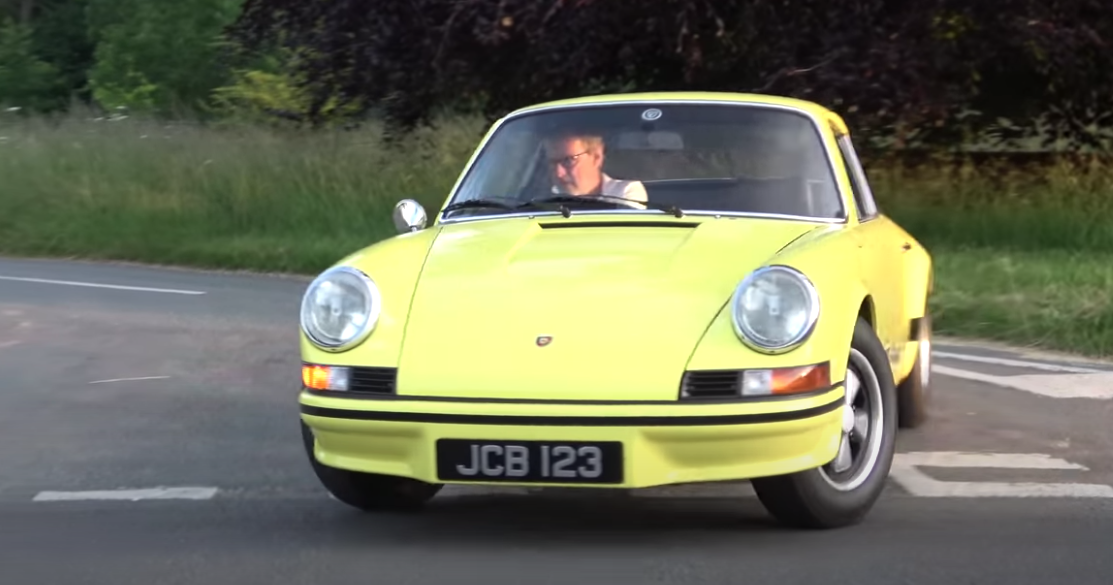
What makes this 50-year old icon so special? The Carrera RS 2.7 was conceived as a 911-derived race car and was the first production street/race 911 widely offered to the public. The company’s philosophy was that Porsche’s (except for pure competition models) should be used for daily transportation. Porsche built...
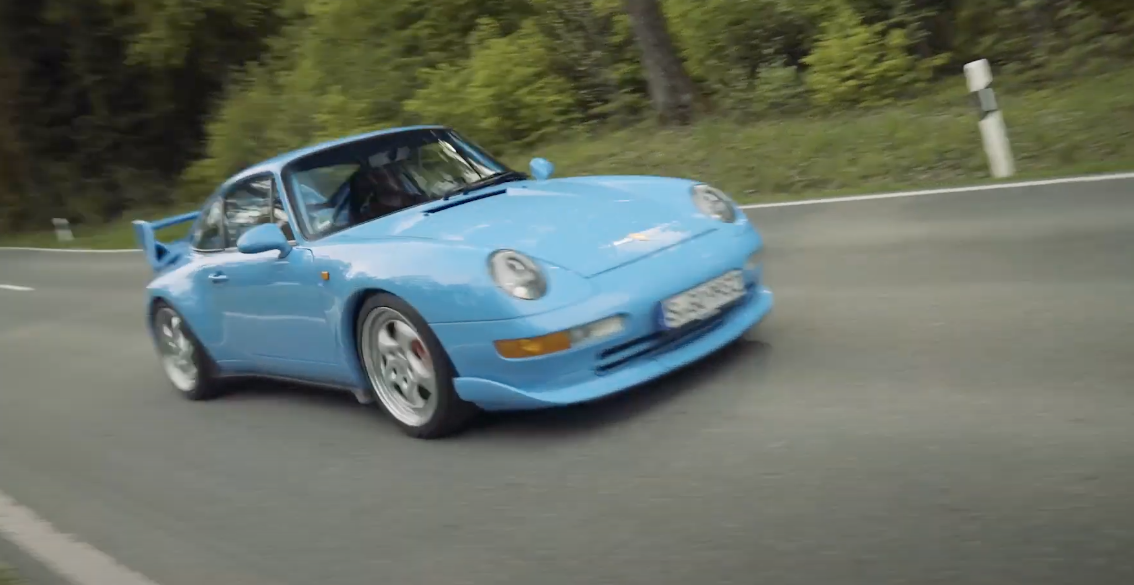
I have always been a big fan of Ben Barry and his reviews, so it was nice to stumble upon this beauty of the review. Get onboard as Ben drives Porsche’s own 993 Carrera RS Clubsport on test routes close to Stuttgart, Germany....
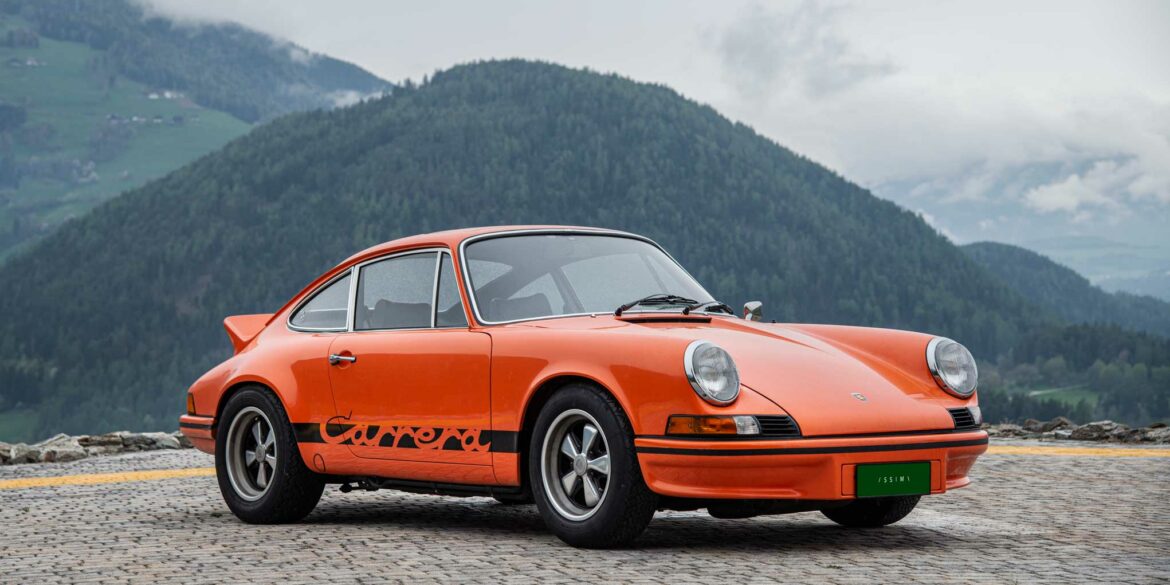
Beautifully-Restored Carrera RS Lightweight Found on Issimi The Carrera 2.7 RS is the stuff of legends, well known as the ultimate road-going Porsche of the 1970s. Of all the 1,580 Carrera RS 2.7s, only 200 were made were ordered with this lightweight ‘Sports’ trim which made the car more responsive...
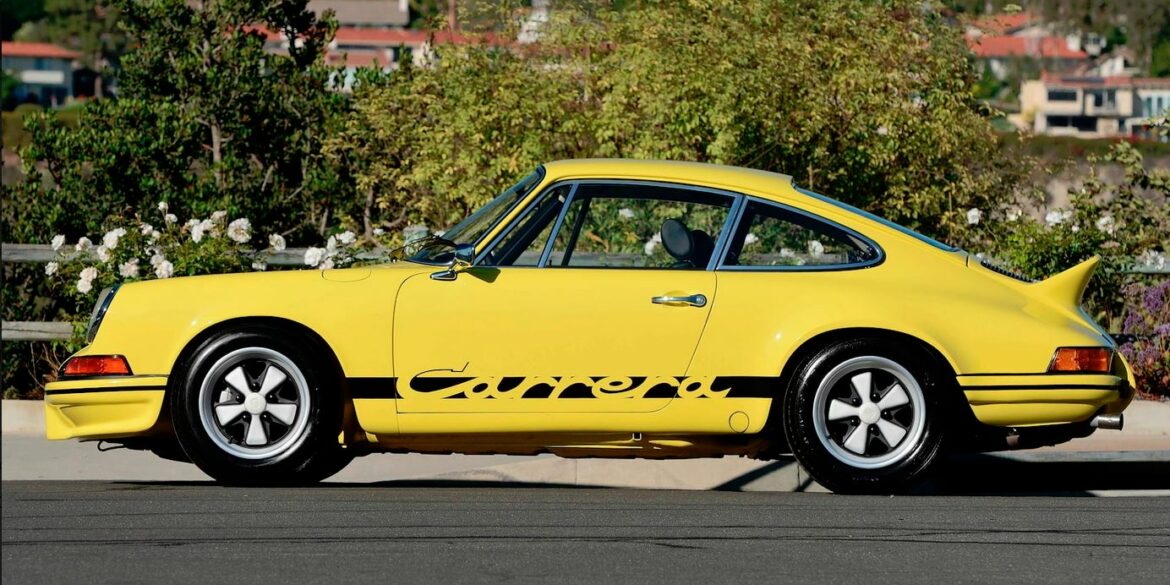
In less than two weeks Monterey 2022 will start and one of the main attractions is a 1973 Porsche 911 Carrera RS 2.7 which was previously owned by the late Hollywood actor Paul Walker from the “Fast and Furious” film franchise. Unlike other Hollywood actors who have very little knowledge...
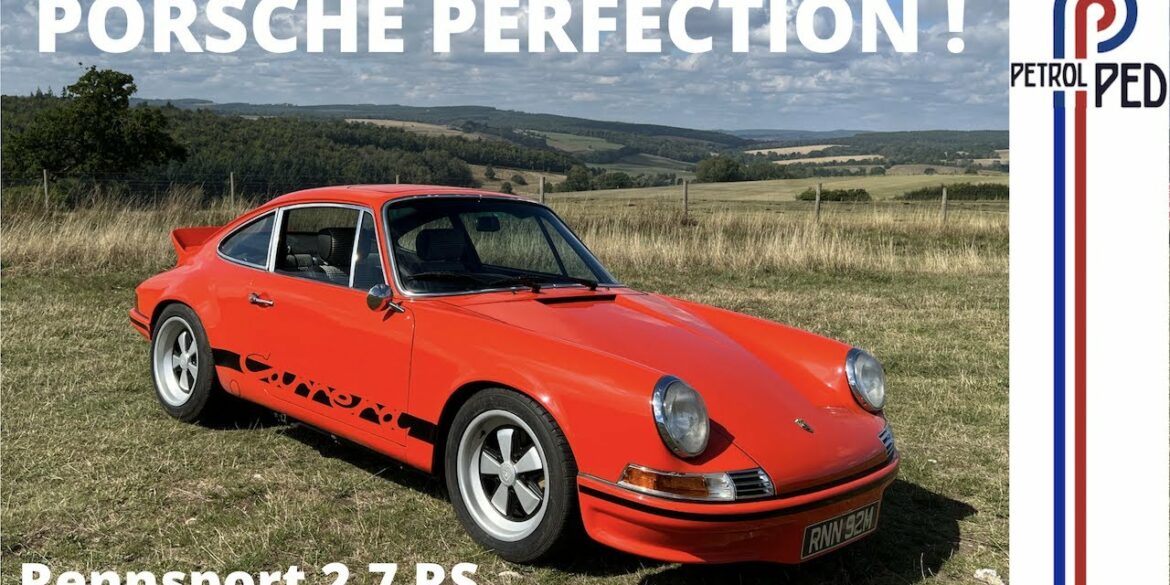
Real World Carrera RS Review The 2.7 Carrera RS debuted in October 1972 at the Paris Motor Show, and was the top first generation 911 and one of the best road cars of all time. It was the fastest production 911 and a solid race winner. Some feel it is...
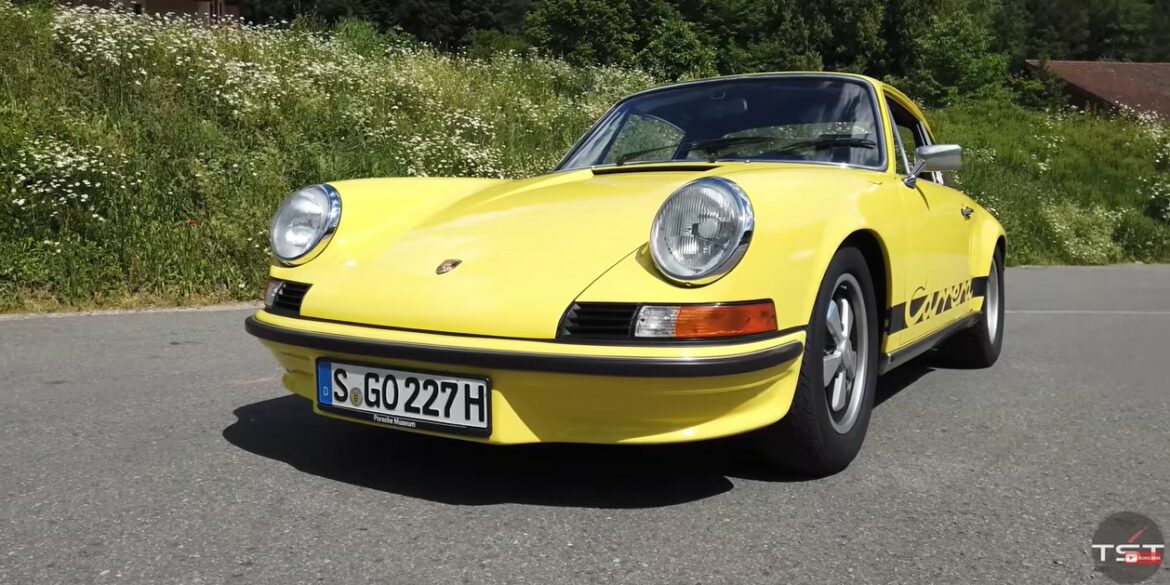
It was the first motorsport team-designed consumer grade car, first 911 with a staggered stance, and first factory-installed fixed wing. TheSmokingTire from YouTube discusses why the Porsche 2.7 RS is so successful and how it influenced future Porsche cars....
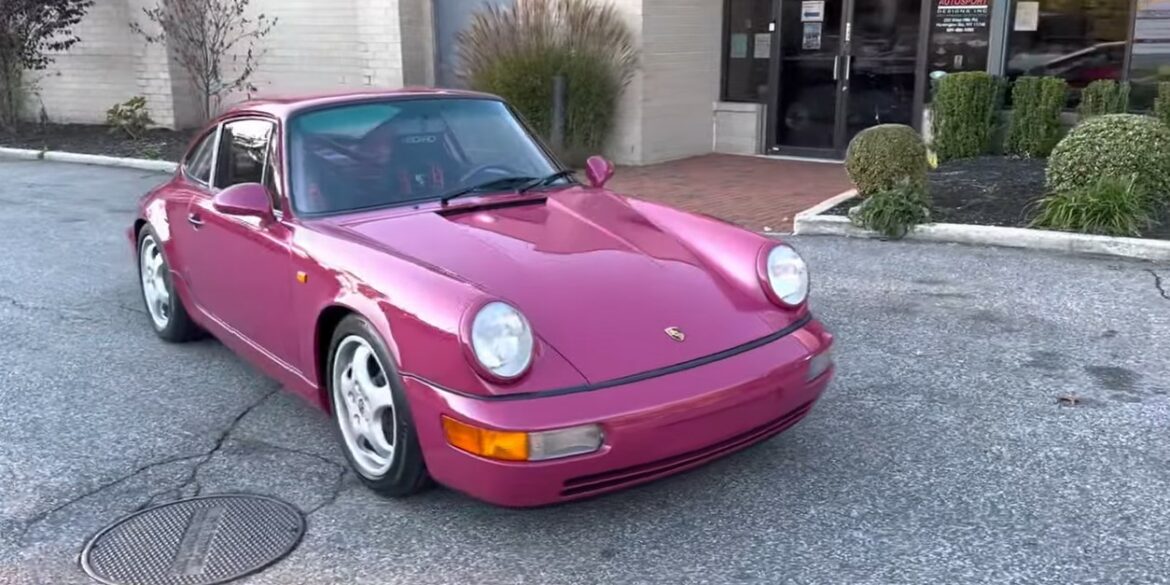
Autosport Designs takes the Porsche 911/964 RS N/GT Clubsport for a test drive. One of only 290 examples produced and one of only 38 that were given a factory Ruby Stone Red finish....
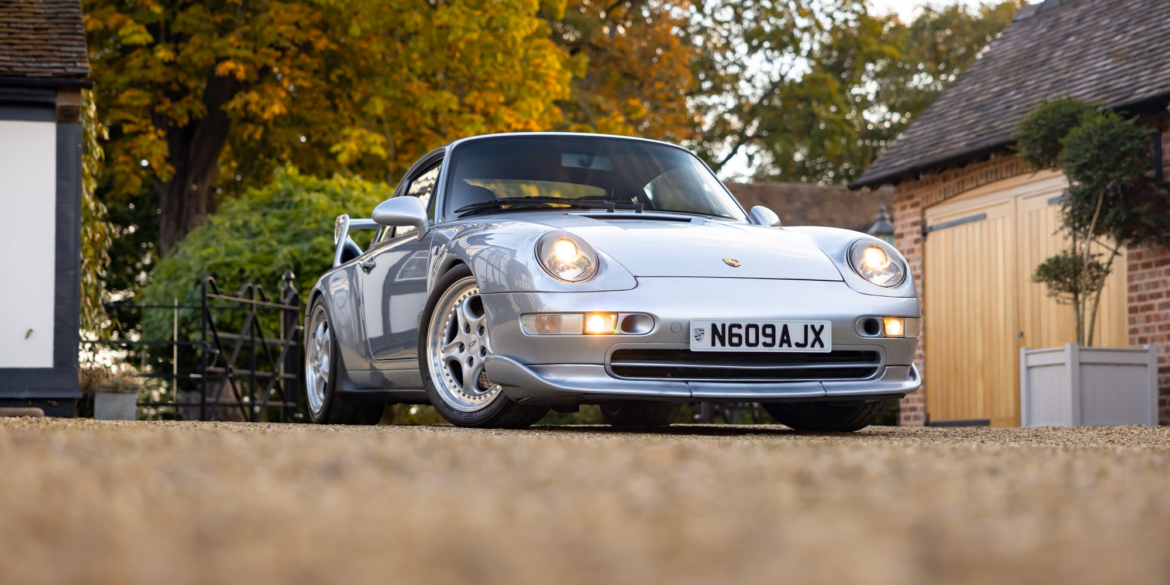
The Carrera RS 3.8 is the ultimate lightweight special edition 911 variant of the 993 Carrera generation. It featured a naturally aspirated 3.8 liter engine with 300 hp and 262 lb/ft of torque. On the outside, it has aggressive looks, that easily distinguishable rear wing, small front flaps and 3-piece...
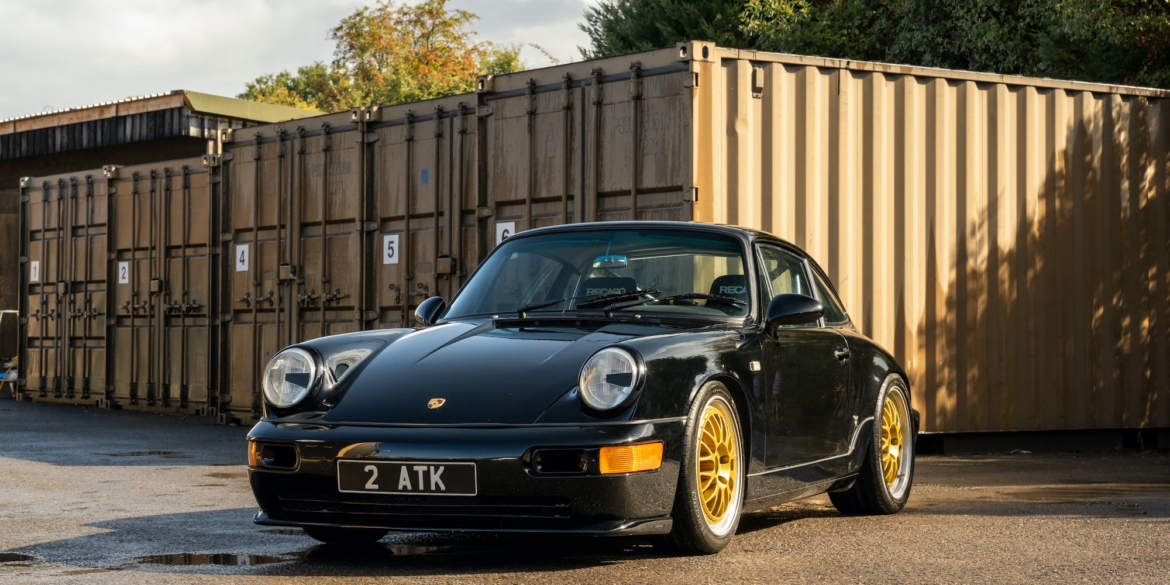
Porsche decided to build the 1993 Carrera RS both to European spec and a limited number in compliance with US regulations. These US spec cars were assigned the name “RS America”. The intent was to create a basic lightweight, no frills 911 with minimal luxury options. In all, 701 cars...
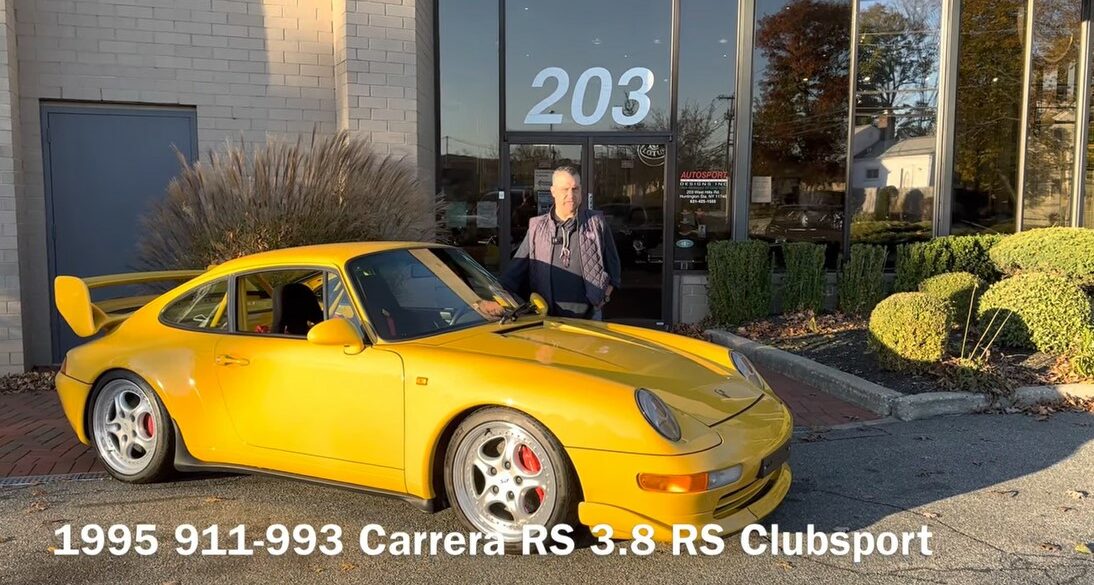
Featuring the Speed Yellow finished Factory Clubsport 1995 911/993 Carrera RS 3.8 Clubsport. Concours-ready, 1 of only 227 examples built, 50,000 kilometer (33,000 miles) from new, 3.8-L engine, 6-speed manual transmission....
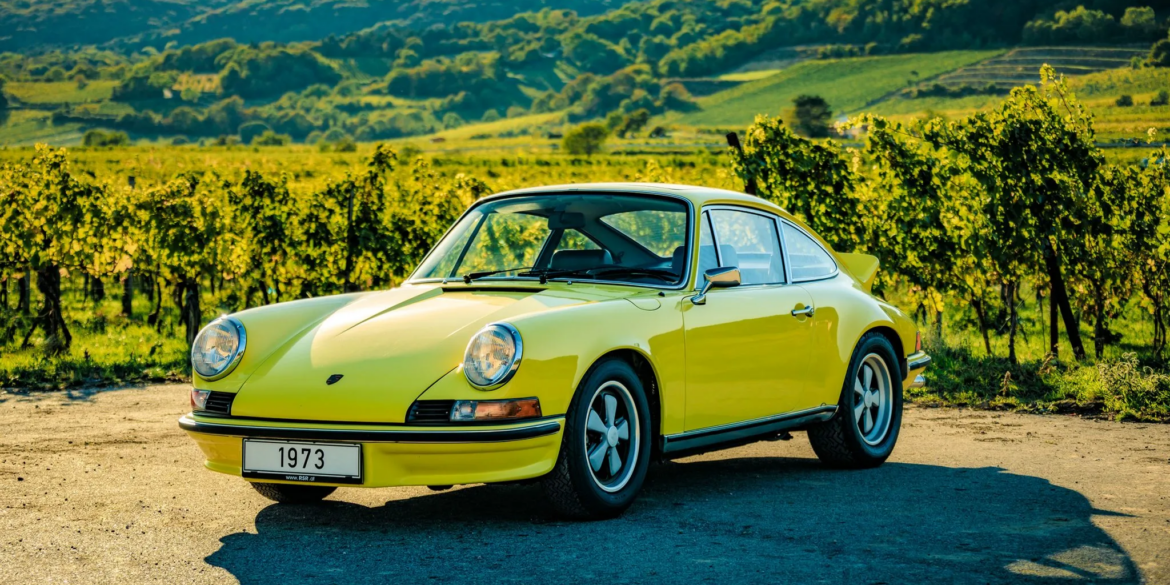
Revealed at the 1972 Paris Auto Show, the Carrera 2.7 RS was a special model used to homologate the 911 in Group 4 racing. Developed from the 911S, the 2.7 was more potent in almost every area. Compared to the standard Carrera, the 2.7 RS featured a larger engine, wider flares...
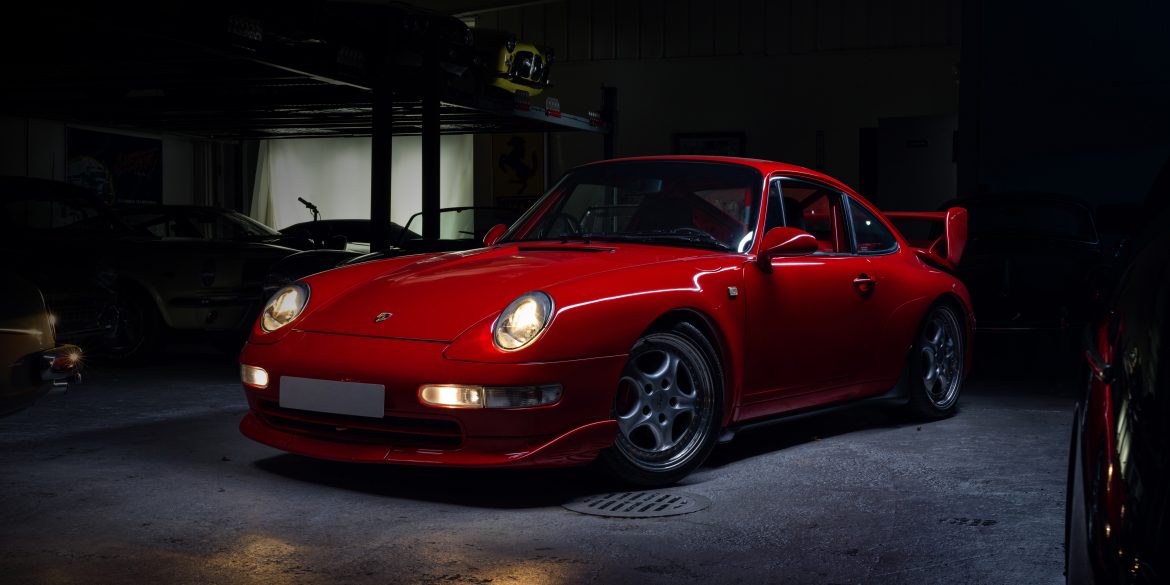
The Carrera RS Clubsport was a track-focused iteration of the Carrera RS with relatively limited road usability. The Clubsport added a fully welded roll cage which, combined with the RS’s seam-welded shell, increases the body’s stiffness by 40 per cent over the standard Carrera. That adjustable suspension strut brace was...
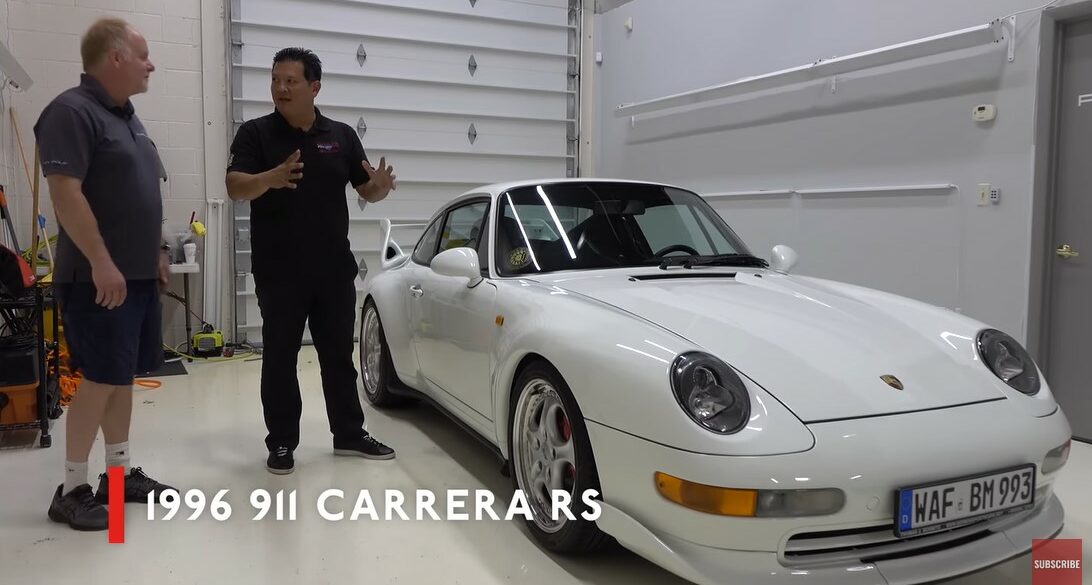
Vu Nguyen and Bob Miller goes into detail about the 993-generation 911 Carrera RS and Carrera RS Clubsport....
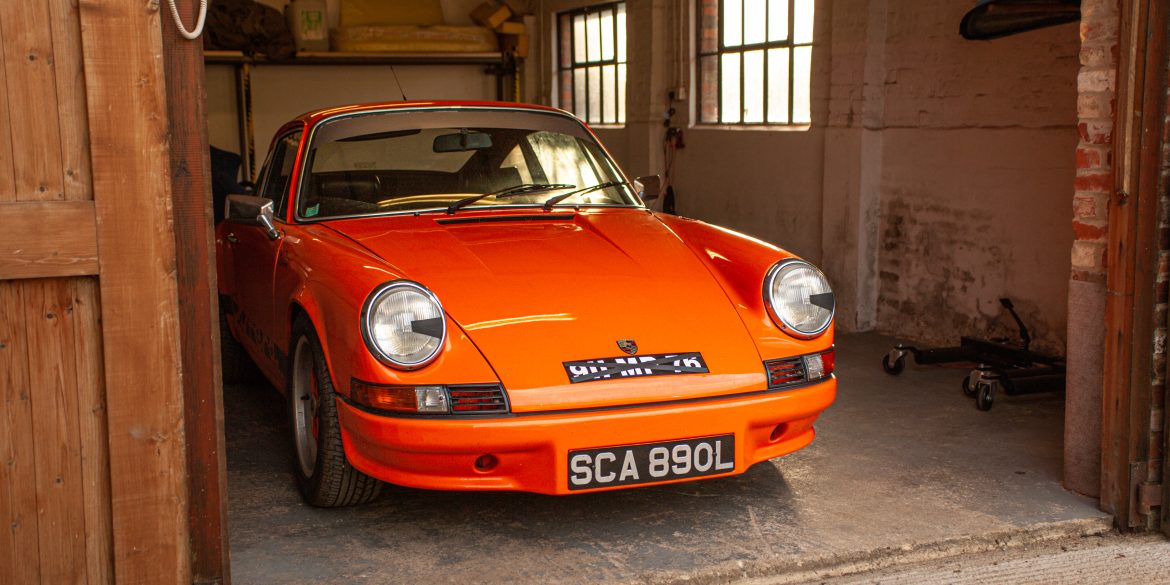
Written by: Glen Smale Images by: Virtual Motorpix/Glen Smale and Corporate Archives Porsche AG No Subscription? You’re missing out Get immediate ad-free access to all our premium content. Get Started Already a Member? Sign in to your account here....
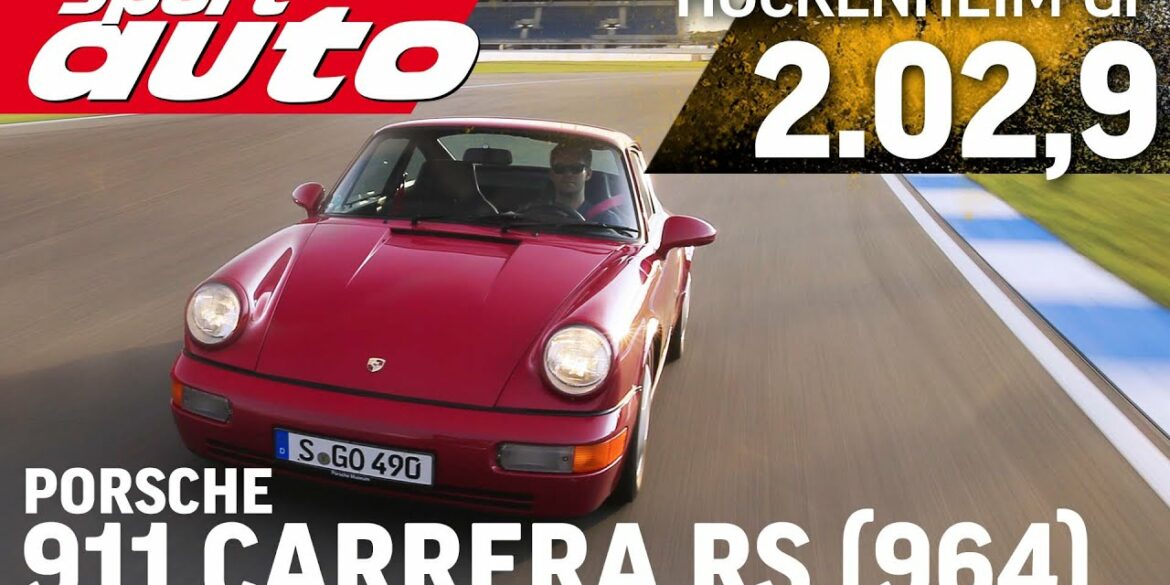
Strap in as Christian Gebhardt from sport auto pushes a Porsche 911 (964) Carrera RS to its limits around the Hockenheimring circuit in Germany!...
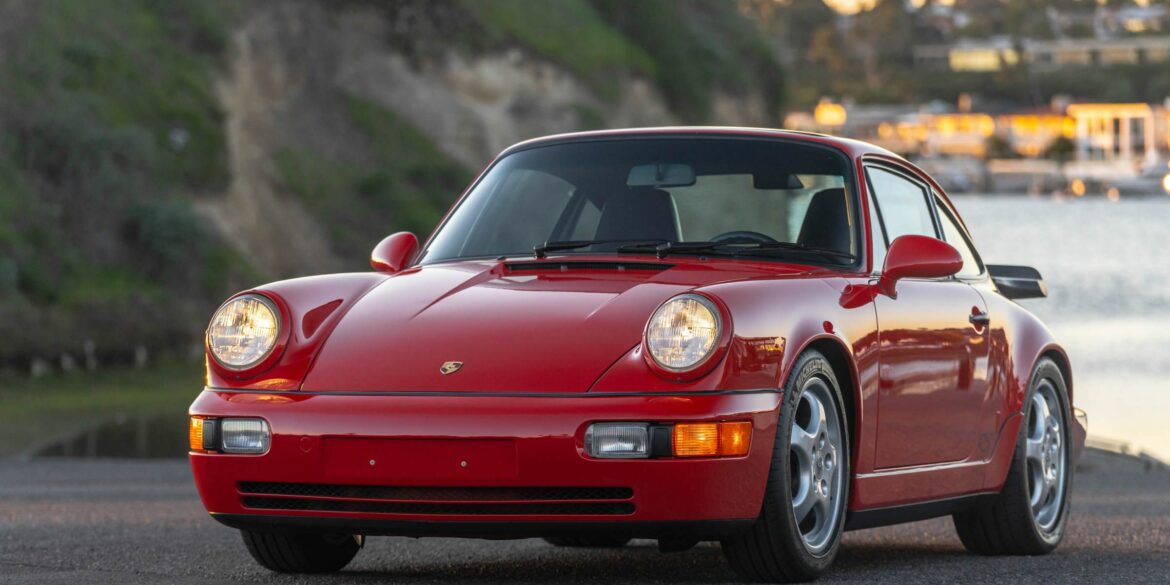
Sackey & Co. is proud to offer a stunning example of a 1993 Porsche 911 RS America finished in factory Guards Red over the RS America-specific black cloth interior. The original 1973 Carrera RS was available in Europe but not in the USA. Porsche decided to build the 1993 Carrera...