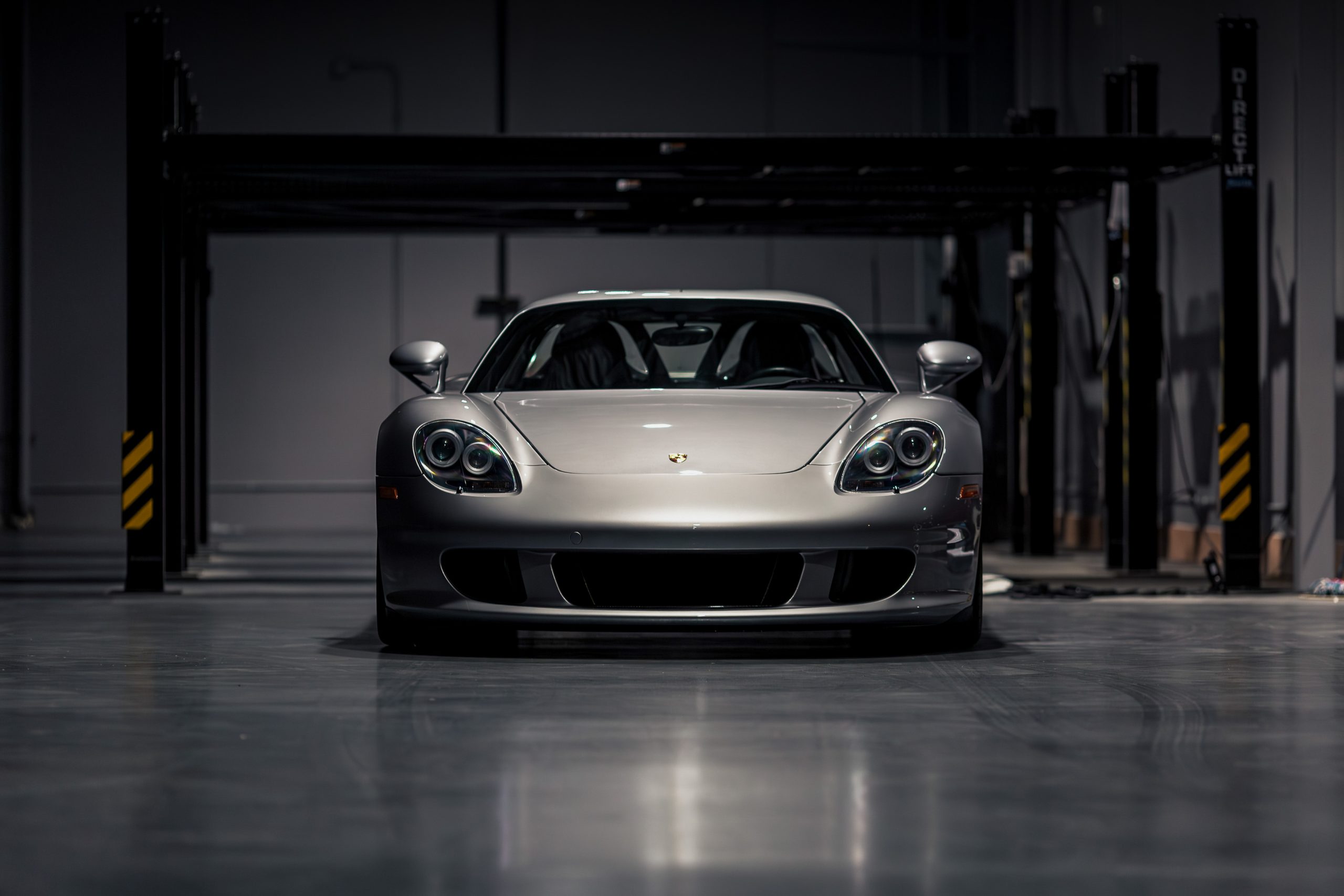

Porsche 911 (996)
Latest


Porsche 911 Turbo 996 Review We review the 2002 Porsche 911 Turbo 996 and discuss the good and bad of...

Porsche 996.1 v 996.2: Every Detail Revealed The Porsche 996 Carrera is on a crest of a wave in popularity...

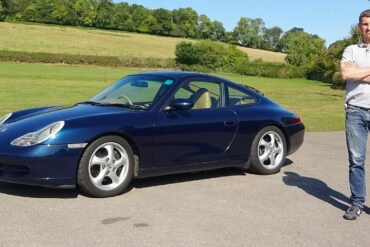
Porsche 911 996 in-depth review – Ultimate sports car bargain! Is the Porsche 911 996 the best value used sports...


Over the years, we have attended many motor races and seen first-hand how the performance of the evergreen Porsche 911...

Doug Demuro Drives the 996 GT2 The 996 Porsche 911 GT2 is my favorite 911 — and today I’m going...

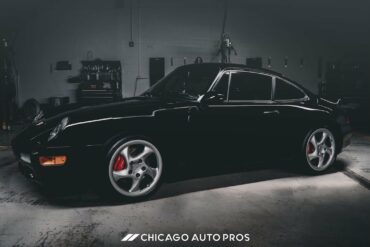
Chicago Auto Pros Gives This 993 Turbo The Ultimate Detail Treatment We spent 130 man hours with this 993 Porsche...

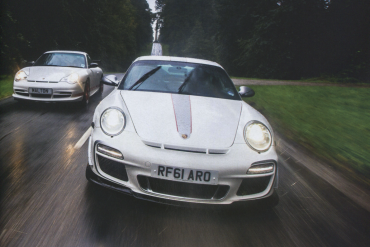


Porsche 996 GT3 Rally Flat 6 Goodness Here is another great video from the Rally of Haspengouw 2013: a Porsche...

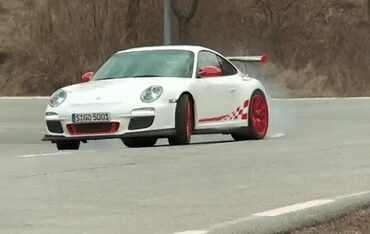

One of the best sports car to drive on a race track, the 2016 Porsche 911 GT3 RS is stripped...
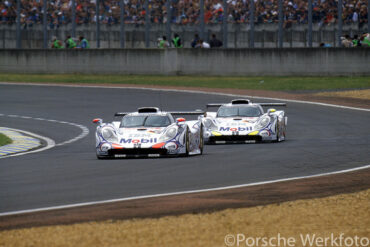
This year, 2018, Porsche will celebrate its 70th anniversary. Although the official date for the registration of the first car, 356-001,...
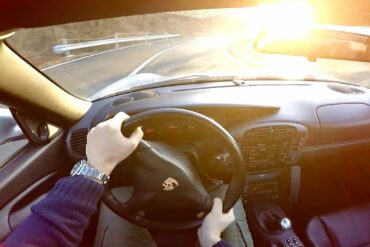
https://www.youtube.com/watch?v=y5S9JxA3CdU...
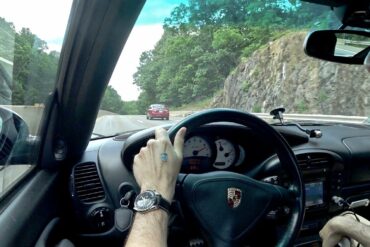
Porsche 996 Turbo X50 Review 2004 Porsche 911 996 Turbo X50. The X50 package was later replaced by the Turbo...
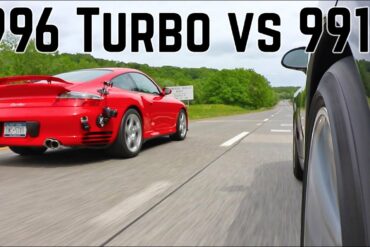
The new 911 991.2 Carrera 4S has pretty much the same spec as the 2003 911 996 Turbo, lets take...
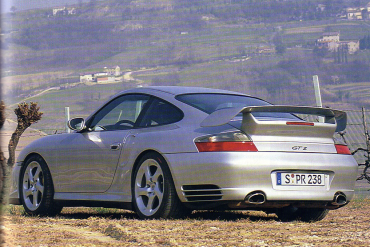
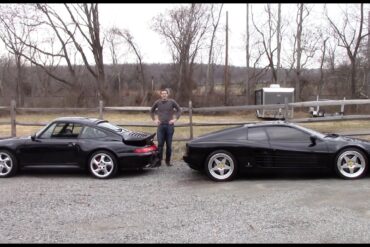
Head to Head – Doug DeMuro Picks His Favorite Doug DeMuro compares two 1990s icons — the Ferrari 512TR and...
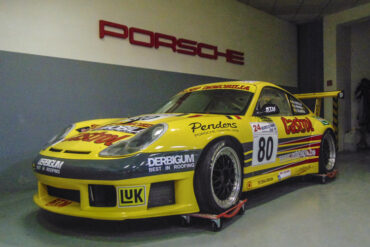
This Porsche 996 GT3 R is being offered for sale by Coys of London. When it was launched in 1998,...
Motorweek’s Original Porsche 911 Turbo (993) Review The 993 Turbo is widely referred to as the “True Purist’s Holy Grail.”...

Which Is Better? The Porsche 996 GT2 vs 996 GT3 RS Comparison Test Ride on board as Total 911 takes...


The SmokingTire Takes a Tuned Porsche 996 Carrera for a Run This 2000 Porsche 996 Carrera was bought as a...
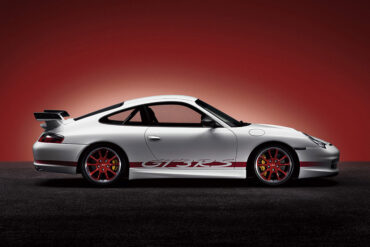
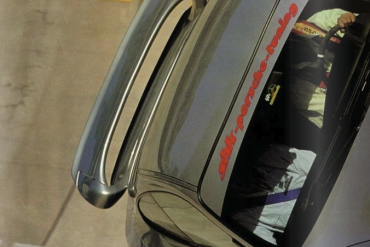
The 996 GT3 RS was a sharpened version of the Mk.2 GT3, built for track use and it was the homologation model for the GT3 race-car. It was the forbidden fruit for the U.S. and Canadian customers. It was available in a limited number and it was a true track-oriented vehicle. It was based on the GT3 version, but with fewer comfort features and even stiffer suspension. It was the kind of car which could have been taken from the shop and dive into the first race-track. The GT3 was available in white color only, with red or blue inscriptions on its sides. The adjustable rear wing and the “duck-tail” were mounted in the back, to provide better traction on higher speeds. It was fitted with the same engine as the GT3.
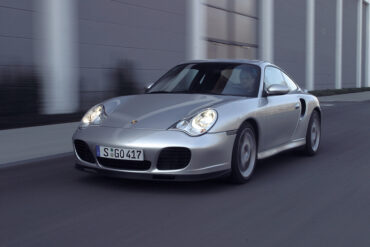
The 2005 Porsche 996 Turbo S was available as both a coupe and cabriolet – it was basically a standard Turbo model with the X50 Powerkit and carbon-ceramic brakes fitted, alongside a few luxury features for the interior. Approximately 1558 Turbo S models (split between coupe and cabrio) were sold in 2005. Also included are small aluminum appointments to the interior and Turbo S badging. A great all-rounder with the extra power to surprise most. The Turbo S with manual transmission (coupé) sprints from zero to 200 km/h in 13.6 seconds. This is another 0.8 seconds faster than the 911 Turbo. Quite rare, with only a total of 600 units made.
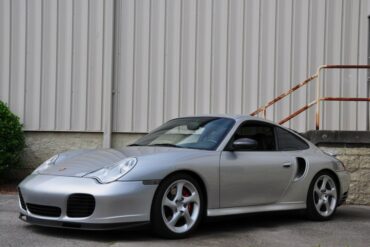
The optional X50 Performance Package gave the base Turbo larger K24 turbochargers and intercoolers, a revised ECU and a quad-pipe exhaust, raising the engine’s output from 415 to 450 bhp and maximum torque from 415 to 457 ft lbs. With power at 450 bhp @ 6000 rpm and torque of 457 ft lbs @ 4400 rpm, the X50 option is a monsters. Porsche engineers achieved the increase in power and performance through modifications to the Turbo charger, the change air cooler, the control units and exhaust system in particular. The base constructions of the manual and automatic transmissions were also improved.
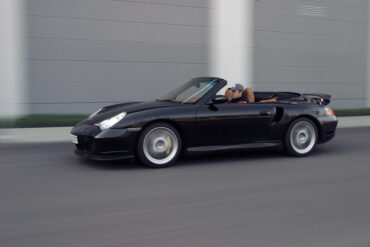
Towards the end of the 996 production run, Porsche introduced the Turbo S, boasting even more power than the standard 996 Turbo — 450 PS (331 kW) and 620 N·m (457 lb·ftf)— courtesy of the X50 package being standard. The Turbo S was limited to approximately 1,500 units worldwide, of which 598 were coupé (hardtop) and 960 were cabriolet (convertible). It was available with a 6-speed manual or an automatic (Tiptronic S) transmission, driving power to all four wheels. The basic price is EUR 122,500 for the Turbo S Coupé or EUR 131,100 for the Turbo S Convertible. Sprints from zero to 200 km/h in 13.6 seconds.
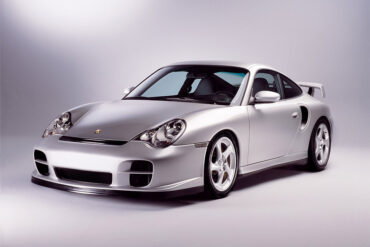
From model year 2001, the model range was extended to include the 911 GT2. The body of the extreme sports car was based on the body of the 911 Turbo. The GT2 engine was also based on the 911 Turbo but had ten percent more power. The bi-turbo engine delivered 462 horsepower. The GT2 was offered with a Clubsport Package for use in motorsport. In late 2003 the Porsche 911 GT2 received a power upgrade from 462hp to 483hp, maximum torque also increased from 457 lb ft to 472 ft lbs, thanks to a revised engine management program. Top speed increased by 2mph to 198mph while 0-60 is claimed to take 3.8 sec.
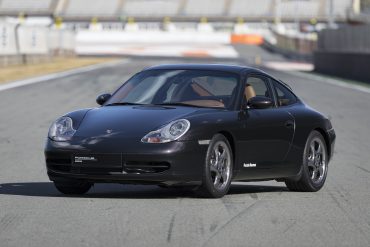
In 1999, Porsche celebrated the turn of the century with a special edition – the 996 "Millennium Edition". The 911 Millennium edition was based on the Carrera 4 coupé and was pretty rare, with only 911 cars made. Based on the Carrera 4, the "Millennium Edition" was limited to 911 examples and was based exclusively on the wide bodied Carrera 4. This special edition was finished in Violet Chromaflair paint, which, depending on the light changes from dark violet to light green and is quite spectacular to look at. It also got a caramel-colored leather interior and polished "turbo-twist" wheels.
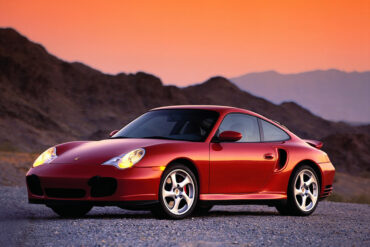
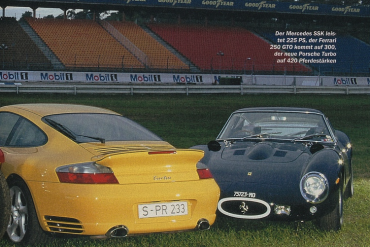
Porsche introduced the turbocharged version of the Type 996 for the 2001 model year (late 2000 in Europe). Like the 996 GT3, the Turbo's engine was derived from the engine used in the 911 GT1. Like its predecessor, the 993 Turbo, it featured twin-turbos but now had a power output of 420 PS (309 kW; 414 hp). As of 2002, the X50 package would increase engine output to 444 hp. The 996 Turbo was available with a 6-speed manual transmission or an automatic (Tiptronic), driving power to all four wheels. This is a great great car.
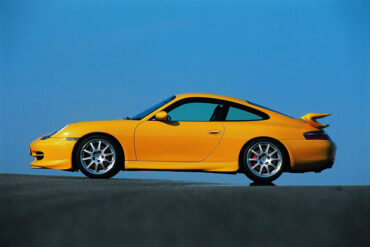
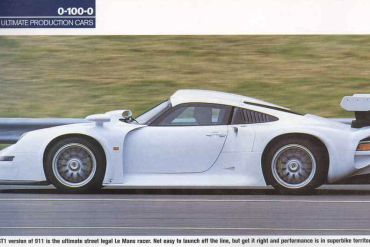
The GT3 was based on the standard 996 Carrera, but was stripped of a great deal of equipment for weight savings, featuring stiffer, adjustable suspension and upgraded brakes. The GT3 used the bodyshell of the four-wheel-drive Carrera 4, which incorporated additional front-end stiffening. It featured a naturally aspirated 3.6-litre flat-six engine generating a maximum power output of 360 bhp @ 7200 rpm and torque of 273 ft lbs @ 5000 rpm. This engine was shared with the 996 Turbo and was a derivative of the engine developed for the 911 GT1 race car.
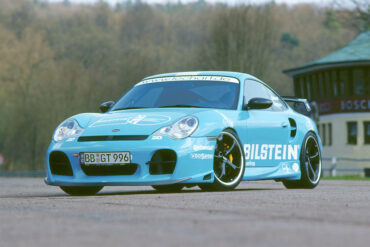
2003 TechArt GT Street S Maximum performance combined with optimum lightweight: TechArt Automobildesign offers one of the world’s most powerful...
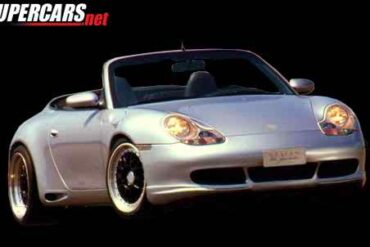
2001 Strosek 911 Cabriolet Much like all Strosek models, this car was designed with body styling and aerodynamics in mind....
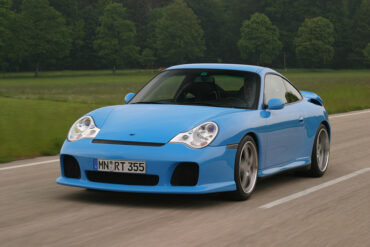
2000 Ruf RGT For those who missed purchasing a GT3, there is now a superior alternative – the RUF RGT...
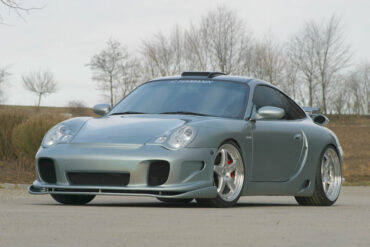
2002 Hamann 911 Gullwing Since September 2002, Hamann now also customize the current Porsche models as well as cars from...
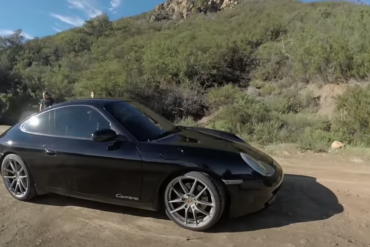
2001 Porsche 996 Carrera – One Take This may be the best-bought 996 in history, for under $10,000. So how’s...
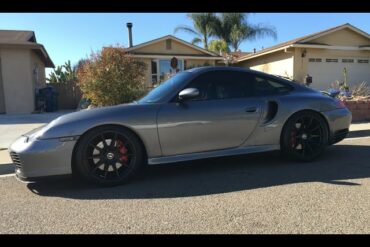
One Take in a Tuned Porsche 996 Turbo X50 The Porsche 996 has sustained a long reputation for reliable speed,...
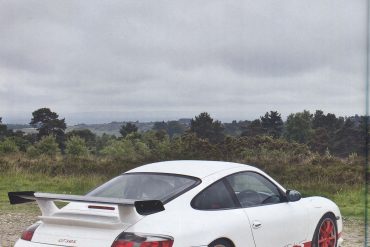
2002 Gemballa GTR 750 EVO Where Porsche stops, Gemballa takes off. As a long time tuner of Porsches, Uwe Gemballa...
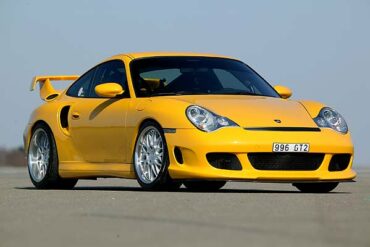
2002 Gemballa 911 GTR 650 For 2002 it looks like Porsche tuner, Uwe Gemballa, has tweaked his ulitmate creation, the...
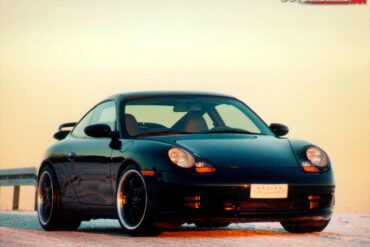
2001 Gemballa 911 GT In Detail = engine Flat-6 valvetrain DOHC 4 Valves / Cyl displacement 3387 cc / 206.7...
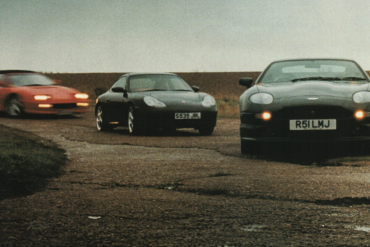
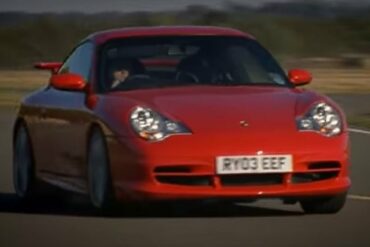
Porsche 996 GT3 Review Richard Hammond celebrates 40 years of the Porsche 911 by taking the super-fast GT3 to the...


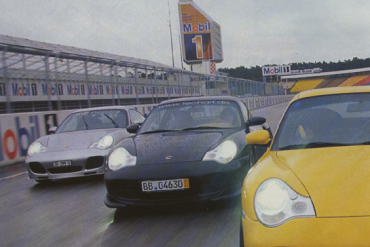


Hard Acceleration in 996 Carrera Scene taken from Episode 6 of cars moving parts by isaflummi. Acceleration to V-Max on...


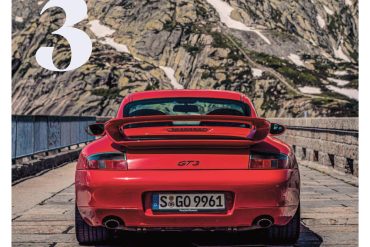
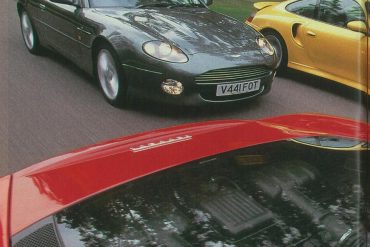


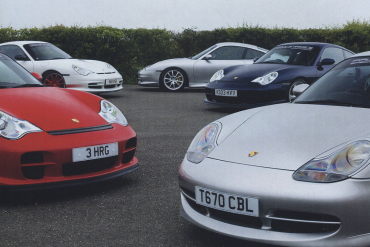
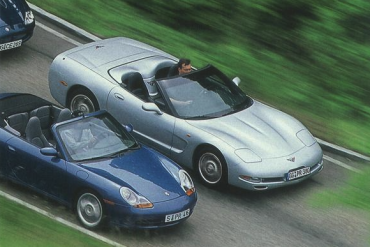
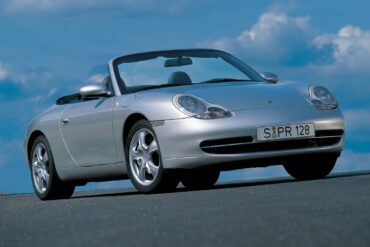
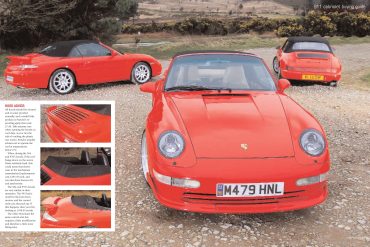
The 996 Cabriolet was introduced in March 1998 at the Geneva Motor Show. The 996 Cabriolet was long ready (remember, it was tested already in 1995), but for marketing and production-related reasons it was launched in 1998 as a 1999 model. While the evolution with the 911 coupe was questionable from 993 to 996, the real evolution came with the cabriolet. In USA - the biggest market - 911 Cabriolets outsold the Coupés. The all-wheel-drive system provides between 5-40% of torque to the front wheels depending on the situation.
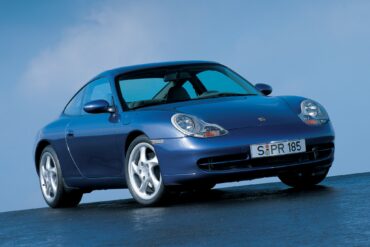
Since 1989, the rear-wheel-drive Carrera has always been accompanied by an all-wheel-drive Carrera 4, and the 996 was no different. Overlapping with the last year Carrera 993'S, the 996 Carrera 4 represented two major changes for the venerable 911 lineage: a water-cooled flat-6 engine replaced the air-cooled engine used in the previous 911 model, and the body shell received its first major re-design. Engine was 3.4 L and power was 296 hp featuring a change to an "integrated dry sump" design and variable valve timing.
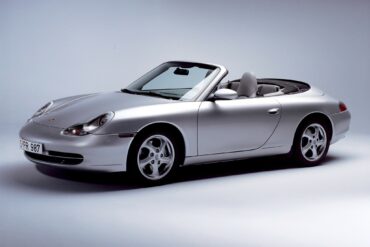
The flat six in the Carrera 996 was a newly-developed flat-six engine that offered 300 hp. It was mated as standard with a six-speed manual. A 5-speed automatic (Tiptronic) with manual override to shift gears was on the options list. As always, the Carrera 2 was rear-wheel-drive. Designed as a grand tourer, the Porsche Carrera Cabriolet was the base version for the open-top 911 range in 1998. The retractable roof was able to be stowed away in 20 seconds at speeds of up to 50 kph (31 mph), like the rest of the 911 convertible range. With the roof up, the car was tested in the wind tunnel at speeds of up to 338 kph (210 mph).
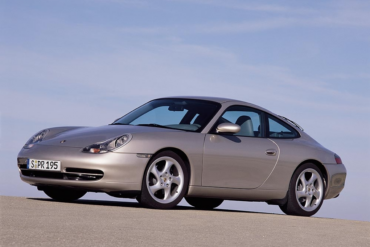
The 996 series was a monumental update to the 911 story. The Type 996 introduced water-cooled engines and it also ushered in a new body design. The roof line with a windscreen which is around five degrees flatter gives the side view a more fluid look. Gone was the "classic" 911 design, the entire main body now much sleeker. The flat six in the Carrera 996 was a newly-developed flat-six engine that offered 300 hp. It was mated as standard with a six-speed manual. A 5-speed automatic (Tiptronic) with manual override to shift gears was on the options list. As always, the Carrera 2 was rear-wheel-drive.
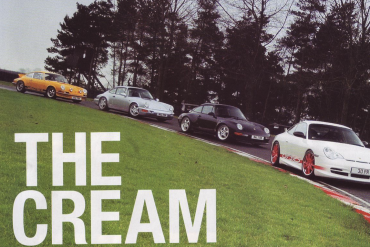
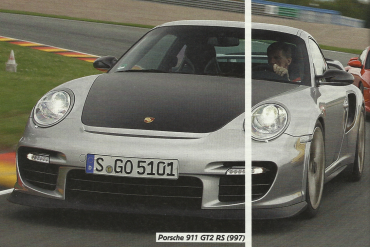
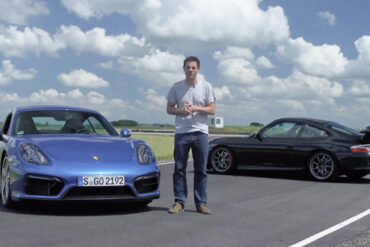
Evo Track Battle in a 996 GT3 vs Cayman GTS The all-new Porsche Cayman GTS could be the best sports...

Turn Up the Volume to the Perfect Flat 6 Screaming Sounds This video is about a couple of Porsche 996...

Porsche 996.1 v 996.2: Every Detail Revealed DRIVETRIBE’s Editor-at-Large introduces his 150,000-mile, 996-generation Porsche 911…...

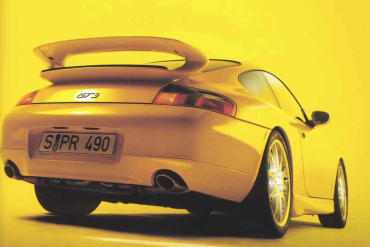


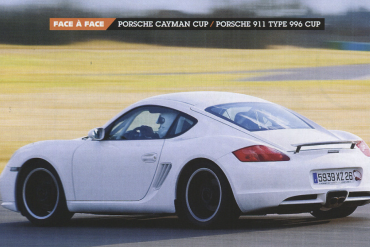
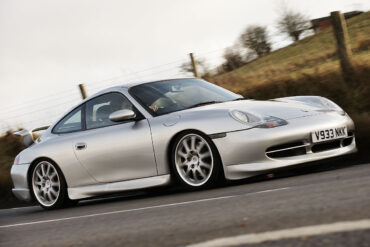
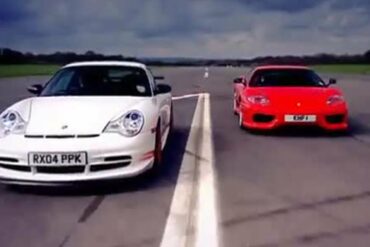
Clarkson Spanks the Porsche 996 GT3 RS vs Ferrari 360 Track days with Jeremy Clarkson and the Porsche GT3 RS...
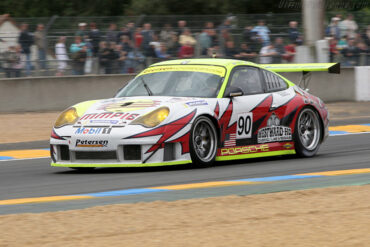
Based on the road-going 996 911 GT3 RS, the GT3 RSR features improvements to its predecessor in all key areas. The vehicle is available in an ACO (Automobile Club de l'Ouest) version for competing in Le Mans and in the American Le Mans Series as well as in a FIA specification. The 911 GT3 RSR features a modified front which improves downforce at the front axle. The 3.6-litre, six-cylinder boxer engine delivers 445 hp at 8,250 revs. Maximum torque is now 405 Nm at 7,200 rpm, with top revs reached at 8,500 (for the FIA specification with two 30.8 mm air restrictors). Race cars never got more exciting than this.