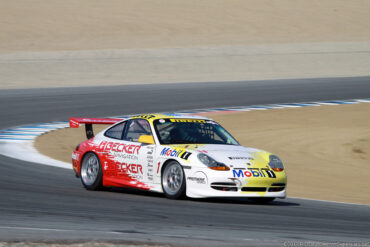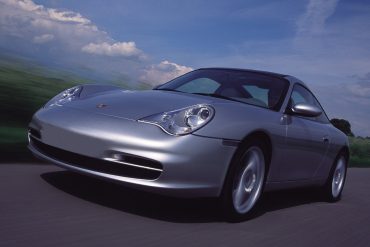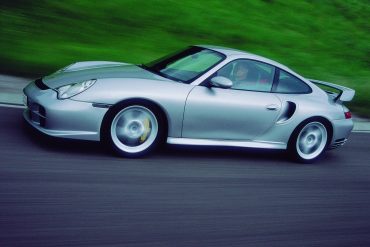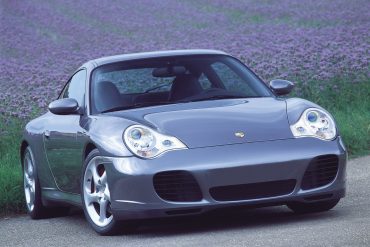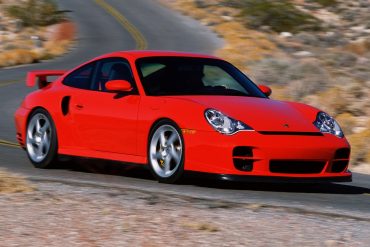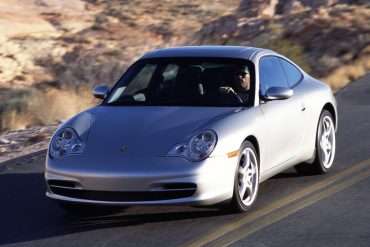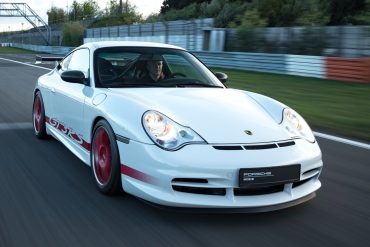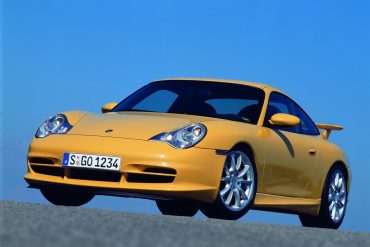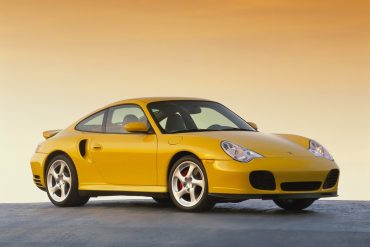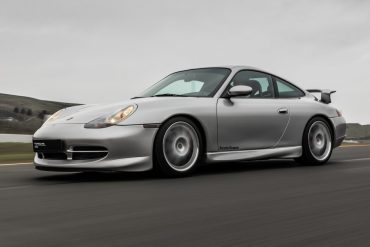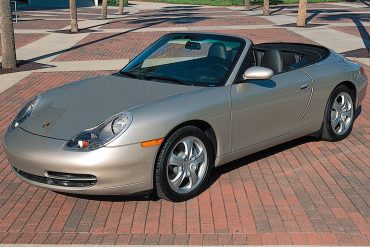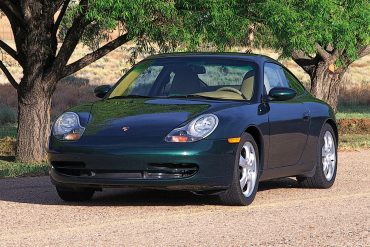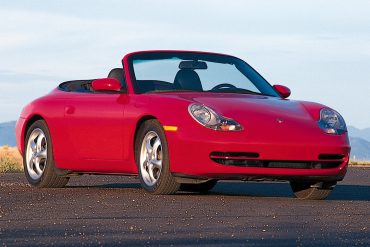

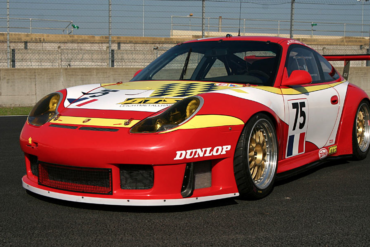
In the 2000 FIA GT Championship, the 996 GT3 R was the dominant racer in the new N-GT class and won every run. In the same year, the factory-supported Phoenix Racing won the 24-hour race at the Nürburgring. In 2001, the modified version, now called the 996 GT3 RS, was used. The vehicle was not only very successful in its class, it also achieved overall victories. Modelled on the 911 GT3 R, the GT3 RS race cars offered a number of technical improvements, which combine to ensure a racing car with optimal competitiveness. 50 racing cars were produced.
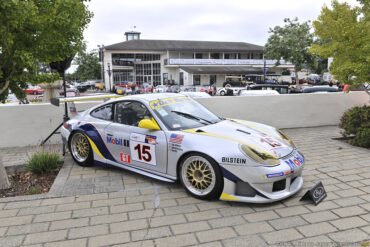
The 996 GT3 R was a one-year-only (2000 model year) special of which only 63 were produced. The car took the basic GT3 bones and amplified it for motorsport. The Mezger engine produced over 400 horsepower, while factory-fitted adjustable shock absorbers gave better handling. Most notably, the GT3 R wore carbon-fiber bodywork meant for ultimate light weight in motorsport. The 996 GT3 R was introduced in 1999 as a replacement for the 993 RSR. Before its introduction, it was extensively tested at Weissach and Paul Ricard. In the 2000 FIA GT Championship, the 996 GT3 R was in the N-GT class and won every run. Won the 24-hour race at the Nürburgring.
The 996 GT3 Cup served as the basis for the 996 GT3 road car, featuring a 3.6 litre engine with 355 hp. For the 1999 season the engine output was increased to 365 hp. For the 2001 season the GT3 Cup received modified aerodynamics including an enlarged rear wing and improved cooling. For 2002, the GT3 Cup received several changes, adopting facelift 996.2 features such as Turbo-style headlights. The new body significantly improves aerodynamics and cooling. Engine output was increased to 380 hp. For 20003 onward, the power was hiked once again, with the engine now pumping out 385 bhp @ 7250 rpm and of torque 288 ft lbs @ 6500 rpm.
No More Content