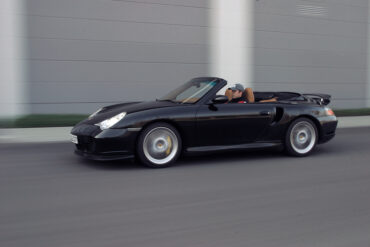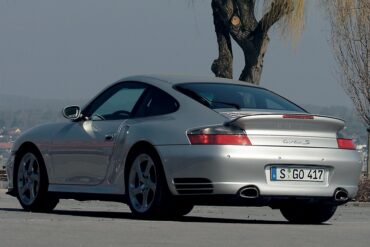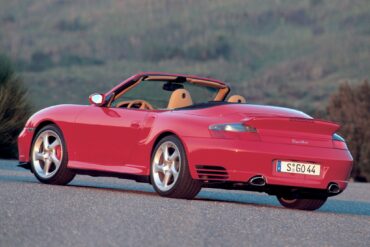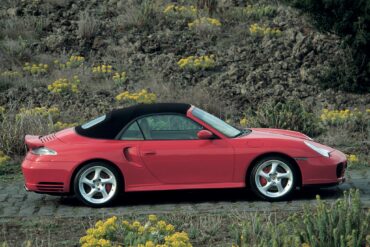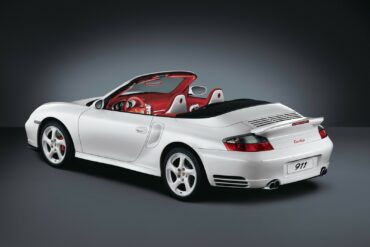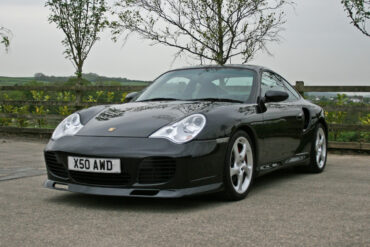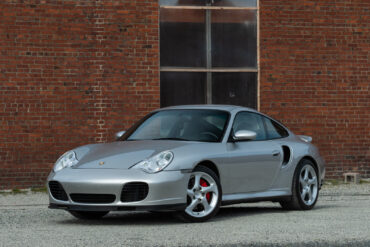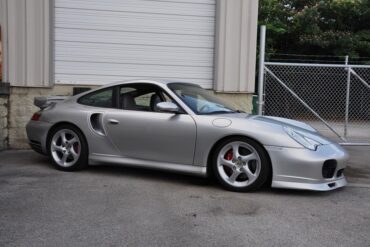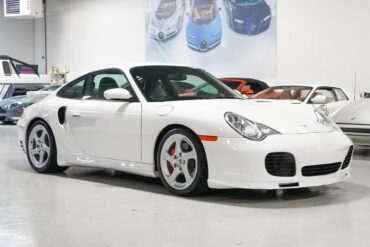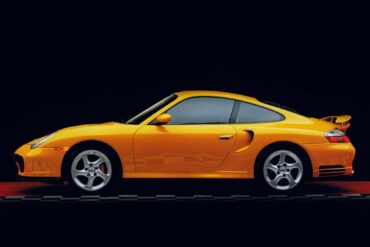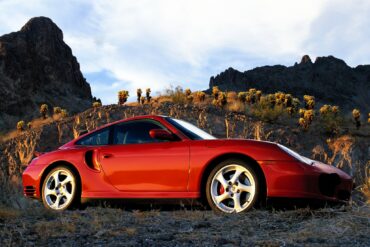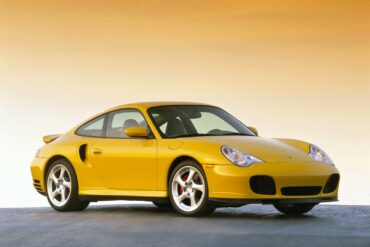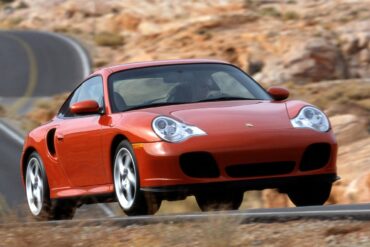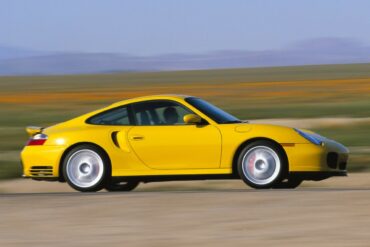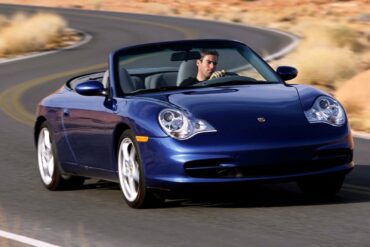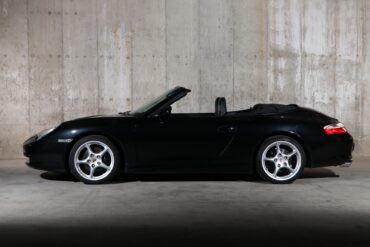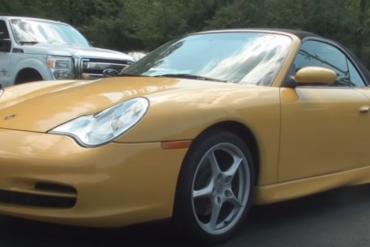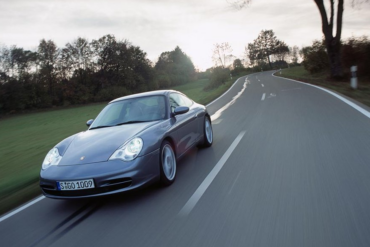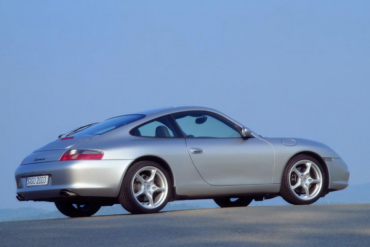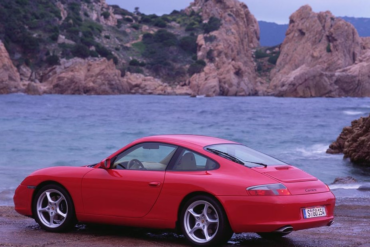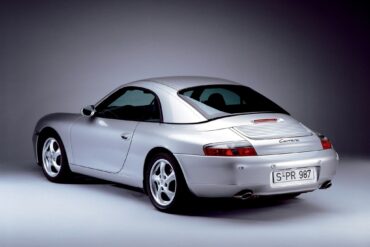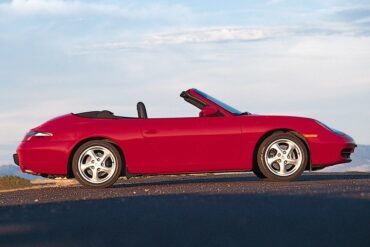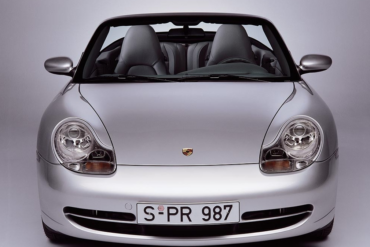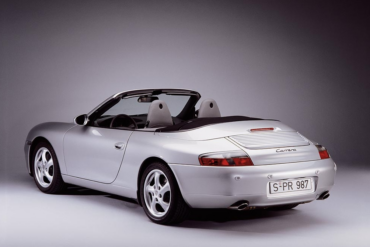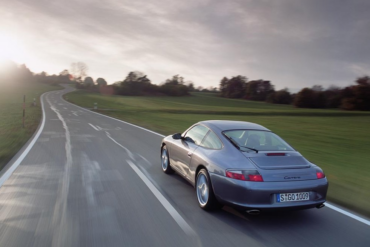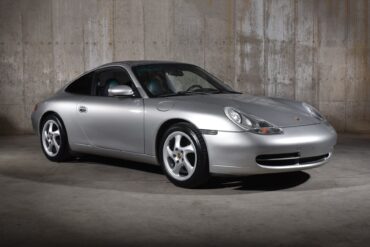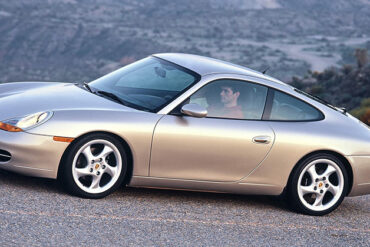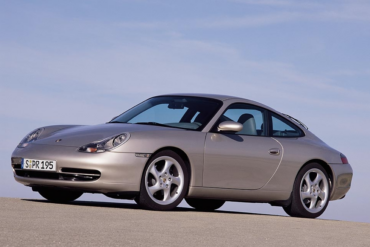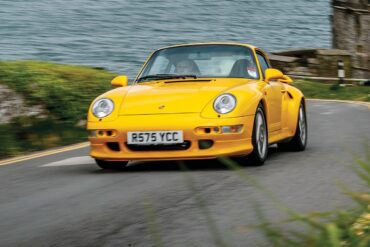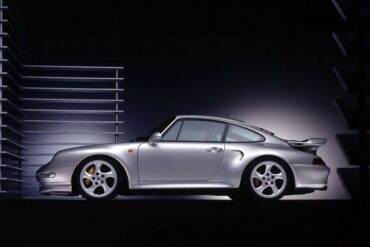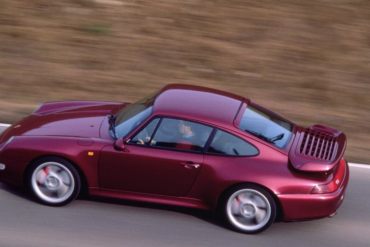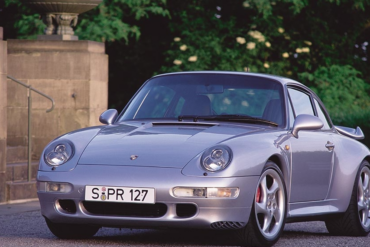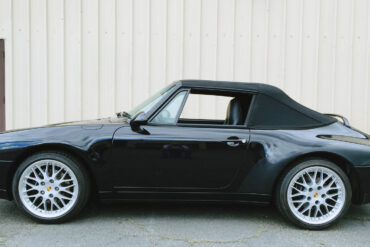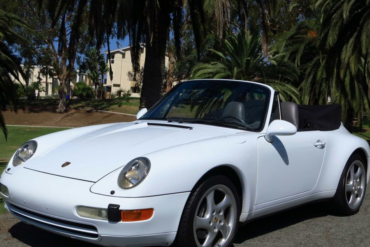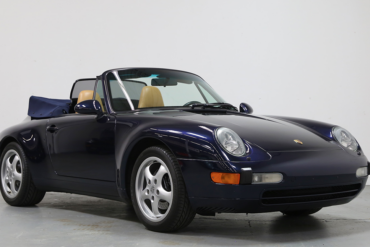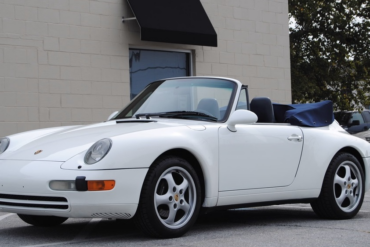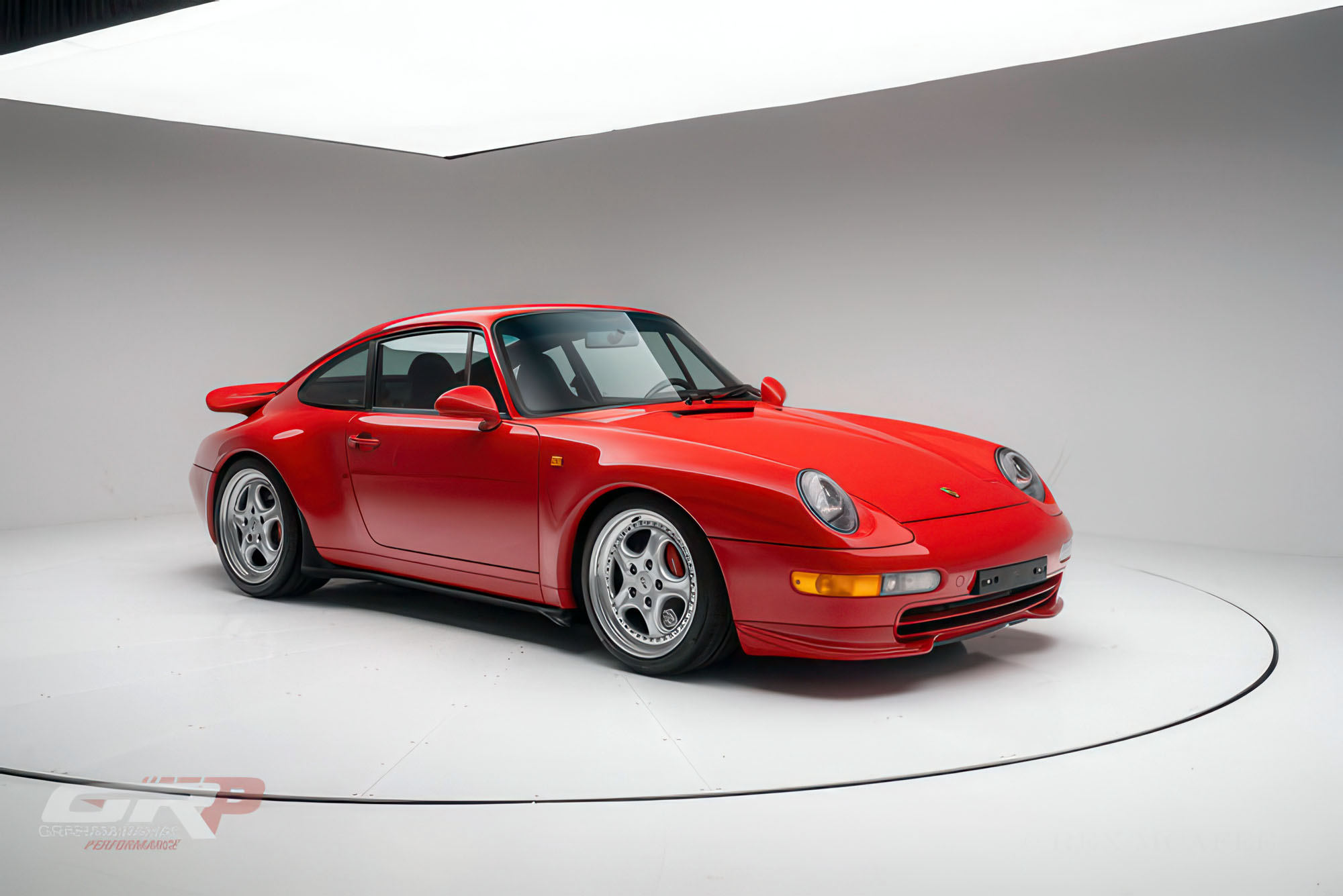

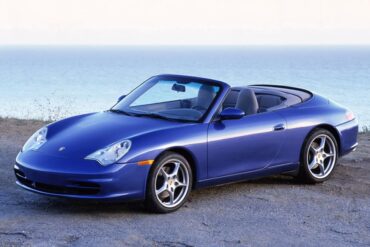
The 996 was initially available in a coupé or a cabriolet (Convertible) bodystyle with rear-wheel drive, and later with four-wheel drive, utilising a 3.4 litre flat-6 engine generating a maximum power output of 221 kW (300 PS; 296 hp).[7] The 996 had the same front end as the entry-level Boxster. After requests from the Carrera owners about their premium cars looking like a "lower priced car that looked just like theirs did", Porsche redesigned the headlamps of the Carrera in 2002. With the cabriolet, buyers have a choice between this version and the hotter Carrera 4S cabriolet.
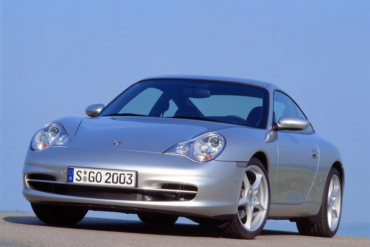
In 2002, all of the standard models received a minor makeover in 2002 which included Turbo-style headlights, a freshly designed front clip and an increase in engine capacity to 3.6L along with a subsequent 20HP boost. The bodies were more rigid which further improved handling and safety and the lower, stiffer X74 suspension became available as a factory modification. From the outside, it was hard to notice the difference between the 1998 version and the facelifted model. The main difference was on the headlights. Including the Mk 1 cars, the 996 Carrera Coupe sold 46,317 units.
In 2002, the entire generation of the 996 was facelifted. The Carrera 4S Cabriolet was introduced in the lineup with the new engine and the Turbo bodywork. Many publications called the Carrera 4S the sweet spot in the 911 lineup when it was introduced, providing more performance than the base car without the exorbitant pricing of a Turbo or GT2. The Carrera 4S paired the aggressive bodywork and suspension of the Turbo with the base Carrera 4 drivetrain, though it didn't get the Turbo's huge rear wing. It’s easily identified by “Carrera 4S” badging and a large reflective strip on the rear end, spanning the gap between the taillights.