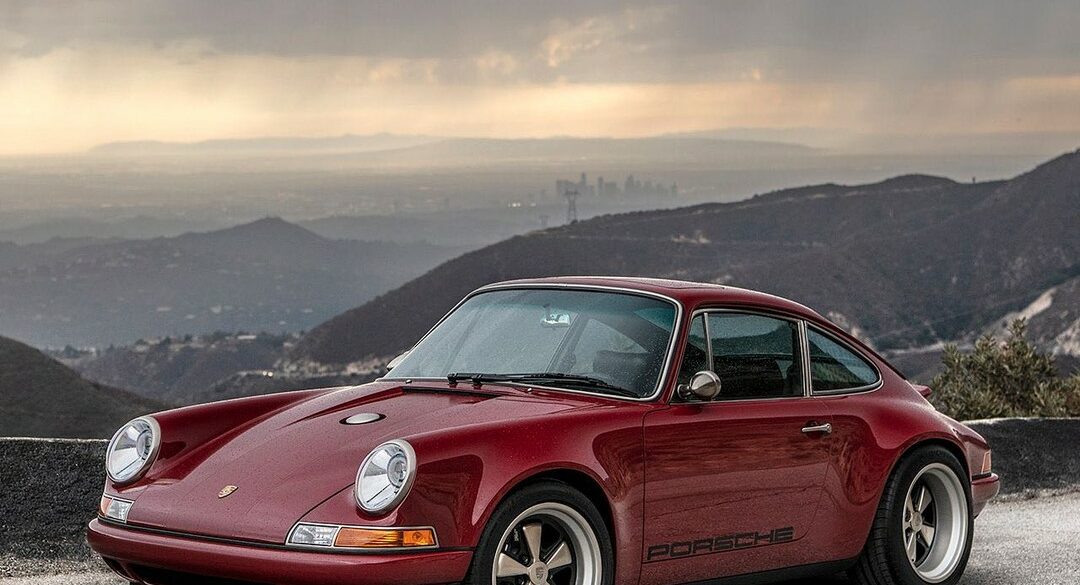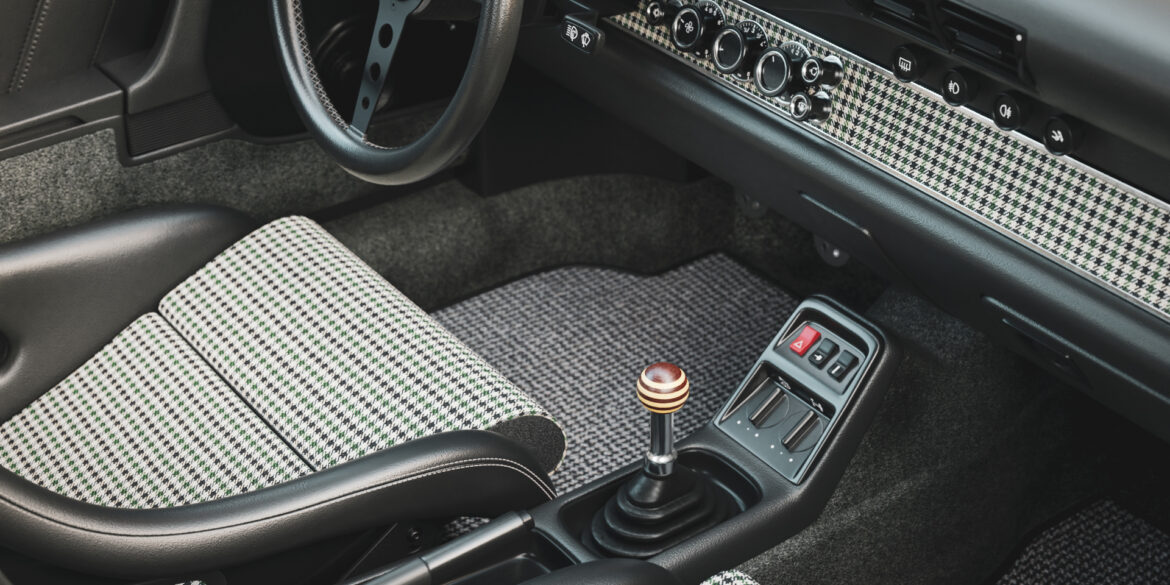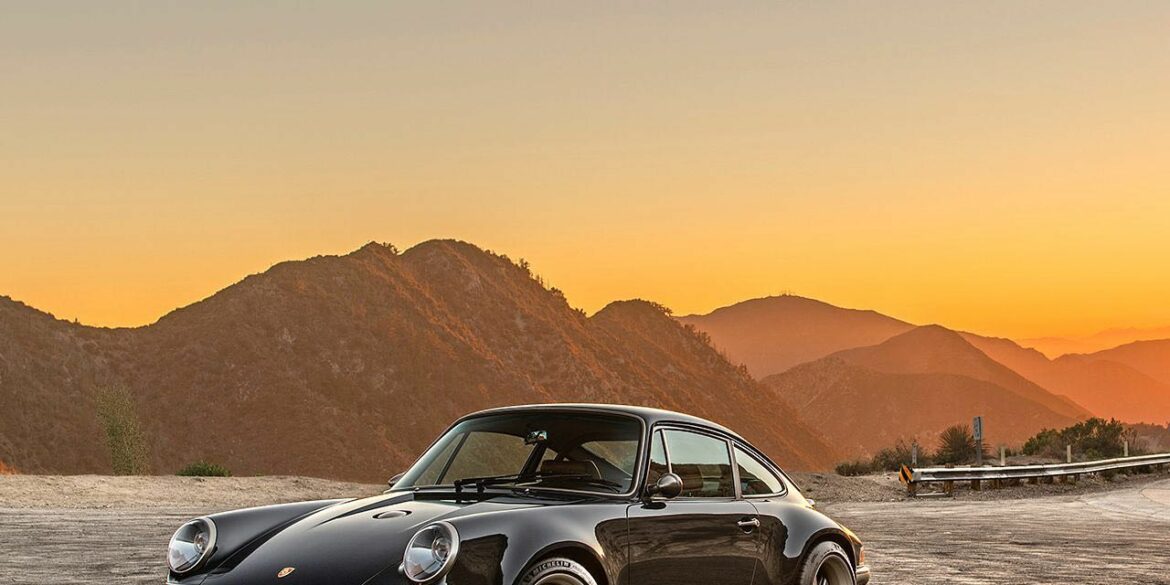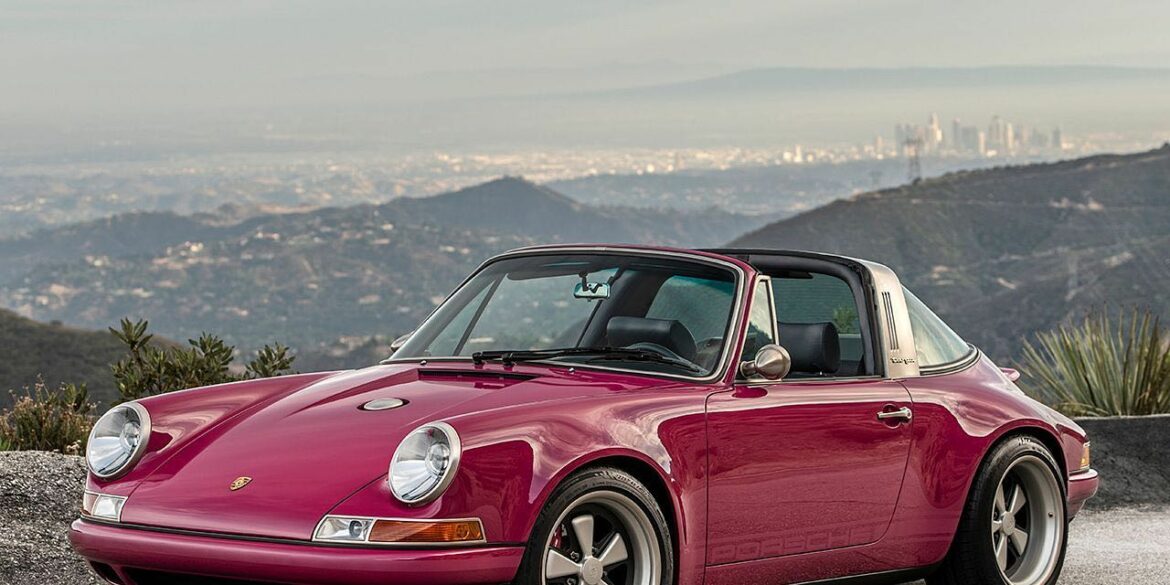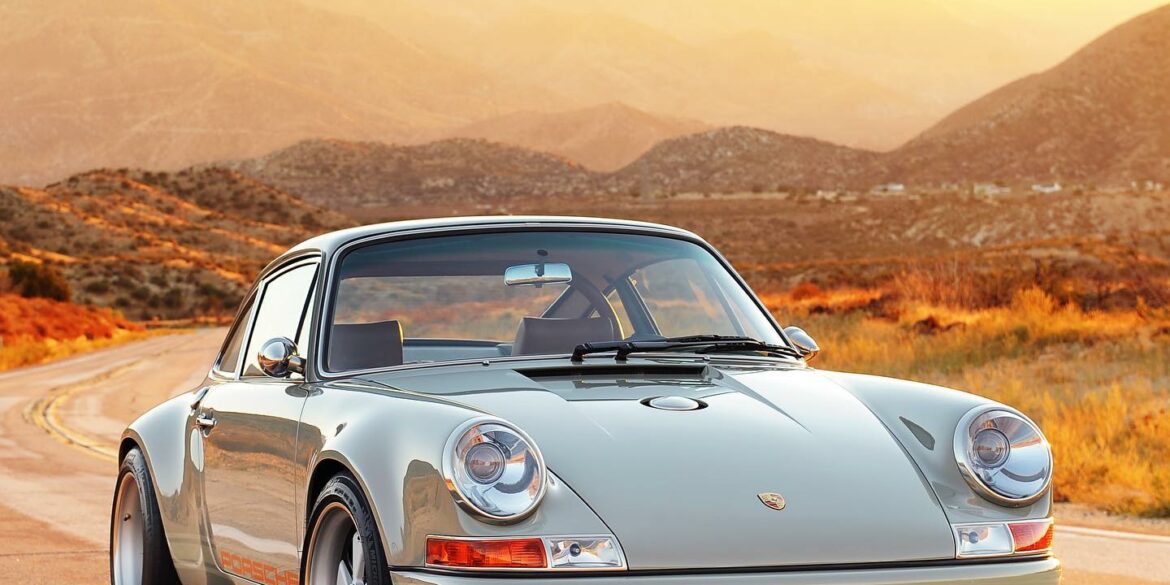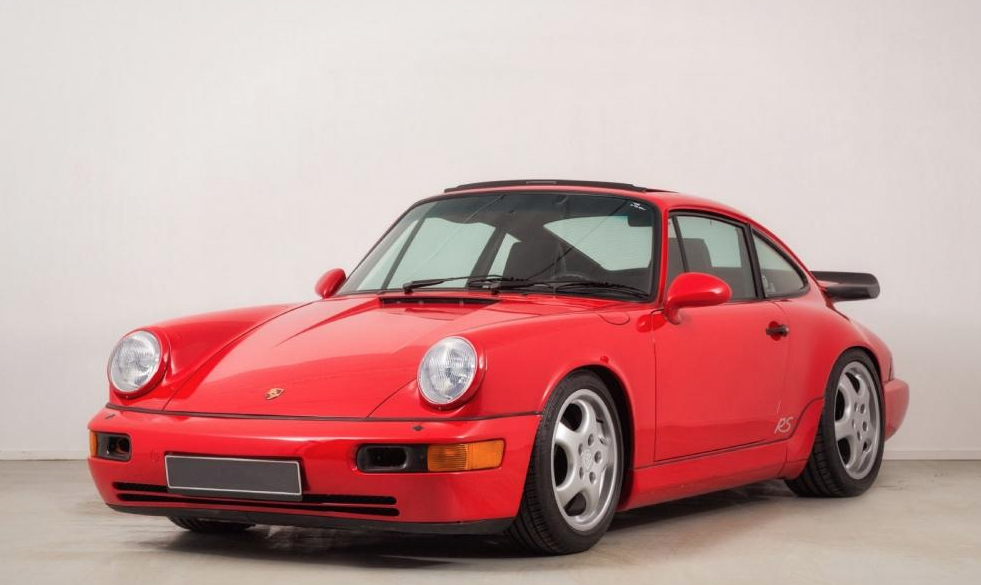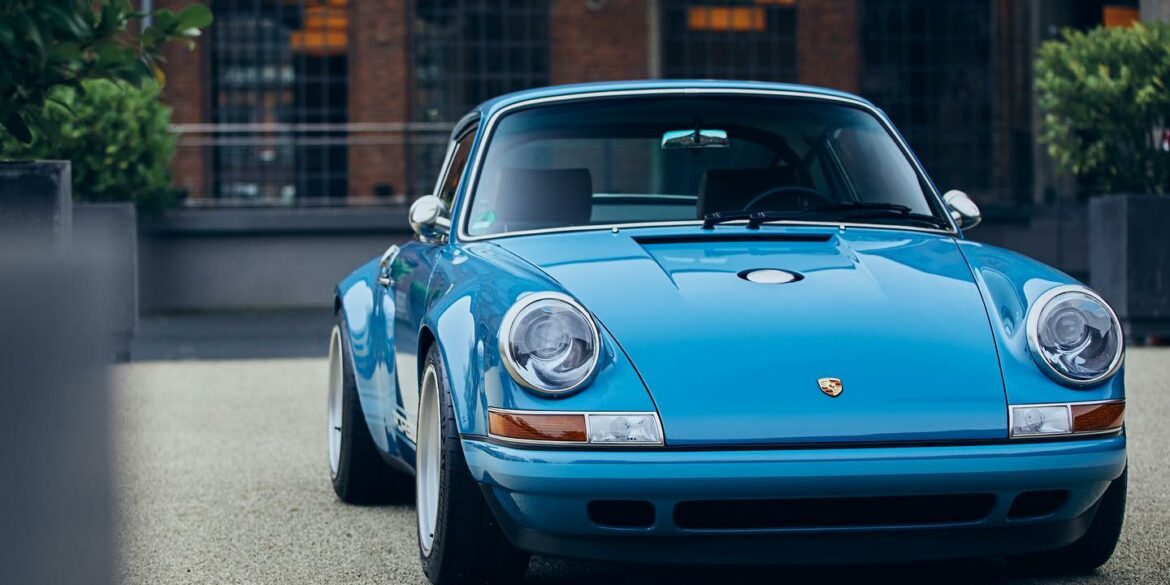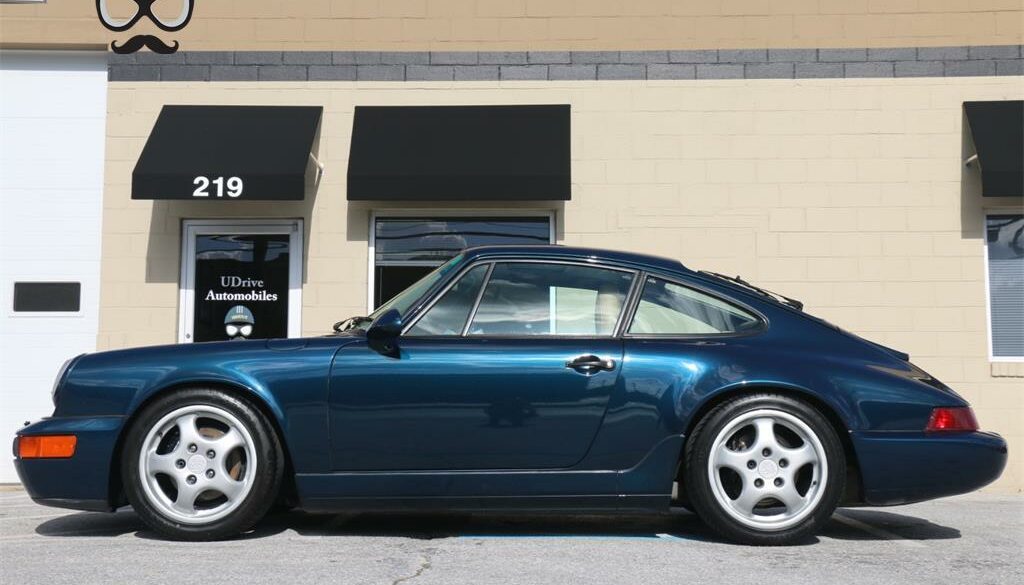

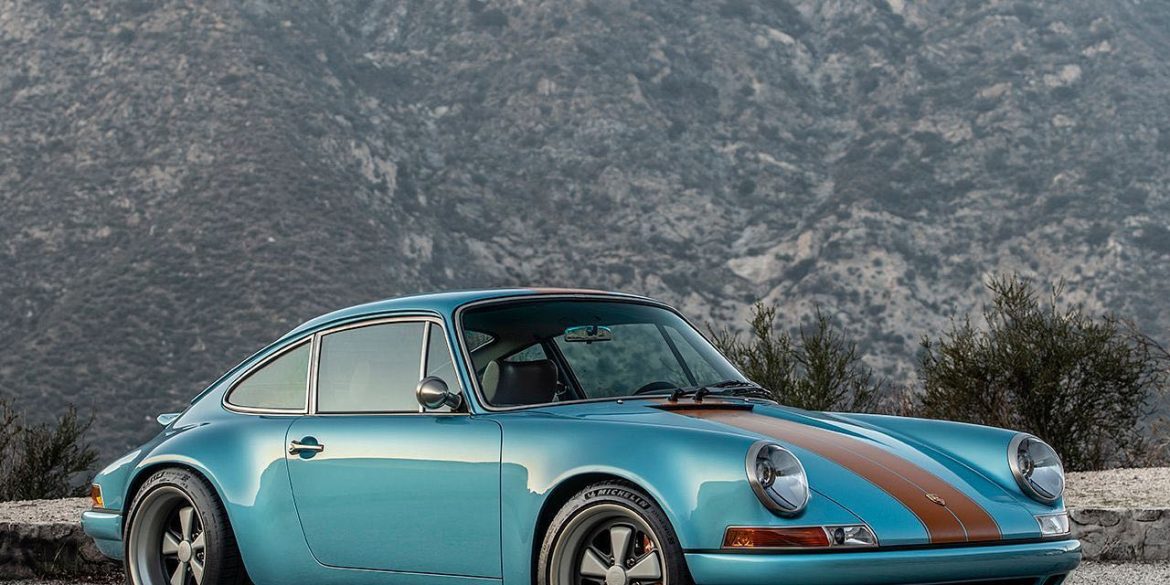
Singer Vehicle Design – Berlin Commission Today, we take a closer look at the Singer Vehicle Designs Berlin Commission. This left hand drive coupe is a red Singer which is quite rare. Like other Classic Study cars, the Berlin is built in Singer’s California location. This car was shared with...
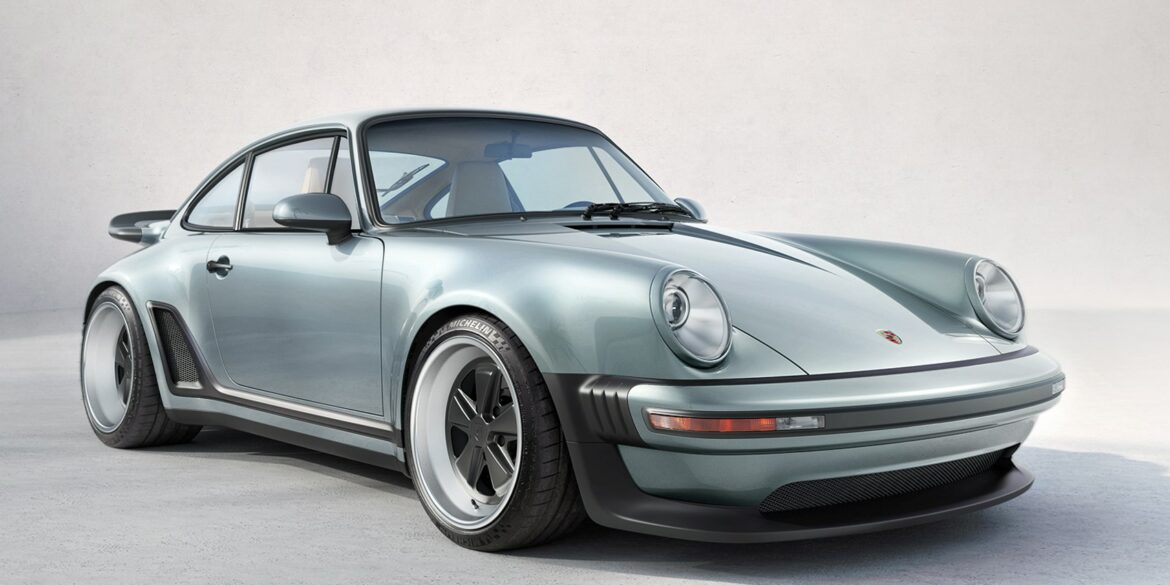
Personally, I just love the Porsche 930 Turbo, especially the 3.3-Liter version made between 1978 and 1989, with nearly 19,000 units made at Zuffenhausen, Stuttgart in West Germany, it shouldn’t be a rare car, but with the last one leaving the factory doors over 30 years ago, you will understand...
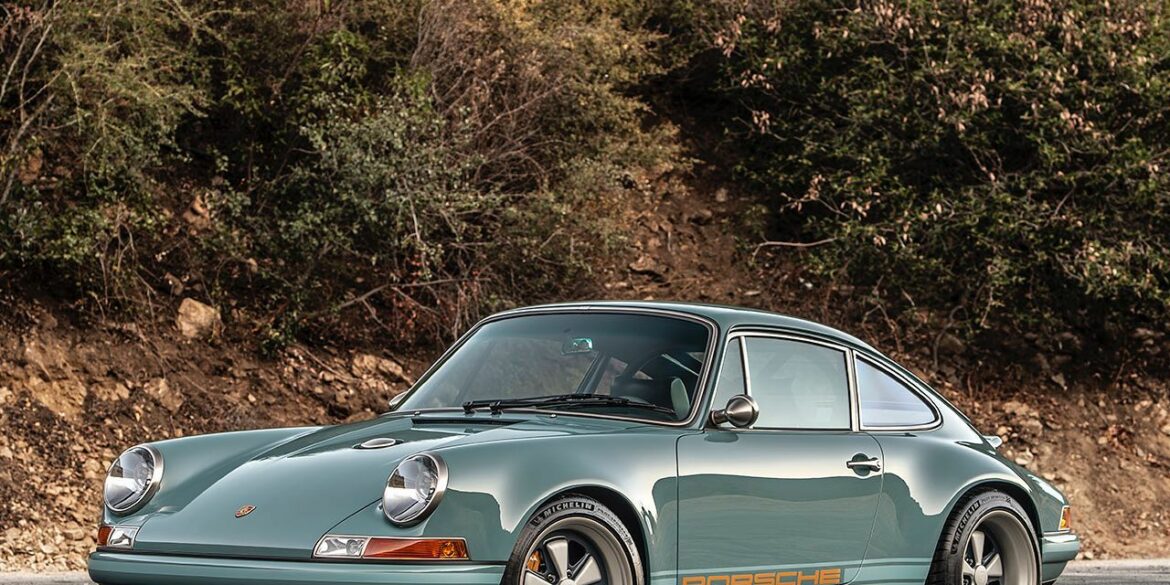
Singer Vehicle Design – Suisse Commission Today, we take a closer look at the Singer Vehicle Designs Suisse Commission. This left hand drive coupe is yet another green Singer. Like other Classic Study cars, the Suisse is built in Singer’s California location. This car was shared with the public in...
Singer Vehicle Design has entered into a historic agreement with Porsche Motorsport North America. It is a partnership that will see Porsche assemble engines for the California-based automobile company. The move represents a big win for Singer and will only elevate its status as a top-notch specialty vehicle manufacturer. Singer...
Singer Vehicle Design – Long Island Commission Today, we take a closer look at the Singer Vehicle Designs Long Island Commission. Like other Classic Study cars, the Long Island is built in Singer’s California location. This car was shared with the public in December 2021. The Long Island commission is...
Singer Vehicle Design – Ottawa Commission Today, we take a closer look at the Singer Vehicle Designs Ottawa Commission. This left hand drive coupe is a red Singer which is quite rare. Like other Classic Study cars, the Ottawa is built in Singer’s California location. This car was shared with...
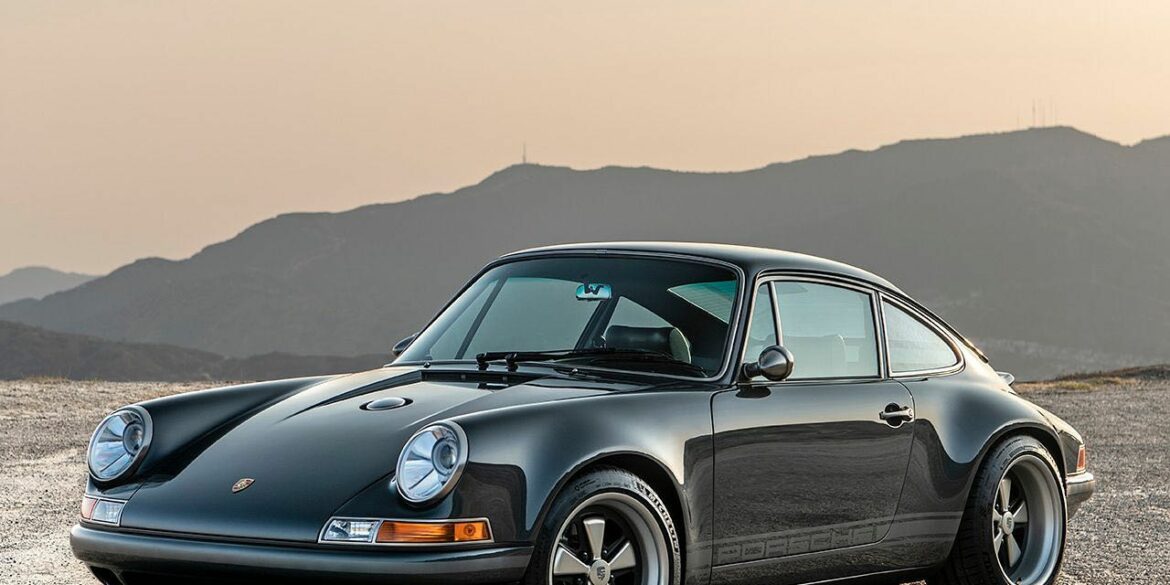
Singer Vehicle Design – Hollywood Commission Today, we take a closer look at the Singer Vehicle Designs Hollywood Commission. Like other Classic Study cars, the Hollywood was built in Singer’s California location. This car was shared with the public in mid-November 2021. According to Singer founder, this is a special...
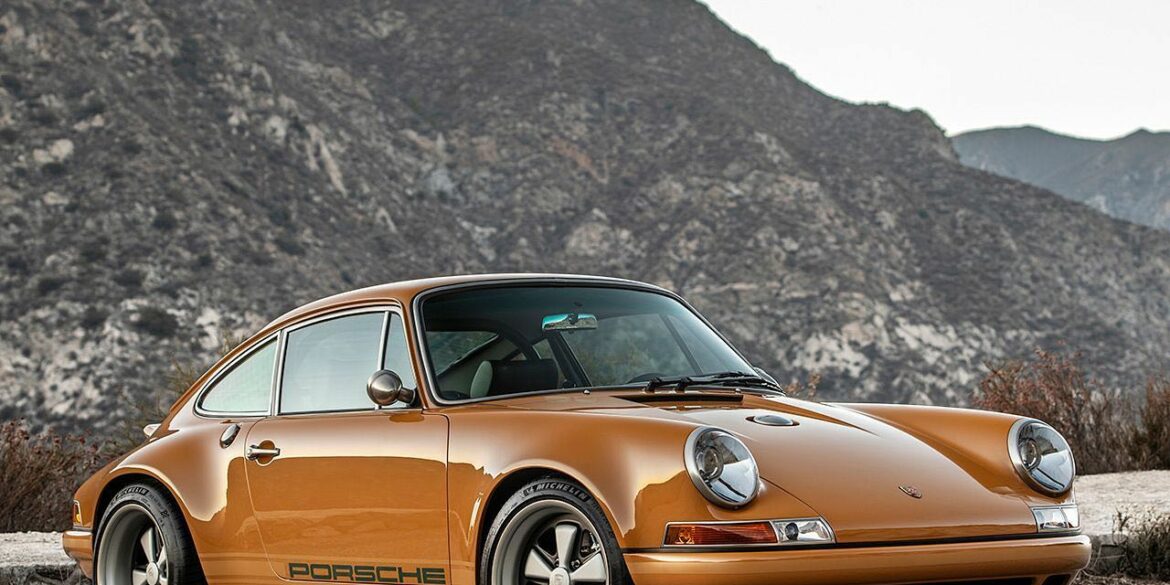
Singer Vehicle Design – Canyon Drive Commission Today, we take a closer look at the Singer Vehicle Designs Canyon Drive Commission. Like other Classic Study cars, the Hollywood was built in Singer’s California location. This car was shared with the public in early-November 2021. The Canyon Drive commission is a...
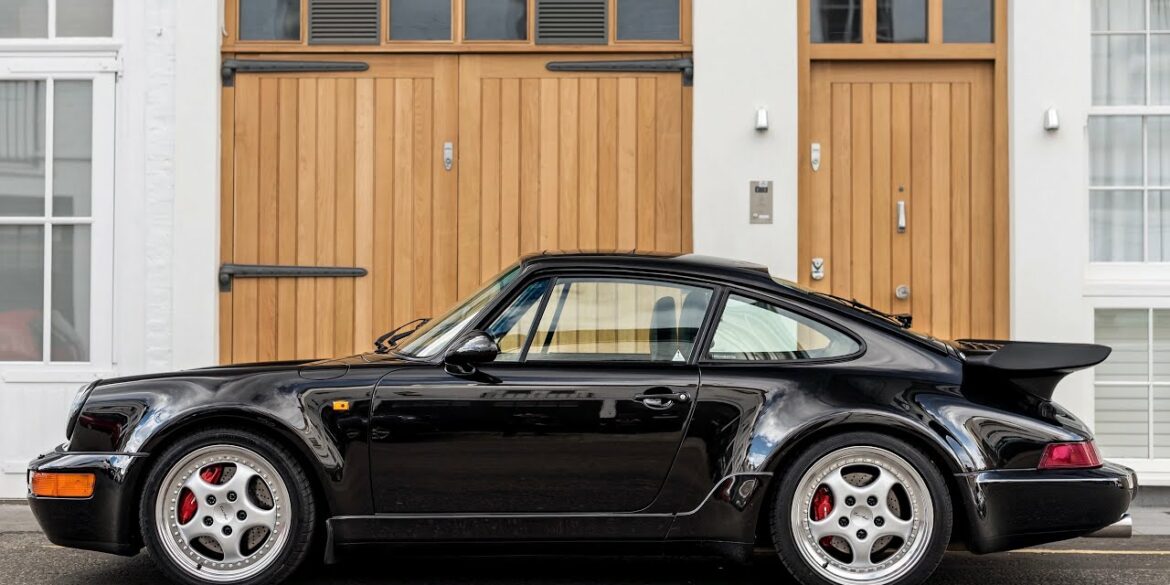
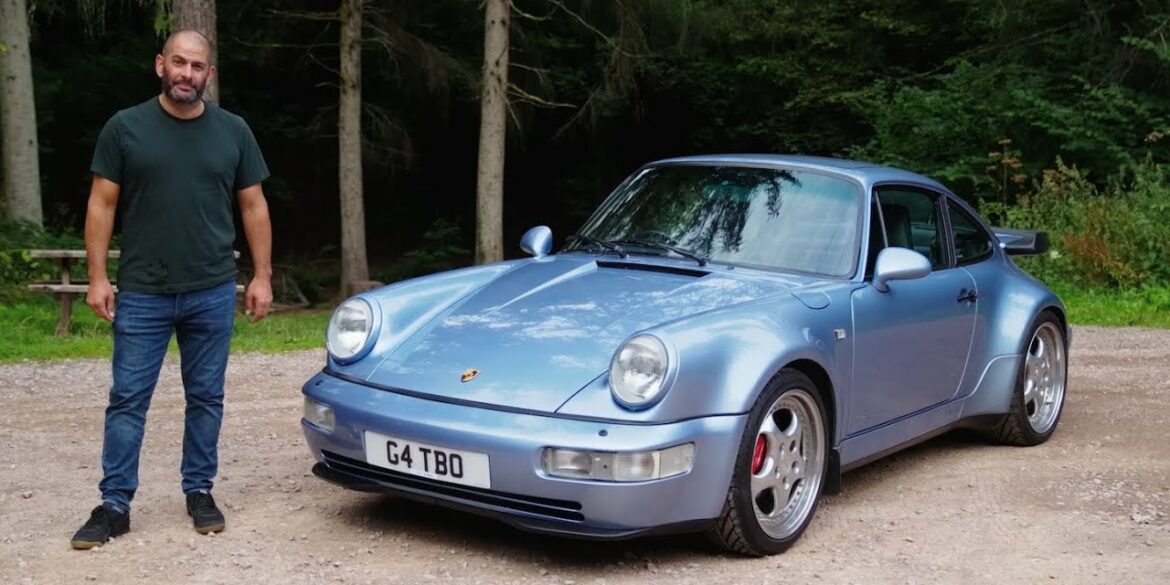
Wonderful Porsche 964 An on-board drive & in-depth review of the specs and build principles applied to our Lightweight ’92 Porsche 964 Weekend Racer. We focus on the driving characteristics of the 964 model range and how our approach to weight and gearing maximises the performance and driving experience of...
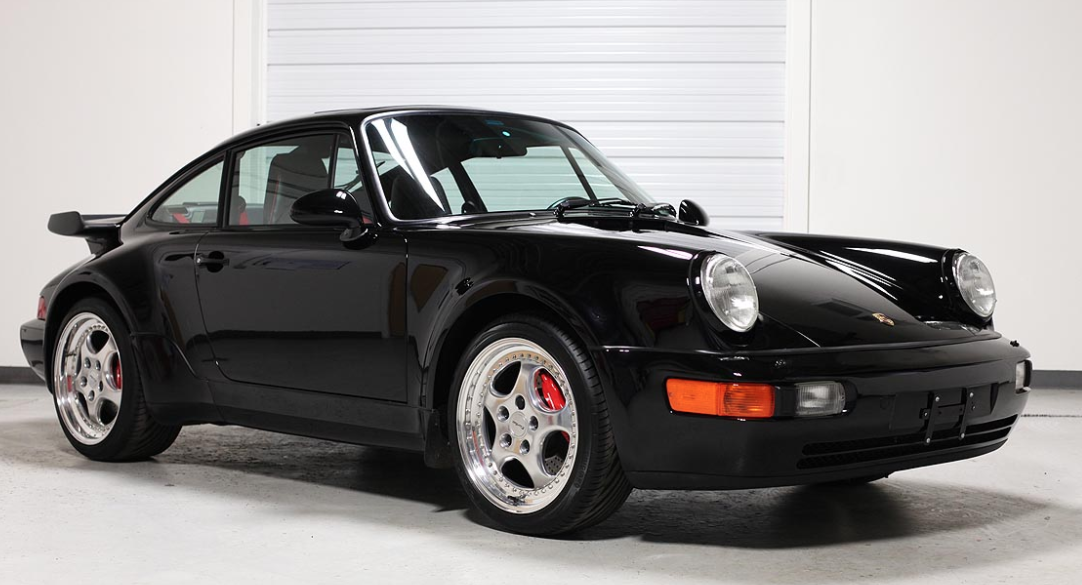
Porsche 911 (964) Technical Spec Comparison
Porsche 911 (964) Technical Specifications & Model Comparison Comparison of the C2, RS, Cup 911 964s Specs Carrera 2 USA Carrera 2 Euro RS America RS Touring Carrera Cup USA RS Lightweight RS Competition Carrera Cup Street legal yes yes yes yes yes yes yes no Mechanicals/electric Carrera 2 USA...
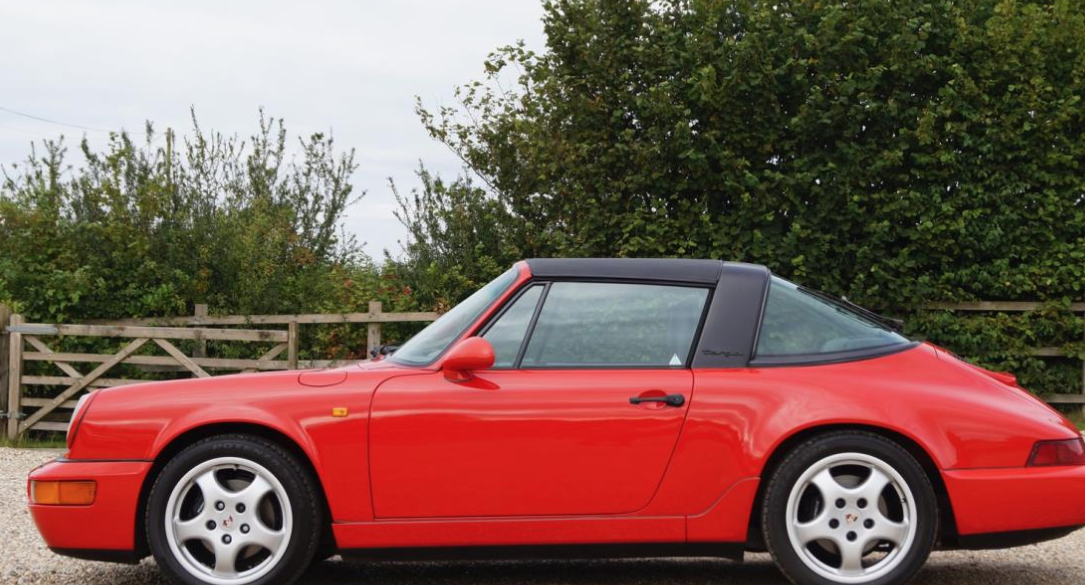
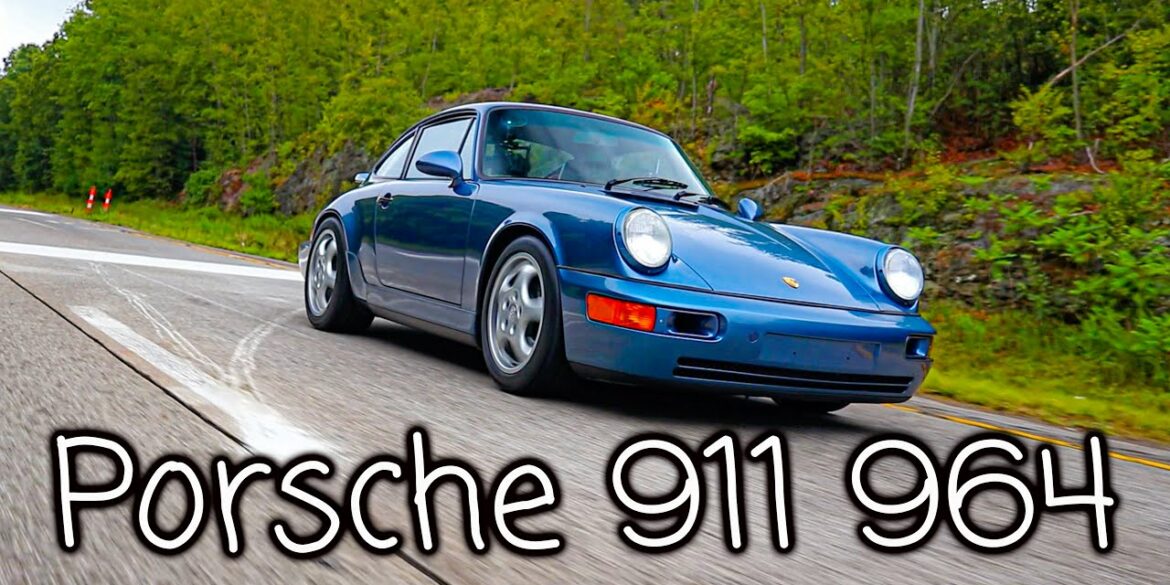
Porsche 911 964
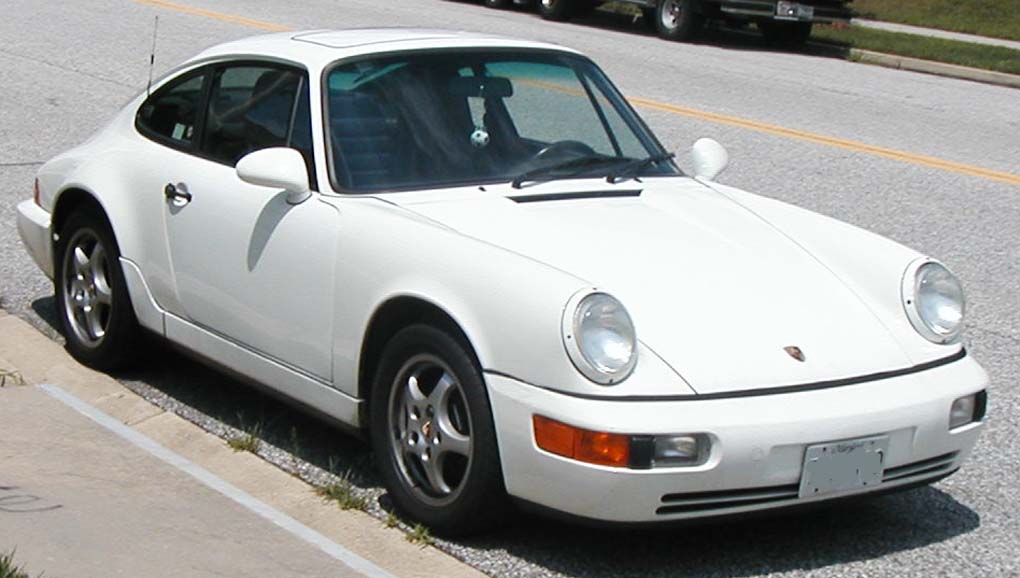
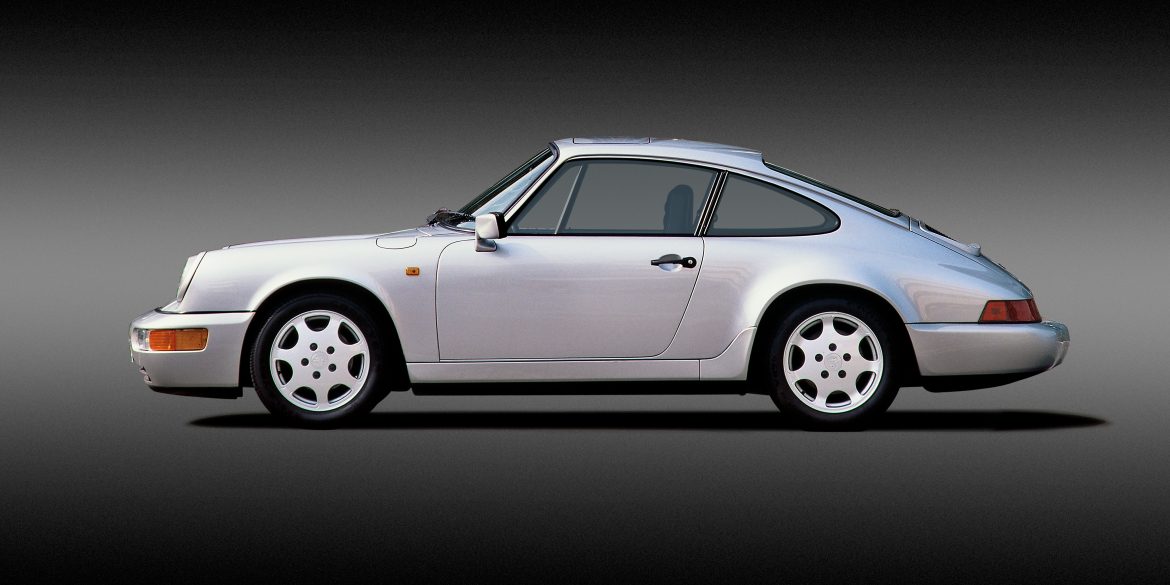
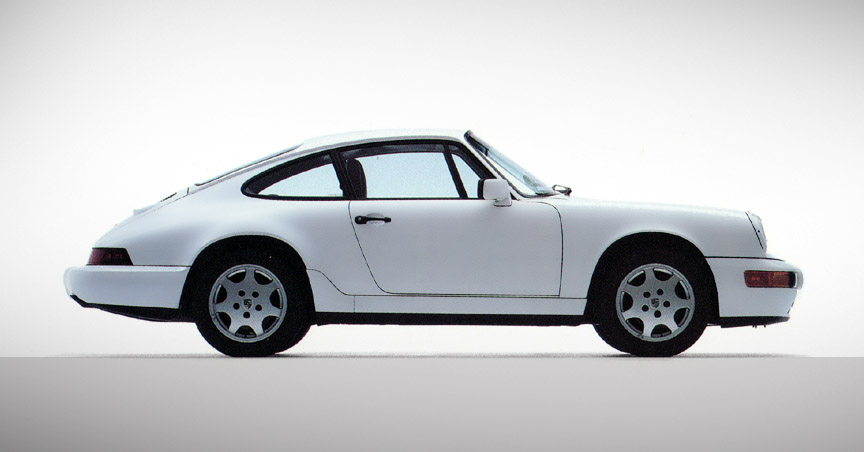
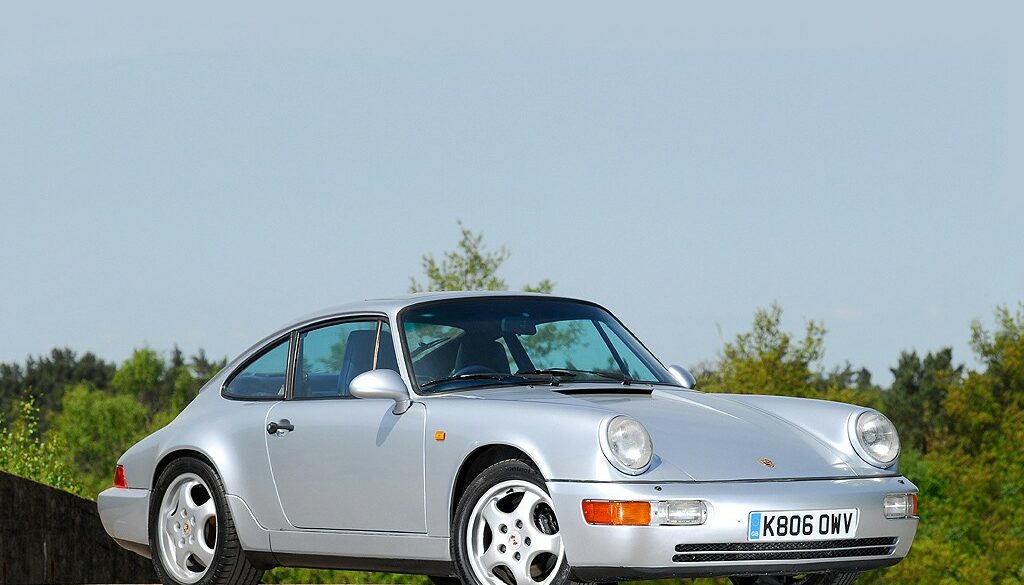
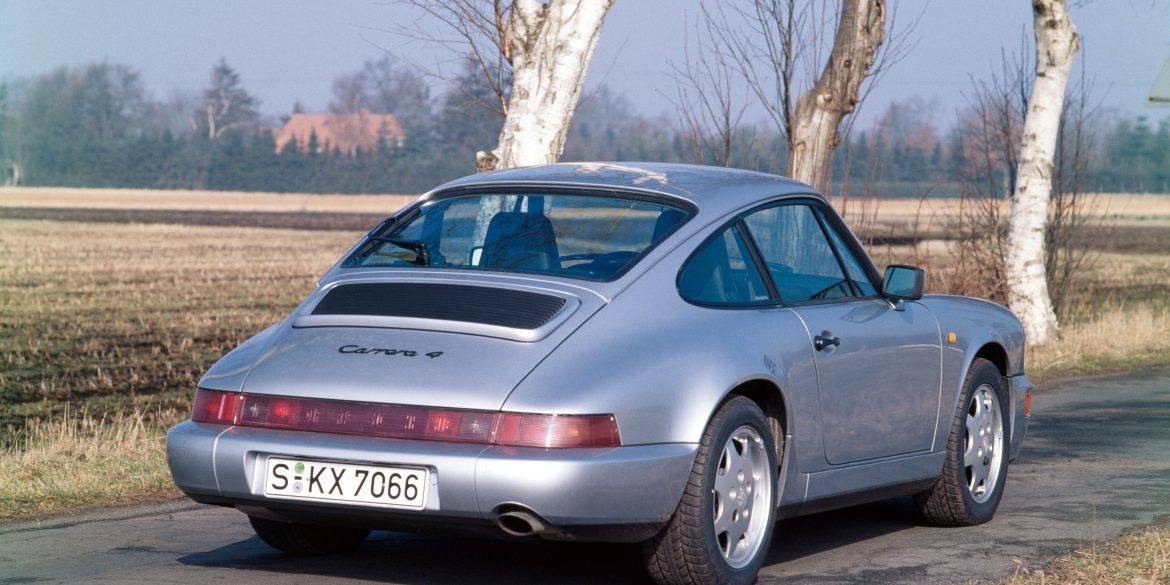
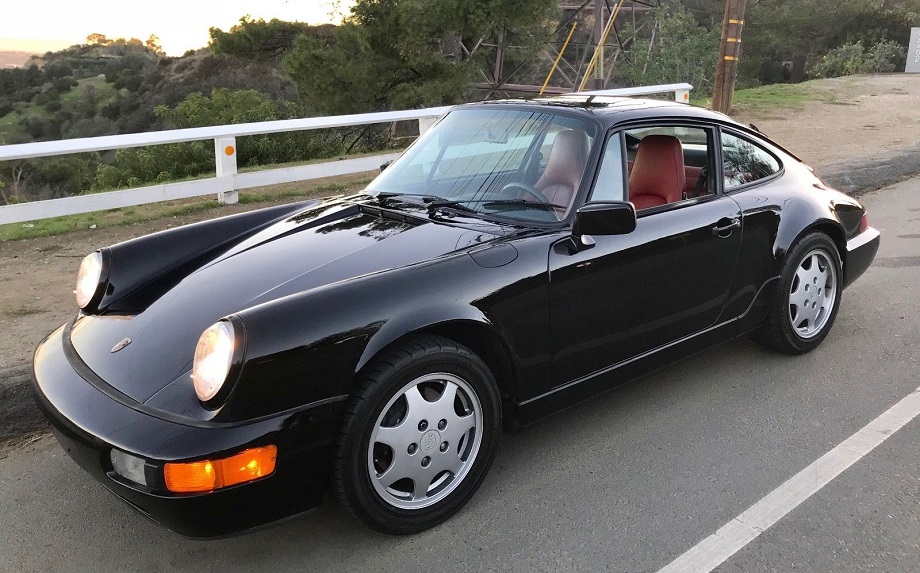
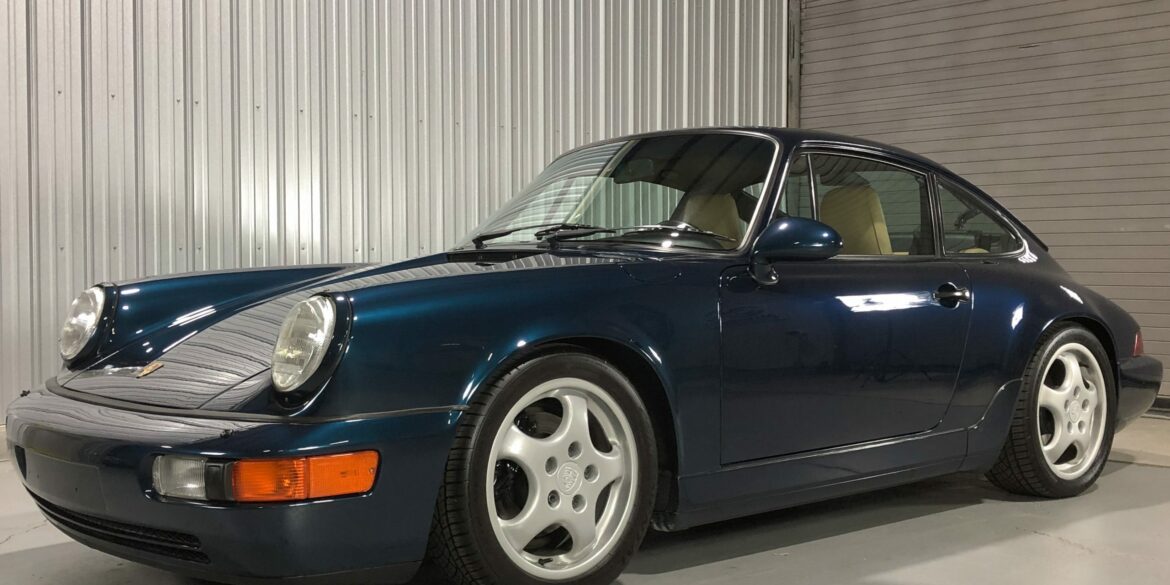
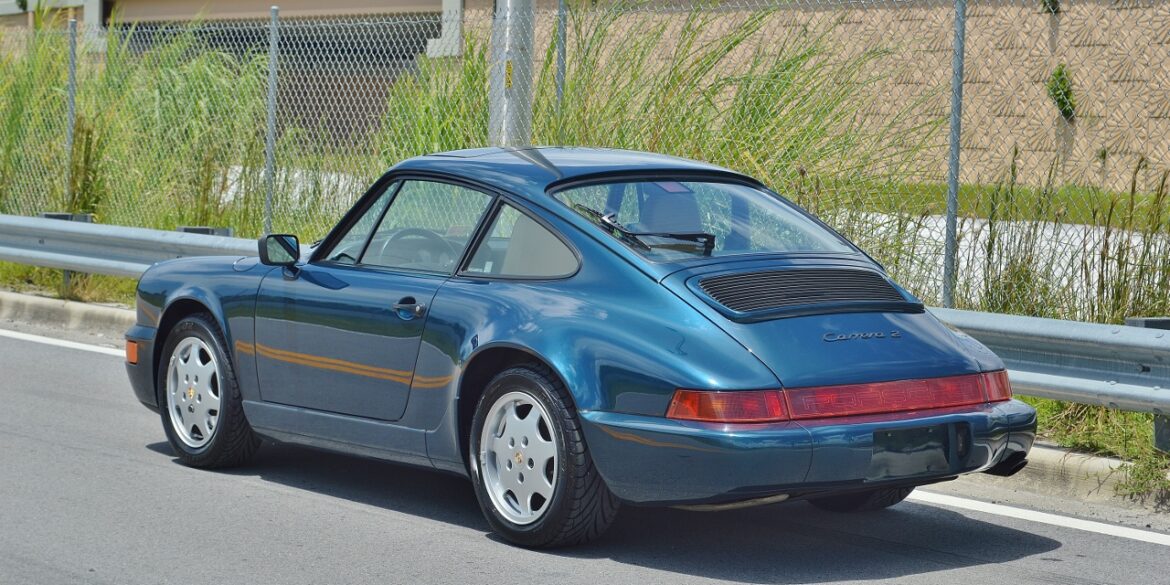
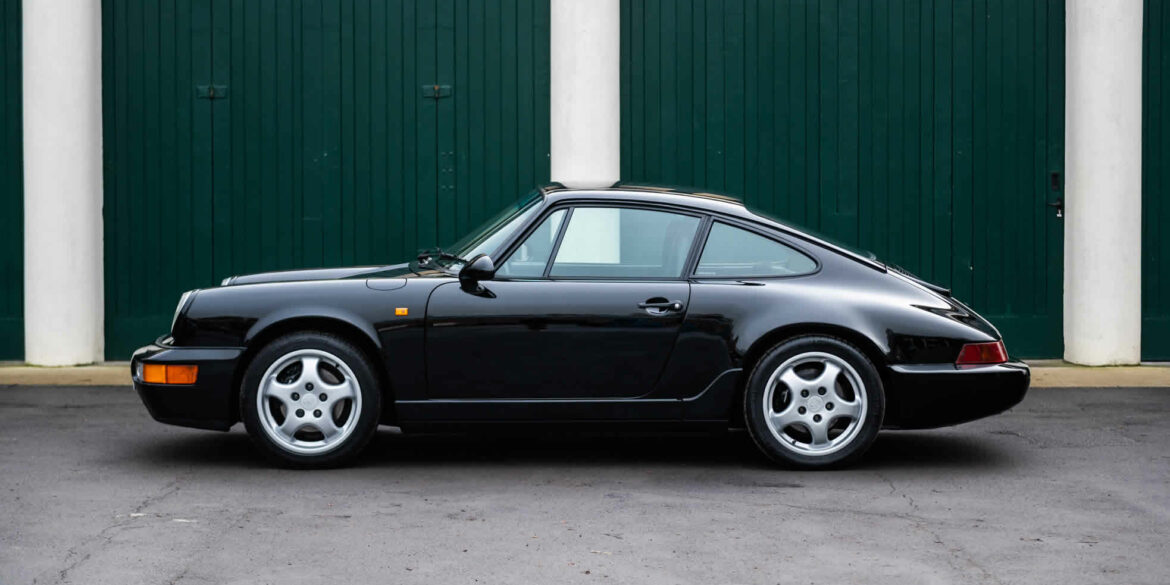
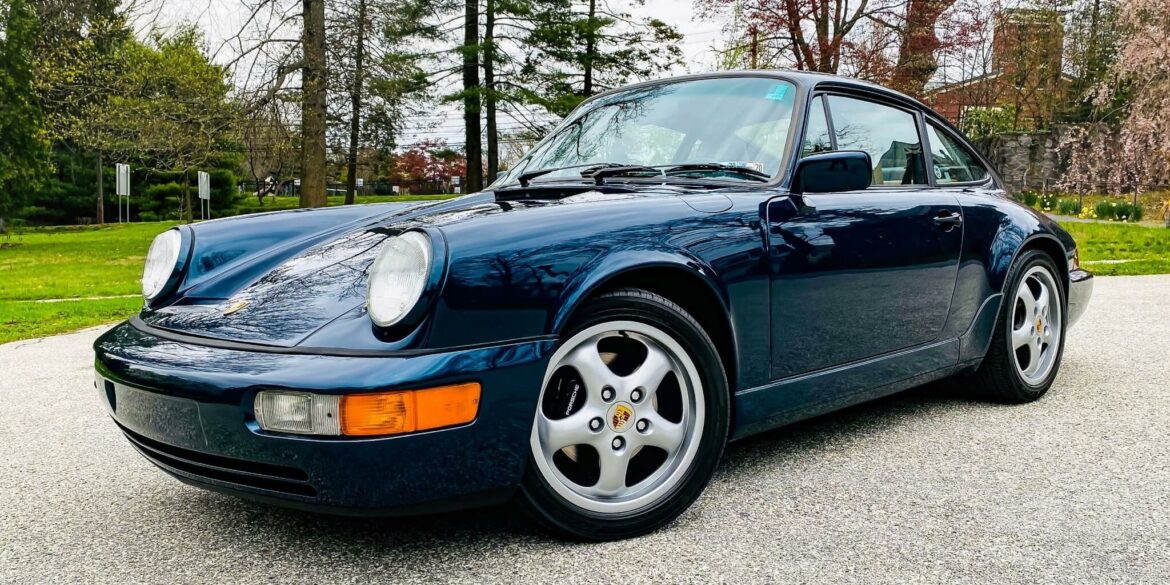
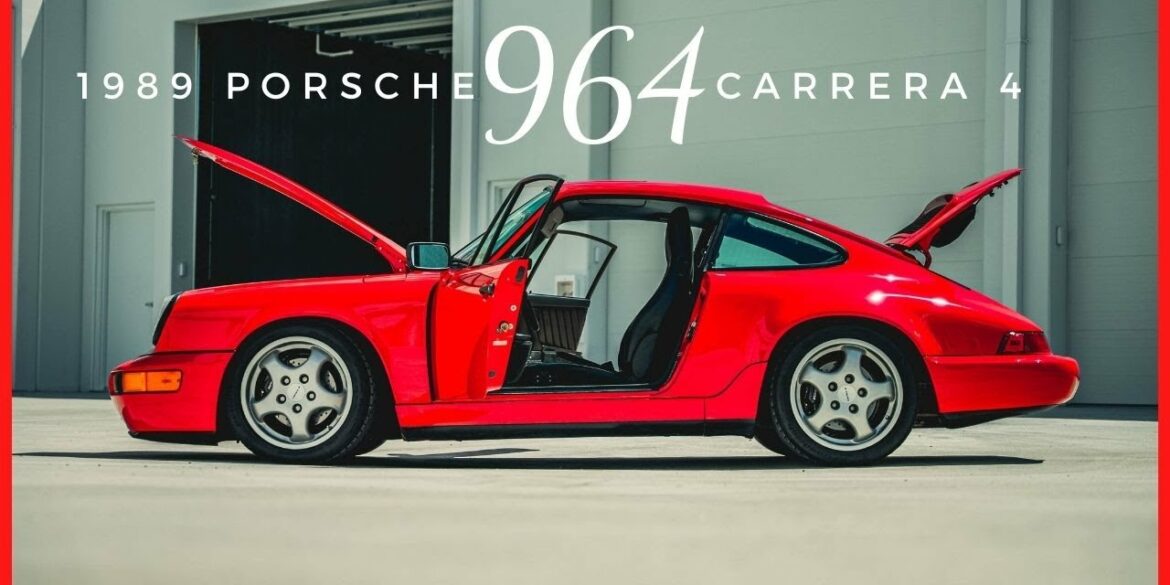
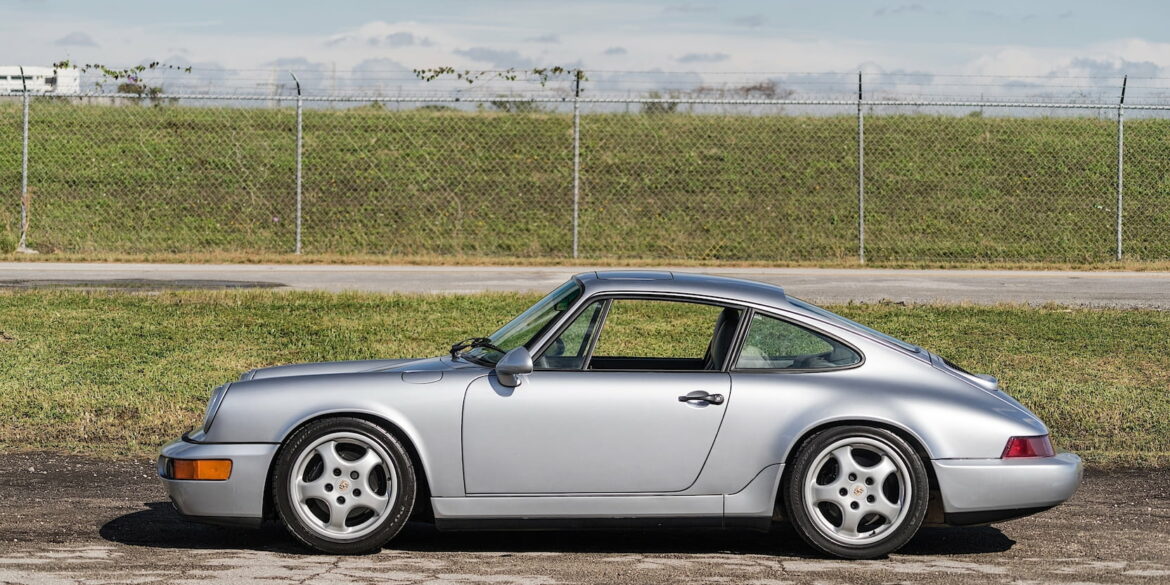
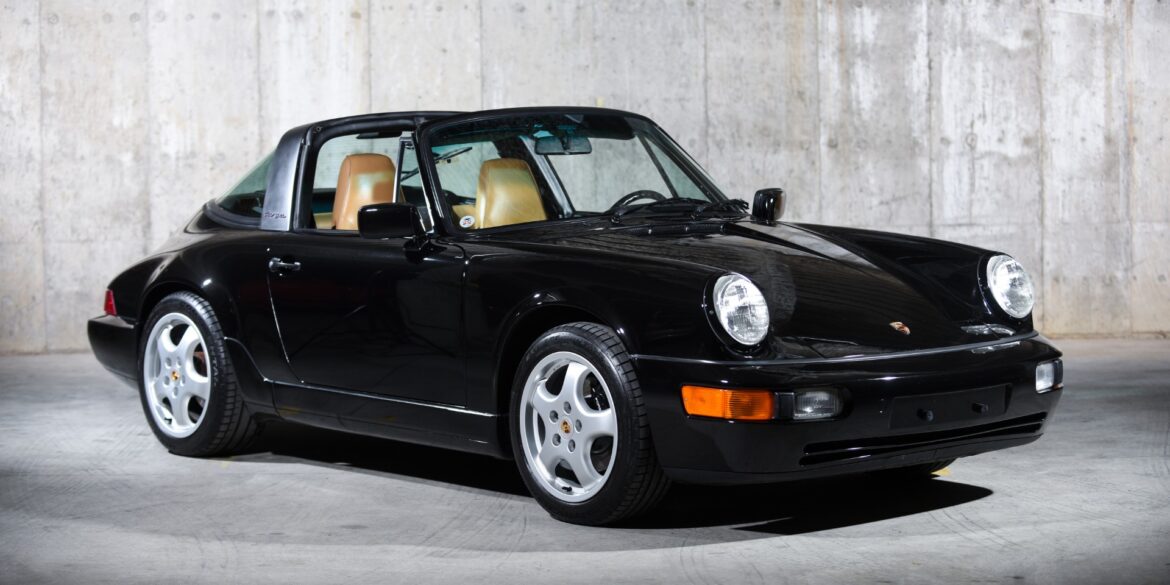
Porsche 911 (964) (1988 – 1994) Story & History Type 964 – The 3rd Generation Porsche 911 Premiere: 1988 September 28 at Mondial de l’Automobile Paris motor show After the 1984 model year 911 Carrera 3.2 had entered the markets, the plans for the next generation 911 were set. In March-April...
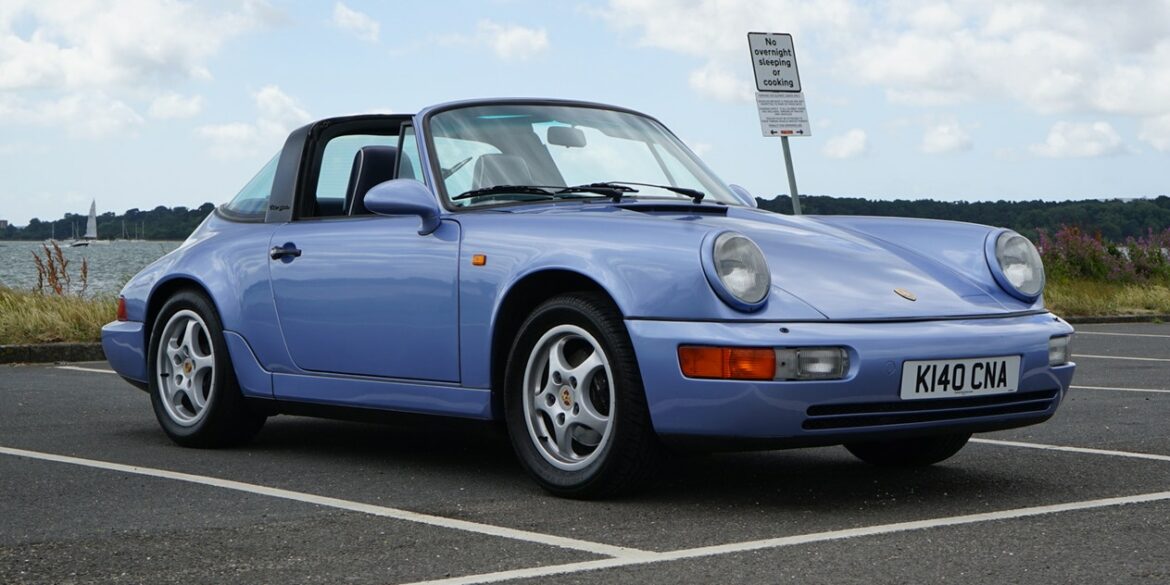
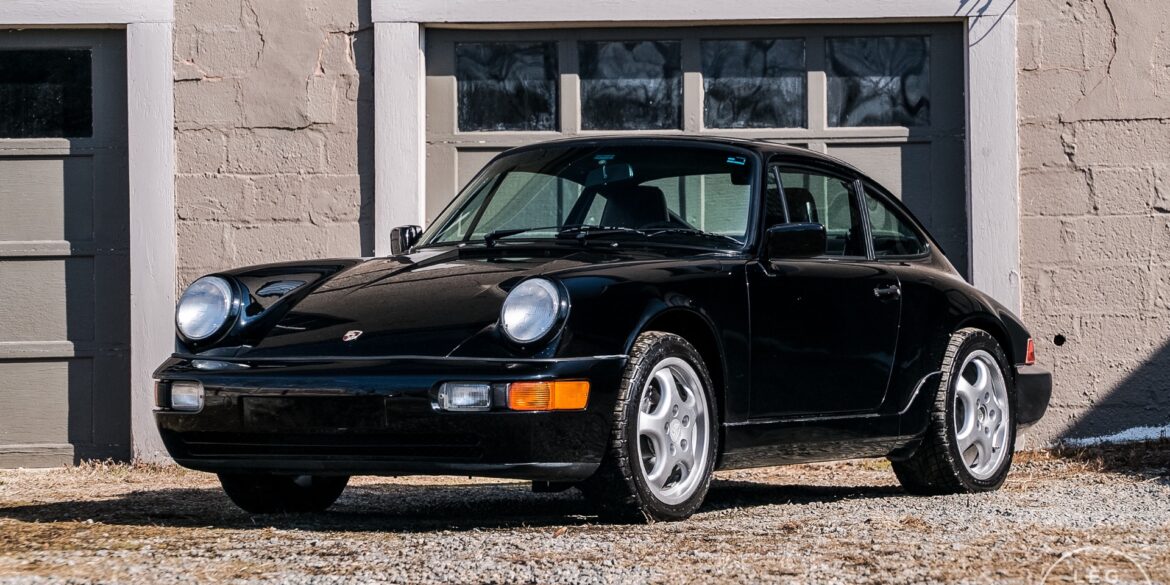
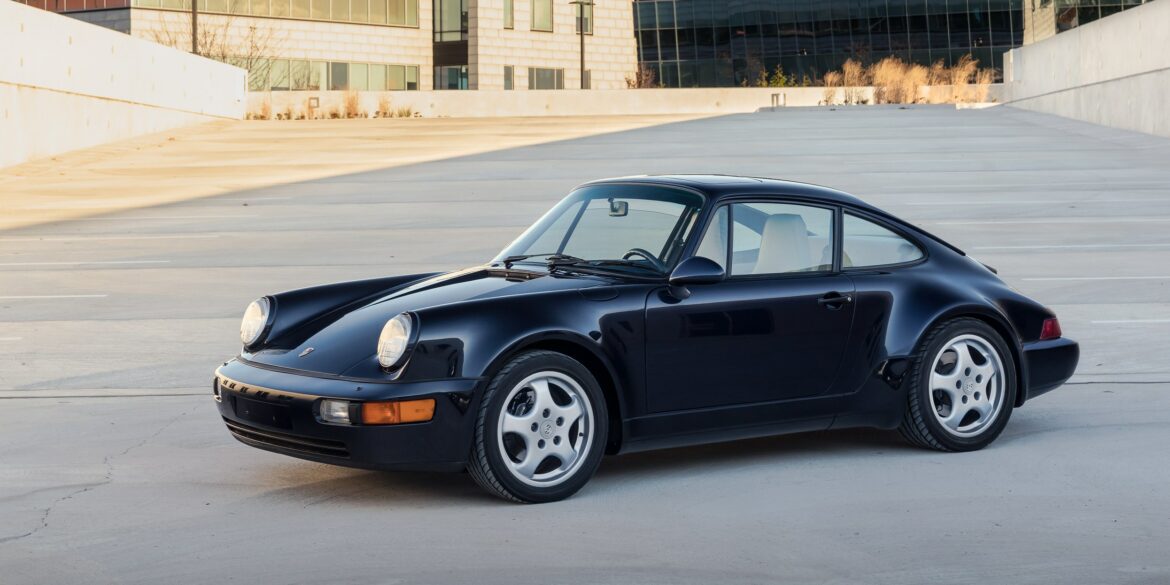
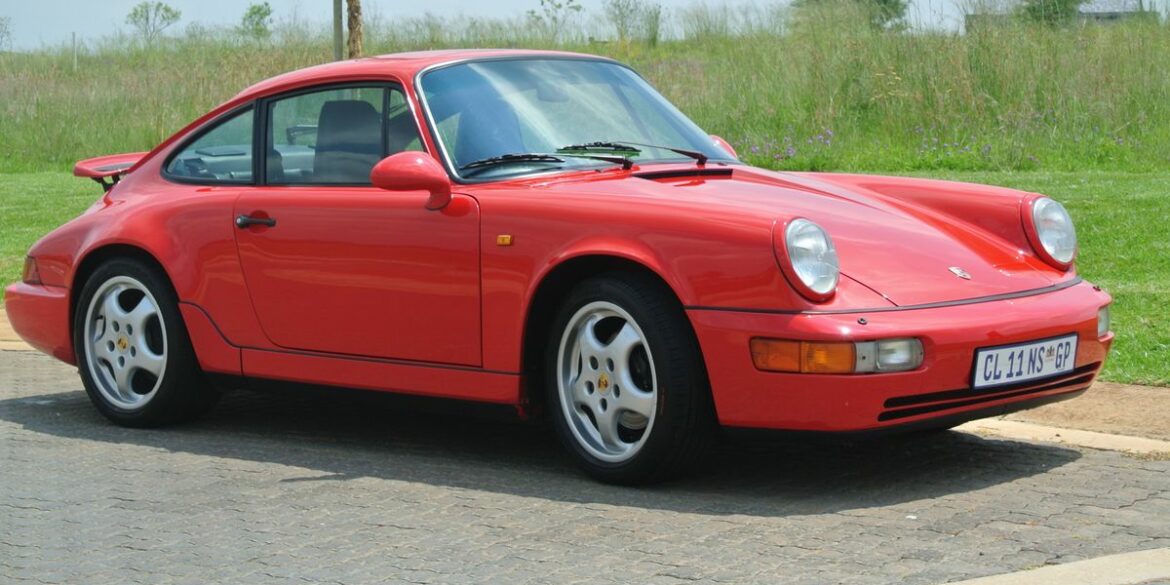
Model year 1994. Carrera 4 Wide-Body for the U.S. Technically there is really no difference between the Carrera 4 Wide-Body and his RoW counterpart. At the front there are the for America usual black impact absorbers beside the fog lights, the frontfenders lack the side indicators, the rear bumper is equipped with the center piece with a small plate section and in the back window of a large third brake light is integrated. Significant differences, it is generally provided in the factory standard equipment.
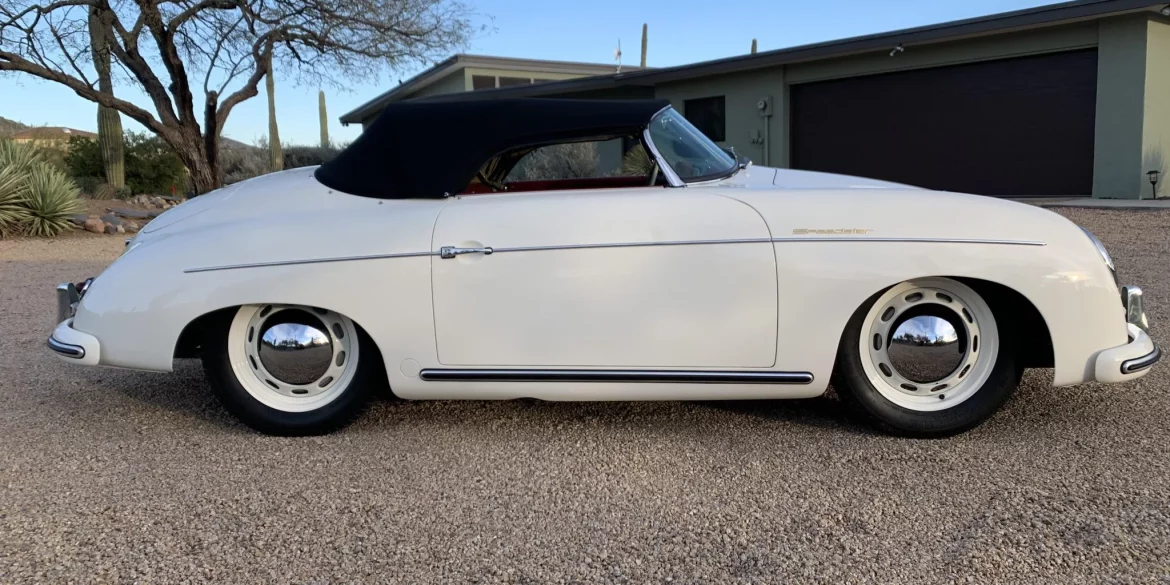
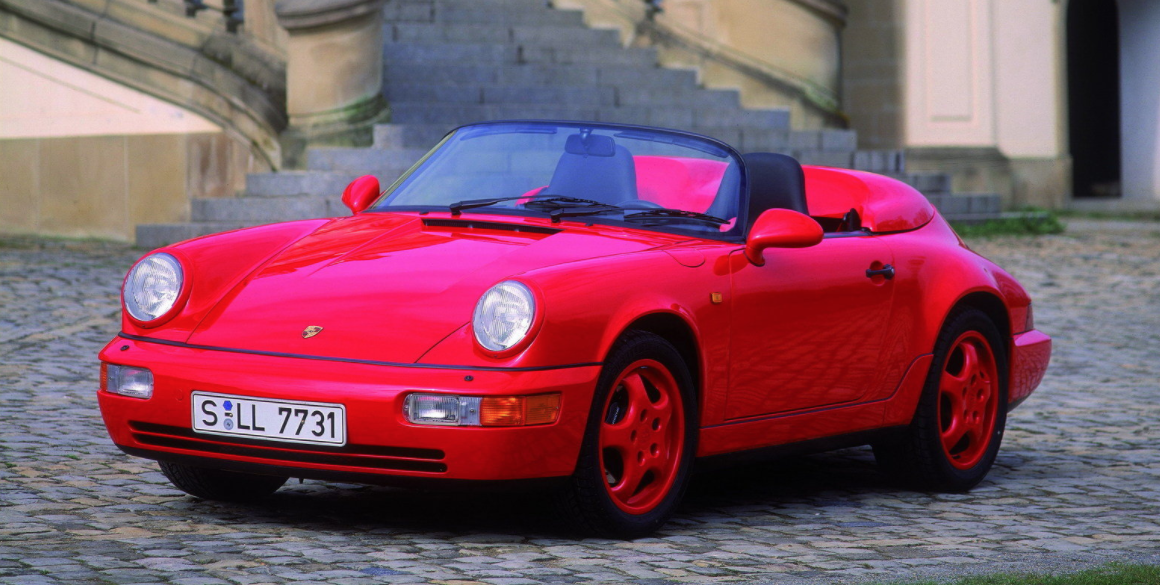
Porsche 911 Speedster (Turbo-Look) (964)
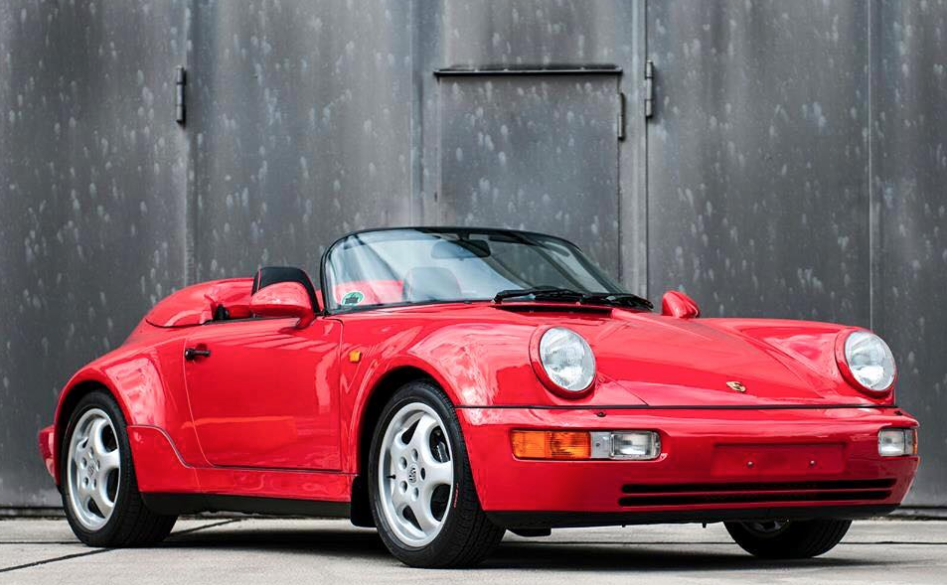
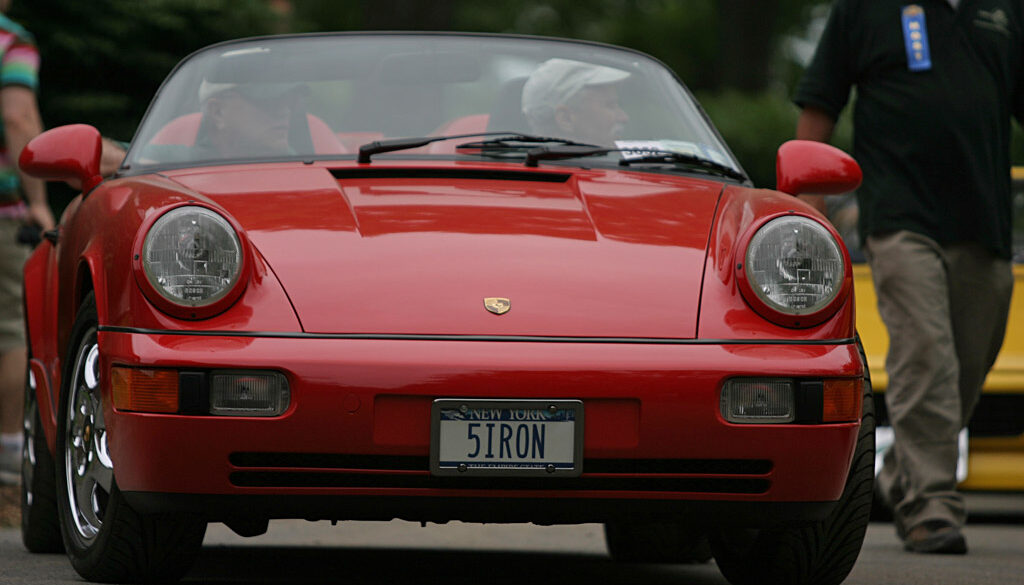
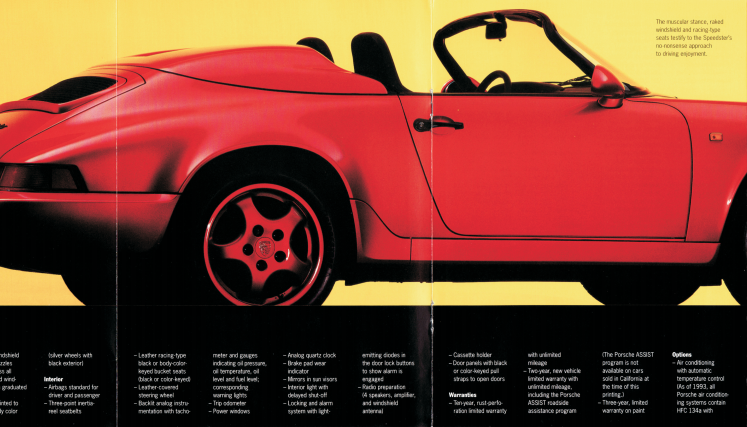
In contrast to the 911 Speedster from the 1989 model year, the 964 Speedster was only offered and produced with the narrow body shape. In December 1991, the first wide bodied prototype based on a 964 Carrera 2 Convertible Turbo-Look was registered at Porsche AG, but it never made it ready for a series production. In response to recurring customer requests for Turbo-Look Speedsters - the optical characteristics of the wide body in combination with the flat windscreen and fiberglass cover had found many fans - Porsche converted the previously individually ordered, narrow Speedster in the exclusive department.
Porsche 911 ’30 Jahre’ Anniversary (964) (1993)
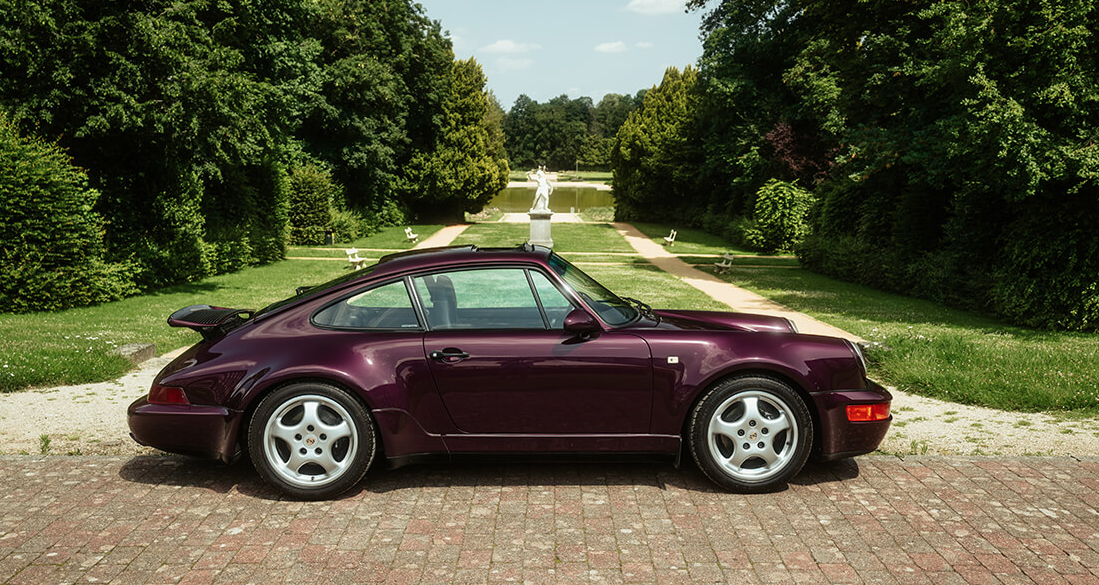
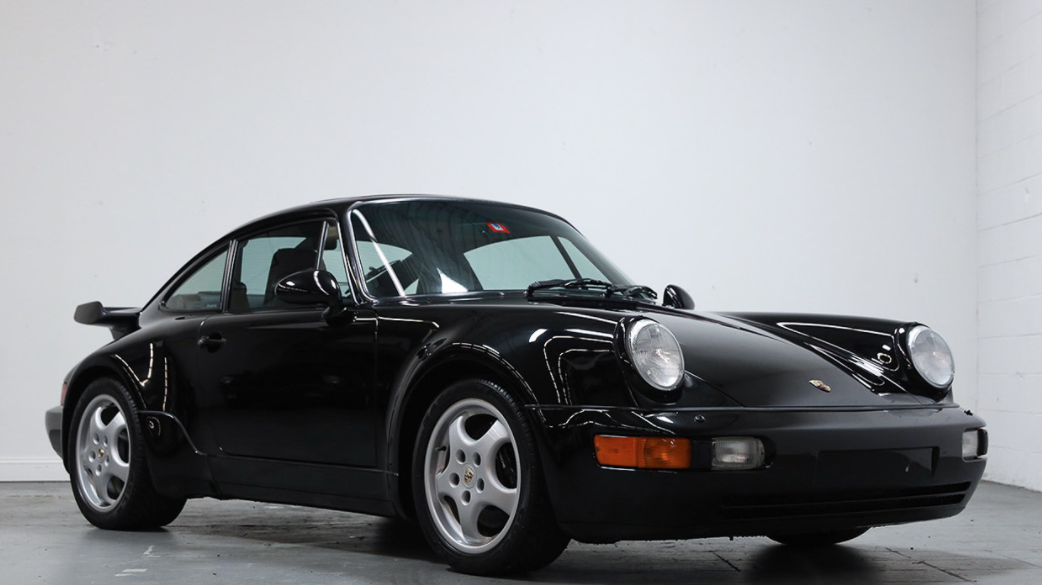
In March 1993, Porsche presented the Porsche 911 anniversary model “30 years 911” at the Geneva Motor Show. Since then, the special model is also called “Jubi” for short. Under the Porsche internal code M096, there is essentially a Carrera 4 with the wide turbo body but without wings. The 964 anniversary edition could be ordered with exclusive interior design and numerous possibilities of customization. According to Porsche, the special model was limited to 911 vehicles and manufactured in the model years 1993 and 1994.
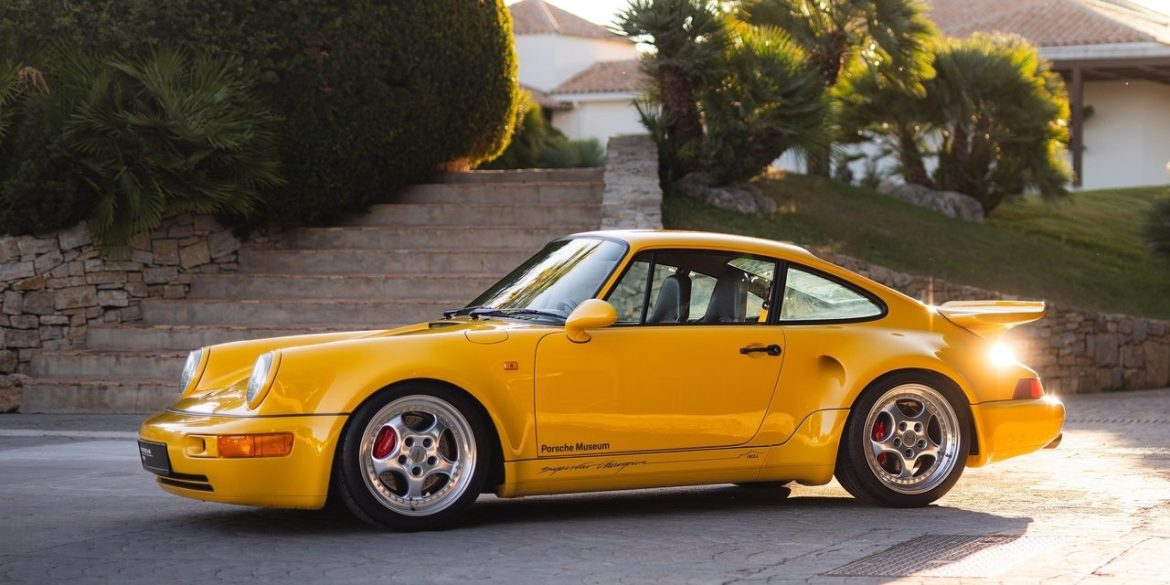
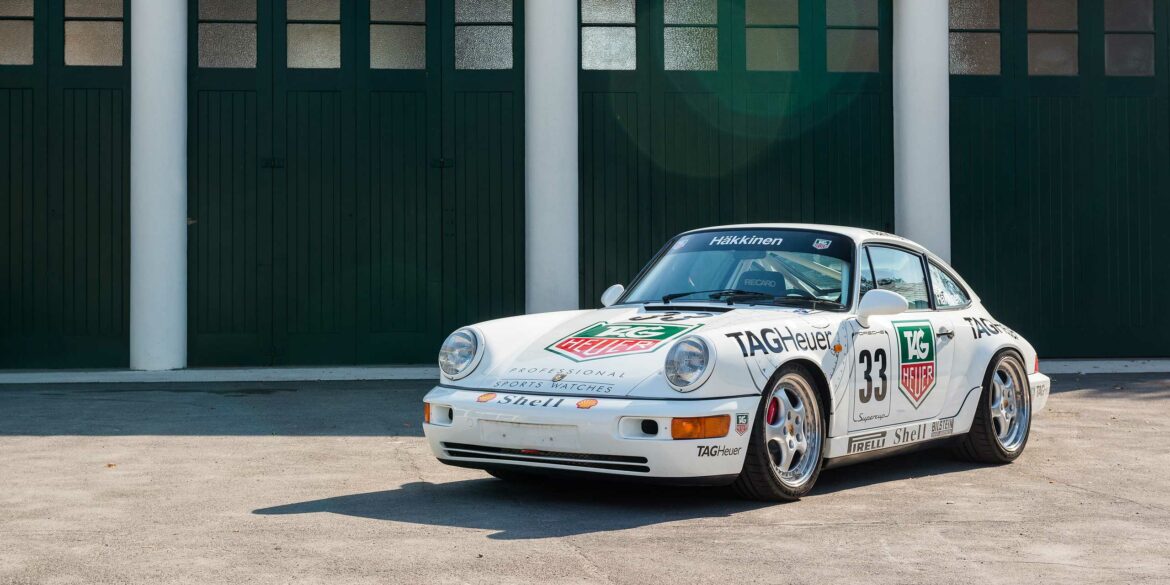
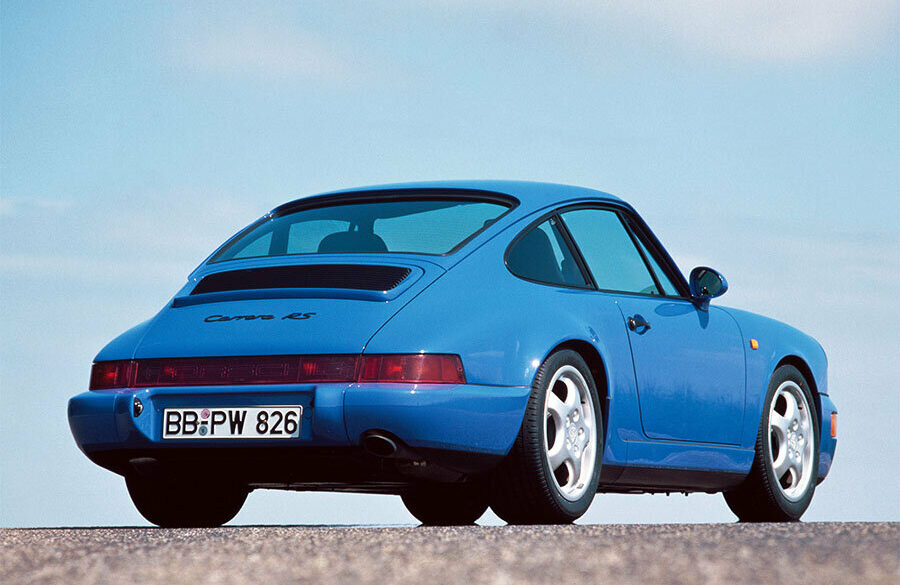
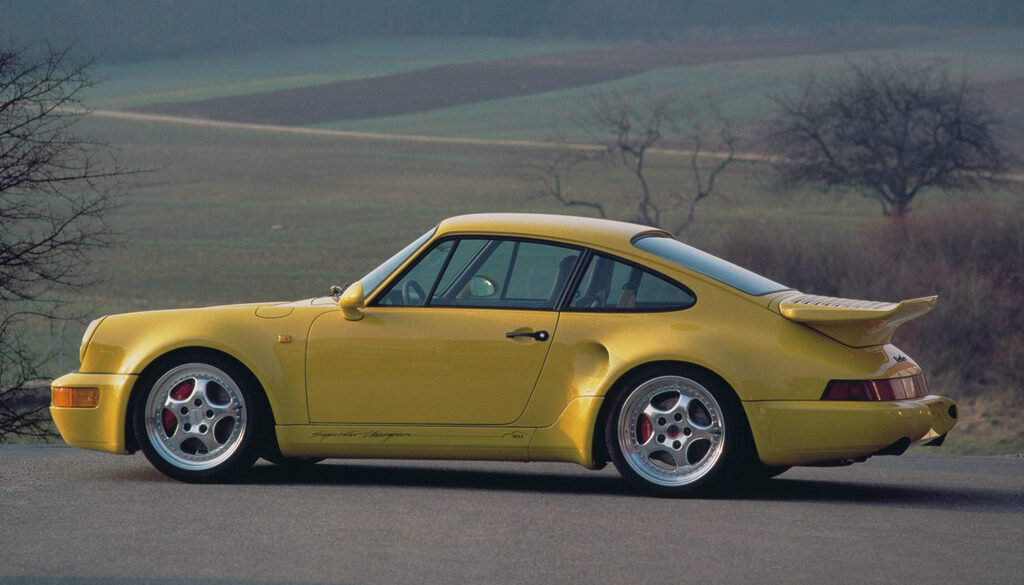
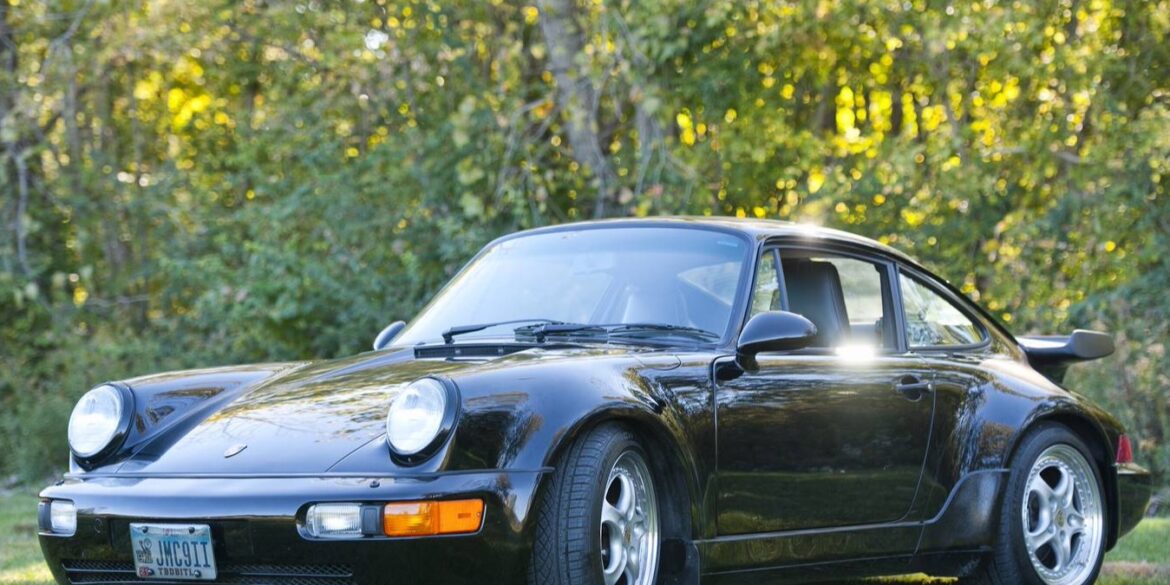
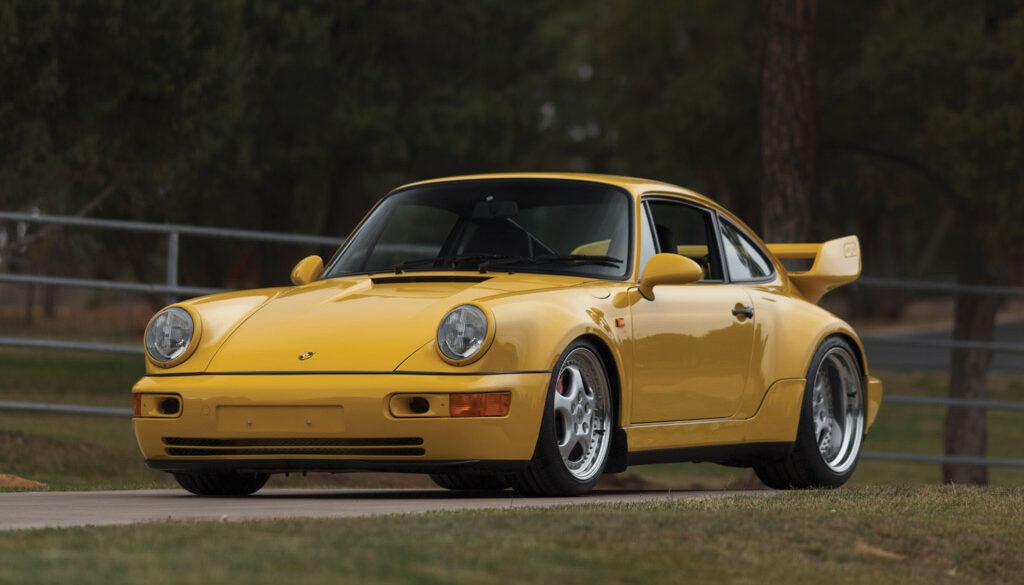
The 964 Carrera RS 3.8 was produced as a base for homologation for the venerable 3.8 RSR. It was unveiled in 1993 and produced in a very small series by Porsche’s Racing Department in Weissach-Flacht, and was an extreme evolution of the 964 Carrera RS that was released two years prior. It featured the wide-body look of the Type 964 Turbo, a massive rear spoiler, and three-piece “Speedline for Porsche” wheels with 235/40 and 285/35 tires, making it distinctively more aggressive in appearance than the fairly restrained styling of the Carrera RS of 1992 and capable of providing significantly more mechanical grip.
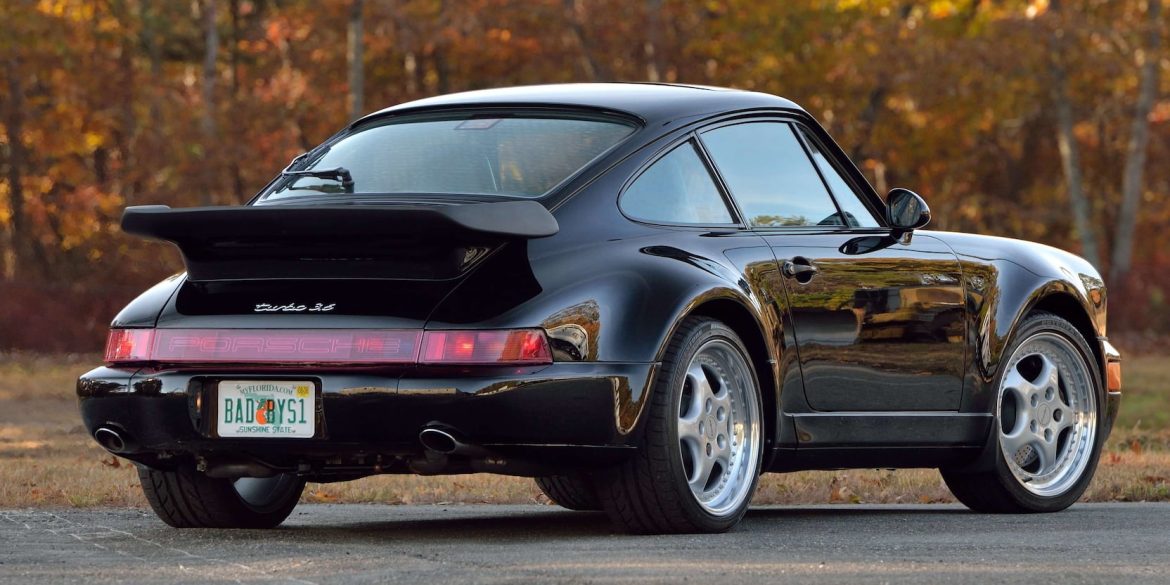
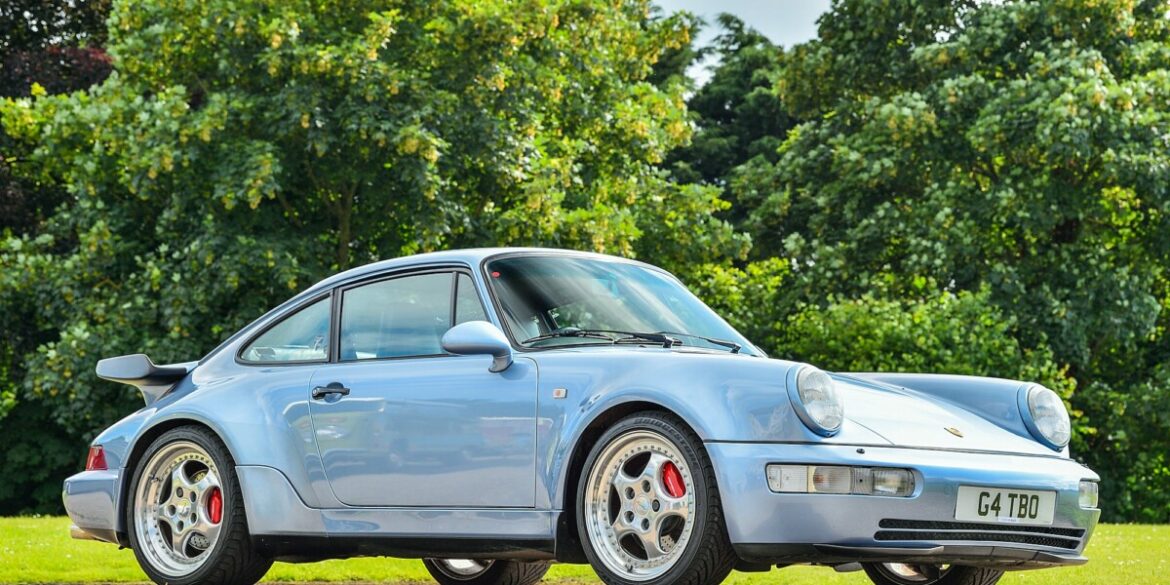
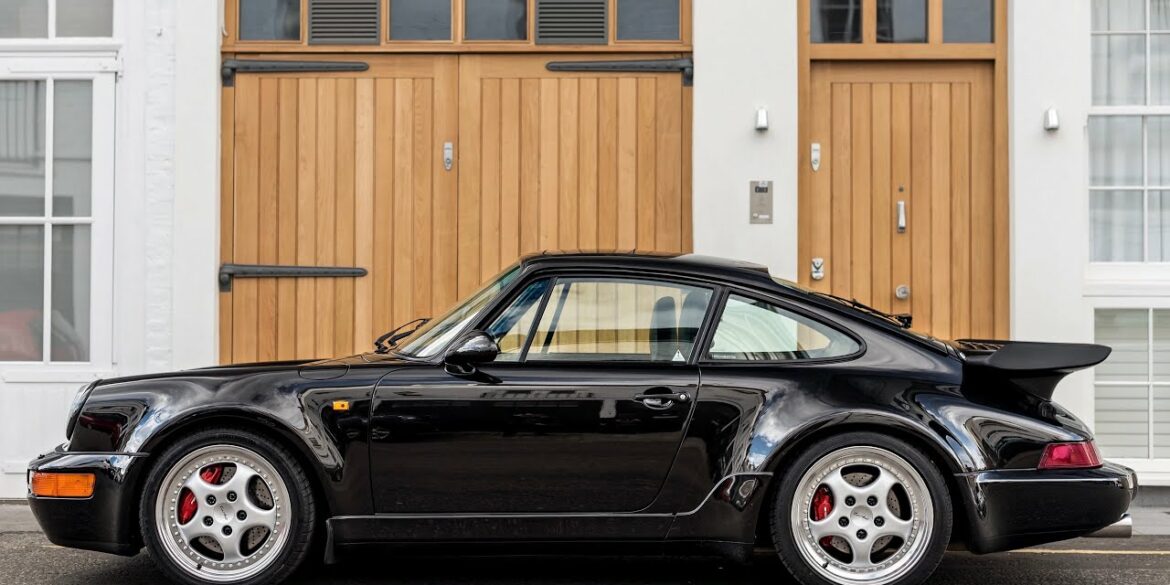
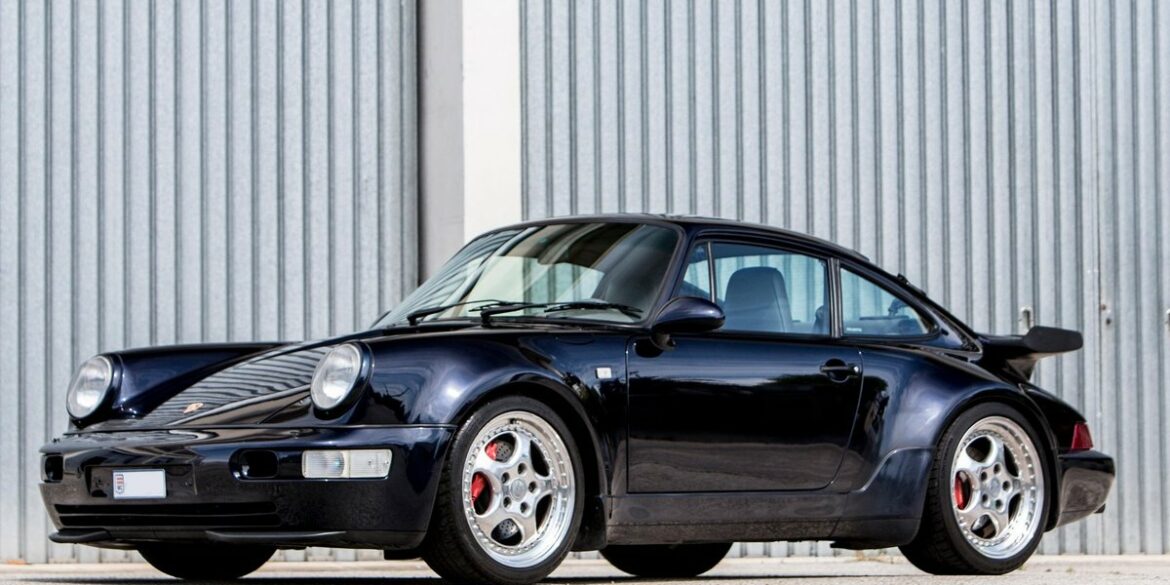
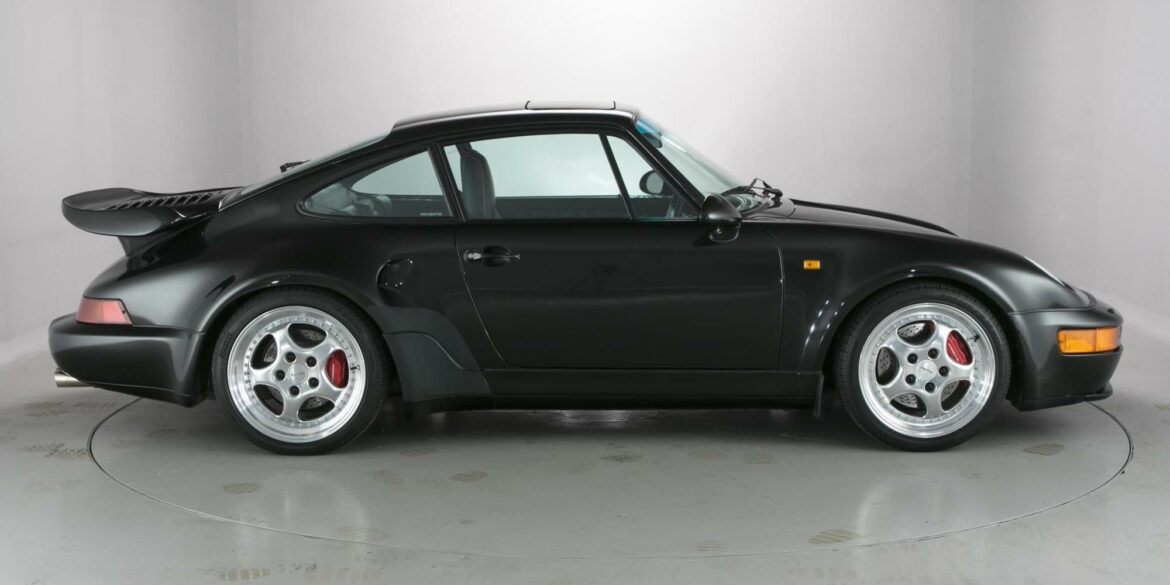
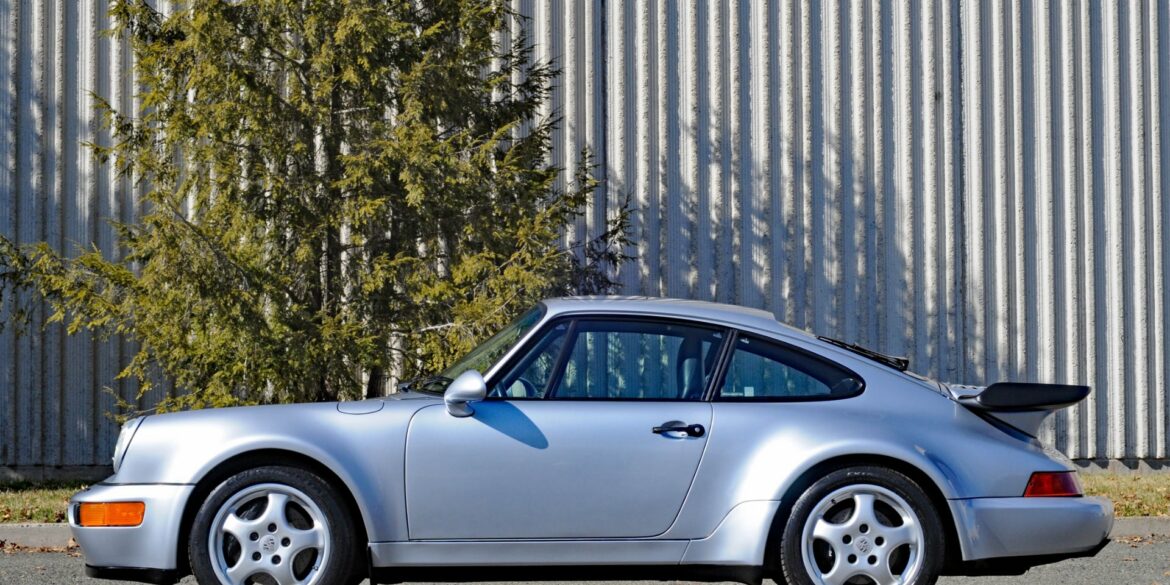
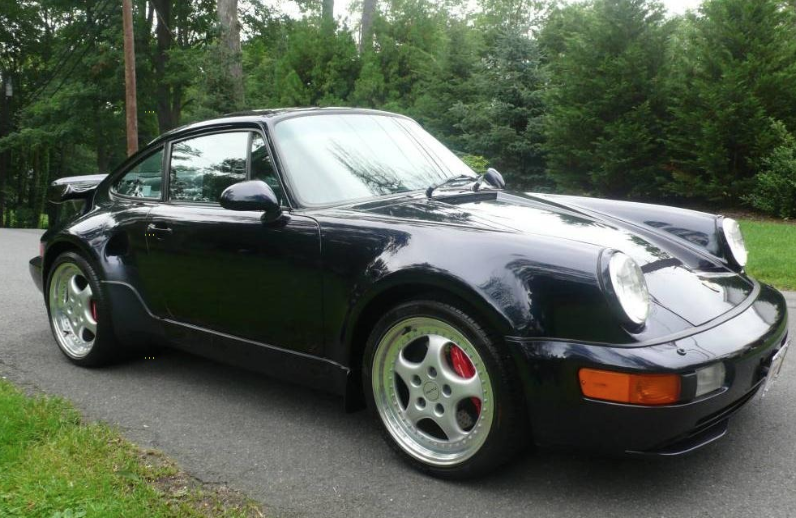
The Porsche factory had 93 Turbo chassis left. These were all transferred to Porsche Exclusiv and hand built as the very special 964 Turbo 3.6 S. They were offered with normal, or ‘Flachbau’ slant nose front ends. While the vast majority of Turbo S’ were fitted with the ‘Flachbau’ nose as a no-cost option, the Turbo S could also be had with the traditional 964 nose as well. In all, 76 Flatnose cars were made while 17 non-Flatnose (known as Package option) cars were made. These cars were also fitted with the X88 option, which increased power to 380 hp. 75 flatnose units were produced.
The 964 based Speedster was the 1994 Speedster which was based on the 964 Carrera 2 platform. There are far fewer 1994 911 Speedsters in the world than the 1989 model, with production reportedly totaled only around 936 units, less than half as many as the 1989 example. Whereas the 1989 Speedster was primarily an aesthetic package, the 964 version sought a happy medium between the regular Carrera 2 and the hardcore Carrera RS. It had the same engine as the base Carrera and didn’t have the same suspension bits as the RS.
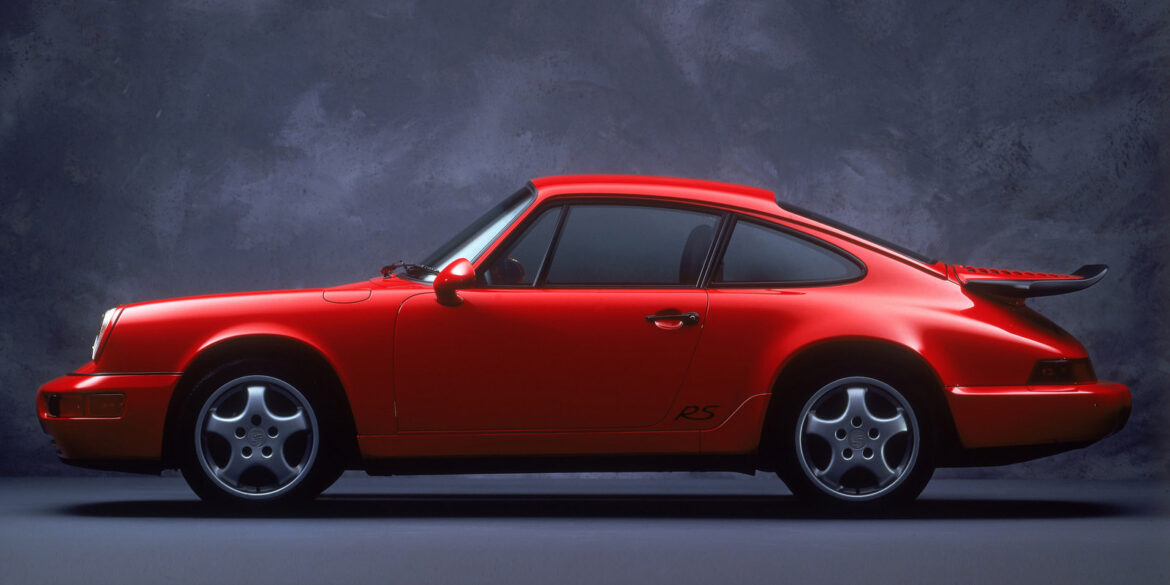
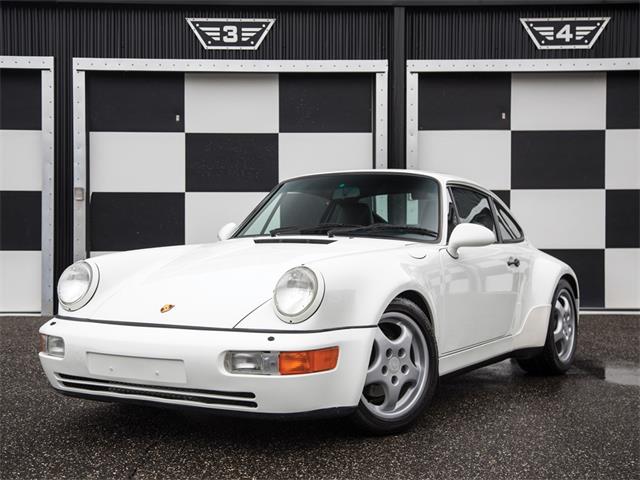
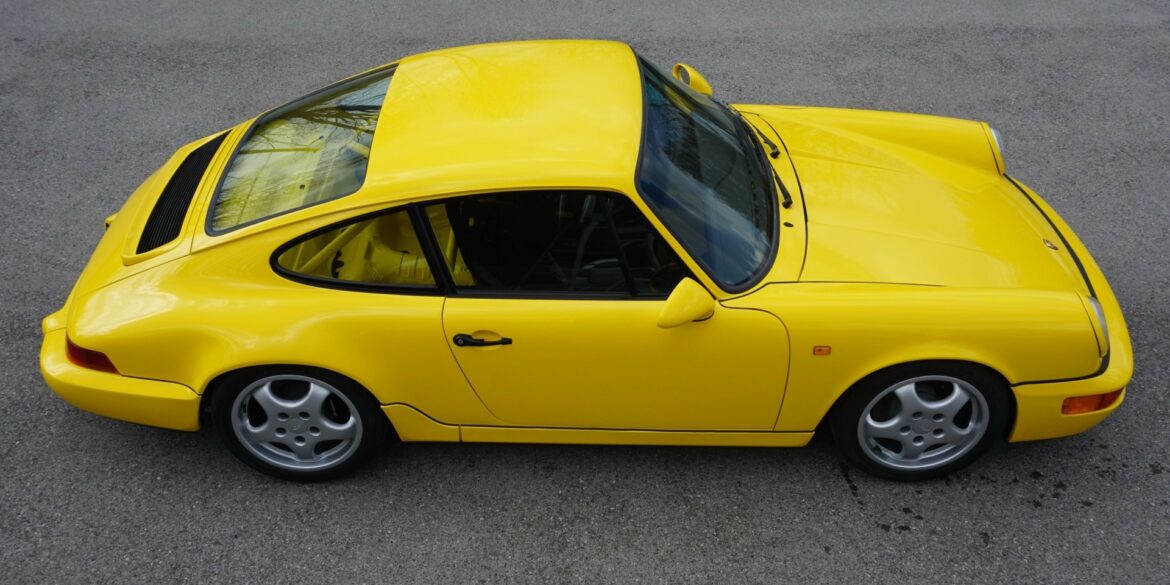
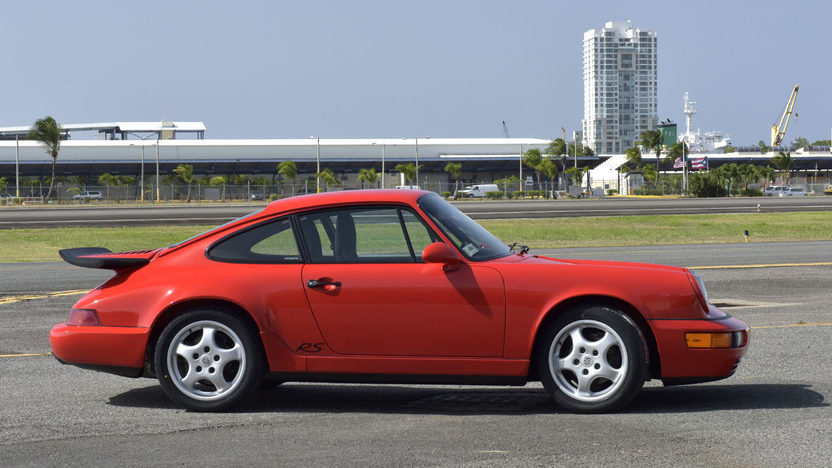
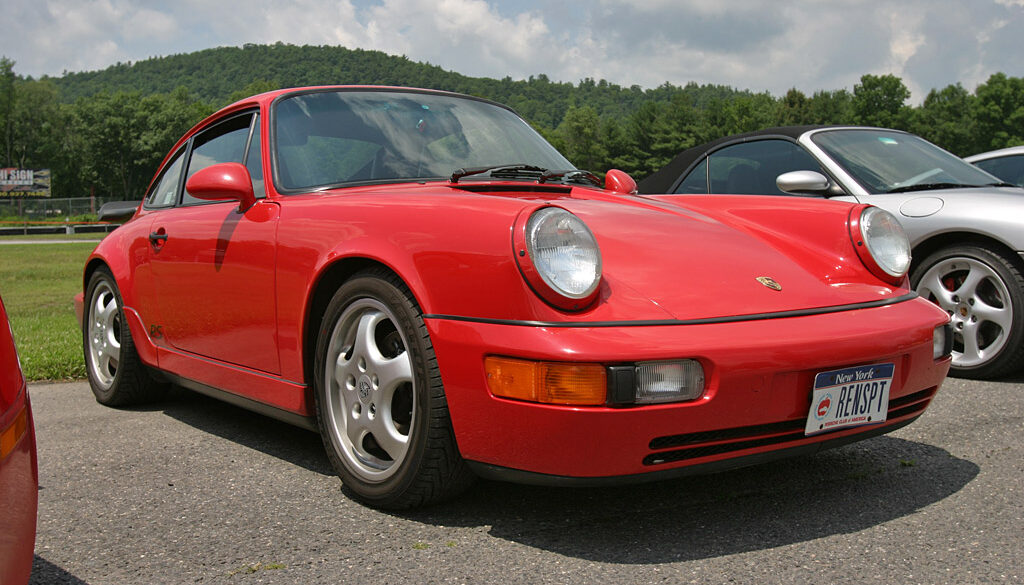
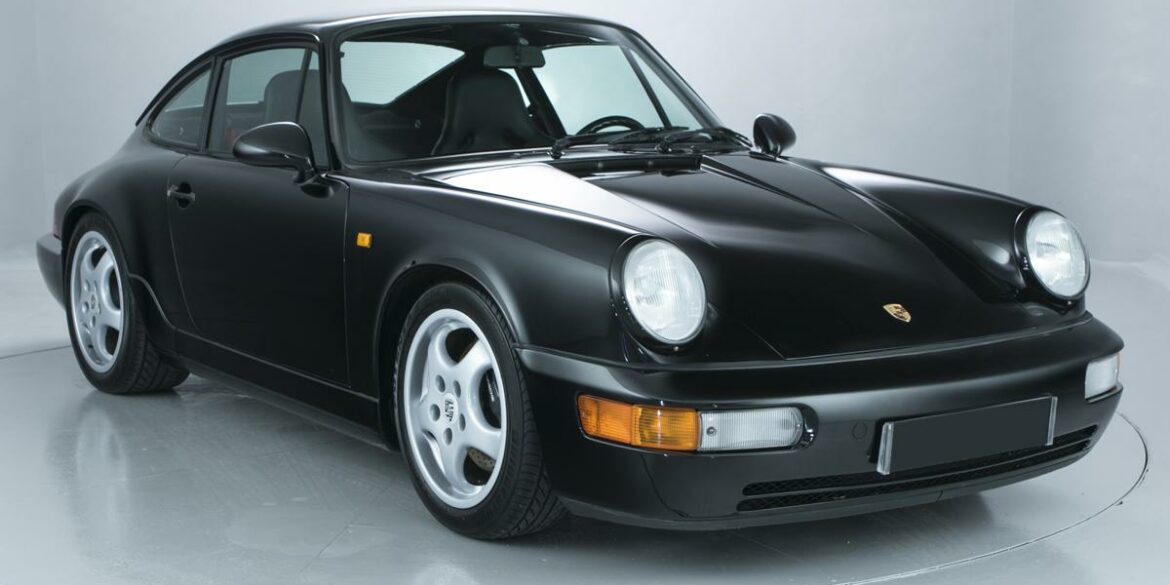
The original 1973 Carrera RS was available in Europe but not in the USA. Porsche decided to build the 1993 Carrera RS both to European spec and a limited number in compliance with US regulations. These US spec cars were assigned the name “RS America”. The intent was to create a basic lightweight, no frills 911 with minimal luxury options. The standard US Carrera 2 brakes, engine and gearbox were used. The RS weighed 2,945 pounds so it was almost 80 pounds lighter than a standard Carrera 2. 
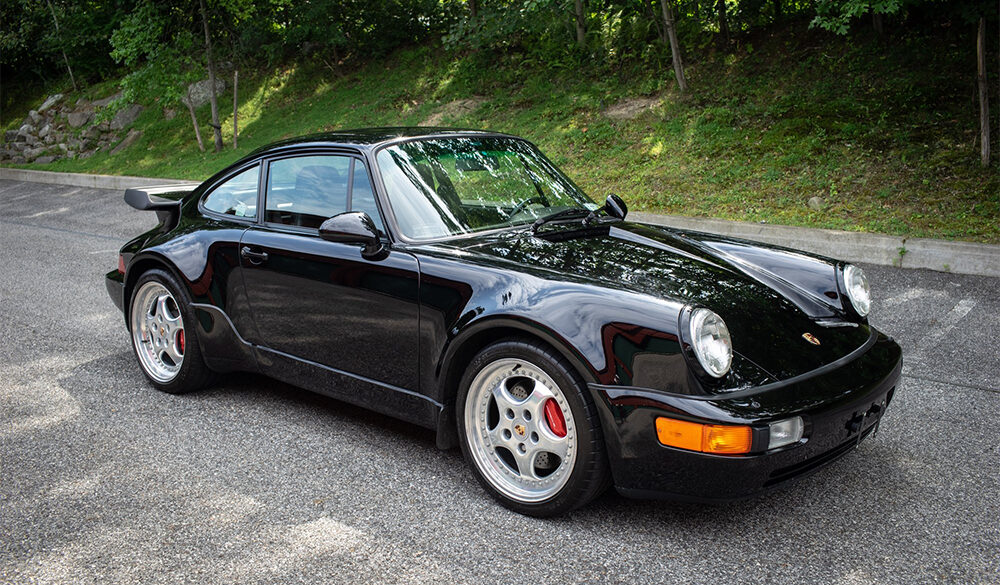
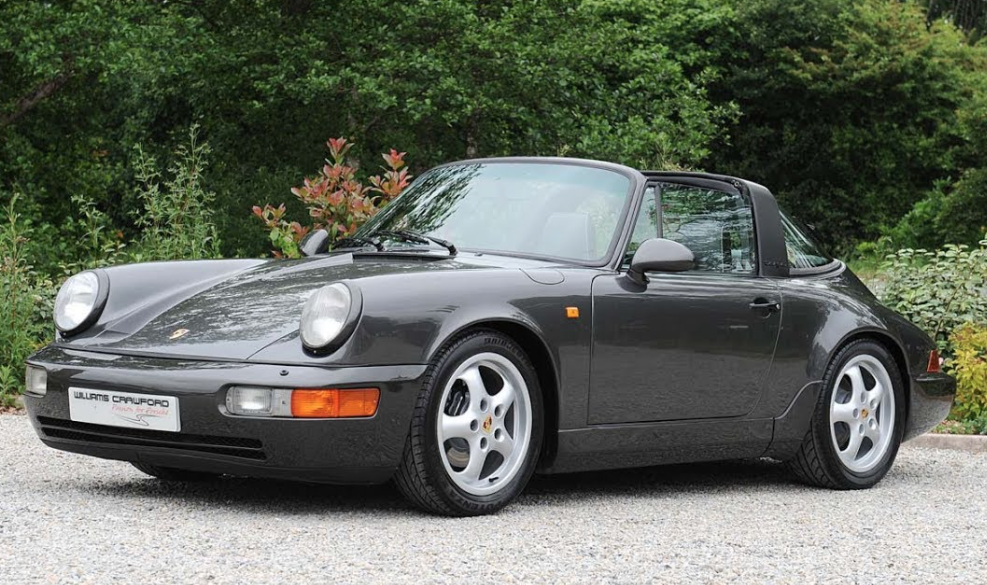
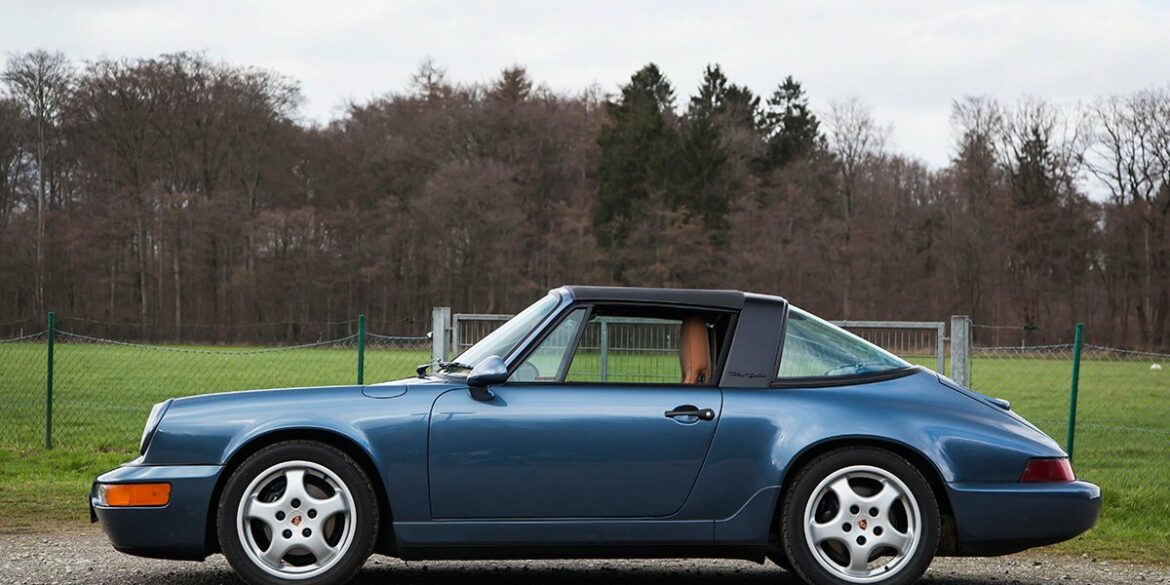
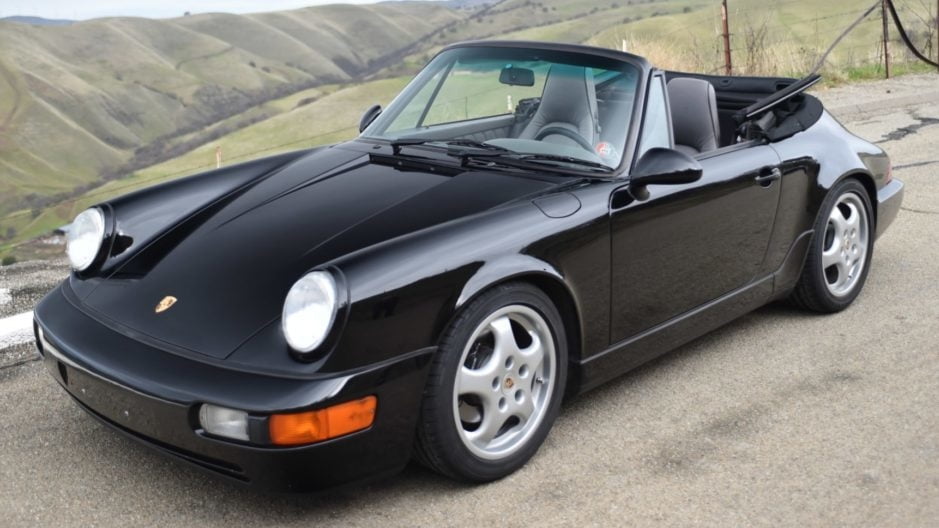
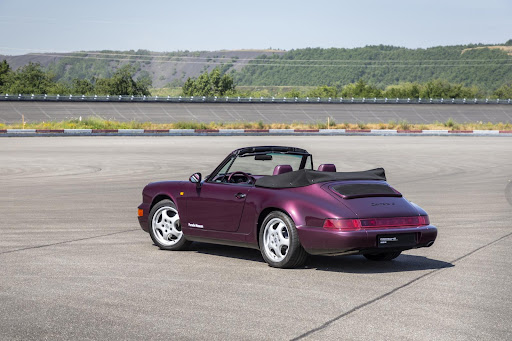
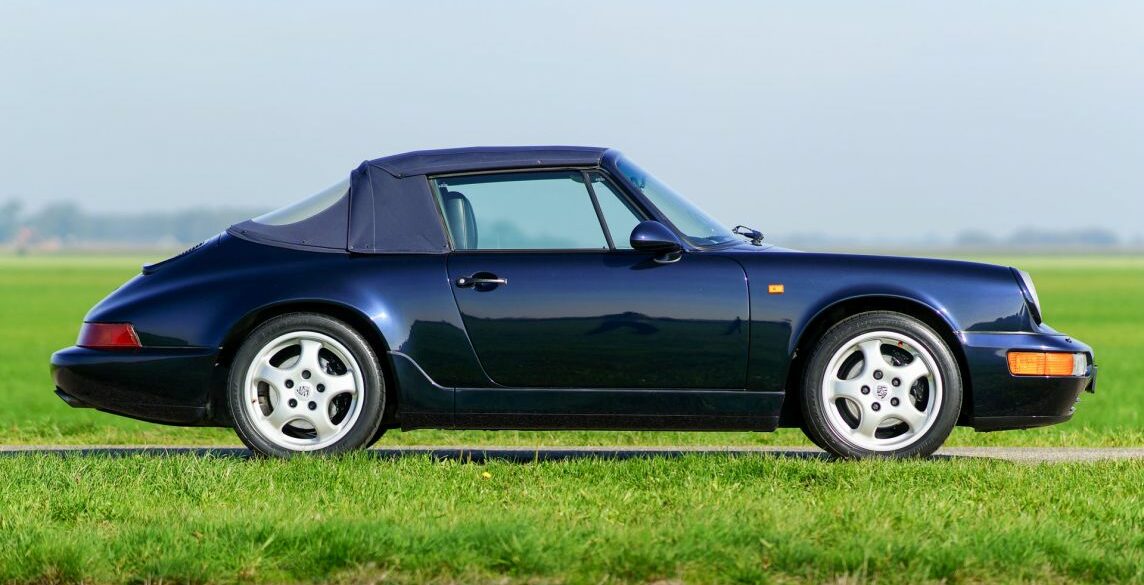
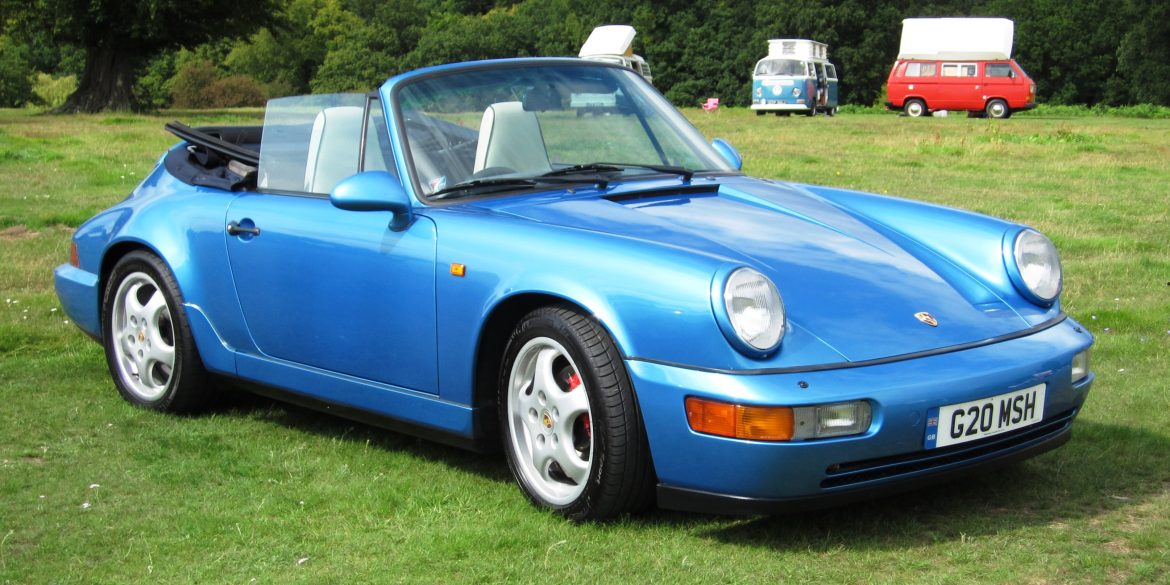
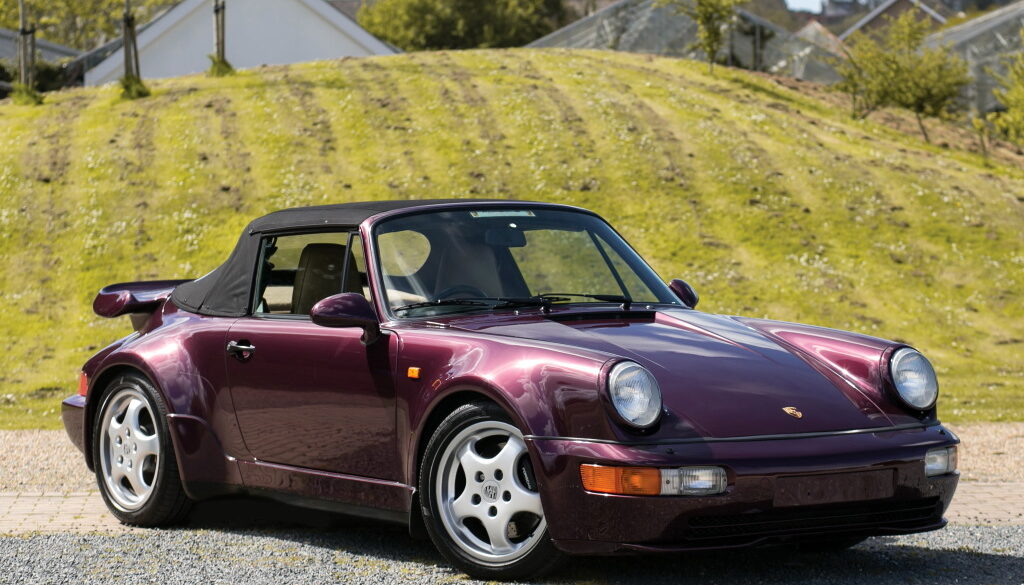
The Turbo-look Porsche 964 has always been a very desirable automobile, among them 1,532 Carrera 2 Cabriolets constructed worldwide. Within that group, there were some cars that were even more specialized. The Register says six Turbo-look cabriolets were pulled off the production line in Zuffenhausen and transported to the Porsche Exclusive shop in Weissach. Three of these six powerful and luxuriously equipped drop-tops were equipped with left-hand drive for buyers in Germany (Code C00), and the other three were fitted with right-hand drive
Porsche 911 Turbo S2 (964) (1992)
A forgotten part of the 964s history is the Turbo S2. It was built to adhere to homologation rules so Porsche could participate in IMSA's sports car racing series. IMSA's homologation rules meant that Porsche had to build at least 200 road-going versions of the participating car, 20 of which needed to share most of the primary components of the race car. The 911 Turbo S2 was built specifically for this purpose and exclusively for the United States and Canada. The 20 homologation specials left the factory as stock 964 Turbos, heading immediately to California-based tuner for "S2" engine upgrades.
Porsche 911 America Roadster (964) (1992 - 1993)
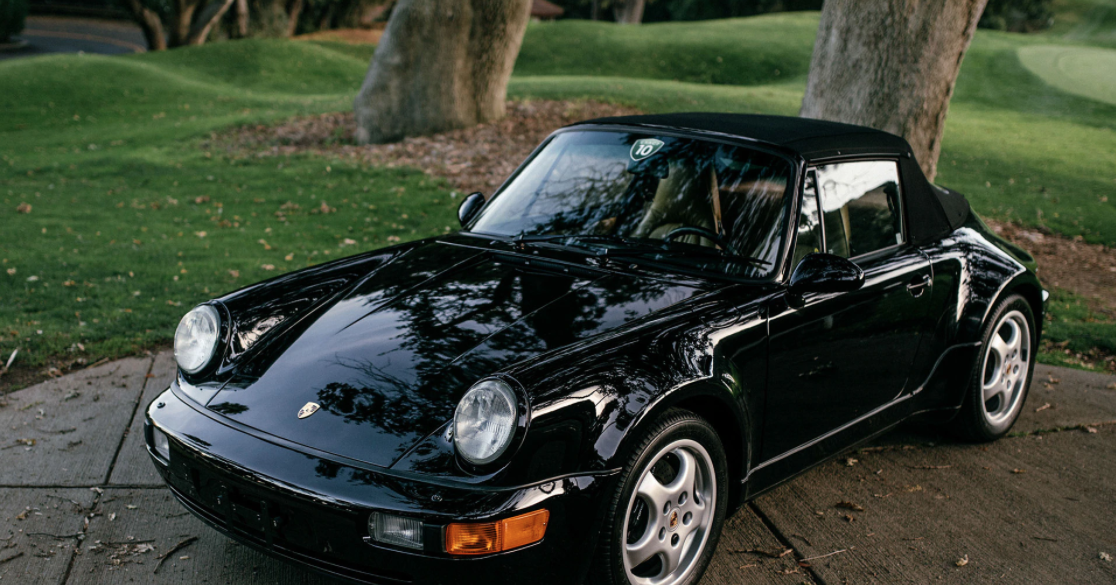
The American Roadster is essentially a turbo-bodied Carrera Cabriolet with Turbo suspension and brakes. Like the 356 America Roadster it was named after, the Type 964 America Roadster was a limited-edition, driver-focused convertible destined for the American market. Production for the America Roadster was limited at only 250 examples, and the model was only produced in 1992 and 1993. Its engine was a standard unit making 250 horsepower, but the special edition had the wide fender flares, suspension, brakes, and 17-inch Porsche Cup wheels of the 911 Turbo.
Porsche 911 964 (All Years) - VIN Numbers
Porsche 964 VIN Numbers Below is our detailed explanation of the 964 VIN codes. Our easy to use guide should help you find what you need quickly. The first part of this appendix provides the Vehicle Identification Number (VIN) code breakdowns. From this information it will then be possible for a potential...
Porsche 911 (964) Engine Codes
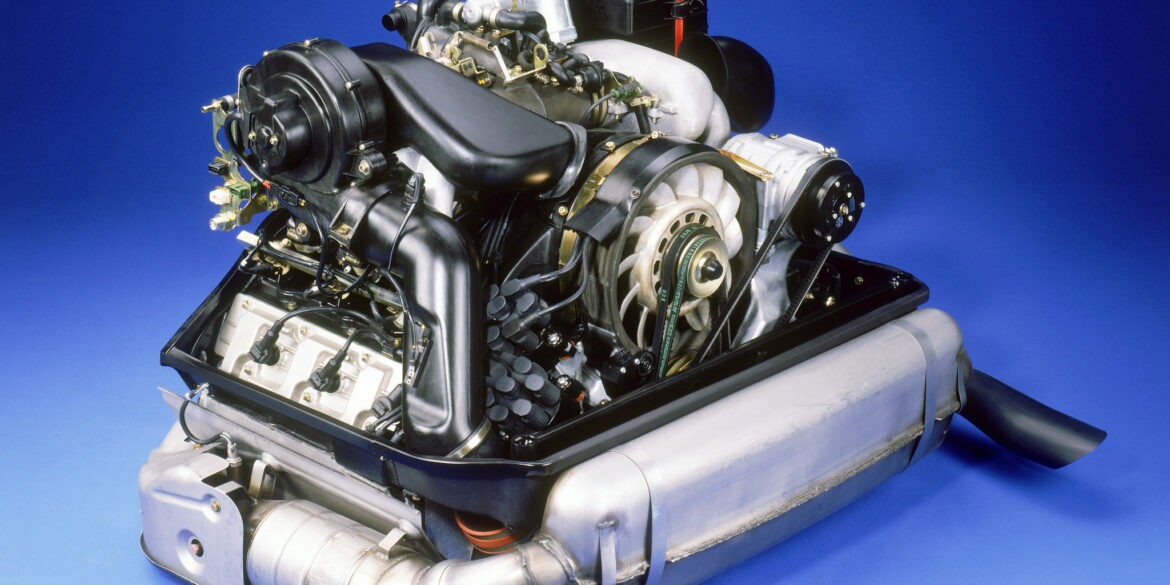
Porsche 911 (964) Engine Codes The engine number is located on the engine block, on the right side of the crankcase next to the fan housing. The engine code consists of 8 digits and is the same for all versions. Example: 62K86401 is an M64/01 engine installed in a 1989...
Singer Vehicle Design – Tatooine Commission Today, we take a closer look at the Singer Vehicle Designs Tatooine Commission. Like other Classic Study cars, the Tatooine was built in Singer’s California location. This car was shared with the public in October 2021. The Tatooine Commission is a 4.0L, LHD coupe...
Singer Vehicle Design – Max Power Commission Today, we take a closer look at the Singer Vehicle Designs Max Power Commission. Like other Classic Study cars, the Max Power was built in Singer’s California location. This car was shared with the public in October 2021. The Max Power commission is...
Singer Vehicle Design – Jersey Commission Today, we take a closer look at the Singer Vehicle Designs Jersey Commission. At the heart of the Jersey Commission is the 4.0L, naturally-aspirated, air-cooled flat-six. For this car, the owner has specified a 6-speed manual gearbox and rear-wheel drive. The engine itself is presented with...
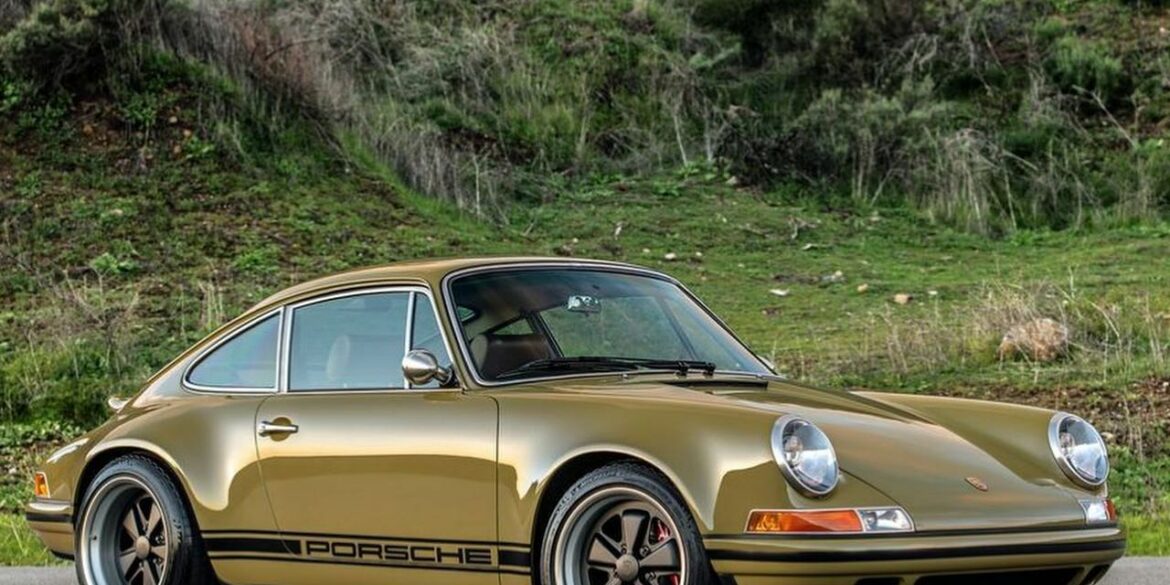
Singer Vehicle Design – New Zealand Commission Today, we take a closer look at the Singer Vehicle Designs New Zealand Commission. For the spec. fans, this car is presented with carbon fiber bodywork in Olive with black stripes and lettering. The interior is trimmed in Chocolate Brown with Oatmeal carpet....
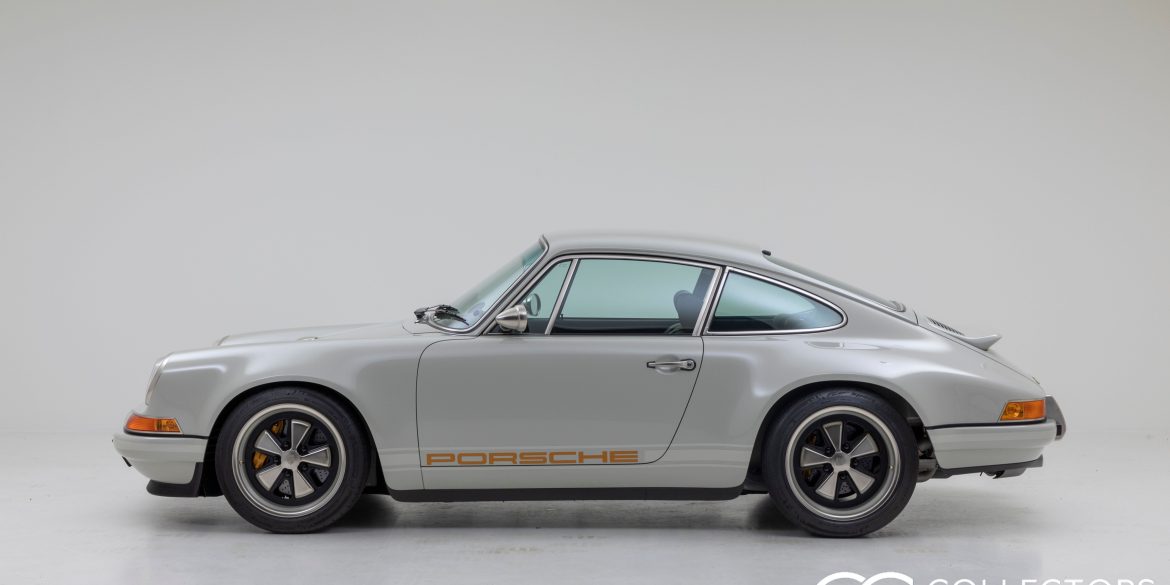
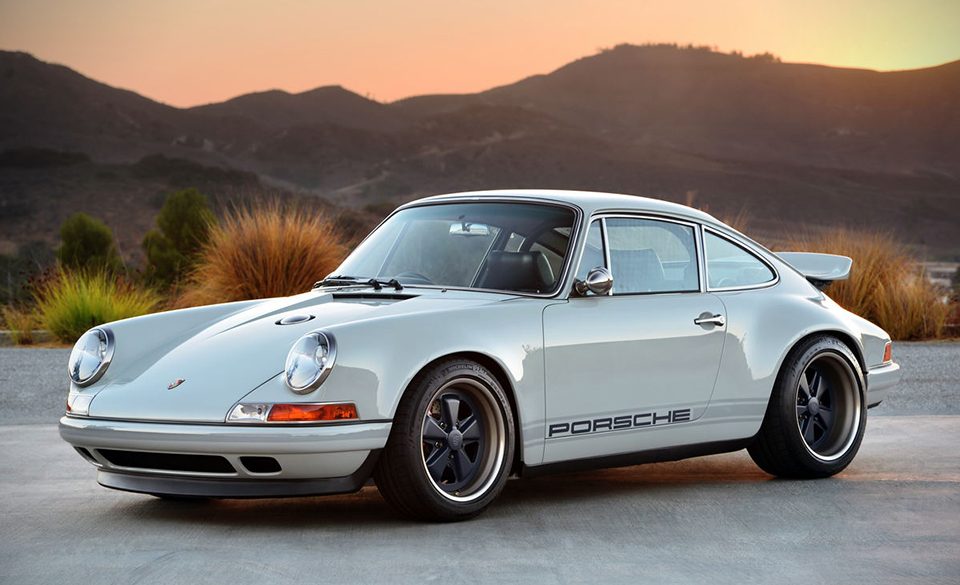
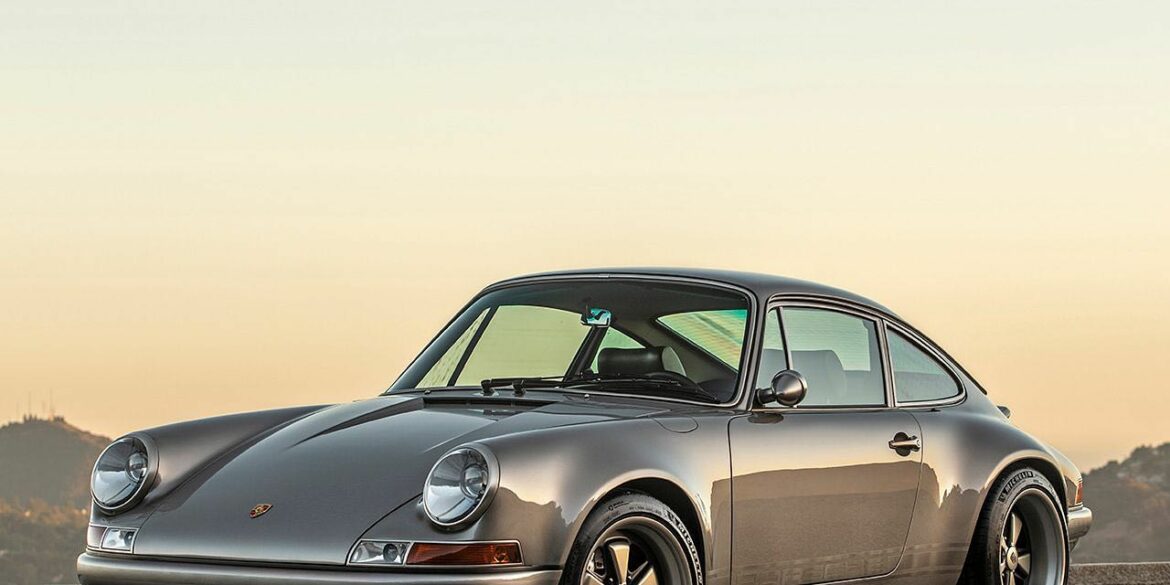
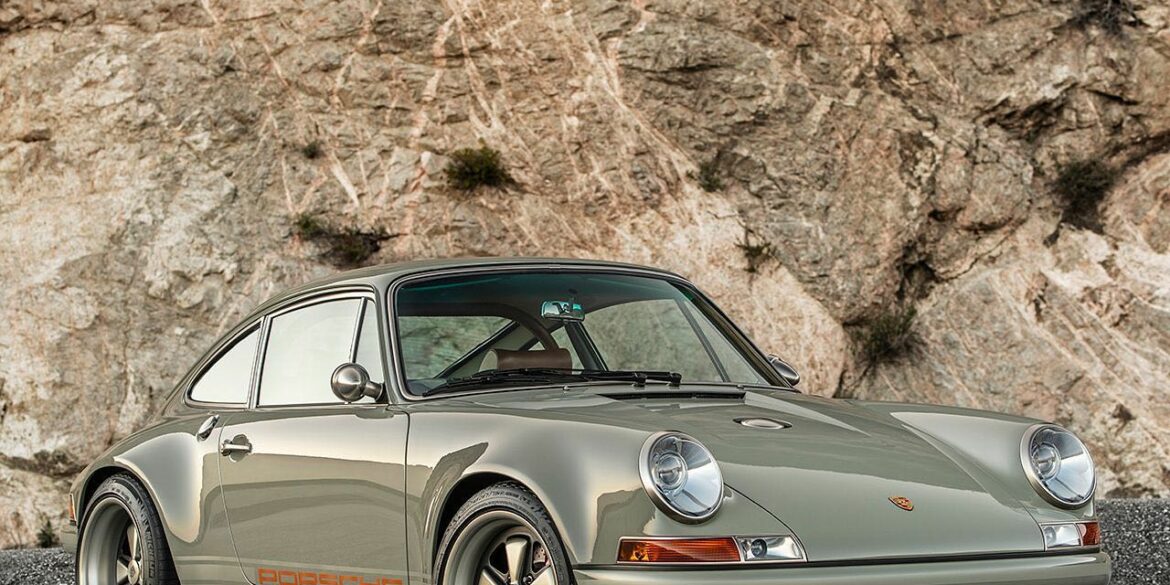
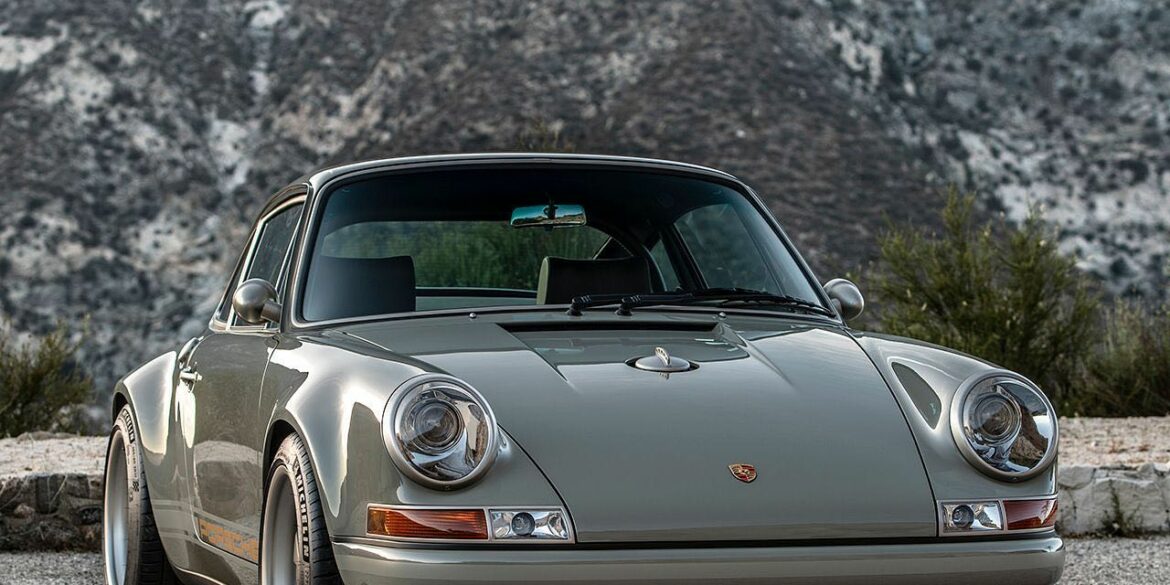
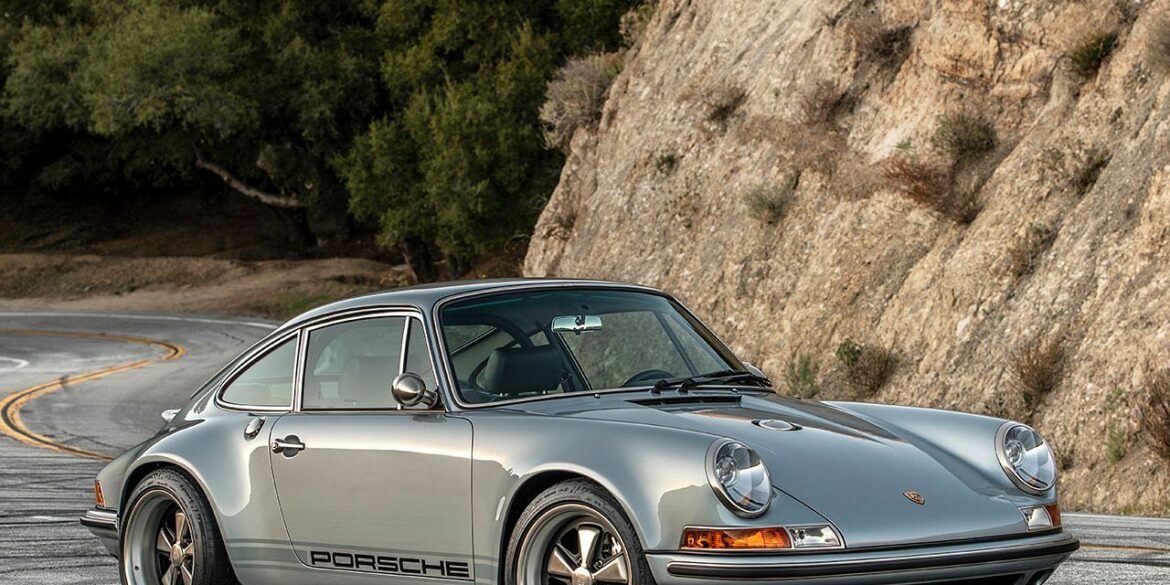
Singer Vehicle Design – Stone Grey Commission Today, we take a closer look at the Singer Vehicle Designs Stone Grey Commission. Weirdly, we don’t actually think this is the official name of this Singer build, but we couldn’t find the real name so we just called it by its exterior...
Singer Vehicle Design – Charlottesville Commission Today, we take a closer look at the Singer Vehicle Designs Charlottesville Commission. At the heart of the Charlottesville Commission is the awesome 4.0L, naturally-aspirated, air-cooled flat-six that powers most of the Singer cars. For this car, the owner has specified a 6-speed manual gearbox...
Porsche 911 964 Speedster North America Sales Brochure
Porsche 911 Sales Brochures (Type 964) Discover the Porsche 911 that brought modernity to the classic 911 formula! We’ve compiled every sales brochure for the Porsche 911 (964) generation, covering the years 1989–1994, and made them available for free download. These brochures showcase the full range, from the Carrera 2...
19 non 'slant nose' or Package cars were made for the USA only. Very rare. The Porsche factory had 93 Turbo chassis left. These were all transferred to Porsche Exclusiv and hand built as the very special 964 Turbo 3.6 S. They were offered with normal, or ‘Flachbau’ slant nose front ends. While the vast majority of Turbo S’ were fitted with the ‘Flachbau’ nose as a no-cost option, the Turbo S could also be had with the traditional 964 nose as well. In all, 76 Flatnose cars were made while 17 non-Flatnose (known as Package option) cars were made. These cars were also fitted with the X88 option, which increased power to 380 hp.