

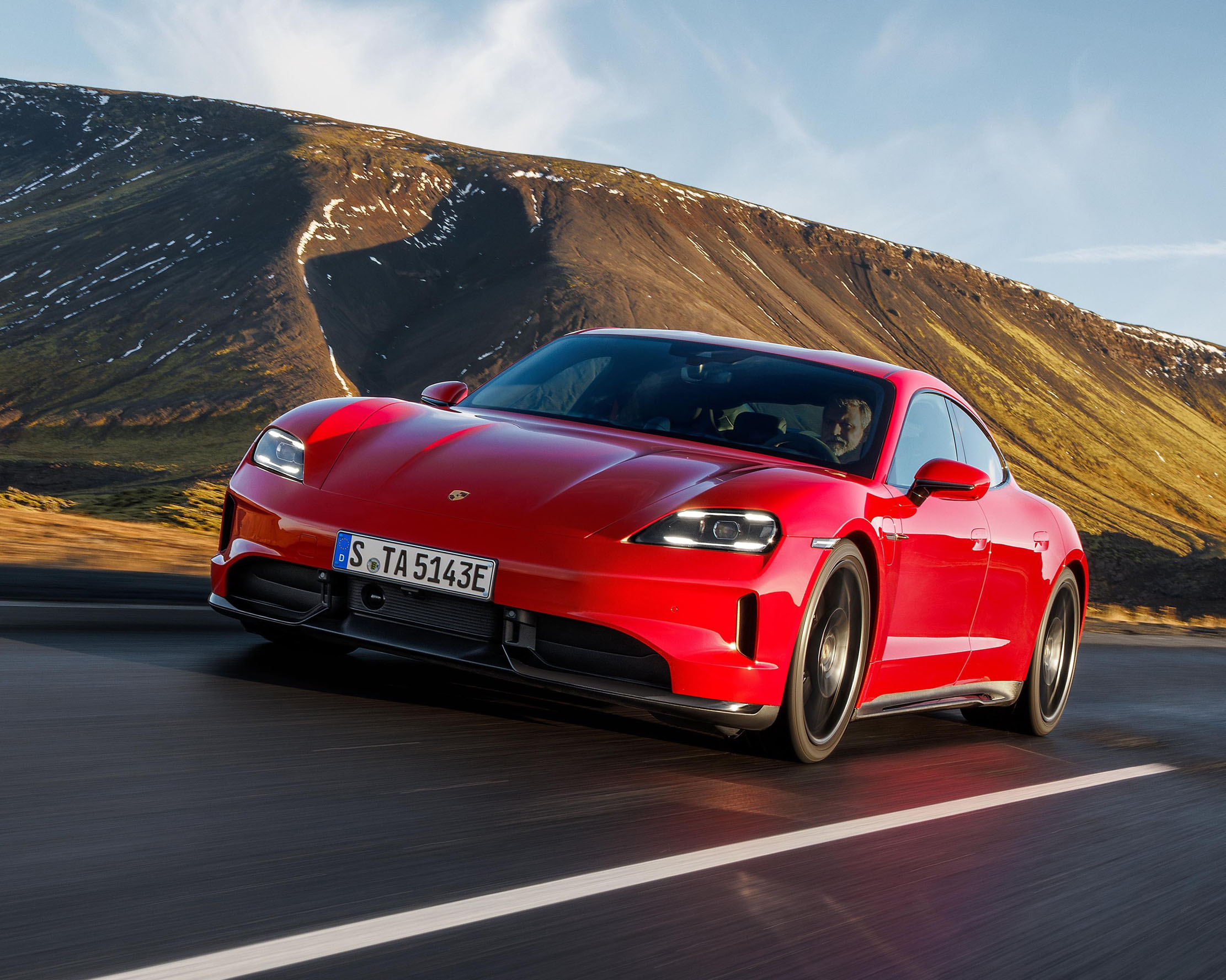
The instantaneous responsiveness of an electric powertrain is hard to argue with. Press the accelerator and the torque is simply there. No waiting for revs to build, no transmission deciding which gear it would prefer, and no momentary interruption while one ratio gives way to another. You ask, and the car goes. From a performance standpoint, this is clearly progress. From the driver’s seat of a sports car, however, something can get lost in all that efficiency.
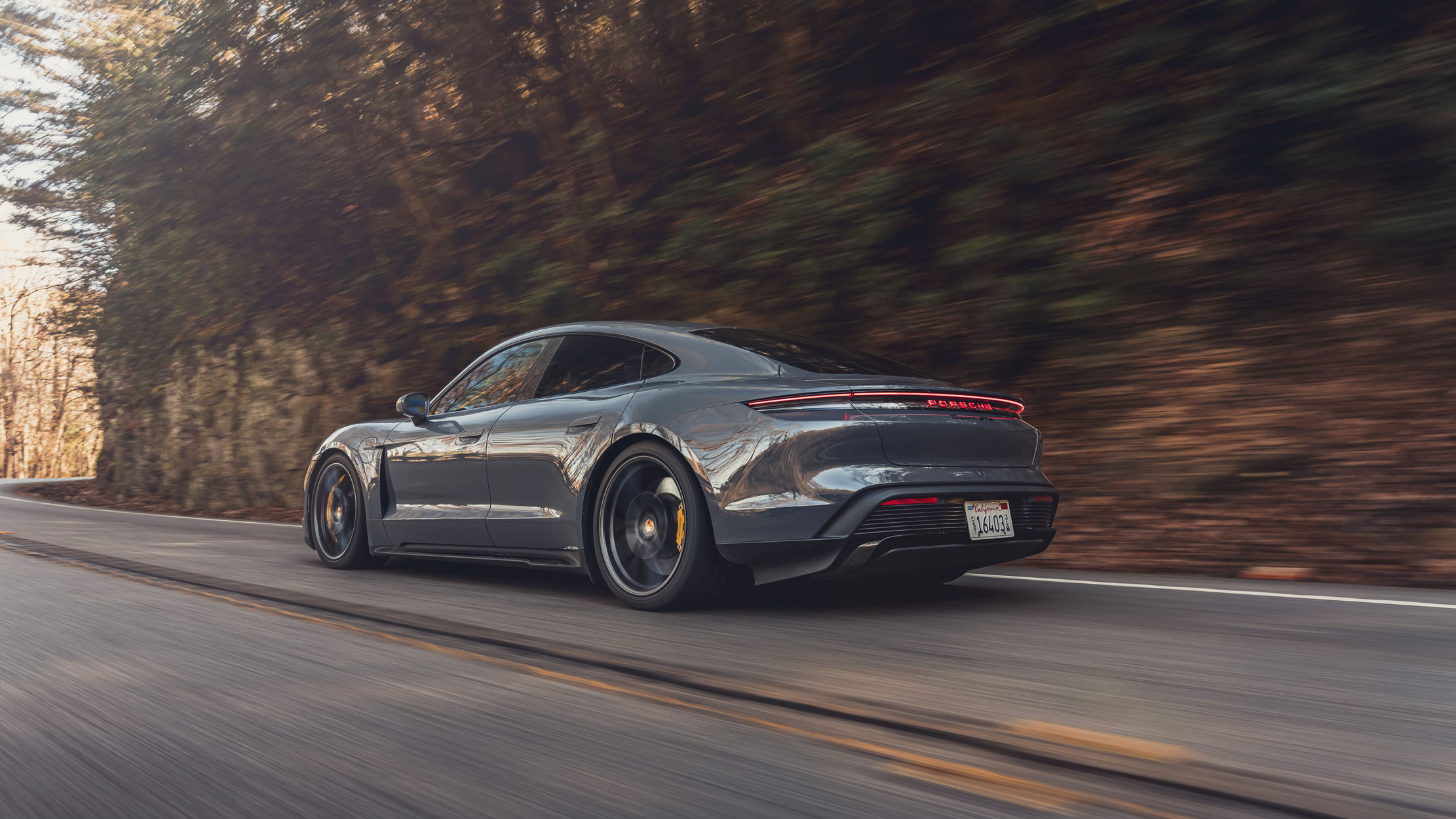
For generations, drivers have judged speed—and enjoyed it—through a collection of familiar signals. An engine climbs through its rev range. The exhaust note changes. A shift light appears. You pull a paddle or move a lever, feel the brief pause in acceleration, and begin the process again in the next gear. None of these things is strictly necessary to travel quickly, but they give the driver something to do and, perhaps more importantly, something to anticipate. Electric motors dispense with most of this theater because they don’t need it. Porsche’s solution is to put some of it back. It’s called E-Shift.
Driving pleasure for all the senses
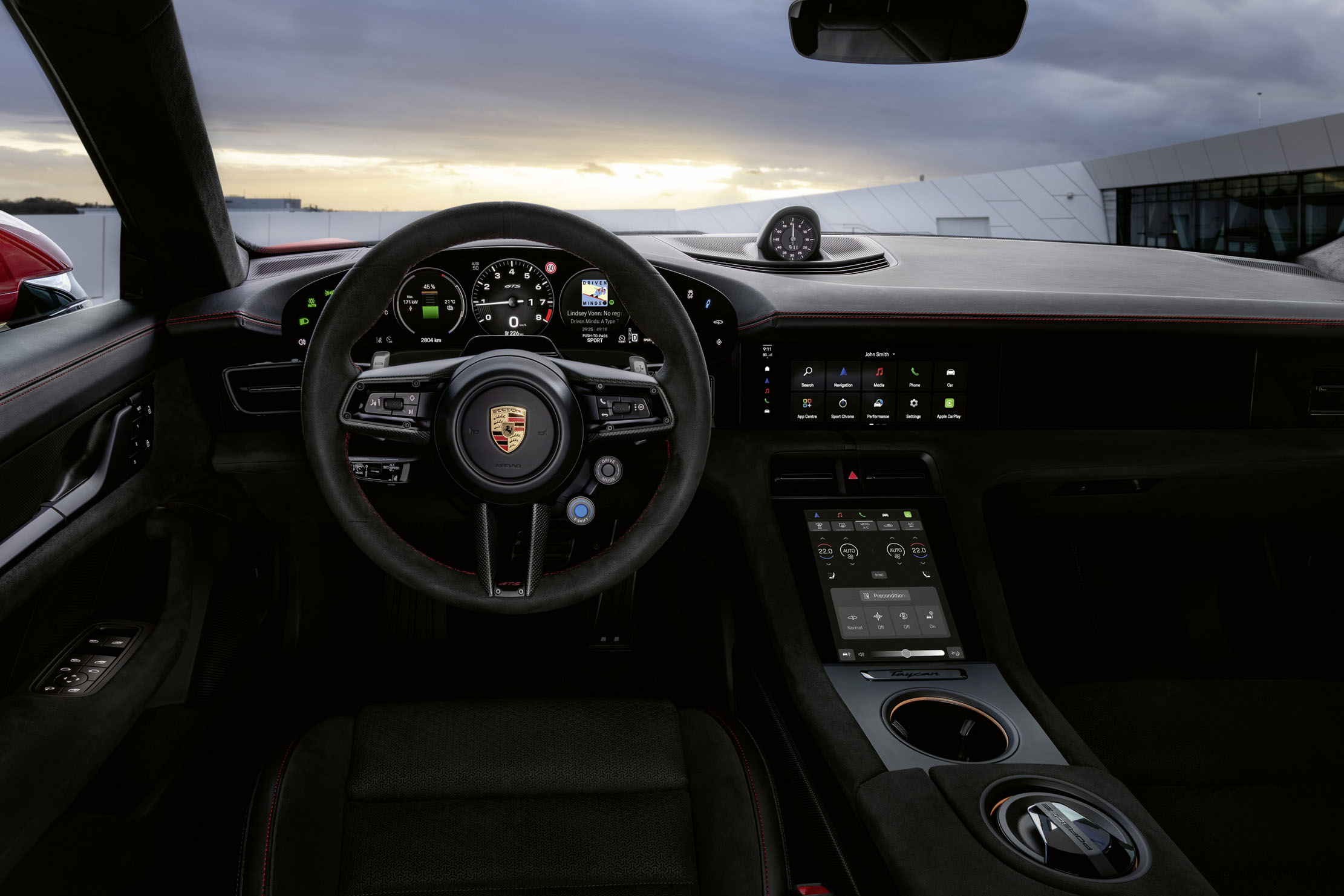
Thanks to its new E-Shift option, Porsche simulates an eight-speed Porsche Doppelkupplung (PDK) transmission that you can operate manually with the steering-wheel paddles when desired. The interesting part is that Porsche hasn’t stopped at simply assigning imaginary gear numbers to the dashboard. Each shift introduces a deliberate interruption in the Taycan’s otherwise uninterrupted acceleration. A centrally mounted tachometer rises toward 7,500 rpm, and a specially developed soundscape accompanies the whole exercise.
In other words, the car behaves as though it has an eight-speed gearbox even though, in the conventional sense, it doesn’t. No one claims any of this makes the Taycan quicker. That would miss the point. E-Shift makes speed more involving by returning some decision-making—and some mechanical rhythm—to the driver. Choosing when to shift, deciding which gear to use and hearing and feeling the car respond creates a sequence of events where an EV would ordinarily provide one long, smooth rush of acceleration.
“E-Shift brings more emotion and more feedback into the car,” says Markus Lindermeier, the Function Owner for E-Shift, summarizing the vision behind the innovation. That may be the simplest explanation of the whole system. Porsche isn’t trying to solve a performance problem. It’s trying to solve an emotional one.
Software complements hardware
The clever bit is that E-Shift requires no additional gearbox full of gears, shafts, clutches and oil. The technology is entirely software-based. Put simply, Porsche’s engineers have written seven additional gear changes into the Taycan’s control software, programming the car to behave much as a PDK-equipped combustion car would. The system accounts for downshifts under braking, different shift strategies and other familiar characteristics of a conventional transmission. Of course, once you create a gearbox in software, you’re no longer constrained by all the physical inconveniences of an actual gearbox.
“We wanted to preserve an authentic driving experience without inheriting the drawbacks of a traditional transmission,” continues Lindermeier. “For example, gear changes can be executed more quickly than in a conventional combustion-engined car.”
There is also an intriguing mechanical wrinkle here. The Taycan already has a real two-speed transmission on its rear axle, something relatively unusual among EVs. Porsche has synchronized the change from E-Shift’s virtual second gear to virtual third with the actual mechanical shift taking place at the rear. So, for one shift at least, the illusion and the machinery meet. It’s an interesting mixture: a real transmission working inside a digitally created one, with software filling in the remaining ratios. The driver needn’t spend much time thinking about which part is real and which part isn’t. Ideally, the distinction disappears once the road gets interesting.
Sound as an integral part of the experience
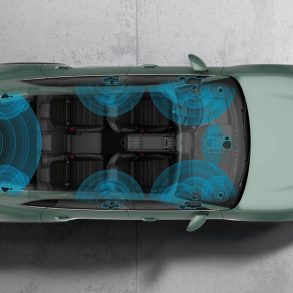
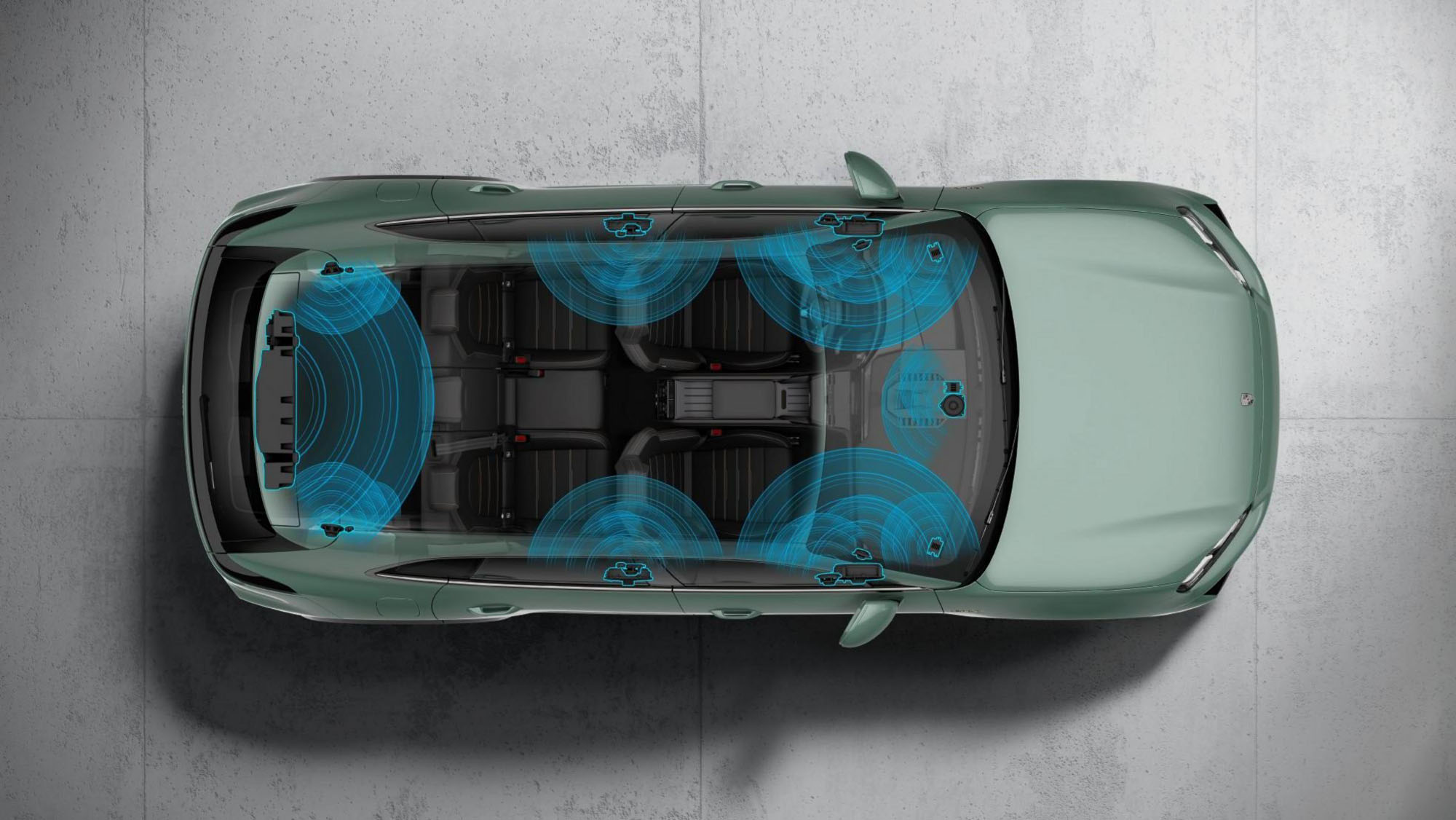
Naturally, a convincing gearbox needs something resembling an engine note—or at least an acoustic signal that rises and falls with the imaginary revs. Porsche has therefore expanded upon the Taycan’s existing Porsche Electric Sport Sound, creating a new soundscape that responds to virtual engine speed, vehicle load and road speed. There’s also a new acoustic sequence when the car starts. The sound comes through the Taycan’s existing interior and exterior speakers and has been deliberately biased toward the rear of the car.
That last detail is important. Drivers of conventional sports cars are accustomed to much of the interesting noise coming from somewhere behind them, particularly in a Porsche with its engine in the traditional place. Locating the E-Shift sound toward the rear helps give the experience a sense of direction rather than simply filling the cabin with synthesized noise.
Whether you regard this as clever engineering or elaborate theater probably depends on your feelings about simulated sound in electric cars. But sports cars have always contained a certain amount of theater. Intake systems are tuned for sound, exhausts have valves, transmissions have carefully selected shift strategies and engineers spend considerable time making controls feel satisfying. E-Shift simply uses software to chase the same result.
Operation directly from the GT-sports steering wheel
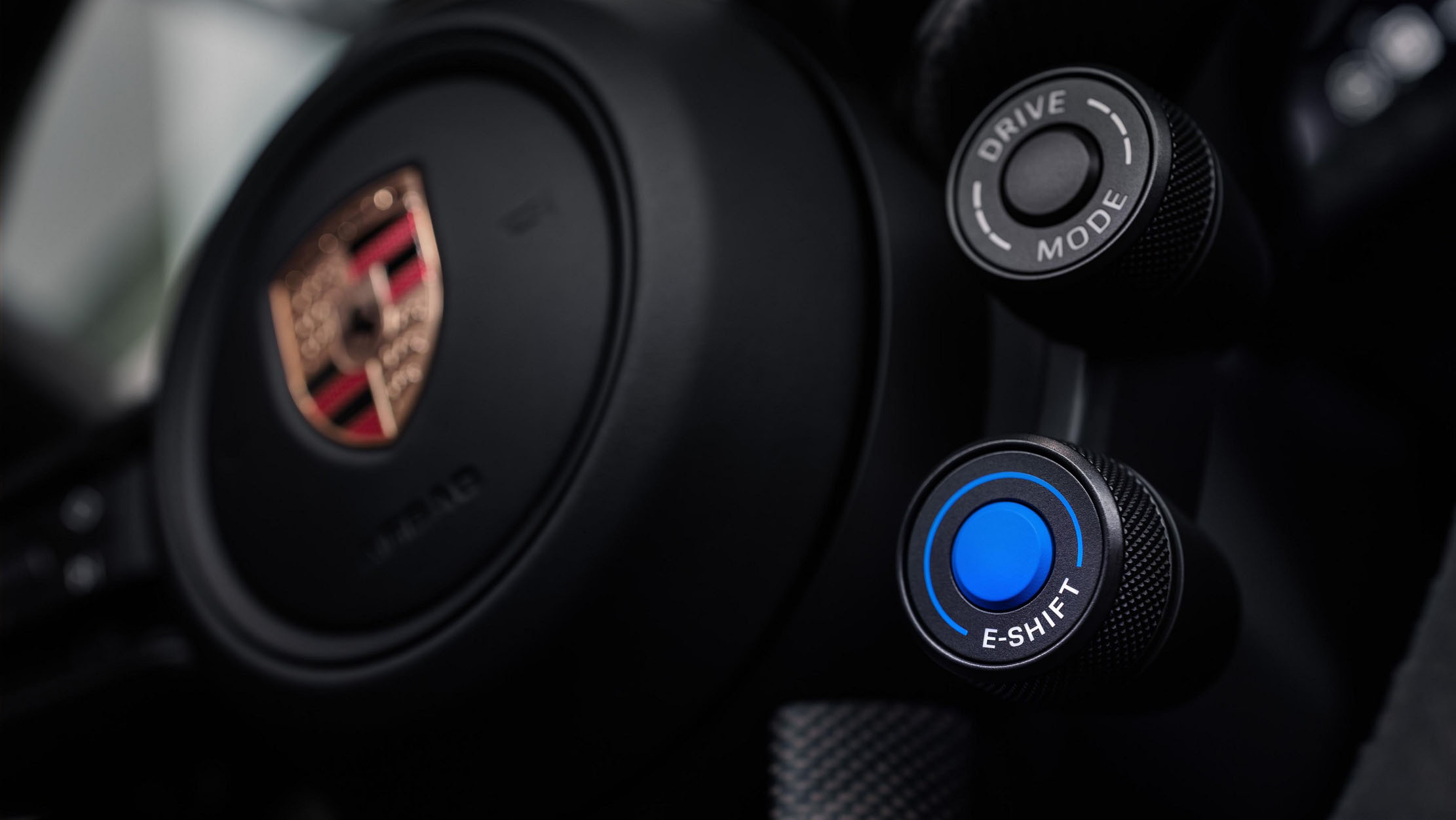
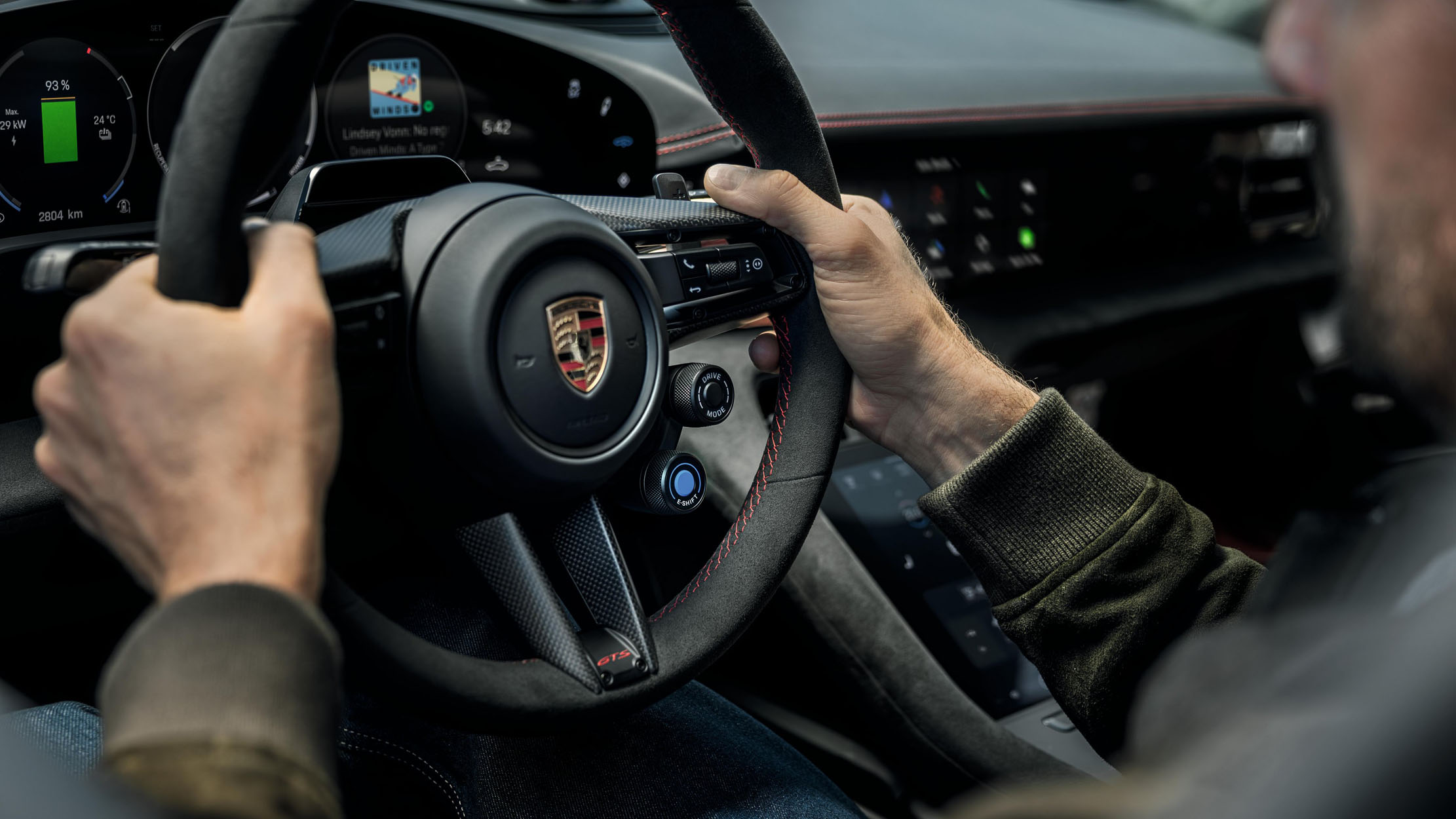
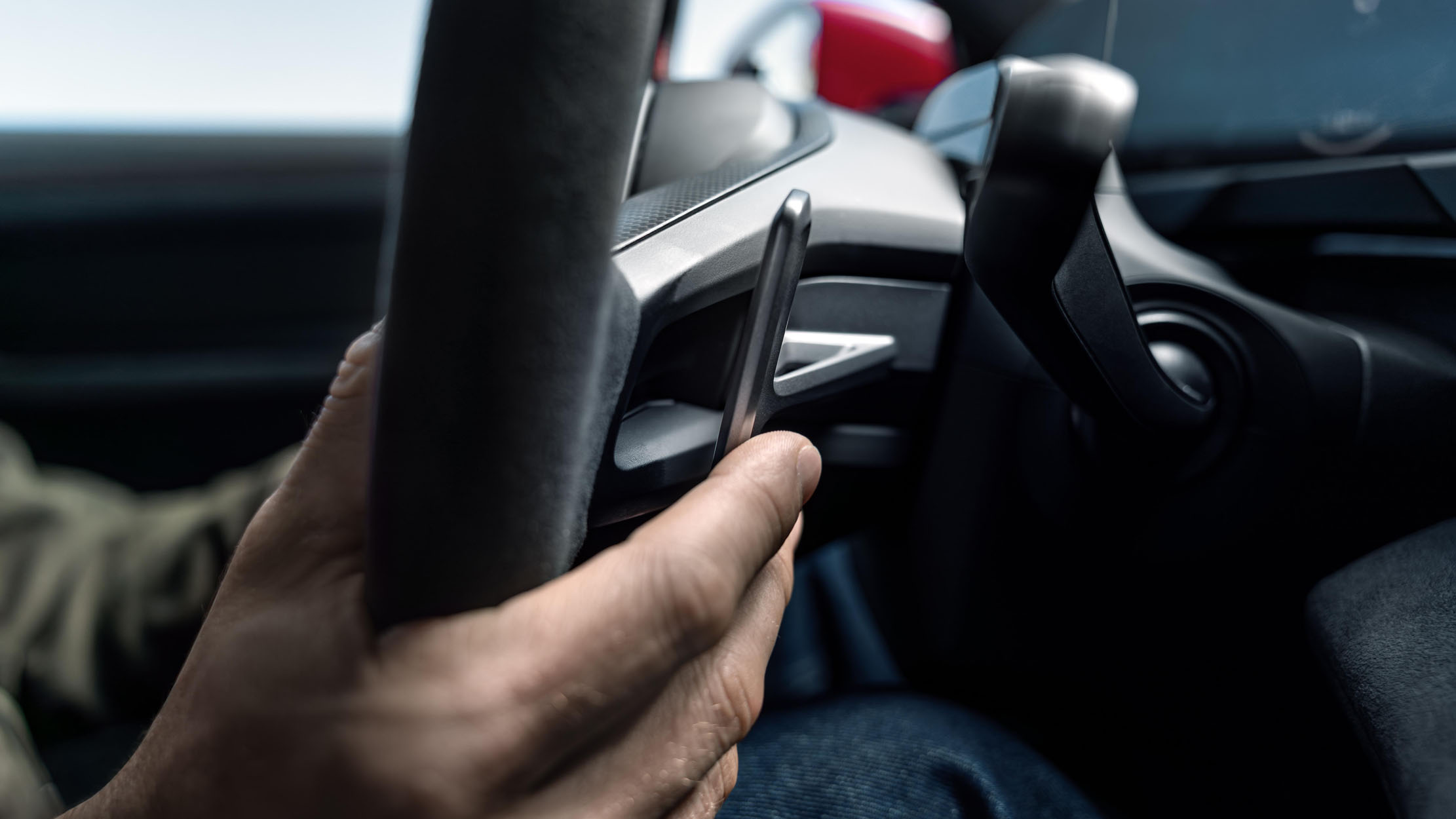
Porsche has wisely kept operation relatively straightforward. E-Shift is activated using a switch on the GT-sports steering wheel. Drivers can then select automatic or manual shifting, with the paddles behind the wheel handling the virtual gear changes in manual mode. Switch E-Shift off, and the paddles return to another job, adjusting regenerative braking in two stages. Pull both paddles simultaneously, and they activate Push-to-Pass, temporarily increasing performance.
Despite all the activity, E-Shift doesn’t alter the Taycan’s underlying performance. During a shift, the software briefly reduces drive torque and then restores it almost immediately, creating the sensation of a conventional gear change. Porsche says overall acceleration remains unchanged. Which leads to an amusing engineering contradiction: considerable effort has gone into making an electric drivetrain briefly stop doing one of the things it does exceptionally well—delivering uninterrupted torque. And yet, from behind the wheel, that interruption may be precisely what makes the acceleration more memorable.
Interactive E-Performance
E-Shift points toward an interesting question for the next generation of sports cars. Once software can shape not only throttle response and chassis behavior but also the perceived character of the drivetrain, how much of a car’s personality still needs to come from mechanical necessity?
Above Content © 2026 Porsche Cars North America, Inc / Dr. Ing. h.c. F. Porsche AG, reviewed and edited by Rex McAfee , @rexmcafee 🏁
#Porsche #Taycan #EShift #PorscheTaycan #ElectricSportsCar #PorscheEPerformance #PDK #ElectricPerformance #EVPerformance #SportsCars