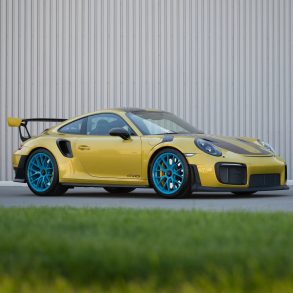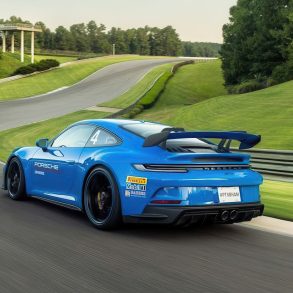


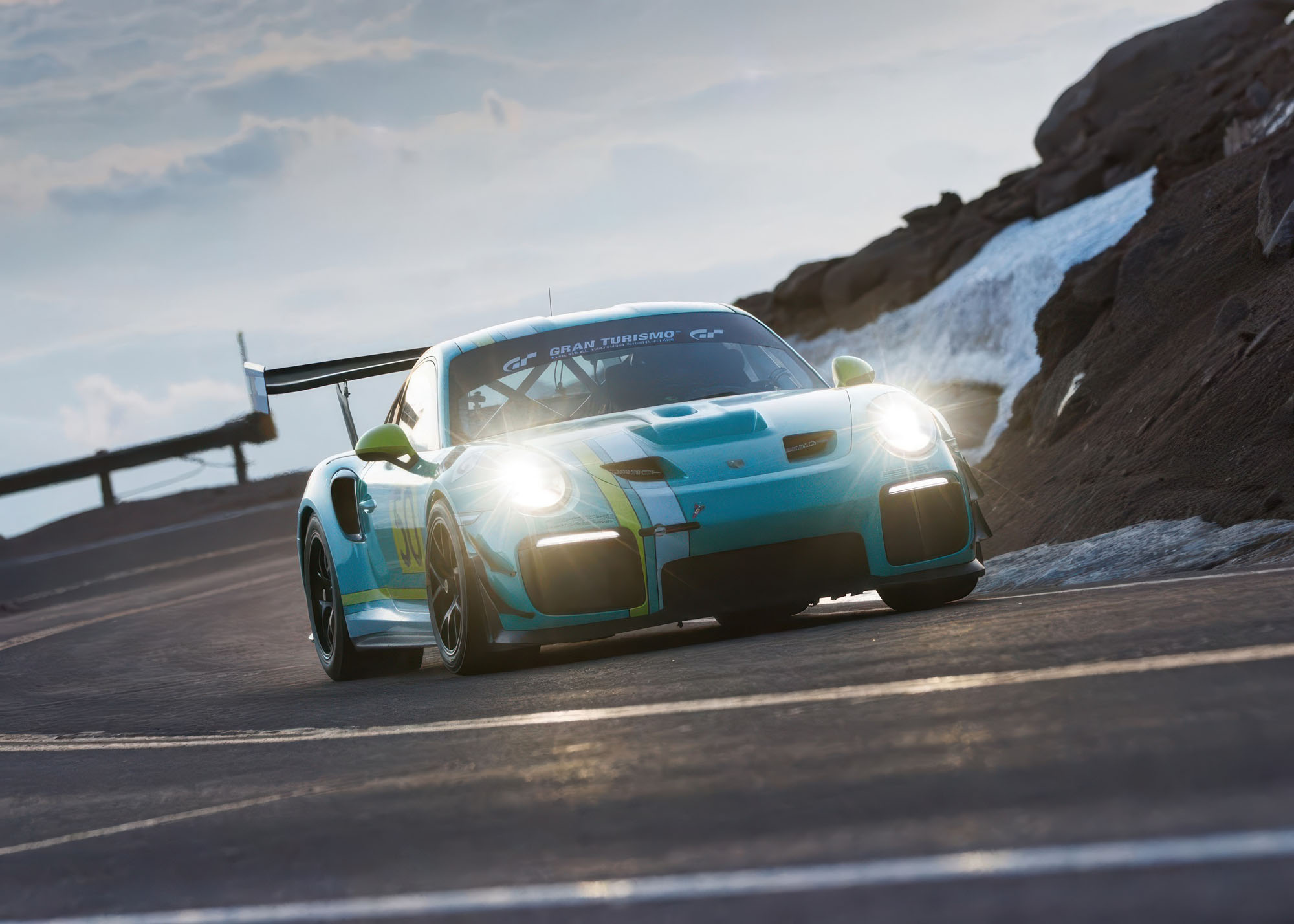
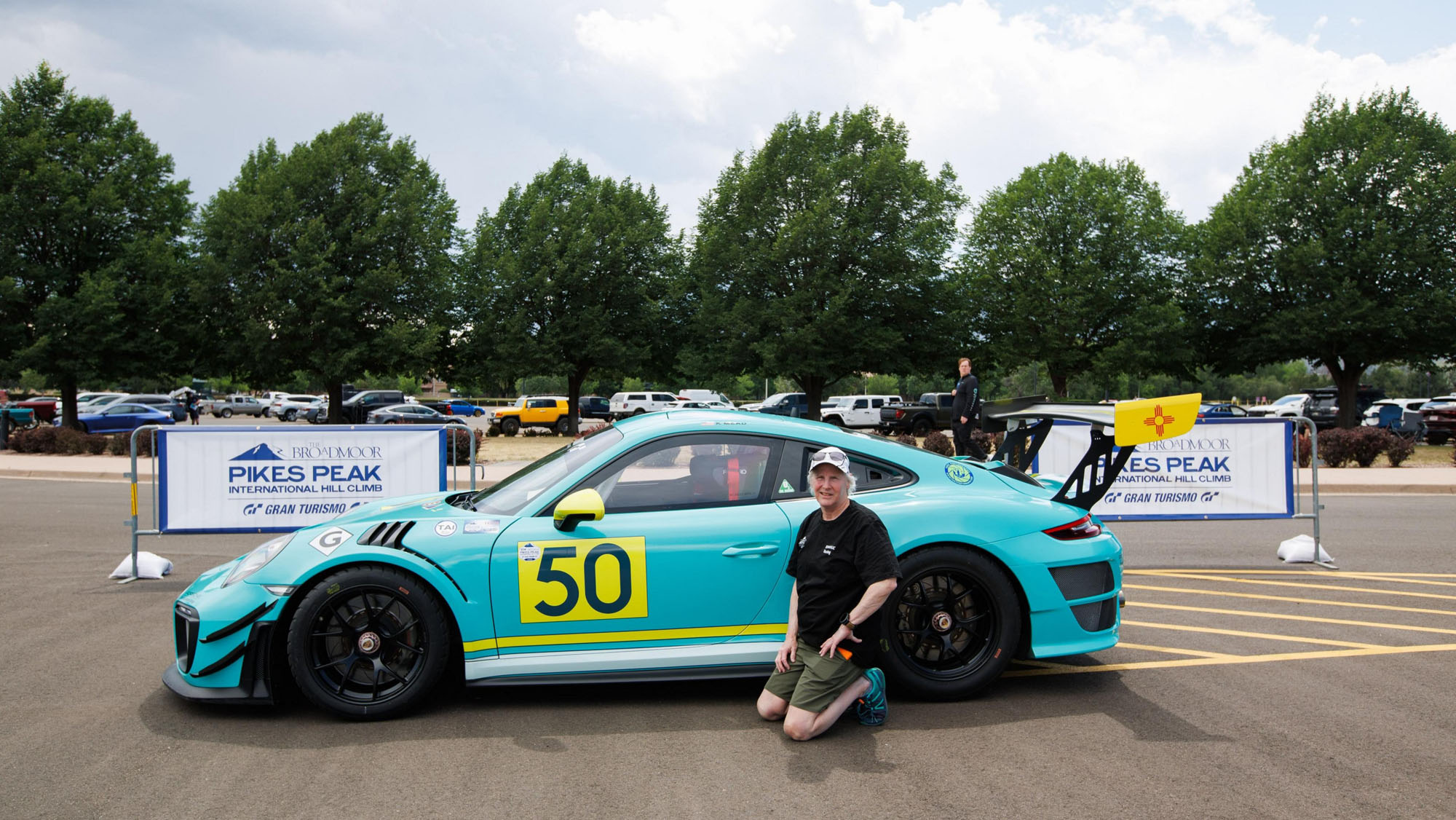
Retired astrophysicist Kathy Mead is no stranger to the Pikes Peak International Hill Climb. This year she completed her seventh appearance at the Pikes Peak International Hill Climb, taking on one of motorsport’s most demanding mountain courses in a Porsche 911 GT2 RS Clubsport. For Mead, who began racing later in life, the annual Colorado event presents a challenge that extends far beyond the approximately 10-and-a-half-minute run to the summit.
Known as the Race to the Clouds, Pikes Peak demands a combination of precise driving, mechanical reliability and constant adaptation to changing conditions. Mead’s experience illustrates why the mountain remains a formidable test even for returning competitors, and why she considers the turbocharged Porsche particularly well suited to the climb.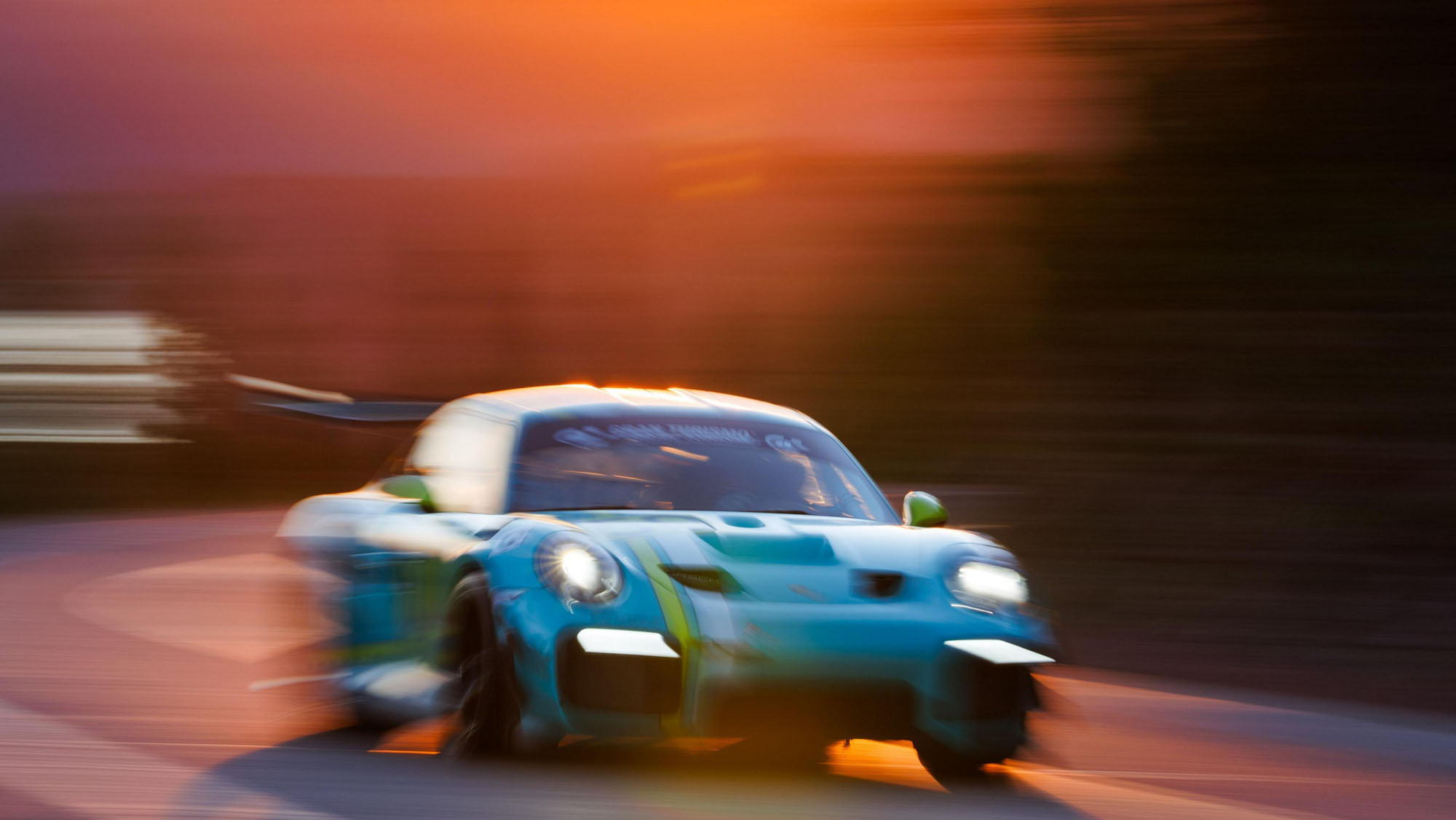
For Mead, the competition begins well before she reaches the starting line. Travel, vehicle preparation, technical inspections, practice sessions, changing weather and the effects of altitude all contribute to an event that can occupy considerably more time than the race itself.
“Most people think of race day,” Mead explains. “But we can be on the mountain as many as 10 days.” That extended preparation is essential because Pikes Peak does not offer the same opportunities for testing and adjustment as a conventional racing circuit. Competitors practice individual sections of the mountain rather than repeatedly driving the entire course, making every opportunity behind the wheel important.
Three Distinct Sections Define the Pikes Peak Challenge
Mead describes Pikes Peak as “three different courses in one,” reflecting the substantial changes in road characteristics and visibility as competitors climb toward the summit. Each section presents its own challenges, requiring drivers to adjust their braking, cornering and approach to risk.
Lower Section: Fast Corners and Off-Camber Turns
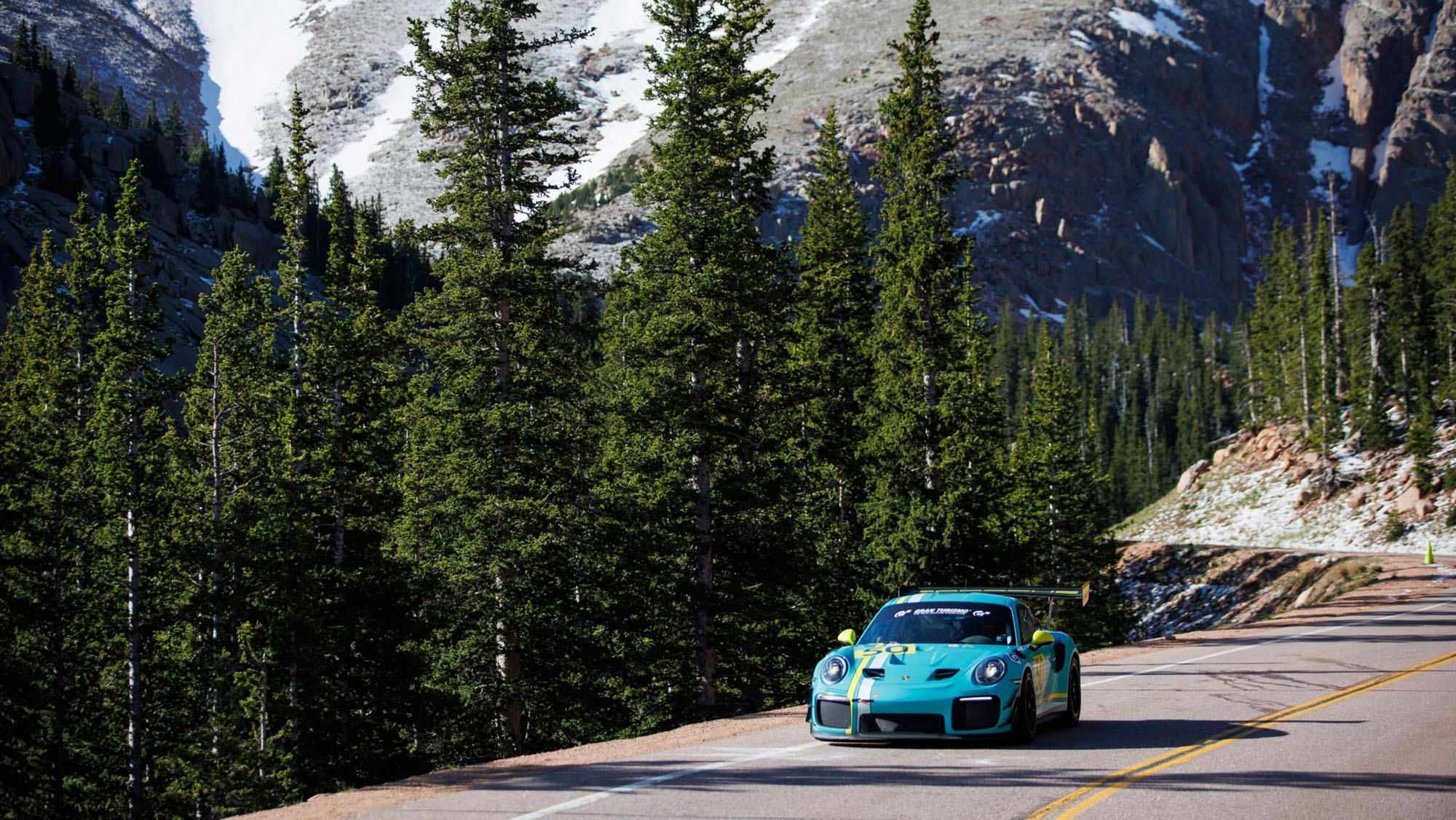
The lower portion of the mountain, where qualifying takes place, runs below the tree line. Trees and surrounding terrain provide visual reference points, making the road easier to interpret than the exposed upper sections. That familiarity does not make the driving straightforward. Fast corners, off-camber entries and demanding exits require precision, particularly when the car is moving quickly between successive turns.
Middle Section: Switchbacks and Limited Braking Margins
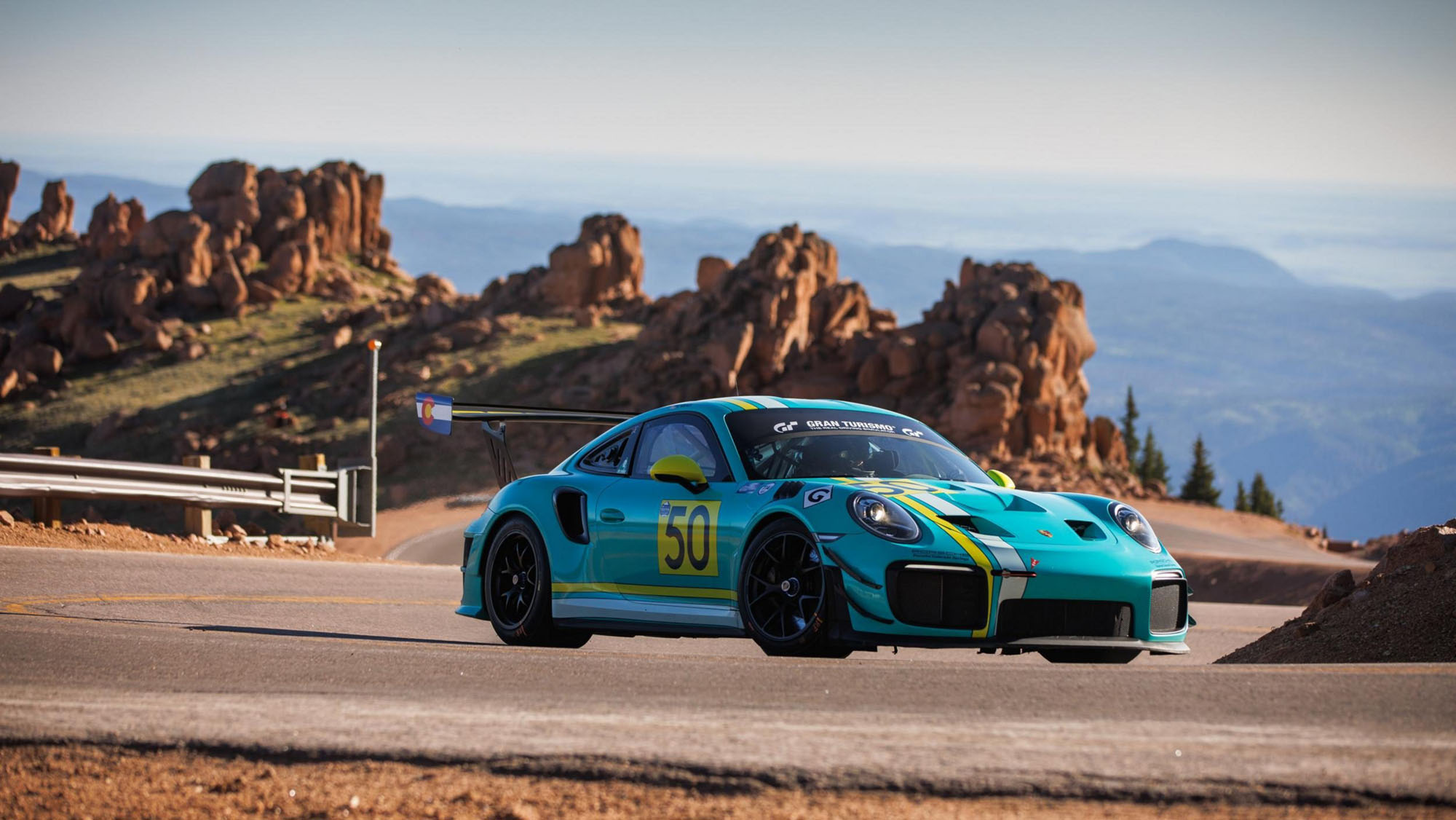
As the course rises above the tree line, familiar visual references disappear and the road becomes increasingly demanding. The middle section features switchbacks and heavy braking zones where carrying additional speed can improve a run, but misjudging a corner can bring the attempt to an immediate end.
Upper Section: Exposure, Bumps and the Final Climb
The upper section introduces another set of challenges, combining high-speed stretches with exposed mountain edges and substantial drops. The absence of familiar visual markers makes judging speed and positioning particularly difficult. Even the approach to the finish requires restraint. Although the summit is in sight, the uneven surface prevents drivers from simply applying full throttle through the final section.
Why Kathy Mead Races a Porsche 911 GT2 RS Clubsport
Mead’s choice of the Porsche 911 GT2 RS Clubsport is driven by two priorities: turbocharged performance at altitude and mechanical dependability. Both are especially important at Pikes Peak, where the combination of thin air and limited practice opportunities places unusual demands on the car.
Turbocharged Performance at High Altitude
As elevation increases, lower air density reduces the oxygen available for combustion, presenting a particular challenge for naturally aspirated engines. Turbocharging helps compensate for the reduced air density, making it an advantage on a course that climbs high into the Colorado mountains.
Reliability and Suspension Setup Matter as Much as Power
Engine performance is only part of the equation. Mead also places considerable importance on reliability because Pikes Peak offers limited opportunities to evaluate major setup changes before the timed run.


Finding a suitable setup requires compromises between the mountain’s different sections. Suspension characteristics that work well on the lower course may be less effective on the bumpier upper roads, leaving competitors to find a balance rather than an ideal configuration for every corner. “Nothing at Pikes Peak is ever perfect,” Mead says. “You just have to compromise.”
What Happens After the Pikes Peak Finish Line
For Mead, the run to the summit takes approximately 10 and a half minutes, compressing extensive preparation into a single intense drive. Reaching the double checkered flag brings an abrupt end to an experience that has occupied much of her attention for weeks. “It’s suddenly over,” she says. 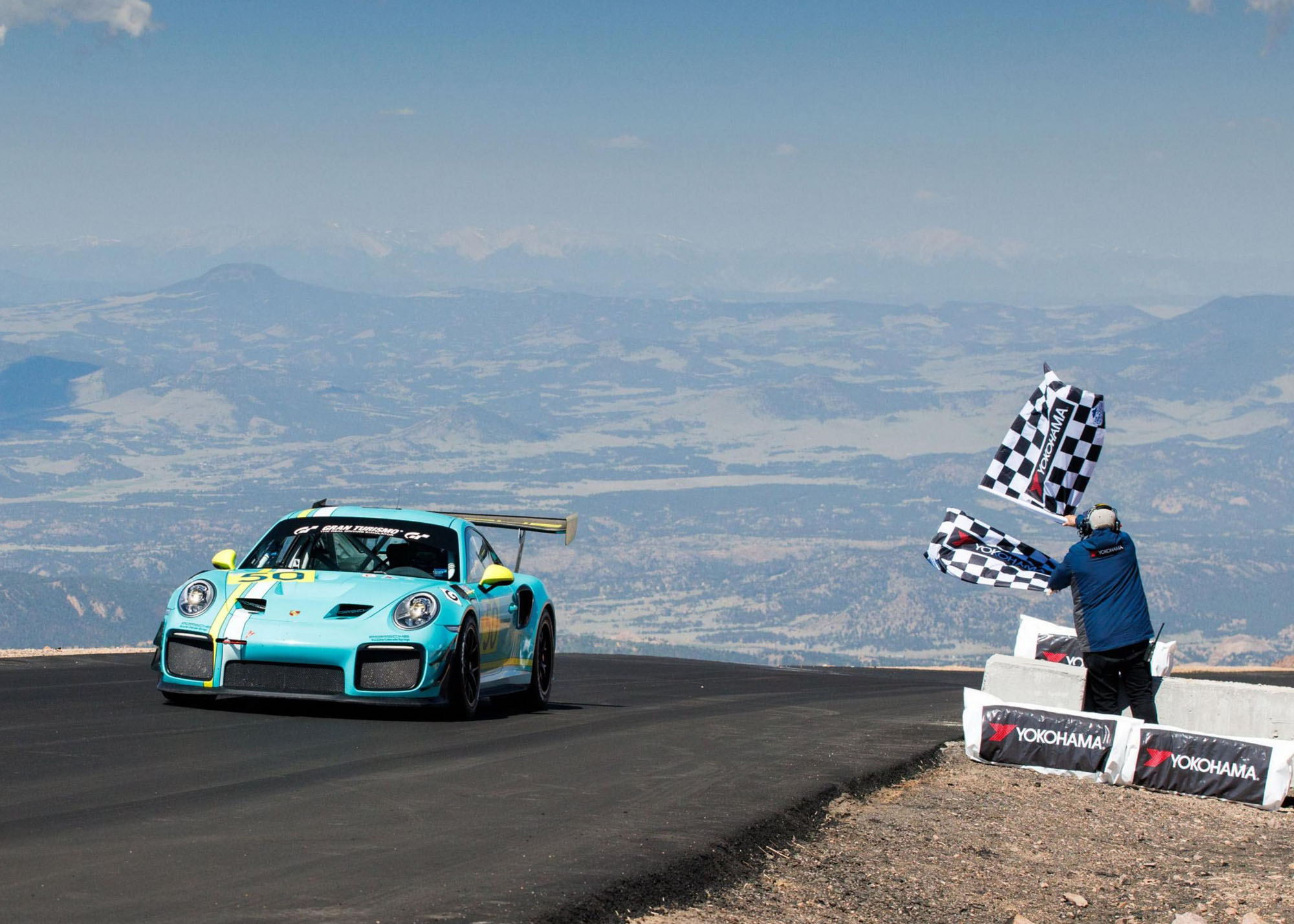
Why It Matters
Mead’s experience highlights an aspect of the Pikes Peak International Hill Climb that cannot be measured by horsepower or outright speed alone. For Porsche enthusiasts and motorsport fans, her story offers a driver’s perspective on the technical and psychological demands of one of the sport’s most distinctive competitions.
After seven appearances, Mead continues to return for the challenge of applying what she has learned to a mountain that never offers precisely the same conditions twice. “The hardest things are the most rewarding,” she says. “I’m just so grateful every day that I get to do it.”
Key Facts
| Category | Details |
| Driver | Kathy Mead |
| Professional background | Retired astrophysicist |
| Vehicle | Porsche 911 GT2 RS Clubsport |
| Manufacturer | Porsche |
| Event | Pikes Peak International Hill Climb |
| Event nickname | Race to the Clouds |
| Location | Pikes Peak, Colorado, USA |
| Appearances | Seven, including the event discussed |
| Approximate run duration | 10 minutes, 30 seconds |
| Engine configuration | Turbocharged; exact specifications not supplied |
| Course characteristics | Three distinct sections, including switchbacks, off-camber corners and exposed upper roads |
| Qualifying | Lower section of the mountain |
| Practice format | Individual course sections |
| Event preparation | Up to 10 days on the mountain |
| Principal vehicle priorities | Altitude performance, reliability and balanced setup |
| Event year | Not explicitly stated in source |
| Official finishing time | Not supplied |
| Finishing position | Not supplied |
Above contents © 2026 Dr. Ing. h.c. F. Porsche AG reviewed and edited by Rex McAfee , @rexmcafee 🏁