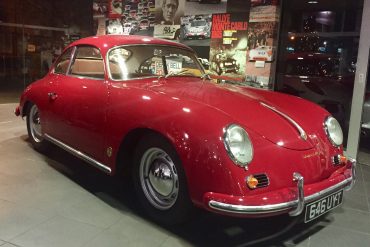
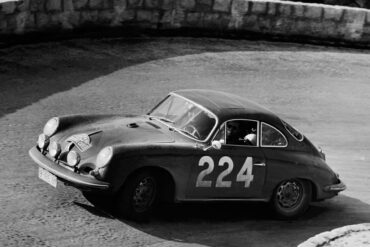
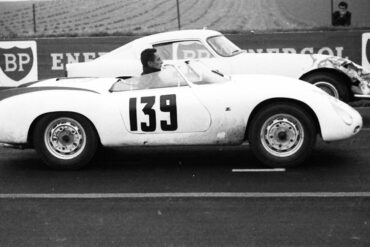
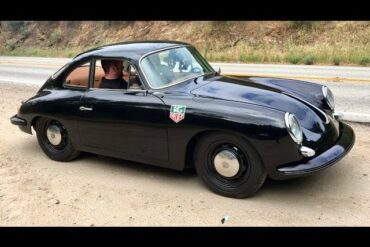
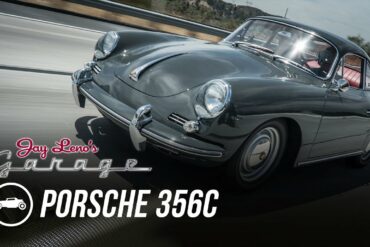
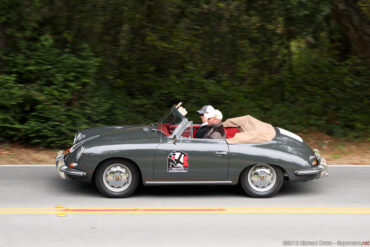
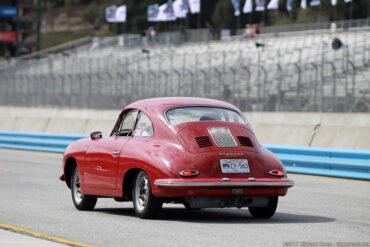
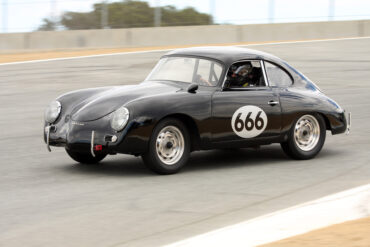
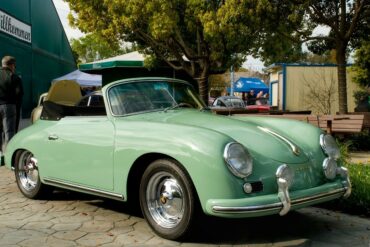
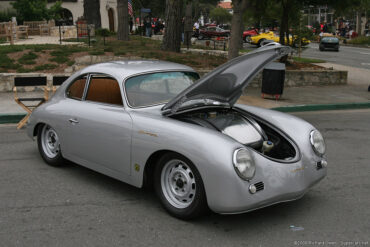
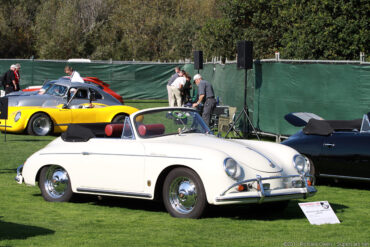
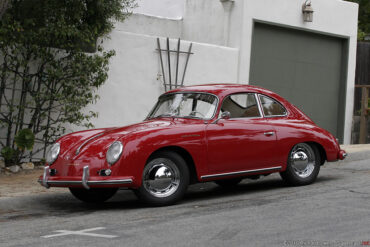
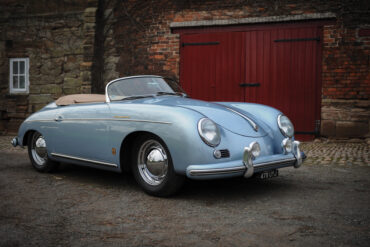
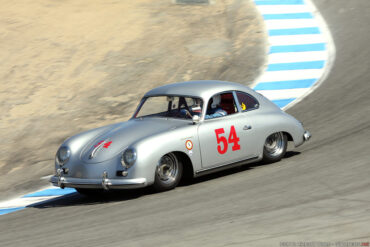
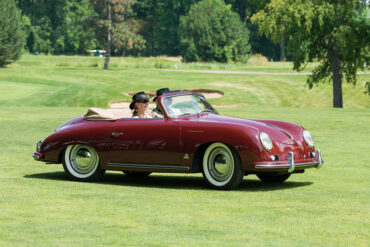
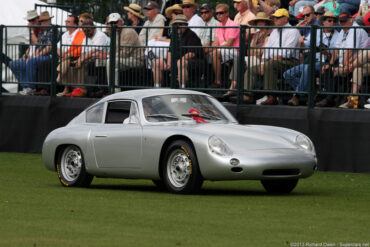
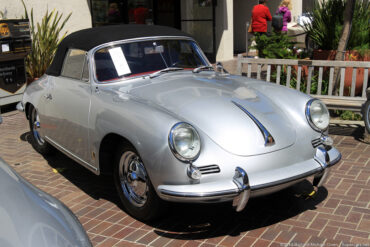
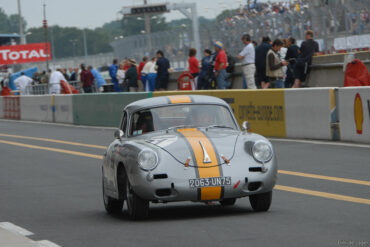
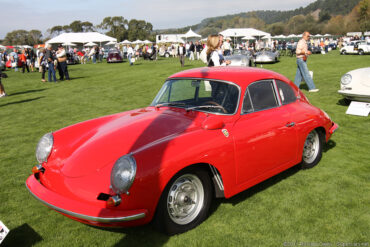
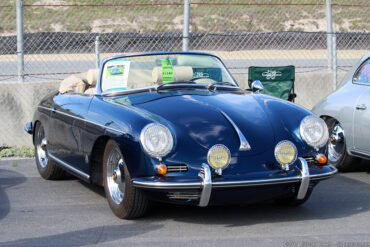
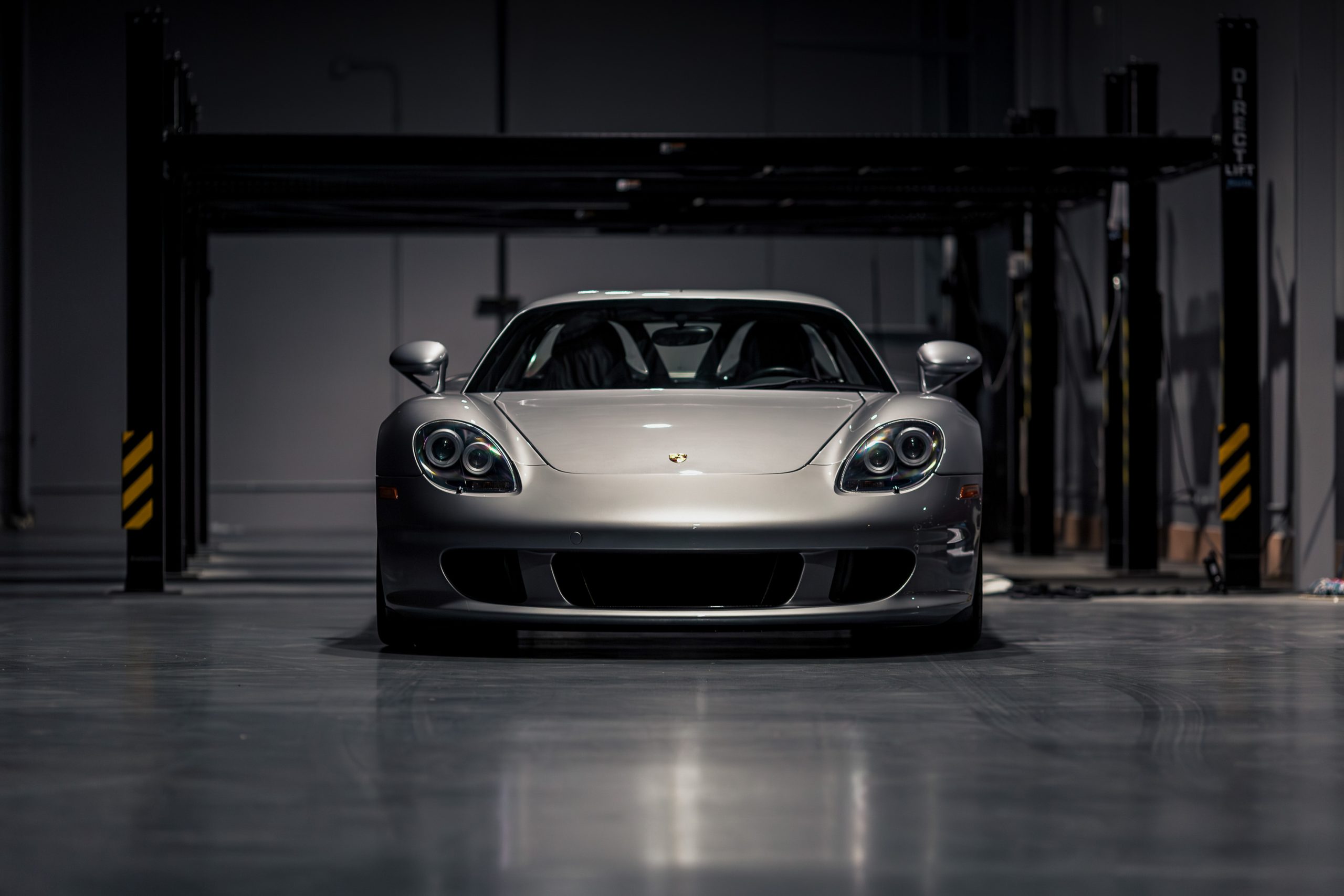
Amongst Porsche 356 enthusiasts, perhaps no model is more coveted than a C-Series Carrera 2. The Carrera 2 represents the culmination of Porsche’s racing technology fitted into a road car package and the ultimate performance-first sports car in the 356 model lineup. The 1,966-cubic centimeter, mechanically complex four-cam Type 587/1 engine was the most powerful unit that Porsche had ever created for a production car, developing 130 brake horsepower at 6,200 rpm.
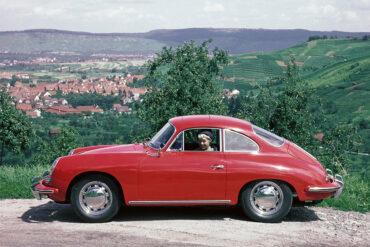
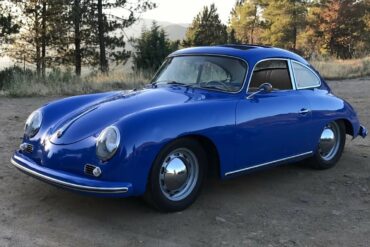
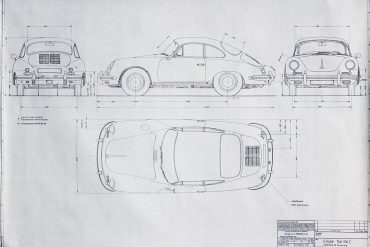
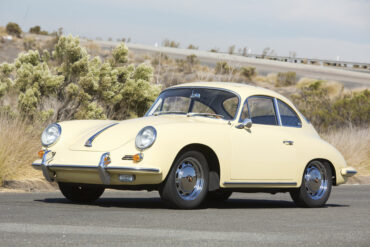
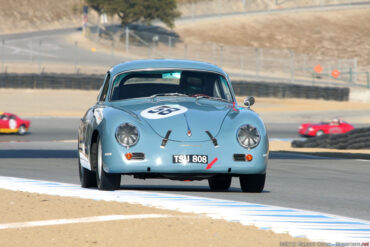
Introduced in 1963 for the 1964 model year, the base model Porsche 356 1600C Coupe was presented as the entry-level version of the last generation of the Porsche 356 Coupes. After offering standard/base model versions for the 356 A and 356 B with 60 HP engines, Porsche dropped the standard version as its base model and introduced the successor of the former mid-level 1600 Super engine variant with 75 HP, as the entry-level engine option for the 356 C generation. As with previous generations, it was also offered with the 356 C Cabriolet cars.
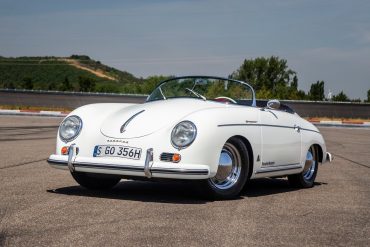
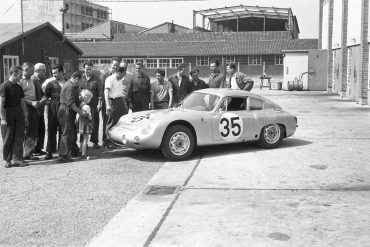
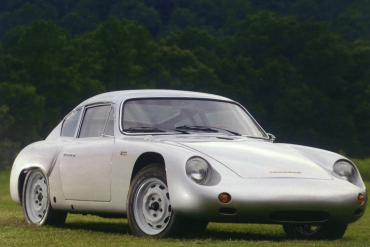
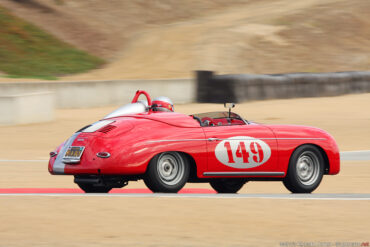
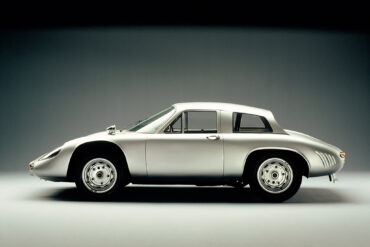
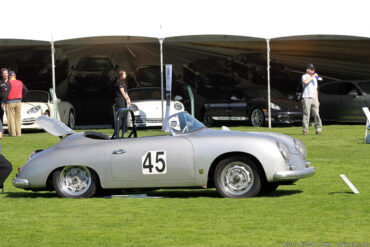
The original Porsche Carrera Zagato Speedster, the first Zagato bodied Porsche of the brand’s history, was built in 1958 for French gentleman driver and expert Porsche pilot Claude Storez, one of the best French pilots of that time. He started his career in early 50s and became soon a skilled pilot. In late ’57 he was looking for the “ultimate” 356 for the 1958 races season. He put an order to Porsche AG for a 356 A Speedster (the lightest version available) with a Carrera engine and GS specs (the most powerful at that time).
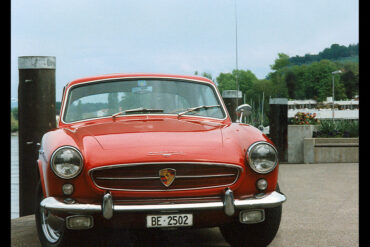
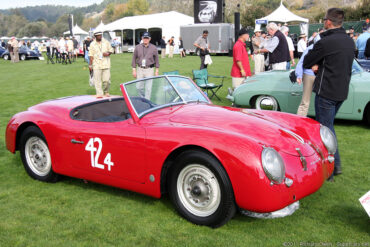
Ferry Porsche had in fact requested Swiss technicians to make a less sporty and more elegant version of the 365 B and thus the 1600 Beutler Coupè was born. This project is a 2+2 based on a Porsche 1600. Like the Porsche, the car is built on a VW platform, but includes Porsche elements such as the brakes and the engine. It was built in 5 copies before production was stopped in 1957 due to a change in commercial strategies by the German company.