

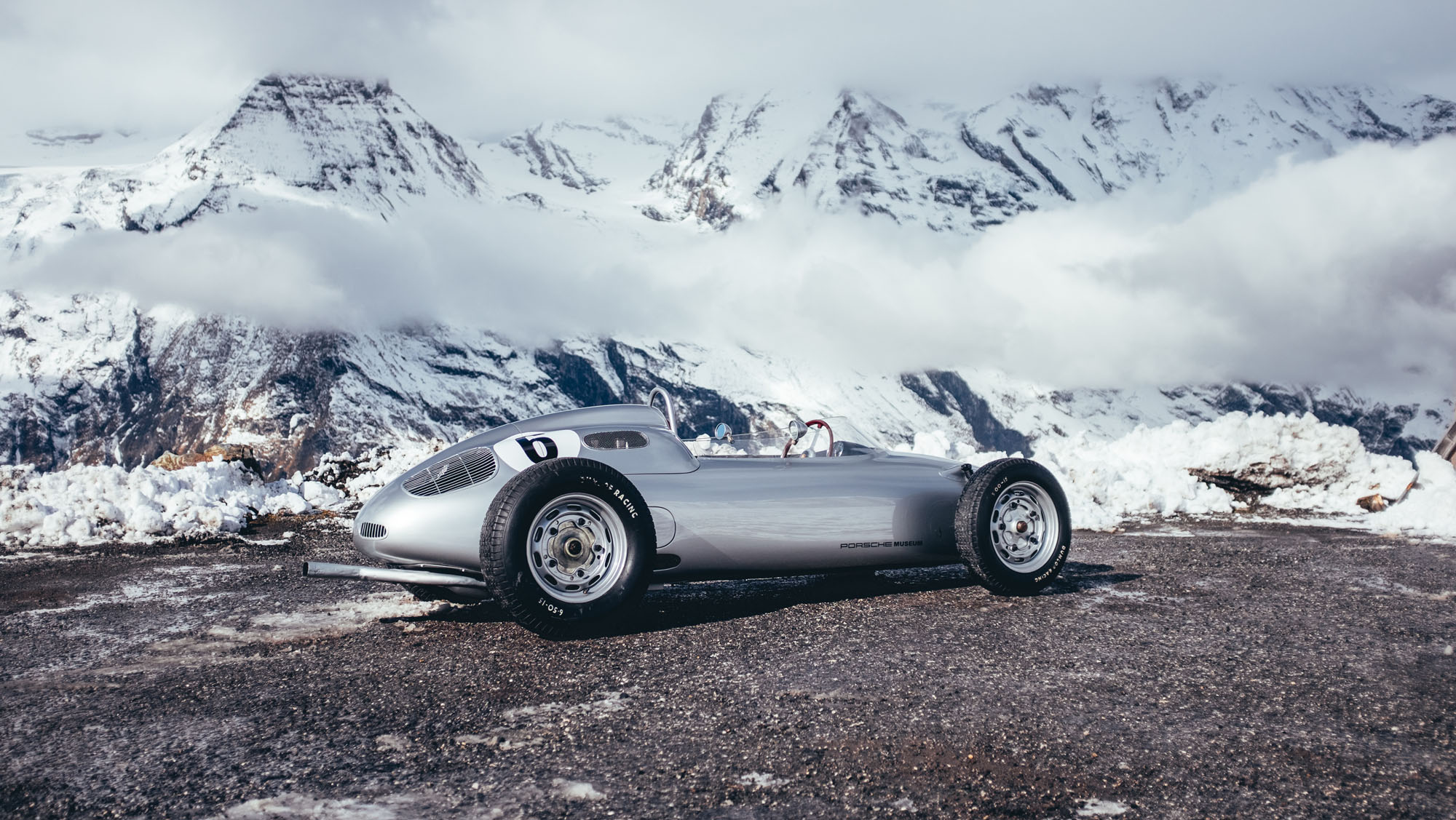
The Porsche 718/2 was never designed to compete in Formula 1, yet it became one of Porsche’s most successful Grand Prix cars. In 1961, the four-year-old design delivered three second-place finishes, helped Dan Gurney secure third in the Drivers’ Championship and carried Porsche to third in the Constructors’ Championship behind Ferrari and Lotus.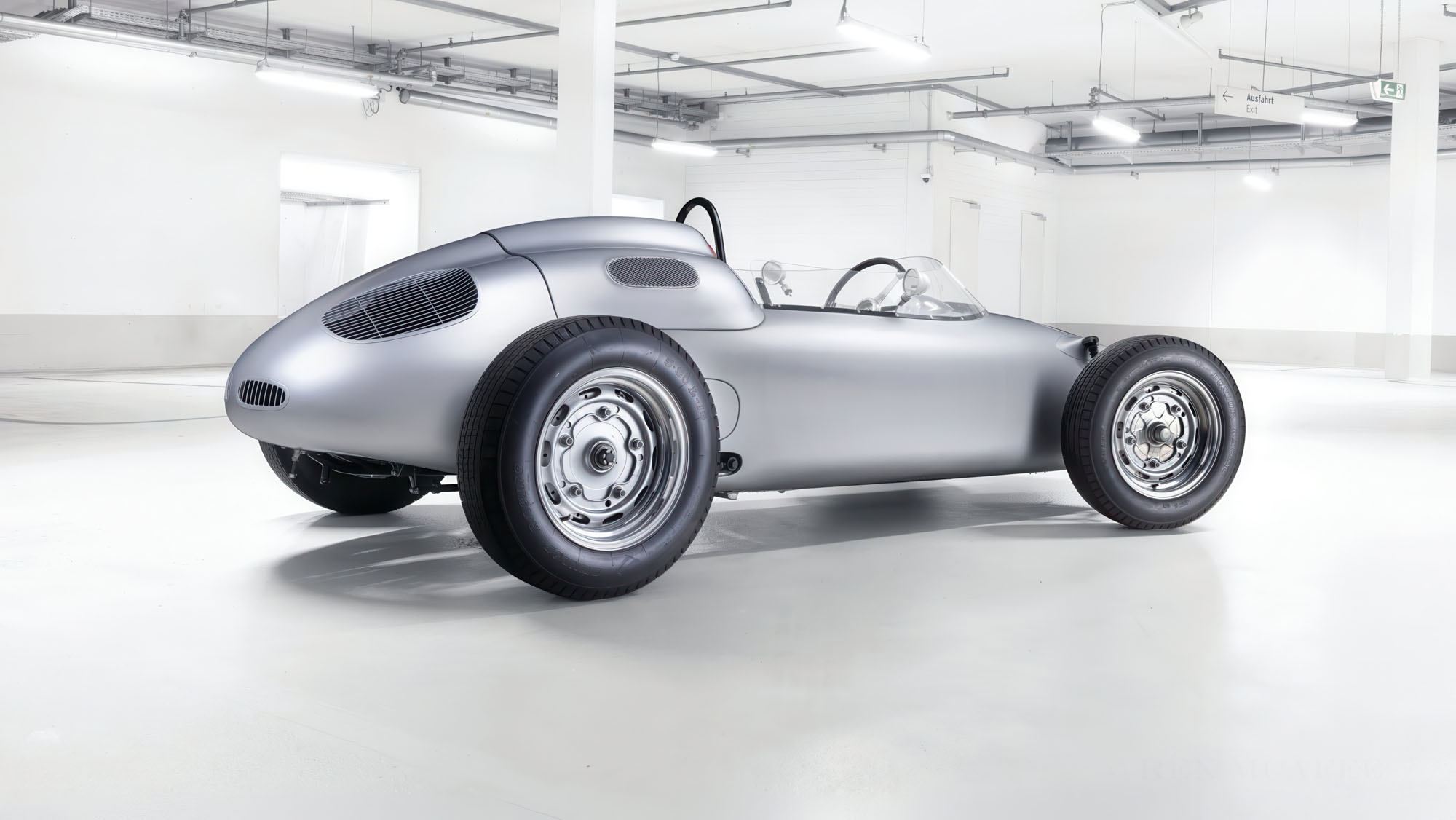
Its achievements were particularly remarkable given its origins. Rather than developing a purpose-built Formula 1 machine, Porsche ultimately relied on a single-seater descended from its 1957 718 RSK sports car.
From Porsche 718 RSK to Formula 2 Winner
The transformation began in 1958 when Porsche recognized that the RSK’s aerodynamic bodywork and 1.5-liter engine suited contemporary Formula 2 regulations. Following Le Mans, engineers converted an RSK to a central driving position and entered Jean Behra in an F2 race at Reims, where he claimed pole position by more than a second before winning against factory-backed competition.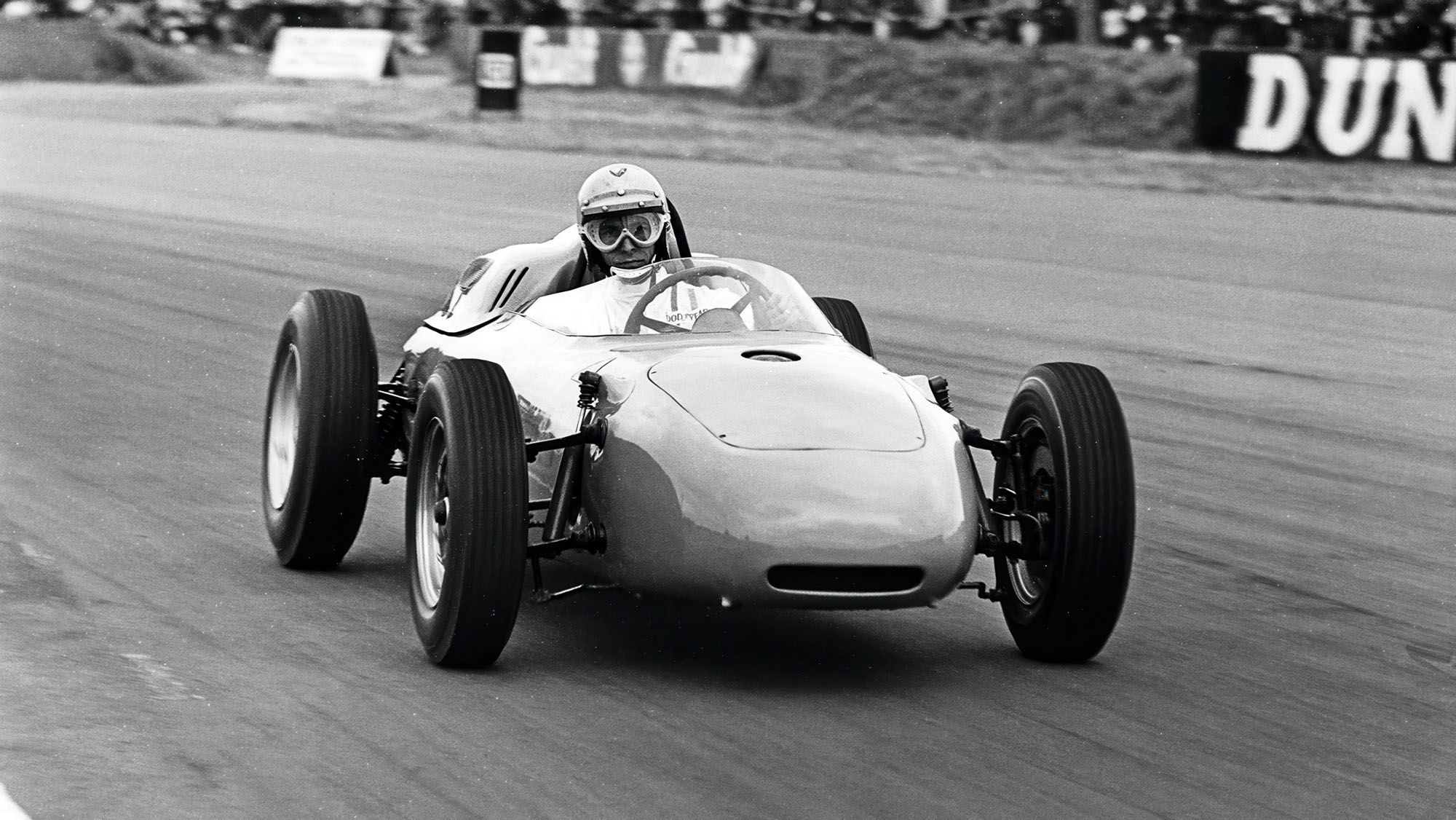
When the FIA announced that Formula 1 would adopt the existing 1.5-liter Formula 2 regulations in 1961, Porsche already had a competitive foundation. The revised 718/2, featuring dedicated single-seat bodywork, subsequently established itself as a successful Formula 2 contender.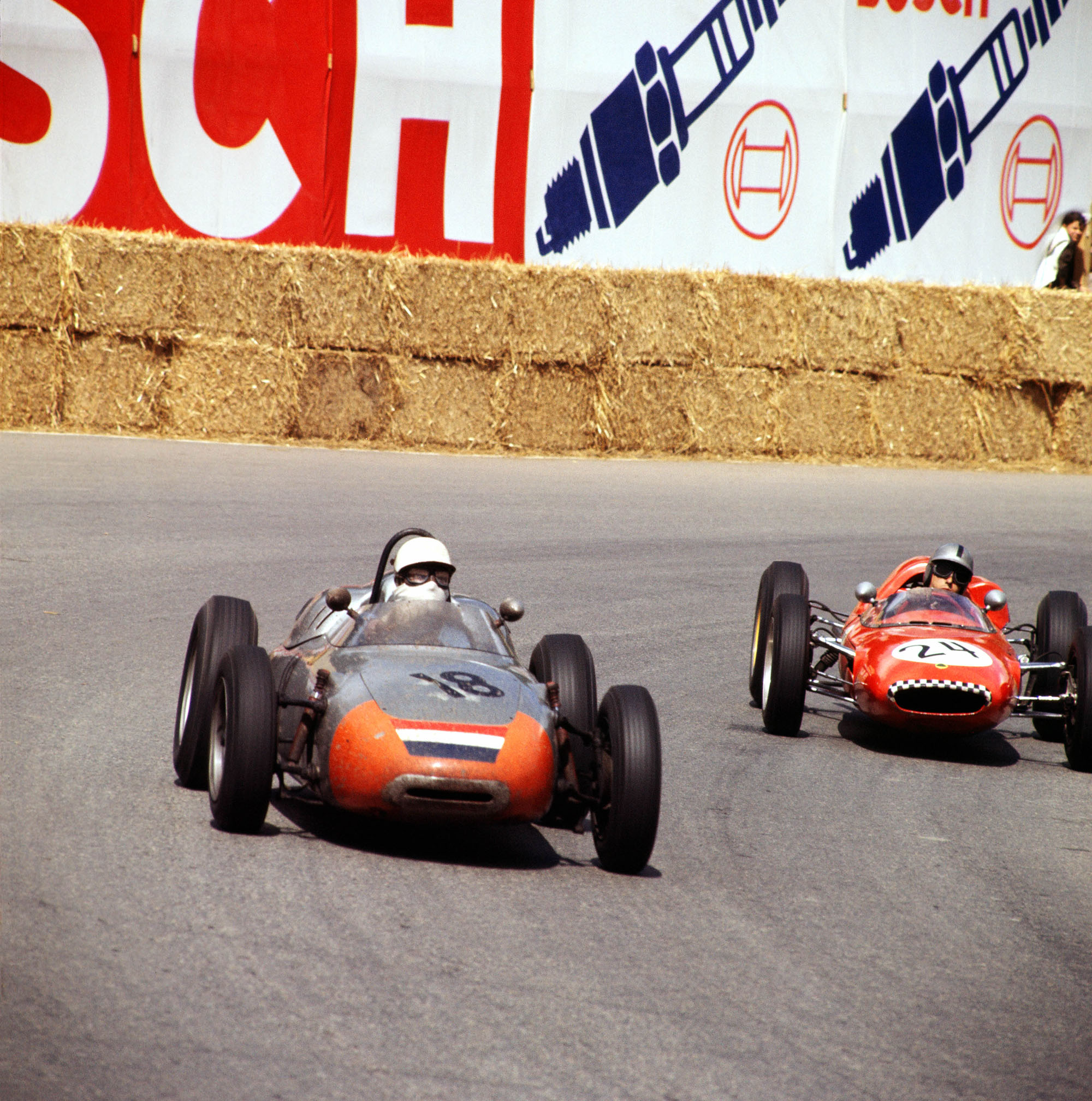
Porsche’s Unexpected 1961 Formula 1 Success
Porsche originally intended its newer 787, featuring a longer wheelbase and redesigned front suspension, to contest the 1961 championship. However, disappointing performances at Monaco and Zandvoort prompted the manufacturer to return to the older 718-based design.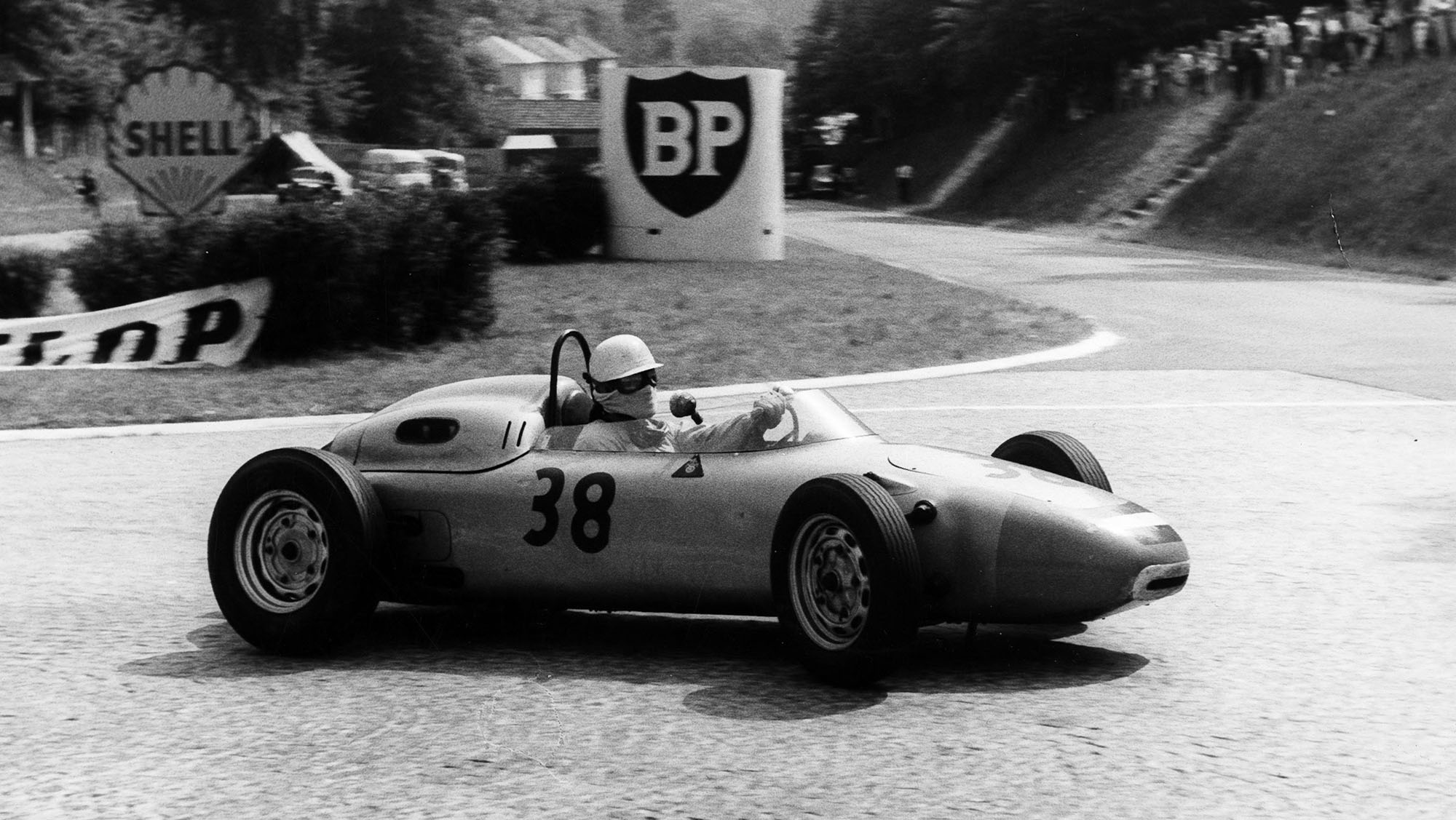
The decision produced three runner-up finishes during the eight-race championship, including a French Grand Prix result just 0.1 seconds behind the winner. Gurney finished the season level on points with Stirling Moss, while Porsche placed third among constructors.
Porsche 718/2 Engine and Technical Specifications
The 718/2 combined a steel spaceframe chassis with a 1.5-liter air-cooled, four-cylinder boxer engine producing 165 PS. Weighing 456 kg, it featured a six-speed manual transmission, independent suspension and drum brakes.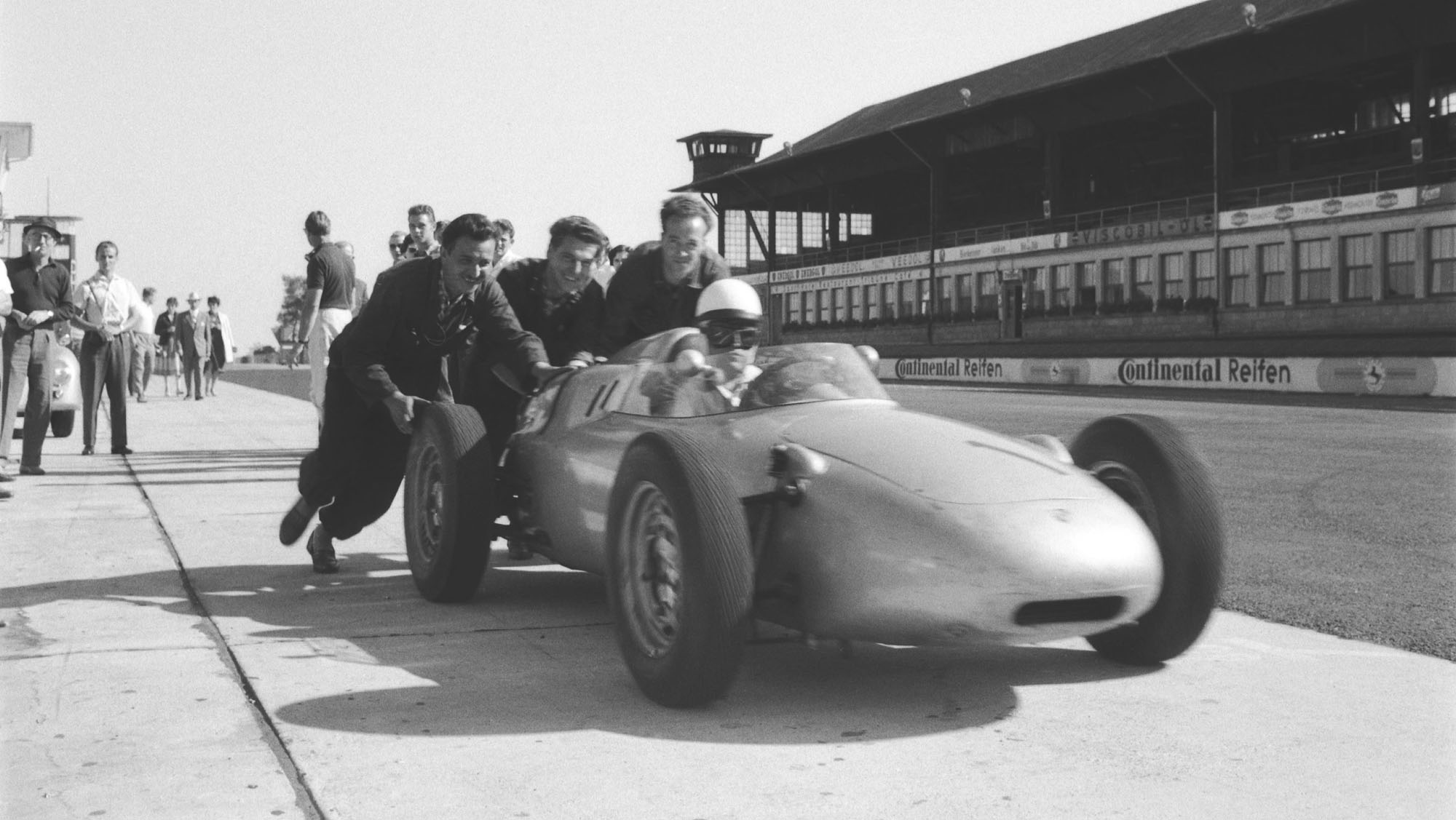
A contemporary driving assessment at Porsche’s Weissach test facility described an engine that came alive above 6,000 rpm and pulled strongly toward 8,000 rpm. The gearbox and progressive drum brakes also impressed, highlighting the engineering that kept the aging design competitive.

The 718/2 demonstrated how Porsche could extract championship-level performance from an existing sports-car platform. Although its successor, the flat-eight-powered Porsche 804, secured the manufacturer’s first Formula 1 victory as a constructor in 1962, the 718-based car achieved a higher championship standing the previous season.
For Porsche racing historians, the 718/2 remains a compelling example of engineering adaptability overcoming the limitations of an older design.
Specifications
| Specification | Details |
| Model | Porsche 718/2 |
| Origins | 1957 Porsche 718 RSK |
| F1 season | 1961 |
| Engine | 1.5-liter air-cooled flat-four |
| Power | 165 PS (approximately 163 hp) |
| Chassis | Steel spaceframe |
| Transmission | Six-speed manual |
| Front suspension | Independent, transverse torsion bar |
| Rear suspension | Independent, coil springs, telescopic dampers, Watt’s linkage |
| Brakes | Drums |
| Weight | 456 kg |
| 1961 podium finishes | Three second-place finishes |
| Drivers’ Championship | Dan Gurney, third |
| Constructors’ Championship | Porsche, third |
| Successor | Porsche 804 |
Above contents © 2026 Dr. Ing. h.c. F. Porsche AG reviewed and edited by Rex McAfee , @rexmcafee 🏁