

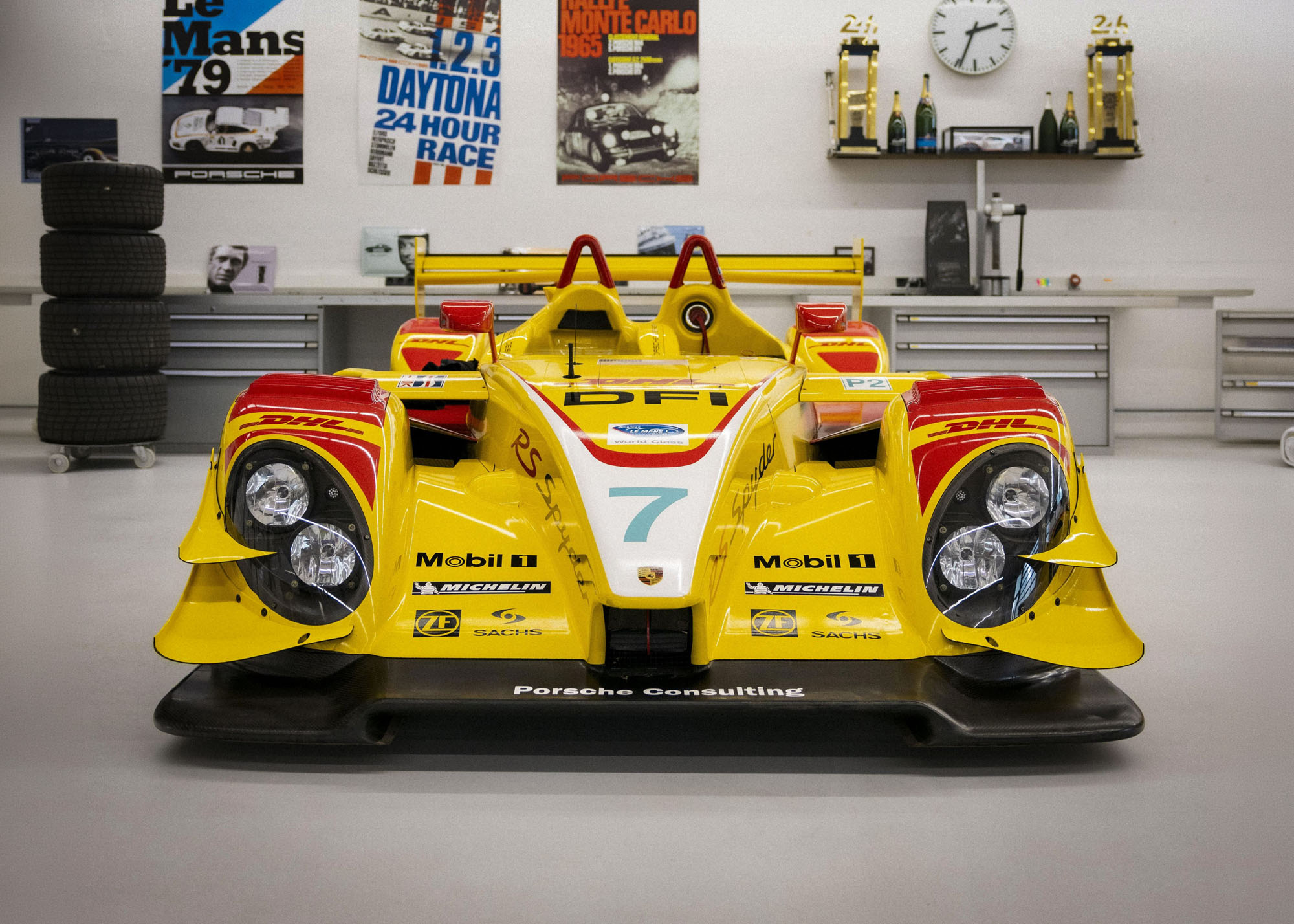
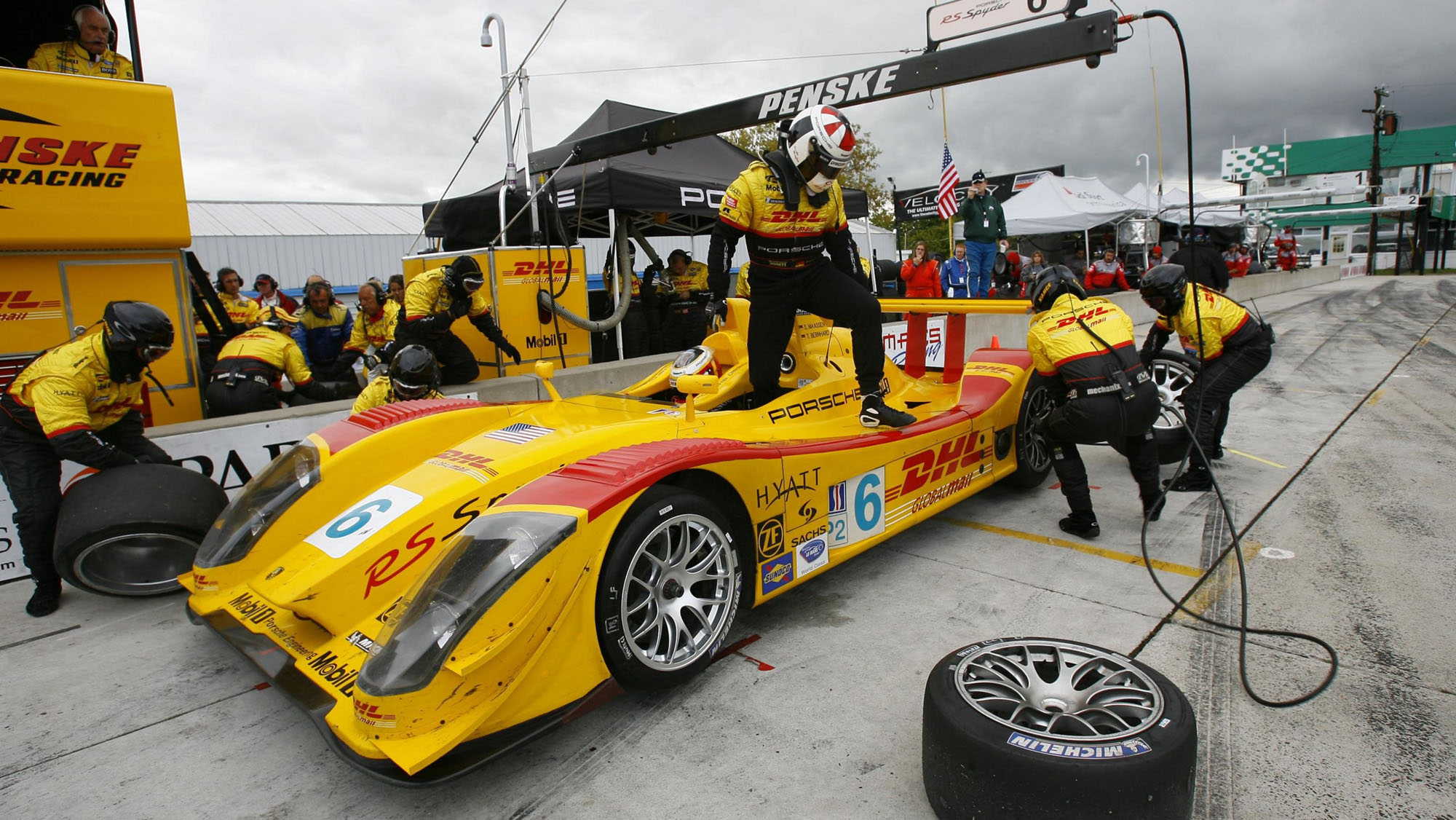
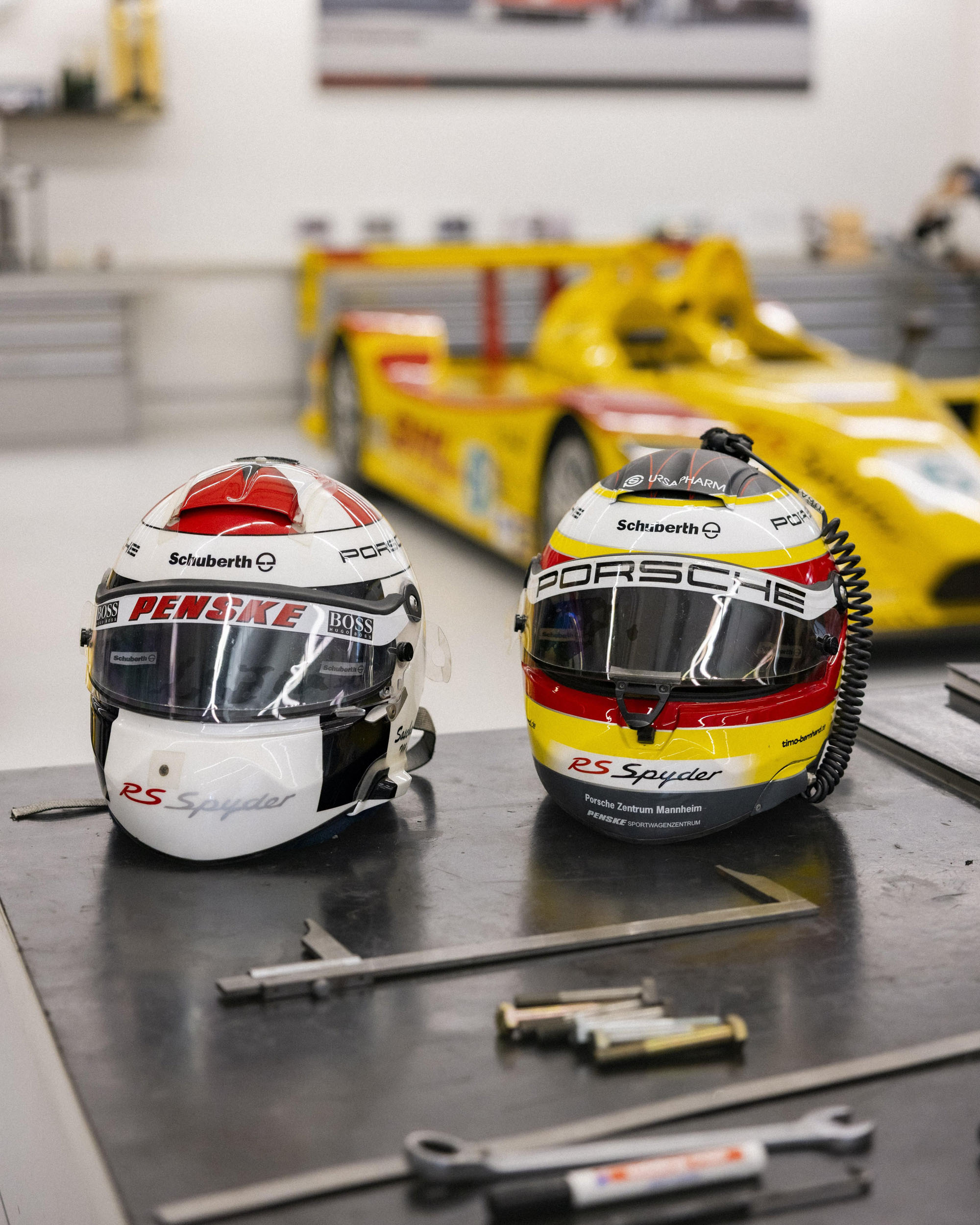
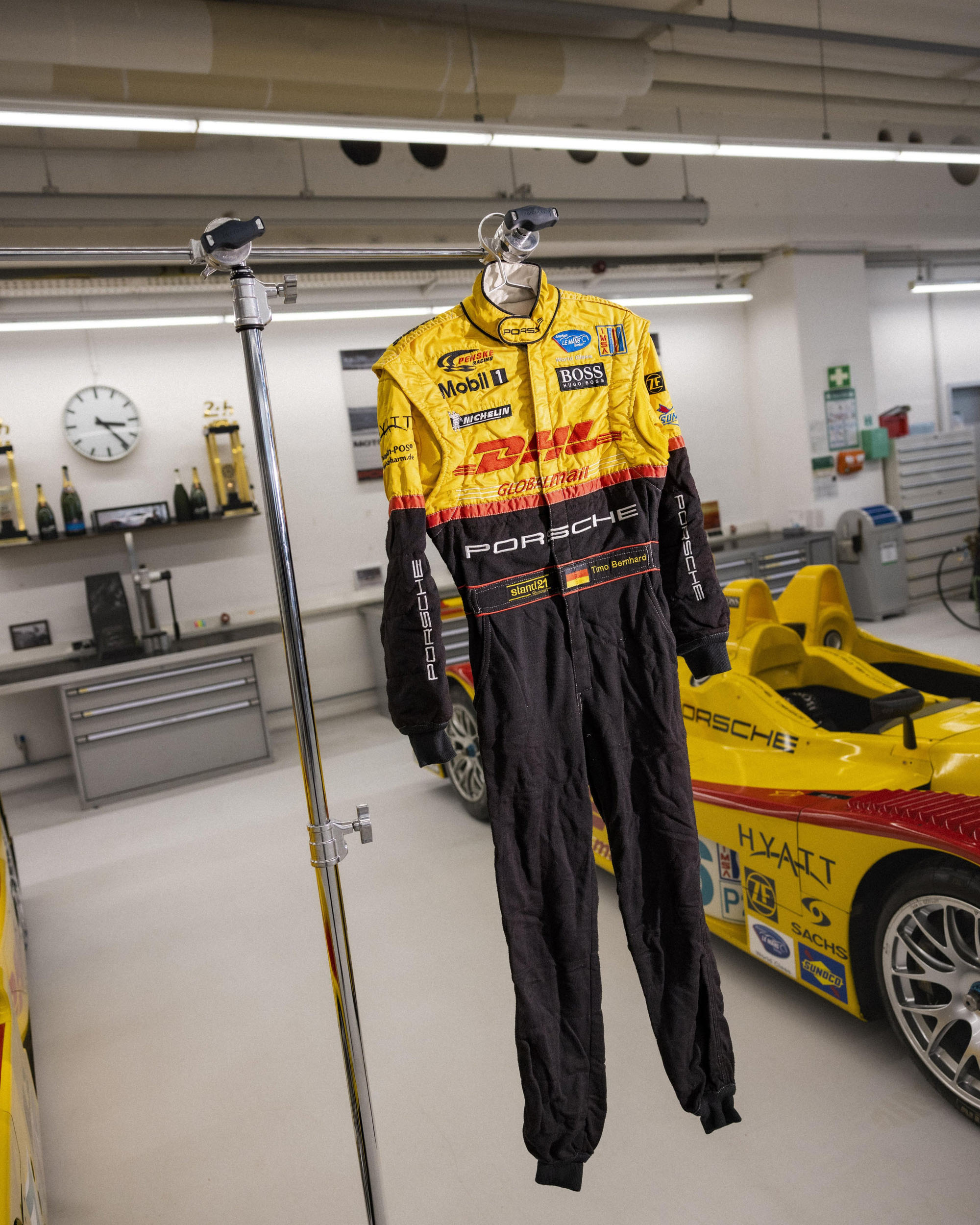
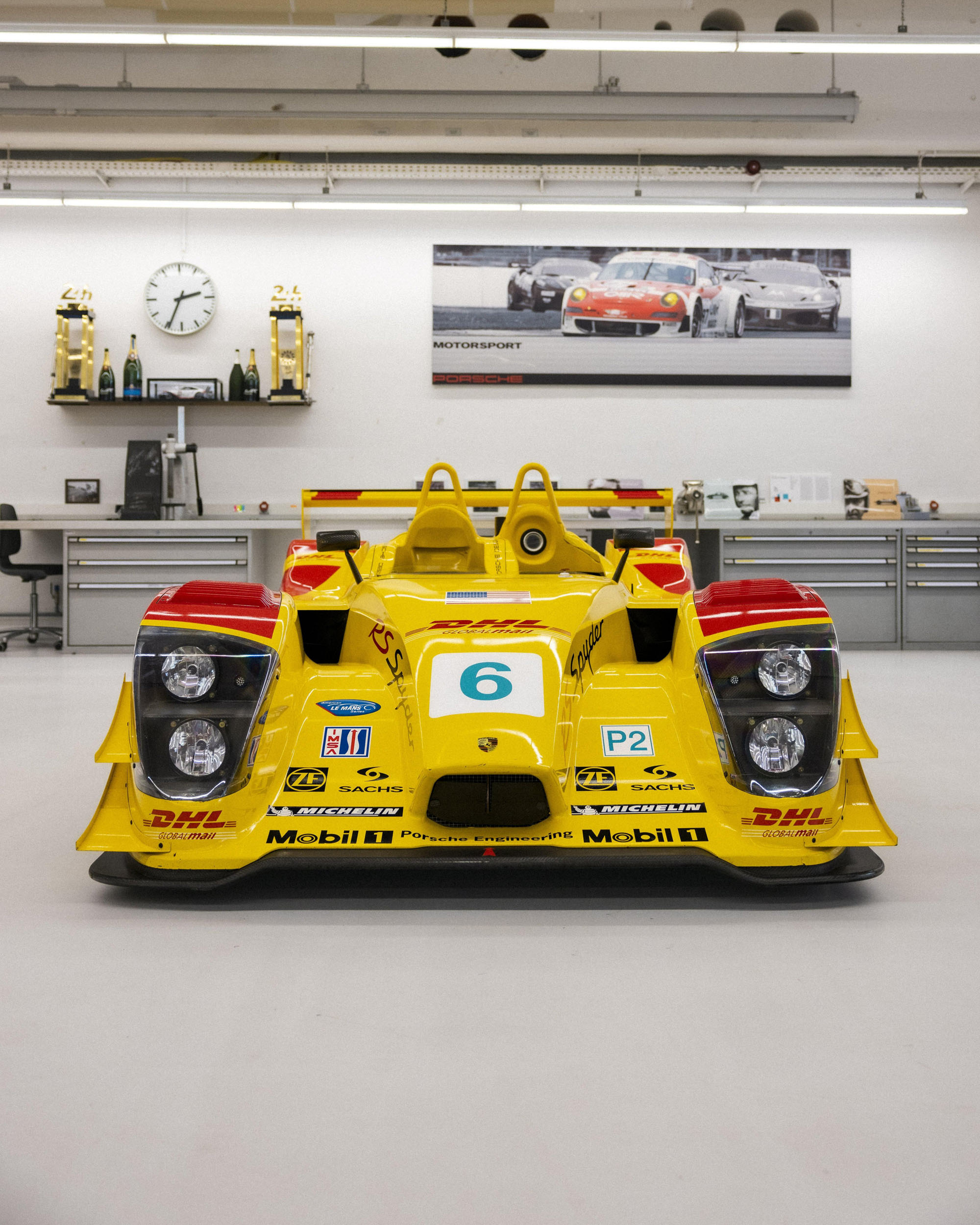
Porsche has reunited two RS Spyder prototypes from 2006 and 2008 for a new episode of its Raceborn Moments video series, featuring former factory drivers Timo Bernhard and Sascha Maassen. Released 20 years after the car’s first full racing season, the retrospective examines the engineering advances and victories that established the RS Spyder as one of Porsche’s most successful modern sports-racing prototypes.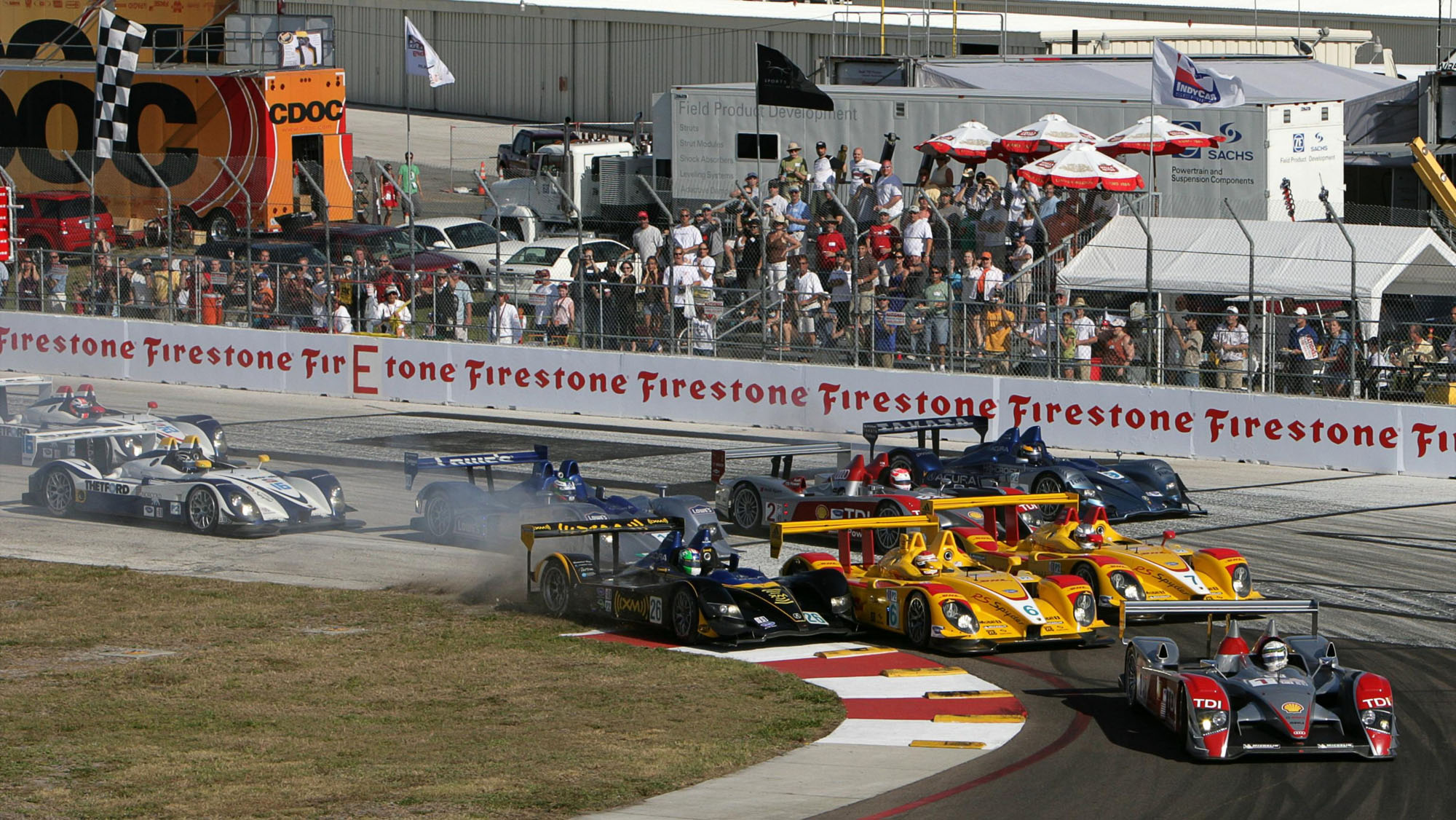
Produced by Porsche Heritage and Museum, the episode compares two generations of the LMP2 racer and revisits the program that marked Porsche’s return to prototype competition following several years focused on GT racing. The episode is available on Porsche’s YouTube channel.
Porsche RS Spyder: From 2005 Debut to ALMS Championships
The RS Spyder made its competition debut at Laguna Seca in 2005 after technical problems delayed its planned appearance at Petit Le Mans. Despite a sensor fault that initially raised concerns about reliability, Maassen and Lucas Luhr secured pole position and an LMP2 class victory.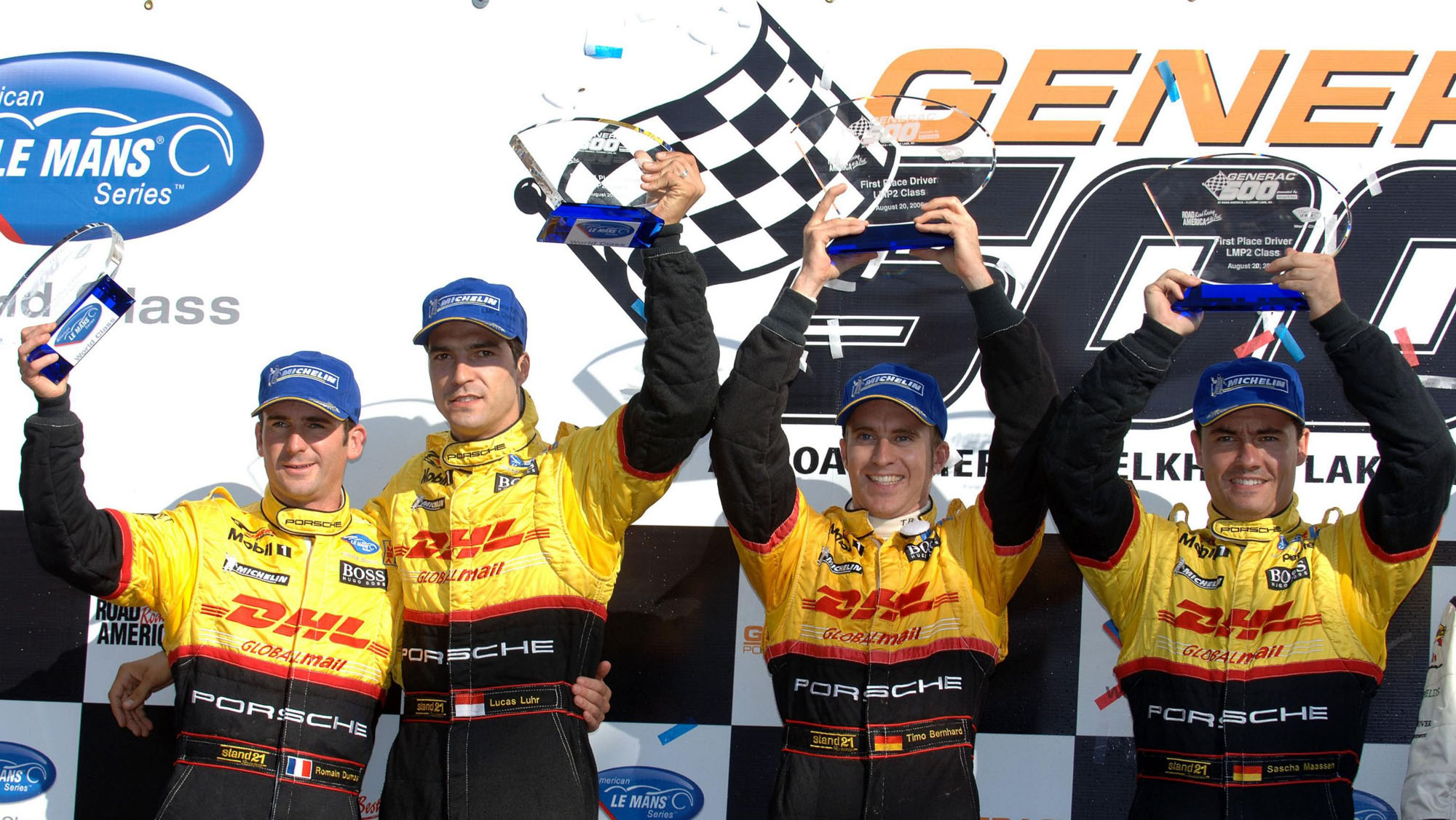
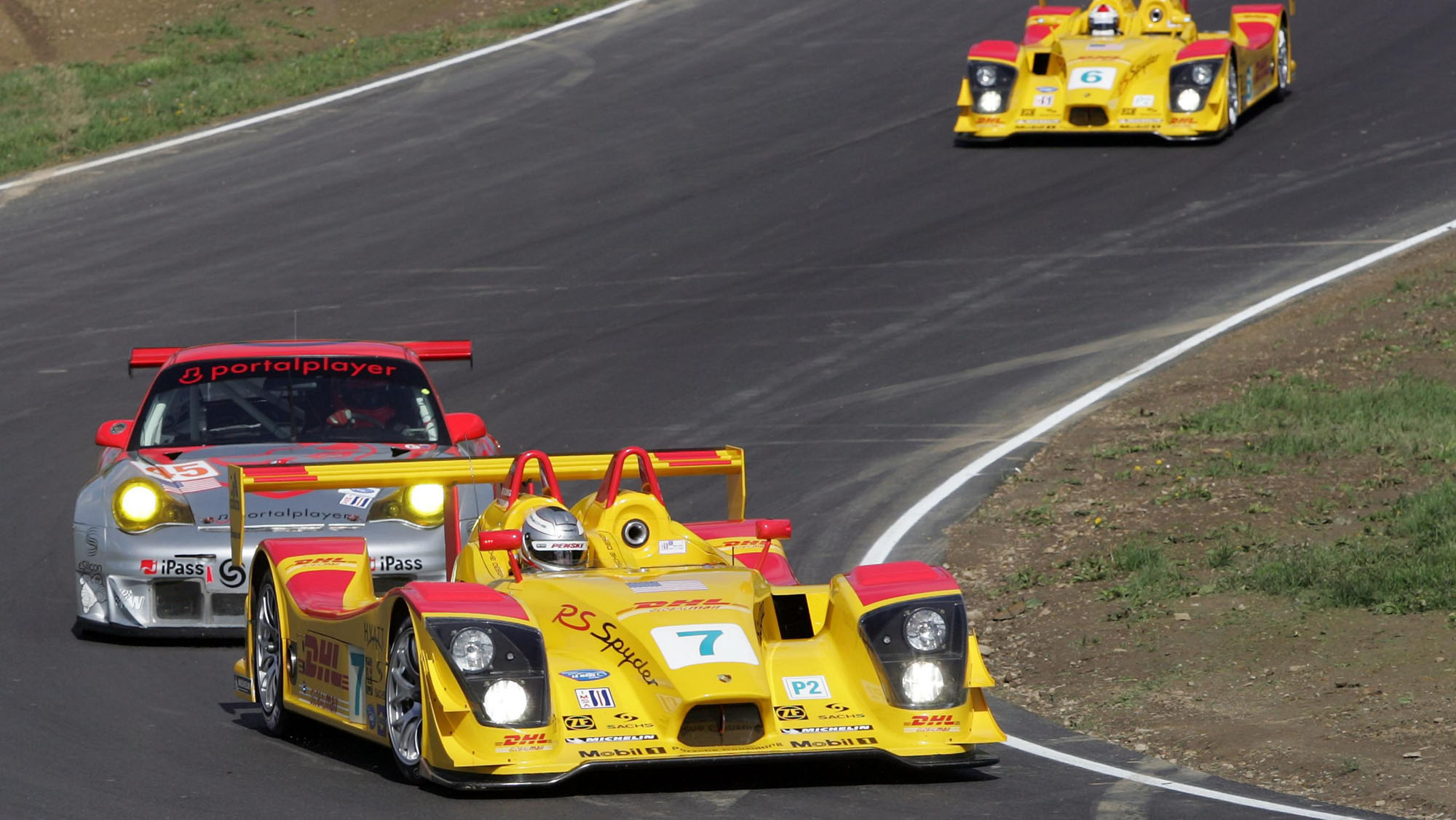
Penske Racing fielded two RS Spyders throughout the 2006 American Le Mans Series season, securing the LMP2 drivers’, manufacturers’ and teams’ championships. Maassen and Luhr claimed the drivers’ title, establishing the foundation for further success.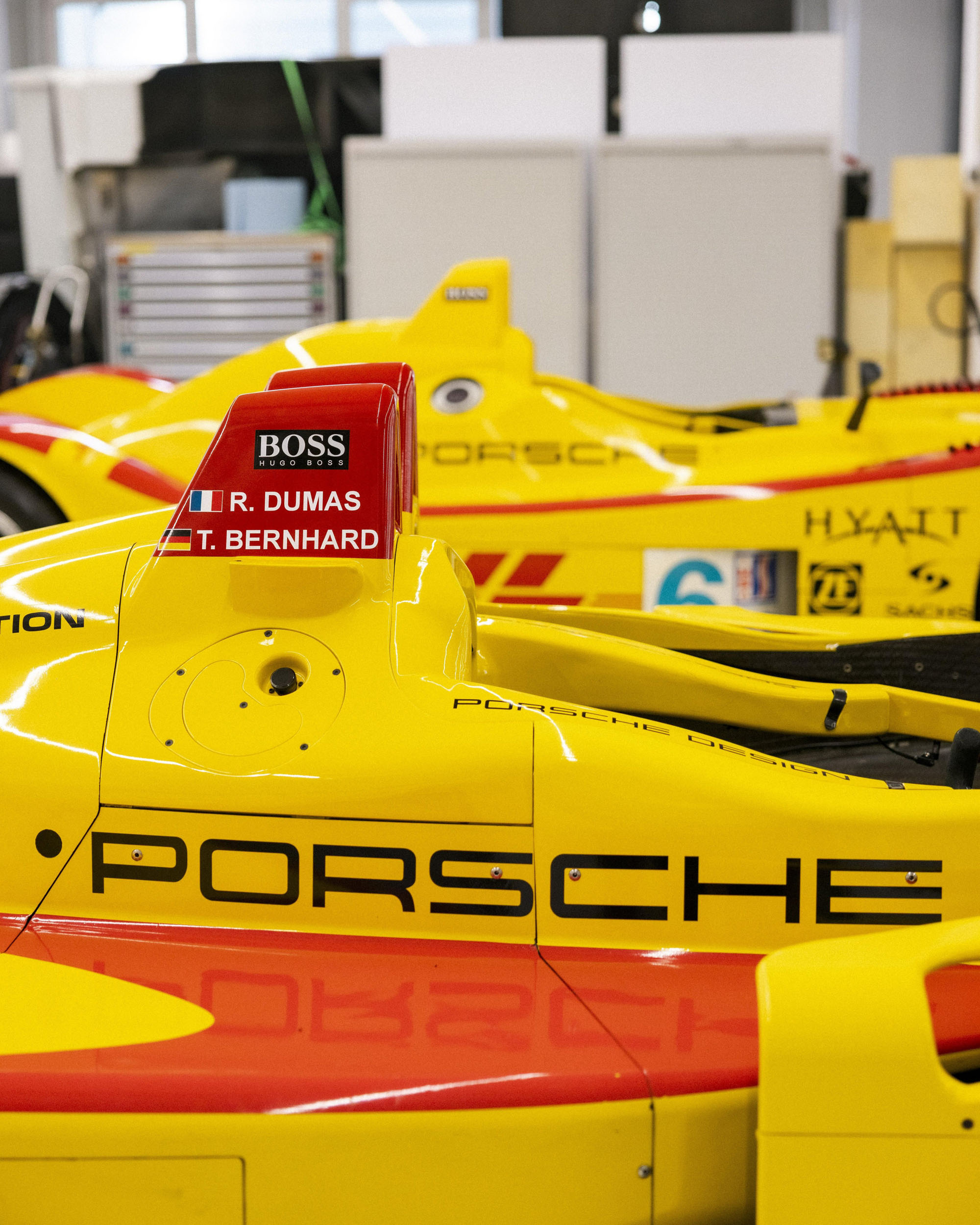
2006 vs. 2008 Porsche RS Spyder: Technical Evolution
RS SPYDER AND RS SPYDER EVO
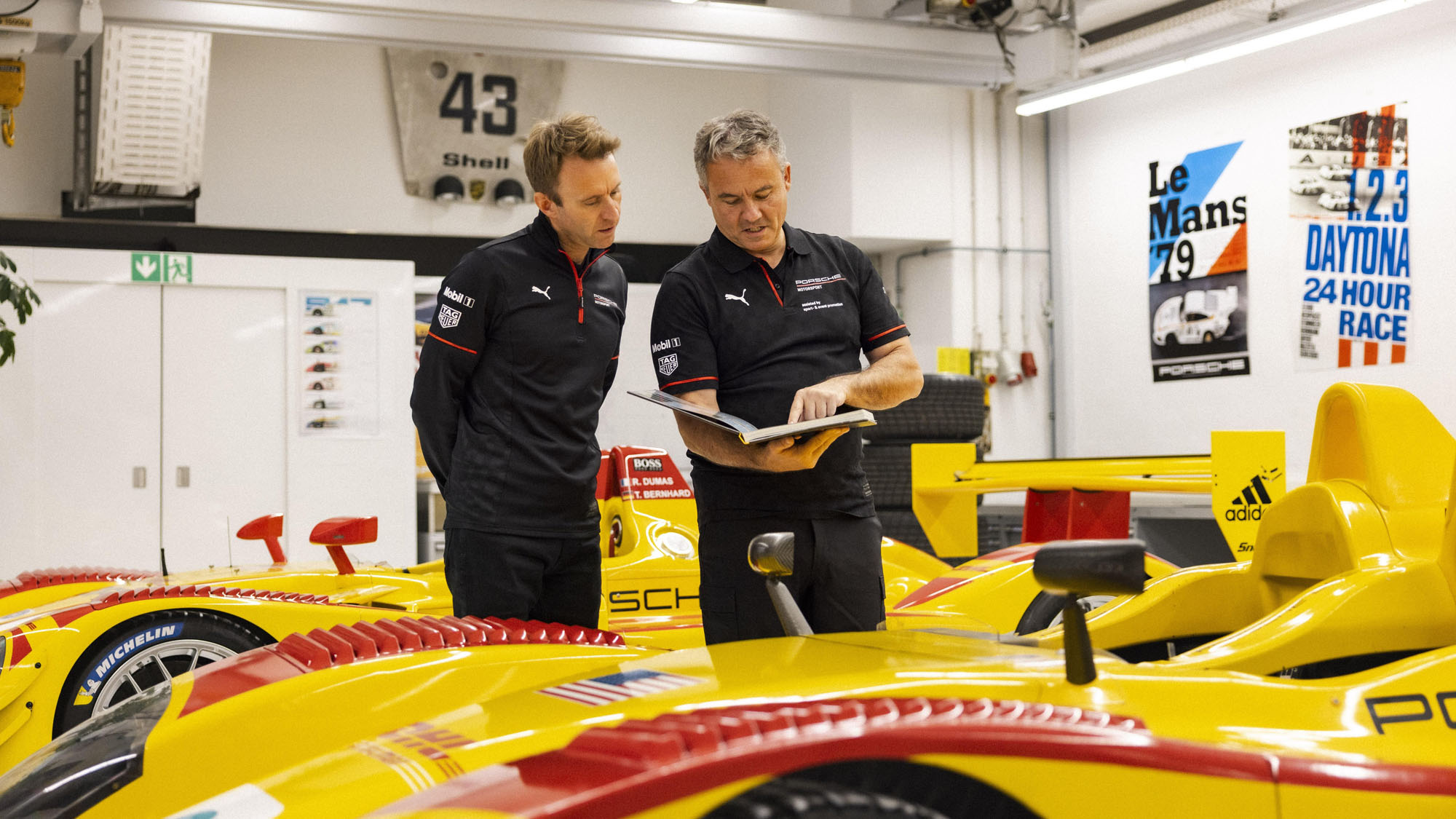
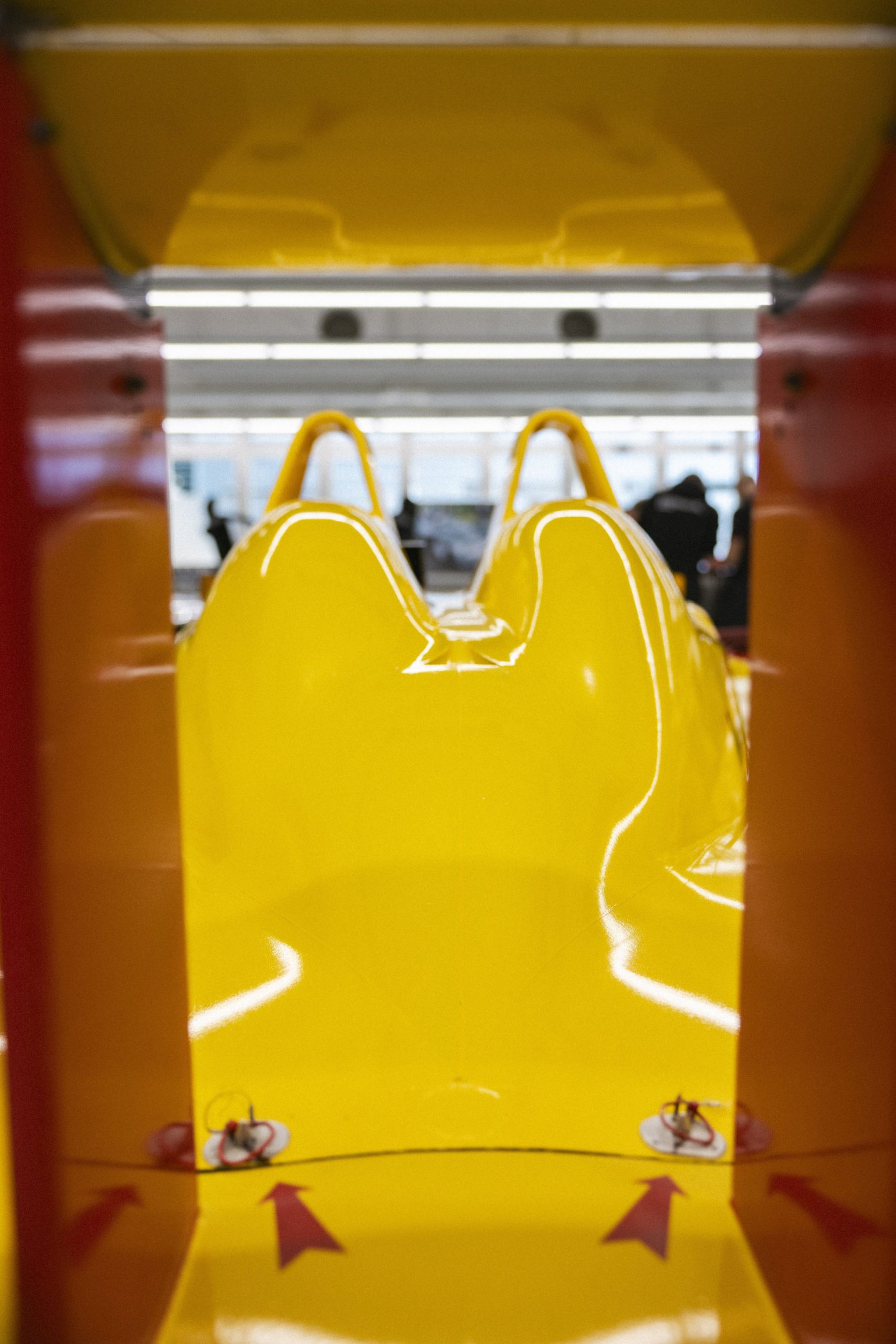
The two cars illustrate the program’s rapid development. The restored 2006 RS Spyder produces 503 PS (370 kW) from its 3.4-liter V8 and weighs 775 kilograms, while the 2008 RS Spyder produces 476 PS (350 kW) and weighs 800 kilograms. The reduction in power reflected smaller regulatory air restrictors rather than a reversal in engine development. Revised wings, diffusers and bodywork improved aerodynamic efficiency, while further changes for 2008 increased downforce for tighter ALMS circuits.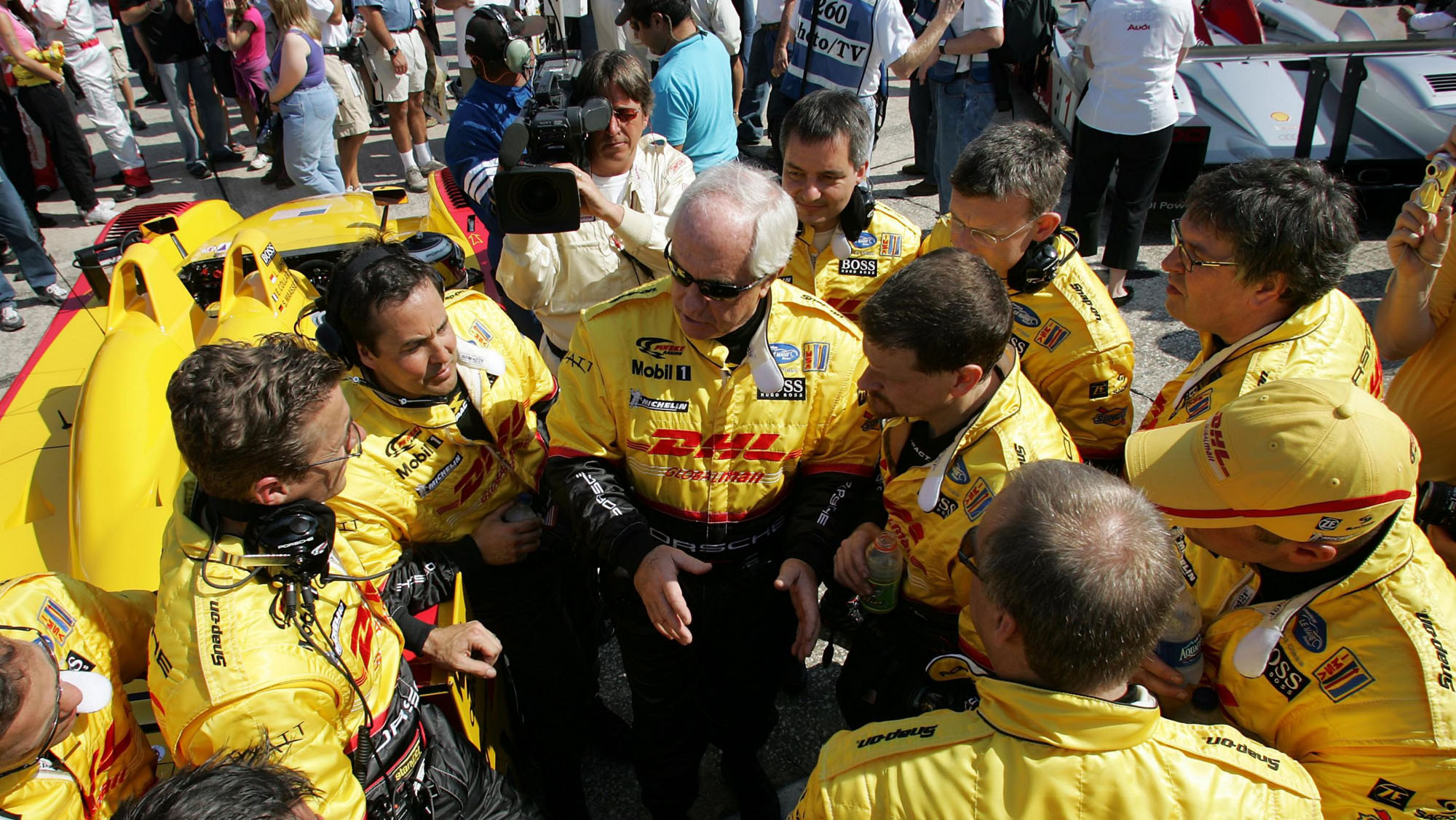
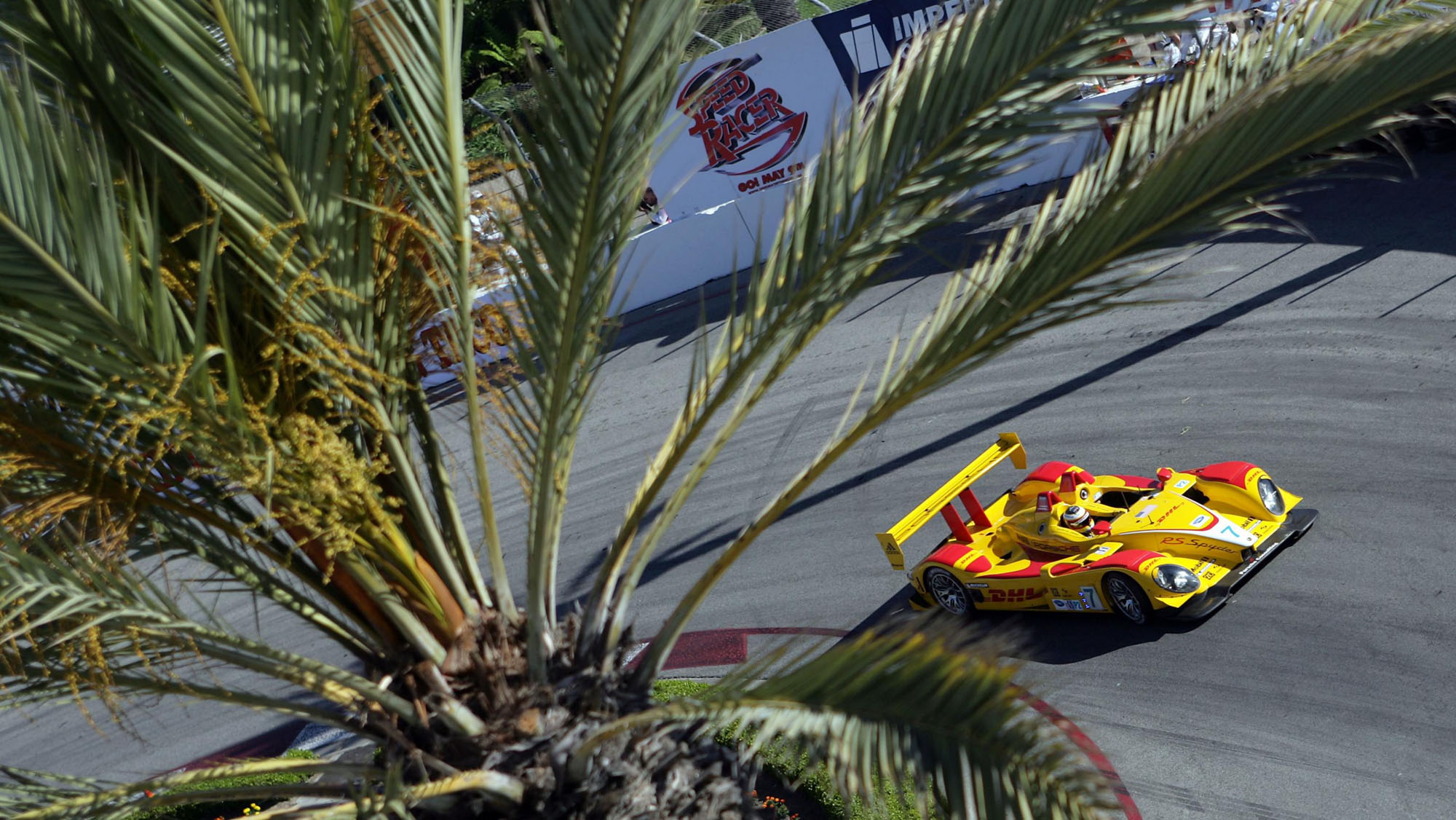
“The step from 2006 to the Evo was huge. For me, that was mainly down to the aerodynamics: with the same drag, we had 20 per cent more downforce, or with the same downforce, 20 per cent less drag. It was a whole different world,” Maassen recalled.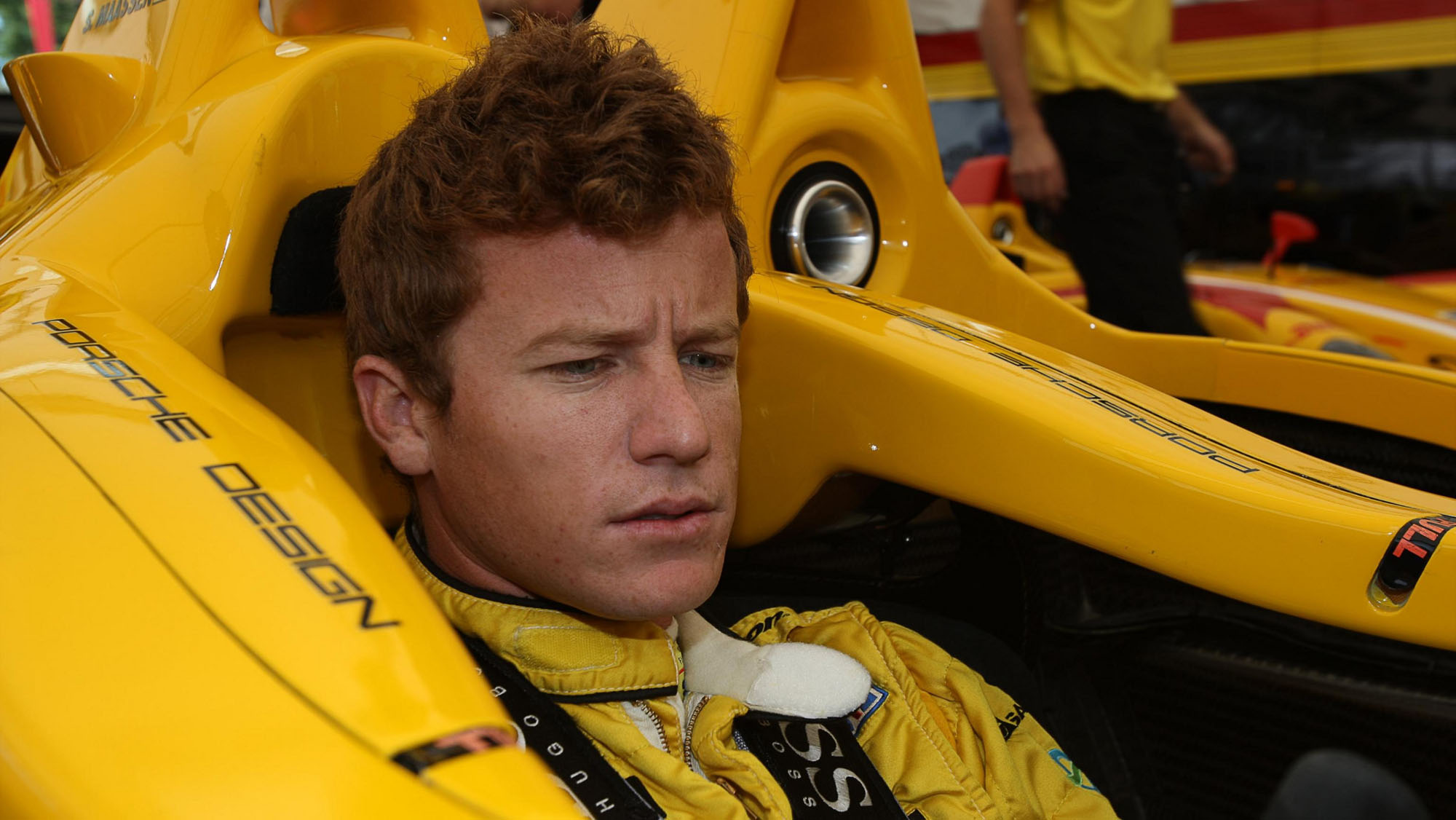
Porsche RS Spyder’s Racing Success and Sebring Victory
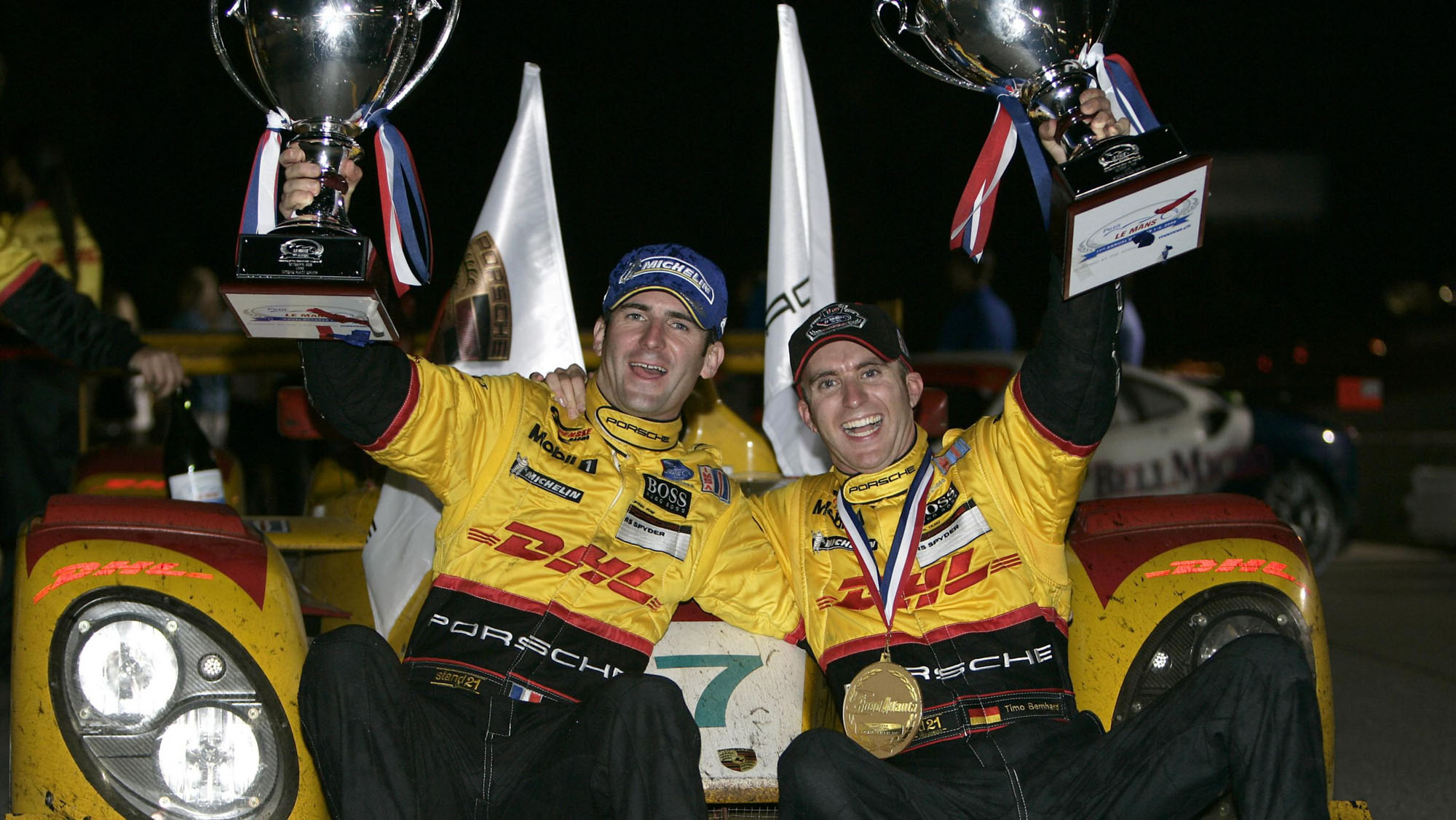
In 2007, the RS Spyder recorded eight overall ALMS victories and 11 LMP2 class wins, including Bernhard and Romain Dumas’s overall triumph at Road America. The pair secured the LMP2 drivers’ championship in 2007 and again in 2008. Further development introduced direct fuel injection to the V8 during 2008, improving drivability, performance and fuel efficiency. That year, Bernhard, Dumas and Emmanuel Collard won the 12 Hours of Sebring outright.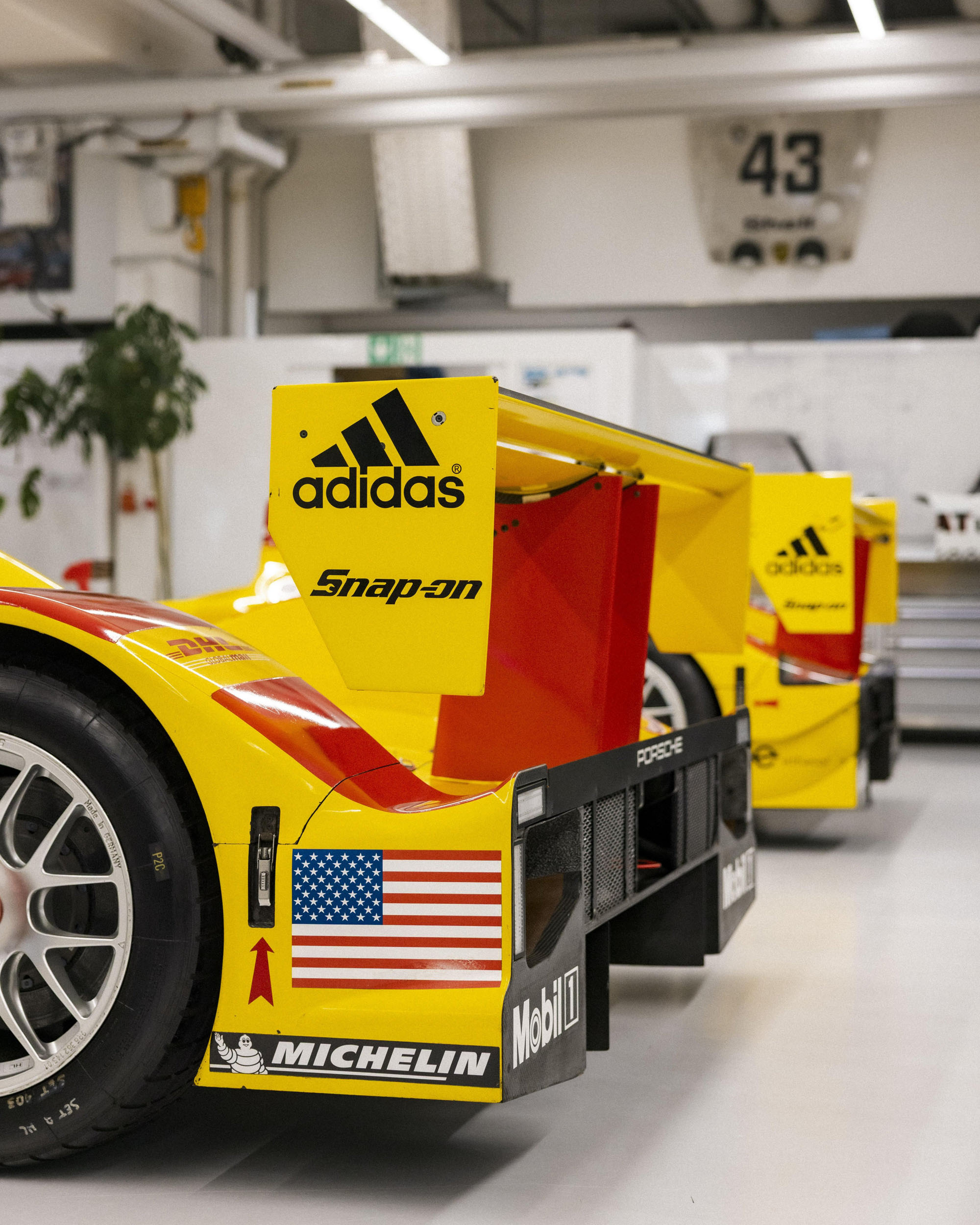


Mission Accomplished
The RS Spyder helped reestablish Porsche in prototype racing while demonstrating how aerodynamic development could offset regulatory power reductions. For Bernhard, the program also provided a foundation for his subsequent prototype career. “The RS Spyder was my first step into prototype racing,” Bernhard recalled. “Everything that followed with Audi and later in LMP1 began for me there. Looking back, that was probably the biggest step in my career.”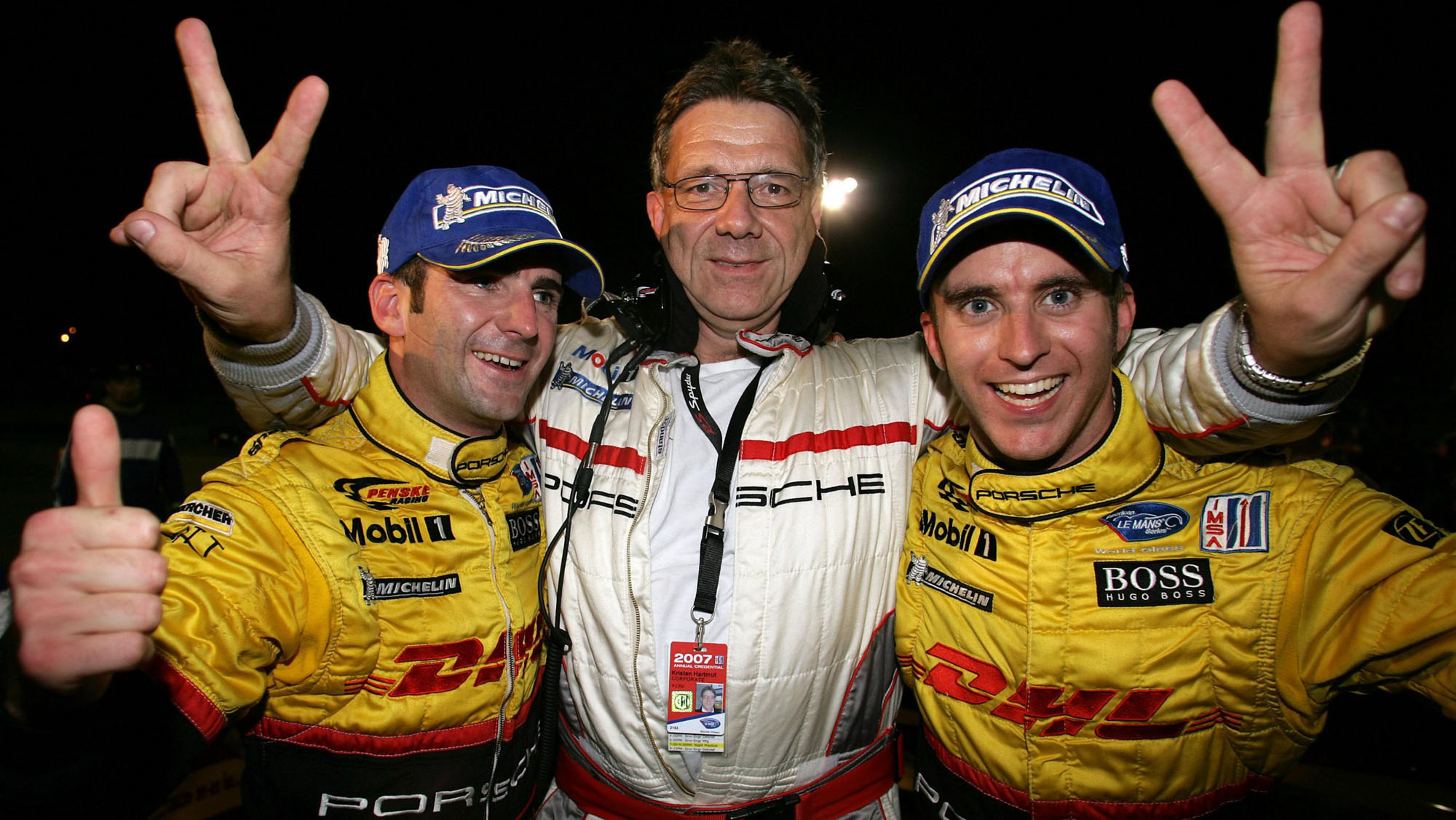
Facts
| Specification | 2006 RS Spyder | 2008 RS Spyder |
| Engine | 3.4-liter V8 | 3.4-liter V8 |
| Power | 503 PS (370 kW) | 476 PS (350 kW) |
| Weight | 775 kg | 800 kg |
| Power difference | — | 27 PS lower |
| Weight difference | — | 25 kg heavier |
| Fuel injection | Not specified | Direct injection introduced during 2008 |
| Aerodynamics | Original configuration | Further-developed downforce package |
Additional racing milestones:
- 2005: LMP2 class victory on debut at Laguna Seca.
- 2006: Penske Racing wins LMP2 drivers’, manufacturers’ and teams’ championships.
- 2007: Eight ALMS overall victories and 11 LMP2 class wins.
- 2008: Overall victory at the 12 Hours of Sebring.


Above contents © 2026 Dr. Ing. h.c. F. Porsche AG reviewed and edited by Rex McAfee , @rexmcafee 🏁