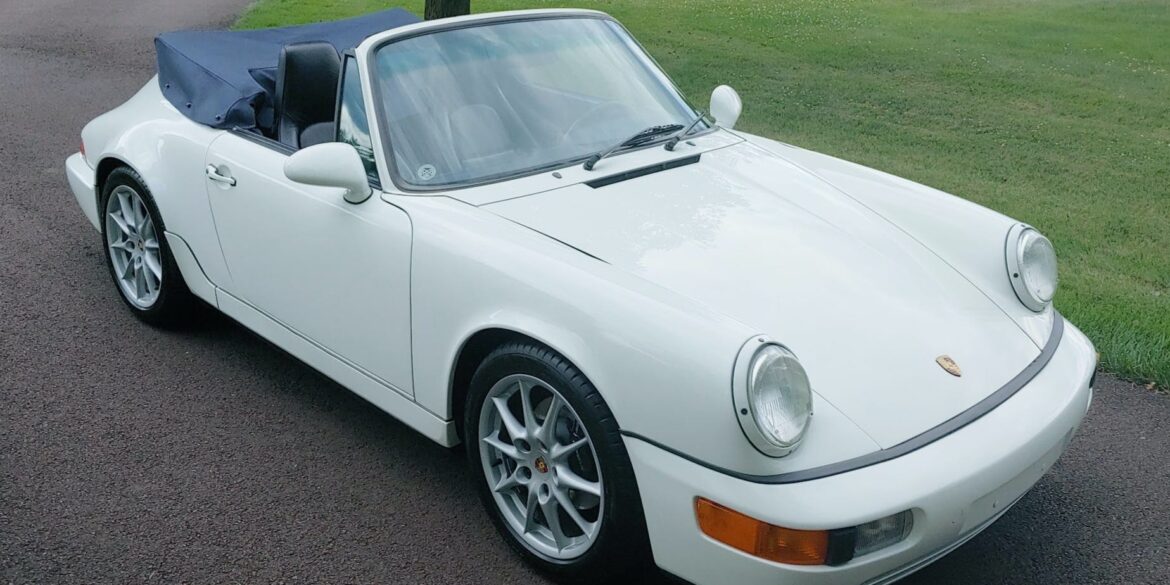
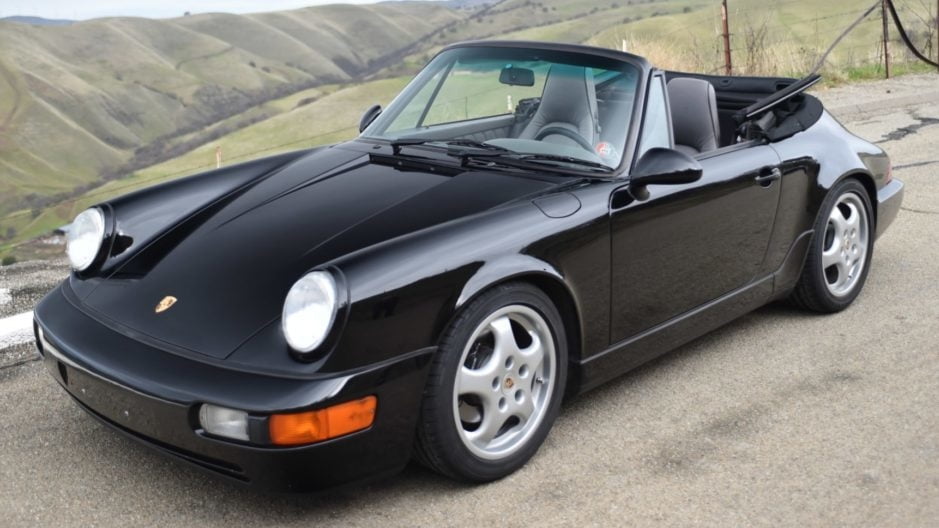
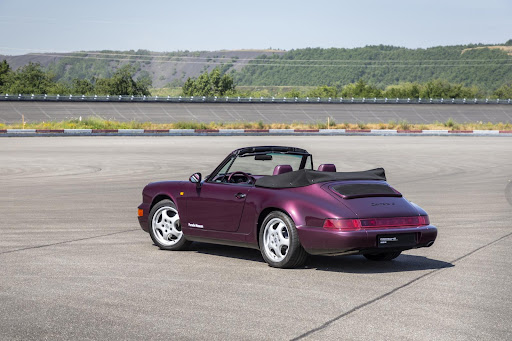
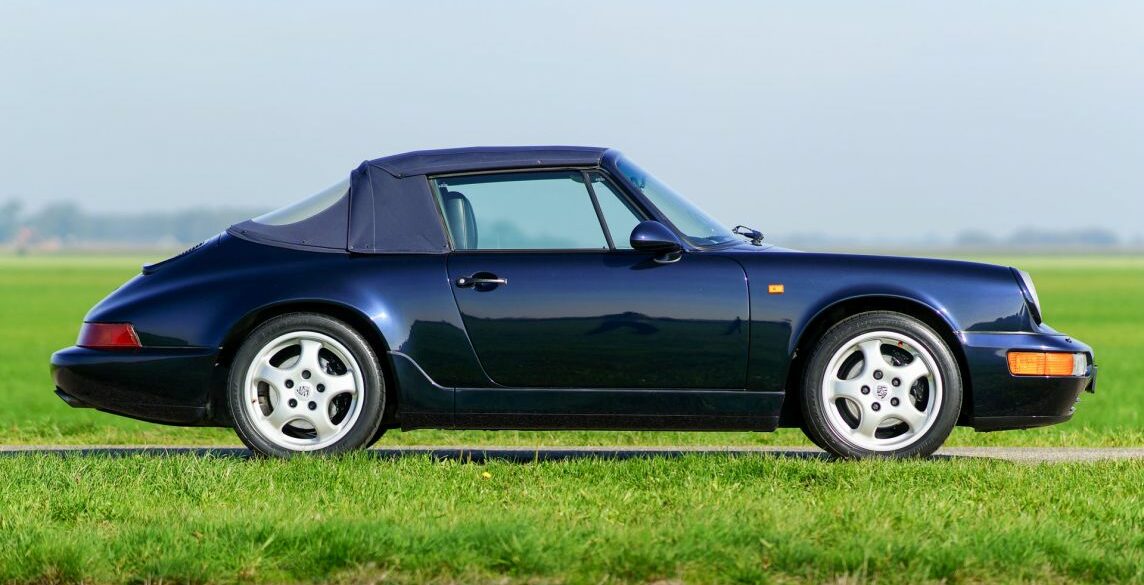
I am an Aussie boy, born and raised in Sydney who has now been living in my adopted hometown of New York since 2004. I never say NO to beer or pizza and love my wife and our three little boys. I'm an obsessed car nutcase. I talk about cars all day long. I have been into Porsches, Ferraris and every other cool carmaker since as far back as I remember. Back in 2013 I partnered up with some friends to acquire and operate some of my favorite automotive sites on the planet and Stuttcars was one of those sites. I hope to be a great steward of the brand.
No Subscription? You’re missing out Get immediate ad-free access to all our premium content. Get Started Already a Member? Sign in to your account here....
No Subscription? You’re missing out Get immediate ad-free access to all our premium content. Get Started Already a Member? Sign in to your account here....
No Subscription? You’re missing out Get immediate ad-free access to all our premium content. Get Started Already a Member? Sign in to your account here....
No Subscription? You’re missing out Get immediate ad-free access to all our premium content. Get Started Already a Member? Sign in to your account here....
No Subscription? You’re missing out Get immediate ad-free access to all our premium content. Get Started Already a Member? Sign in to your account here....
No Subscription? You’re missing out Get immediate ad-free access to all our premium content. Get Started Already a Member? Sign in to your account here....
No Subscription? You’re missing out Get immediate ad-free access to all our premium content. Get Started Already a Member? Sign in to your account here....
No Subscription? You’re missing out Get immediate ad-free access to all our premium content. Get Started Already a Member? Sign in to your account here....
No Subscription? You’re missing out Get immediate ad-free access to all our premium content. Get Started Already a Member? Sign in to your account here....
No Subscription? You’re missing out Get immediate ad-free access to all our premium content. Get Started Already a Member? Sign in to your account here....
No Subscription? You’re missing out Get immediate ad-free access to all our premium content. Get Started Already a Member? Sign in to your account here....
No Subscription? You’re missing out Get immediate ad-free access to all our premium content. Get Started Already a Member? Sign in to your account here....
No Subscription? You’re missing out Get immediate ad-free access to all our premium content. Get Started Already a Member? Sign in to your account here....
No Subscription? You’re missing out Get immediate ad-free access to all our premium content. Get Started Already a Member? Sign in to your account here....
No Subscription? You’re missing out Get immediate ad-free access to all our premium content. Get Started Already a Member? Sign in to your account here....
No Subscription? You’re missing out Get immediate ad-free access to all our premium content. Get Started Already a Member? Sign in to your account here....
No Subscription? You’re missing out Get immediate ad-free access to all our premium content. Get Started Already a Member? Sign in to your account here....
No Subscription? You’re missing out Get immediate ad-free access to all our premium content. Get Started Already a Member? Sign in to your account here....
No Subscription? You’re missing out Get immediate ad-free access to all our premium content. Get Started Already a Member? Sign in to your account here....
No Subscription? You’re missing out Get immediate ad-free access to all our premium content. Get Started Already a Member? Sign in to your account here....
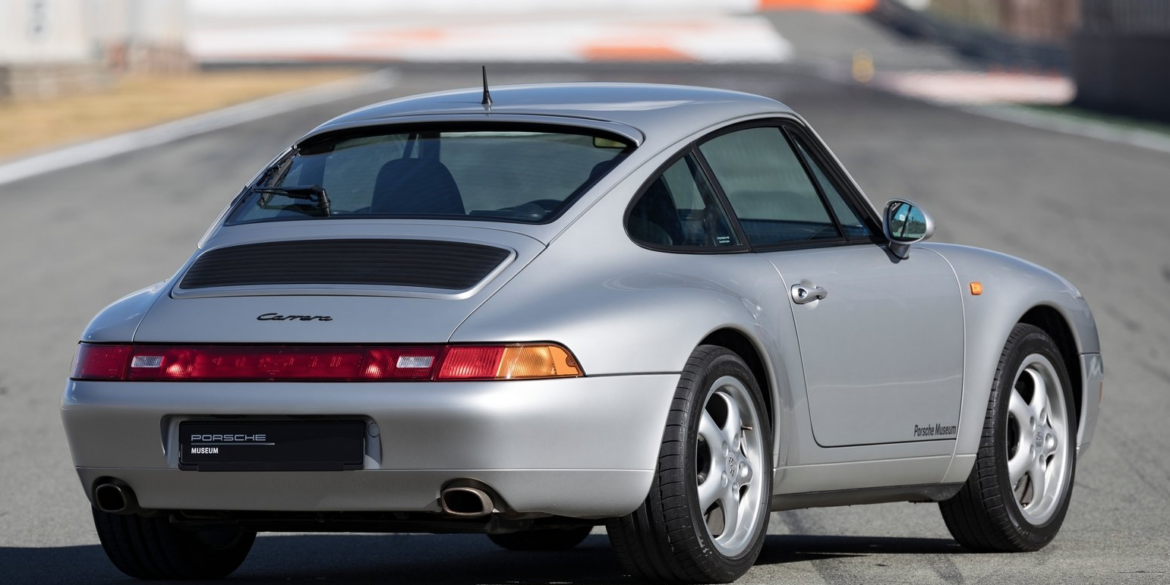
Porsche 911 (993) Sales & Production Numbers The Porsche 911 (type 964) was considered a sales success, so when the Type 993 came along Porsche expected more of the same thing. Over short production life, 68,029 units of the Porsche 911 Type 993 were produced. Impressive given it sold around...
Porsche 993 VIN Numbers Below is our detailed explanation of the 993 VIN codes. Our easy to use guide should help you find what you need quickly. The first part of this appendix provides the Vehicle Identification Number (VIN) code breakdowns. From this information it will then be possible for...
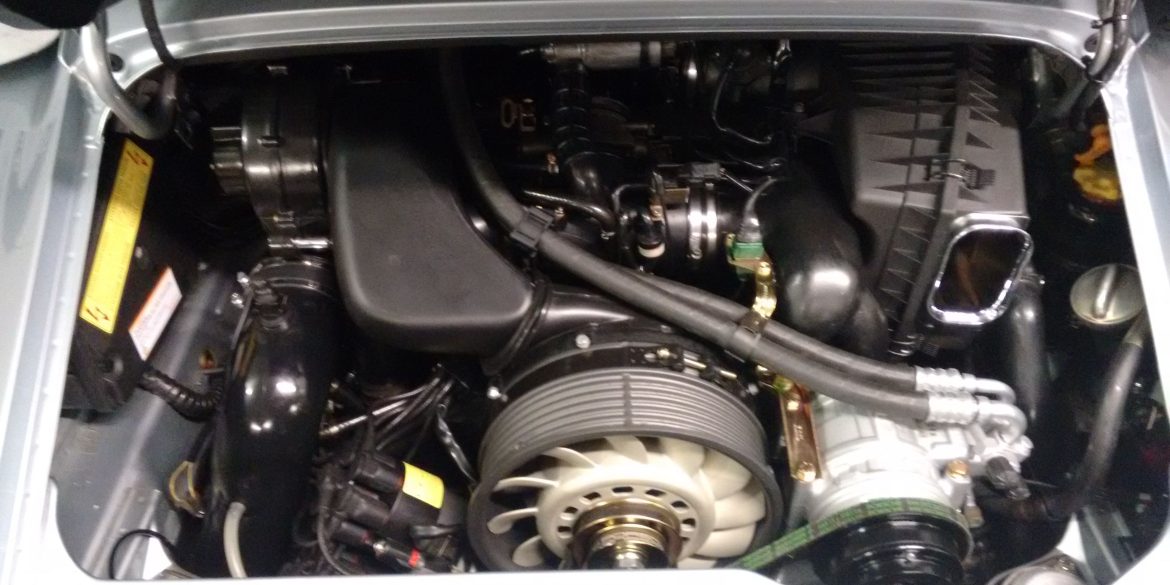
Porsche 911 (993) Engine Codes The introduction of the model 993 marked the last of the model 911 versions powered by the air-cooled Porsche flat-six M64 engine. Every 993 produced was equipped with a derivative of the M64 engine, beginning with the standard 3.6L which pumped out 272 HP and...
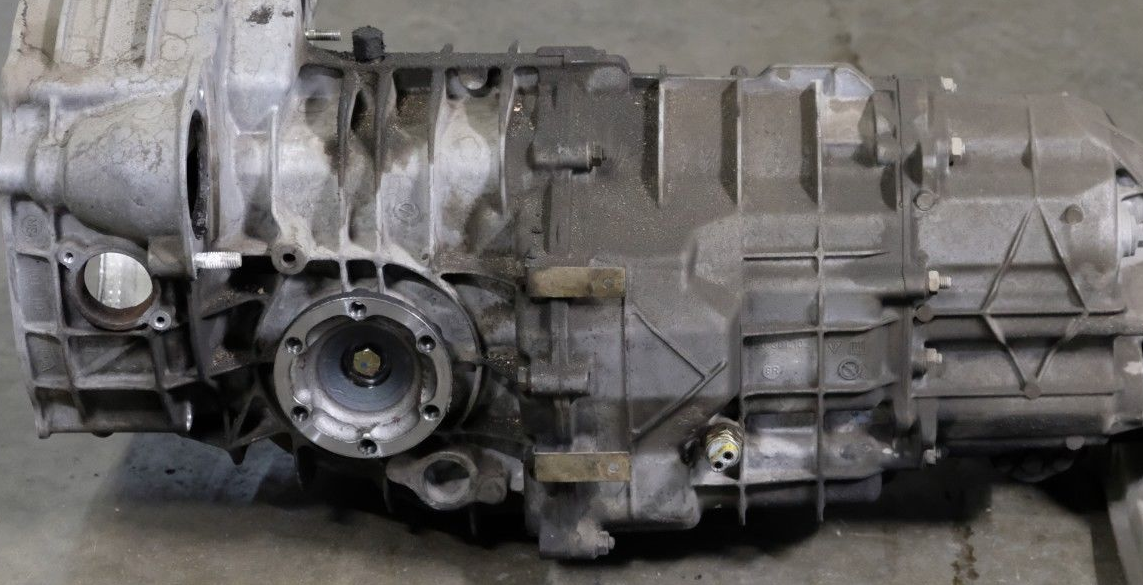
Porsche 911 (993) Transmission Codes The transmission number code is found on the transmission data plate. There were two codes used: MY1994 MY1995 MY1996 MY1997 MY1998 Carrera/S 6-speed manual G50.21, USA Switzerland Austria G50.20, 4-speed Tiptronic A50.04, USA A50.05 6-speed manual G50.21, USA Switzerland Austria G50.20, 4-speed Tiptronic A50.04, USA...
No Subscription? You’re missing out Get immediate ad-free access to all our premium content. Get Started Already a Member? Sign in to your account here....
993 Carrera Cup Champions & Results 993 Carrera Supercup 1994 Uwe Alzen Emmanuel Collard Jean-Pierre Malcher 1995 Jean-Pierre Malcher Jürgen von Gartzen Emmanuel Collard 1996 Emmanuel Collard Jürgen von Gartzen Patrick Huisman 1997 . Patrick Huisman Oliver Mathai Dominique Dupuy No Subscription? You’re missing out Get immediate ad-free access...
1994-1998 Porsche 911 Engine Torque Directions This tightening torque specs list is ONLY for the following Porsche models and years: 1993 to 1998 Porsche 911 (993) Carrera, 4, S, 4S – years 1993, 1994, 1995, 1996, 1997 and 1998 No Subscription? You’re missing out Get immediate ad-free access to all...
1998-2006 Porsche 911 Fuses Box Diagram and Amperages List This fuse box information is ONLY for the following Porsche models and years: 1998 to 2006 Porsche 911 (996) Carrera, 4, S, 4S, Targa and Turbo – years 1998, 1999, 2000, 2001, 2002, 2003, 2004, 2005 and 2006 Fuse Box Location...
2006-2013 Porsche Cayman Fuses Box Diagram and Amperages List This fuse box information is ONLY for the following Porsche models and years: – 2005 to 2013 Porsche 987c Cayman and Cayman S – years 2005, 2006, 2007, 2008, 2009, 2010, 2011, 2012 and 2013 Fuse Box Location The fuse box...
986 Porsche Boxster & Porsche Boxster S Model Year Differences 1997 Boxster The 986 Boxster is introduced Technical Specifications: 201 HP 2.5 Litre engine with a 5 speed manual transmission or optional 5 speed Tiptronic (automatic). Early cars were produced in Stuttgart (11th digit of VIN is “S”) while later...
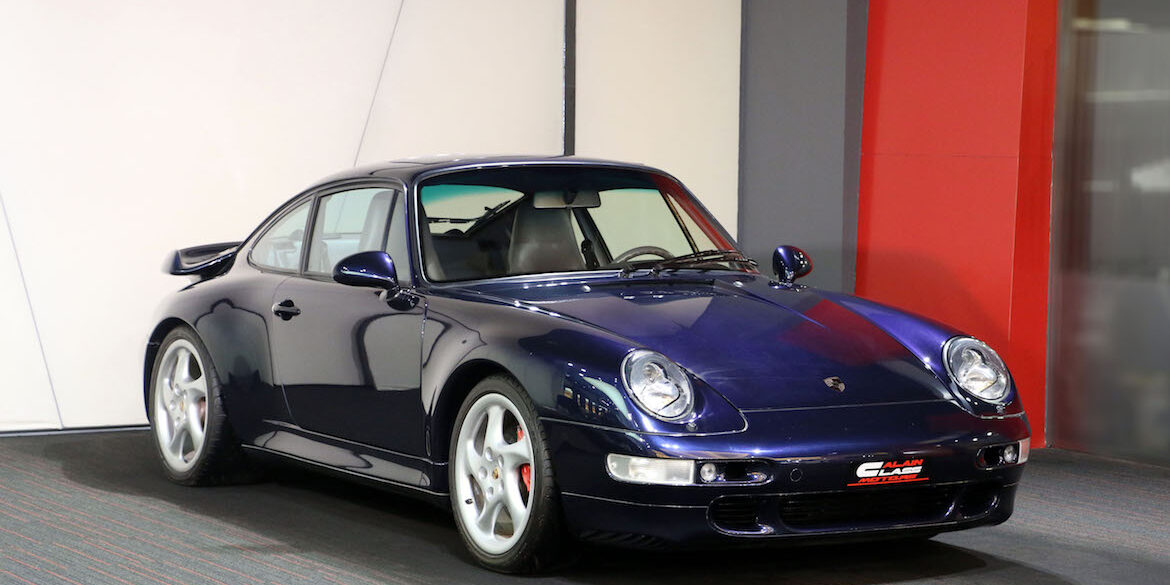
Porsche 911 (993) Paint Color Options This post outlines all the color options for the 993 generation Porsche 911 over its production life, from 1994 model year through to end of 1998 production. We have official books and catalogs of all the color options for the 993 generation Porsche 911....
Porsche 911 (964) Paint Color Options This post outlines all the color options for the 964 generation Porsche 911 over its production life, from 1989 model year through to end of 1993 production (1994) model year. We have official books and catalogs of all the color options for the first...
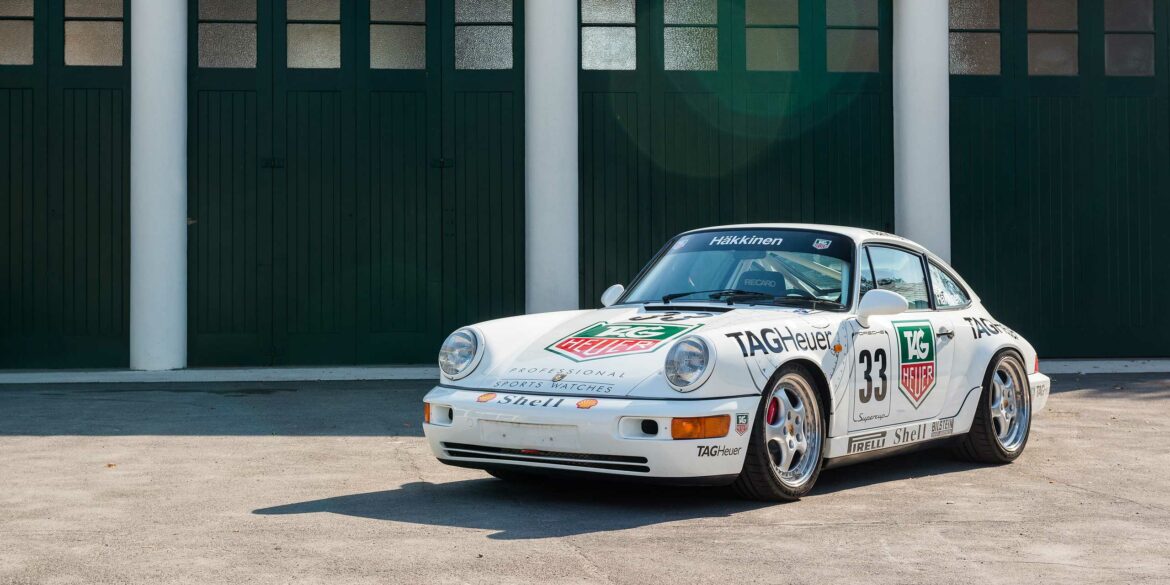
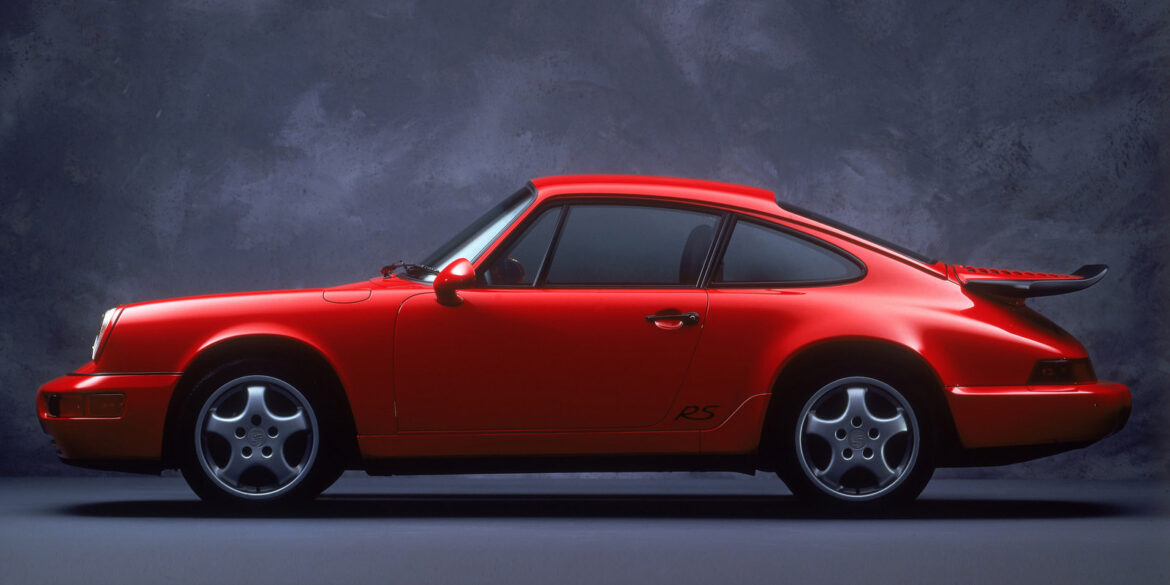
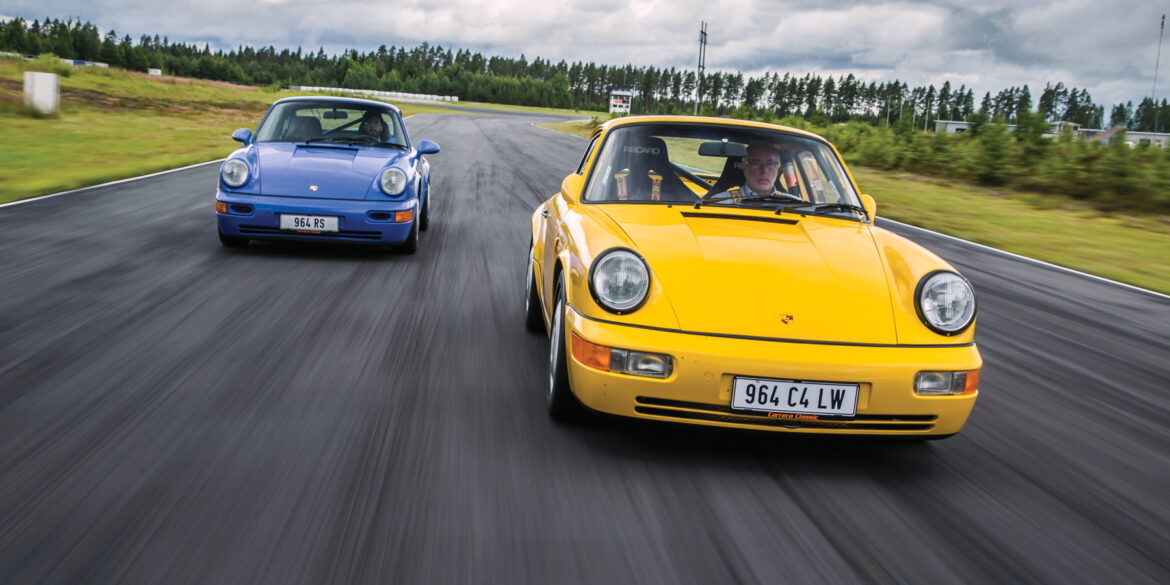
Rare & Special Race Versions of the 964 For issue 131 of Total 911, you may remember that we made a trip to Finland to drive two very special Porsche 964s: the legendary 964 Carrera RS and the ultra rare 964 Carrera 4 Lightweight. Both Porsche 911s are owned by the...
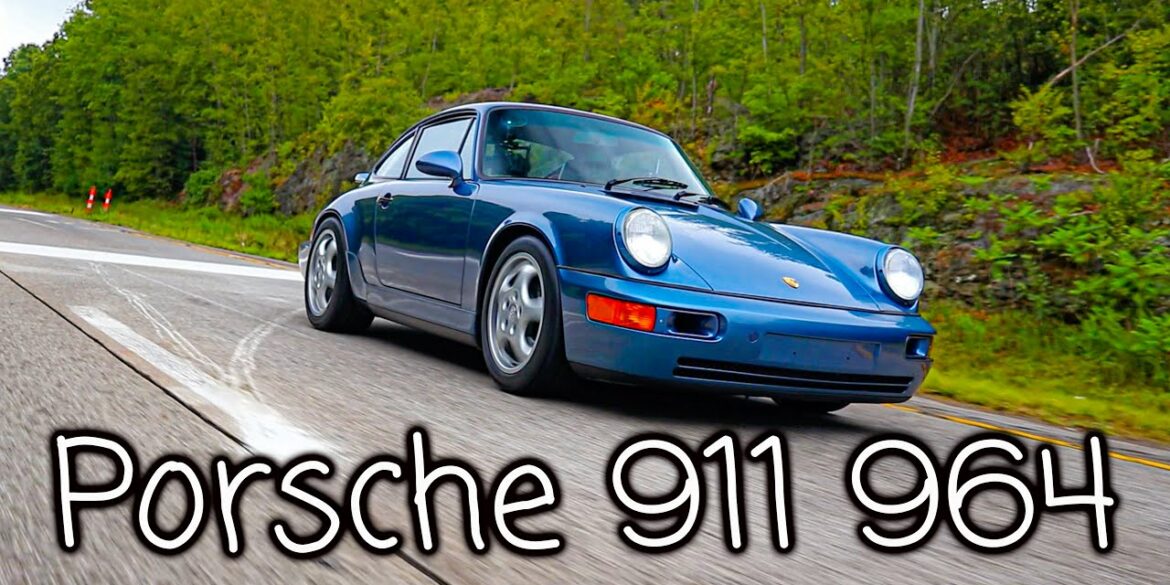
Wonderful Porsche 964 An on-board drive & in-depth review of the specs and build principles applied to our Lightweight ’92 Porsche 964 Weekend Racer. We focus on the driving characteristics of the 964 model range and how our approach to weight and gearing maximises the performance and driving experience of...
964 Carrera Cup Champions & Results 964 Carrera Cup Germany 1990 Olaf Manthey Rüdiger Schmitt Wolfgang Land 1991 Roland Asch Wolfgang Land Jürgen von Gartzen 1992 Uwe Alzen Bruno Eichmann Jürgen von Gartzen 1993 Wolfgang Land Altfrid Heger Bernd Mayländer 1994 Bernd Mayländer Harald Grohs Wolfgang Land 964 Carrera...
No Subscription? You’re missing out Get immediate ad-free access to all our premium content. Get Started Already a Member? Sign in to your account here....
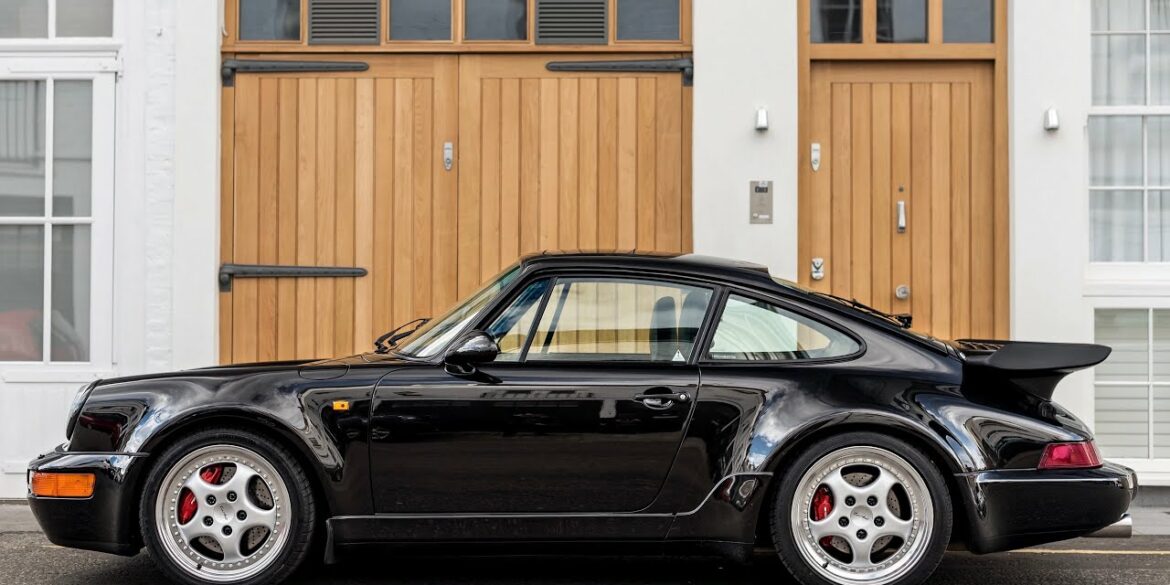
How to Identify Your Porsche 911 (964) Turbo 3.6 In addition to the Slantnose cars there was a 964 Turbo 3.6 “Package”-version made for USA, which incorporated many X-goodies from the price list of Porsche Exclusive. No wonder, the “Package” cars are sometimes referred to as 964 Turbo S 3.6...
Porsche 911 (964) Technical Specifications & Model Comparison Comparison of the C2, RS, Cup 911 964s Specs Carrera 2 USA Carrera 2 Euro RS America RS Touring Carrera Cup USA RS Lightweight RS Competition Carrera Cup Street legal yes yes yes yes yes yes yes no Mechanicals/electric Carrera 2 USA...
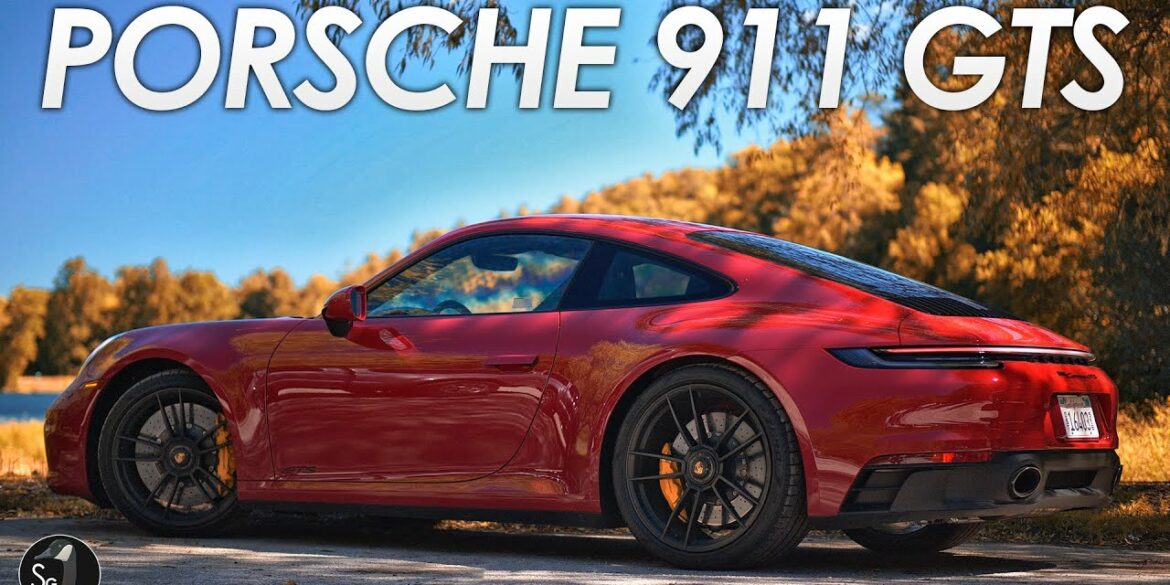
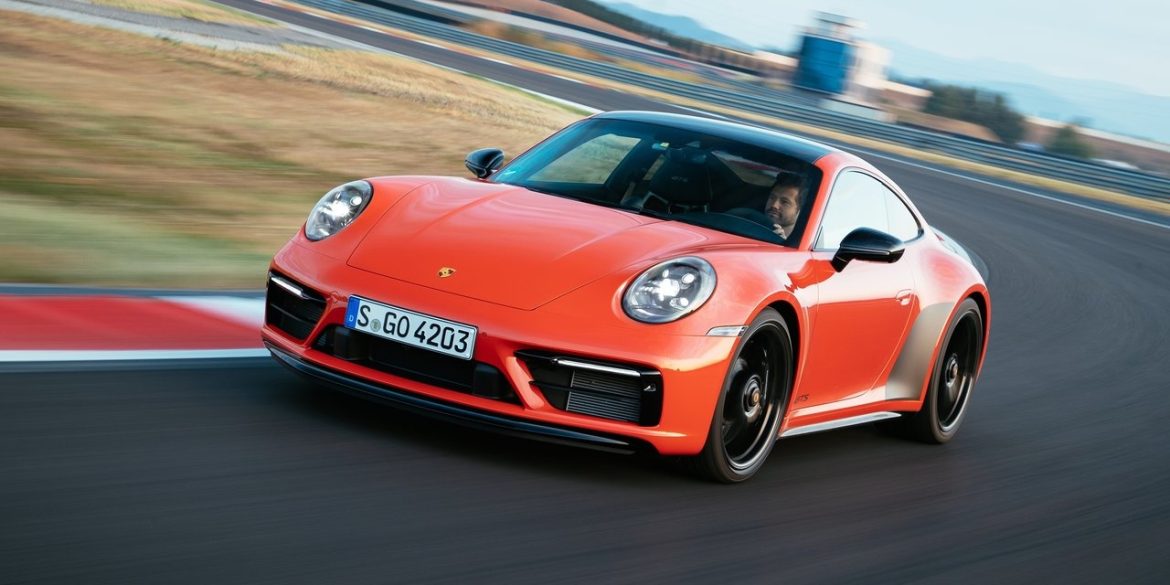
Our Favorite GTS Models In Detail We review the new 2022 Porsche 911 GTS and 2022 Targa 4 GTS. Two options bridge the gap between the Turbo S and GT3. We discuss the road manners, interior design, and what it’s like to drive on the street. These cars have a...
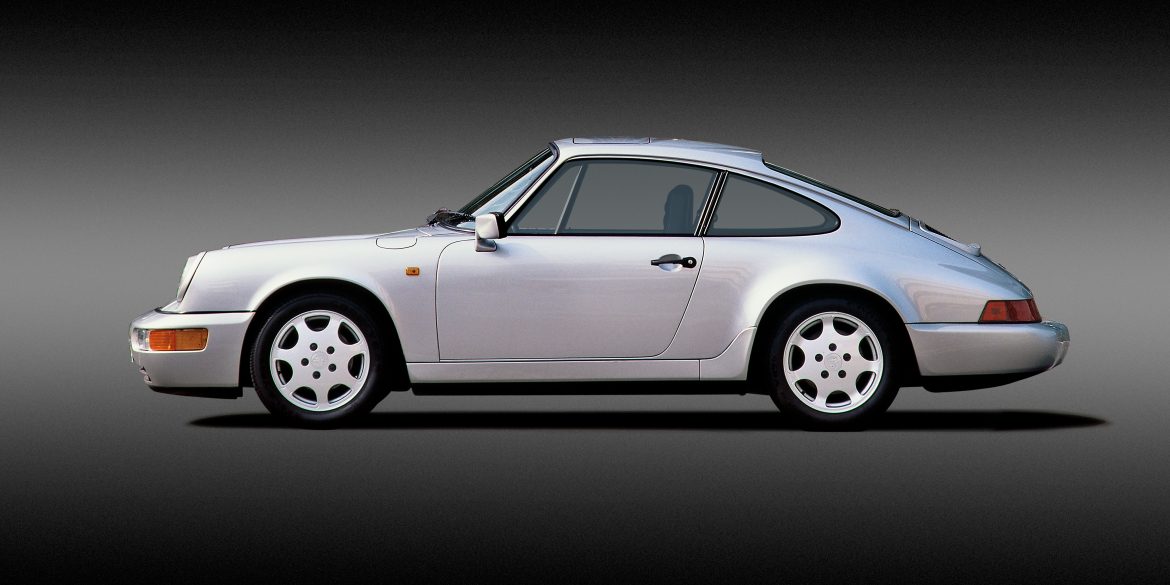
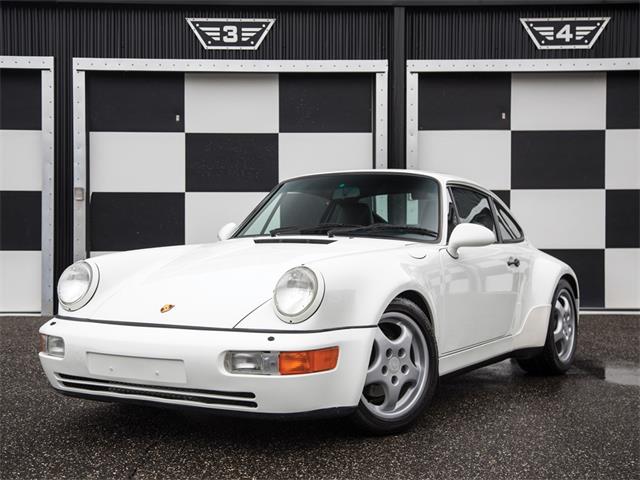
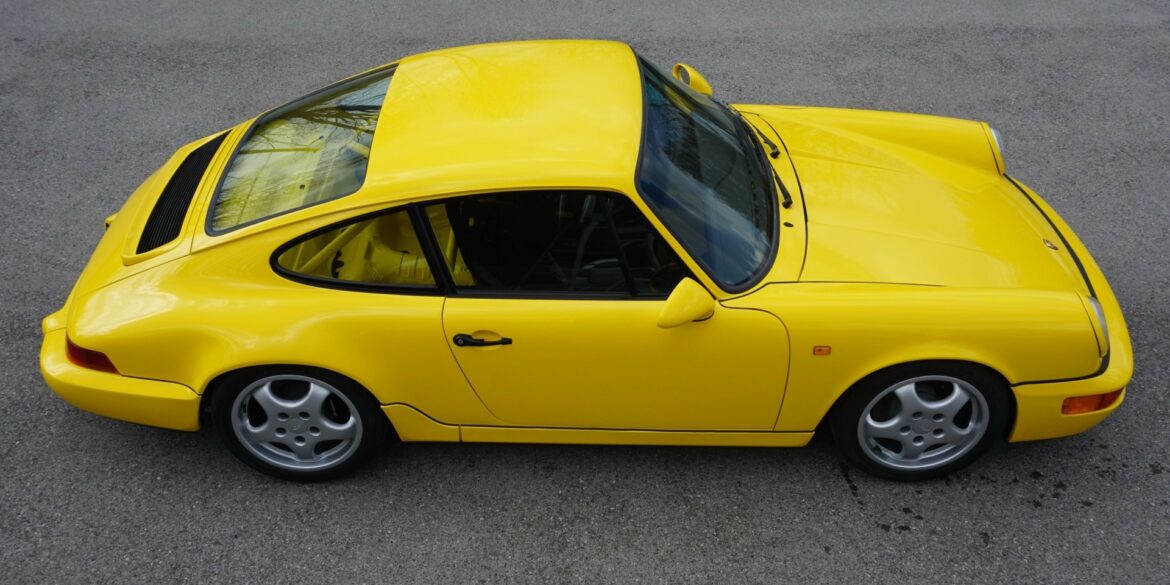
Porsche 911 (964) (1988 – 1994) Story & History Type 964 – The 3rd Generation Porsche 911 Premiere: 1988 September 28 at Mondial de l’Automobile Paris motor show After the 1984 model year 911 Carrera 3.2 had entered the markets, the plans for the next generation 911 were set. In March-April...
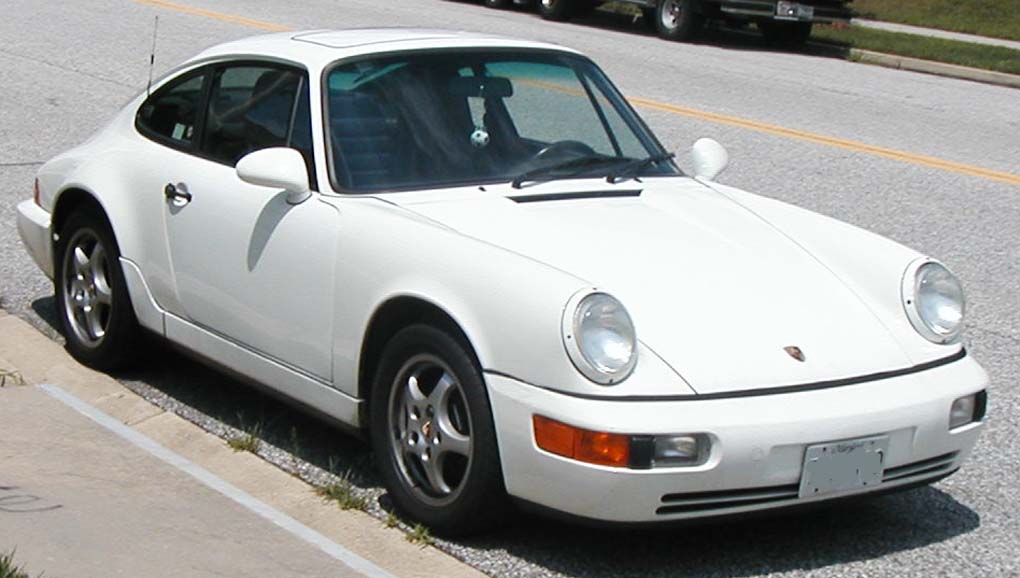
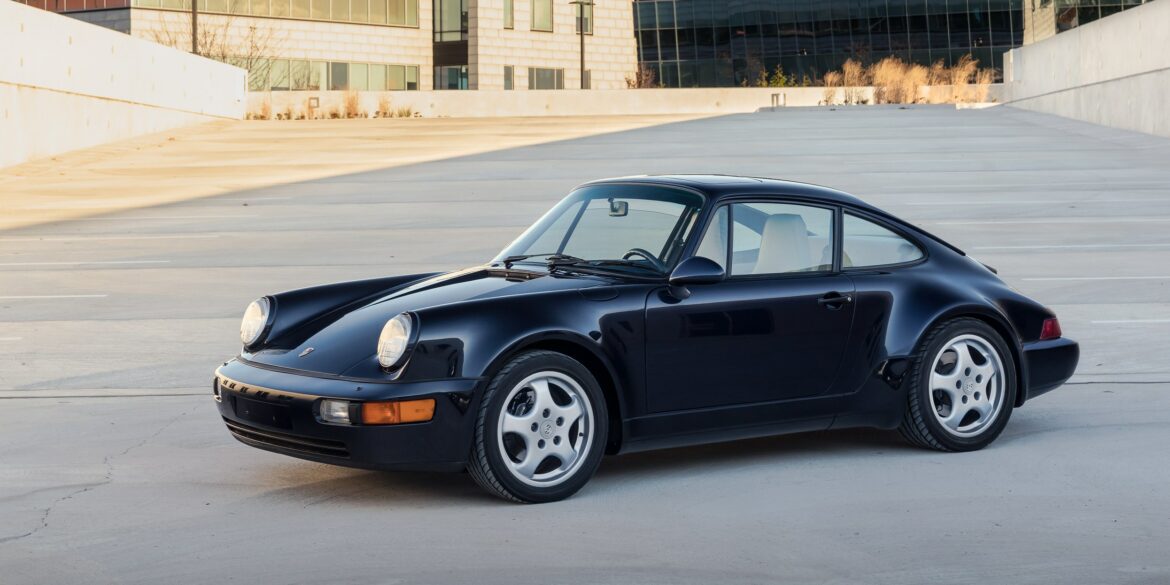
Model year 1994. Carrera 4 Wide-Body for the U.S. Technically there is really no difference between the Carrera 4 Wide-Body and his RoW counterpart. At the front there are the for America usual black impact absorbers beside the fog lights, the frontfenders lack the side indicators, the rear bumper is equipped with the center piece with a small plate section and in the back window of a large third brake light is integrated. Significant differences, it is generally provided in the factory standard equipment.
No Subscription? You’re missing out Get immediate ad-free access to all our premium content. Get Started Already a Member? Sign in to your account here....
No Subscription? You’re missing out Get immediate ad-free access to all our premium content. Get Started Already a Member? Sign in to your account here....
No Subscription? You’re missing out Get immediate ad-free access to all our premium content. Get Started Already a Member? Sign in to your account here....
No Subscription? You’re missing out Get immediate ad-free access to all our premium content. Get Started Already a Member? Sign in to your account here....
No Subscription? You’re missing out Get immediate ad-free access to all our premium content. Get Started Already a Member? Sign in to your account here....
No Subscription? You’re missing out Get immediate ad-free access to all our premium content. Get Started Already a Member? Sign in to your account here....
No Subscription? You’re missing out Get immediate ad-free access to all our premium content. Get Started Already a Member? Sign in to your account here....
No Subscription? You’re missing out Get immediate ad-free access to all our premium content. Get Started Already a Member? Sign in to your account here....
No Subscription? You’re missing out Get immediate ad-free access to all our premium content. Get Started Already a Member? Sign in to your account here....
No Subscription? You’re missing out Get immediate ad-free access to all our premium content. Get Started Already a Member? Sign in to your account here....
No Subscription? You’re missing out Get immediate ad-free access to all our premium content. Get Started Already a Member? Sign in to your account here....
No Subscription? You’re missing out Get immediate ad-free access to all our premium content. Get Started Already a Member? Sign in to your account here....
No Subscription? You’re missing out Get immediate ad-free access to all our premium content. Get Started Already a Member? Sign in to your account here....
No Subscription? You’re missing out Get immediate ad-free access to all our premium content. Get Started Already a Member? Sign in to your account here....
No Subscription? You’re missing out Get immediate ad-free access to all our premium content. Get Started Already a Member? Sign in to your account here....
No Subscription? You’re missing out Get immediate ad-free access to all our premium content. Get Started Already a Member? Sign in to your account here....
No Subscription? You’re missing out Get immediate ad-free access to all our premium content. Get Started Already a Member? Sign in to your account here....
No Subscription? You’re missing out Get immediate ad-free access to all our premium content. Get Started Already a Member? Sign in to your account here....
No Subscription? You’re missing out Get immediate ad-free access to all our premium content. Get Started Already a Member? Sign in to your account here....
No Subscription? You’re missing out Get immediate ad-free access to all our premium content. Get Started Already a Member? Sign in to your account here....
No Subscription? You’re missing out Get immediate ad-free access to all our premium content. Get Started Already a Member? Sign in to your account here....
No Subscription? You’re missing out Get immediate ad-free access to all our premium content. Get Started Already a Member? Sign in to your account here....
No Subscription? You’re missing out Get immediate ad-free access to all our premium content. Get Started Already a Member? Sign in to your account here....
No Subscription? You’re missing out Get immediate ad-free access to all our premium content. Get Started Already a Member? Sign in to your account here....
No Subscription? You’re missing out Get immediate ad-free access to all our premium content. Get Started Already a Member? Sign in to your account here....
No Subscription? You’re missing out Get immediate ad-free access to all our premium content. Get Started Already a Member? Sign in to your account here....
No Subscription? You’re missing out Get immediate ad-free access to all our premium content. Get Started Already a Member? Sign in to your account here....
No Subscription? You’re missing out Get immediate ad-free access to all our premium content. Get Started Already a Member? Sign in to your account here....
No Subscription? You’re missing out Get immediate ad-free access to all our premium content. Get Started Already a Member? Sign in to your account here....
No Subscription? You’re missing out Get immediate ad-free access to all our premium content. Get Started Already a Member? Sign in to your account here....
No Subscription? You’re missing out Get immediate ad-free access to all our premium content. Get Started Already a Member? Sign in to your account here....
No Subscription? You’re missing out Get immediate ad-free access to all our premium content. Get Started Already a Member? Sign in to your account here....
No Subscription? You’re missing out Get immediate ad-free access to all our premium content. Get Started Already a Member? Sign in to your account here....
No Subscription? You’re missing out Get immediate ad-free access to all our premium content. Get Started Already a Member? Sign in to your account here....
No Subscription? You’re missing out Get immediate ad-free access to all our premium content. Get Started Already a Member? Sign in to your account here....
No Subscription? You’re missing out Get immediate ad-free access to all our premium content. Get Started Already a Member? Sign in to your account here....
No Subscription? You’re missing out Get immediate ad-free access to all our premium content. Get Started Already a Member? Sign in to your account here....
No Subscription? You’re missing out Get immediate ad-free access to all our premium content. Get Started Already a Member? Sign in to your account here....
No Subscription? You’re missing out Get immediate ad-free access to all our premium content. Get Started Already a Member? Sign in to your account here....
No Subscription? You’re missing out Get immediate ad-free access to all our premium content. Get Started Already a Member? Sign in to your account here....
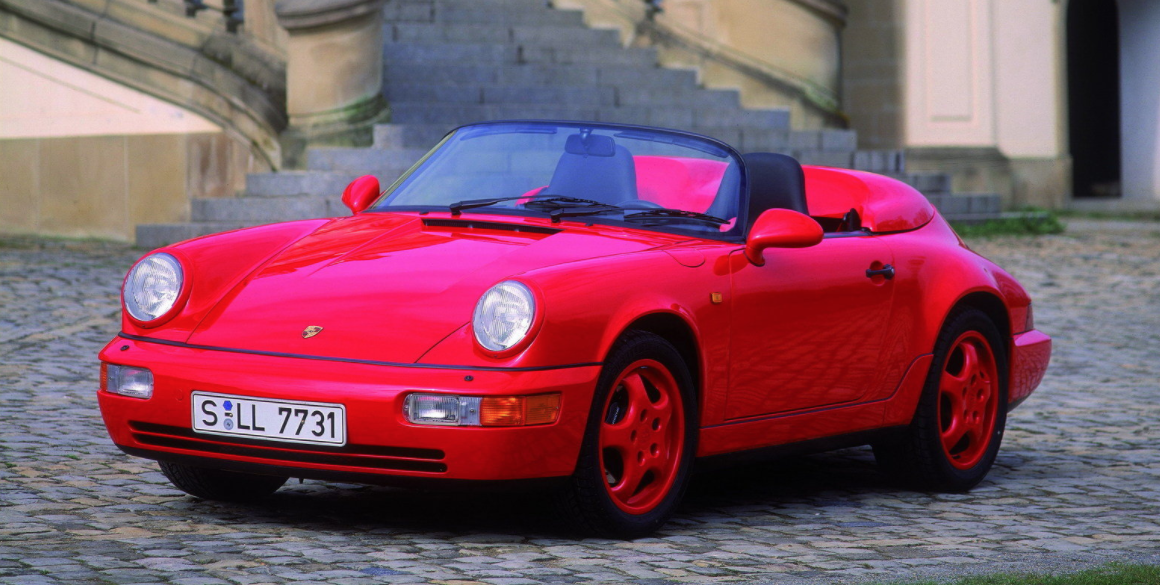
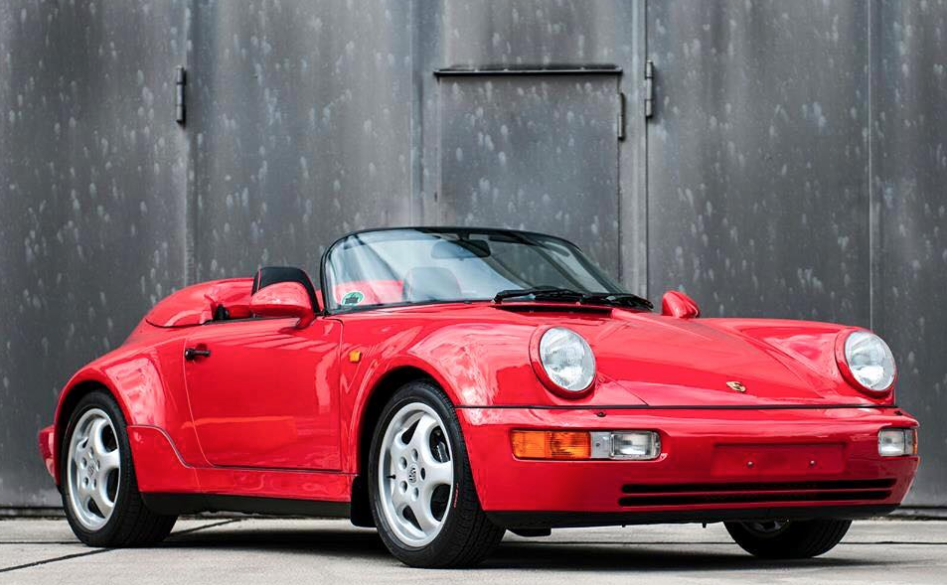
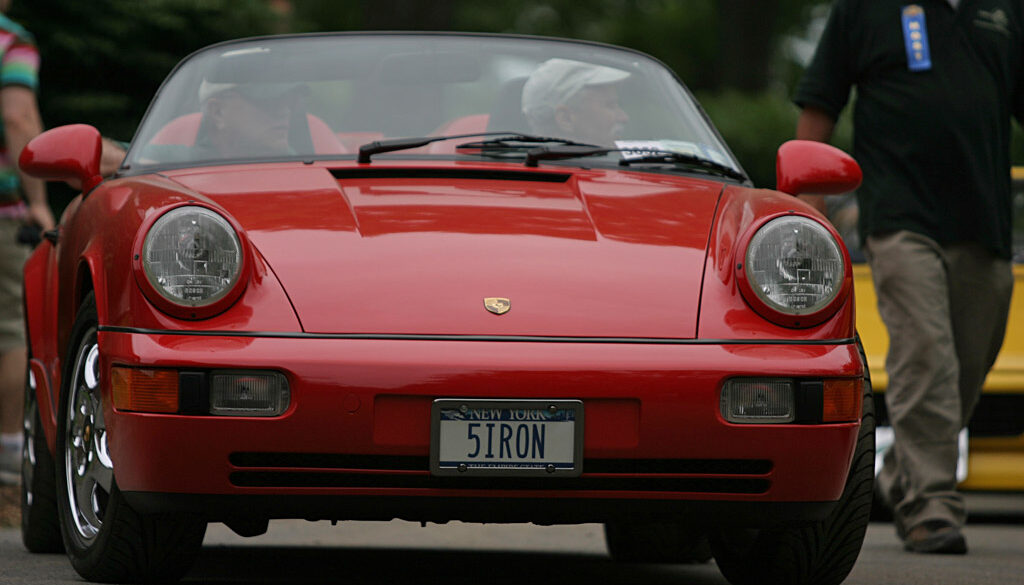
In contrast to the 911 Speedster from the 1989 model year, the 964 Speedster was only offered and produced with the narrow body shape. In December 1991, the first wide bodied prototype based on a 964 Carrera 2 Convertible Turbo-Look was registered at Porsche AG, but it never made it ready for a series production. In response to recurring customer requests for Turbo-Look Speedsters - the optical characteristics of the wide body in combination with the flat windscreen and fiberglass cover had found many fans - Porsche converted the previously individually ordered, narrow Speedster in the exclusive department.
In March 1993, Porsche presented the Porsche 911 anniversary model “30 years 911” at the Geneva Motor Show. Since then, the special model is also called “Jubi” for short. Under the Porsche internal code M096, there is essentially a Carrera 4 with the wide turbo body but without wings. The 964 anniversary edition could be ordered with exclusive interior design and numerous possibilities of customization. According to Porsche, the special model was limited to 911 vehicles and manufactured in the model years 1993 and 1994.
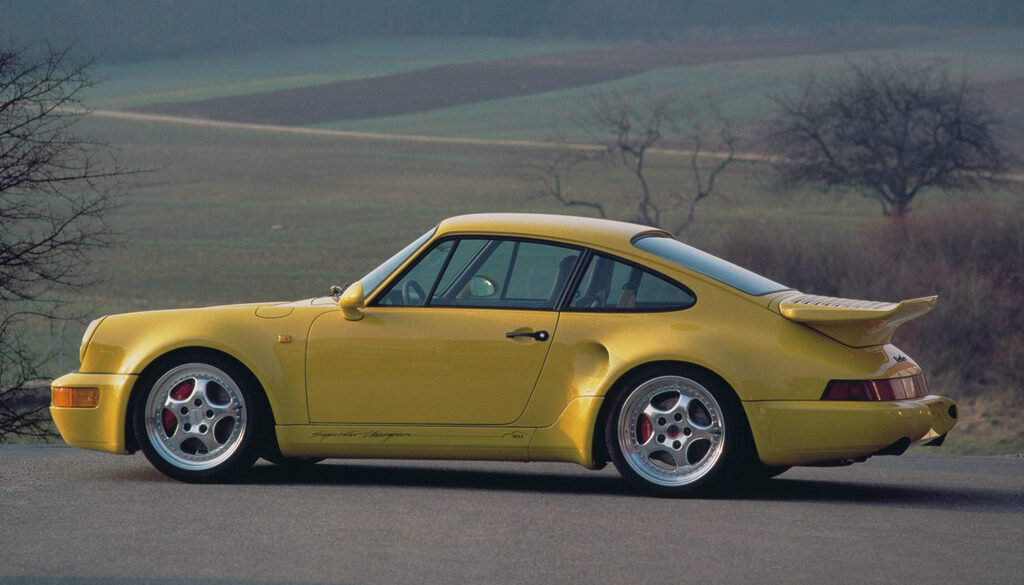
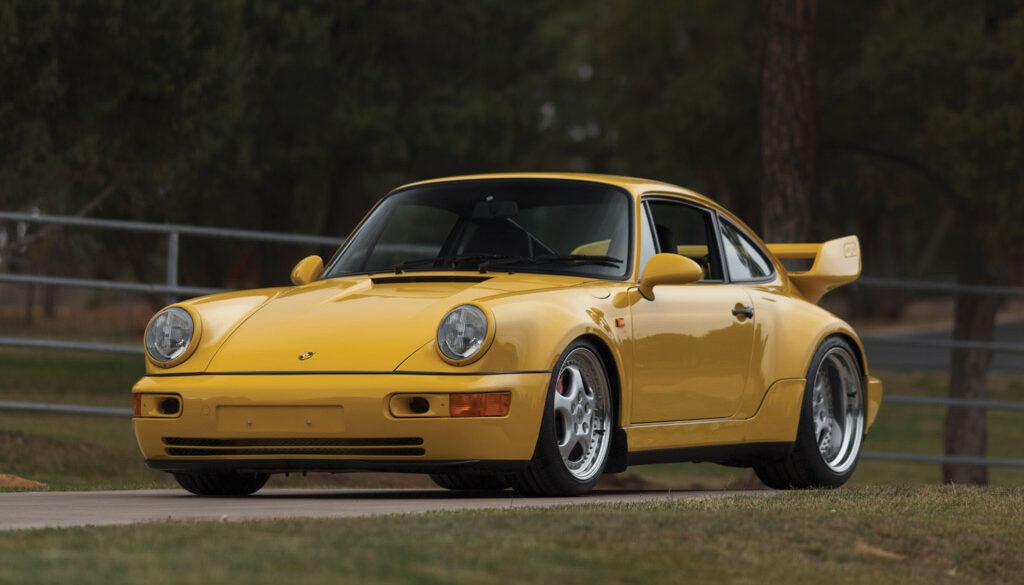
The 964 Carrera RS 3.8 was produced as a base for homologation for the venerable 3.8 RSR. It was unveiled in 1993 and produced in a very small series by Porsche’s Racing Department in Weissach-Flacht, and was an extreme evolution of the 964 Carrera RS that was released two years prior. It featured the wide-body look of the Type 964 Turbo, a massive rear spoiler, and three-piece “Speedline for Porsche” wheels with 235/40 and 285/35 tires, making it distinctively more aggressive in appearance than the fairly restrained styling of the Carrera RS of 1992 and capable of providing significantly more mechanical grip.
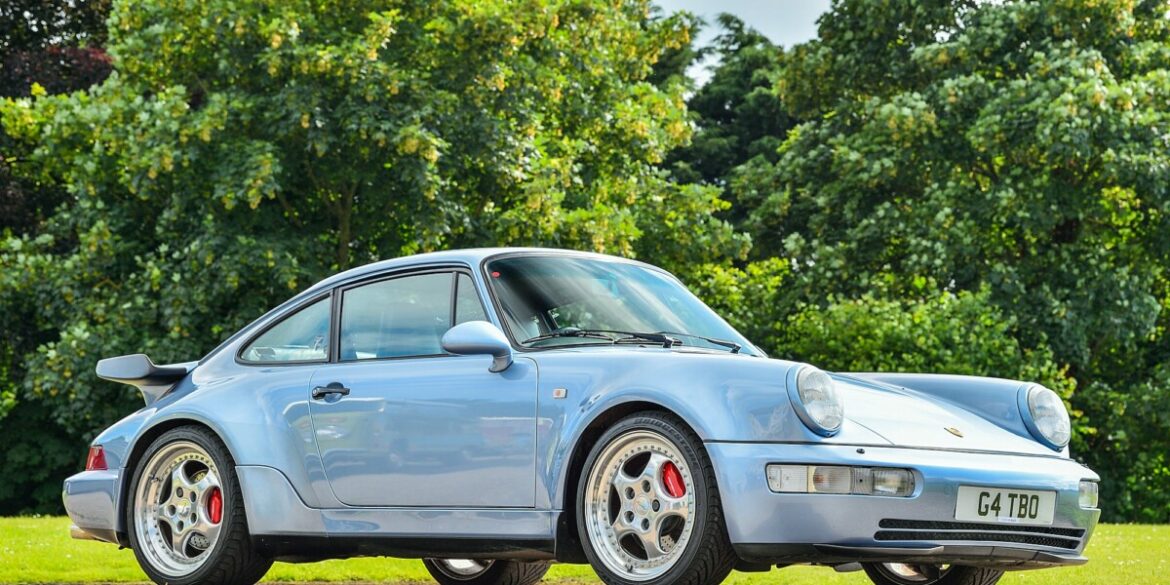
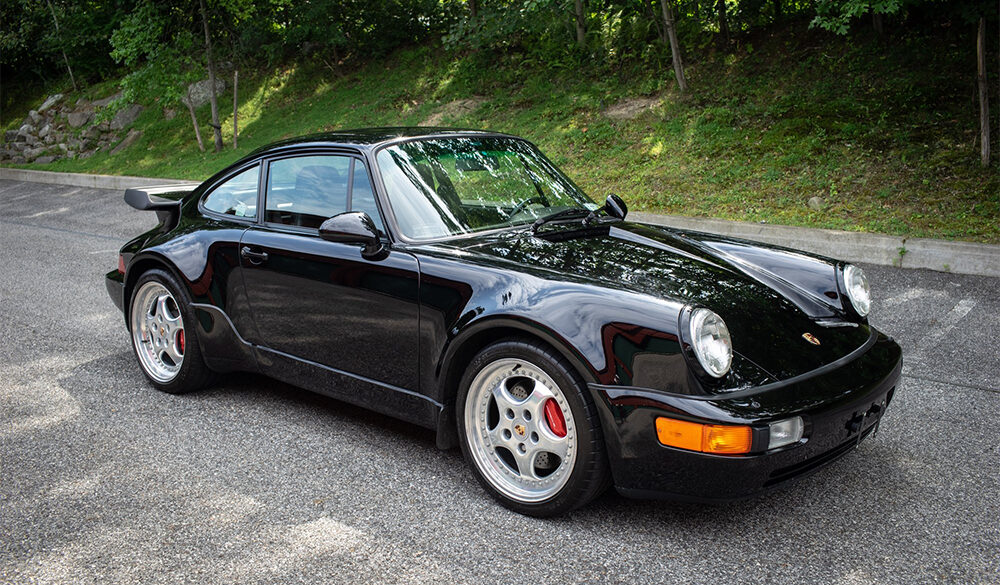
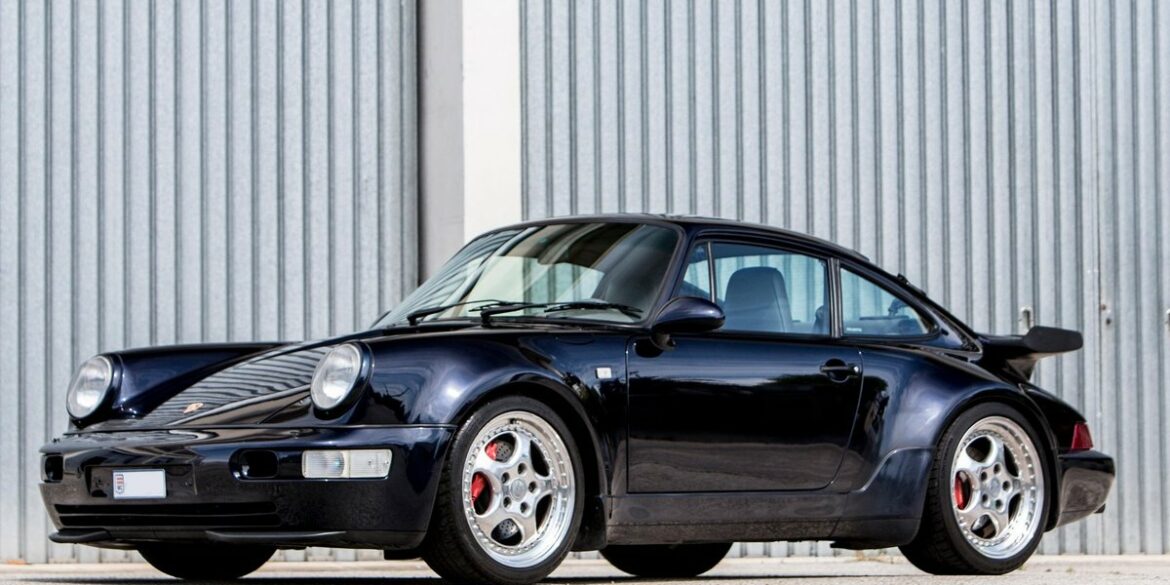
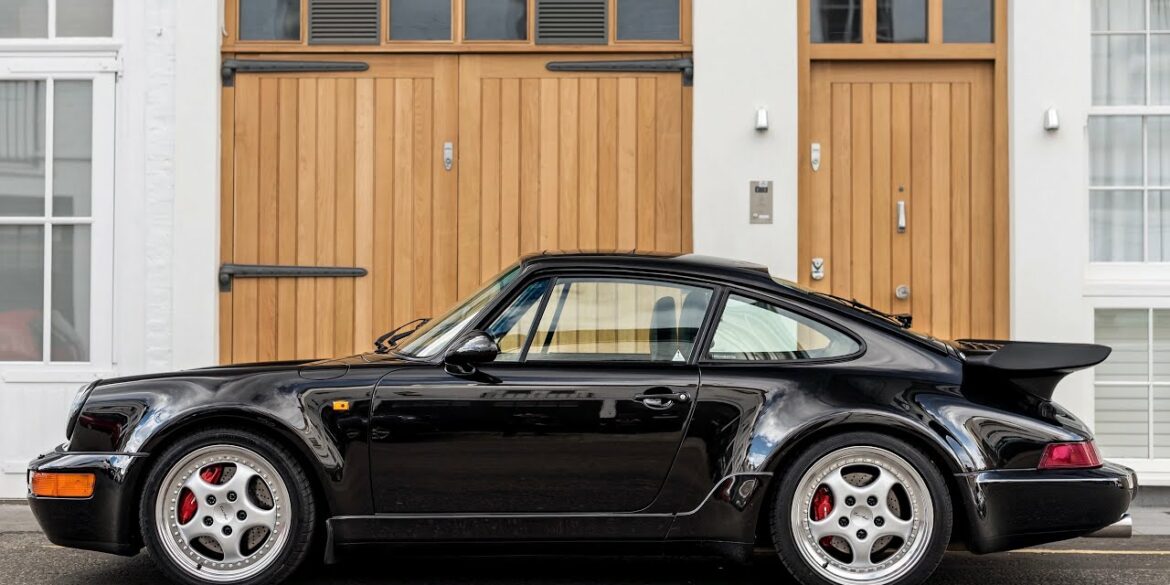
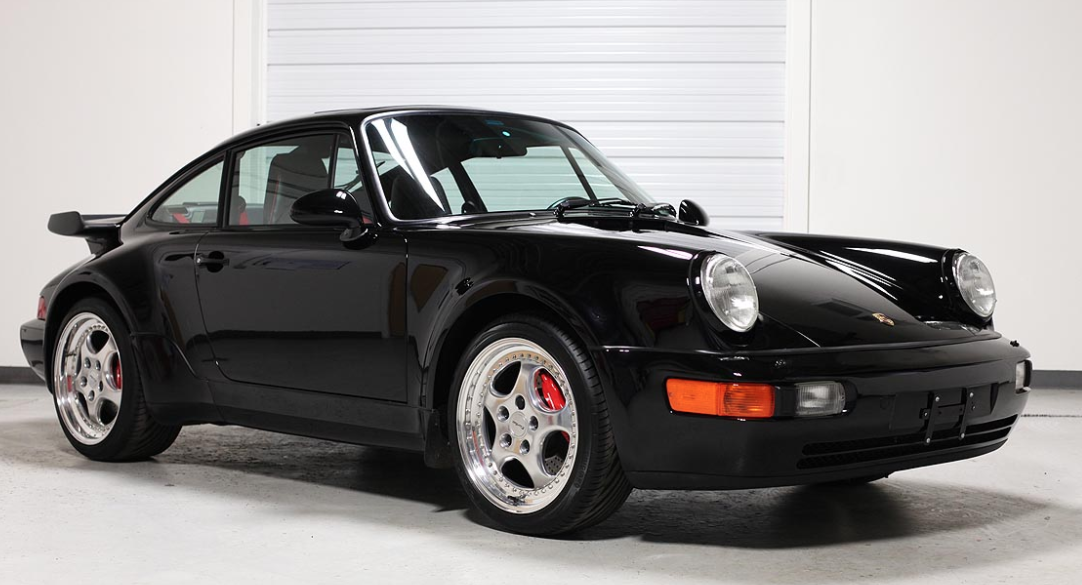
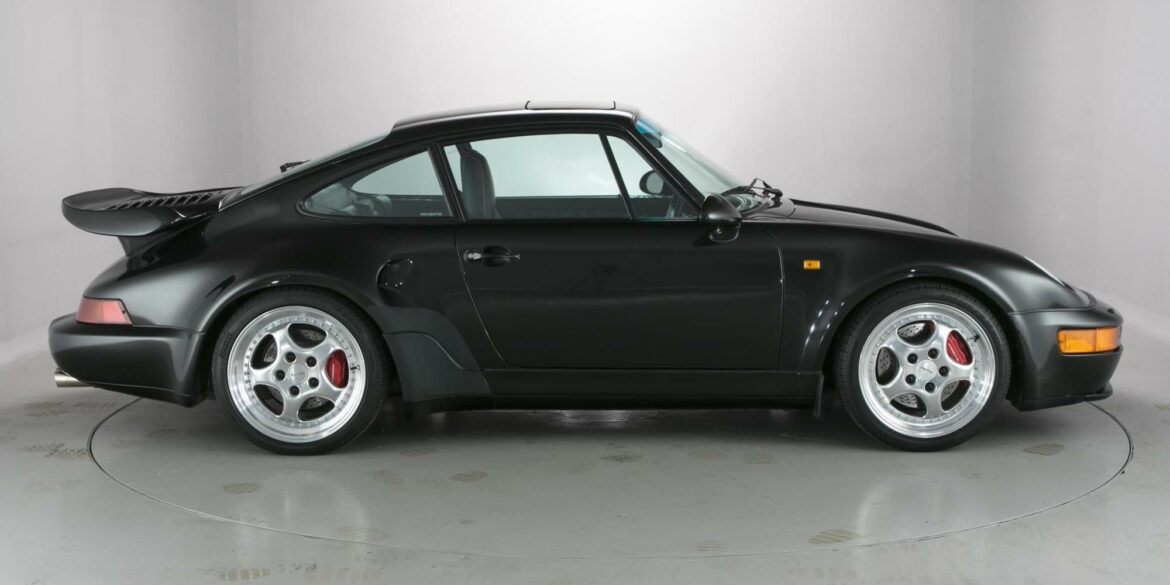
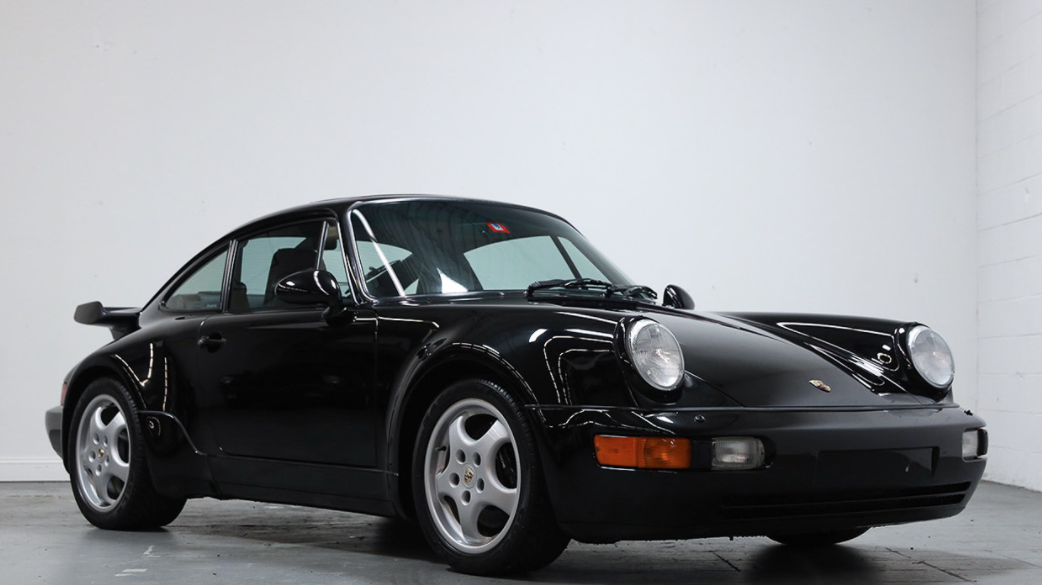
The Porsche factory had 93 Turbo chassis left. These were all transferred to Porsche Exclusiv and hand built as the very special 964 Turbo 3.6 S. They were offered with normal, or ‘Flachbau’ slant nose front ends. While the vast majority of Turbo S’ were fitted with the ‘Flachbau’ nose as a no-cost option, the Turbo S could also be had with the traditional 964 nose as well. In all, 76 Flatnose cars were made while 17 non-Flatnose (known as Package option) cars were made. These cars were also fitted with the X88 option, which increased power to 380 hp. 75 flatnose units were produced.
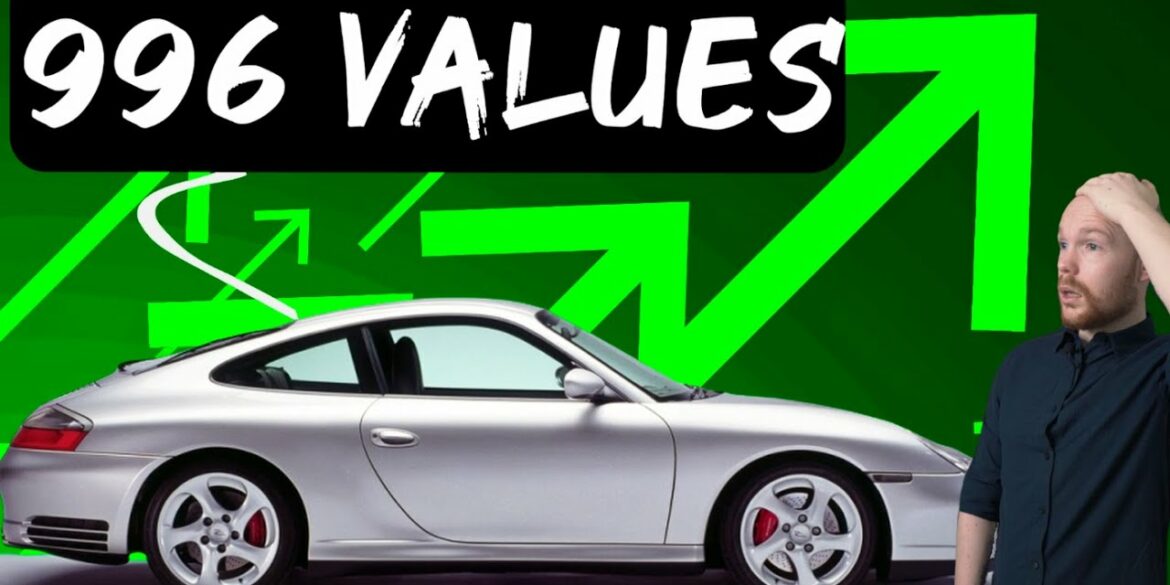
The Porsche 996 Turbo Is An Under-appreciated Sports Car & Shouldn’t Be I haven’t got to spend much time behind Porsche’s on this channel – so I was very excited to get behind the wheel of a 500hp manual Turbo! The 996 for a very long time was neglected as...
The 964 based Speedster was the 1994 Speedster which was based on the 964 Carrera 2 platform. There are far fewer 1994 911 Speedsters in the world than the 1989 model, with production reportedly totaled only around 936 units, less than half as many as the 1989 example. Whereas the 1989 Speedster was primarily an aesthetic package, the 964 version sought a happy medium between the regular Carrera 2 and the hardcore Carrera RS. It had the same engine as the base Carrera and didn’t have the same suspension bits as the RS.
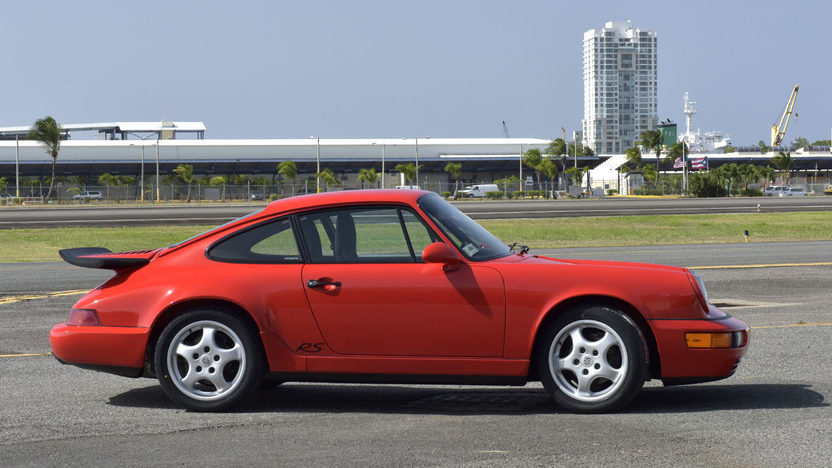
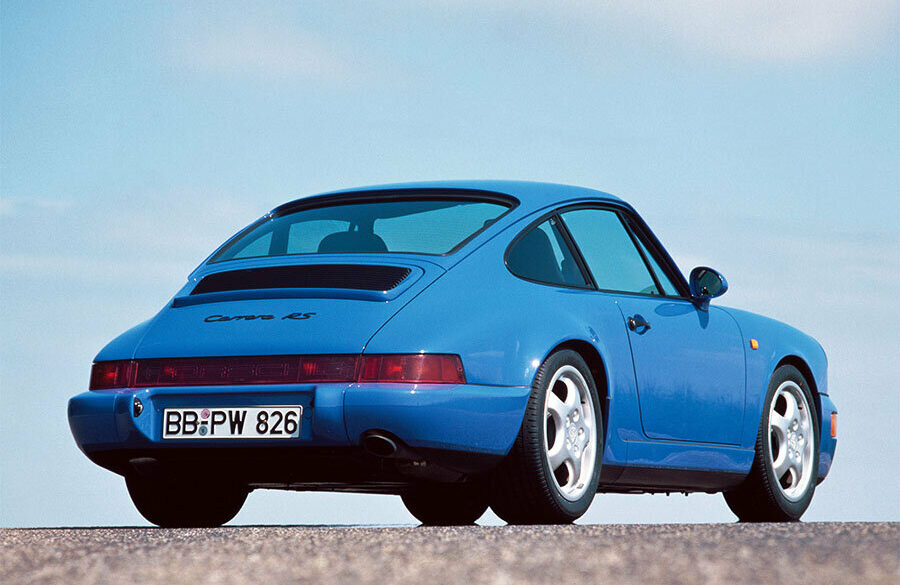
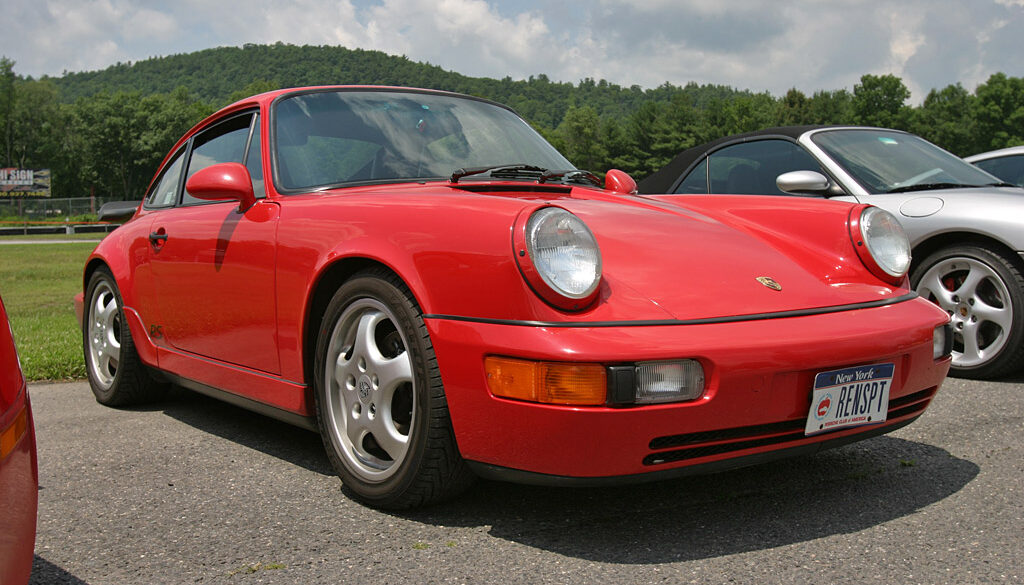
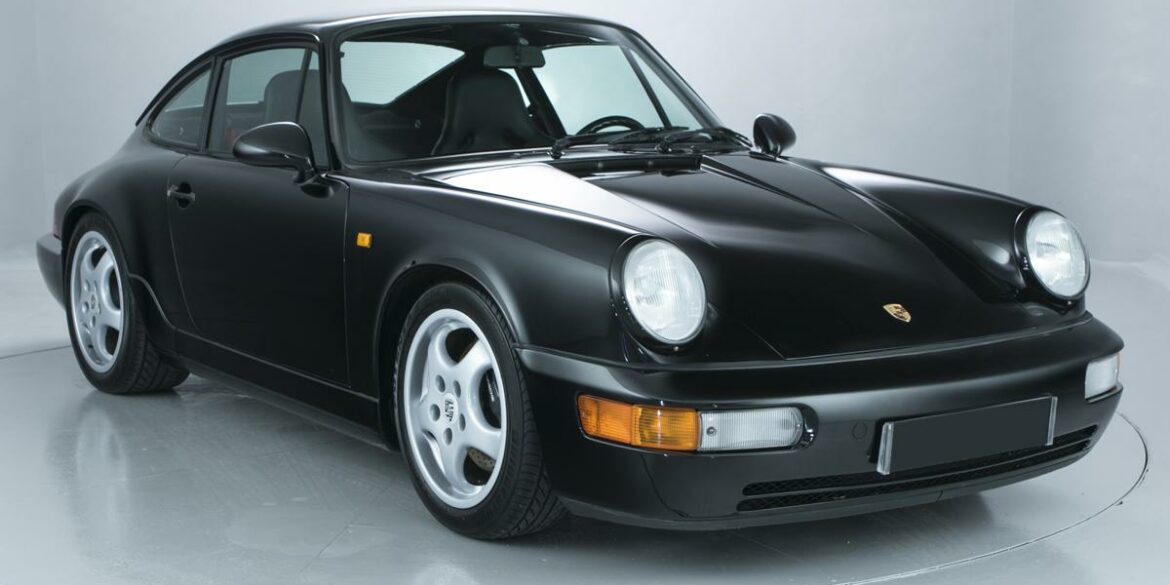
The original 1973 Carrera RS was available in Europe but not in the USA. Porsche decided to build the 1993 Carrera RS both to European spec and a limited number in compliance with US regulations. These US spec cars were assigned the name “RS America”. The intent was to create a basic lightweight, no frills 911 with minimal luxury options. The standard US Carrera 2 brakes, engine and gearbox were used. The RS weighed 2,945 pounds so it was almost 80 pounds lighter than a standard Carrera 2.
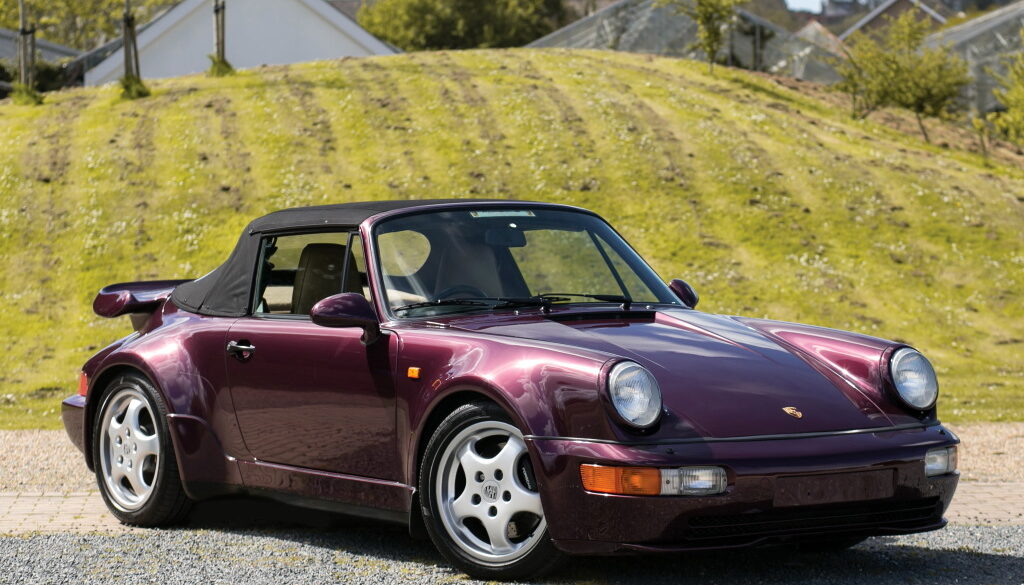
The Turbo-look Porsche 964 has always been a very desirable automobile, among them 1,532 Carrera 2 Cabriolets constructed worldwide. Within that group, there were some cars that were even more specialized. The Register says six Turbo-look cabriolets were pulled off the production line in Zuffenhausen and transported to the Porsche Exclusive shop in Weissach. Three of these six powerful and luxuriously equipped drop-tops were equipped with left-hand drive for buyers in Germany (Code C00), and the other three were fitted with right-hand drive
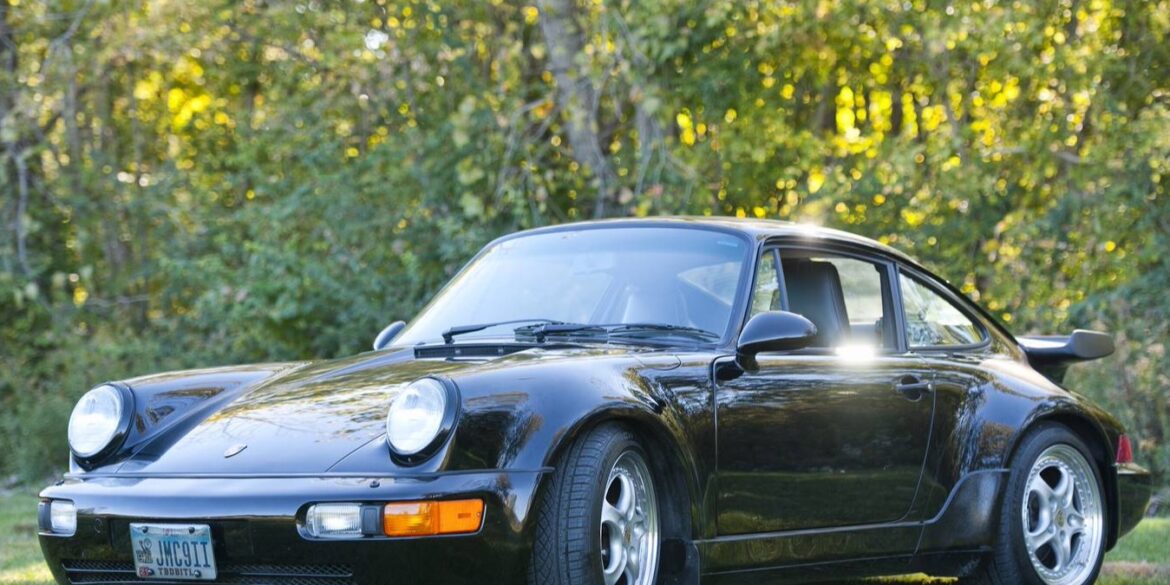
A forgotten part of the 964s history is the Turbo S2. It was built to adhere to homologation rules so Porsche could participate in IMSA's sports car racing series. IMSA's homologation rules meant that Porsche had to build at least 200 road-going versions of the participating car, 20 of which needed to share most of the primary components of the race car. The 911 Turbo S2 was built specifically for this purpose and exclusively for the United States and Canada. The 20 homologation specials left the factory as stock 964 Turbos, heading immediately to California-based tuner for "S2" engine upgrades.
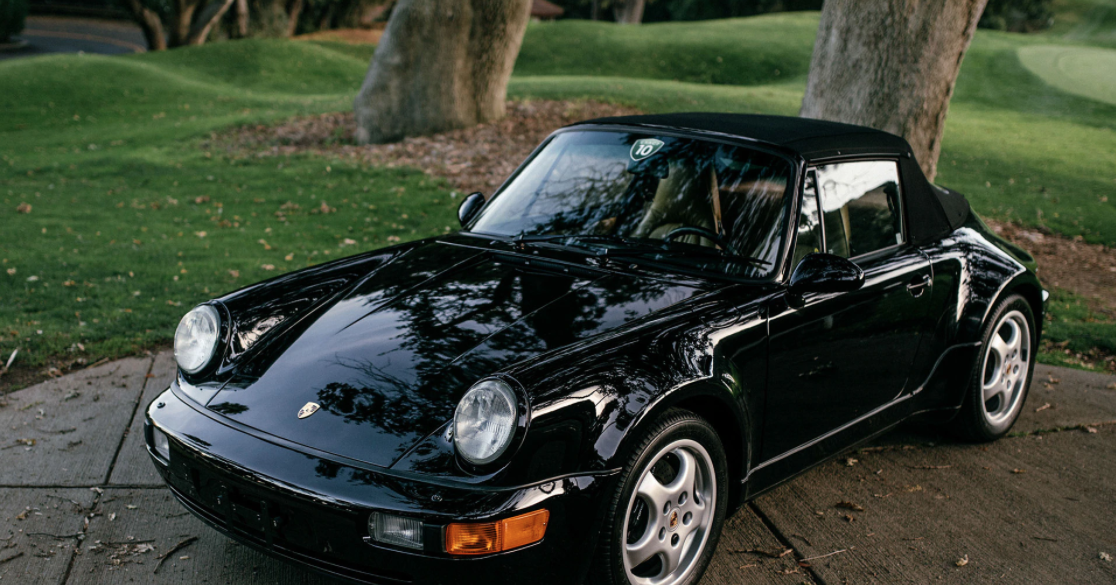
The American Roadster is essentially a turbo-bodied Carrera Cabriolet with Turbo suspension and brakes. Like the 356 America Roadster it was named after, the Type 964 America Roadster was a limited-edition, driver-focused convertible destined for the American market. Production for the America Roadster was limited at only 250 examples, and the model was only produced in 1992 and 1993. Its engine was a standard unit making 250 horsepower, but the special edition had the wide fender flares, suspension, brakes, and 17-inch Porsche Cup wheels of the 911 Turbo.
Porsche 964 VIN Numbers Below is our detailed explanation of the 964 VIN codes. Our easy to use guide should help you find what you need quickly. The first part of this appendix provides the Vehicle Identification Number (VIN) code breakdowns. From this information it will then be possible for a potential...