
The Porsche 911 R Wasn’t Supposed to Win

Credit: Porsche

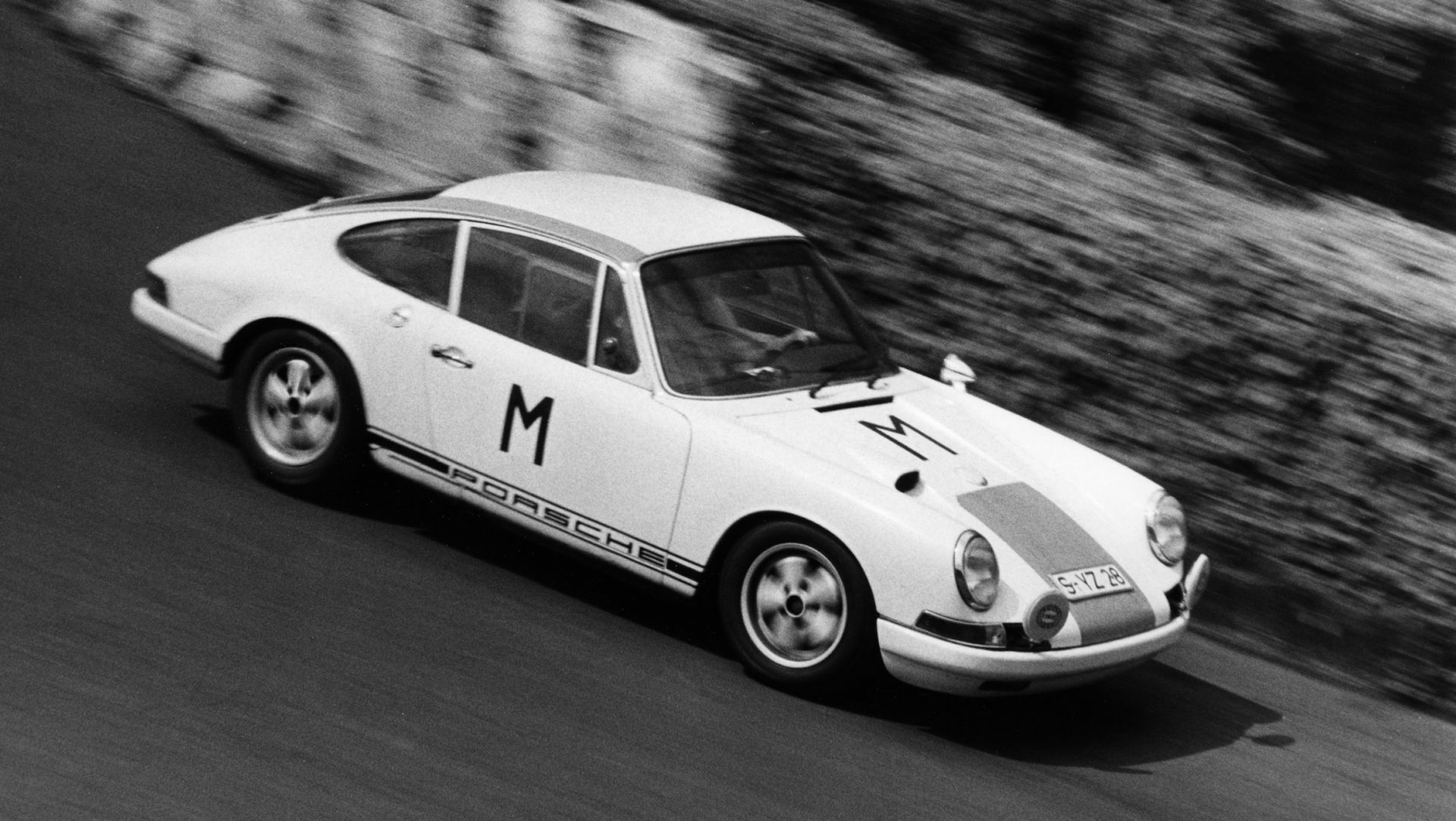
It was the fall of 1966. Somewhere in Germany, Porsche’s racing expert Rolf Wütherich was doing the math for the 911 R (R is for racing) project. He was running the numbers on weight and power as the Stuttgart-based carmaker wanted a vehicle superior to the current competition in its power-to-weight ratio. He concluded that what Porsche needed was a 911 that barely resembled one.

This purebred race car version of the 911 had the potential to dominate in GT racing while speeding up the progress of the nameplate in motorsport, which to that point had been rather slow. Rolf’s new 911 R concept made Porsche’s leadership in Zuffenhausen consider GT homologation instead of just winning races outright. However, Porsche built only 24 cars instead of the 500 required. This total consisted of four prototypes and 20 production units, which meant GT homologation was no longer on the table. This forced the 911 R to race as a prototype against purpose-built machines. On paper, it had no business competing there, let alone winning. It did anyway.

Members only$35 / year

Keep going. This is where it gets good.

Stuttcars Membership is for people who'd rather spend an hour inside one option code than skim ten headlines. The rest of this story — and every other one like it — is a few seconds away.

  • Every members-only story

    Deep history, driven reviews, market reports and the full archive.

  • No ads. None.

    The whole site reads like a magazine, on every device.

  • Every Porsche, researched

    Model-by-model hubs: production numbers, specs, options, colors.

  • 30% off the shop

    Every Stuttcars shirt and piece of merch, all year.

Join Stuttcars — Keep Reading

$35 a year. Cancel anytime, no hoops.
Already a member? Sign in

BY PORSCHE PEOPLE, NOT A CORPORATION. Your membership keeps a small independent team of historians, ex-racers, engineers and journalists doing this.
Join — Keep Reading $35/yr