

Modern performance cars increasingly prioritize outright speed, grip and digital convenience, sometimes at the expense of driver involvement. In a recent feature from Hagerty’s The Driver Seat, automotive journalist Henry Catchpole explores an alternative through a beautifully restored 1965 Porsche 911 Sports Purpose, demonstrating why mechanical feedback and tactile communication remain fundamental to an engaging driving experience.
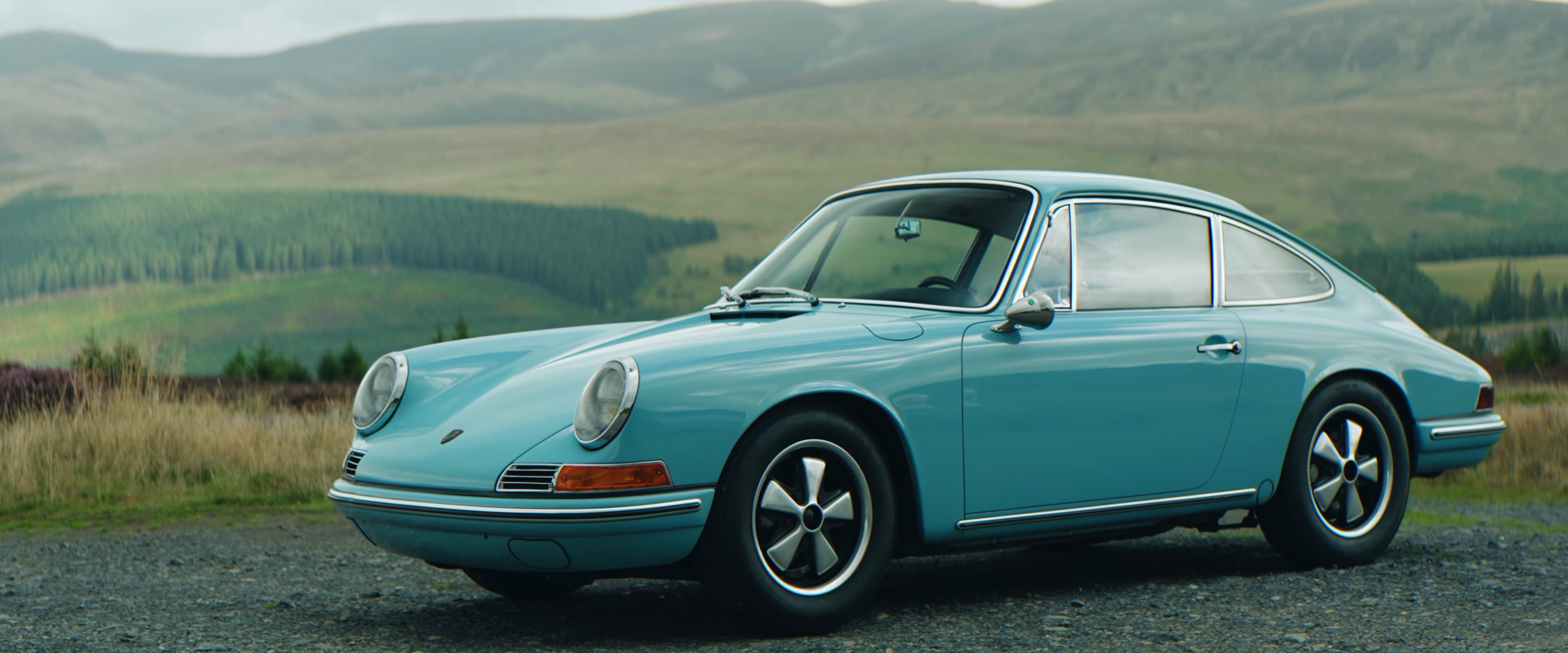
A Faithful Interpretation of an Early 911
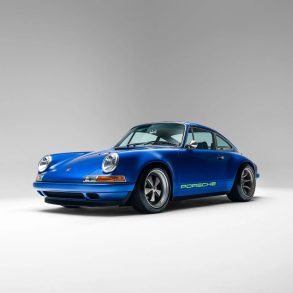
Built around an early short-wheelbase 911, chassis 545 belongs to James Turner, founder of Sports Purpose and the driving force behind the 2-Litre Cup racing series. Rather than pursuing an aggressive restomod formula, the project follows the philosophy of Porsche’s original Sports Purpose program, drawing inspiration from factory S/T and R competition models of the late 1960s and early 1970s.
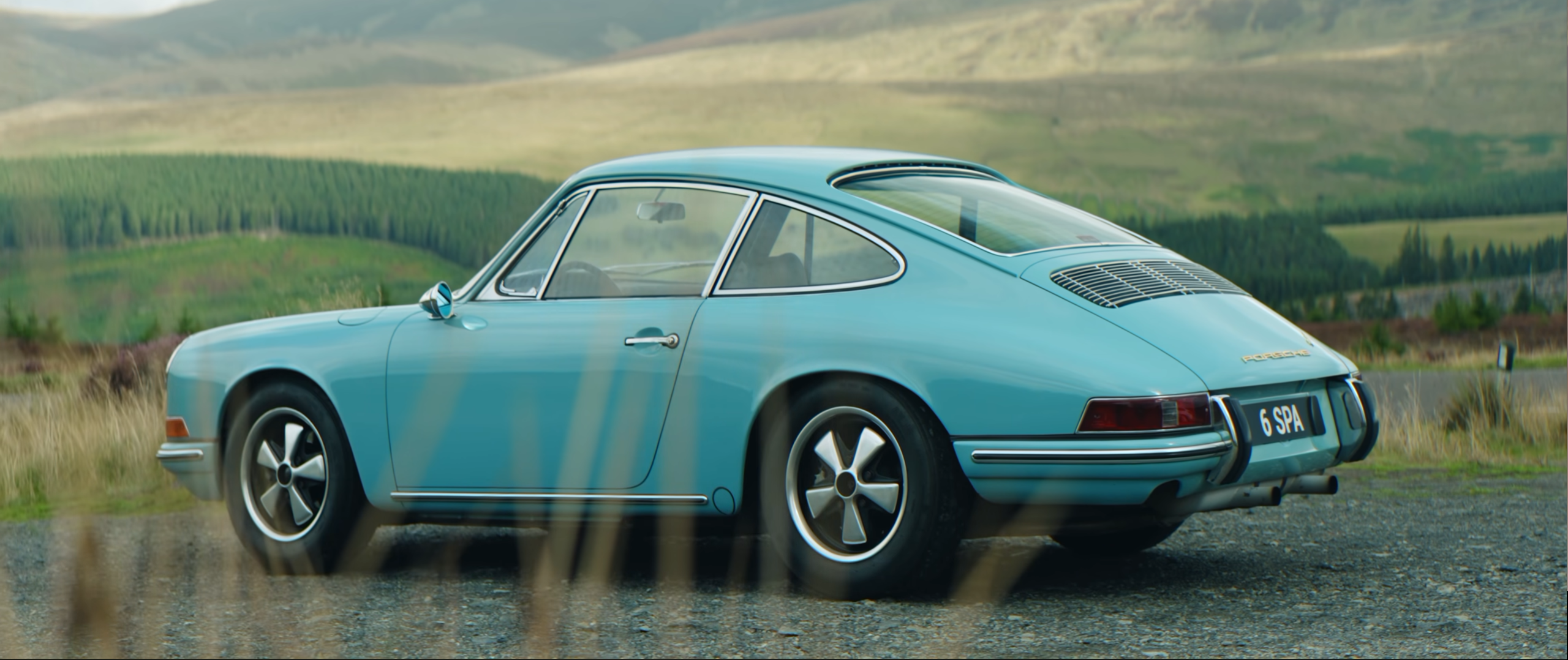
The result is an understated machine that retains the character and proportions of the original while incorporating carefully considered improvements for road and track use. Several modifications draw directly from Turner’s experience with 2-Litre Cup race cars, prioritizing precision and usability without compromising the car’s period identity.
Air-Cooled Performance and Lightweight Engineering
Power comes from a naturally aspirated, twin-plug, air-cooled flat-six enlarged to 2.2 liters and equipped with carburetors. Producing approximately 200 horsepower and 160 lb-ft of torque, the engine delivers a broader torque curve suited to road driving while maintaining the character of an early Porsche powertrain.
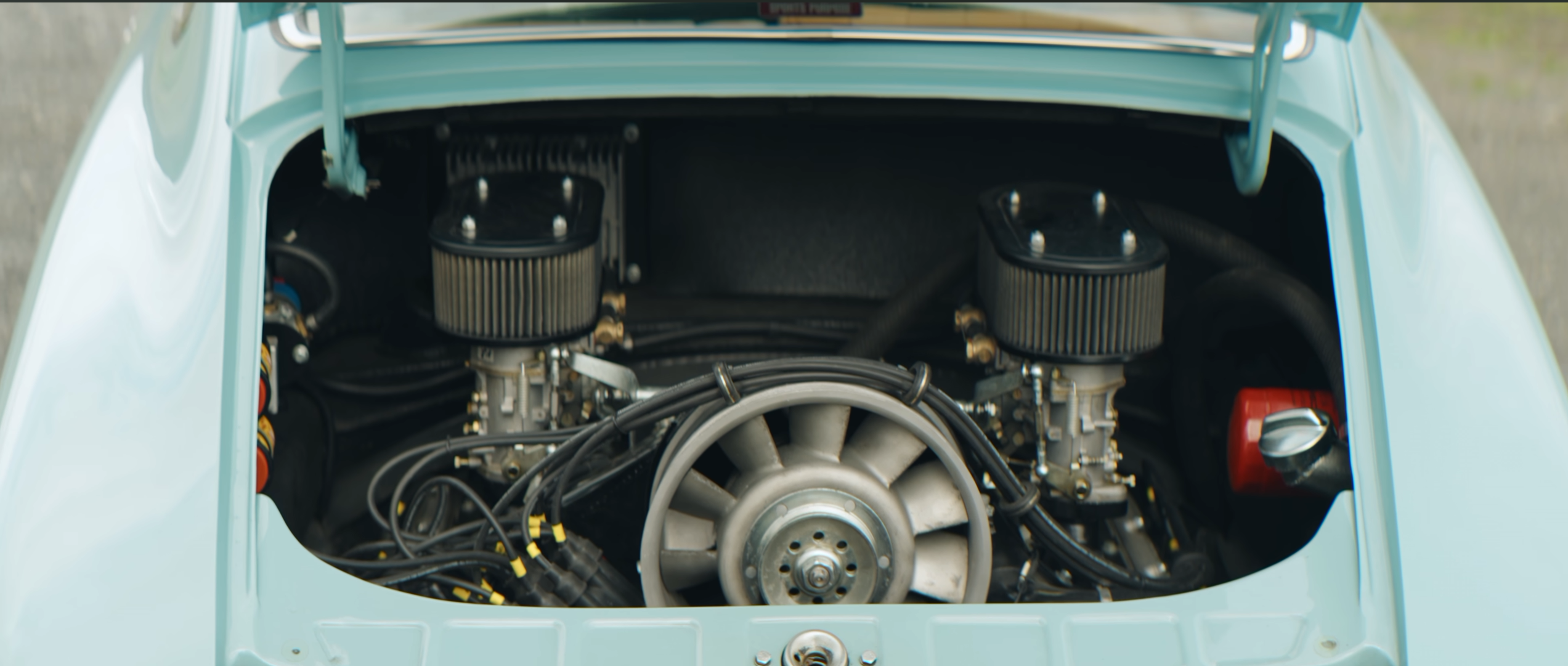
With a total weight of approximately 1,000 kilograms (2,200 pounds), the modest output provides more than sufficient performance. The emphasis is not on overwhelming acceleration but on accessible power, responsive throttle behavior and a direct relationship between driver and machine.
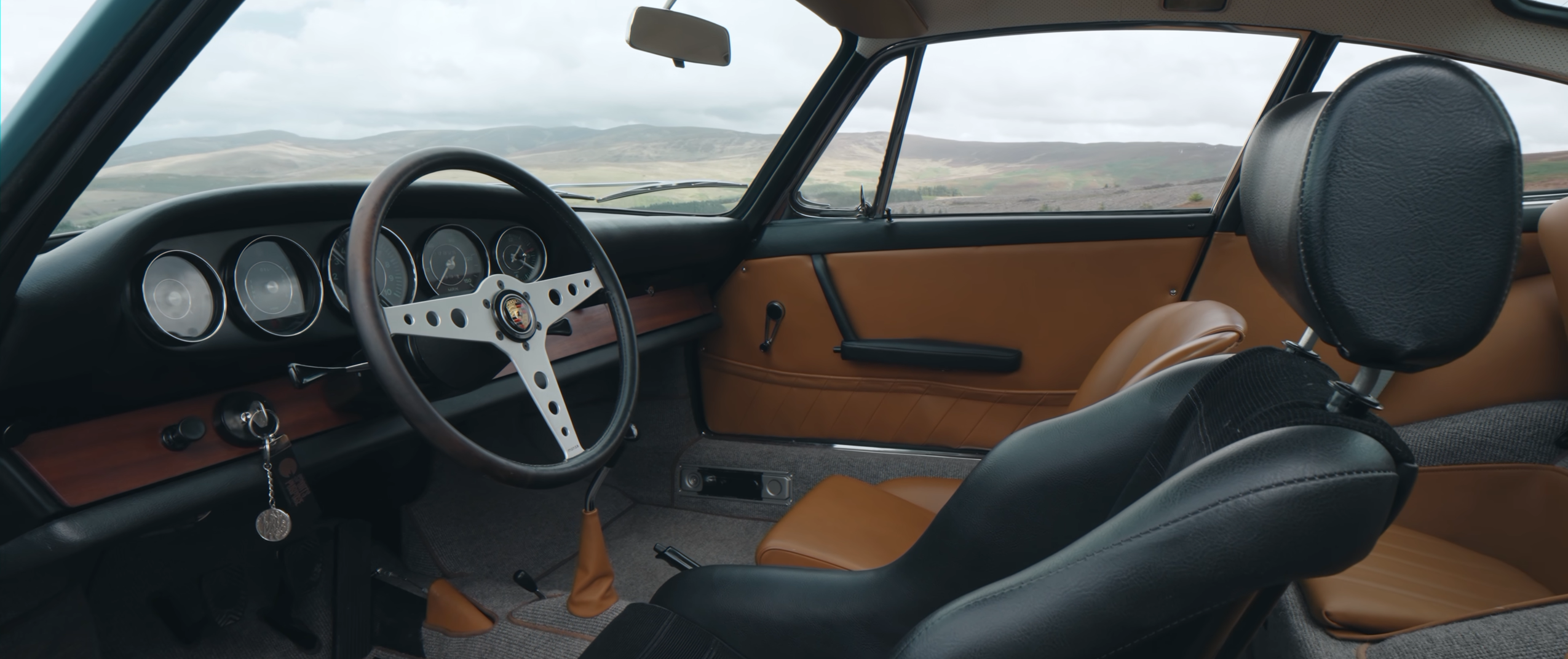
Inside, the original character remains largely intact. Period instrumentation, an original Momo Monza steering wheel and a distinctive Recaro elephant-foot bucket seat reinforce the connection to the car’s heritage. Carefully selected details, including an improved pedal box and a bespoke gear lever, refine the driving environment without introducing unnecessary complexity.
Why Mechanical Feel Still Matters
Catchpole’s experience highlights the defining characteristic of the Sports Purpose 911: its ability to communicate. Steering weight, pedal resistance, gear engagement and chassis movements provide continuous feedback, allowing the driver to understand what the car is doing without relying on electronic interpretation.
Even the traditional 901 gearbox, with its dog-leg first gear and less-than-perfect shift precision, contributes to the experience by demanding attention and mechanical sympathy.
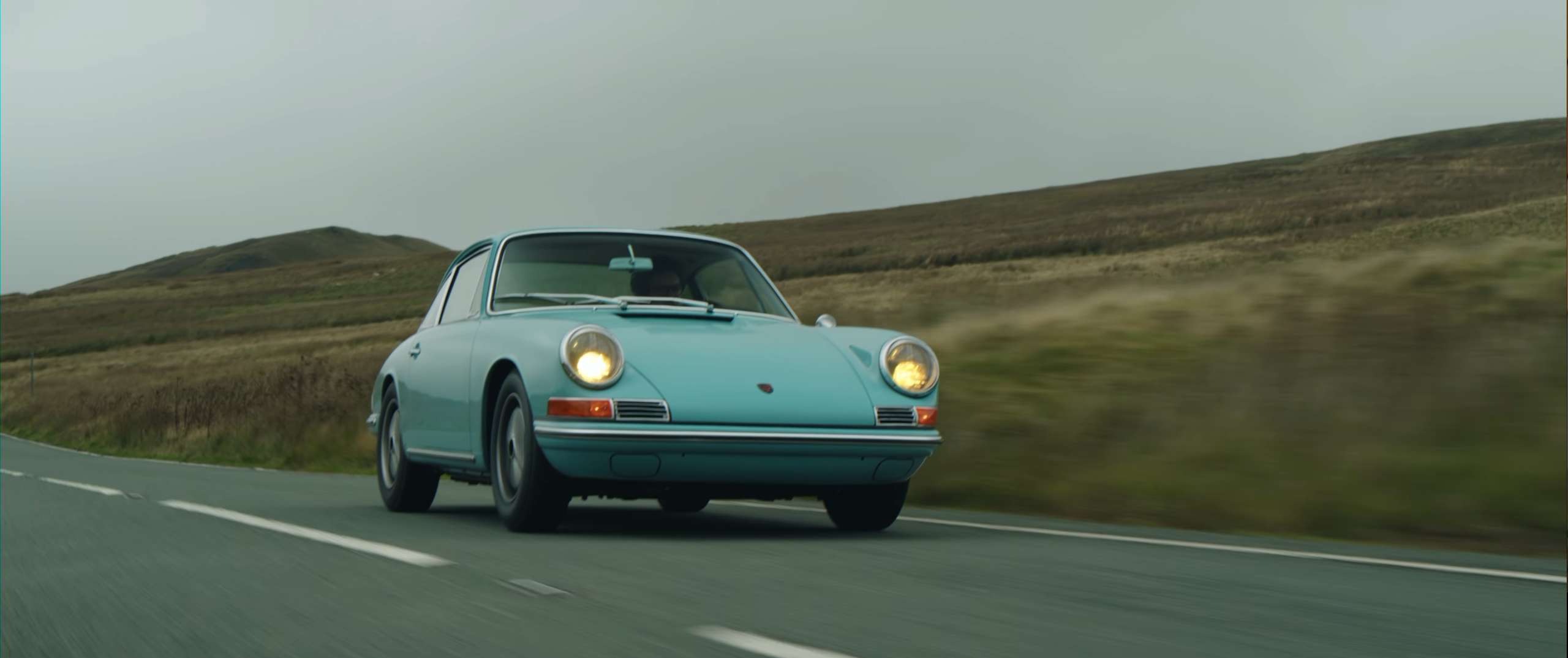
Ultimately, the 1965 Sports Purpose 911 demonstrates that driving enjoyment is not necessarily determined by horsepower, lap times or technological sophistication. Like the finest Alfaholics and Eagle restorations, it preserves the original engineering philosophy while carefully improving its execution.
For Catchpole, this Porsche represents something increasingly rare: a genuinely involving sports car that makes every journey memorable, regardless of speed.
Source: Hagerty