The Two Side Jobs That Helped Porsche Survive the Early Nineties
Credit: Autovisie
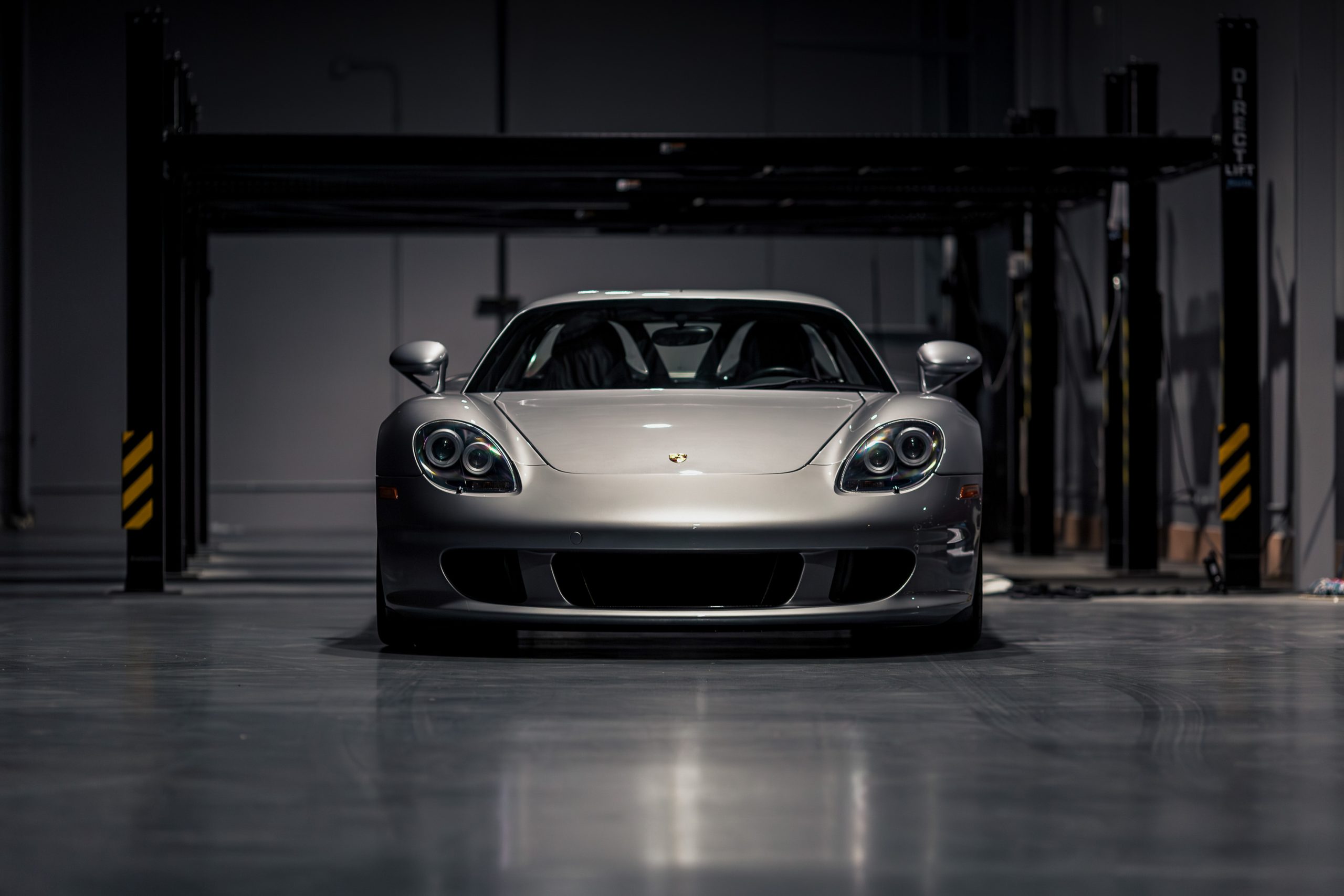
In 1986, Porsche sold more than 50,000 cars. By 1993, that number had collapsed to around 14,000. A strong Deutsche Mark had gutted the American market, and buyers who might have stretched for a 911 or a 944 decided they could live without one. By fiscal year 1991, Porsche was reporting only 23,000 units sold, and by the end of 1992, losses had reached 240 million Deutsche Mark. The factory in Zuffenhausen, which had just finished building the 959 supercar, was sitting largely idle. What saved the company in the short term wasn’t a new Porsche at all. It was two contracts to build other people’s cars, and the stories of how those cars came to exist are worth telling.
The Problem at Mercedes
Credit: Axios
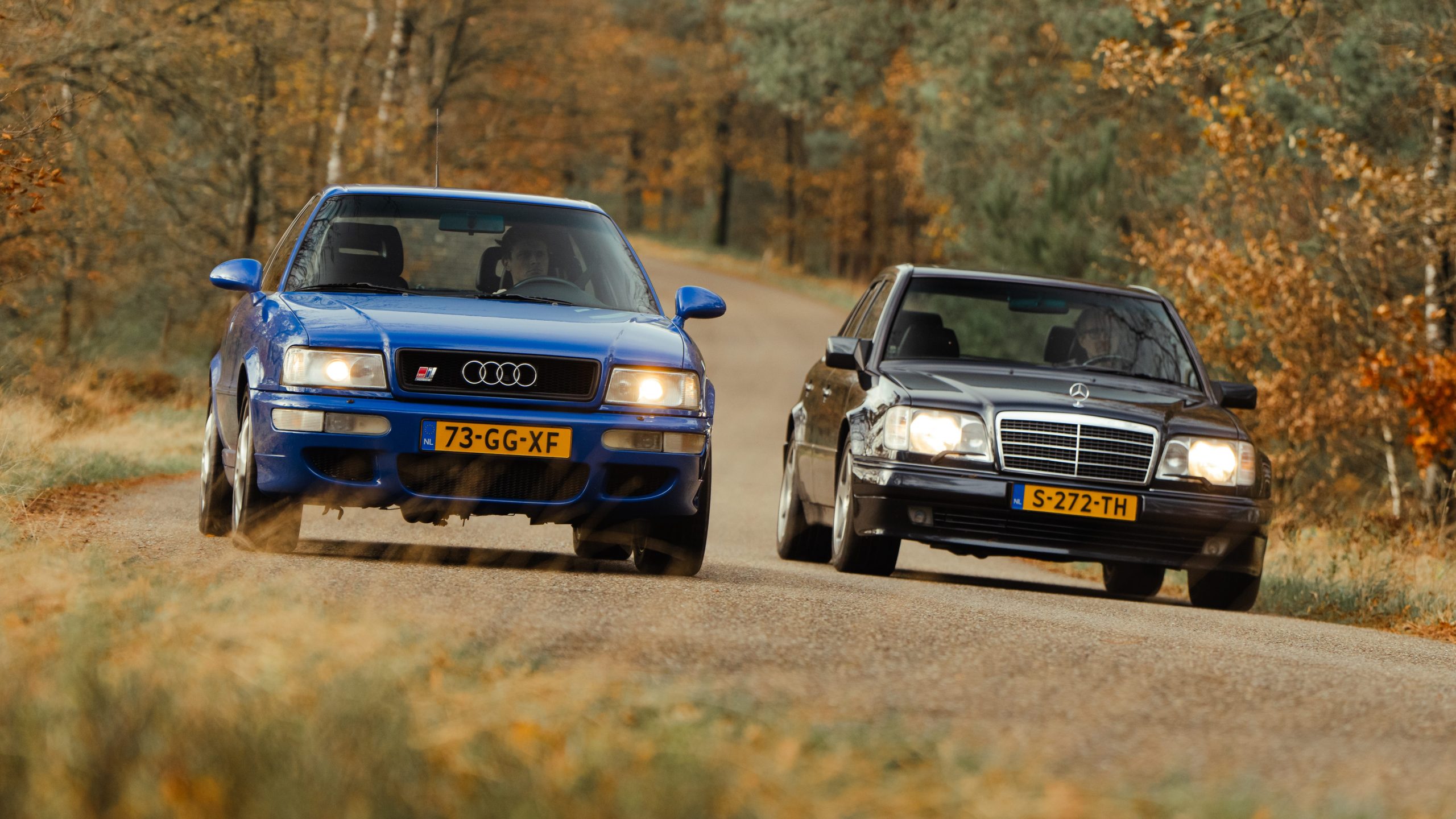
Across Stuttgart, Mercedes-Benz was facing a different kind of pressure. AMG, then still operating independently from the three-pointed star, had spent the mid-1980s proving there was a market for a performance saloon based on the W124 chassis. By the end of 1986, AMG had stuffed a modified 5.6-liter V8 into the W124, producing a car American magazines quickly dubbed “the Hammer,” calling it the most exciting sedan they had ever tested. The fastest Mercedes-badged saloon on earth wasn’t sold at a Mercedes dealer. That bothered people in Stuttgart.
No Subscription? You’re missing out
Get immediate ad-free access to all our premium content.