
Porsche 911 (992)
Latest
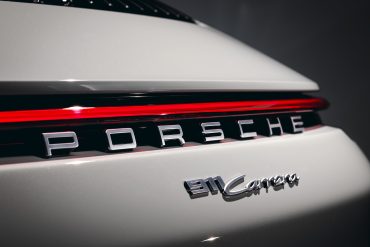
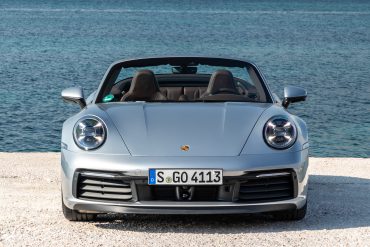

2020 Porsche 911 Review Would you take it over the 991 911, Corvette C8, Nissan GTR, Audi R8? The guys...
Doug DeMuro Reviews the 2020 911 Carrera S The 2020 Porsche 911 is the newest version of an icon. Today...
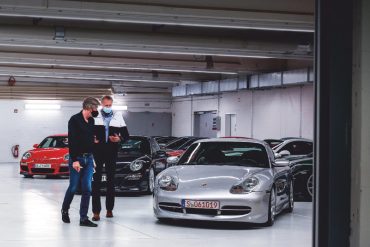

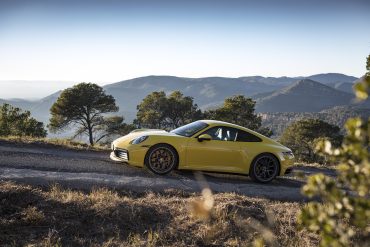
Pushing the 4S Hard on Mountain Roads The 2020 Carrera 4S is the AWD variant of the all-new 992-generation of...
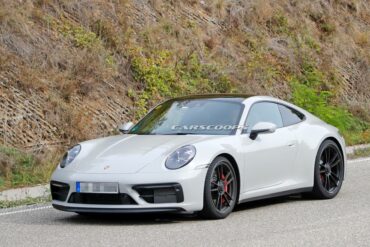

Best Porsche 911? Porsche has plenty of variations of the 911, and the new 992 version of the car is...
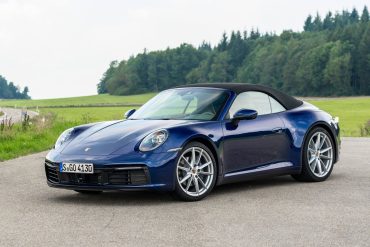
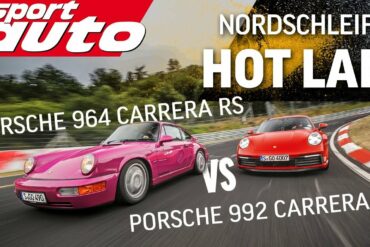
Nordschleife Hot Lap In A Porsche 964 RS vs. 992 Carrera S Porsche 911 Carrera RS (964), Porsche 911 Carrera...
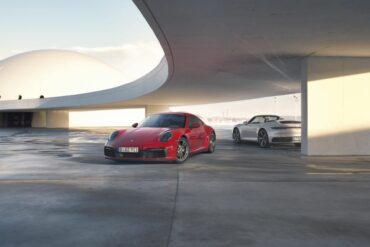
Your All-Season Sports Car is Here In an effort to expand its 911 lineup even further, Porsche added two all-wheel-drive...
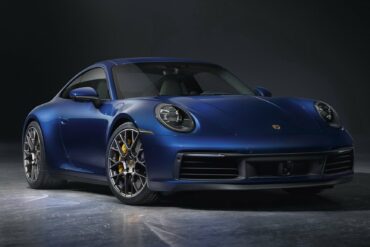
Making More Power Than Claimed Toyota doesn’t appear to be the only company understating the power of its sports cars....
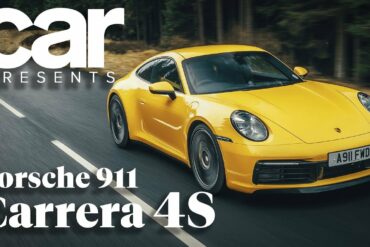
Porsche 911 Carrera 4S Video Review The Porsche 911 has always been an analogue sports car. Whereas Ferrari and others...
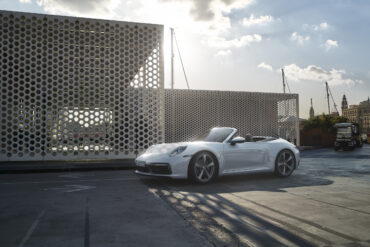
Features like Porsche’s active suspension and the new-for-992 “wet mode” are standard on the Carrera 4 variants, but the electronically controlled limited slip rear differential (standard on the 4S), as well as ceramic composite brakes (cast iron rotors are standard). The current 911 Carrera 4 Cabriolet is equipped with PASM (Porsche Active Suspension Management). The twin-turbo flat-six has 379 hp and 331 ft lbs of torque.
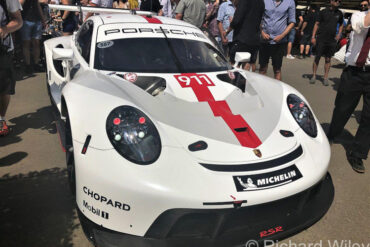

Over the years, the Goodwood Festival of Speed has hosted hundreds of historic Porsches in its paddocks and up Lord...
First Drive in the 992 Carrera 2S The KING of Sports cars!! The motoring icon, the Porsche 911! Let’s explore...
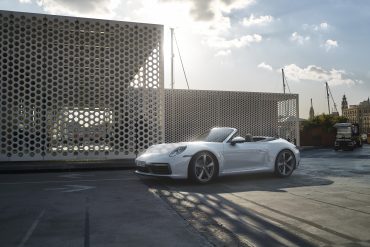
The Carrera 4 is the base model 911, equipped with all-wheel drive. It starts at $109,850 for 2022, which is about $7,000 more than the standard rear-drive Carrera. Other than the additional all-wheel-drive system and the 150 odd pound increase in curb weight, the Carrera 4 is identical to its rear-drive sibling. It gets the same 379-hp, twin-turbo 3.0-liter flat-six engine. The twin-turbocharged 3.0-liter flat-six has 379 hp.
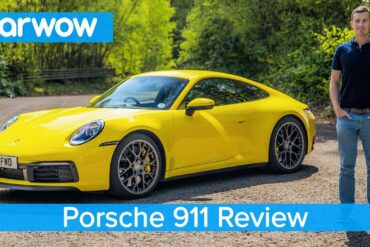
Introducing the all-new Porsche 911 Introducing the all-new Porsche 911! Rolling in with a six-cylinder, twin-turbo 3.0-litre that can hit...
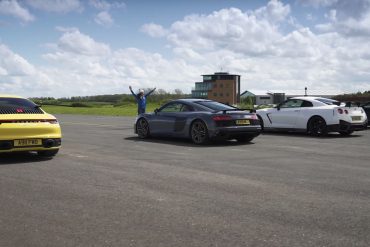
The Ultimate AWD Drag Race The website Carwow wanted to see just how the New Porsche 911 Carrera 4S stacks...
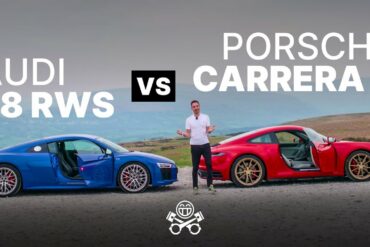
PistonHeads Compares Two Great Sports Cars The new Porsche 911 has grown in size and is heavier than ever. So...
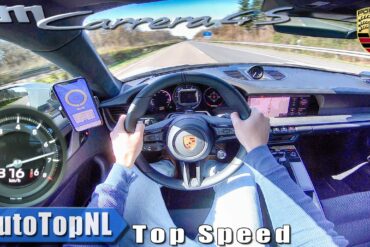
Awesome Acceleration & Top Speed Runs in a 992 4S Multiple top speed runs on the Autobahn by our favorite...
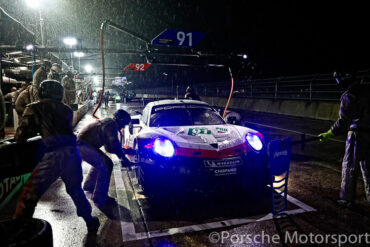

There was a double victory for Porsche at Sebring, as the #91 Porsche 911 RSR of Gianmaria Bruni/Richard Lietz won...
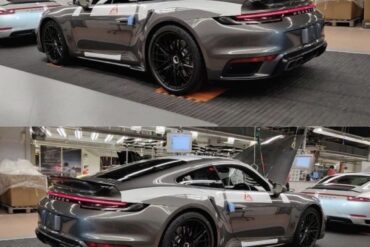
The Images Look Straight from the Assembly Line Here’s your first look at the 2020 Porsche 911 Turbo (992). The leak...
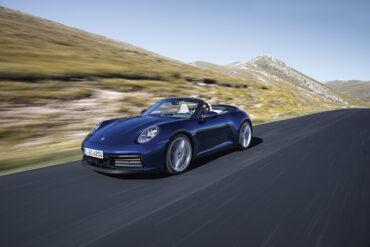
Top down summertime driving in the current 911 Carrera 4S Cabriolet is about as good as it gets. It checks all of the right boxes, as while it has matured into almost a GT-type car; it still boasts more performance than ever. Like the rest of Carrera S models, the Carrera 4S Cabriolet is powered by the same 3.0-liter twin-turbo flat-six that makes 443 horsepower and 390 ft lbs of torque. It comes standard with the same eight-speed twin-clutch automatic transmission.
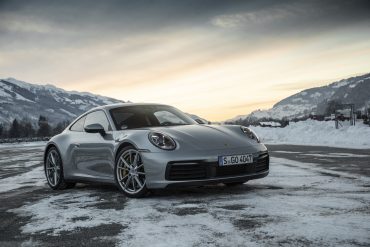
The perfect daily driving sports car with an all-weather, remarkably high-performance envelope. Like the rest of Carrera S models, the Carrera 4S is powered by the same 3.0-liter twin-turbo flat-six that makes 443 horsepower and 390 lb-ft of torque. It also comes standard with the same eight-speed twin-clutch automatic transmission with the same gear ratios, except the 4S with an added clutch and differential up front.
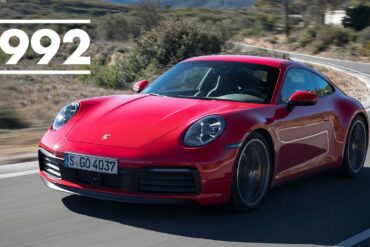
Carfection Gives Us Their Initial Thoughts Henry Catchpole reviews the new Porsche 911 on both road and track in Spain....
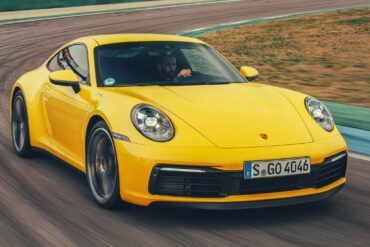
First Drive in the 992 Carrera 2S Doorhandles that pop out? Cupholders that bump your elbows? Pinky fingers getting trapped?...
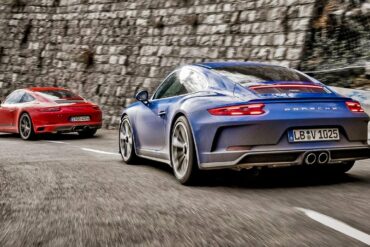
Comparing The Analogue Porsches A clash of the analogue Porsches? It’s a David vs Goliath battle of retro-flavoured 911s as...
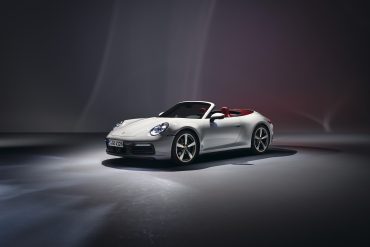
The Porsche 911 Carrera S Cabriolet also features a heated glass rear window and integrated magnesium support elements. The automatic fabric top opens and closes at speeds of up to 31 miles per hour in just 12 seconds – one second quicker than before. The 992 Carrera S Cabriolet gets a twin-turbo 3.0-liter flat-six with 443 bhp and 390 ft lbs of torque. That is 29 more horsepower and 22 more ft lbs of torque than the outgoing model.
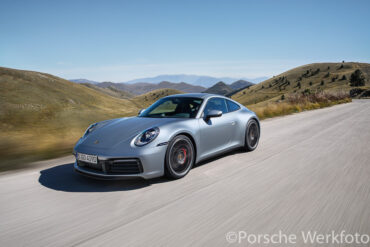
There was a sensation on the West Coast of America last night with the Porsche 911 World Premiere in Los...
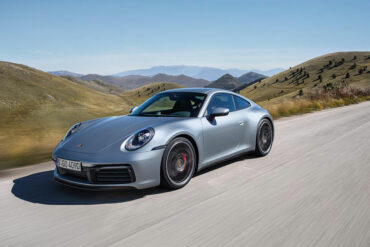
If the base 911 coupe doesn't do it for you, maybe the Carrera S coupe gets you over the line. For about $20k more, you get more horsepower, torque vectoring and bigger wheels. The Carrera S uses a version of the 3.0L twin-turbo flat-6 that generates 443 hp and 390 lb-ft of torque. Torque vectoring allows different amounts of torque to be distributed between drive wheels on the same axle. This means the inside wheel can turn slower than the outside wheel for improved cornering.
Removing the roof the car is supposed to have little impact on its chassis stiffness and curvy road prowess, but Porsche tells us that the current generation 911 Cabriolet drives just as well as the coupe. Powering the base Cabriolet is the same impressive turbocharged flat-six engine that makes 379 bhp @ 6500 rpm and 331 ft lbs of torque. The base cabriolet can do the 0 to 60 mph run in 4.2 seconds flat. With the optional Sport Chrono Package that drops to 4.0 seconds.
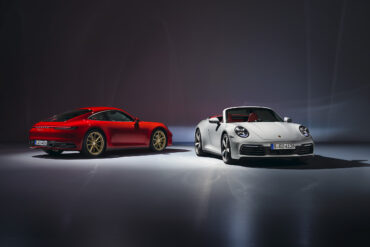
The most basic version of the Porsche 911 Carrera is pretty sweet. Porsche chose to detune the twin-turbocharged flat-six engine and downgrade some of the chassis components. These cars offer very good performance and driving dynamics for a slightly lower price. While marginally larger and heavier than the 991-generation model it replaced, the 992 is also more advanced. Power climbs by 15 bhp from the 991 Carrera, to 379 bhp @ 6500 rpm, which is more than enough horsepower for the street.
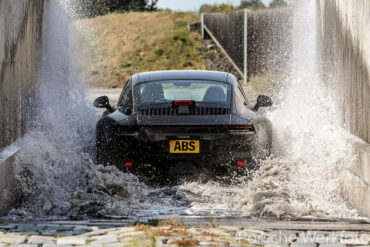
The endurance tests for the eighth generation of the Porsche 911 enters the home straight as the new model will...
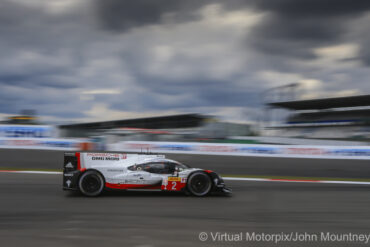
What a wave of jubilation must have swept through the pit garage of the #92 Porsche RSR of Michael Christensen...
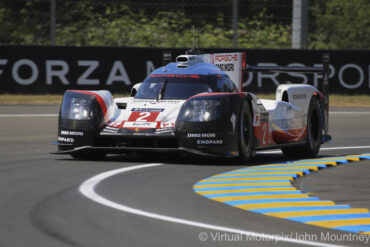
This weekend, the World Endurance Championship (WEC) moves to the Nürburgring in western Germany for round 4 of the series....
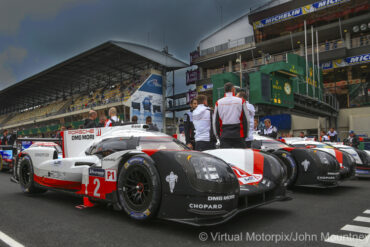
Held on the weekend of 3-4 June 2017, the test day for this year’s Le Mans was run under clear...
POV Drive in A Porsche 911 Carrera (993) Today I’m gonna present you a very SPECIAL car, an ICON of...
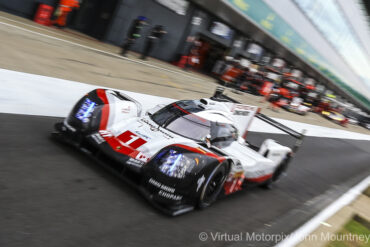
Porsche made a solid start to their 2017 WEC campaign, when the #2 LMP1 919 Hybrid (Bernhard/Bamber/Hartley) finished second in...
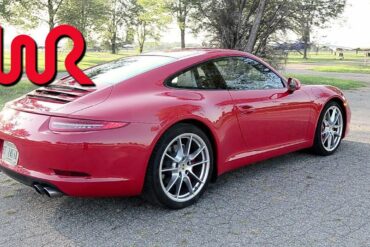
2013 Porsche 911 Carrera S Coupe – WINDING ROAD POV Test Drive Great POV review of the 991.1 Carrera S....