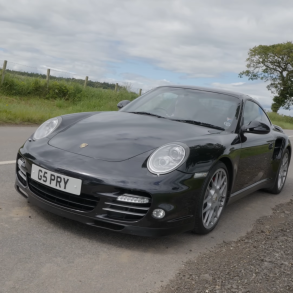
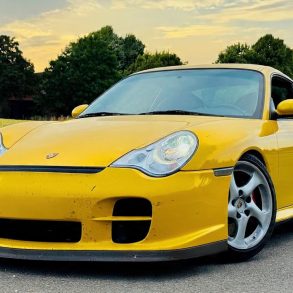
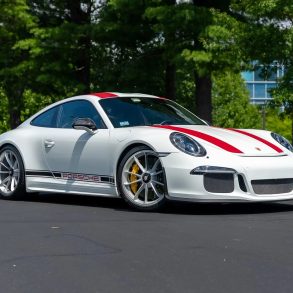
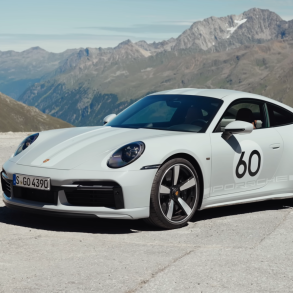
The Physics Ran Out: Why Porsche Really Killed Air Cooling
Credit: Road & Track
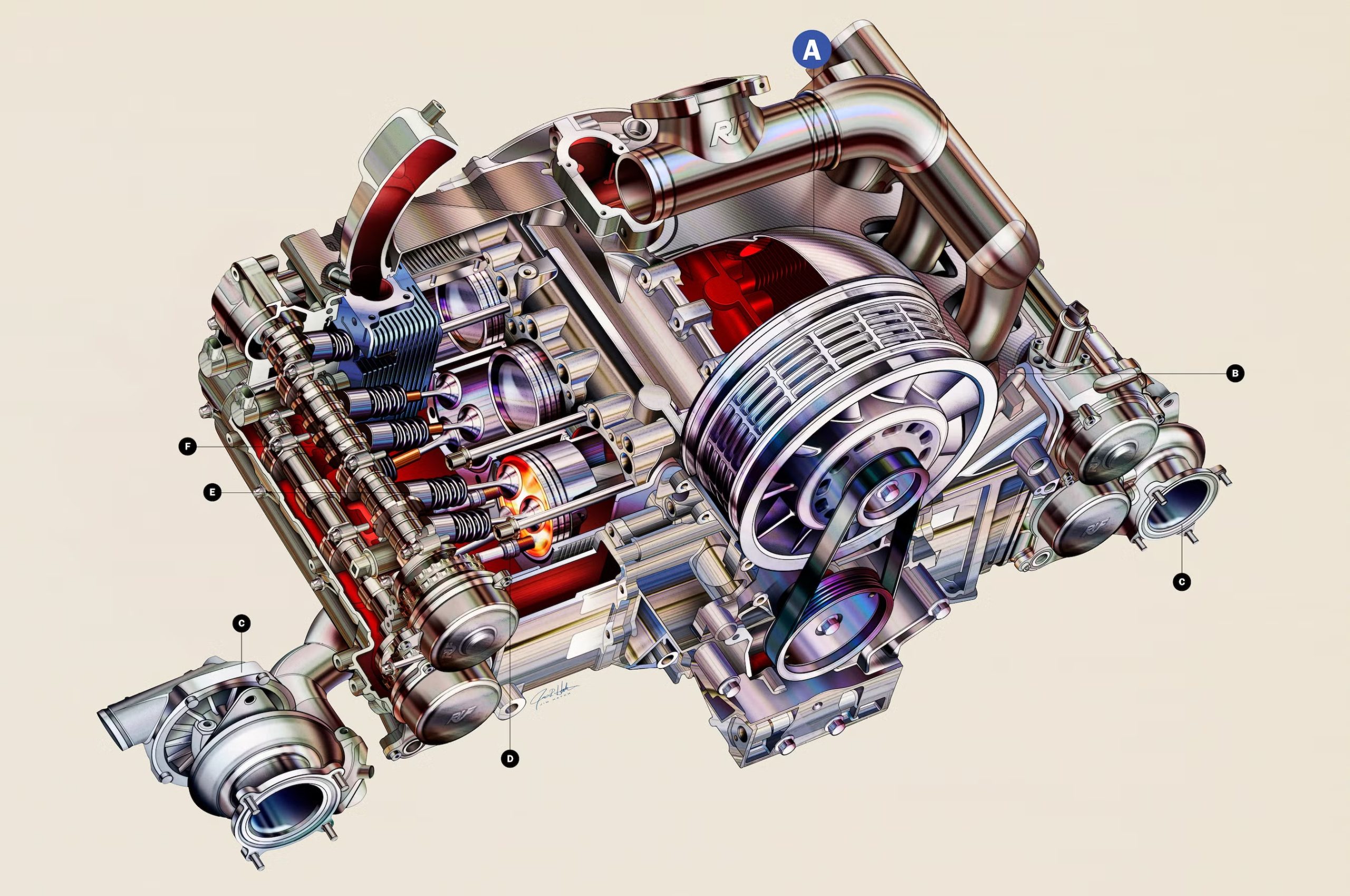
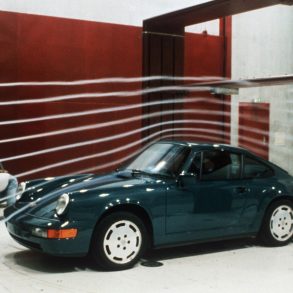
Somewhere at Weissach in the 1980s, an engine ran on a test bench until its cylinder head melted. It was an air-cooled flat six with four valves per cylinder, and it belonged to the development work for the 964, the 911 that would reach showrooms in 1989 looking much as the car had looked since 1963. The failure was not news to everyone in the building. Porsche had tried the same thing fifteen years earlier and put it away. What the ruined head settled was that the air-cooled 911 had no viable path to the generation Porsche needed next, and that the engineers later accused of killing it to save money had known this for a decade before the accusation was made.
The 996 Took the Blame
Credit: Porsche
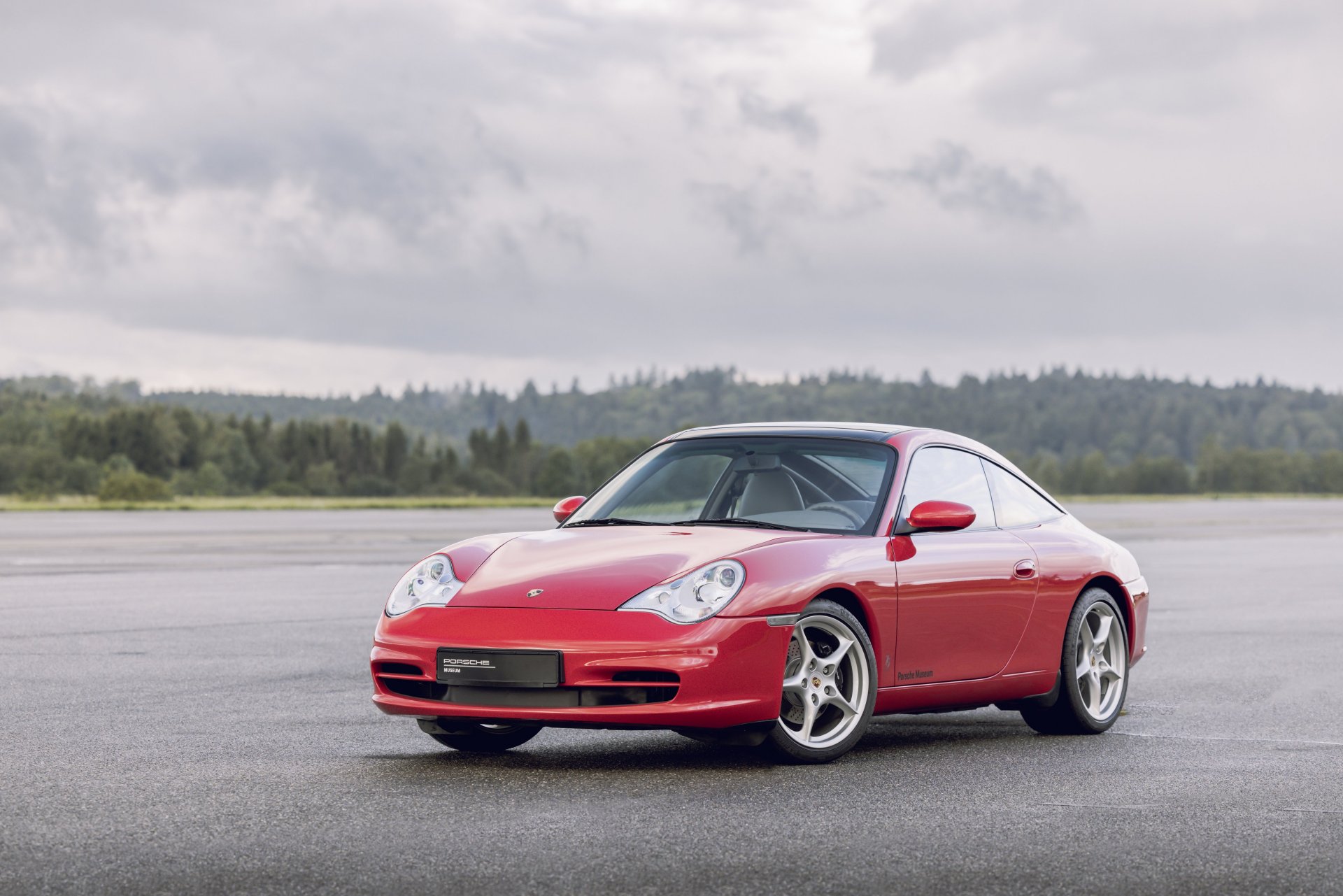
The car arrived at Frankfurt in September 1997 and the reception was cold in a way Porsche had not planned for. The headlights drew most of the abuse, the interior drew the rest, and underneath both complaints sat the real grievance, which was that the front end had come from a cheaper car and the engine now had a radiator. Porsche has never been coy about the money. Its own account of the generation says the priority was cutting production costs through maximum parts compatibility with other model series while meeting new safety and emissions rules, which is about as plain as a manufacturer gets.
No Subscription? You’re missing out
Get immediate ad-free access to all our premium content.