

If you were active on any Porsche forum around 2002, you’ll remember the reaction when the Cayenne was announced. It wasn’t good. Some club members seriously debated whether Cayenne drivers deserved the fraternal headlight flick. Others questioned whether they qualified for membership at all. The car got called every unflattering thing you can imagine, mostly by people who hadn’t driven one. Twenty-odd years later, it’s Porsche’s best-selling model and the car that paid for the 997, the 991, every GT programme, the Taycan, and just about everything else the community actually cares about. Those forum threads have aged badly.
The Car That Divided the Community and Saved the Company
Porsche in the late nineties wasn’t the financially bulletproof institution it looks like today. Sales were flat, development costs were rising, and the company needed a model that could reach people who weren’t in the market for a sports car. Executives looked at what was happening in the U.S. market and made a call that looked commercially cynical at the time and turned out to be exactly right.
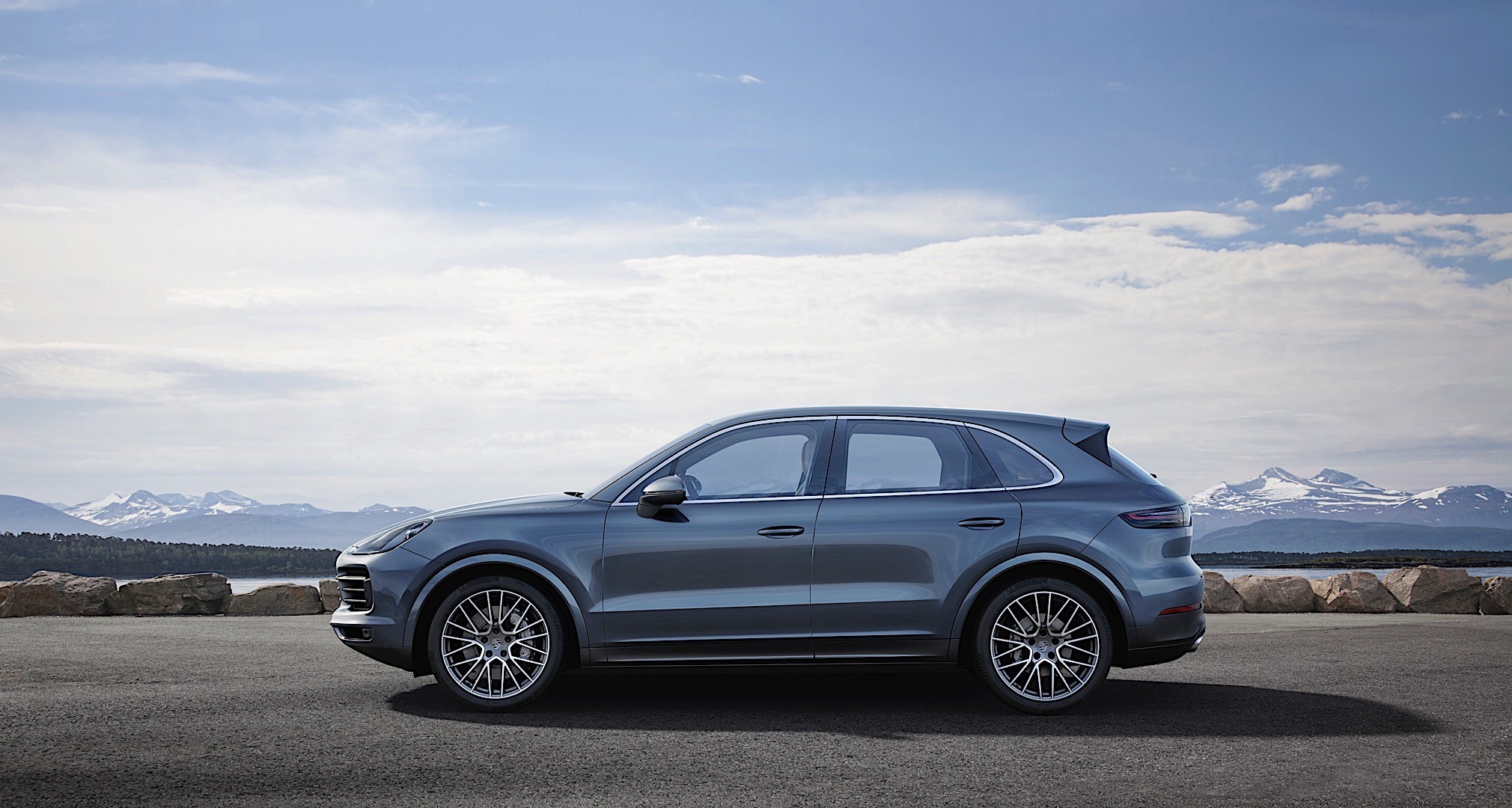
The first-generation Cayenne launched in 2003 as a joint project with Volkswagen, sharing its platform with the Touareg and Audi Q7. The opening lineup was a 340hp naturally aspirated Cayenne S and a twin-turbo Cayenne Turbo with 450hp from a 4.5-liter V8. What nobody who had dismissed the concept expected was that it would actually drive like a Porsche. Not a softened-for-family-duty imitation of one, but a car with real steering response and a chassis that communicated with the driver. The people who drove one early and came back converted weren’t embarrassed about it for long. The car was just good. By 2003 it had become Porsche’s best-seller almost overnight, and the profits funded everything the purists had been complaining about losing.
It’s worth pausing on that for a second, because it still gets glossed over. Without the Cayenne, the 997 GT3 RS doesn’t happen the way it did. The 991 GT2 RS doesn’t happen. The programme that produced the 918 Spyder doesn’t happen. You don’t have to like the Cayenne to acknowledge what it made possible.
What Daily Life Actually Looks Like
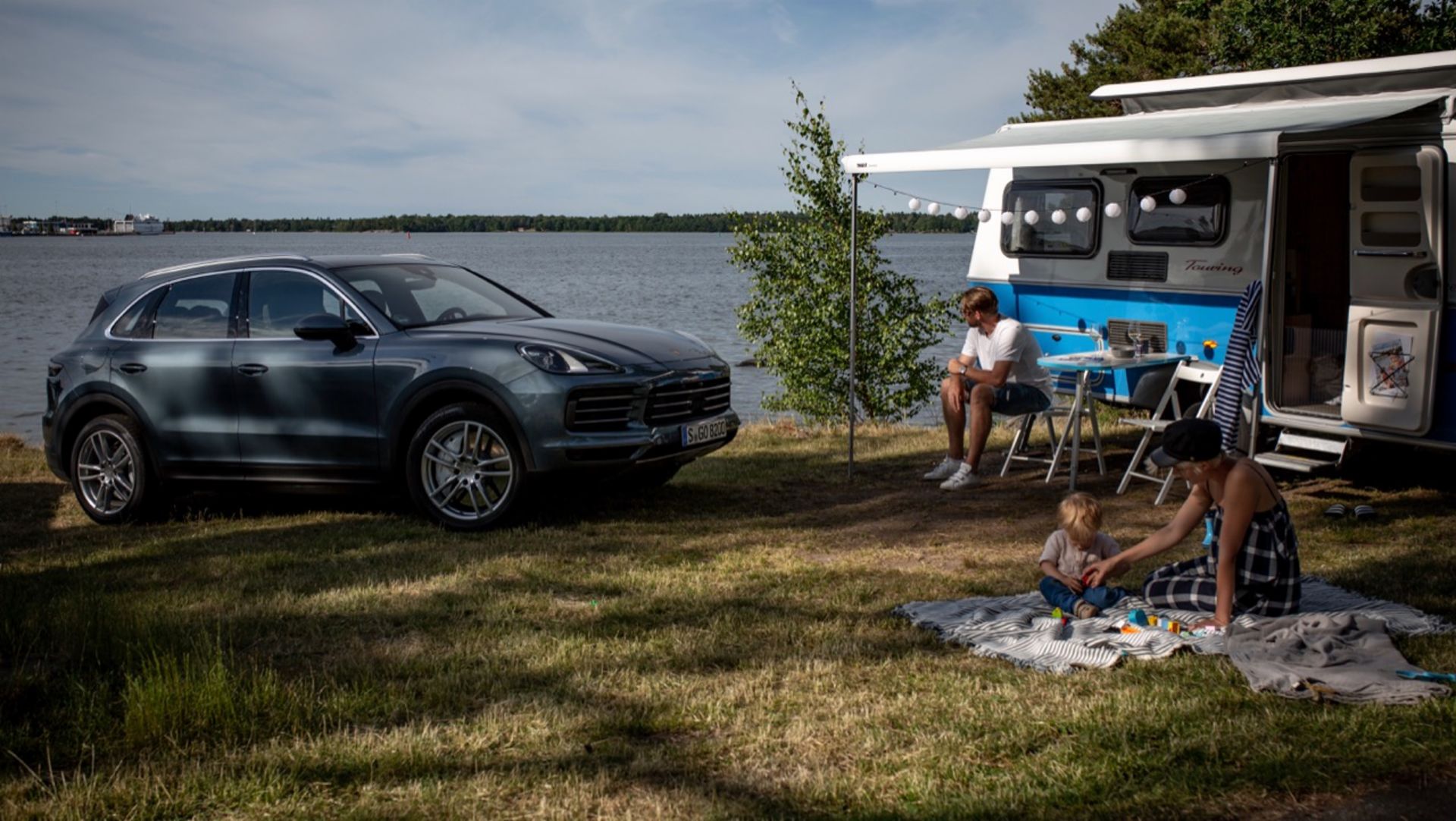
The Cayenne works as a daily driver for one reason above all others: it actually drives. Not like an SUV that someone tuned to feel sporty, but a car that loads up through the steering and puts you in touch with what the front wheels are doing. If you’ve spent real time in a 911 and then tried to live with a rival luxury SUV for a week, you’ll know exactly what’s missing. The Cayenne doesn’t replicate a 911, but it holds onto more of that feeling than anything else in its class.
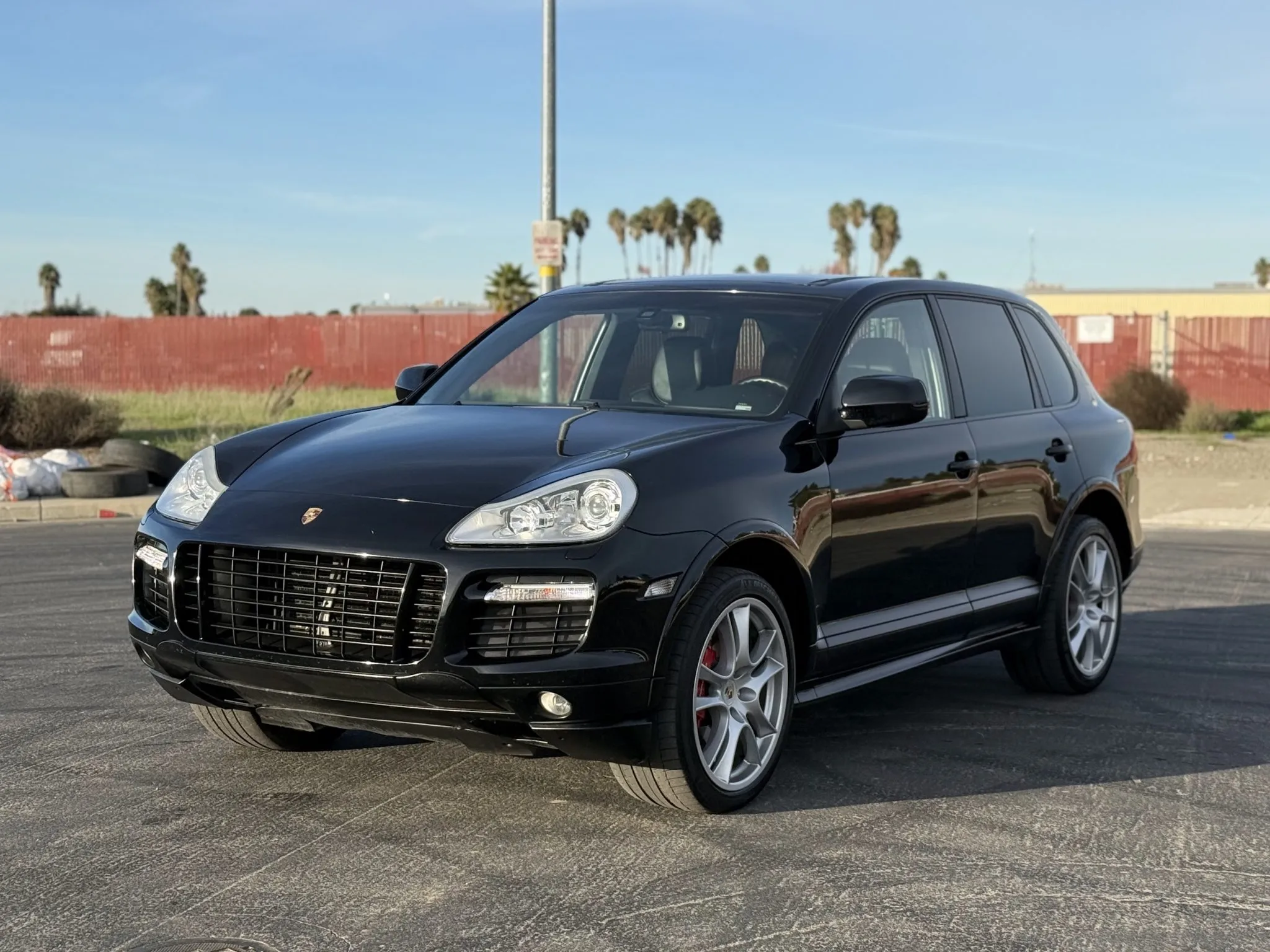
Where it gets honest is the running costs. Maintenance on any Porsche doesn’t scale down just because the body is larger. First-generation 955 and 957 models have documented weak points: bore scoring on the M48 V8 is a known issue that comes up repeatedly in owner communities, the air suspension on early cars can be genuinely expensive when components start failing, and coolant pipe repairs have caught plenty of owners by surprise. None of this should put you off, but going in without knowing about it is a mistake.
One thing that catches owners off guard is the rear visibility. The Cayenne’s C-pillars are thick, the roofline slopes in a way that reduces the rear window, and the blind spots are more pronounced than you’d expect from a vehicle this size. It’s a genuine quirk of the design, and if you’re parking in tight urban spaces every day, you notice it quickly.
What Does the Cayenne’s Floor Actually Go Through?
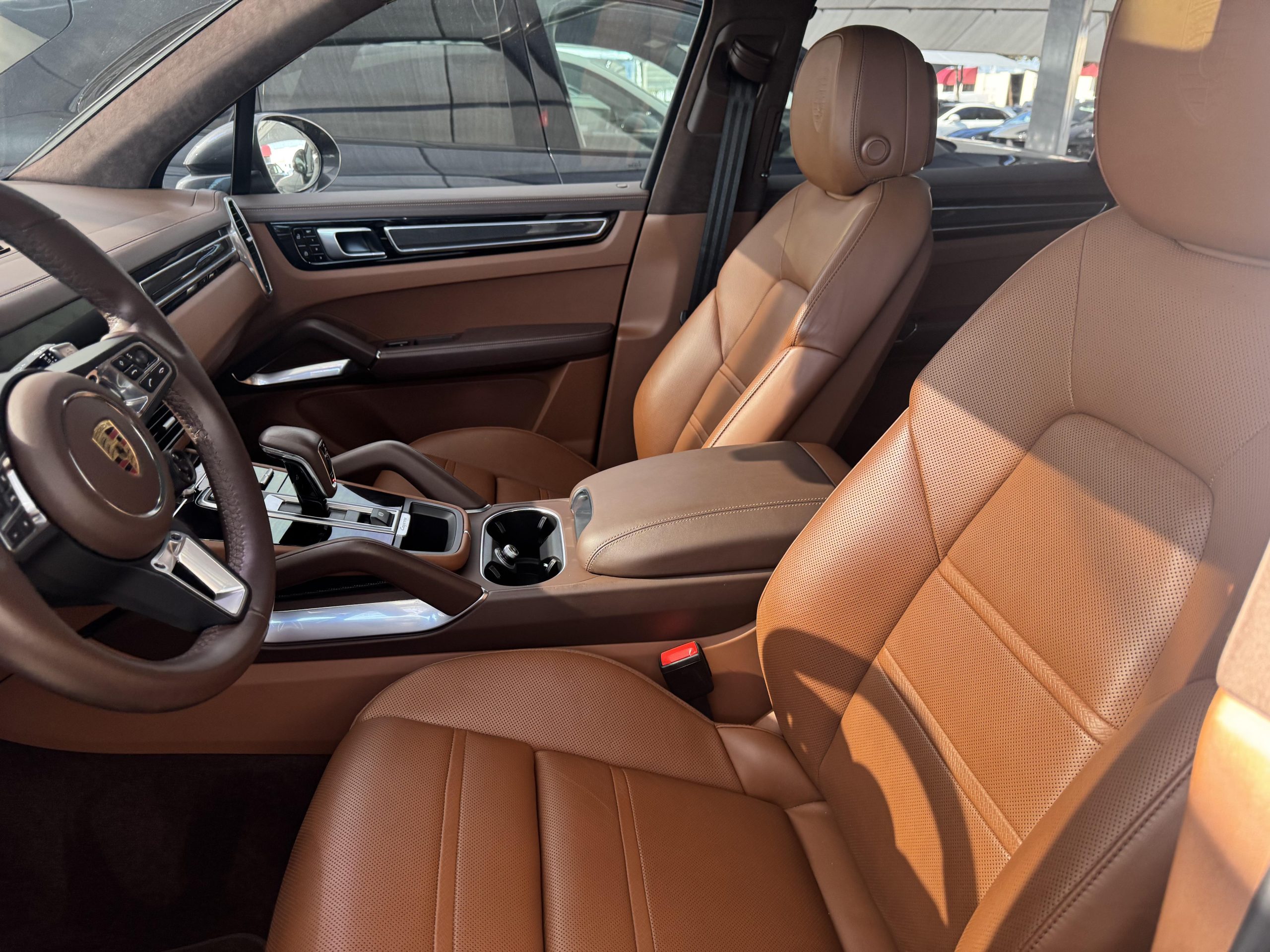
The Cayenne is the Porsche that gets used as a car. Not a weekend car, not a track day toy, but the one that does the school run, the ski trip, the airport at 5am, and everything in between. Four doors means four sets of feet in all conditions: road salt in winter, mud tracked in from parking lots, the kind of repeated daily contact that works into carpet pile over months and compresses it in ways that don’t clean out. The floor takes more punishment in a daily-driven Cayenne than almost anywhere else in the cabin, and it’s the first place the wear shows and the hardest to reverse convincingly later.
Owners who think about this early tend to have better cars later. The ones who don’t notice until the damage is already set have a different problem to manage.
Are Custom-Fit Floor Mats Worth It for a Porsche Cayenne?
For a Cayenne used as a genuine daily driver, yes. A generic mat covers most of the footwell but leaves gaps at the edges where water and debris collect, and that’s where carpet damage tends to start. The 3W range of floor mats is engineered around the specific footwell geometry of individual vehicles, which means complete coverage with no gaps. For anyone who uses their Cayenne properly and cares about what it looks like in five years, that full coverage makes a real difference. It’s also the kind of protection that shows up in a buyer’s inspection: a floor in original condition tells a different story than one that’s been cleaned and recarpeted.
What Should I Look for in Custom Floor Mats for a Porsche Cayenne?
Fit is the most important factor, more so than material. A heavy-duty liner that doesn’t match the Cayenne’s footwell geometry leaves gaps, and gaps defeat the purpose. The Cayenne’s footwell profiles vary across generations and body configurations, so a liner built for that specific model year covers areas that a universal mat consistently misses. Beyond fit, look for raised edges that contain water and debris rather than letting it migrate to the carpet underneath, and a surface that can be cleaned properly without the mat needing to be replaced.
Why Condition Is the Whole Argument
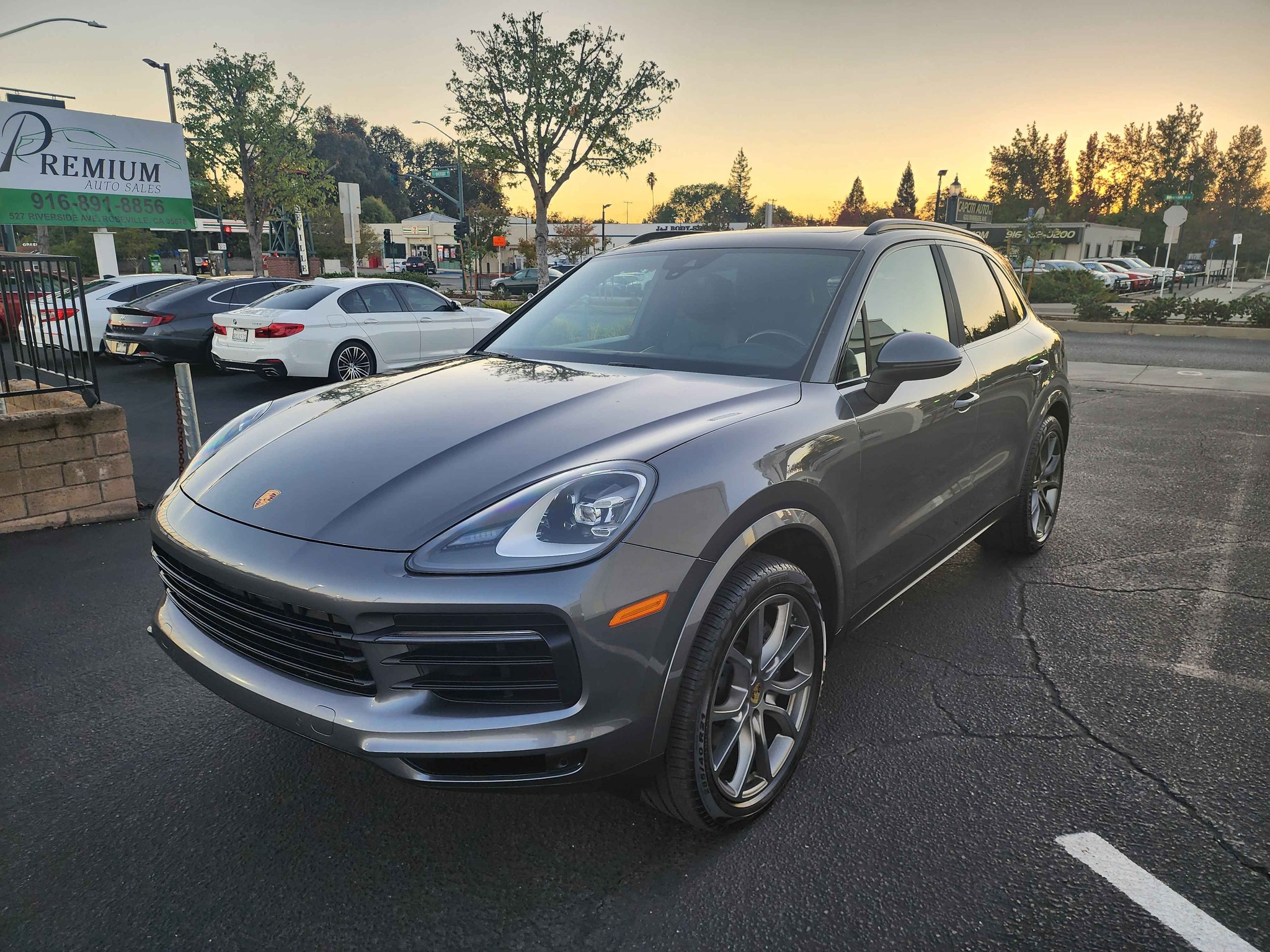
First-generation Cayennes, the 955 and 957 specifically, are starting to attract real collector attention. Clean Turbo S and GTS examples are harder to find every year, and prices on the best ones are moving. A 2006 Cayenne Turbo S sold at auction in March 2025 for $65,023 according to Classic.com market data. That number would have seemed far-fetched for this model not long ago.
For anyone currently using a Cayenne as their everyday car, that context matters. The service history you build now, the interior condition you maintain, the evidence of how the car was kept during the years it looked most ordinary: that’s what a serious buyer reads. Two otherwise identical cars can carry a significant price difference based entirely on how they were treated. The daily driver and the investment are the same car, and what you do with one is what you’re doing to the other.