
Neither Coupe Nor Cabriolet: The Story of the Porsche 911 Targa

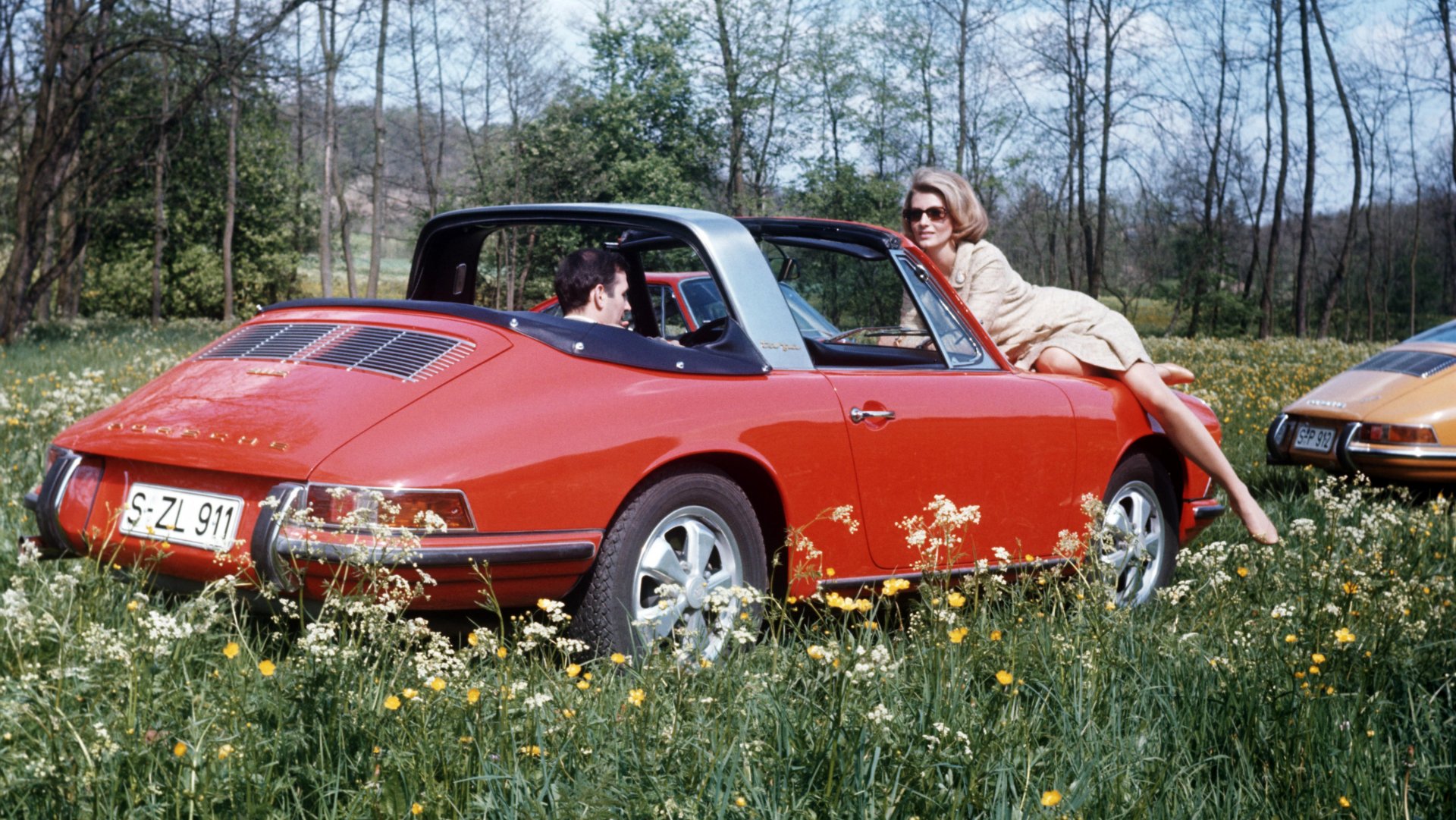
Three-quarter rear view of a first-generation red Porsche 911 Targa
Credit: Porsche

By the early 1960s, Porsche was no longer the fragile, survival-mode company of the late 1940s.The Porsche 356 had matured into a reliable revenue stream especially the later B and C versions, were selling consistently, particularly in the United States. The German manufacturer had already launched the 911 and continued selling the 356 alongside it while motorsport was strengthening the brand’s reputation. 

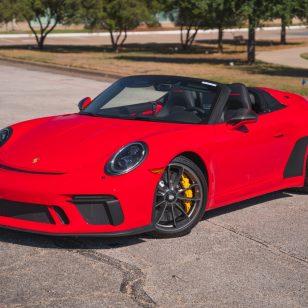
In this context, a fixed roll bar convertible was first discussed as early as 1962, but shelved purely due to limited production capacity. But when tightening American safety regulations in the mid-1960s threatened to ban convertibles outright, Porsche had a ready-made solution already developed: The Targa bar, a fixed roll-over hoop positioned behind the front seats on a Porsche 911. Rather than compromise the Targa bar was invention. Now, 60 years later, that same bar is still the most recognizable silhouette in the 911 lineup.

Members only$35 / year

Keep going. This is where it gets good.

Stuttcars Membership is for people who'd rather spend an hour inside one option code than skim ten headlines. The rest of this story — and every other one like it — is a few seconds away.

  • Every members-only story

    Deep history, driven reviews, market reports and the full archive.

  • No ads. None.

    The whole site reads like a magazine, on every device.

  • Every Porsche, researched

    Model-by-model hubs: production numbers, specs, options, colors.

  • 30% off the shop

    Every Stuttcars shirt and piece of merch, all year.

Join Stuttcars — Keep Reading

$35 a year. Cancel anytime, no hoops.
Already a member? Sign in

BY PORSCHE PEOPLE, NOT A CORPORATION. Your membership keeps a small independent team of historians, ex-racers, engineers and journalists doing this.

Join — Keep Reading $35/yr