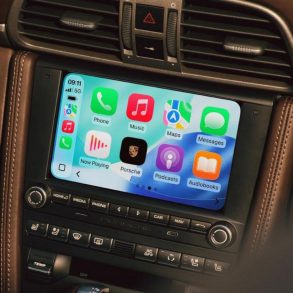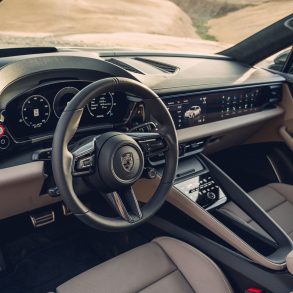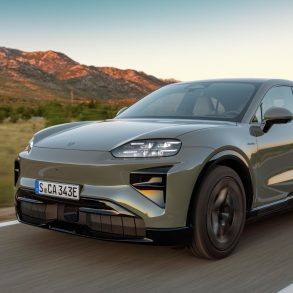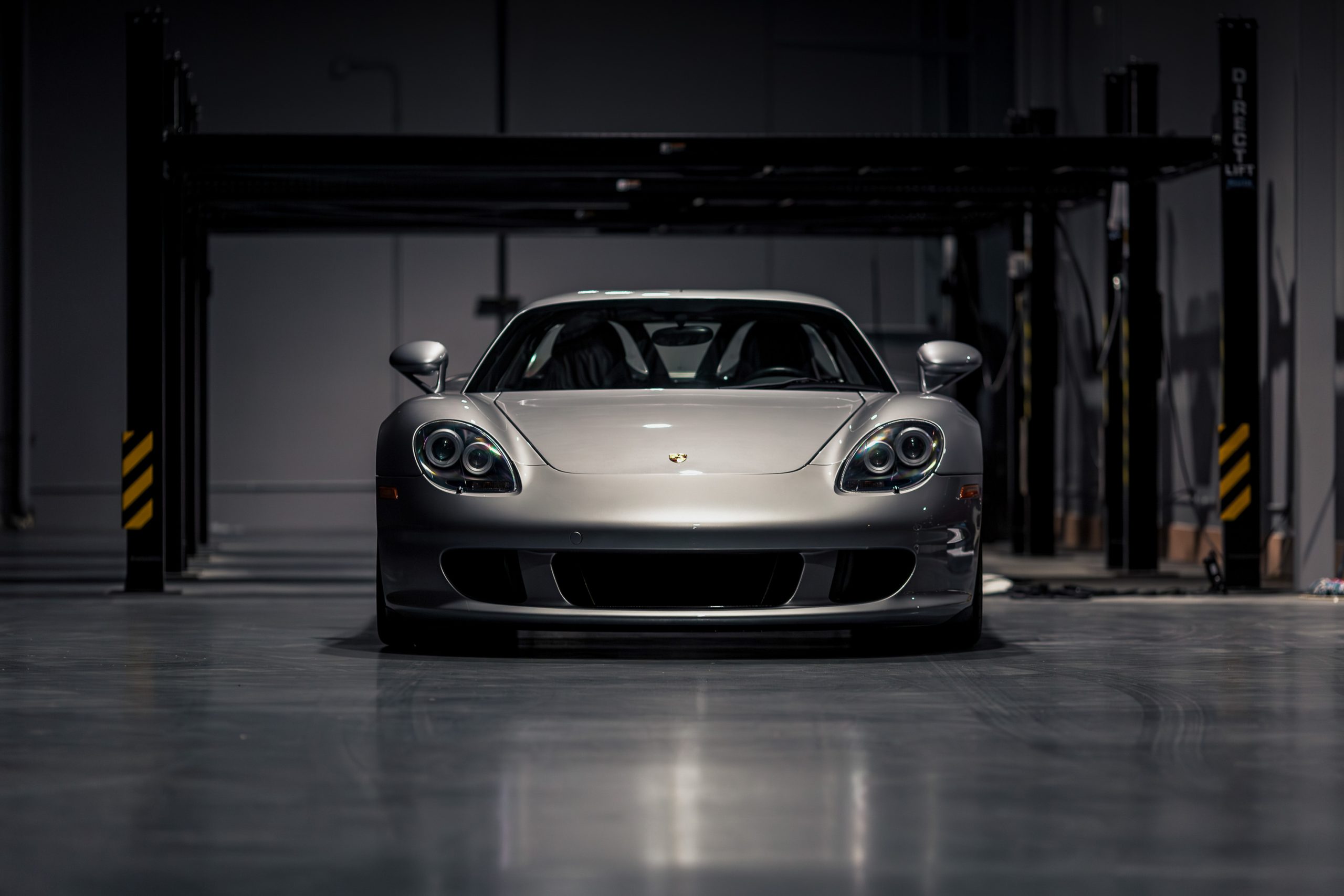


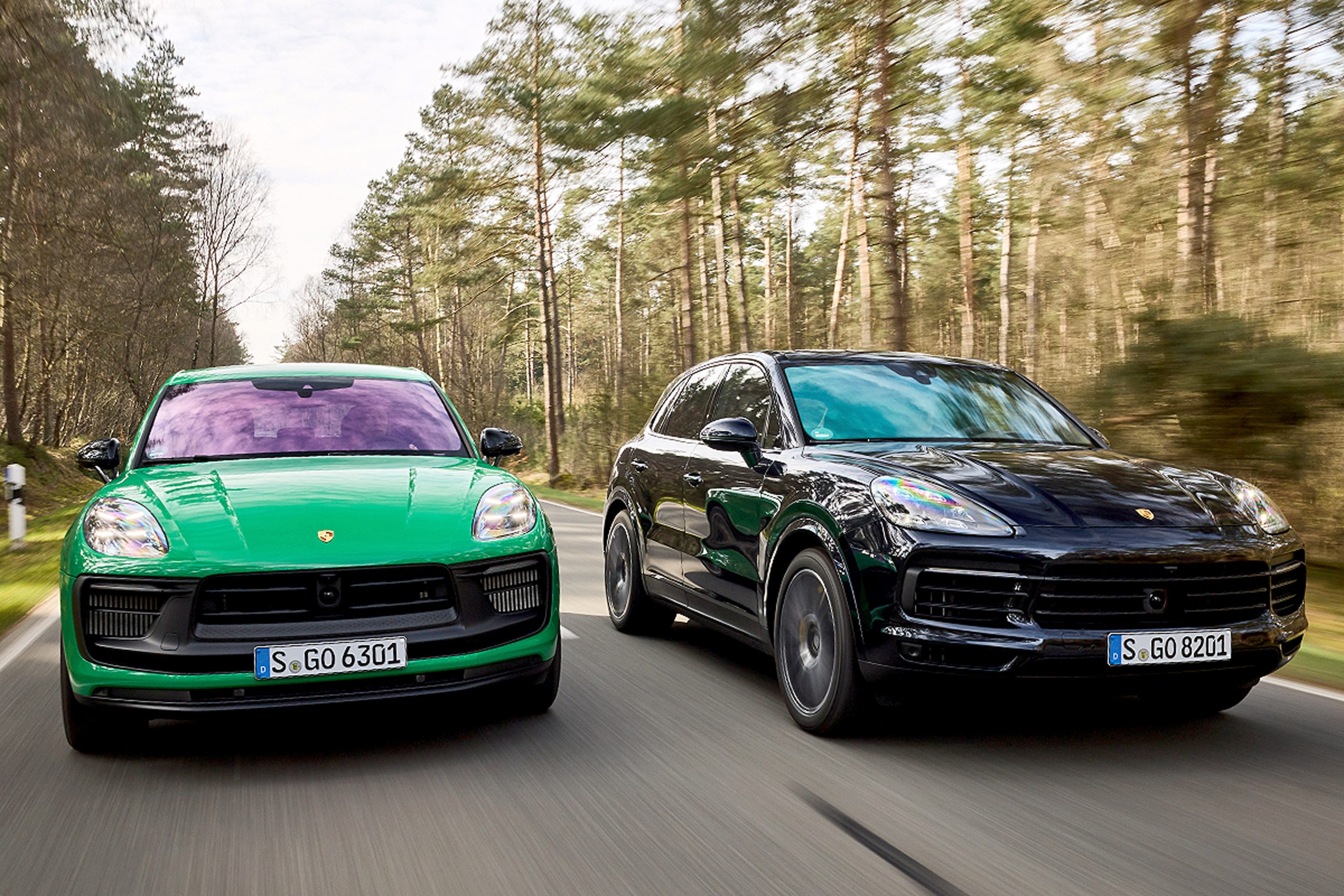
The 958 Cayenne and the first-gen Macan are some of the best used Porsche buys around right now, at least if you ask us. Both still drive the way a Porsche should, and the leather and switchgear in a well-kept example have held up better than you’d expect. The screen is another story. Early cars use PCM 3.1, and after a few minutes with it you’ll probably reach for a phone mount out of habit. It’s fixable, though, and you don’t need to strip the character out of the interior to do it.
Why Porsche Infotainment Ages So Fast
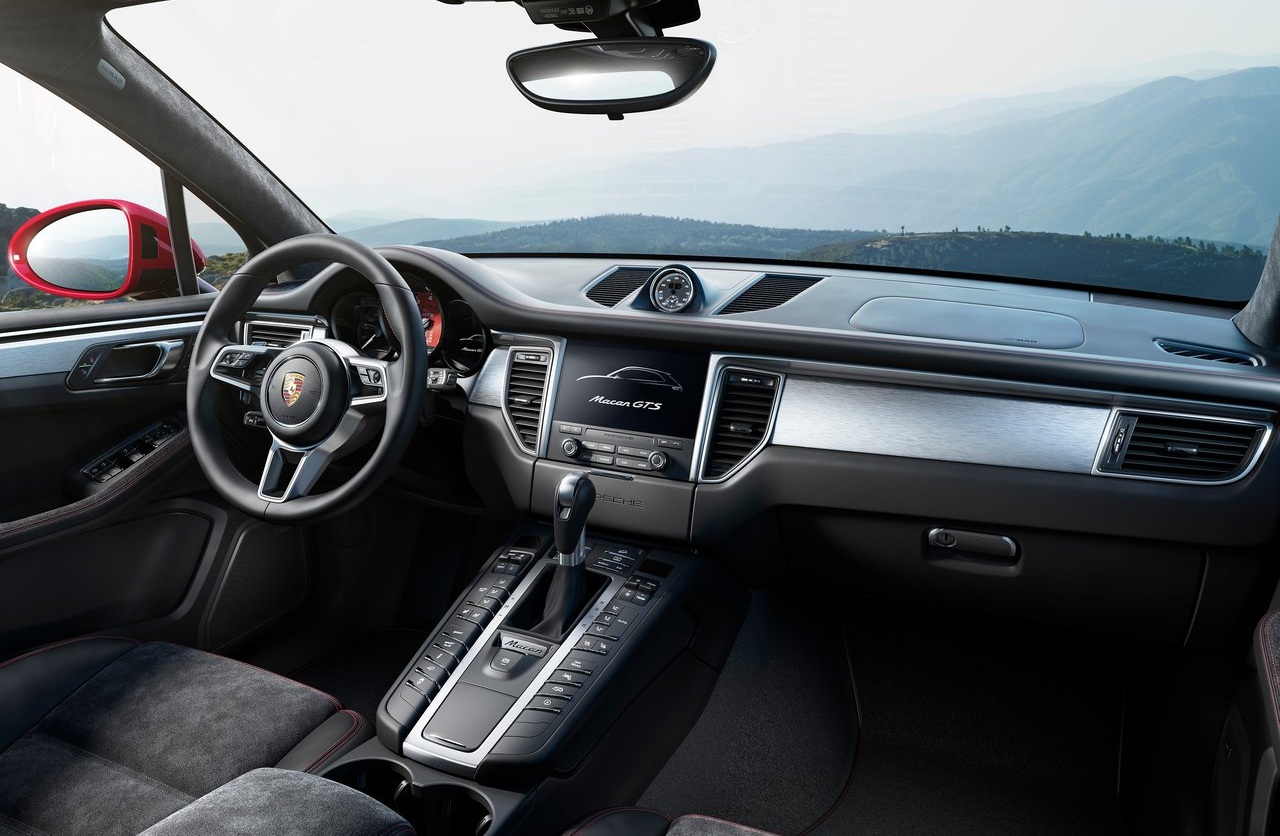
Think about how many phones you’ve gone through in the last ten years, then compare that to how long a Cayenne is expected to stay on the road. Infotainment is basically a computer bolted into the dash, and computers age in dog years. Even a Cayenne with a healthy V8 and fresh brakes can feel old the second you touch the screen.
Porsche also took its time with phone integration. CarPlay reached the Macan with PCM 4.0 for the 2017 model year, and Android Auto didn’t show up in a Porsche until PCM 6.0 launched in 2021 on the 911, Cayenne and Panamera/ Anything older got left with Bluetooth and whatever map data came from the factory, unless the owner paid for updates.
What a Newer Screen Brings
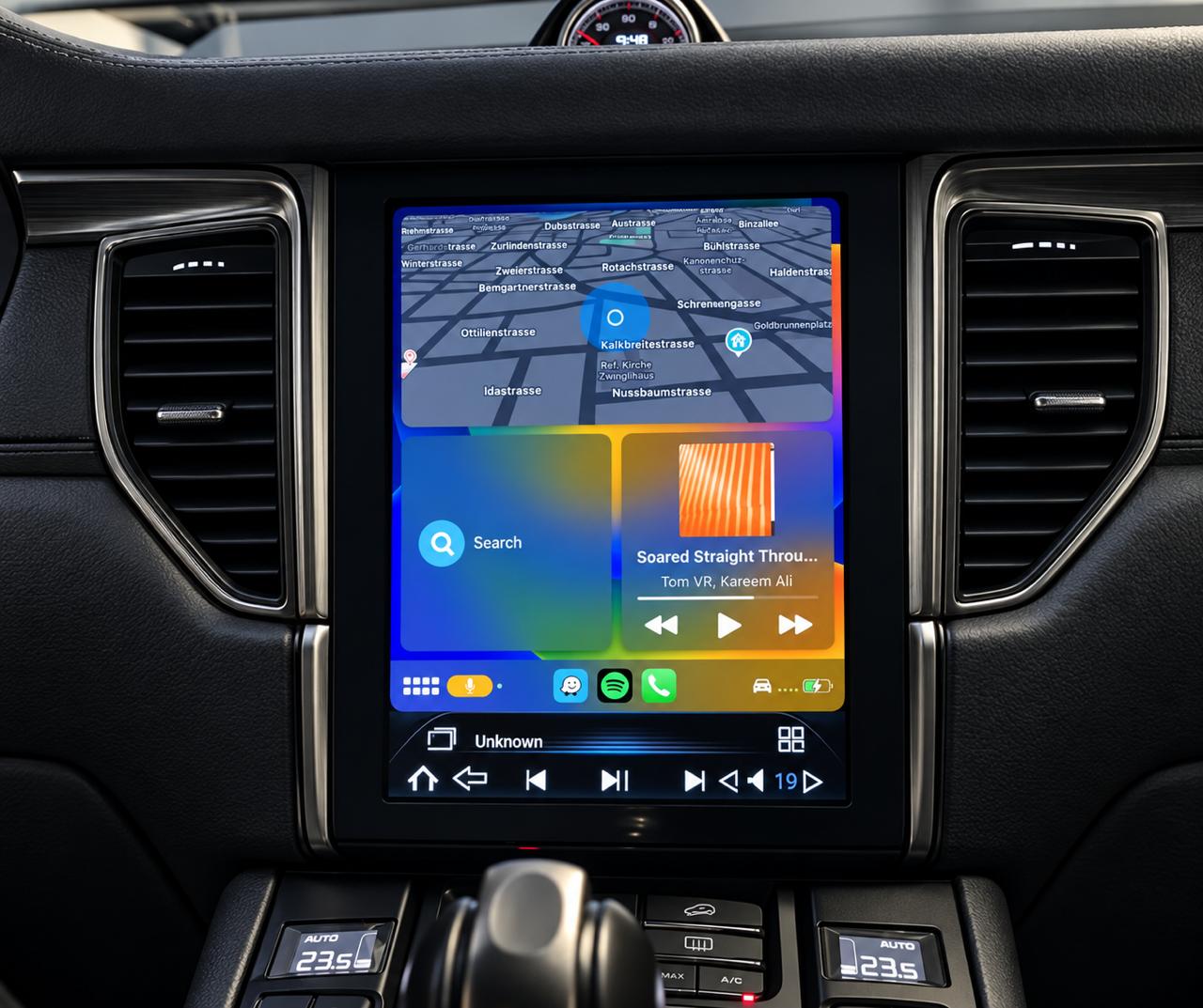
For most owners it comes down to CarPlay and Android Auto. Once your phone is connected, Google Maps or Waze runs on the big display with live traffic, and Spotify sits a tap away. Map updates come through the apps, which beats paying a dealer for them. A lot of aftermarket units also connect wirelessly, so the phone can stay in your pocket on short trips.
Screen size is the other big change. On a long drive, a larger display lets you keep directions up on one side and music on the other without squinting, and touch response is miles ahead of what Porsche was shipping in 2011.
What “Tesla-Style” Means Here
If you shop around you’ll see many of these sold as Tesla-style screens. It’s a nickname for the format, a tall portrait display in the center of the dash, because Tesla made that look familiar. Tesla has nothing to do with the hardware or software. They’re built by independent aftermarket companies.
To get a feel for how that layout fits a Cayenne or Macan center stack, browse these Porsche Tesla screens. Just shop by the compatibility list and specs. The marketing name tells you about the shape and not much else.
Keeping the Porsche Feel Inside
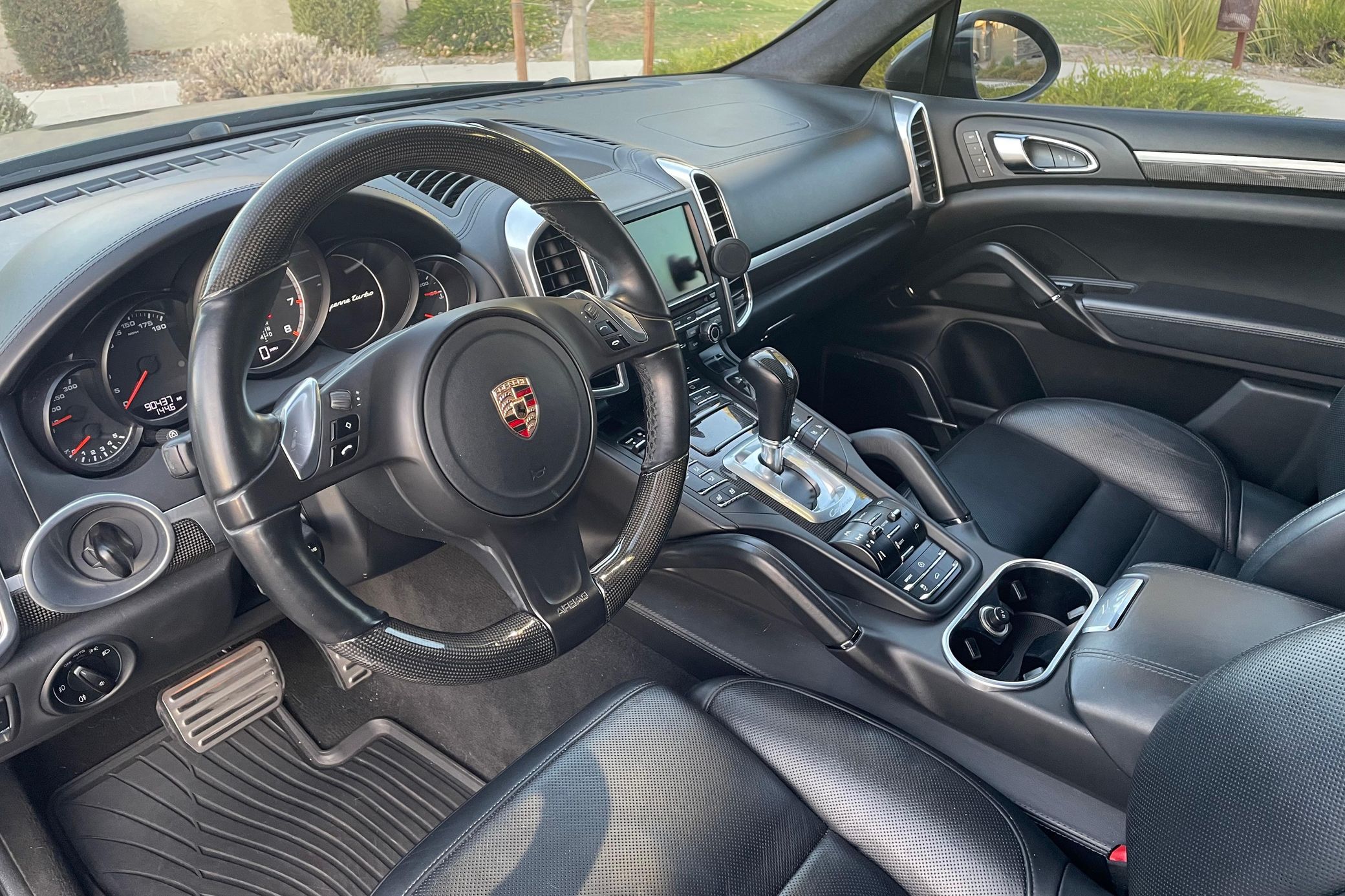
Nobody buys a Porsche hoping for a plasticky cabin. Any new unit should fill the dash opening properly and sit flush with the trim around it, with no gaps or wiring on show. If photos of a product installed in a real car look off, trust your gut.
Factory functions are where cheap units tend to fall down. Your steering wheel buttons should still handle calls and volume. The backup camera needs to keep working too, along with surround-view if the car has it, any climate settings that live in the PCM and the Bose or Burmester system you (or the first owner) paid good money for. Give up one of those and a sharper display starts to feel like a bad trade.
Match It to Your Exact Car
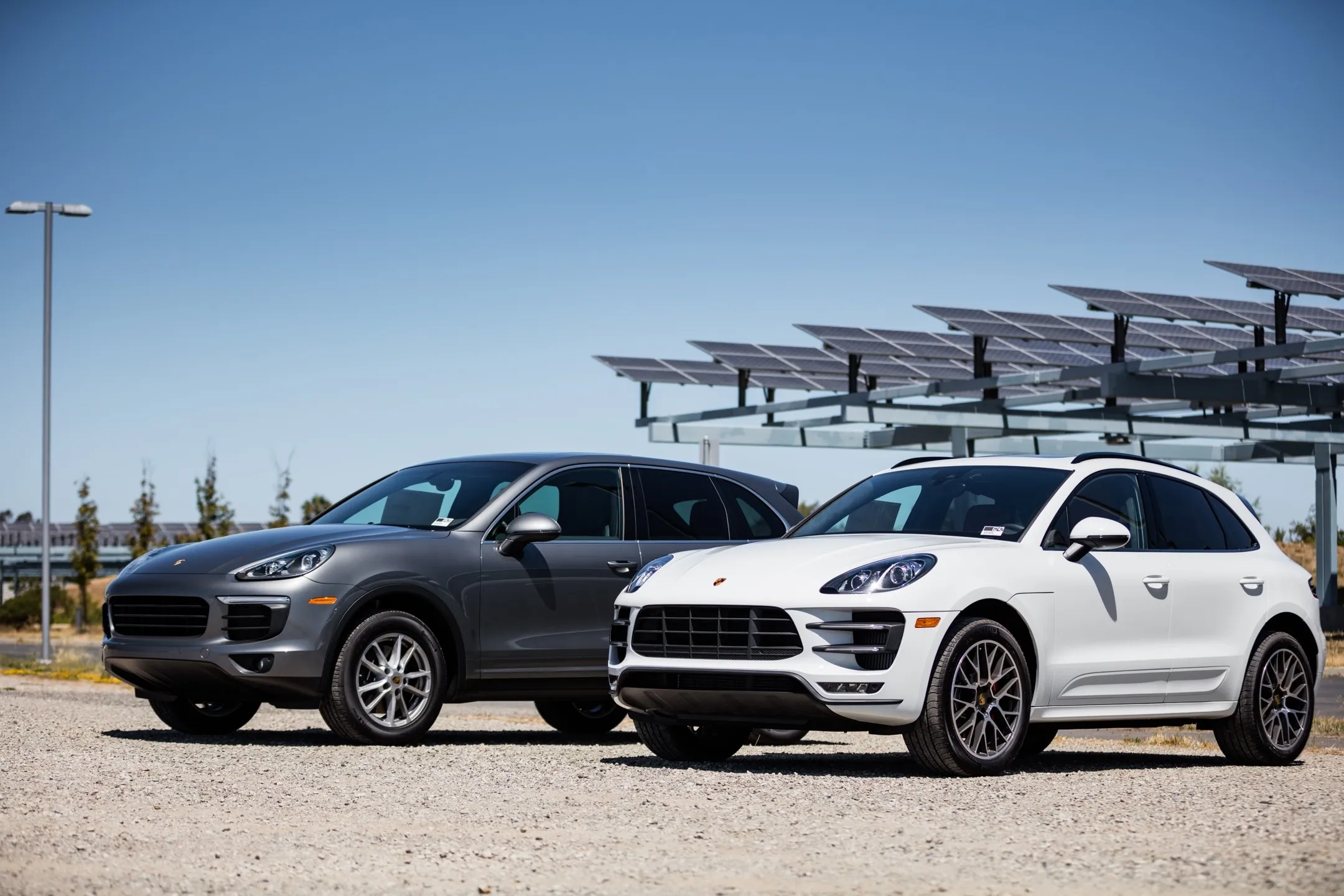
Model year matters more than most people think. A 2015 Macan and a 2018 look nearly the same parked side by side, but one has PCM 3.1 and the other has 4.0, so a kit made for one won’t necessarily suit the other.
Options add another layer, since Burmester audio and surround-view cameras need different wiring than a base car. Grab your window sticker or run the VIN through a decoder before ordering anything. A decent seller will ask for those details and be upfront about which features carry over.
Installing It Yourself or Paying a Shop
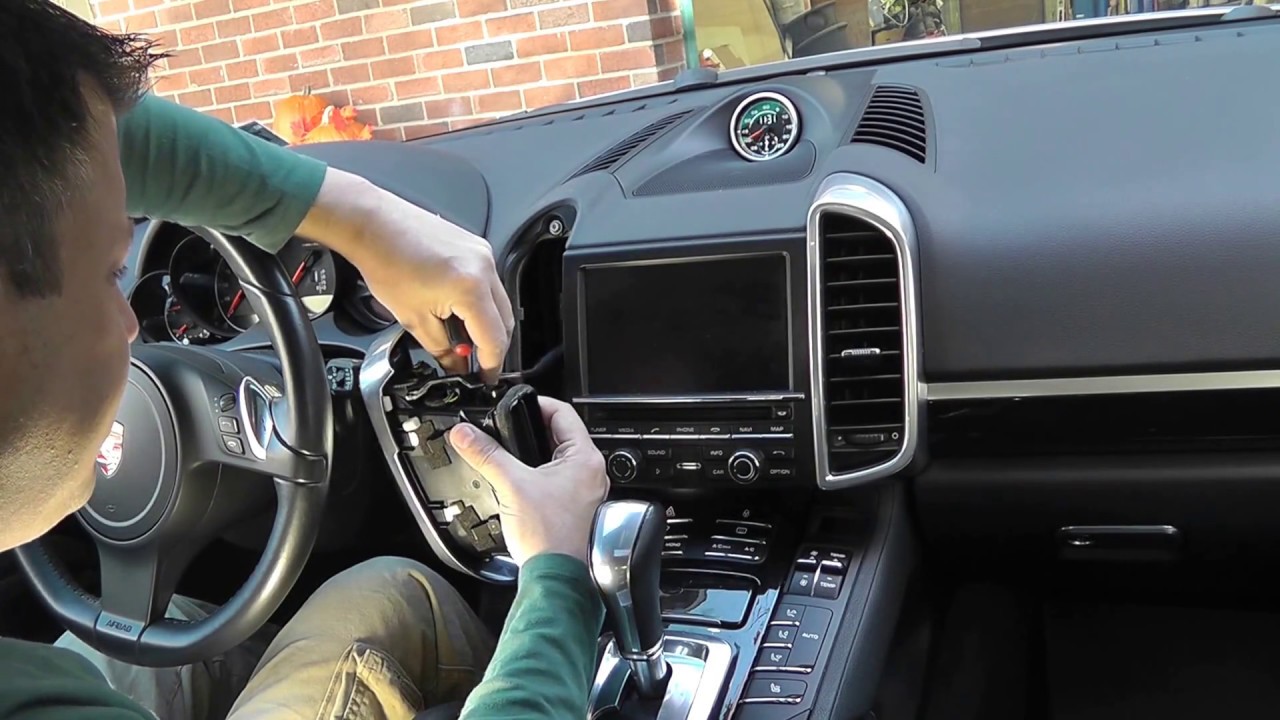
The install is within reach for a lot of owners. It mostly means pulling dash trim and swapping the factory unit for the new one plus its harness. Take your time with the trim, because ten-year-old plastic clips break if you look at them wrong, and double-check every connector before you button it all back up.
A shop will charge you, obviously, but an installer who’s done Porsches before knows the CAN bus network (the system that lets the car’s modules talk to each other) and where the fragile bits are. If your car is heavily optioned, we’d go that route.
Whoever does the work, keep it reversible. That means a plug-and-play harness that uses factory connectors instead of cut wires, and the original PCM wrapped up and stored in the garage. You can then put the car back to stock before selling, or hand the next owner both. Merge Screens is one of the companies building model-specific units for these SUVs, so it’s a reasonable place to start comparing. Done right, an older Cayenne or Macan ends up with a cabin that finally keeps up with the rest of the car.