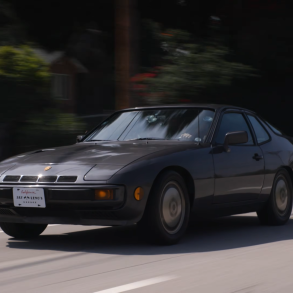
Mention the word “Targa” to any automotive enthusiast, and it instantly conjures a very specific silhouette. You likely picture the iconic brushed stainless steel roll bar of a classic 911, the wrap-around rear glass, and that clever removable roof panel designed to bridge the gap between coupe security and open-air freedom. Introduced in 1966 as a defense against feared US rollover safety regulations, the Targa configuration quickly evolved from a compliance compromise into a pillar of Porsche’s brand identity. It was a massive commercial success, migrating to the four-cylinder 912 and serving as the foundation for the mid-engined 914.
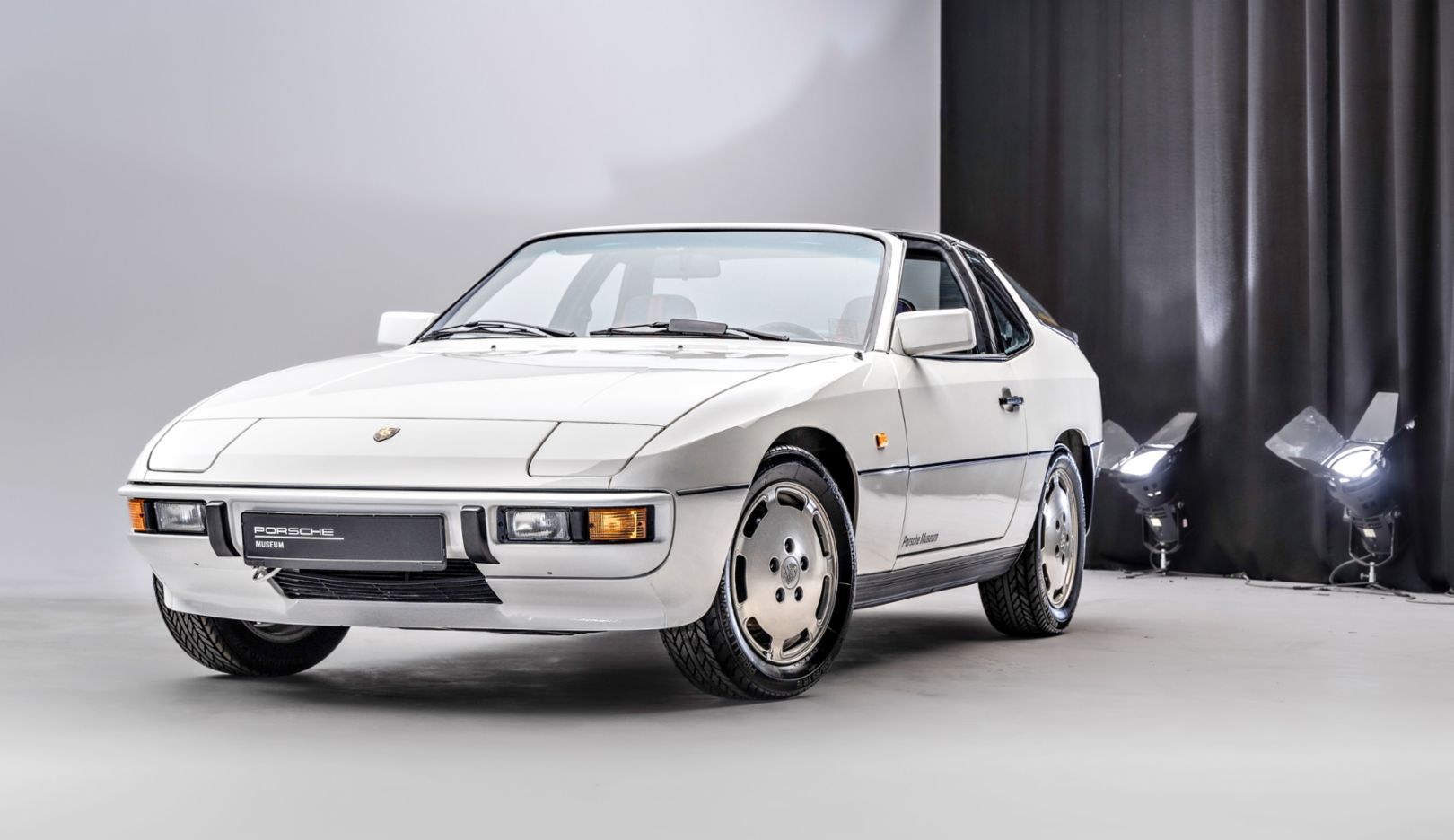
When the wedge-shaped 924 debuted in 1976 as the company’s new water-cooled, front-engined entry model, a Targa version felt inevitable. Given the brand’s track record, the automotive press and public simply assumed that a removable-roof version of the transaxle platform was merely a matter of scheduling. Yet, the assembly lines at Neckarsulm never built one for the public. The entire project manifested exactly once, tucked away inside a Zuffenhausen development bay.
No Subscription? You’re missing out
Get immediate ad-free access to all our premium content.
Get Started