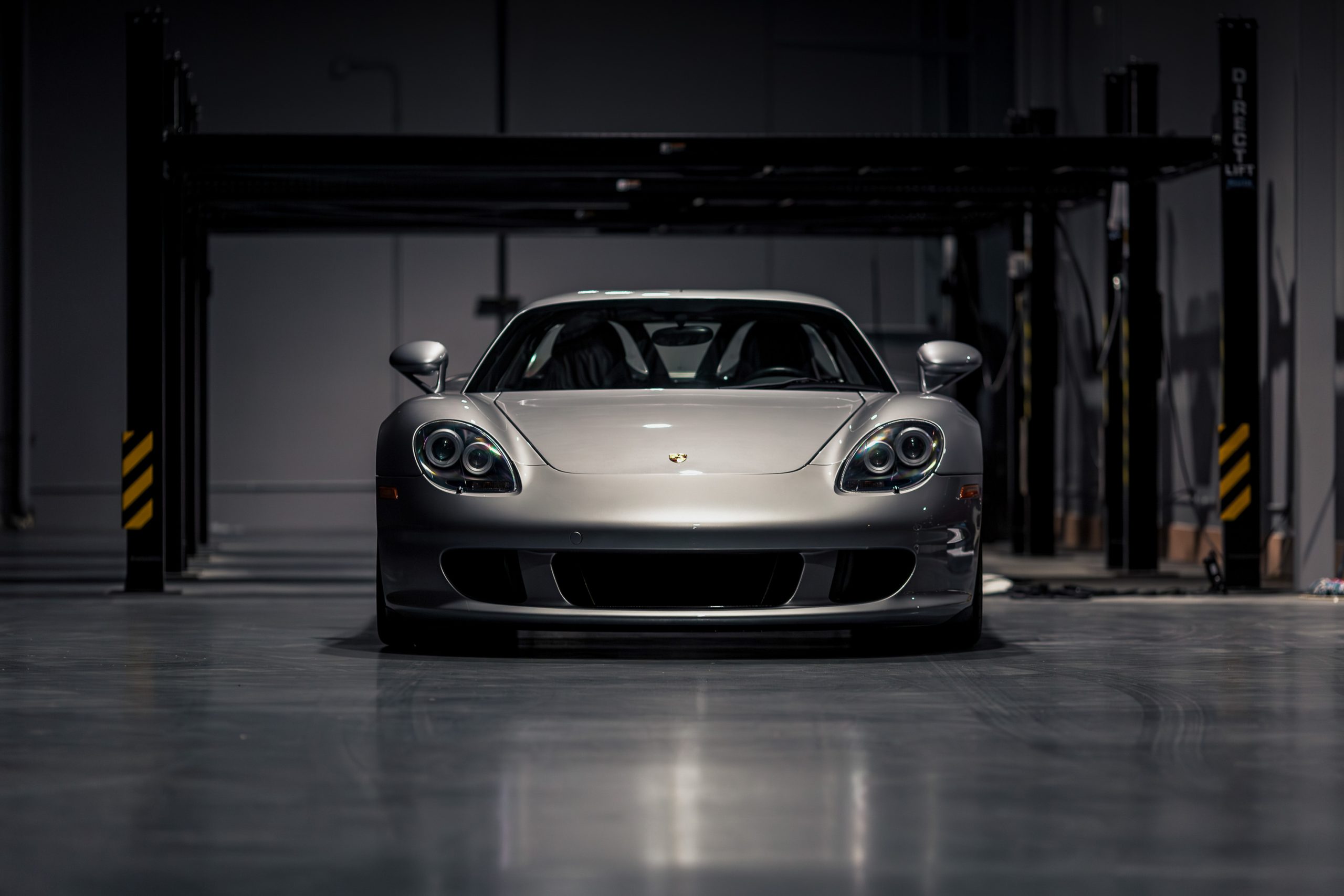


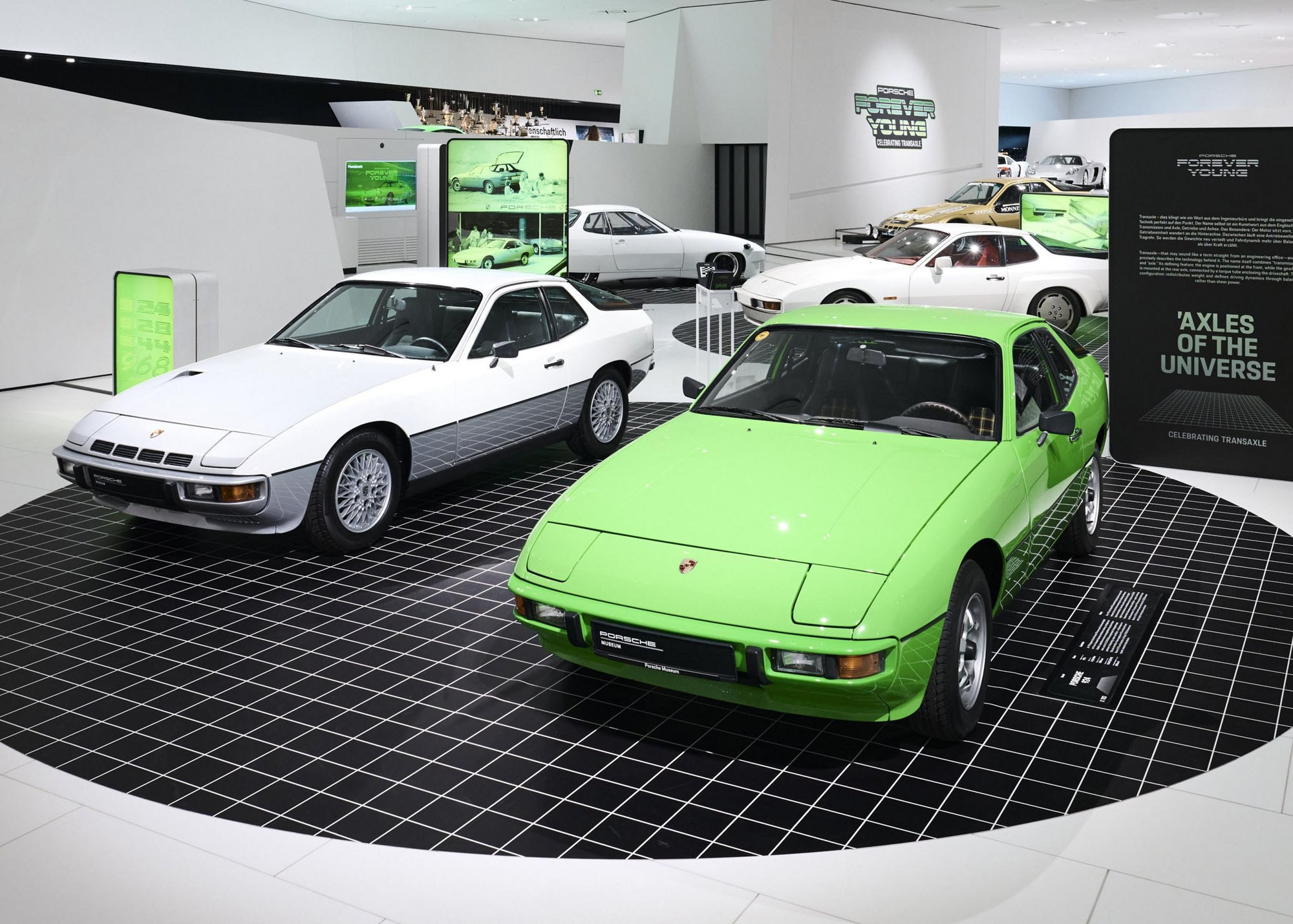
Half a century after Porsche introduced the Transaxle drivetrain concept to series production, the automaker is commemorating the milestone with a year-long program that reexamines one of the brand’s most distinctive engineering eras.
At a glance
- Between technological progress and stylistic freedom
- Opening presentation at the Porsche Museum captures the spirit of the 1980s
- Numerous pop-up installations extending far beyond Zuffenhausen
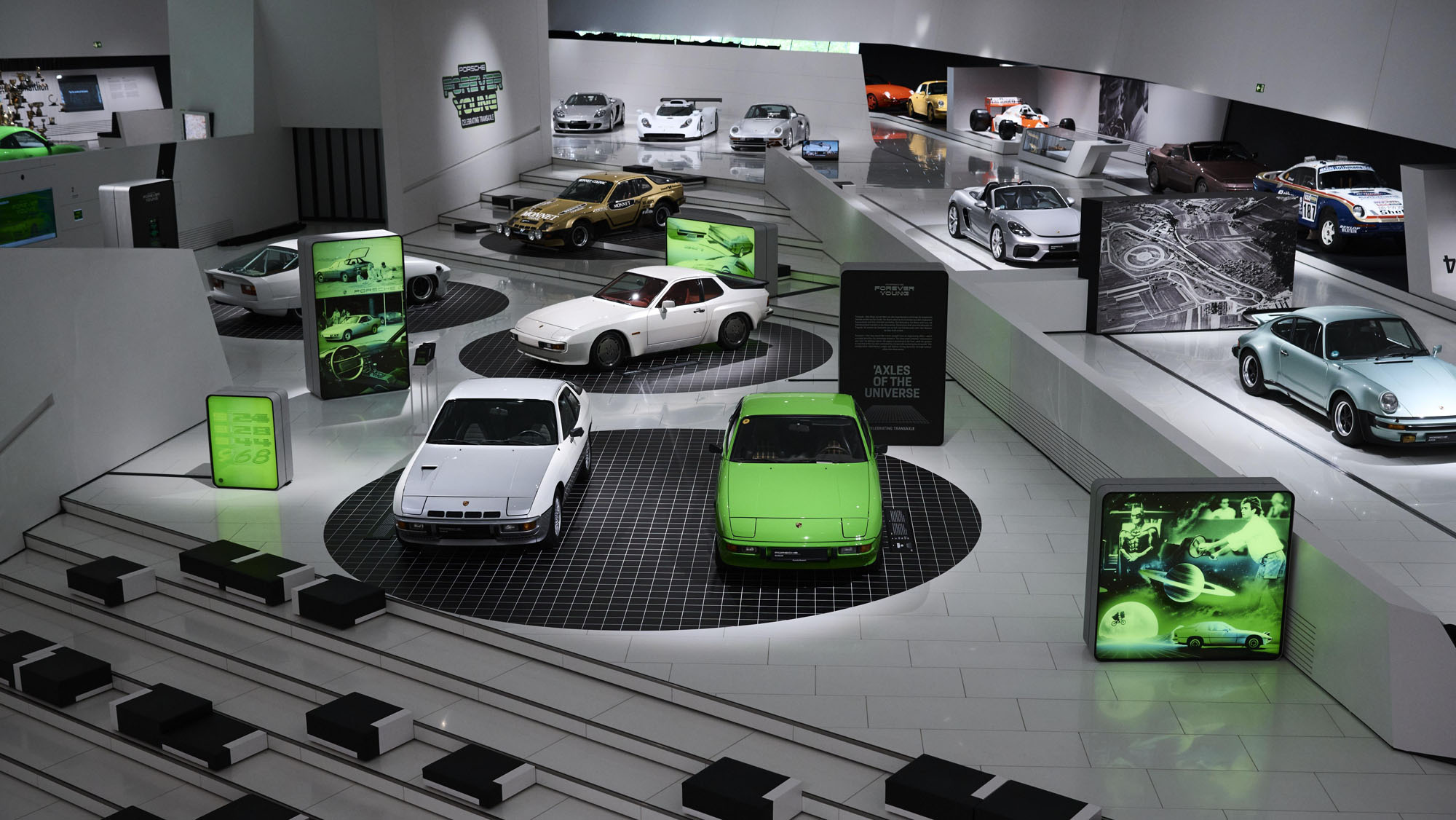
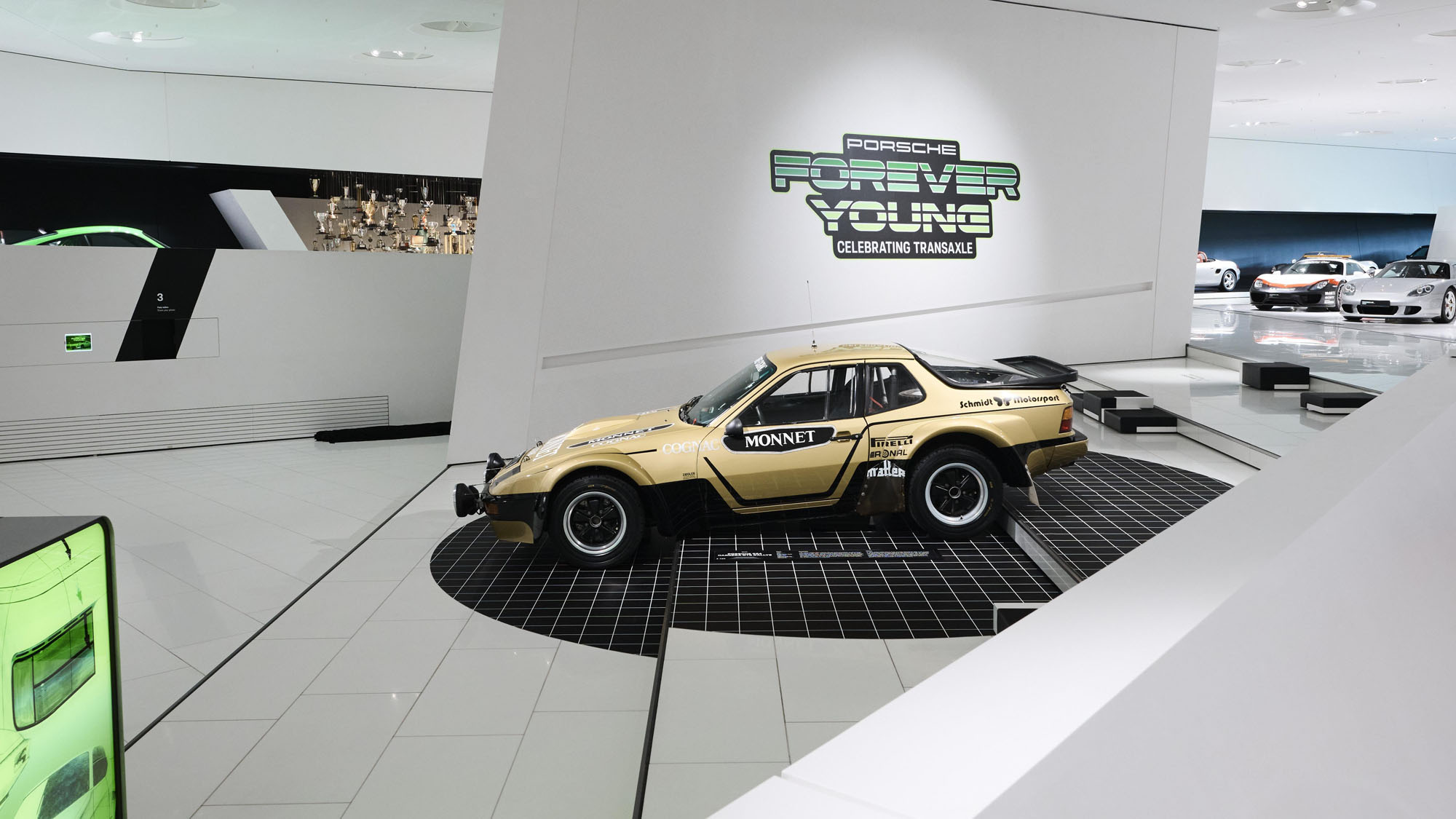
Under the banner “Forever Young. Celebrating Transaxle,” the initiative moves beyond the framework of a conventional special exhibition. Instead, Porsche is presenting a rotating series of pop-up installations exploring the technology, design, motorsport heritage and cultural impact of the transaxle years. According to Porsche Museum curator Iris Haker, the format is intended to remain compact, flexible and constantly evolving, with presentations extending beyond Zuffenhausen to selected external venues throughout the year. The opening exhibition at the Porsche Museum runs through 7 June 2026.
From 1976 to 1995, Porsche produced nearly 400,000 transaxle-equipped vehicles across four model lines — the 924, 928, 944 and 968 — defining an era that blended technical innovation with everyday usability.
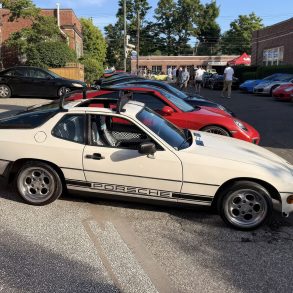
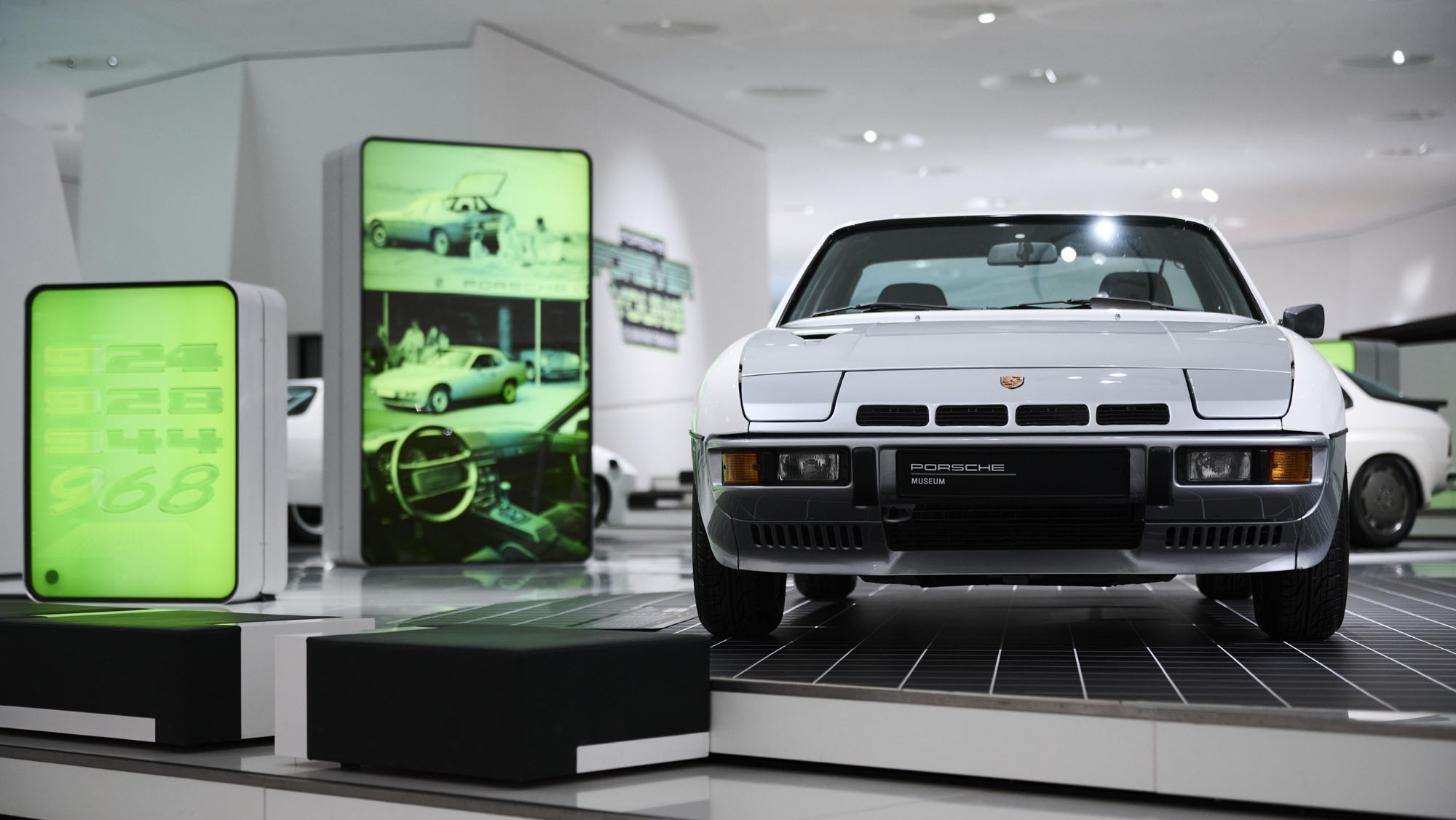
924 Turbo and 924
The Transaxle story begins in the 1970s before reaching its defining moment during the following decade. By the 1980s, the concept had gained widespread recognition and commercial success, particularly through the popularity of the 944, which helped broaden the model family and establish the transaxle platform as more than a technical solution. For many owners, it became synonymous with the Porsche driving experience.
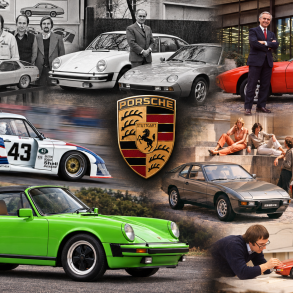
Porsche notes that the cultural atmosphere of the 1980s aligned naturally with the transaxle models. An era defined by technological optimism, bold visual aesthetics and the rise of digital entertainment transformed sports cars into lifestyle icons. Against a backdrop of neon lighting, pop culture and emerging video game culture, Porsche’s transaxle cars reflected a spirit of individuality and innovation — themes echoed throughout the new pop-up installations.
Engineered for balance
At the core of the transaxle concept is a layout engineered for balanced driving dynamics. The engine is mounted at the front, while the transmission sits at the rear axle, connected by a driveshaft enclosed within a rigid torque tube. Porsche says the configuration delivers efficient power transfer, stable handling and precise driving characteristics while maintaining the brand’s hallmark blend of sportiness and practicality.
924 record car and 924 Carrera GT prototype
Porsche’s entry into the transaxle era also marked its move into a new customer segment. The origins trace back to the EA 425 development project launched in 1972. When Volkswagen abandoned the program in 1974, Porsche adopted the concept and introduced it as the 924 in 1976. Built in Neckarsulm, the model remained in production until 1988.
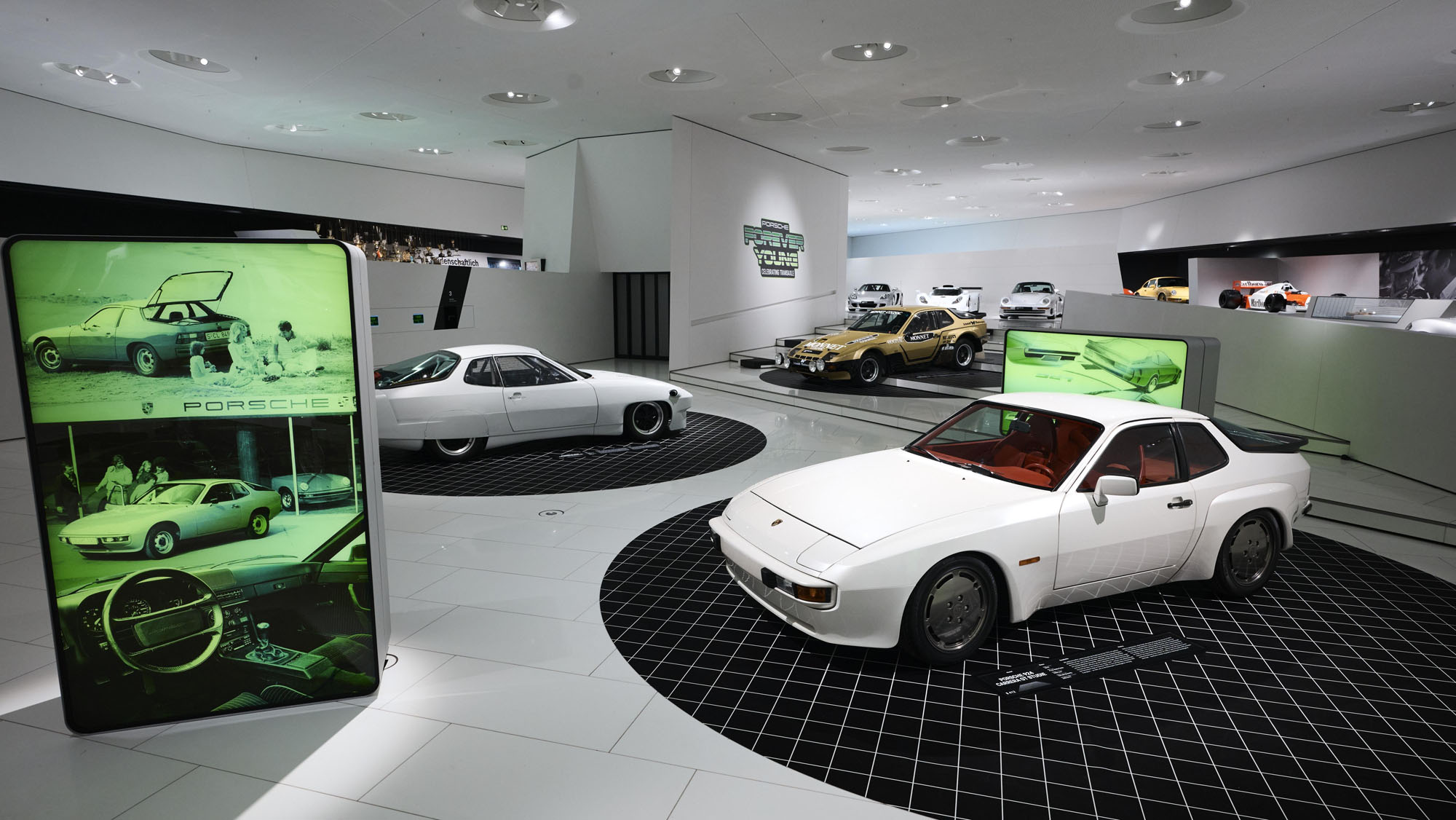
924 Turbo
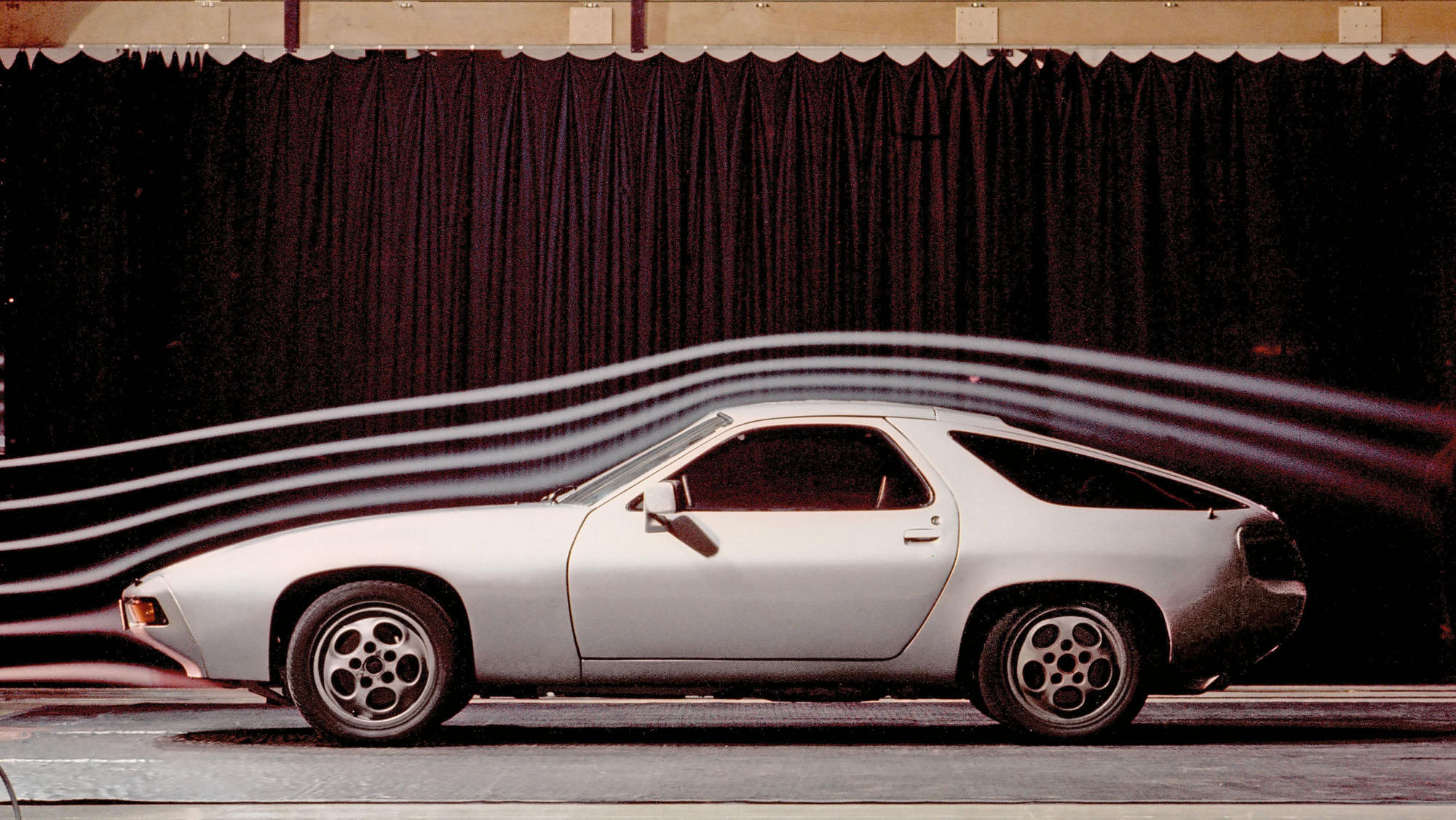
Introduced at the 1977 Geneva Motor Show, the 928 was conceived as a grand tourer capable of combining long-distance comfort with high-speed performance. Featuring a water-cooled V8 light-alloy engine, aluminum chassis and Weissach rear axle, the model became one of the clearest expressions of the transaxle philosophy.
928
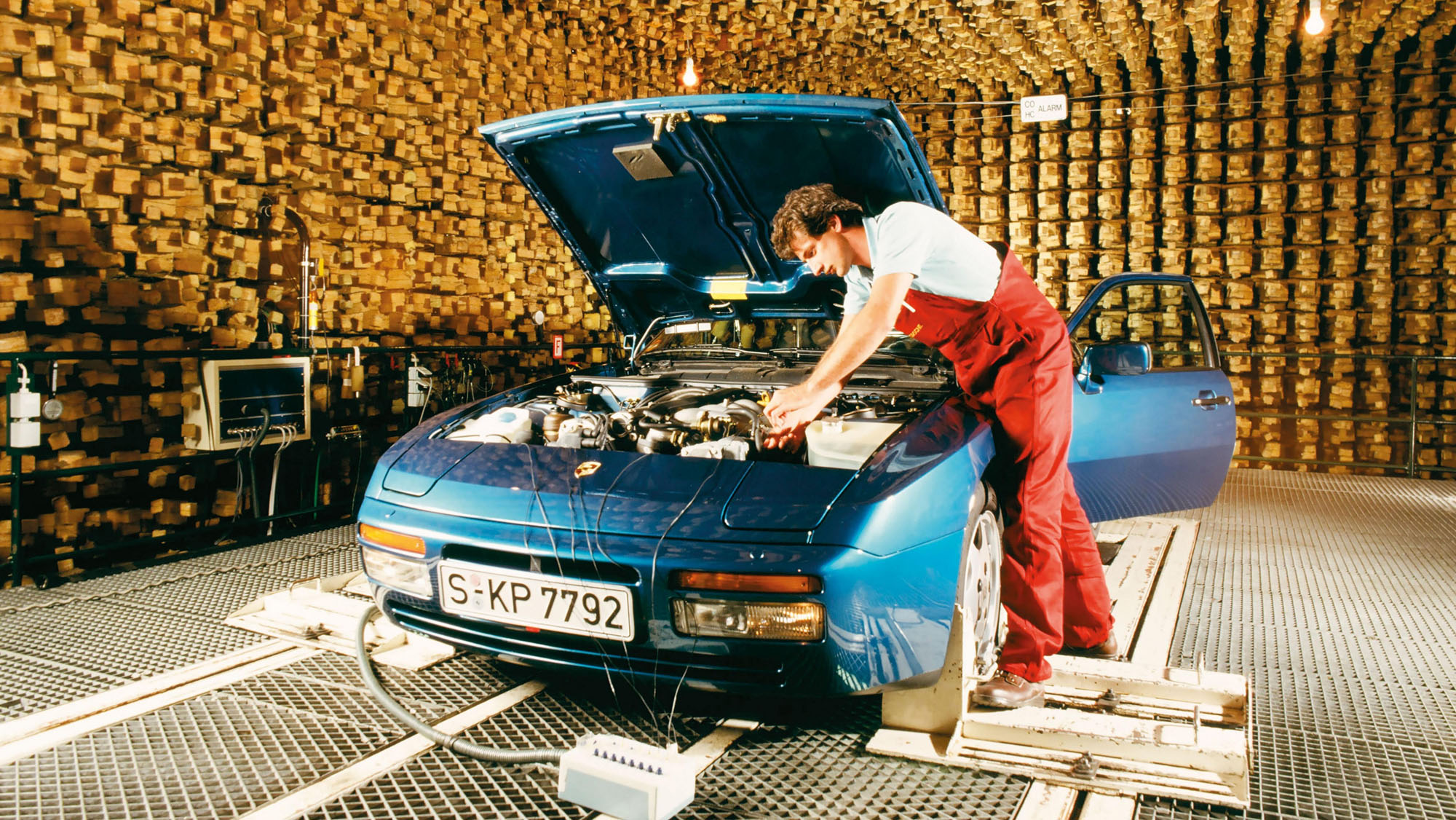
During the 1980s, the 944 emerged as the most recognizable member of the transaxle family. Its combination of performance, drivability and more muscular styling helped bridge the gap between Porsche’s entry-level offerings and its traditional sports cars.
944
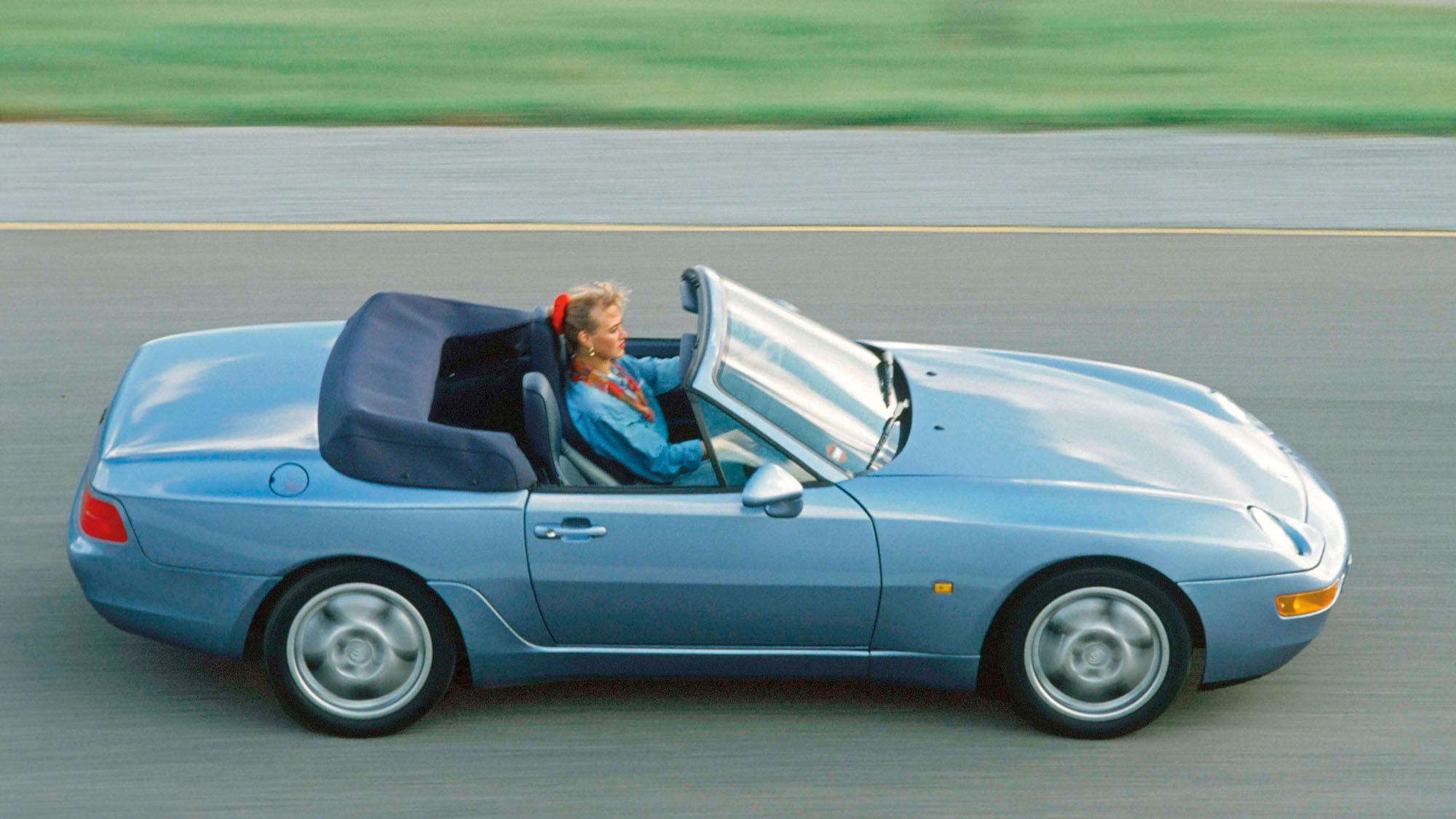
Produced from 1991 to 1995, the 968 represented the culmination of nearly two decades of transaxle development. Powered by a 3.0-liter four-cylinder engine producing 240 PS and 305 Nm, the model paired modern valve control technology with balanced handling and everyday usability.
968 Cabriolet
The transaxle models were developed under the leadership of Anatole Lapine, alongside designers Harm Lagaaji, Wolfgang Moebius and Peter Reisinger. Early designs featured low front profiles, pop-up headlights, expansive tailgates and clean body lines that distinguished the cars from many contemporaries. Over time, the design language evolved into a more cohesive and assertive identity across the model range.

Inside, Porsche emphasized functionality, ergonomics and driver-focused layouts. While the underlying transaxle architecture remained consistent, owners were offered broad opportunities for personalization through colors, materials and trim details.
Motorsport as a proving ground
Porsche’s transaxle cars also established themselves in competition. Beginning in 1979, the models appeared in events including the Monte Carlo Rally, Safari Rally and Australian rally competitions. The 924 captured the SCCA championship title in the United States in 1980, while Porsche’s 924 GTP entries at Le Mans in 1980 and 1981 demonstrated the durability of the four-cylinder platform.
From 1981 onward, customer teams gained access to the 924 Carrera GTS and 924 Carrera GTR, while rally legend Walter Roehrl campaigned a special rally derivative in the German Rally Championship.
924 Carrera GTS
Porsche says the transaxle era represents a period when the company deliberately pursued new directions in engineering and design. Through its contemporary pop-up exhibition concept, Porsche Heritage and Museum aims to reinterpret that period from a modern perspective while drawing heavily on the cultural atmosphere of the 1980s.
Additional activities planned throughout the year include curator talks, themed “Transaxle Meet” weekends, live illustration sessions and outdoor installations, including graffiti-inspired photo areas and displays featuring the 924 Carrera GT and 924 GTP “Le Mans.” The first “Transaxle Meet – Spring Edition” is scheduled for 23–24 May 2026. Admission is free for Porsche Club members.
Above contents © 2026 Dr. Ing. h.c. F. Porsche AG reviewed and edited by Rex McAfee , @rexmcafee