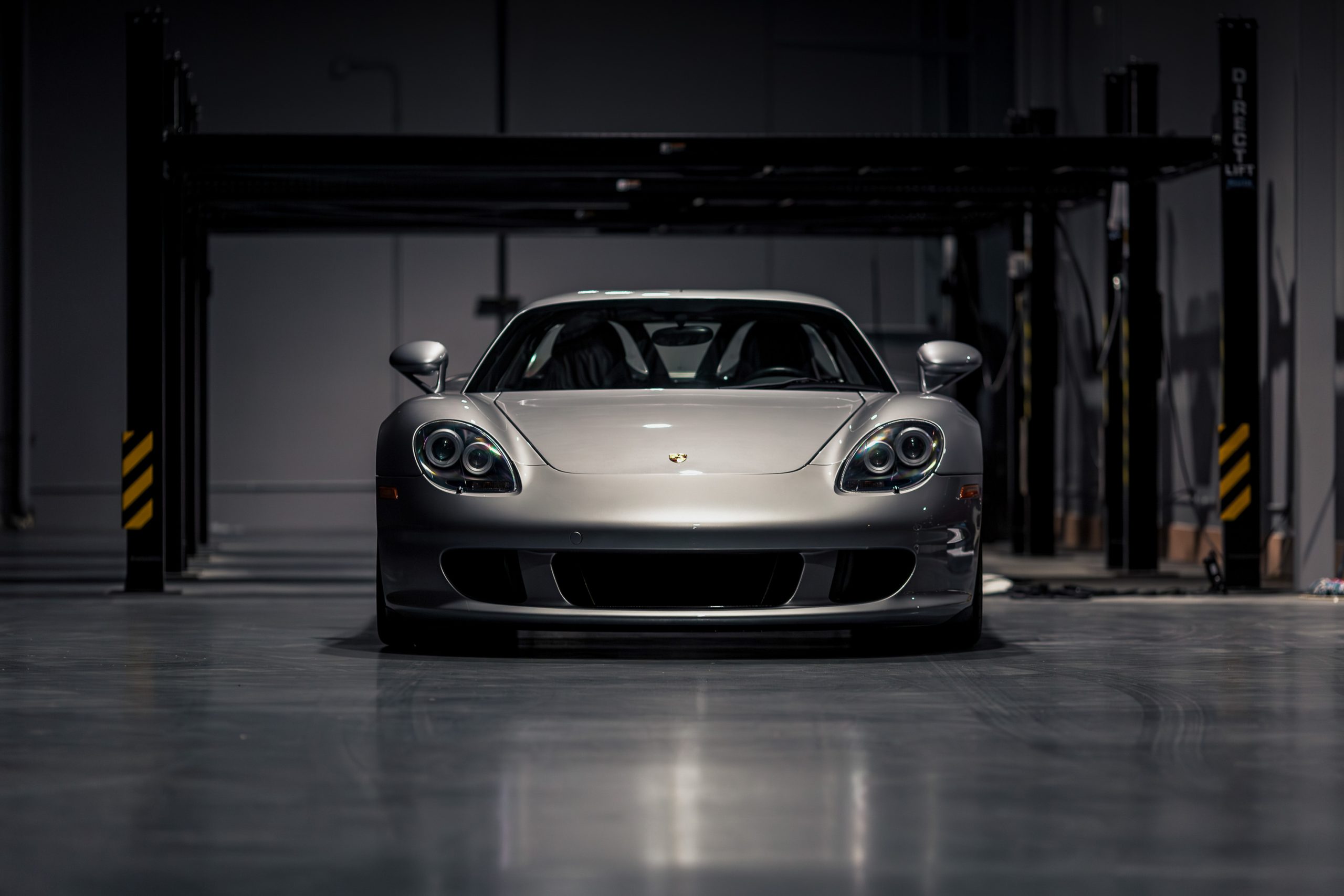


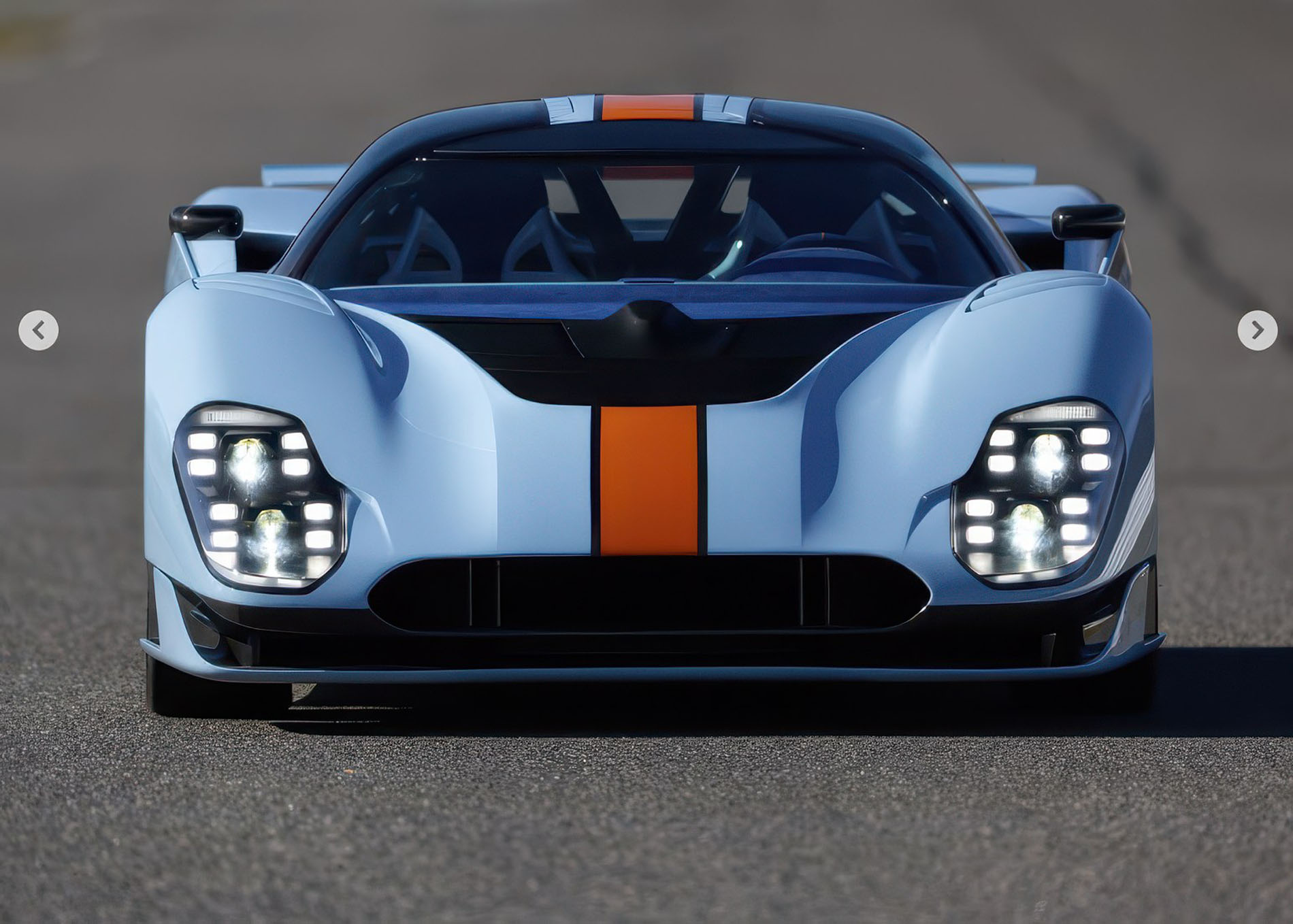
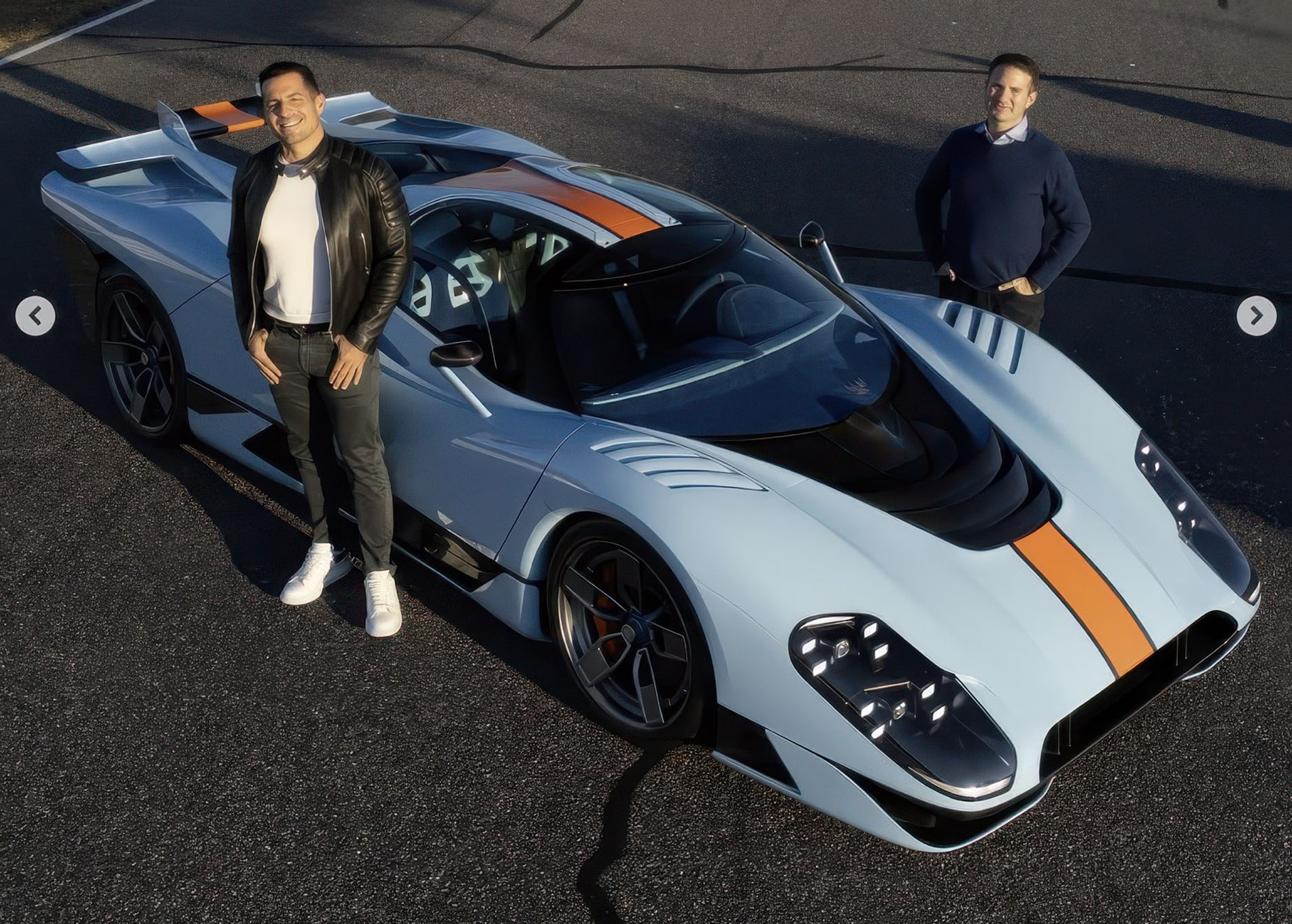
Unveiled during Miller Motorcars’ 50th Anniversary “Legends” celebration, the JC9 is the kind of project that serves as a reminder of why coachbuilding still has a place in the modern automotive world. Based on the Porsche Carrera GT, the one-off creation combines a naturally aspirated V10, a six-speed manual transmission, and an entirely bespoke carbon-fiber body penned by renowned designer Jason Castriota.
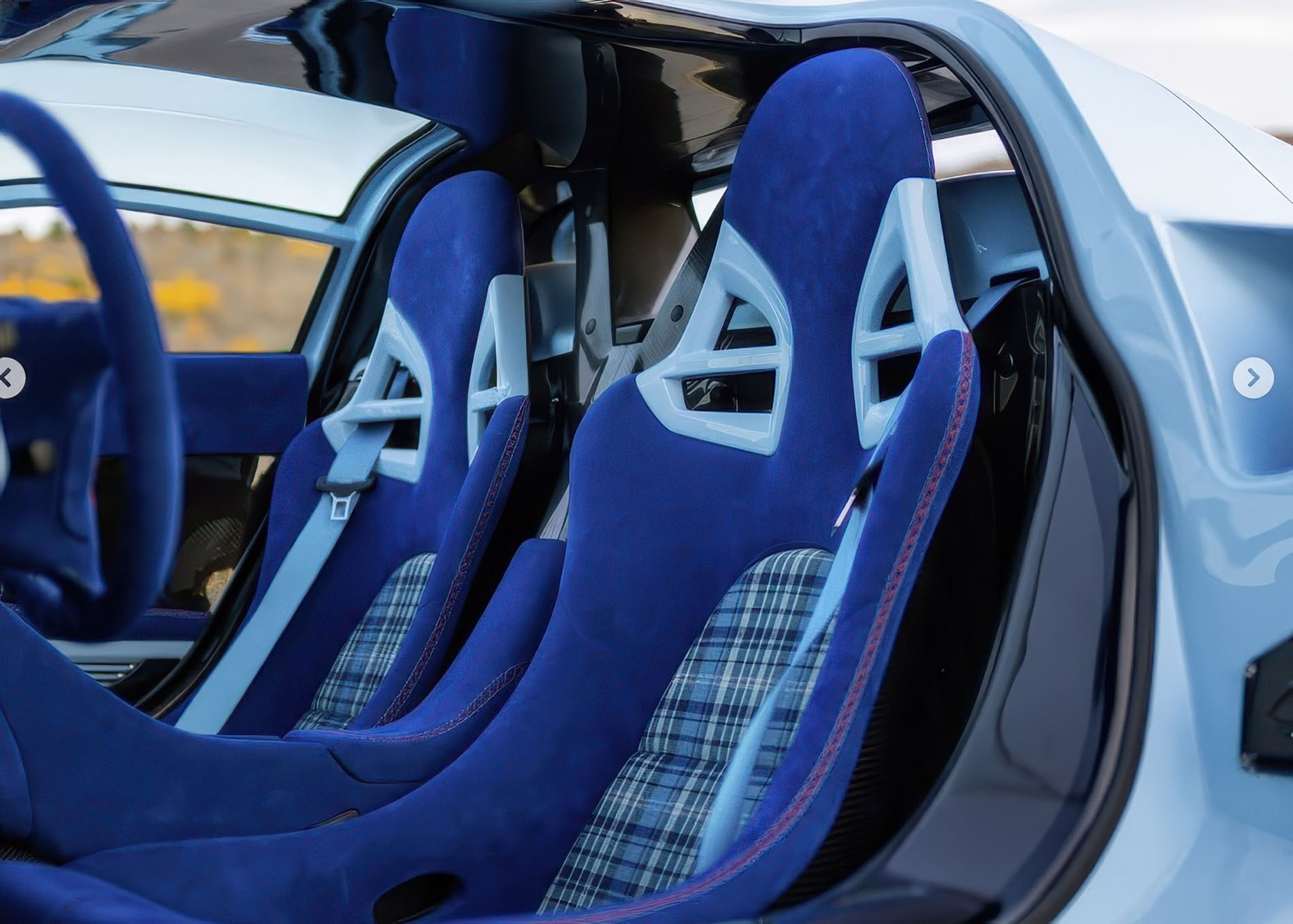
Drawing inspiration from endurance racing prototypes of the 1960s through the 1980s, the JC9 is the result of a multi-year commission that blends one of Porsche’s most revered supercars with a fresh design vision.
A Carrera GT Reimagined
Any discussion of the JC9 begins with its foundation. The Porsche Carrera GT remains one of the defining analog supercars of the modern era, pairing a race-derived naturally aspirated V10 with a manual gearbox and carbon-fiber monocoque. Its reputation rests as much on its raw, unfiltered driving experience as its performance figures.
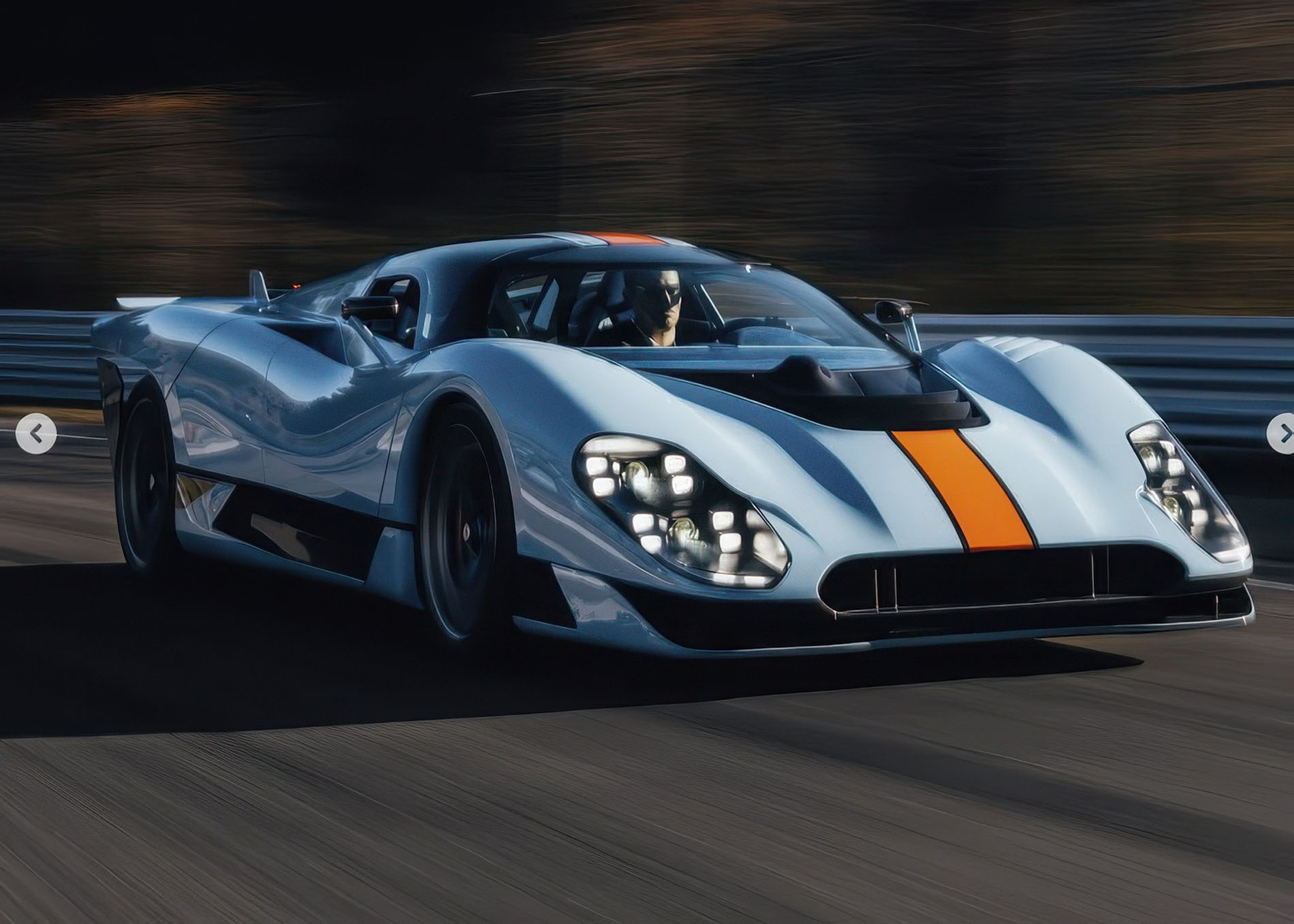
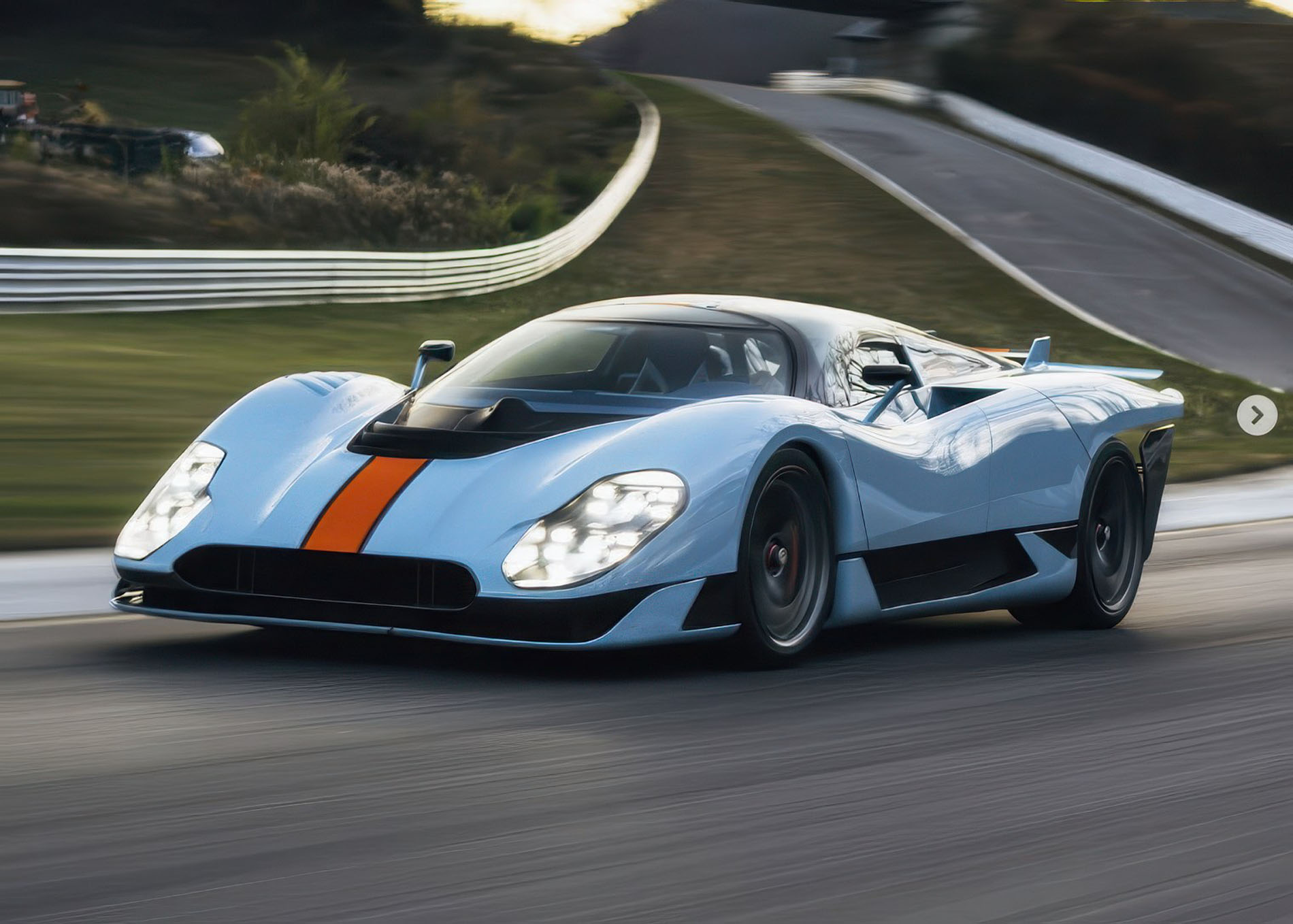
Rather than reinventing that formula, the JC9 preserves the mechanical essence that made the Carrera GT legendary. The V10 engine, manual transmission, and carbon structure remain intact. At the same time, the original bodywork has been replaced by an entirely new carbon-fiber design that takes the car in a dramatically different stylistic direction. Where the Carrera GT reflected early-2000s supercar design, the JC9 channels the spirit of classic endurance racers, delivering a silhouette that feels closer to a Le Mans prototype than a traditional road-going exotic.
Jason Castriota’s Latest Vision
The JC9 takes its name from Jason Castriota’s ninth major automotive project, adding another chapter to a portfolio that includes some of the most celebrated designs of the past two decades. Castriota’s résumé spans the Ferrari P4/5 by Pininfarina, Ferrari 599 GTB Fiorano, Maserati GranTurismo, Maserati Birdcage 75th Concept, SSC Tuatara, Bertone Mantide, and Ford Mustang Mach-E. His work has long been defined by the ability to reinterpret iconic forms without losing their original character. That pedigree gives the JC9 credibility beyond that of a typical restomod or rebodied supercar. This is a project shaped by a designer with extensive experience balancing heritage and innovation.
Inspired by the Golden Age of Endurance Racing
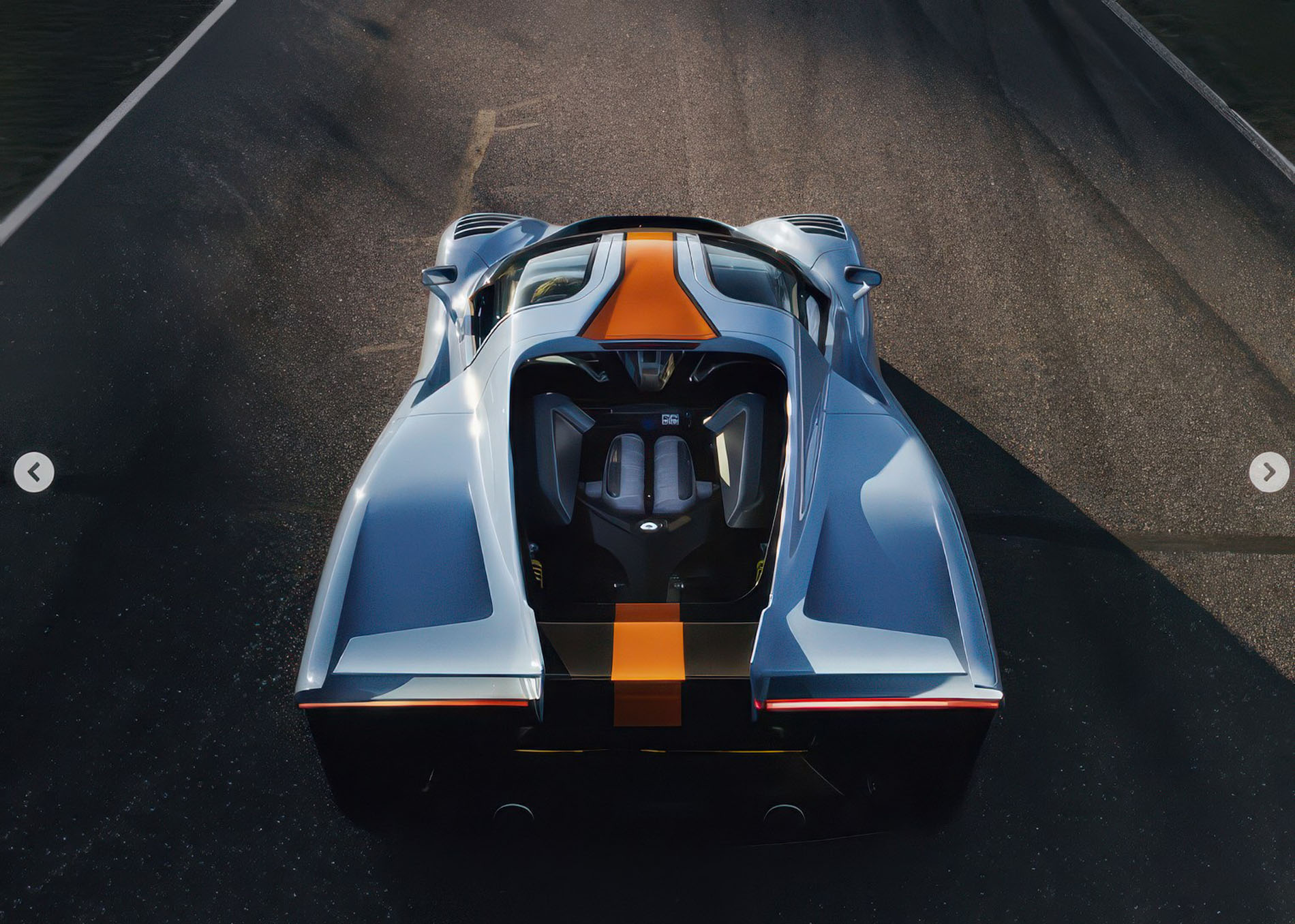
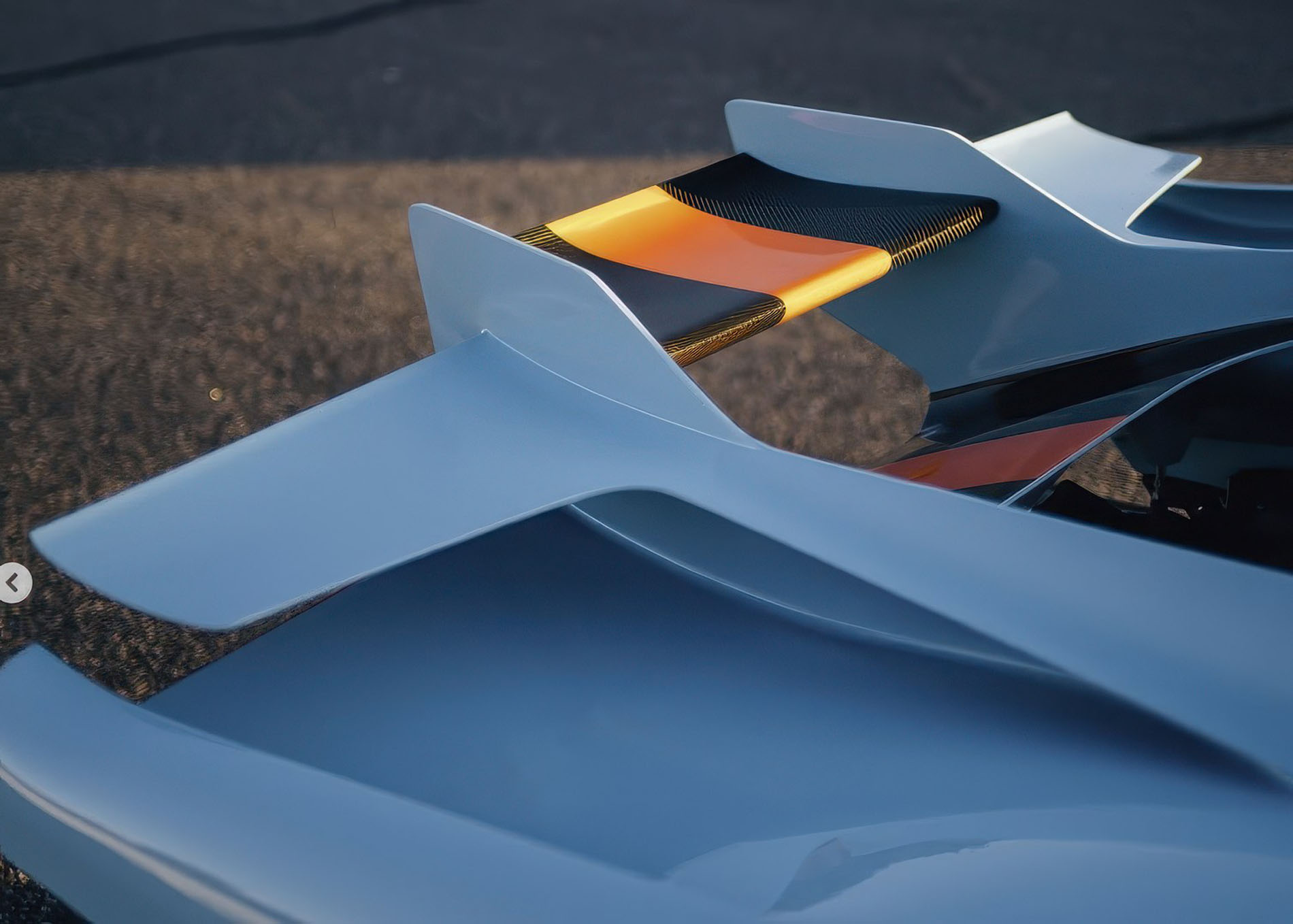
Visually, the JC9 draws heavily from the golden era of sports-prototype racing. The bodywork emphasizes clean surfaces, dramatic proportions, and functional aerodynamics rather than overt styling flourishes. While the influences are clear, the design avoids becoming a retro exercise. Instead of recreating a specific race car from the past, the JC9 presents a contemporary interpretation of the design language that defined endurance racing’s most celebrated decades. That distinction is important. The most successful coach built cars do not simply replicate history—they capture its spirit and translate it for a new audience.
Why the Carrera GT Was the Perfect Starting Point
Few modern supercars offer a better foundation for a coach built project than the Carrera GT. At a time when performance cars increasingly rely on electrification, digital systems, and complex driver aids, Porsche’s V10 flagship remains remarkably mechanical in its character. Its appeal extends beyond outright speed. The engine’s soundtrack, the precision of its manual gearbox, and the constant sense of driver involvement have helped elevate the Carrera GT to icon status.
Those qualities make it uniquely suited to a project such as the JC9. There is no need for hybrid assistance, artificial sound enhancement, or digital theatrics. The formula remains refreshingly simple: a naturally aspirated V10, a manual transmission, lightweight carbon-fiber construction, and a bespoke one-off design. For many enthusiasts, that combination is more compelling than any technological showcase.


The Verdict
Rebodying a Porsche Carrera GT is not a decision to be taken lightly. The model occupies near-sacred territory among enthusiasts, and any reinterpretation inevitably invites scrutiny. Based on what has been revealed so far, however, the JC9 appears to strike a careful balance. It preserves the elements that made the Carrera GT special while introducing a distinctive design inspired by one of motorsport’s most evocative eras. The result is a rare blend of analog performance and modern coachbuilding craftsmanship. Castriota helped create one of the most celebrated Ferrari-based one-offs of the modern era with the P4/5. With the JC9, he may have delivered a similarly compelling reinterpretation of one of Porsche’s most beloved supercars.
Related topics: Le Mans prototype | Ferrari P4/5 by Pininfarina | Maserati GranTurismo | SSC Tuatara | Ford Mustang Mach-E | carbon-fibre construction |
#MillerMotorcars #JC9 #PorscheCarreraGT #JasonCastriota #Coachbuilding #Supercars #V10Engine #ManualTransmission #CarbonFiber #AutomotiveDesign