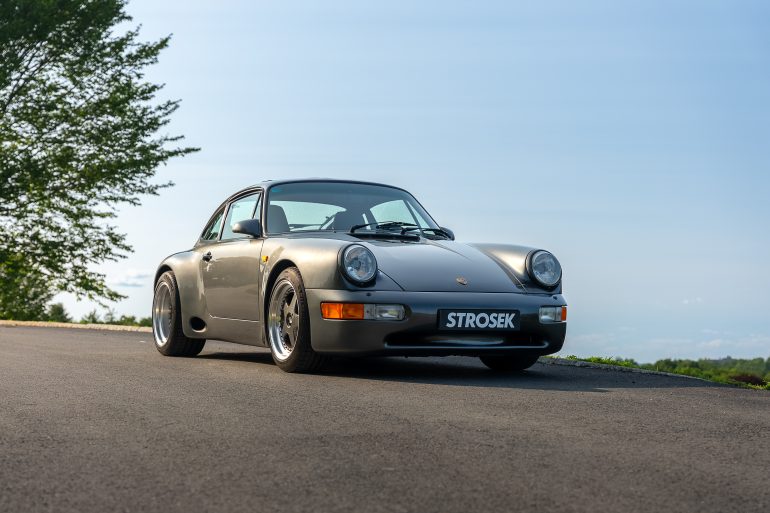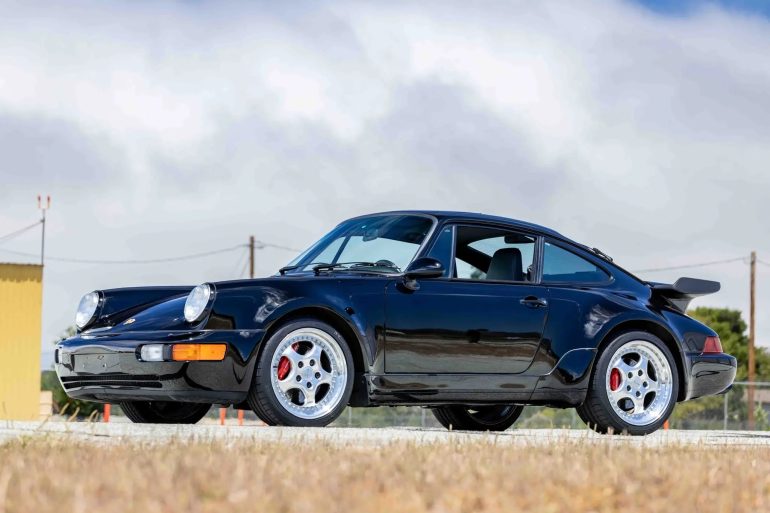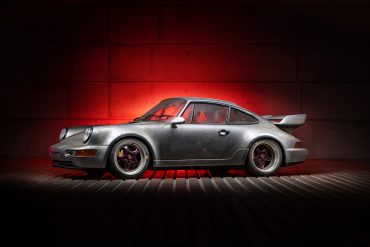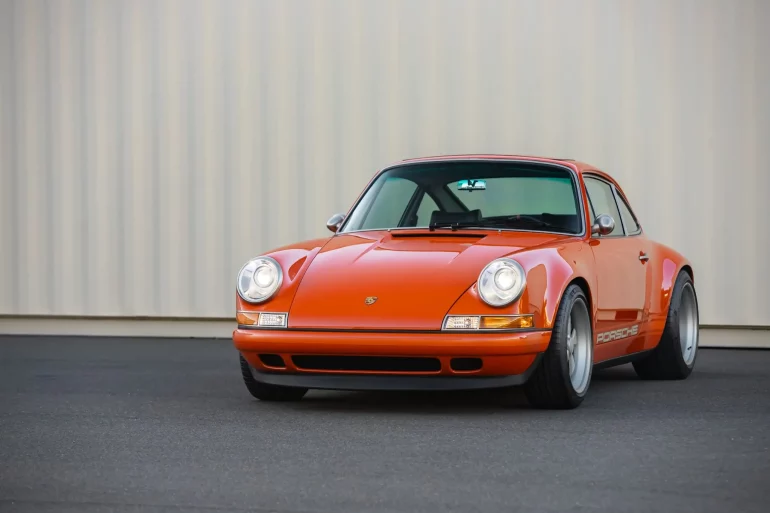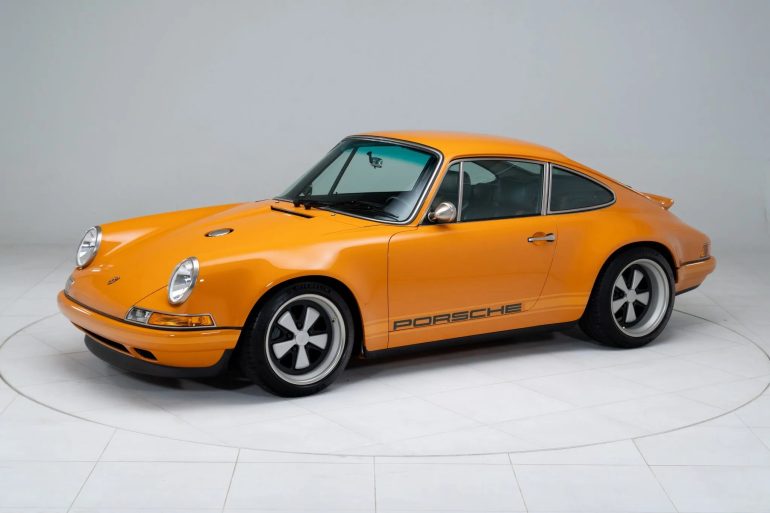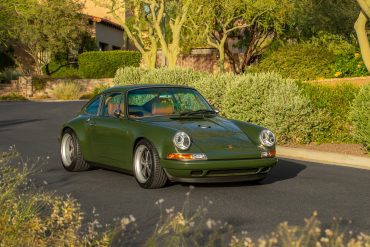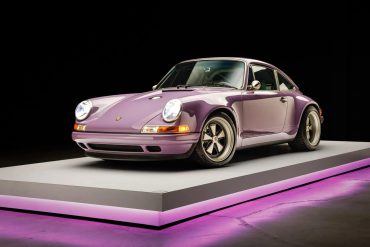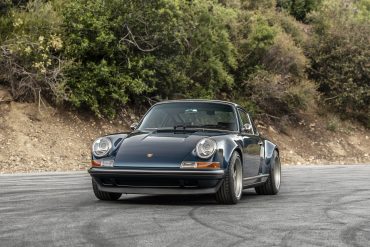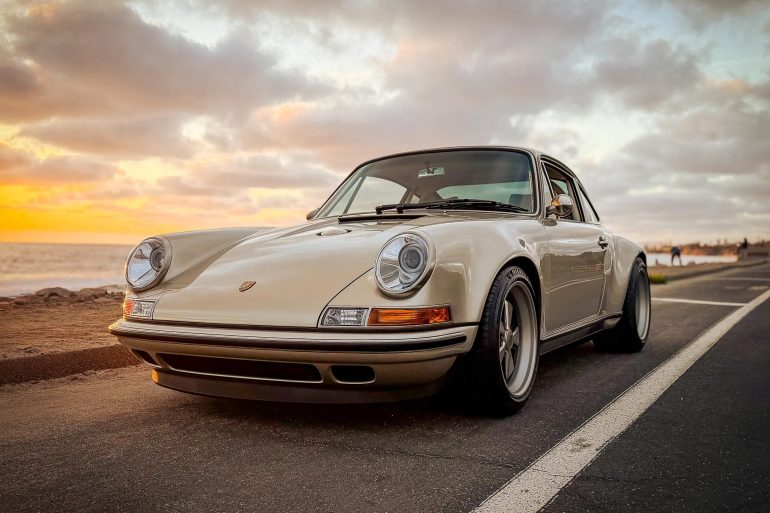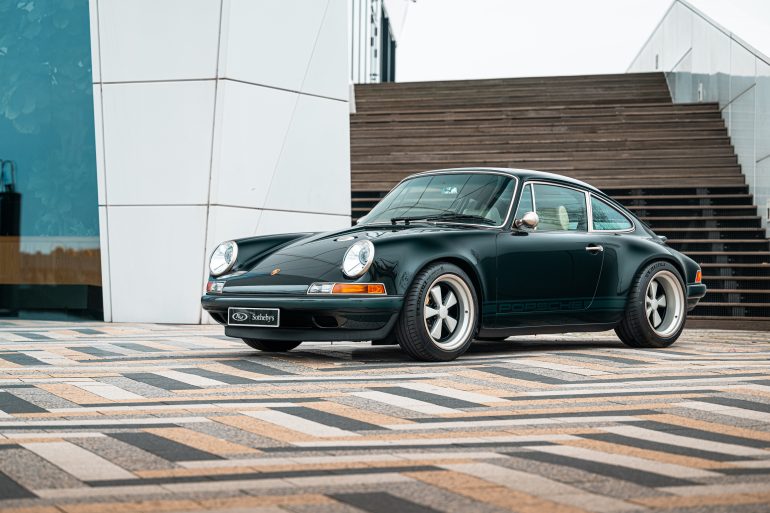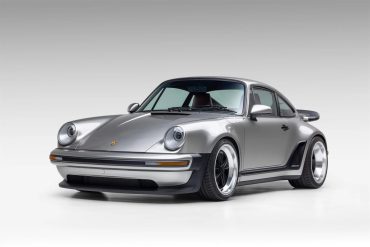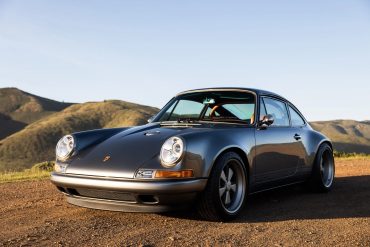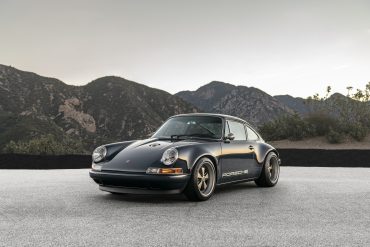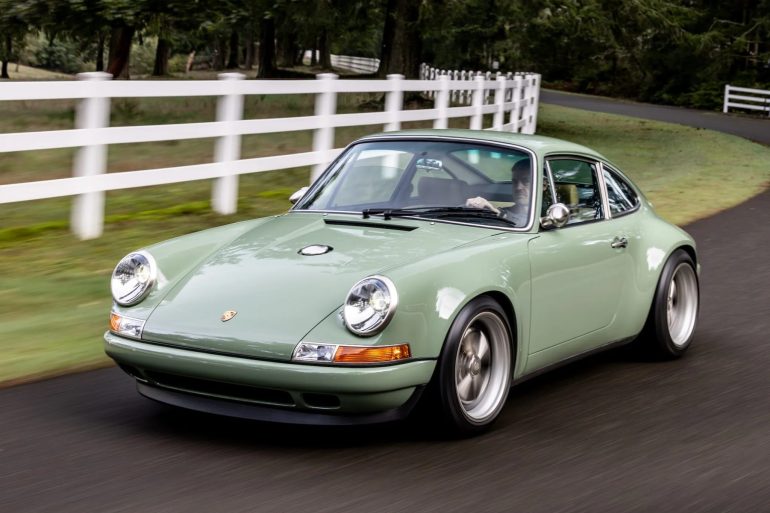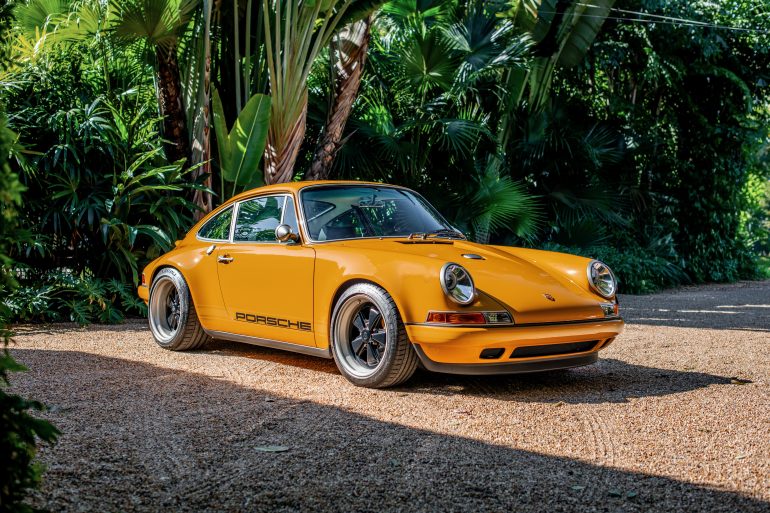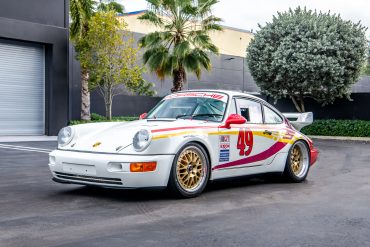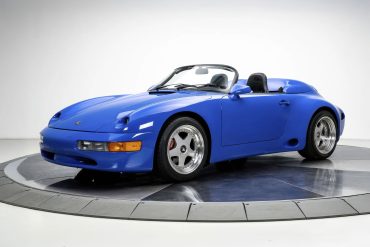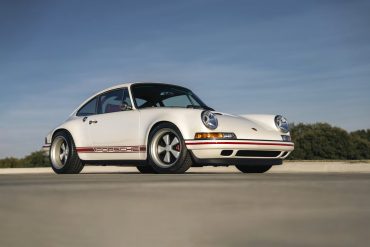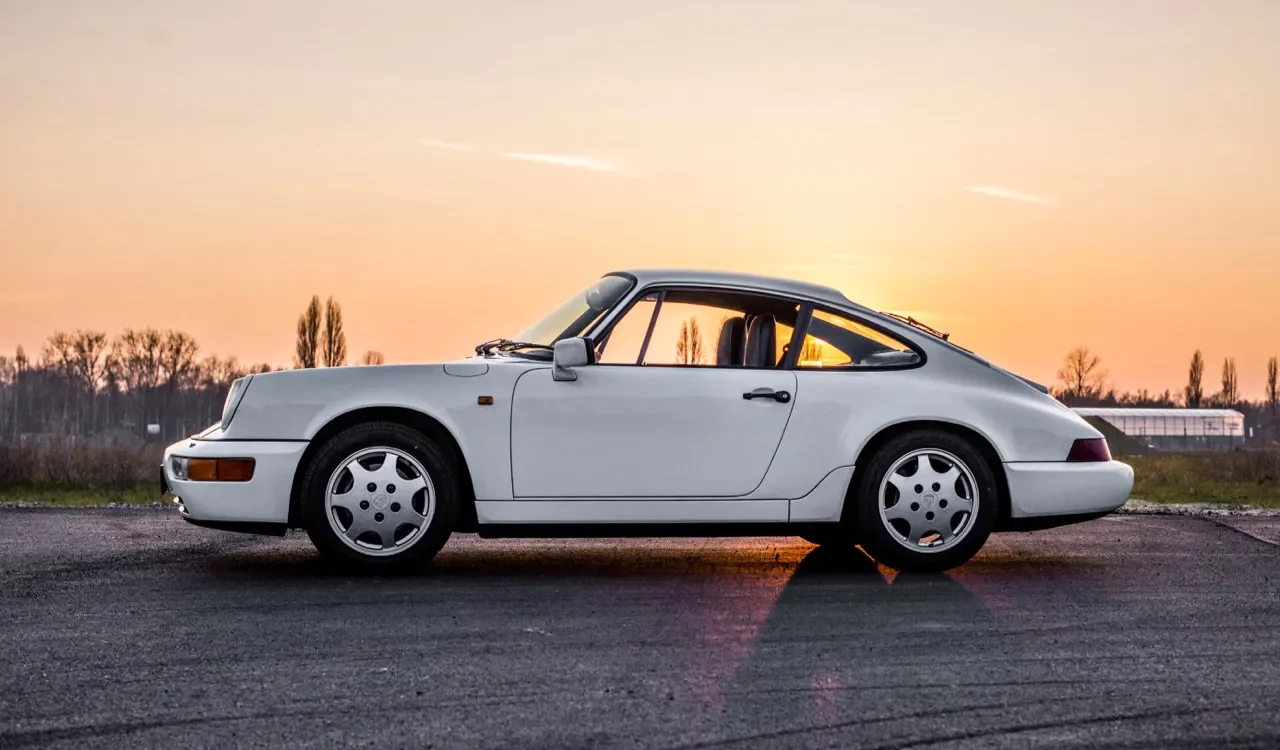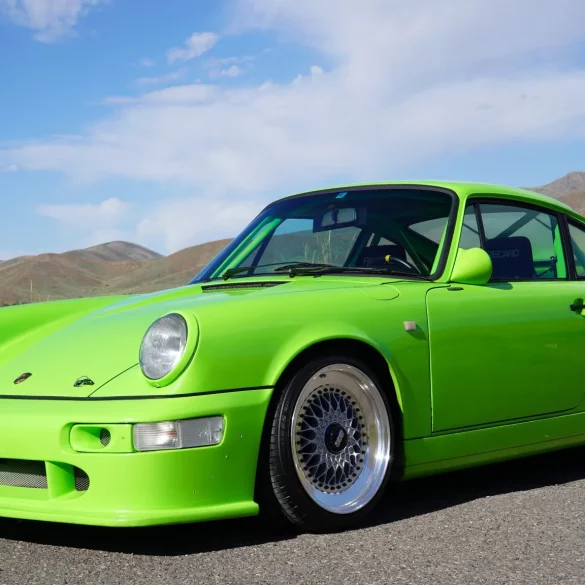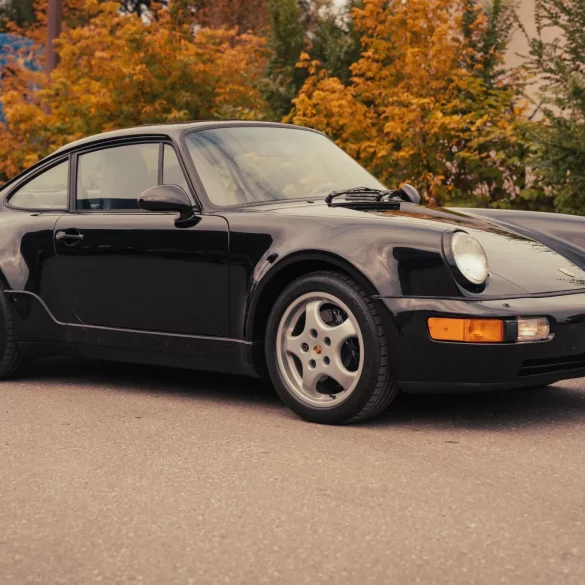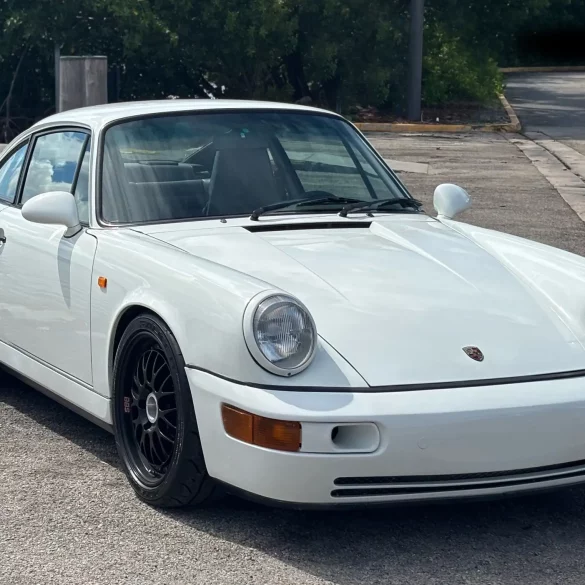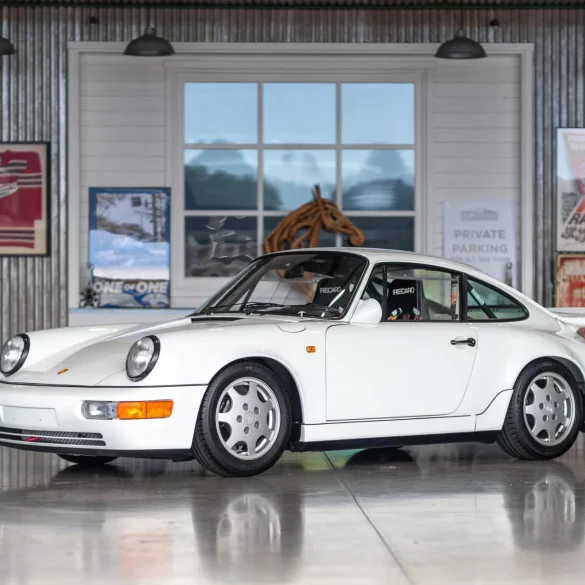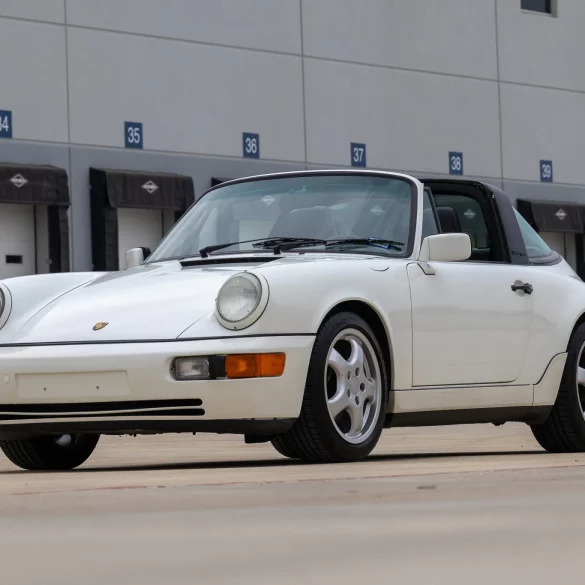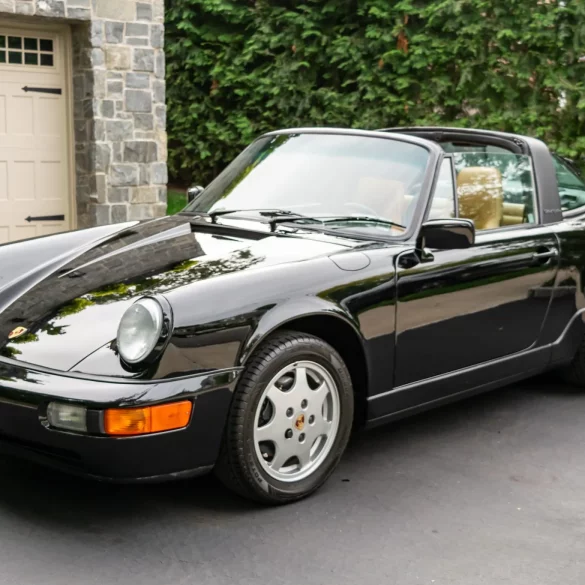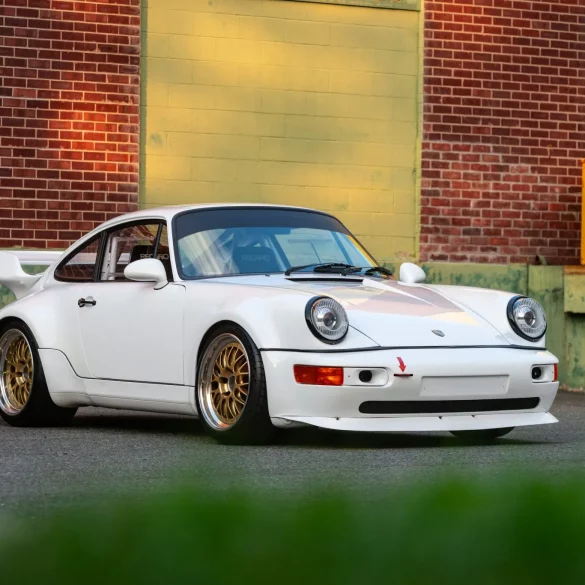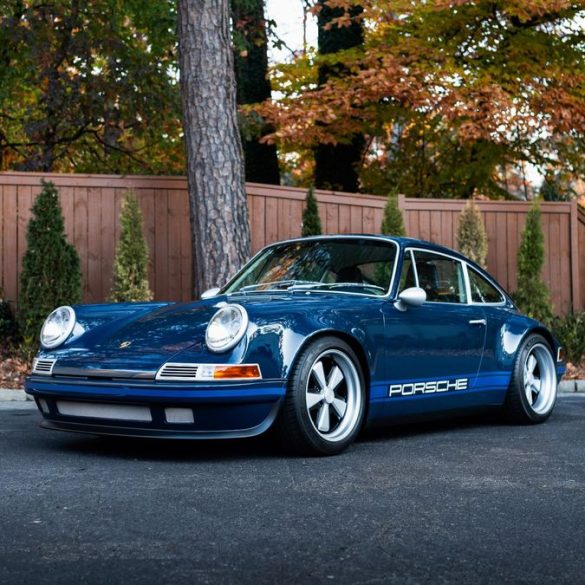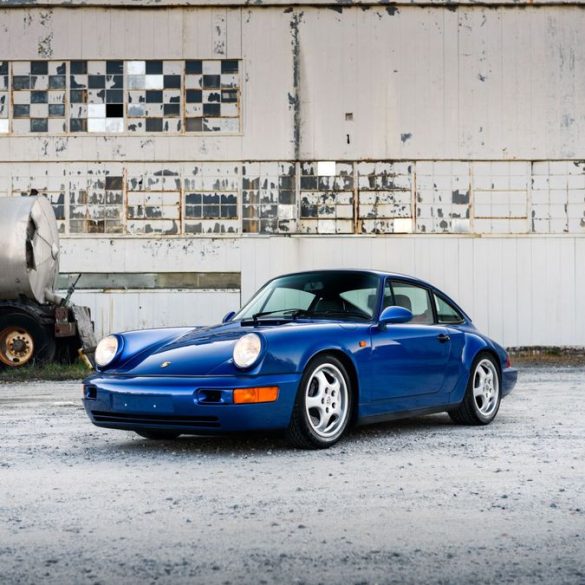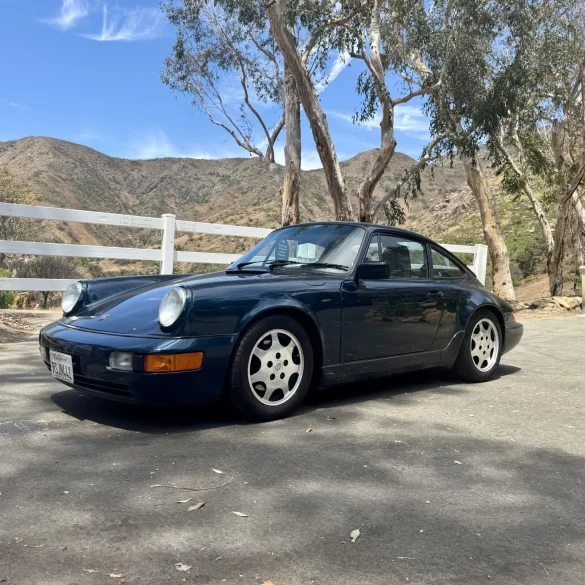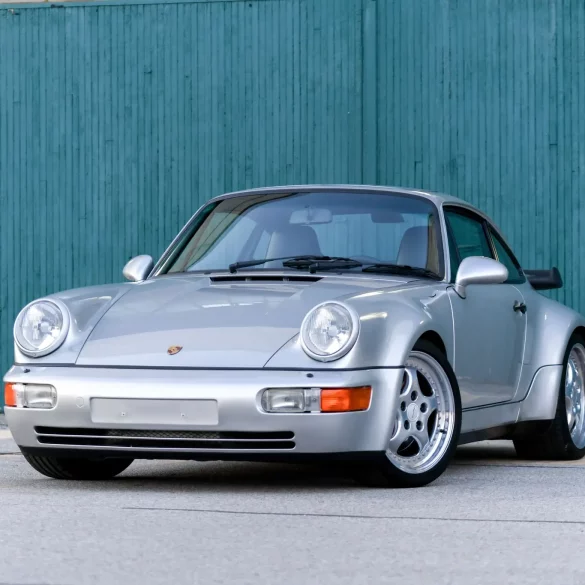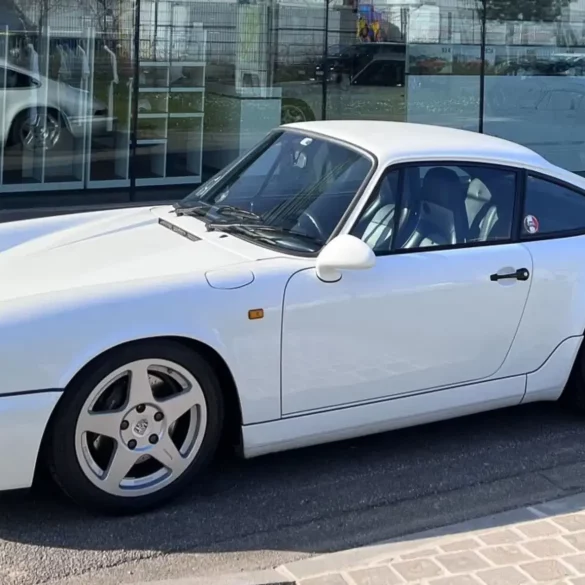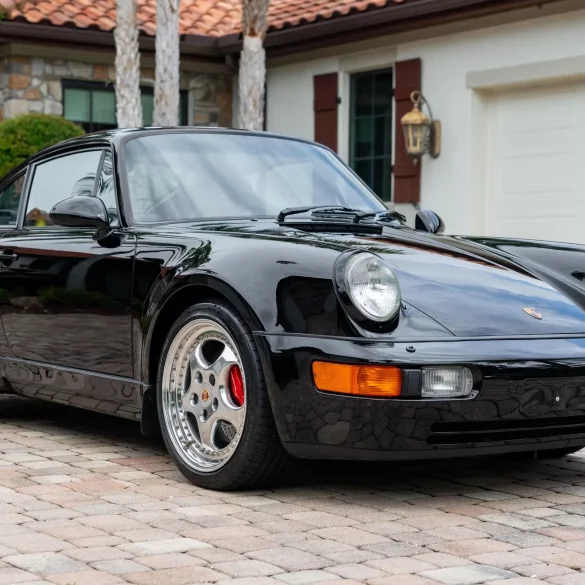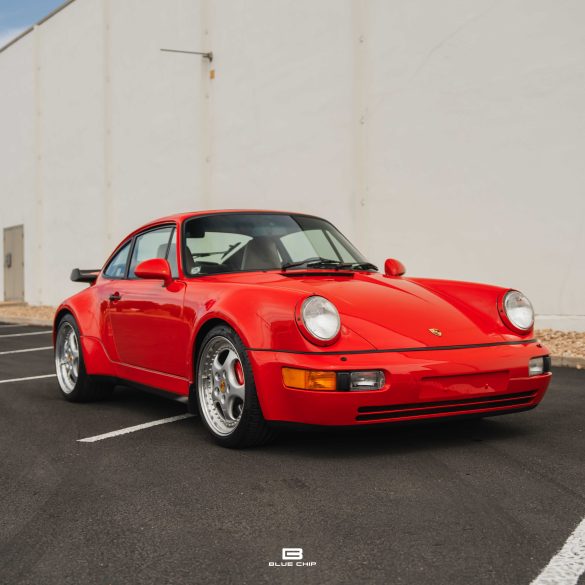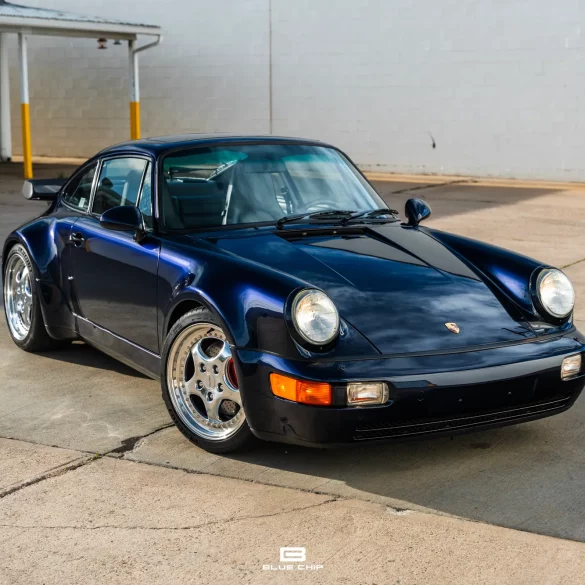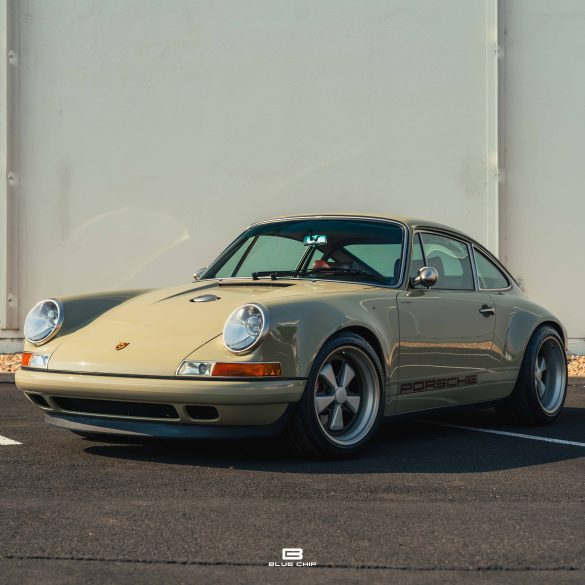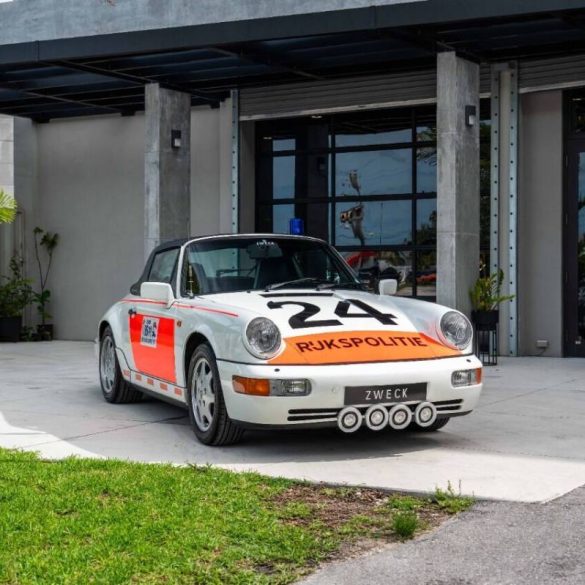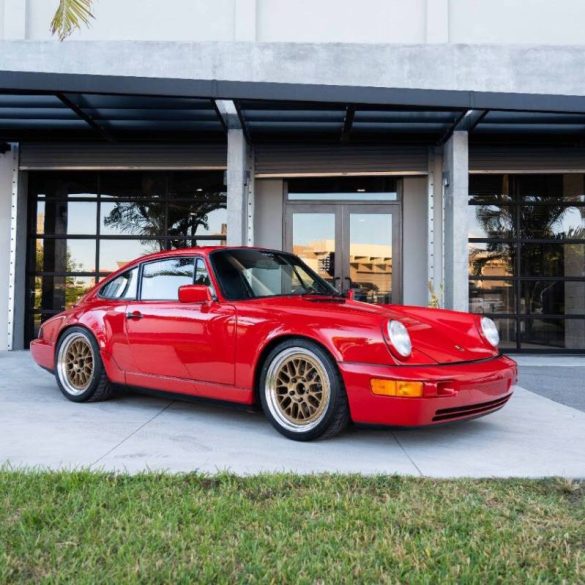
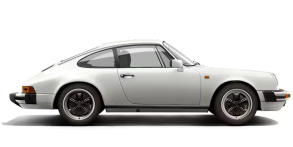
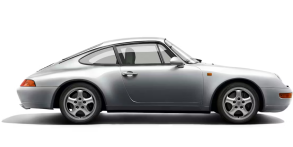
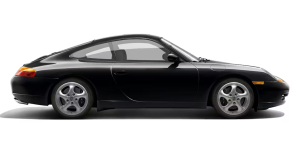
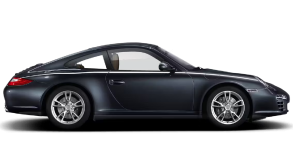
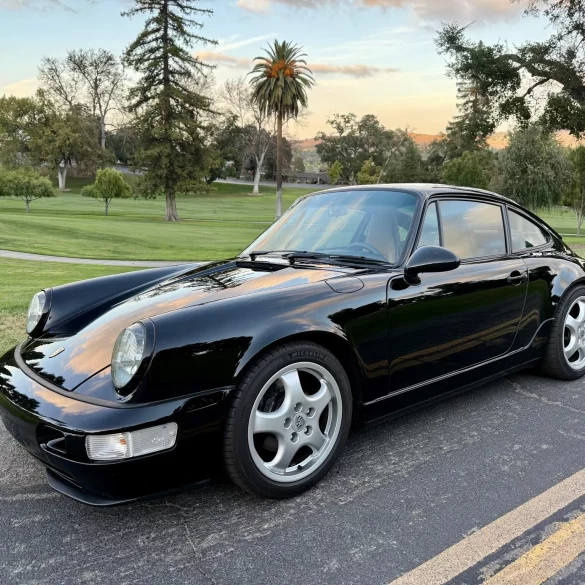
This 1992 Porsche 911 Carrera 2 coupe remained registered in California from 1995 through the seller’s acquisition in June 2024. Subsequent performance and cosmetic modifications...


The Porsche 911 (964) represents one of the most important turning points in 911 history. Introduced at the end of the 1980s, the 964 retained the unmistakable air-cooled flat-six character while ushering in a wave of modern engineering updates. Power steering, ABS brakes, coil-spring suspension, and available all-wheel drive made the 964 far more usable than earlier generations, without losing the raw driving feel enthusiasts crave.
Today, the 964 sits at the crossroads of classic and modern Porsche ownership. Its clean, timeless design, analog driving experience, and relative mechanical sophistication have made it one of the most sought-after air-cooled 911 generations. This page curates Porsche 911 (964) for sale listings from across the web.
Refine Search: All 911s / 964 Carrera 2 / 964 Carrera 4 / 964 Turbo / 964 Turbo S / 964 Carrera RS / 964 Speedster / 964 America Roadster
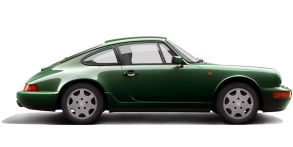
Browse available 964 generation Porsche 911s from our member classifieds alongside carefully curated cars from across the web. We showcase only the most interesting, well-presented, and desirable 964 911s—giving collectors a smarter way to find their next classic.

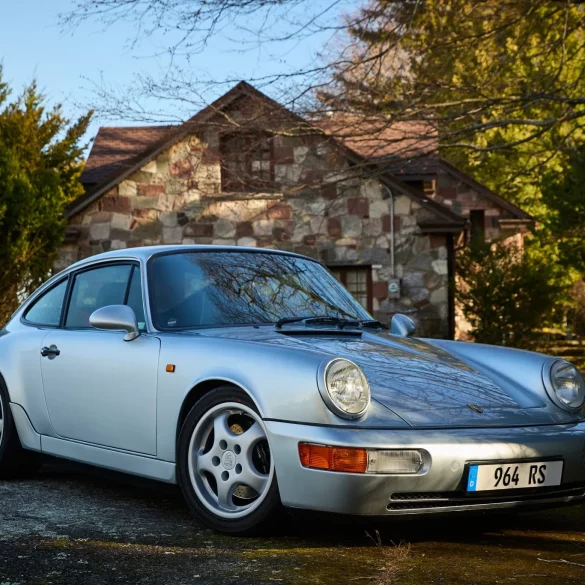

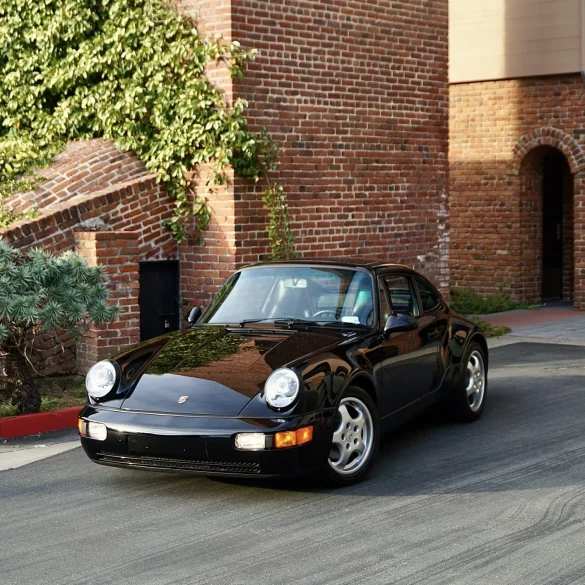
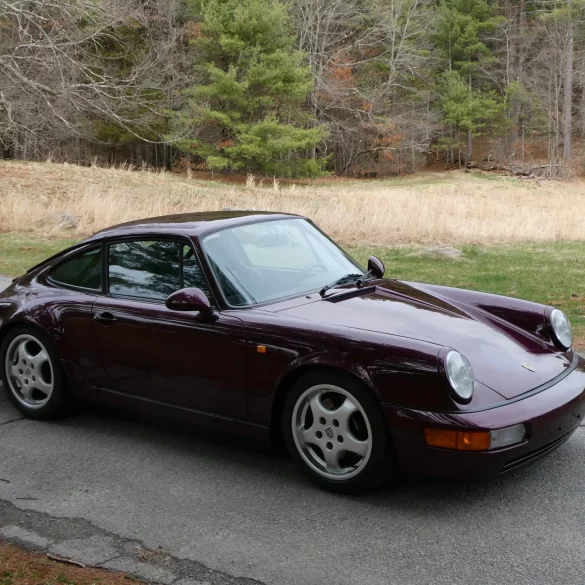
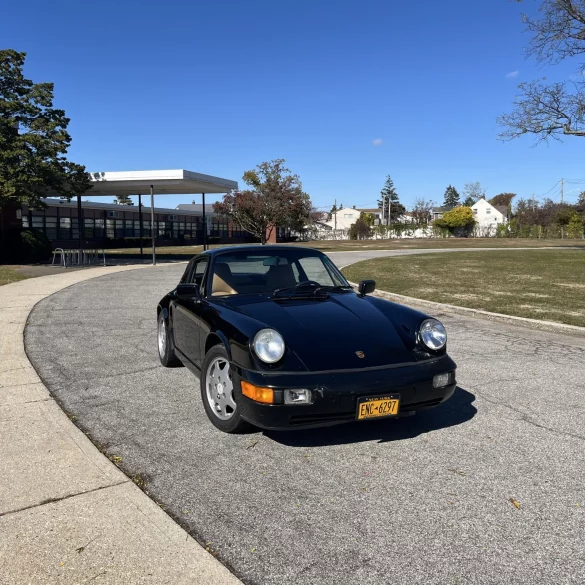
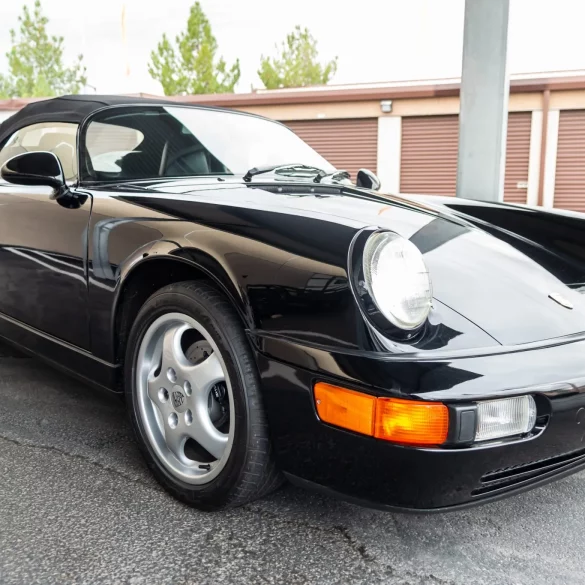
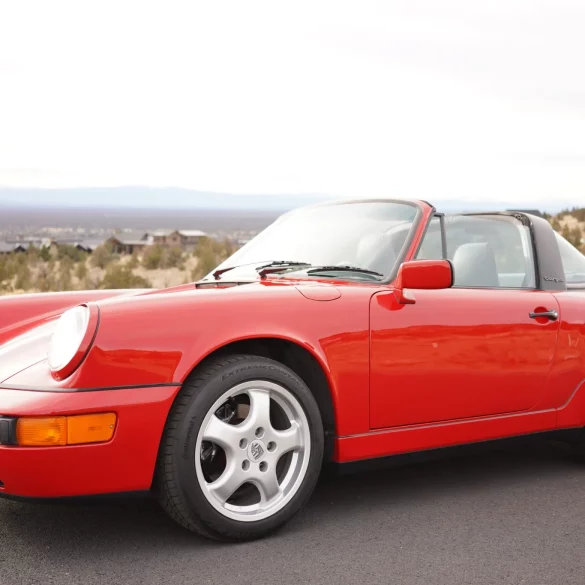

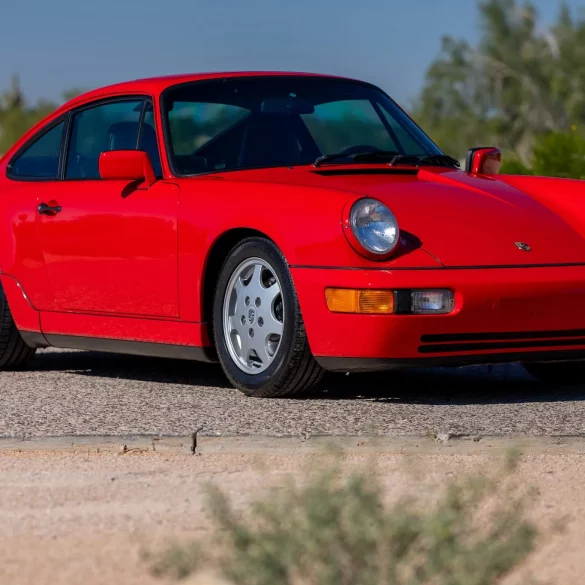


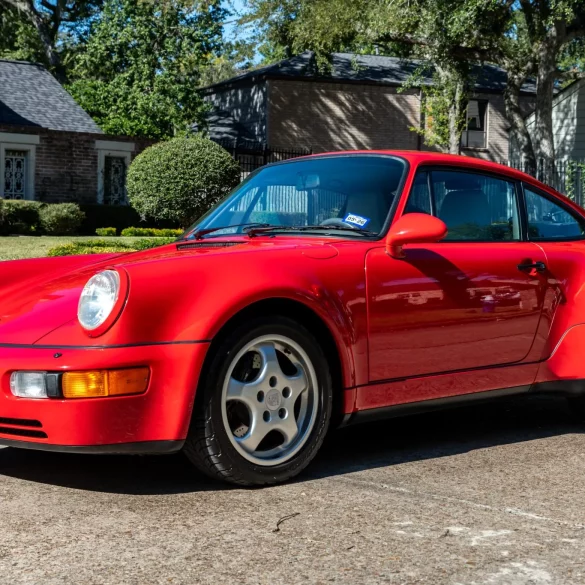


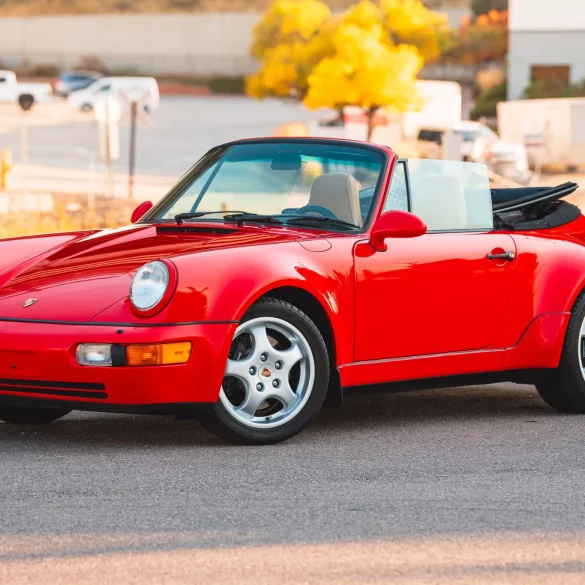
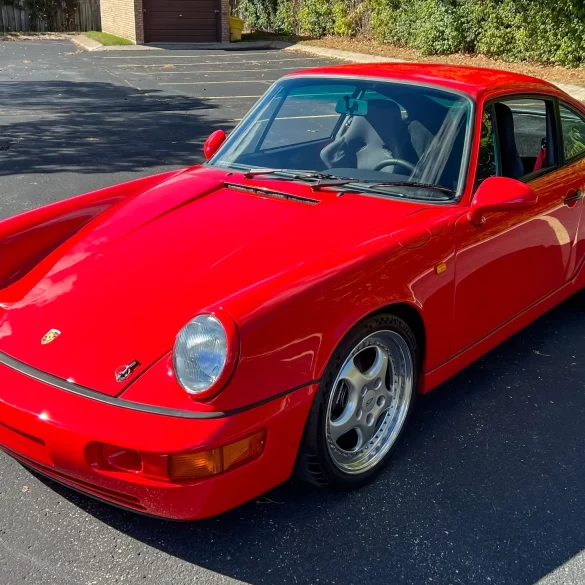
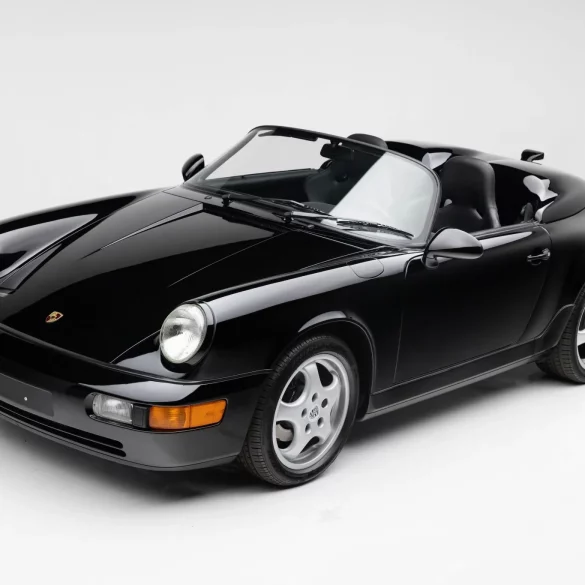
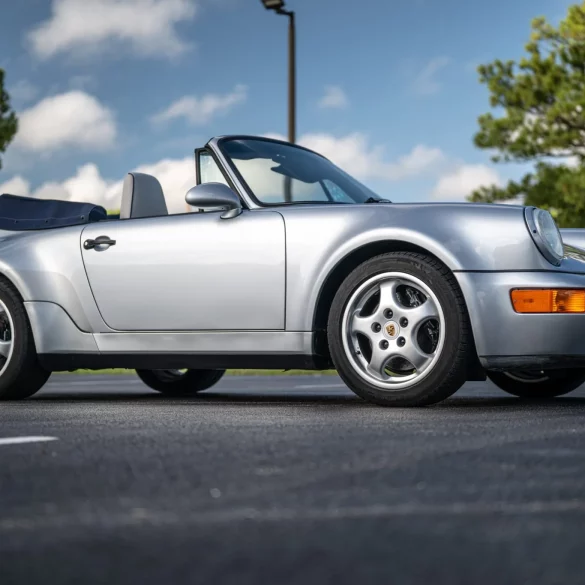

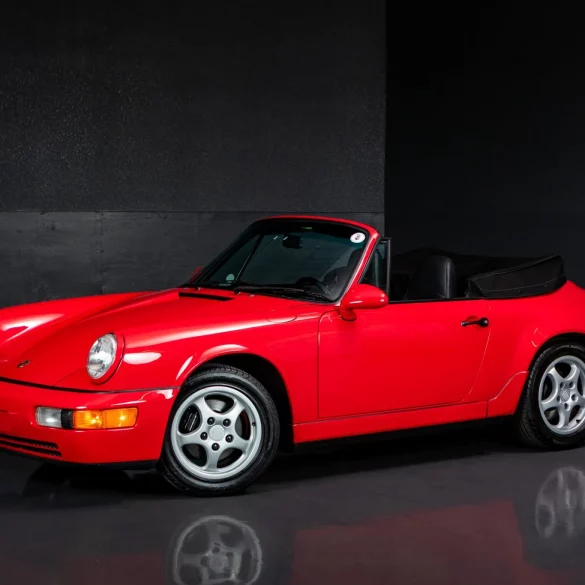
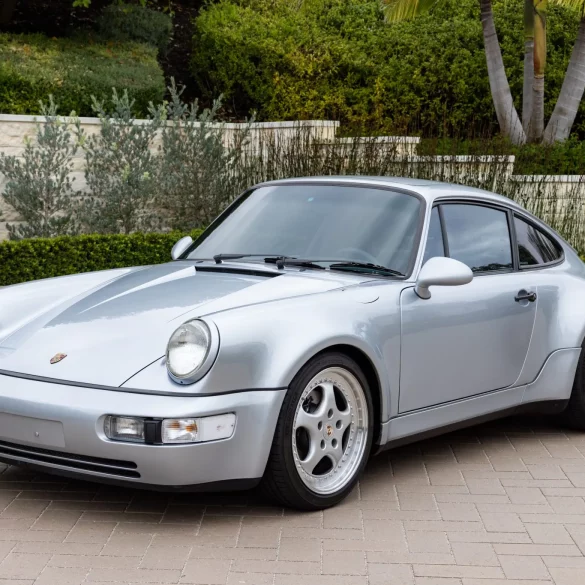

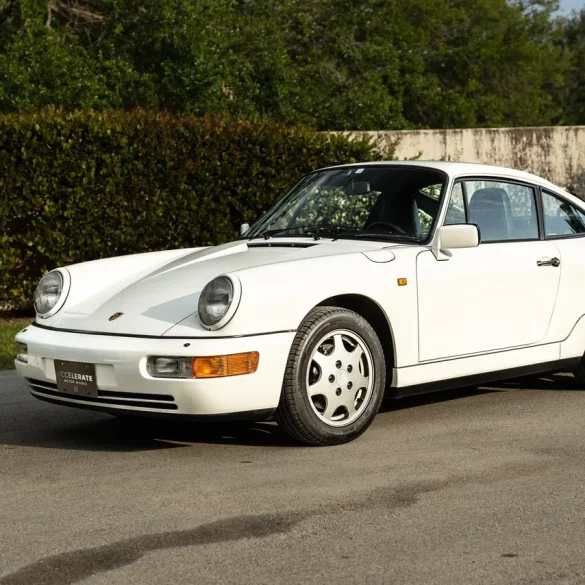
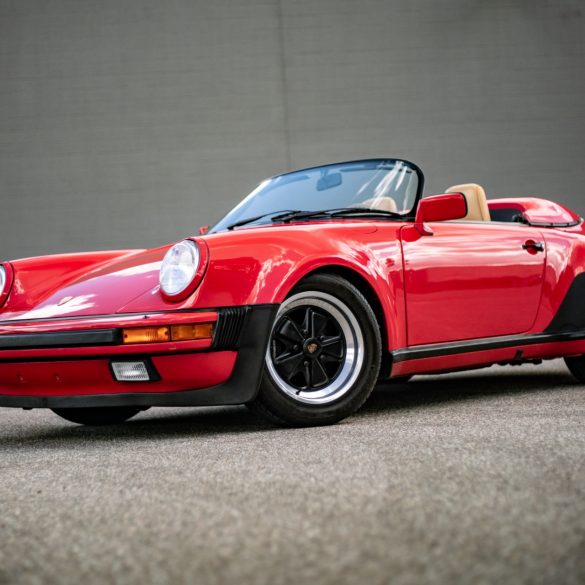
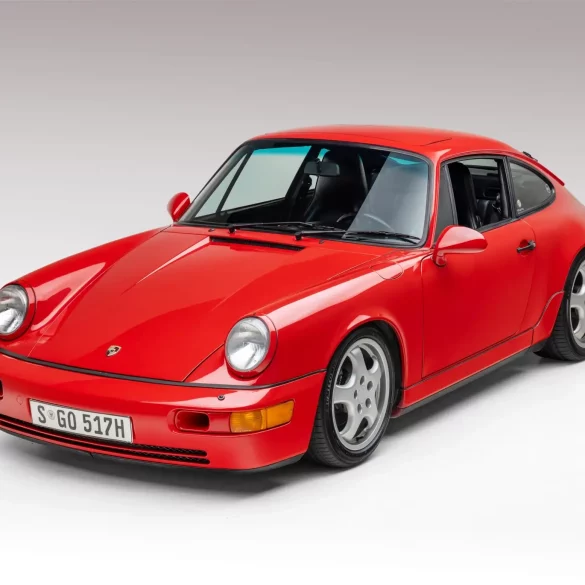

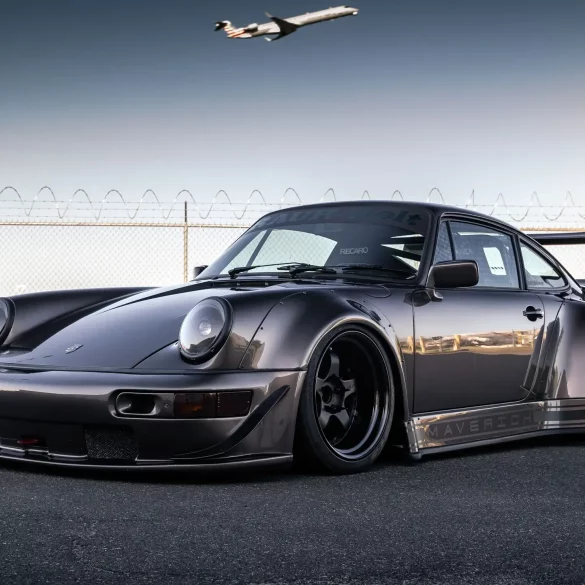
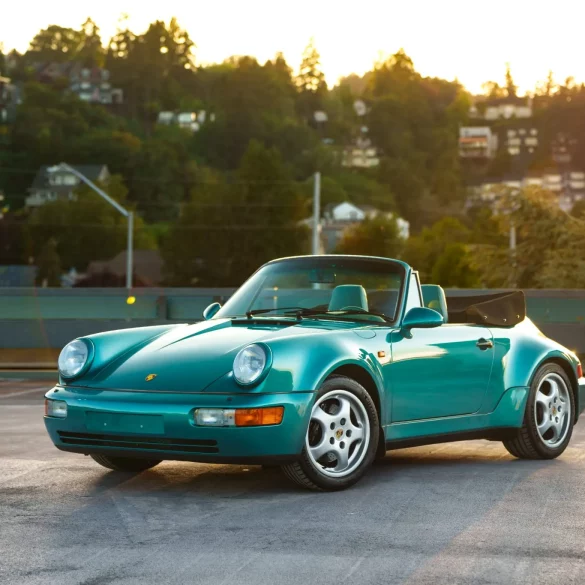
The truly special and unique 964 Porsche 911s at auction or for sale.
The 964 Carrera RS sits at the top of the desirability ladder for the generation. Built as a lightweight, motorsport-inspired homologation model, the RS features weight reduction, stiffer suspension, and a purist driving experience that appeals directly to collectors. Limited production numbers, especially for non-US markets, and its direct connection to Porsche’s racing heritage make the 964 RS one of the most valuable and collectible air-cooled 911s ever produced.
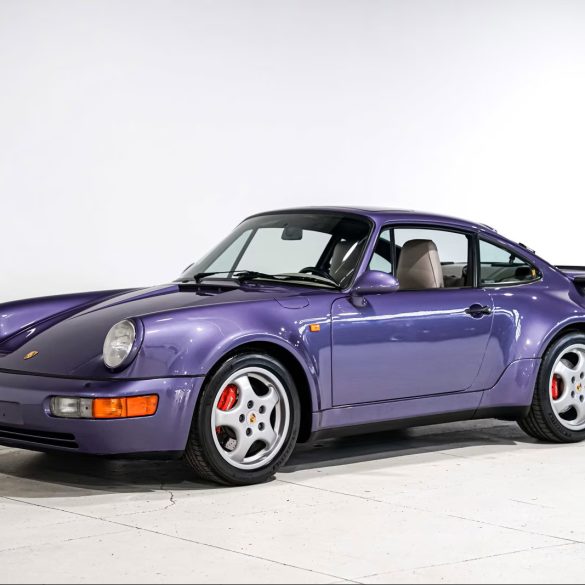
The 964 Turbo is one of the most iconic performance 911s of its era. Early Turbo 3.3 models deliver classic, single-turbo drama, while the later Turbo 3.6 is especially sought after for its increased power, improved drivability, and lower production numbers. Turbo 3.6 examples, in particular, are among the most valuable 964s on the market and are widely considered blue-chip collectibles.
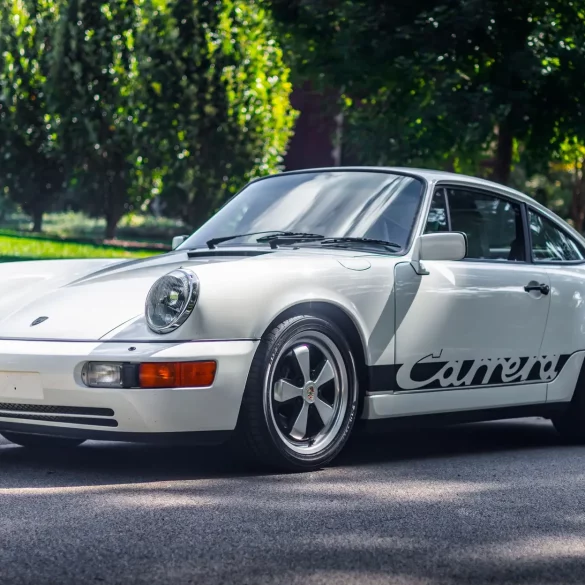
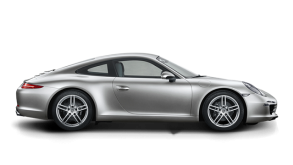
The 964 Carrera 2, especially with a manual transmission, has emerged as one of the most desirable “driver’s” 964s. Rear-wheel drive, reduced complexity compared to the Carrera 4, and classic air-cooled character make the C2 a favorite among enthusiasts who prioritize purity and engagement. Clean, well-documented Carrera 2 coupes consistently trade at a premium over comparable Carrera 4 models.
The Carrera 4 Turbo Look, sometimes referred to as the widebody Carrera 4, combines naturally aspirated reliability with the aggressive stance of the Turbo. These cars are relatively rare and appeal to buyers who want Turbo aesthetics without turbocharged complexity. Because of their limited numbers and distinctive appearance, Turbo Look 964s tend to hold value better than standard narrow-body Carreras.
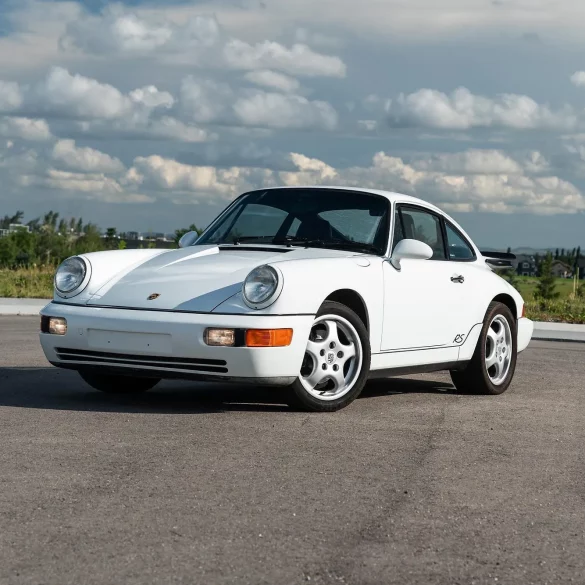
The RS America is a unique, US-market-only model inspired by the European Carrera RS. Featuring a stripped-down interior, fixed rear spoiler, and lightweight ethos, the RS America offers RS flavor at a more accessible price point. Its limited production, distinctive look, and enthusiast appeal have made it one of the most sought-after US-spec 964 variants.
The Carrera RS (964) is the clear value leader in the 964 generation. Built as a lightweight homologation model with minimal creature comforts and a focus on raw driving performance, the RS is one of the most collectible air-cooled 911s ever made. Its rarity, track-inspired setup, and strong enthusiast demand mean values have remained high and stable relative to other 964 variants. Well-documented, numbers-matching RS examples routinely trade above equivalent Turbo 3.3 and 3.6 prices, and they resist market softness better than broader Carrera models.
Within the 964 Turbo family, the Turbo 3.6 stands out as a strong value holder. Compared with the earlier Turbo 3.3, the 3.6 received uprated internals, better intercooling, and improved brakes and drivetrain components—all contributing to better performance and reliability. As a result, it attracts buyers seeking a high-performance classic that’s more refined than the 3.3, and that desirability supports stronger pricing. Turbo 3.6 examples with clean history, original specification, and low miles often outperform base Carreras and even earlier Turbos on the value curve.
Although not as expensive as the Turbo 3.6, the Turbo 3.3 (964) still holds value exceptionally well relative to standard Carreras. It’s the last generation of Porsche’s classic single-turbo layout and maintains strong collector demand because of its character, historical significance, and connection to 1970s–1980s 911 Turbo lineage. Original, well-maintained 3.3s—especially those with documented ownership—continue to command strong prices, though they normally inhabit a slightly lower tier than 3.6 variants.
The 964 Carrera 4 ‘Turbo Look’ (wide-body Carrera 4) holds value better than its narrow-body Carrera 2 counterpart because of its distinctive appearance and relative rarity. While not as performance-oriented as the Turbo variants, the Turbo Look models give buyers the aesthetics of a Turbo with naturally aspirated character, making them especially attractive in the used market. Good examples with desirable options tend to outperform standard coupe prices, especially when well preserved.
While not as collectible as RS or Turbo variants, the Carrera 2 with a manual transmission consistently outperforms Carrera 2 automatics (and even some Carrera 4s) in terms of desirability and value retention. Purist buyers prize the simpler, rear-wheel-drive dynamics, and manual cars tend to command a tidy premium in the used market, especially when paired with strong service history and original specification.
The Porsche 911 (964) market has shown continued strength and solid interest among classic 911 buyers, with values reflecting both generational appeal and variant rarity. While average prices vary by body style, transmission, and market region, data from recent listings shows that manual Carrera 2 coupes often benchmark around roughly $110,000 for typical market values, with cabriolets and Targas generally ranging lower or higher depending on condition and spec. Entry-level 964 Carrera 2 convertibles and coupes with clean histories are still trading in the mid-five-figure range, while exceptional examples with low miles, highly original condition, or desirable options can command significantly more.
Raw sale results from auctions and online consignment listings show a wide dispersion in real-world 964 prices, a common trend in the classic car market today. For example, standard “Carrera 4” coupes have been reported selling in the $60,000–$90,000 range in 2025, while well-sorted or unique cars occasionally appear closer to $100,000 or above in auction settings. The significant price gap among individual sales underscores how condition, originality, and documentation heavily influence value — more than broad model year trends alone.
At the top end of the 964 spectrum, special variants continue to hold especially strong pricing. According to recent valuation data, 964 Carrera RS models in average condition can be worth roughly £187,000 (about $235,000+), with the most desirable historic sales exceeding £500,000 (around $625,000+) for outstanding or rare examples. These RS values remain far above typical Carrera or Turbo trim values and illustrate how limited production and motorsport pedigree continue to drive stronger valuations.
Collectors are also voting with their bids on less common 964 derivatives, such as lightweight or Turbo Look widebody models, which frequently show higher pricing corridors than standard versions when offered with desirable specifications and documentation. In contrast, 964s with unclear provenance, cosmetic issues, or extensive modifications tend to sit longer on the market and require more aggressive pricing—another trend visible in recent online platforms and bid activity.
Overall, the 964 market in 2025 can be characterized as mature but healthy: values for good examples remain elevated compared to pre-boom levels, but buyers are discriminating, rewarding originality, low mileage, numbers-matching cars, and historically significant variants. Enthusiasts increasingly treat 964s as long-term classic cars rather than short-term speculative assets, with pricing driven by provenance, condition, and specific trim desirability rather than broad year-over-year inflation.
Yes — Porsche 911 (964) cars are widely considered a good long-term investment today, but that outcome depends heavily on which car you buy and how you buy it. The classic car market has matured in recent years, and 964 values are now shaped more by condition, rarity, and documentation than by broad speculative trends alone.
Over the past decade, 964 values rose significantly from being relatively affordable “gateway” classics to strong performers in the air-cooled 911 market. Some segments have seen meaningful growth: for example, manual Carrera 2 models have increased in value notably, with prices rising more than 50 % since 2019 in some markets — a reflection of sustained enthusiast interest and limited supply of well-preserved cars.
Special models hold their value strongest. Carrera RS examples have median prices well into the six-figure range and continue to trade strongly at auctions — often between £100,000 and £300,000 (roughly $125,000–$375,000+) depending on condition and market region — reflecting ongoing demand for rare, performance-oriented air-cooled 911s. Meanwhile, standard 964 Carreras and Carrera 4 Cabriolets show a wide range of values, with some clean examples in the mid-five-figure territory and higher-quality cars above that range.
The broader classic car market, including air-cooled Porsches like the 964 and 993, has shown stability and periodic appreciation, particularly for well-maintained, original, and low-mileage cars. Many enthusiasts view the 964 as a blend of classic 911 character with modern usability, which supports ongoing demand and helps insulate values. However, the market is less driven by speculation now than it was during the pandemic era; buyers today tend to be more selective, responding to quality and provenance rather than simply chasing price increases.
In short: a Porsche 911 (964) can be a good investment if you choose a desirable variant (like RS or well-sorted manual cars), buy at a fair price, and prioritize excellent condition and documentation. Prices have stabilised at elevated levels and continue to demonstrate resilience, making the 964 a strong classic car choice for long-term enthusiasts and collectors alike — though not all examples will appreciate equally.
When buying a Porsche 911 (964), documentation is a major driver of value, confidence, and long-term desirability. In today’s mature air-cooled market, paperwork often separates top-tier cars from average ones, even when condition appears similar.
A Porsche Certificate of Authenticity (COA) or original Kardex is the most important starting point. This verifies how the car left the factory, including original exterior and interior colors, engine and transmission numbers, production date, and factory options. Matching numbers are especially important on 964s, and a COA or Kardex helps confirm originality and protects buyers from costly mistakes.
Service records and maintenance history are equally critical. Ideally, a 964 should come with a documented service file showing routine maintenance, major services, and any engine or transmission work performed over the years. While it’s rare for a 964 to have complete records from new, consistent documentation—especially from reputable Porsche specialists—adds significant credibility and supports stronger pricing.
For cars that have undergone restoration or major mechanical work, restoration documentation is extremely valuable. This includes invoices, parts lists, and photo documentation showing engine rebuilds, suspension refreshes, paintwork, or rust repair. Buyers increasingly favor restorations done to factory-correct standards, and cars without proof of work are often discounted, even if they look cosmetically strong.
Ownership history and provenance also matter. A clear chain of ownership, evidence of long-term custodianship, or notable prior owners can positively impact value. Cars that have spent long periods with one careful owner often inspire more confidence than those with frequent ownership changes and gaps in history.
Finally, original accessories and factory items help elevate a 964 above the average example. Items such as the owner’s manuals, service booklet, tool kit, jack, spare wheel, air compressor, factory keys, and even original window stickers or dealer paperwork all add to completeness. While not essential on their own, together they signal careful ownership and help justify premium pricing.
In short, the best Porsche 911 (964) listings include factory verification, consistent service history, transparent restoration records (if applicable), and a clear ownership story. In today’s market, strong documentation isn’t just a bonus—it’s a key part of the car’s value.