

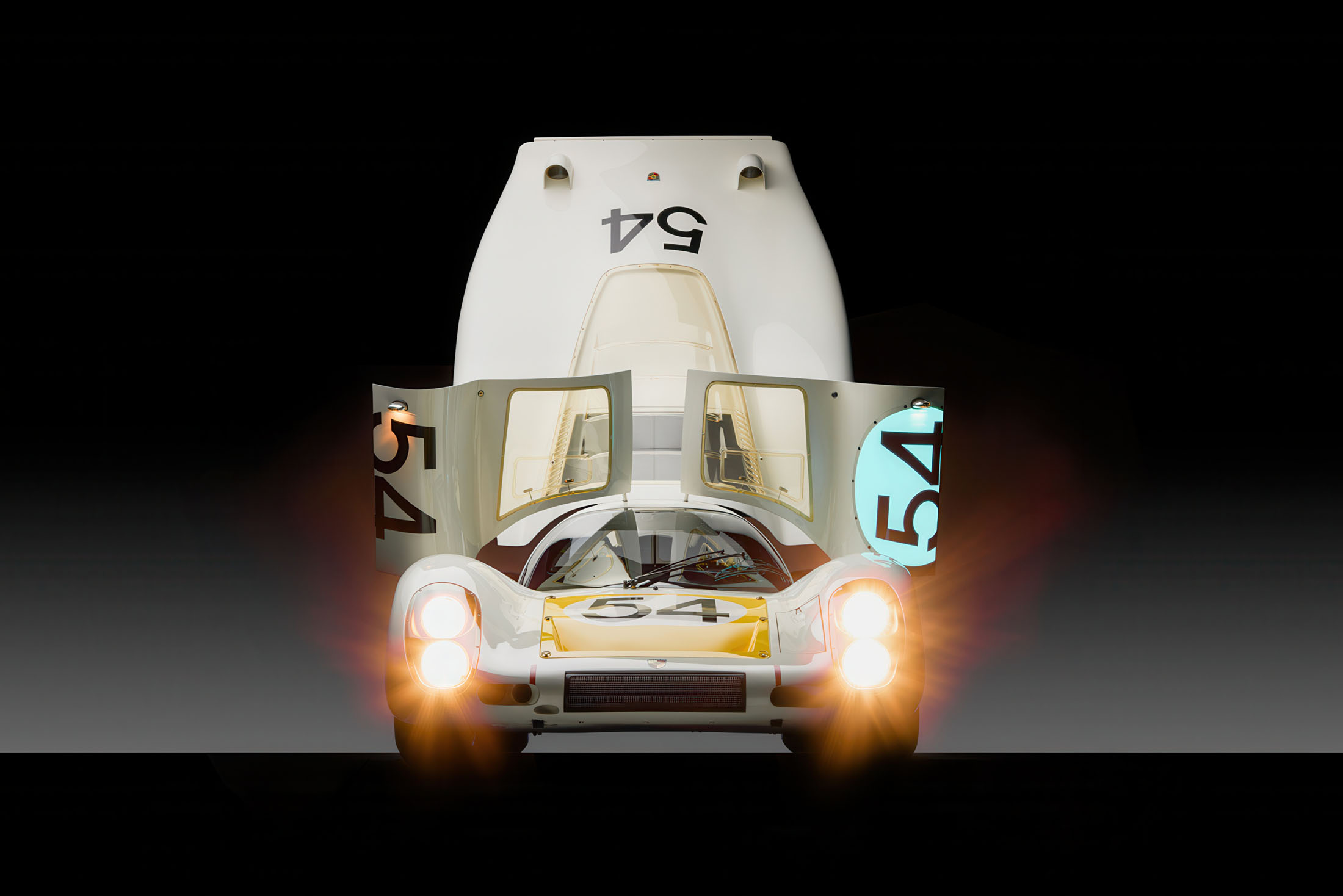
Among the most consequential competition cars in Porsche history, the Type 907 marked the point at which the Stuttgart marque began its transformation from perennial class winner to outright endurance racing powerhouse. Developed under Ferdinand Piëch’s ambitious prototype program, the 907 bridged the gap between Porsche’s earlier lightweight racers and the 908 and 917 that would soon dominate international sports car racing.
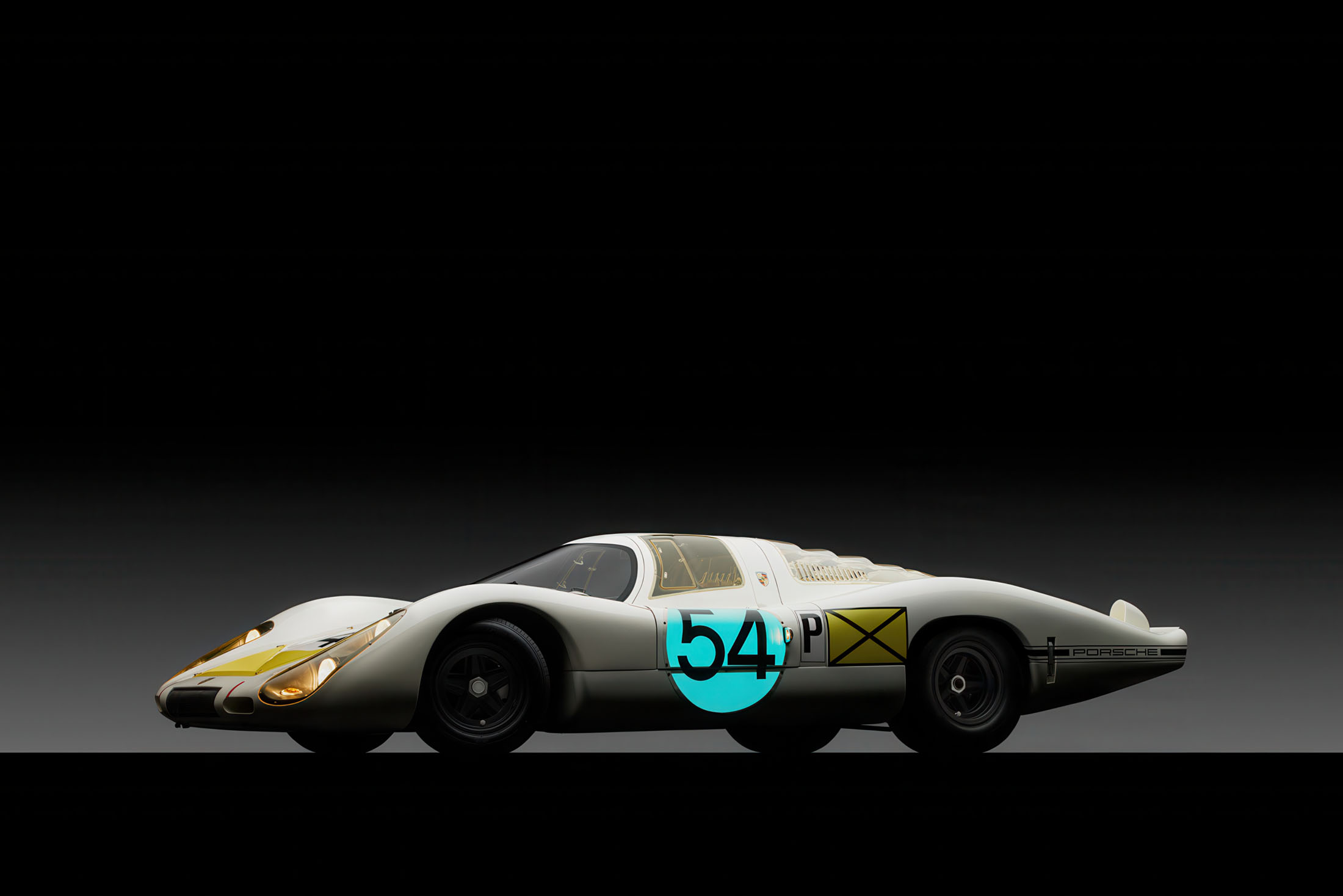
As noted by renowned Porsche historian Karl Ludvigsen, the Type 907 was “much more than an interim model that gave birth to the 908,” and instead enjoyed “a splendid career all its own.” No example demonstrated that more convincingly than chassis 907-005, winner of the 1968 24 Hours of Daytona and one of the most historically significant Porsche endurance racers of its era.
Introduced in the summer of 1967, the 907 reflected Piëch’s relentless pursuit of lighter, faster, and more aerodynamically sophisticated racing cars. Its tubular spaceframe incorporated right-hand drive, while the fiberglass Langheck – or long-tail – body was developed specifically for high-speed circuits including Daytona, Monza, and Le Mans.
Extensive wind-tunnel development reduced drag by approximately 25% compared with the 910, resulting in a coefficient of just 0.27 – then Porsche’s lowest for a full-size competition car. The extraordinarily long tail, deeply curved windscreen, and narrow cockpit gave the 907 a striking profile while allowing it to exploit its relatively modest power with exceptional efficiency.
That power came from Porsche’s Type 771 flat-eight, derived from its Formula 1 program and developed by Hans Mezger and Hans Hönick. Enlarged to 2.2 liters for 1968, the sophisticated four-cam, aircooled engine produced approximately 270 hp at nearly 9,000 rpm while retaining the durability required for endurance racing.
Built for the 1968 World Championship season, 907-005 remained with the factory as Porsche intensified its campaign for outright victories. Revised FIA regulations had changed the competitive landscape, largely removing the big-displacement Ford and Ferrari prototypes that had dominated previous seasons and creating an unprecedented opportunity for Porsche.
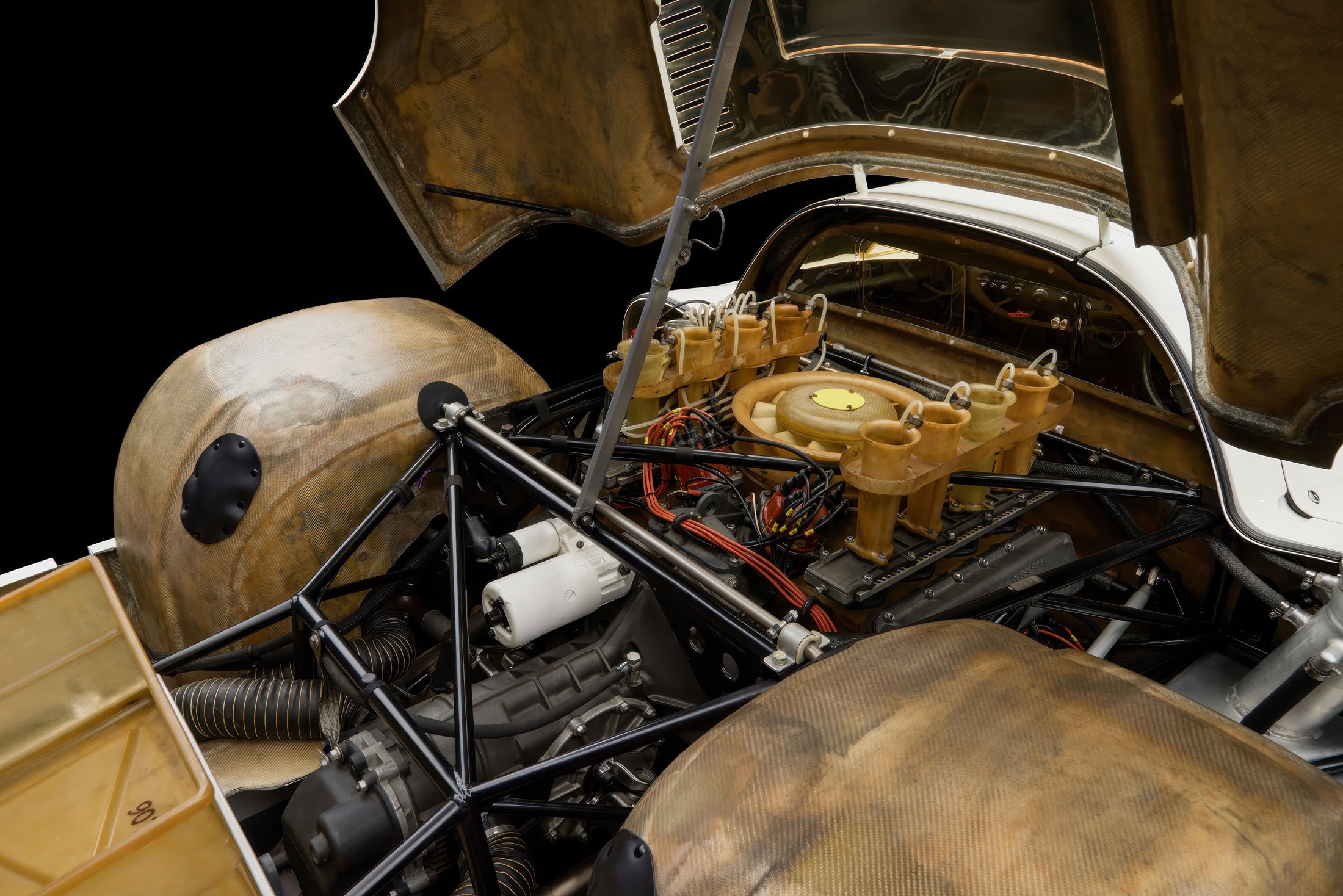
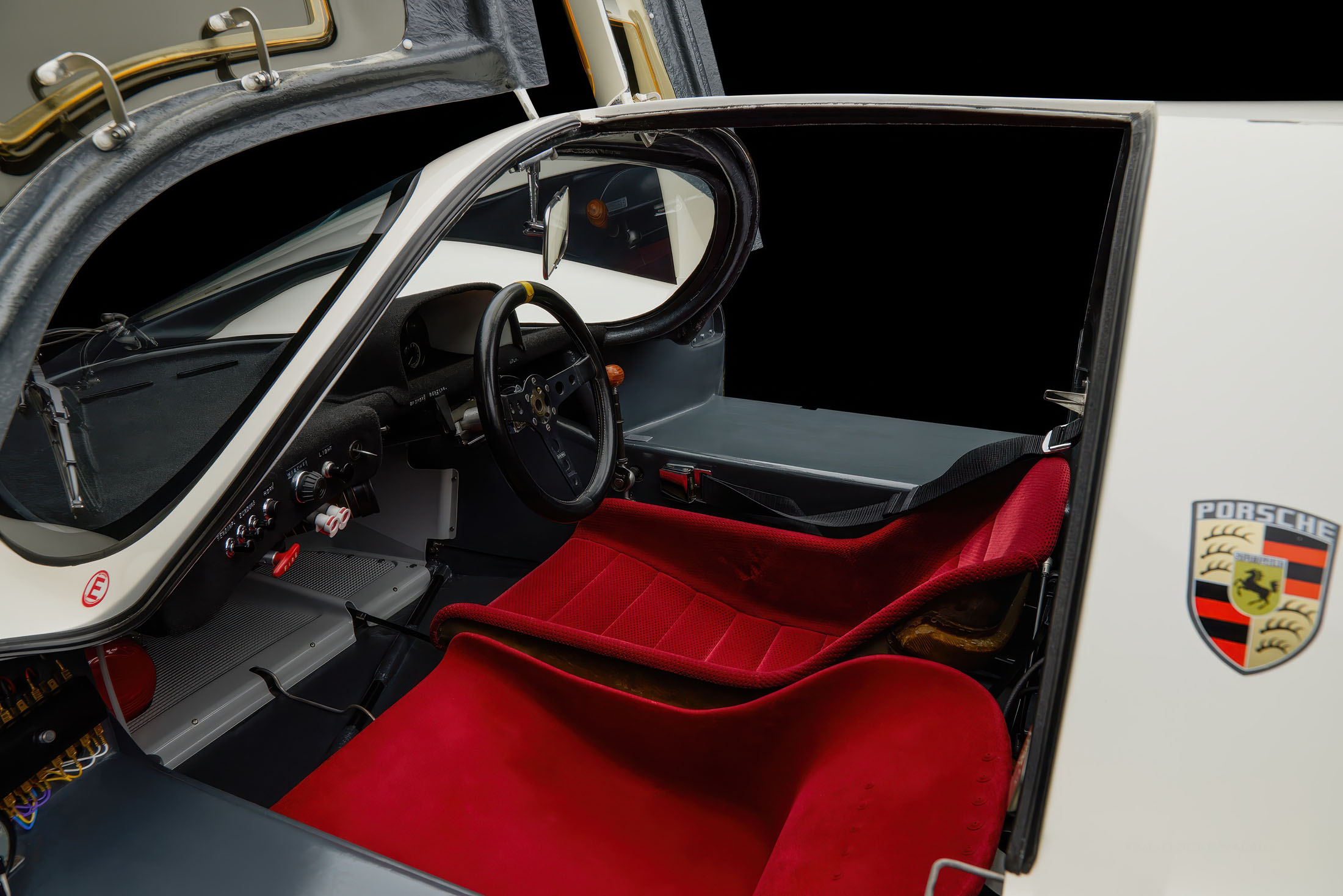
At Daytona in February, Porsche arrived with four works 907 Langhecks and a substantial contingent of engineers and mechanics. The effort reflected the experimental spirit of the Piëch era, extending to aerospace-inspired driver-cooling systems and individually molded seats.
Over 24 hours, Porsche’s combination of speed, efficiency, and reliability proved decisive. Driven primarily by Vic Elford, Jochen Neerpasch, and Rolf Stommelen – with Jo Siffert and Hans Herrmann joining during the closing stages – 907-005 completed 673 laps to claim overall victory. Remarkably, it covered a greater distance than the four-liter Ferrari 330 P3/4 that had won the previous year.
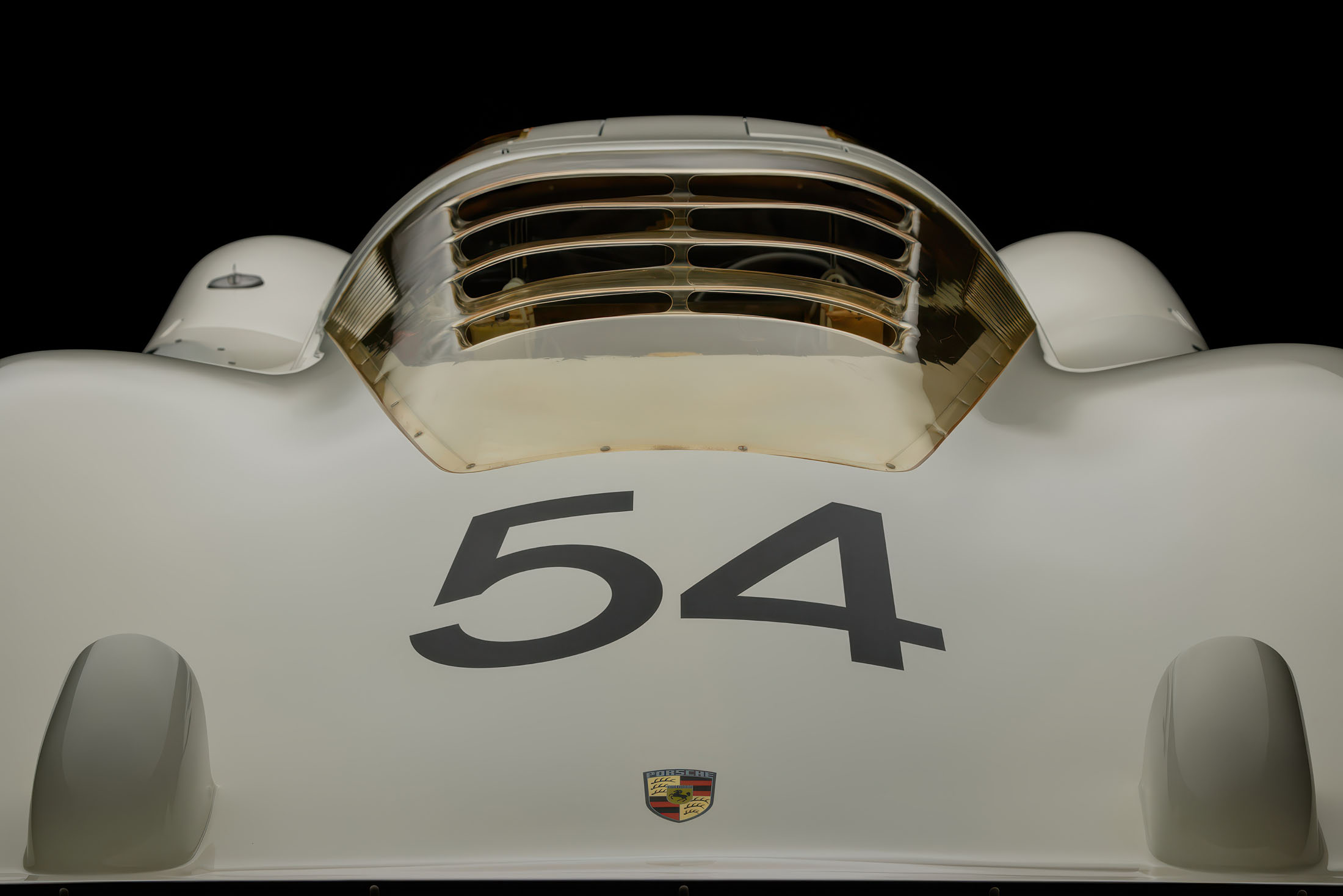
More significantly, 907-005 led a remarkable Porsche 1–2–3 finish. It was Porsche’s first victory in a 24-hour race and a defining moment for a company that had spent nearly two decades earning its reputation through class victories and reliability against larger, more powerful rivals. Daytona demonstrated that Porsche was now capable of winning one of the world’s great endurance races outright.
The victory also foreshadowed what was coming. Within two years, Porsche would win Le Mans overall with the 917 and begin an era of endurance racing success unmatched by any other manufacturer.
Chassis 907-005 remained active with the works throughout 1968. At the Le Mans Test Weekend in April, Rolf Stommelen recorded the third-fastest time overall, behind only a Ford GT40 and Porsche’s new 908. Later that month, Stommelen and Neerpasch drove the car to 2nd Overall and 1st in Class at the 1000 Kilometers of Monza, finishing behind the John Wyer Automotive Ford GT40 of Hawkins and Hobbs.
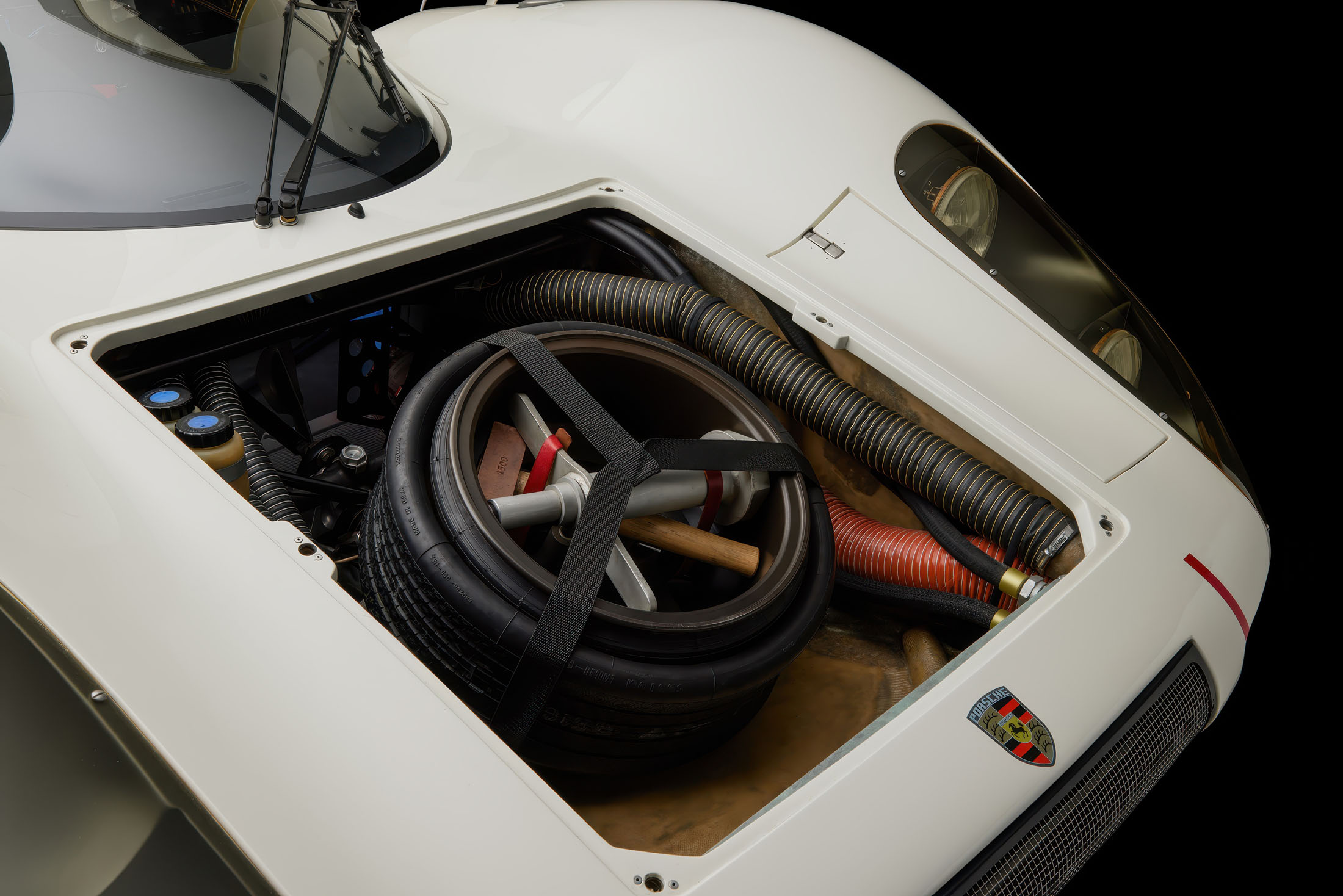
Its final works appearance came at the rescheduled 24 Hours of Le Mans in September. By then, the 908 had assumed Porsche’s primary factory role, and 907-005 was entered for privateers Alex Soler-Roig and Rudi Lins. An oil leak and subsequent camshaft failure ended its race early.
After its frontline racing career, 907-005 remained with Porsche. In July 1969, it was one of two chassis used at Weissach to test an experimental automatic fire-suppression system. Factory records indicate that sister chassis 907-008 was destroyed during the testing, while 907-005 escaped with minor chassis damage.
Porsche released the car in 1972, after which it passed through several German owners. Among them was noted privateer Sepp Greger, a highly accomplished hill climb and endurance racer. During the mid-1970s, the car was converted to short-tail Spyder configuration before passing to a Mr. Henschel in Württemberg.
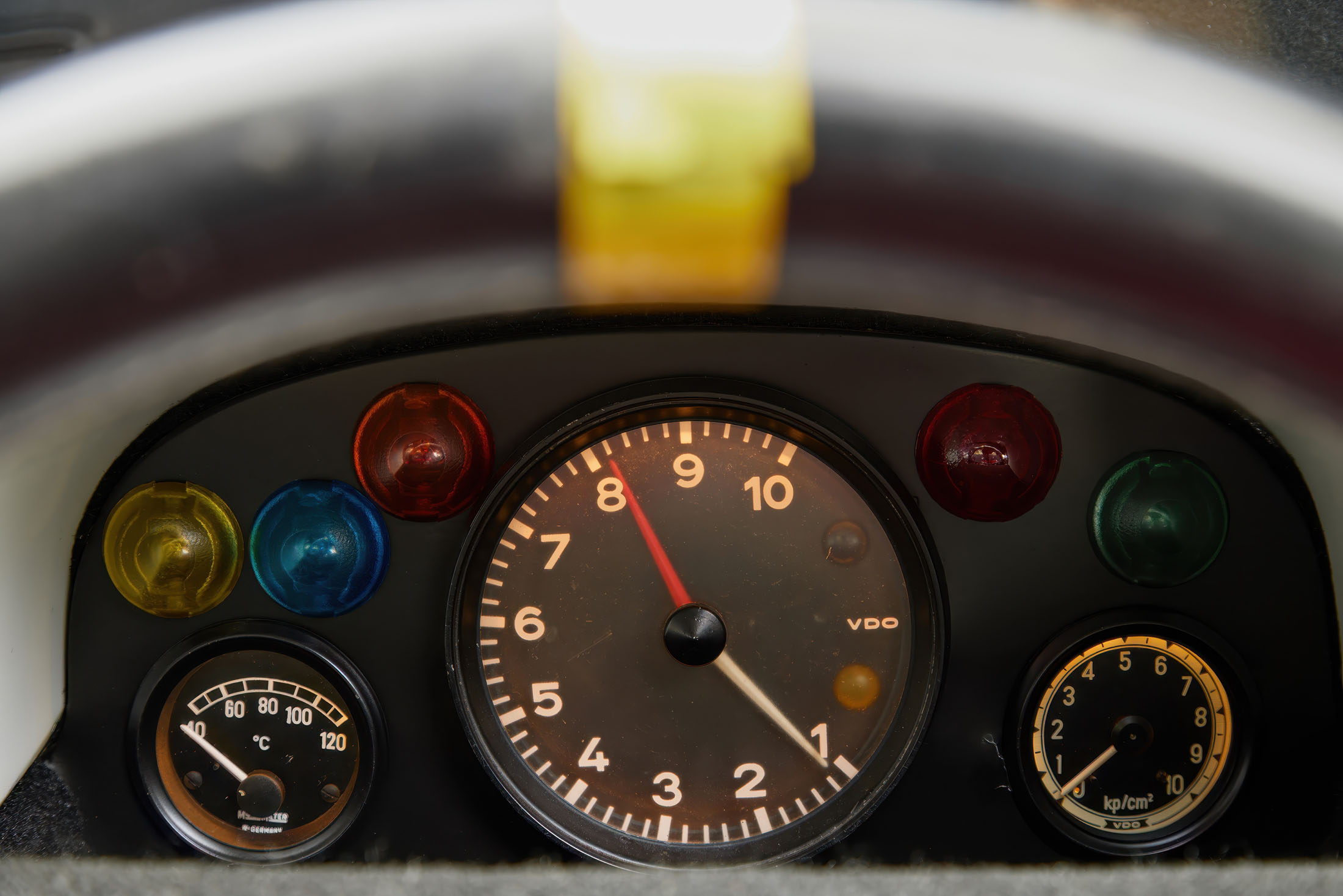
Swedish collector Sten Hillgard acquired 907-005 in 1989 and began assembling original components required to return it to Langheck specification. Preliminary restoration work by German specialist Gustav Nietzsche helped establish the foundation for its eventual reconstruction.
In 1994, the car was acquired by American collector and racer Henry E. Payne III, a founding figure in the Sportscar Vintage Racing Association and an enthusiastic collector of Porsche competition machinery. Recognizing the importance of the Daytona winner, Payne commissioned its first comprehensive restoration and returned it to vintage competition, initially using six-cylinder power while an original flat-eight was unavailable.
Payne also corresponded extensively with Porsche’s Jürgen Barth, including discussions about a possible Rolex 24 at Daytona entry commemorating the 30th anniversary of the car’s 1968 victory.

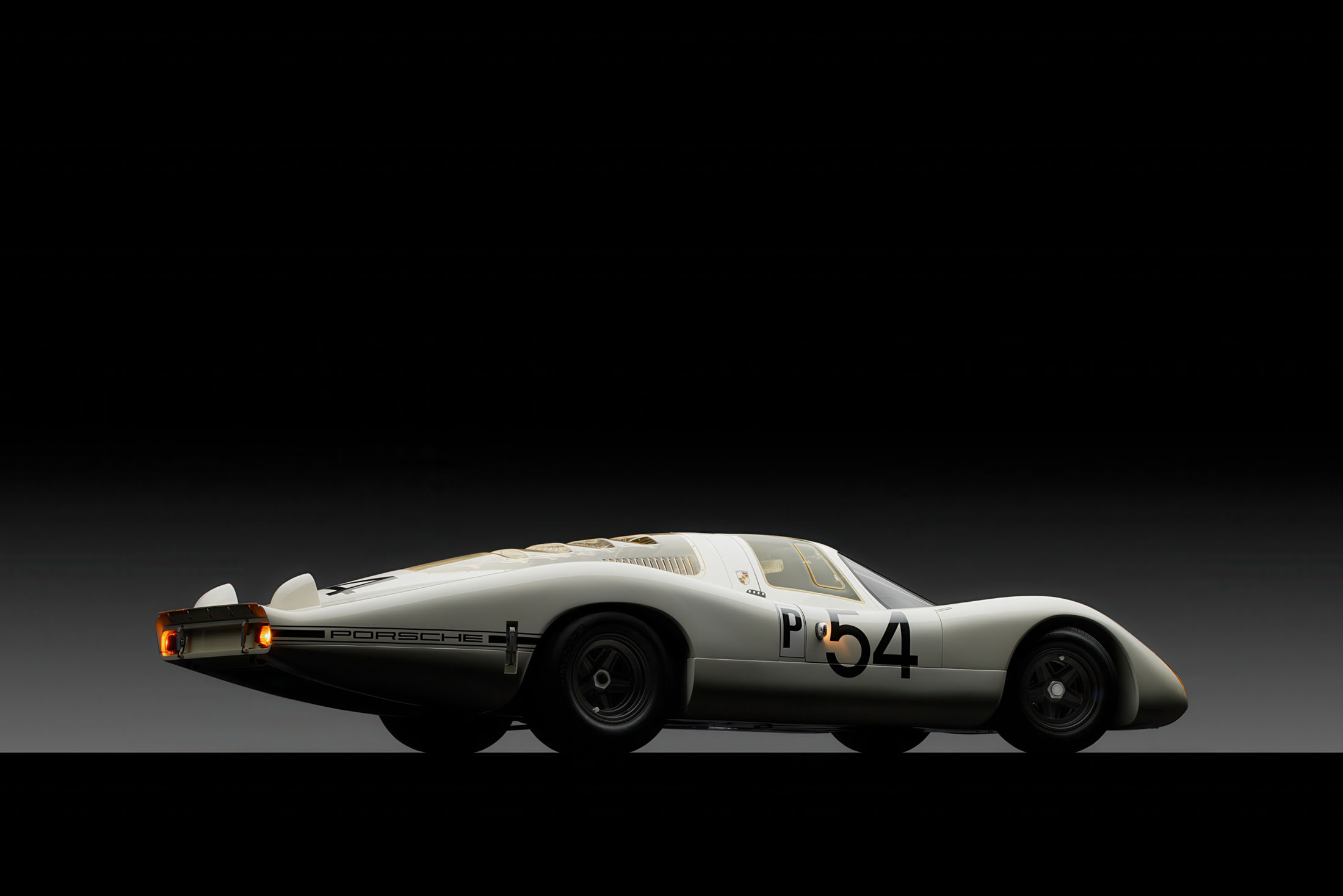
In 2010, 907-005 entered one of the world’s foremost collections of historic endurance racing cars. During this period it was reunited with a correct Type 771 flat-eight engine and proper transaxle, substantially enhancing its authenticity. The car subsequently appeared at major concours events, including Amelia Island, and at Daytona’s 50th anniversary celebrations honoring former 24-hour winners.
Acquired by its current owner in 2014, 907-005 joined a significant private collection of important road and racing Porsches. Determined to return the car to its definitive 1968 configuration, the owner commissioned noted marque authority Joe Cavaglieri to undertake a comprehensive restoration.
Cavaglieri, whose work includes significant Porsche 550 and 718 Spyders for the Miles Collier and Porsche factory collections, approached 907-005 using factory documentation, original references, and extensive period research. The Type 771 flat-eight was entrusted to Ed Pink Racing Engines for a complete rebuild, while painstaking attention was devoted to the chassis, bodywork, and countless period details. The restoration ultimately required more than a decade to complete.
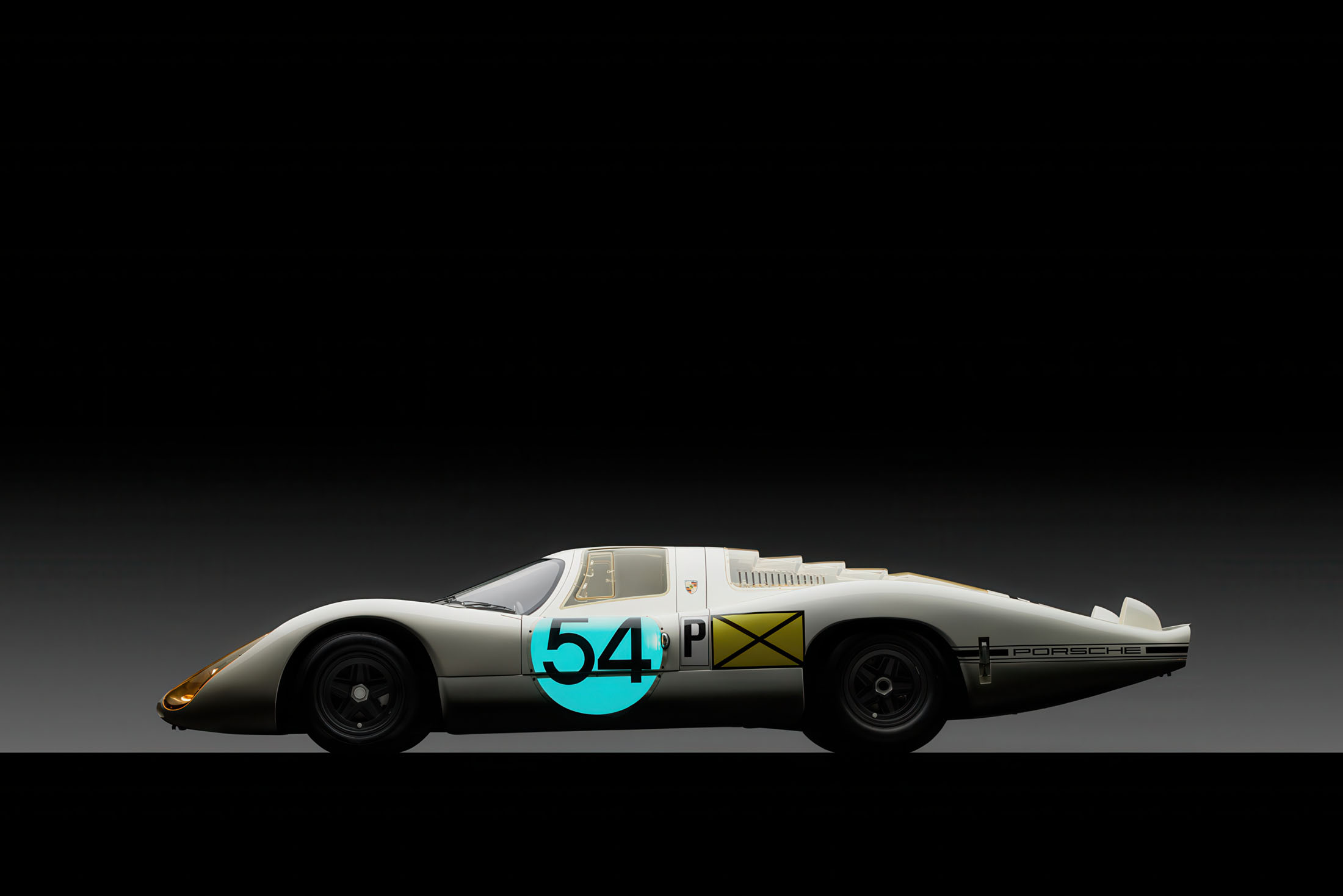
Today, 907-005 presents in virtually the same configuration in which it arrived at Daytona in February 1968. Details as specific as period German ski-binding latches and its distinctive luminescent roundel reflect the extraordinary effort devoted to recreating the car as Porsche originally raced it.
Its importance extends well beyond rarity or technical sophistication. Chassis 907-005 is the Porsche that delivered the marque its first 24-hour race victory and led its landmark 1–2–3 finish at Daytona. In doing so, it helped redefine Porsche’s place in international motorsport.
The 907 was the bridge between Porsche’s years as a giant-killing class competitor and its emergence as the dominant force in endurance racing. Chassis 907-005 was the car that helped Porsche cross it.
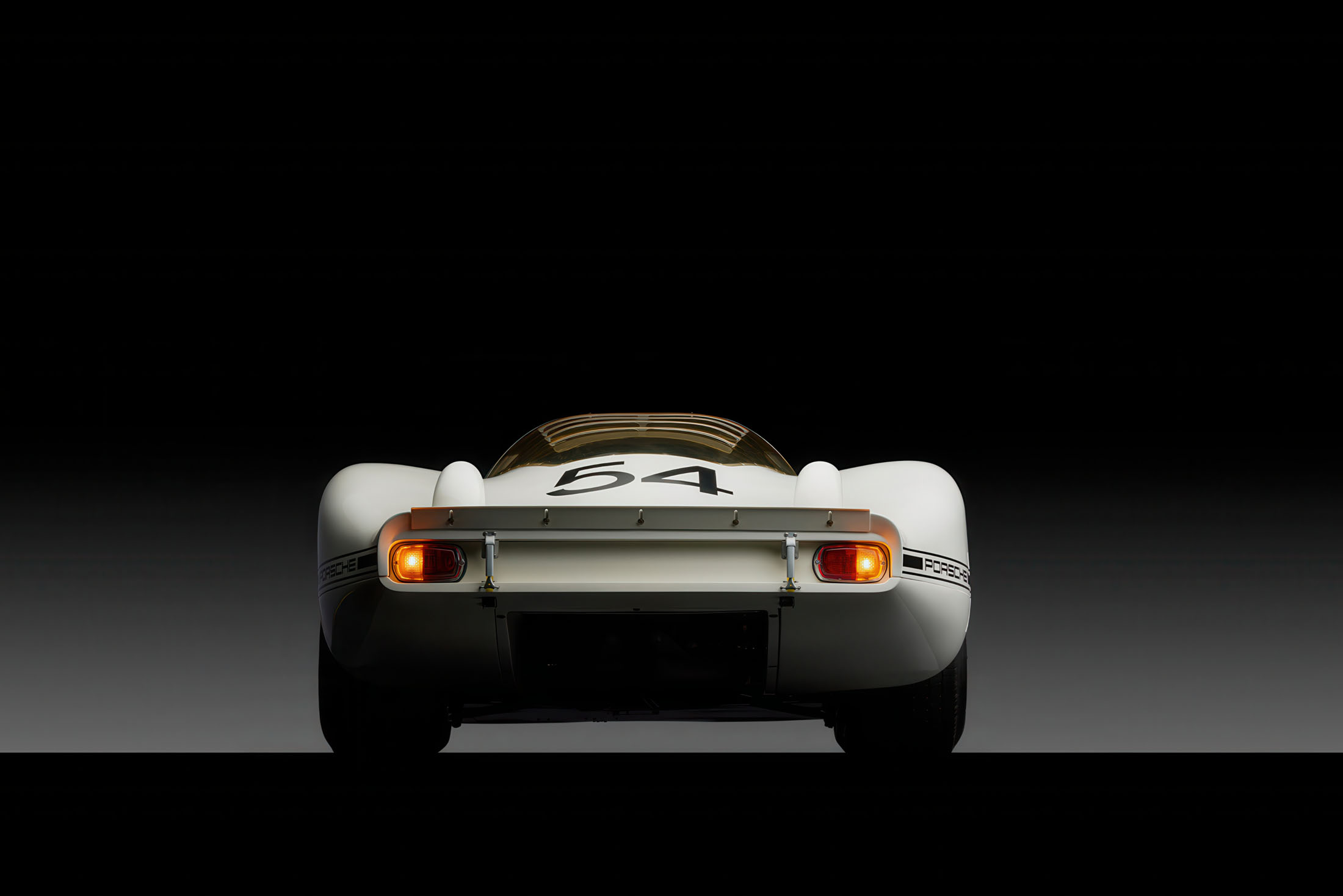
Meticulously restored, extensively documented, and central to one of the defining moments in Porsche competition history, 907-005 stands among the most significant early Porsche endurance racing cars ever offered for public sale.
MORE INFORMATION HERE
Above contents © 2026 Gooding Christie’s, reviewed and edited by Rex McAfee , @rexmcafee 🏁
#Porsche907 #PorscheMotorsport #PorscheRacing #Daytona24 #VintageRacing #EnduranceRacing #ClassicPorsche #PorscheHistory #HistoricRacing #RaceCars