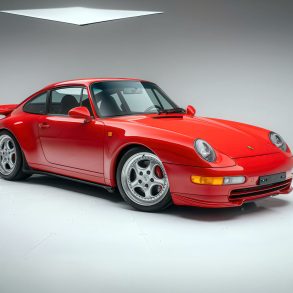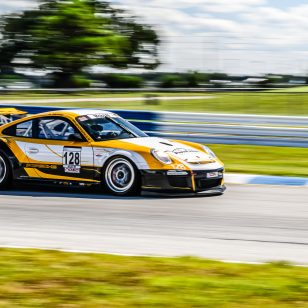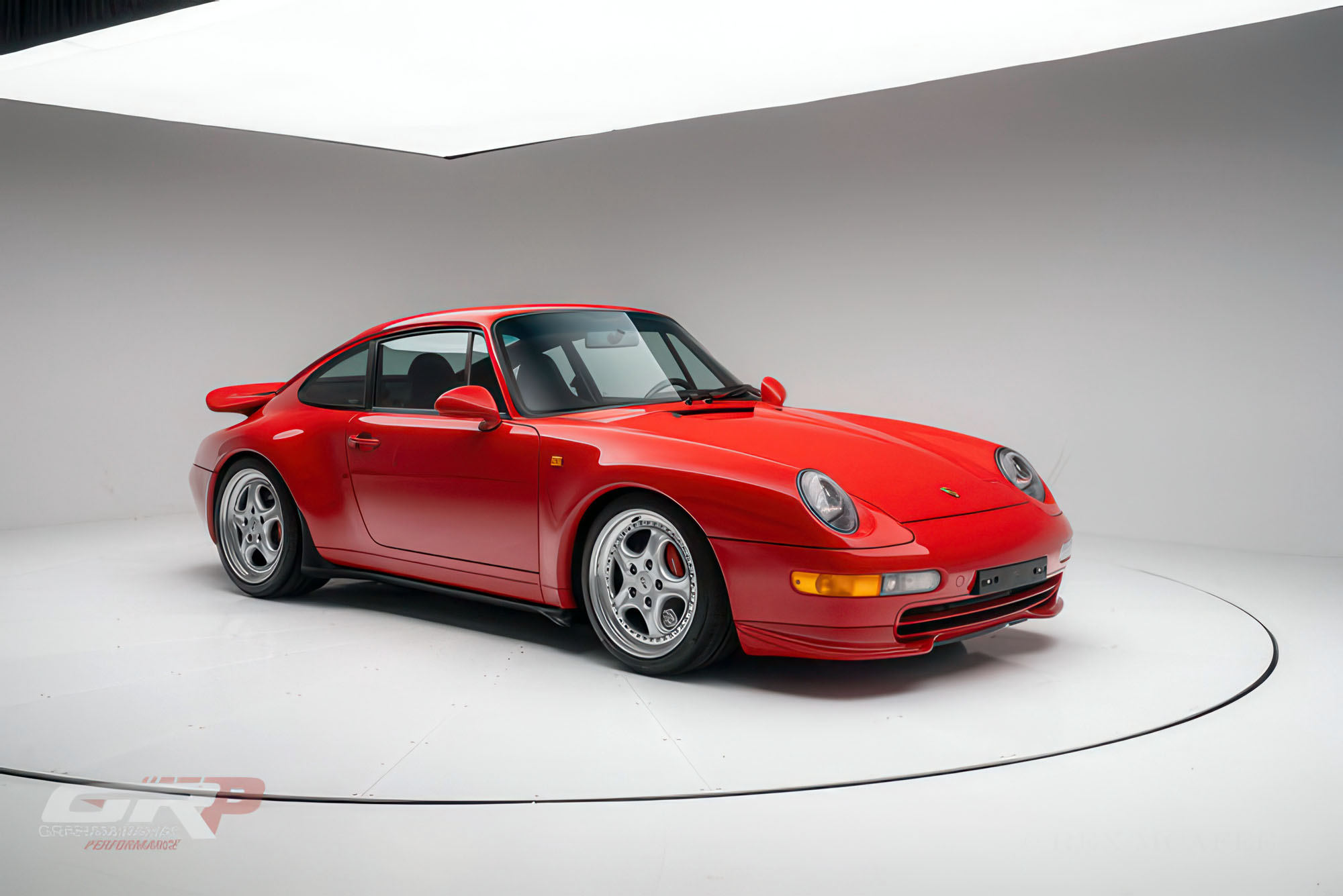


Normally, the word Carrera on a Porsche is nothing that makes people think twice anymore. On the 356 it marked the top versions with the four-cam engine, on the 911 it came back with the Carrera RS 2.7 in 1972 and from 1984 it was simply the name of the regular models. Now the title of this article says that there are two Carreras. The second one has no boxer engine and no wheels, but it can be found on the dial of a Swiss chronograph since 1963. Both got their name from the same long road race in Mexico, which existed for only five years. So we like to give you a little insight into how this happened and why Porsche and the watchmaker from Switzerland met each other again several times in the following decades.
It All Started on the Carrera Panamericana
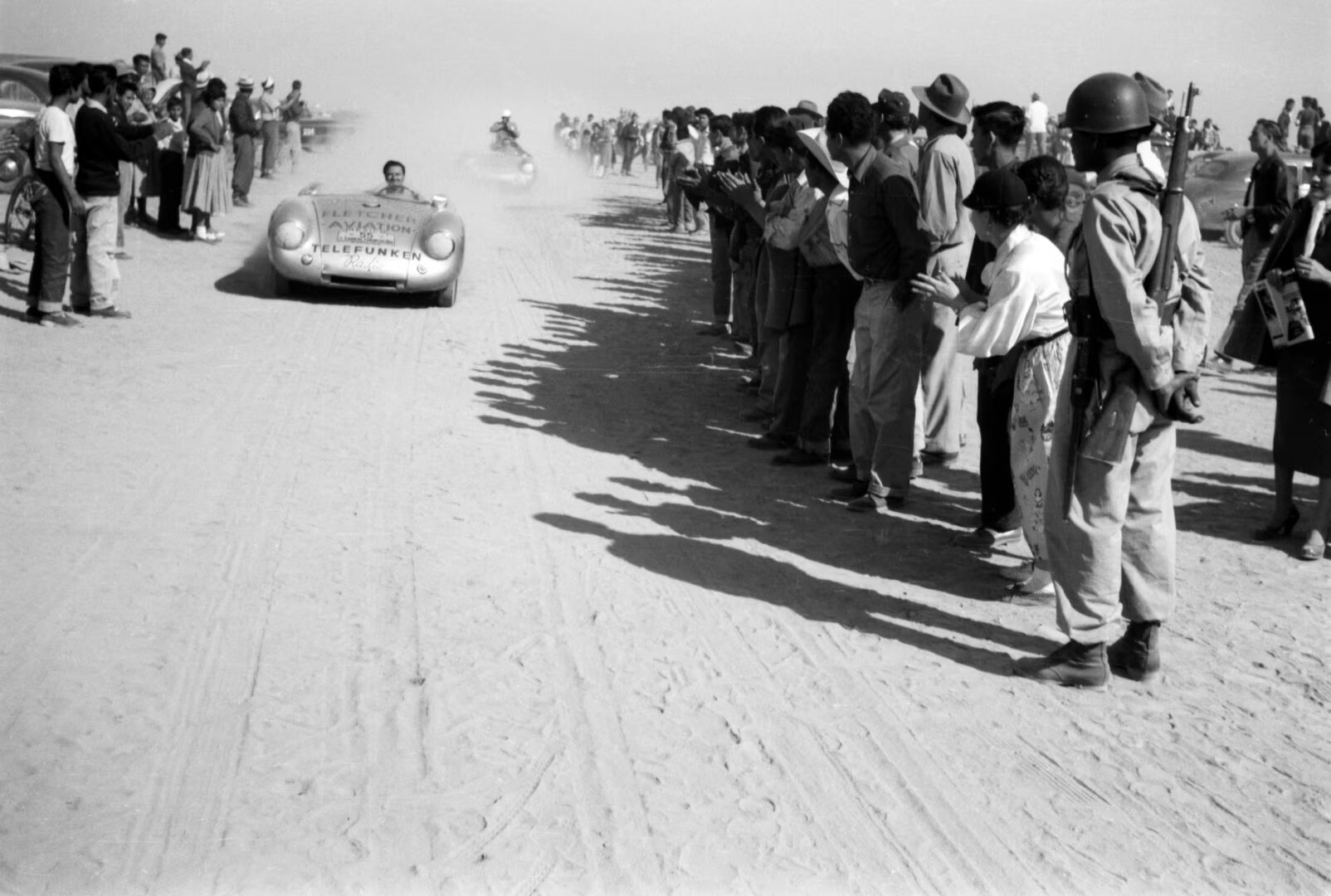
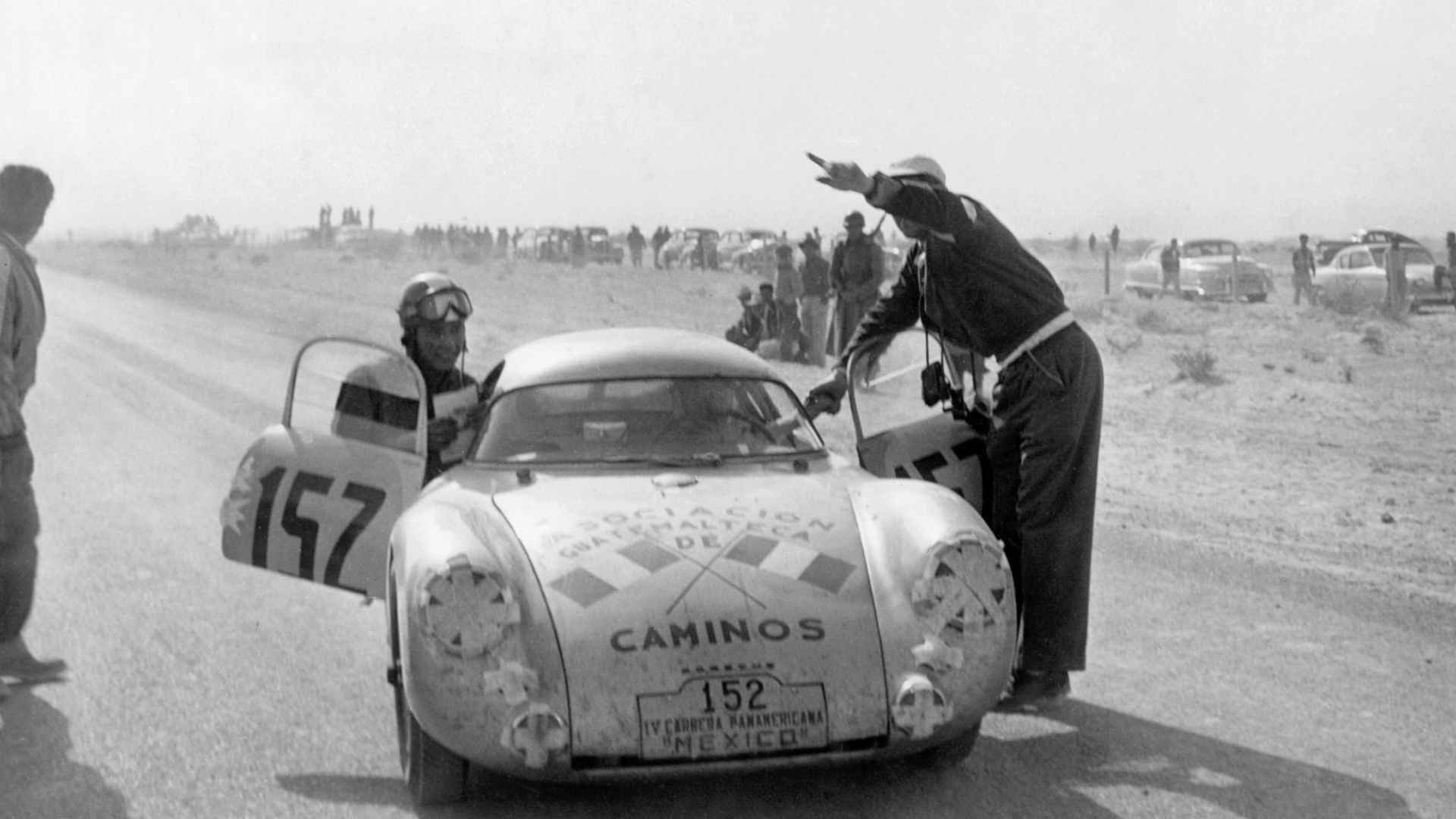
The first Carrera Panamericana took place in 1950, after the Mexican section of the Pan-American Highway was finished. Over a distance of more than 3,000 kilometers (1,864 miles) the participants drove in several stages on public roads between the border with Guatemala and the US border, through mountains, villages and long desert sections. Due to many fatal accidents among drivers and spectators, the organizers stopped the event already after 1954.
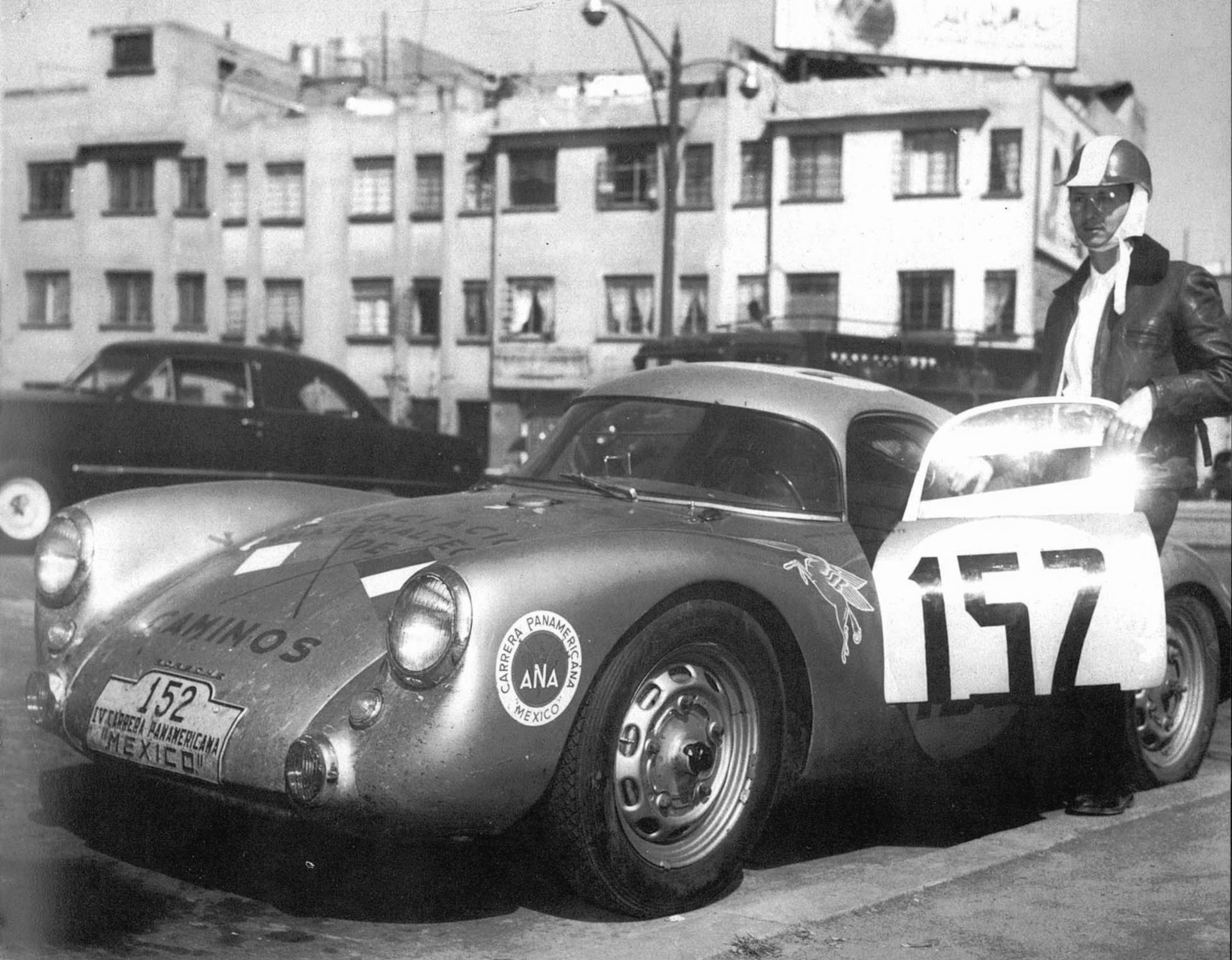
For Porsche it was the right place to show the small 550 Spyder, which took class wins in 1953 and 1954. In the final edition, Hans Herrmann even reached third place overall against cars with much bigger engines. Correspondingly, the name of the race was used in Zuffenhausen for the most powerful models, and at the IAA in Frankfurt in 1955 the 356 A 1500 GS Carrera debuted. Under the hood it got the four-cam engine of the 550 with 100 hp.
Jack Heuer Hears About the Race
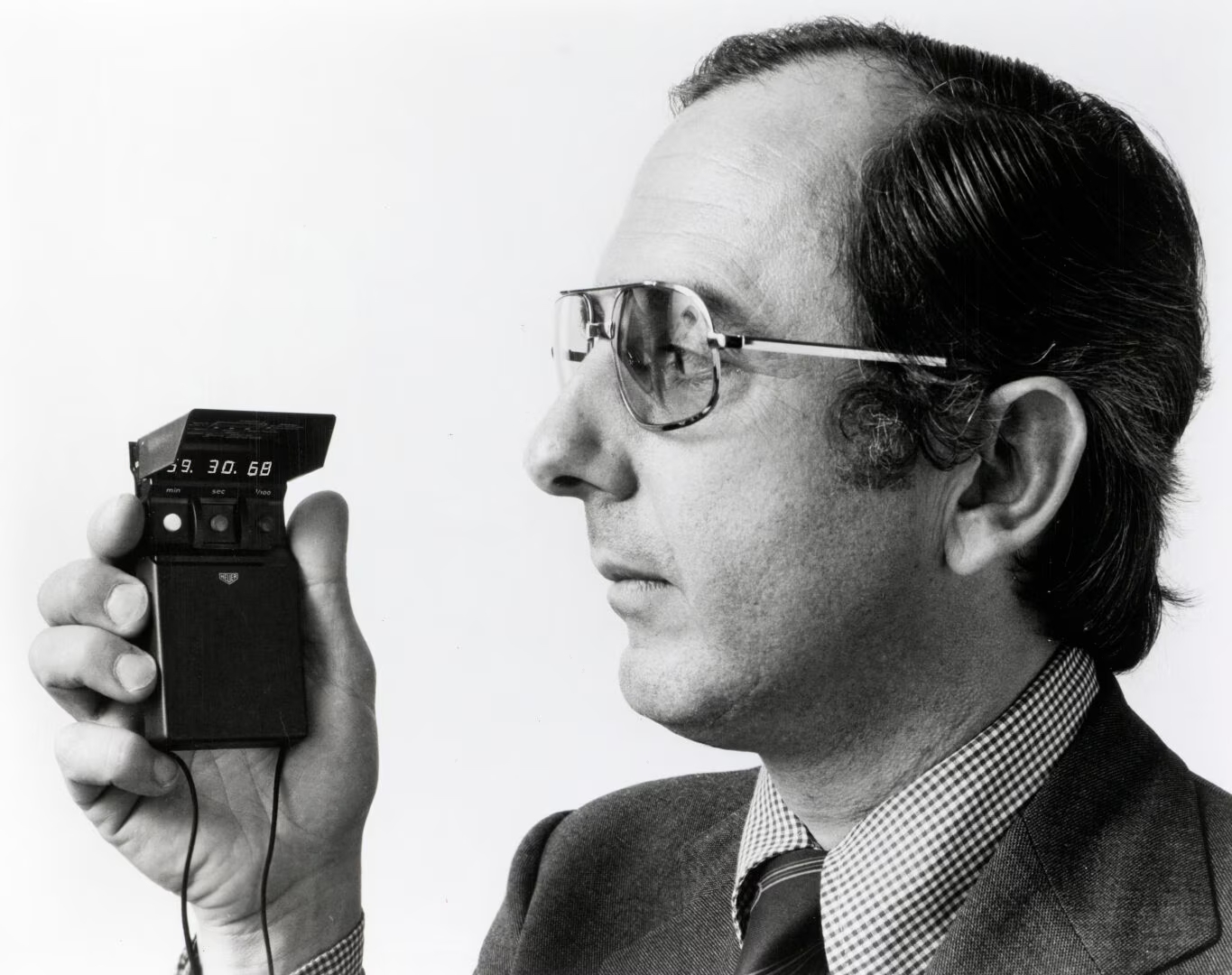
At this time Heuer was already a known name in motorsport, because the company built stopwatches and dashboard timers for rally cars and team managers. In 1962 Jack Heuer, great-grandson of company founder Edouard Heuer, was at the 12 Hours of Sebring in Florida, where he met the family of the Mexican racing drivers Pedro and Ricardo Rodríguez. From them he heard the story of the Carrera Panamericana. He liked the name so much that in 1963 he gave it to a new chronograph, the Heuer Carrera. It came with a very clean dial and was meant to be read quickly, also by a driver in a moving car.
The background for this is easy to explain. Before electronic timing and data loggers found their way into the paddock, lap times, pit stops and fuel stints were measured by hand. Next to the big stopwatches of the team managers, many drivers and rally co-drivers wore chronograph watches, which combine a normal watch with a stopwatch function that is started, stopped and reset by pushers on the side of the case. In addition, many models had a tachymeter scale to calculate the average speed over a known distance. In the 1960s and 1970s such a watch was therefore part of the standard equipment of nearly every racing driver.
Siffert, McQueen and the 917
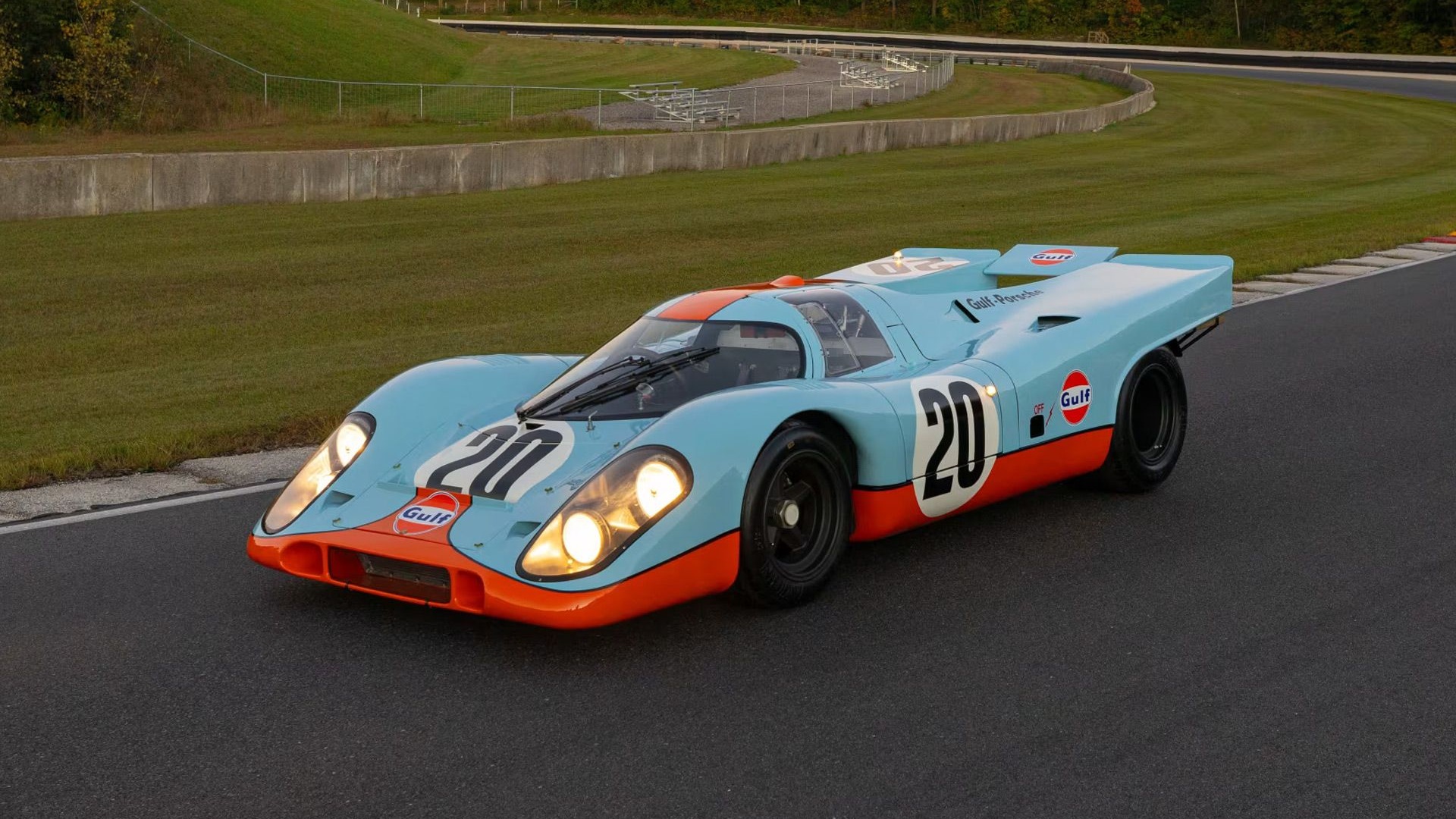
The most famous link between both brands in this time was Jo Siffert. The Swiss driver belonged to the Porsche works team and won several races with the 917 in the blue and orange Gulf livery. At the end of the 1960s he also became an ambassador for Heuer. He wore an Autavia chronograph and had the Heuer logo on his overalls, which was rather unusual for a company from outside the car industry at that time.
When Steve McQueen prepared his movie Le Mans, which was shot with real Porsche 917 racecars and came to the cinemas in 1971, he copied Siffert’s overalls including the Heuer patch. On his wrist he wore a Heuer Monaco with square case, and the pictures from the set made this watch famous worldwide.
When TAG Paid for a Porsche Engine
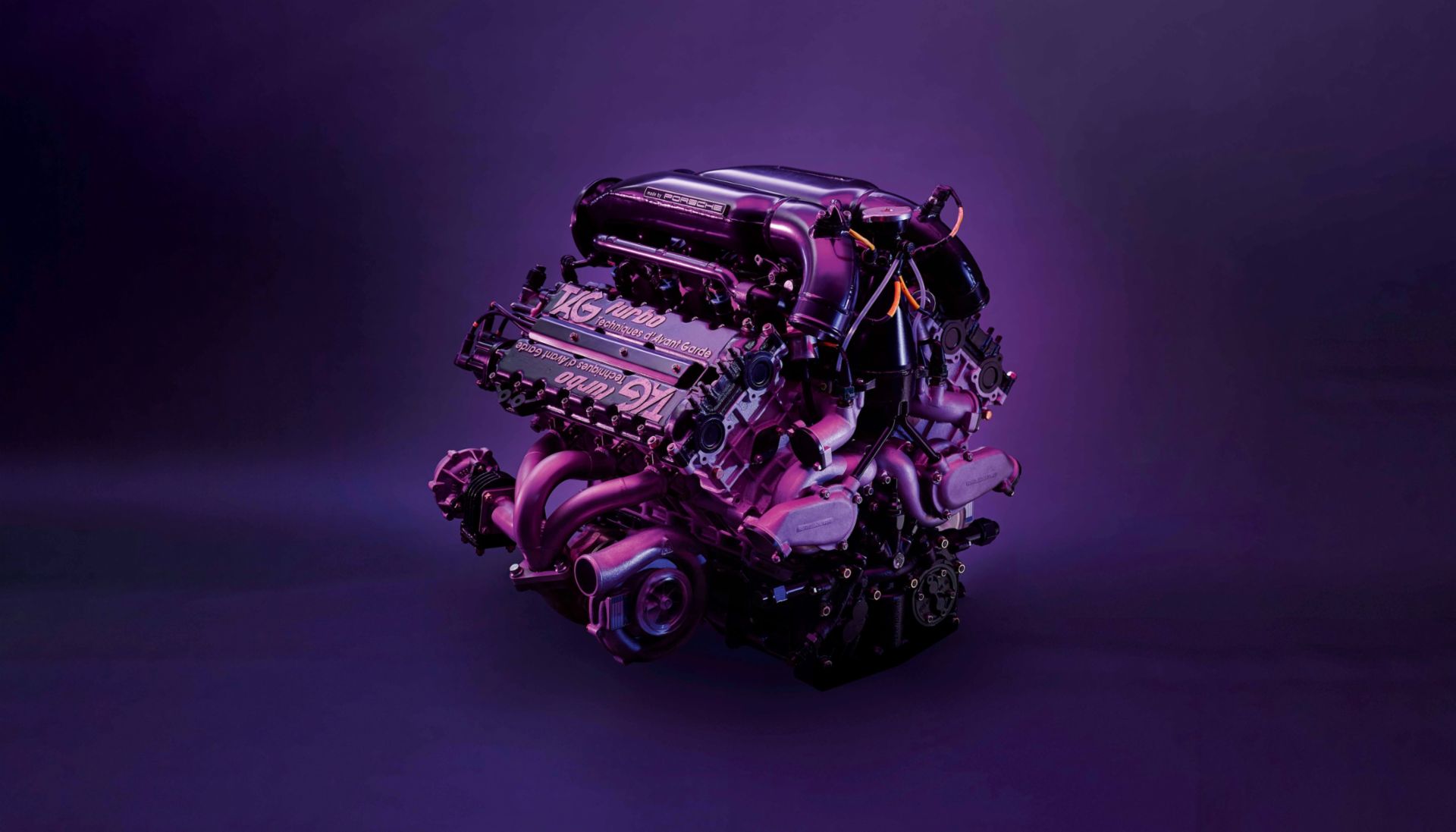
In the early 1980s McLaren boss Ron Dennis was looking for a turbocharged engine for Formula 1 and asked Porsche for it. Porsche agreed, but only as a paid development contract. The money came from Techniques d’Avant Garde, better known as TAG, which belonged to Mansour Ojjeh. The result was a 1.5-liter V6 with two turbochargers and the official name TAG-Porsche TTE-P01, which debuted in 1983 at Zandvoort. Only one year later Niki Lauda won the drivers’ title with half a point ahead of his teammate Alain Prost, who then became champion himself in 1985 and 1986. Otherwise, McLaren also took the constructors’ title in 1984 and 1985 with the engine from Weissach. In 1985 TAG bought the majority of Heuer and from then on the brand was called TAG Heuer.
A Comeback in Formula E
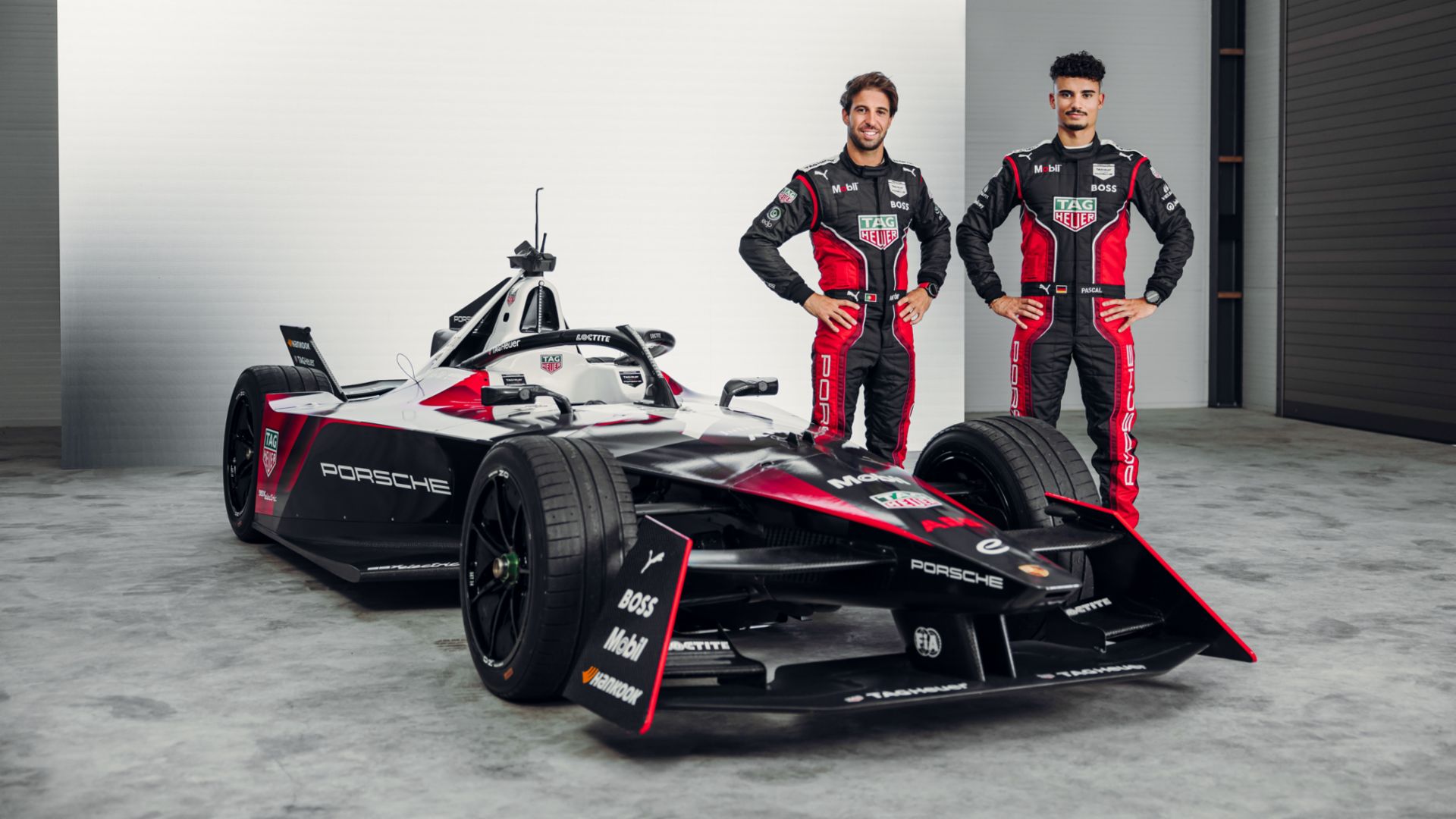
After the end of the TAG-Porsche engine in Formula 1, the paths of both companies separated for more than 30 years in motorsport. Only in July 2017 Porsche announced to leave the LMP1 class at Le Mans and to join the fully electric Formula E instead. Correspondingly, the watch manufacturer from Switzerland came back into play and in August 2019 signed a long-term contract as title and timing partner of the new works team. Since TAG Heuer was already one of the founding partners of the racing series, this decision was not really a surprise. The first race of the team under the name TAG Heuer Porsche Formula E Team took place in November 2019 at the Diriyah E-Prix in Saudi Arabia.
At the beginning, the team needed some time to win the first race. This happened in 2022 in Mexico City, where Pascal Wehrlein started from pole position and won ahead of his teammate André Lotterer. Two years later, in season 10, the team won seven races, which was a new record in Formula E for one season. At the final in London in July 2024, Wehrlein secured the drivers’ title and with it the first Formula E world championship for Porsche. Next to that, he was the first German driver since Nico Rosberg in 2016 to become world champion in a single-seater racing series.
Back Together Since 2021
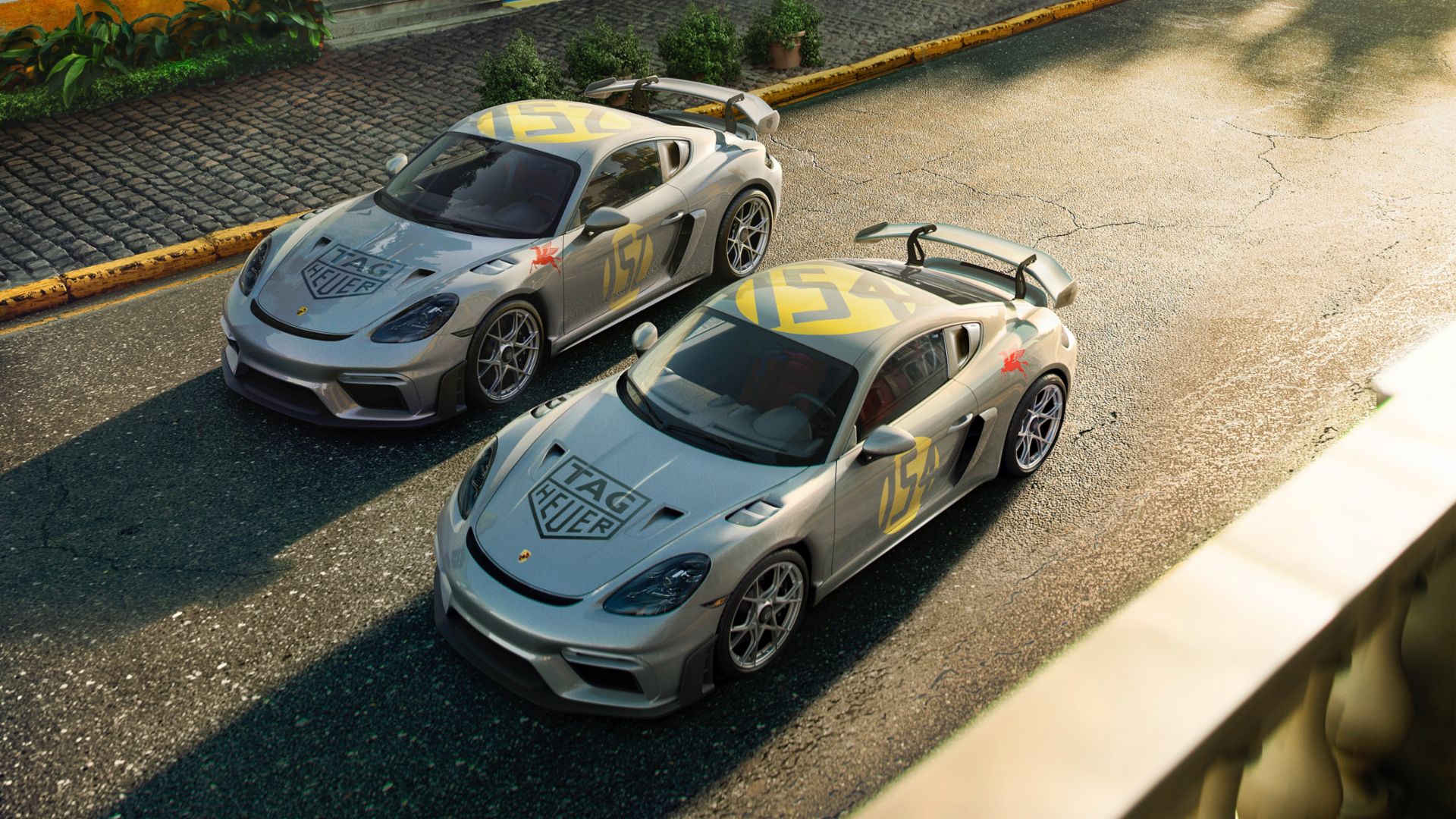
Only one and a half years after the start in Formula E, both brands announced an official strategic partnership in February 2021. It doesn’t only include motorsport but also product development and events for Porsche customers. As first result, they presented the TAG Heuer Carrera Porsche Chronograph, which brought both Carrera names together on one watch for the first time. The 44-millimeter steel case got a black ceramic bezel with Porsche lettering, while the numbers on the dial were inspired by the instruments in Porsche sports cars. Inside works the Calibre Heuer 02, which was developed in-house and achieves a power reserve of 80 hours.
In October 2022 the 911 Carrera RS 2.7 celebrated its 50th anniversary, and both companies used this for two limited editions. Of the 27 colors, which Porsche offered for the RS 2.7, TAG Heuer chose Glasurblau and Indischrot (Guards Red). The blue version with steel case was limited to 500 copies, while the red version in rose gold was even limited to only 250 copies. The rotor, which can be seen through the case back, has the shape of a classic Porsche three-spoke steering wheel. Interestingly, both watches are even rarer than the car itself, because Porsche built 1,580 copies of the RS 2.7 between 1972 and 1973. The story, which started on a dangerous road through Mexico more than 70 years ago, will therefore undoubtedly be continued.