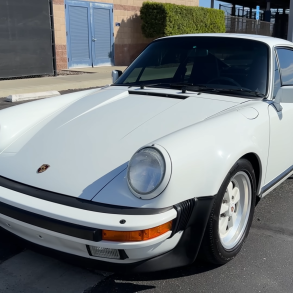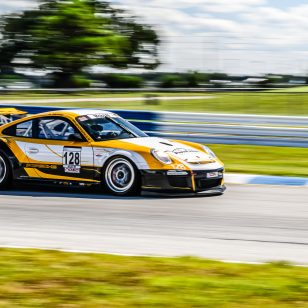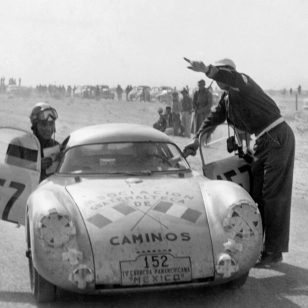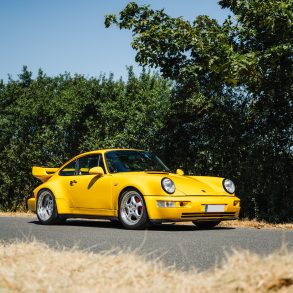


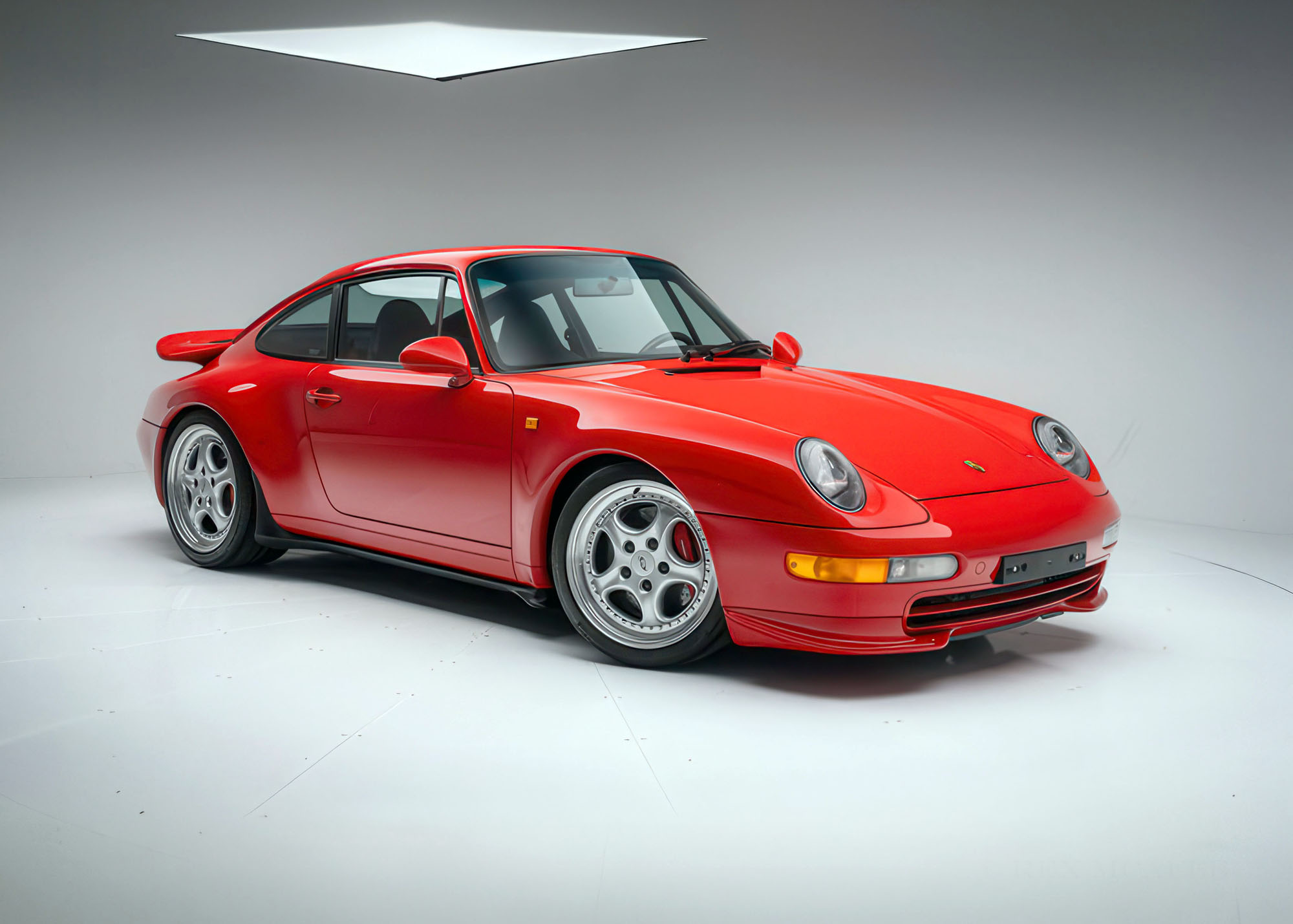
Introduced in 1995, the Porsche 993 Carrera RS marked the final chapter of the naturally aspirated, air-cooled Carrera RS lineage. Developed as a lightweight, performance-focused derivative of the 993-generation 911, it combined a larger 3.8-liter flat-six with extensive weight reduction and competition-inspired chassis upgrades.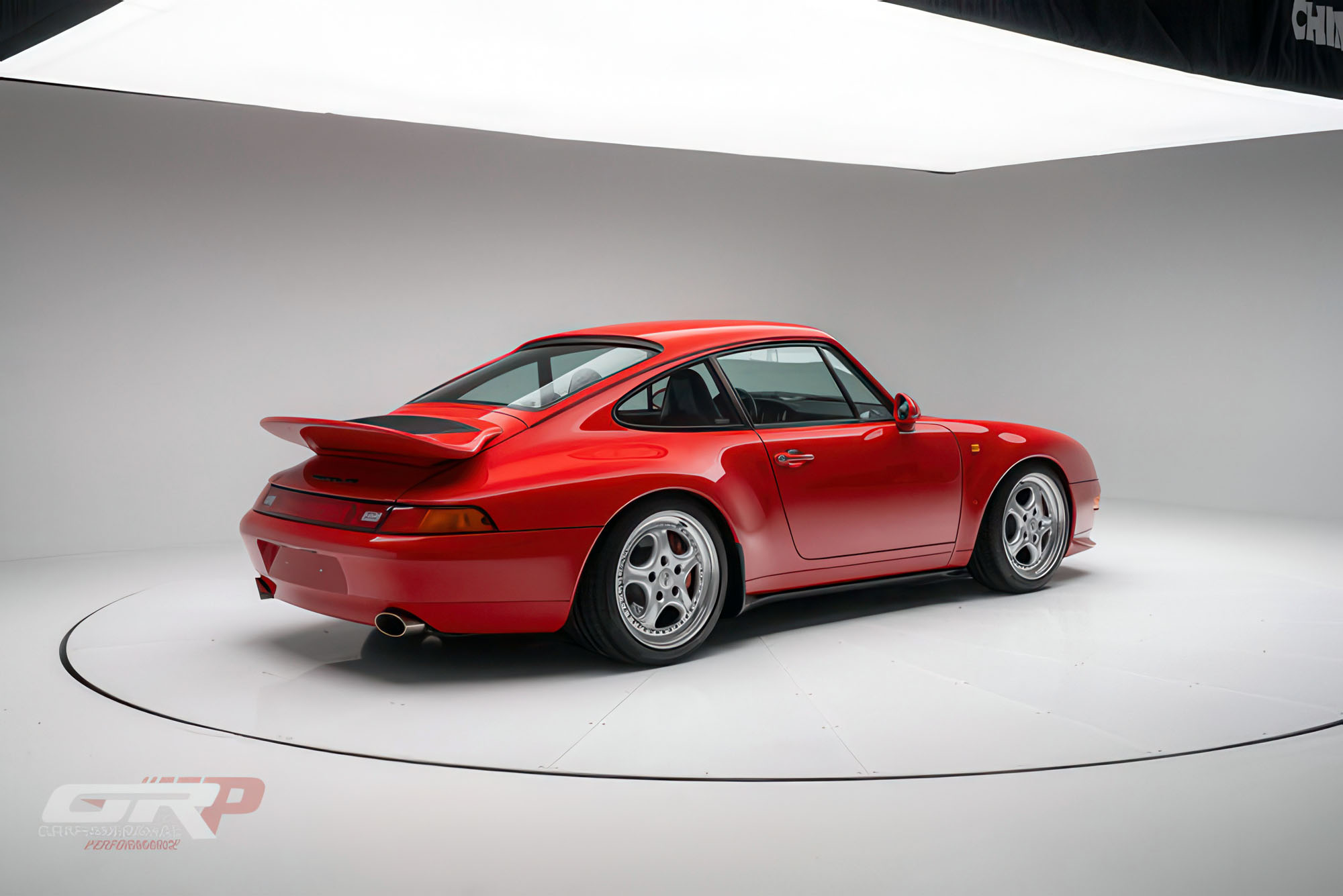
Following the acclaimed 964 Carrera RS, the 993 RS offered greater power and a more sophisticated chassis while retaining the mechanical character that defined Porsche’s Rennsport models. Produced in limited numbers during 1995 and 1996, it remains one of the most distinctive variants of the final air-cooled 911 generation.
1995 Porsche 993 Carrera RS Engine and Performance
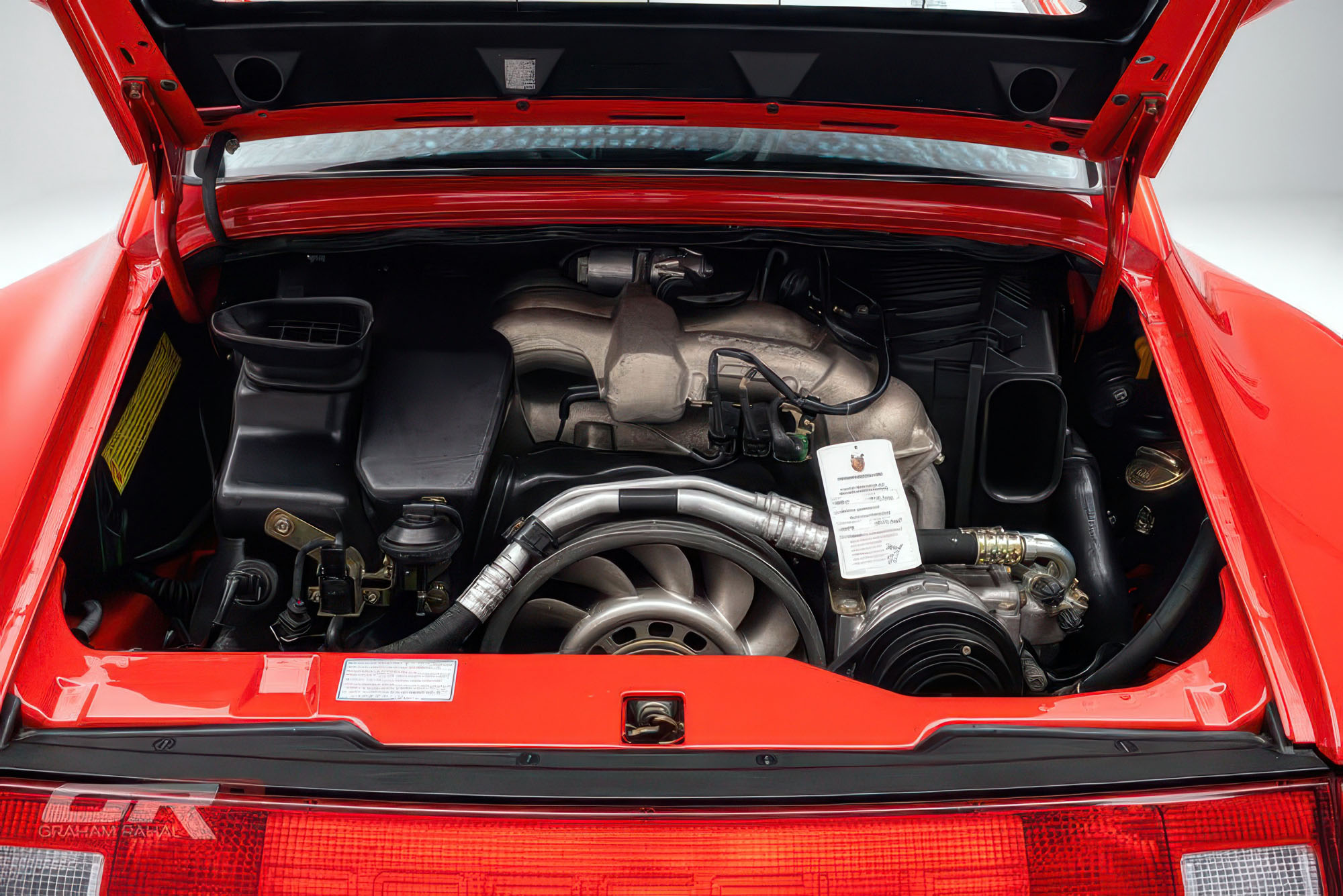
The Carrera RS featured a naturally aspirated 3,746 cc flat-six, enlarged from the standard Carrera’s 3.6-liter engine. Producing 300 PS (296 bhp) and 355 Nm (262 lb-ft) of torque, the engine incorporated revised internal components and a variable-resonance intake system.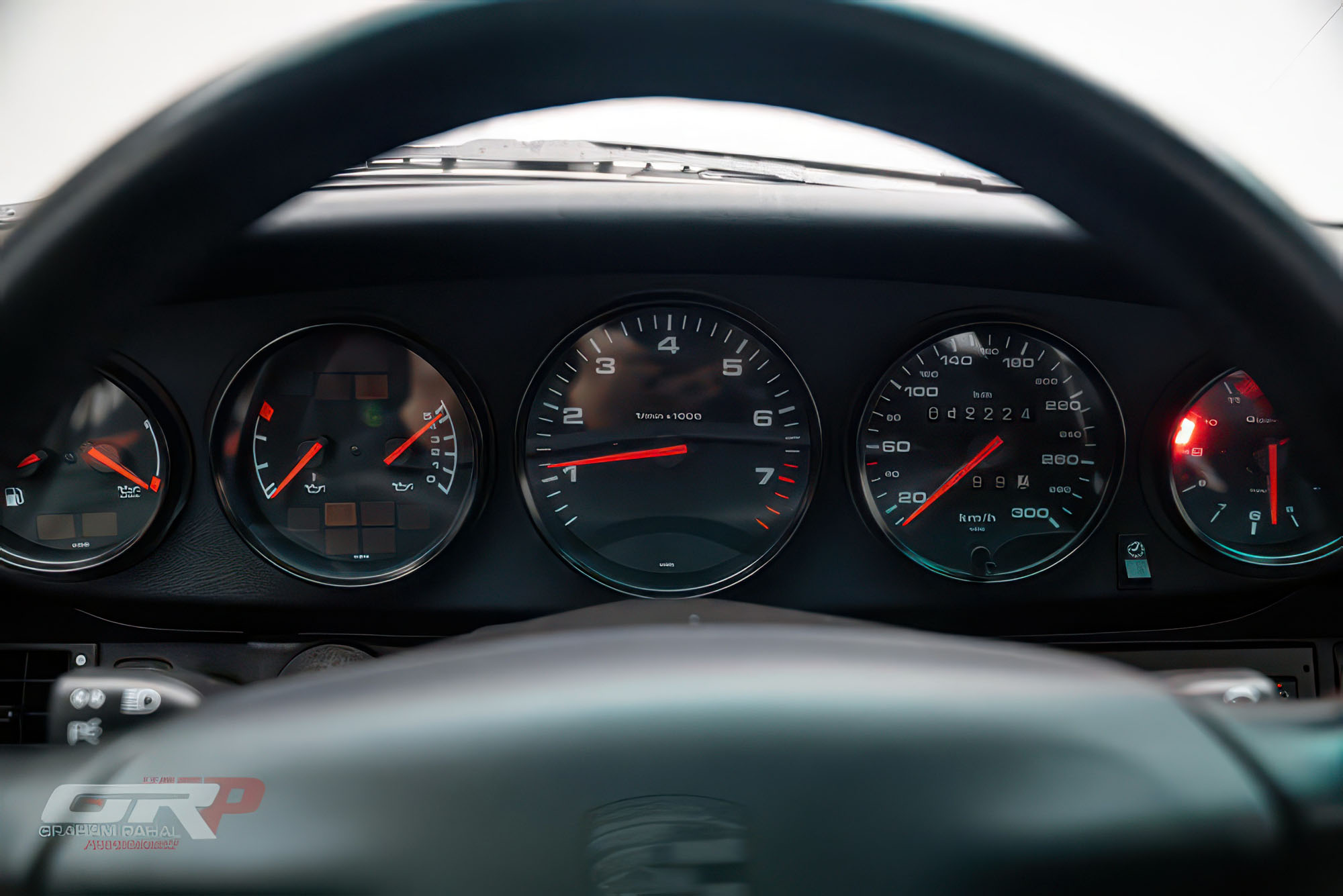
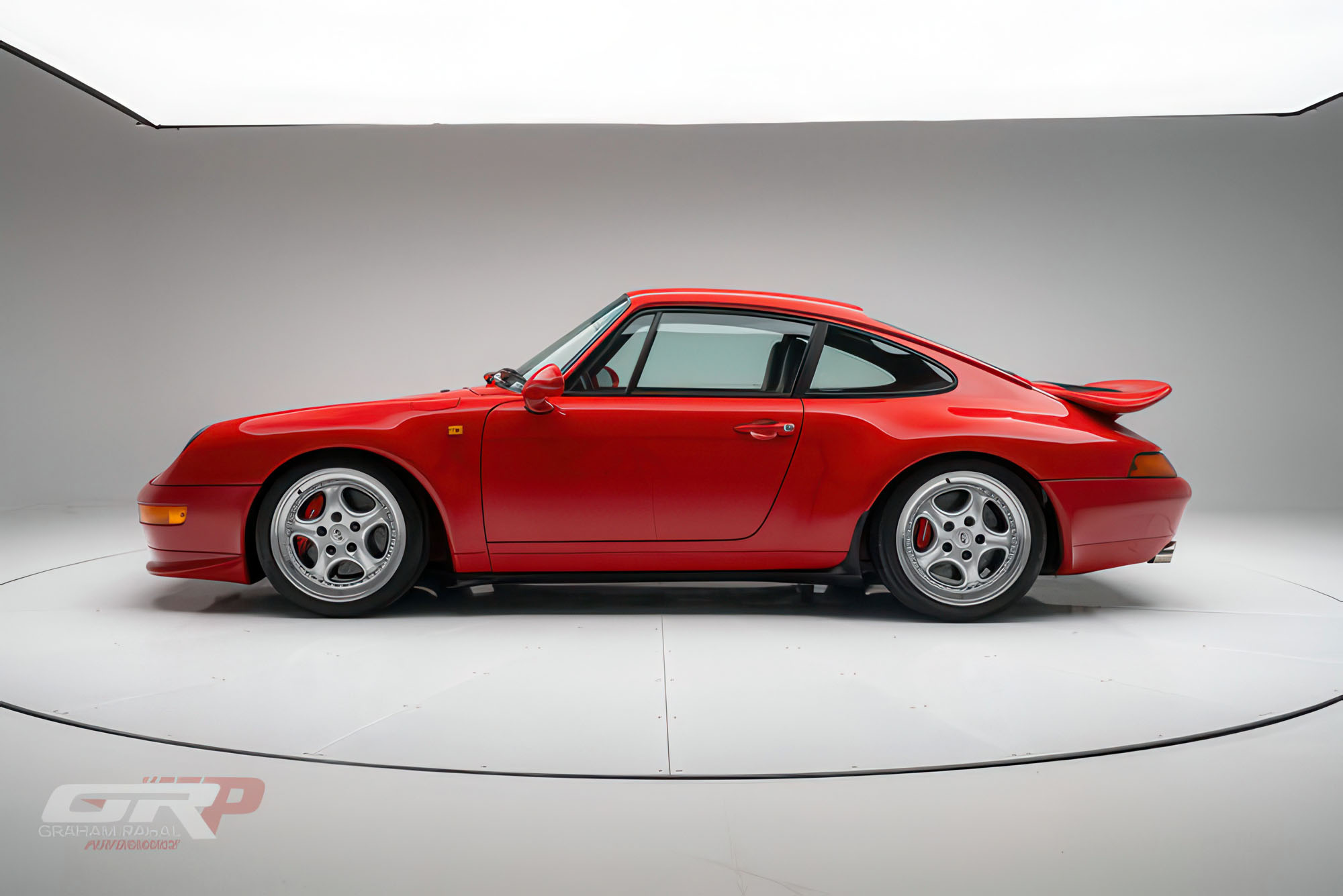
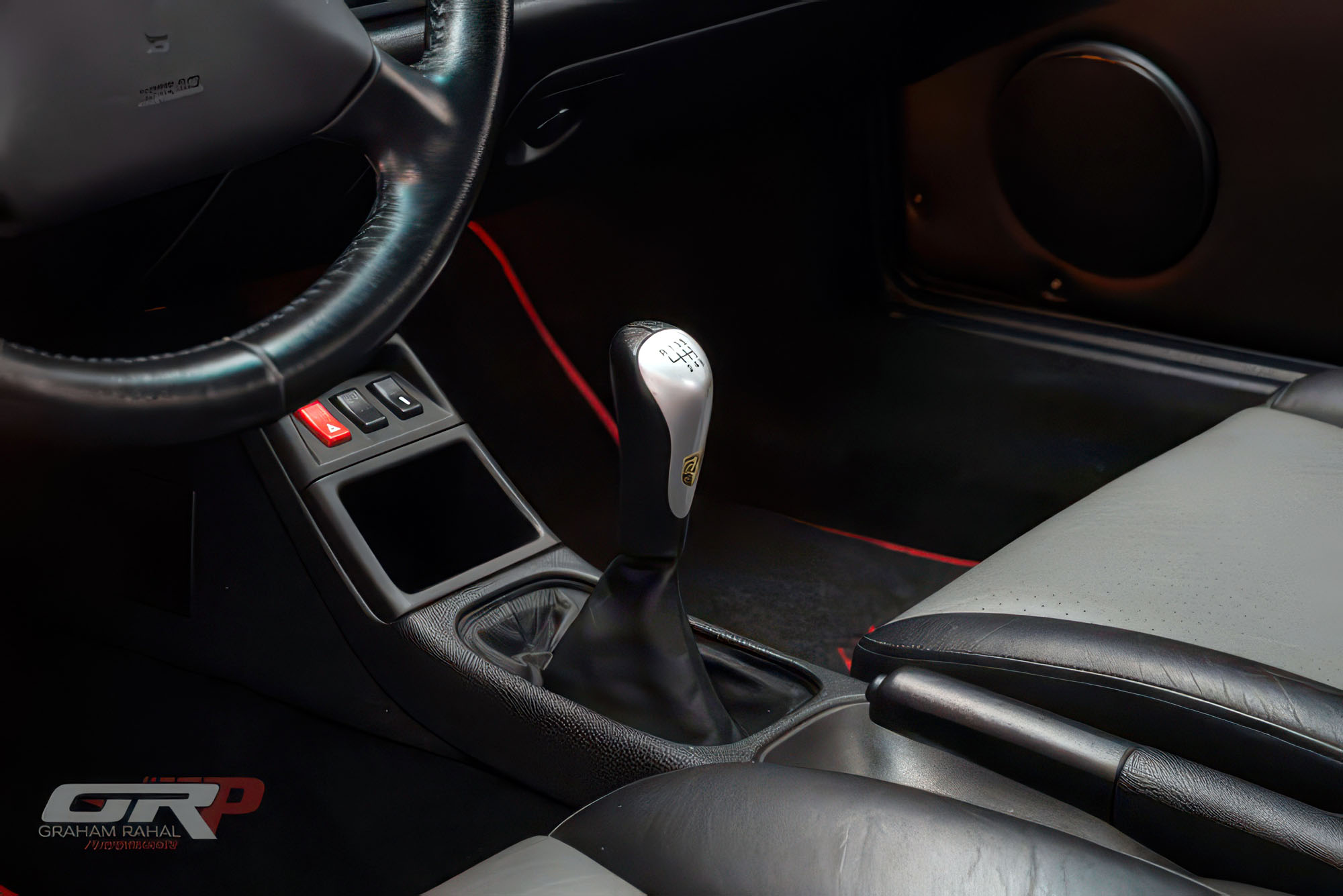
Power was delivered to the rear wheels through a close-ratio six-speed manual transmission. The combination enabled acceleration from 0–100 km/h (62 mph) in approximately five seconds and a claimed maximum speed of 277 km/h (172 mph).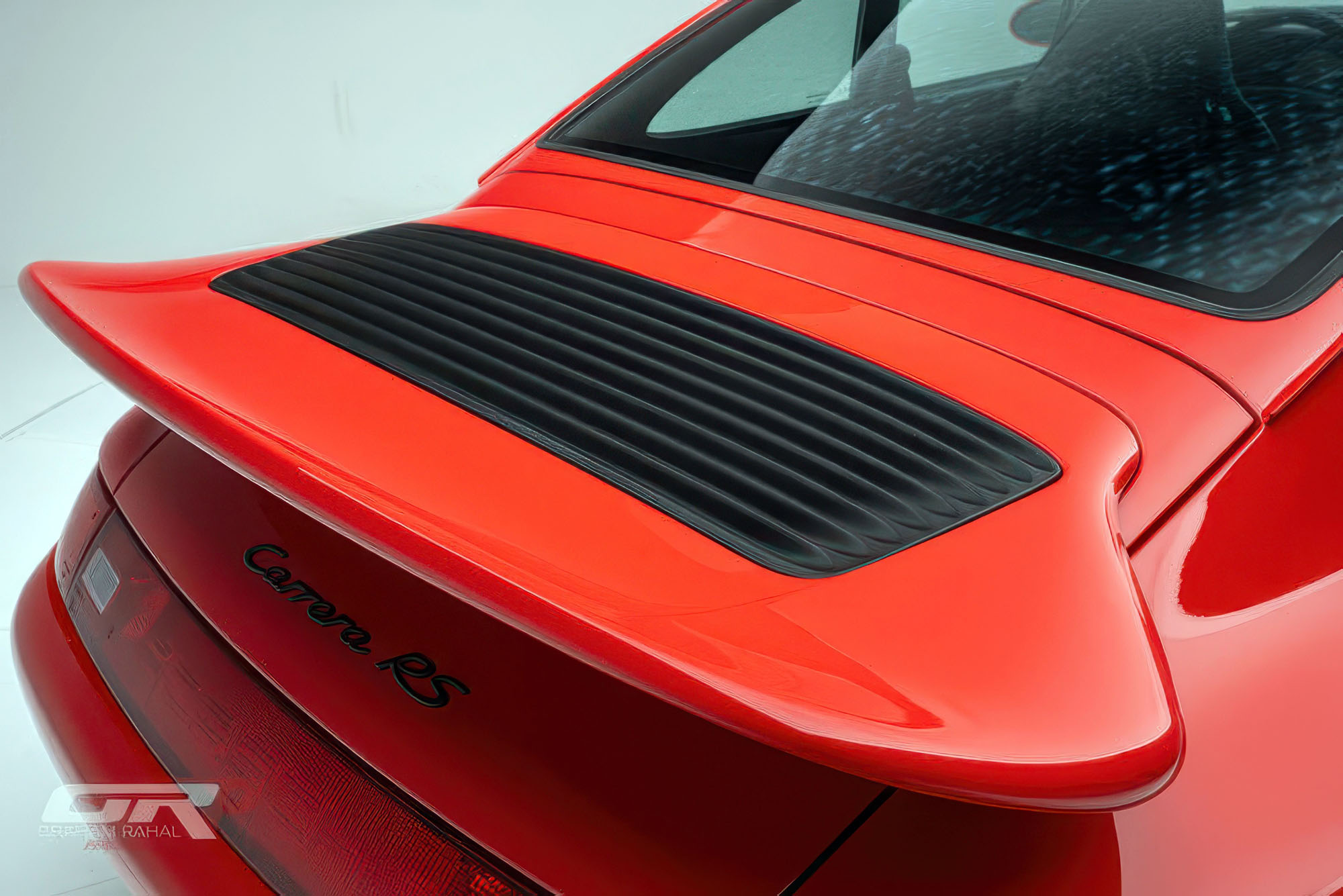
Lightweight Construction and Chassis Upgrades
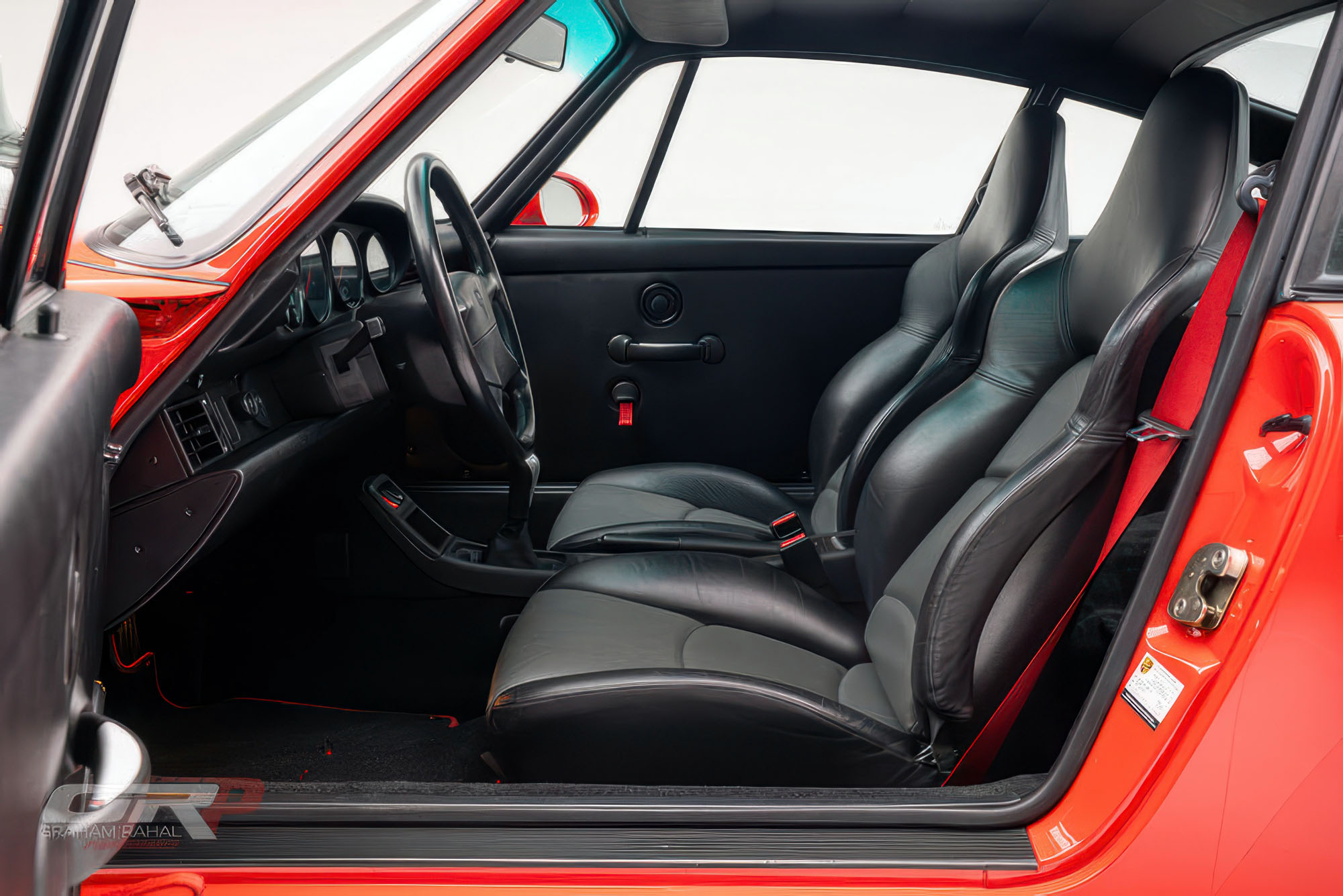
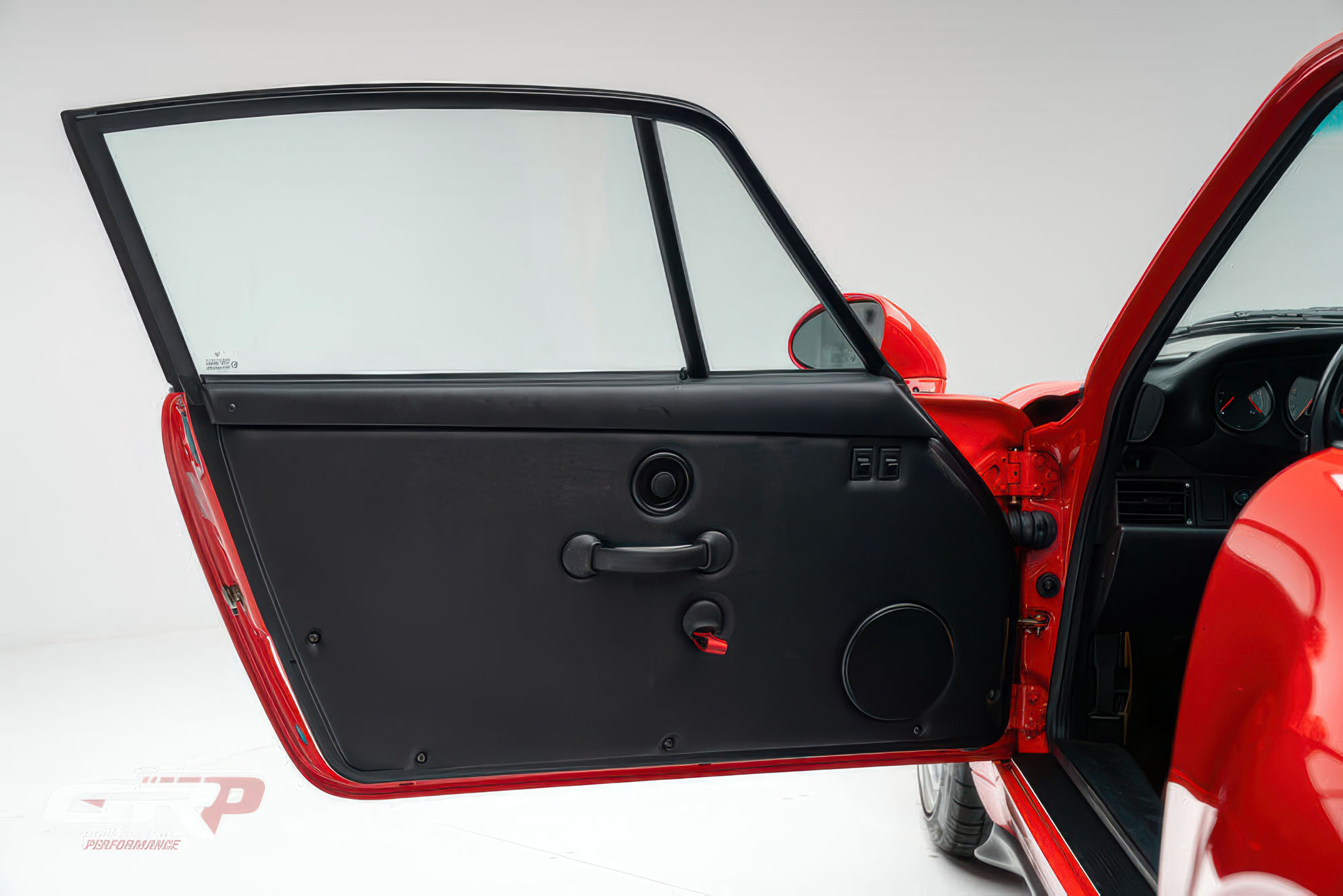
Weight reduction was central to the 993 Carrera RS. An aluminum front hood, thinner glass, lightweight Recaro bucket seats and reduced sound insulation contributed to a curb weight of approximately 1,270 kg (2,800 pounds), around 100 kg less than the standard Carrera.
Air conditioning and various comfort features were deleted to reduce mass. The chassis received lowered, stiffer suspension, adjustable anti-roll bars, a limited-slip differential and upgraded brakes, creating a more focused driving experience.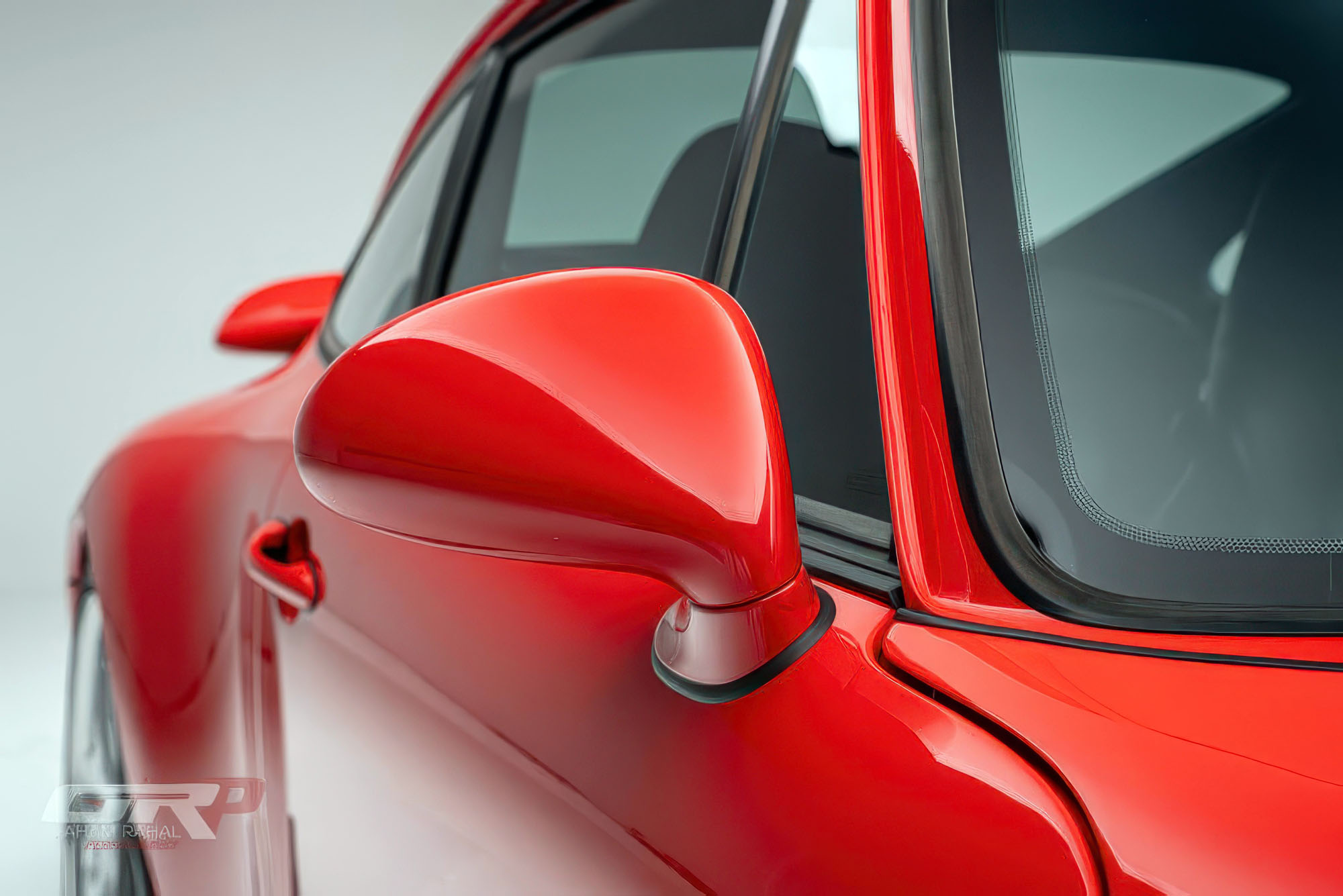
Porsche 993 Carrera RS Design and Clubsport Variant
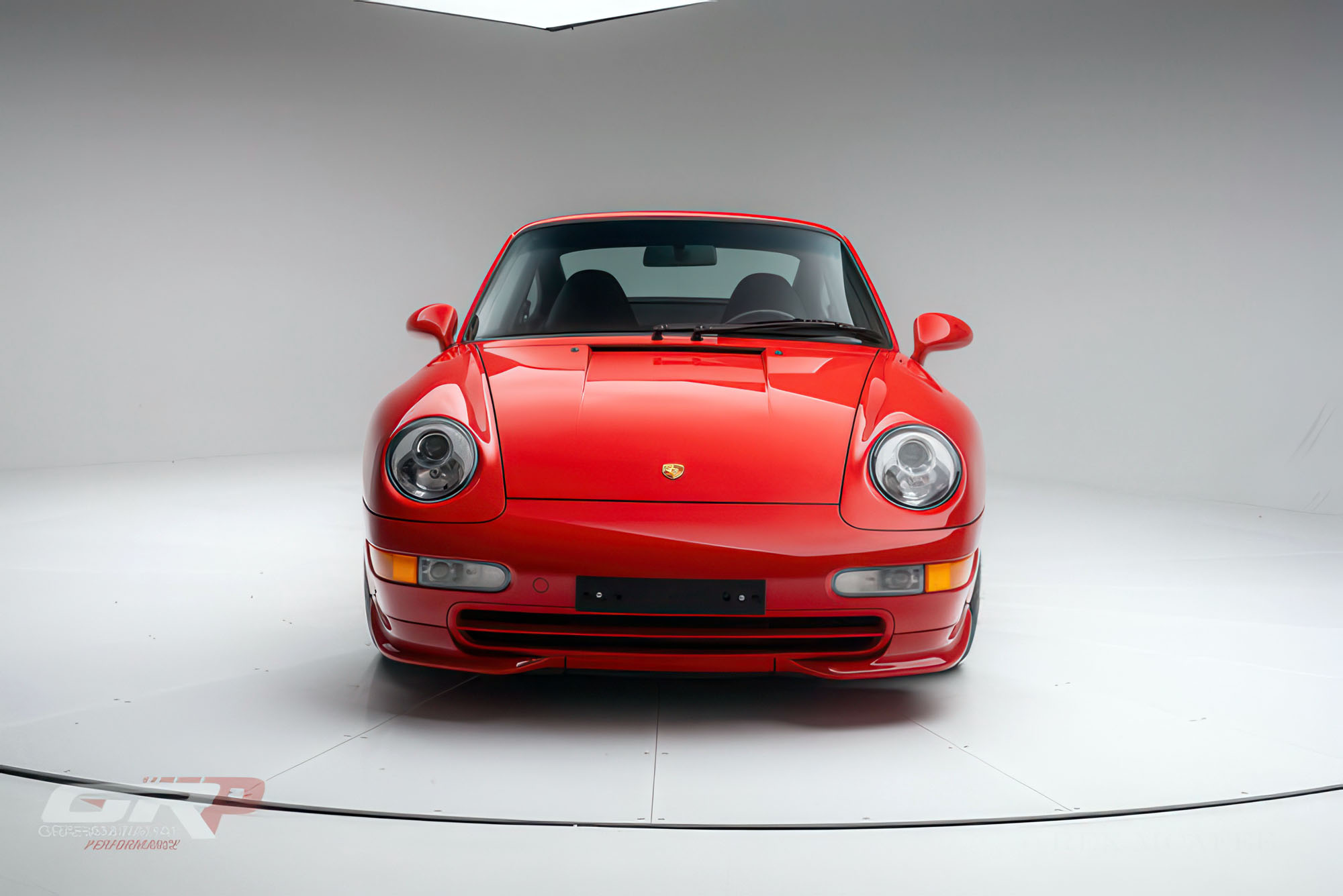
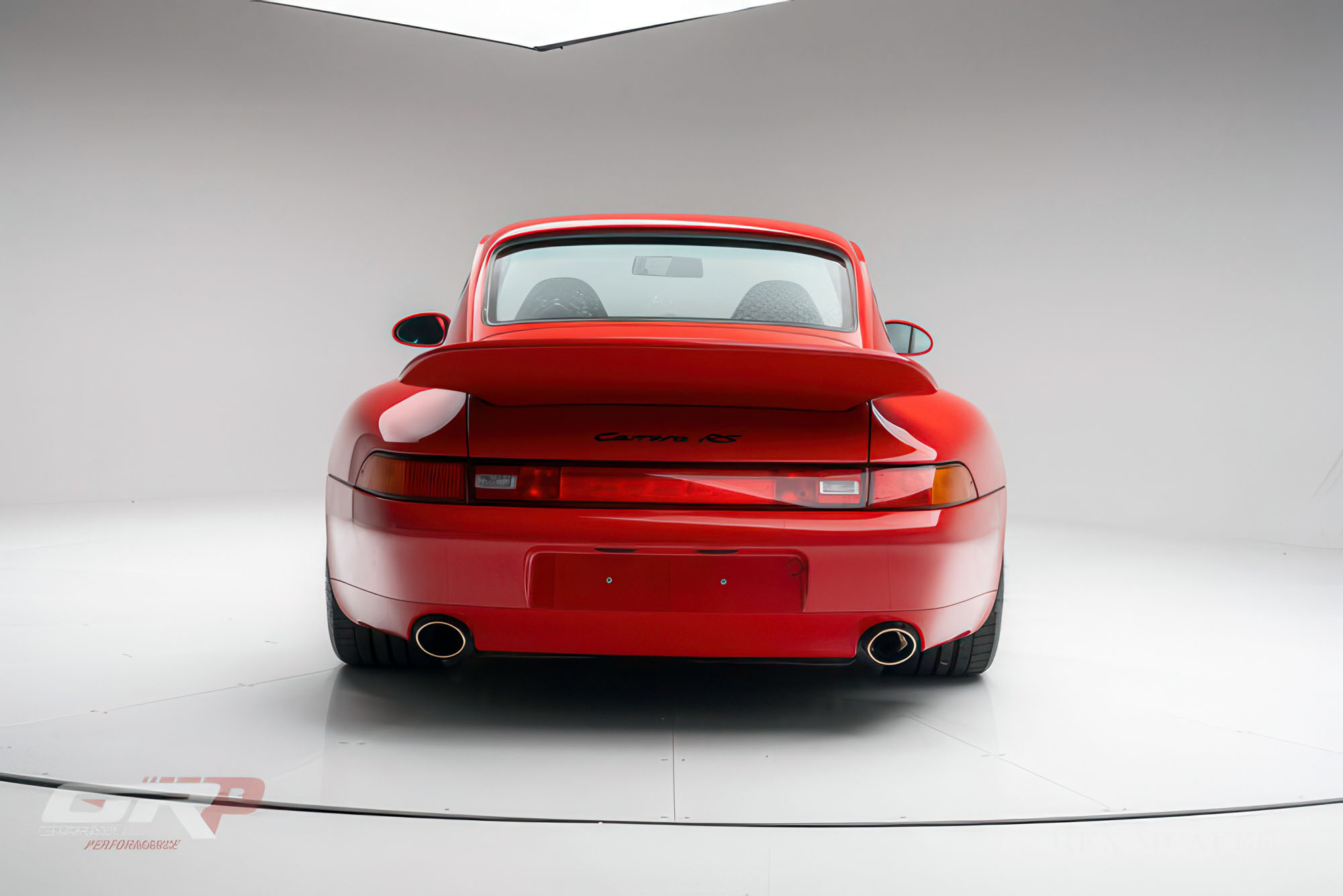
The Carrera RS was distinguished by its 18-inch three-piece Speedline wheels, fixed rear spoiler and revised front aerodynamic elements. Unlike the standard 993 Carrera, its exterior changes reflected a clear emphasis on performance rather than appearance alone.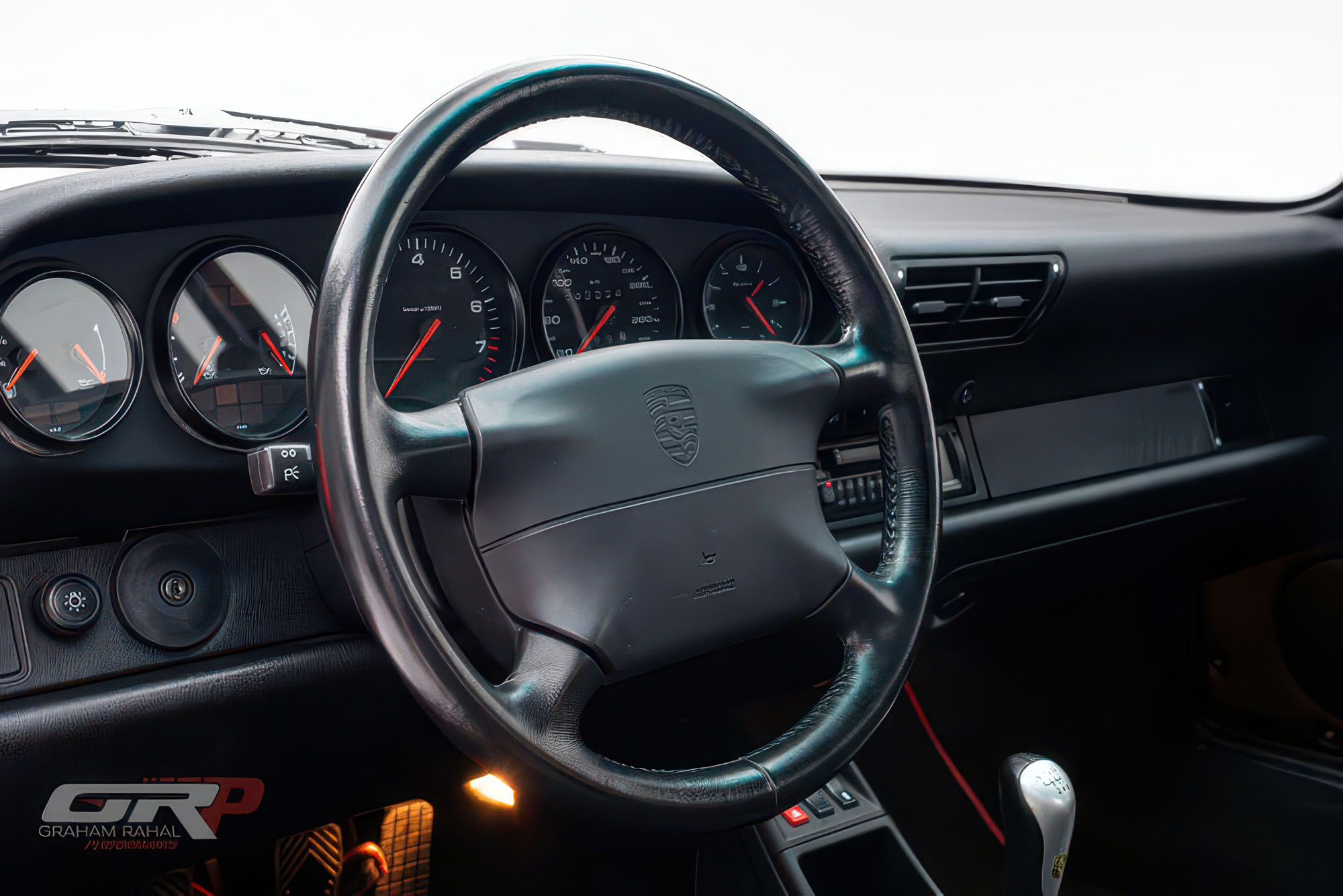
Porsche also offered a more extreme Clubsport derivative, further emphasizing the model’s motorsport-oriented character. Both versions belonged to the limited-production 993 RS family built during 1995 and 1996.


Last of an Era?
The 993 Carrera RS occupies a significant position in Porsche history as the final air-cooled Carrera RS. It combined the 993 generation’s chassis development with the lightweight engineering philosophy established by earlier Rennsport models.
For collectors and driving enthusiasts, its significance rests on that combination: a naturally aspirated flat-six, manual transmission, reduced weight and a chassis engineered to prioritize driver involvement.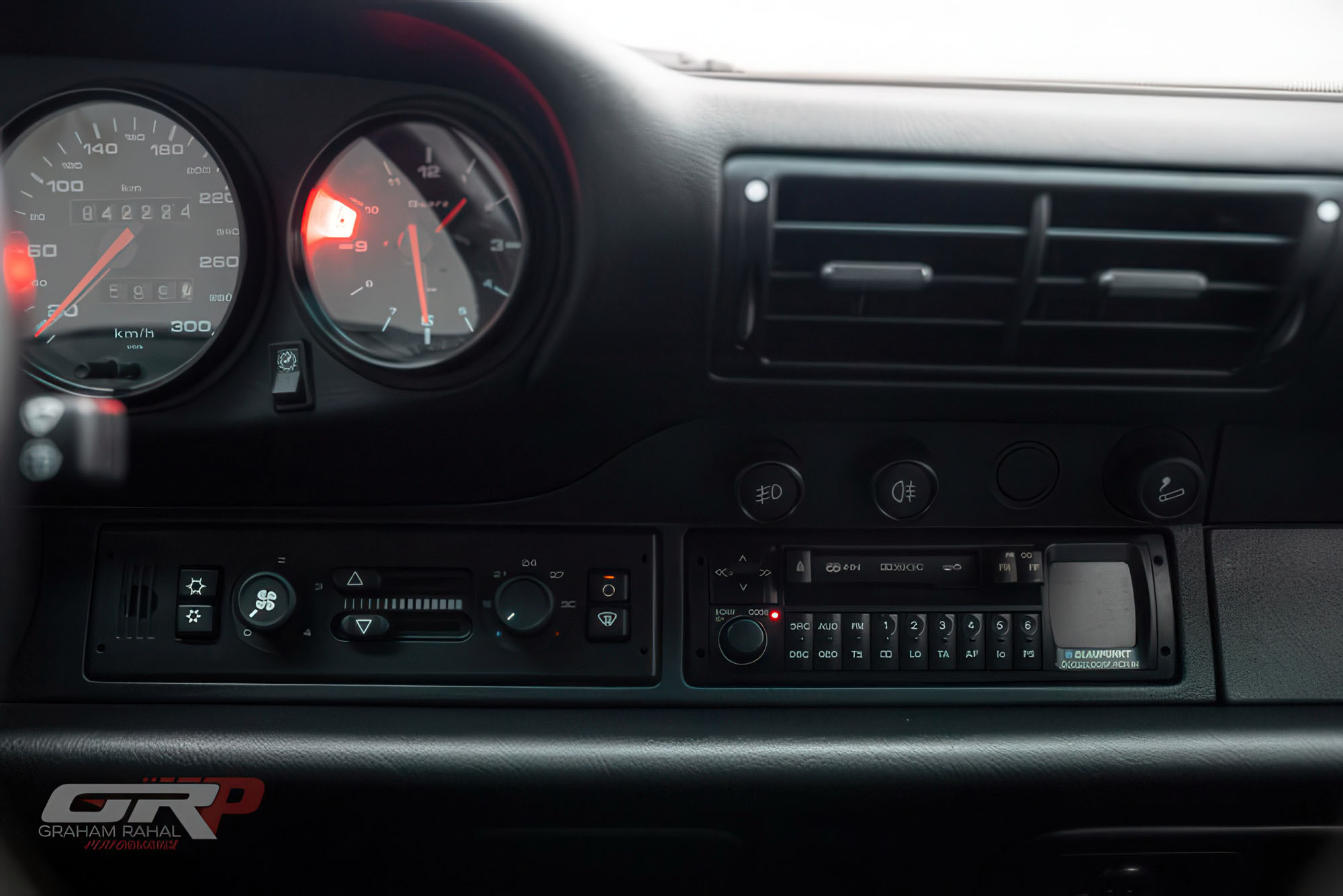
Key Facts
| Specification | Details |
| Model | Porsche 911 Carrera RS (993) |
| Introduced | 1995 |
| Engine | 3,746 cc naturally aspirated flat-six |
| Power | 300 PS (296 bhp) |
| Torque | 355 Nm (262 lb-ft) |
| Transmission | Six-speed manual |
| Drivetrain | Rear-wheel drive |
| Curb weight | Approximately 1,270 kg |
| 0–100 km/h | Approximately 5.0 seconds |
| Maximum speed | 277 km/h (172 mph) |
| Wheels | 18-inch three-piece Speedline |
| Variants | Carrera RS and Carrera RS Clubsport |
Sales Info
Above contents © 2026 Dr. Ing. h.c. F. Porsche AG reviewed and edited by Rex McAfee , @rexmcafee 🏁