
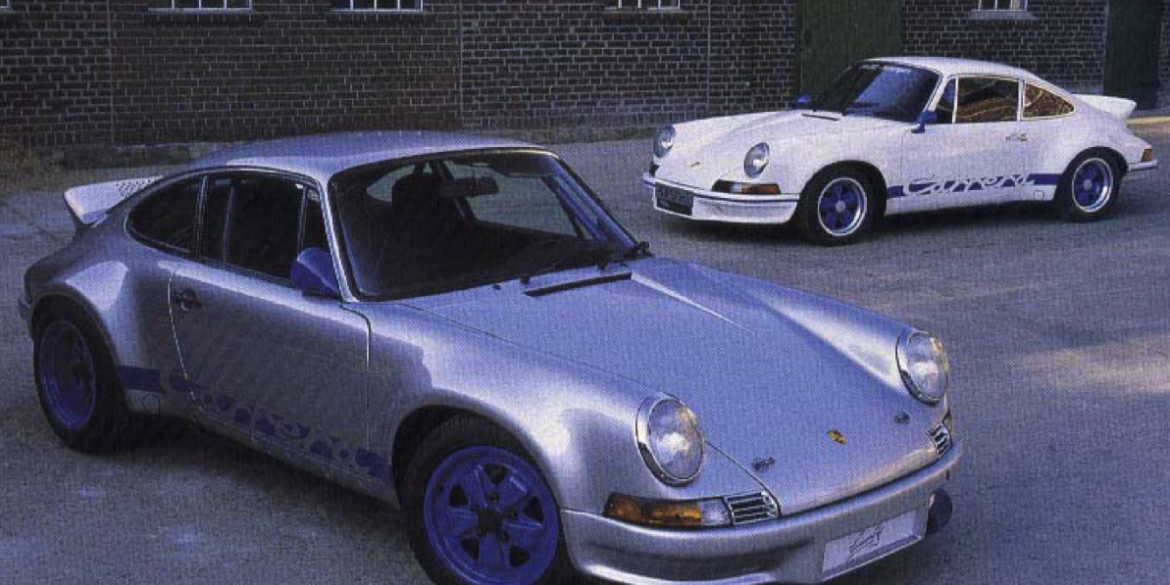
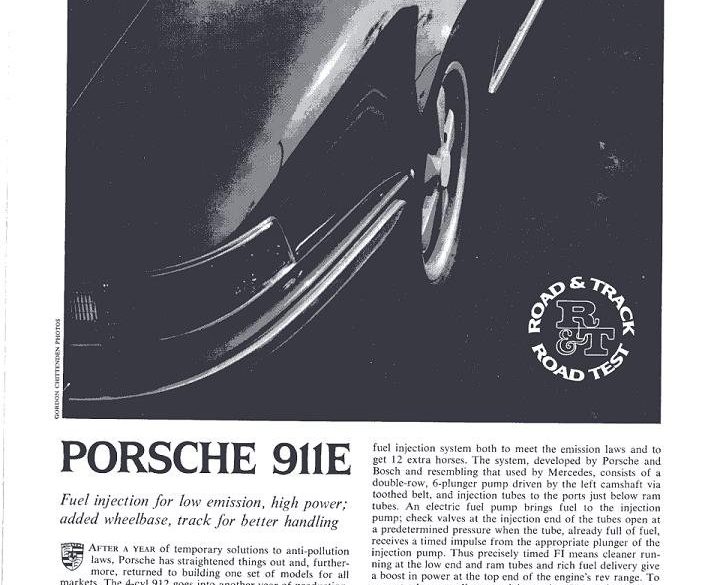

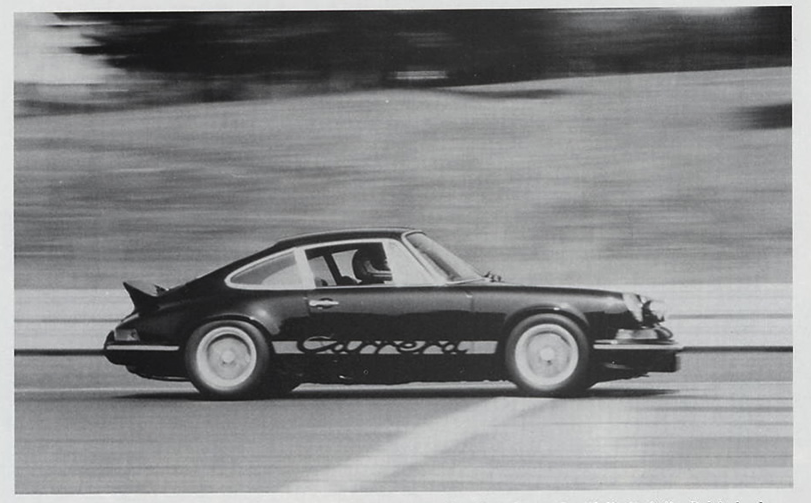
Introduced in 1973, the RSR was a factory-built racing car based on the 911 chassis. The Porsche 911 Carrera RSR 2.8 was the first 911 to ever wear the RSR badge. Homologated for racing by the iconic 1973 Porsche 911 Carrera RS, the RSR’s racing career got off to the perfect start thanks to Brumos Racing’s overall triumph in the 1973 24 Hours of Daytona, while a factory car won the latest ever Targa Florio road race. For the privateer in the mid-1970s who wanted to go sports car racing this was the chosen weapon.
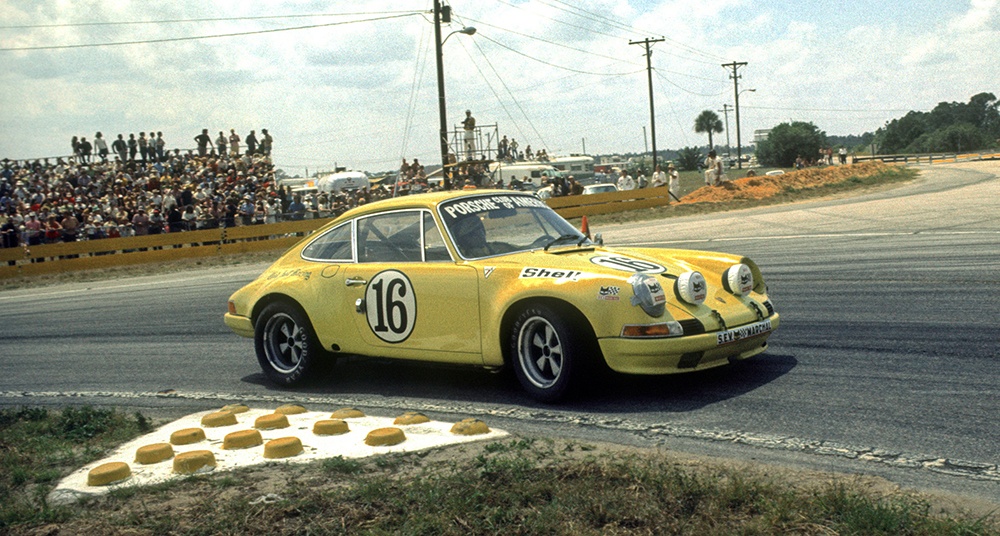
Porsche developed the S/T, of which 33 were built in 1970 and 1971, taking full advantage of new FIA rules allowing a two-inch wider track. Accordingly, wheel arches were widened to accommodate seven-inch front and nine-inch rear wheels. Weight reduction was even more radical, including thinner-gauge steel for the roof and floorpans. Heating ducts, seat slide supports, the glove-box lid, ashtray, sun visors and rear torsion-bar covers were deleted.

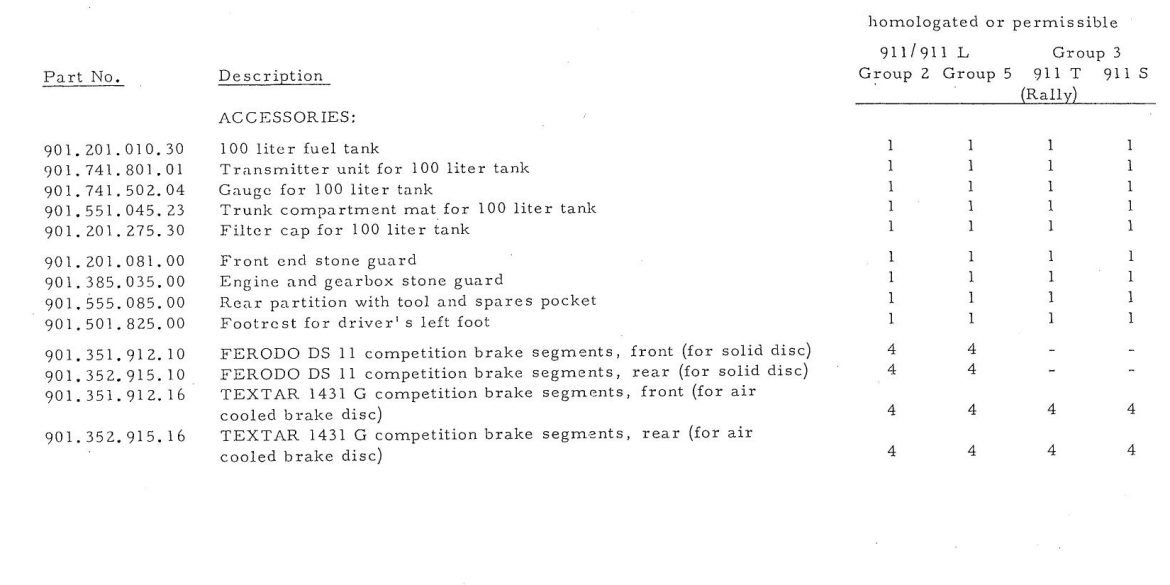
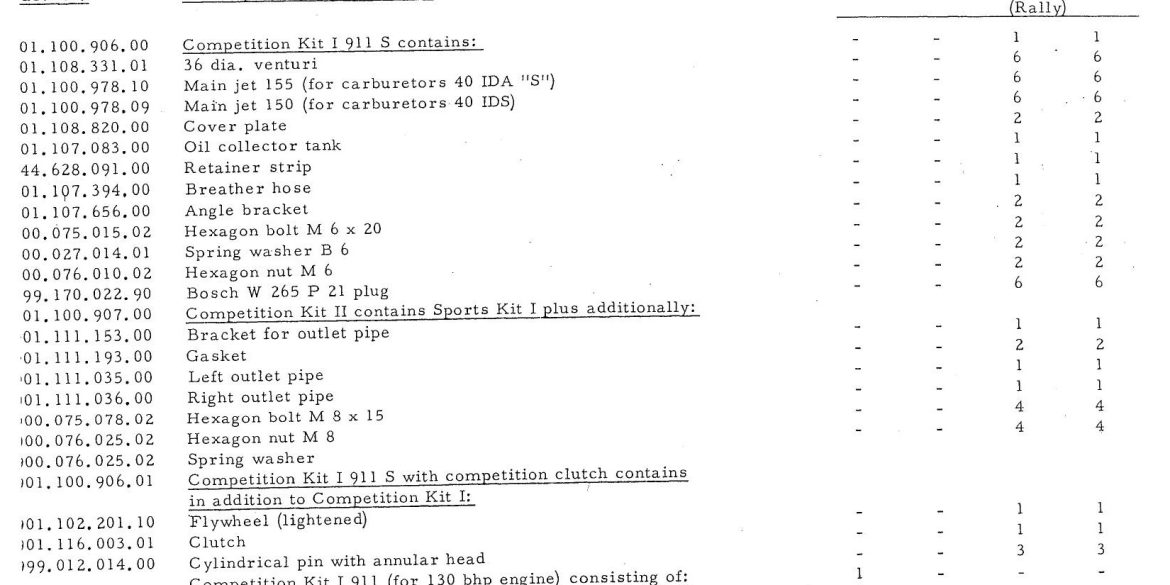
To homologate the 1968 911 for competition purposes, Porsche began with the Spartan 911 T which were a full 54 kg (118 pounds) lighter than their 'S' siblings. Porsche offered clients the opportunity to buy a 911 T outfitted with competition equipment directly from the factory, and the resulting cars have become known as the 911 T/R. They were built in low quantities to a range of specifications depending on their intended competition purposes.
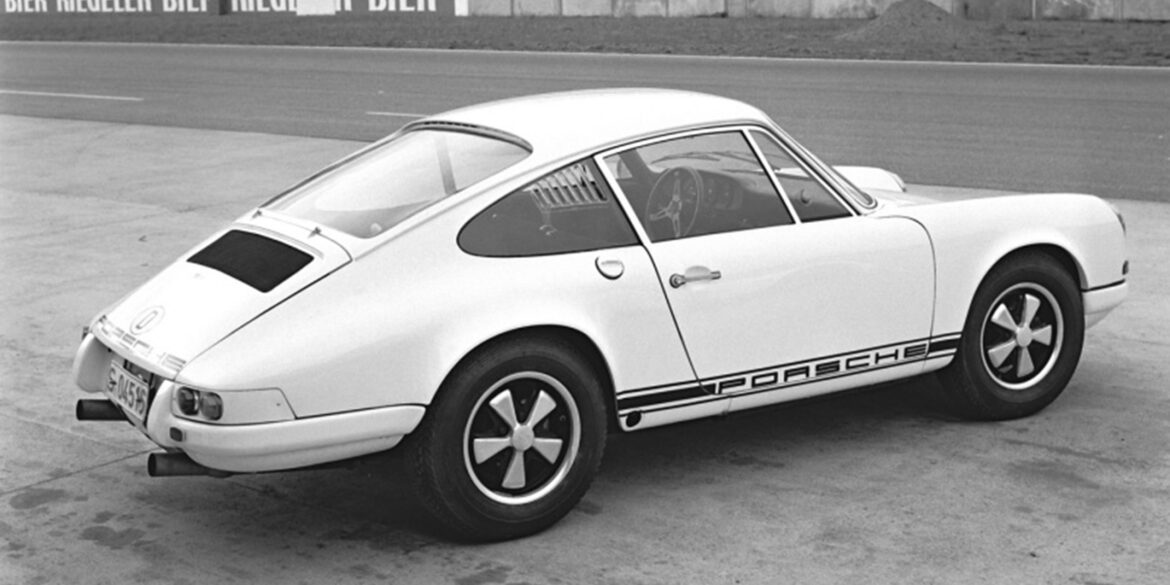
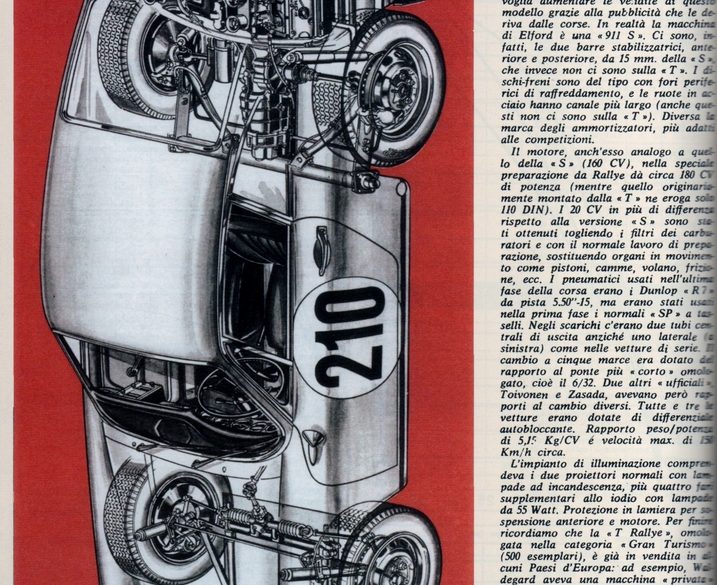
Based on the 911S, the 911 R was produced by Porsche to compete in the FIA’s GT 2.0 category. To make it competitive, the 911R was powered by a flat-six engine, Type 901/22 from the Porsche 906, capable of 210 hp. It went on a diet too, with weight savings coming from everywhere, getting the 911 R down to just 1,800 pounds dry. Four prototypes were constructed after which Porsche had coachbuilder Karl Baur build another 20 customer cars. In the end, because of the modifications to the 911R, the FIA refused to homologate the car.
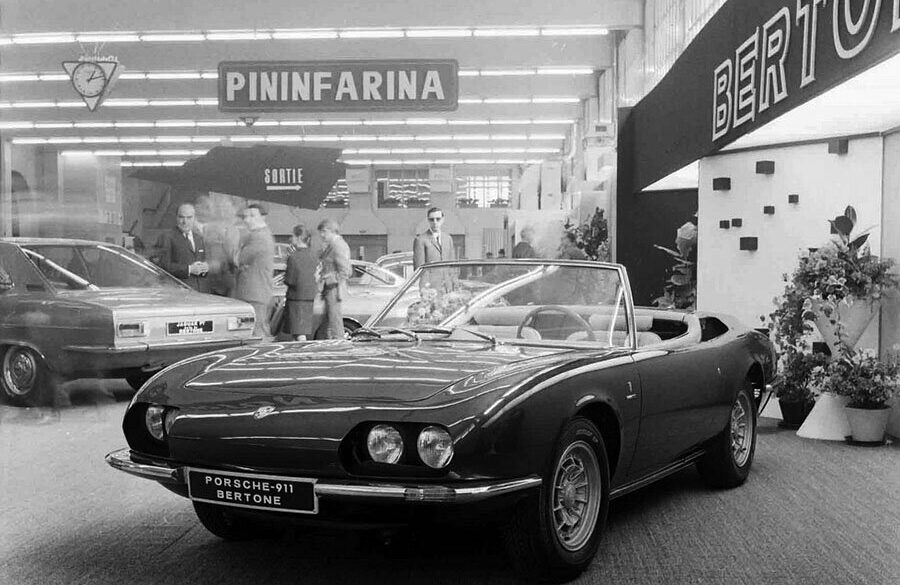
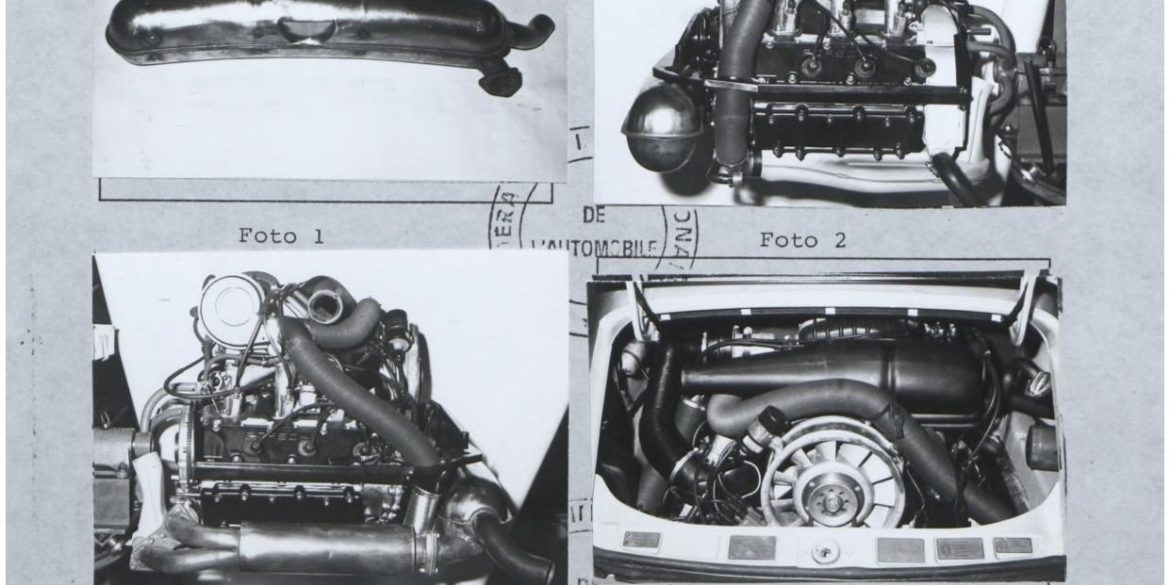
Southern California Porsche dealer Johnny von Neumann knew what his customers wanted, and a Targa top Targa 911 wasn’t it. With Porsche’s approval, he hired designer Nuccio Bertone to create a one-off 1966 Porsche 911 Spyder, in hopes of launching low-volume production. Just one example was constructed. The engine incorporated a vertically-mounted cooling fan, a 9.1:1 compression ratio and two triple-choke 40PI Solex carburettors. Peak output was 130bhp at 6100rpm and 174lb-ft at 4200rpm. Transmission was via a Type 901 five-speed gearbox and single-plate clutch.
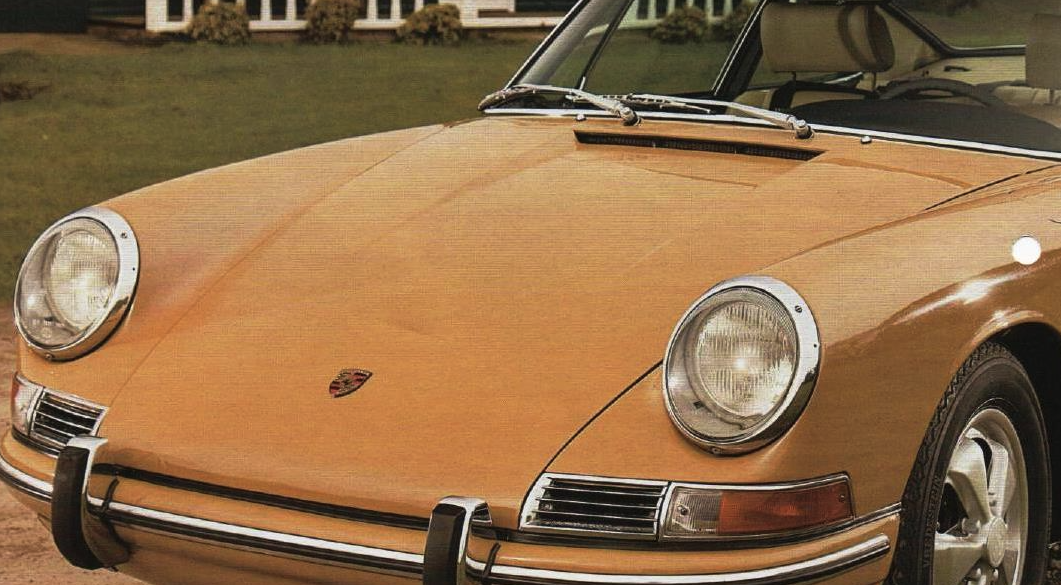
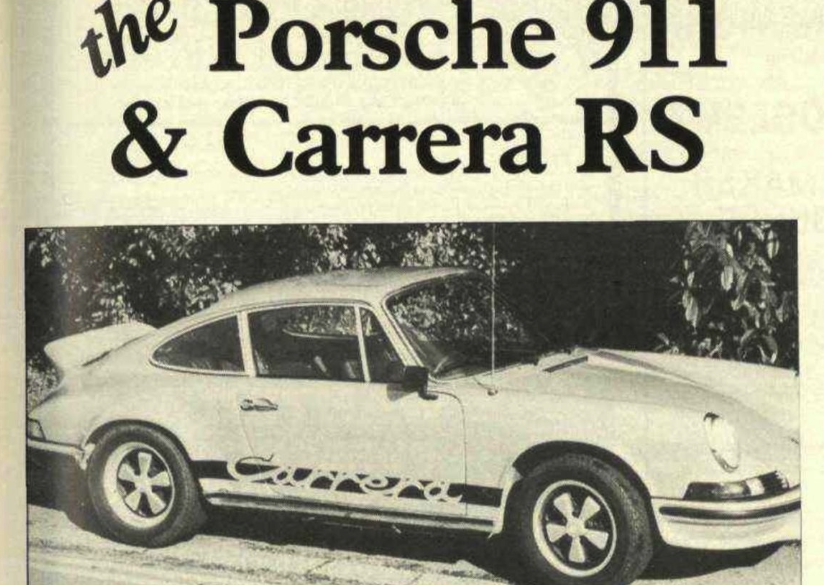
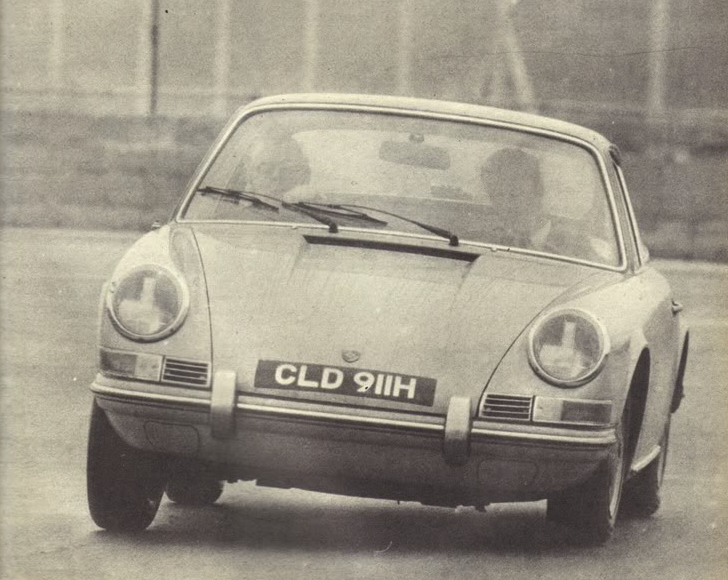
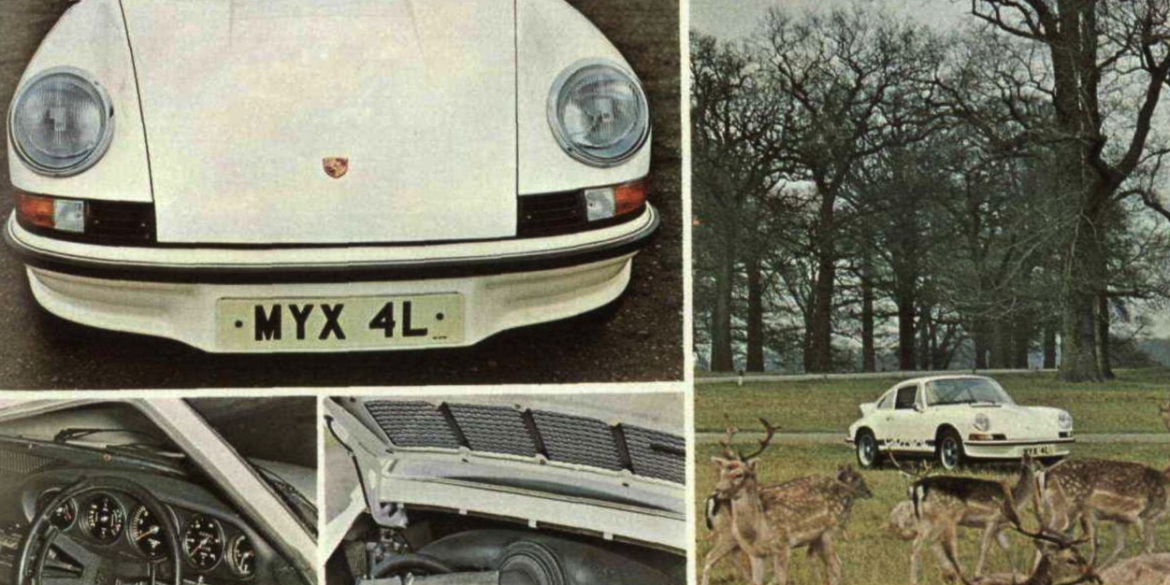
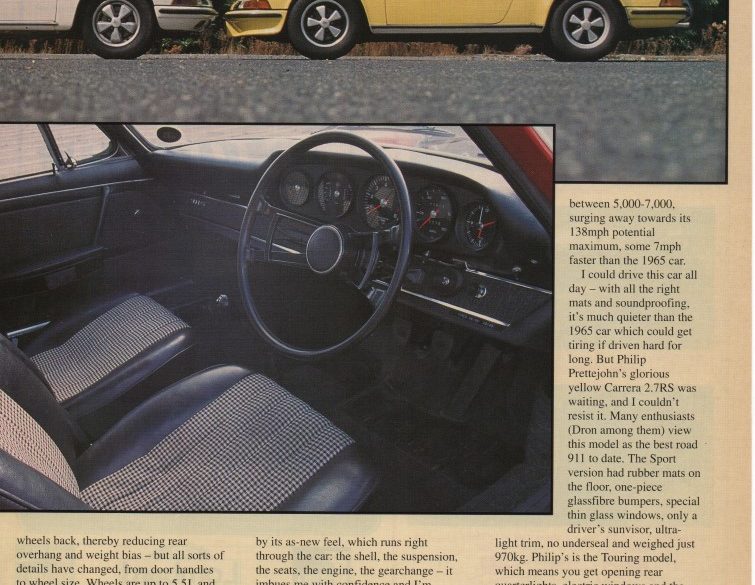
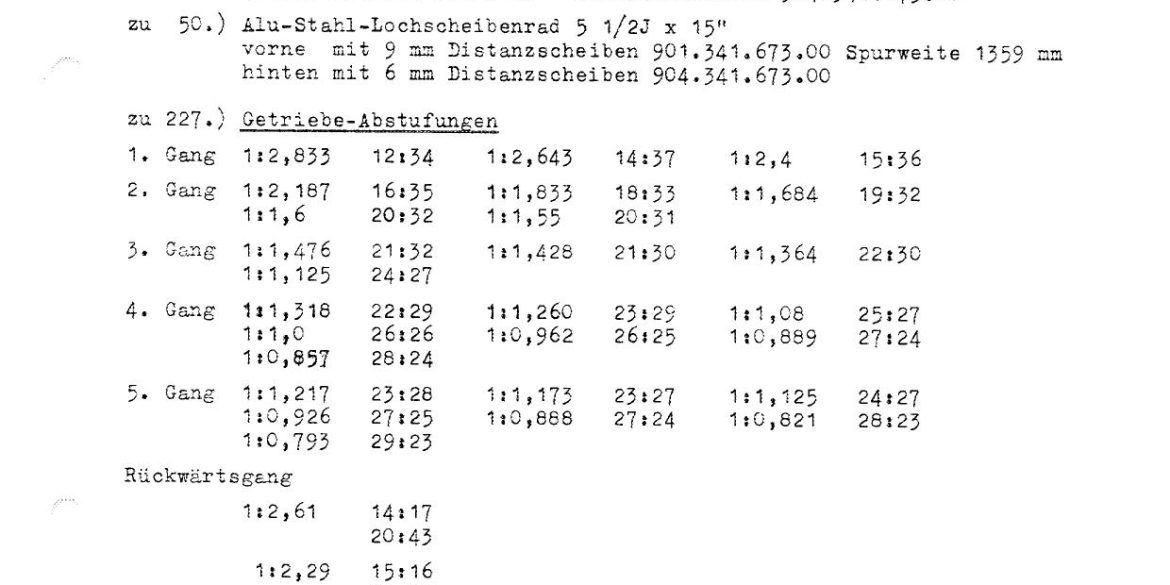
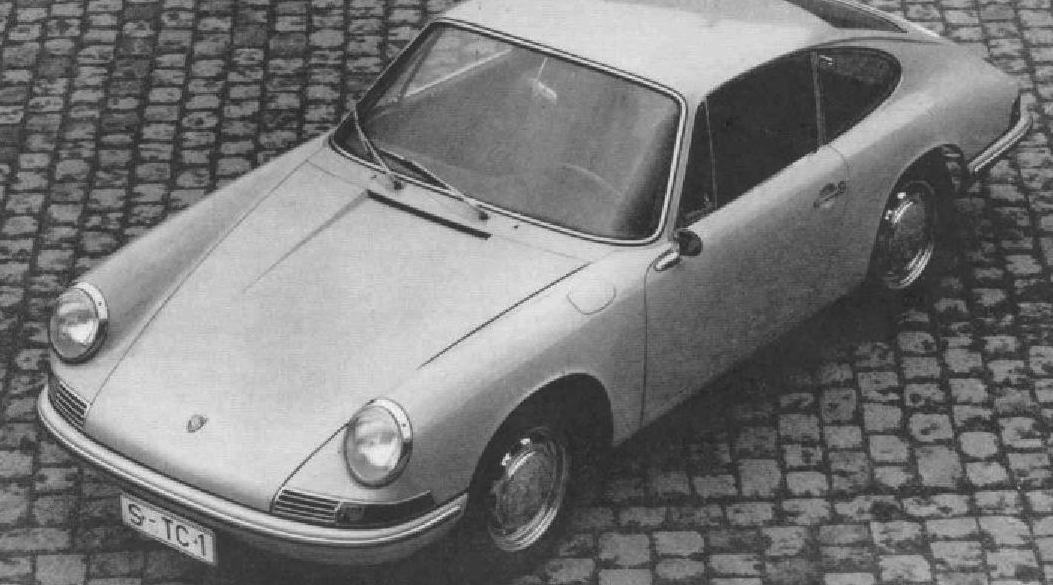
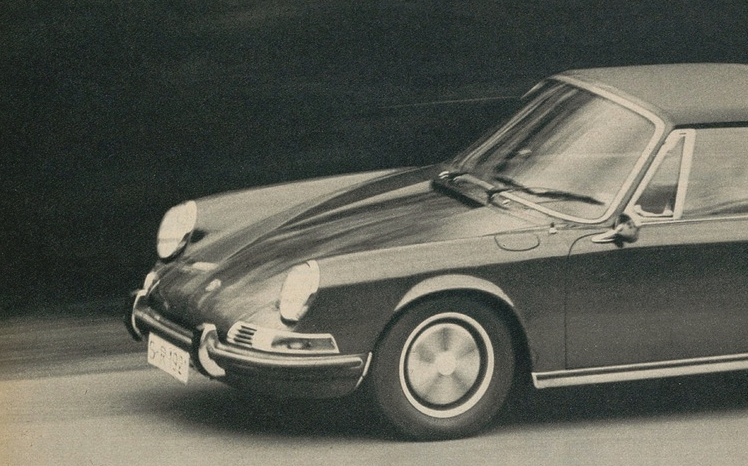
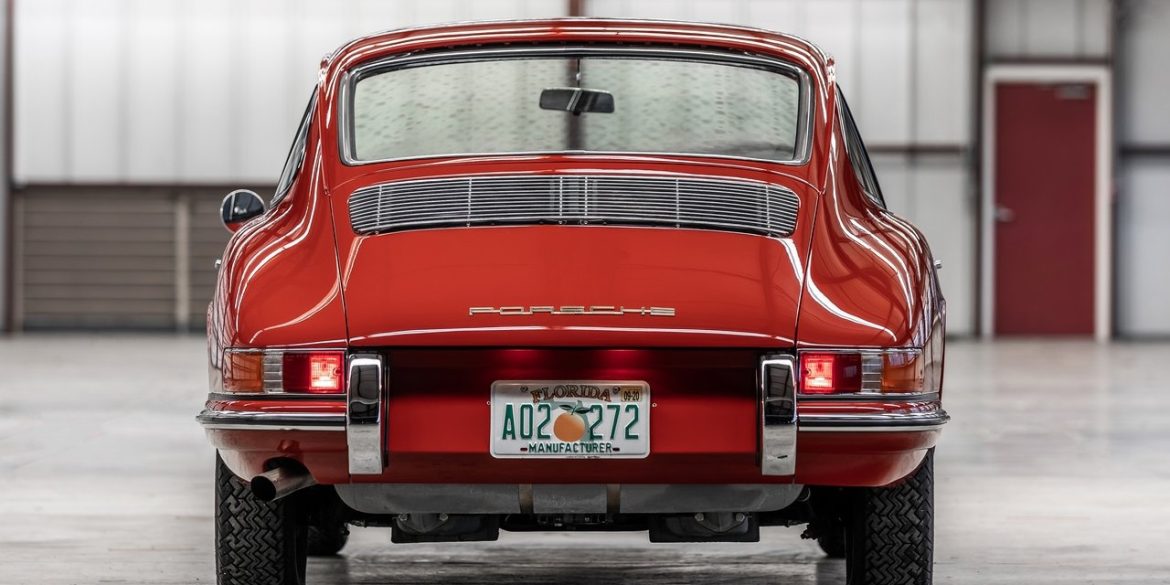
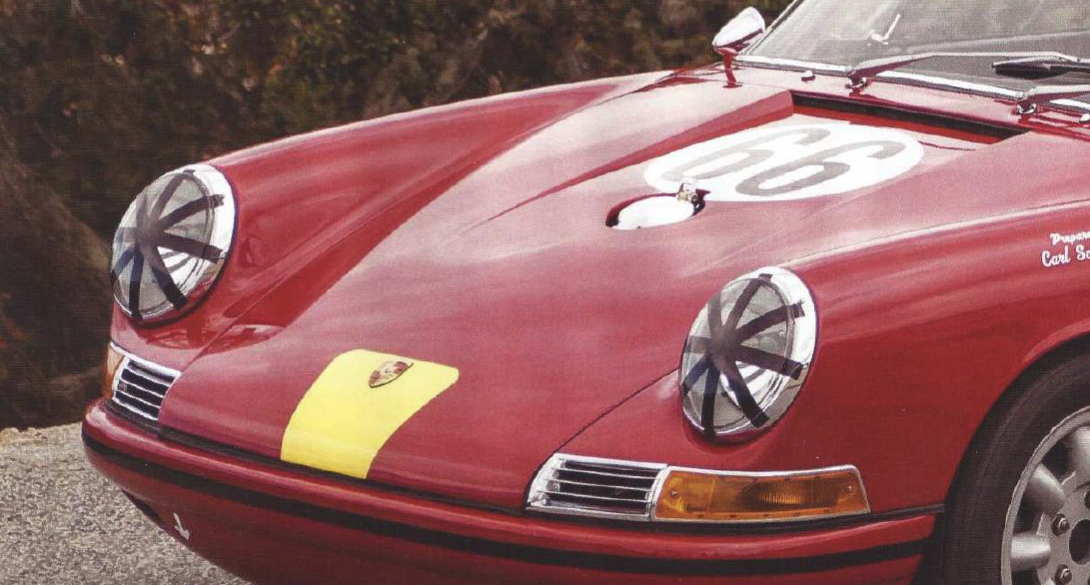
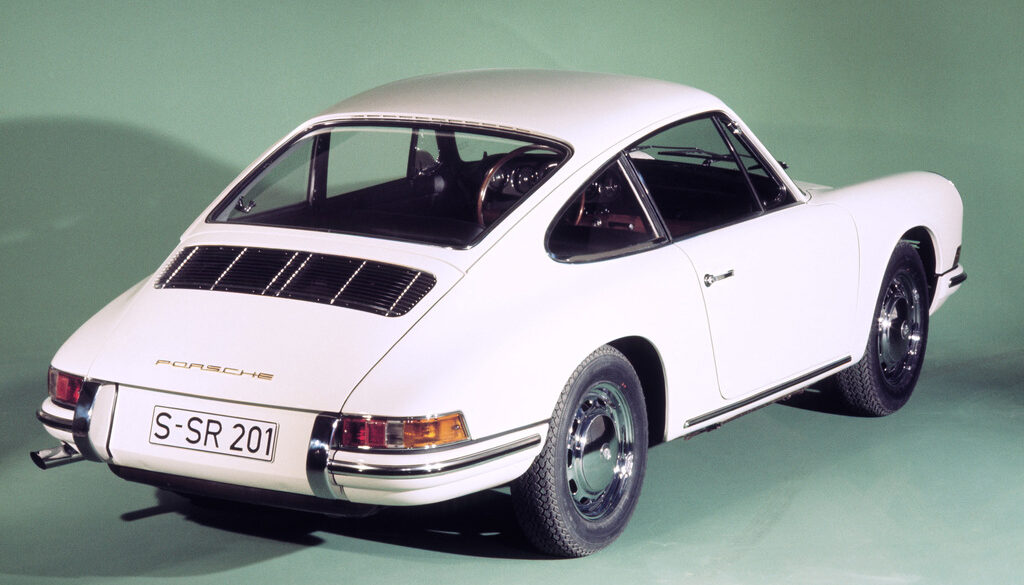
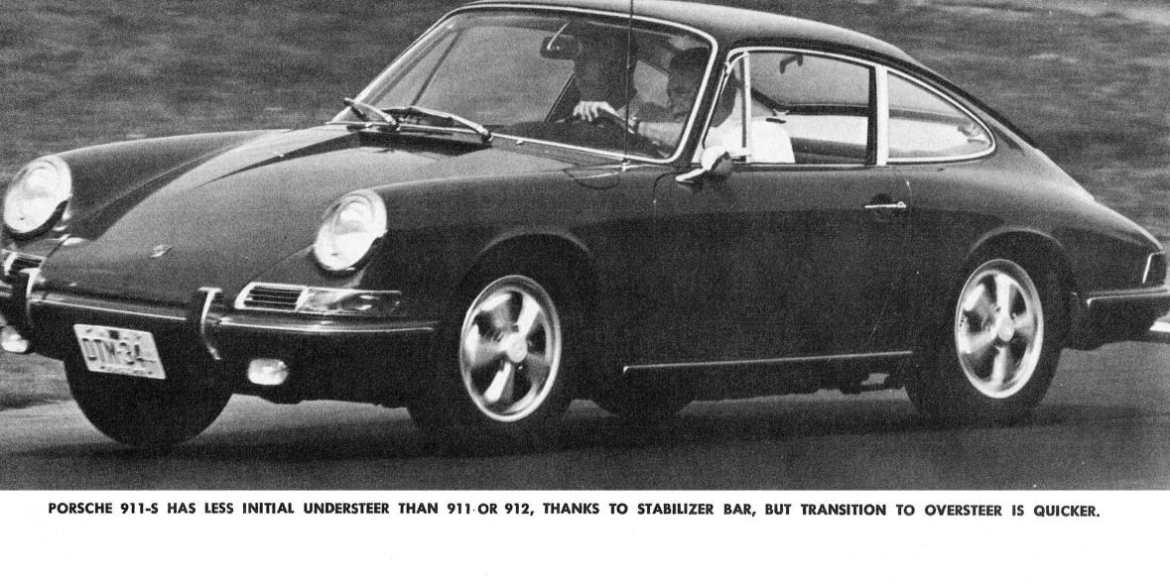
In 1963 Porsche introduced their seminal 901 at the 911 at the Frankfurt Motor Show which would be renamed 911 for the 1964 model year. The new car was sold alongside the 356C as an alternative with more power and room for a rear seat. At the 1963 Frankfurt show the public saw Porsches new direction. Compared to the 356 it had a longer wheelbase, a more compact suspension setup and much more power from the flat-6 engine.
No Subscription? You’re missing out Get immediate ad-free access to all our premium content. Get Started Already a Member? Sign in to your account here....
No Subscription? You’re missing out Get immediate ad-free access to all our premium content. Get Started Already a Member? Sign in to your account here....
No Subscription? You’re missing out Get immediate ad-free access to all our premium content. Get Started Already a Member? Sign in to your account here....
No More Content