
Porsche 911 (991)
Latest

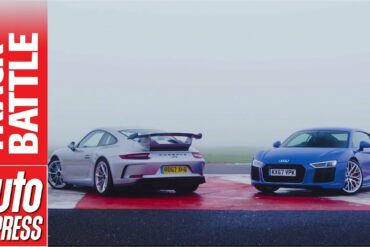

The Audi R8 RWS and Porsche 911 GT3 should be the ultimate rivals for one another, each using rear-wheel-drive...
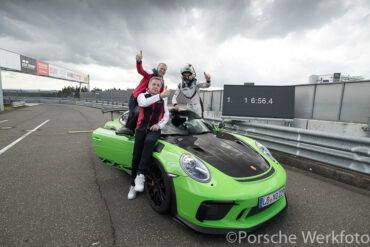

On 16 April, the Porsche 911 GT3 RS set another benchmark for road-approved sports cars at the Nürburgring-Nordschleife circuit in...

As the main racing championships are about to begin the 2018 season, the Porsche Carrera Cup France has seen its first...
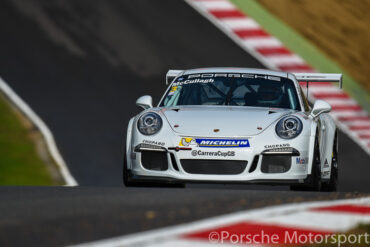

John McCullagh signed off on the 2017 Porsche Carrera Cup GB season with a fourth-placed finish and a stunning fourth-straight...
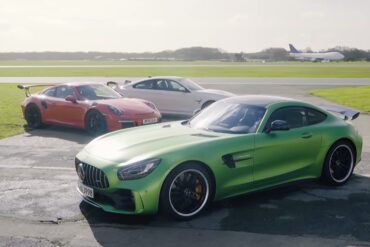

The Porsche 911 GT3 RS has been the king of the fast road track weapon category but a German civil...
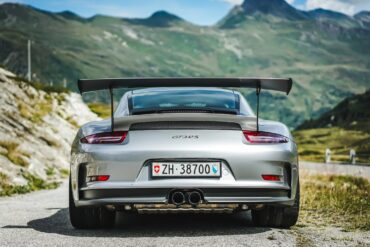
Porsche 991 GT3 RS Morning Drive Put your headphones on and enjoy this awesome footage of a Porsche 991...
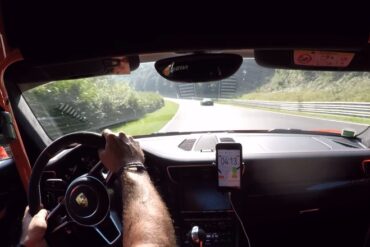
Quick race on a half Nurburgring lap, the Mercedes-AMG GTR was on the rear from the beginning and Porsche 991...
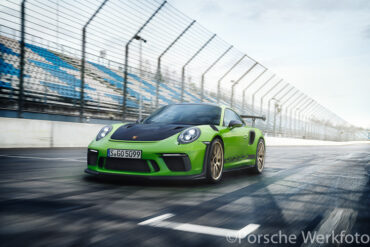
With a clear focus on motorsport, the Porsche Motorsport department will present its latest project at the Geneva Motor Show,...
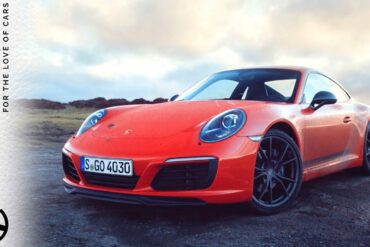
Porsche 911 Carrera T Video Review In the Porsche 911 Carrera T Henry Catchpole revels in the delights of no...
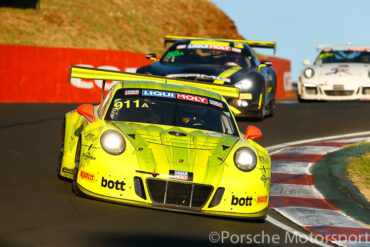
The Bathurst 12 Hour race serves as the opening round of the Intercontinental GT Challenge. First held in 1991, the...
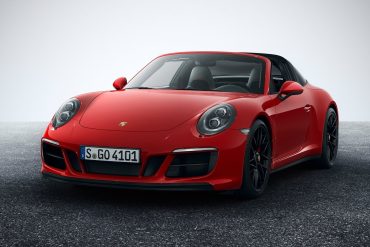
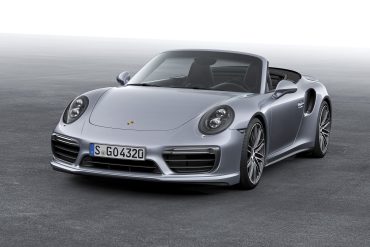
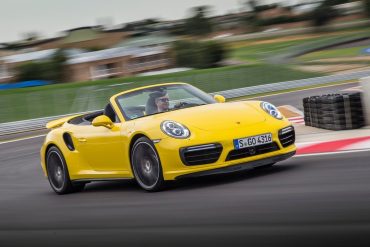
The Cabriolet version of the 991.2 Turbo got the same updates as its coupe sibling. The engine in the 991.2 911 Turbo Cabriolet is a twin-turbocharged flat-six with 540 horsepower and 523 pound-feet of torque, up a decent 20 more horses versus the 991.1 Turbo Cab. Improvements that come from increases in boost and fuel-injection pressures. Rounding the skidpad, the Turbo posts 1.02 g’s relatively easily. The wide P Zeros in back and the standard four-wheel steering conspire to hide the fact that 62 percent of the Turbo’s 3656 pounds sits over the rear wheels. 0 - 60 mph is over in just 3 seconds.
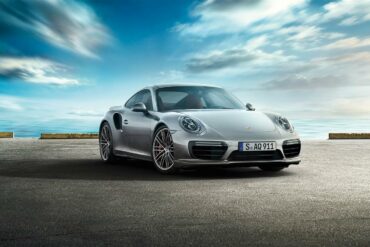
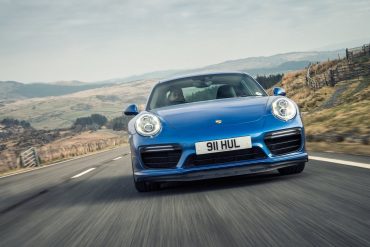
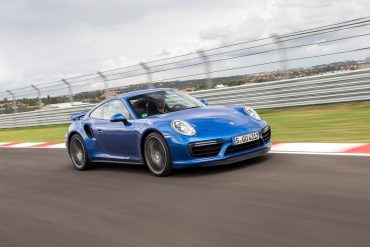
At the heart of the 991.2 911 Turbo is a twin-turbocharged flat-six with 540 horsepower and 523 pound-feet of torque. That’s a meaningful 20 more horses than the 991.1 Turbo. Improvements that come from increases in boost and fuel-injection pressures. Rounding the skidpad, the Turbo posts 1.02 g’s relatively easily. The wide P Zeros in back and the standard four-wheel steering conspire to hide the fact that 62 percent of the Turbo’s 3656 pounds sits over the rear wheels. With sport-plus selected, the 991.2 Turbo hits a 1.0-second run to 30 mph and a 2.6-second zero-to-60 time.
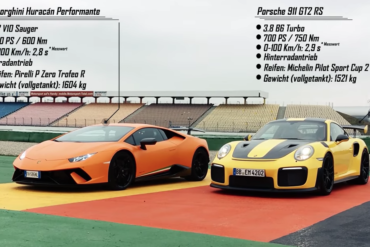
Porsche 911 GT2 RS vs Lamborghini Huracán Performante Track Battle Onboard sport auto-Testfahrer Christian Gebhardt im Porsche 911 GT2 RS...
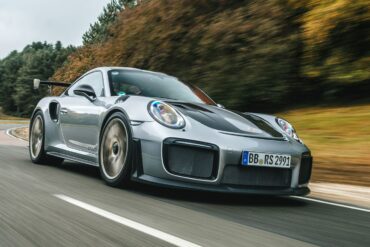
991.2 GT2 RS Reviewed CAR magazine UK reviews the new 2018 Porsche 911 GT2 RS – the 690bhp, rear-wheel drive...
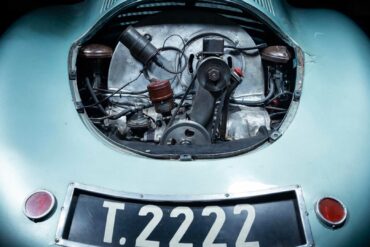
Somerset driver Ryan Cullen finished his Porsche Mobil 1 Supercup series with two confidence-boosting performances in Mexico. The 26-year-old qualified...
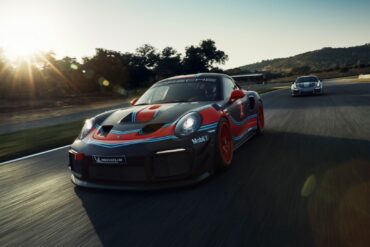
This car was officially called as the 911 GT2 RS Clubsport, but the name is rather misleading. The car was not built for the GT2 racing class which is long extinct and club sport has stood for Porsche club track days while this non-streel-legal car is a real racing car. Finally, the car was based on the 991 GT2 RS, which already had the Clubsport version. So, in order to understand what is what, we call it "991 GT2 RS Clubsport racing version". The 991 GT2 RS engine with 515 kW was powerful enough, so it was not tuned.
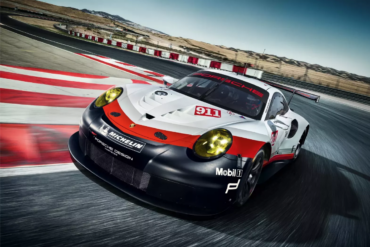
Two decades after the different 911 GT1 cars the mid-engined 911 is back! In order to install a proper diffuser under the rear end of the 991, the engine had to make room for it and the engine/transmission unit was rotated 180 degrees. The extended rear diffuser, a top-suspended rear wing and the new side mirrors help to increase downforce with reduced drag. The FIA rules meant no turbo was needed due to power limits, so the normally aspirated 4-litre flat-6 was taken from the 991 GT3 R.
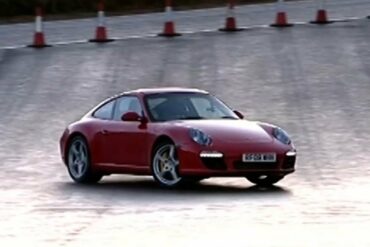
Tiff’s Quick Take On The Porsche 911 Carrera S Throwback Thursday clip from series 15 of Tiff reviewing the 991...
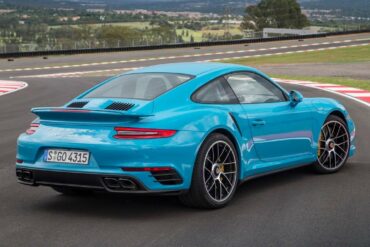
Porsche 991.2 Turbo S Review The Porsche 991.2 Turbo S may be the world’s most well rounded car. It squeezes...
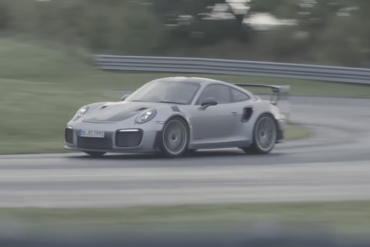
The Porsche 911 GT2 RS, then. Take a Porsche 911, add a turbocharged engine that’s even more powerful than the...
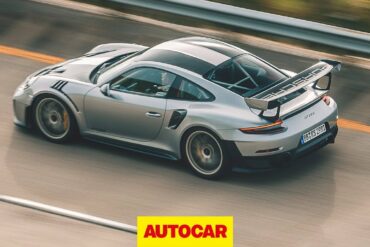
991.2 GT2 RS – Most Powerful 911 Driven The Porsche 911 GT2 RS, then. Take a Porsche 911, add a...
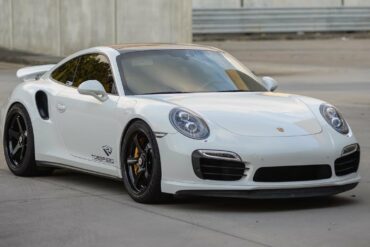
One Take In An Aftermarket Turbo S This video was filmed at #GRIDLIFE Motorsports and Music Festival South, Road Atlanta....
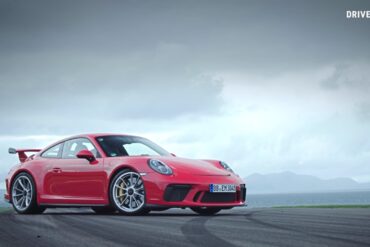
In part 1 of our review of the new 493bhp Porsche 911 GT3, we test the new hardcore supercar on...
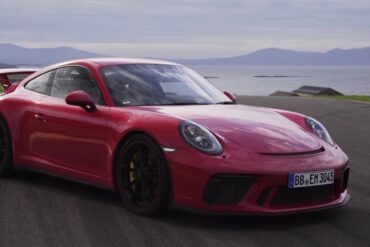
Porsche have listened to their customers and added all the lessons they’ve learned recently to make the 911.2 911 GT3...
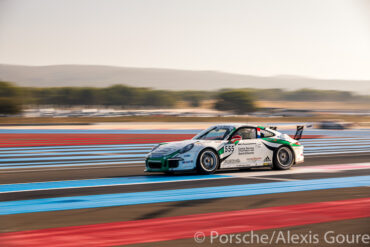
The last meeting of the Porsche Carrera Cup France took place at the Paul Ricard Le Castellet circuit, in the...
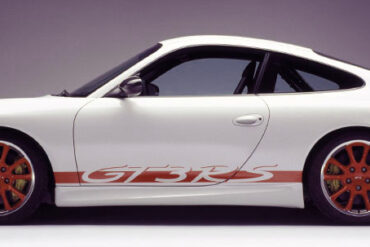
At the ten-hour Petit Le Mans race contested on the tradition-steeped Road Atlanta racetrack last Saturday, the new 911 RSR...

Porsche is the most successful marque in the 24 Hours of Le Mans and British drivers have played an important role in delivering these historical achievements, and in celebration of this success a special limited edition model – the 911 Carrera 4 GTS British Legends Edition was created. Designed by the drivers who took wins in the 24 Hours of Le Mans for the factory team – Richard Attwood (winner 1970), Derek Bell MBE (winner 1981, 1982, 1986, 1987) and Nick Tandy (winner 2015) – this model was developed by Porsche Cars GB and Porsche Exclusive Manufaktur.
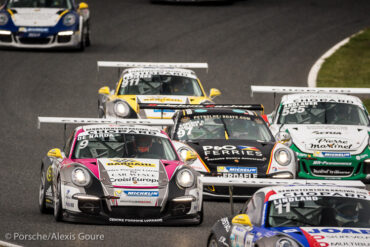
Over the last week-end of September/first of October the competitors in the Carrera Cup France and GT3 Cup Benelux (35...
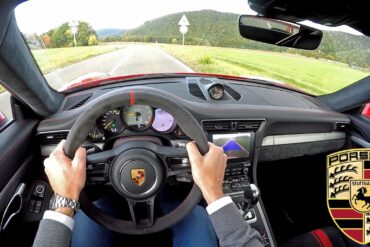
Mountain Run in a 991.2 GT3 In this video I take you for a POV test drive behind the wheel...

As had been anticipated, Porsche has beaten the Huracan Performante’s Norschleife lap time, and is now the fastest production car at...
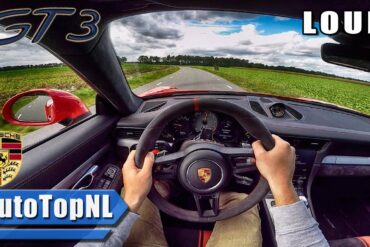
991.2 911 GT3 POV Driving Impressions Porsche 911 GT3 (991.2) POV Test Drive INSANE SOUND!! by AutoTopNL...

Porsche set a new record for road-approved sports cars on the 20.6-kilometre Nürburgring Nordschleife in the 911 GT2 RS on...

Located in the town of Ummendorf, approximately 130km south east of Stuttgart, Proton Competition has been working on Porsche race...

The Porsche Carrera Cup GB rolled into Silverstone for the penultimate meeting of the season. The Free Practice sessions on Friday...

Last weekend the competitors in the French Carrera Cup travelled to Nevers Magny-Cours for the fourth race meeting of the...

Porsche never fails to impress us when it comes to creating niches with their introduction of a new edition 911...

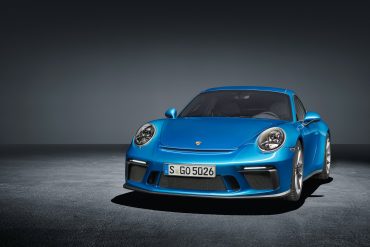
The 911 GT3 with Touring Package was unveiled yesterday at the 67th International Motor Show (IAA) in Frankfurt, Germany. Available...

Porsche Junior Matt Campbell (AUS/Fach Auto Tech) scored his second victory of the Porsche Mobil 1 Supercup season on Sunday...

Drivers Cars & What Makes Them So Special Chris Harris compares and contrasts the Porsche 911R and the Peugeot 205...

As the season approaches its latter stages, the duel for the crown of the Porsche Mobil 1 Supercup has come...

Following a successful return to Porsche Carrera Cup GB at Snetterton a fortnight ago, John McCullagh returned to the Redline...

Team75 Bernhard is located in Bruchmuhlbach-Miesau, in the district of Kaiserslautern, Rheinland-Pfalz, Germany, about 90 miles (144km) north west from...

The Porsche 911 GT3 | Chris Harris Drives | Top Gear In this week’s instalment, Chris Harris tackles the mighty...

John McCullagh announced his return to the Porsche Carrera Cup with a magnificent third-place finish for Round 8 of the...

Thirty drivers took part in last Sunday’s round of the Mobil 1 Porsche Supercup action at the Hungaroring. This was...

Our guys from the CAR magazine decided to pit the Ferrari 458 Speciale and Porsche 911 GT3 against each other...

We present our Ultra HD 4k wallpaper for desktop of Porsche 911 Turbo S Exclusive Series in high resolution and...


Video: Onboard with Patrick Pilet and Frederic Makowiecki in the #91 Porsche 911 RSR at the Le Mans 24H on...

Watch evo’s Jethro Bovingdon put the new Porsche 911 GT3 RS through its paces on the track. Is it the...
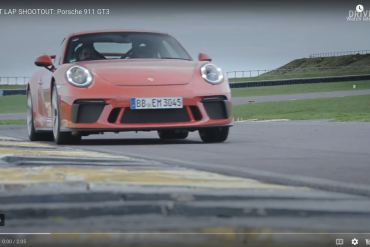
Recently revealed at the Geneva Motor Show, the new Porsche 911 GT3 receives a new naturally aspirated 4.0-liter flat-six engine....

The new Porsche 911 GT2 RS, the most powerful road-approved 911 of all time, celebrated its world premiere at the...

Top Speed In a Porsche 911 GTS German correspondent Thomas Hellmanzik gets his first 911 driving experience, and promptly hits...

Relive the magic of the Porsche Carrera Cup Le Mans 2017. A field of 61 identical cars raced at the...

Every year, during the Le Mans 24 Hours weekend, some other motor racing series shares the paddock and the race...

Porsche just unveiled their most powerful 911 yet and it is just insane! Equipped with a twin-turbo flat-six engine that yields 700-horsepower...

New 2018 911 GT2 RS with 700 hp, rear-wheel drive, race-bred chassis, and rear axle steering Atlanta, Georgia. The fastest and...

Introduced in June 2017, the new 911 Turbo S Exclusive Series is the most powerful all-wheel drive turbocharged member of...

A review of the new 493bhp Porsche 911 GT3, we test the new hardcore supercar on the road, to find out...

A short video preview of the new 2017 Porsche 911 Targa 4 GTS with all the basic information about this...
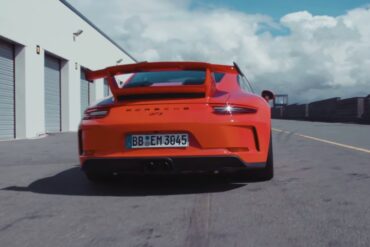
We suggest to turn up your TV, your speakers, your headphones or whatever it may be so you can listen clearly...
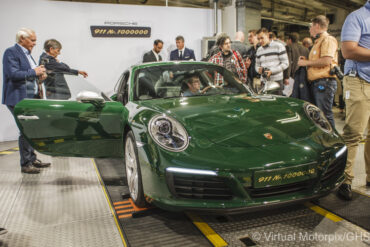
It’s called, ‘being in the right place at the right time’! Only the previous day, I had spent photographing the...
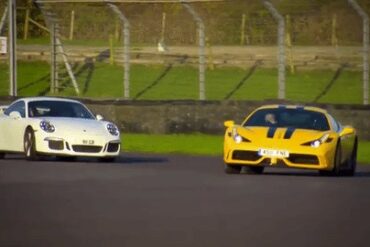
This video shows a head to head battle between the two of the best cars on the market today: the 458...
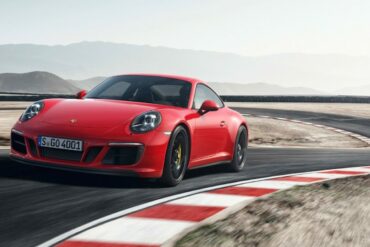
We present our Full HD wallpaper for desktop of Ferrari 812 Superfast in high resolution and quality, as well as an...
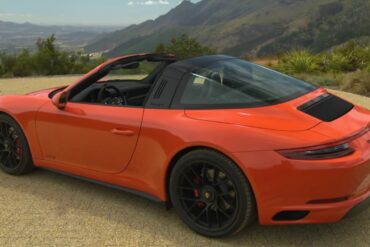
The Porsche 911 Carrera GTS is usually updated before a new 911 is introduced. With this Porsche 911 GTS, the...
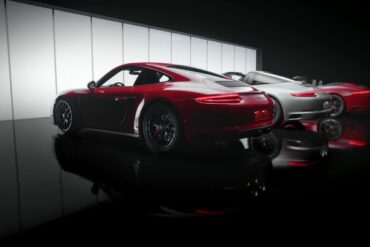
A design that demonstrates sportiness in every fibre. A chassis equipped for any challenge. And a twin-turbo horizontally opposed engine...
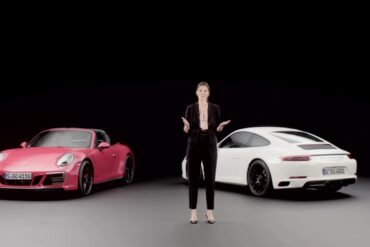
The long wait is over because finally, Porsche has introduced the newest Porsche 911 GTS models! With the 911 GTS models,...
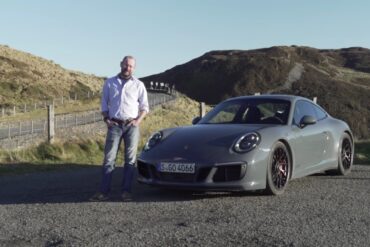
Porsche is back at it again with a new 911 GTS! With more power, keener suspension and changes to the...
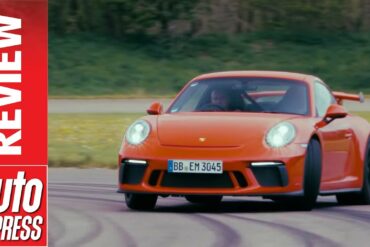
New Porsche 911 GT3 2017 Thorough review of the 991.2 Porsche 991 GT3. As well as being the fastest and...
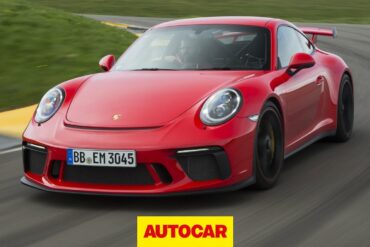
Hardcore new GT3 Tested by Autocar The Porsche 911 GT3 is back. The revised 991.2 GT3 is a stripped-out, track-ready,...
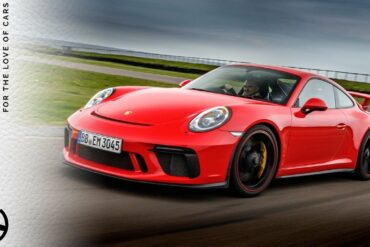
2018 Porsche 911 GT3 Track Review Porsche have listened to their customers and added all the lessons they’ve learned recently...
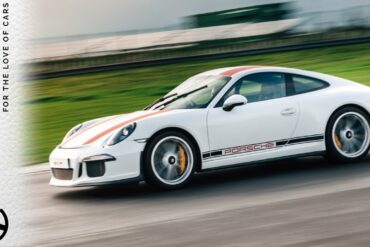
991 Porsche 911 R Review The Porsche 911 R is more than its figures, much, much more than that. Carfection...

991 Carrera 4S v Carrera 2S Track Battle C2S vs C4S or C2 vs C4 is the question. I take...
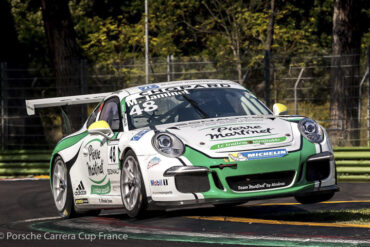
Philippe Alméras is the owner of Team Martinet by Alméras, one of the main Porsche team contenders in the 2017...
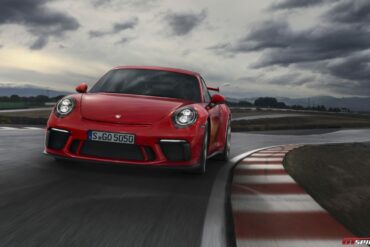
A 911 for the road and track – the new Porsche 911 GT3 Stuttgart. The Porsche 911 GT3 delivers motorsport-like performance,...
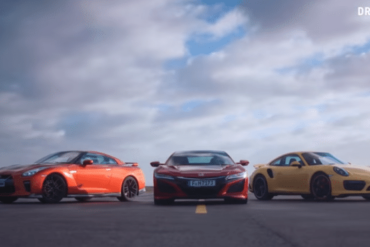
With a twin-turbocharged 3.5-liter V6 engine, an all-wheel drive system and three electric motors, the Honda NSX has power that...
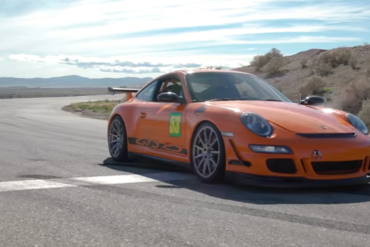
You just can’t help but be amazed everytime you see a Porsche 911 GT3 RS. If you ask about the...
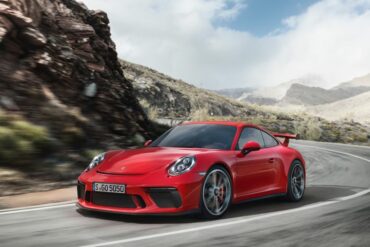
Porsche has some good news for those who are looking for a 911 GT3 with manual gearbox! Introducing the new...
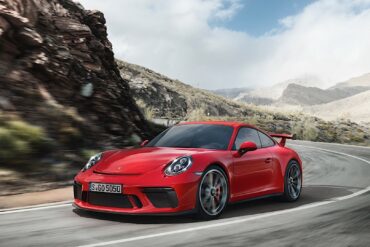
The new Porsche 911 GT3 carries the same four-litre flat engine from the GT3 RS with its power increased by 25hp for a new total of 500hp. The chassis is also redesigned and now features a rear-axle steering and a lighter construction. The Porsche 911 GT3 type 991.2 comes in at 1,430 kg when its tank is full. Although it is a bit heavier than the previous model, it still manages to reach 0-100km/h in just 3.4 seconds and reach top speeds of 318km/h. What’s more interesting here is that Porsche finally decided to switch back to a 6-speed manual gearbox (7-speed PDK is standard).
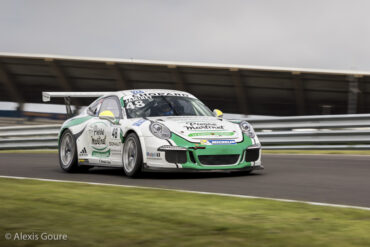
2016 represented the year of the 30th consecutive season of the French Porsche Carrera Cup, one of the most competitive...
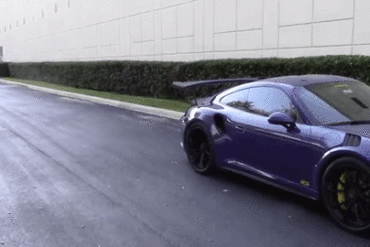
In case you’re wondering how the GT3 RS came to be known as the “ultimate Porsche 911”, then you should...
In this head-to-head video, we take two cars, both similar in terms of power, performance, and potential and bring them...
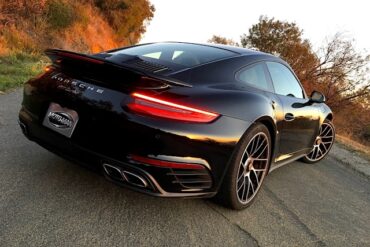
MotoManTV Review of the 991.2 Turbo After fitting all base 991s with turbos, Porsche has gone through and updated the...
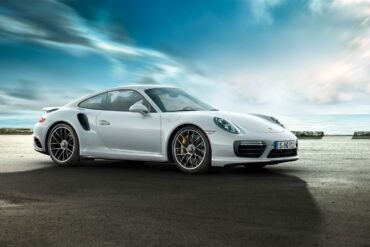
With the Turbo S, the PDCC Porsche Dynamic Chassis Control hydraulic roll bars came as standard. The PCCB Porsche Ceramic Composite Brakes had been standard on the Turbo S already since the 996 generation. New options included the radar-based lane change assist and a lift system for the front axle (increased ground clearance by 1.6″/40 mm). The PCM now had a multi-touch screen like in the facelifted 991 Carrera. Routes and places could be visualized with 360-degree images and satellite images. Engine gets more horsepower too, now with 572 bhp and 553 ft lbs of torque.
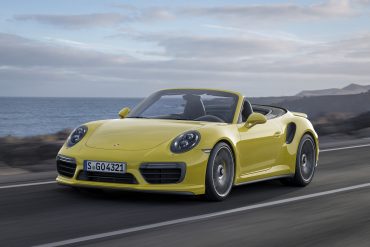
This is the fastest convertible GT you can buy. The Turbo S cab gets 572 bhp (39 hp more than the base turbo cab) and 553 ft lbs (9 ft lbs more than the regular cab) of torque. With the Turbo S, the PDCC Porsche Dynamic Chassis Control hydraulic roll bars came as standard. The PCCB Porsche Ceramic Composite Brakes had been standard on the Turbo S already since the 996 generation. New options included the radar-based lane change assist and a lift system for the front axle (increased ground clearance by 1.6″/40 mm). The PCM now had a multi-touch screen like in the facelifted 991 Carrera.
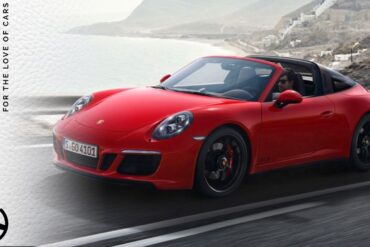
991.2 Porsche 911 Targa 4 GTS Review The 991.2 generation of Porsche 911 has been given the GTS treatment and...
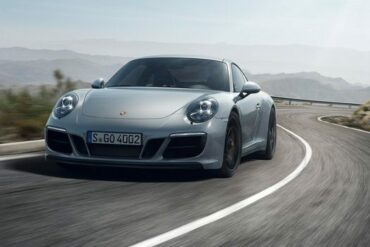
Porsche recently introduced five updated 911 GTS models online. The new lineup consists of a coupe, a convertible, a 911 Targa...